
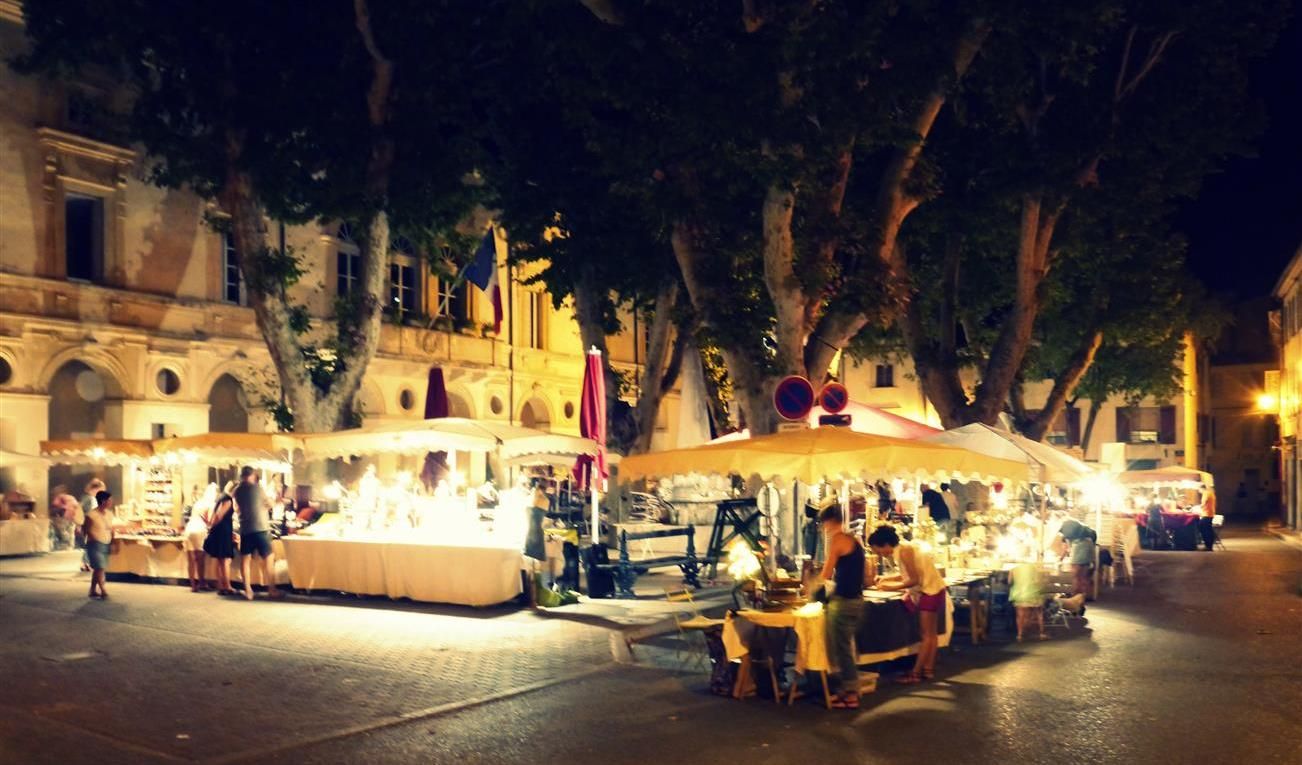
 Not so many years ago, I passed the last six weeks of the season in the South. At every turn, I seemed thwarted by unexpected changes to plans that had been made months in advance and, eventually and unexpectedly, with nowhere else to turn, found myself ensconced in a small outhouse – euphemistically described as a chalet – adjoined to the Hotel Villa Glanum just outside St Remy. This was a time when the heat of high summer had dropped to a bearable heat but still warm enough to warrant a long aperitif at the Bar-Tabac des Alpilles. A time when the cicadas had run out of things to chatter about but, late-in-the-day tourists, thinking I was a bronzed local, still remained to ask me directions to who knows where.
The market, unspoiled by the hordes, managed to offer exceedingly realistic prices on goods they wished to rid themselves of. A time of which, against all odds, I recall feeling solidly a knowing part of something elusively called ‘The South’. And having experienced all this, the opportunity to visit again in early September was too tempting to turn down. Who wants crowds?
A year after Brexit, things have changed. Perhaps I’m making correlations where none exist but the place is very quiet. Their economy is, once again, booming but at whom is it directed? Not the Brits, I fear, for we are few and far between and our economy lessens our spending power by the day. The Tuesday evening artisanal market is as quiet as the cicadas who have given up their notorious provençal accompaniment. There’s nothing worth wasting sacred money on; the days of spontaneous spending have long since passed.
On the other hand, a lack of holiday-makers lends an air of latent authenticity to the place. One is able to envisage a time when the not-so-demanding travelling classes graced the area with their presence. Almost a time to feel smug in knowing one can eat and make unexpected purchases at bargain prices. There’s always a sense of the South. The trick is in discerning what this means.
 Donald and the Weasels