
 Time goes so quickly they all say. One of my more esoteric friends recently claimed the ‘energies have been rushing past’ since January. I don’t even know what this means. For some, time stands still. ‘Twas ever thus for the dead and often, sadly, for the bereaved. Especially those who left without warning.
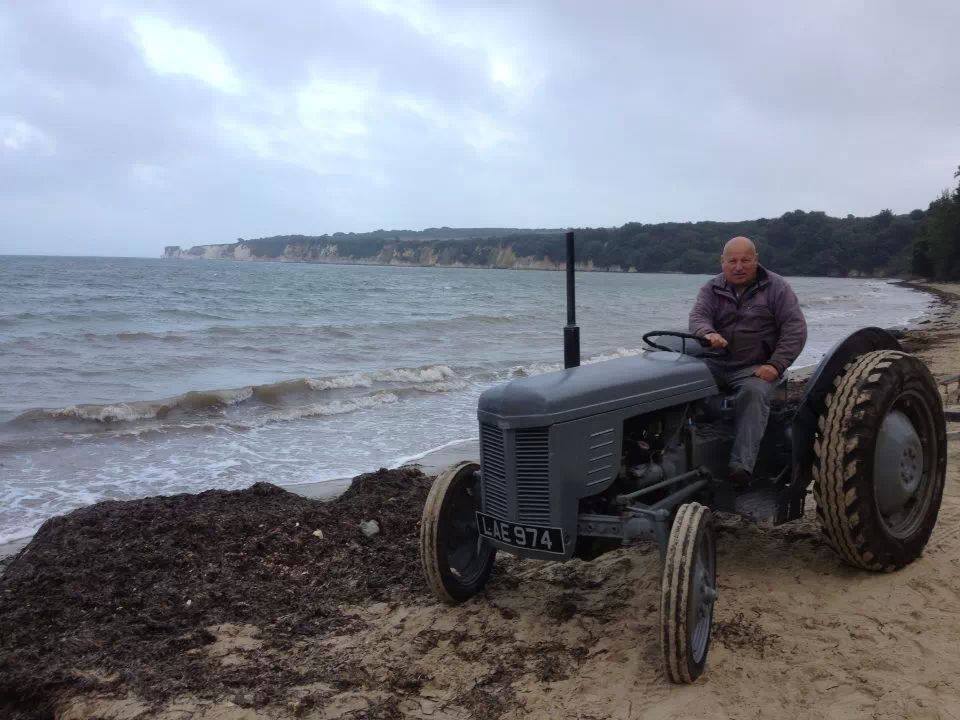
On a dank November day, I visit Derek in deepest Dorset. It’s almost a year since he left. Someone has trimmed the grass so the original offerings are displayed more clearly: two model tractors and a solitary can of Guinness which, I suppose, are meant to define a lifetime. One or two forlorn messages that have withstood the worst the sea-blown weather can throw at them. My own contributions are a nod to the English seasons – one day I clear away the detritus of Spring-promising crocus; another time, I remove the summer roses. Last time, I took daffodil bulbs in readiness for another year. It all looked a bit desolate so, having washed out a redundant vase, I trudged along the perimeter, picking berries and teasels for an autumnal display that might withstand the elements.
Sometimes, I’m the only person in the grave-yard; on other occasions, older ladies, tending the graves of their loved ones, stop to speak. No-one cares who I am but, without exception, everyone has something to say about Derek. It’s important and gratifying. And after this, I always learn so much of the social history of Studland.
This little graveyard that overlooks a tiny sea, jammed with wrecks that link us to the rest of the world, is an unknown entity in the vastness of the Jurassic Coast. It’s a miniscule moment in the eclipsed time of protohistory and beyond. All sorts of stories linger here. Mine is a dot in the memories of those that passed a few tiny moments in Studland. It’s a very important dot because we were lucky enough to pass through history at the same time as Derek.
 Donald and the Weasels