
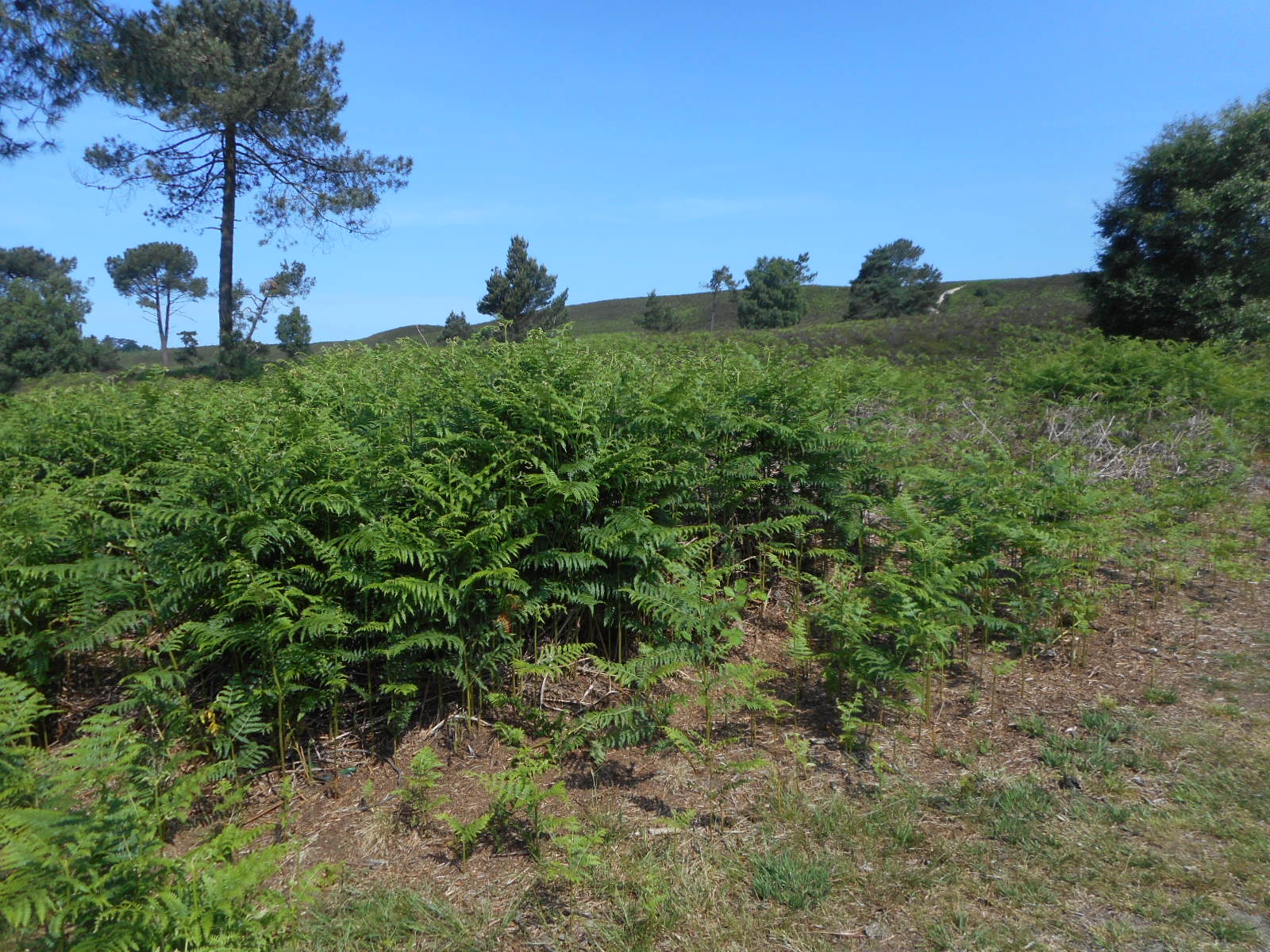
 Not that long ago, depending on your perspective, there used to be something in Dorset called The Great Heath. You might be familiar with this if you’re a Thomas Hardy fan; although Hardy’s ‘Egdon Heath’ was, in truth, a composite of the many heathlands in the county. Nonetheless, if you are a Hardy admirer, your favourite tome, like mine, might be The Return of the Native in which The Great Heath is, arguably, the main ‘character’. I strongly urge you to read just the first chapter in this book, even if you can’t face the rest.
 Paul Nash, passed a deal of time writing, painting and taking photographs in Dorset after his mind-numbing spell as a war artist in WW1. Betjeman commissioned him to construct The Shell Guide to Dorset, a beautiful little wire-bound book which, these days, will cost you a few hundred quid if you can get your hands on a copy. Nash begins his thoughts with a contemplation of The Great Heath in respect of Hardy. I know you might think this all a bit of pretentious high culture but it isn’t: it’s an insight to the importance of the unique topography of the land and a contextual social history.
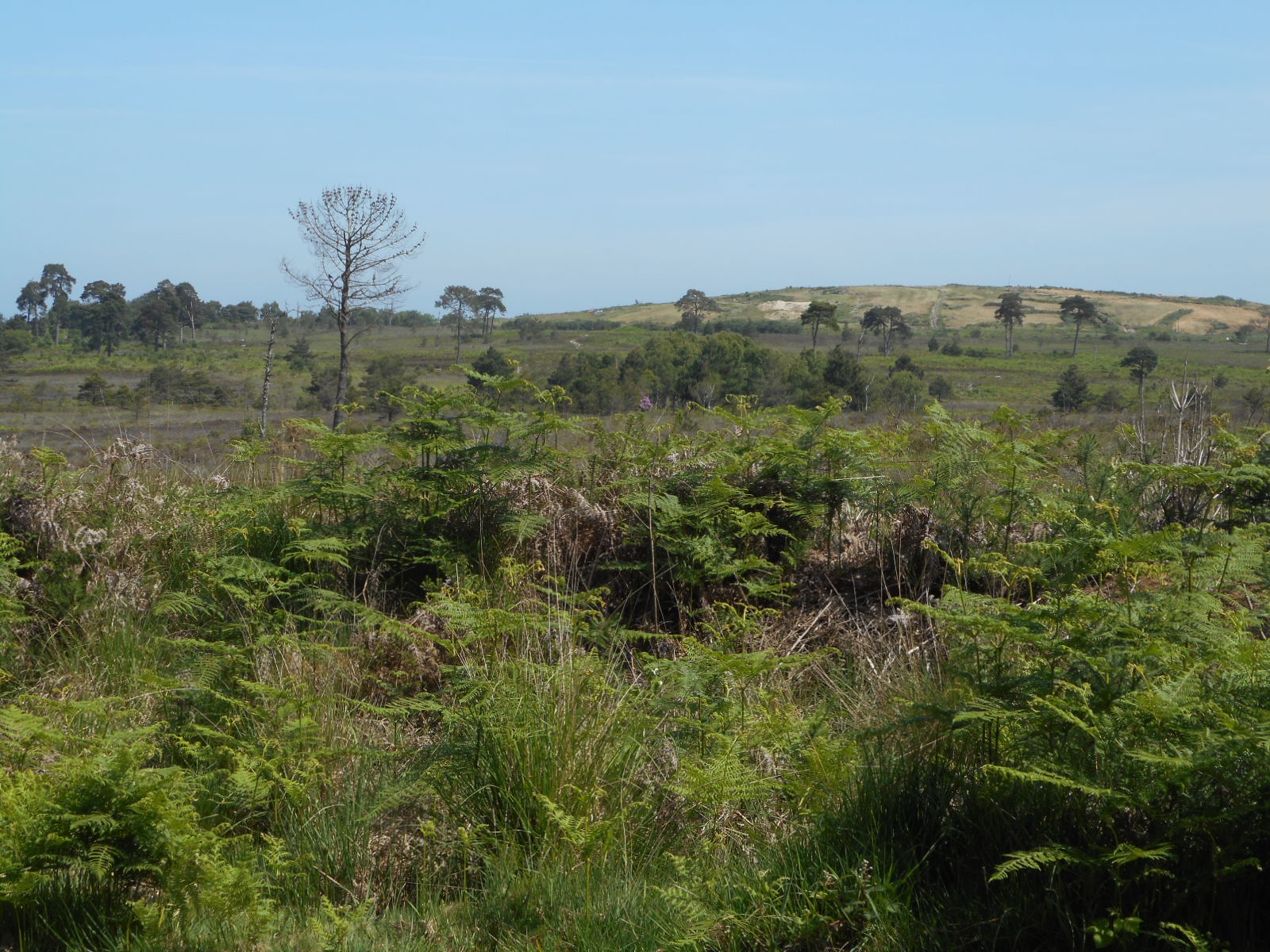
 The Great Heath used to stretch from the other side of Dorchester to the New Forest. Treves is a little more specific: he gives Canford Magna as an important boundary. Today, Canford Magna is a bit of a non-event unless you happen to have been educated at Canford School. That used to be the old manor, built on an even older place that assumed huge importance in the history of England. Read your books if you want to know more.
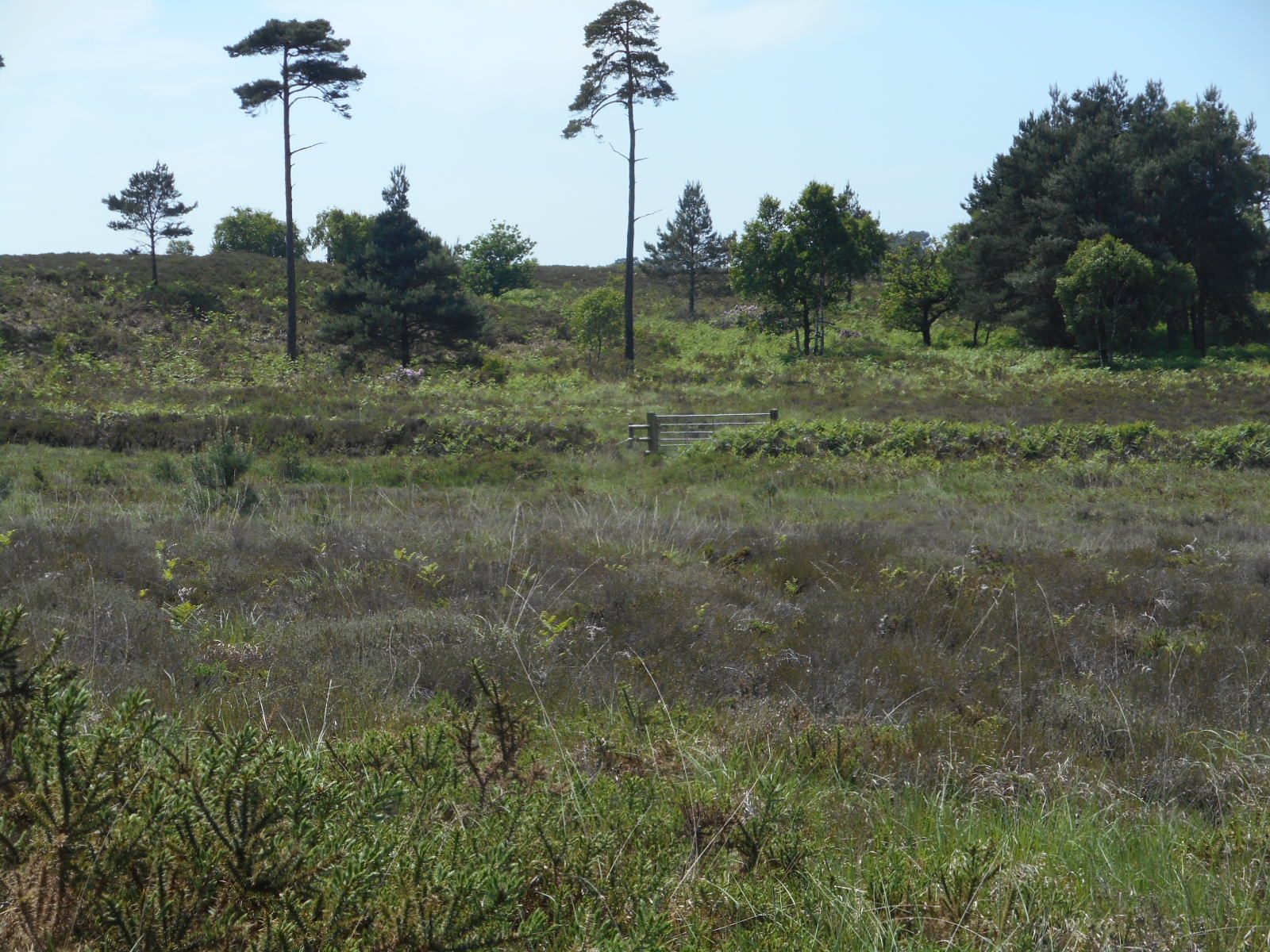
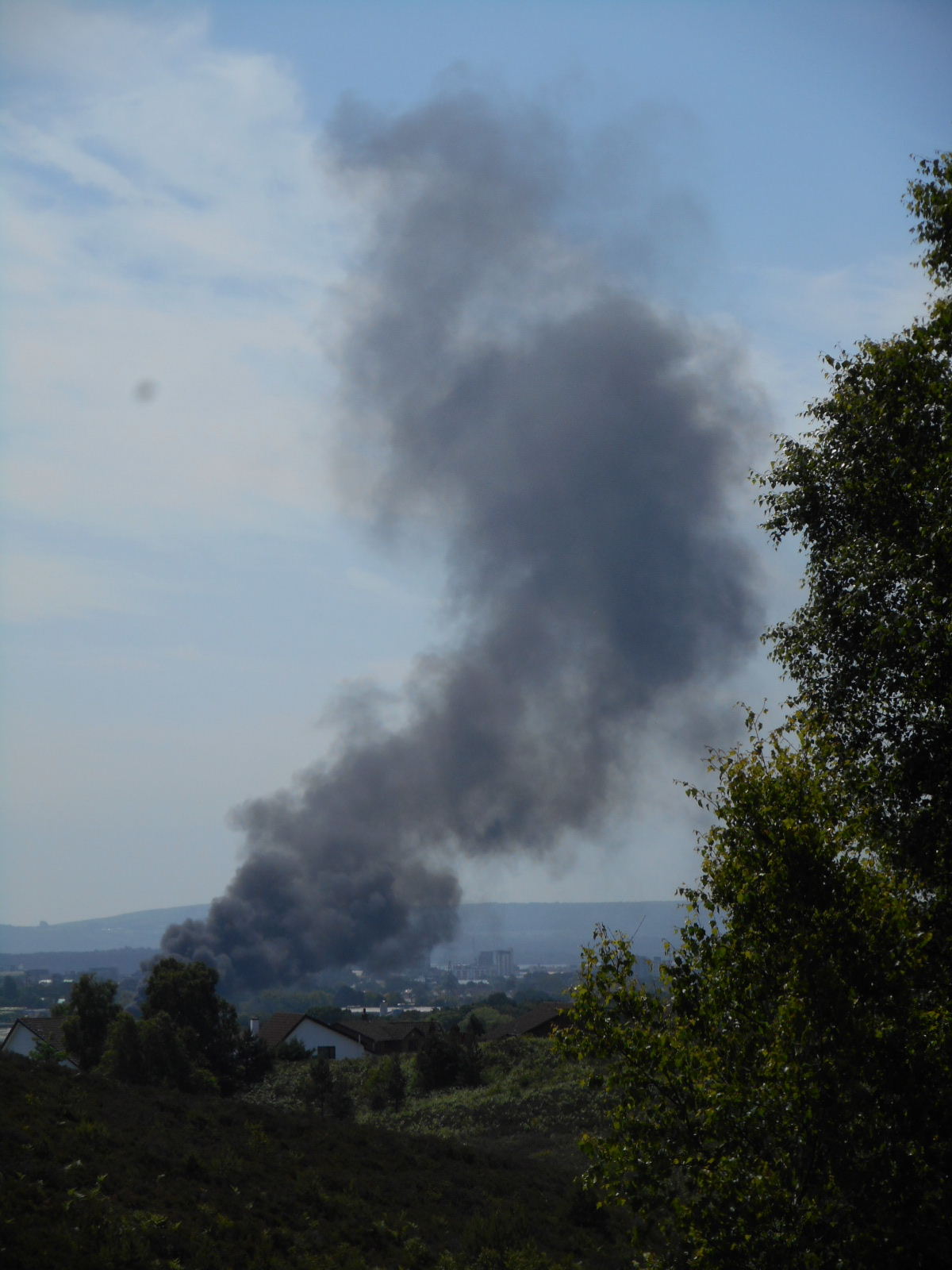 Irene and I went up on what is now known as Canford Heath the other day. We caught a bus that took us through the huge housing estate and past all the industrial outlets. You can see how close it is to civilisation by this picture of the recycling plant that happened to catch fire whilst we were enjoying our picnic. We walked for two or three hours, largely in circles, as there’s not much of the heath left. There would’ve been even less if it hadn’t been for Michael Heseltine.
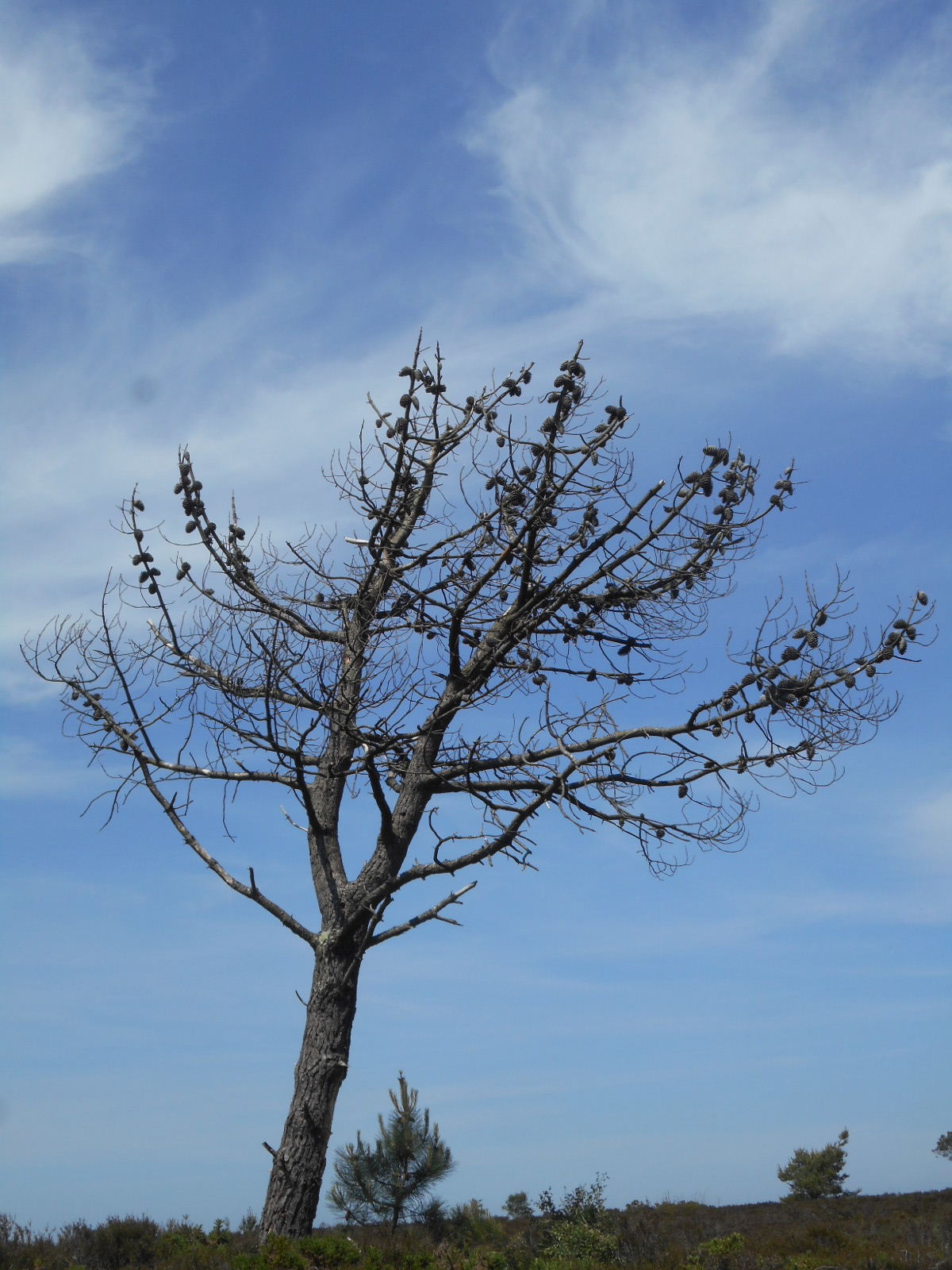
 What’s left of the Bronze Aged Canford Heath comprises the largest lowland heath in the UK. In 1946 it was marked for housing development in preference to the New Forest and Poole Borough Council gave itself permission for development in 1984. Mind you, building had commenced in 1963, rather late in the day compared with the rest of The Great Heath which had remained virtually unchanged until homes for heroes were demanded post WW2.
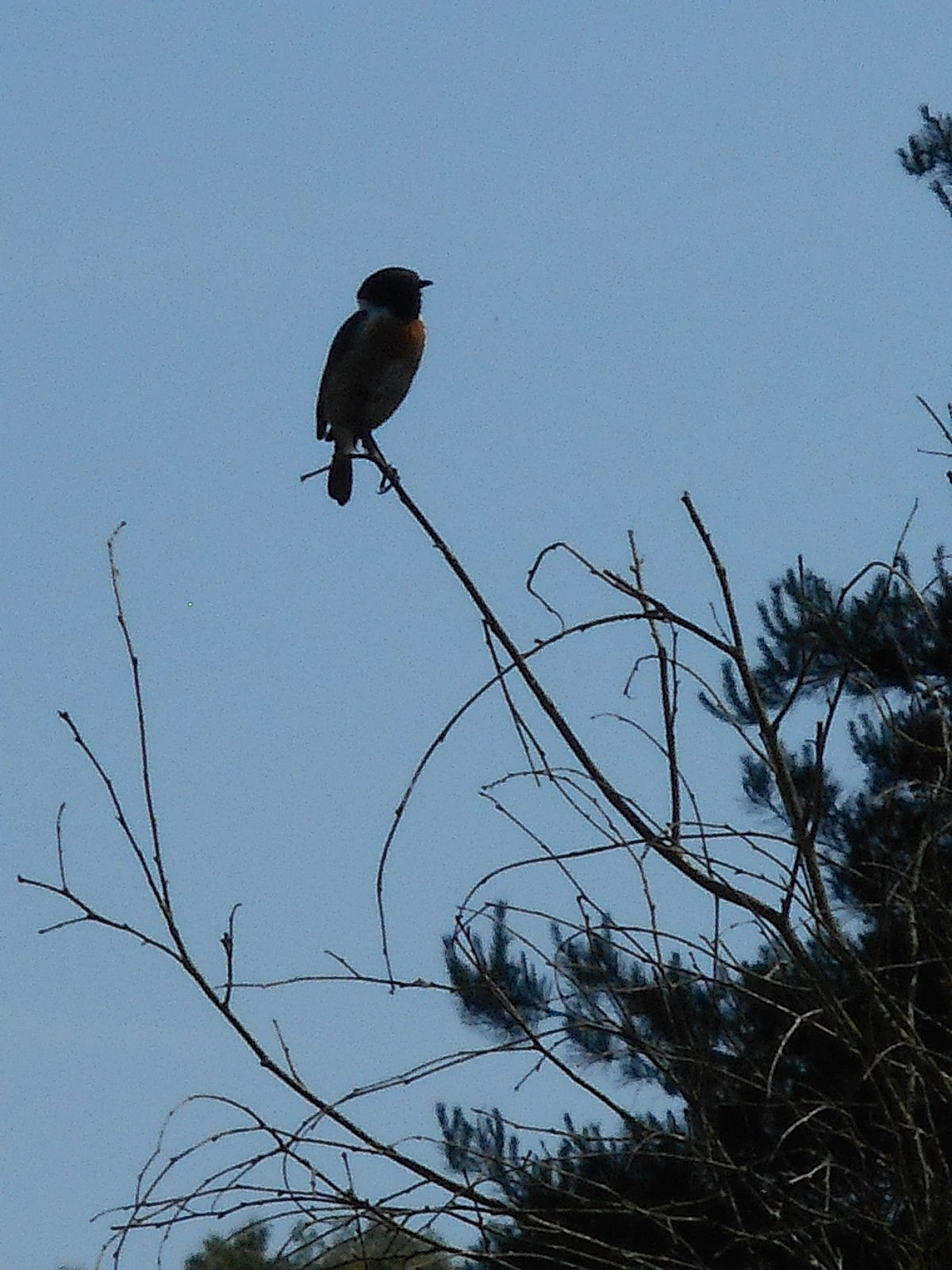
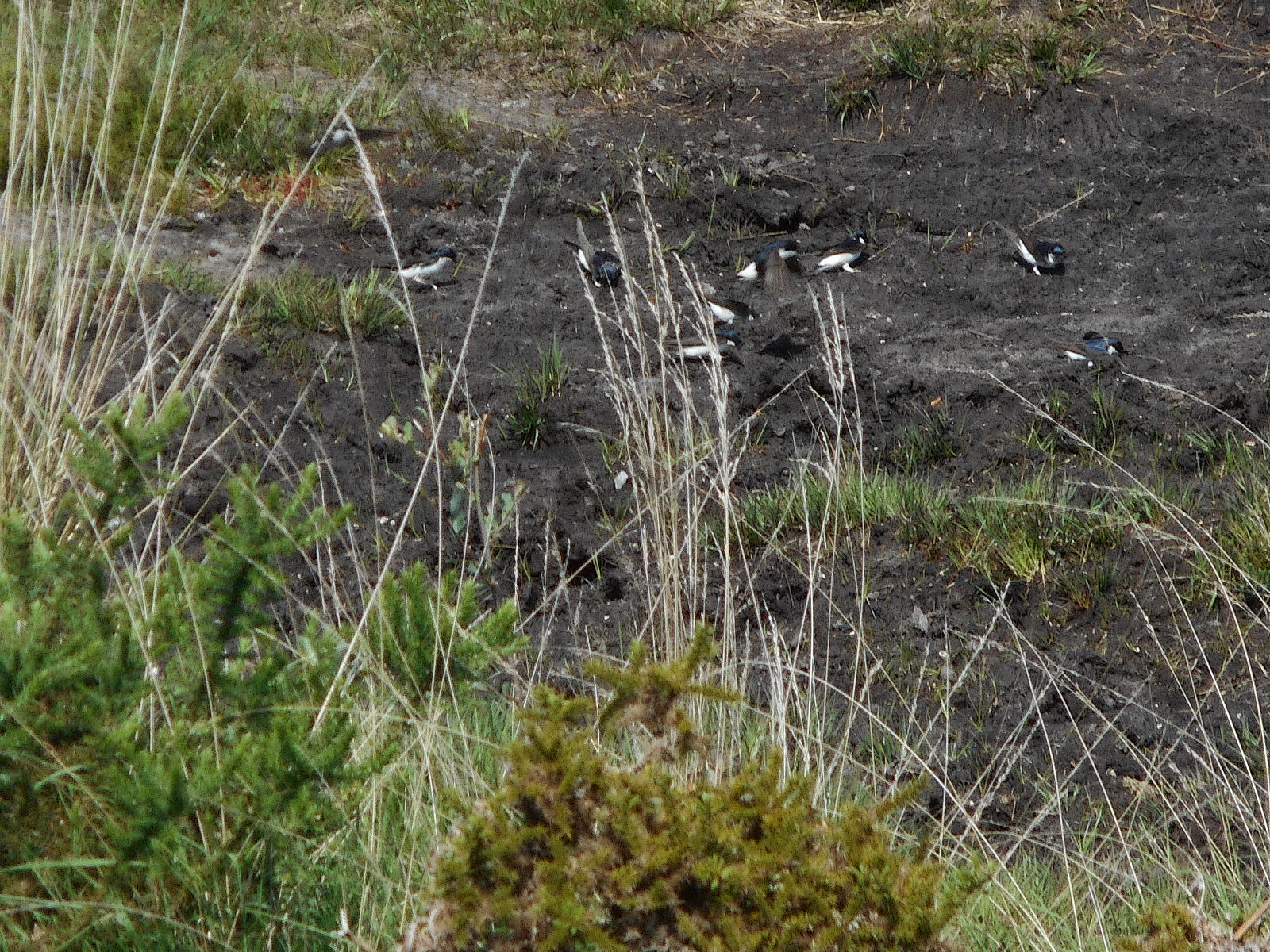 The birds in this photograph are Martins and the one in the previous picture is a Stonechat. Irene and I are up here because it’s a Site of Special Scientific Interest (SSI) where, if you’re lucky, you can find rare species such as the Dartford Warbler, the very rare Smooth Snake, the Sand Lizard, the even rarer Dorset Blue Butterfly and suchlike. Fortuitously, following three decades of house construction, someone mentioned this to the then Minister for the Environment, Michael Heseltine.
 At a time when it was de rigueur to hate the miner-bashing Tories, Heseltine emerged as a saviour. In a legal case that destroyed all vestiges of so-called Environmental Impact Assessments, Heseltine revoked Poole Borough Council’s self-aggrandizement and overturned permission for further house building. Good on you Tarzan!
 So here we are, wandering around in not the most enchanting of places in Dorset. But it’s a little bit of the countryside that’s been saved. And there’s a sufficient amount to be grateful for a little tranquillity close at hand.
 Donald and the Weasels