
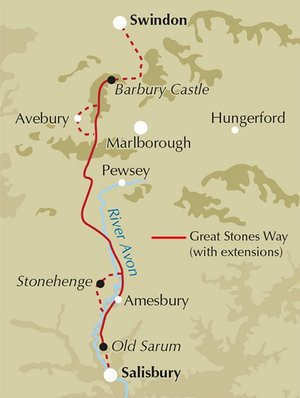
Sunday: Barbary Castle to Overton Hill
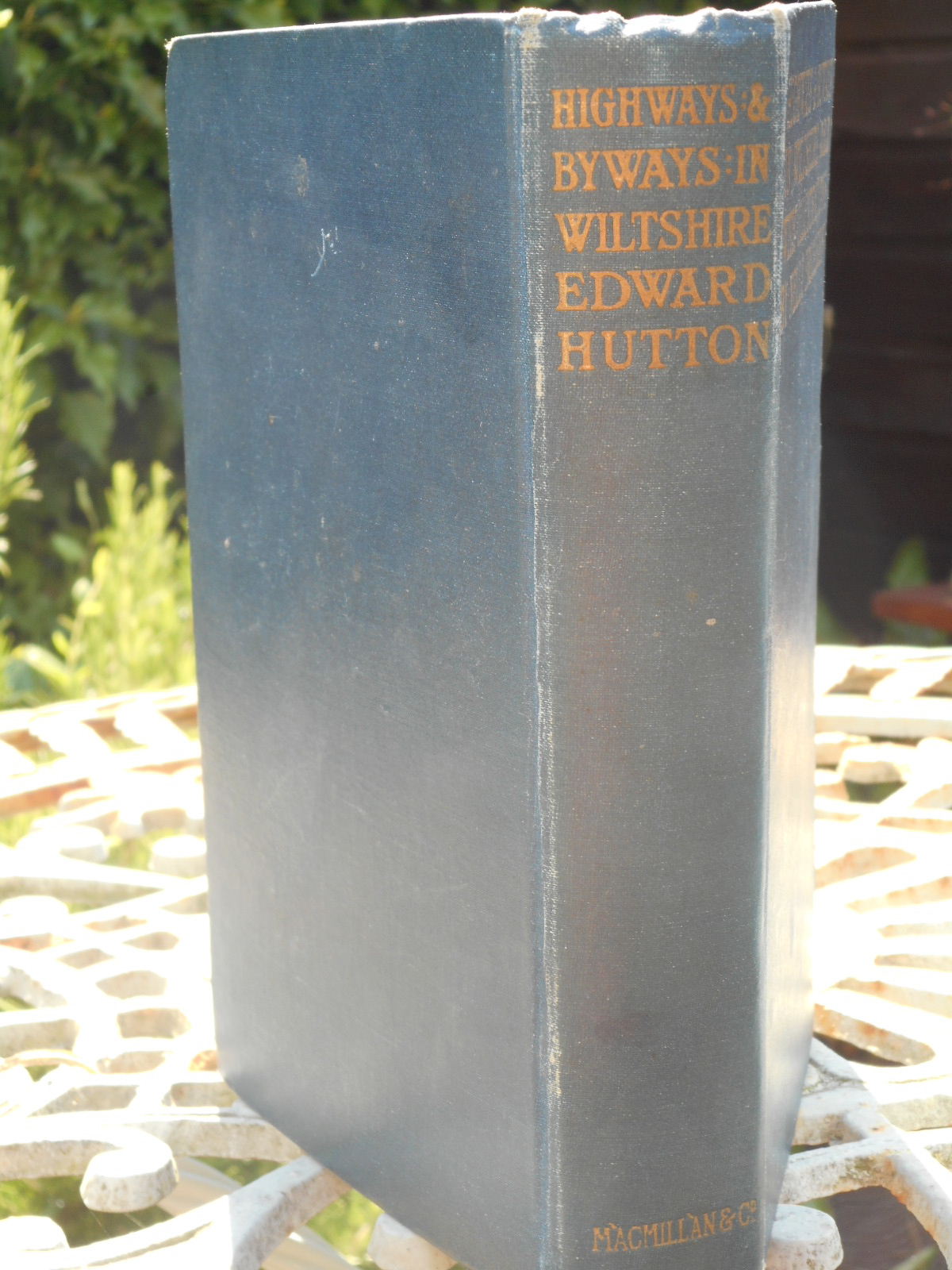
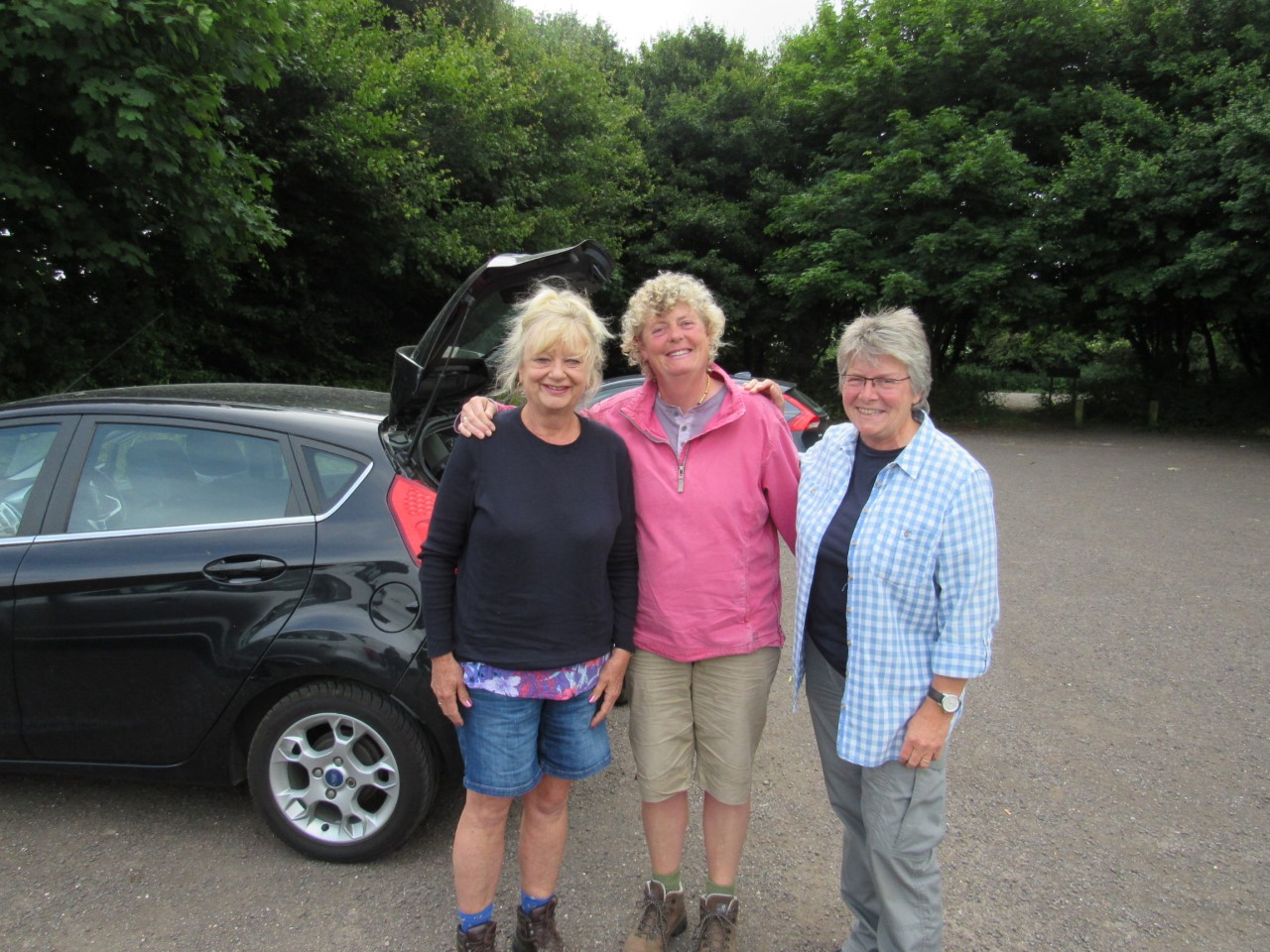
There are four of us beginning our journey along The Great Stones Way: myself, my friends B and Pathfinder Powell, and Edward Hutton whose 1917 edition of Highways and Byways in Wiltshire will inform me historically and geographically. Hutton gives a solitary sentence to Barbary Hill in which we learn it to be 800 feet above sea level and the possible site of Cymric’s victory over the Britons in 556. I get the feeling Hutton never actually travelled here unlike the South West Glamorgan Pigeon Federation who have several hundred birds in the car park waiting to race back to Wales this morning.
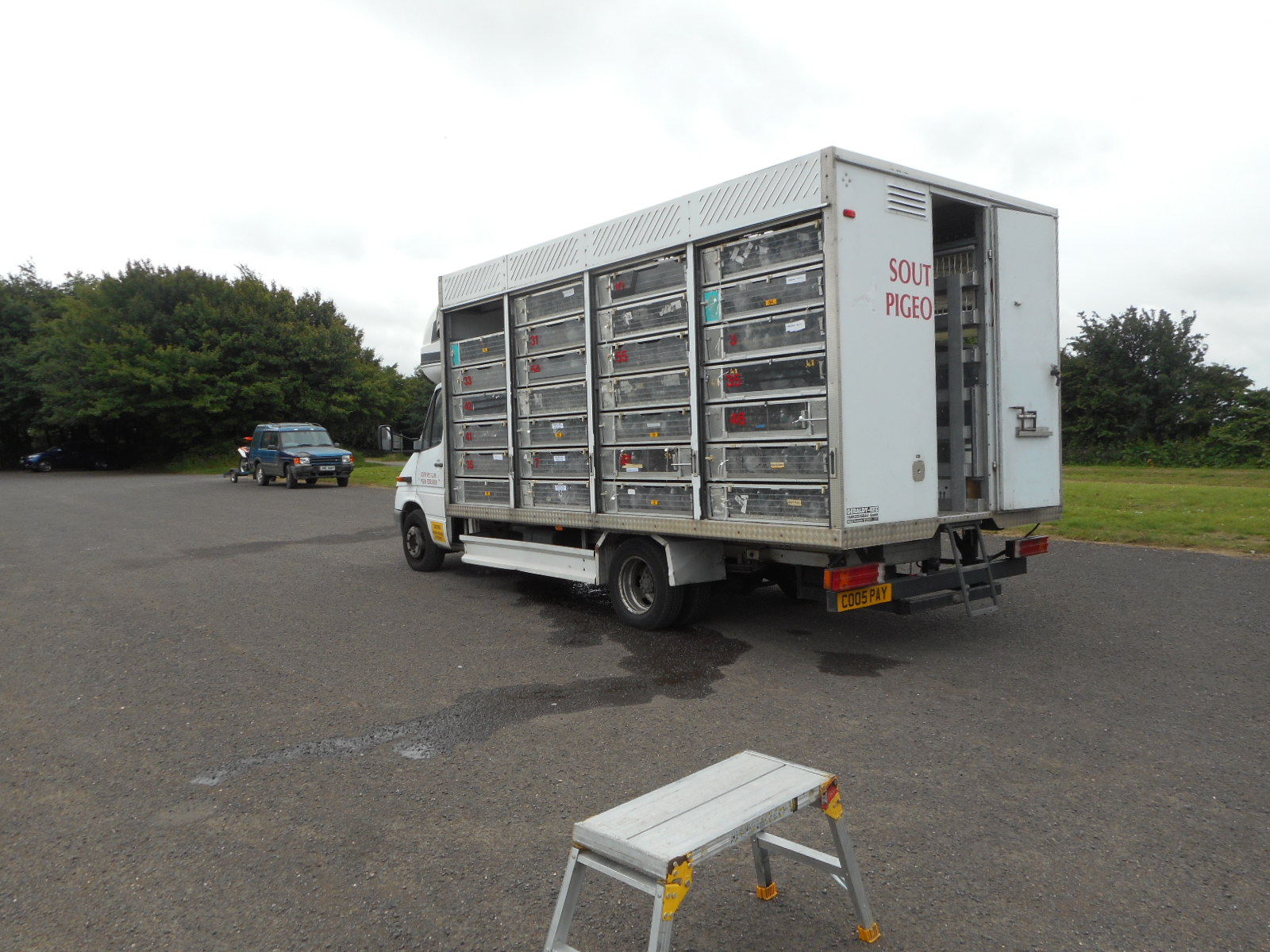 Pathfinder Powell recounts the Tale of the Acton Pigeon: some years ago, having journeyed downstairs in search of tea, and to open the back door in order to let the morning in, she returned to bed to be startled by a loud bang emanating from below. Bravely, the pathfinder retraced her steps only to find a stunned homing pigeon lying inside the front door. Said pigeon, being in possession of a telephone number which it weakly squawked, happened to come from Acton. The pathfinder, residing not a million miles hence, popped the pigeon in a box and drove it home whereupon it was returned to an ungrateful owner who didn’t even bother to offer his thanks. Cross, I suppose, because Percy Pigeon hadn’t won the race.
There are also quite a few ramblers, some of whom we walk with until they become increasingly herded and corralled by their very loud leader who is trying to organise a group photo. In any case, they are taking another path and we aren’t unhappy to lose them and have Barbary to ourselves. The views are stupendous, as they’ll continue to be throughout this stretch of the Way.
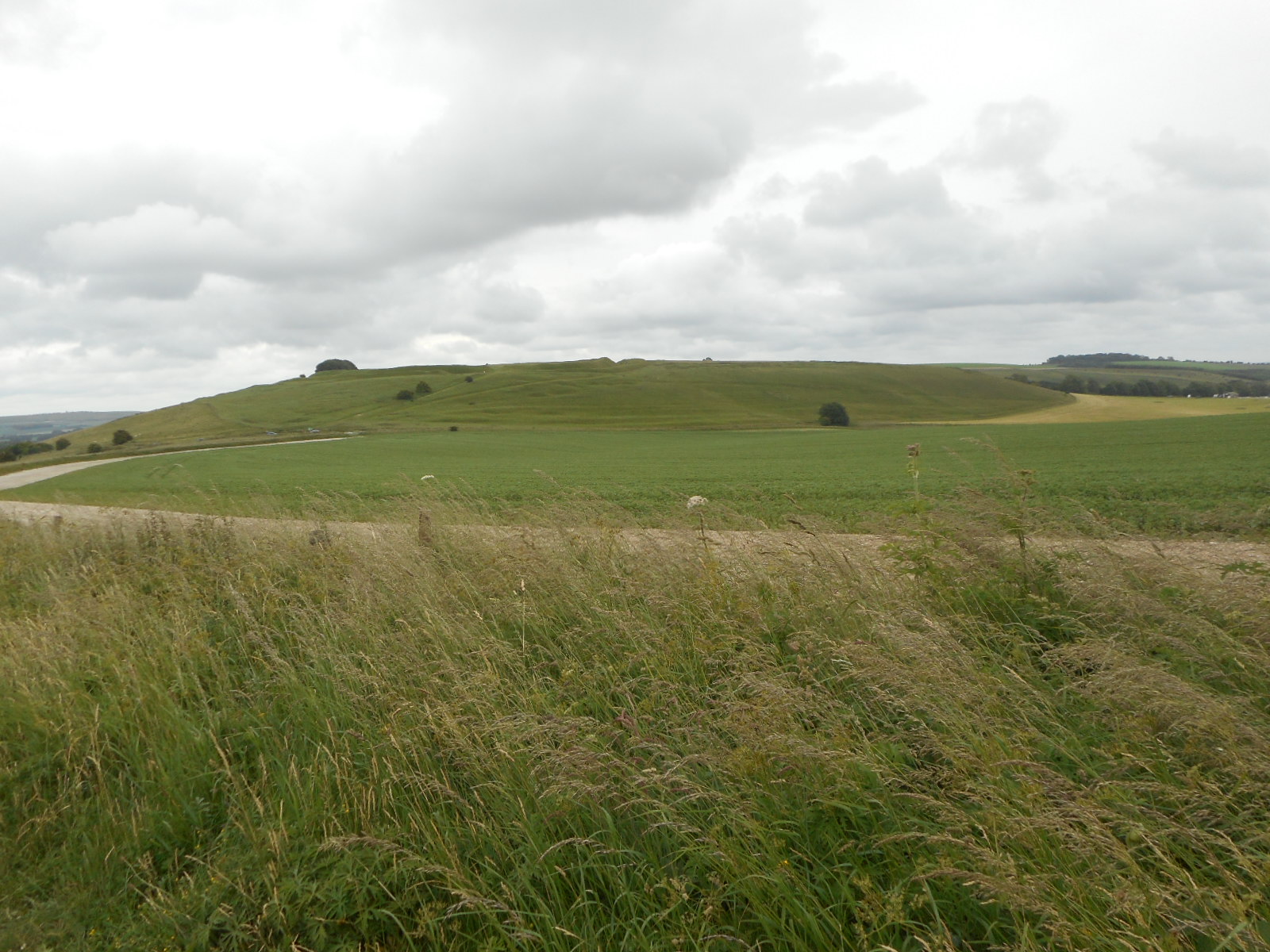
Our path is an up and down affair; the up bits are a little challenging although not in comparison with some of the later stages when we will be fitter and more accustomed to what the guide book deceitfully refers to as ‘a slight rise’. B gallops on ahead. Pathfinder Powell and I dawdle to the rear discussing pelvic floor muscle exercises. The pathfinder has an aversion to al fresco peeing. Possessing the bladder control of a gnat, I have no time for such niceties and we quickly introduce the ‘backstop Paula’ into our routine. The eponymous Paula refers, of course, to Ms Radcliffe’s infamous call of nature during the London marathon. The backstop involves me doing a Paula whilst B and the pathfinder face outwards equidistantly with a view to whistling loudly upon the appearance of strangers. Naturally, we only attempt this when no strangers are in evidence; and naturally vast troops appear the minute the decision has been taken.
On this stretch of the route there are several groups of despondent looking schoolboys dragging themselves and their oversized backpacks towards us. We try a cheery ‘hello’ but no-one wants to engage. I think it cruel that, having finished the torture of early summer examinations, they are now expected to tramp the Great Stones Way as some sort of reward. Or penance. Well, that’s private education for you.
In fact, everyone we meet is travelling in the opposite direction to us. Here comes Bill and his remarkably well-dressed entourage. ‘Come far’, I ask him? ‘Worcester’, says he. It’s an unexpected reply and I try to make light of it: ‘what, this morning?’ (chuckle). ‘Yes’, he says, ‘it’s only an hour from Barbary’. Now Bill is no spring chicken and he’s here to say ‘hello’ to his mum who was born in Cricklade but spent her life on and around the North Wessex Downs. Loving the area as she did, she asked for her ashes to be scattered up here and once a year, on Mothers’ Day, Bill and his family make the ascent to pay their respects. It’s not Mothers’ Day today; it’s actually Fathers’ Day but Bill’s car broke down earlier in the year so they’ve all come today. ‘We’ve apologised to her’, he reports a little sadly.
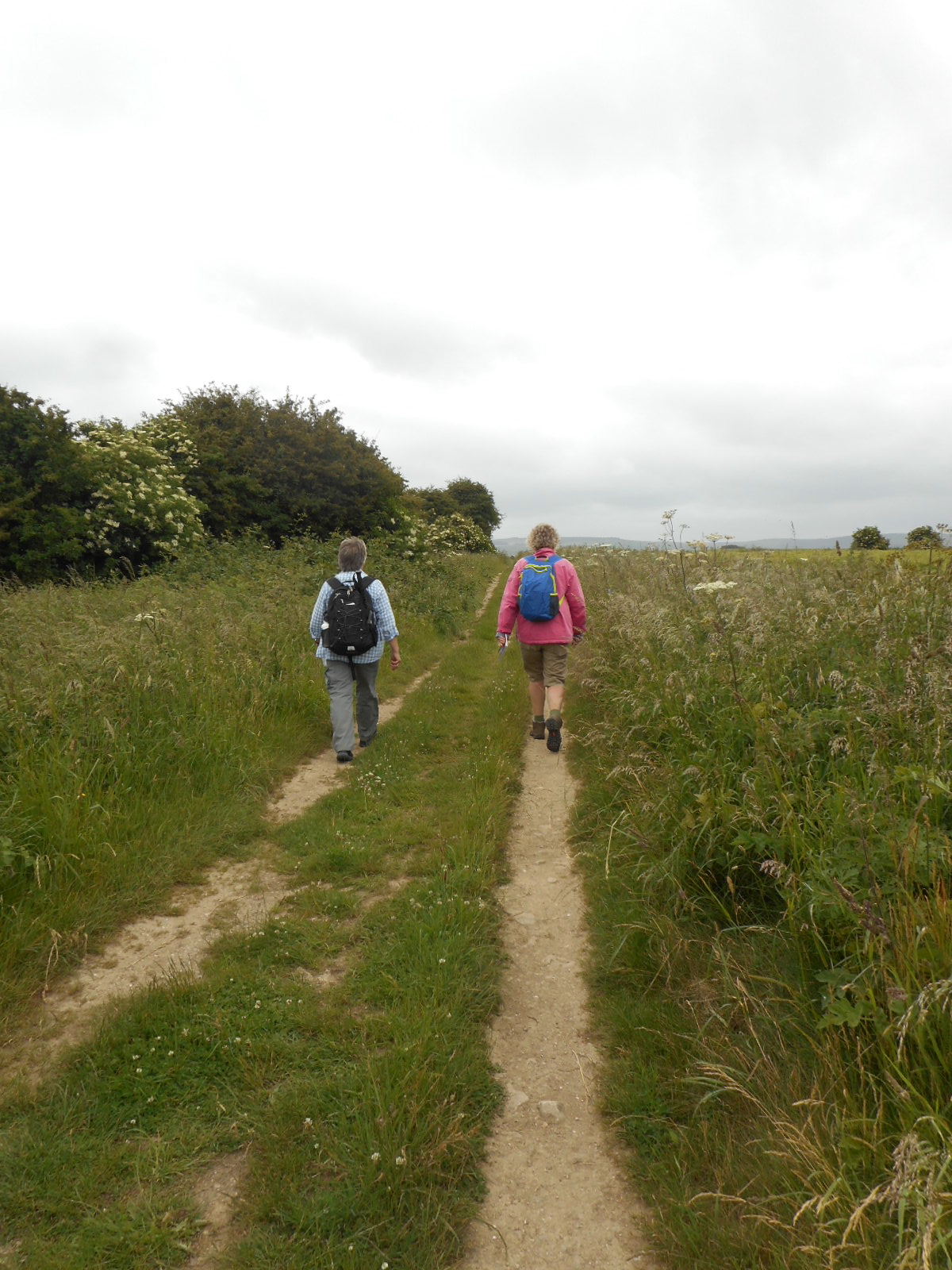
B and the pathfinder are striding on ahead. Pathfinder Powell, in charge of the map, informs us that three beech copses are imminent and B says she’ll pop into number three for a number one. I don’t much care for woods so the pathfinder and I hang about on the track whistling until B emerges with news of a crop circle below Hackpen Hill. We venture in and there it is.
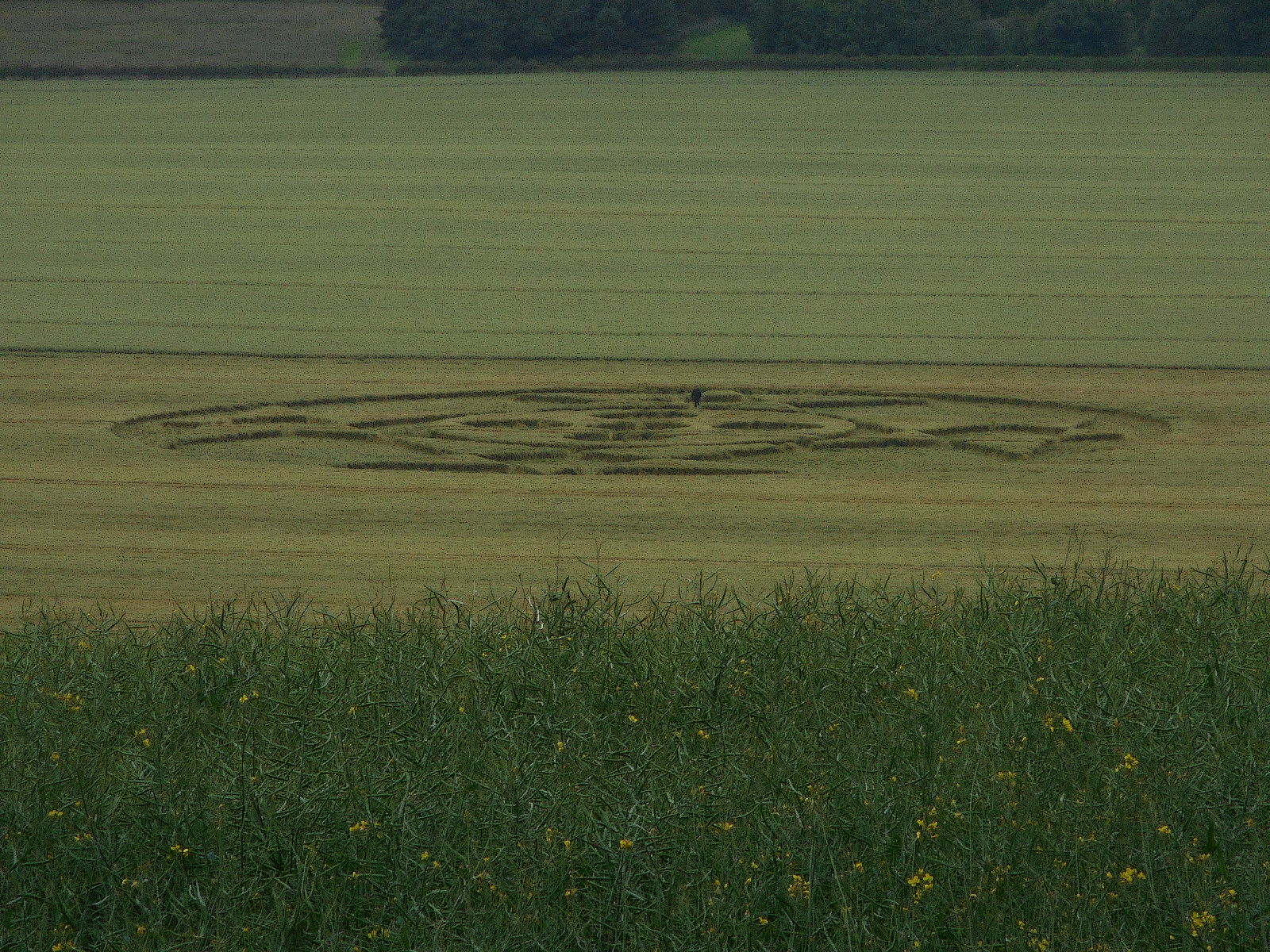
What more can one hope for in a mystical landscape? Well, actually, a red kite wouldn’t go amiss and here’s the first of many available in this neck of the world. A birding friend of mine is anxious that the red kite will see off the buzzards that have taken so long to re-establish themselves in the south of England. I don’t think she needs to worry too much as this kite is being shown the door by its smaller predatory neighbour. 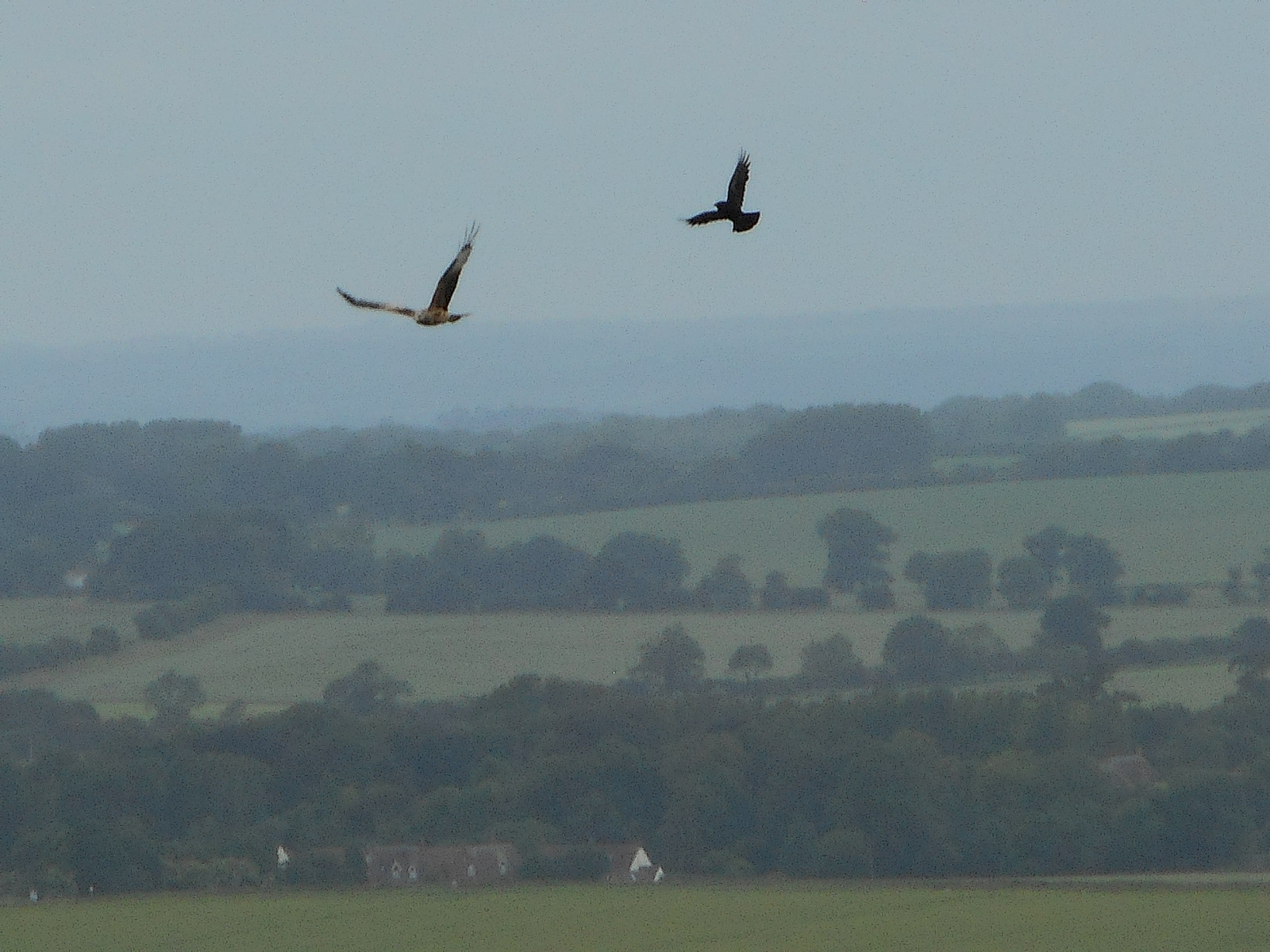
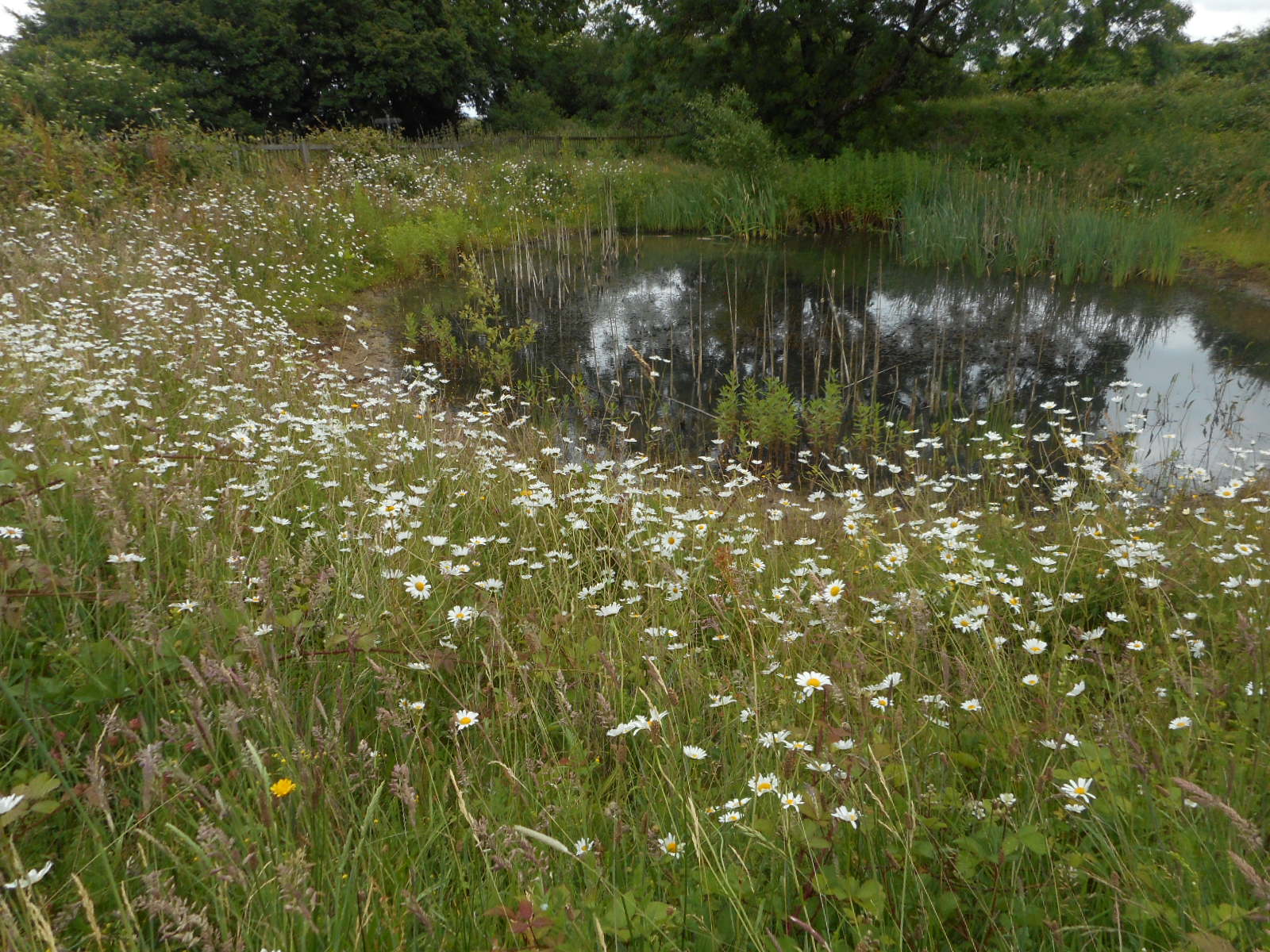
According to the guide book, there’s a chalk white horse on Hackpen Hill. We make a half-hearted detour to locate it but the way is tricky with nettles and boulders and we give up. Maybe the next project would be to traverse Wiltshire’s white horses of which there are eight scattered around. In the meantime, we journey on to Berwick Bassett Down where a dew pond awaits our perusal. It’s rather pretty. A dewpond is sometimes known as a mist pond or a cloud pond, both of which sound more attractive to my tinnitus infested ears. They’re artificial sources of water used in the past for feeding livestock and are generally replenished by rainfall rather than dew, mist or clouds. Hutton offers copious instructions on how to make one. Not today thanks, Edward. We don’t have any livestock and if we did, well we’d use this one.

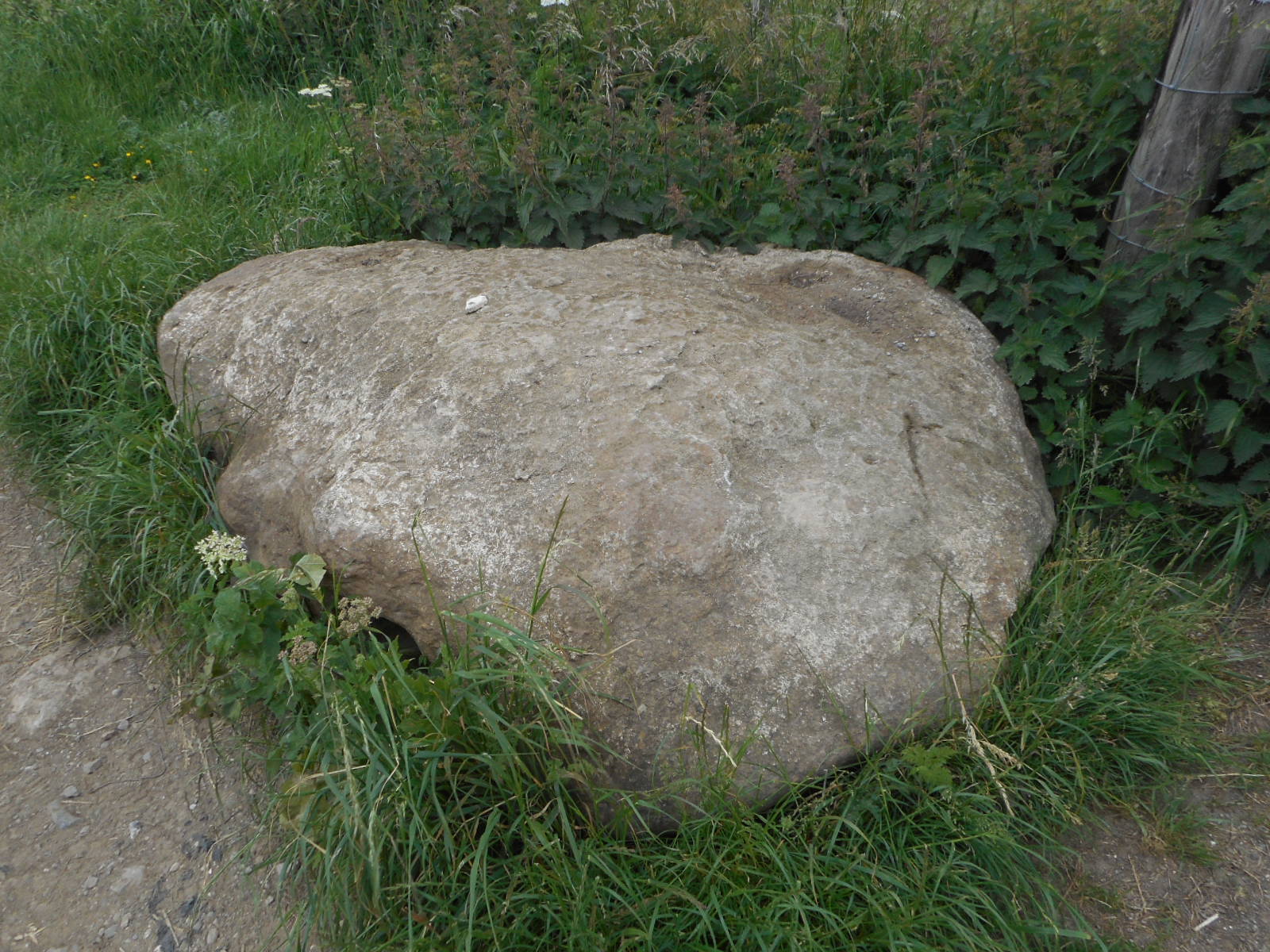
Across the track from the pond is a dog-leg that would take us off on a white horse trail should we so desire. We don’t. We might another time but this is day one and we’re still trying to get the hang of it all. The dog-leg is marked by standing stones, an increasing number of which are becoming visible as we get nearer to Avebury and its ancient landscape. Shortly, we’ll approach Fyfield Down which is famous for a multitude of sarsen stones from which the ancestors chose a number to construct a few rings down in the valley. Hutton notes that, by the time he got to Avebury, 650 megaliths had been removed from the circle to make houses and farm buildings with.

Tired, but feeling fitter by the minute, we stop to rest on a handy bench that overlooks the Lansdowne monument on Cherhill Down. It was erected by someone I’ve never heard of in commemoration of someone else I’ve never heard of. It’s probably worth further exploration on another trip as a) it seems to follow us for a large part of The Great Stones Way and b) it has one of those elusive white horses to hand.
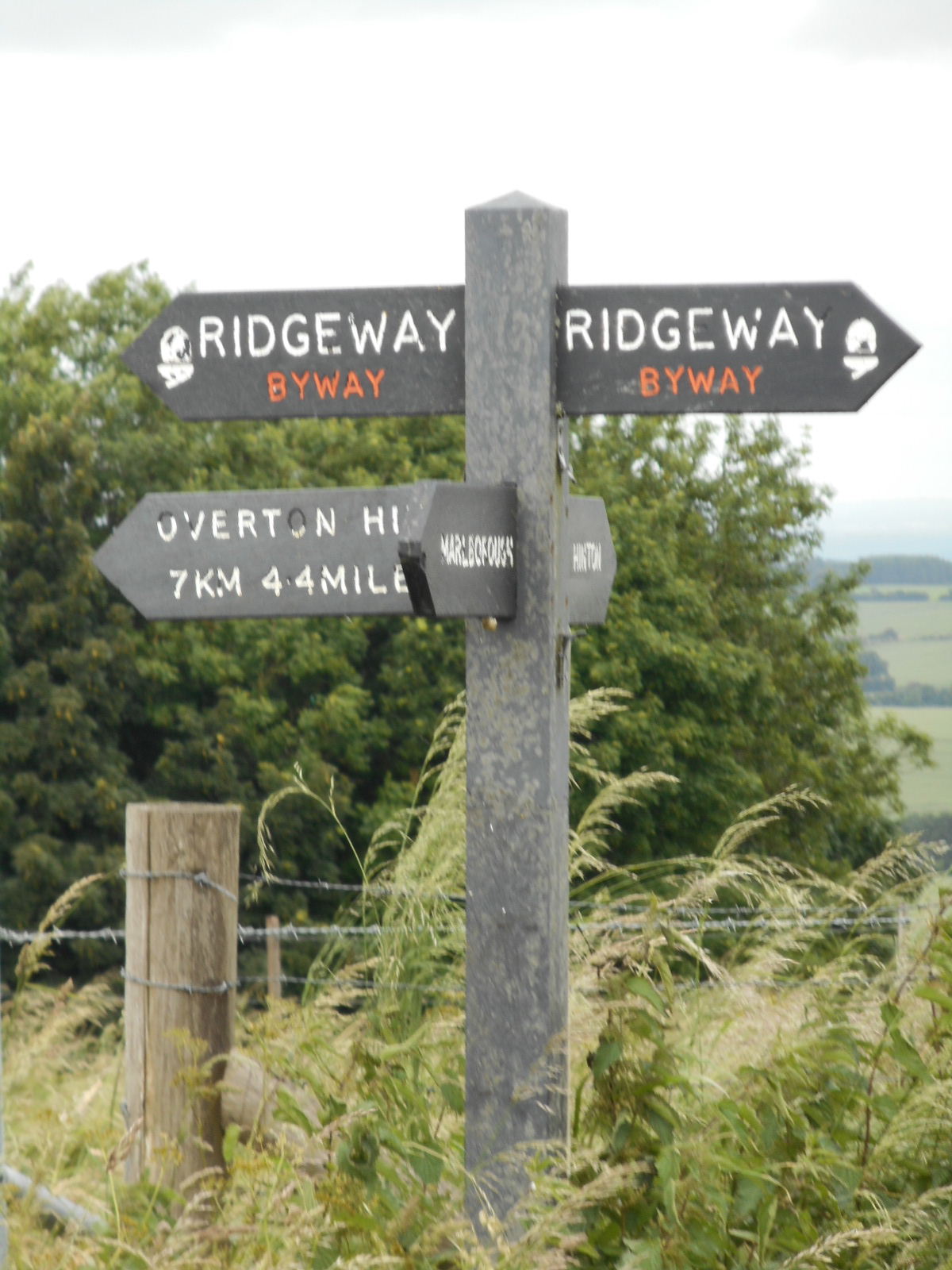
I’d quite like to have my lunch now but the others want to wait until we reach a signpost they can see in the distance. I don’t mind too much as it’s on the edge of Fyfield which is a site of special scientific interest boasting the largest assemblage of grey wethers in England. Initially, I’d thought the grey wethers comprised some sort of man-made arrangement which I am keen to see. However, Pathfinder Powell allows me to hold the map briefly and I can see the area is positively dripping in the things. A handy noticeboard informs us that the sarsens were given this name because of their likeness to sheep from a distance. And – yawn – a wether is the name for a castrated ram. I check with Hutton. He mentions them four times, three of which are afforded capital letters as if they represent an actual place. On the fourth occasion, almost two hundred pages from the first reference, Hutton, probably bored with the whole debate, denies the wethers their capital appendage so those of us who stuck with him remain none the wiser.
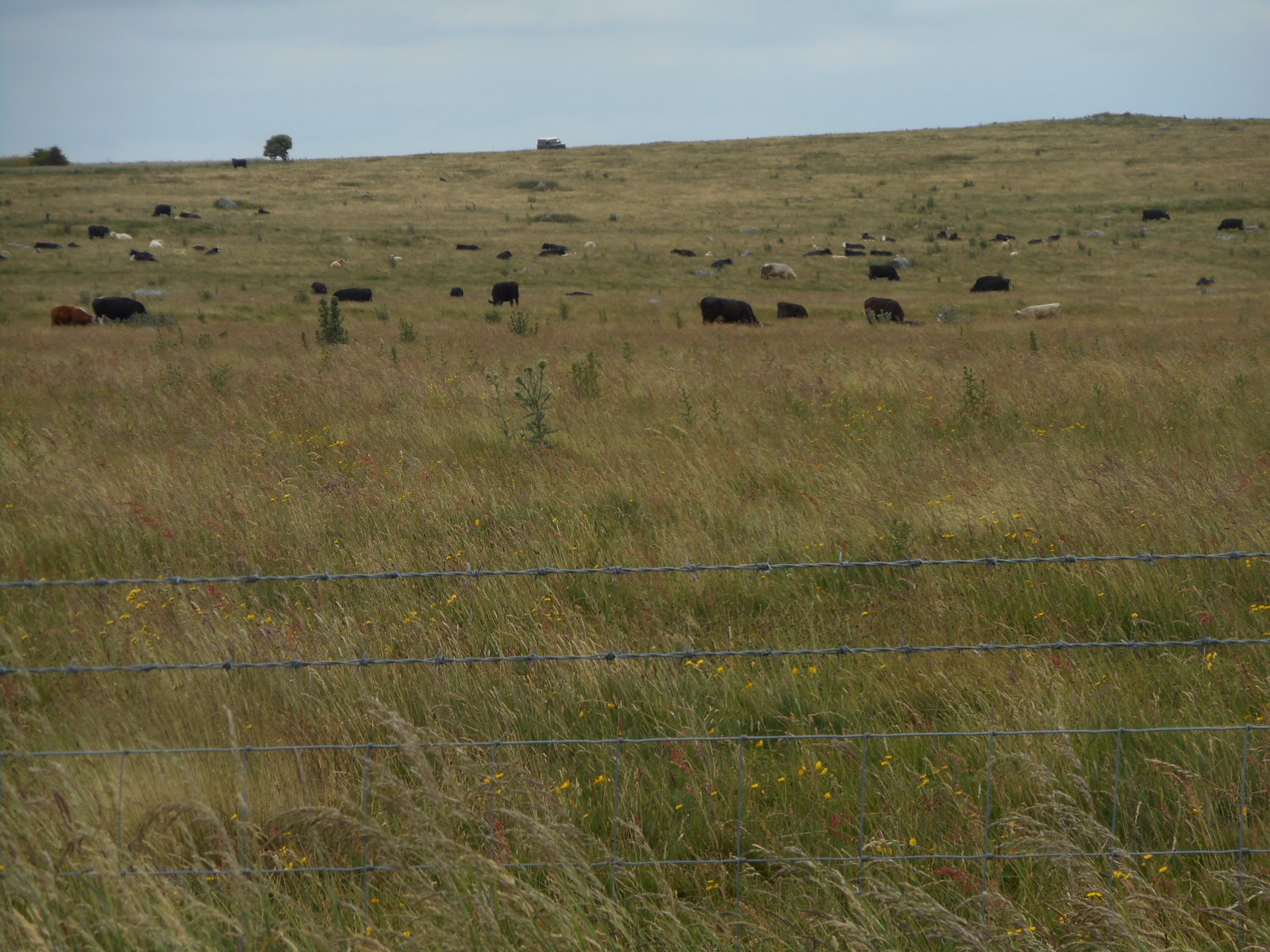
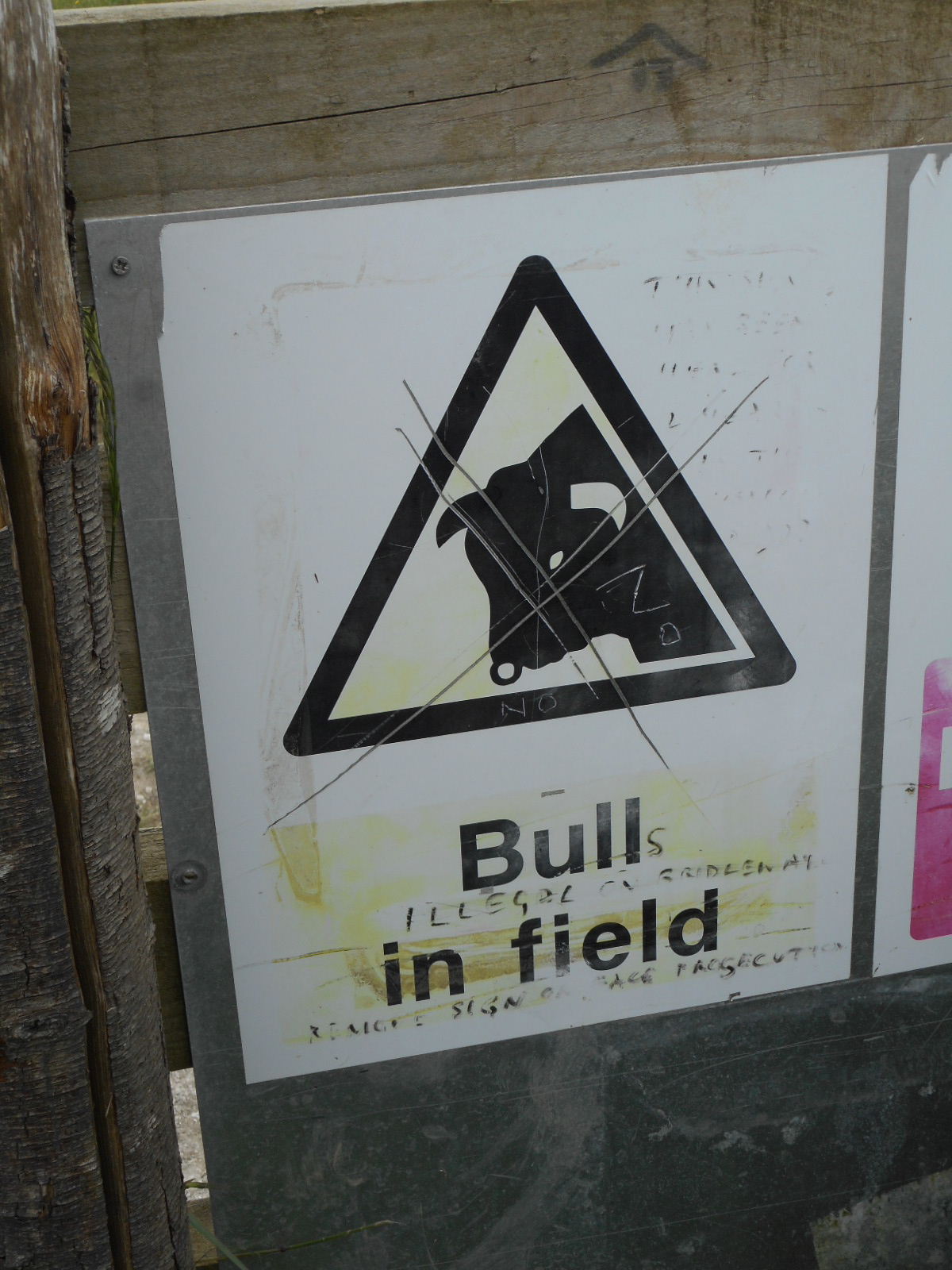
Worse, when we arrive at the gate to make our entry onto the down, we discover about three million more cows than sarsens. The pathfinder doesn’t do cows. Neither, apparently, does the person who has defaced the sign warning that at least one of these beasts hasn’t been ‘wethered’.
Pathfinder Powell gives B and I permission to go alone. ‘Oh, that’s fine thank-you. We’ll stay with you,’ we say with a degree of disingenuous magnanimity. We find a cow-free patch of ground on which to enjoy our picnic. I have made Slimming World BBQ chicken for everyone. Last evening, I gave them Slimming World chicken korma. This evening, those two will produce a roast chicken supper. B announces, rather ungratefully in my opinion, that she’s already sick of fowl. Hutton says he’s not on a diet and will stick with a few cold cuts, a plate of oysters and a plum pudding. Actually, he’s not that far removed from B and Pathfinder Powell who have supplemented my healthy but meagre offering with a selection of sweets and cakes.
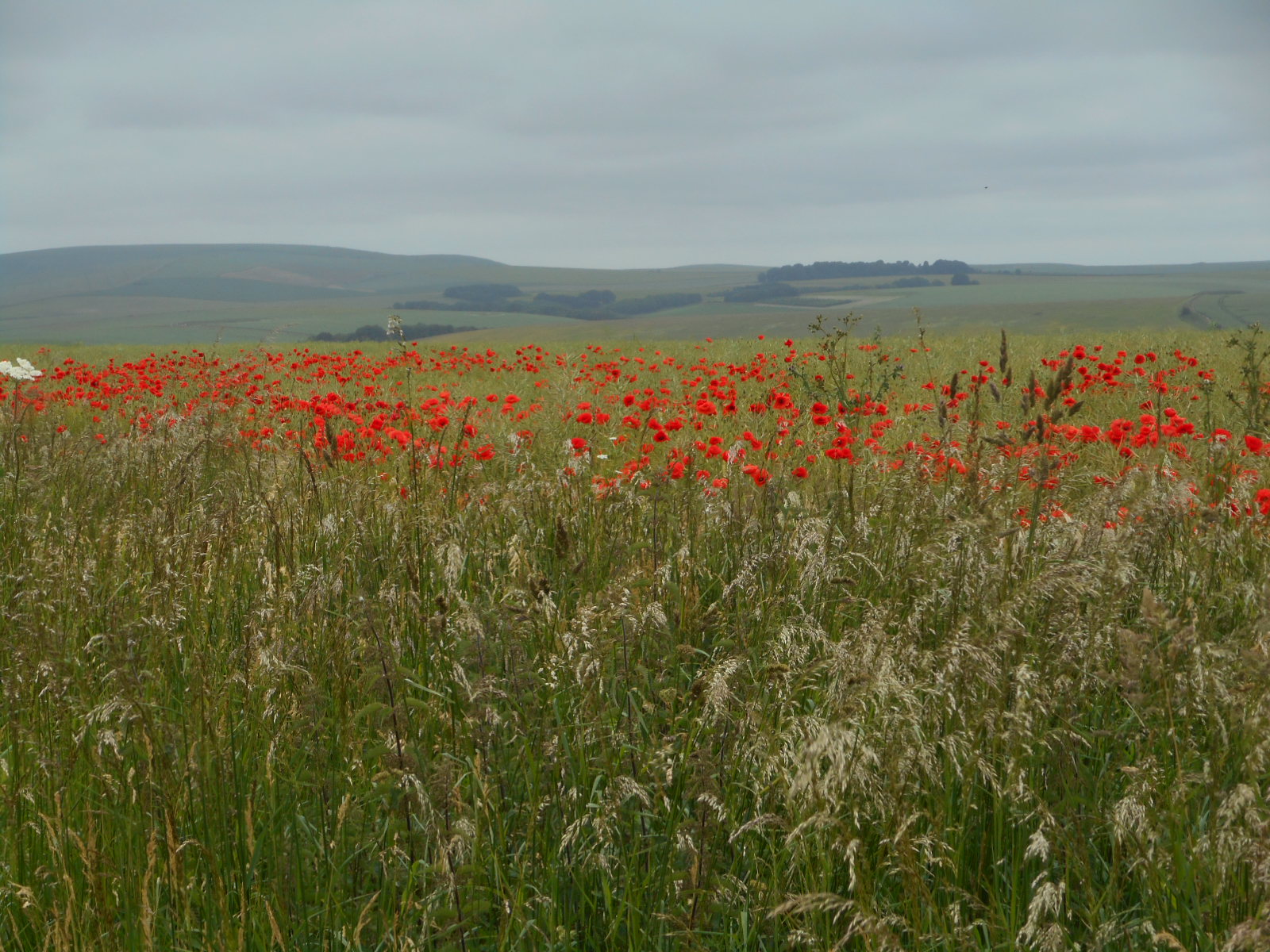
And now it’s time for the last part of this stretch of the Ridgeway as, refuelled, we stride onwards in the direction of the Overton Hill car park where, hopefully, the second car is still in situ. Many of the trackside fields hereabouts have been planted with corn and barley and poppies are much in evidence, especially on the borderlands. It’s such a joy, and one increasingly unusual in these pesticide-riven days, that we stop several times just for the pleasure of enjoying them. There are also clumps of wild purple geraniums and buttercups aplenty trackside. These are the flowers that will accompany us almost throughout our journey along The Great Stones Way. And because there is a plethora of wild flowers, there is also a multitude of butterflies and moths. Hutton pays no heed to such frivolities but I suppose that when he was writing such things were too naturally abundant to warrant comment. It’s a shame he didn’t possess a crystal ball. He might then have realised that there were other things worthy of record for future readers.

All of a sudden, I look to my right and there is our first glimpse of the mighty Silbury Hill. To my mind, the thing about Silbury, and indeed all the other important sites in this ancient landscape, is that you have to view them from a distance to get a sense of the wonder of it all. There’s little purpose in driving to the layby alongside the hill to take a few snaps: one should come upon it on foot, as did the ancients, to see it as they might have done for the first time as they processed along the Ridgeway. We should try to imagine Silbury and all the surrounding barrows when they were white, sparkling in the Wessex sunshine. To the rear of Silbury, we can just make out the avenues and stones of Avebury and we stand awhile, attempting to join the pieces of our oldest jigsaw.
 Donald and the Weasels