
Every Christmas, apart from MR James’ ghost stories, there are two pieces of writing I always read. One is Dylan Thomas’ A Child’s Christmas in Wales ,which I’m determined my tiny grandson will love; although, if he does, it will be a miracle given that I’ve failed with my own three children and two older grandchildren. The other is TS Eliot’s Journey of the Magi which I learned at primary school.
The standard of the writing is such that you might be forgiven for thinking I went to a private joint constructed for the elite who would progress to Oxbridge. Nothing could be further from the truth. It was a tiny state school in the backwaters of Berkshire/now Oxfordshire. We were taught by ladies who’d lost their potential husbands in ‘the war’. And we were taught, literally. ‘old school’. We didn’t do bits of books: we did the whole thing – Shakespeare, Chaucer, Dickens. Eliot – and all before we were ready for the eleven-plus.
Christmas should make you happy but this poem isn’t a celebration of anything. It’s sad and it’s cynical; it does nothing to make one believe in the nativity. Relating the hardship of ‘journey’,it simply illustrates another side of that old story.
Journey of the Magi
A cold coming we had of it,
Just the worst time of the year
For a journey, and such a long journey:
The ways deep and the weather sharp,
The very dead of winter.’
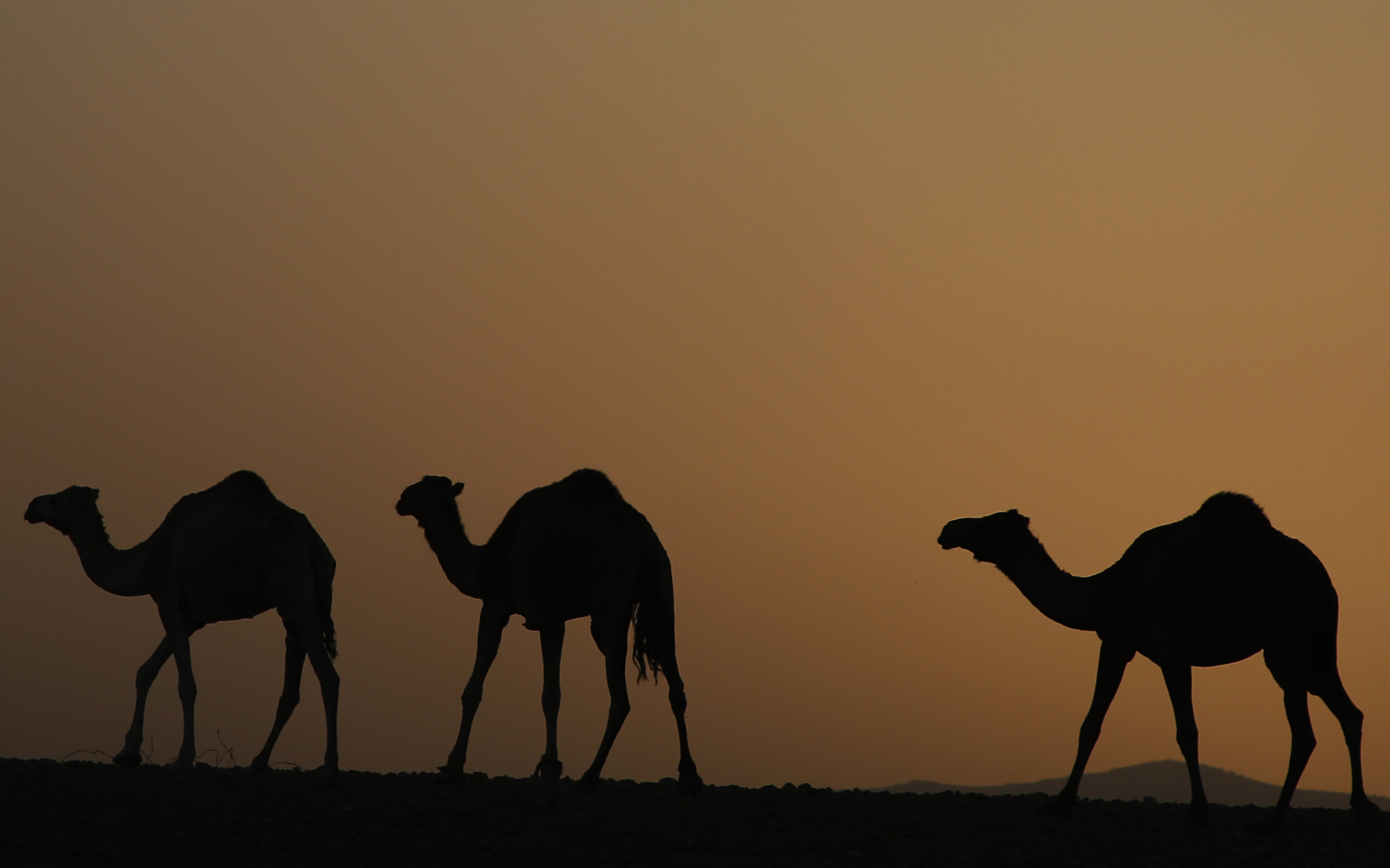
And the camels galled, sorefooted, refractory,
Lying down in the melting snow.
Sleeping in snatches,
With the voices singing in our ears, saying
That this was all folly.
There were times we regretted
The summer palaces on slopes, the terraces,
And the silken girls bringing sherbet.
Then the camel men cursing and grumbling
and running away, and wanting their liquor and women,
And the night-fires going out, and the lack of shelters,
And the cities hostile and the towns unfriendly
And the villages dirty and charging high prices:
A hard time we had of it.
At the end we preferred to travel all night,
Sleeping in snatches,
With the voices singing in our ears, saying
That this was all folly.
Then at dawn we came down to a temperate valley,
Wet, below the snow line, smelling of vegetation;
With a running stream and a water-mill beating the darkness,
And three trees on the low sky,
And an old white horse galloped away in the meadow.
Then we came to a tavern with vine-leaves over the lintel,
Six hands at an open door dicing for pieces of silver,
And feet kicking the empty wine-skins.
But there was no information, and so we continued
And arriving at evening, not a moment too soon
Finding the place; it was (you might say) satisfactory.
All this was a long time ago, I remember,
And I would do it again, but set down
This set down
This: were we led all that way for
Birth or Death? There was a Birth, certainly
We had evidence and no doubt. I had seen birth and death,
But had thought they were different; this Birth was
Hard and bitter agony for us, like Death, our death.
We returned to our places, these Kingdoms,
But no longer at ease here, in the old dispensation,
With an alien people clutching their gods.
I should be glad of another death.
 Donald and the Weasels