
 By 6.30 this evening, there’s more than a promise of rain which is sufficiently threatening to deter me from an organised evening walk. The pub beckons; but it’s the last night in town and I should make an effort. All aboard the mini-bus and up another lonely lane running away from the A4 where we are dropped in nowhere as if on one of those adventures where the first one home wins a prize. And the last is never seen again.
We are eight, including our leader, the effusive Jenny. Being a physics teacher at College, she knows nothing of archaeology but her enthusiasm for evening walking is infectious. Incidentally, I’ve noticed that the upper classes, of whom there are quite a few in this backwater, speak in a different language that hinges on the use of prepositions: here we must say ‘College’ and not ‘the’ college’; or ‘Court’ and not ‘the court’. Conversely, in Oxford, we use the preposition but not the end of the description: the High Street simply becomes ‘the high’. For me, it’s far more interesting to spend an hour in Marlborough Library, where they forbid the public to use the toilet, reading a book on Wiltshire country dialect which, strangely, seems to make more sense.
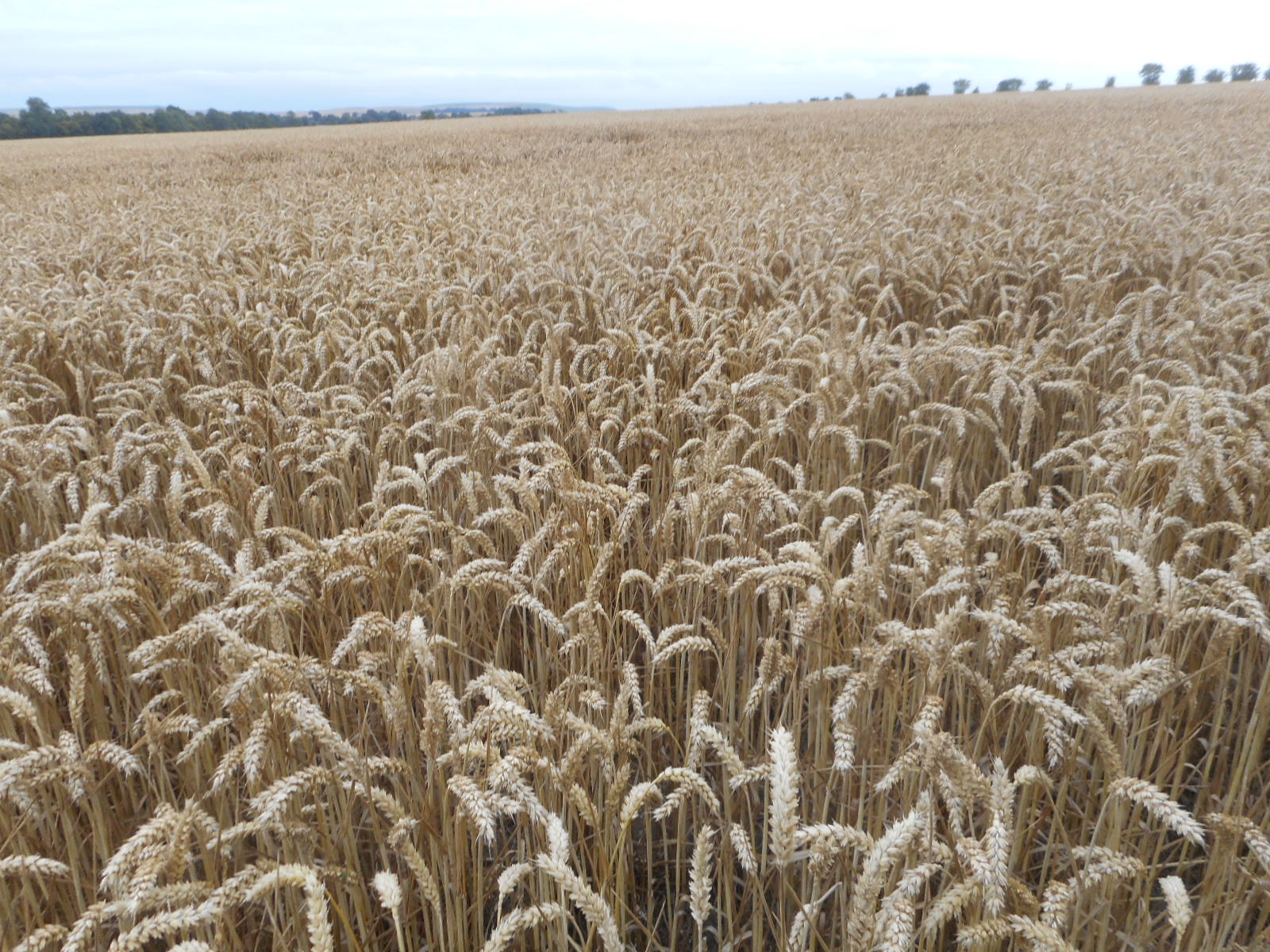
I can resonate with our leader’s desire to imbibe all the landscape has to offer. On my archaeology course we’ve paid to see the world through an expert’s eyes. But here, on top of the Marlborough Downs, we’re sharing the experience. So we stroll through the glorious Wiltshire countryside which is firstly bordered by a meadow of golden corn – one of the few still standing in this week which has been marked by early harvesting. Most fields have contained stacks of wheat, built like the Bako towers of my childhood attempts at architecture or, nearer the plain, acres of giant cotton reel-like rolls of cereal. In Marlborough, harvest-bearing tractors trundle along the roads, oblivious to the rest of the traffic, strewing countryside stalks along the way to remind the affluent townsfolk of their proximity to the open land that’s been farmed for generations.
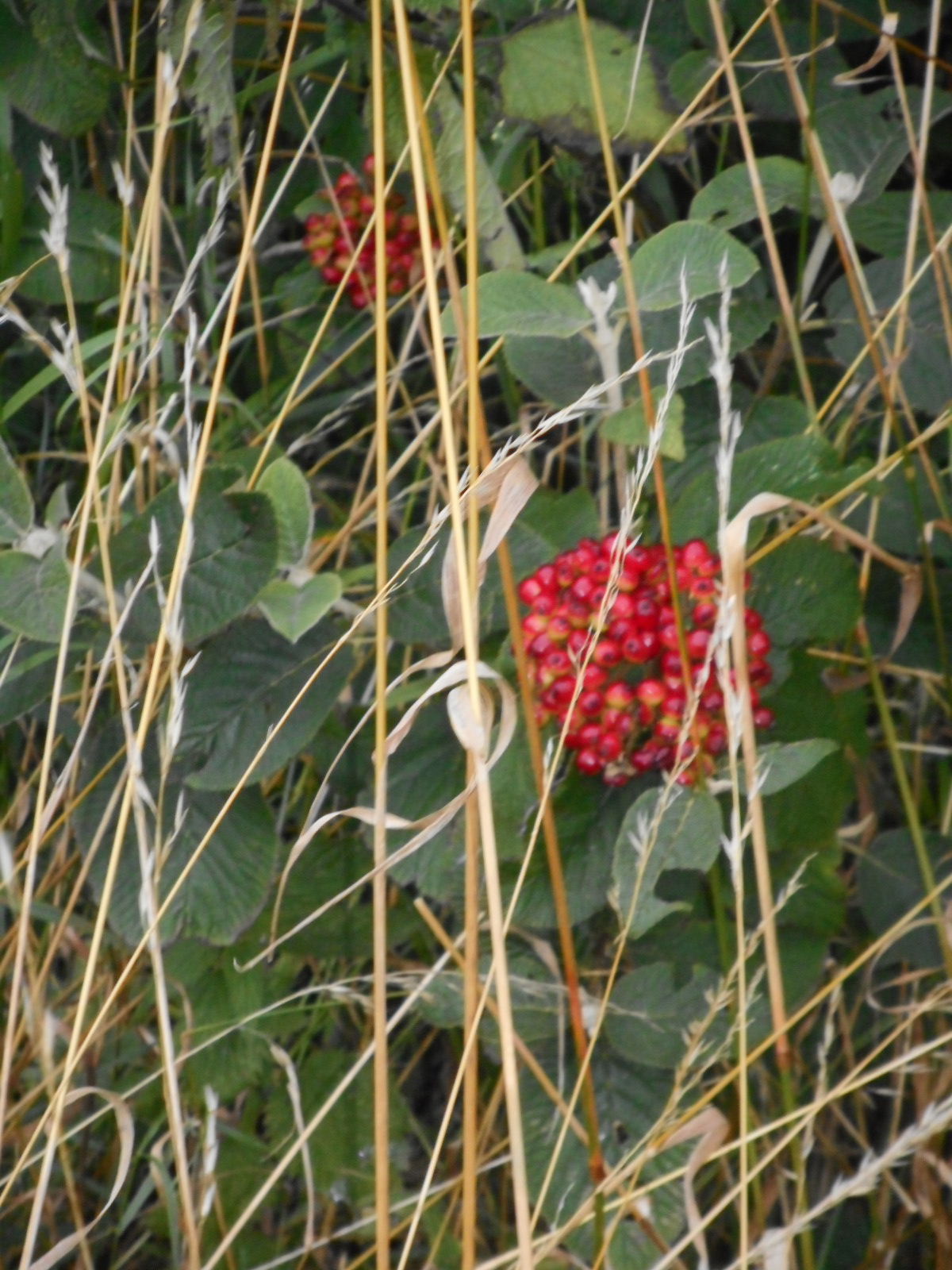
The other side of this evening’s path is banked by diverse hedgerow including the already sloe-laden blackthorn and naturally the talk turns to gin making, and to late summer foraging in preparation for yuletide gifts. There’s also a profusion of foliage bearing clusters of bright red berries which are so tightly packed that we confuse them for flowers at first. This is the aptly named Wayfaring Tree. I love that, for what are we but temporal wayfarers along this track?
 The late evening butterflies are still playing in the long grass and on the other side of the hedge a kestrel hovers having spotted its supper below. In the distance, something larger is about its business: a buzzard perhaps or even a red kite. It’s too far away to tell.
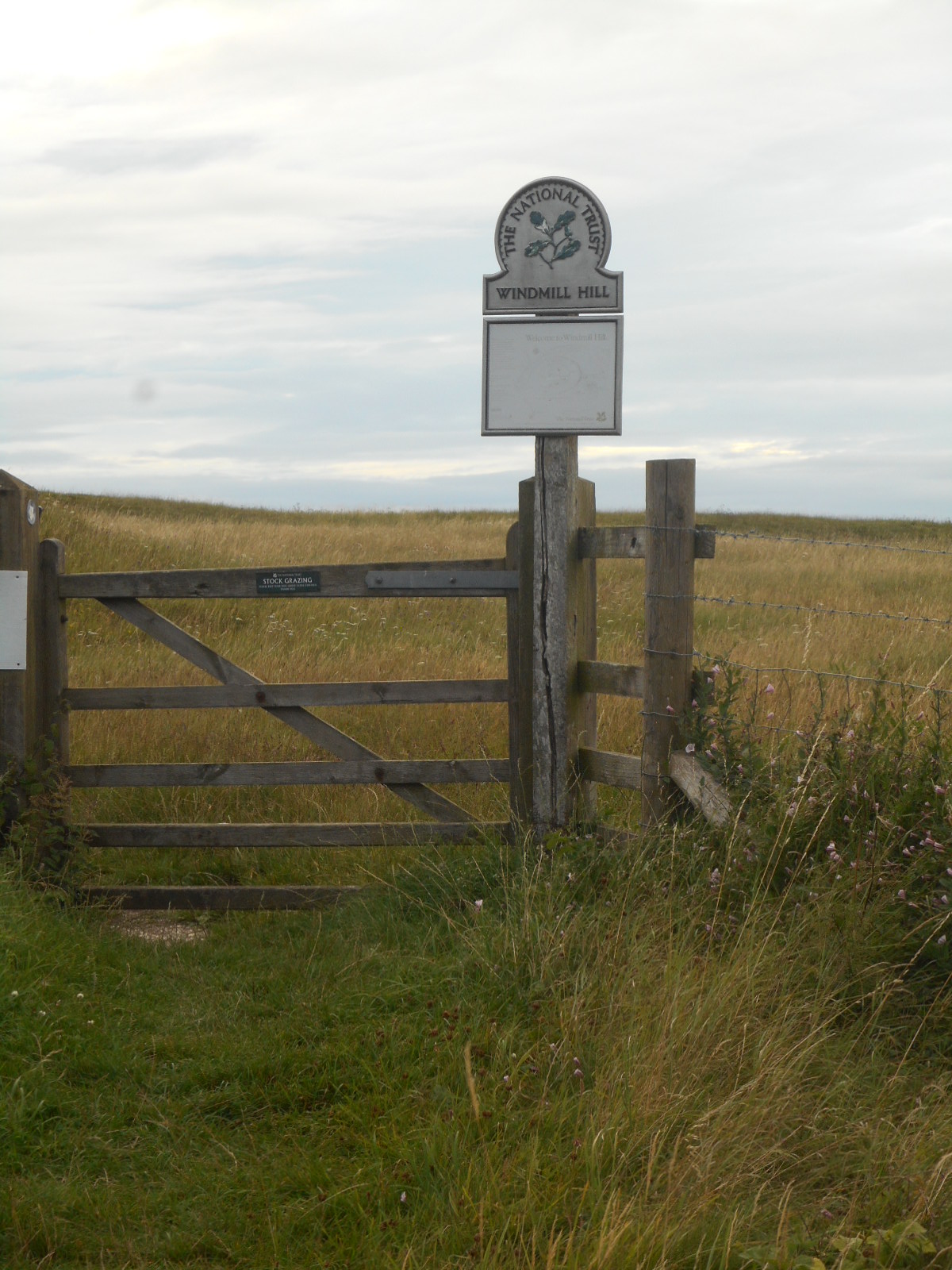
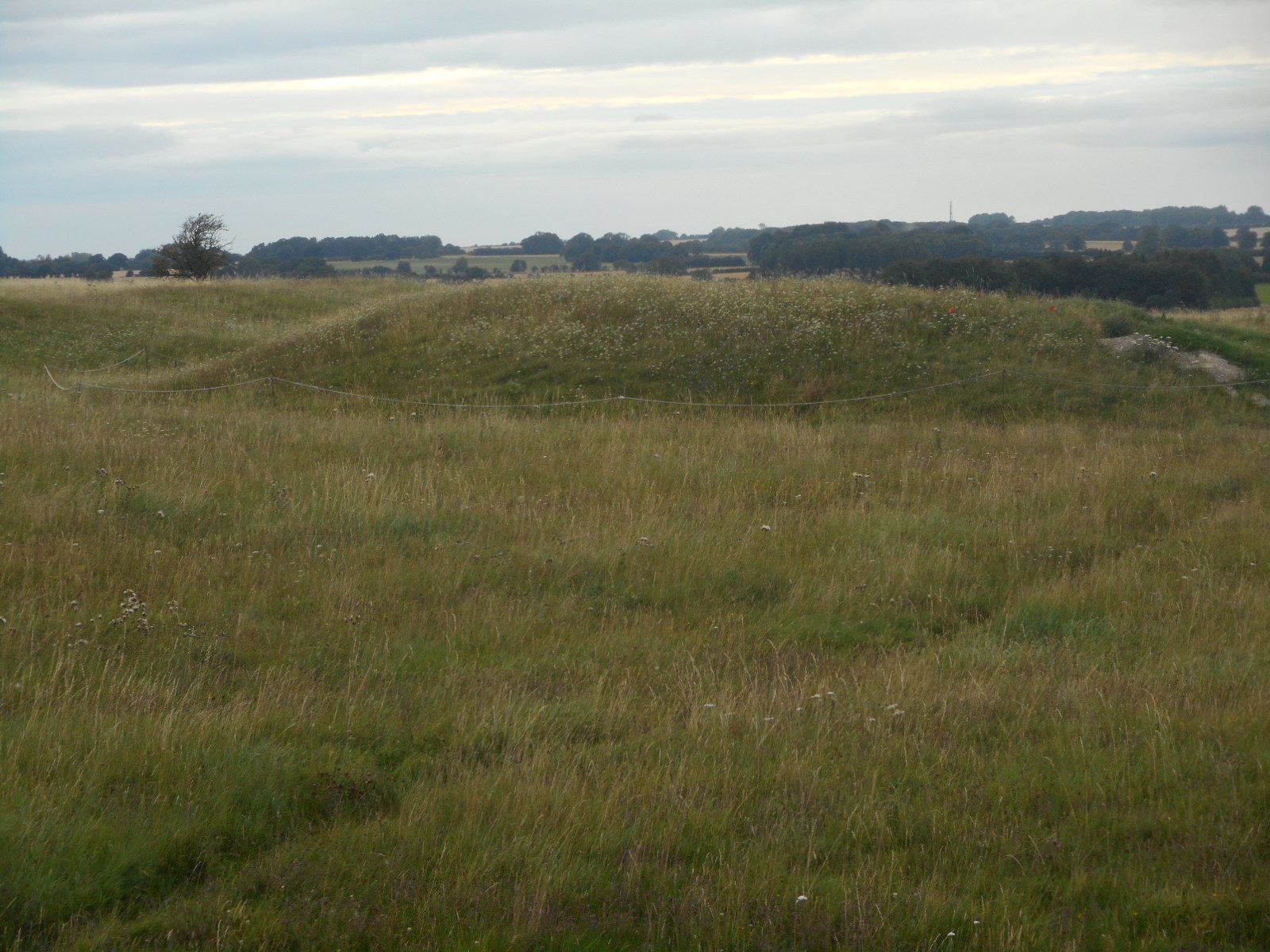
 Suddenly, as we reach Windmill Hill, a Chinook helicopter appears from behind a Neolithic barrow without warning and we all jump at the incongruity of Apocalypse Now. Or then. The remains of bodies were discovered here. The reason for their abandonment is unclear.
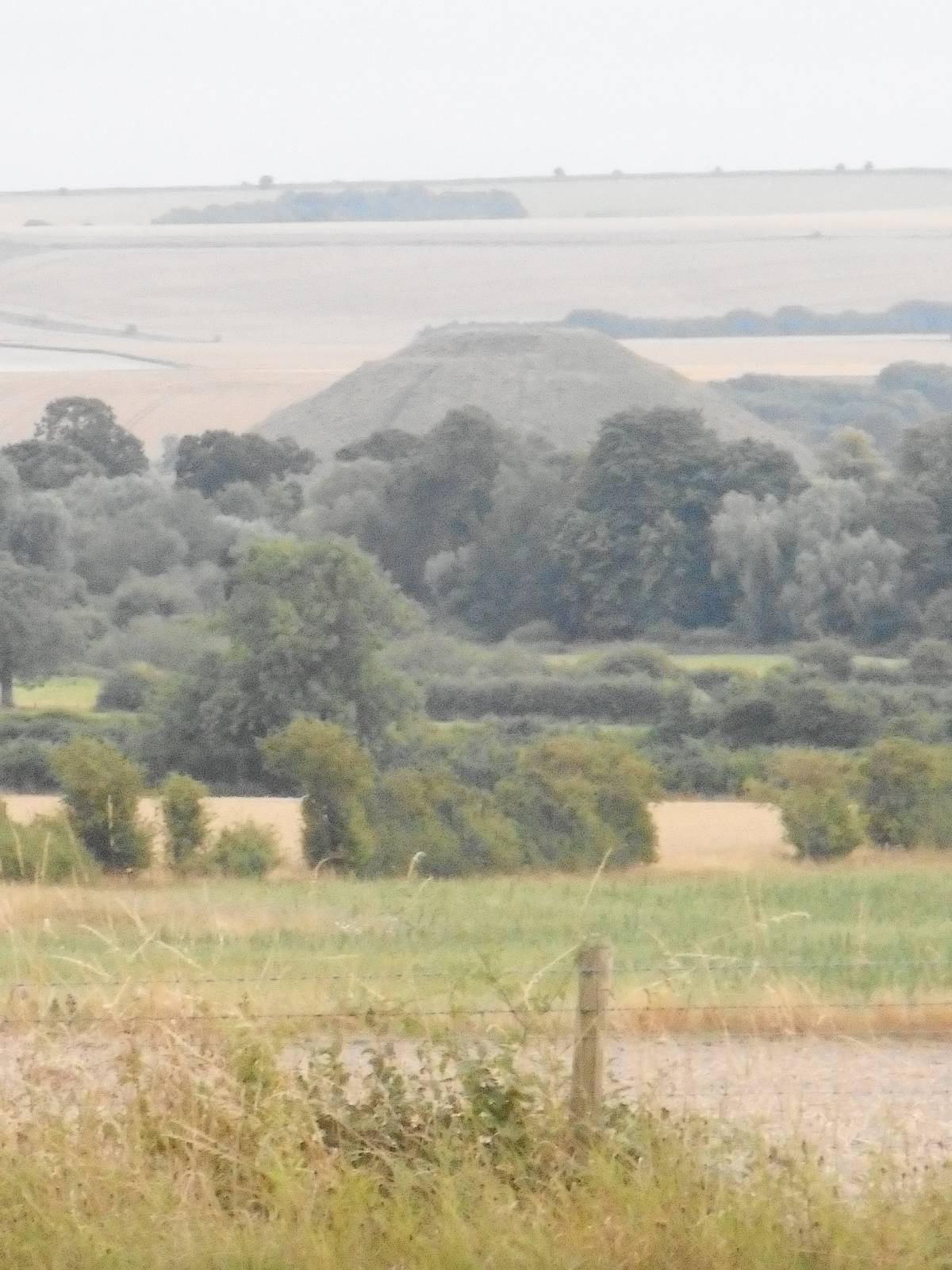
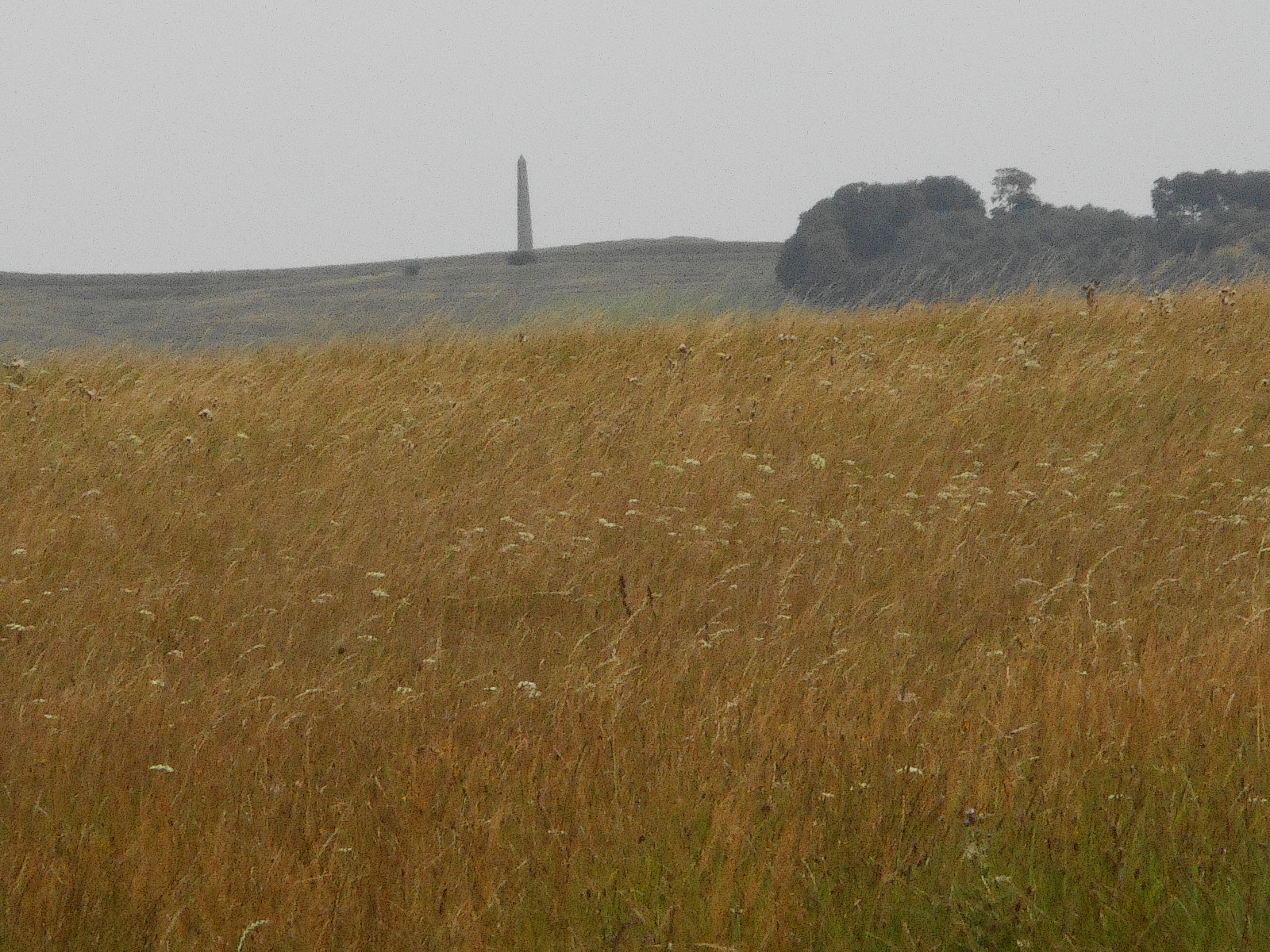
Windmill Hill, a less-visited part of the Avebury World Heritage site, is the largest known causewayed enclosure in Britain and we have it to ourselves. The light is startling up here and all around the ancient landscapes are clearly outlined: in front, the Lansdowne monument on Cherhill points a way to the sky. To the left, the horizon is edged by Milk Hill, Walkers Hill and Adam’s Grave, on the other side of which the Alton Barnes White Horse is settling down for the night while it waits for its imminent re- dressing of chalk. And in the middle of it all, the enigmatic Silbury Hill sits silently, like a way-marker for those ancients who have travelled from all directions.
‘Fiona’s missing’, someone shouts and we are indeed down to seven in number. Jenny, in a panic, recounts just to make sure. ‘I’ll lose my job’, she cries. Secretly, I think the rest of us may be pleased at the temporary loss of our noisily flatulent colleague, but here she comes, reappearing from pre-history and, with a Muswell Hill dialect, refusing to offer an explanation for her absence.
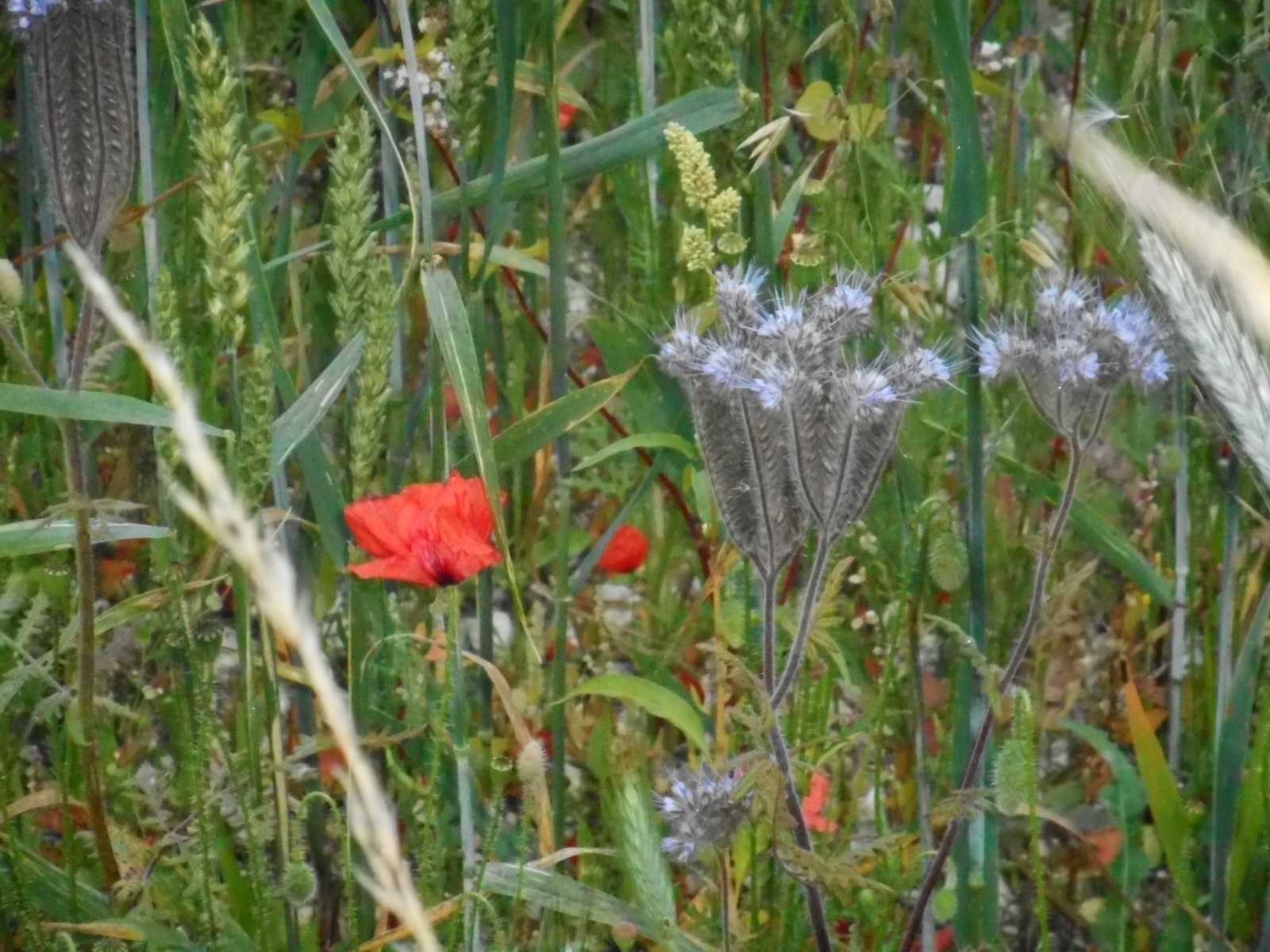
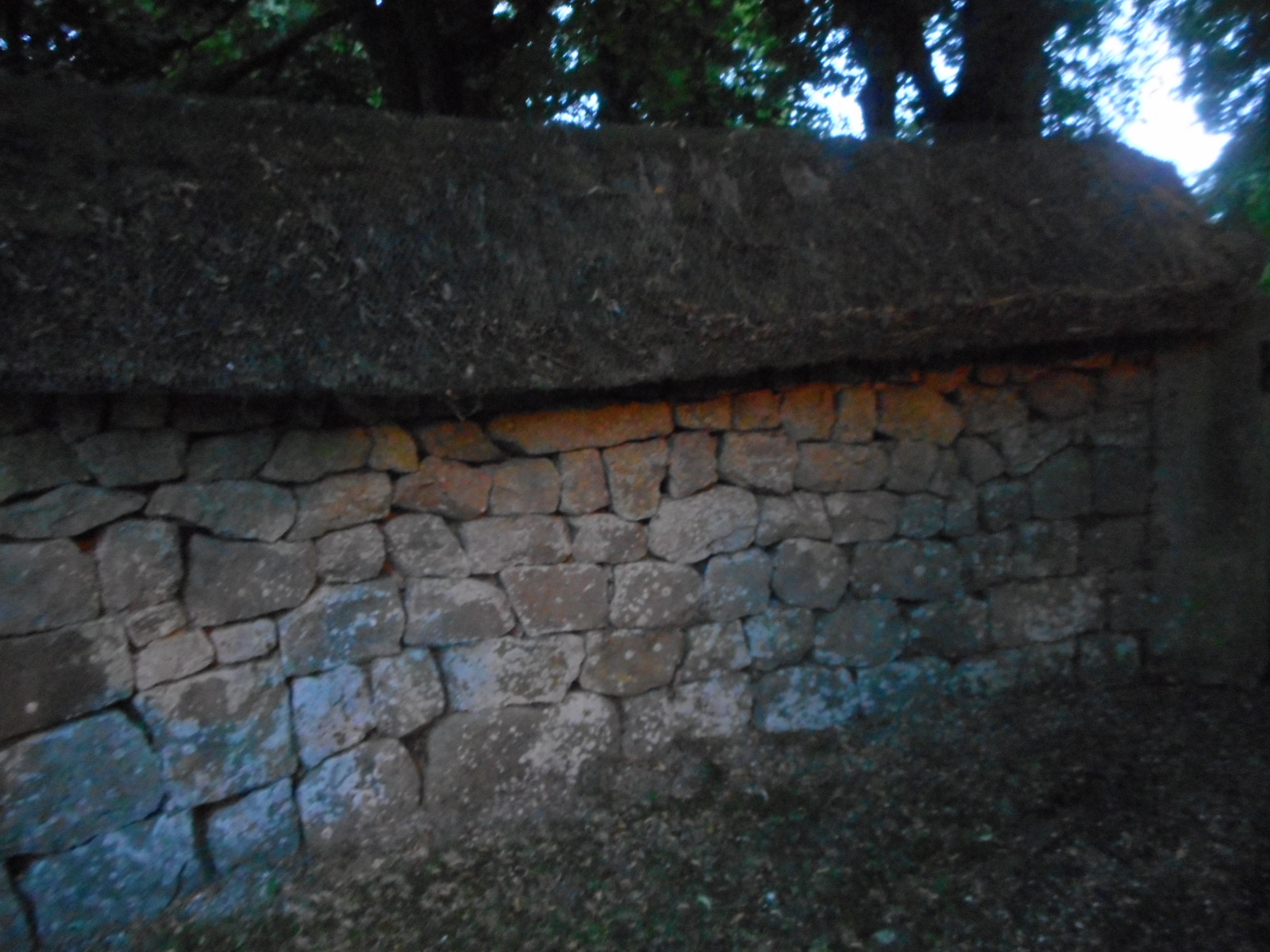
A few spit-spots of rain are felt and as we turn to walk away from the enclosure, we notice that the hills, which were so sharply defined only ten minutes ago, are already shrouded in unseemly weather. Passing poppies, scabious and beautiful unidentifiable purple flowers, we walk a little more quickly now down to the farm buildings and onto a delightful back path into the village of Avebury. In this lane, the homes are so affluent that even the walls are thatched. The weather finally closes in and just as we reach our transport, the rain begins to fall relentlessly.
 Donald and the Weasels