
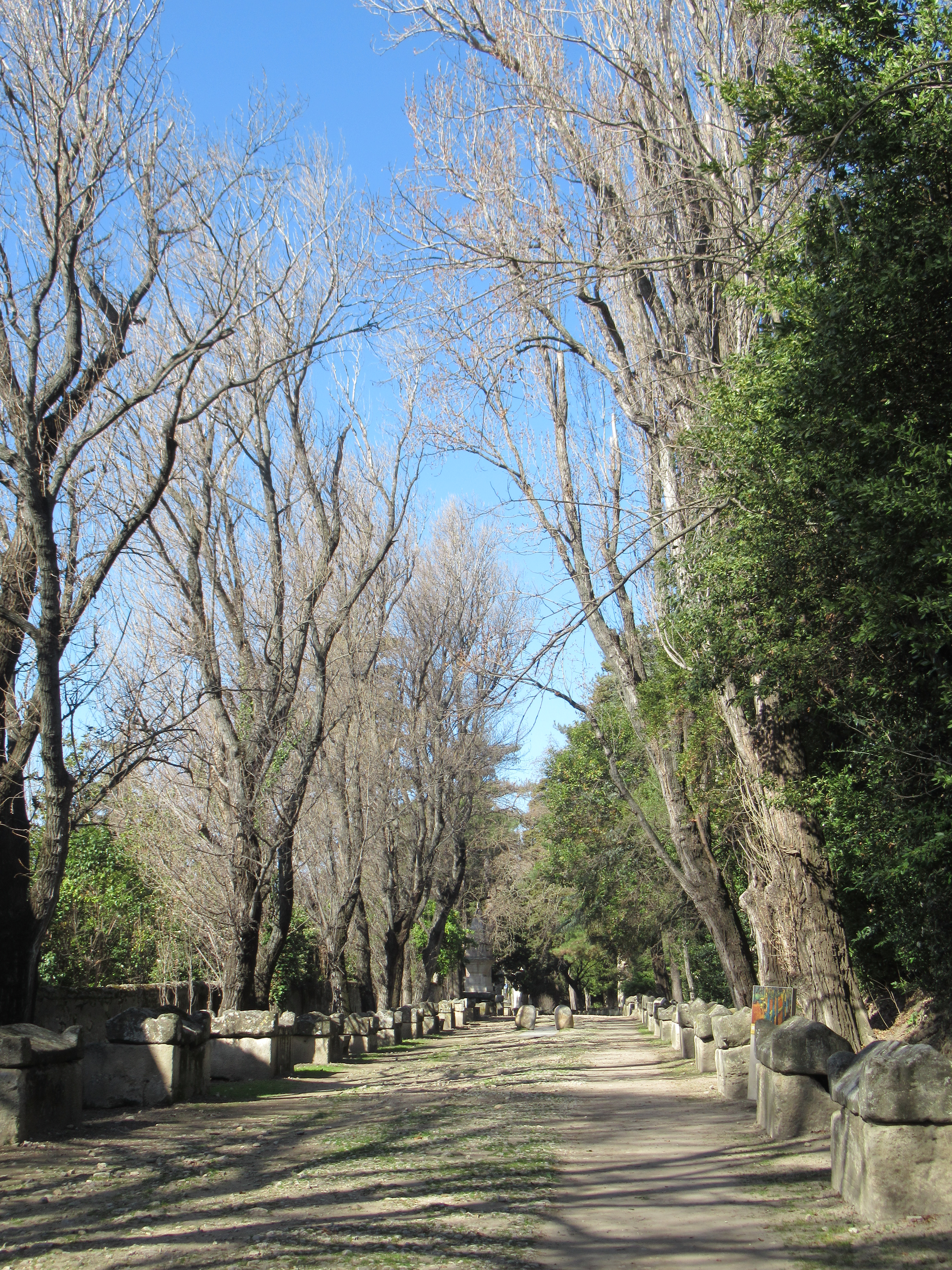
Fans of Van Gogh or Gaughin might feel a sense of familiarity with this picture. This is the Roman necropolis of Alyscamps, and whilst sharing a billet in Arles, and before they fell out, this was the first place the two artists painted together. If you click on the picture and look at the tree trunk on the right, you might just see one of Vincent’s paintings.
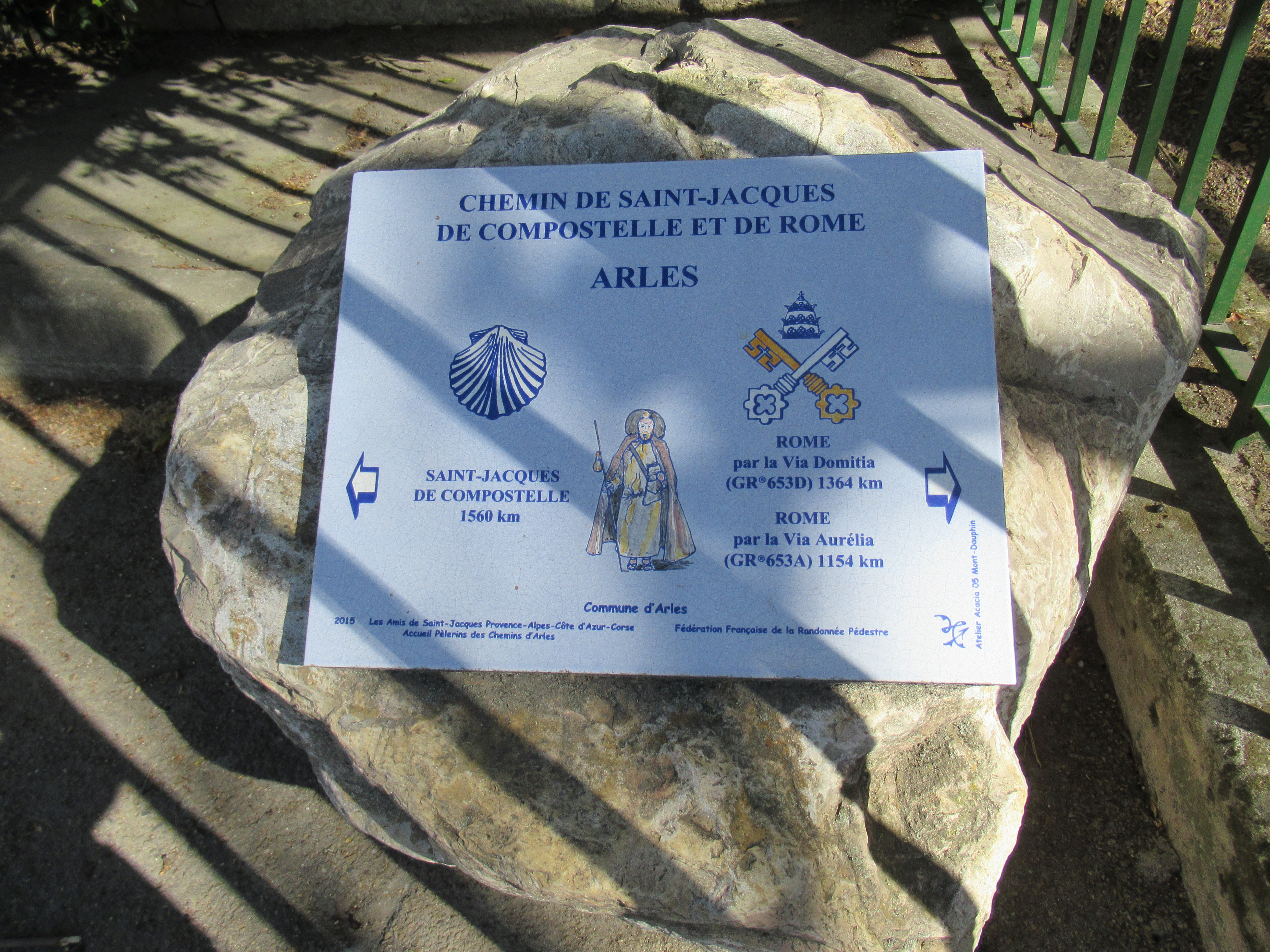
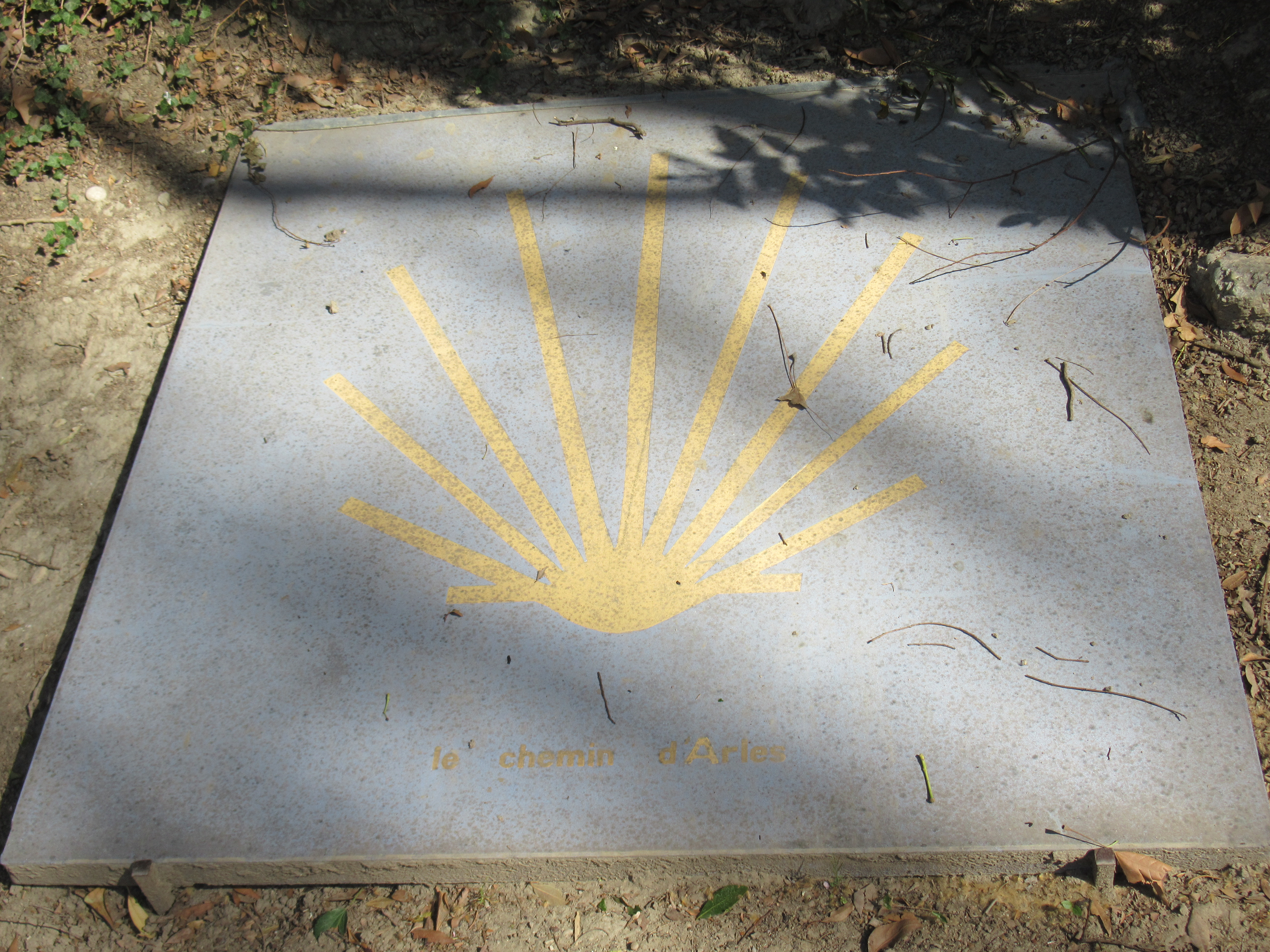
Before continuing with the tour, I just wanted to point out that if you don’t rush into the necropolis, you can spot signs that show this to be a stopping place for pilgrims taking the route from Rome to Santiago de Compostela. Obviously, these two illustrations have been constructed to commemorate the road …
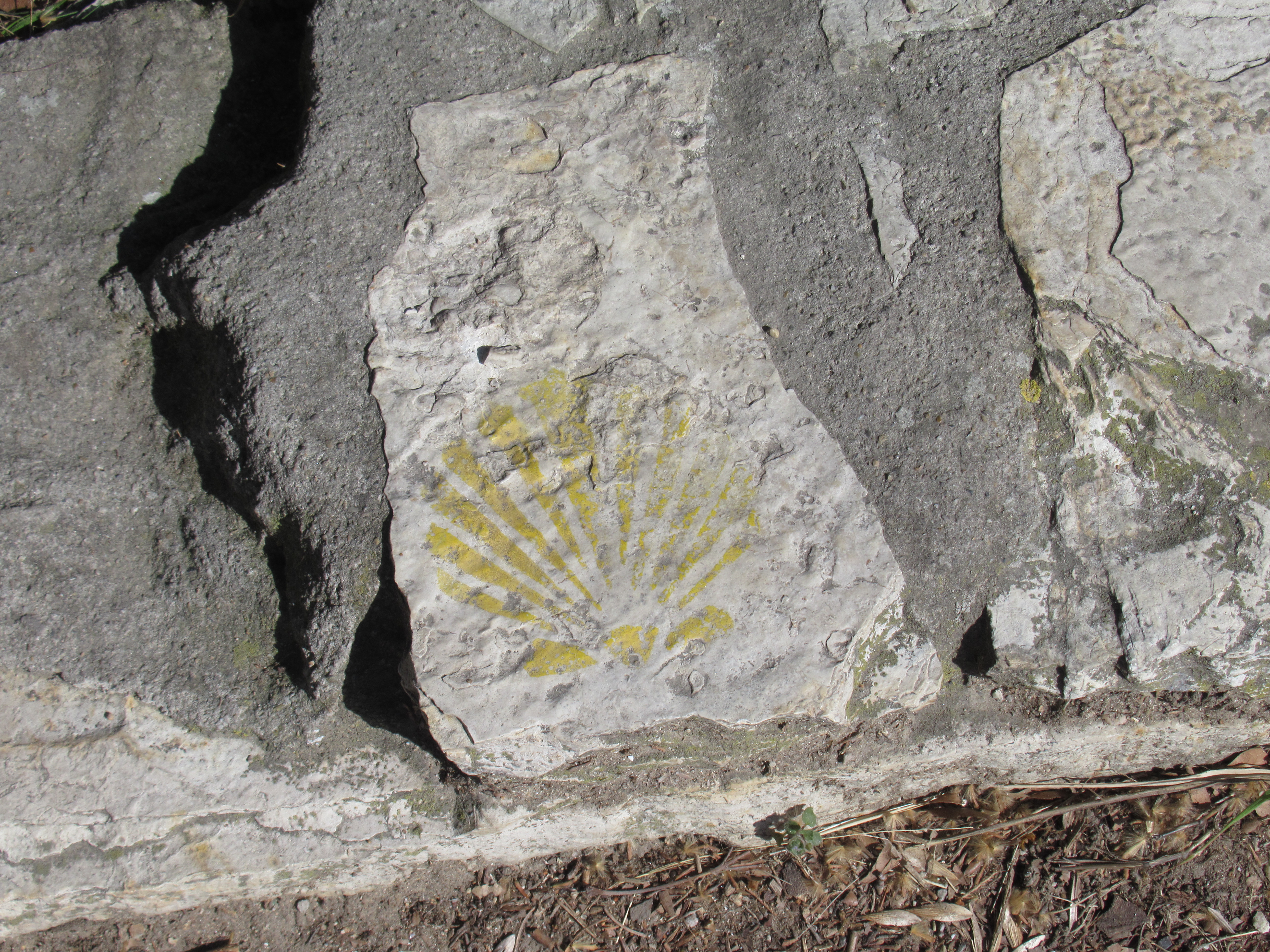
… but here’s one I found when taking a leafy track into town.
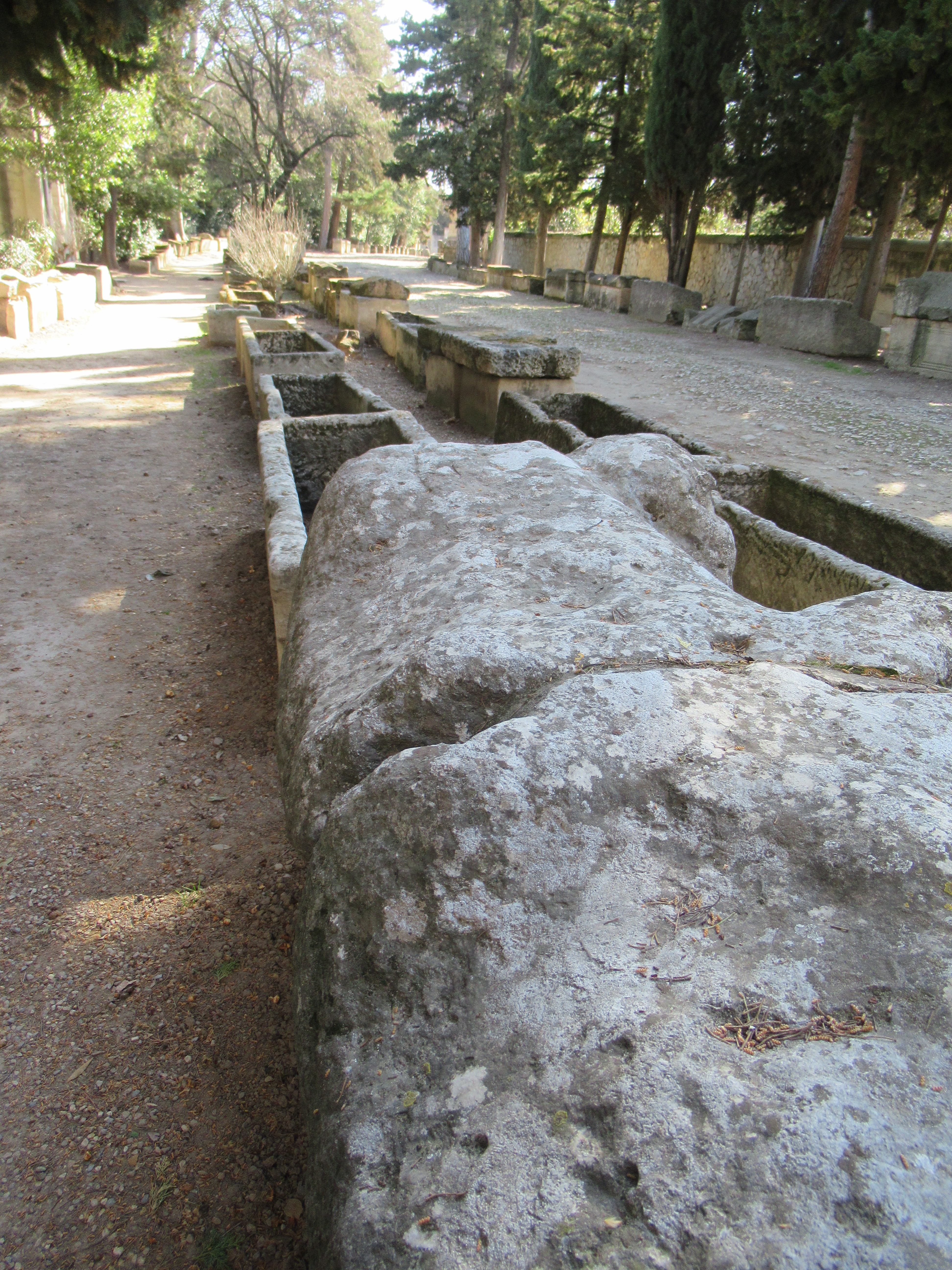
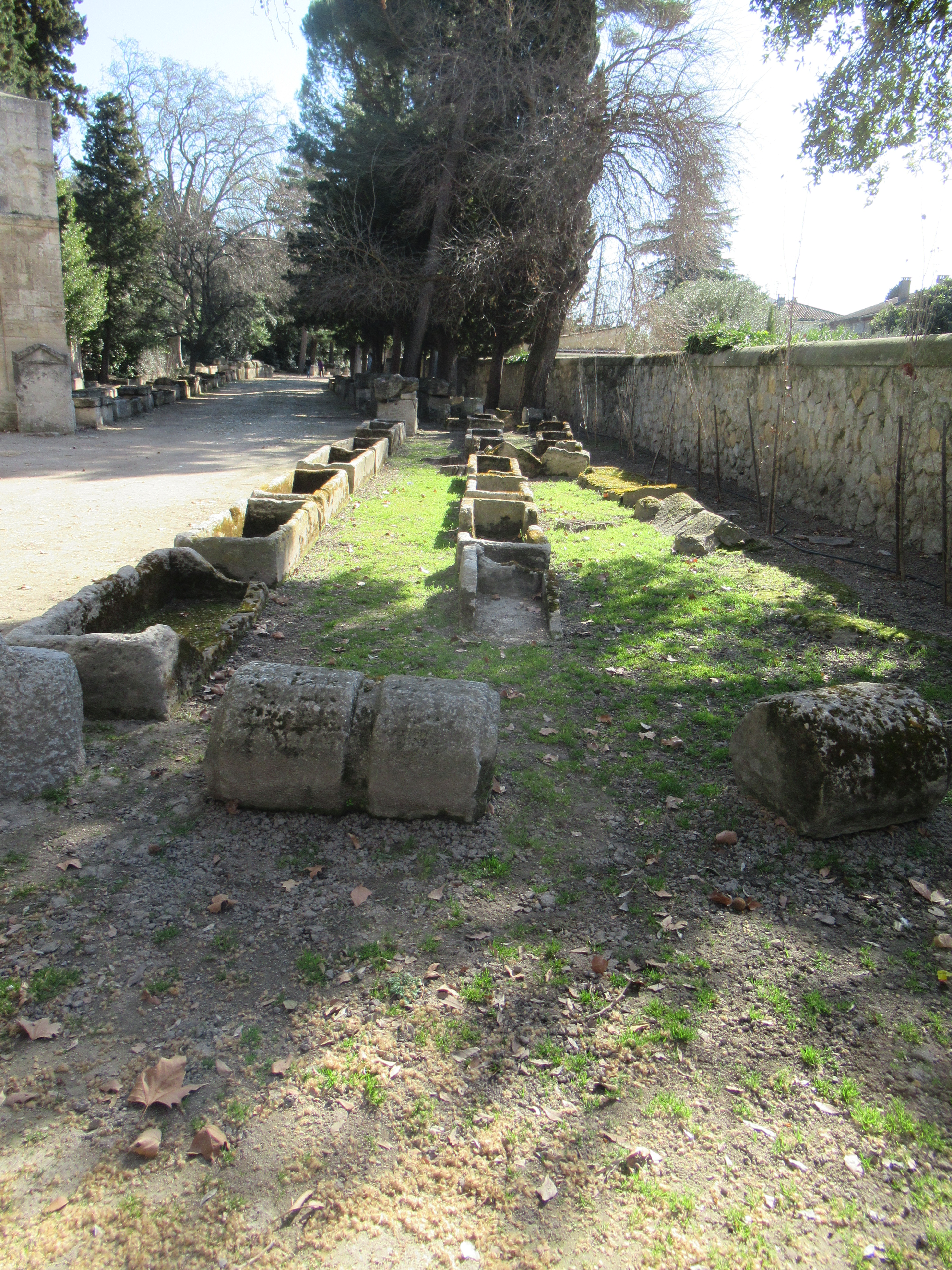
The Alyscamps is set outside the city walls of Arles because Roman burials were forbidden within. This meant that roads leading to towns and cities were often lined with tombs and mausoleums. It’s quite tedious to explain the origin of the word ‘Alyscamps’ but fun when you get there. Basically, it’s a provencal derivation of a Latin word of something else which, in the end, comes down to Elysian Fields which refers to afterlife. Still with me? It’s the same derivation as Champs Eylsees in Paris. You can learn a lot by reading a weasel.
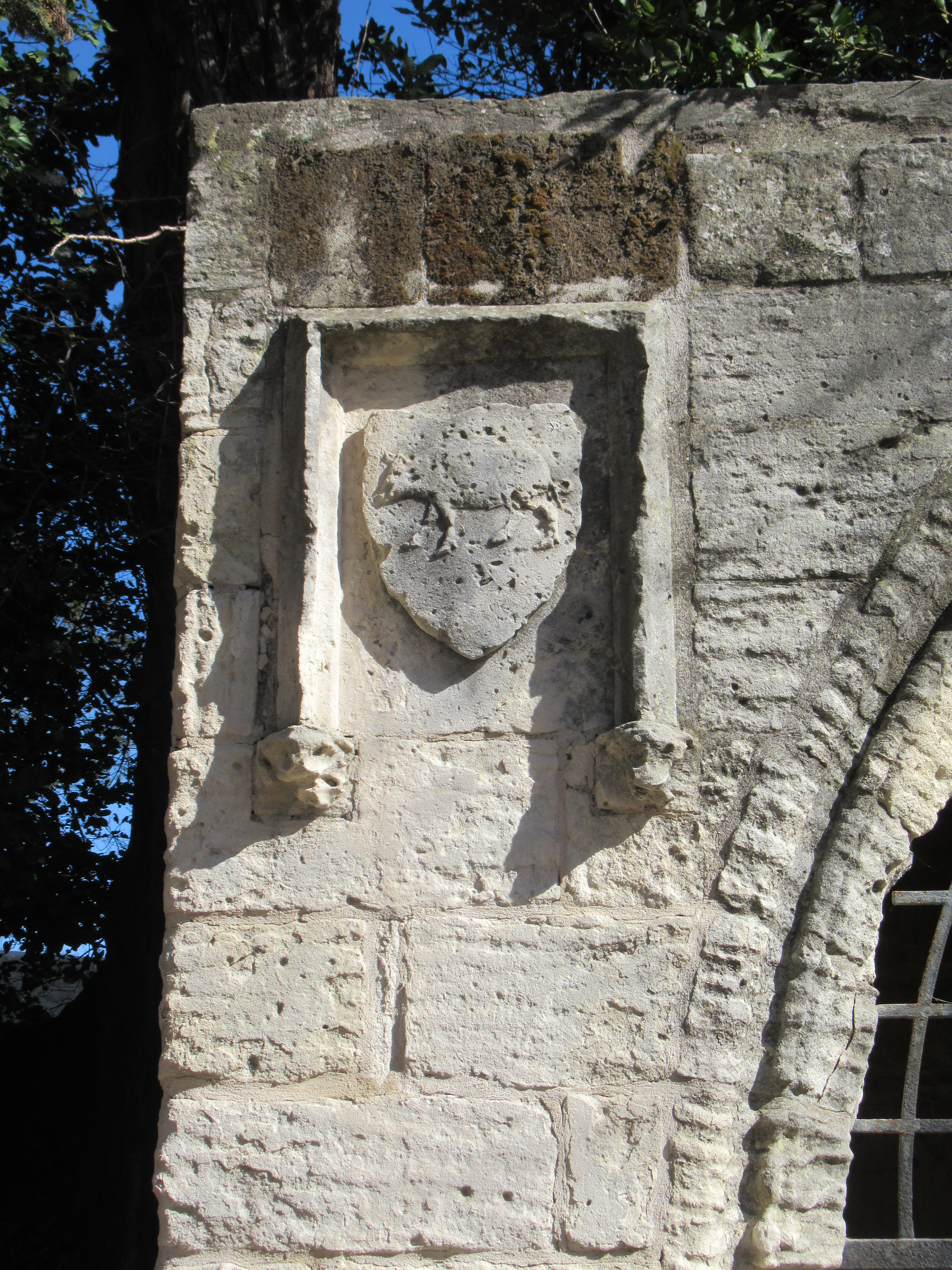
You can also see a lot by looking around. St Trophime, the first bishop of the cathedral in Arles was buried here. Allegedly, Christ attended the ceremony, which just goes to show that the Provencal Christian tradition I mentioned in the previous post continues throughout.
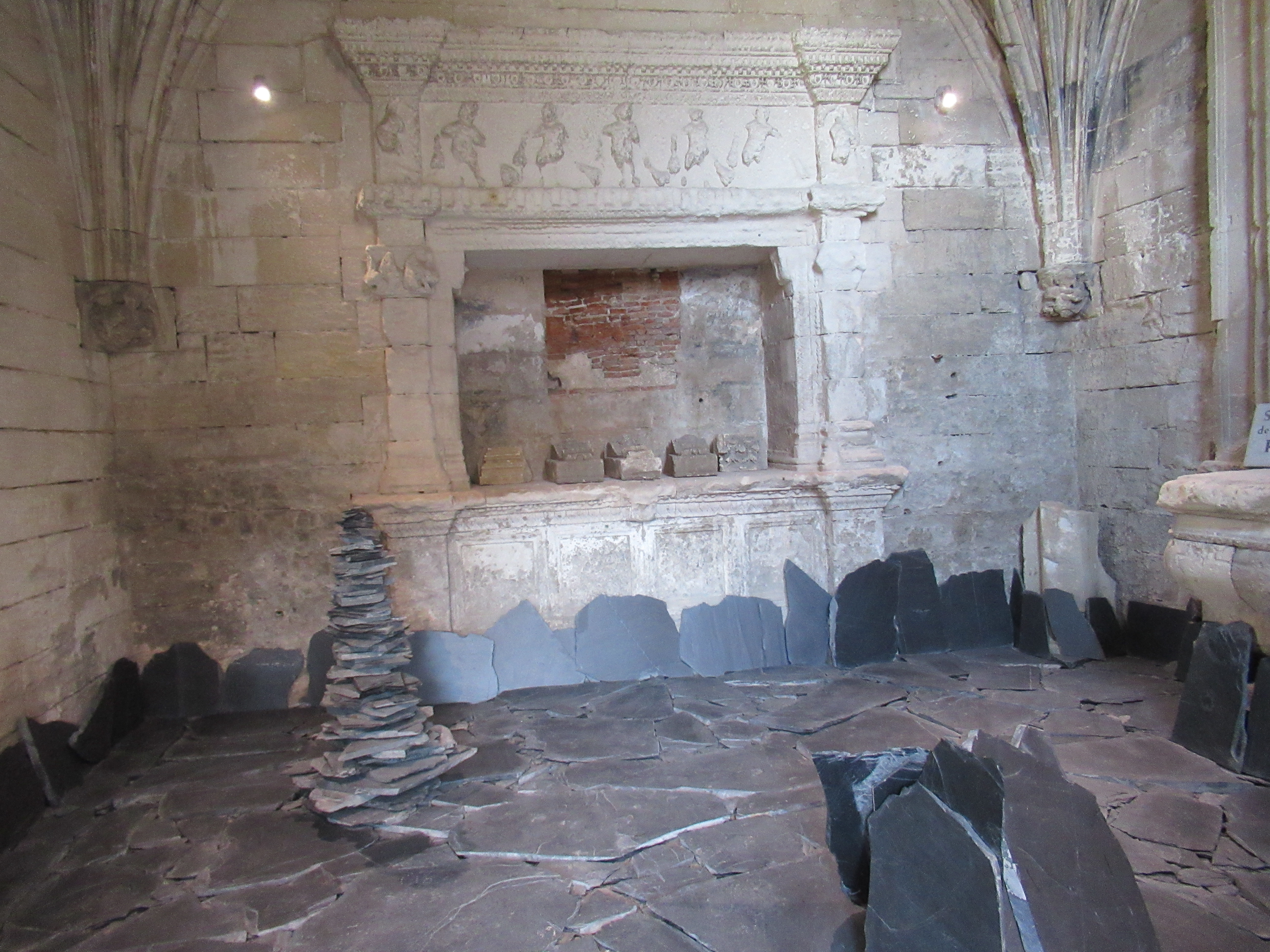
An artist has been here. There’s an exhibition en plein air which basically means it’s outside or integral to the surroundings. The French are big on this sort of thing but the quest seems to be to spot what’s out of place.
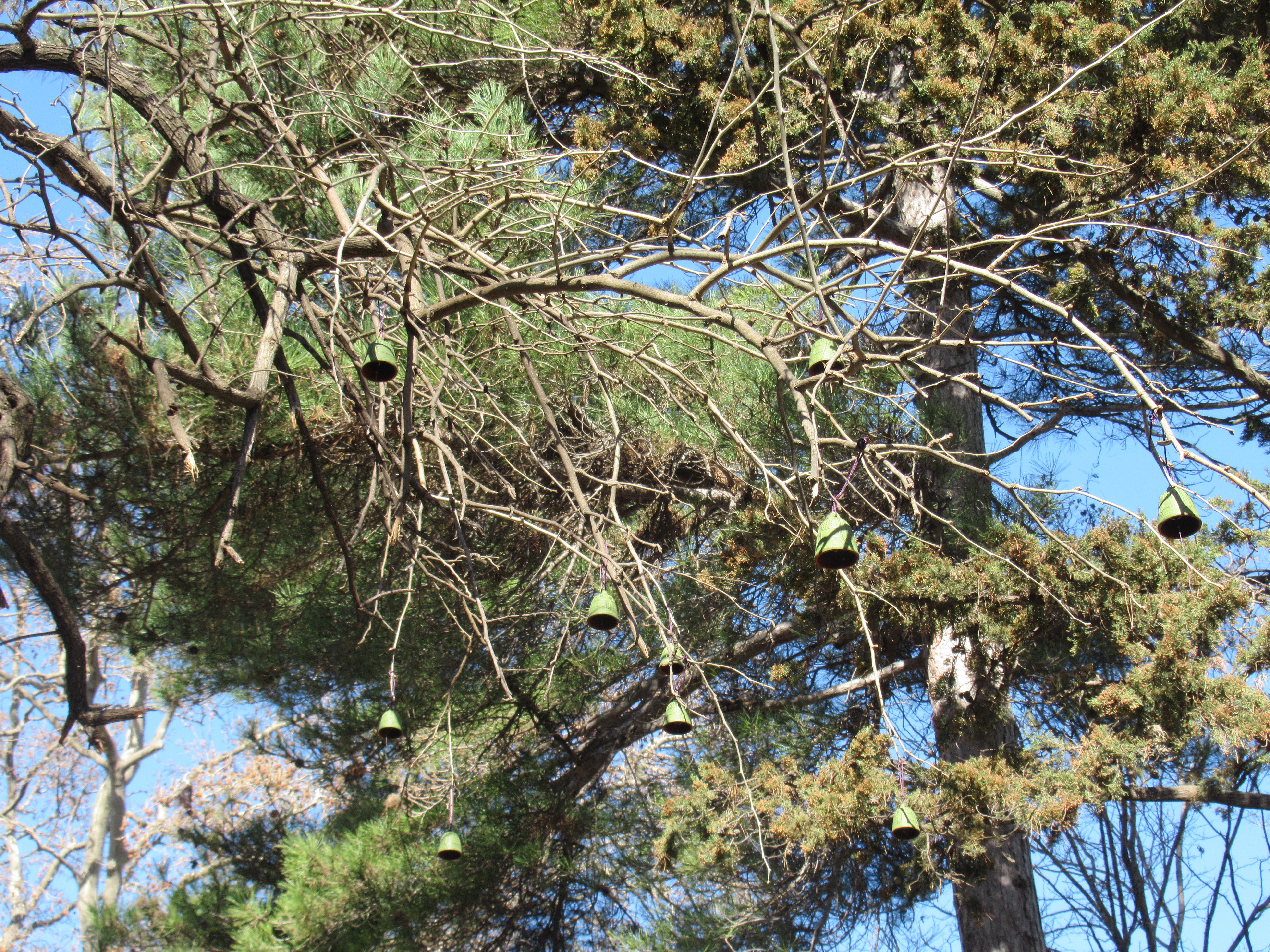
For example, having instantly developed tinnitus, I look up (always a good move) and spot a load of bells in a tree. It’s pretty enough but in the next snap one can see what nature manages on its own.
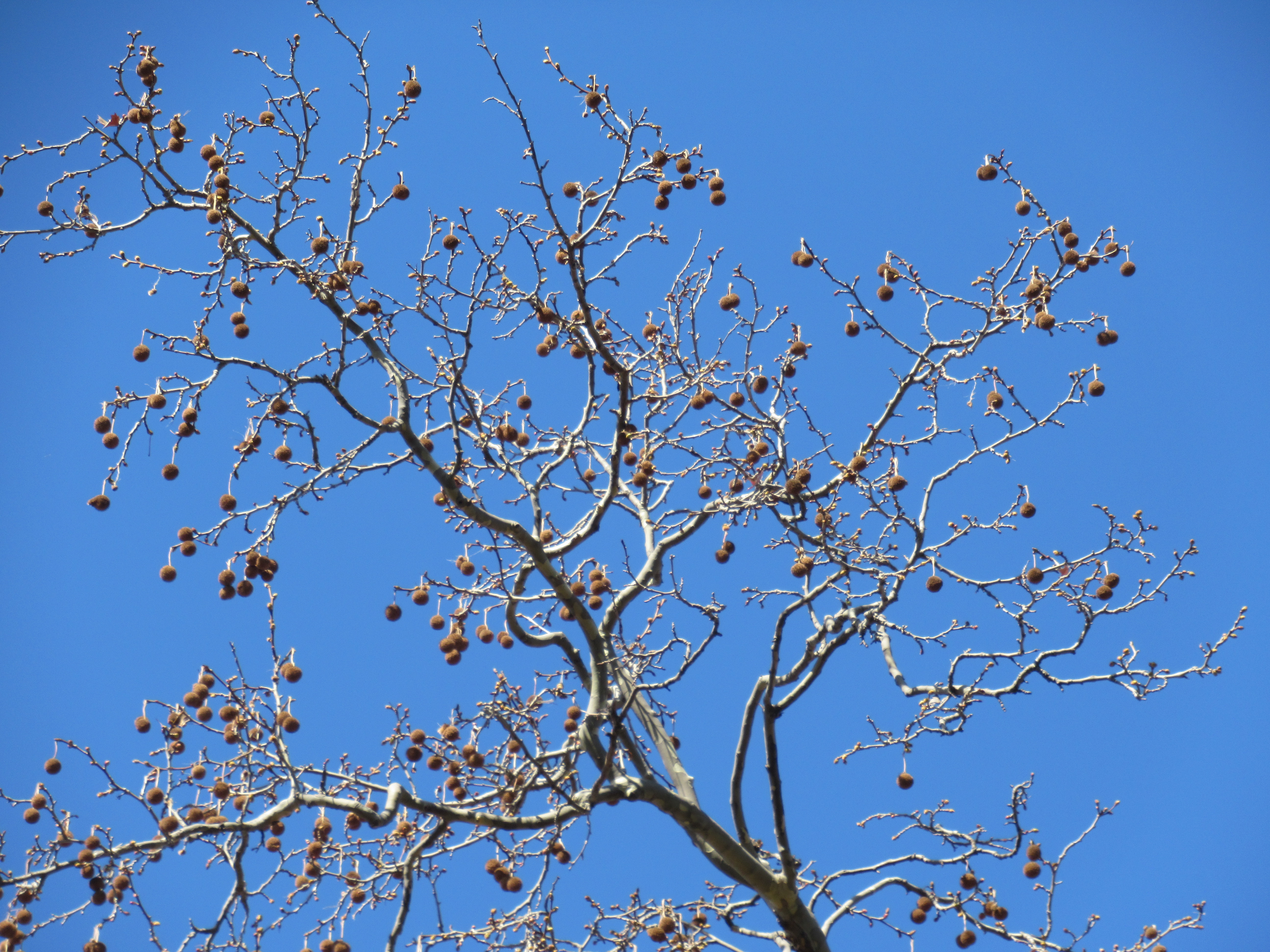
I think this is better.
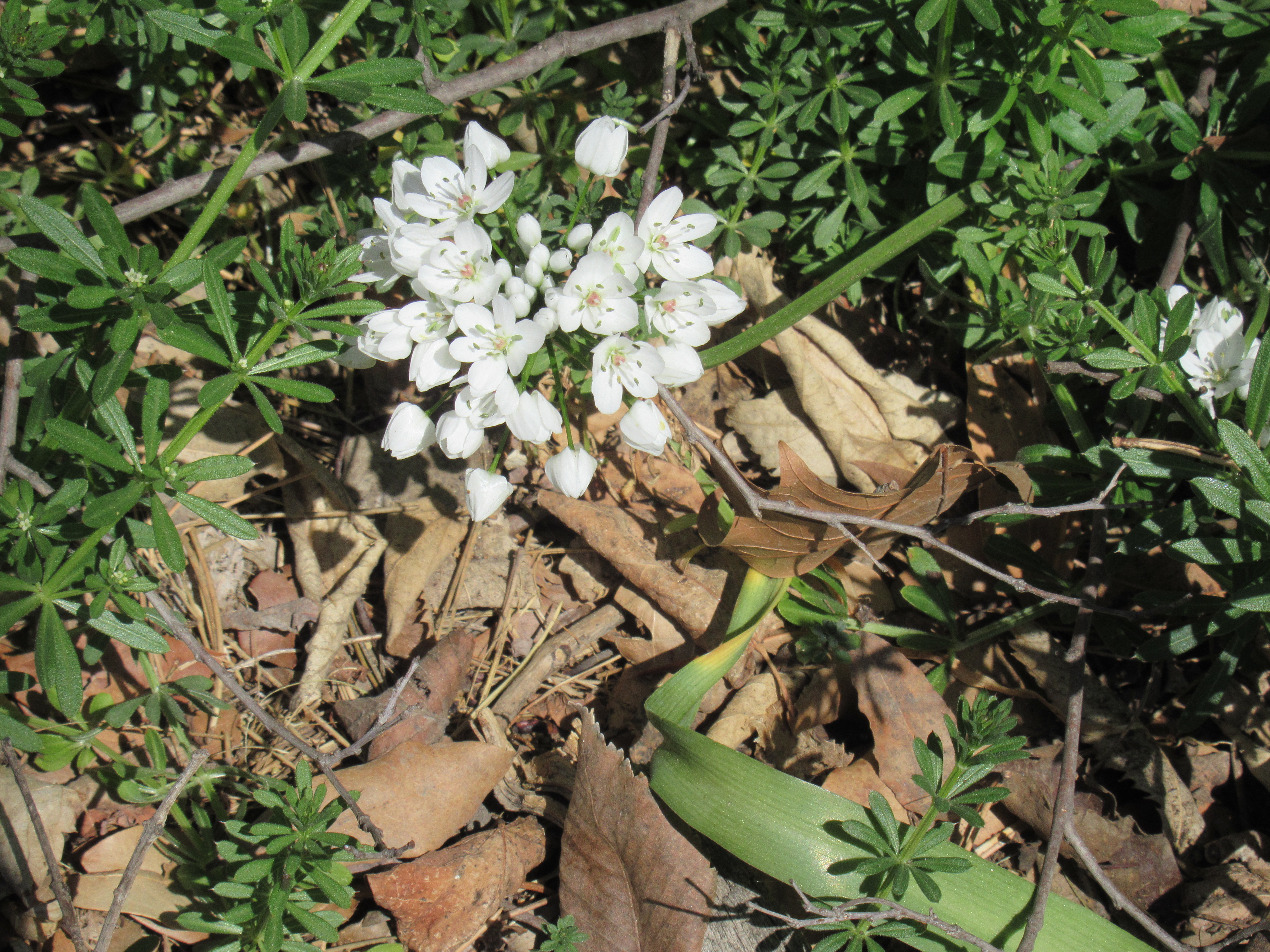
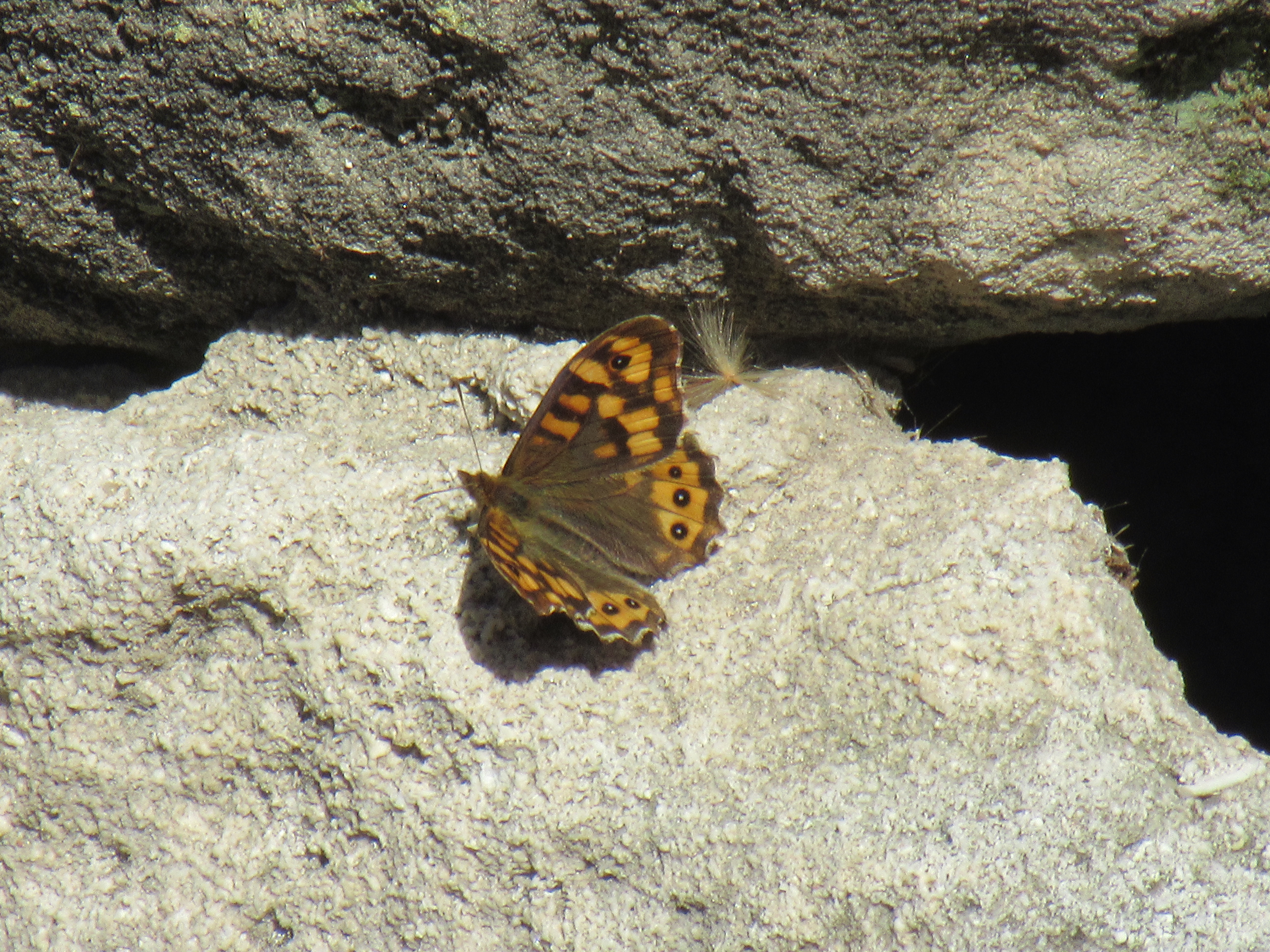
Just around a corner or two is the Saturday market – the busiest day in town but here I am, sat on a sarcophagus, watching butterflies in absolute tranquility. A downside of visiting Provence in February is that a lot of things aren’t open. Having a Roman necropolis to oneself surely compensates. The longer I sit here, the more butterflies arrive and today I saw my first lizard of the year. In the tree above me a hidden bird sings an unrecognisable tune and, like an echo, another responds at a distance.
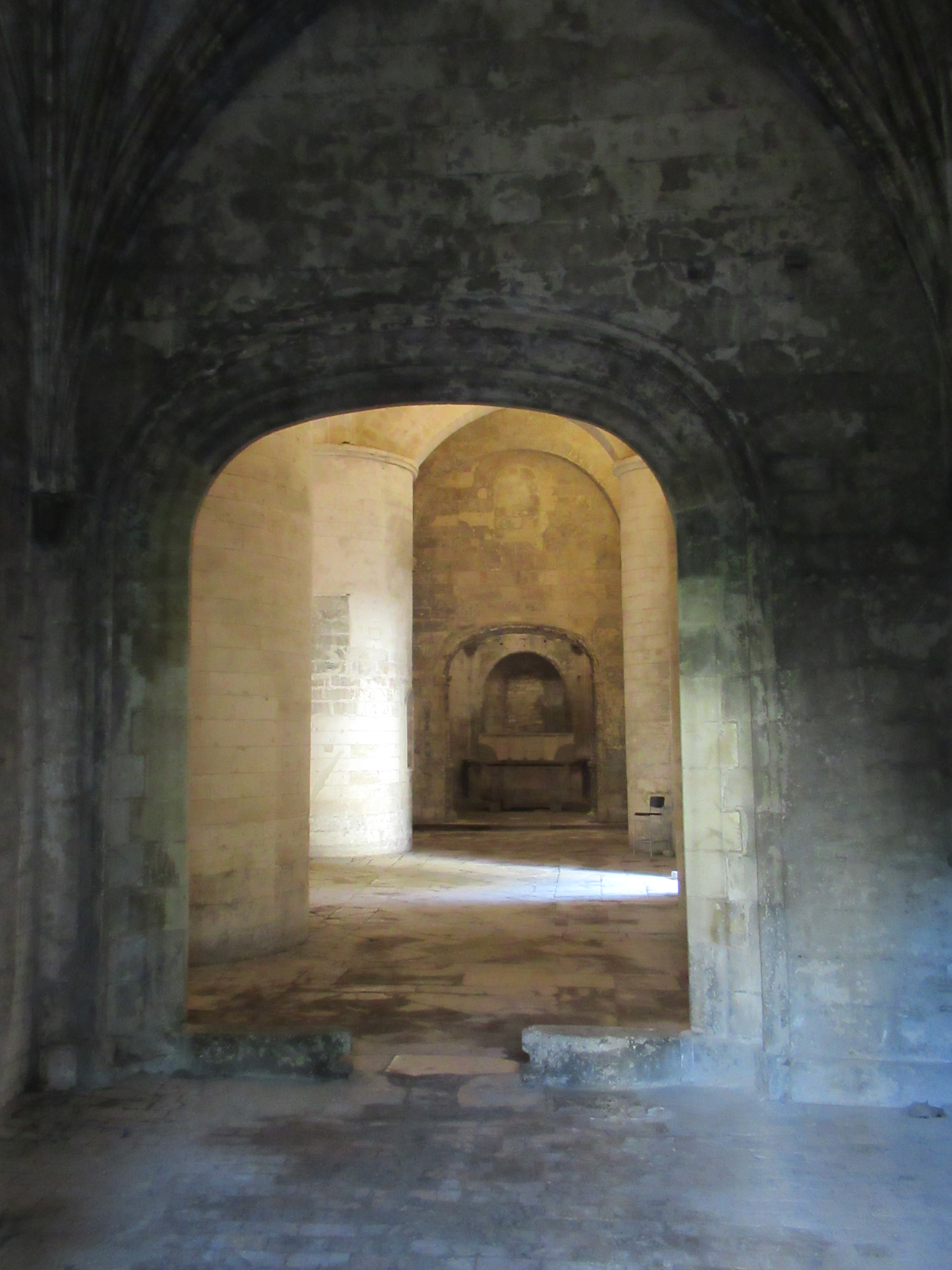
Eventually, I move into the mediaeval church of St Honoratus. Usually, the place is home to hundreds of pigeons and the cooing can be spookily overwhelming. Today, however they seem to have cleared off due to installation of further works of the resident artist.
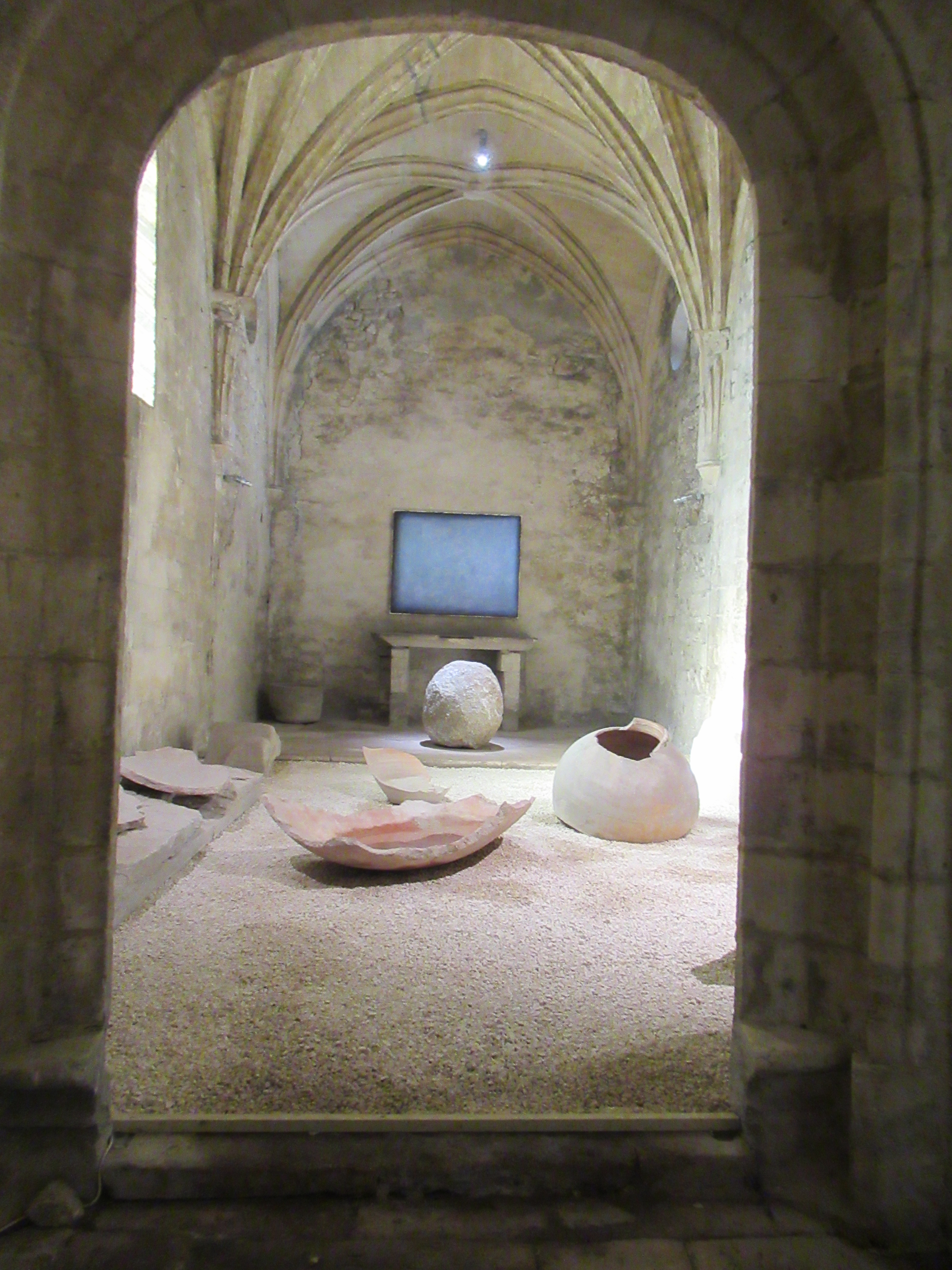
Like this. And the cooing has been replaced by speakers which emit a lot of noise that can only be described as bonging. I don’t want to appear dismissive of modern art, but I can’t help but feel it irrelevant when you have the real thing; such as …
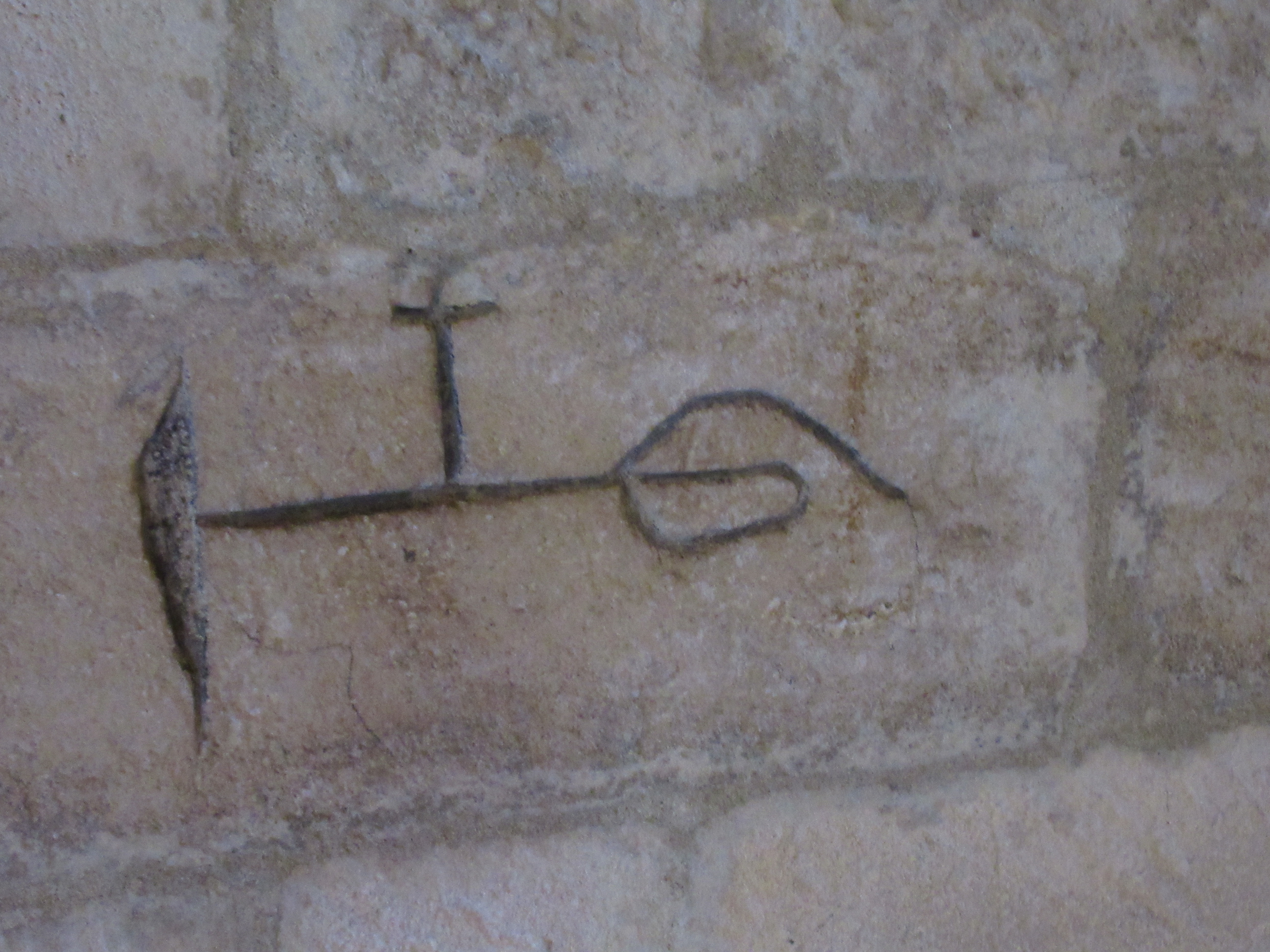
… ancient mason’s marks and …
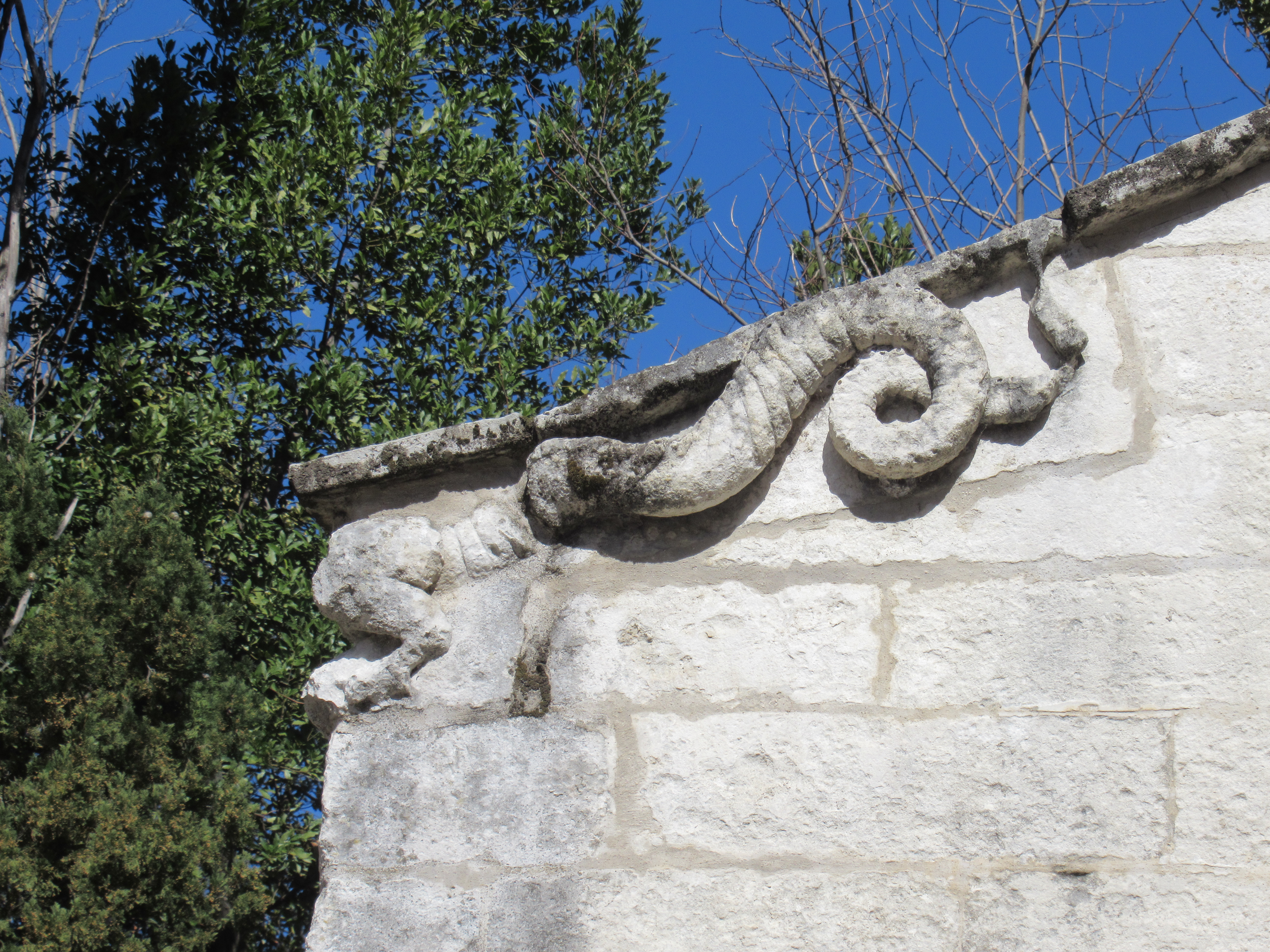
… gorgeous old carvings of enigmatic animals. I’m off to follow the trail to the next port of call on the route to Santiago de Compostela. More of that another time pilgrims.
 Donald and the Weasels