
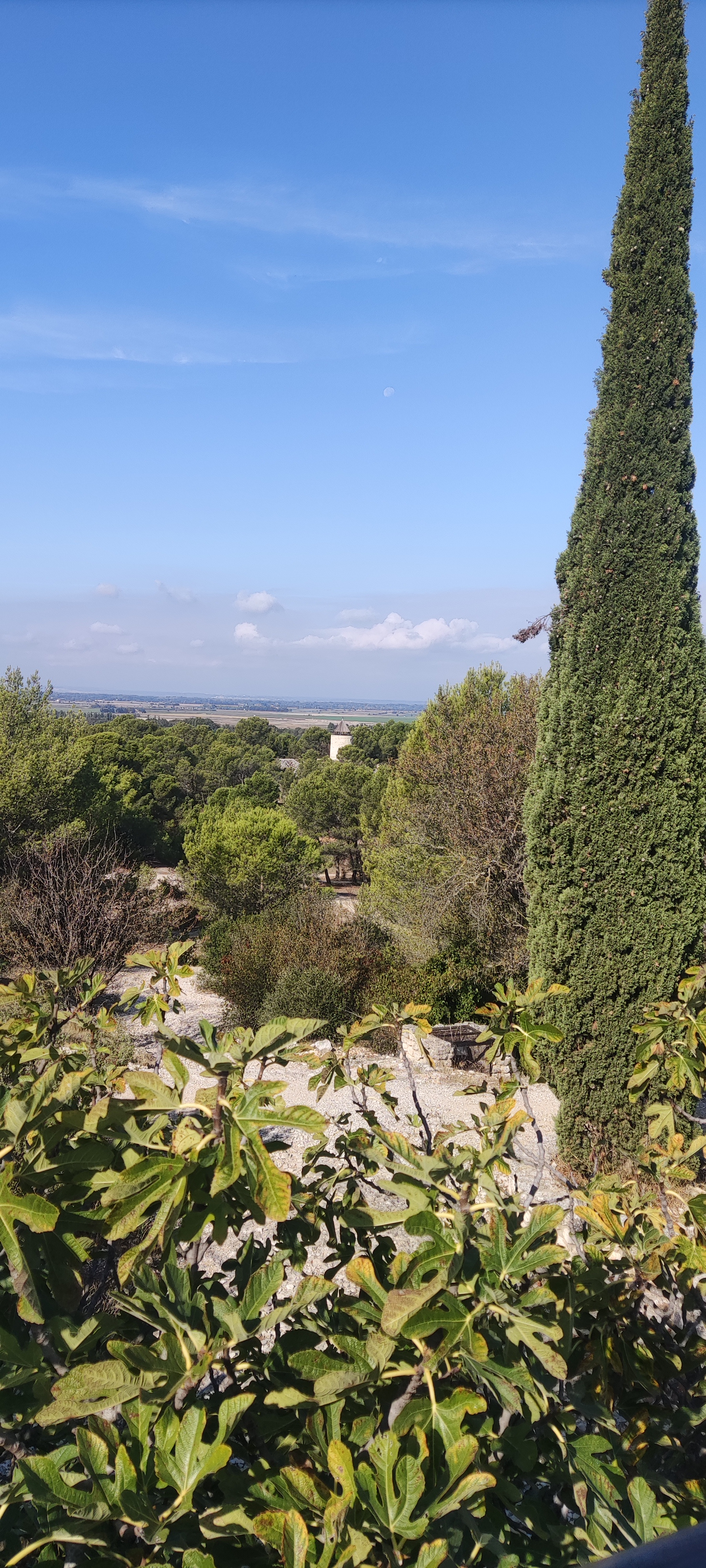

Want to go to the Roman aqueduct via Daudet’s windmill, I asked Eleanor? You drive and I’ll buy lunch. Seemed like a fair deal. In 1865, Alphonse Daudet published what was to become quite a famous book called Letters from my Windmill. Aimed at posh Parisian readers, the book recounts stories based on Provencal social history and folklore; it’s delightful, although I doubt those pesky Parisians were bothered with much outside of the capital. We found the windmill quite easily, plus a number of others dotted around: there’s the Moulin Sourdon in the distance. Locating the aqueduct was a little more challenging.

Lot of trees in these parts and signage is confusing or non-existent. I hesitated in explaining to Eleanor that today was the third time I’d attempted this walk. The woman at the tourist information office had given us her idea of a map which was little more than a piece of green paper with a wiggly line on it. At one point, enjoying my confidence, and a sense of self-worth, I approached a group of confused looking French ramblers and offered to share our expertise. They were very grateful and attached themselves to us. And, on looking back, I noticed that they’d acquired some other lost souls whom they’d clearly convinced of the benefits of following the Brits, despite a loss of kudos via the never-to-be-forgiven Brexit fiasco . One or two other folk, who’d been wandering in the woods for some weeks, gradually joined in. I was minded of that episode in Three Men in a Boat, where the protagonists manage to convince almost everyone at Hampton Court to follow them in and out of the maze. It ended badly.
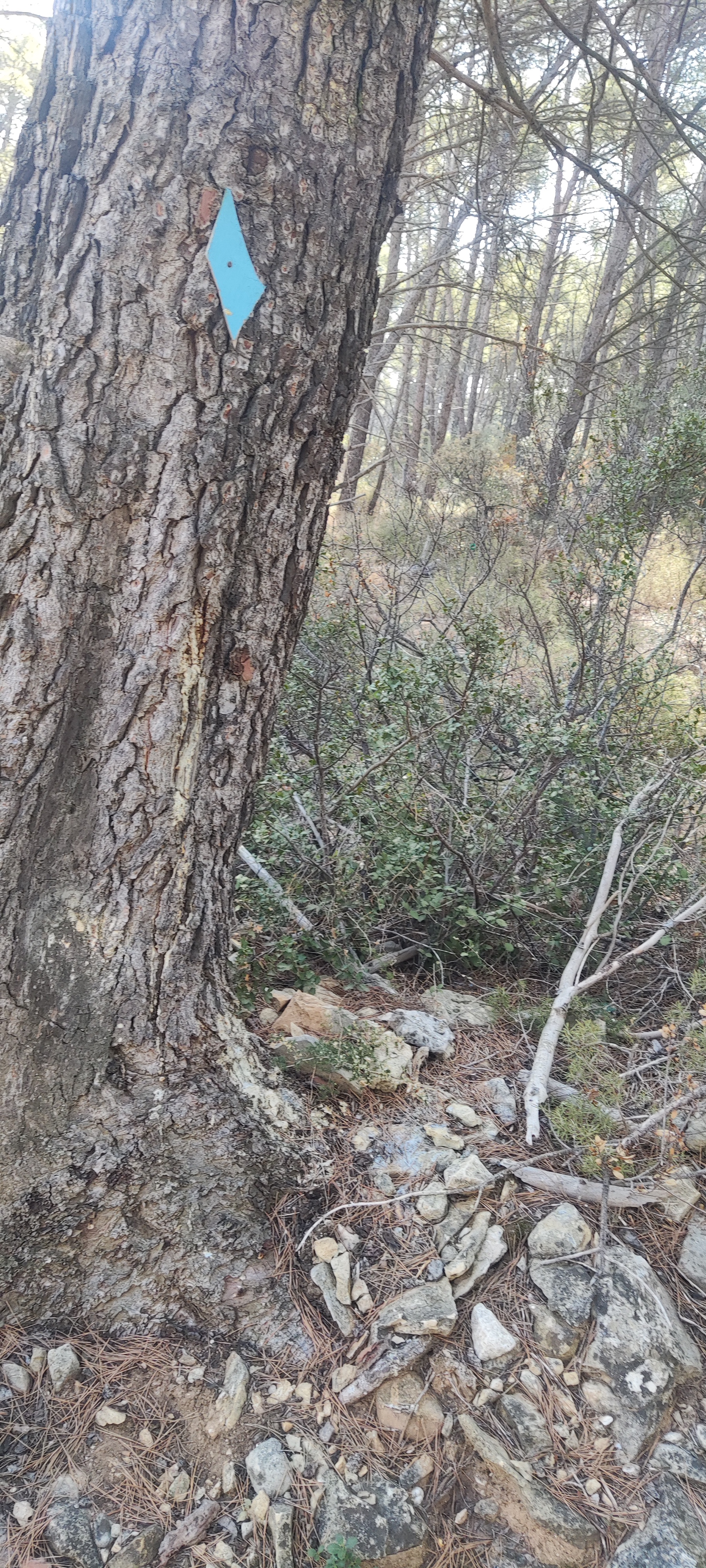
We lost our European friends along the way, although we did occasionally spot and speak with random passers by; some in tears, most exhausted; one guy with a toddler who probably wasn’t even at the walking stage on entering the woods. Eleanor thought the mother was probably laying dead in a bush somewhere. We were following the blue path, but when, at a junction of three paths, we reached the tree in the above photo, we decided that, in the interests of safety, it might be better to find a route back to the village.
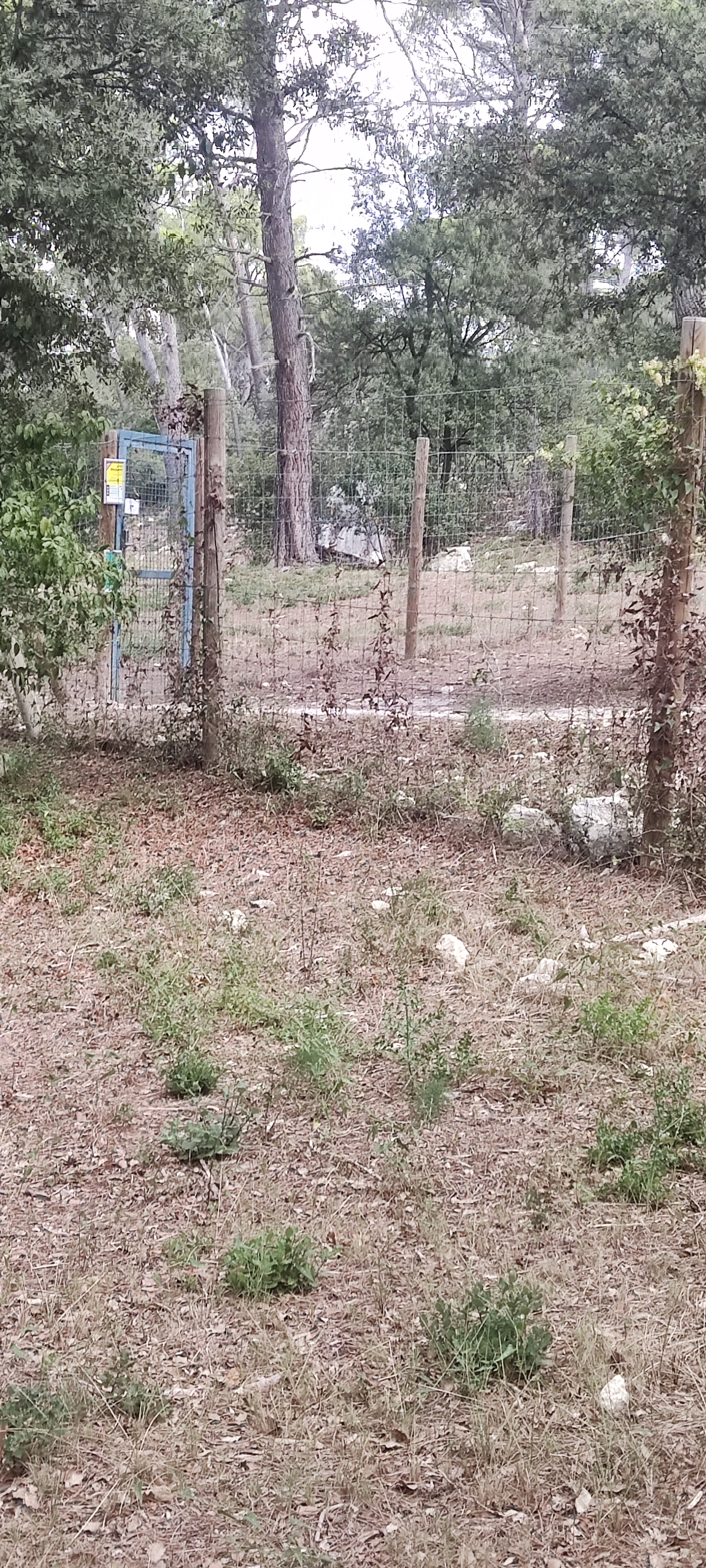
Rather than retracing our steps, she wanted to try an alternative way and after some hours we came to a campsite optimistically named Utopia. It doesn’t look very welcoming, I said, although there were several young men yomping around, clearly having been set some sort of unachievable challenge. Bonjour, they all said. The French are always polite, even in the face of adversity. Bonjour, we replied, sick to our stomachs and needing a drink. Eleanor said the French like this sort of rustic open-air holiday. It reminded me of the tiger enclosure at Longleat.
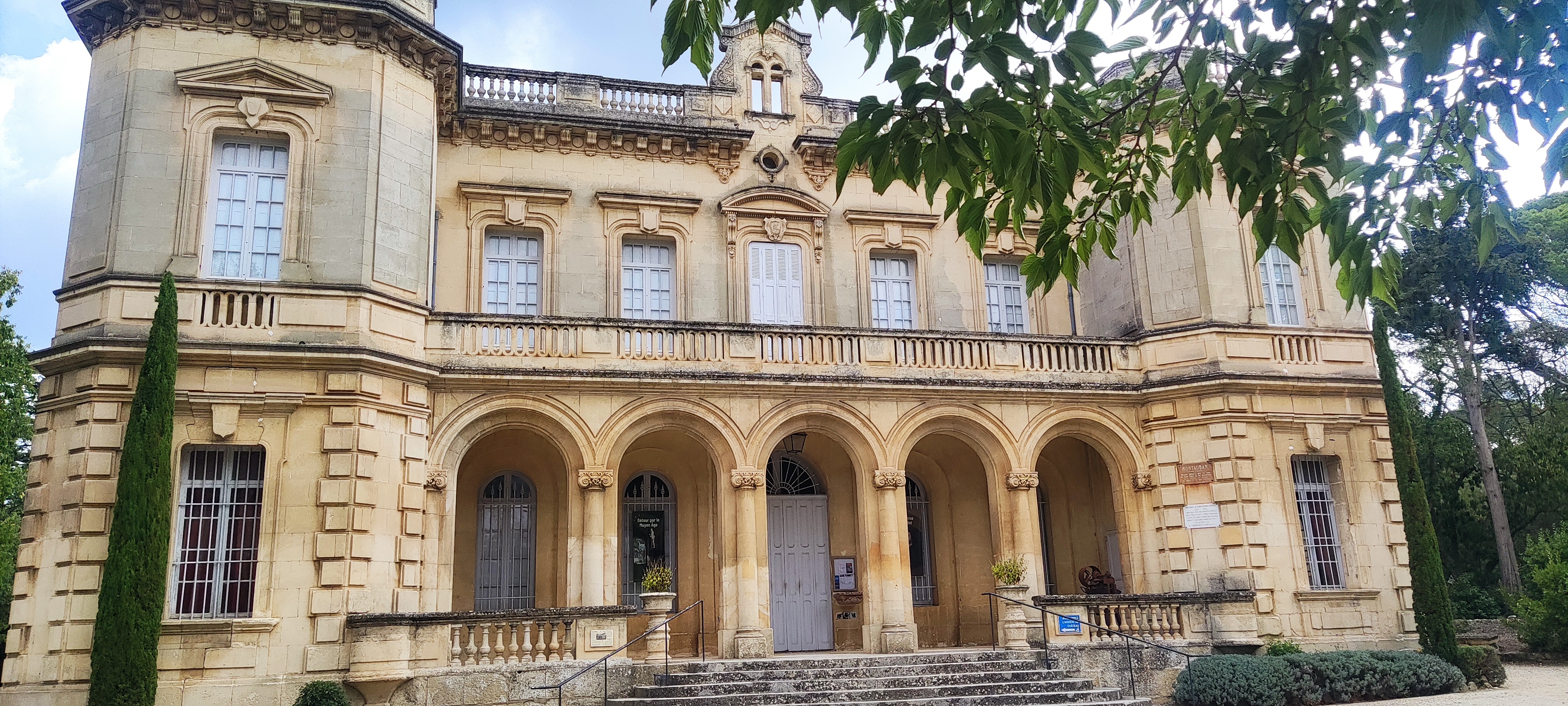
Eventually, we found the Chateau de Montaubaun so we knew we were close to civilisation, even though it was closed due to lack of enthusiasm.
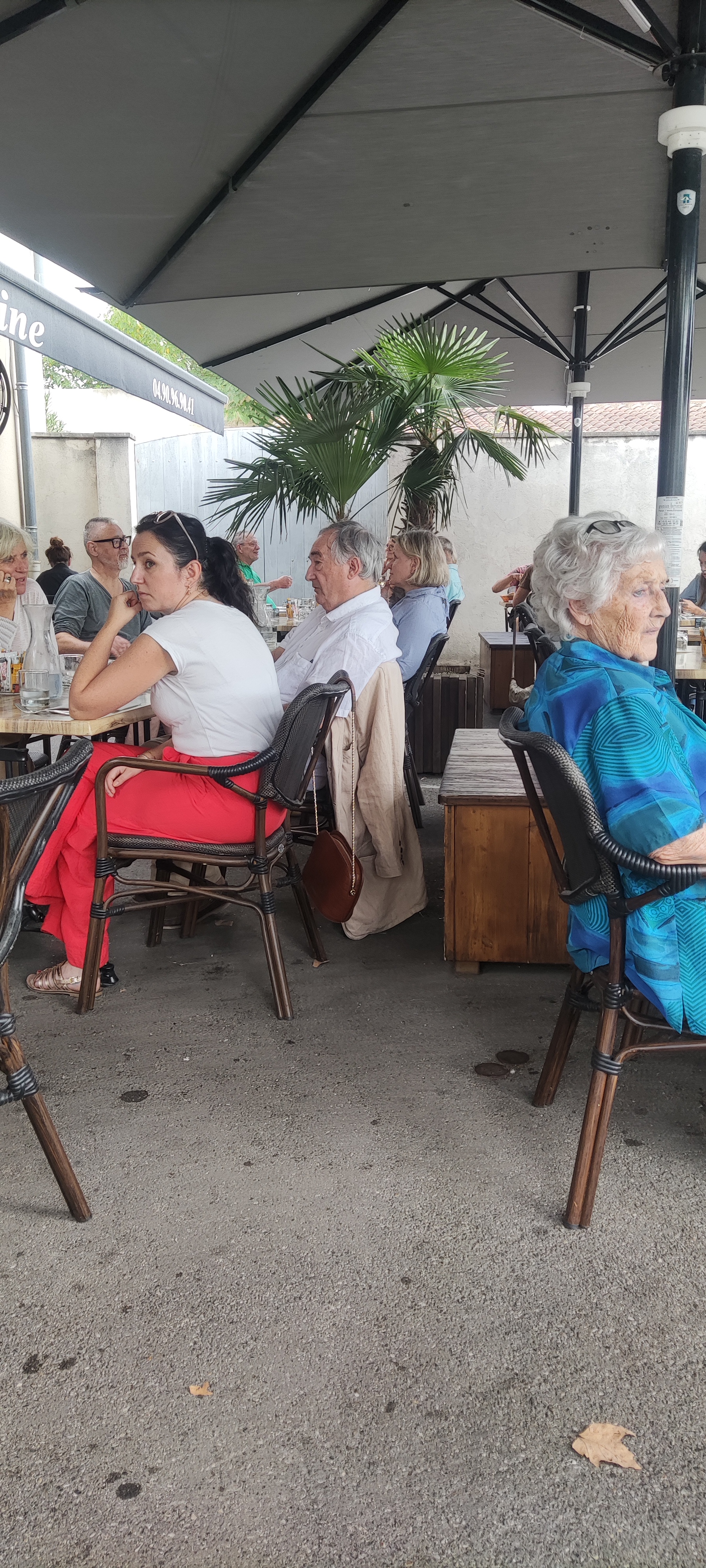
More importantly, we found a joint open for lunch. You may think all these people look miserable, but so would you if you’d just unsuccessfully tried to find a Roman aqueduct. Eleanor started waving at people and soon all the occupants of the restaurant were waving back. How do you know these people I asked? We met them on our walk, she replied and soon we were approached by our new compatriots who were eager to know if we’d completed our task. Friends for life.
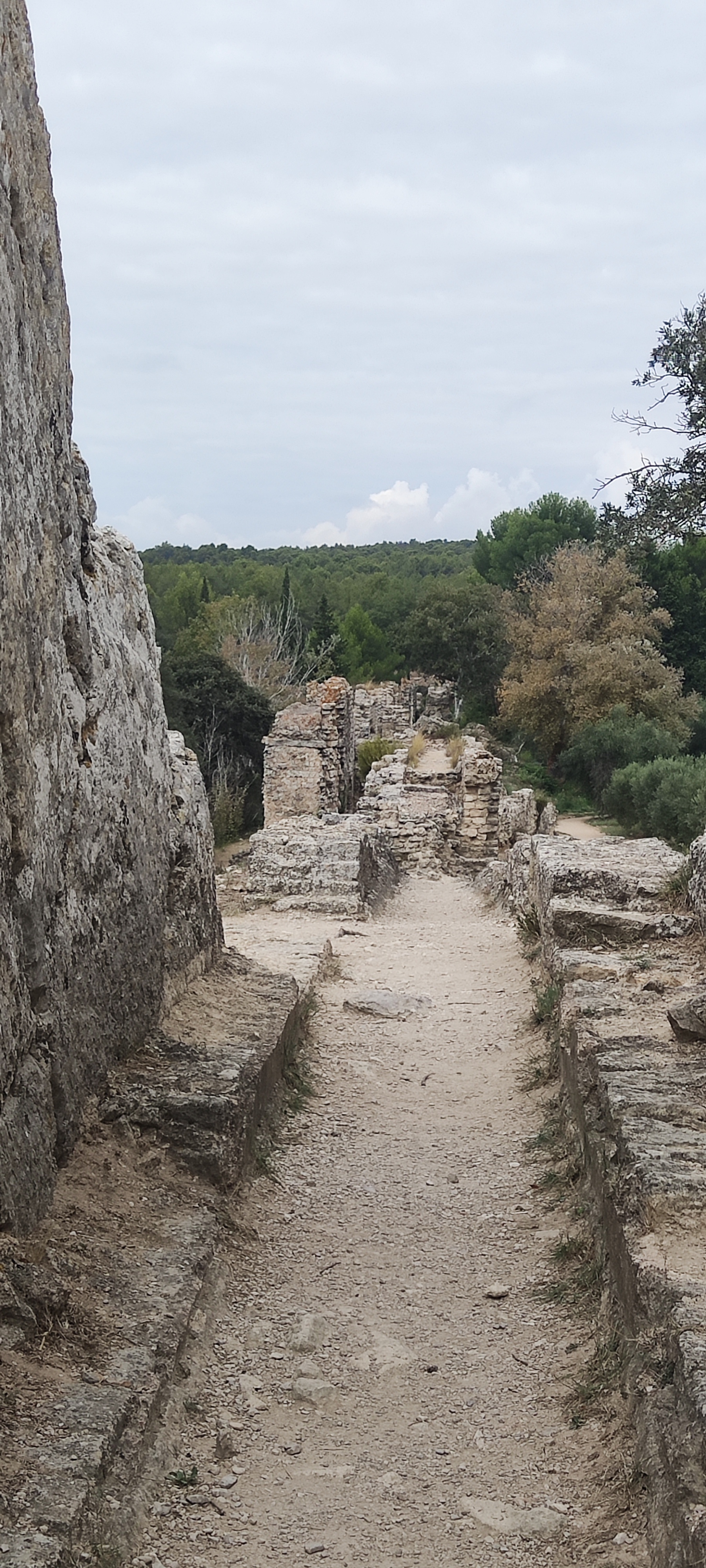
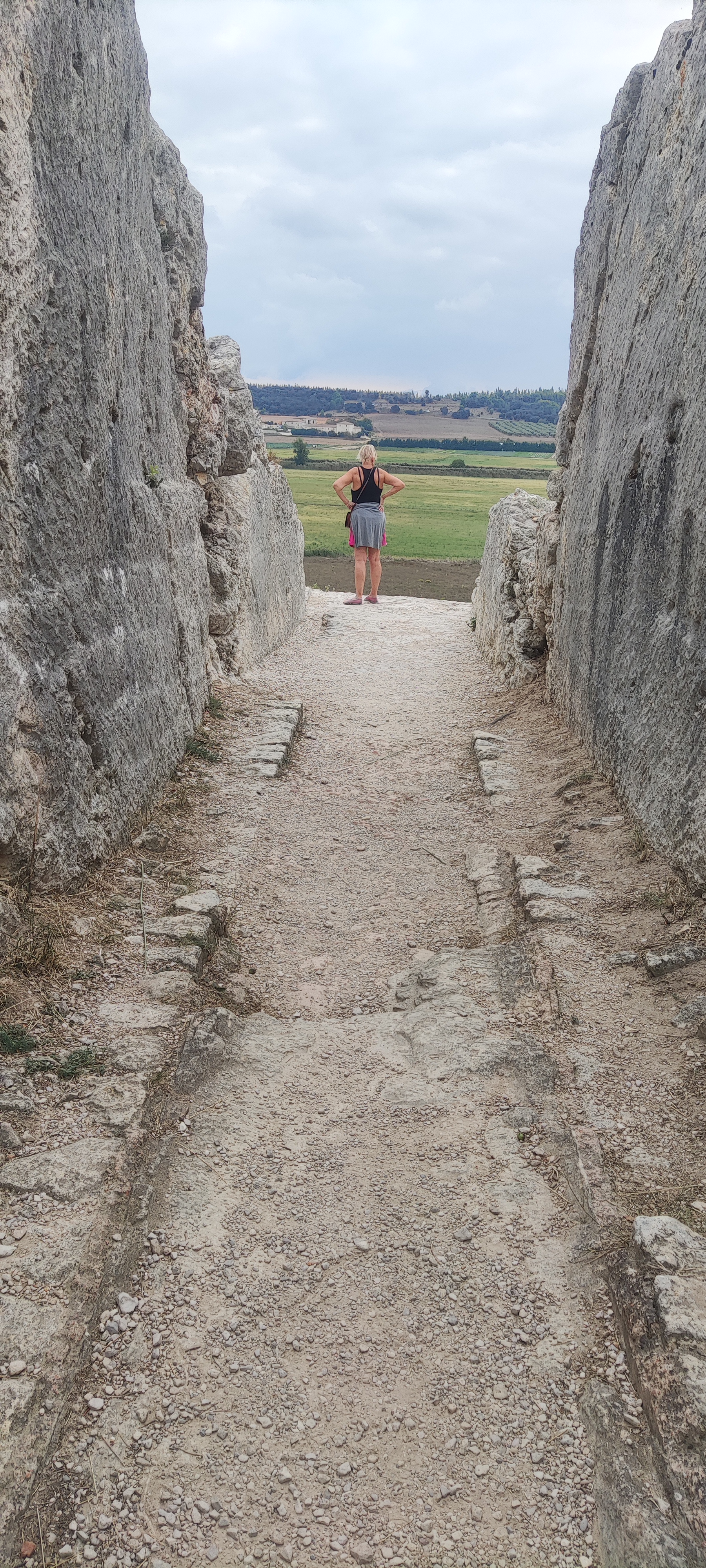

We finished lunch, climbed back into Eleanor’s car, and drove to the aqueduct. It’s an amazing feat of engineering which brought water from the little mountains of Les Alpilles into the important city of Arles. What did the Romans ever do for us? Almost everything apart from cartography.
 Donald and the Weasels