
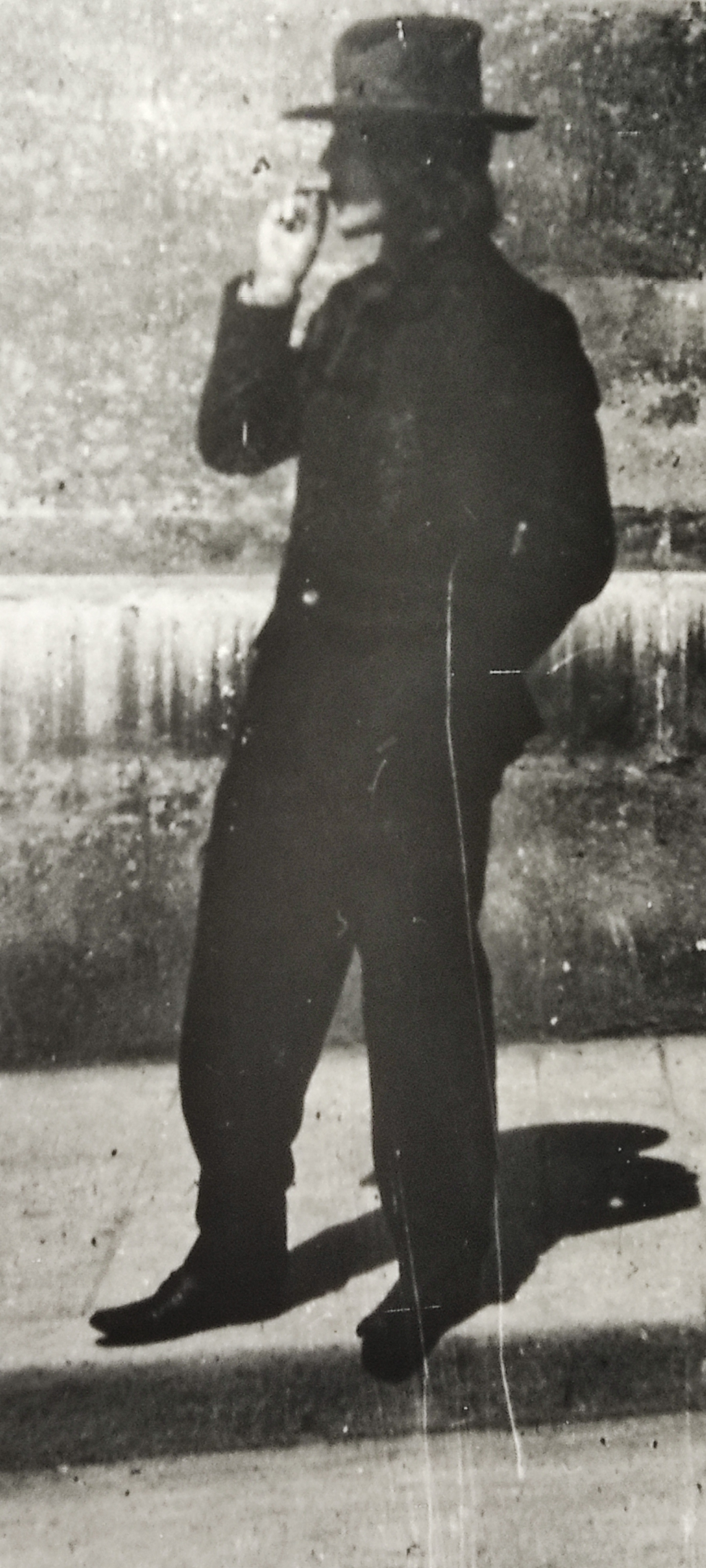
A bit of culture for weasel readers tonight. And even though this rare photo is grainy, you can see our man looks pretty cool.
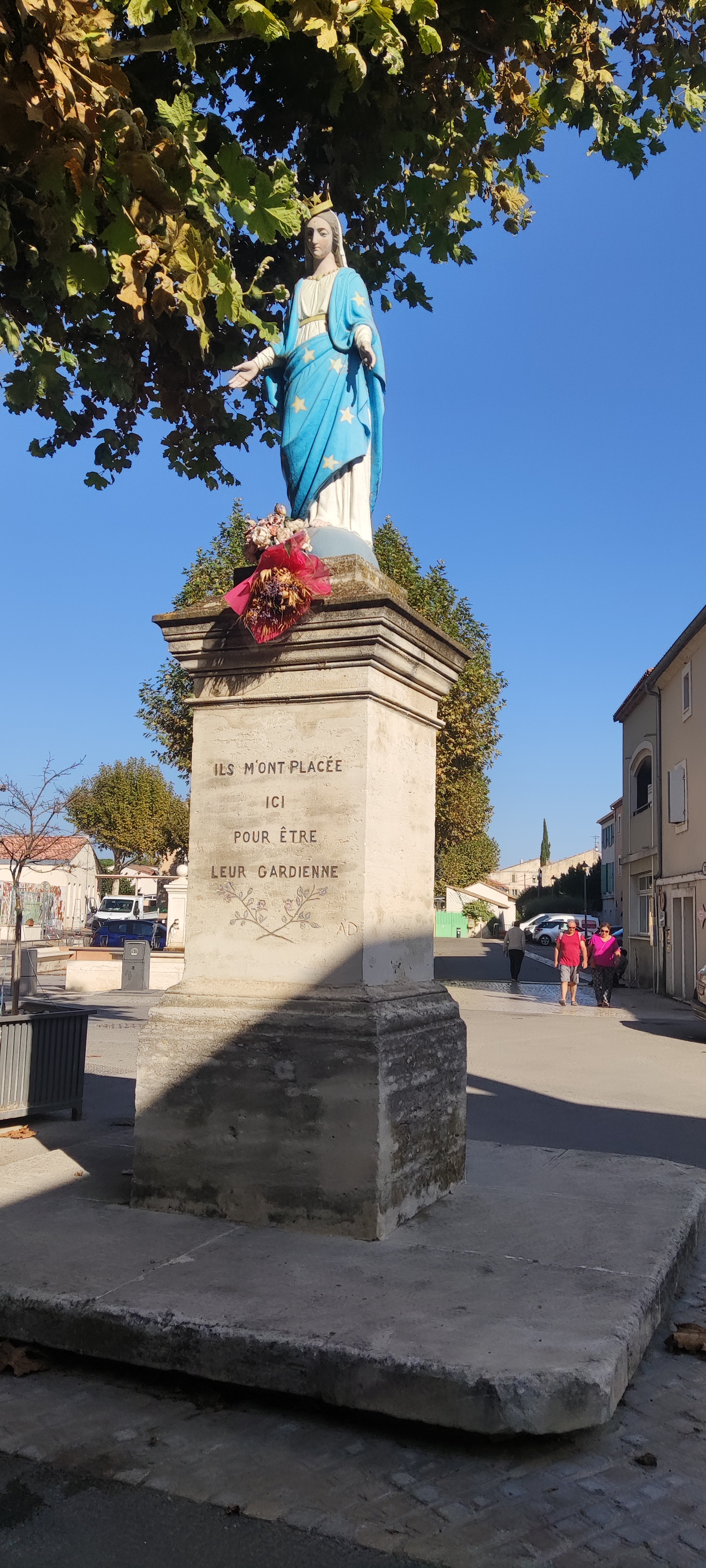
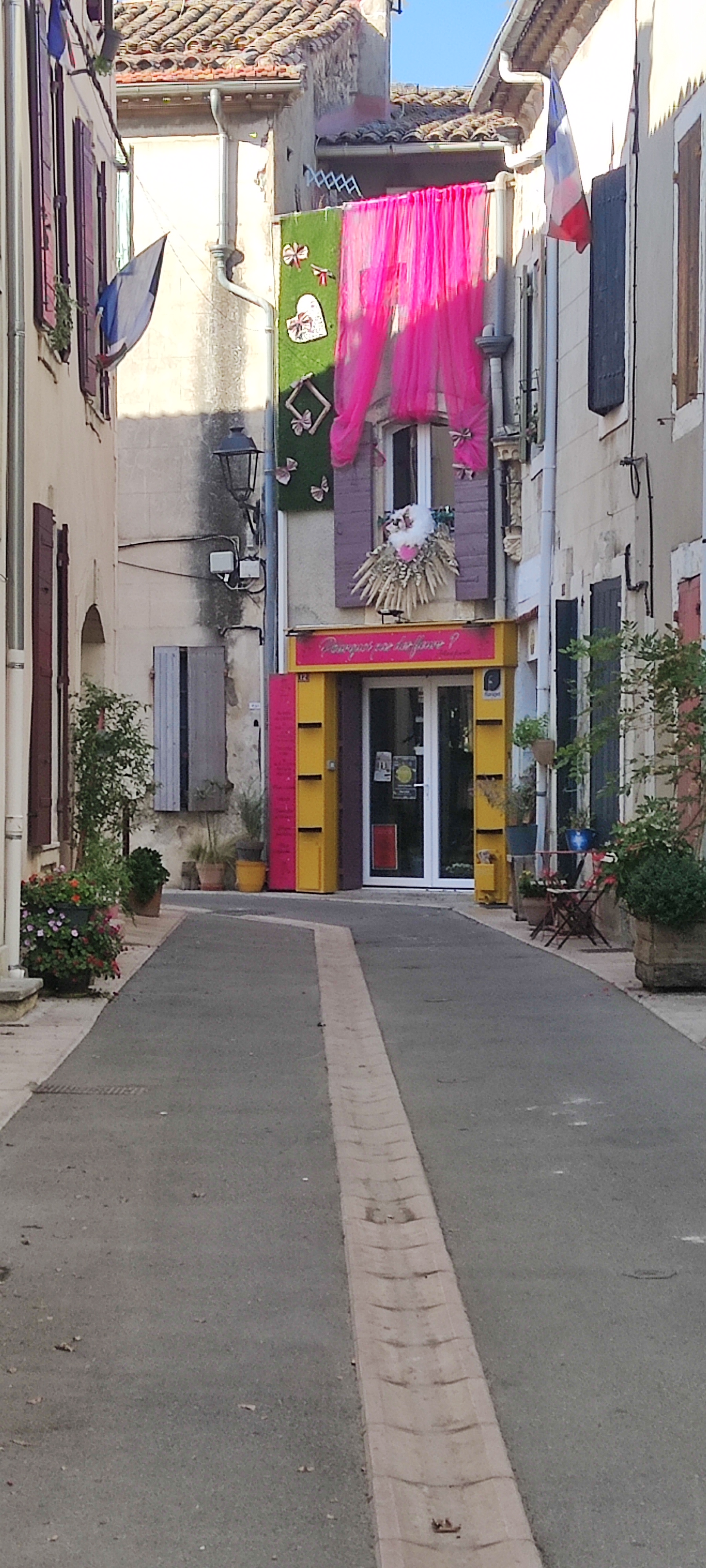
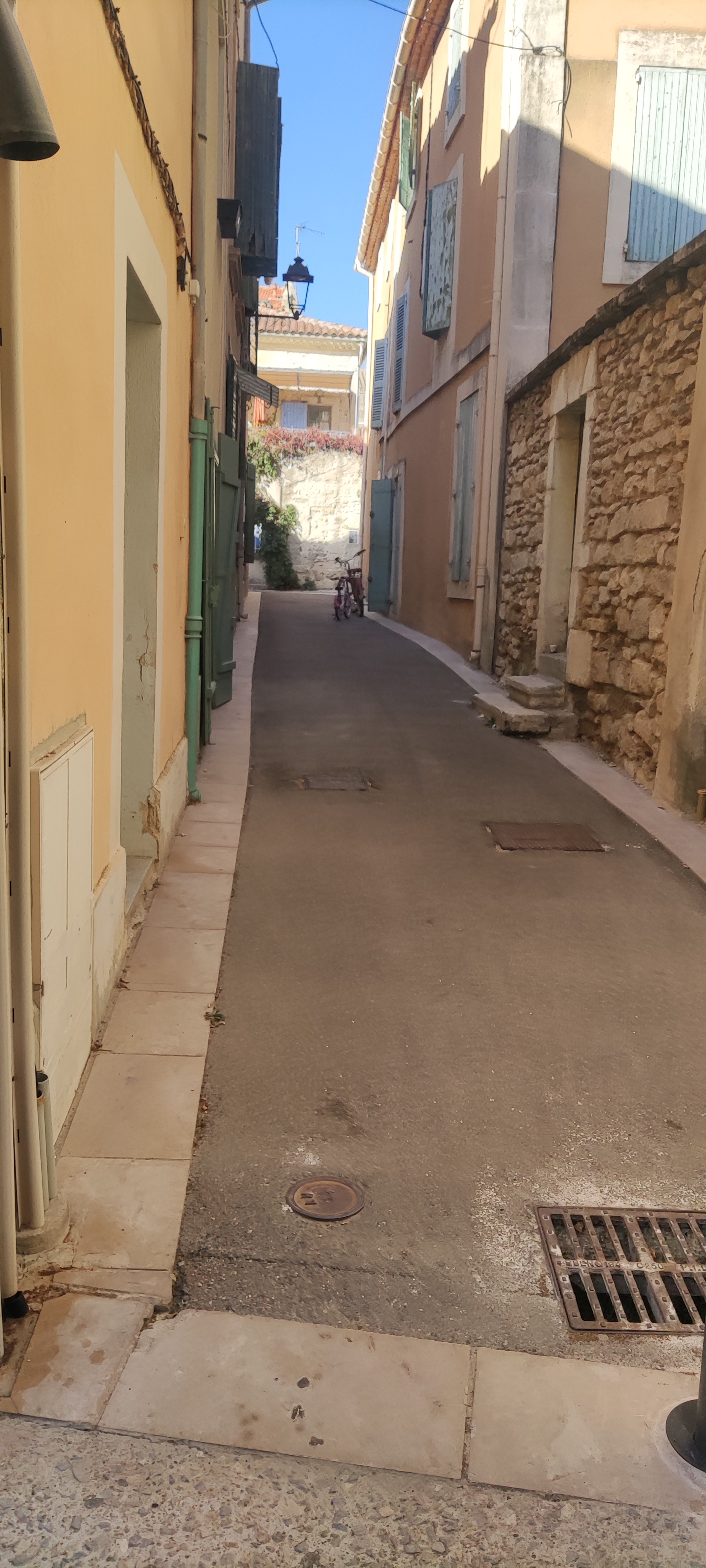
This is the village of Graveson…just down the road from where I’m staying, so I’ve visited many times before, but never to the Chabaud Museum. Who knows why? Maybe it was closed; perhaps I was waylaid in one of the many bars? Maybe I couldn’t be bothered, knowing little about this artist. I had the pool almost to myself this afternoon, only the cleaning robot was also present. I hate that thing. It’s chasing me, I tell my hosts which they find hilarious. But, let me tell you, one minute it’s lurking at the side then, as soon as I make a splash, it’s off after me. So, I gave up, thinking I’d have a quick look at the museum. A quick look? It’s now one of my favourite places in the area. Possibly in the world.
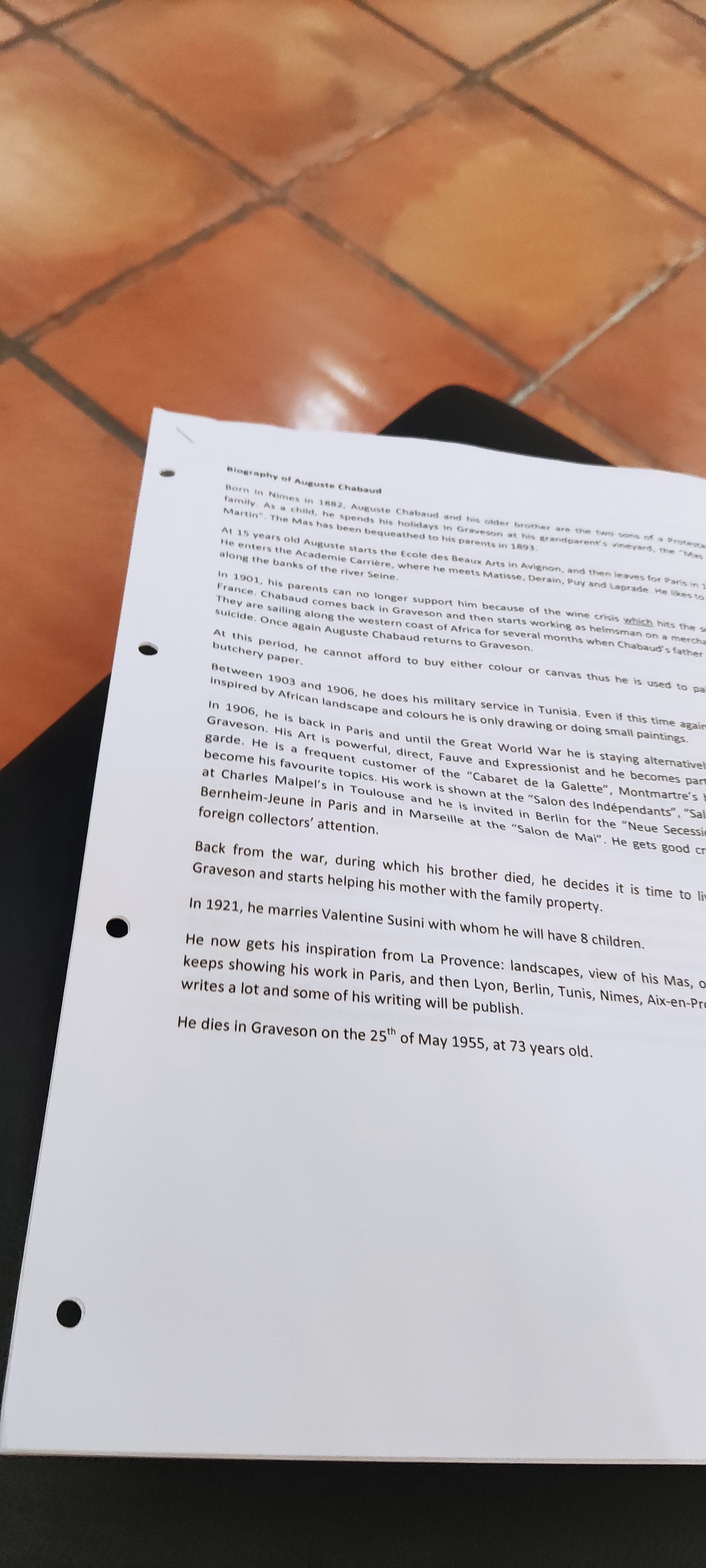
You might’ve noticed that the cropping function is still not functioning so all the photos are ginormous. Sorry… bear with. Anyway, about five minutes into my tour of the museum, I decided that I could do with a translation so returned to the reception. Have you got a guide in English, I asked optimistically? Madame gave me a look, arose from her desk, went to an ancient filing cabinet, found a mouldy file and withdrew the only paper ever written in English in Graveson. Voila! It comprised two pieces of stapled paper and as there were no photocopying facilities, I had to handle it with care before returning. It was next to useless, but, hey, brownie points for entente cordiale.
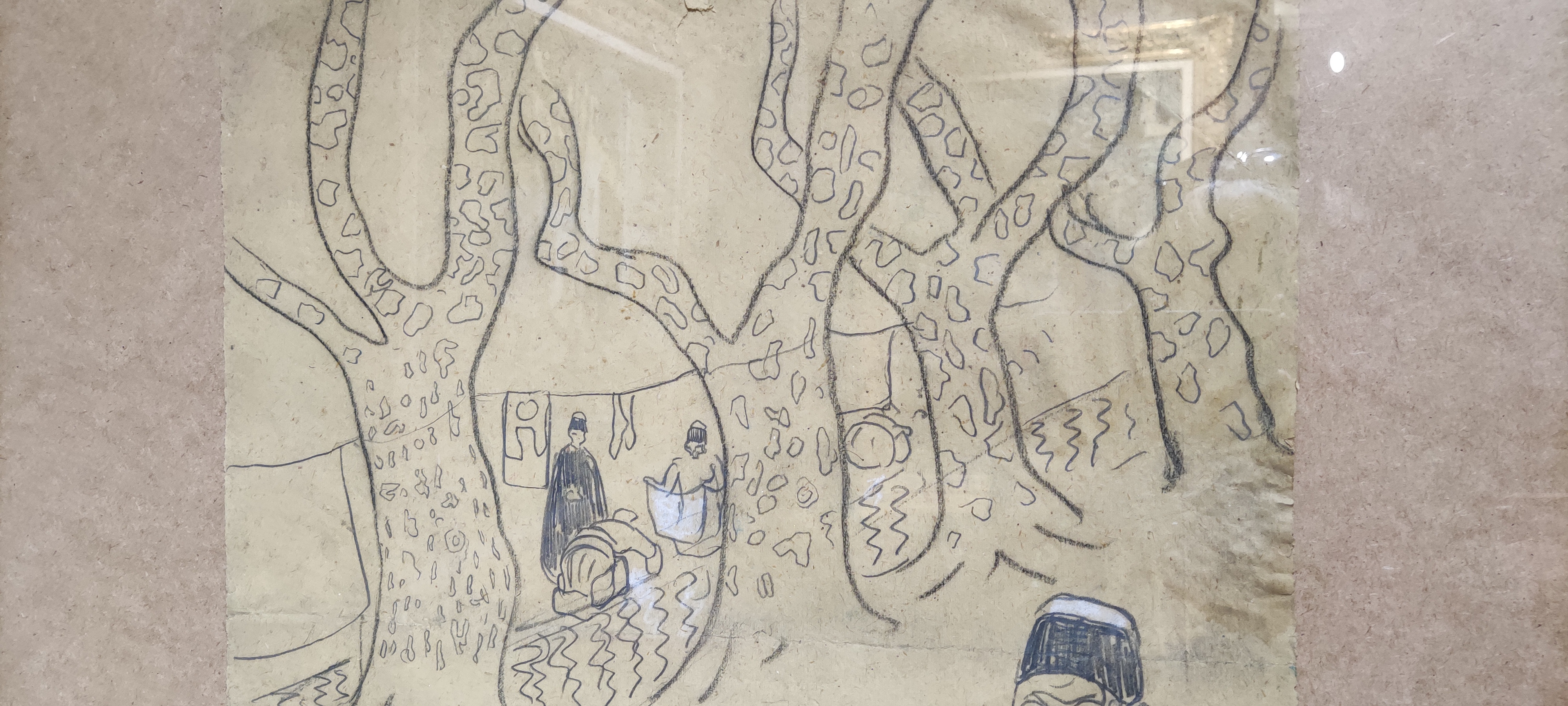
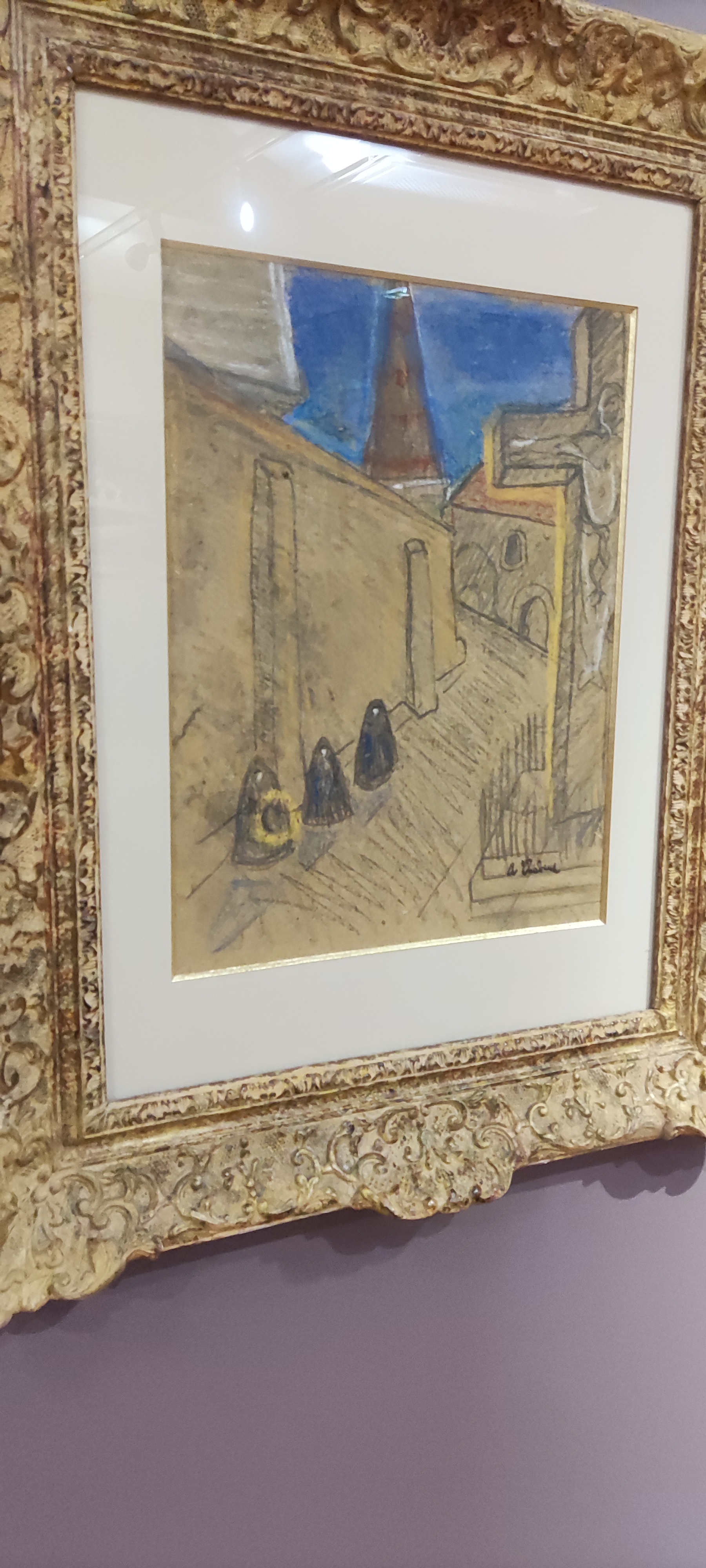
So, Chabaud sloped off to Paris, as all artists must, but returned to the family vineyard to help his parents whose business was suffering from the phylloxia crisis that was sweeping France and decimating grapes. Then, a few years of coming and going were followed by his permanent return in 1919 after WW1. The pictures above depict his early work when he was drawing on butchers’ paper. I’m not an art critic, but even I can see how clearly he captures scenes from a provencal village. And once he was back, he never stopped painting the South, especially immortalising La Montagnette and Les Alpilles.
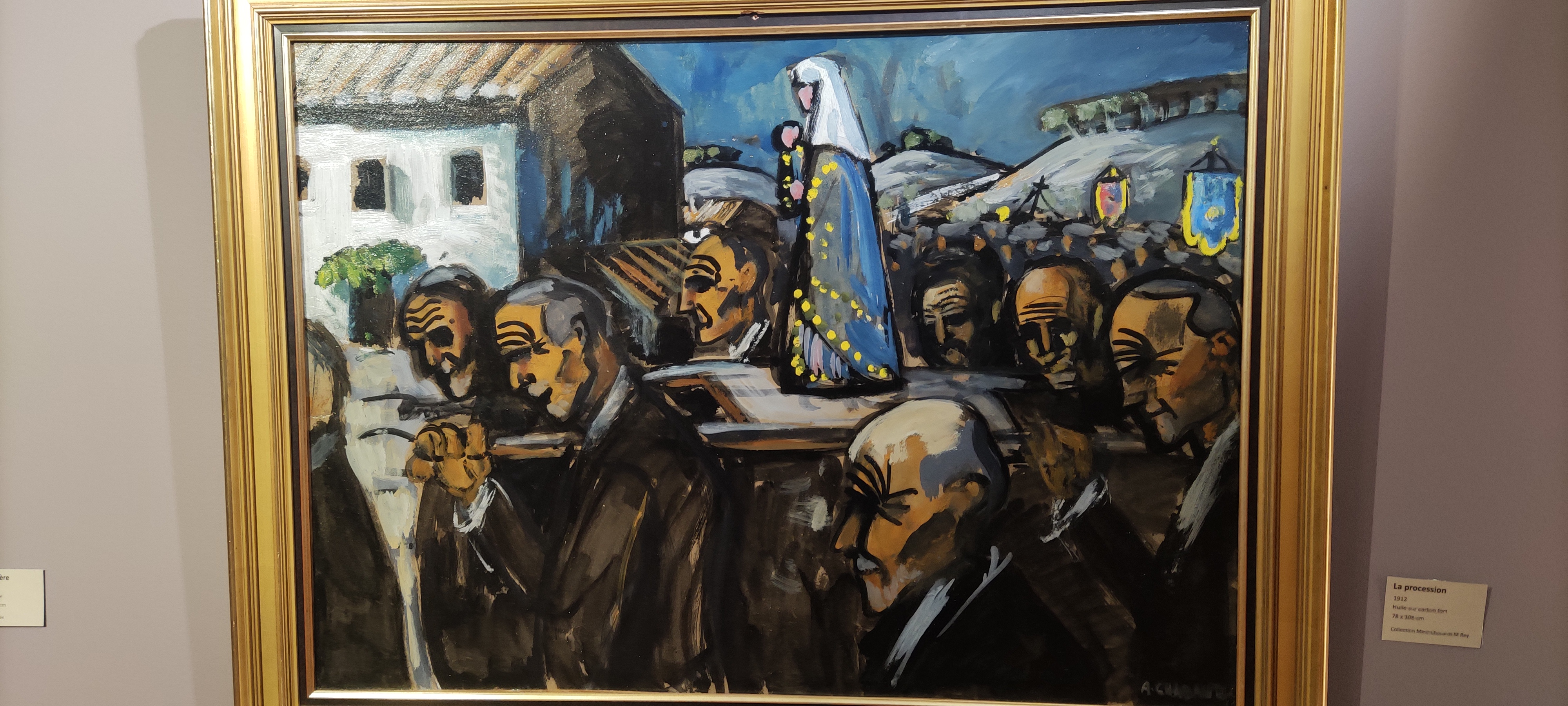
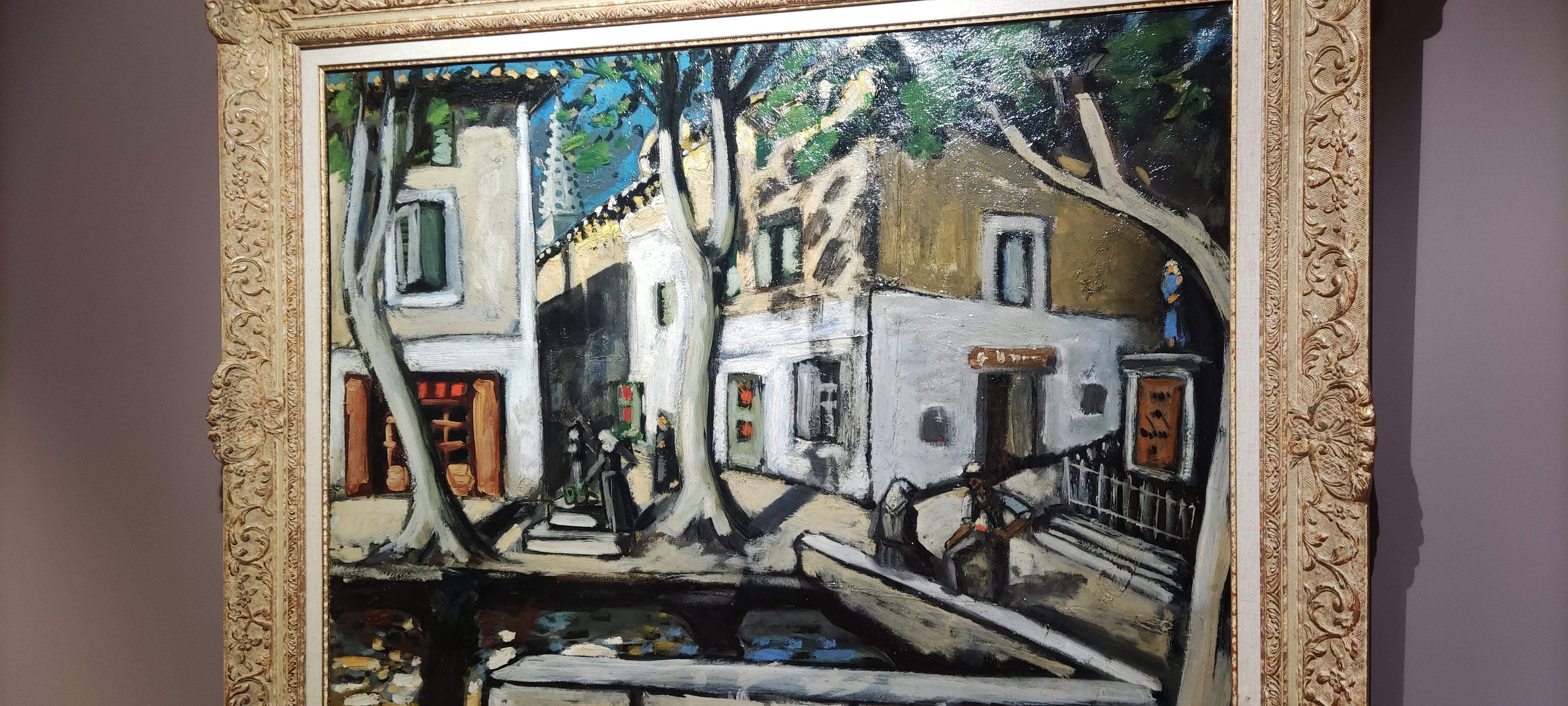
Here’s a painting of Graveson which, apart from parked cars, looks pretty much the same today. The other depicts a group of village elders carrying the local relic, yet another version of the Magdalene, from the church to some other sacred place…these events are still carried out throughout Provence: different men, same procedure.
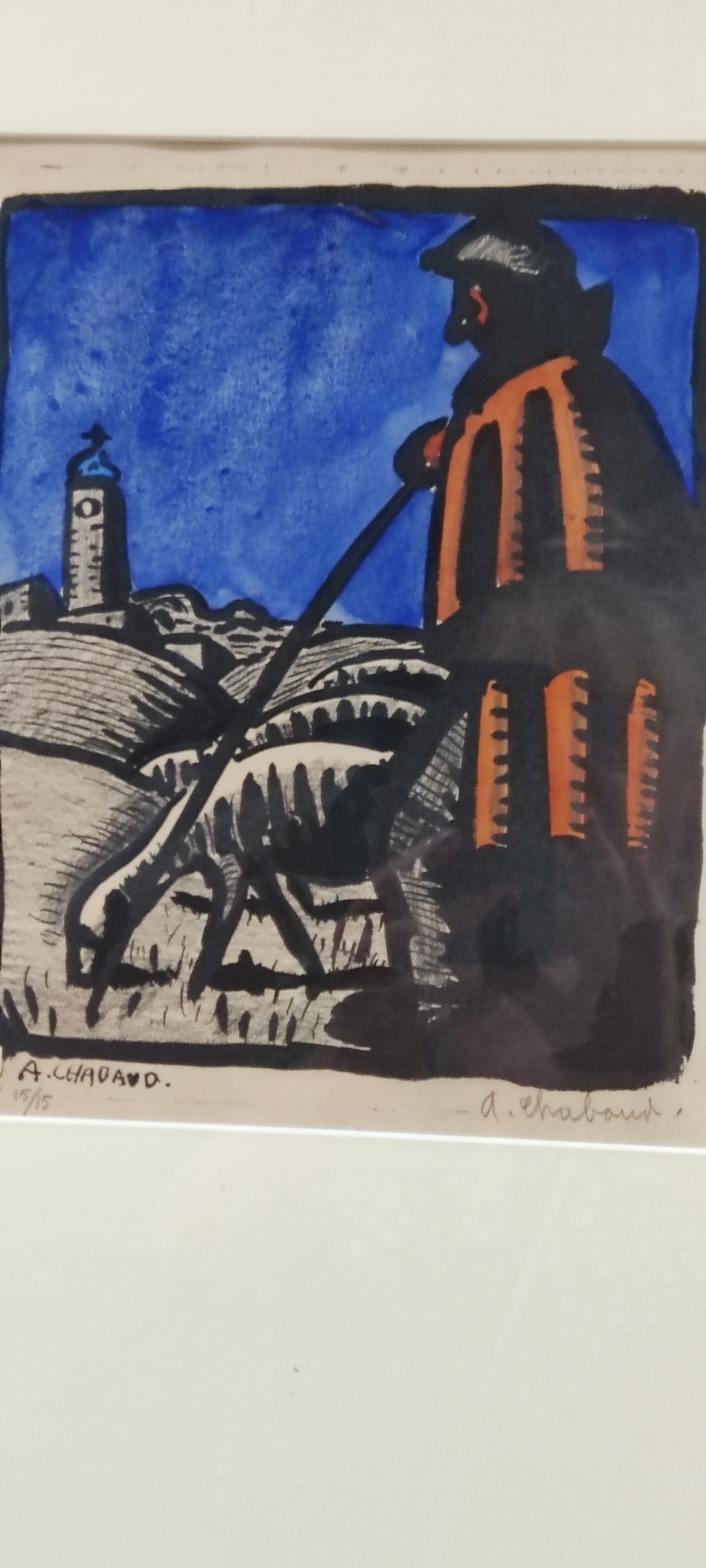
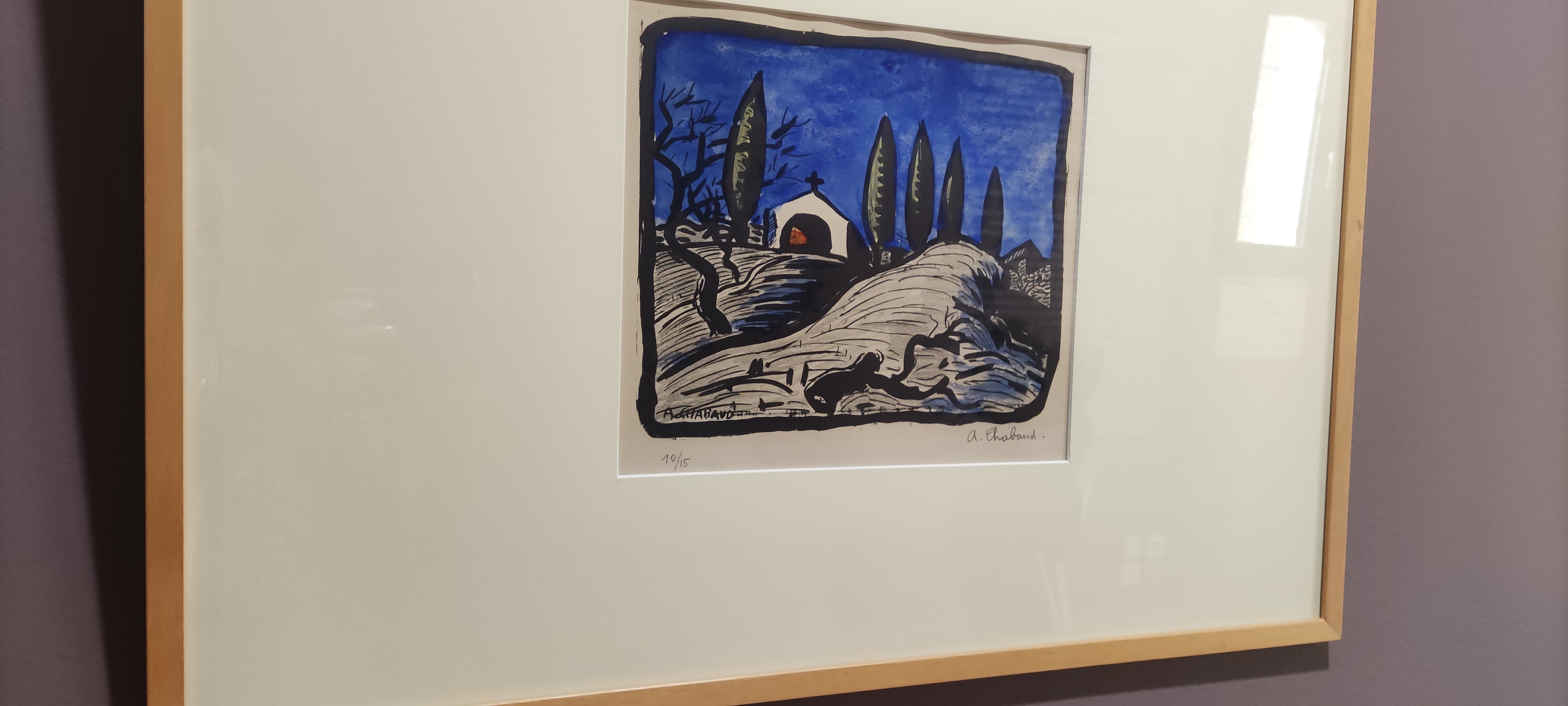
And this is Chaubaud’s blue period. Do I sound as though I know what I’m talking about? It means that he used pure Prussian Blue to highlight the local people and their traditions. They’re beautiful: there’s the shepherd on the hill looking over the village; and something that looks like Chapelle Sainte Sixte – I have a painting of that back in Dorset.
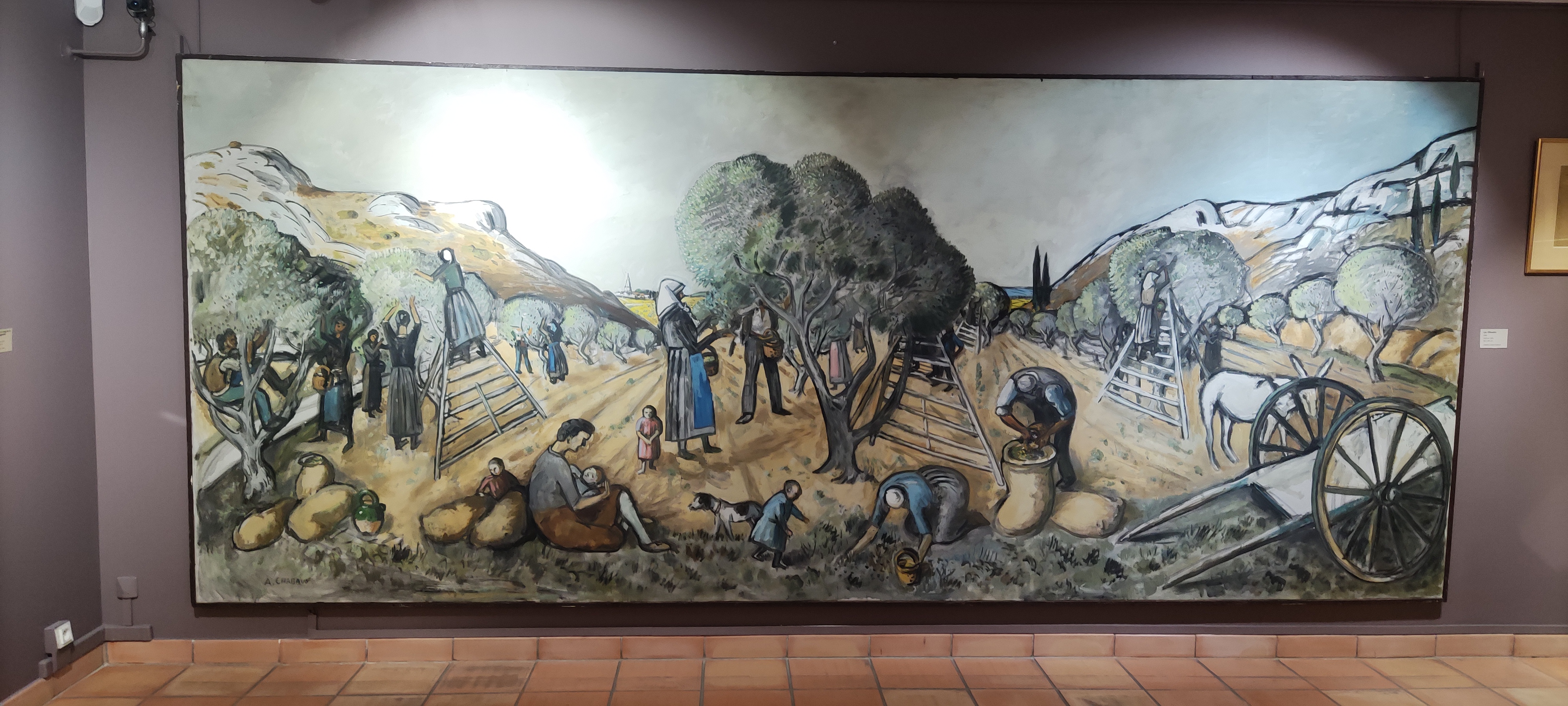
And here’s my favourite painting in the whole exhibition. It’s the locals collecting the olives. Try clicking on it to get a feel for the place. I love it and passed a lot of happy time sitting on the bench that someone had carefully placed in front of it. In fact, I spent a lot of time in this fantastic gallery, purchased a bunch of stuff in the gift shop and I’ll be going back because, in the heat of an afternoon, this is the most fantastic place to immerse oneself in a Provence of not that long ago
 Donald and the Weasels
I too enjoyed the museum but it was along time ago now…but I’ve learnt a whole lot more reading your blog so will have to revisit myself now.
And we only put the robot in the pool when we know you are going to be swimming…we have programmed it to follow you….lol