In anticipation

June. Flaming June. Not. Warm – yes. End of. I sit in my little hobbit house, garden doors open, looking out at the relentless rain. Cardigan on, cardigan off. Who else except the English so frequently adhere to the comforts of a cardigan? I think of the other place where I will be in on Saturday. That place of which I often use Jonathan Meades’ statement – ‘every Englishman has two countries – his own, and France’. More recently, and prosaically, Meades has updated this: ‘if I’d been in England, I’d be dead’… in this monotony of electoral opportunities, a timely reference to health systems.

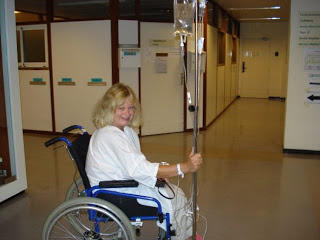
I know what he means. I once became dangerously unwell in that other country. I passed an unexpected eight days in the Henri Dauffaut Hospital in Avignon, saddled down with numerous drips, a ‘nil by mouth’ regime, and easy access to the French Open from a room that I shared with an ancient being who farted for France. Difficult to think of anywhere that would be more reassuring.

Flat out, waiting for an ultra-sound scan, the kindly French folk played a quiet game of Cluedo: ‘this is Madame Green’ and, in reference to a moaning body on another stretcher, ‘this is Madame White. We’re just waiting for Colonel Mustard’. How we roared.

I’m to travel with a companion from the colonies. Ameriky. He’s in for a shock of the most pleasant kind once we’ve bumped onto the runway in an ancient prop plane and overcome the rental car fiasco. ‘Someone will meet and greet you from the security area’, says the man on the phone. ‘Have you ever been to Avignon airport?’ I respond. There are two rooms: arrive and leave.

It must be one of life’s greatest pleasures to arrive in Provence for the first time. They say that one’s first visit to Paris is an unmatchable experience. Paris is not Provence. It’s not even France. Provence is an indescribable challenge to the senses. There are no accepted terms of reference – suspend everything you live by, especially time, and all will be well. Immersion is essential.

Never fear that the place has been spoiled by the travelling classes. The folk of the South remain in a provençal bubble in which we come and go for a couple of weeks. Ignore the boutiques of St Remy. Read your Daudet and Mistral and look beneath to discover that the quotidian is as it was. Rien ne change ici. Which is why I keep going back.

And it’s why this piece has no beginning, middle or discernible end. Just popping the cardigan back on. Oh England – my England.

A little treasure

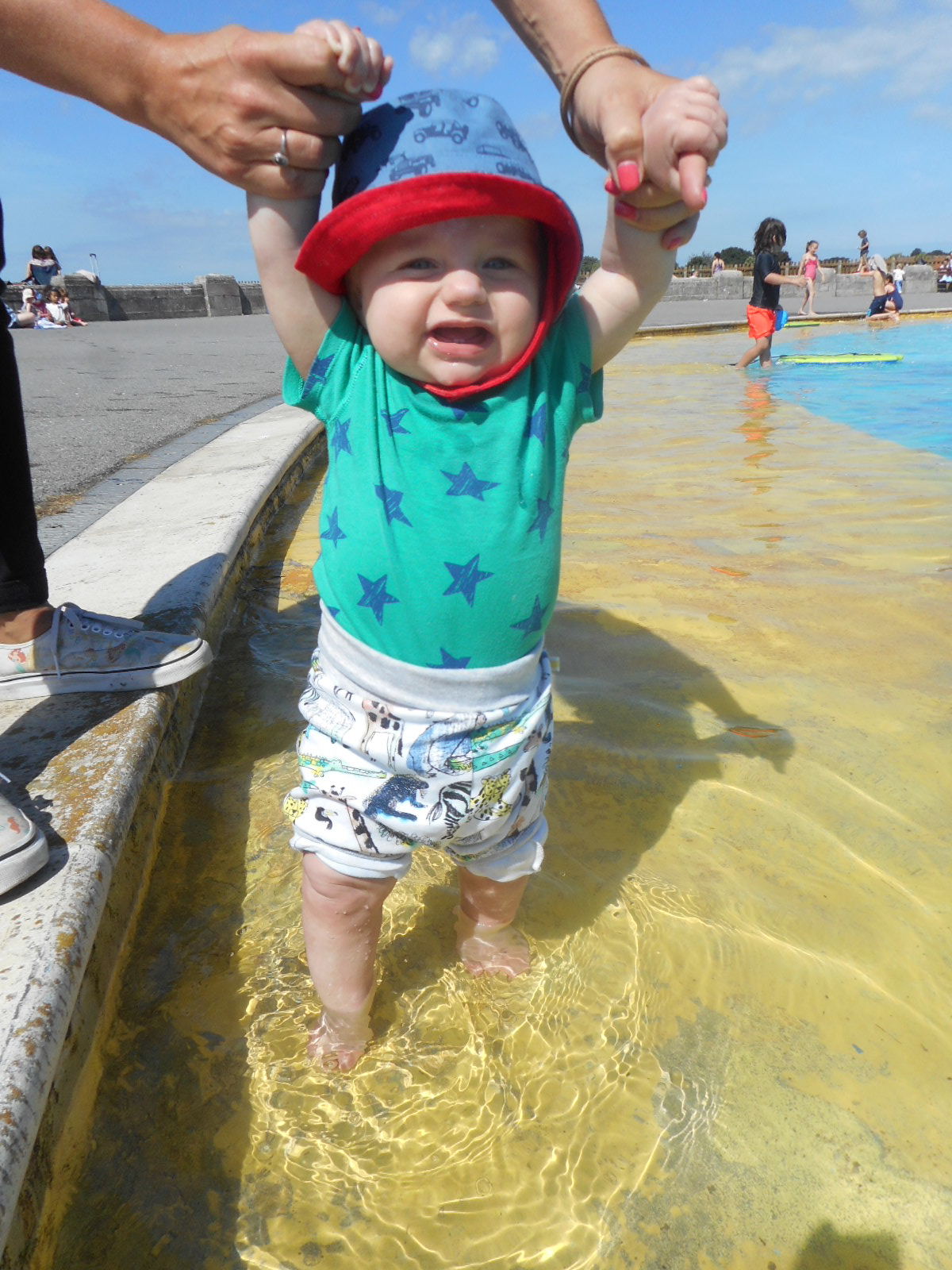
Generally, he wakes up at 4.59am precisely. This seems like a sensible time: you get to hear the last of the news from the BBC World Service before one’s cultural context turns to the more parochial. He’s back in bed by 5.59am so catches the Shipping Forecast but misses Tweet of the Day and the boring business news. By 7am, his day has started properly with a bottle of the white stuff and, if you’re not up and dressed already, you’d better get a move on. From then on, it’s non-stop.

He’s quite a small person, maybe no more than two feet high, so how does he create so much work? People dash around, rushing to meet his every need like a member of royalty. We wash and scrub and clean; we move anything that smacks of danger; we sing and wave and recall long lost rhymes: who were those ‘three men’ in a tub and why? What happened whilst we rowed merrily down the stream? Why did that pig go to market if not to become a pork chop?

Grandmas are forbidden the front seat of the car: we are consigned to the back seat and the role of travelling entertainer. Mothers – once daughters – are in charge, issuing advice and instructions from the front. Mothers know everything. Grandmas were never mothers. They are berated for not knowing left from right and for making inane suggestions involving baked beans. Their children’s children are a new variety of precious beings. We sit in the back with all the baggage and we long for a glass of wine and a cigarette, even though we no longer smoke. Grandmas play with other people’s toes and dwell on long-forgotten and now forbidden rusks and look aimlessly out of the window, waiting for the next instruction.

 Grandmas who have lived their lives as independent and forceful creatures are silenced by the mothers who know better. And that small person sits there, with the trees rushing past, waiting for the next big thing. Or waiting for the next meal. We lay in bed, hoping for more sleep and dreaming of the day after when we aren’t subservient to a small person and his very tired mummy who we silently applaud.

And then, the overland safari moves homeward bound and we breathe a sigh of guilty relief and begin the great clean-up. Out come the bleach and the polish. On goes the washing machine. Here’s the wine – and RELAX. Wait, something’s missing: it’s too quiet.


Small jobs

There’s a bit of a problem with the continuous drip drip of a tap on the bathroom sink. I know I’ll need new taps because I’m pretty sure the current ones are originals. The bathroom suite is a sort of dull apricot colour – probably avant-garde back in the seventies when the middle classes were fleeing avocado, but not on trend now even in these retro days. And a replacement washer is so ‘yesterday’.

B & Q sent me a friendly email. It said, ‘you don’t visit, you don’t call so here’s £5 off your next purchase’. I think they’ve confused me with someone else as I’m always in the joint , especially on Diamond Day when old people can get 10% deducted from purchases just for being ancient. It’s a bloody nightmare there on Wednesdays when all of us withered folk stumble into each other with the wrong trolleys and spend an extra tedious hour trying to remember where we abandoned our cars. Still, £5 is £5 when all’s said and done so off I go to get the taps. Naturally, they don’t have the taps I’m after.

I phone twenty five plumbers and no-one wants to know because the job’s too small. It’s the same with fence panels: nobody wants to replace one solitary fence panel – the job’s too small. Tradespeople don’t realise or care that you might recommend them to your neighbours. In any case, they always persuade you that something else needs urgent attention. Anyway, Malcolm got back to me. Several times. Once he phoned when I was wandering round a churchyard looking at some dead people. Previous jobs will take longer and can he come a week next Wednesday depending on the rain.

I’m not even convinced he is a plumber. I found him via a voicemail that said, ‘I’m on holiday, can you call Malcolm’. He arrives at 7.30pm and says, ‘well Judith, I need to get into the loft’. But it’s a tap Malcolm – can’t you just turn the water off? I show him where the stop cock is. ‘Oh, nasty leak under the kitchen sink’, says Malcolm. ‘I could put a bit of tape on it’. Well, there’s a surprise. Malcolm looks under the bathroom basin. ‘Oh, nasty leak under there. I could put a bit of tape on it’.

I leave him to it. I can hear him grunting and puffing and talking to himself: ‘oh dear, oh dear’.

‘Any luck?’ I call out optimistically.

Eventually, it’s fixed. ‘I might have to come back, Judith’, he says. ‘Malcolm’, I say, ‘who is Judith? Anyway, how much do I owe you?’

‘Well how much do you want to pay?’ he says and I am stumped. It’s not a big job but he’s been with me for such a huge part of my life that I can’t remember a time when he wasn’t upstairs grunting. We settle on twenty quid and a bowl under the sink. ‘See you next week then’.

Horse country

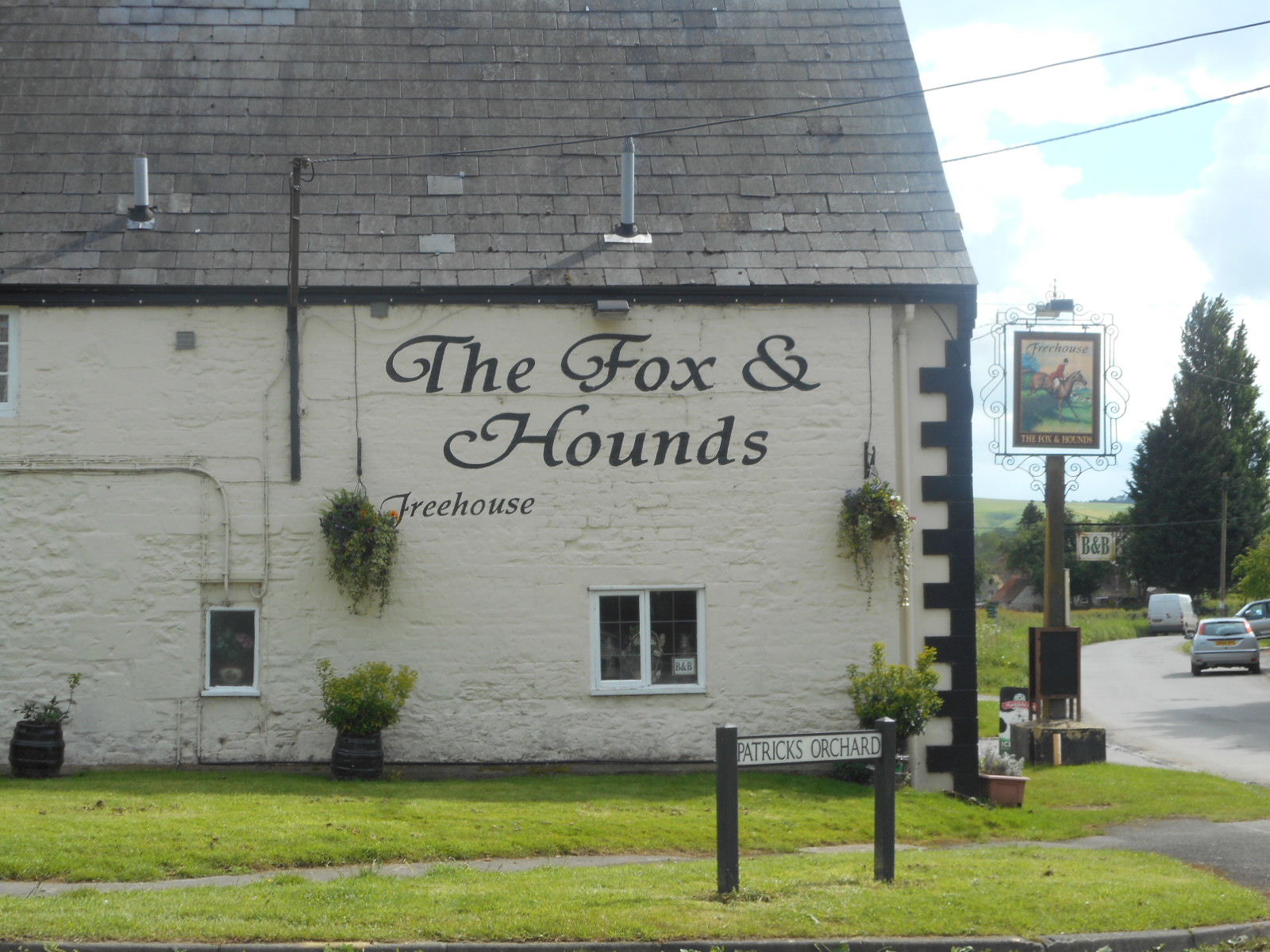
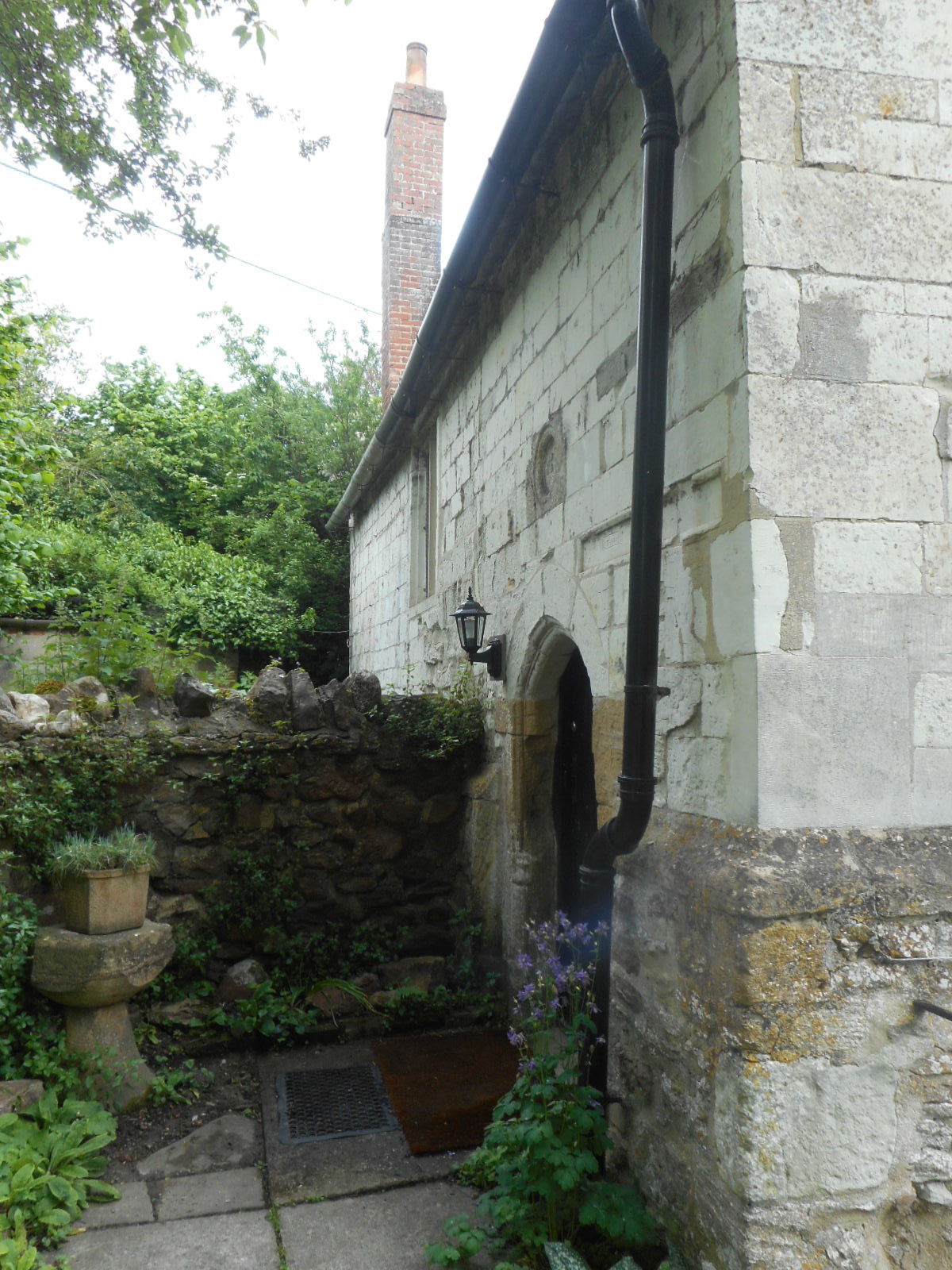
 Mine host bears a passing resemblance to Ian Paisley, although differentiated and improved by the fact that he’s still breathing. Further, he has an identical voice which is somewhat disarming. When I enquire about the possibility of red wine, the options given are ‘glass or bottle?’ I hadn’t thought about a bottle but now you come to mention it …Said bottle clasped tightly in the weary traveller’s hand, ready to take back to my billet, Paisley waves a couple of glasses: ‘Two receptacles is it?’ Well, actually I’m on my own. ‘Just you! Oh good girl yerself’, he says happily. I congratulate him on having relocated to such a lovely village. ‘Oh, there’s a few pound here so there is’, says Ian gleefully, ‘and you don’t have to look over your shoulder to see who’s coming in the back door of a Friday night.’
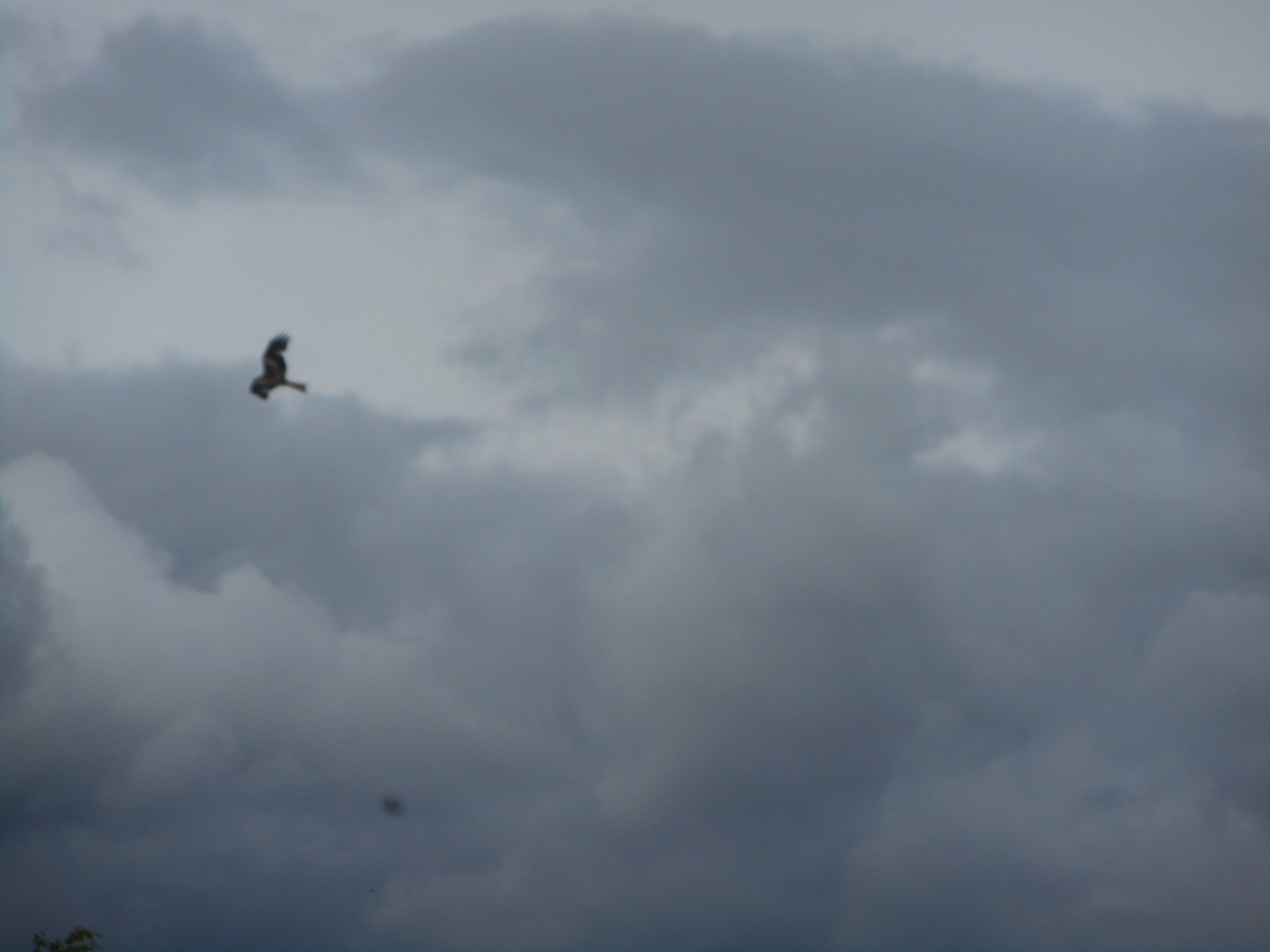
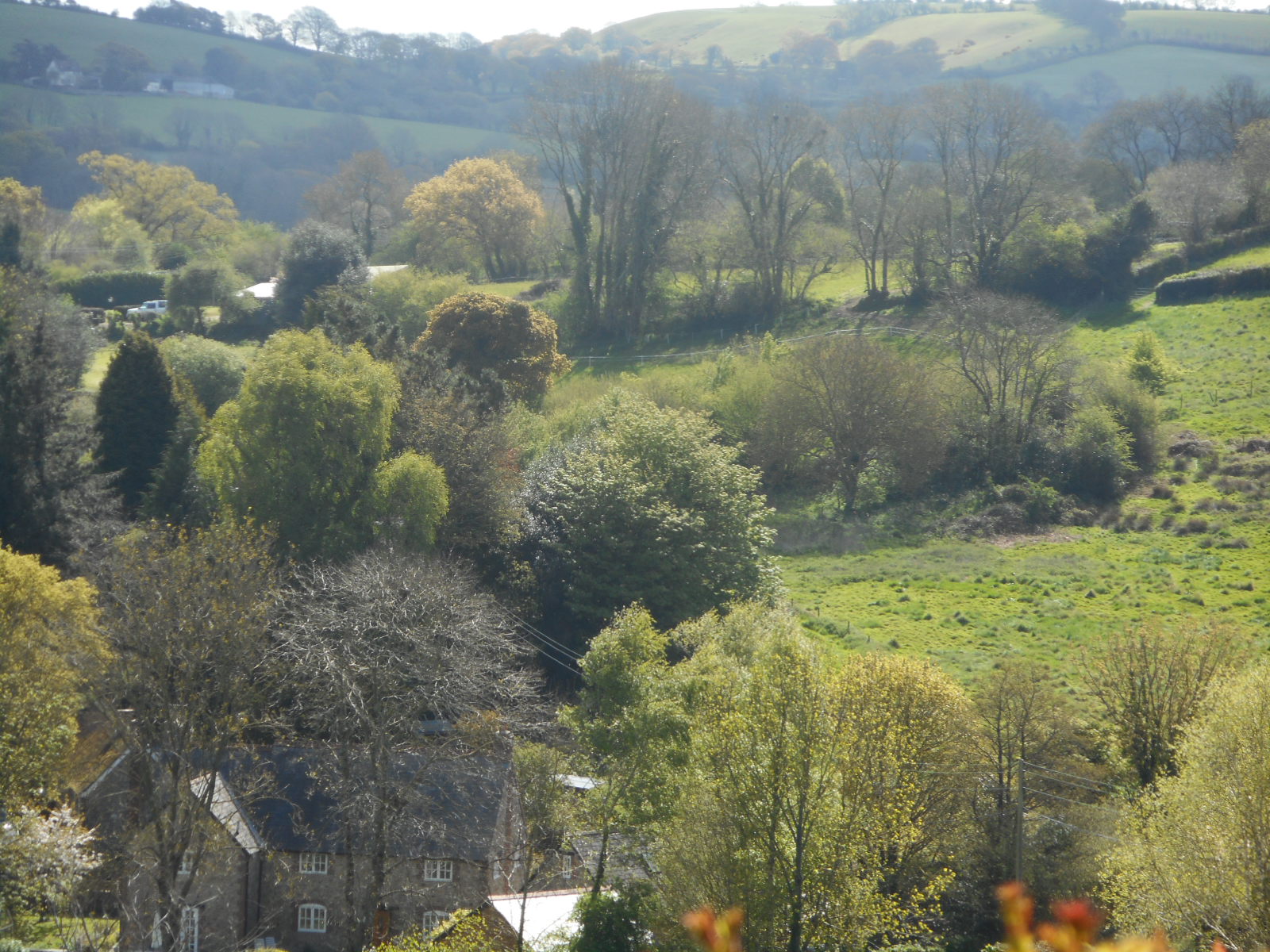
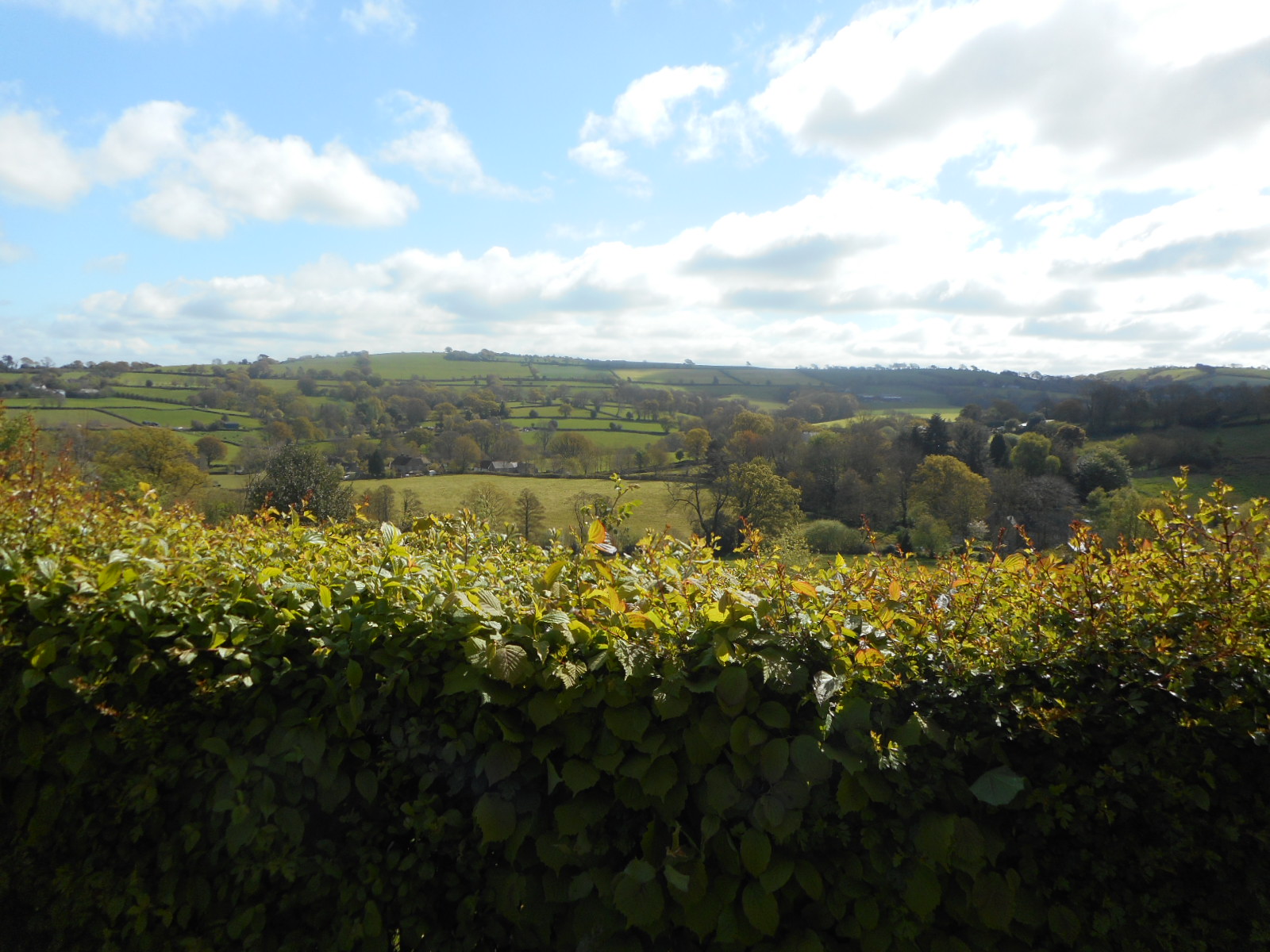
On arrival, I mention the little community garden across from my wooden shack and Graham, clutching my case, says if I look long enough, I’ll see the red kites that come to dine on small birds and animals amongst the allotment. And at that point, I think ‘well this will do for me’.
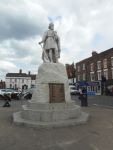
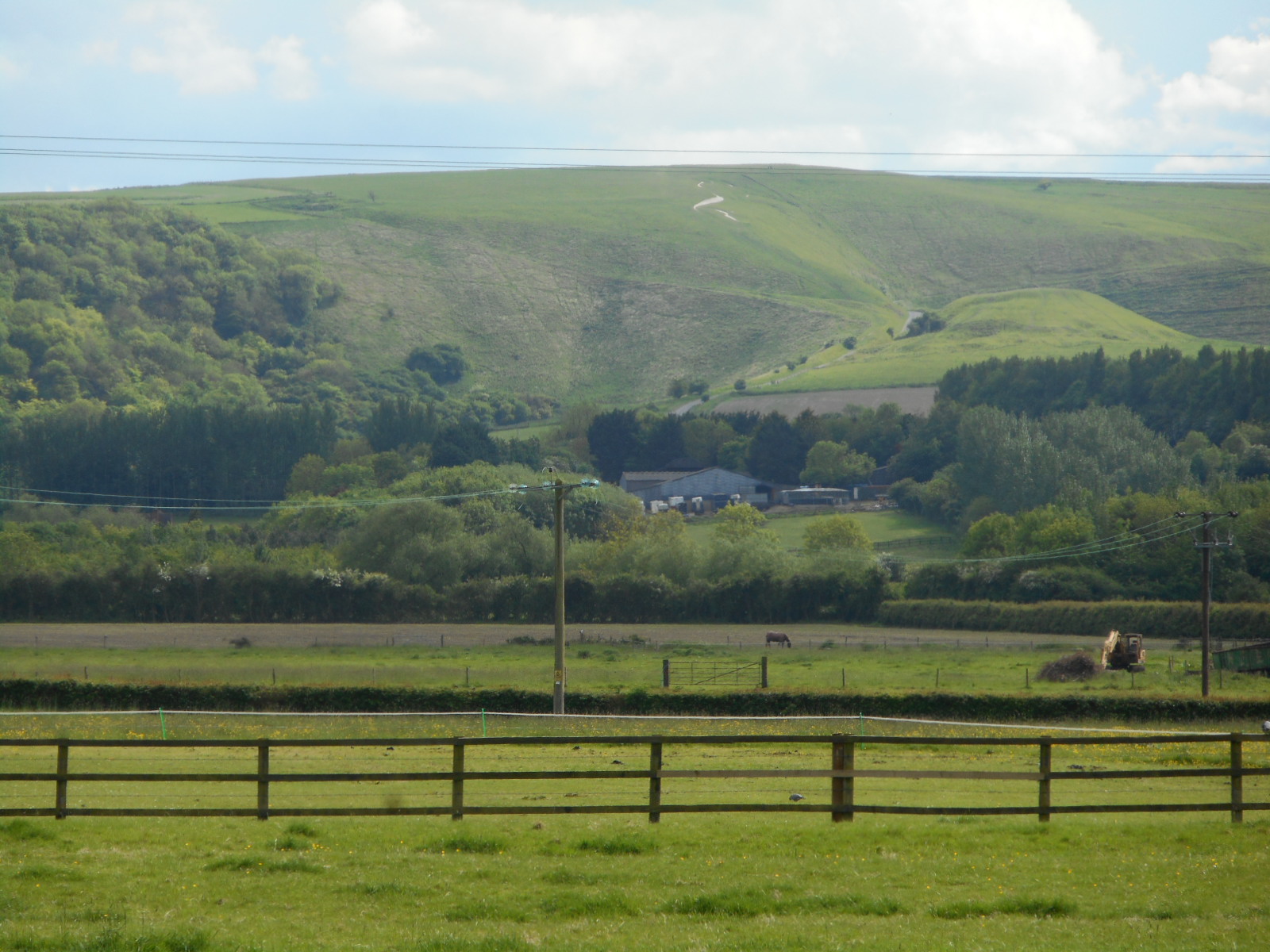
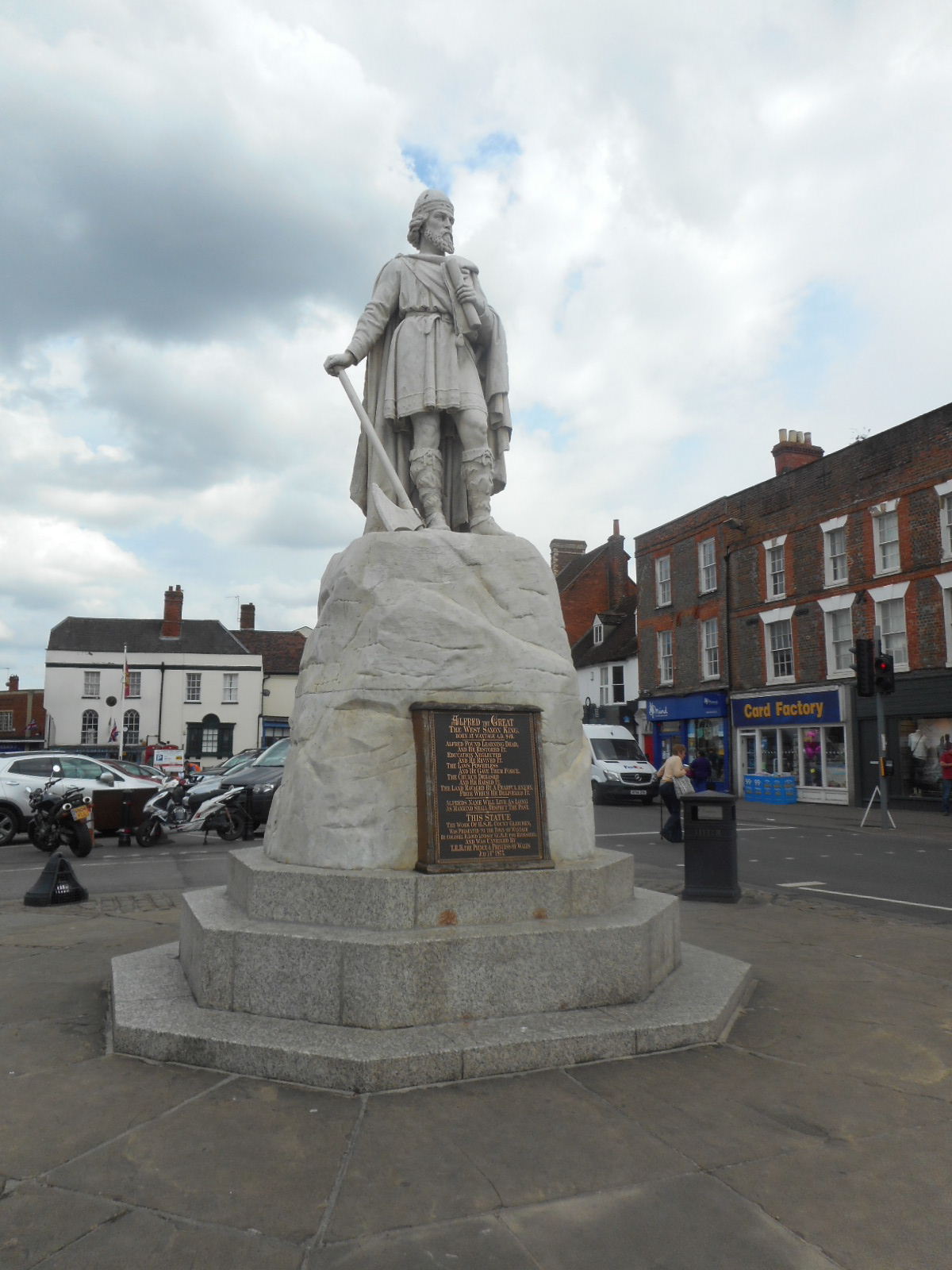
Mind you, getting here verges on the torturous. The directions I’d downloaded bear little similarity to any roads I travel. I’m not supposed to go to Wantage but, finding myself six miles from the town, I proceed and enter its environs. Wantage was the birthplace of King Alfred, a man famous for burning some cakes. Even then, the cult of celebrity was based on being known for doing little of interest to anyone with half a brain cell. At one time, Alfred was also erroneously accorded responsibility for the construction of the White Horse I’m on my way to visit; as it was already over two thousand years old by the time he turned up with a plate of blackened pastries, this turned out to be yet another example of fake news.
For some reason, I imagine Wantage to be one of those interesting little towns crammed with antique shops and exclusive boutiques. It isn’t. Like almost every other town these days, it has about twenty five charity shops and Home Bargains and is as charmless as it’s possible to be. I’m guessing it’s gone downhill; sunk into a quagmire. Betjeman lived here for a while and wrote two poems about the place, one of which is called On Leaving Wantage. Sounds like a plan. Spotting an ancient building, Regency Furniture and Second-hand Books, I perk up temporarily. I’m not in the market for any regency furniture which is just as well as there doesn’t seem to be any. I might like an old text about the Ridgeway though. The shop is very dark and narrow and I walk for some considerable time through a dusty book-lined corridor before coming across Richard Griffiths hemmed in behind a desk. I think I must be the first person he’s seen in years and he inexplicably berates me about the evils of computers. On and on and on he goes until I grab a book and escape backwards. It’s a book of letters written by Betjeman. I’ll take it on my walk along the Ridgeway tomorrow. If I get lost, I can read it whilst I’m waiting to be rescued.
The following morning, Lucy the chambermaid arrives to see if there’s anything she can do. We look at the bed which is of sufficient size to sleep a family of ten and which I have destroyed all on my own. ‘Shall I make the bed?’ she asks tentatively, with not a little inference that this might be outside her job description. ‘Would you mind?’ I help her rebuild it. There are eight decorative cushions with which to dress the bed and neither of us has a clue where they should be placed. ‘Do you need any tea-bags?’ she suggests vaguely. ‘More biscuits for emergencies’, I reply. Then comes the big question:

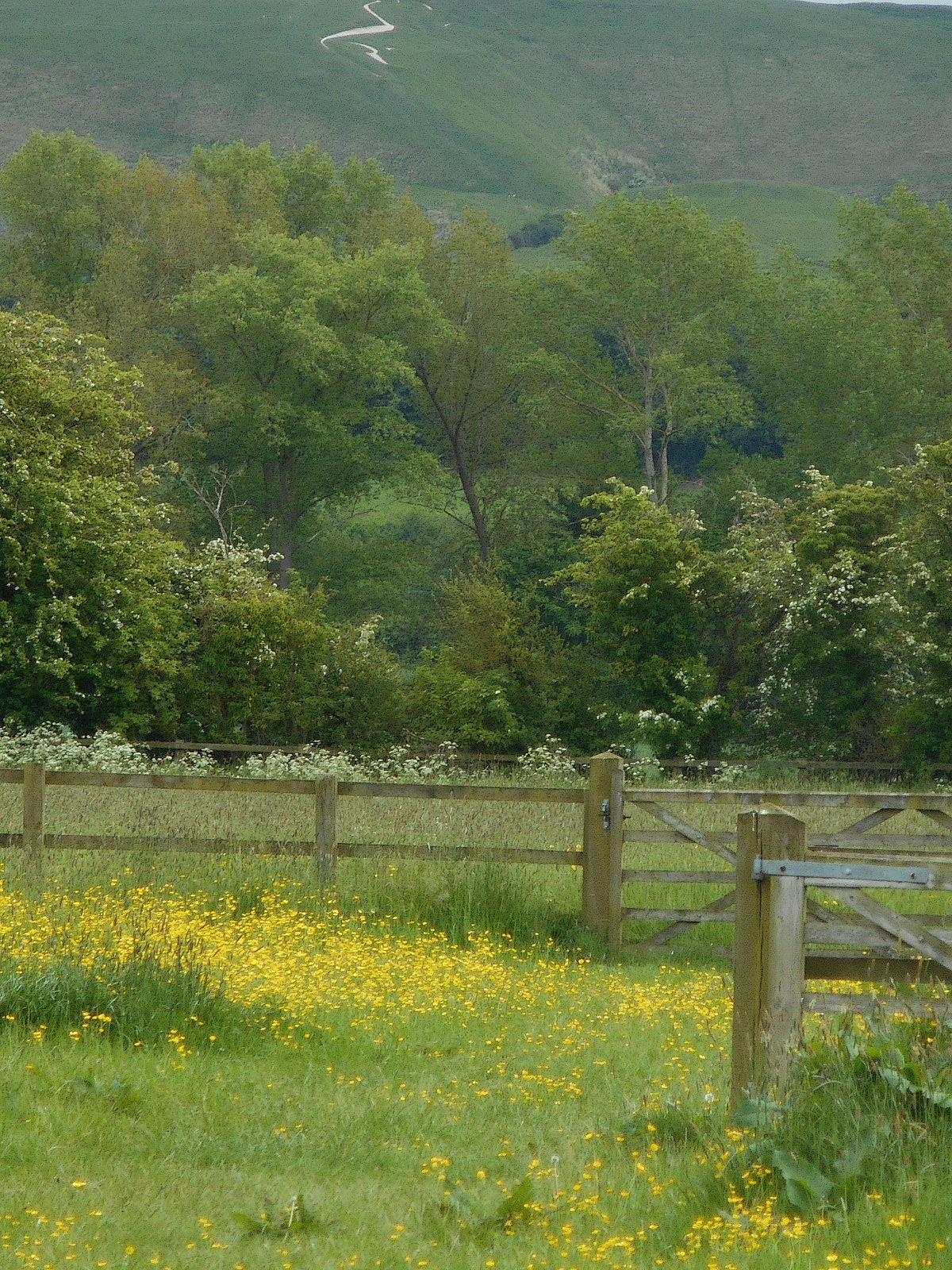
‘Why have you come here?’ I recall last night’s dinner which I took looking at a 3000 years old chalk horse in one direction and John Betjeman’s cottage in the other whilst reading my copy of the laureate’s letters. ‘I came to the White Horse on a school outing 55 years ago’, I offer. Then I make the mistake of asking whether there’s anything interesting in nearby Farringdon. ‘Aldi and Lidl’ says Lucy. ‘You should go to Wantage. They have Home Bargains there’.

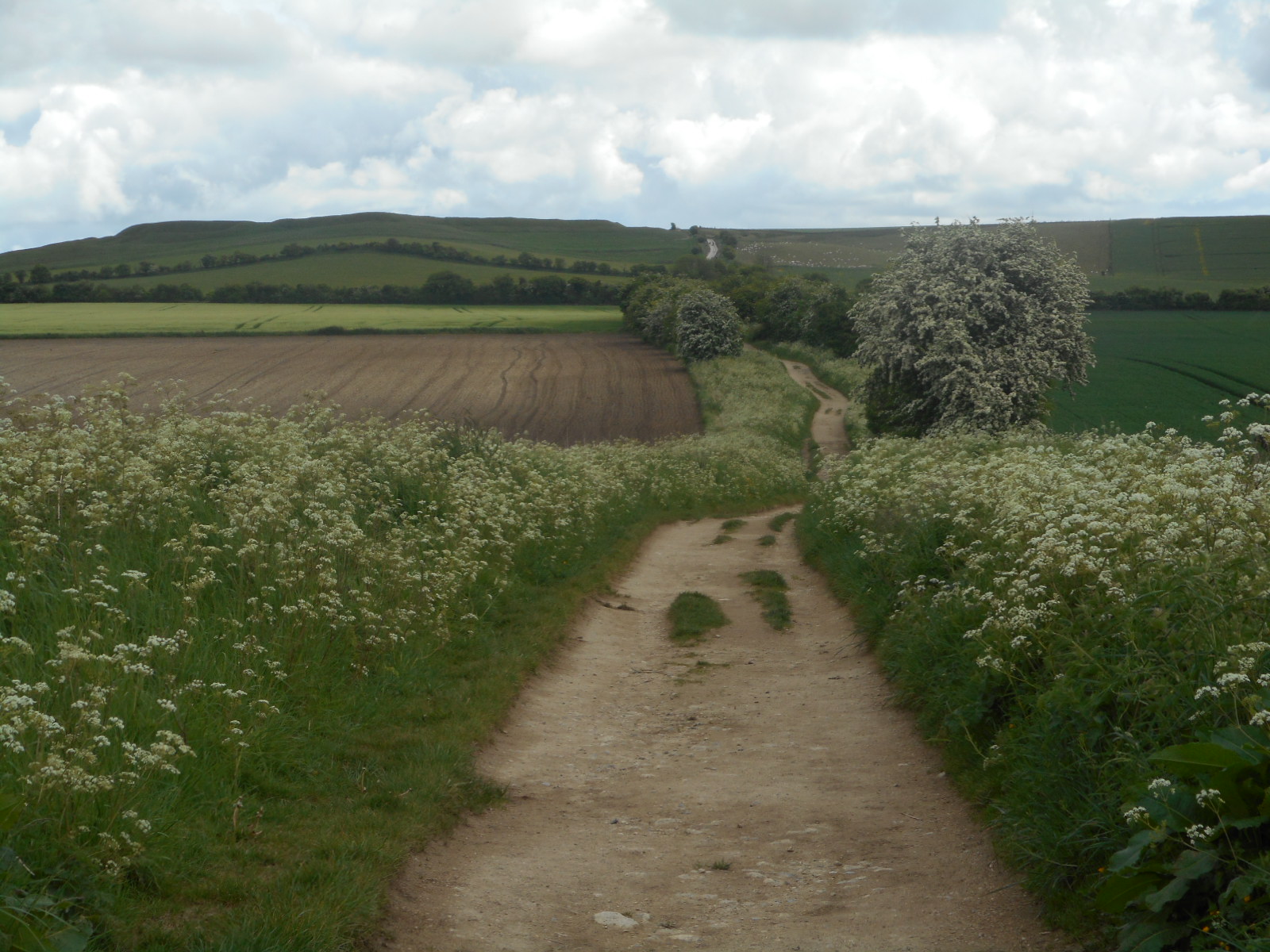
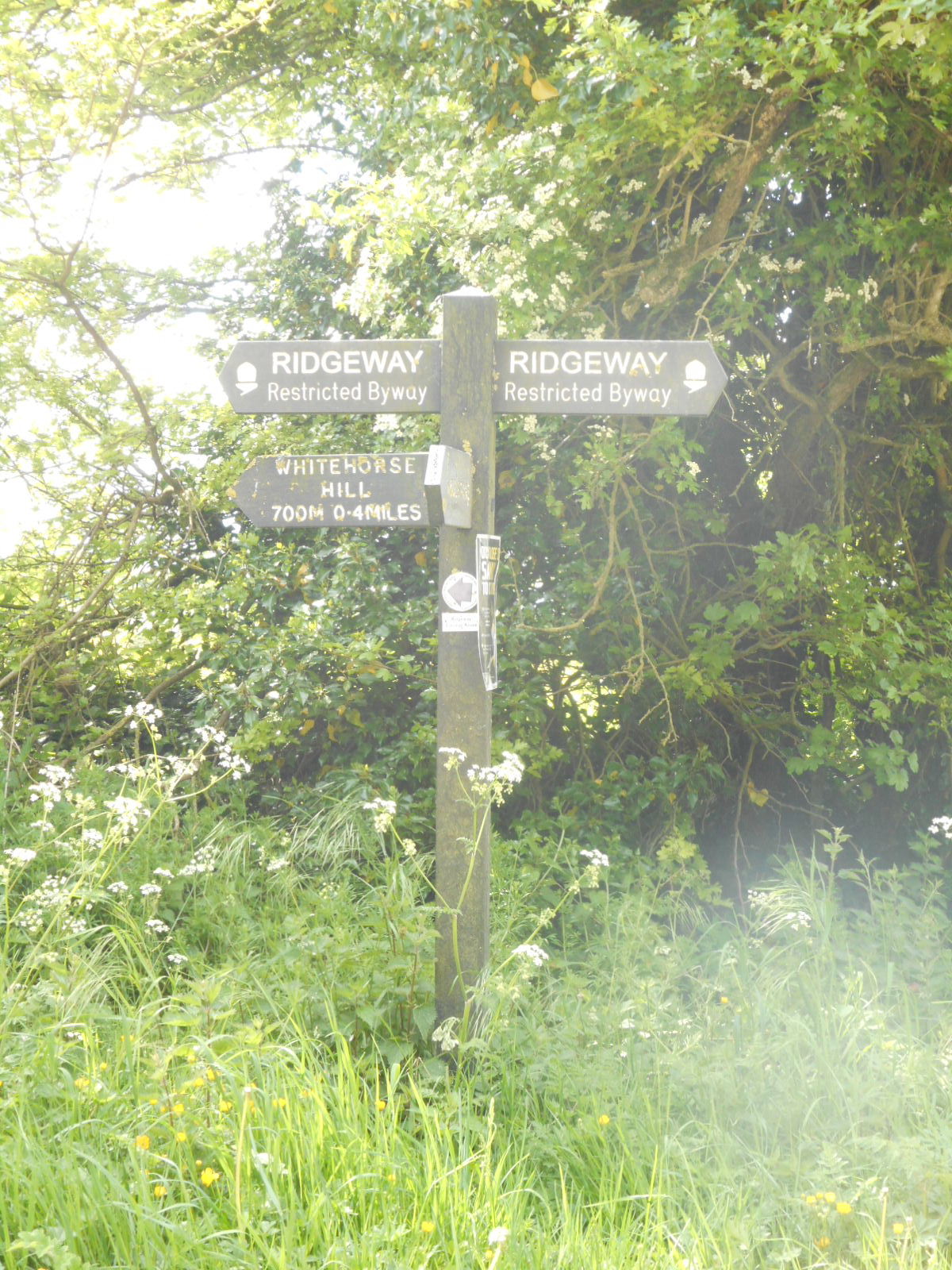
I’m on the Ridgeway, reputedly the oldest road in the country and, as I walk towards Wayland’s Smithy, I am embraced by timelessness. For a long while, I am all alone in the morning sunshine, just another solitary traveller on a route well-trodden. Unexpectedly, a man runs out of the past accompanied by a dirty Neolithic dog. ‘Good morning’, I greet him happily but the exhausted man has run through so many years he can only lift a vaguely acknowledging hand as he passes by. Wayland’s Smithy is about a mile and a half in the wrong direction but it’s worth the detour.
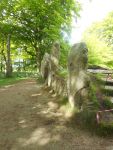
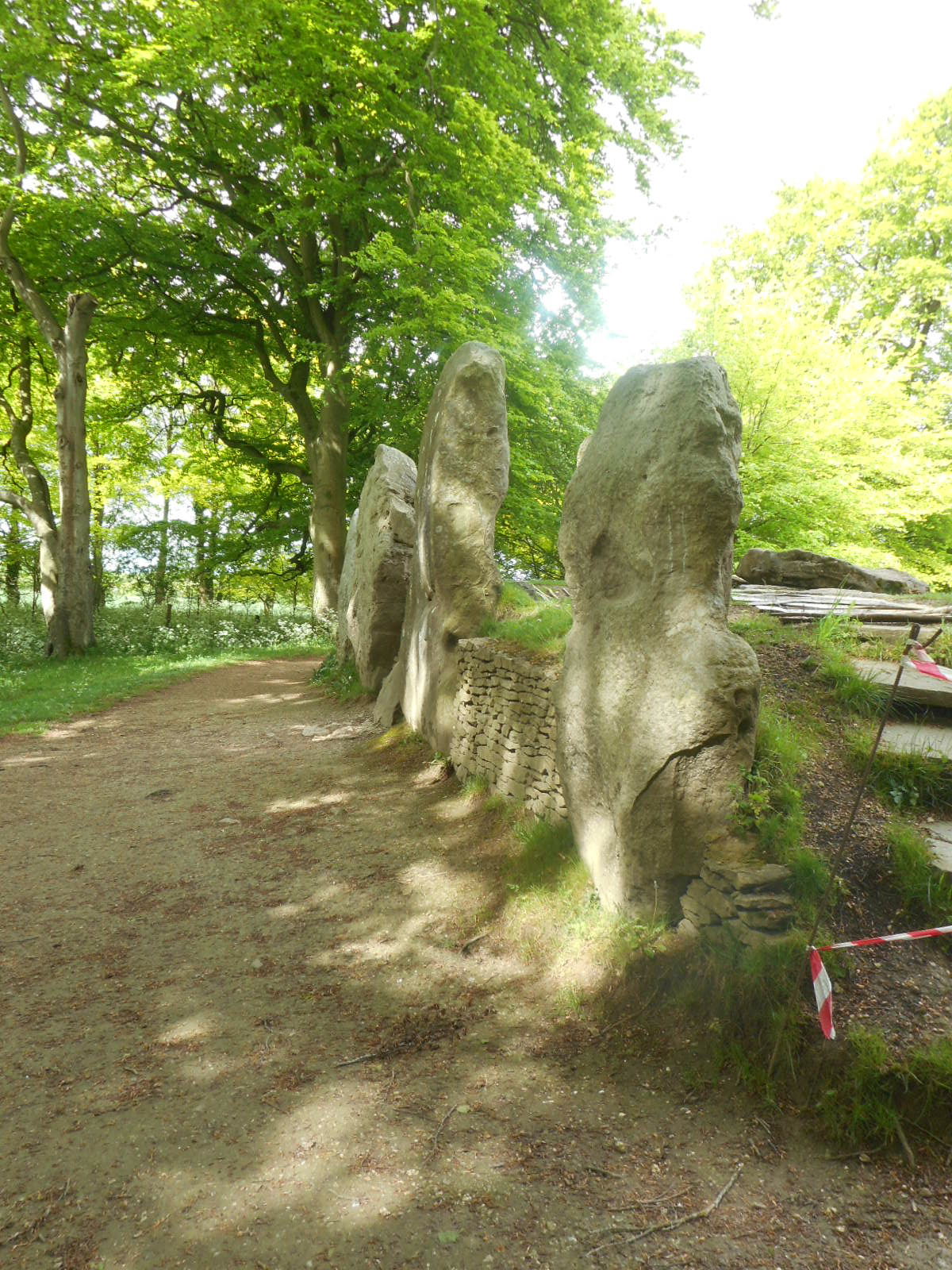
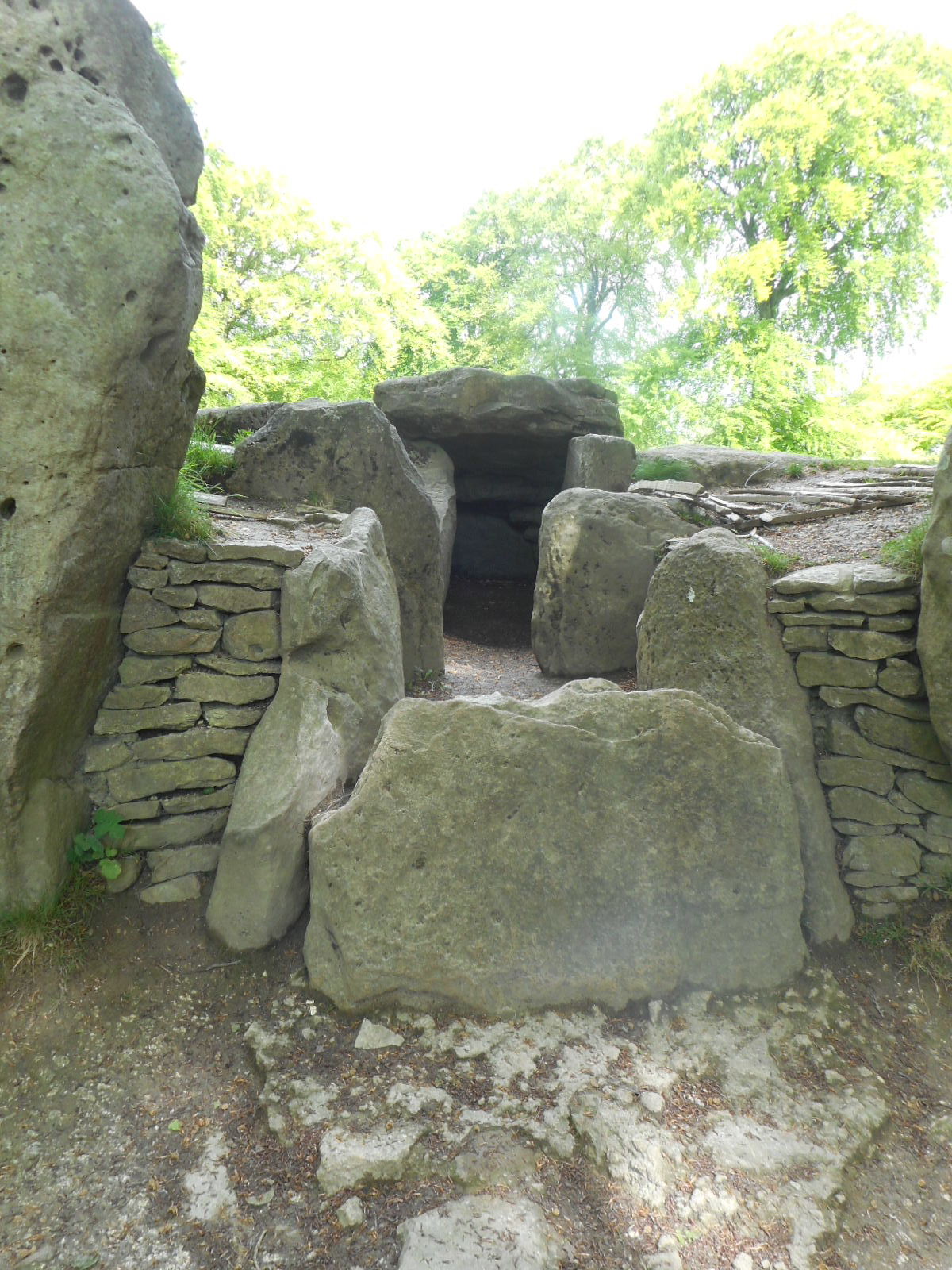
Wayland was initially apprenticed to the trolls who, as everyone knows, were masters of metal craft. Wayland was a quick learner and soon outshone his bosses by becoming the best smith in the western world. Legend has him living in caves and burial mounds all over Europe, secretly repairing metal objects for gods and kings. Clearly, this is yet more fake news because when you see his Berkshire smithy, which comprises a chambered long barrow constructed 5000 years ago, you just know this is THE place. Today, it’s hidden in a verdant copse and epitomises everything I’ve come to the Ridgeway for.
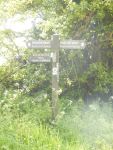
Back on the track, I turn tail in the direction of my original destination – the enigmatic White Horse. The morning has progressed and the place seems suddenly and annoyingly full of people. This is MY path after all and for a time I speed up and slow down as needed to avoid hordes of ancient ramblers. Just when I think I’m alone again, Running Man comes back in the opposite direction with the misshapen dog. Those two must have committed a most heinous crime back in the day to be punished by running back and forth along the Ridgeway for eternity.
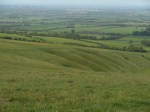
Once they’ve gone, I set to in considering tomorrow’s breakfast. Earlier, I noticed that kippers were available and I wander along debating the pros and cons of taking this option on the morrow. On one hand, there’s nothing better than a kipper with a couple of slices of bread and butter. I’m not sure how mine host will react to the radical suggestion of untoasted bread. I don’t want to be a nuisance – we’ve already had to go through all that nonsense of bread without seeds. Last night, when I enquired about the possibility of diverticular bits being present, they totally misread my enquiry: ‘oh yes’, they exclaimed proudly, ‘our delicious brown bread is home-made and packed full of seeds’. And when I said I’d just have the white thank-you, they were dismayed. With tears in their eyes, they turned away muttering sadly that they would ‘tell the kitchen’.
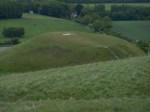
Kippers would be just the job if you could eat them and be done with it. The trouble is that they always turn up in overwhelming pairs. Never do you hear a person asking for A kipper; they are always spoken of in the plural: ‘I’ll have kipperS please’. Further, kippers are very loyal. Not content with being chosen and eaten, kippers stay with you the whole day long, turning one’s digestive system into a fishy echo chamber in which they repeat themselves for hours: ‘hello again; yes, we’re still here; not done yet’.
Thus being so preoccupied, I fail to notice Desmond striding towards me. Desmond is from ‘up north’ and is very LOUD. He doesn’t do any of that hail fellow, well met stuff. ‘In the words of Shrek, are we there yet?’ he booms. Being still stuck in the pub kitchen, I don’t get the reference to Shrek.

‘Depends where you want to be’, I reply.

‘The Smithy thing’, he shouts, ‘what is it?’ He’s so loud that the Saxon band ahead, who I’ve been trying to unhinge myself from, stop and come back to see what’s occurring.

‘It’s a hillfort’, says the Daily Mail reader. ‘No it’s not’, I tell her, ‘it’s a long barrow’. Why have I bothered to start a row in the middle of timelessness? Because I’m cross that I’ve now become part of their group.

‘Well, in the words of the donkey, where is it?’ shouts Desmond. There’s a whole part of modern culture that seems to have passed me by. What bloody donkey? I pull Desmond to one side and point out some trees in the dim and distant past as a point of antiquarian reference. A man on crutches who has now limped back to the Daily Mail reader viciously informs Desmond, ‘if I can do it, you can’.

‘Cheerio then’, shouts Desmond as he marches off into the dark ages.
I spend some time pretending that a passing sparrow in a hawthorn bush is the most interesting thing anyone will see along the Ridgeway. This, of course, is a ruse to extricate myself from that other lot. But the ramblers have turned and so has the weather. The sun is blocked by huge black clouds and the heavens open so I shelter under a tree and make a few scribbles in my Tower of London notebook. I don’t look up because I don’t want to engage with anyone. Dogs come and go, approaching me as a point of potential interest but, finding no companionship, wandering away in search of prehistoric squirrels.
 

  ‘Writing your memoirs then?’ There’s always someone who can’t leave well alone isn’t there. I suppose I must look reasonably interesting: an old woman sat under a tree in the pouring rain, tied up in an unattractive waterproof with a hood stuck to her head. Really? Mind your own business I don’t say and he doesn’t so I’m forced to explain the problems that conjoin the aged with memory loss and the need to write everything down. ‘Very good’, he responds as if I’ve passed some early onset dementia test.

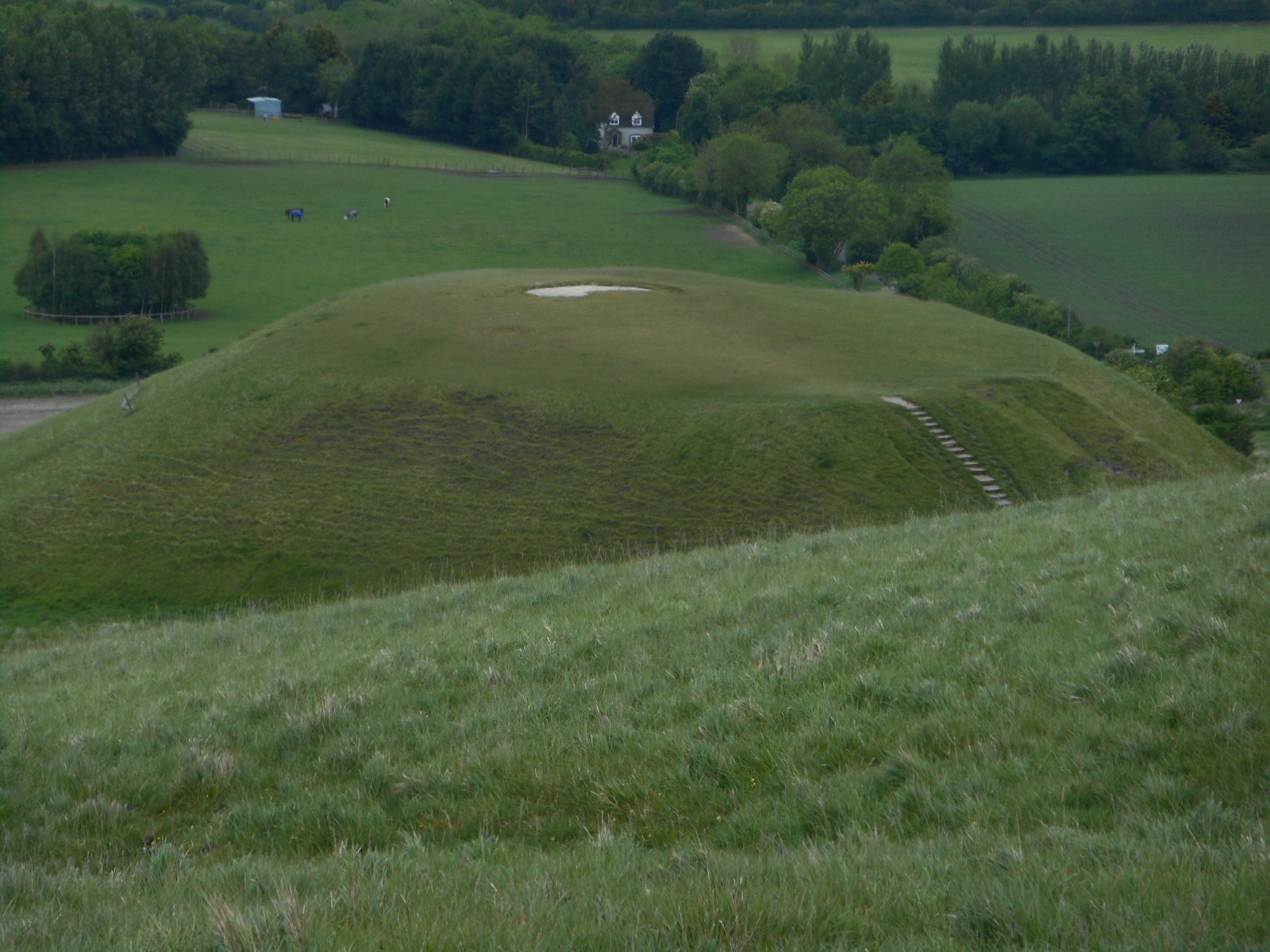
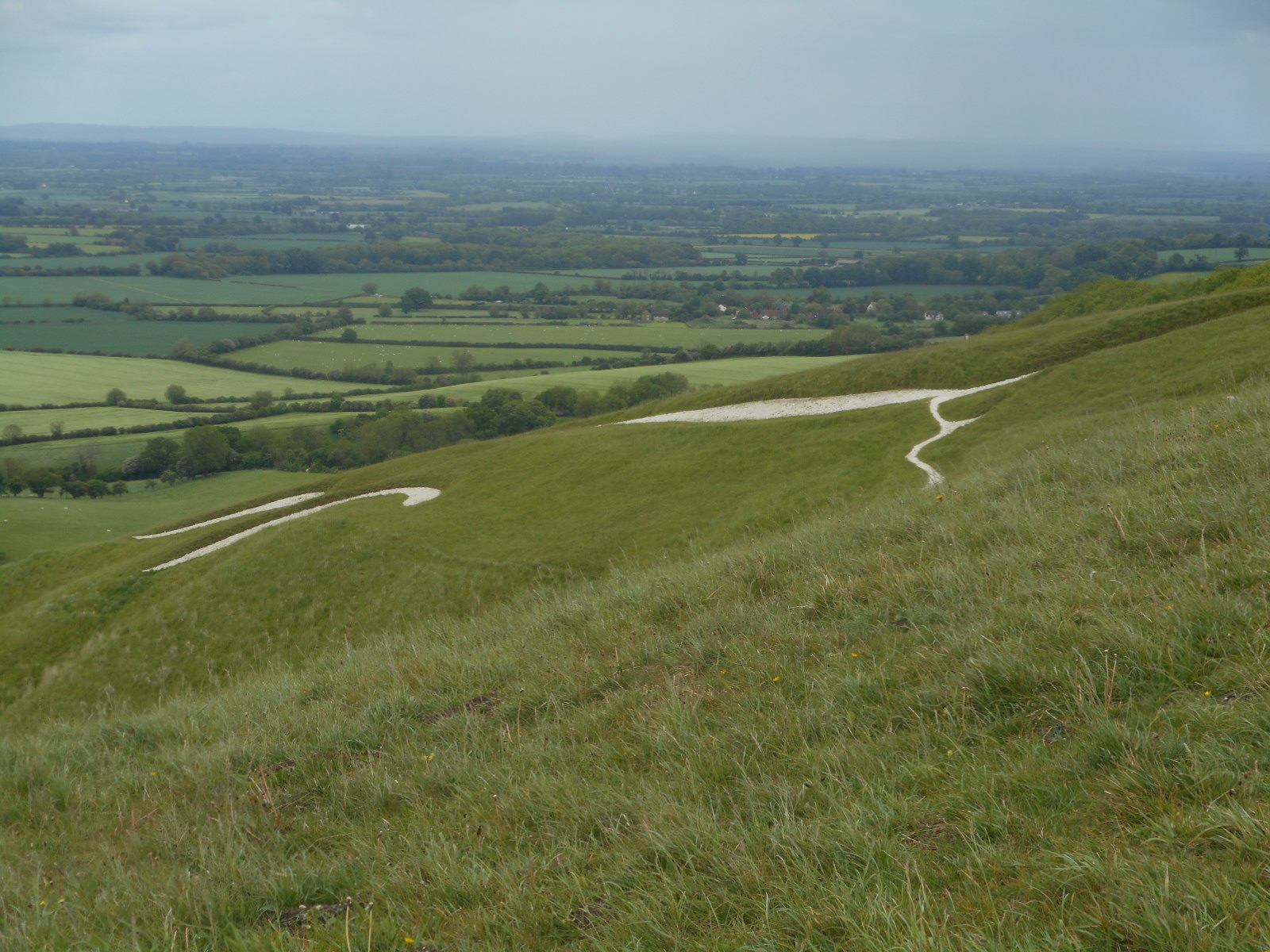
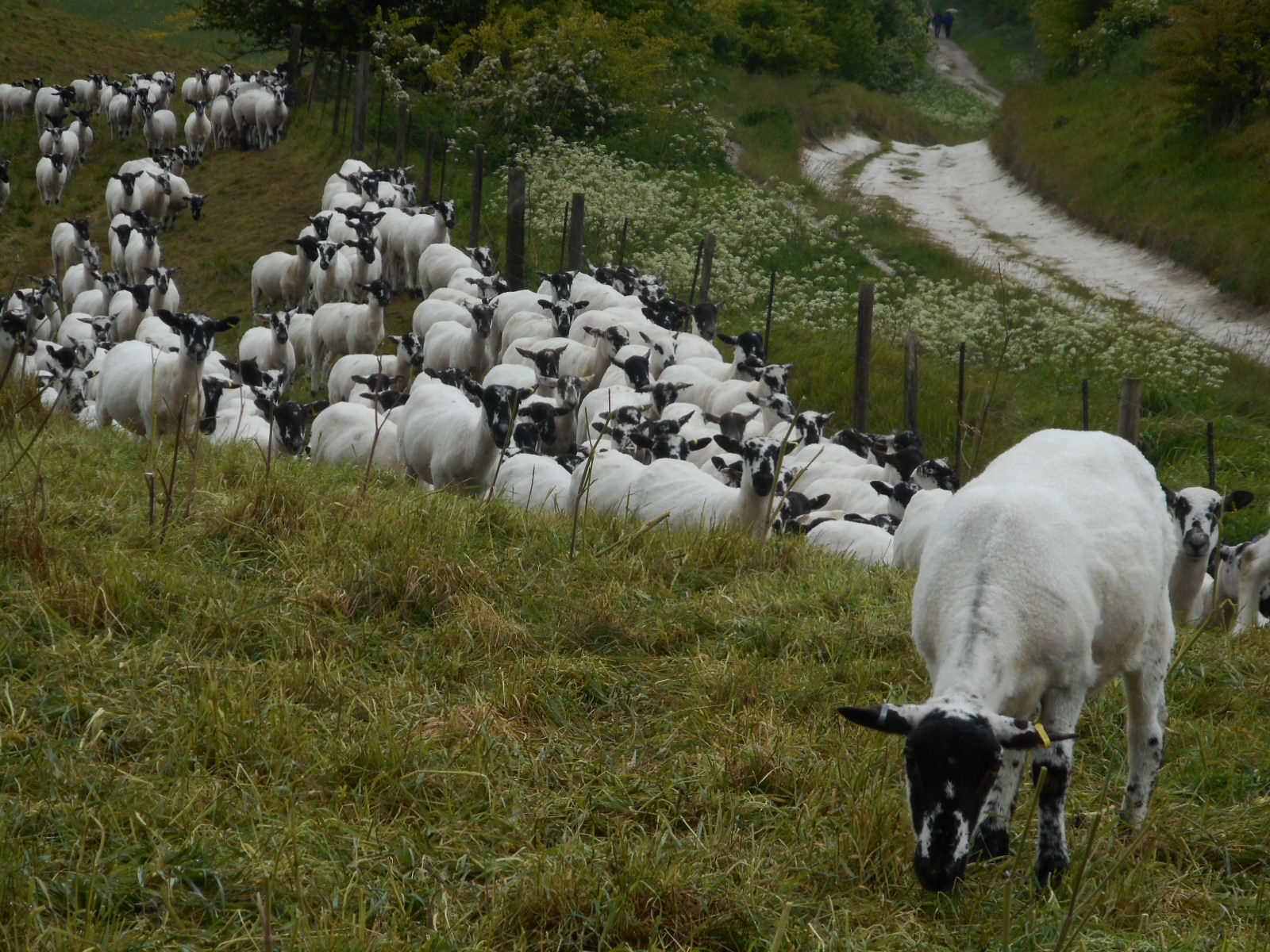
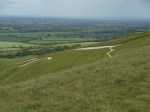
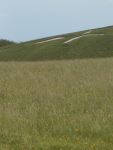
Walking up and along the track to the White Horse, and a flock of pretty sheep have pushed themselves against the fence. Shorn to the extreme, they are seeking shelter from the wind. I stop to speak to them when, to my left, I see the red kite sweeping and soaring. It’s such a joyous moment.
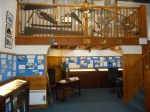
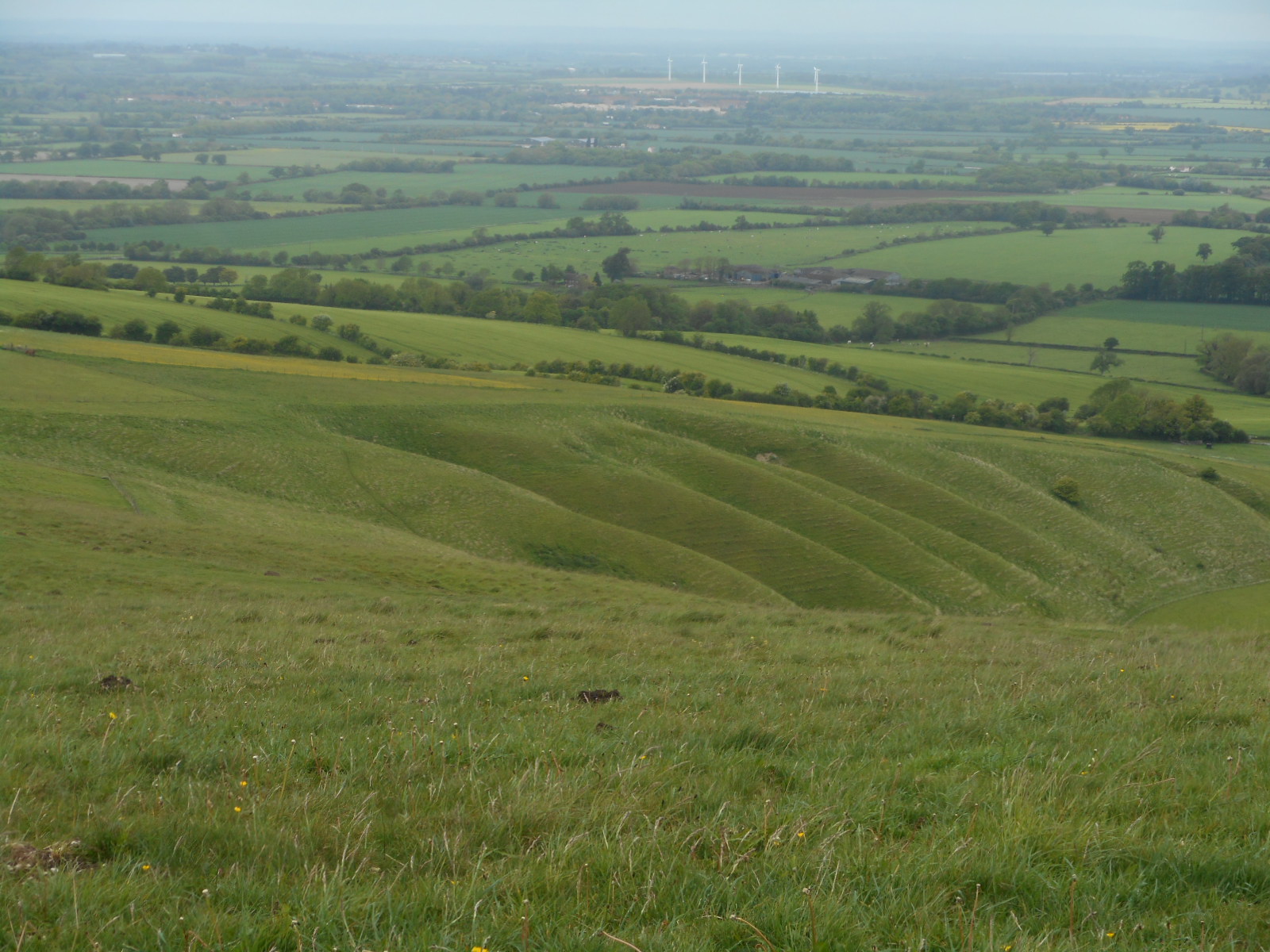
Later, I will visit the tiny museum in Uffington which is housed in the former schoolhouse made famous by Thomas Hughes in Tom Brown’s Schooldays. Thomas Hughes grew up in the village. The museum is, naturally, staffed by Joyce Barnaby, a woman with admirable and extensive knowledge of almost anything connected to this place. Although the museum is so tiny, I pass an inordinate amount of time there talking with Joyce. In particular, I am very interested in the scouring of the horse. Considering the horse is 3000 years old and no-one knows who made it or why, I find it amazing that folk throughout the ages have continued to care for it. In the millennium, all the villagers of Uffington climbed the hill to clip the grass edges and hammer in more chalk. Today, the ubiquitous National Trust maintains the horse and scouring takes place annually. But they are just the current carers.
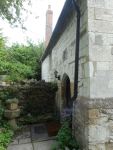
Thomas Hughes wrote a little tract called The Scouring of the White Horse in which he vividly describes how the village folk, including the squire, spent two days doing exactly what those before and since have done. Once completed, everyone moved to Uffington Castle, a hillfort to the left of the horse, for feasting, games and general reverie. There are other white horses in England, notably in Wiltshire, but, largely, they’re Victorian. Some have disappeared, grassed over in time; others are maintained for our pleasure. People place whatever meanings they want on the Uffington White Horse but still they flock here in the hundreds and thousands. To say it’s remarkable is the best I can do. Tribes and governments have come and gone; beliefs and values have disappeared, yet still the horse remains, surveying the landscape over which it reigns supreme.
On the way down, I see the red kite again in the distance and stand for some time in contemplation hoping it will come close, but it’s busy over Wayland’s Smithy. Finally, I sit on a bench near the car park looking back at the horse and watching more visitors trudge up the hill towards it. Except that no-one is really trudging. Two grandparents come through the gate with a small child aged about three years old. ‘Can you see the horse?’ asks Grandpa. The small person looks around, anxious to please but clearly looking for a live animal. ‘Over there, on the hill’, says Grandpa. The boy sees it and all the emotions in his little world pass across his face in a millisecond: ‘It’s there, it’s there’, he cries pointing excitedly. And just at that moment, when all of us have been busy looking elsewhere, the red kite soars from the grass where it has hidden less than twenty feet in front of me. And all the emotions in my small world fly over my head and it makes me cry.

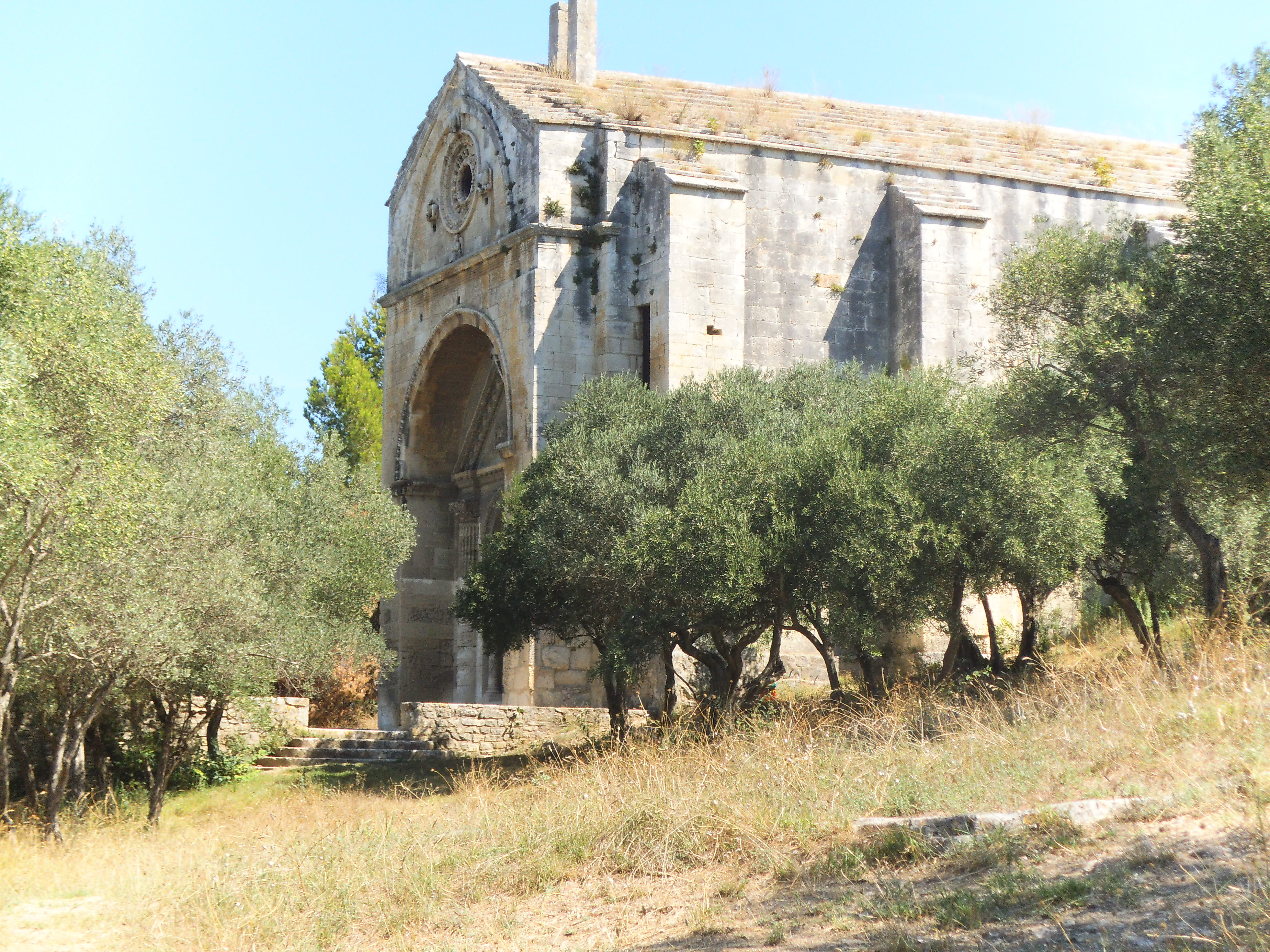


Every answer begs a question

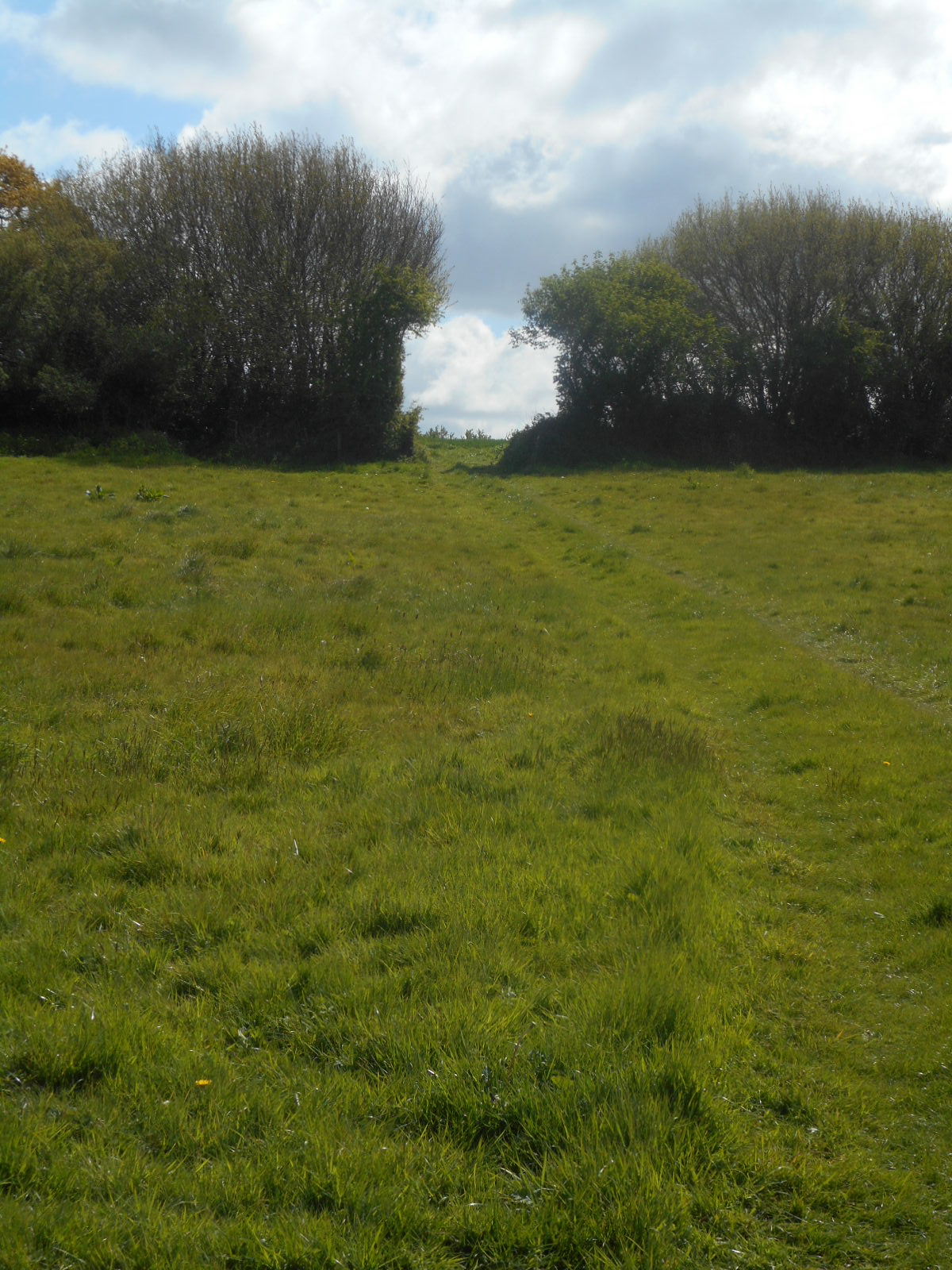
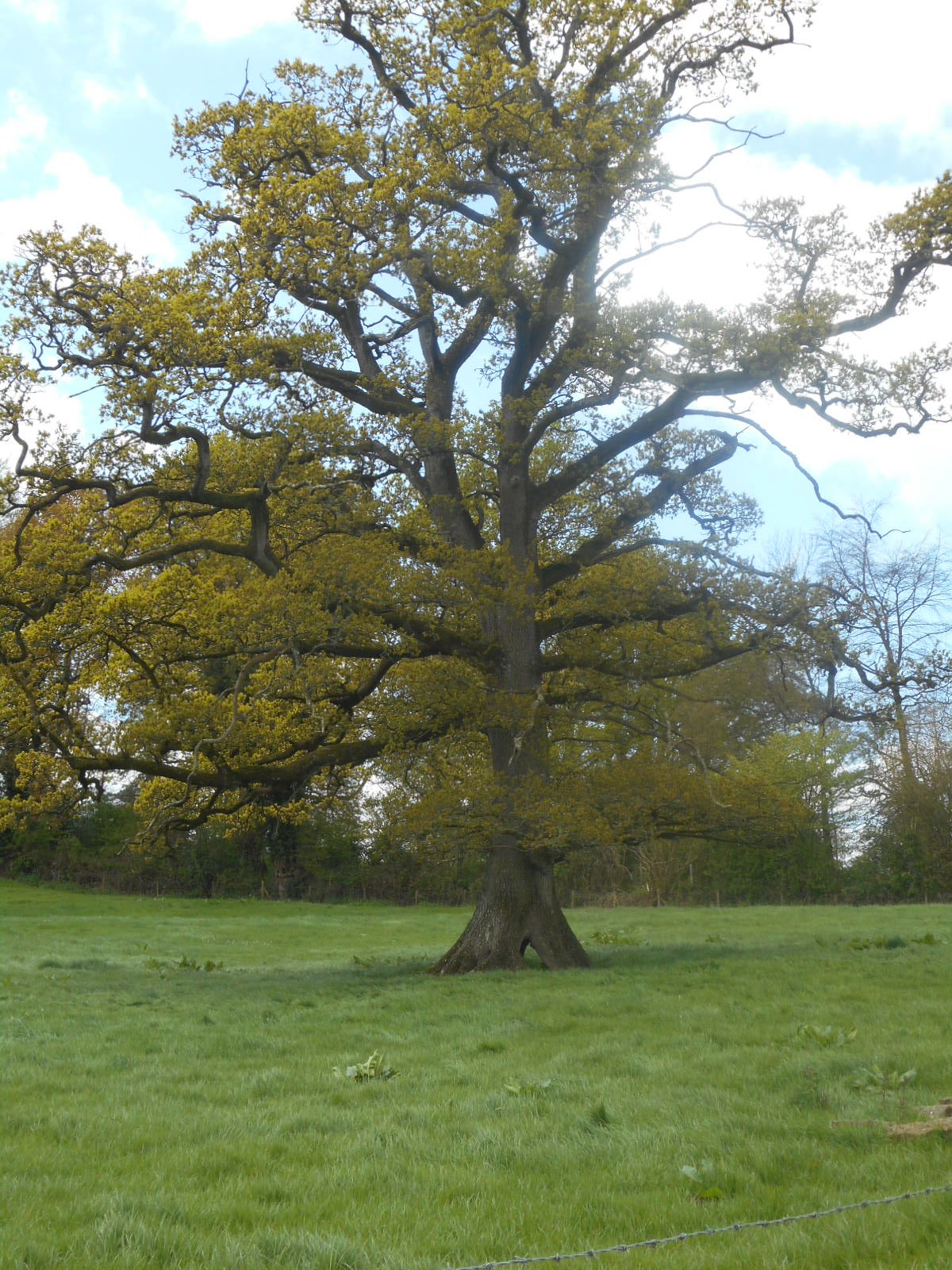
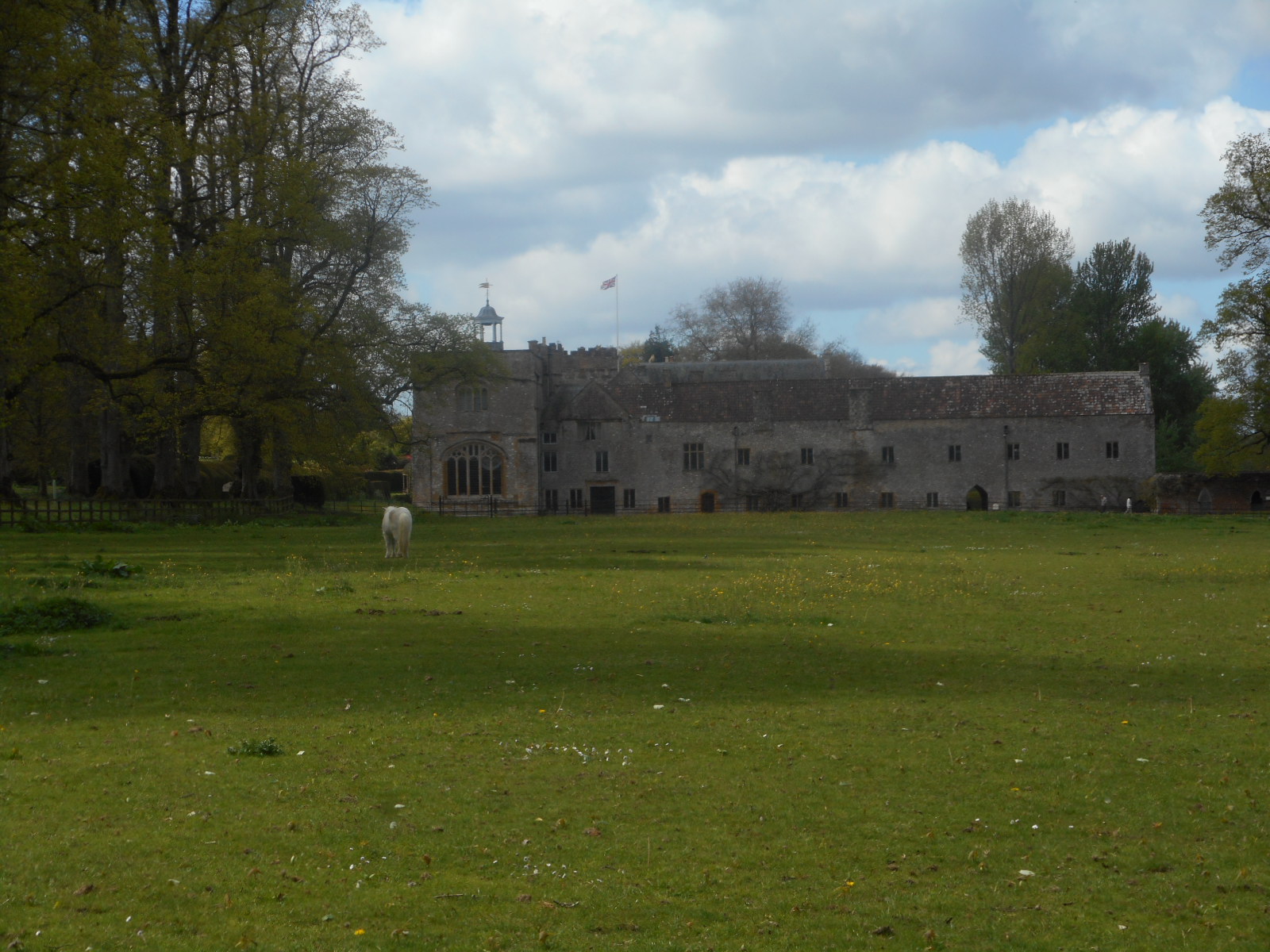
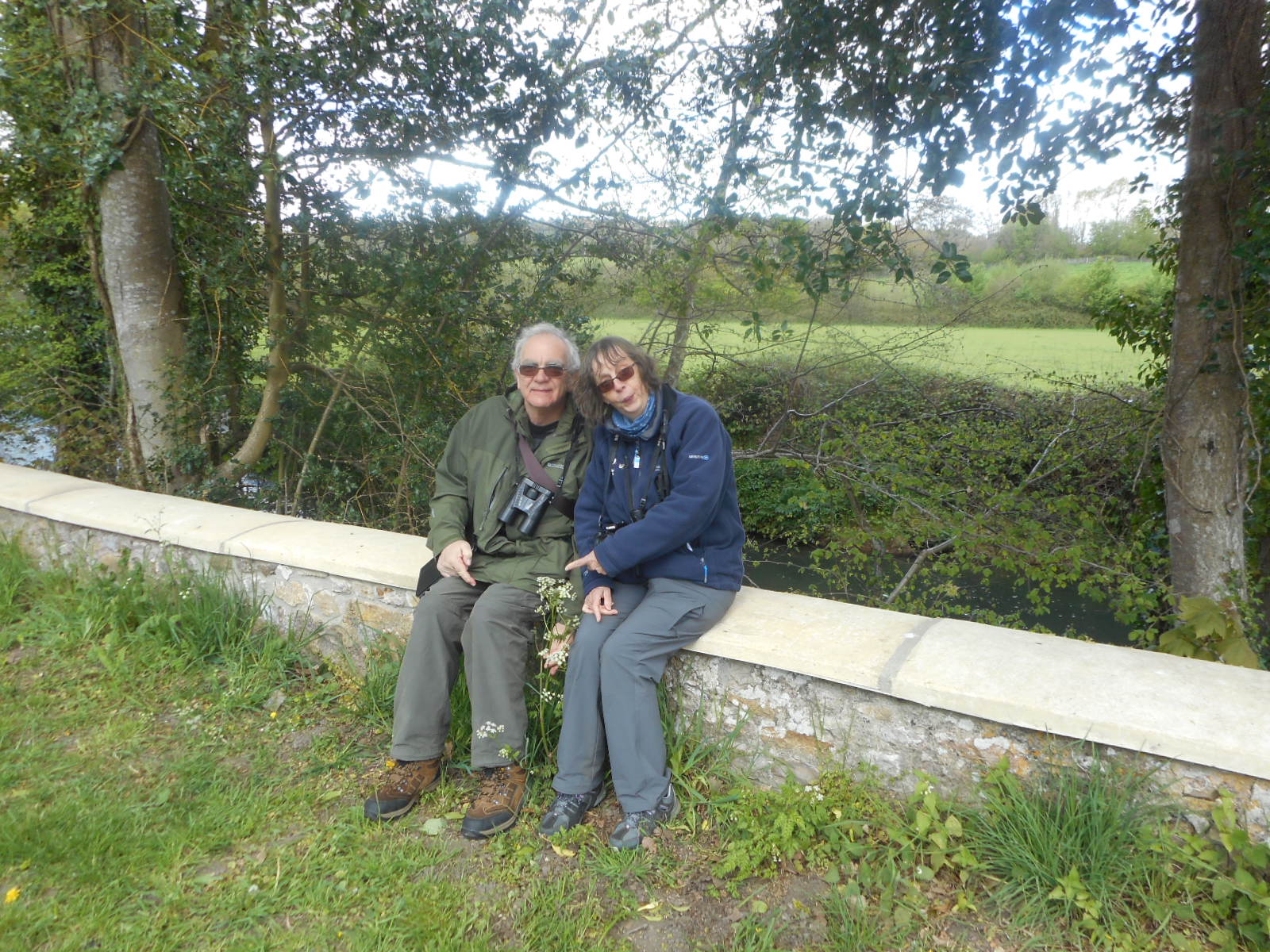
Today, I undertook my first proper walk since the tendons in my ankle went west in Bromley a couple of months ago: over 5 miles in a designated area of outstanding beauty (see photos for proof).

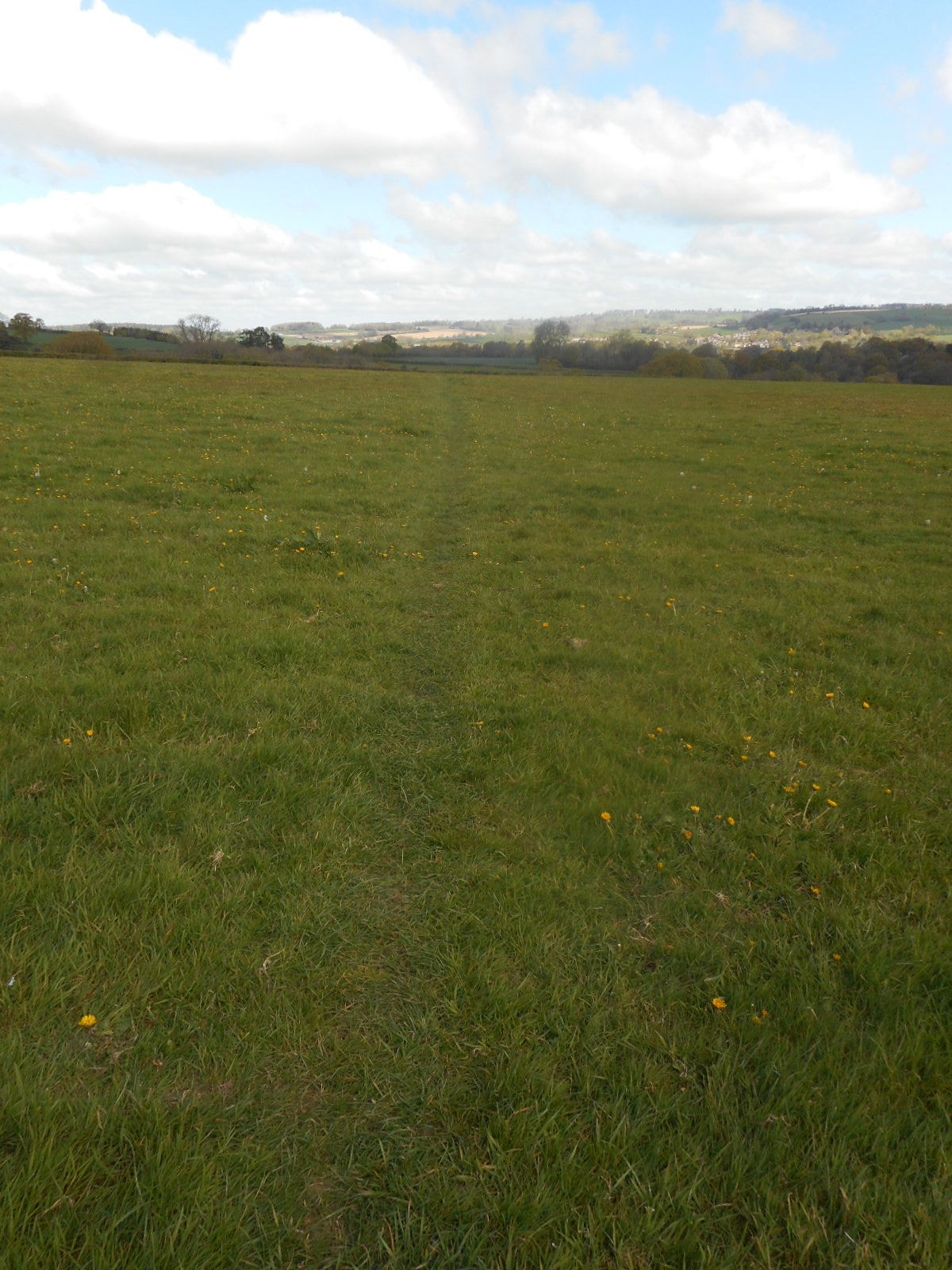
For a change, I wasn’t alone. Sally and Tony collected me and I was duly bundled into the back of their car with little idea of our destination, and not much more on arrival. ‘Are we there yet?’ I felt like a small child being taken on a day trip – I loved that feeling. Can’t remember the last time this happened. We went uphill and down dale, through woods, along roads and across wide open fields – you can just see the remnants of a path if you click on this photo.

Were we in deepest Dorset? Possibly. Thorncombe, the starting point, certainly resides in our beloved county today but, until 1844, it nestled in Devon. Further, it’s only 5 miles south of Chard, which is in Somerset, so we managed to criss-cross our way over a number of borders and step along a variety of labelled paths. It seems that a walk can be no longer recognised unless it coincides with historical nomenclature so, from time to time, and age to age, Pathfinder Tony informed us which route we currently followed. And that begs the first question: where do the names come from?

Sometimes, we traversed The Monarch’s Way: a massive 615 miles long path that covers swathes of England’s green and pleasant along which Charles 2nd made his escape. At other times, we found ourselves on the Liberty Trail – a mere 28 miles that rebels from Dorset and Somerset took in order to join forces with the Monmouth Rebellion. Mostly, we followed the Jubilee Trail, parts of which I’ve previously trodden on the Dorset Ridgeway.

At Forde Abbey, we noticed a sign stating there were another 90 miles to go until we reached Bokerley Dyke. We’d all heard of it but, as none of us were able to say anything useful about it, more research was required. The Jubilee Trail begins at Forde Abbey (which begs the question ‘why?’) and continues until it reaches the dyke that used to form a boundary between Dorset and Hampshire.

All of this was duly noted whilst sitting on a wall outside the abbey with our lunch. Sally is currently a member of Slimming World which means, by default, so is Tony. I averted my eyes from their meagre midday break and concentrated on my avocado and corned beef sandwiches, my packet of mini-cheddars and my bunch of grapes. As a respectful nod to their willpower, I sadly ignored the Viennese Whirl that was winking at me from the corner of my lunch box. Never mind, I’ll have it for pudding tonight after my spaghetti bolognaise which won’t have been made with low fat mince and grated courgette.

Even though I was able to make such a grown-up decision, I managed to revert to childhood as I recalled the days of the I Spy club wherein a completed book sent to Big Chief I Spy was rewarded with a feather and a merit badge. Those two, being minutes younger than your narrator, couldn’t recall this club which, by 1953, had half a million child members. They claimed to know nothing about the News Chronicle within whose pages Big Chief I Spy resided. But they did remember the books they had: I Spy on a Journey; I Spy at the Seaside. Each for 6d unless you wanted a coloured one for the princely price of 1/-.  ‘I never went to the seaside’, said Pathfinder Tony. ‘What do you mean?’ I demanded. ‘You lived at the seaside!’

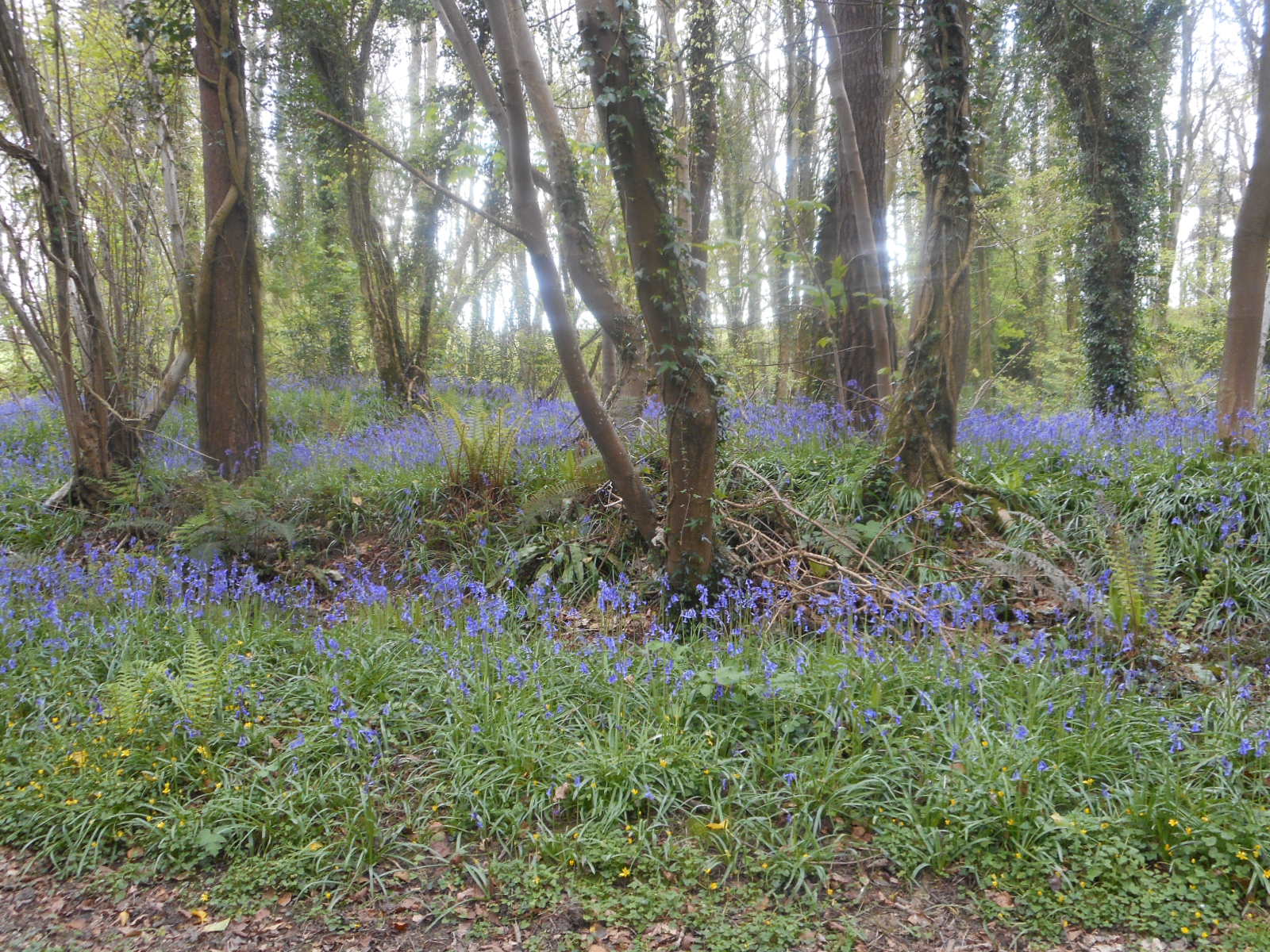
This being the season, despite an early start this year, bluebells abounded. As Sally said, whilst crawling through the undergrowth to get the ‘right’ snap, the glorious woodland carpets never look the same in photographs.

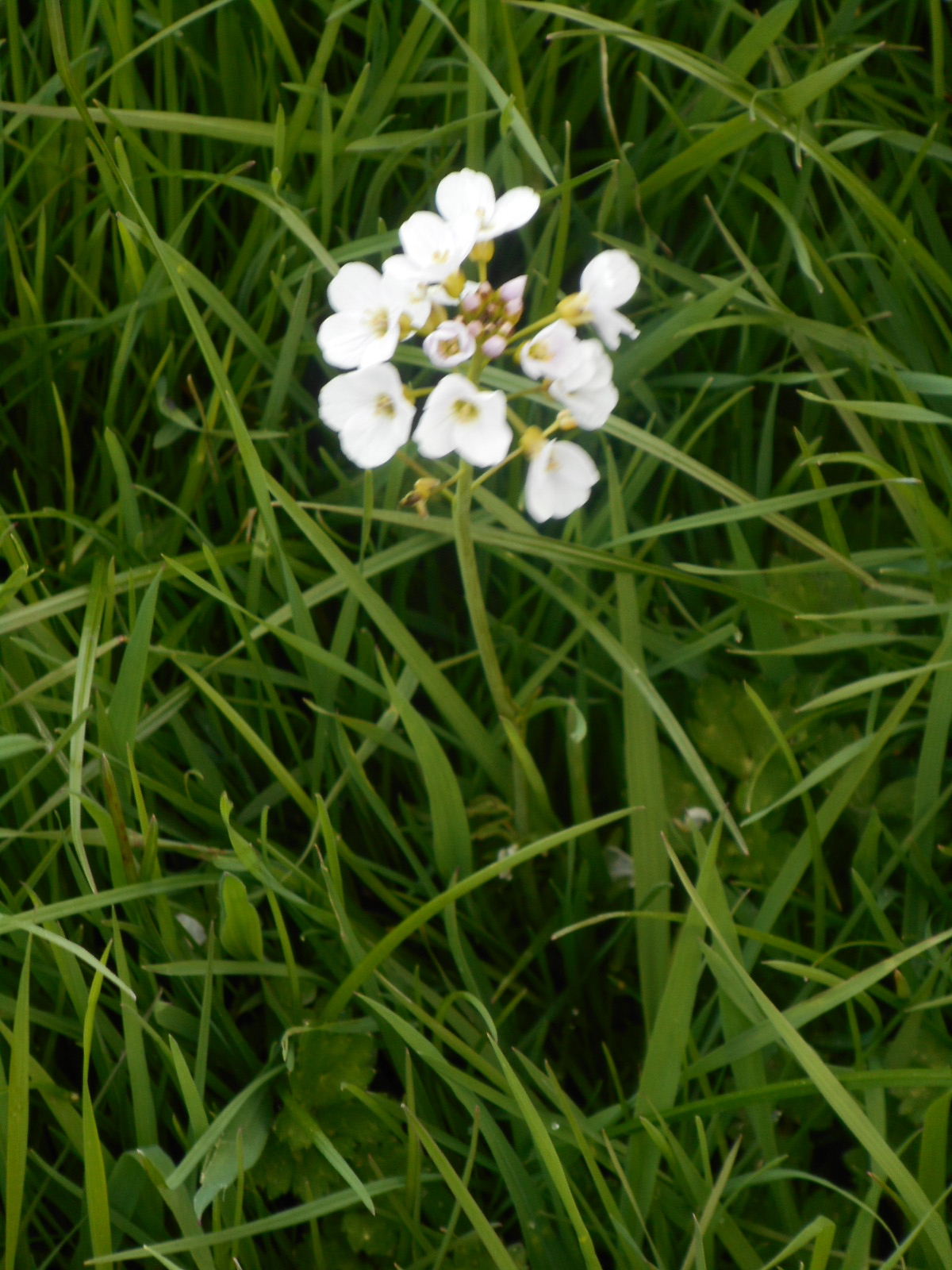
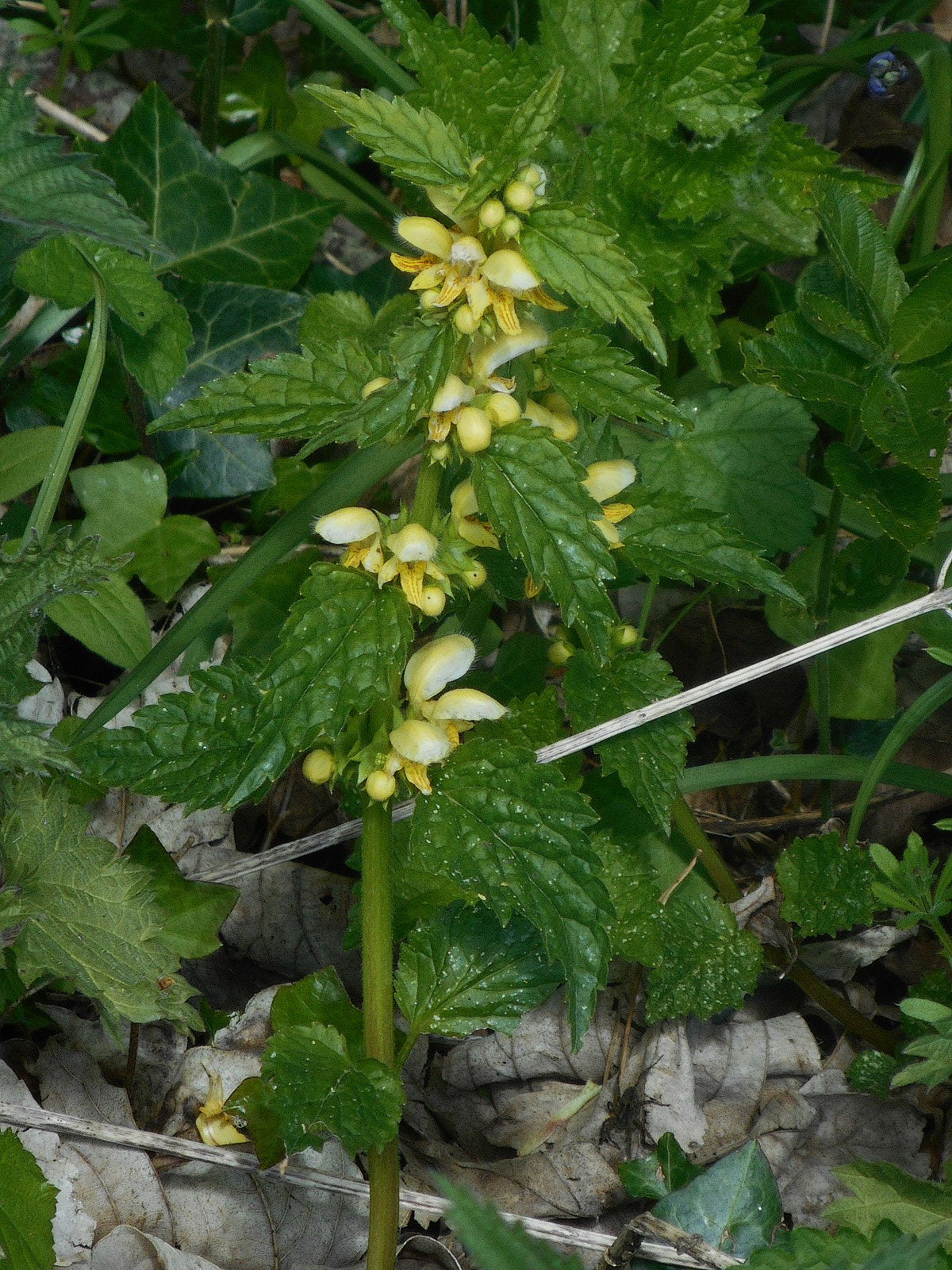
There were other flowers which demanded more questions and answers. ‘Lady’s Bedsores’, says Sally. Doesn’t sound quite right. Heart’s Ease – which, to my mind, has a much more interesting name: ‘Love-in-Idleness’. Here we have Ladies’ Smock, also known as Cuckoo Flower due to its coincidence with that bird, and found in wet grassland. Correct. And the rather attractive Yellow Dead Nettle also available as Yellow Archangel; a member of the mint family recommended for ‘ old, filthy, corrupt sores and ulcers’. I thank you.

Later, Tony points out this finger post which sports the grid reference. They notice everything, these two and it’s left to yours truly to investigate on the WWW. And your avid researcher learns absolutely nothing apart from the fact that British road signage has fallen through a loophole of centralised traffic procedure. Basically, apart from a law stating that all signs had to be removed during WW2 to confuse invading Germans – and let’s face it we don’t even know what county we’re in – and replaced in the late 1940s, counties could do pretty much what they wanted as long as the signs were in white with black writing. Except for the red ones. And the blue ones.
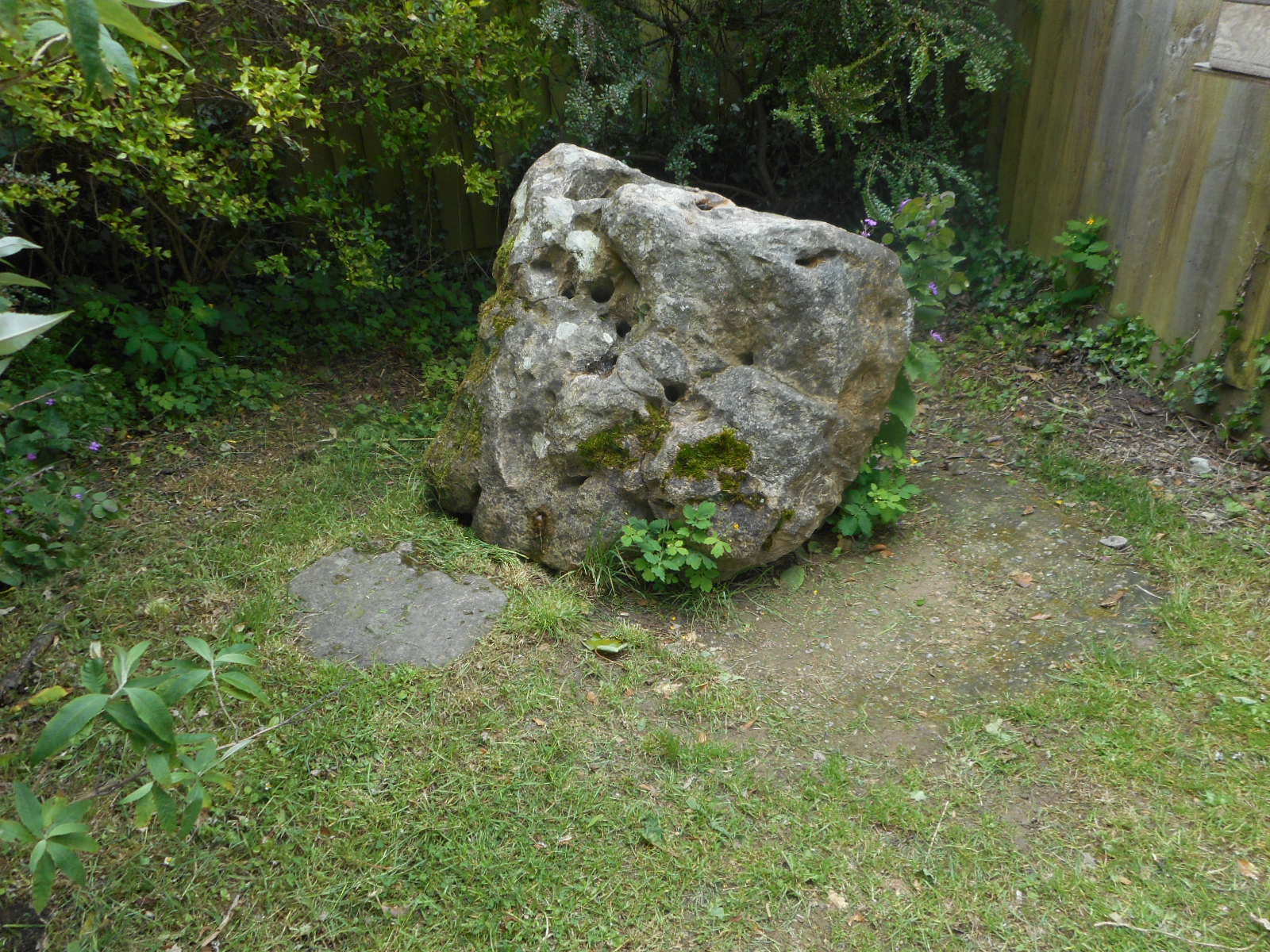
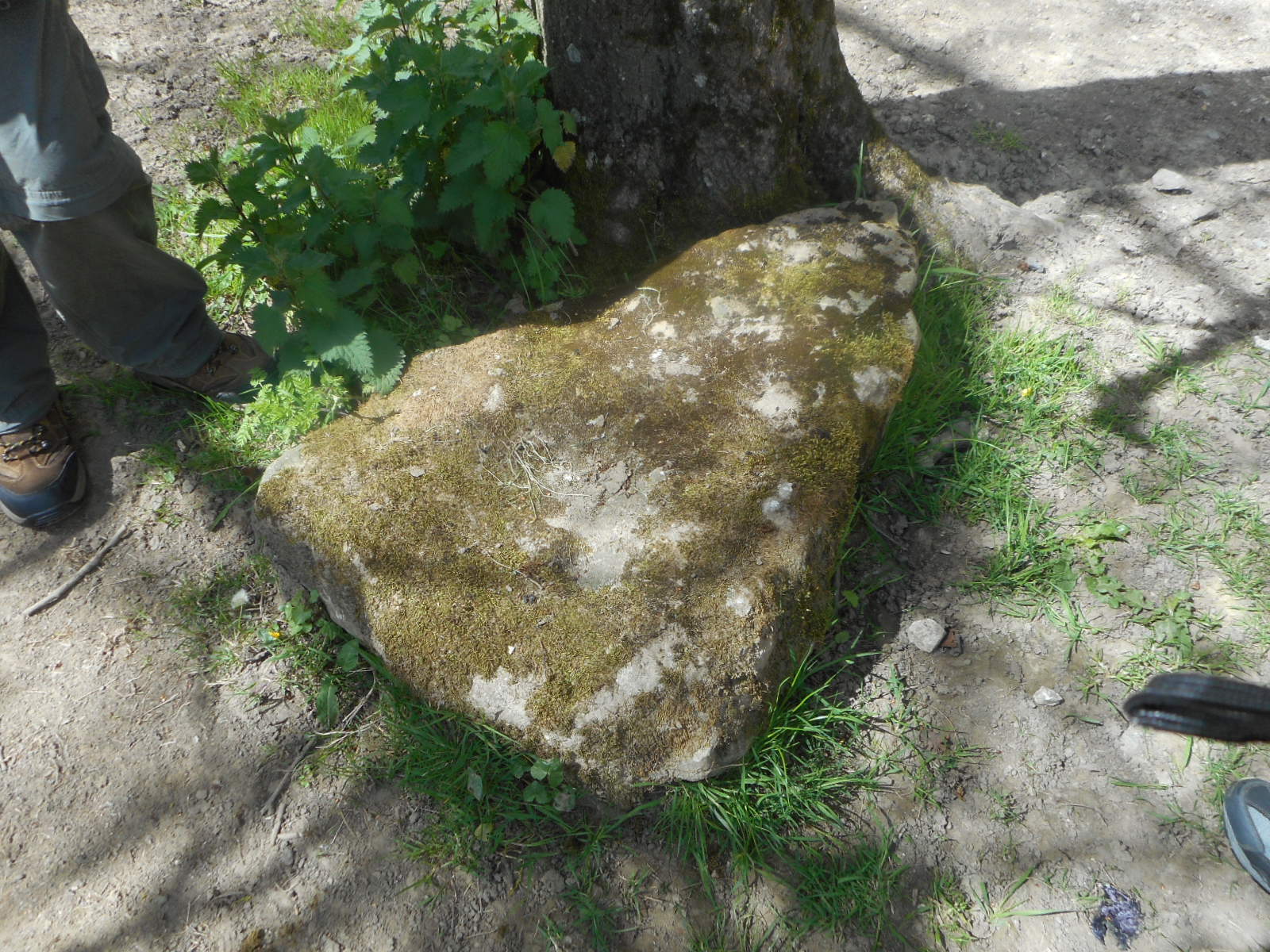
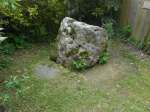
And yet to be researched in the annals of ancient way markers, is this lovely stone we happened upon. No stones were necessary for us however. Even though there were times, mostly whilst painfully trudging uphill, that I doubted Pathfinder Tony’s trusty digital directions, he saw us successfully through, managing to skilfully avoid a field full of calves and temperamental mothers on the way; safely home to a Radox bath and a bottle of the red stuff. Another grand day out thanks to kindly friends. And a load of research to undertake.

All over or just beginning?

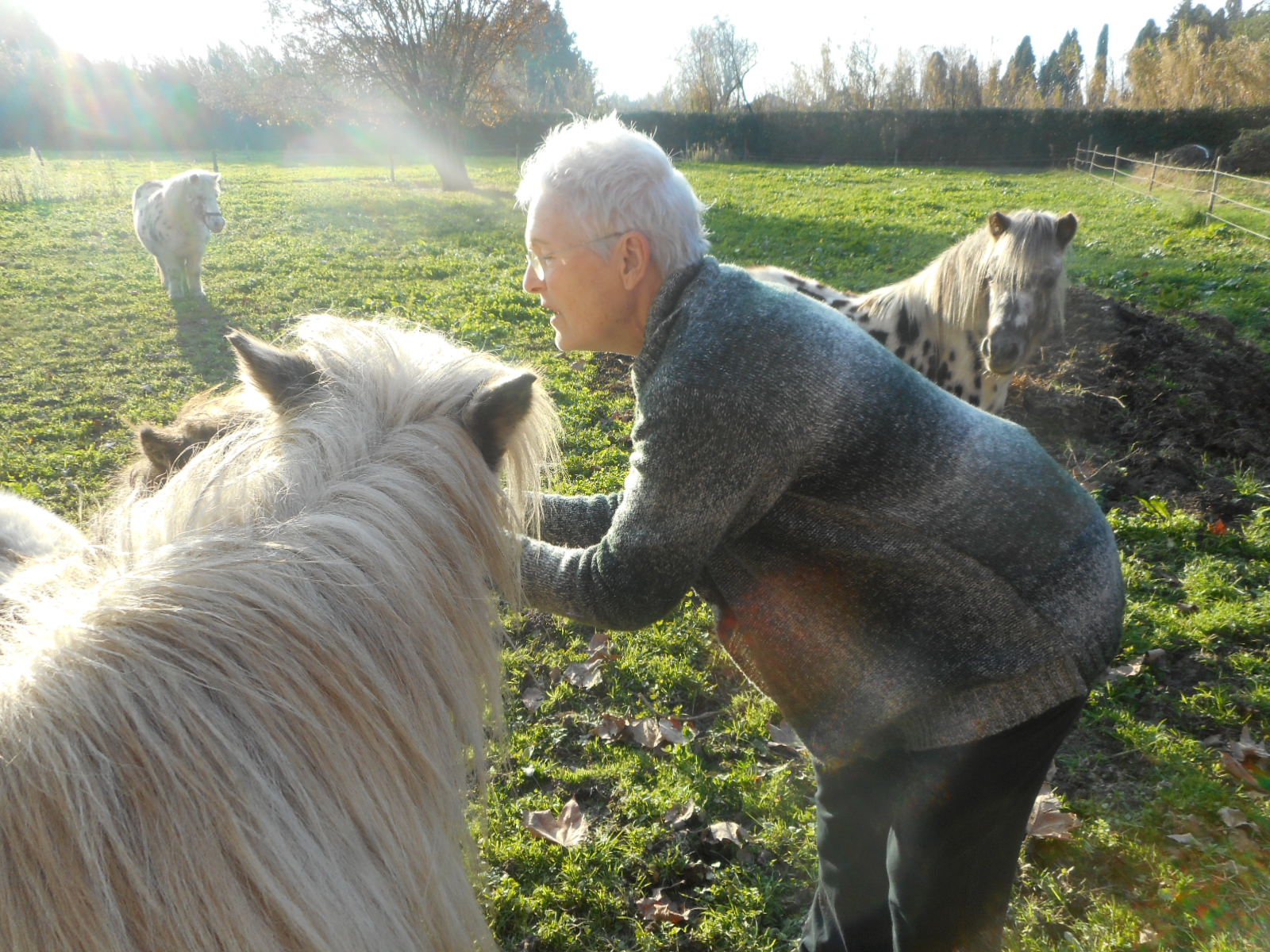
It seems so long since I first sat on a leafy terrace looking over the fence at an impressive number of small spotted ponies in an old pear orchard. The orchard was along a dusty lane that wanders away from the road that runs between Noves and Cabannes in a little known area of Provence. The beautiful ponies were sheltering quietly from the oppressive heat of the August sun. In the cool of the evening, when the cicadas began to wind down their incessant whirring, the ponies would be moved to a field on the other side of the lane to run and play like naughty children.

Every now and then, a small semi-naked man would drive past on his tractor waving politely at me and I would wave back. Once, he came to the jasmine covered gate with a gift of oddly shaped courgettes and peppers. My hostess introduced me to Monsieur Martin, her neighbour who lived with his wife and son at the bottom of the lane. Later, she told me a tale about this family and I was lost forever.


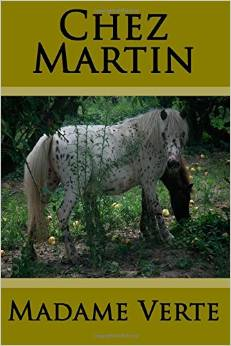
 Sat on that distant terrace, I wrote a short story about Monsieur Martin and the small spotted ponies. Over the aperitif, I read it aloud to my friends and it made them laugh so I wrote another. And after that, I couldn’t stop. Back in grey old England, constructing an alternative life for Monsieur Martin made me think constantly about the South and Chez Martin was born and completed. It was such a pleasurable pastime and I suspect the story is not that far from the truth. If you’ve read the book, you’ll know we weren’t laughing at Monsieur Martin, but with him.

 In truth, I wrote that book for myself but it’s given pleasure to lots of folk who have never been near Provence. That they were able to read Chez Martin was due entirely to Tim Pepin, a colleague from work. Tim constantly nagged me to tidy up my manuscript and get it published; and when I seemed incapable of the latter, he took it away and published it himself. It was an act of such graciousness from one writer to another. He was horrified when I tried to wave money around. As a compromise, he said he would take payment in chocolate oranges.

Book sales were good but I was still surprised at the number of people who kept asking for more news of Monsieur Martin. It wasn’t a great hardship to begin again and my terrace-owning friend updated me with little snippets of news. But life gets in the way and there always seemed to be other things to do. Last summer, Tim was once again nagging me to finish, saying he would help me again. By this time, however, he was dreadfully sick and sadly we lost him before the new book was completed.

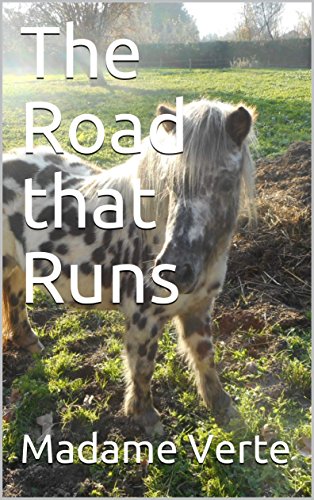
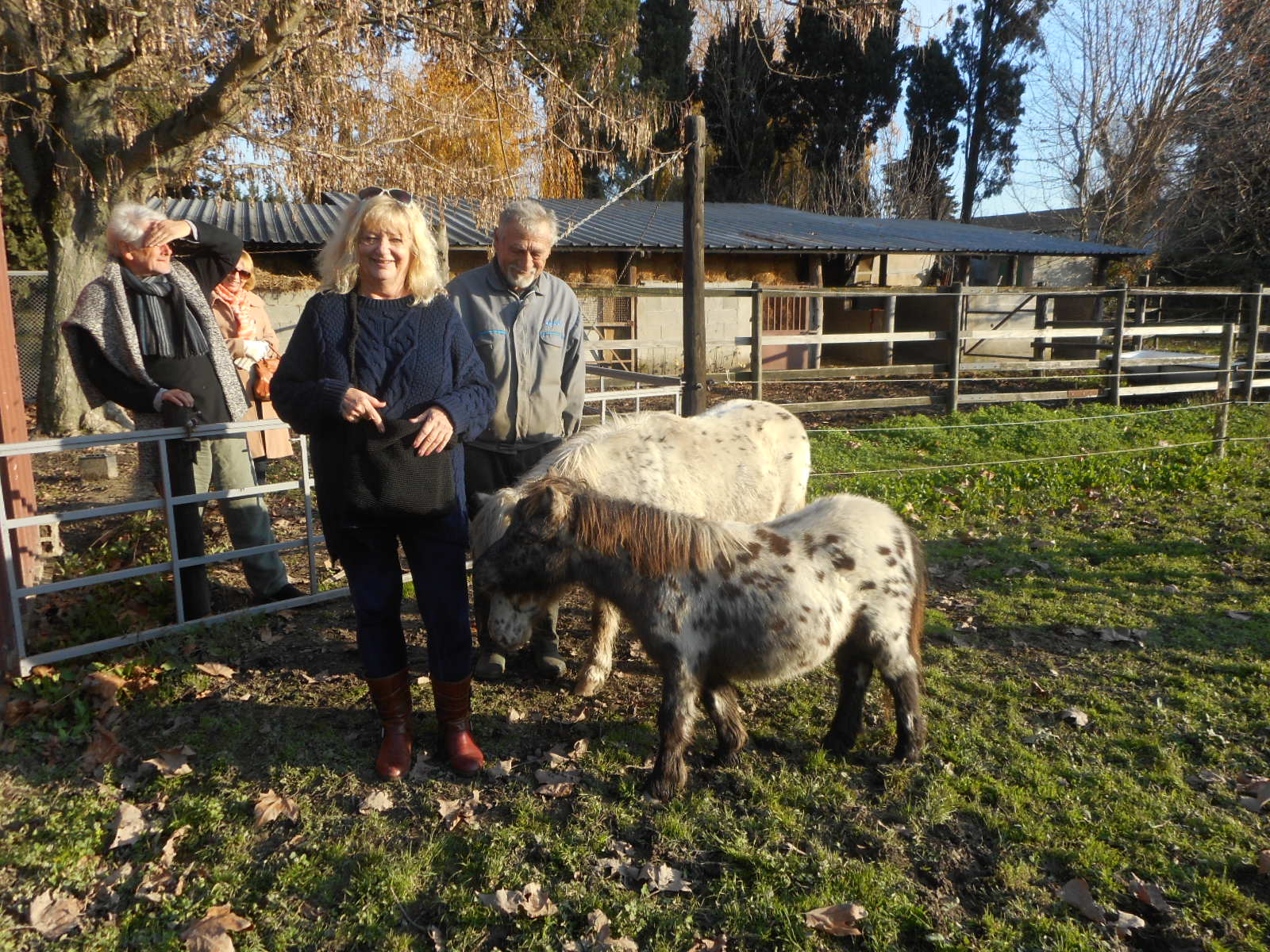
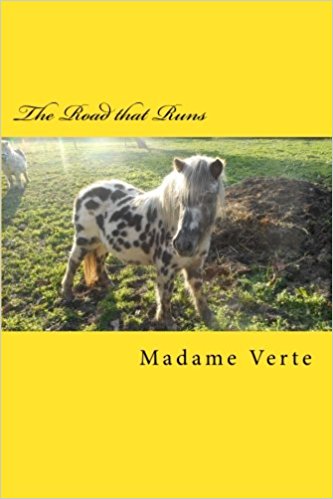
He’s the last person who would want any unhappiness today now that The Road that Runs has finally been published. Here’s a picture of ‘Phyllida’ with the small spotted ponies taken last year when we visited their owner chez Martin. It’s a timely ending as without her sharing her tale over that long-ago aperitif, Monsieur Martin would never have graced the pages of these two volumes.

The Road that Runs  by Madame Verte is available on Amazon: https://www.amazon.co.uk/Road-that-Runs-Madame-Verte/dp/1545252920/ref=sr_1_3?s=books&ie=UTF8&qid=1492688893&sr=1-3&keywords=madame+verte


London Life

Back, once more, in the capital, B offers me a choice of two options regarding afternoon entertainment: we can either stay indoors and watch a movie or we can go and help Andrea who is building a log palisade for housing stag beetles. A relaxing movie sounds nice. We opt for the stag beetles which, although in decline, proliferate in West London where certain ‘types’ have recovered a piece of land formerly inhabited by winos. I am minded of an Alan Bennett snippet in which he purchased a couple of bottles of organic wine, the label of which claimed the contents were suitable for vagrants. How very inclusive, thinks Alan, before realising that it actually read ‘vegans’. Andrea throws logs around like a regular lumberjack and I am exhausted just looking at her. I offer to hold one or two in place in order that she can swing whatever that tool is.

We have been invited to experience ‘Punjabi Nights’ by the Irish contingent. This involves a bus trip, courtesy of my new old person’s bus pass, through Southall. It’s a thrilling trip along the road from Ealing wherein every other building houses an exotic sari shop – at least 100 of these establishments interspersed with even more exotic food emporia. And in Desi Tadka, we are the only customers of non-Punjabi origin. The menu is alien, even for one who purports to love Indian food. We’ve brought our own alcohol but, frankly, it’s pointless: from the first taste of the unidentifiable ‘starter’, I feel too ‘drunk’ to drink: never again, will I order an ‘Indian Take-Away’. Why would you having tasted the real thing?

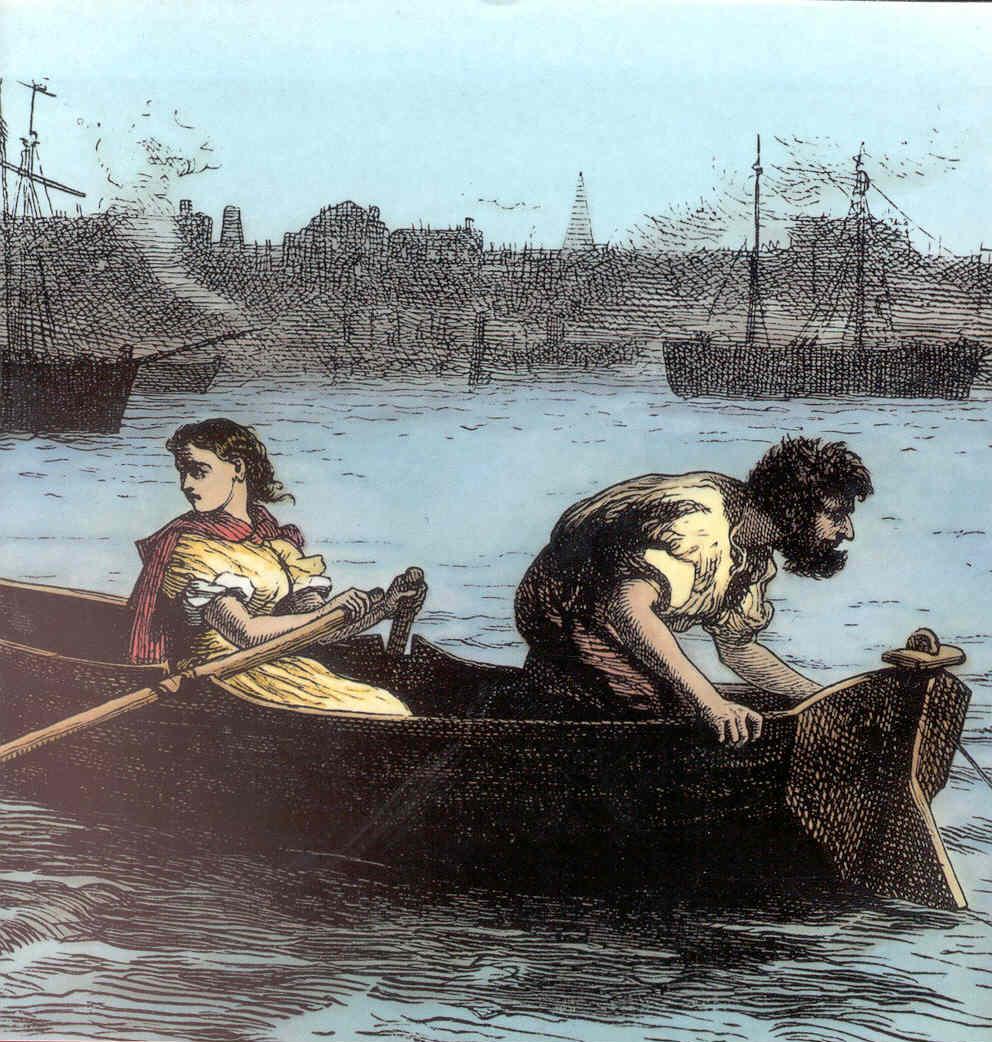
Here’s a little picture that graces the pages of some editions of ‘Our Mutual Friend’. As I’ve probably mentioned previously, it’s a book to be read by those who want to know what London, and especially the Thames, was like in days past. Today, B and I are off along that river to make our own way into history; a history that is soured by yesterday’s terrorist attack on the city.


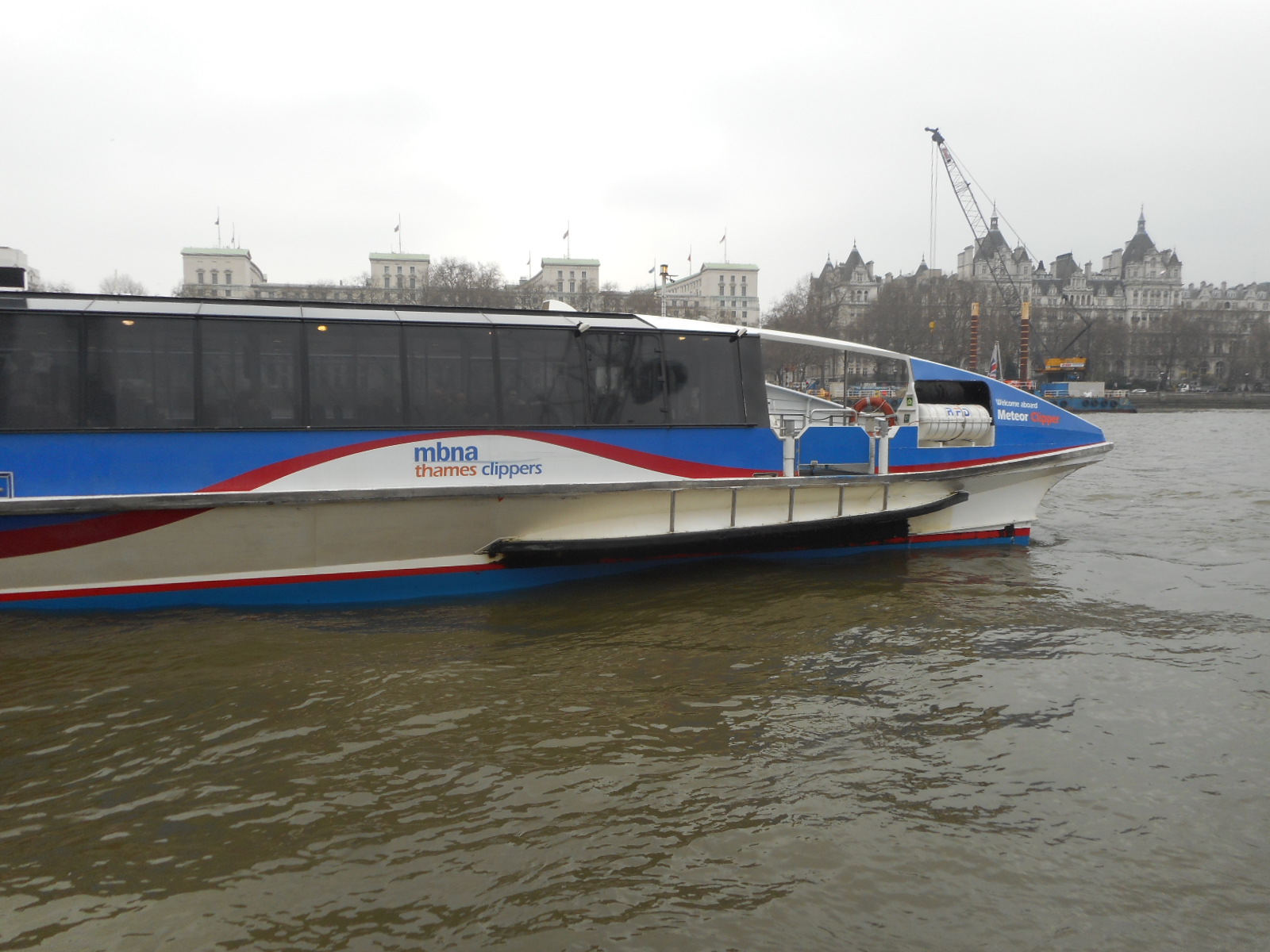
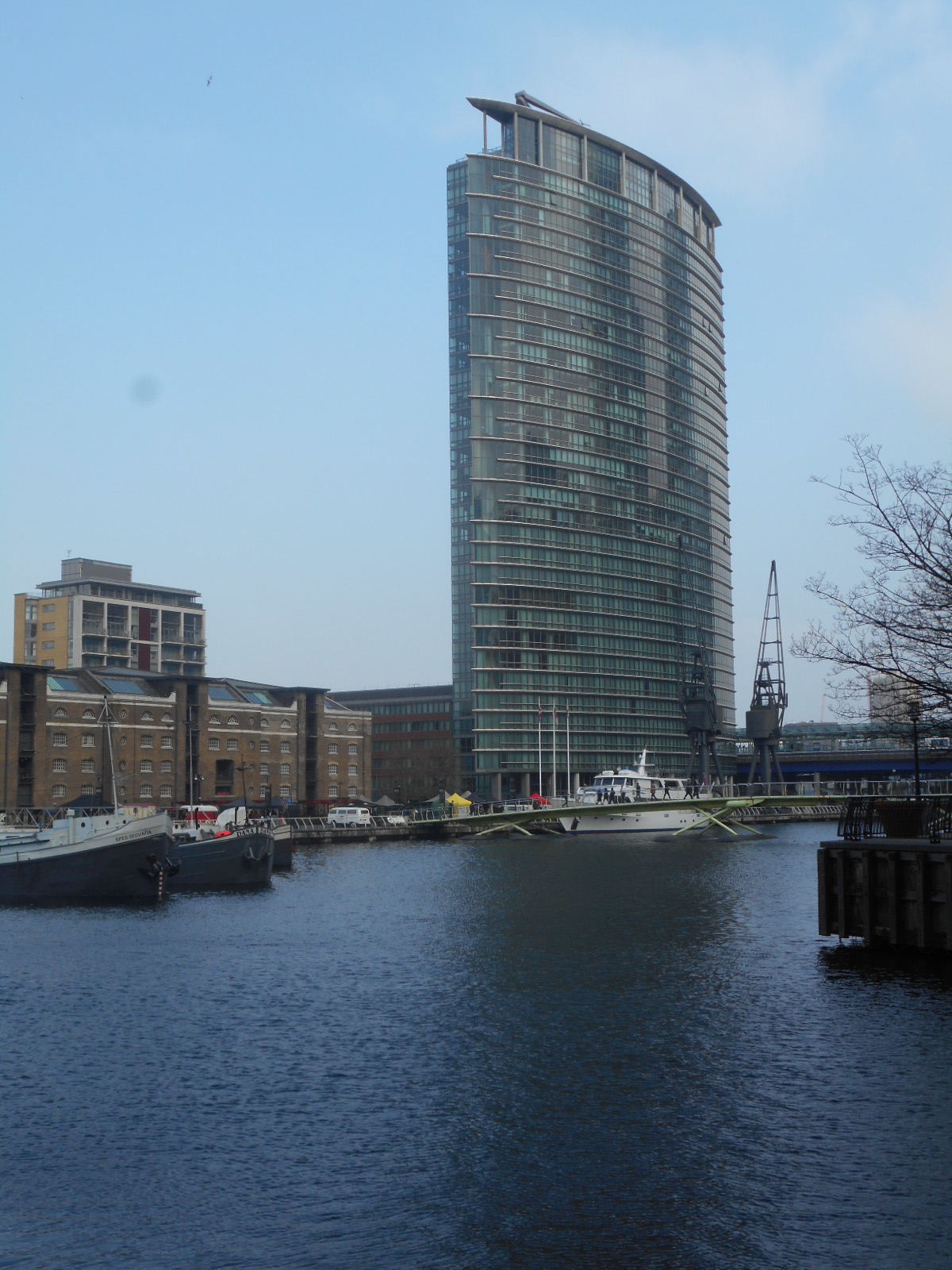
We take the clipper: a river taxi that probably has its own name. All around, flags fly at half mast but London is getting on with life. We’re heading for Canary Wharf – a place about which I’ve previously written on canal-type blogs, but which I’ve never previously been to.


It’s a grey day but this is the way to travel in London Town. If you want to see all sorts of Dickensian environments, and their current incarnations, that are recognisable by their names, take a boat. And take it in the company of one who has just got a new job: well, ok, I’ll have a small bottle of wine then thanks.

We leave our transport at the flawless entity that is Canary Wharf. As B reminds me, most of the current financial world hinges on what’s occurring here. It’s spotless and graffiti-free. They even have their own security personnel. I’m not sure whether I like it or not but it’s intriguing. And we have come here to see past life.
 

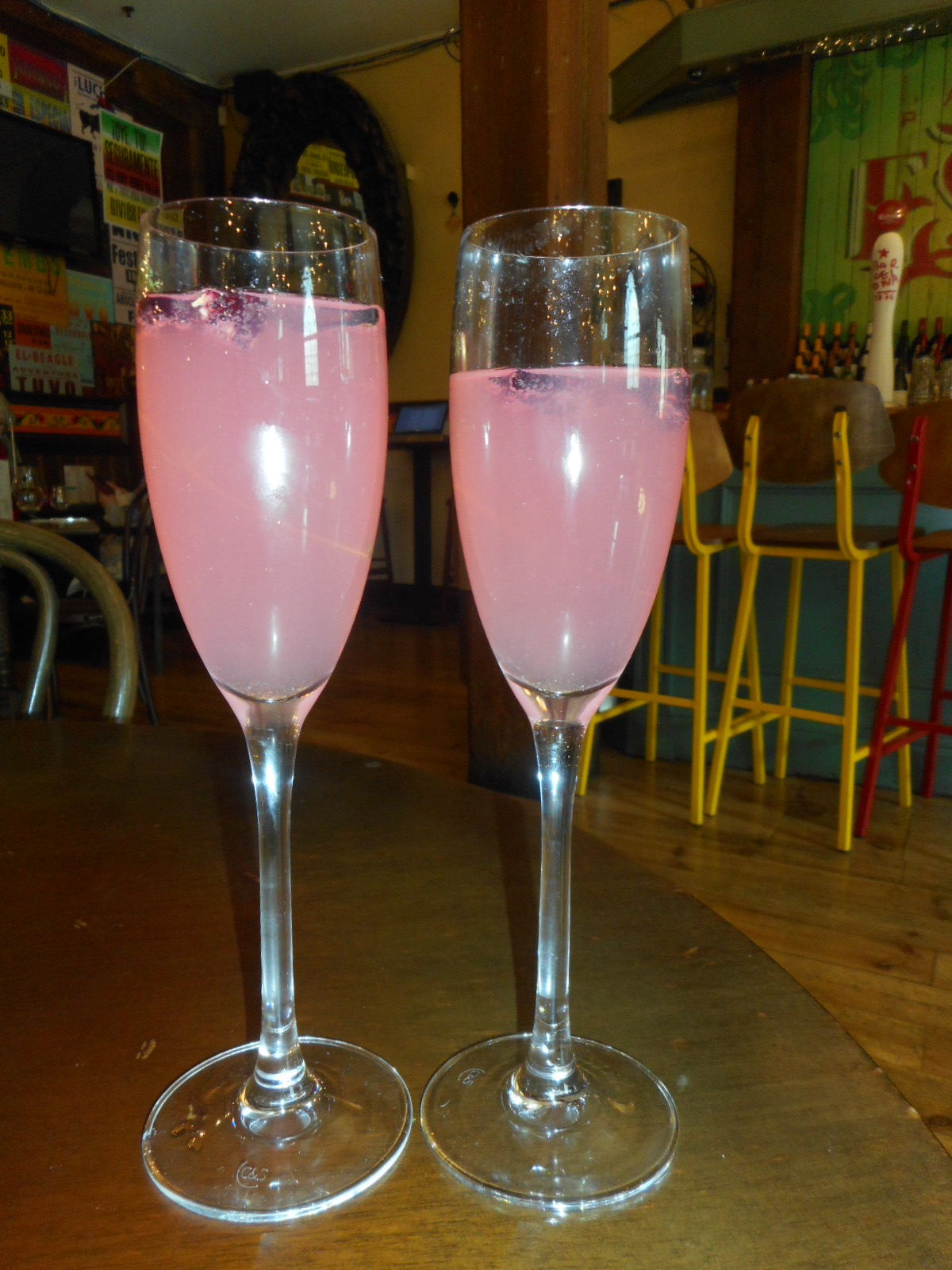
Firstly, however, we must have a little drink. I am ‘old school’: I only take the occasional bottle of the red stuff but, today, I’m persuaded by the two-for-one offer on cocktails; particularly, by ‘Flowers From the Mediterranean’. This comprises lavender and hibiscus flowers with Lanique Rose liqueur combined with lemon and topped with sparkling Cava. I am drunk.


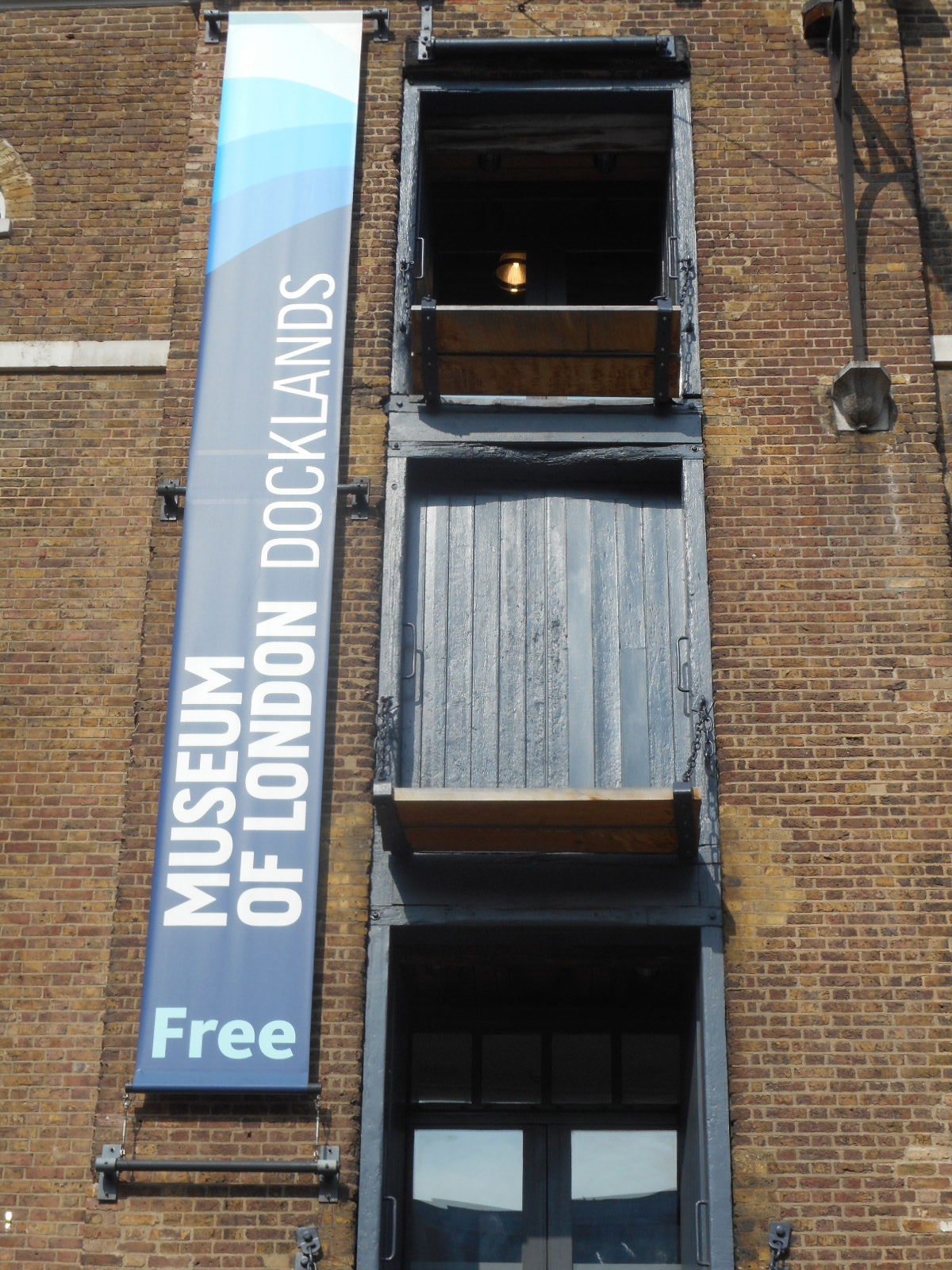
Thus we enter that place which epitomises the whole reason for the trip; for we have come to see the Crossrail exhibition in the Museum of London, Docklands. And what a joy it is. Crossrail is the company  building the Elizabeth Railway from Reading to somewhere east of London. Some of it’s overland – most of it’s underground. Right from the start, they’ve involved archaeologists and the discoveries have been amazing. For a start, they have 3000 skeletons ranging from the Roman period, through pits for prostitutes and plague victims to more modern-day unfortunates. They have a wealth of information about ancient marshlands plus newly created nature reserves. They have everything you could need to trace a history of Londidium.

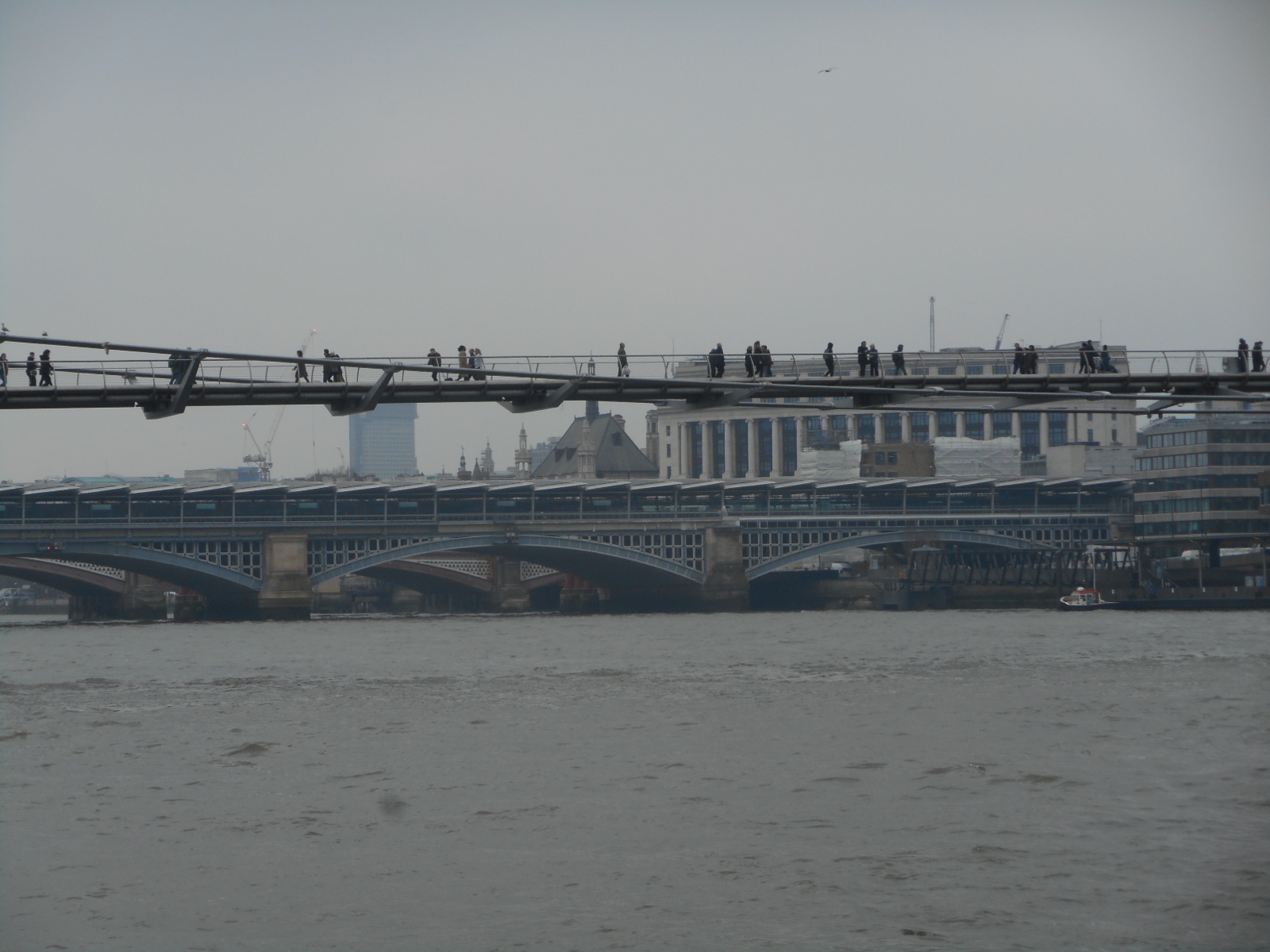
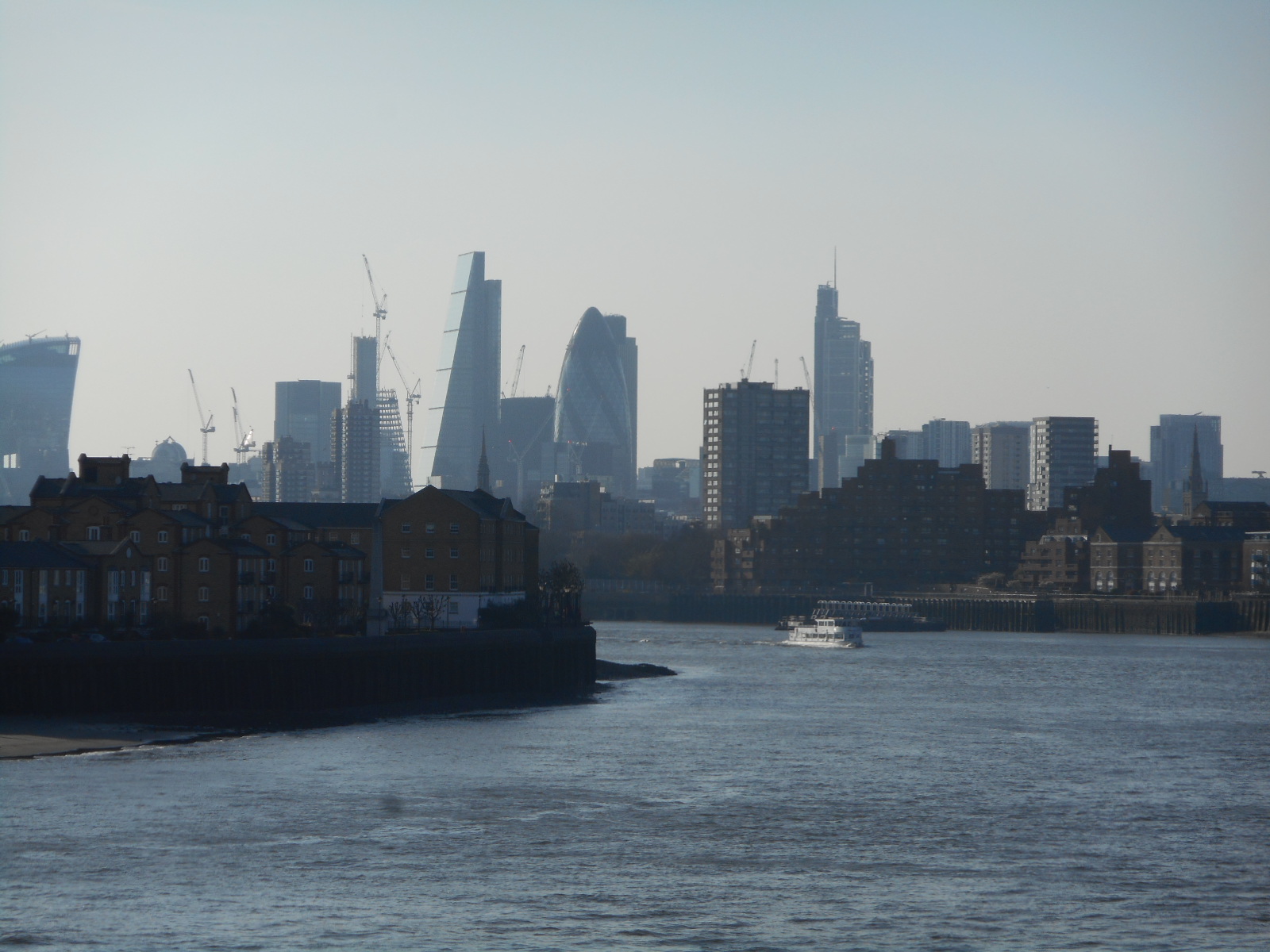
It’s a million miles away from my almost-rural life. And maybe, superficially, even further from Dickens’ city. By the time we leave, the sun has made a sort-of appearance and as we wait for the boat, I look at the constantly evolving London skyline. In itself, it’s a living illustration of architectural change amidst which, the river is constant. One’s position, economically, culturally, historically and culinary, is determined by one’s distance from the water. Still.


On the edge

Another almost-spring morning shines its welcome way through Dorset. The terribly torn tendons still seem far from healed but the day promises to be too good to miss and I’m off to the cliff edge. It’s not a very sensible idea for your intrepid explorer, not least as I fear the notion of a cliff edge threatens all sorts of inner ear antagonism. Just the very thought of the South West Coastal Path makes me dizzy.

The other day, I heard someone on the wireless say that no-one takes a walk without there being an end in sight. Could be a spiritual end but here’s mine: St Adhelm’s 12th century (at least) chapel poised 355 feet above sea level in the parish of Worth Matravers.


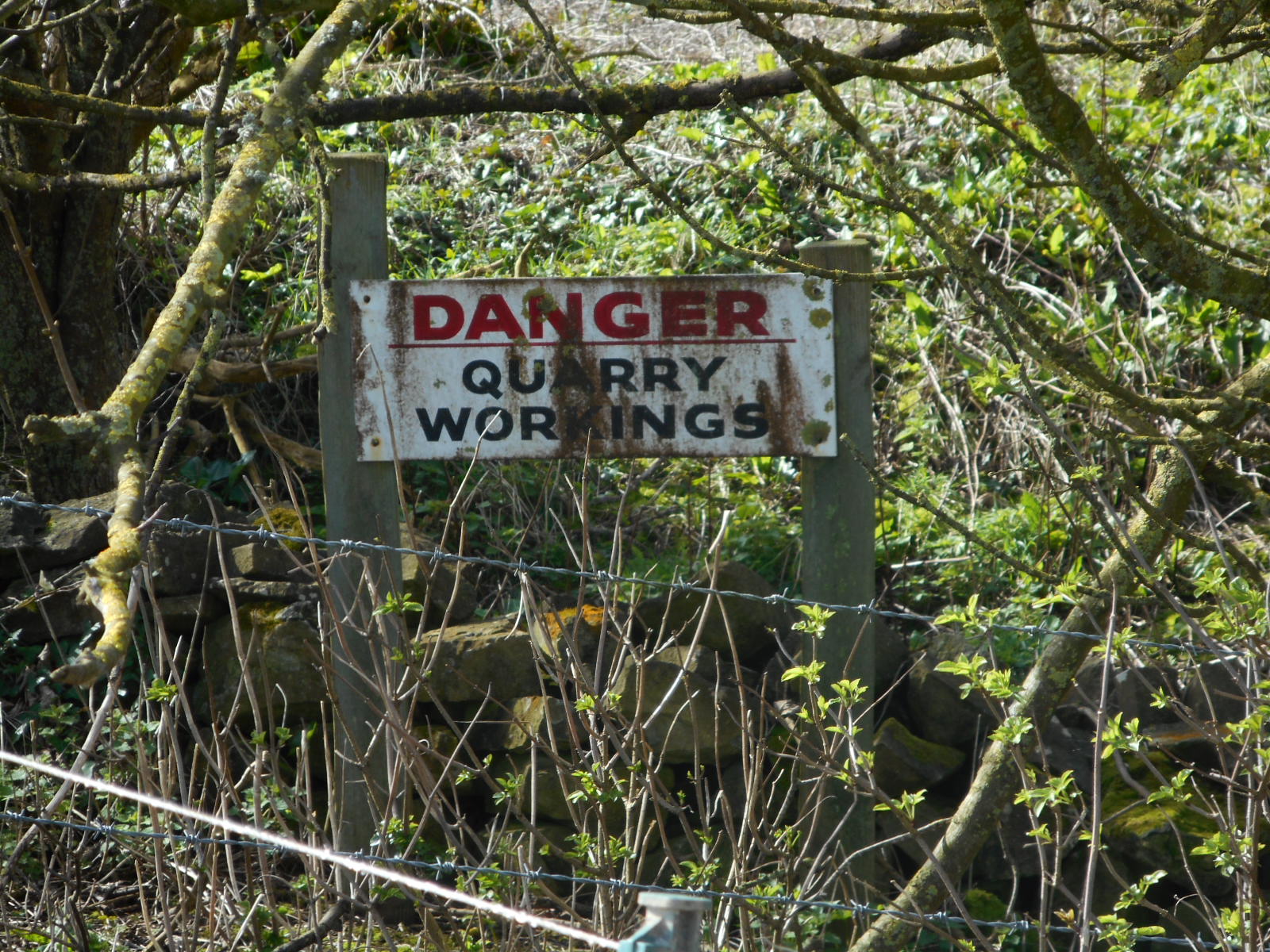
The old and straightish track doesn’t make for easy walking: it’s comprised of the stony detritus of close at hand quarries from which Purbeck ‘marble’ has been retrieved since Roman times to be sent onwards to St Paul’s Cathedral, Salisbury and Exeter cathedrals, Westminster Abbey and that slightly smaller building to which I’m headed.

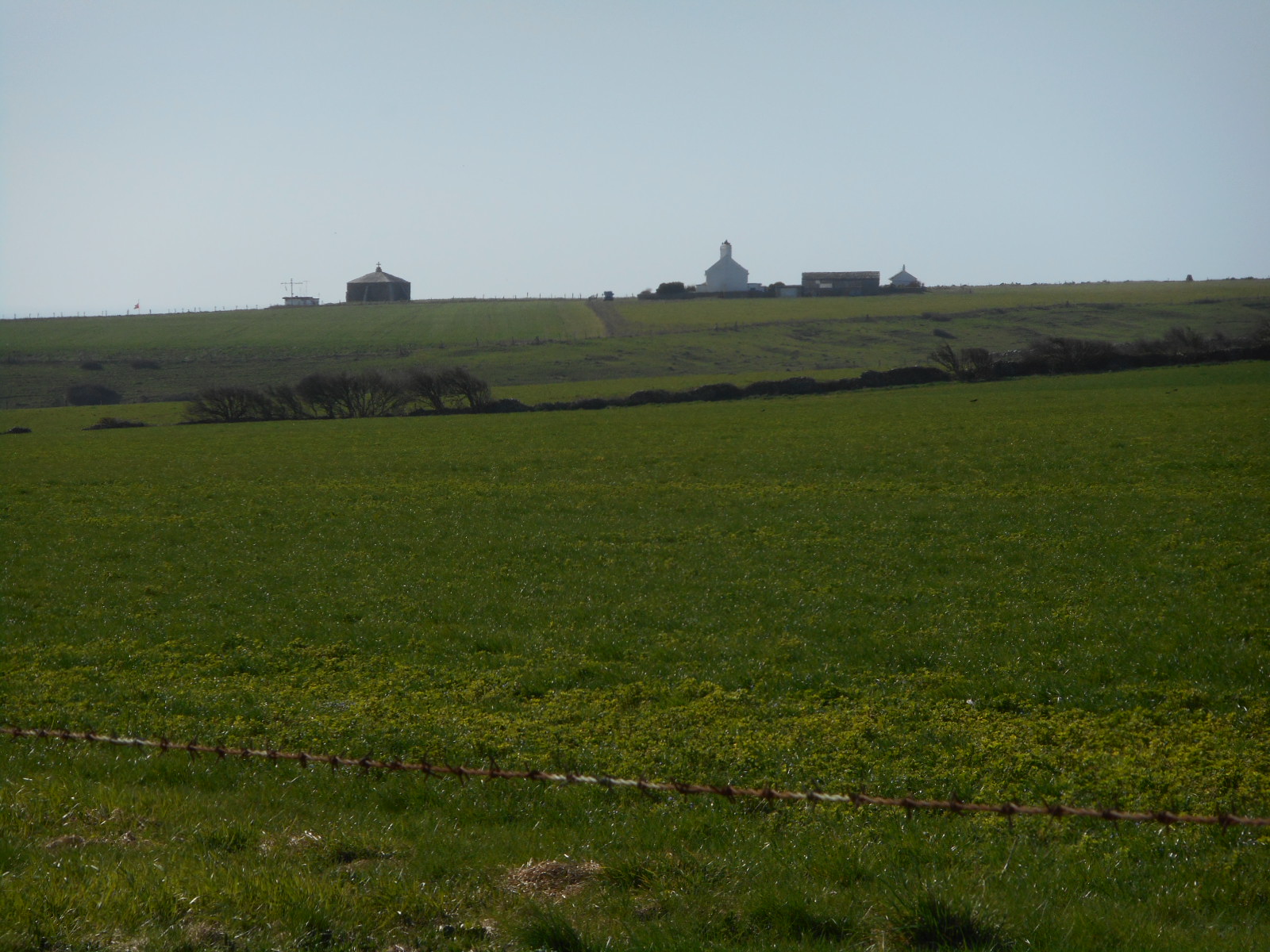
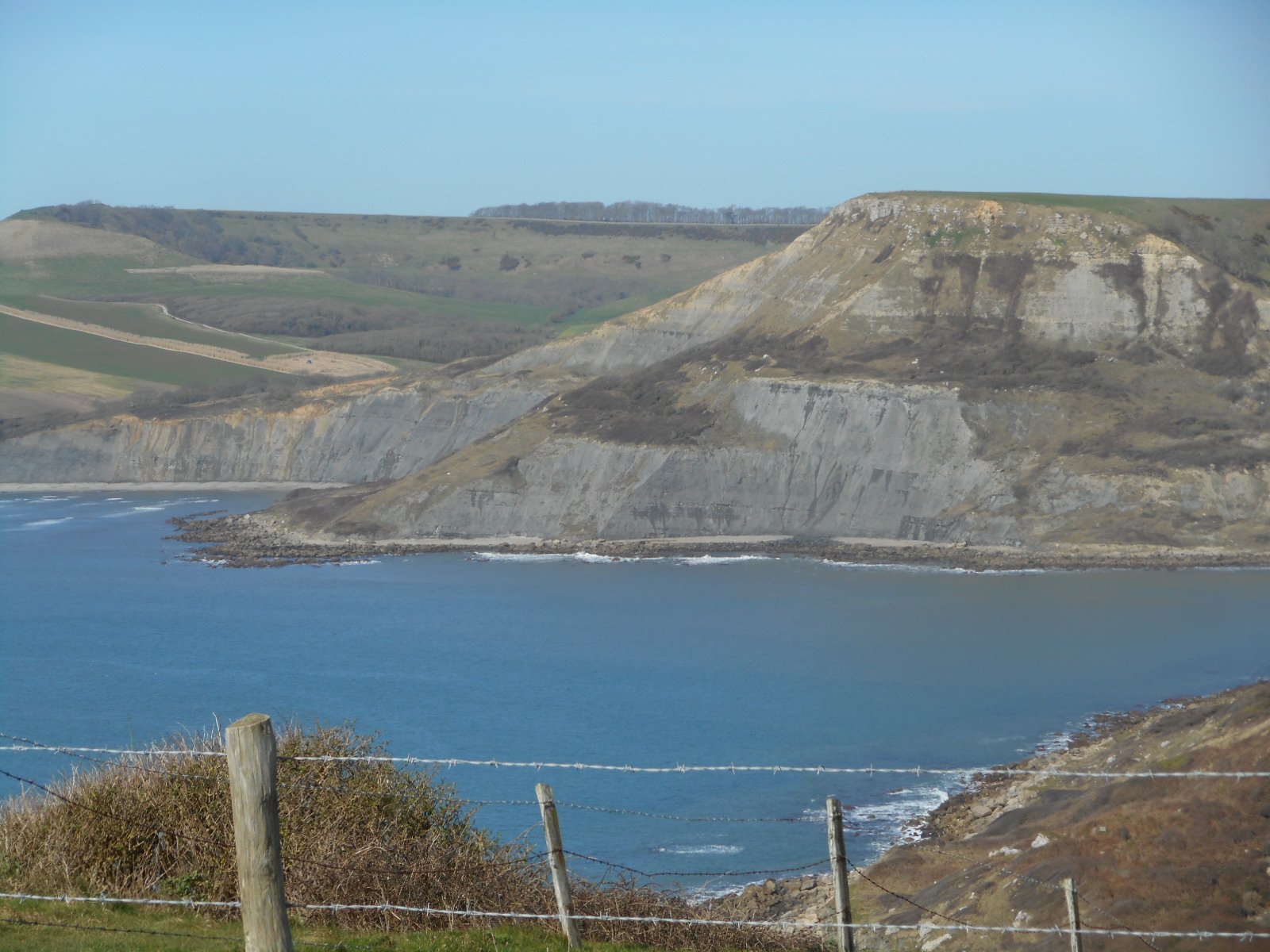
The track may not be ideal walking terrain but the views in all directions are grand. Here’s a tease between the hills at the bottom of which may well be Chapman’s Pool. I’d like to see it if I can manage the coastal path. In the meantime, Hugh is striding towards me.


‘Glorious morning’, he says cheerfully. Now, as it’s not winter today, I’m not wearing the lime green hat so Hugh is at an immediate disadvantage as a) he doesn’t recognise me and b) he’s unaware that he’s about to be questioned about my latest conundrum.

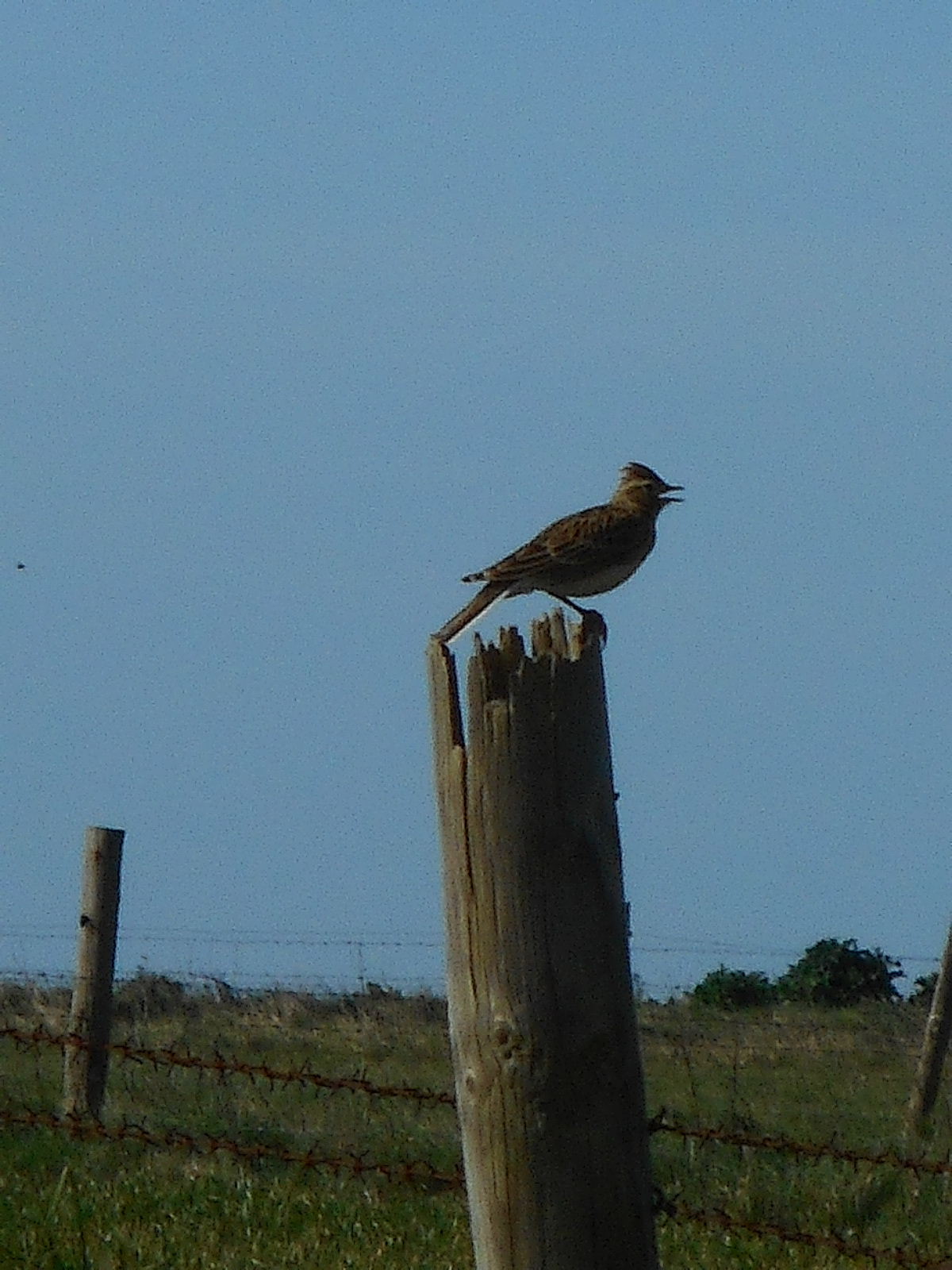
‘The thing is, Hugh’, I say, ‘the fields are full of birdsong, yet there’s not a bird to be seen’. He doesn’t bat an eyelid:

‘That’s because they’re all in the sky. Skylarks’. Hugh and I stand on a bend in the old straight track, with our necks bent back in superb synchronicity, staring up into the sky-blue sky. The empty sky-blue sky. I can’t see a thing.

‘Must be half a dozen of them up there’, he claims and I am minded of the emperor’s new clothes. And there’s more as Hugh joyously informs me that he’s just been lucky enough to see a waxwing.

‘No way’, I respond, ‘that’s wonderful’. A silence follows in which respective emotions are not conjoined. ‘What’s a waxwing’, I finally ask? He doesn’t care. To see a waxwing has been the highpoint of his day. Well, make that his life and he tells me all about these rare (at this time of the year) visitors to our shores, suggesting that I might see it on a post shortly.

We go our separate ways, me with my eyes peeled. All I see is Marian and Andrew. Actually, I hear them before I see them. They’re having a row. Something about being on holiday and Marian complaining that Andrew still needs her to look after his every need. I am really cross: these two will have frightened off any passing waxwing with all their noisy arguing. ‘Have you two come all the way to the middle of nowhere just to have a row’, I ask in passing? Marian and Andrew are silenced but, twenty feet past me, I can hear them starting up again. No matter because that brave little waxwing has just landed in front of me and is singing a tiny song of gladness. I’m ecstatic. No idea why because what I know about birds could be carved into a fat ball with a taxidermist’s needle. Smugness will ensue tomorrow when I mention the waxwing to a twitcher friend who’s been looking for one for years.

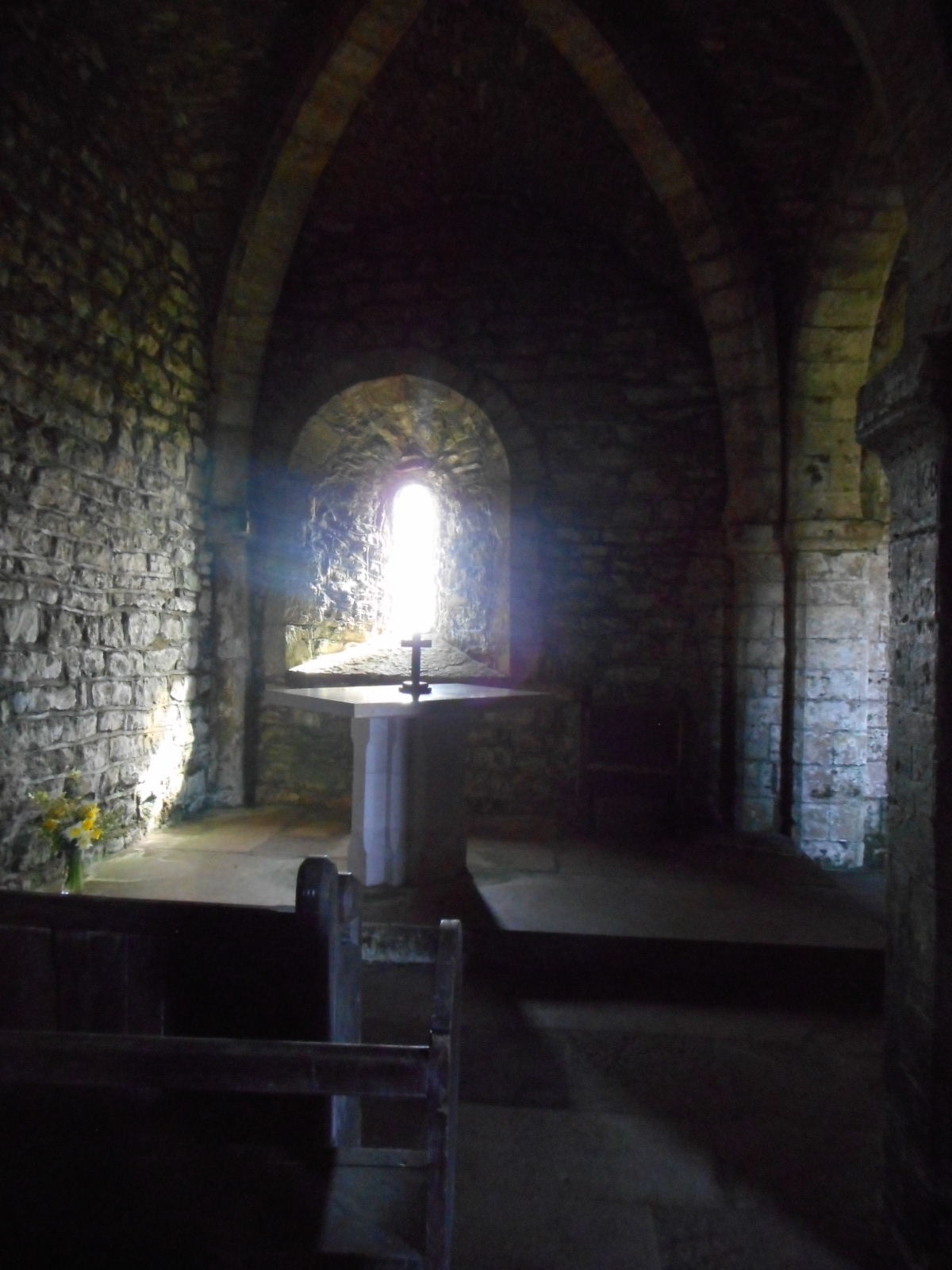
And here’s the chapel: a rum sort of do if you like; another cliff-top conundrum about which, few facts are known. The angles of the building point to the cardinal points which is, apparently, strange. Further, the square shape is very unusual for an ecclesiastical building; thus the orientation and shape hint to a non-religious origin.

Of course, never learning from previous lessons, I’m still an explorer who does their research AFTER the event so I know nothing of angles and shapes. Neither do I know that the chapel occupies a central position on an earlier timber building in pre-Christian earthworks. As the literature informs me, the casual visitor often fails to notice that earthen mounds surround the chapel. Correct, but not so much of the ‘casual’ if you don’t mind. In the 1930s, there was a problem with cows getting into the chapel – hardly surprising if they too suffered from vertigo.

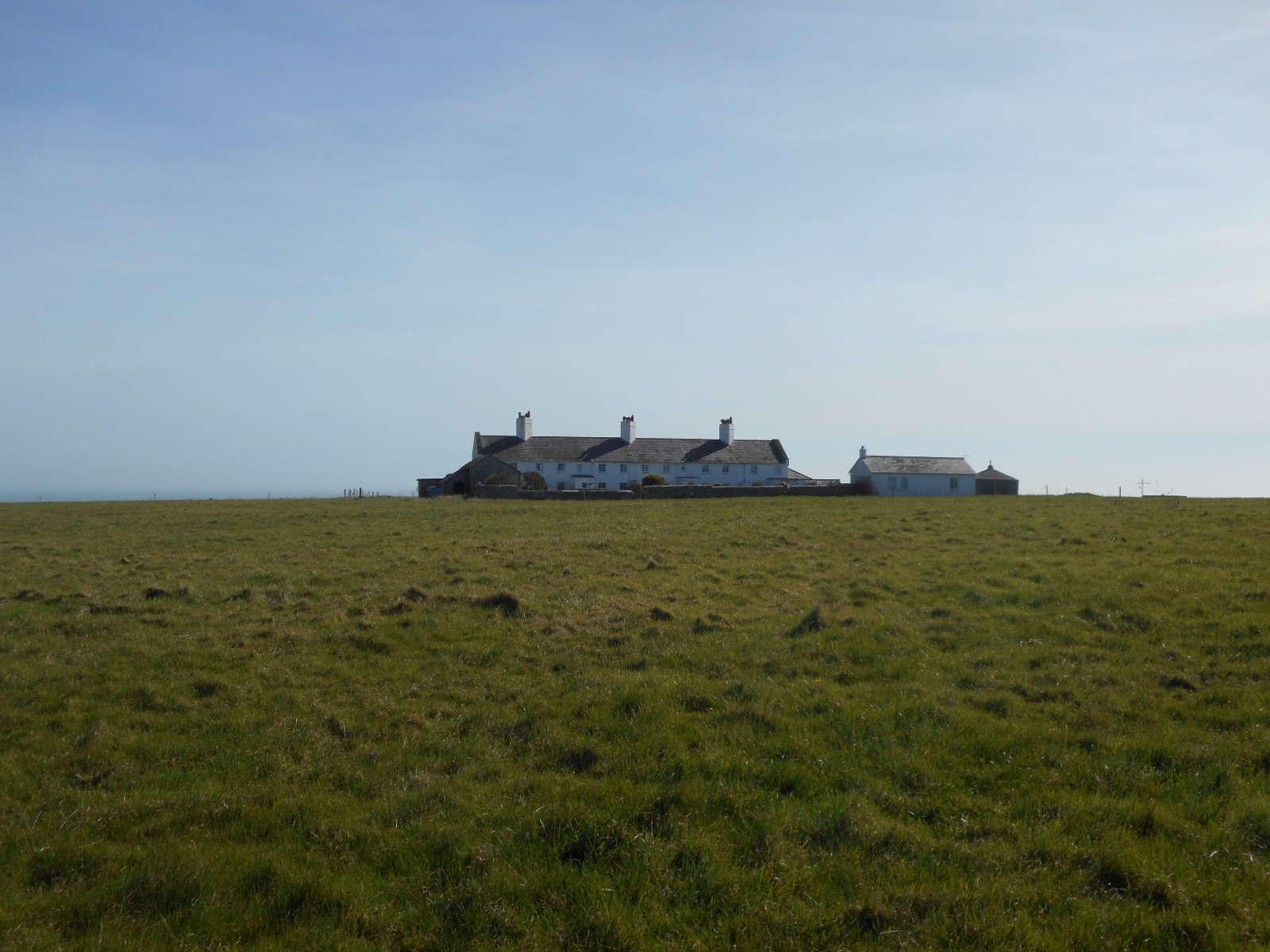
These are the cottages in which the families of coastguards lived. Around the same time that the cows were being problematic, the weekly services at the chapel had declined and were only held fortnightly at Rogation Tide. When I read this, I thought, not entirely illogically, that Rogation Tide must be a marine function like Spring and Neap tides. Well, it’s not and if you’re interested, look it up.

Oh what pleasure to find the chapel open and to have it to myself. There’s some really interesting and ancient graffiti in here but the photos I took failed to give that impression. I help myself to a handy leaflet and perch on an ancient bench behind the door to search my rucksack for thirty pieces of the coins of the realm for payment. I didn’t envisage shopping when I set off, and no-one except me will know whether I paid or not but, having located the due fee, I hear voices outside. As I can’t be seen, I emit a warning of my presence: ‘don’t jump’, I call affably. There’s no answer and the bodies attached to the voices fail to make entry. Maybe they think some ghostly type is warning then not to jump off the nearby cliff. They wait until I leave. Scaredy cats.

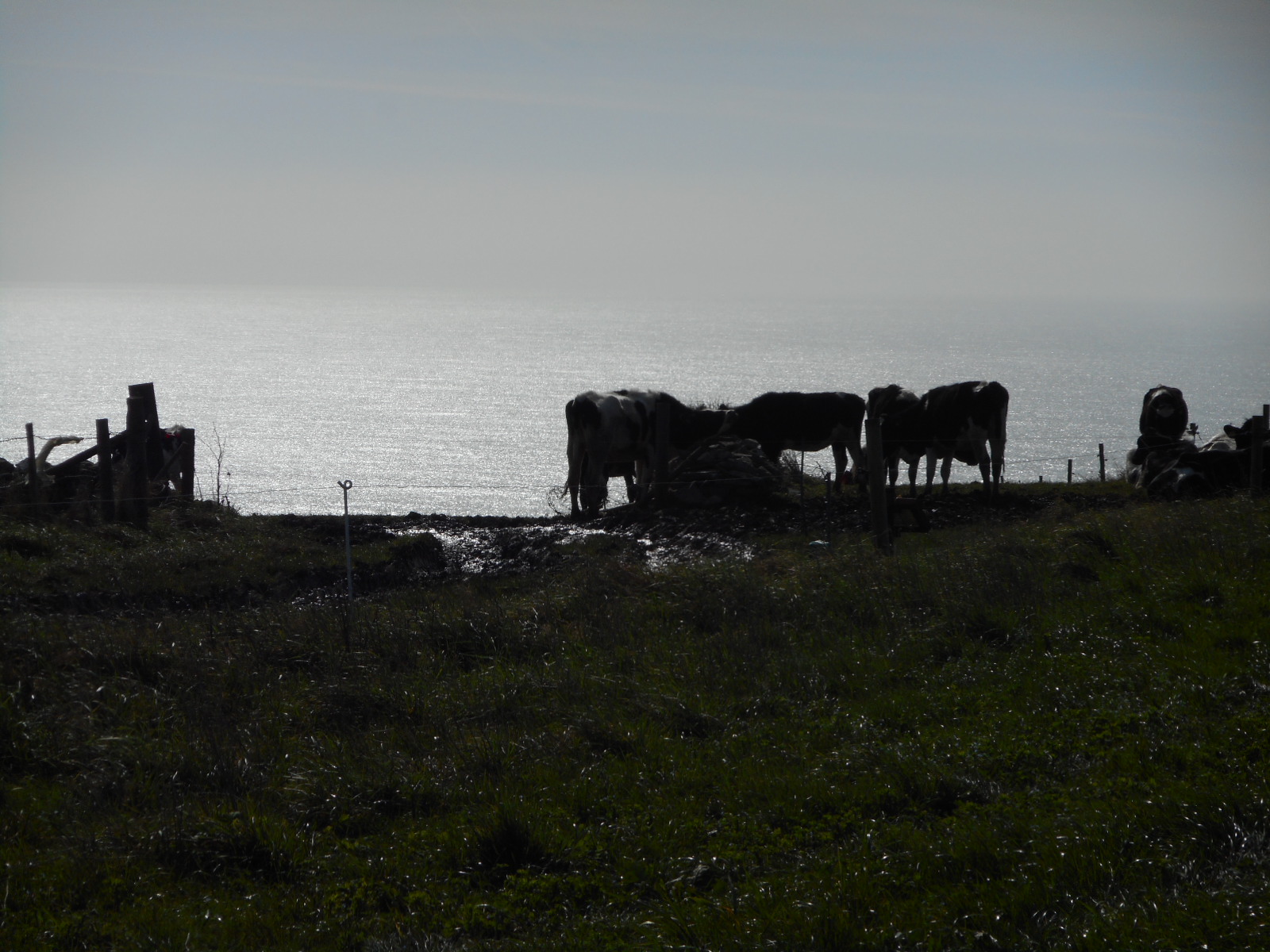
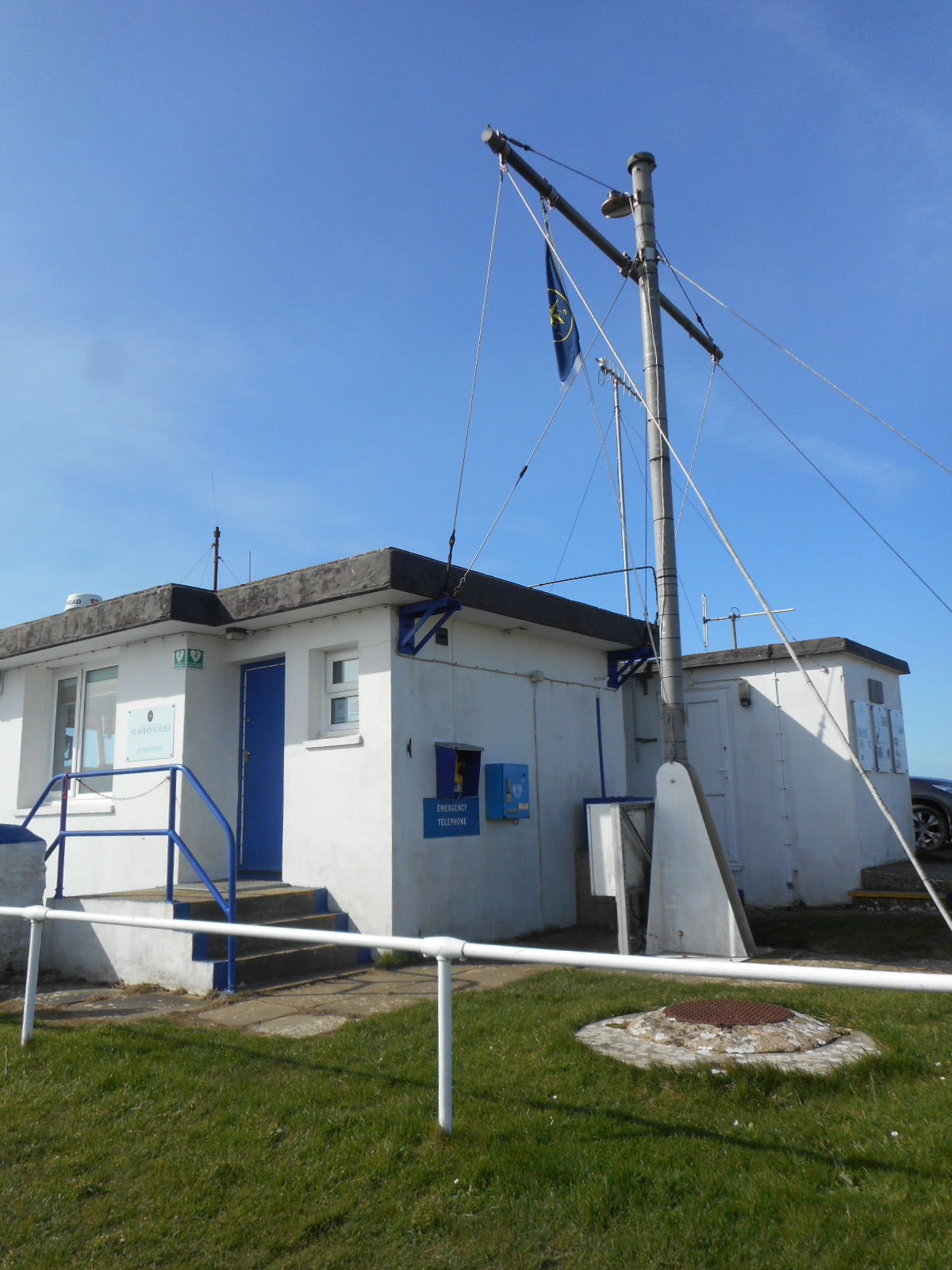
Deferring the setting of feet onto the coastal path until the last possible moment, I have a look at the look-out station. Clearly, it’s not about to win any prizes for architectural design but here’s the rub: in 1994, this successor to the original coastguards’ lookout was closed down due to a lack of interest or funding, along with all other visual coastguard services. However, in the very same year, two fishermen died on the Lizard within sight of their closed lookout. In true British fashion, 49 coastguard lookouts were re-opened, manned, naturally, by volunteers. In this part of the world, if you weren’t a fisherman, a farmer or a quarryman, you had no livelihood.

I make three attempts to set foot on the coastal path but, for me, it’s a  non-starter. Why don’t they just be honest and call it the cliff-edge path where you take a deep breath along with your life. I cut across a field, through a gate that says ‘no entry’, just to get the view of Chapman’s Pool.


People I ask along the way mention a few steps. If you click on this picture and study the incline, you’ll see some folk’s idea of a few steps. I don’t imagine that I missed anything. Au contraire, I feel nauseous just thinking about it, regardless of tendons, torn or otherwise.


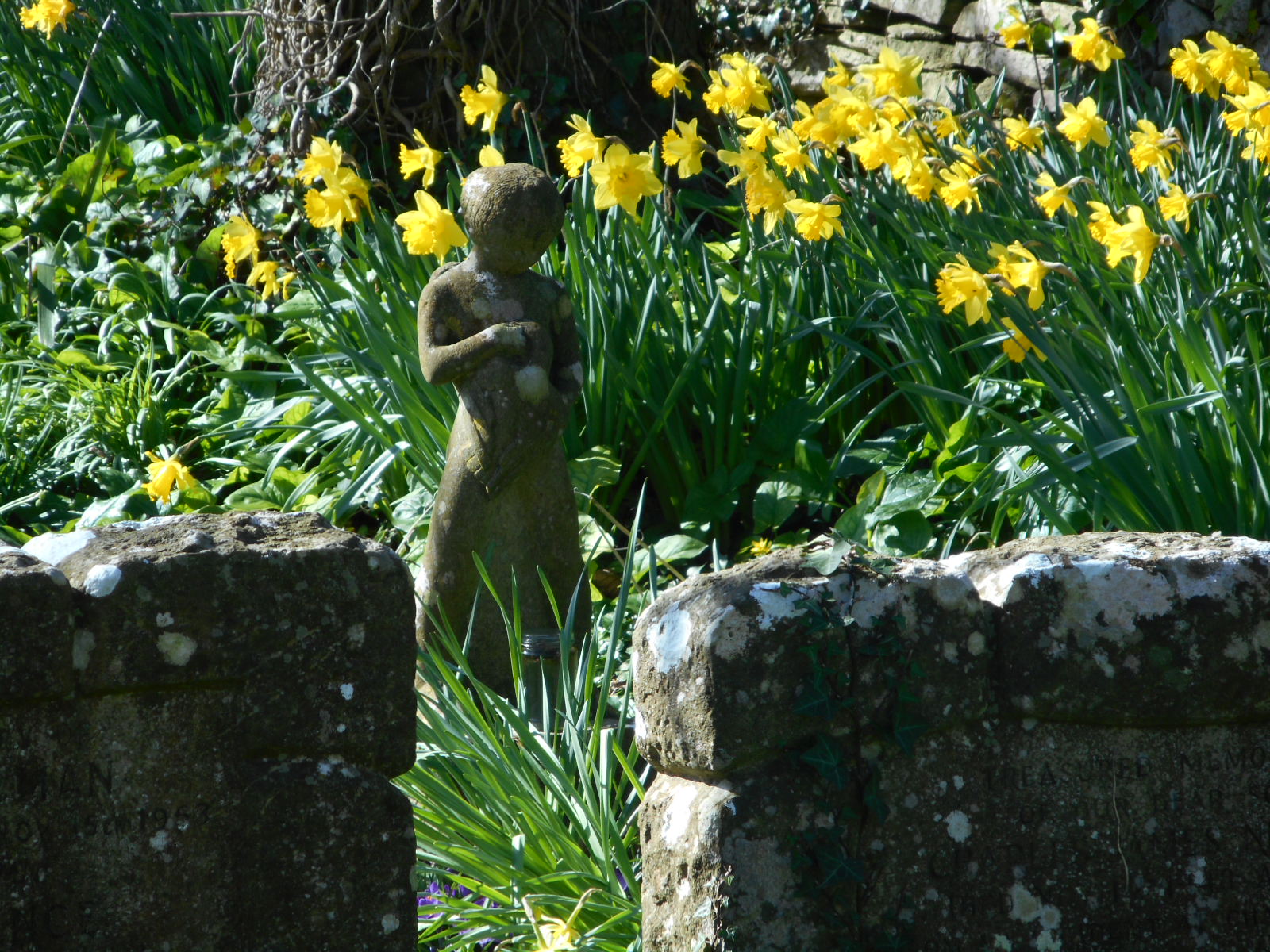
Back in the safety of the village, I visit the church of St Nicholas. As with everything else, there’s more to see here than I knew about at the time. I don’t care because an English churchyard in early spring is a thing of beauty regardless of religious inclination. Later, at another church, I will lay flowers on the grave of an old friend; a grave which, less than four months old, seems already to have been consigned to ancient, uncaring history. But here, in Worth Matravers, all is reasonably well with the world although I’m saddened at the stone engraved with corn for Johnny Bray who died whilst harvesting. Is this some nineteenth century memorial to the hardships of the day? No: an accident befell Johnny in 1988 which, along with those dead fishermen, just confirms the eternal hardship and danger facing those who work the land and coast.

Later, I venture into Swanage where, I’m delighted to report that, on this wonderful spring morning, it’s still Christmas; and where, a being, possibly older than St Adhelm’s Chapel, was busy stoking up a real wood and coal fire.


The missing bench

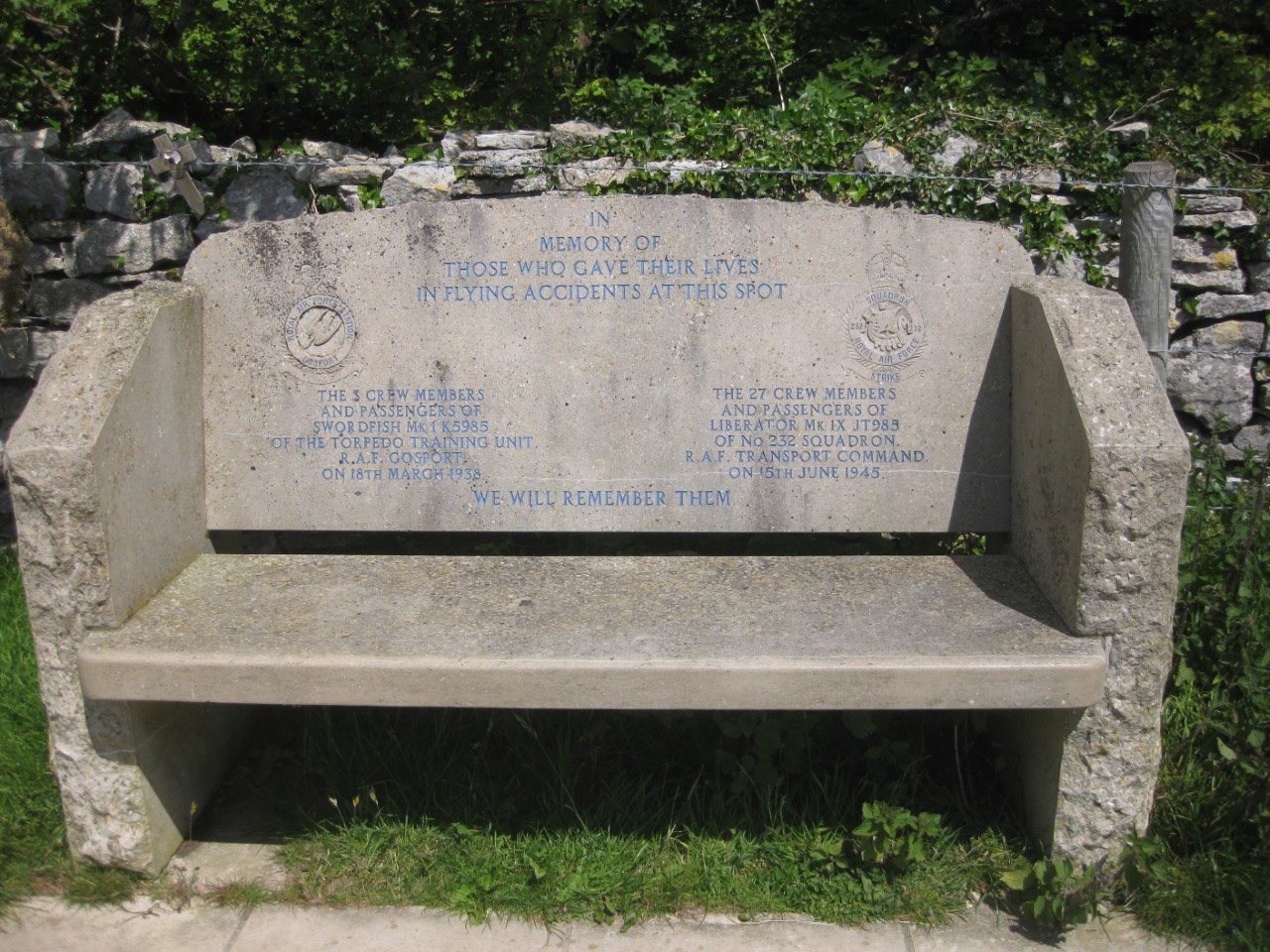
benchThis is the memorial bench previously referred to from which the now infamous Doris and Archie, along with their miserable dog Ivor, were so reluctant to move. Thanks to that pioneering explorer, dad, who has retrieved the photograph from his personal archives and made it available to weasel followers.

Tiny steps

2017_0302swyre0003Even those of us ancient beings who sadly fell from grace via a slippery manhole cover in Bromley, thus tearing previously unknown tendons, eventually have to rouse themselves from the confines of the settee and try to return to the old routine. There’s only so many baby-sized jumpers that can be knitted with enthusiasm; only a finite number of DVDs of Dickens’ greatest hits with Dutch sub-titles one can bear. It’s time for tentative, tiny steps if I want to be walking before my grandson.

2017_0302swyre0004I plan a little walk – only two miles. I am doubly inspired my father who will attain 91 years of age tomorrow. Firstly, on the same day that I was being lifted from a Bromley pavement and transported to safer environs by a passing gas man, he and my mother  walked to Old Harry and back, a round trip of four miles. Secondly, since they moved to Dorset, those two have also walked to Swyre Head and back after which he painted a beautiful picture of the view which is the reason why anyone bothers with this particular amble. I’d never been before.

2017_0302swyre0009There are a lot of sheep to negotiate on this walk. I park in Sheep Pens Car Park which might be a clue. Everything I do at present takes an age. Whilst I’m changing into woolly socks and walking boots, I notice Doris and Archie setting off through the gate on their way to the highest point on the Purbeck hills. Doris is striding ahead with gay abandon. Archie looks despondent and down-trodden. He’s bent almost double and tags along behind wrapped in an aura of resignation that I know has accompanied him for many a year.

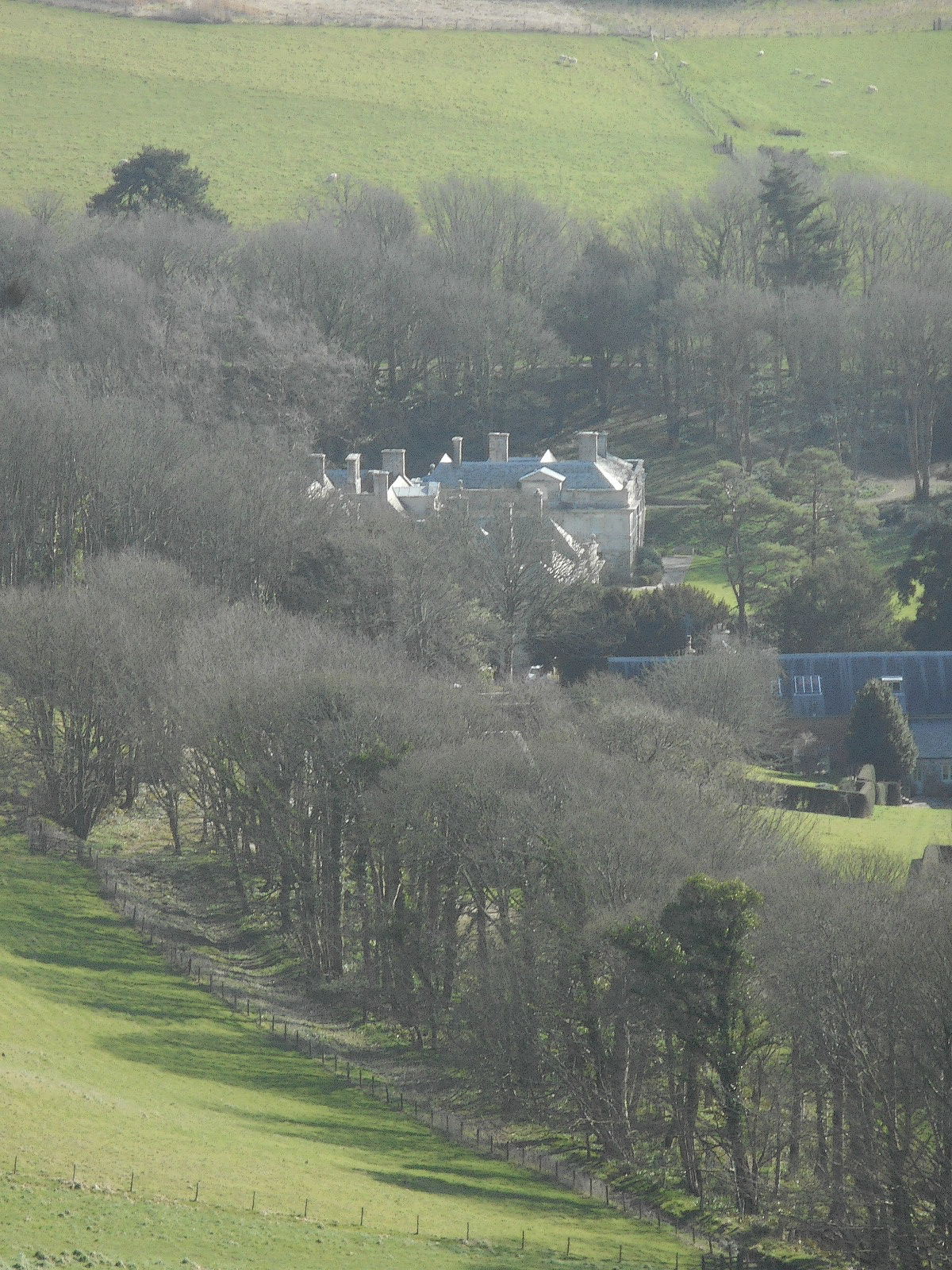
2017_0302swyre0013I track up the hill and look down on Encombe House, another pile belonging to the landed gentry that, allegedly, both Madonna and Brad Pitt discarded in their search to own a bit of England’s heritage. They open the joint once a year to the plebs but on the only occasion I’ve ever bothered with it, they wouldn’t let my then small son in. ‘Too small. He might break something’. Well, up yours then. I turn away and here’s Doris and Archie and their unpleasant dog sitting on a bench. The bench is adorned with poppies.

2017_0302swyre0008‘Hello’, I begin. ‘Why are those poppies there?’ Archie is curled up in a life-threatening heap, No way is he about to communicate anything but Doris gives me a potted version of history which I later research. On 18 March, 1938, an RAF Swordfish plane fell to the Dorset earth here. And, obviously this being a damned spot, a Liberator plane also crashed on 15 June, 1945 with the loss of 27 lives. And now you come to mention it Doris, I can see there’s some sort of inscription behind you. Any chance of you moving so I can take a snap? No. Apparently not. Those two are glued to the spot. I decide to stroke their unpliant dog as a way in but Archie suddenly springs back into life: ‘don’t touch Ivor’, he advises. ‘He’s a bit snappy’, and instantly falls asleep again.

2017_0302swyre0015I am really irritated, especially when I later arrive home and discover that there’s not a single picture of this bench on the WWW. I press on to the top of the hill and find the gate that opens onto THE view. Thinking I might rest my weary legs on another handy bench prior to proceeding, I find that this too is occupied by two people and a large rucksack. No matter, I can see I’m at the point where dad painted his picture.

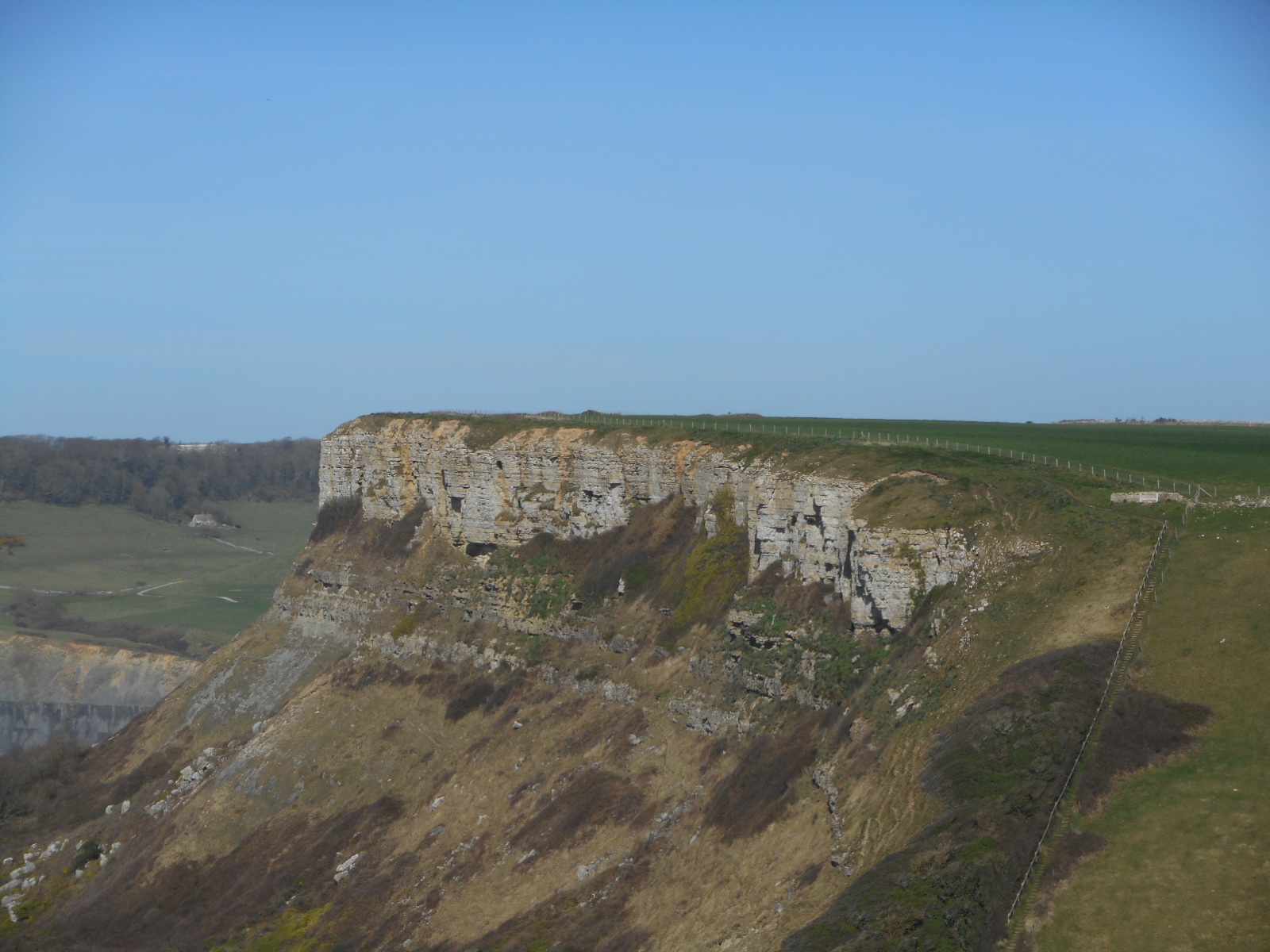
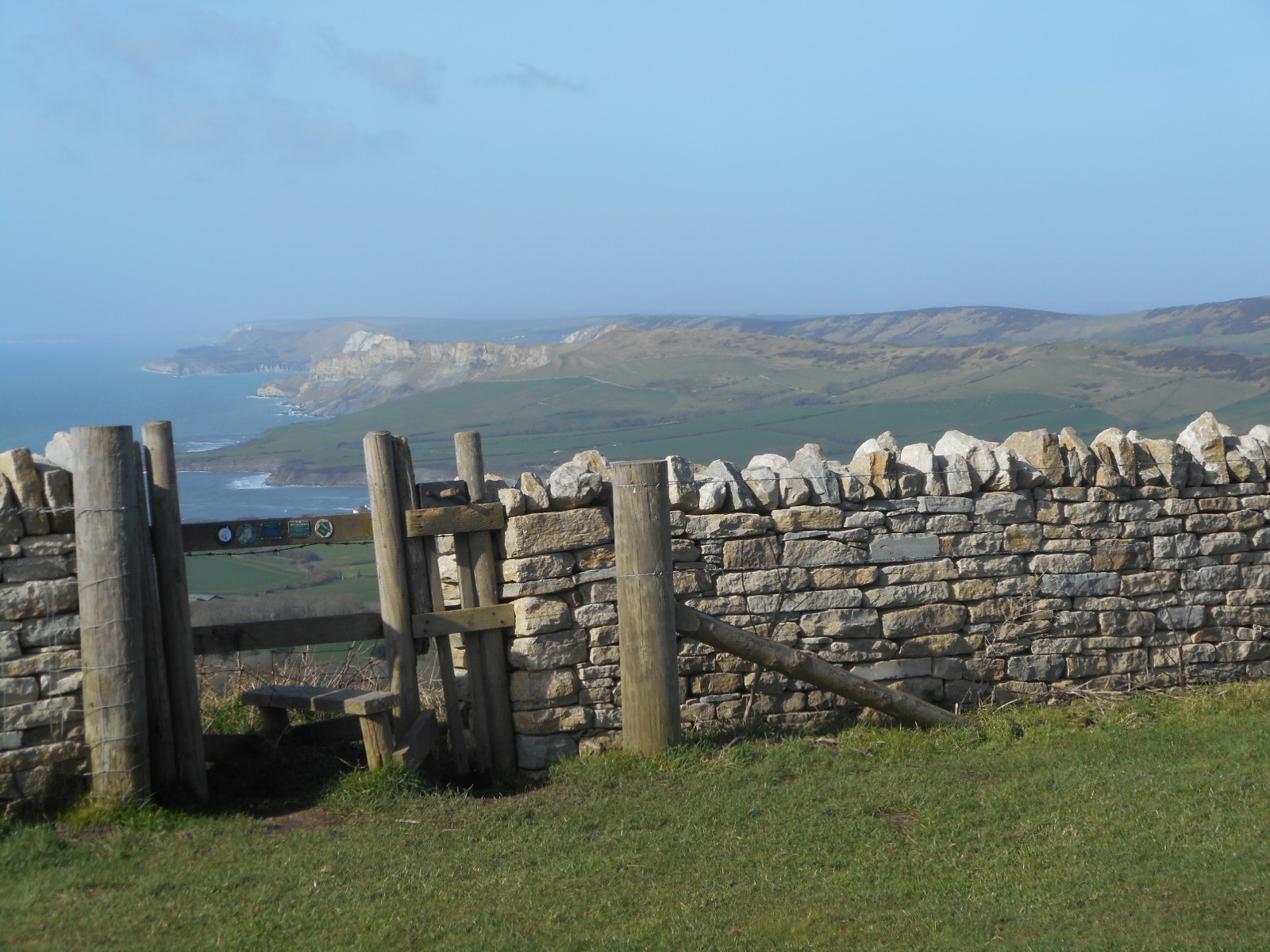
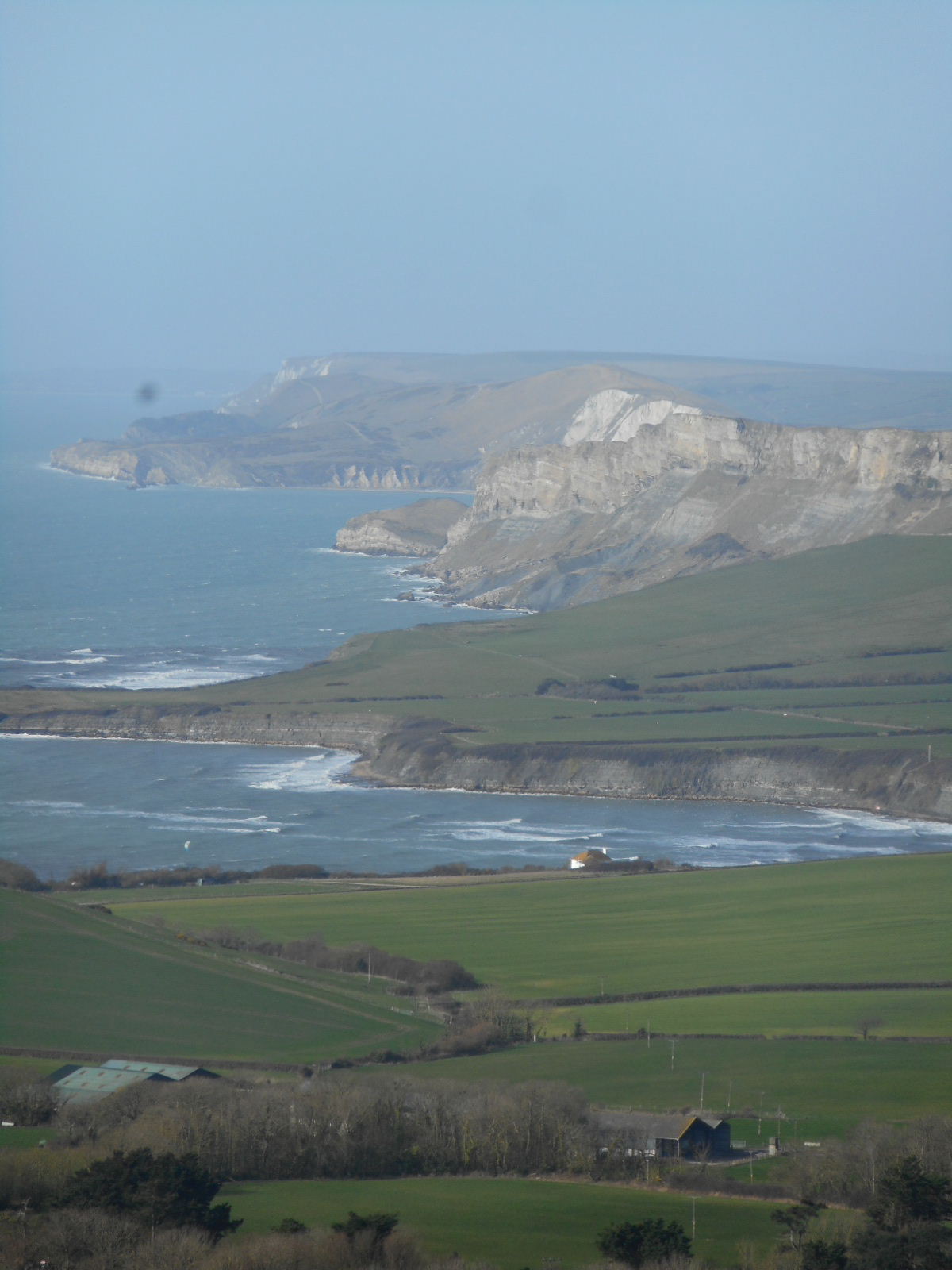
2017_0302swyre0017And here t’is. Surely the best view in Dorset, if not the world. The weather is glorious and the leg has, temporarily, stopped hurting. There is no other place to be and I spend a considerable amount of time just looking. Keep your benches. It’s just me and the sheep and this. I walk through a random gate which is like a portal into ancient, untouched times and track along Smedmore Hill.


2017_0302swyre0025

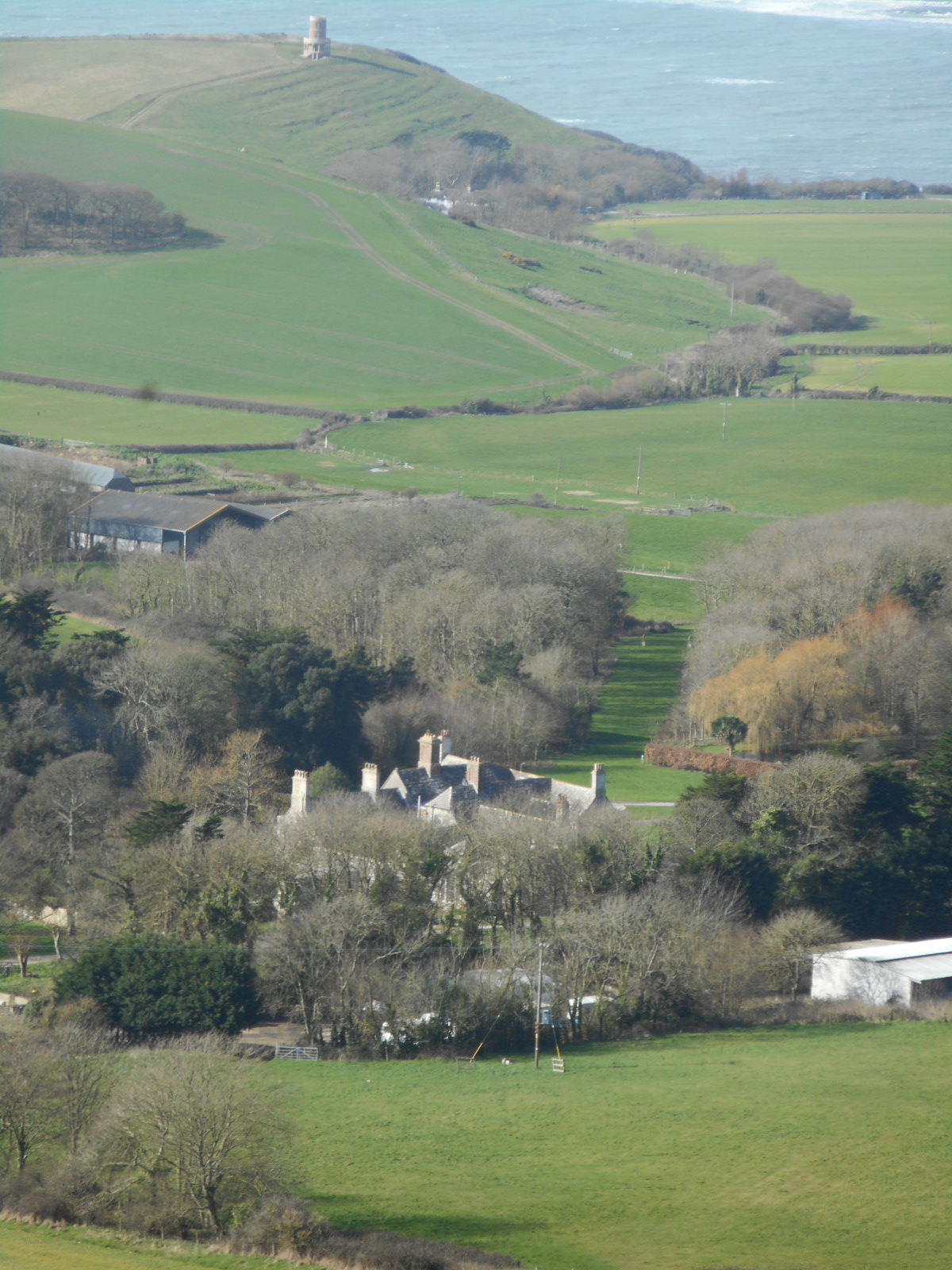
And passing through another gate, on the way to who knows where, I spy Bob and John sat on a bench overlooking Smedmore House; the neighbours of those over at Encombe.


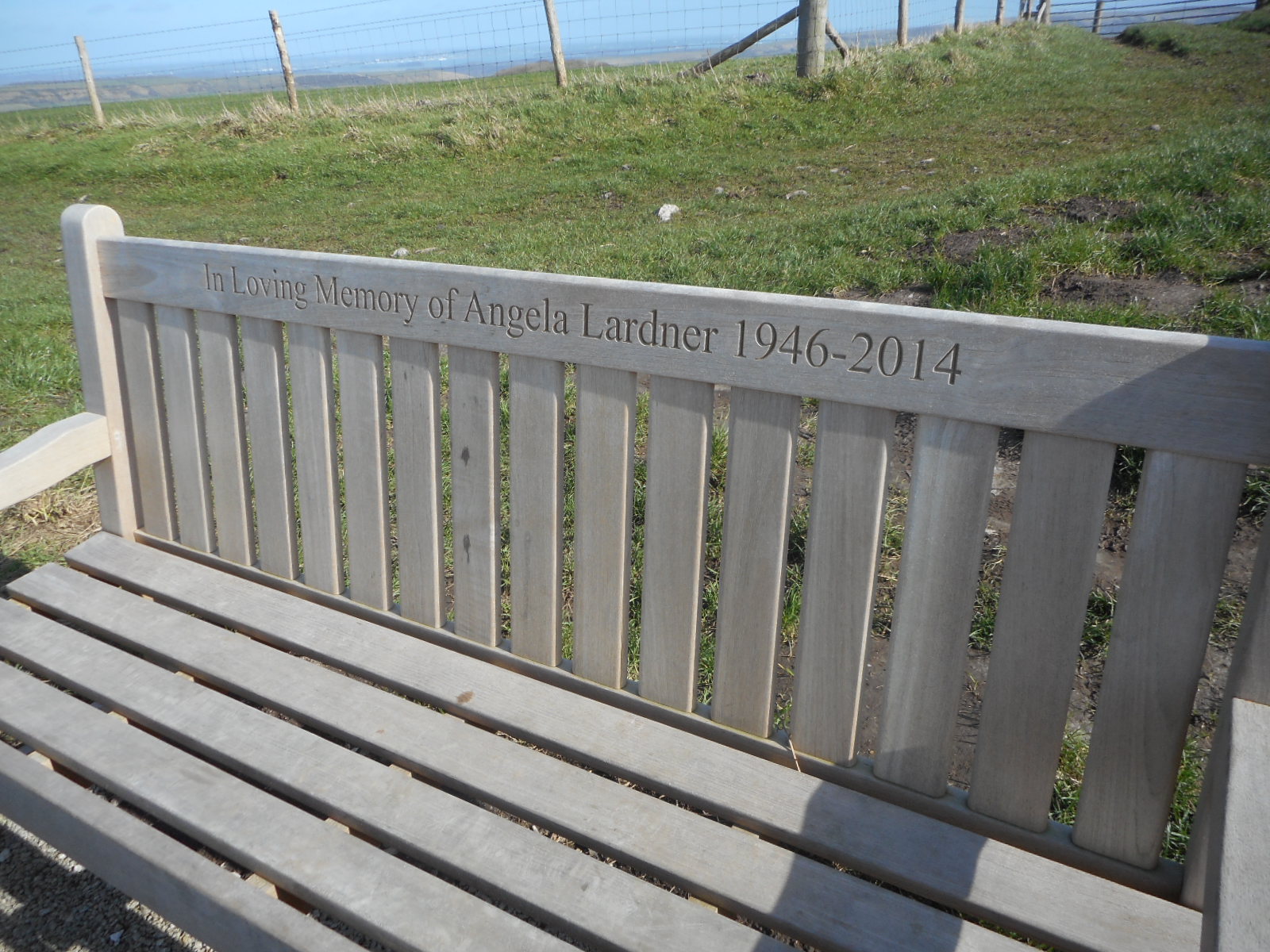
2017_0302swyre0029Is this your bench then’, I ask by way of jocular introduction? ‘Well, yes’, says Bob. And yes it is. Bob used to be the gamekeeper at Encombe House and his wife, Angela, worked in the estate office. She’s dead now and this is her bench. This is the downfall of speaking to people that only want a bit of peace and quiet. I discover things and they move away. ‘There’s often a robin here’, continues Bob sadly. It’s blowing a gale up here. How the hell does a robin survive? There’s nothing to perch on. And Bob and his mate turn tail and leave. I feel sad. I’ve barged into their silence. I sit on Angela’s bench for a while. He picked a good spot.

2017_0302swyre0032And, with the open sea behind, and the vista of Poole Harbour ahead, I trudge back through the fields and past the farm with a tinge of sadness. But I can see Bob and his friend some way ahead. They aren’t wrapped against the elements like I am and everyone else I’ve seen on this windy Purbeck morning. And yet again, I am minded of my friends, Derek and Abna, middle-aged men who have never left Dorset and who somehow manage, without thinking, to remain an integral part of this timeless and enduring landscape.