And now for something completely different

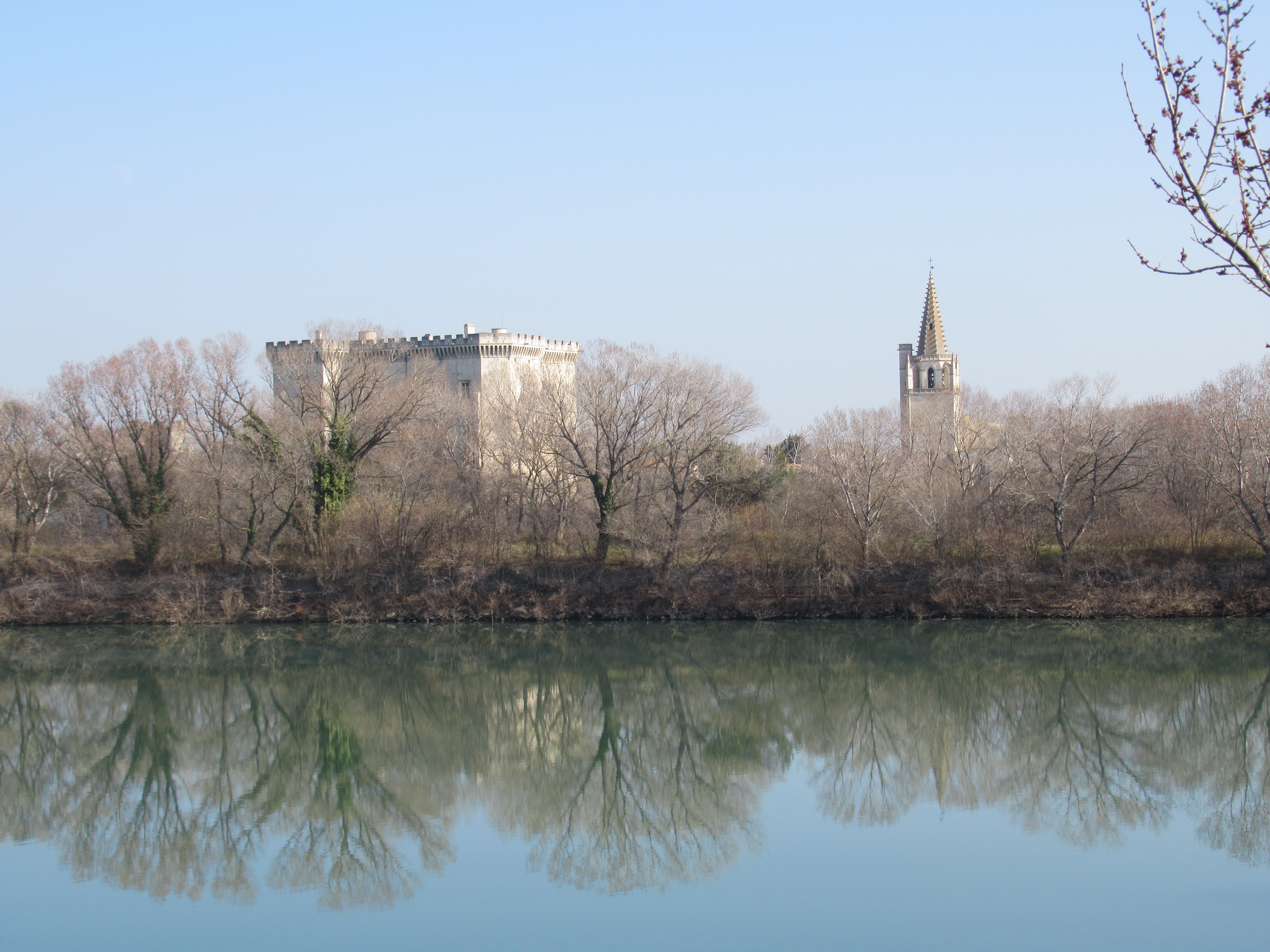
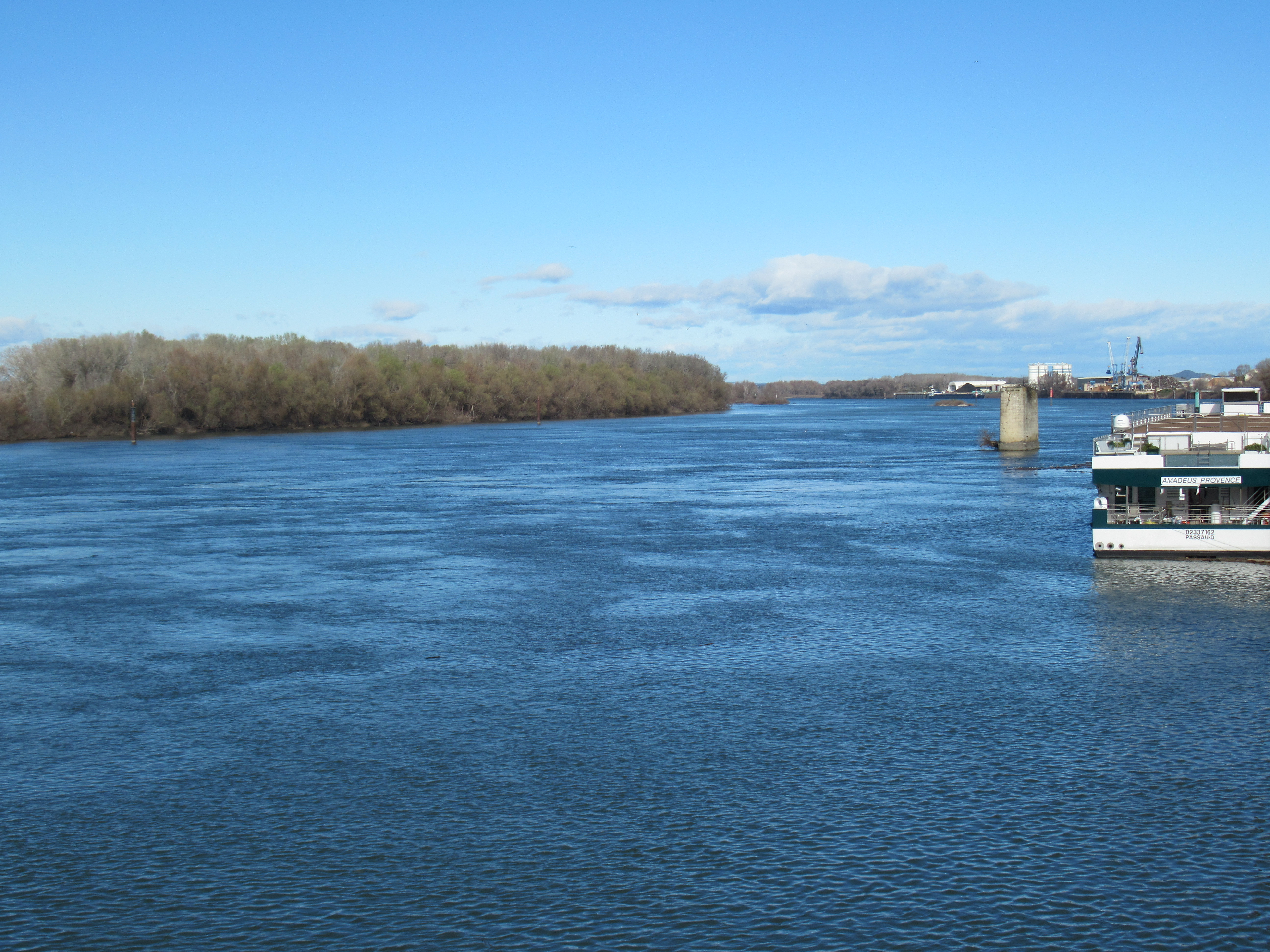
Here’s a snap of the mighty Rhone at Arles today which reminds me to mention that I swam sixty lengths this morning. That would be sixty lengths of the small, but beautifully formed pool in a local hotel and spa where I’ve taken a month’s membership.

On joining, I was offered a twenty minute session on the bed of plenitude which was very kind of them even though I had no idea what was involved. Sounds a bit like the horn of plenty which, although also sounding a bit suspect, involves a goat’s horn overflowing with fruit, especially gourds. Hmm – a bed of vegetables.

To begin with, I swam and that was my first mistake as it meant I had to go to bed wet. The thing is, I didn’t know it was actually going to be a bed. When it was first mentioned, the woman on reception explained I’d be going into a box. Just remember the lost in translation thing. Anyway, I had a vision of one of those boxes where only the person’s head is sticking out of the top; the sort of thing one sees in pictures of old torture chambers. A kind of nineteenth century version of waterboarding as practised in Guantanamo Bay hotels.

‘Will my head stick out of the top’, I asked Madame. (Talk about utilising a varied French vocabulary). ‘Non’, she replied, ‘the head will be in the box’. As my friend Eleanor observed, sounds like a coffin. ‘And how will I breathe’, I continued? Madame had the grace to look puzzled and said she must ask a colleague. Following an intense conversation sur le telephone, she returned to confirm that I was right, and my head wouldn’t be in the box. Phew.

I left the pool in some trepidation. The girl asked me what I desired from the menu as an accompaniment to the bed. Soaking wet and without spectacles, I couldn’t even read the menu let alone make any sort of informed choice, largely as I didn’t know what the accompaniment was to. ‘You choose’, I told her taking the easy option. ‘For you, I’m selecting blue and turquoise’, she informed me. Well, thank goodness; just what I’d have picked myself had I the slightest idea what it meant.

I followed her to the bedroom where it was so bloody dark that I tripped over some sort of box affair which turned out to be the step onto the bed. I have no idea how I clambered onto the thing before I laid down on some moveable feast and was wrapped in what seemed to be a camping groundsheet. Then she told me she was going to put some headphones on me and leave the room for twenty minutes. Even in the darkness, she must have observed the panic written large on my face. ‘Here is a button if …’ she ran out of English. ‘If I don’t like it’, I finished her sentence? Oui. Just remind me again where that button is please.

She pressed something else and the bed and I descended into unseen lapping water. Then she cleared off. Well, thanks a bunch for that. Below me, the water began to vibrate against the backs of my legs. Above me, stars twinkled in the blackness. And in my ears, a flock of robins began to tweet. The tweeting quickly reached a crescendo as the little birds were apparently attacked by a rogue eagle. I assumed I was supposed to relax but my body was rigid with fear. How long does 20 minutes last?

Body stiff, it occurred to me that, not for the first time, no-one in my family knew where I was. And in all the ways my life might terminate, never had it occurred to me that I might finish my days drowning in a five star spa at the hands of a ruthless bunch of marauding robins.

Suddenly, it was over. The girl breezed in and pressed the button to raise me from the watery depths. ‘How was your treatment’, she asked? Then she said she was going again whilst I removed myself. I don’t think so Mademoiselle. There’s no way I’m getting off the bed of plenitude without assistance. I don’t know if she’s had training in lifting the infirm but she had to learn pretty damn quick how to get me off that thing and onto solid ground. She was embarrassed. I was greatly relieved in all senses.

‘Now you join me for the tisane’, she said politely. No thanks, I’m bloody freezing and in a state of shock. I’m off for a hot shower.
On a route march

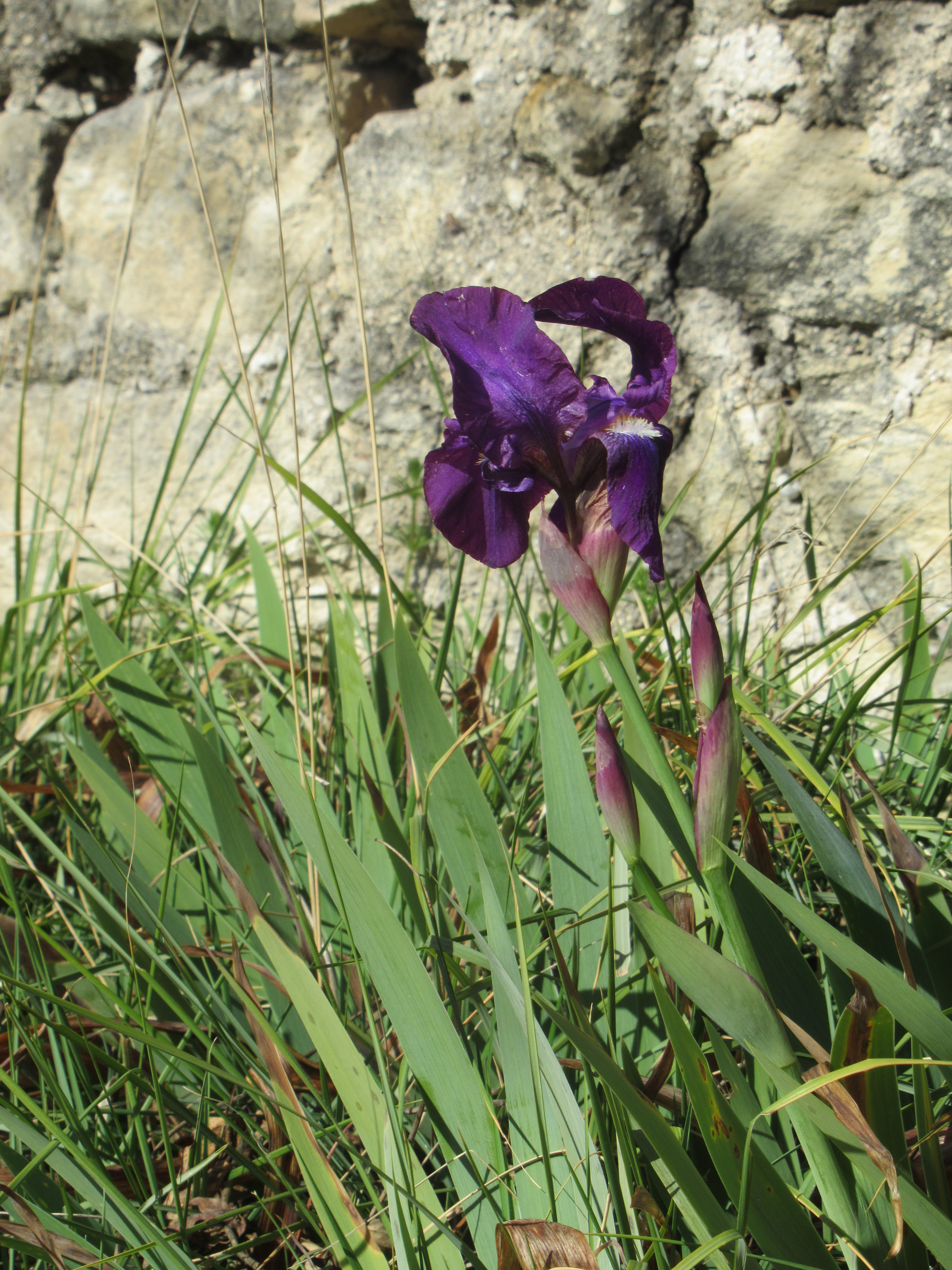
On waking this morning, I thought I’d have a bit of a hike along an old Roman road, as you do. I’d acquired a sort of map – are there other kinds available in France? This one came from the most excellent tourist information office in the world i.e. St Remy, in whom we should all place our trust. And just in case you think it’s going to be another tale of woe, let me assure you that, largely, the path went where it directed. Here’s the first iris of the year which bodes well for a trip to the Van Gogh place in a couple of weeks where the artist found himself tripping over the things before he noticed the sunflowers.

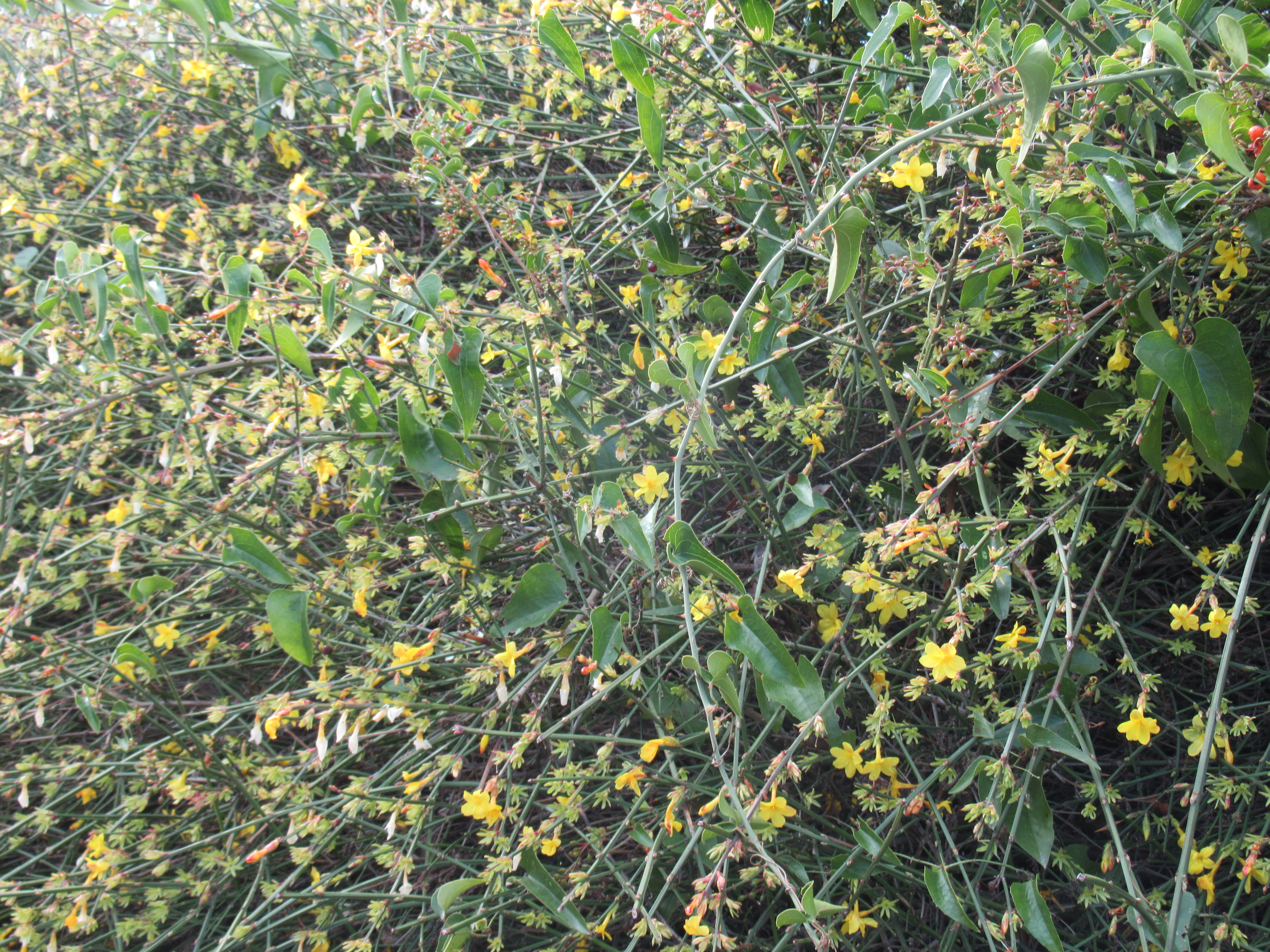
And here’s a jolly sight: a bush of winter jasmine climbing along an old stone wall in the back streets of town.

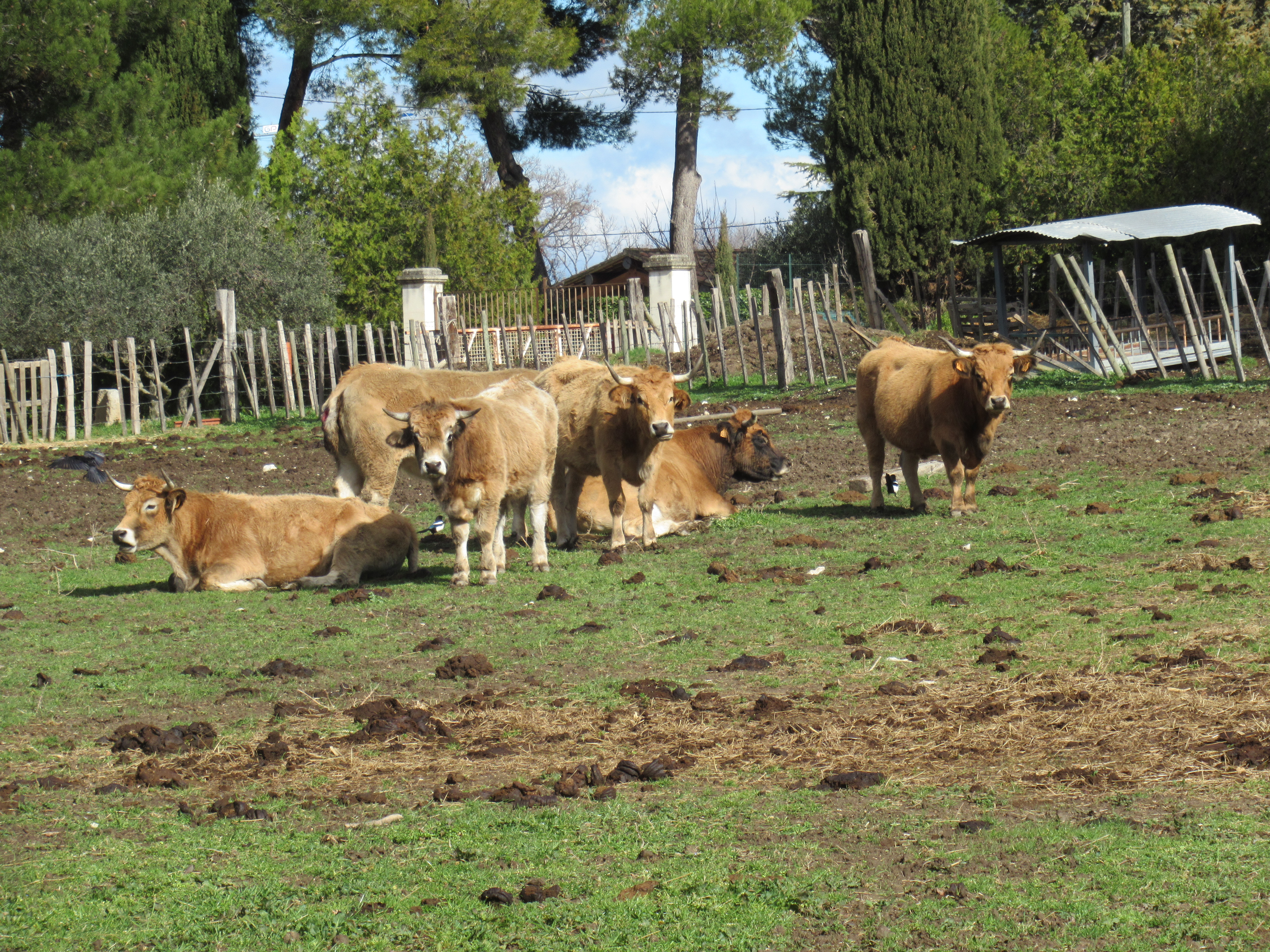
I’m travelling along the Via Domitia which is the oldest road in France, and possibly the oldest Roman road in the world outside Italy. It was constructed around 120BCE, allegedly on the mythical route taken by Heracles during one of his ten trials. As far as I can work out, the purpose of the ‘Domitia’ task was to bring some cows back to Italy from Spain; a sort of latter day Rawhide. Maybe these are some descendants.

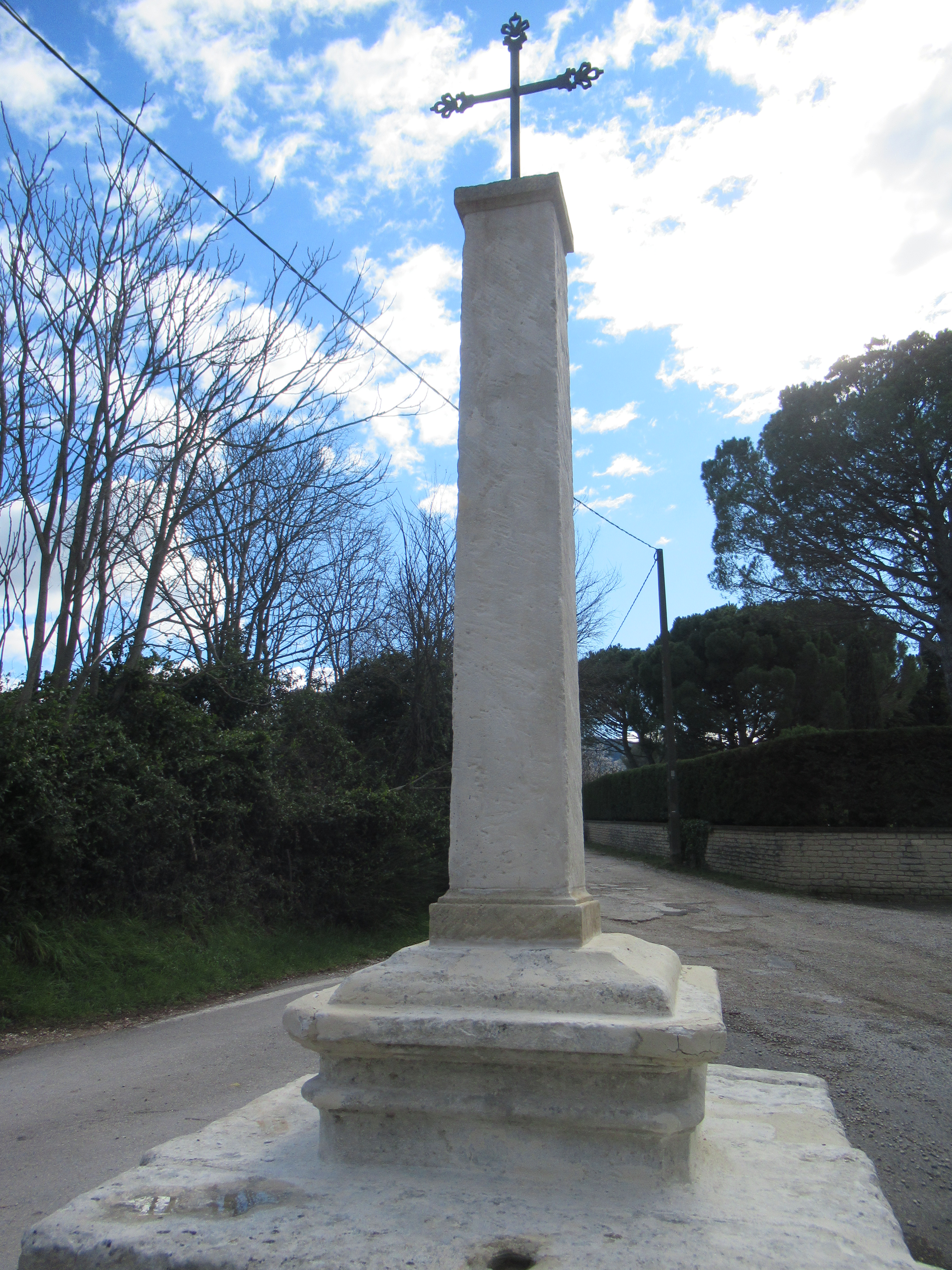
The picture shows the Croix de Vertus which means cross of virtues. I know it doesn’t look especially old but these crosses were often built on the old way-marker stones. And as I’m about to do a right turn into the unknown, I feel this is significant.

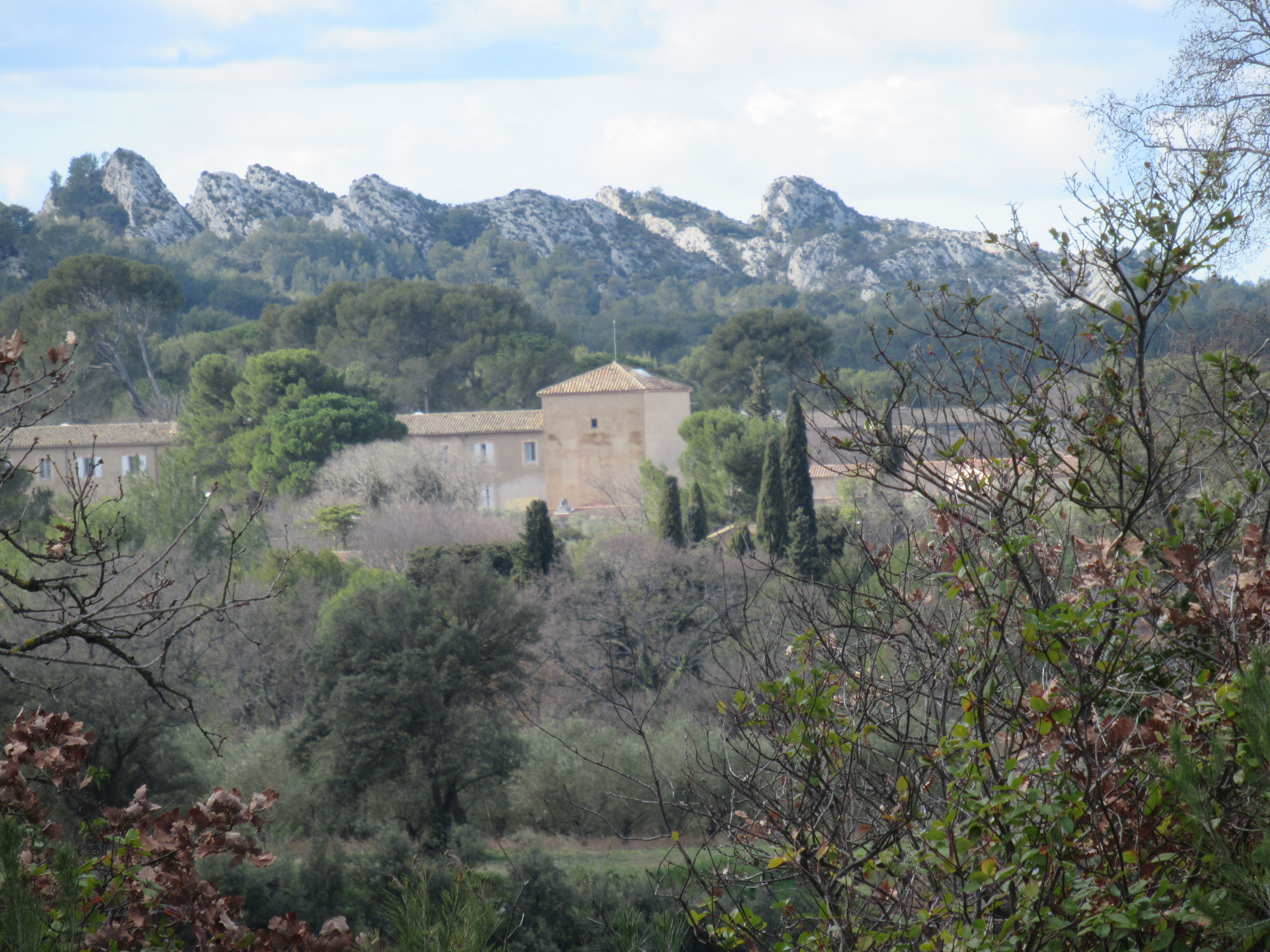
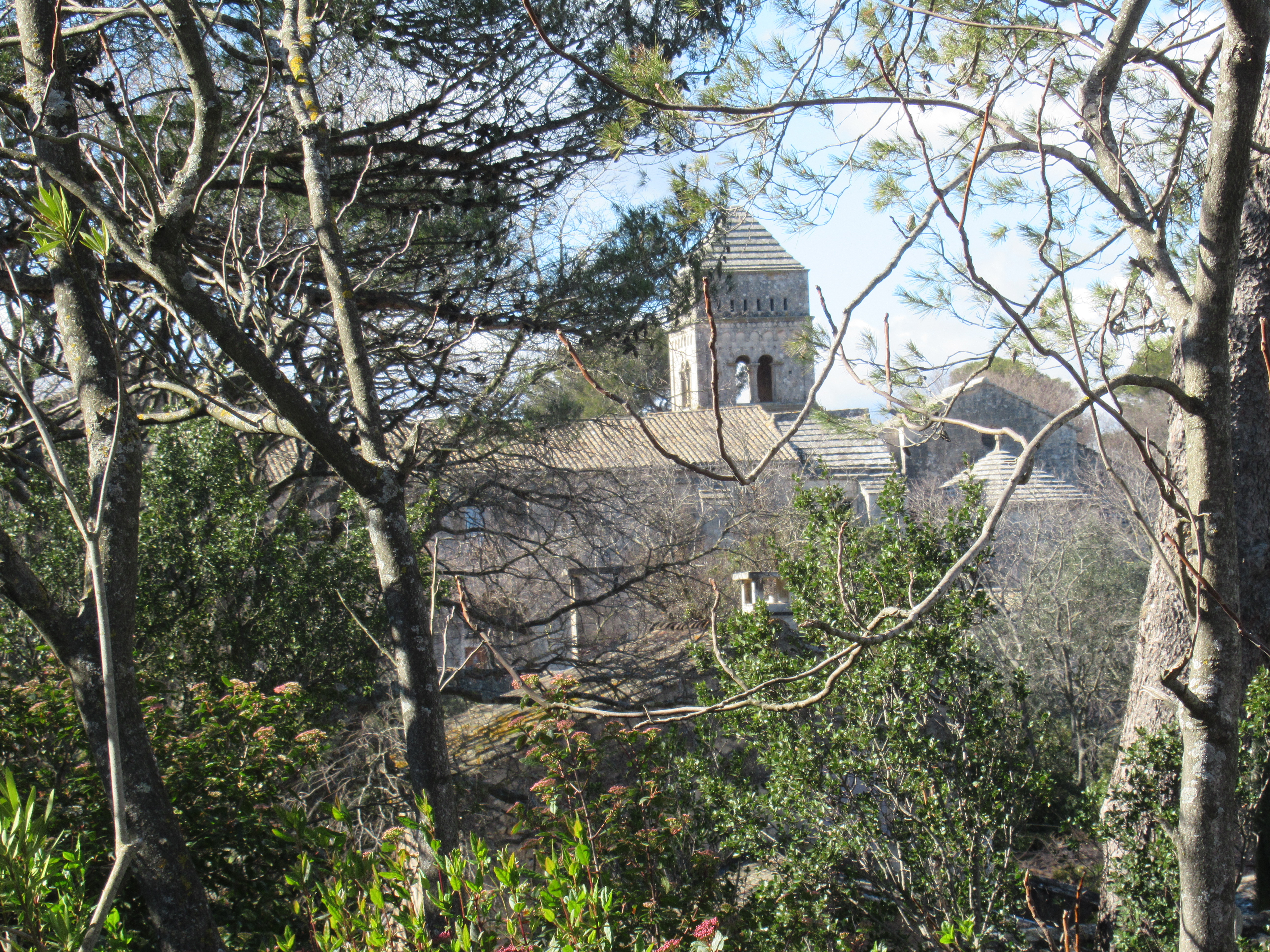
Initially, the road was built as a link between Rome and Cadiz, via most of southern France. All the online research promotes the importance of the Languedoc on the other side of the Rhone which is disappointing because it precludes the significance of sites in my region, such as St Remy and St Gabriel. For once, my camera behaved superbly at distance: this photo of St Paul de Mausole, where Van Gogh was ensconced following the incident with the ear, was taken miles from the place. And there are Les Alpilles in the background waiting for the wretched sheep to arrive in May. Maybe they’re also awaiting elephants as Hannibal and his entourage was also supposed to have taken this route.

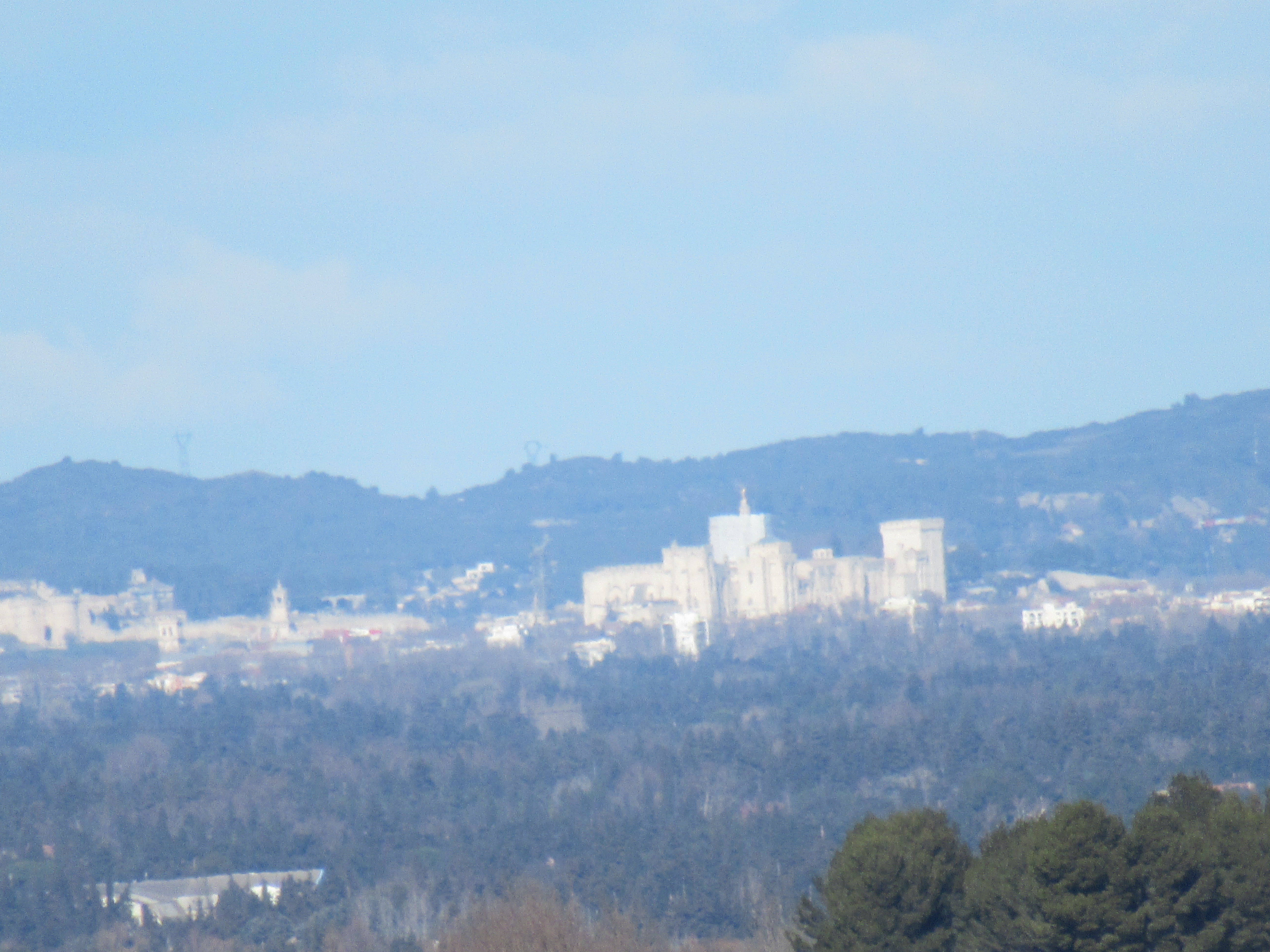
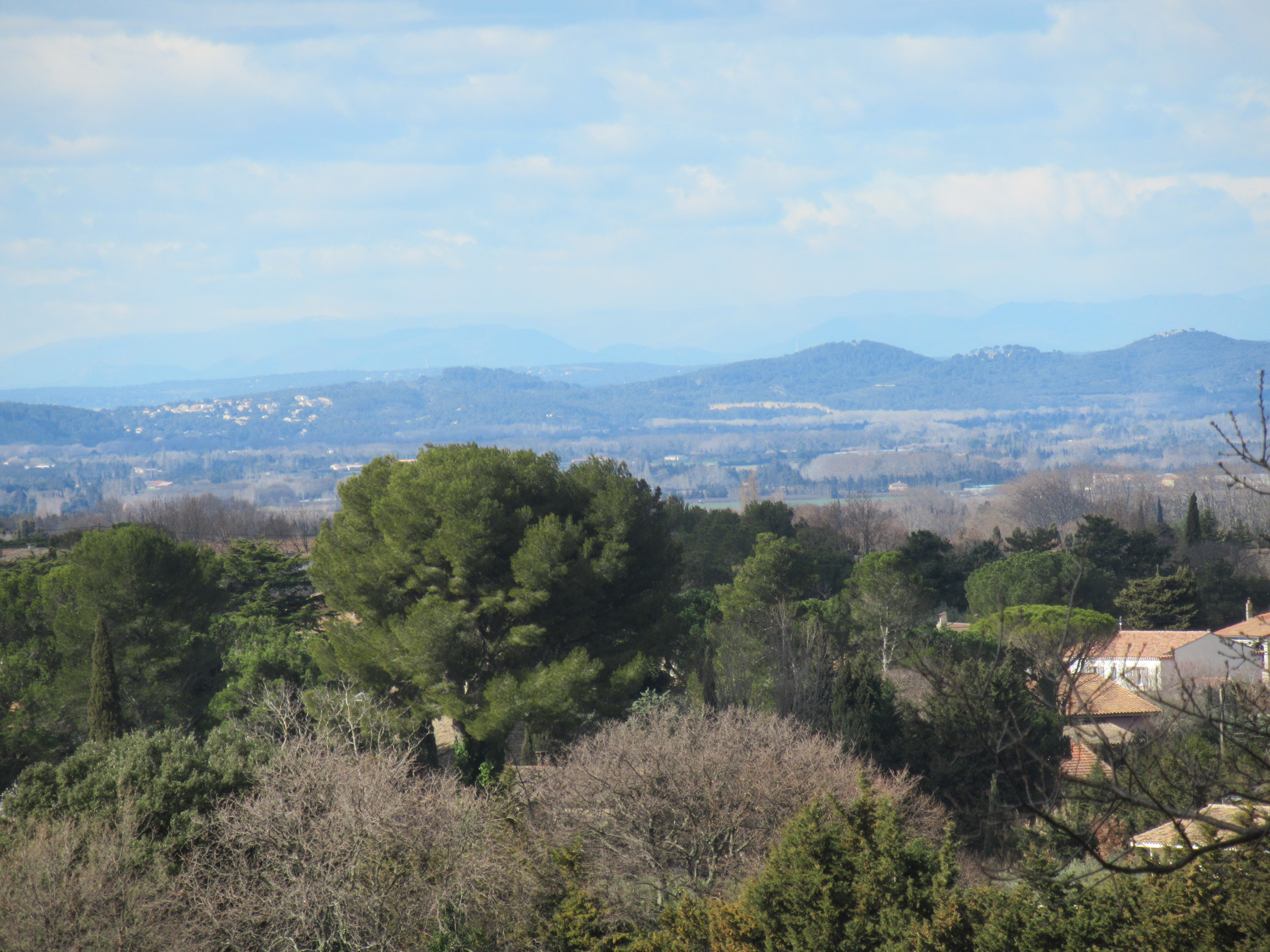
For someone who doesn’t care for hiking in hills, I seem to have found myself moving upwards a lot just lately. Mind you, this trip was certainly worth the exercise as the higher I climbed, the more I could see. Here, in the misty distance, is the Popes’ Palace at Avignon along with the city walls.

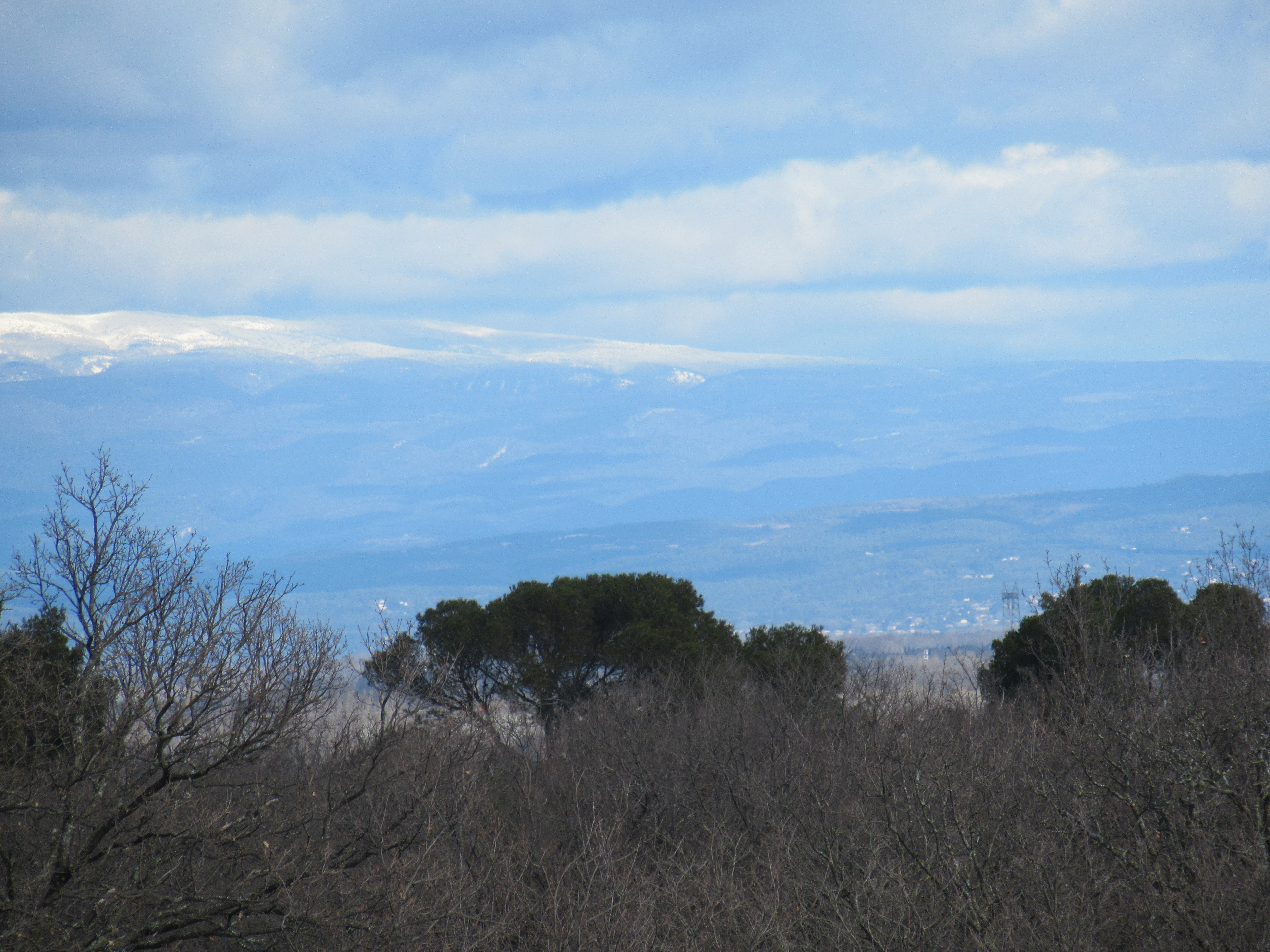
Just look at the views from up here on top of the world. In the distance, the Luberon and Mount Ventoux.

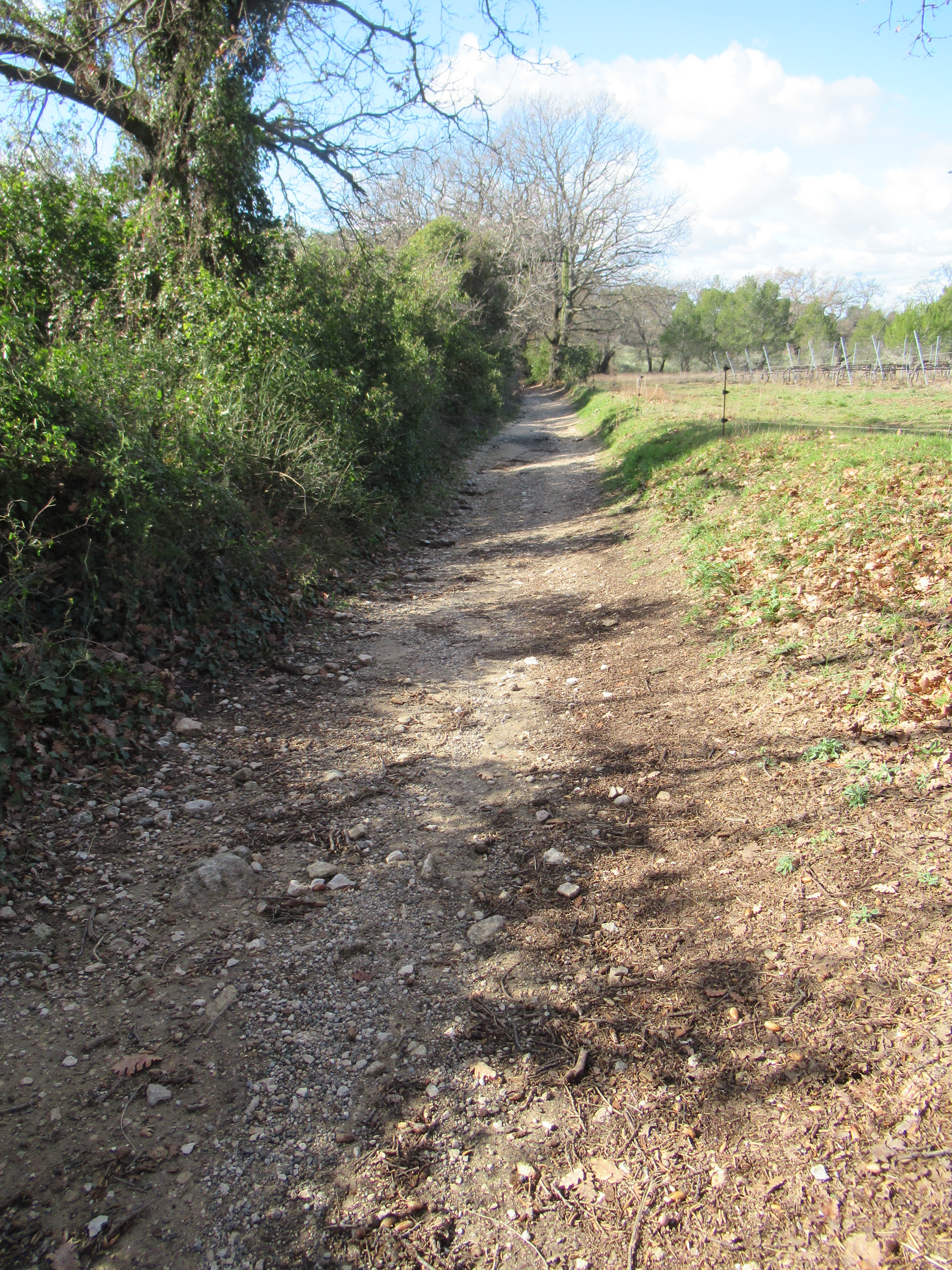
Sometimes, the route turns into a track which is tricky to traverse. At the top of this particular stretch are huge potholes which, I guess, is only to be expected when you consider who’s passed this way before. For example, along with the rest of the road’s history, there’s a view that the Domitia is also a branch of the path to Santiago de Compostela taken by pilgrims travelling from Italy (not to mention the elephants).

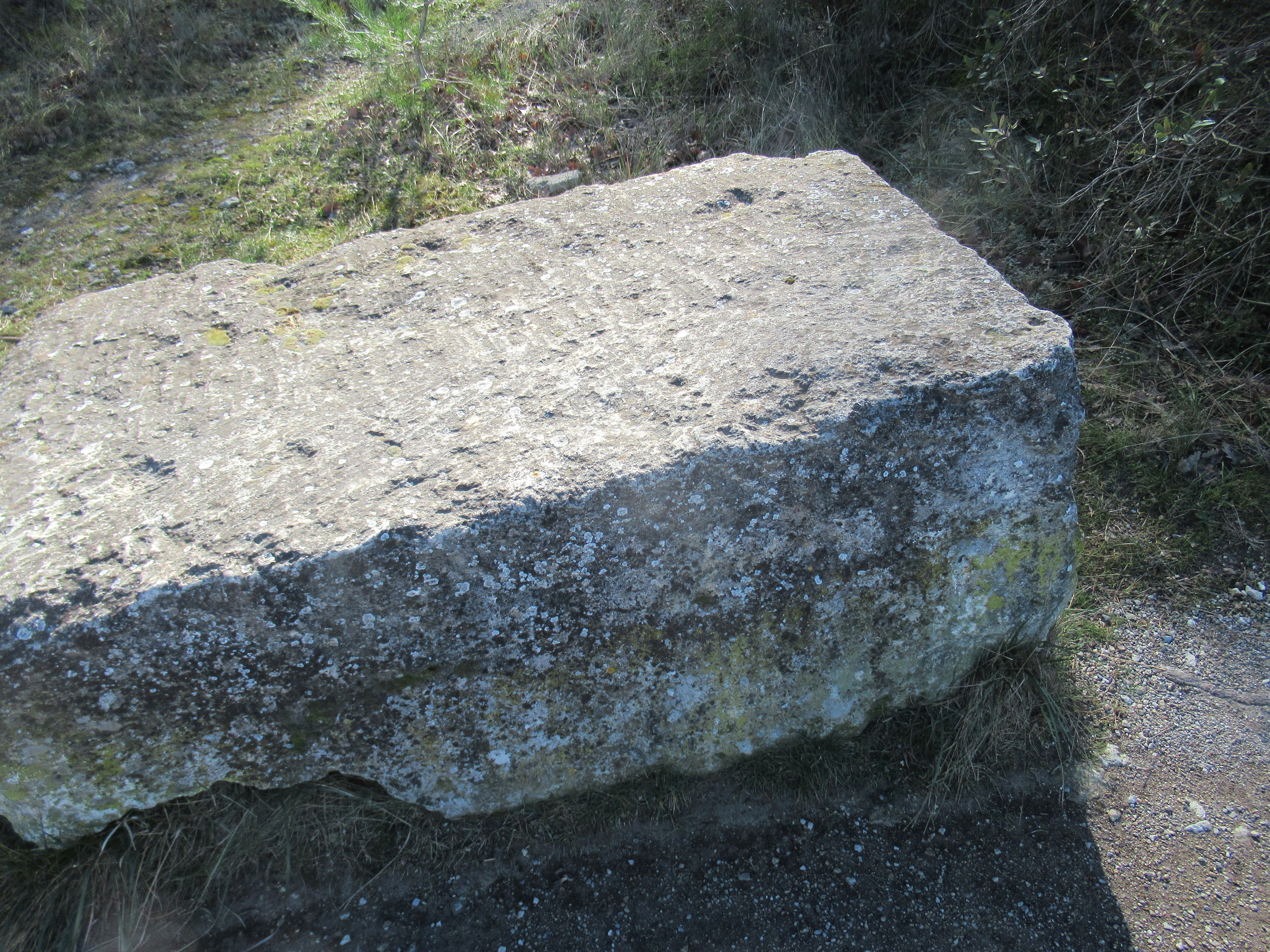
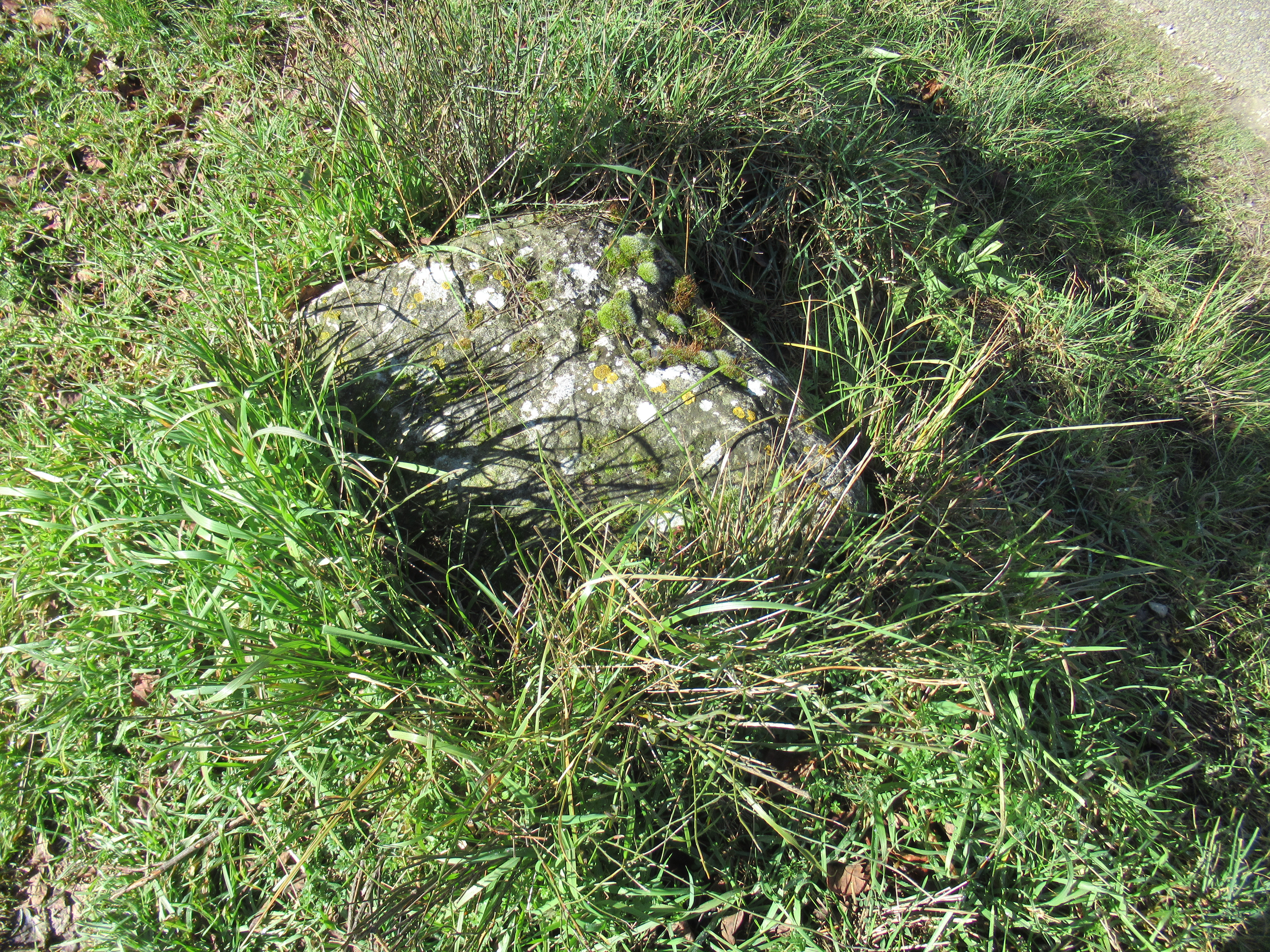
And often there are random stones which, having researched the way markers, ring true. The Via Domitia was originally built as a military way upon which approximately twenty five thousand soldiers would tramp each year during the war with the Gauls. Guest houses would be available every 30 kilometres with relay stations where horses could be changed in between. Further, there would be milestone markers every 1000 paces: square bases supporting monoliths. These stones would probably have been sourced at the old Pyramid quarry nearby.

Maybe a leftover – I found this one quite close to the site of the quarry.

The way leads down to the grounds of the hospital I spotted earlier, where Van Gogh stayed and where I stop for my lunch in the sunshine. According to my map, I’m only three quarters of the way round but all is ok with the world. It’s been a fantastic walk and I’m determined to see it through.

Even those of you not familiar with the region might recognise this view of Les Alpilles which was famously depicted by Van Gogh.

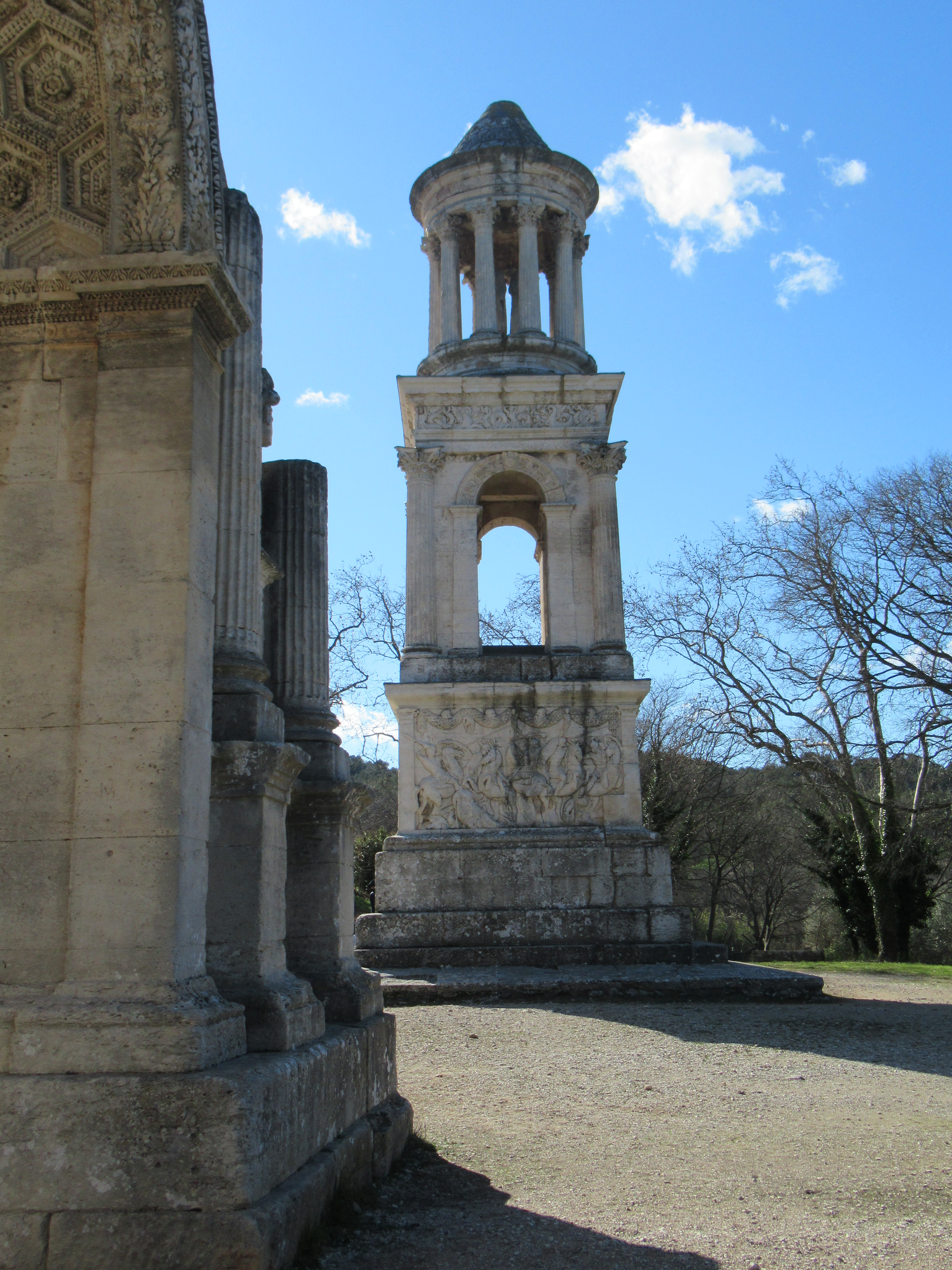
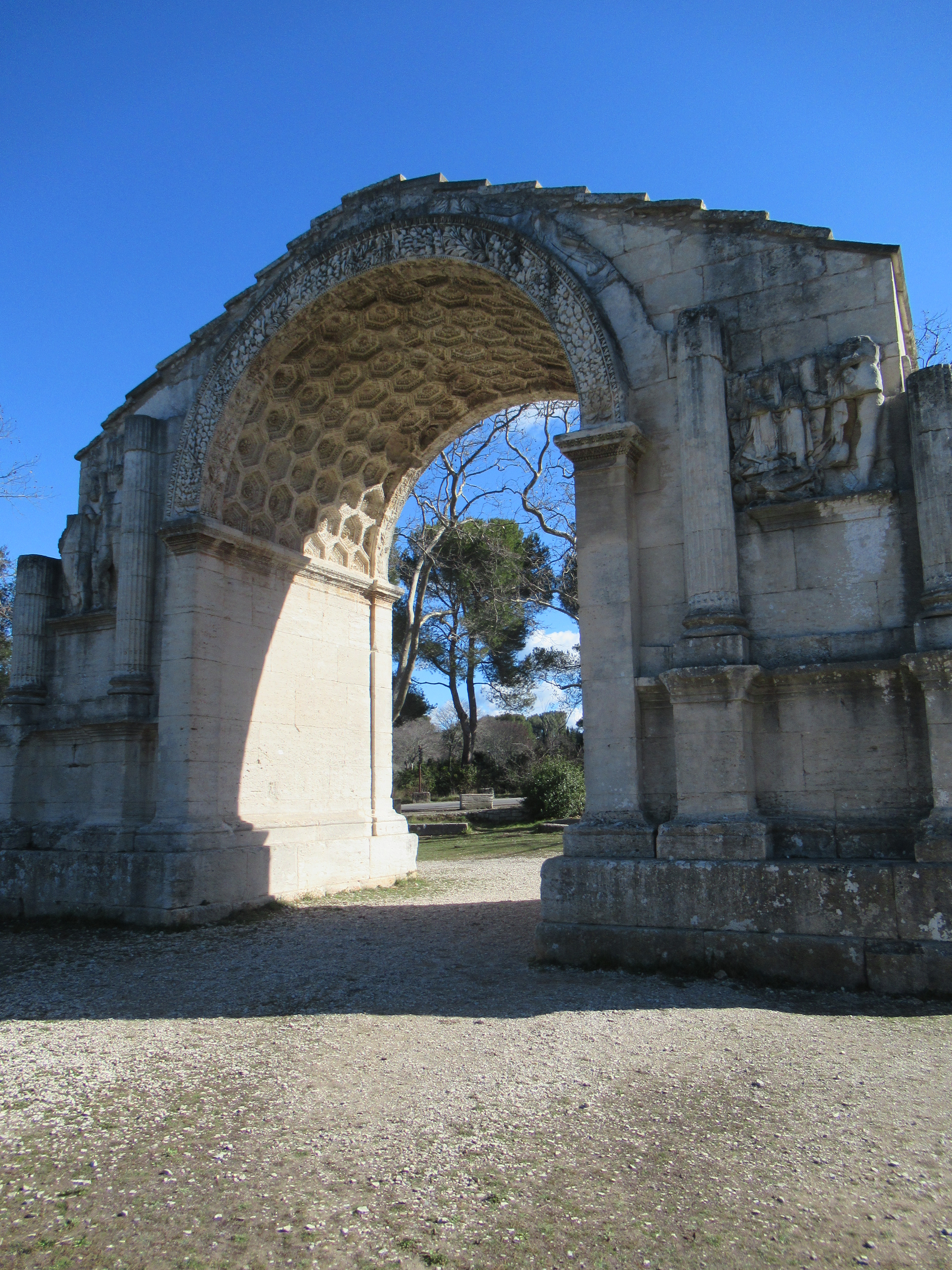
And here are the antiquities which for years belied the existence a of a roman city to hand. For example, when Vincent was here painting the scene above, the existence of the city of Glanum, which was discovered at the foot of the mountains, was unknown, despite the clues below.

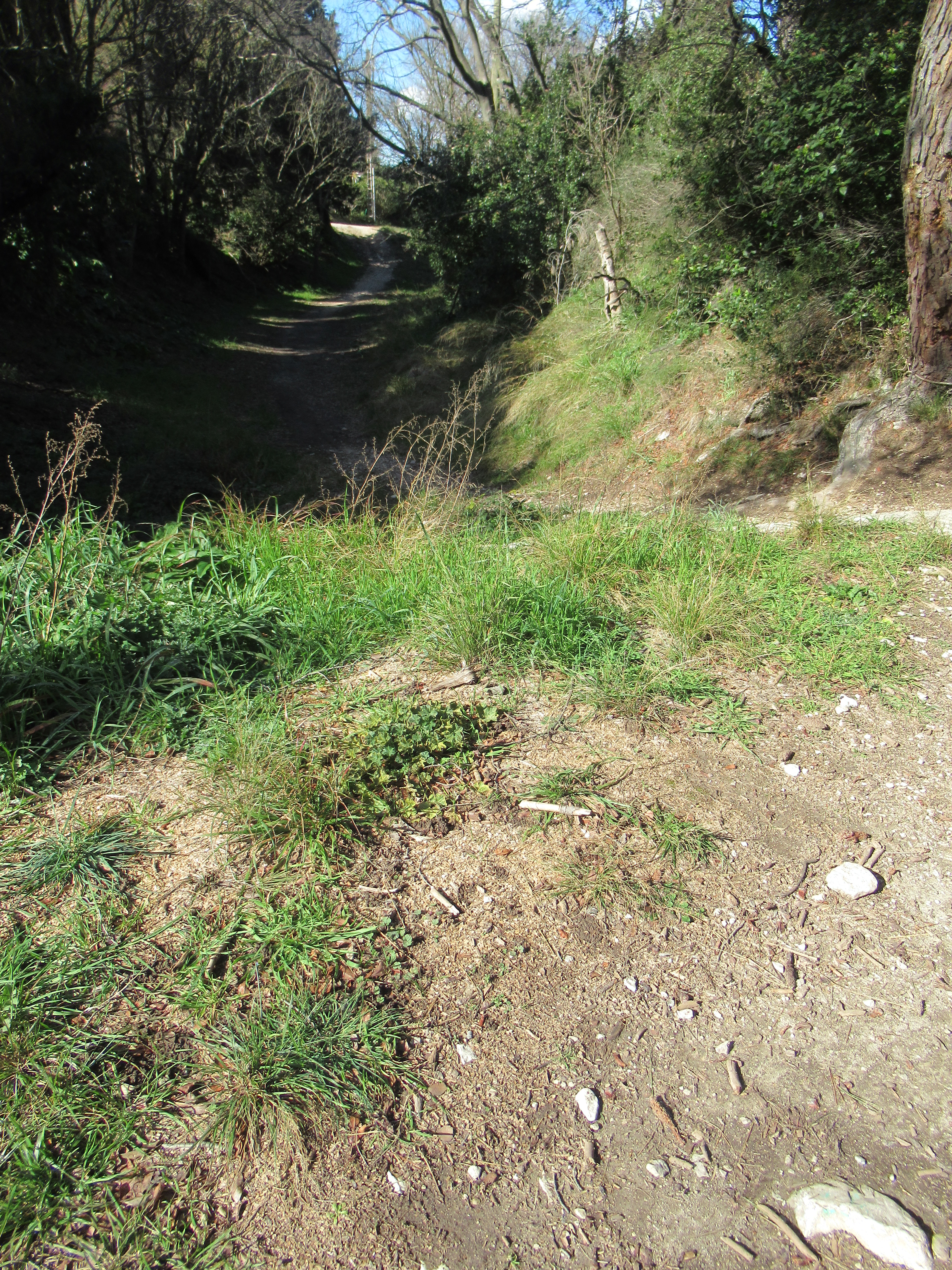
After lunch, I continue with some difficulty as the Via Domitia becomes nothing more than a footpath.

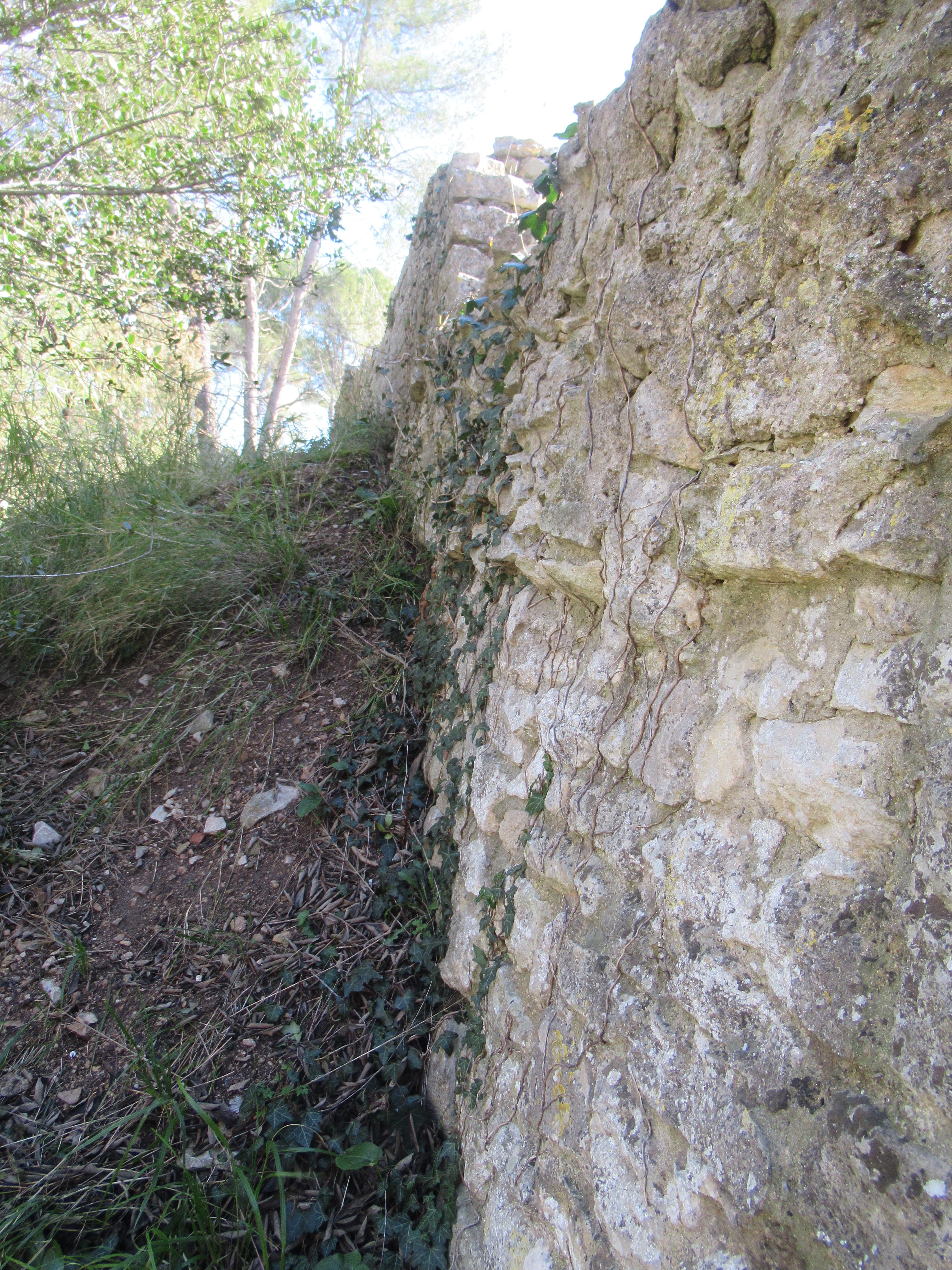
Despite having minimal faith in my path-finding skills, I spot the remains of an ancient wall; so old in fact that it turns out to be Roman and is known as Marius’ Wall. Originally, it was 75 metres long and 4 metres high and supported the access road to Glanum. I know this because, feeling I’d gone wrong, I retraced my steps and located one of those information panels that the French are so good at. I wouldn’t have completed my walk had it not been there.

So, climbing down beside the wall wasn’t the easiest bit of the ramble but it paid off as eventually, I found the route.

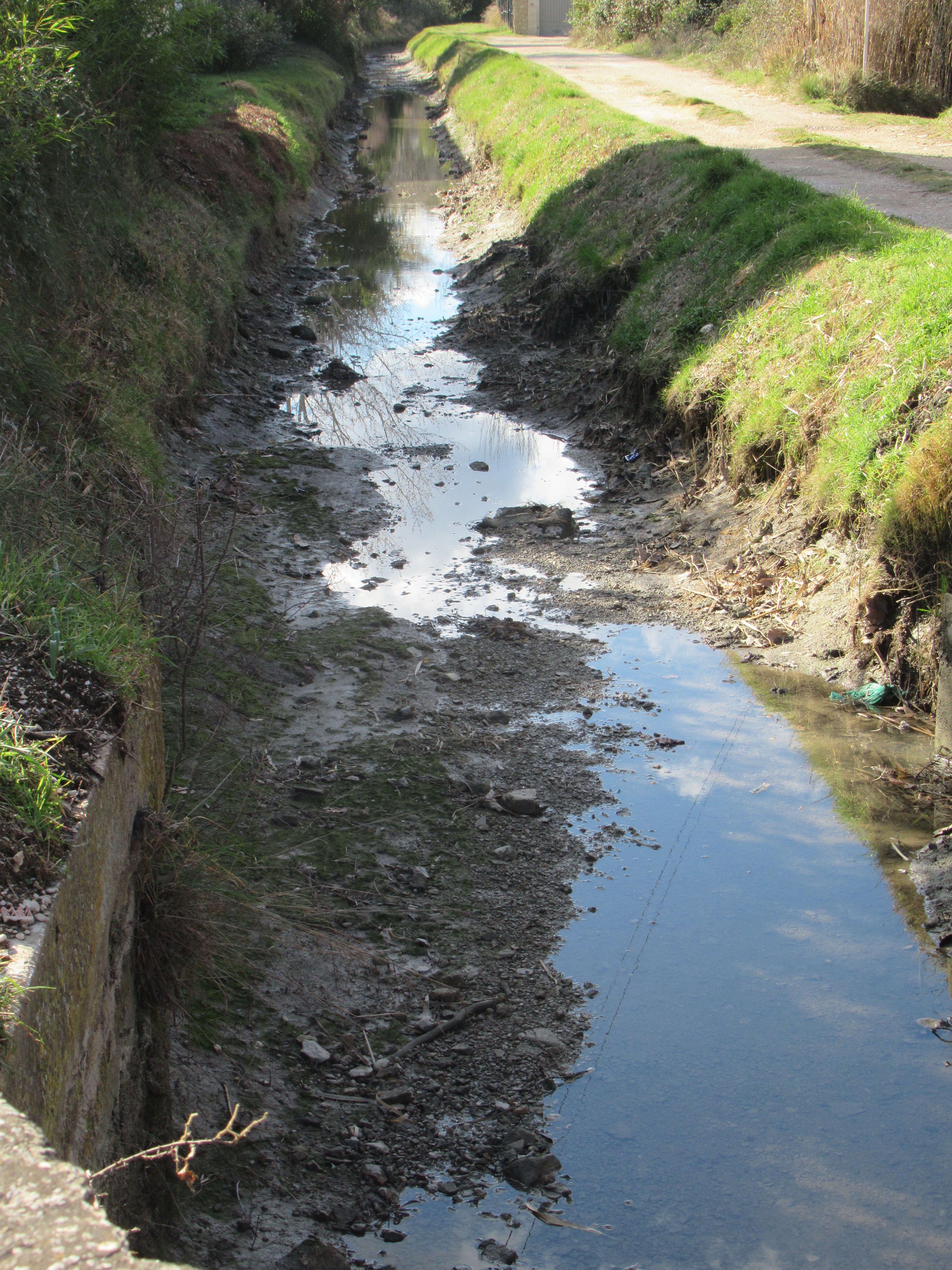
After that, the trail was easier to locate as it now forms the basis of ancient chemins that the locals rush along in their vehicles. Twice it crosses the Canal des Alpilles which, you’ll agree, isn’t the most scenic of waterways. Still, it was part of a really great walk along this ancient way.

Barbentane: a history lesson

Spring is in the air. Well, it was yesterday – cold and rainy today. I had an arduous morning over in Villeneuve-les-Avignon where the weekly brocante was taking place. In high summer, the place is heaving with tourists mistakenly looking for bargains. I say mistaken as, unlike a vide-grenier (boot sale), a brocante is peopled by experienced dealers who are giving little away. Nonetheless, it’s fun if you like that sort of thing which I do. I made a single purchase, had a quick look around a couple of second-hand shops and girded my loins in anticipation of another al fresco lunch. After that, it was time for what used to be a siesta and is now referred to by my host as a nanny nap.

Clearly, it’s difficult to get going again after so much activity, but it seemed a shame to waste the daylight even though the sun had disappeared. I set off for the nearby village of Barbentane which is another of those places that doesn’t look especially interesting when passing through. Everyone who’s anyone in history has been to Barbentane: there was a prehistoric tribe, followed by the Romans who had a settlement in the hills above the village. After that, the place was successively invaded by the Vandals, Visigoths, Normans and Saracens to name a few. No wonder the village is so quiet; everyone’s hiding indoors wondering who’s coming next.

This is the Knights’ House, completed in 1178, where the important folk lived whilst waiting to see how history might develop. They had to hang around for the fourteenth century to arrive as that was when the popes moved to their new palace over in Avignon. Barbentane, being positioned at the confluence of the rivers Rhone and Durance, was important in being located at a crossing of the waterways and because of the fertile land on the plain. It became a sort of topographical area of dispute between the Kingdom of France and the Holy Roman Empire until Pope Urban sorted things out by giving the village shed loads of money and exempting people who lived there from tax. That’ll do it then.

This is the twelfth century Church of Notre dame des Graces. The plaque suggests it was constructed on the site of an earlier chapel. Well, they would say that.

Here’s a couple of snaps taken inside the church. Actually, it had some nice features but there were people praying so it wasn’t really appropriate to go clicking around.

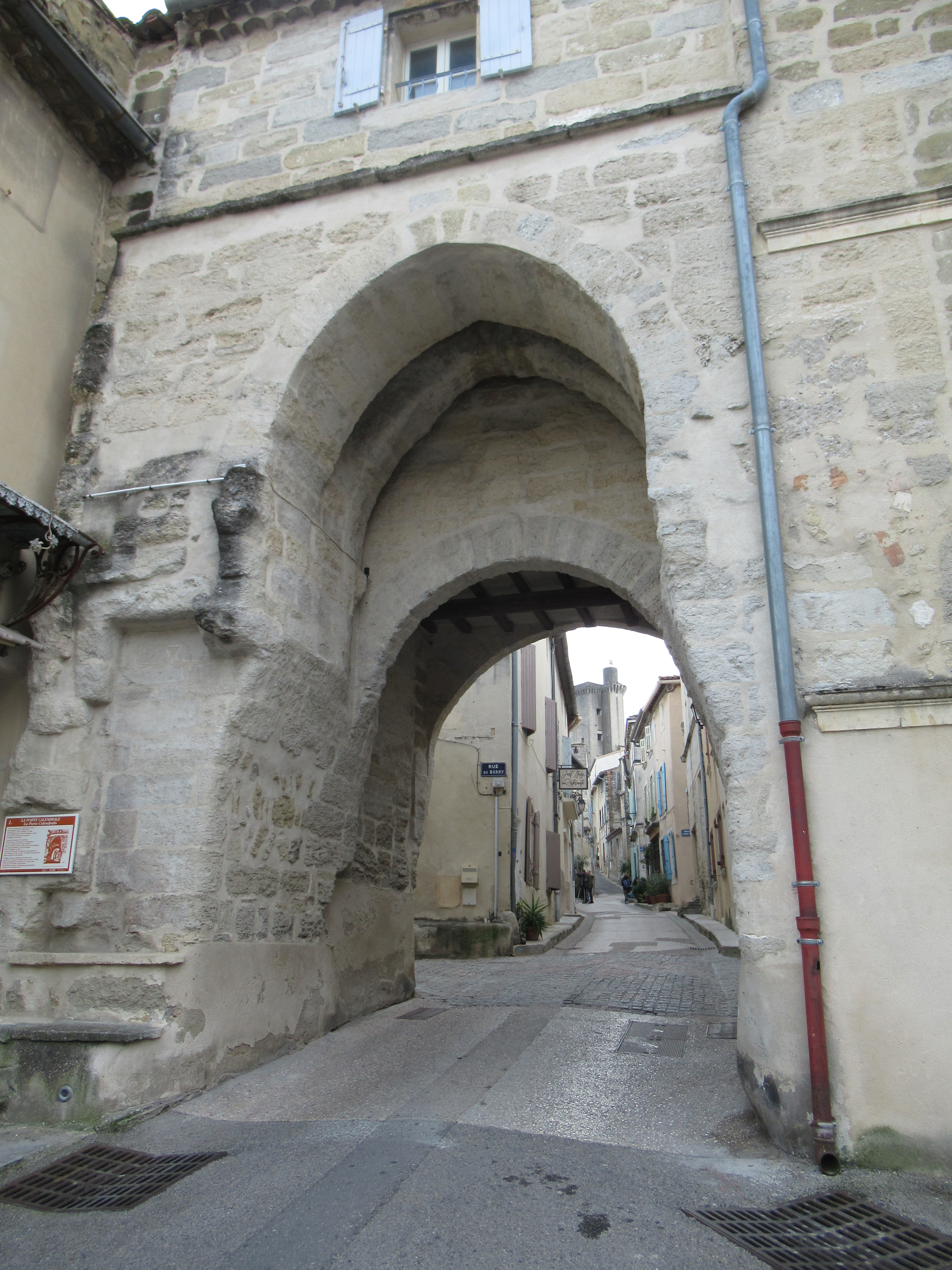
These are two of the gates to the old ‘city’ built in the ninth century and renovated with the help of the Pope’s purse in the fourteenth. They’ve stood the test of time well.

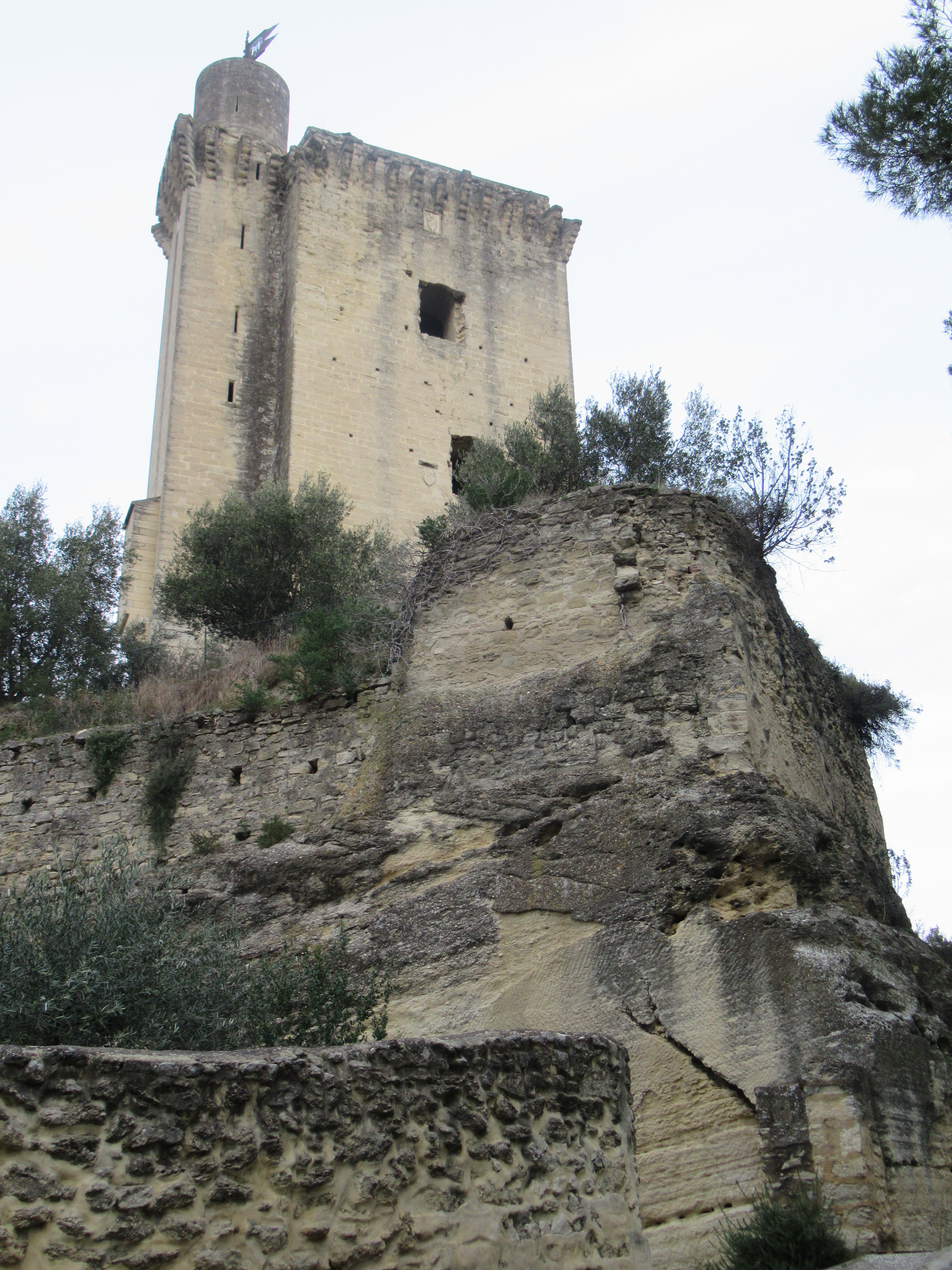
And this is the Angelica Tower, built in the fourteenth century by Grimoard who was the brother of you know who (Pope Urban). It was built as a forward defence for the Popes’ Palace in Avignon and is surrounded by interesting rumours. For example, legend has it that there’s an underground tunnel running from it, down the plain, under the rivers, and into Avignon. Further, and maybe with the tunnel in mind, it’s a truth that the Germans excavated it between 1943 – 44 in the expectation of finding Vatican treasures. And if you think that’s interesting, take a look at the next photo.

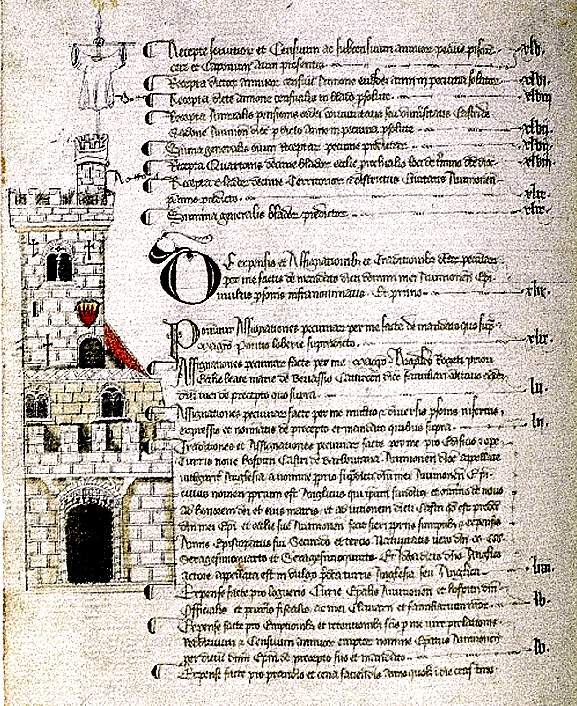
I found this picture of a drawing and description of the tower online which, in turn, was discovered in the departmental archives. Notice anything odd? Yes, someone has used the cross at the top of the tower as a washing line. (Don’t think that was mentioned in the archive).

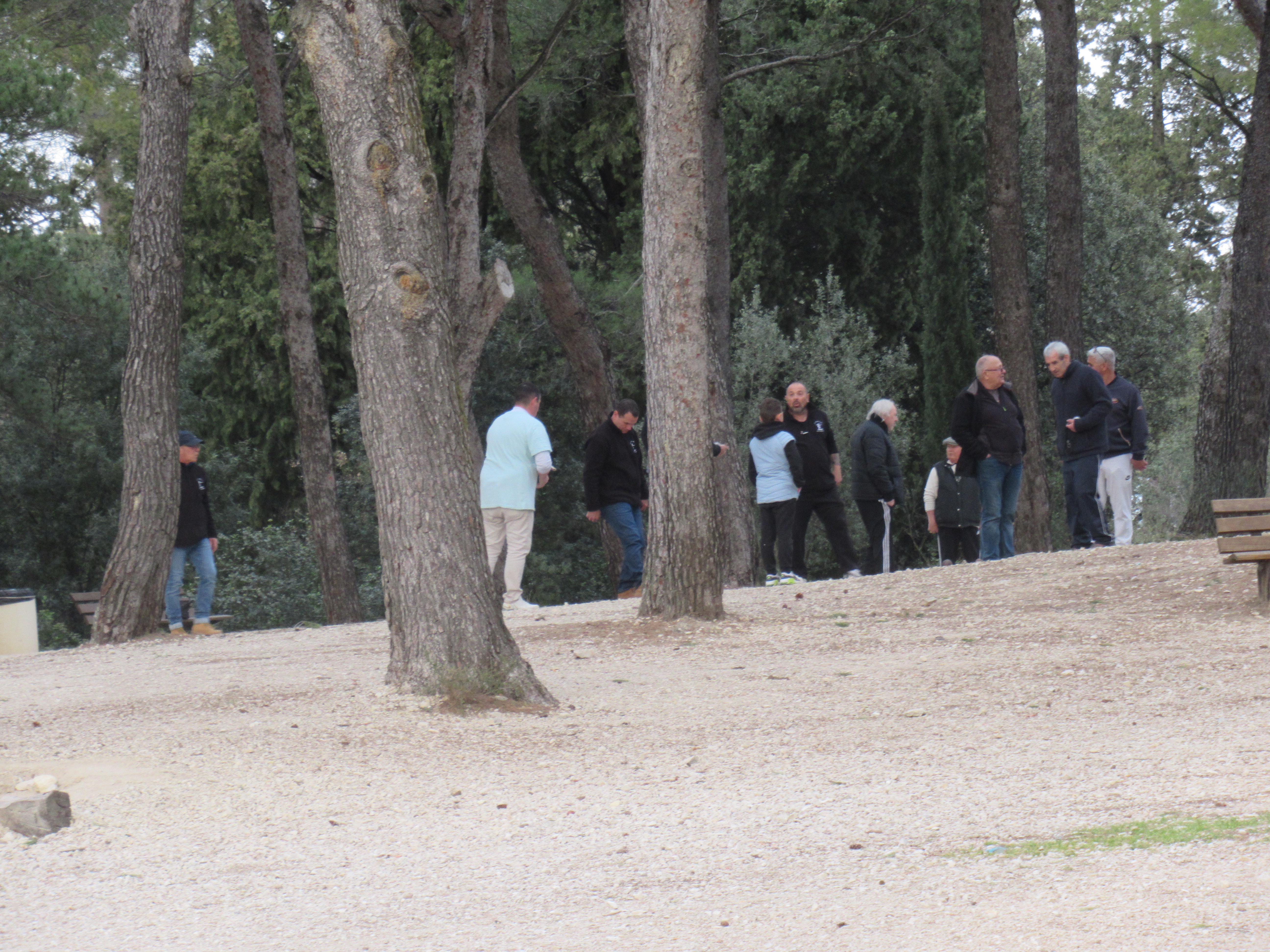
Anyway, enough history. I’d reached the top of town, had a little stroll around the environs and came across all these men in the trees. Suspicious? No, it was a boules match and it seemed that the majority of the villagers were up here.

After that, I began my descent, taking in the lovely views of the village and the countryside over to Avignon. The path was a bit tricky which involved looking down most of the time in order to preclude a broken ankle. When I did look up – OMG not again!

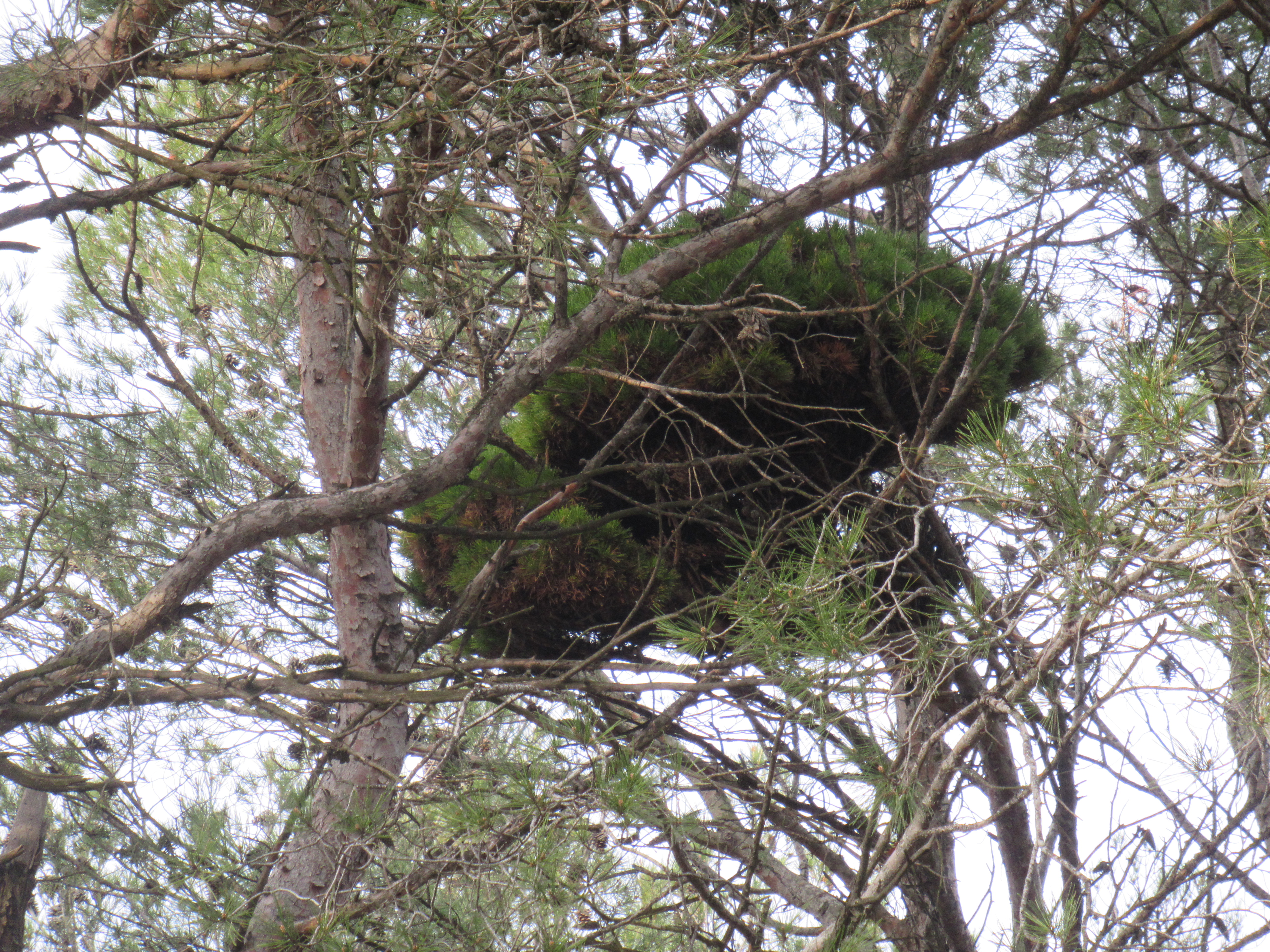
I immediately thought I’d found another monstrous hornets’ nest but, on closer inspection, I think it’s just some weird outgrowth of an Aleppo Pine.

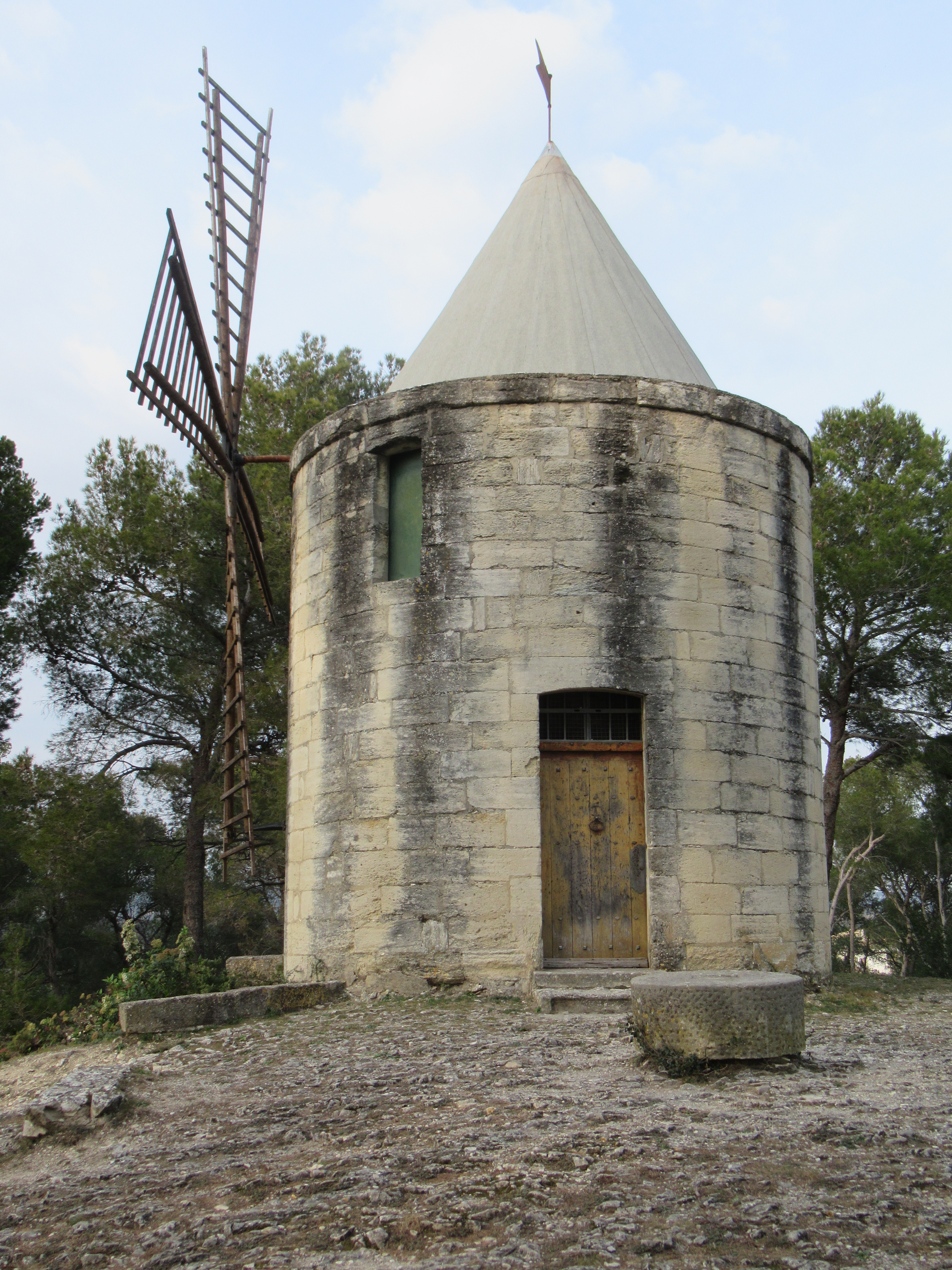
And here’s the last remaining windmill of Barbentane. There used to be three but only this one remains for posterity.

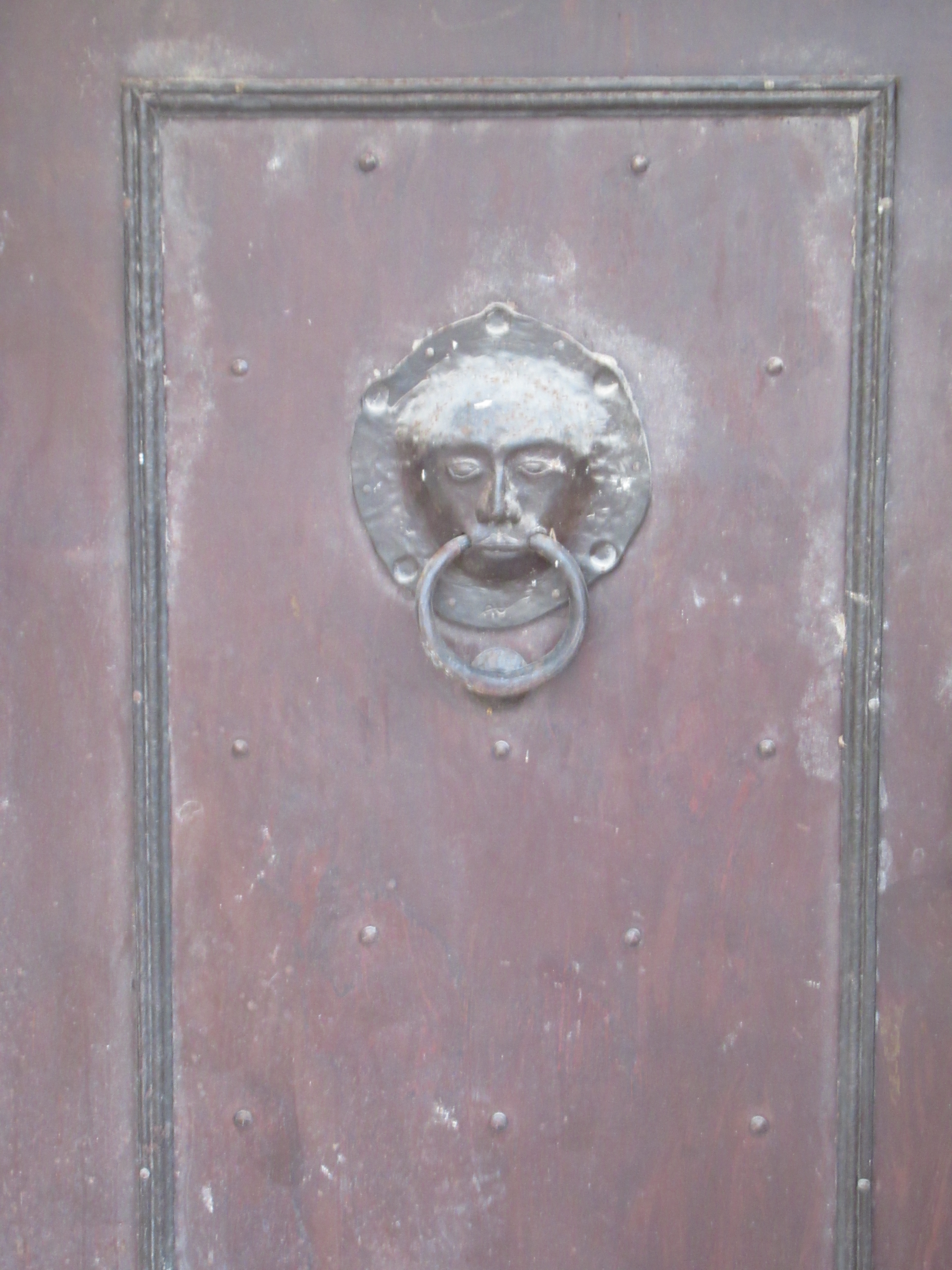
Finally, back down in the still quiet village, I spotted this very old door. Barbentane is really good at erecting plaques to show a person what they’re looking at but there was nothing informative here. When I saw it, I immediately thought of the door knocker in Dickens’ Christmas Carol that turns into the ghost of Jacob Marley.

There’s only one tiny grocery store in the village and I entered, rather pessimistically, in search of wine. Not a huge choice but they did offer some biological Valreas. I’ve never knowingly purchased an organic bottle of wine in my life but, let me tell you, I shall certainly be going that way again. Delicious.

Bonnets in Beaucaire

This is a photo of the town of Tarascon taken from the river bank at Beaucaire. The two towns appear together on road signs because they’re only separated by that trickle we know as the mighty Rhone. Historically, I’ve always maintained that Tarascon is the more interesting of the two. However, I’ve now concluded that the compare and contrast exercise is futile as each has things the other doesn’t. Beaucaire, for example, has an indoor public swimming pool (which is not something many places around here can boast).

The other day, I made a second attempt to participate in a spot of water-borne activity; the first was abandoned in favour of lunch when it became apparent the place was closed. The pool has strange opening hours: 12 – 1.15 the day I went. It seemed the whole town had turned out for the re-opening – queues down the steps and a great huddle in the foyer. Madame, the ticket distributer, was beside herself: the ‘problem’ being no-one was going anywhere near the water unless they’d shown a vaccine pass. The gang of ladies doing aqua-fit had to share the smaller pool with an organised outing of people with learning differences and their carers. Of course, in these politically correct days of diversity, folk were theoretically ok with the mixing and matching, but there was no getting away from the fact that it was LOUD.

Meanwhile, having broken through the ranks of ‘les groupes’, I had arrived at the ticket box without a bonnet, and a bonnet was obligatory even before covid arrived on the scene. Likewise, in regard of health associated swimming clobber, men must wear speedos as anything less body hugging, like Bermuda shorts, are deemed to be prone to collecting dust and debris.

Here’s the thing which is good and bad depending on one’s place in line. Wherever you go in France – the shop, the post office, the swimming pool – the person serving will give you their utmost attention until you can move on. Thus, Madame, the ticket distributer, on learning that I was English, and without a bonnet (swimming cap), also assumed (probably correctly) that I was incapable of rectifying the situation alone. She left the sanctuary of her ticket box, took all the loose change she could find about my person, and fed it into a handy bonnet dispenser. ‘Et voila, plop’, she explained as, like one of those claws that sometimes grabbed prizes at an old funfair machine, my new bonnet dropped into a drawer. And not a single person in the queue behind me muttered or raised an eyebrow. It’s not true that the French hate us: they assume we’re all dense and it works.
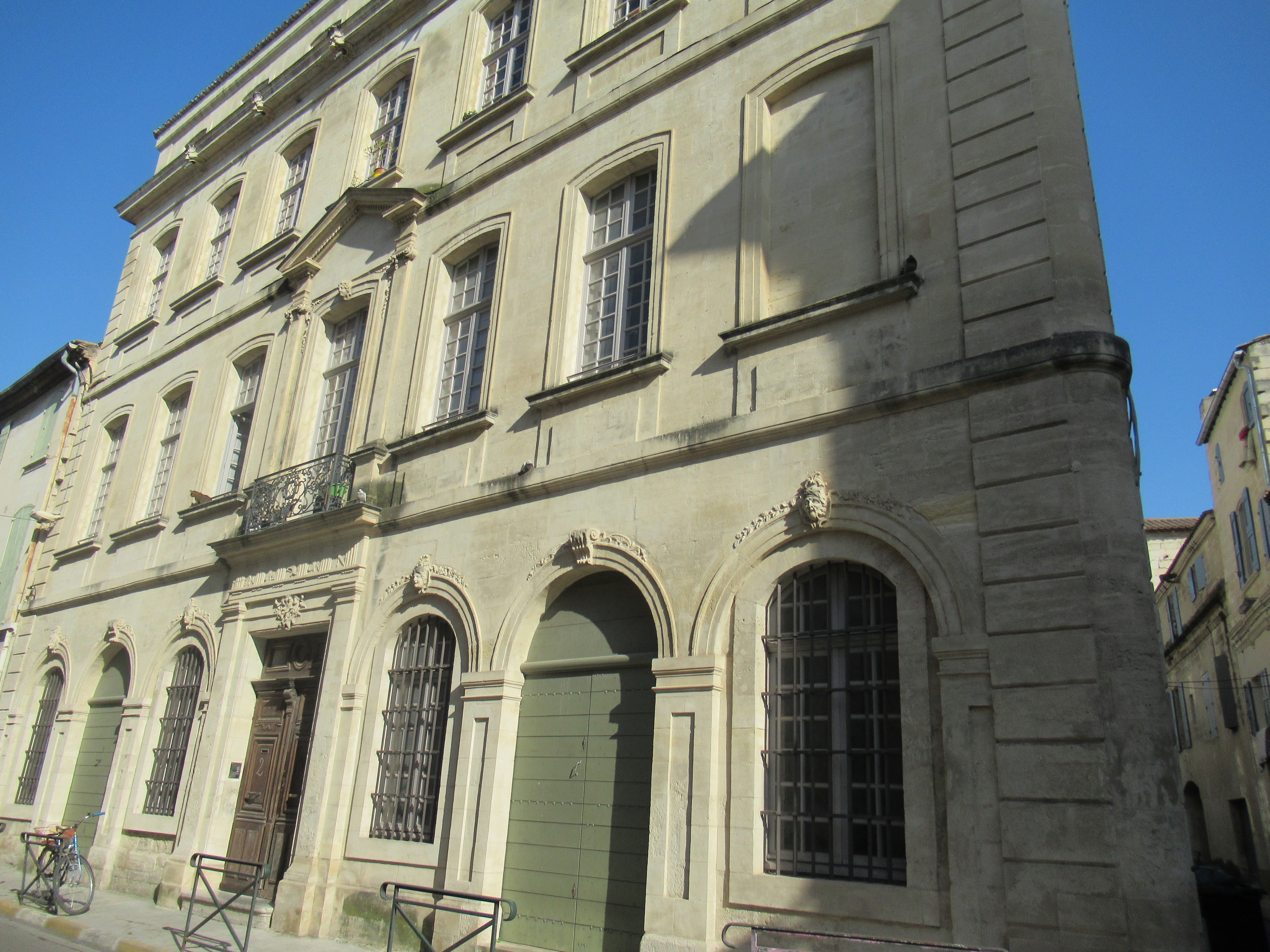
In truth, the pool wasn’t great. It’s school holidays here so the place was rammed. I have a lot of hair and the bonnet, which was never going to be this year’s fashion accessory, insisted on raising like a beehive on my head. And somehow, this seemed to slow me down. I managed 18 lengths, weaving in and out of the population of Beaucaire, then gave in only to discover that the changing rooms are gender neutral with no hair dryers.

I left for a tasty lunch at a nearby Moroccan joint, followed by a jaunt around the back streets of the town.

It’s like everywhere else around here : wherever you turn, history stares you in the face.

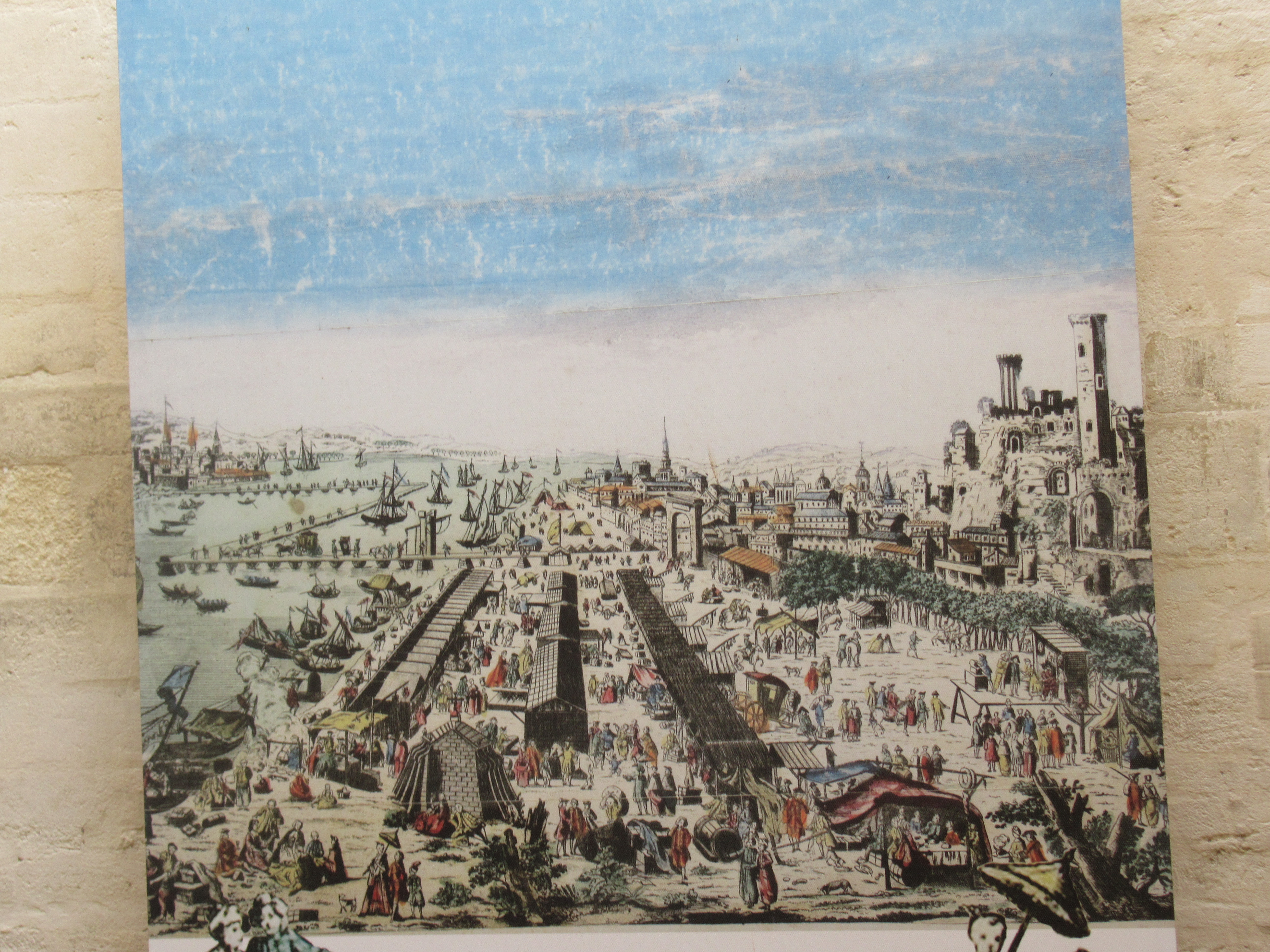
This is an old image of the famous Beaucaire Fair which I came across in the amazing tourist information office. I even had to show my vaccine pass to get in there which I don’t mind, but it gives you an idea of how those who chose not to have the jab are excluded from mainstream society.

And I came across this gorgeous Roman frieze whilst ambling along an inconsequential alley. I wish I could’ve got it all in my camera’s frame.

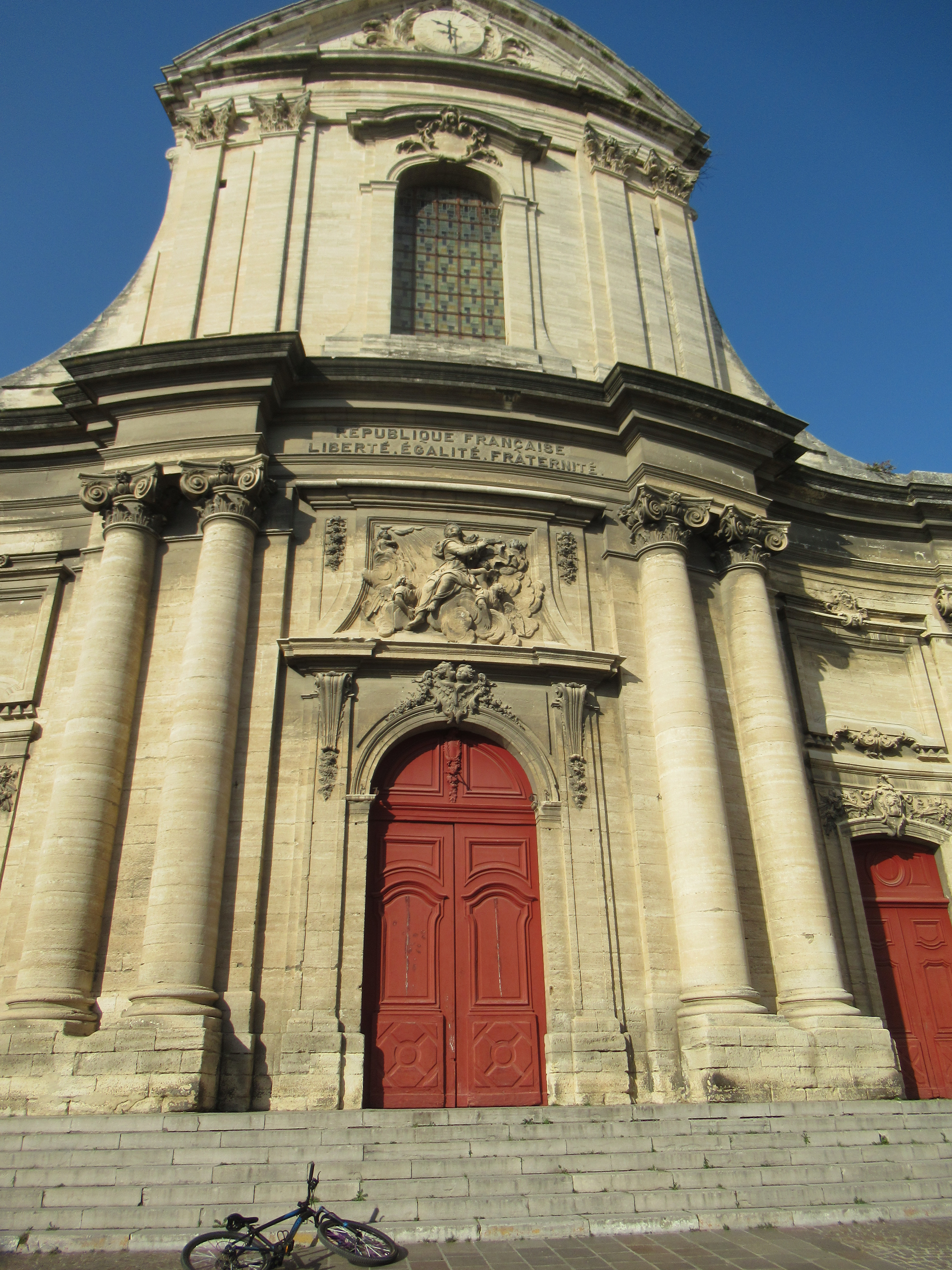
I like to think that the priest, late for confession, abandoned his bicycle at the steps to this glorious church. Swimming wasn’t up to much, but loved my day out.

I miss the sheep and fail to save a village

OLYMPUS DIGITAL CAMERA

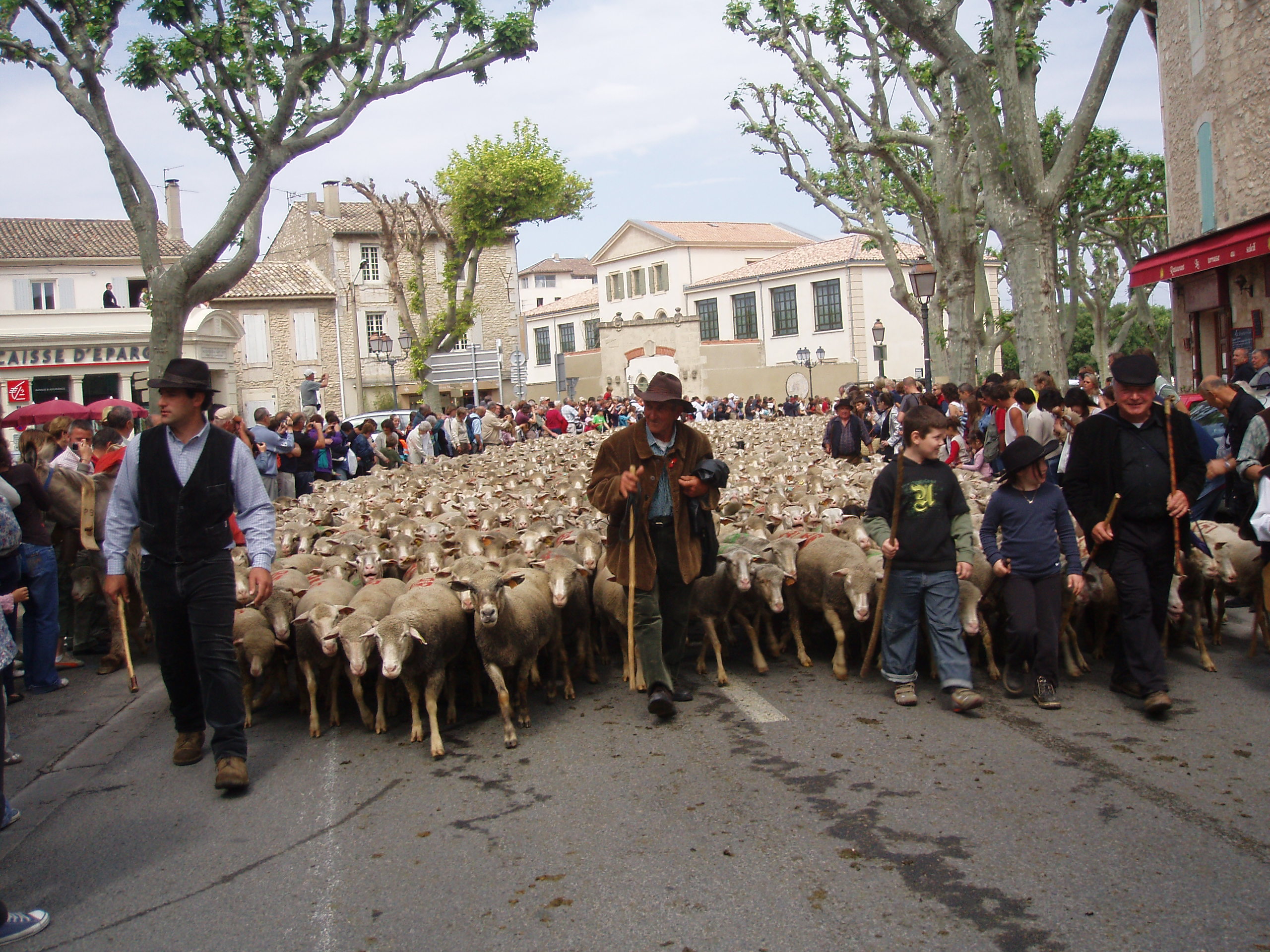
This is a photo I took some years ago in St Remy where transhumance was being celebrated. Transhumance is the process of moving sheep and other livestock from low ground to high in the summer months and back down for winter. Back in time, it was done on foot and hoof. I’m just explaining this as yesterday, I decided to take a walk along the Chemin (path) de la Transhumance in the nearby village of Eyragues. It’s probably a tourist thing, although I haven’t seen any other tourists in these parts yet.
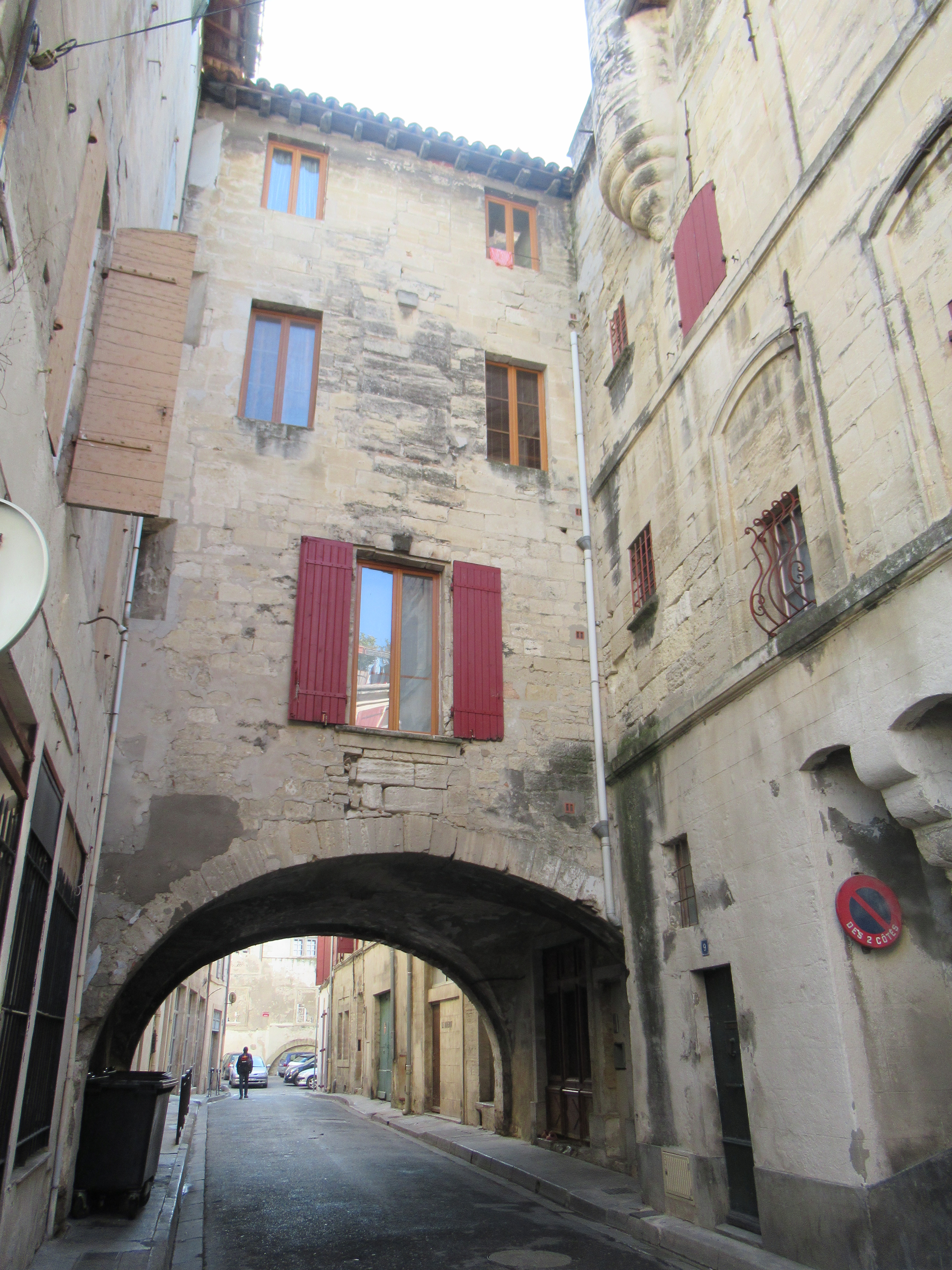
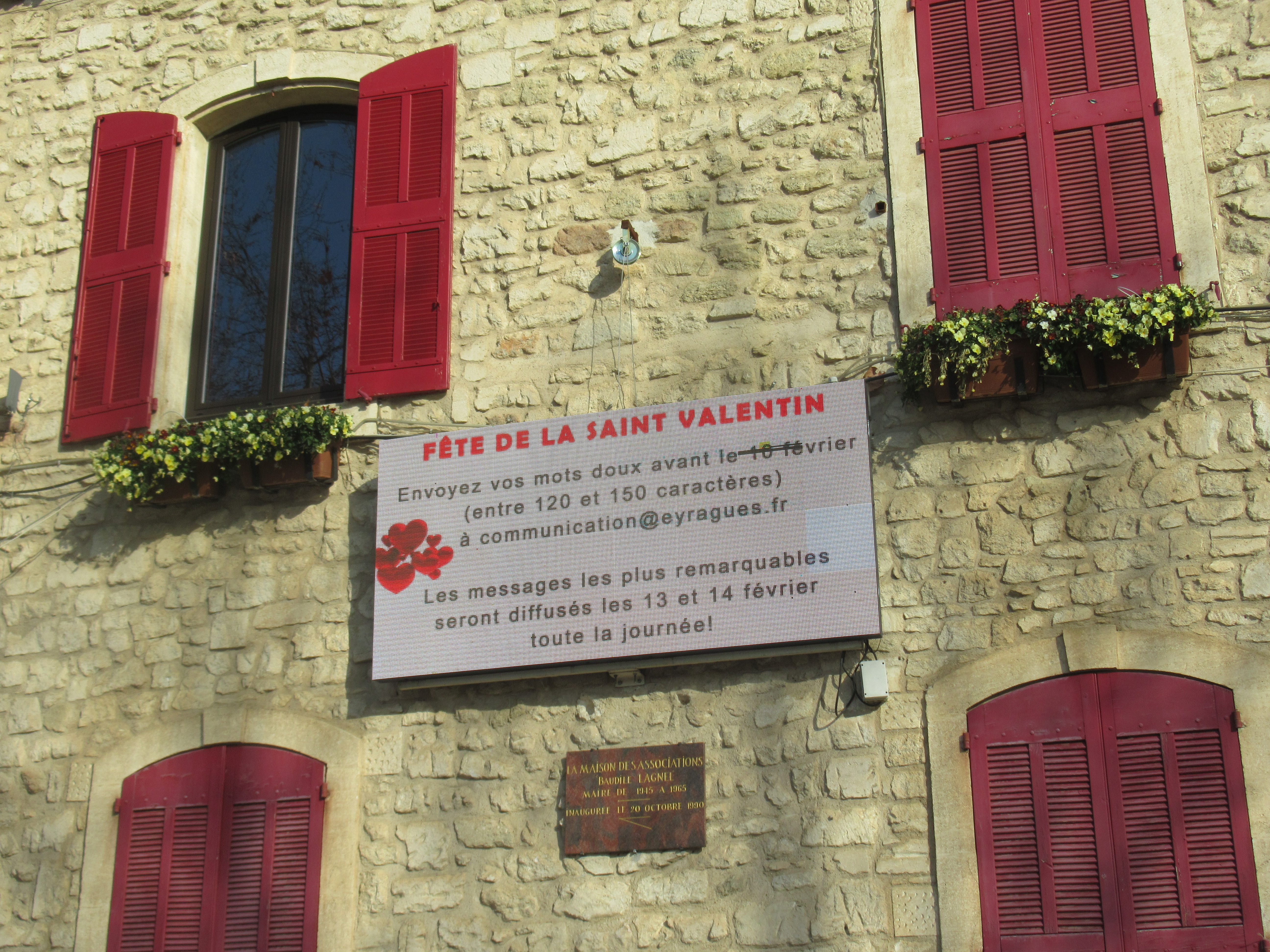
I begin in the village square where, as the placard suggests, you can send in your Valentine messages and have them plastered all over the wall if they’re unusual enough. Could be tricky if your message is to someone who already has a significant other. Anyway, I had a map which omitted to provide street names and had a minimum of instructions, obviously in French. What could go wrong.
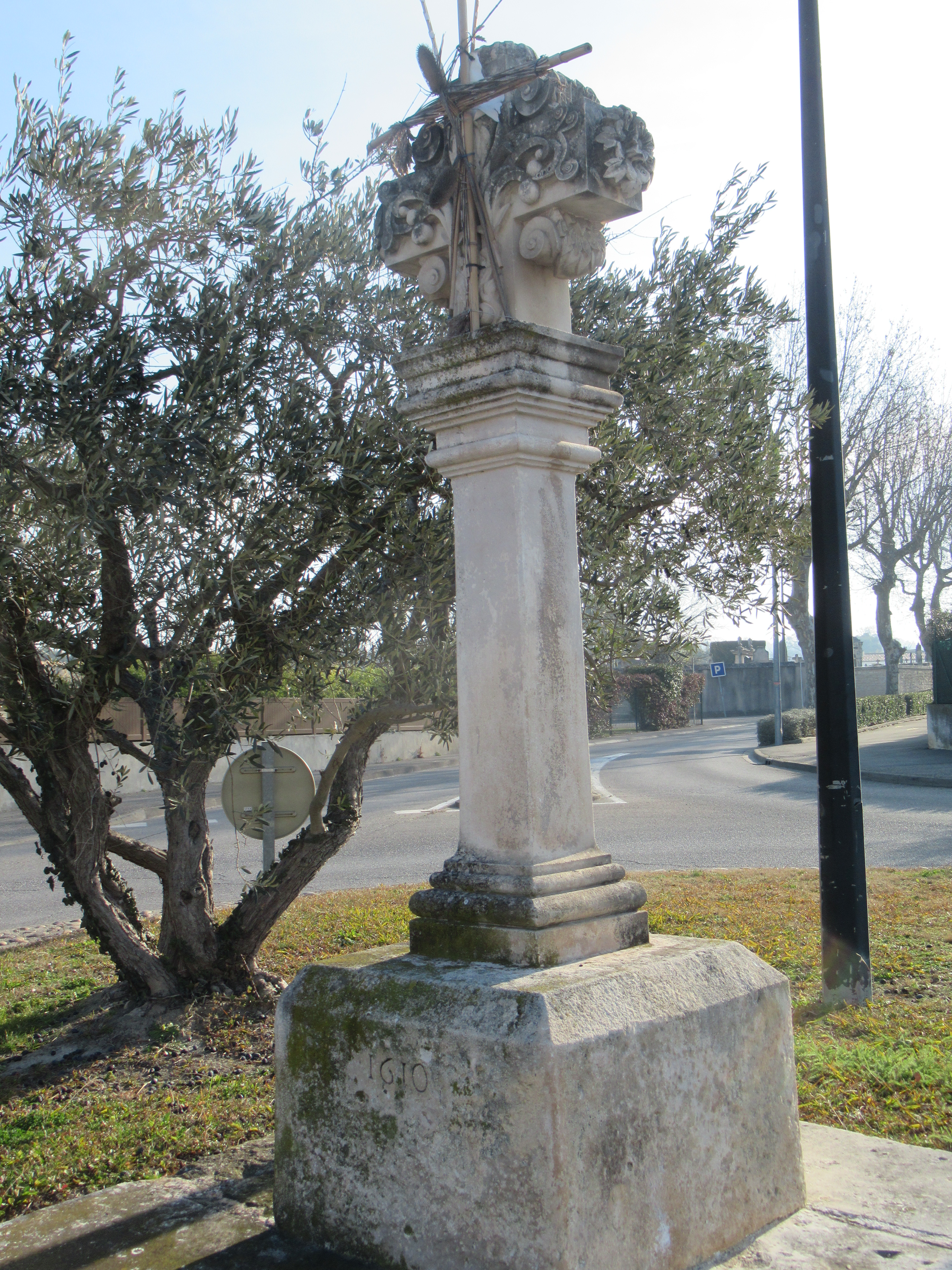
I reach the first roundabout which has this very interesting old cross that looks a bit like a prop from The Wicker Man. A particularly confusing (to me) aspect of French directions, often employed when discussing roundabouts, is the use of the word ‘droit’ which means ‘right’. Unless it means ‘straight on’.

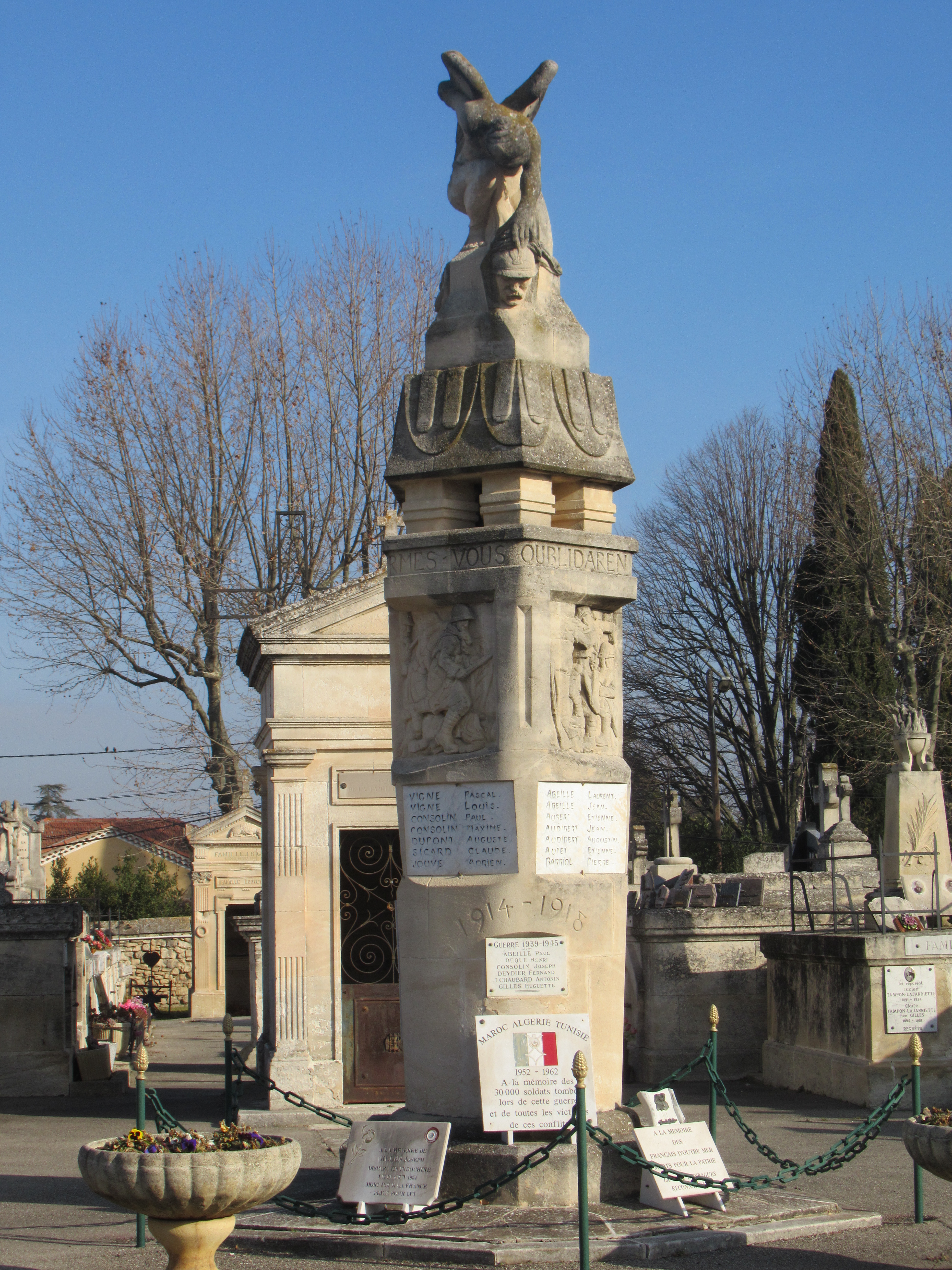
I choose the second right because I could see a cemetery on the other side of the road. As I’ve mentioned elsewhere, I love a French cemetery if only for the history which encourages one to do a spot of research. This one has a splendid monument to the soldiers from Morocco, Tunisia and Algeria.

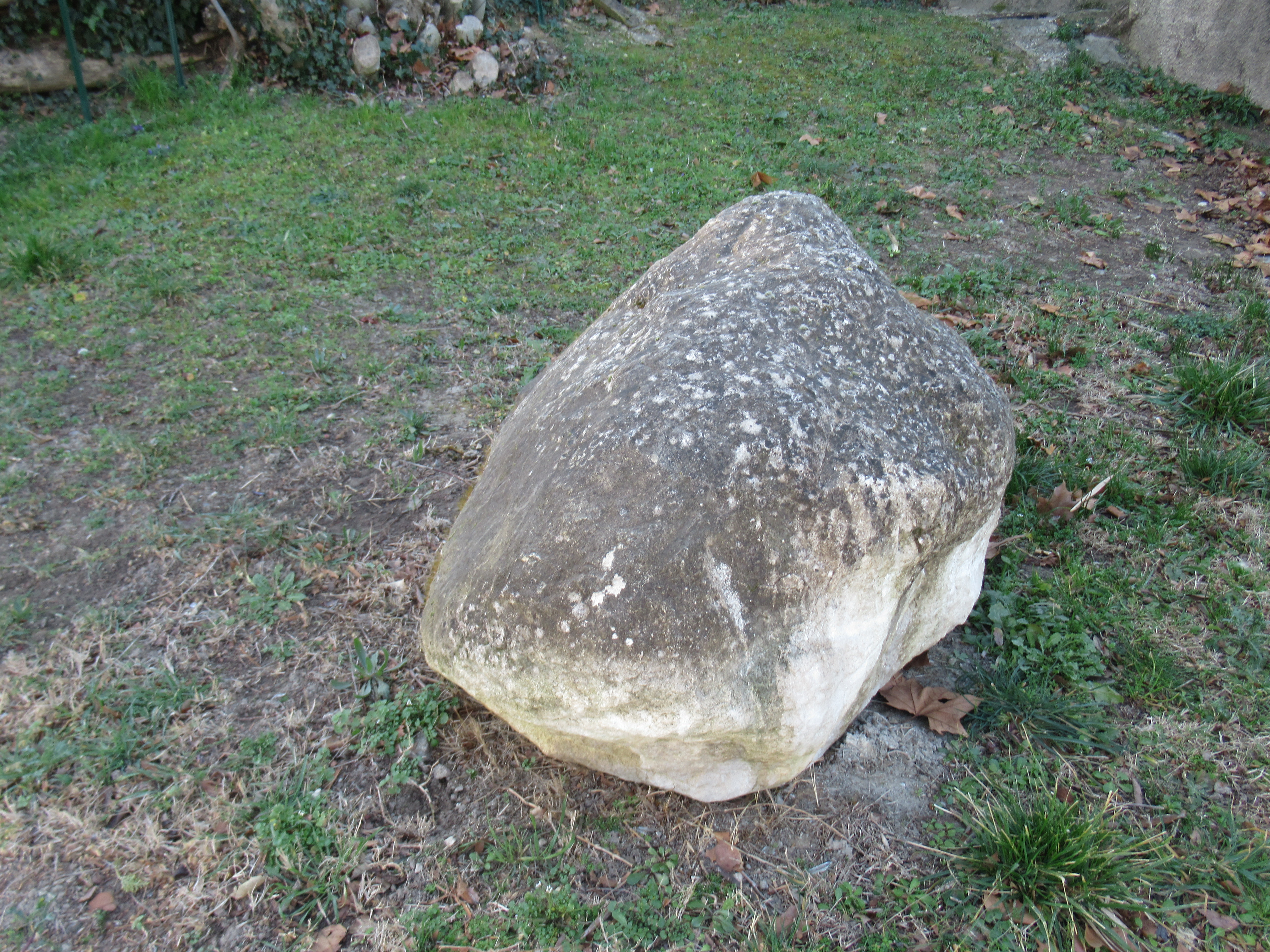
On leaving, I spot this stone which I optimistically take to be a way-marker; not that it was particularly helpful as I wasn’t sure which way I was going. Not to worry here comes a fellow pushing a pram and minding his own business. ‘Bonjour Pierre et excusez-moi’ … He was really nice. Couldn’t make head nor tail of the ‘map’ and didn’t know where the Transhumance Path was, or why I might want to walk it. ‘Are you English’, he asks, and before I can answer, ‘yes of course you are’ he continues. Small child in pram rolls its eyes.

Just then, another fellow hoping to make haste with the day’s business, makes the mistake of stopping his van at the junction. ‘Hey Serge’, shouts Pierre, ‘come and help us’. Serge abandons his van and crosses the possible Chemin de la Transumance. We exchange bonjours and Pierre shares the ‘map’: a plethora of raised eyebrows. Serge says it’s a long way but I could do this, do that, do the other. They are pleased to escape.

It goes on and on but I suddenly reach what seems to be Point 3 on the wretched instructions. This is both good and bad. Good because I’ve reached somewhere identifiable; bad because there are 14 points on the map and I’ve been going for hours. However, another thing mentioned on the instructions is the ‘reservoir d’eau’. Now I don’t know about you, but to me this translates as the water reservoir which could be worth a view and a snap. Oh look, here comes Ginette and before she realises what’s happening, I’ve accosted her with a cheery bonjour. Credit where credit’s due, you can’t accuse me of not trying to improve my French conversation as and when. I’m not absolutely convinced, but I’m sure she’s saying the reservoir is painted and broken. What I do understand is when she says there are far more interesting paths back in the village. She points me in a direction and she’s off before we can discuss the fallout from Brexit.

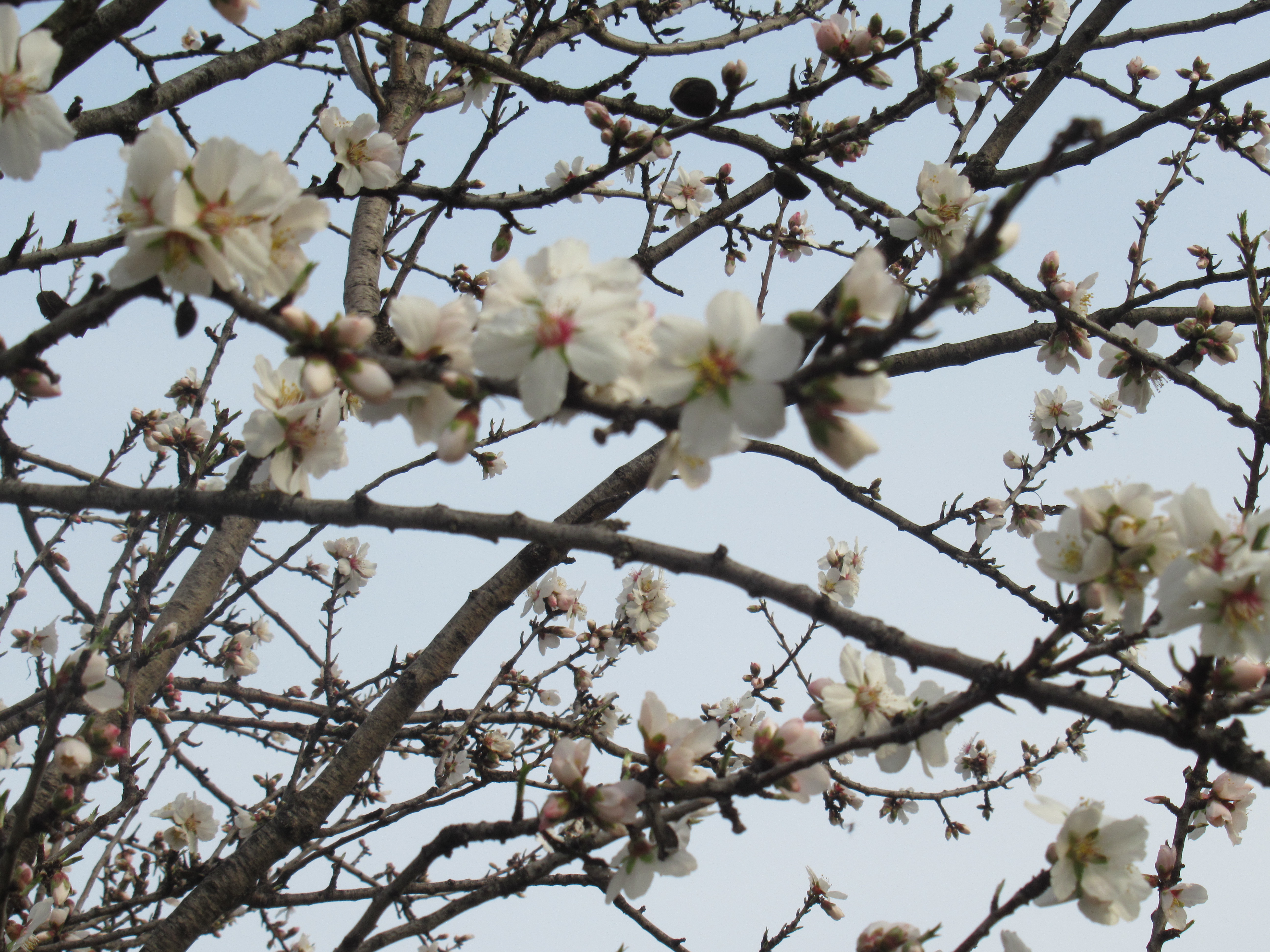
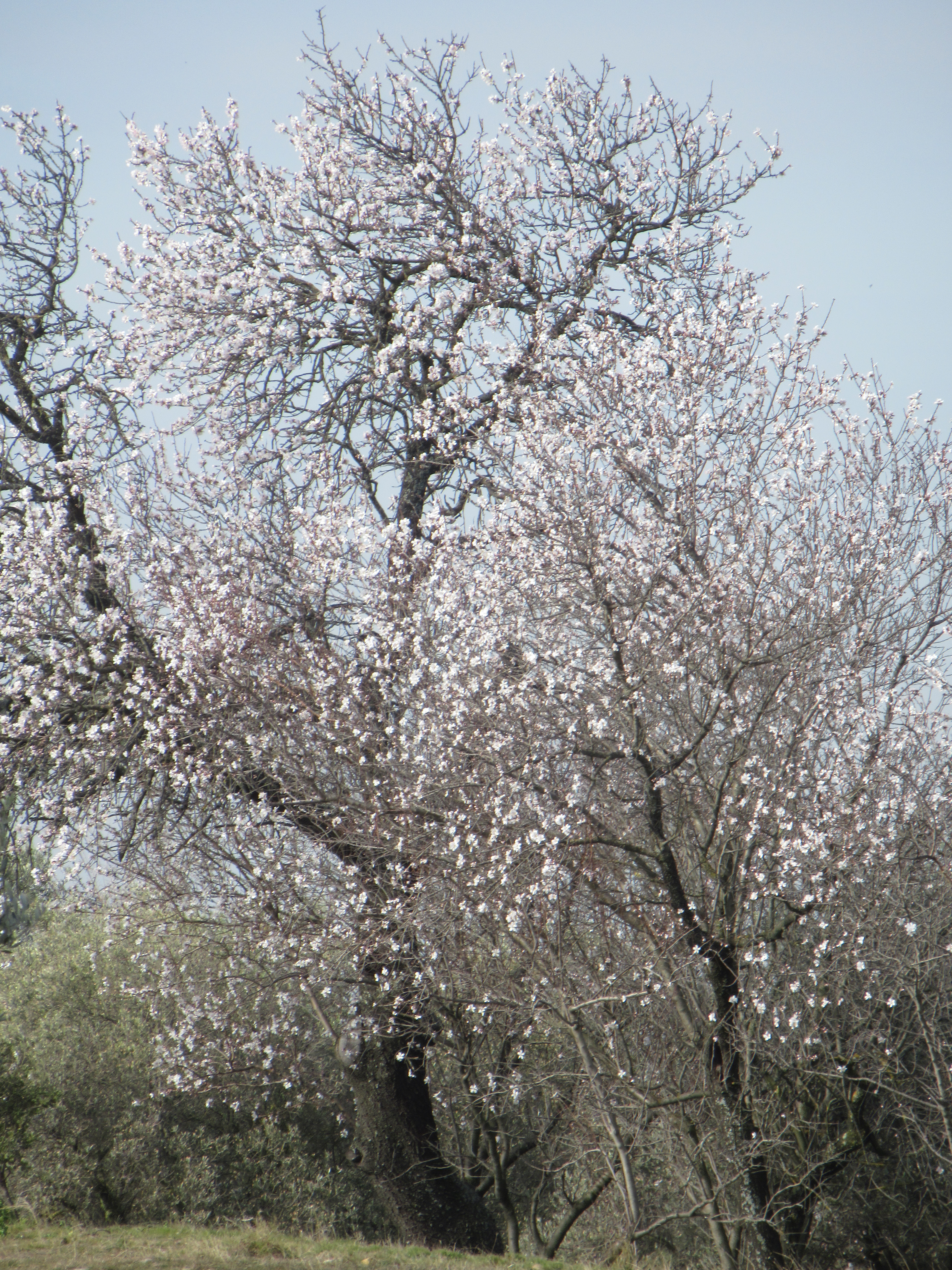
I don’t know what tree this is but it’s the only thing (including me) with any sense of life in it. The way is unremittingly steep and it suddenly occurs to me that the Chemin de la Transumance would, by virtue of its existence, be climbing into the mountains. On and on and on it goes into loneliness and desolation. Eventually, I reach the beginning of the foothills.

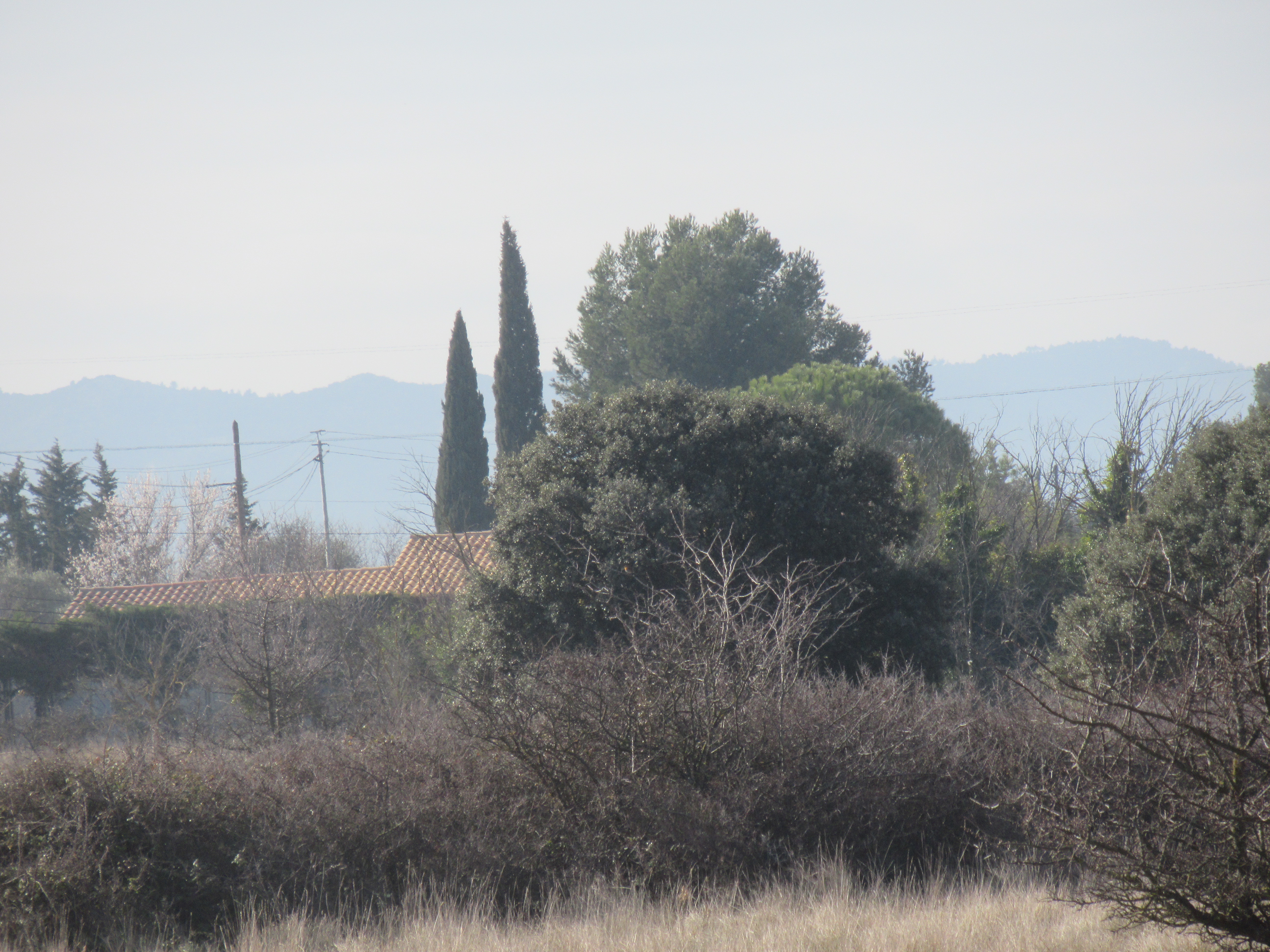
There in the furthest reaches of Provence are the mountains of the Alpilles where the bloody sheep will feast on thyme and other herbs.

And there – OMG – is the water reservoir, painted, broken and lost in translation. I’ve had enough of this jaunt. My legs tell me I’ve walked miles into the wilderness and I’ve had enough. I turn tail and stagger back down the hill towards the village.

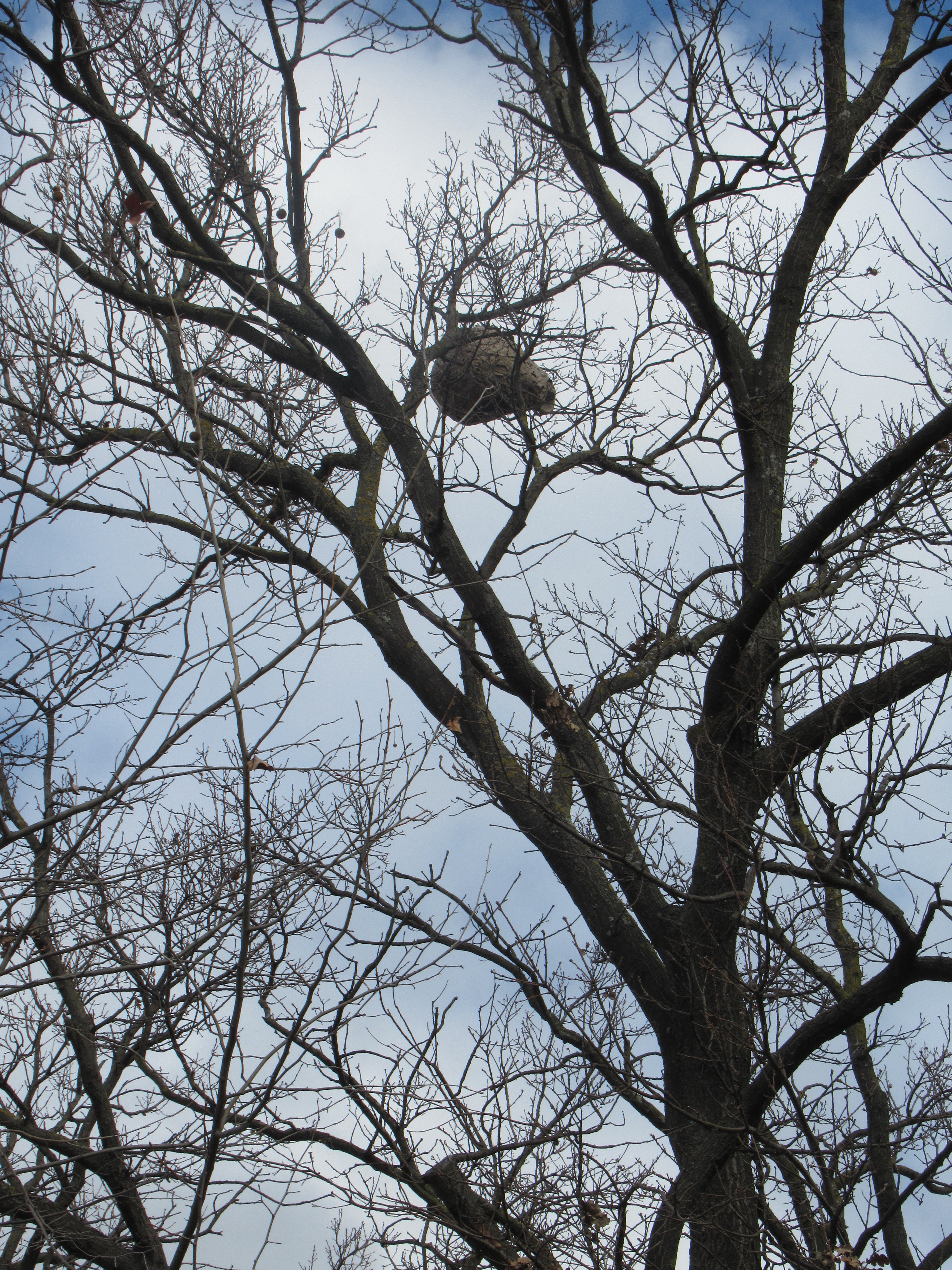
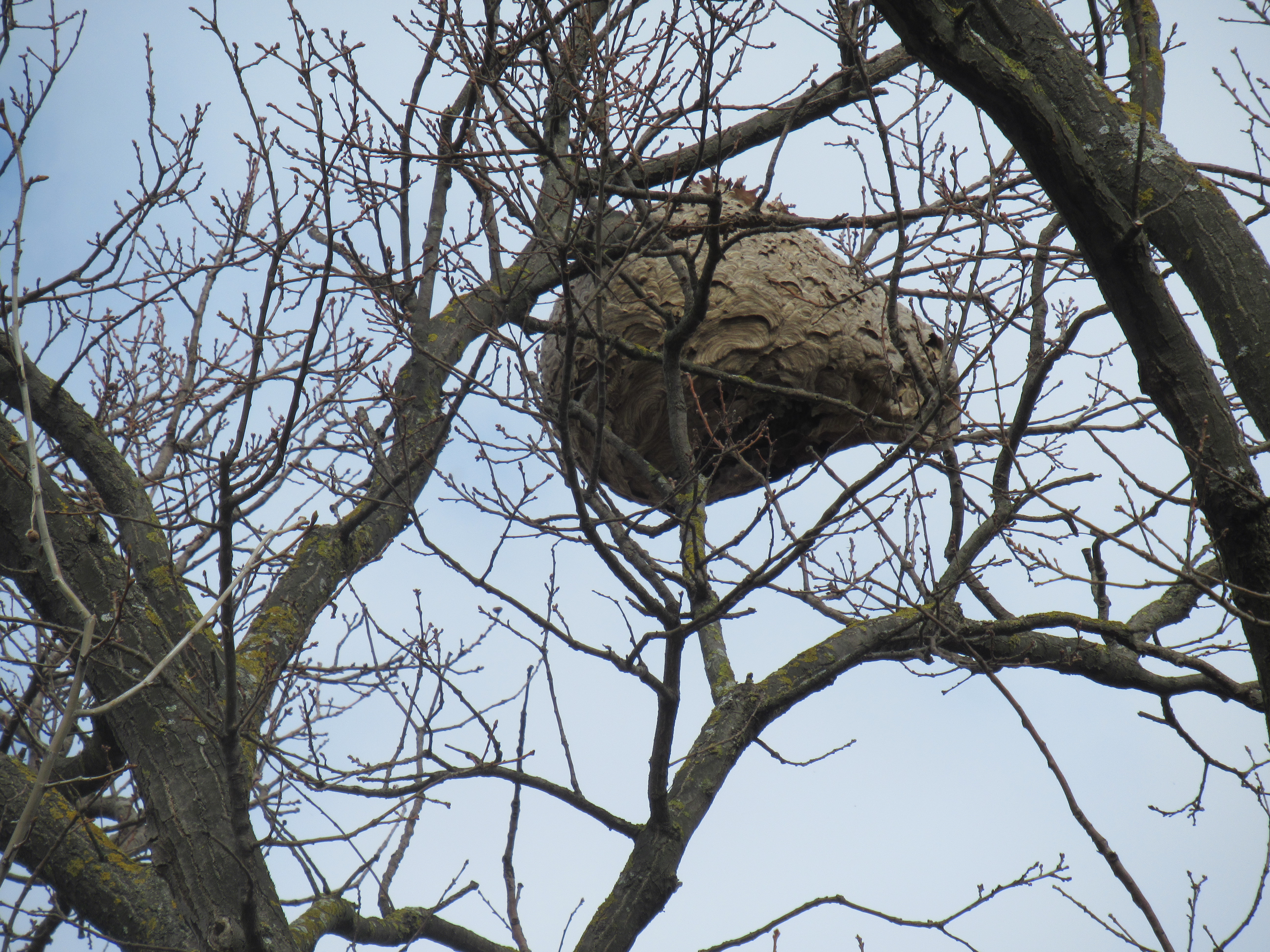
And you’d think that should be an end to it but as I’m heading back to the cemetery, I look up at the sound of birdsong and in a tree I see – actually, what is that?

Well, I’m going to tell you what I didn’t know at the time. It’s the most ginormous nest of the Asian Hornet which is the deadliest in the world. I take a couple of snaps and here comes Florence, a tiny ancient being who’s struggling up the hill from the village. Reader, you know how it goes: ‘Bonjour, any idea what that is?’ The French, especially the older ones, are so polite that they wouldn’t ignore you. Nonetheless, Florence immediately wraps her bright red cashmere scarf around her face in the manner of one who’s forgotten her mask whilst robbing the Deadwood Stage. ‘OMG’, she exclaims, ‘I come along here every day and I’ve never noticed it. You must go to the Mairie (town hall) toute de suite and report it. It’s your duty. It’s deadly.

I’ve had just about enough of this walk but Florence has instilled in me a worrying sense of civic duty. I crawl into the Town Hall and find a man upstairs and explain my predicament. I show him my photos at which point he literally jumps in the air exclaiming ‘ooh la la’. (Yes, they really do say that.) Then he remembers where he is and quickly retrieves his mask before instructing me to inform les pompiers (fire brigade) because this is very dangerous for the village. At this point, I tell Monsieur that I was only going for a walk along the Chemin de la Transhumance, that I’m on holiday, staying with a friend because of renovations to my home in England, and that I feel I’ve done as much as is humanly possible of the only living tourist in Provence. Like all the others, he’s very kind and wishes me ‘bon vacances’. Hopefully, someone else will sort this out (and write a decent map).

Day four: en Arles

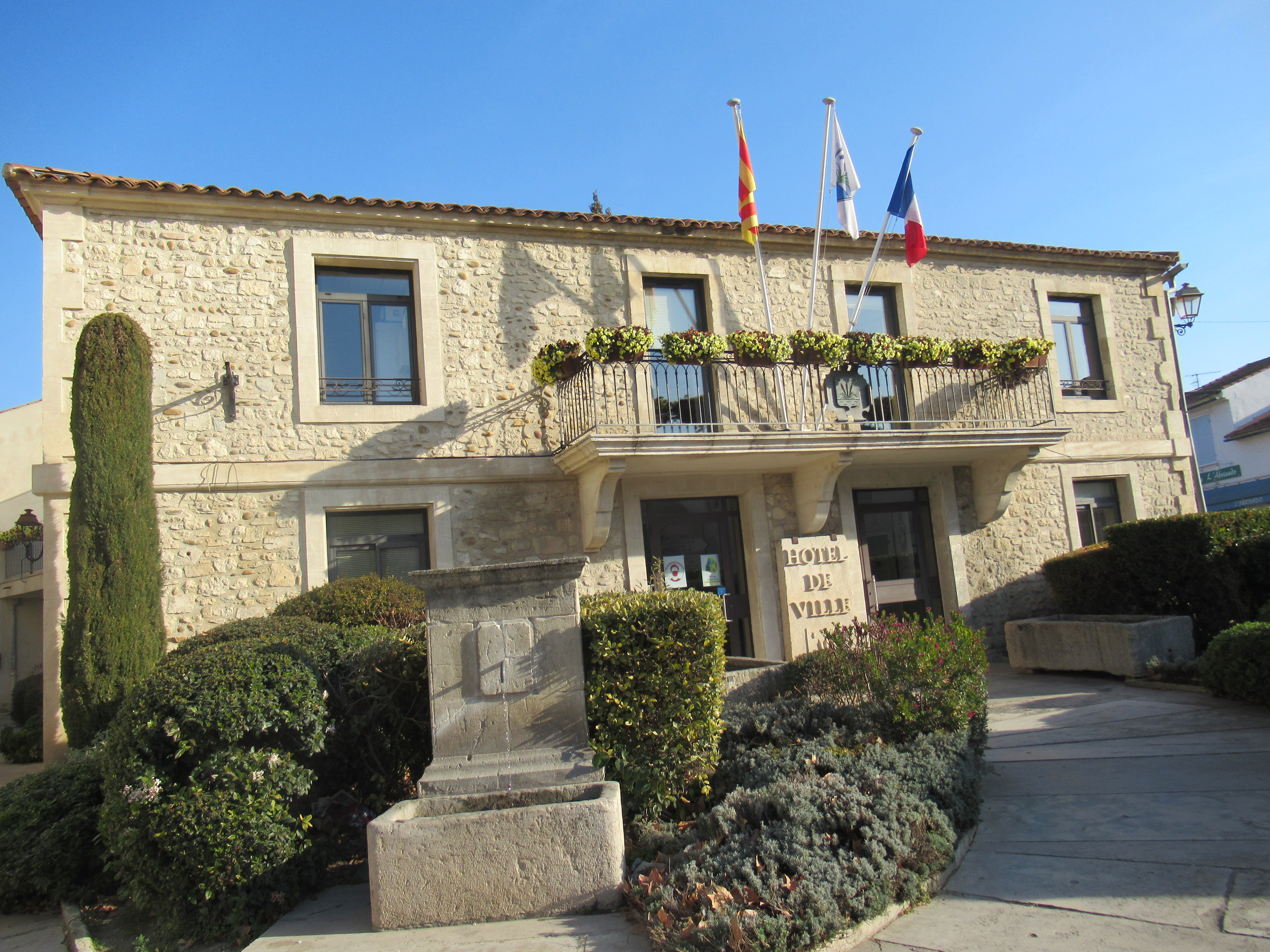
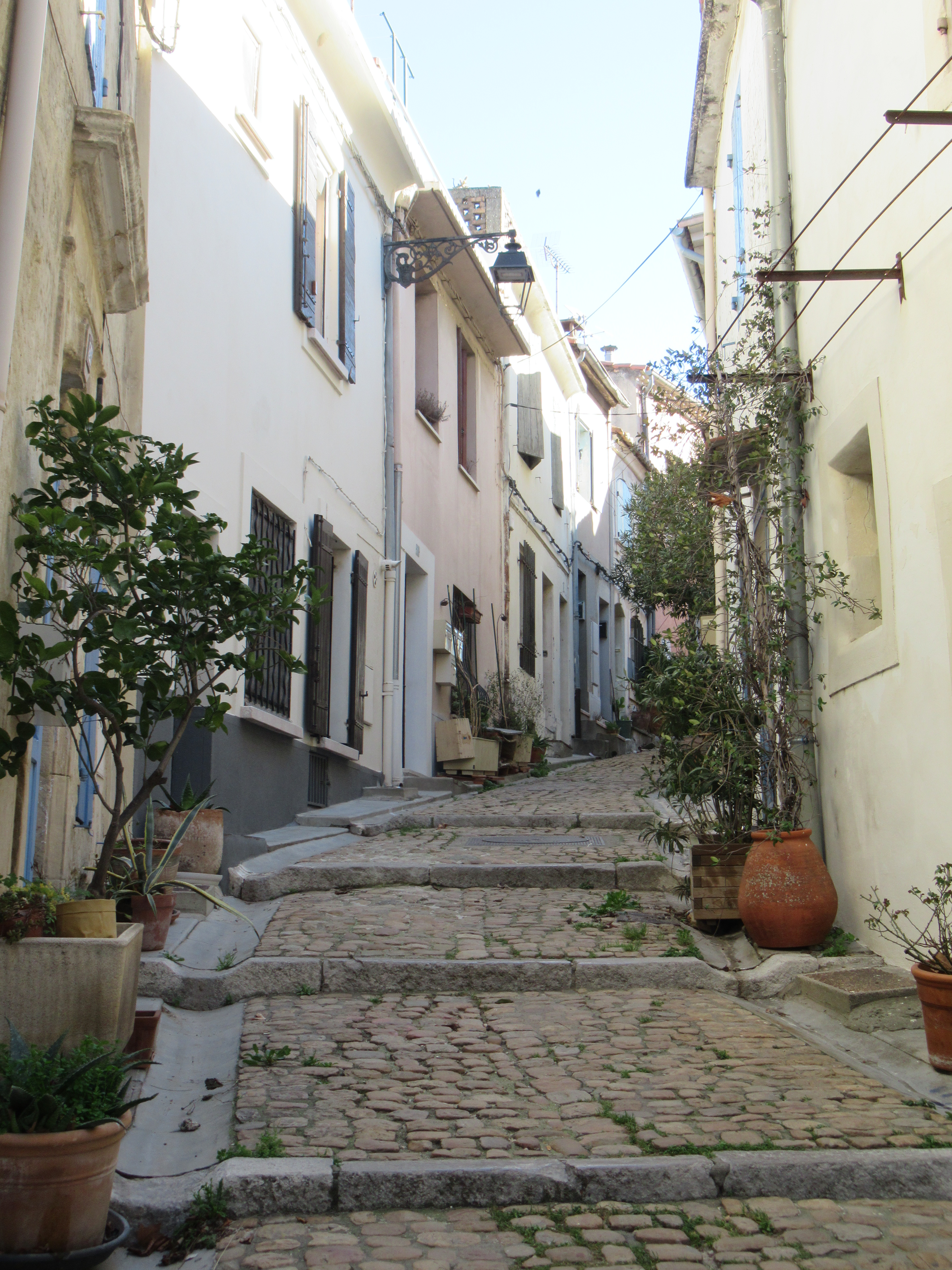
I paid the first of hopefully several visits to Arles today. I want to say it’s one of my favourite places, but I seem to say that about everywhere; you can probably tell I’m doing all the old haunts first. This is the Place de la Republique and that building at the back is the town hall. In summer, this square is absolutely packed but not that many tourists today. The lack of visitors was also evident in the market where the provencal stalls were conspicuous by their absence. On the other hand, I’d say there were just as many food and clothes purveyors as in the height of summer and the French were out in force.

It was noticeable how many folk were sporting masks in the open, and how many were involved in that elbow nudging thing: the shaking of hands and the kissing of everyone in sight seems to have largely terminated. Quite amazing really – it’s as though a significant cultural element has just disappeared. I hope, in time, it will all resume.

Meanwhile, the pavement cafes were jammed – that part of life is going nowhere thank goodness. Before I joined them, I had a good old trawl around the market and made some tasty purchases: two globe artichokes (haven’t seen any of those since 2019), some gigantic bright pink crevettes, beautiful haricots, three enormous apples, some black olives in spice, some sundried tomatoes in crushed garlic (not supposed to eat those but I’ll be brave), and a splendid looking baguette – all super cheap. And, having dumped the goodies in my car, I went back for a spot of sight-seeing.

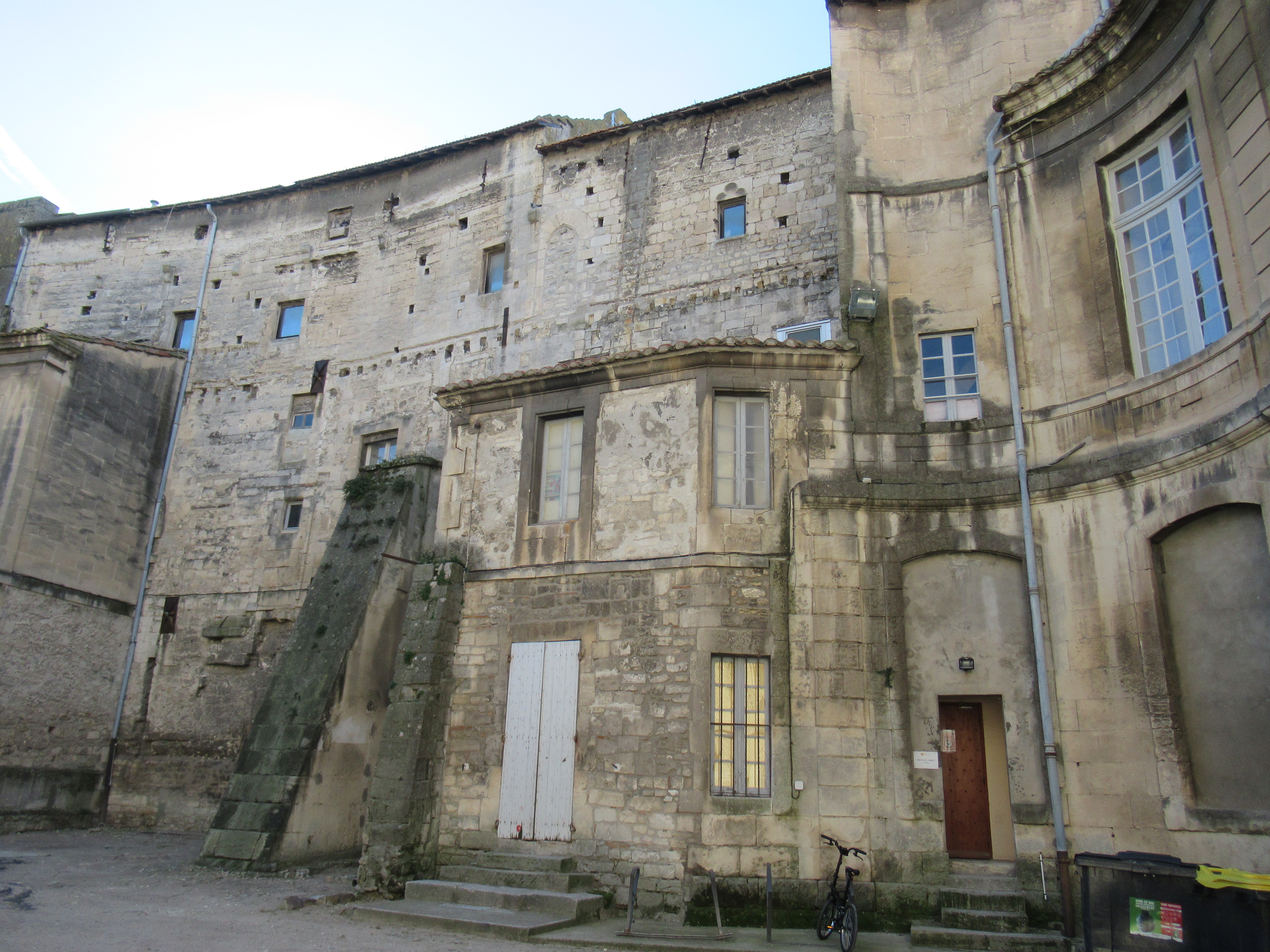
Popping through a handy archway, one finds an enormous courtyard which is actually more impressive than it probably looks in this snap. At the far end is a little door, inside which is …

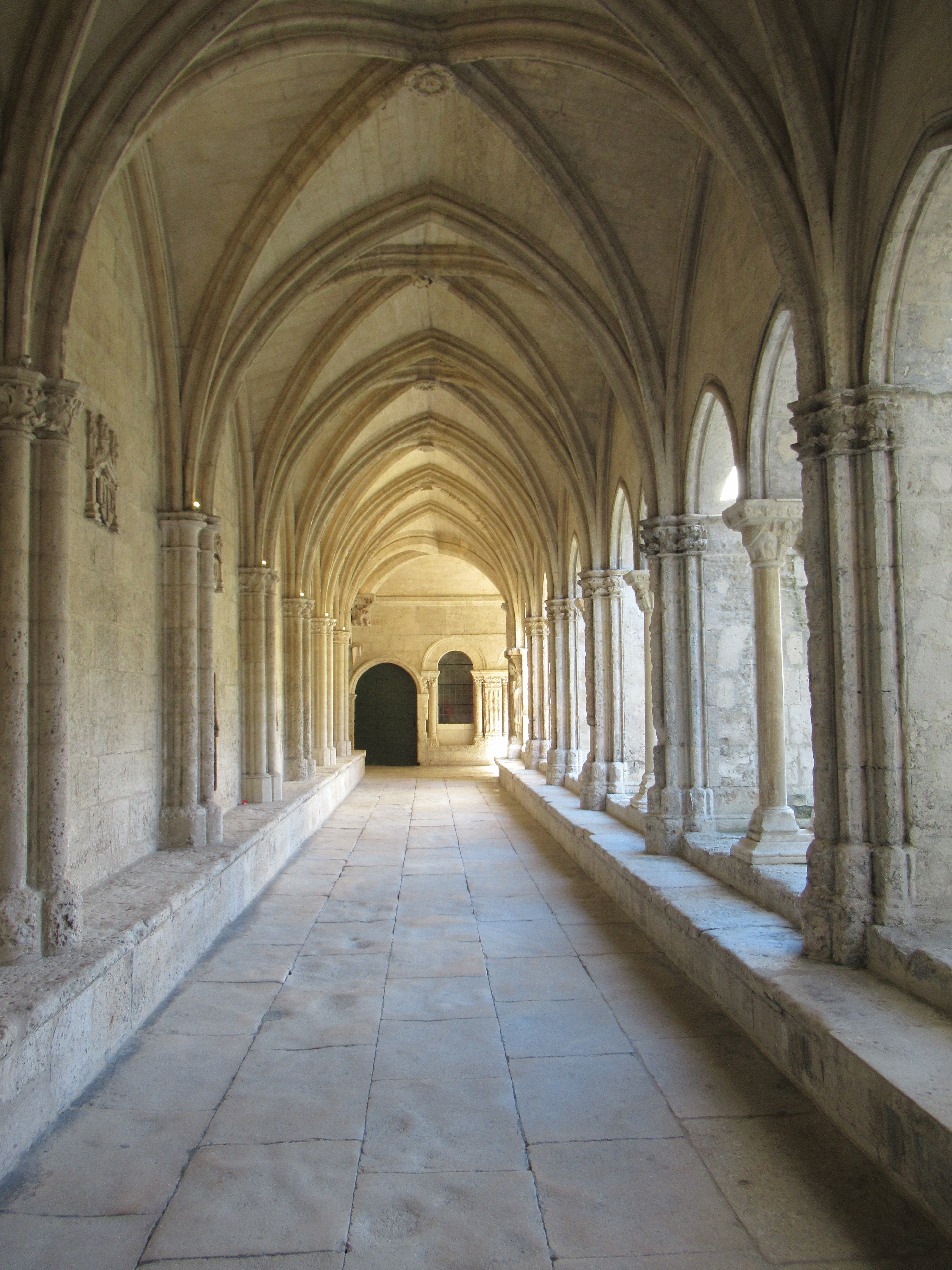
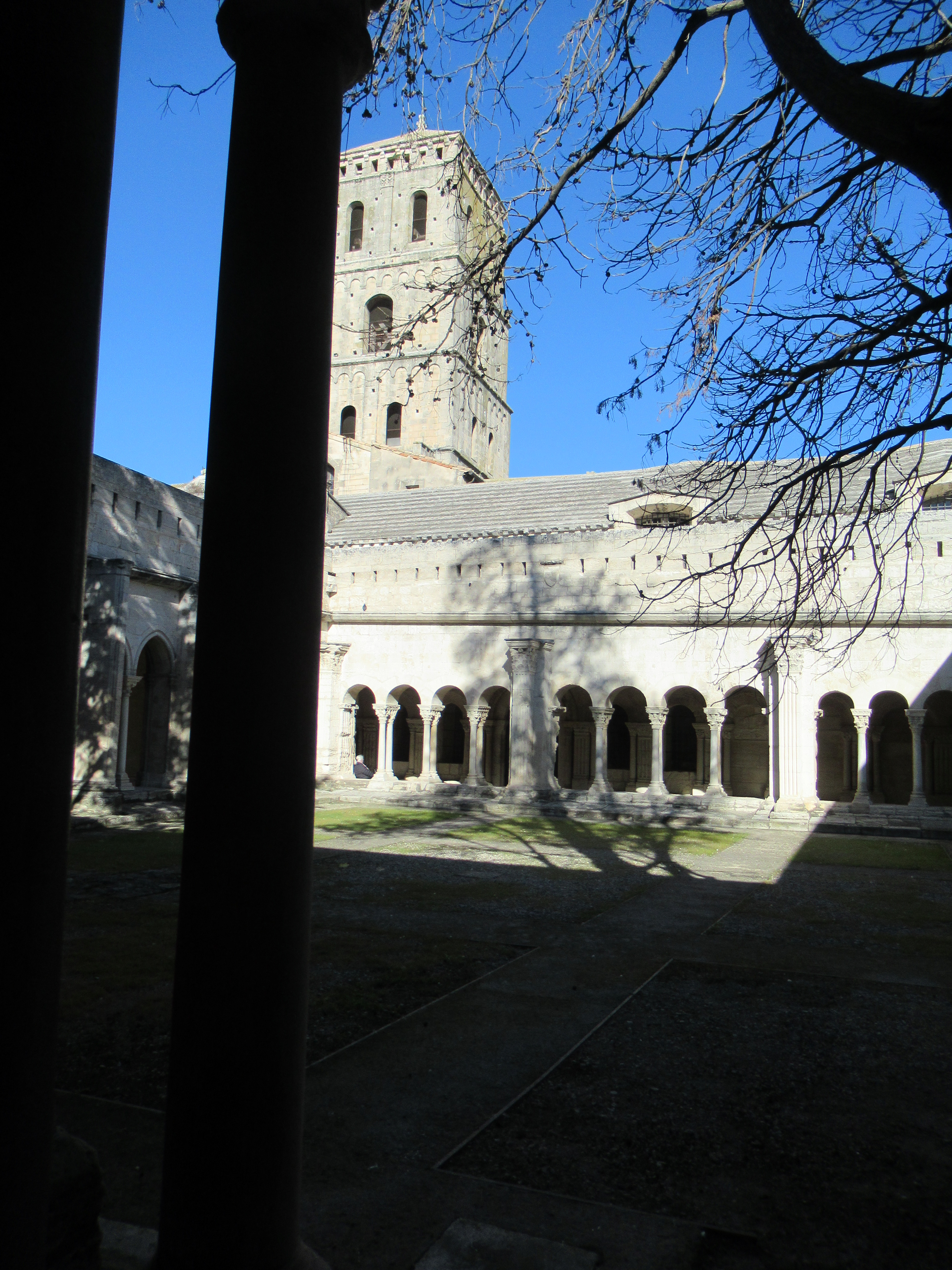
… this and,

this and

this. These are the eleventh century cloisters of St Trophime, part of the UNESCO World Heritage Site. Whilst I’ve been in the church previously, and fully intend going back, I’d never been in the cloisters until today. Apart from the idiot who relieves you of your money, it’s all jolly impressive and houses a huge historical exhibition – all in French and devoid of any other translation. That would be WORLD heritage chaps.

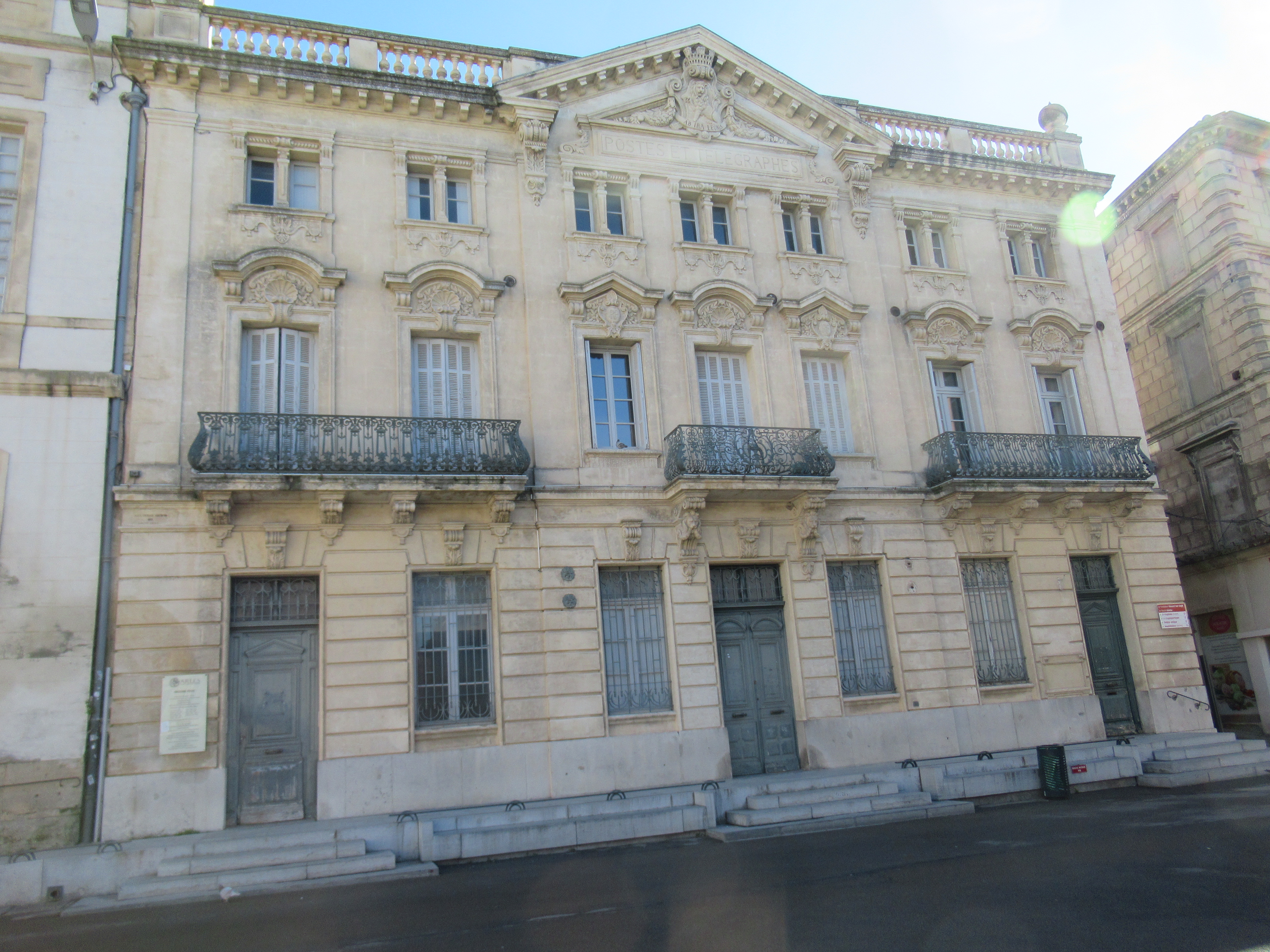
Next door, is the old post office. As I haven’t purchased any postcards, I didn’t attempt to buy any stamps. I think it was shut for lunch – but beautiful.

In Arles, it’s so easy to walk for miles, just looking around. There’s something to see at every juncture and, away from the market, the town was spookily quiet and devoid of anywhere to eat my lunch in the sunshine.

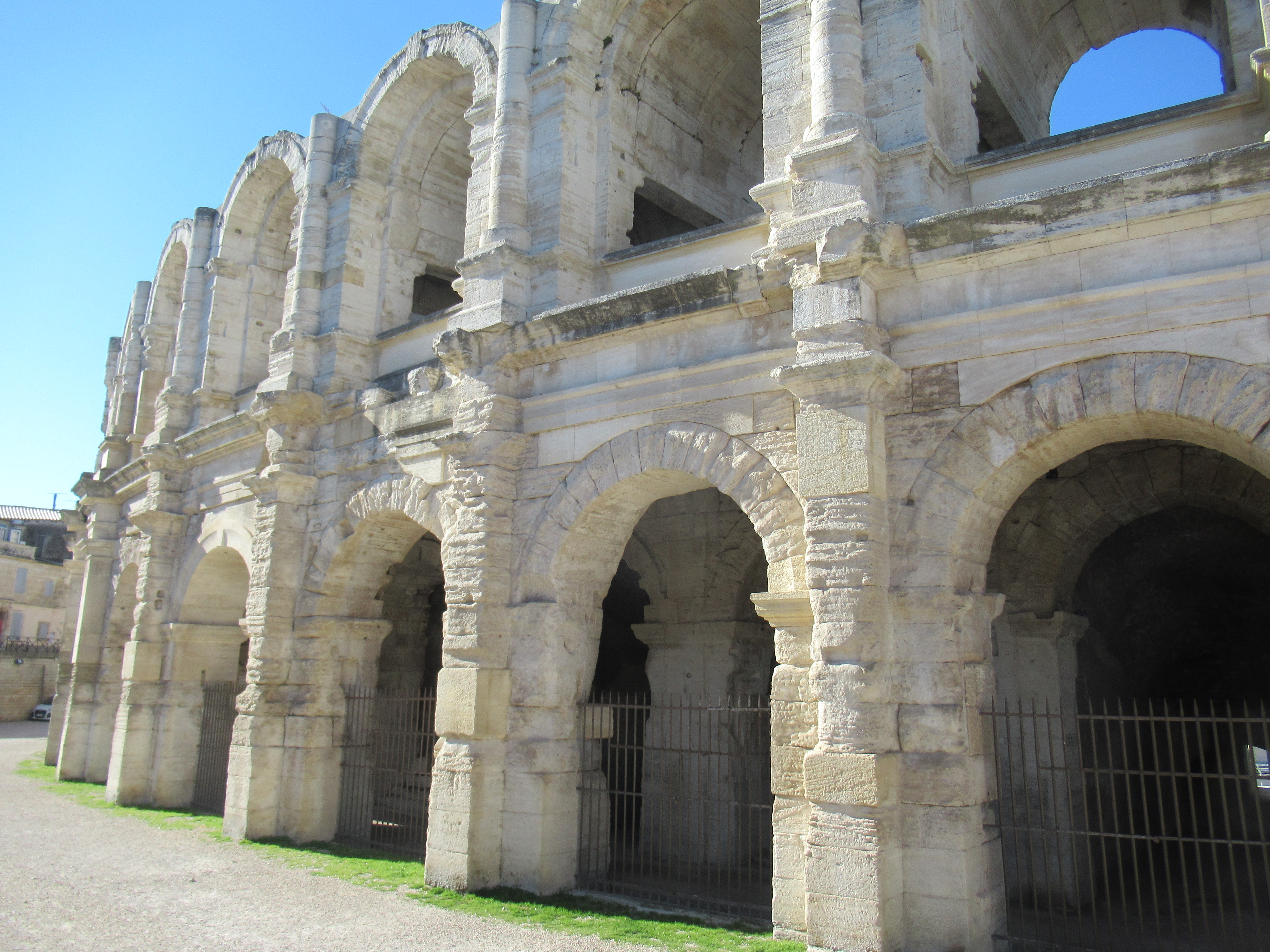
I even walked all the way around the arena feeling sure that eateries would be open in this tourist hotspot. Sadly not, but no worries: I wandered through the gardens and found a seat outside one of the cafes that face the rapidly closing market. It was so warm, that a coat became a hindrance. My expected snack turned into a steak with dauphinoise potatoes and a delicious salad. Life’s tough en Arles.

On the third day …

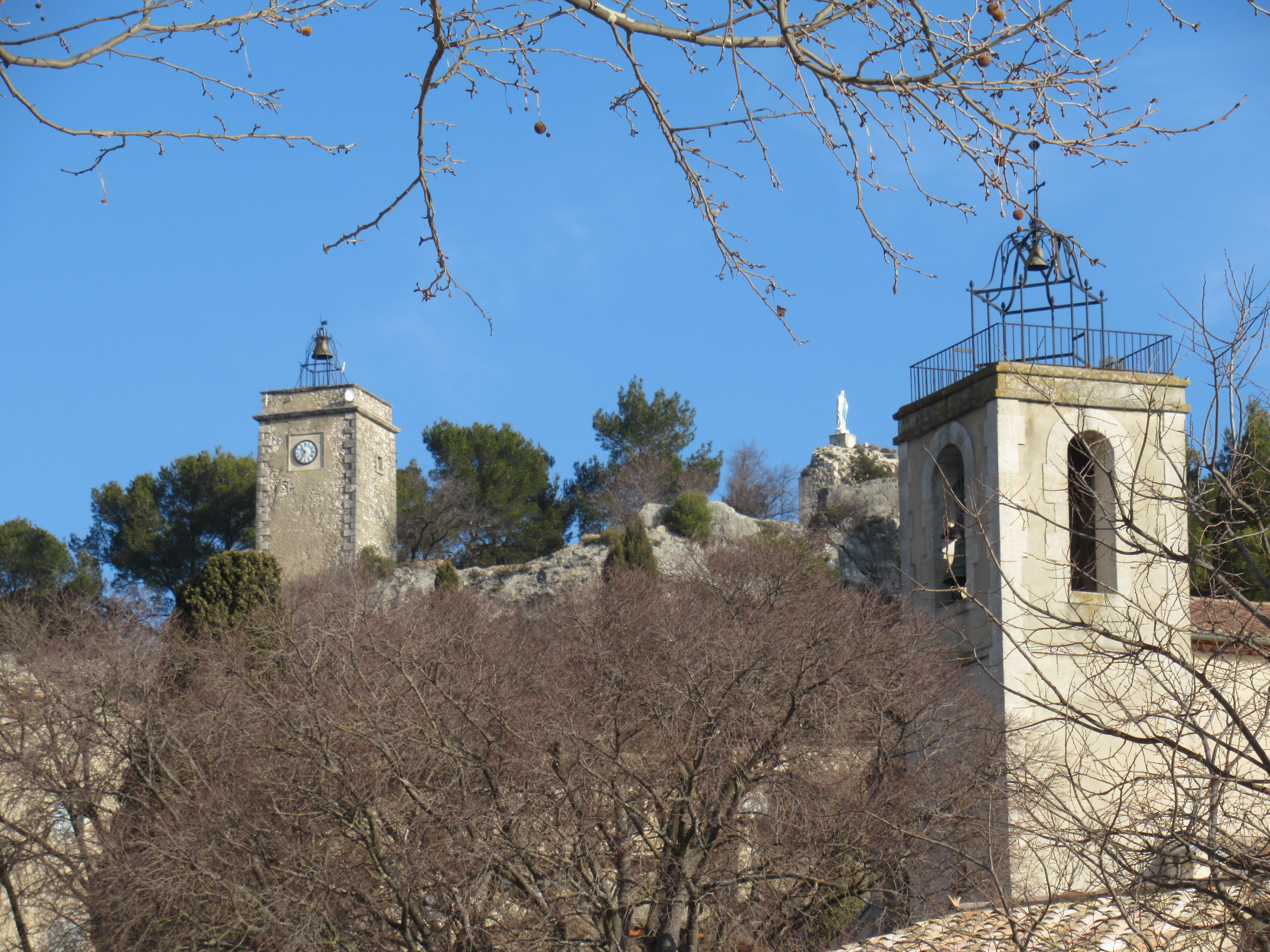
High above Eygalieres, sit a selection of interesting historical buildings. For example, that white thing is the almost obligatory statue of Mary. Generally, when I visit this village, I wander on up to inspect the architectural heritage and the amazing views over the surrounding countryside. Not today though. Don’t be swayed by those azure skies, lit by glorious sunshine: it’s freezing. After the heady warmth yesterday, the temperature has dropped to glacial depths.

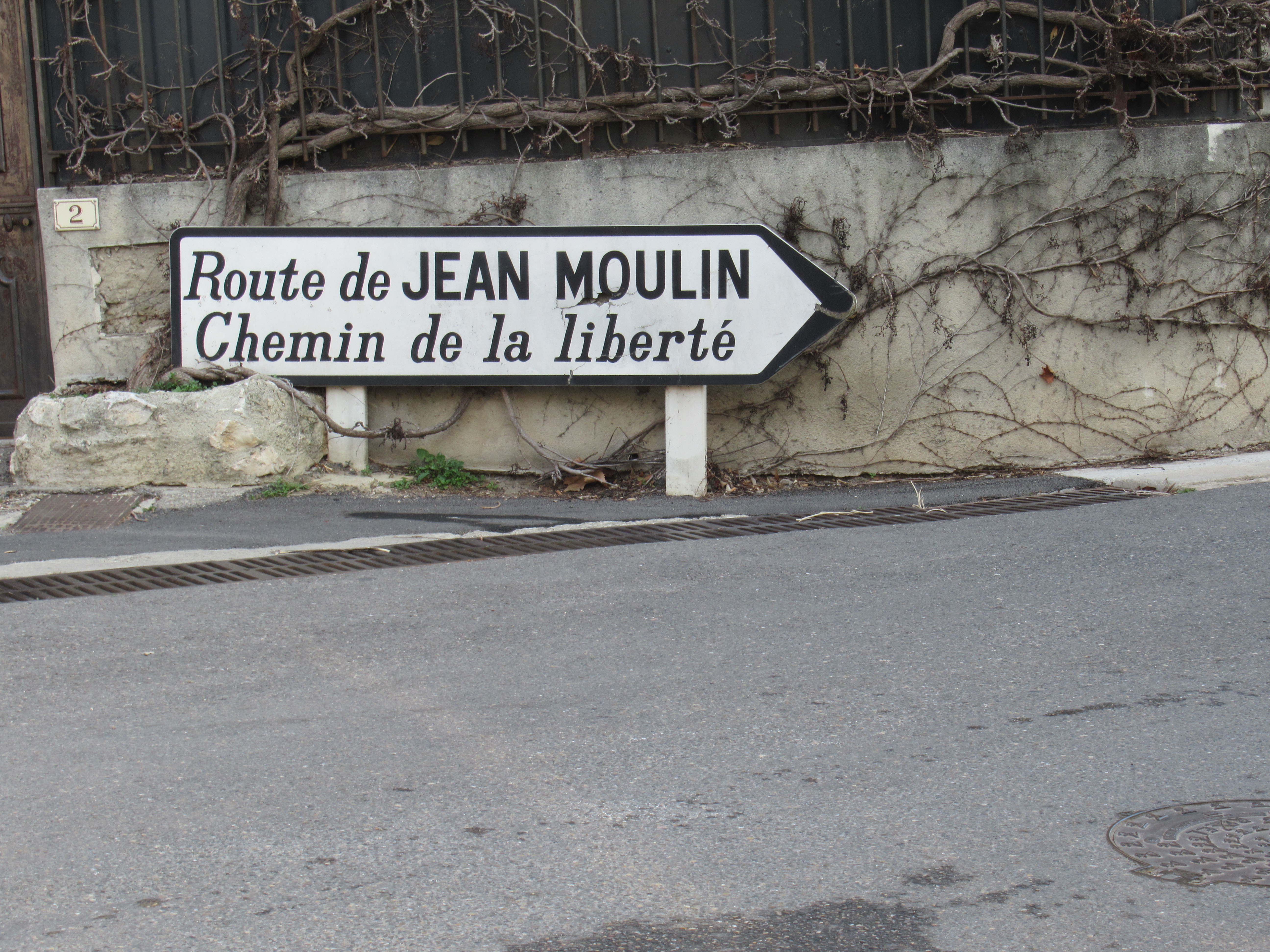
Eygalieres sits on a road of singular importance in WW2. Its name commemorates a local and national resistance hero who was challenged by Churchill to parachute into the little mountains of Les Alpilles which are within touching distance. Since I was last in Provence, the Jean Moulin Museum has been inaugurated and I hope to visit the week after next. Watch this space for more French/allied history.

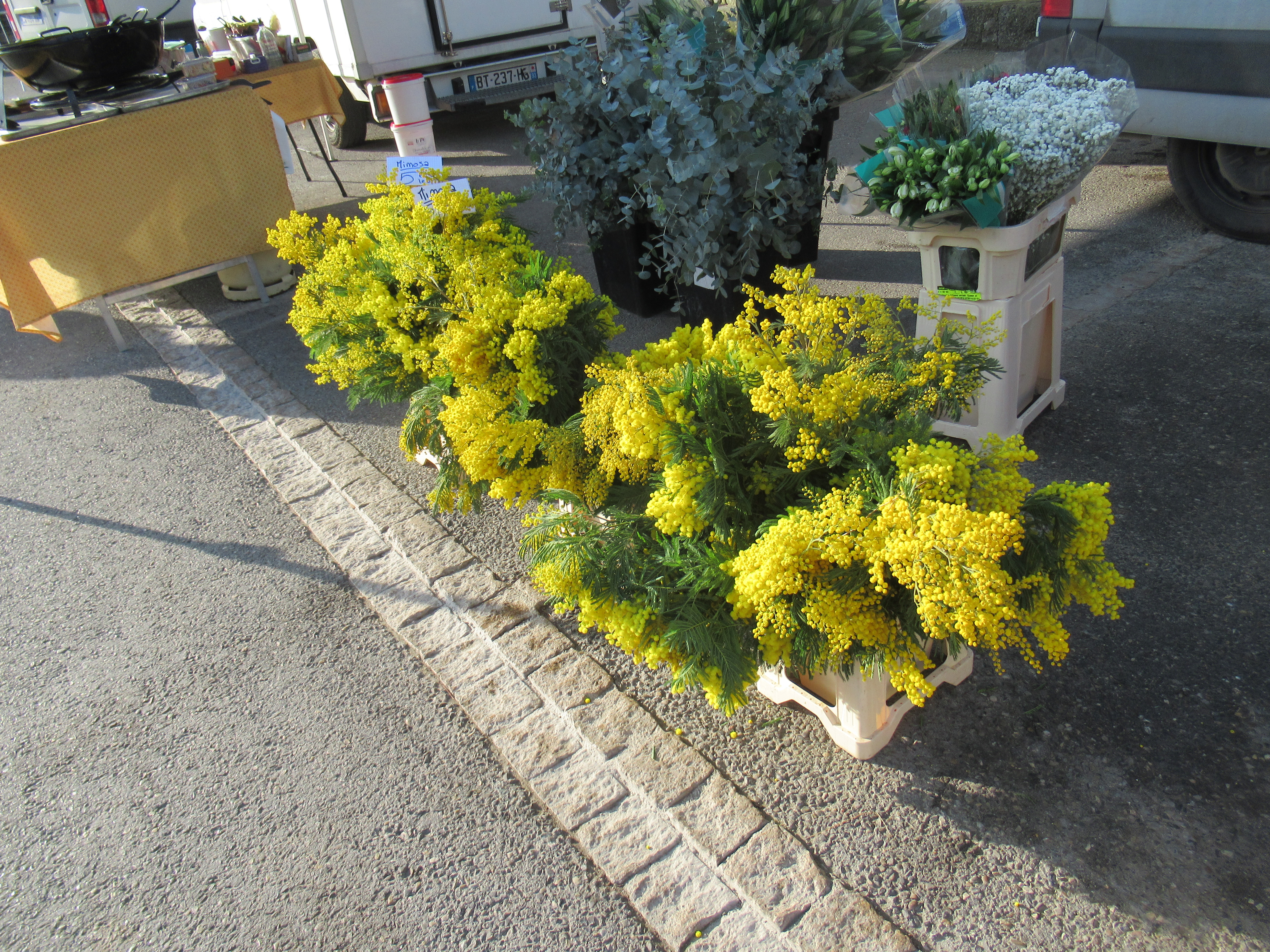
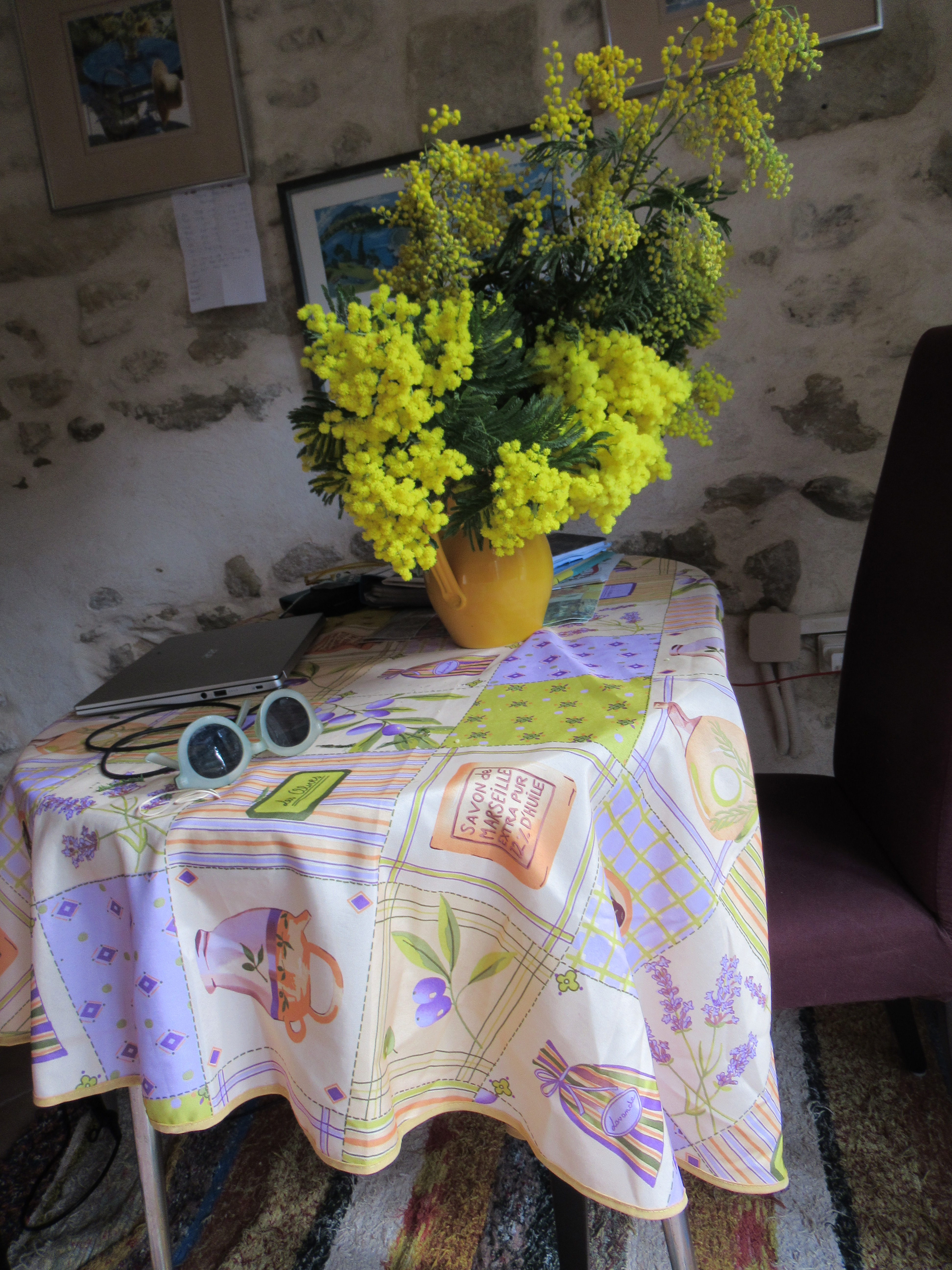
It’s Friday and I’ve come because it’s market day and this is one of my favourite markets in the summer. However, this being the beginning of February, the market is tiny. But – this being February, there is mimosa. The first time I saw mimosa growing in Provence as I was driving along, fourteen years ago, I screeched to a halt. It’s just the most wonderful thing to come unexpectedly across a bush of sunshine. Even the hardened locals are making a purchase today and I buy a couple of bunches for myself and my host.

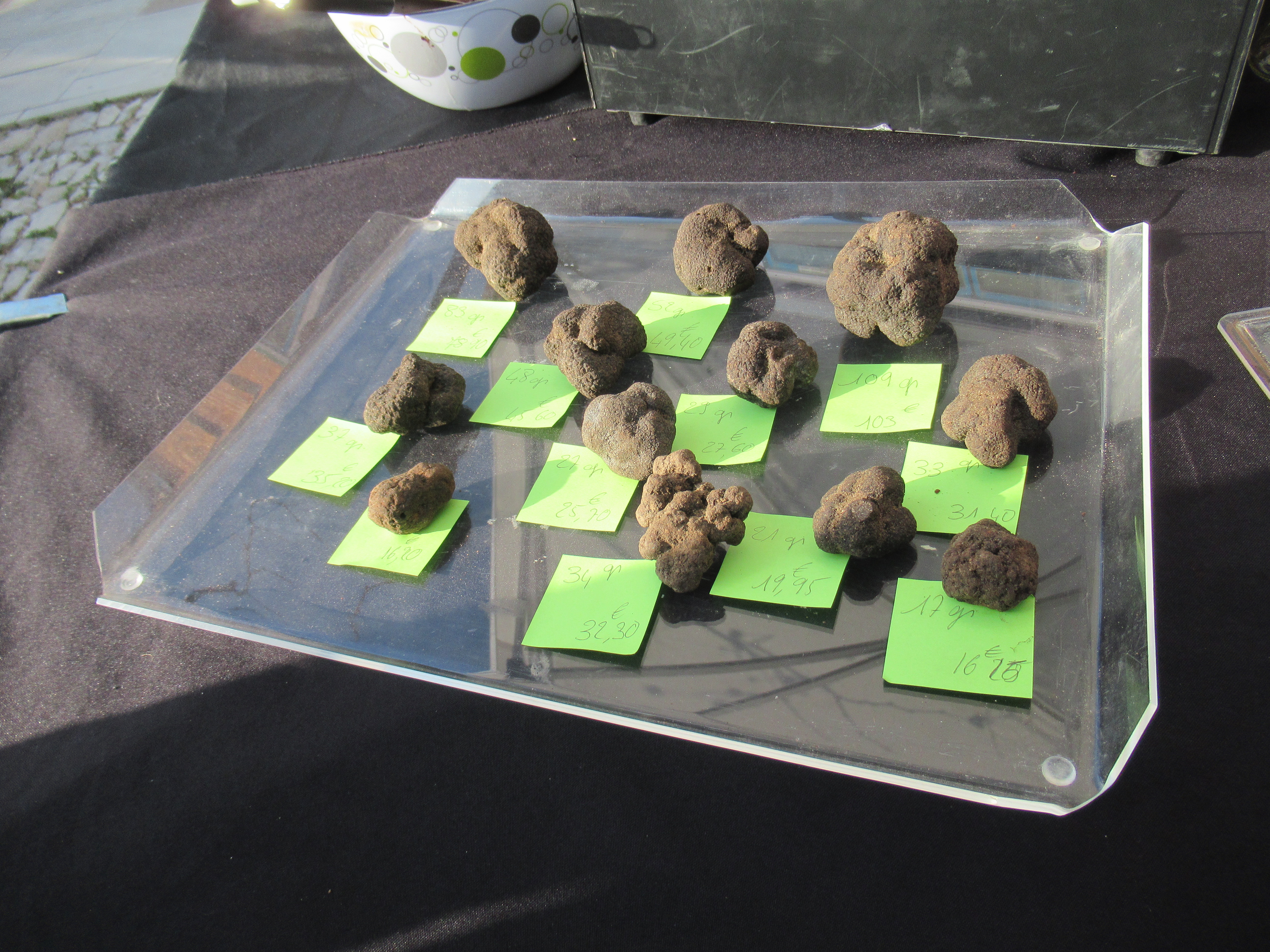
And there are truffles. I’m not about to make a purchase on this stall as I wouldn’t know how to make good use of them. Monsieur and I have a conversation about possibilities and even though he’s aware it’s a non-starter, he still proudly removes the cover so I can take a snap.

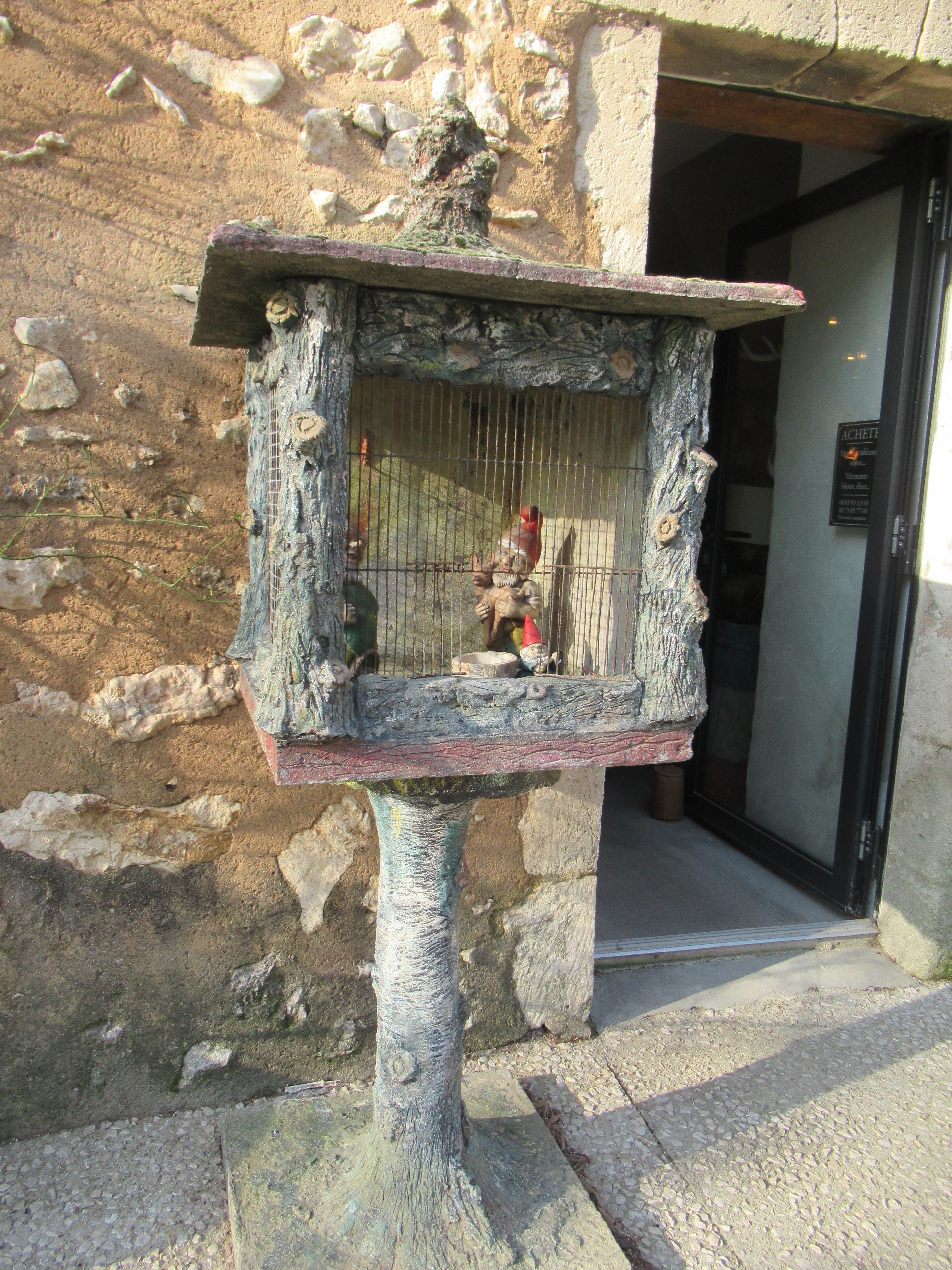
One of the little boutiques here has some of those old black and white photos of days passed in the window. Apart from the clothes the locals sport, it’s difficult to see any difference in the place but it’s now a home to some of the super rich. It’s alleged that Hugh Grant lives here and that both Sarkozy and Brad Pitt were turned away. Who knows, but the second hand shop is charging so much money that the price of this weird piece was negotiable. A small, rusty bird cage that might fetch a tenner at home was being offered for 280 euro!

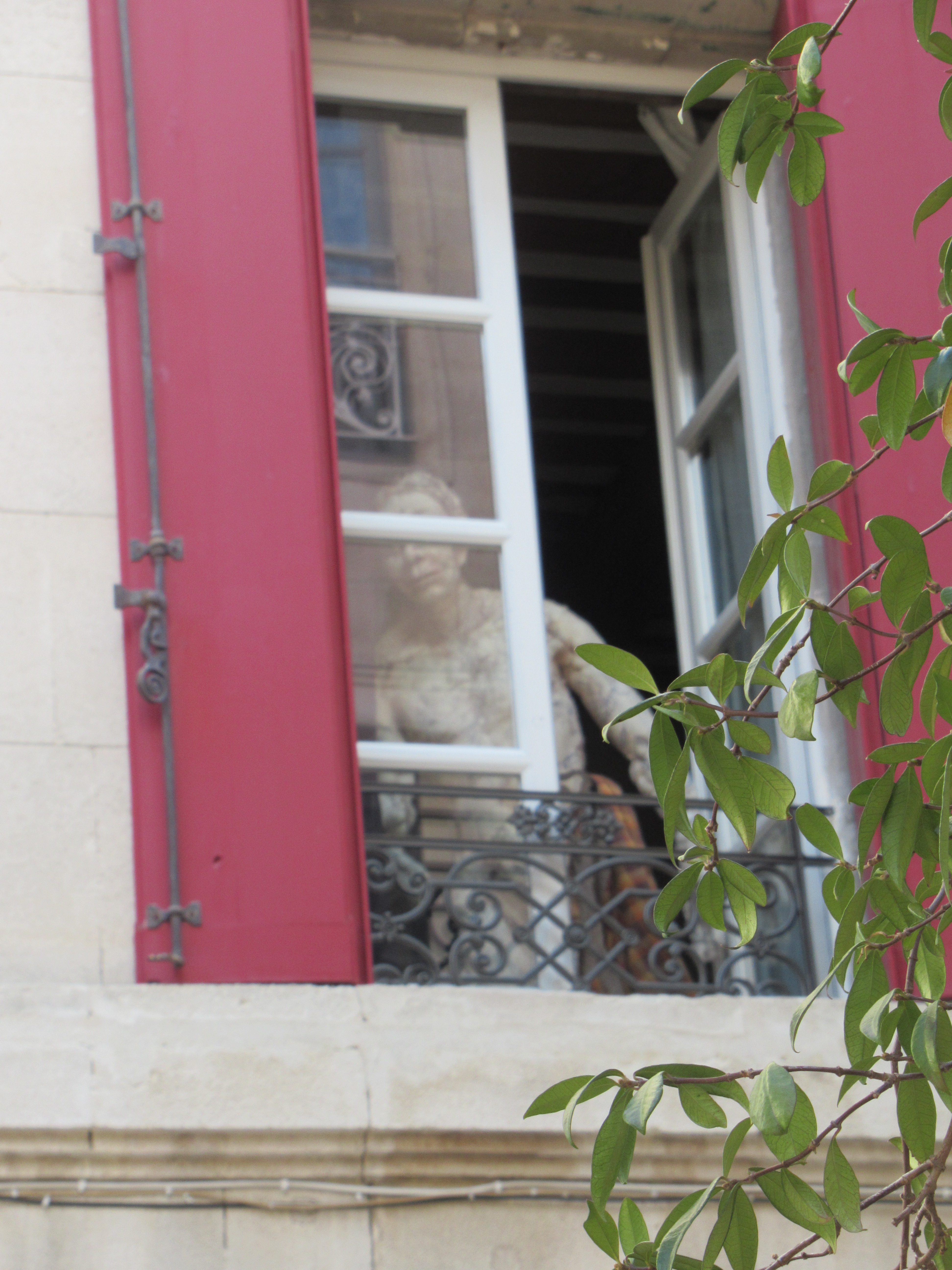
And what’s occurring here?

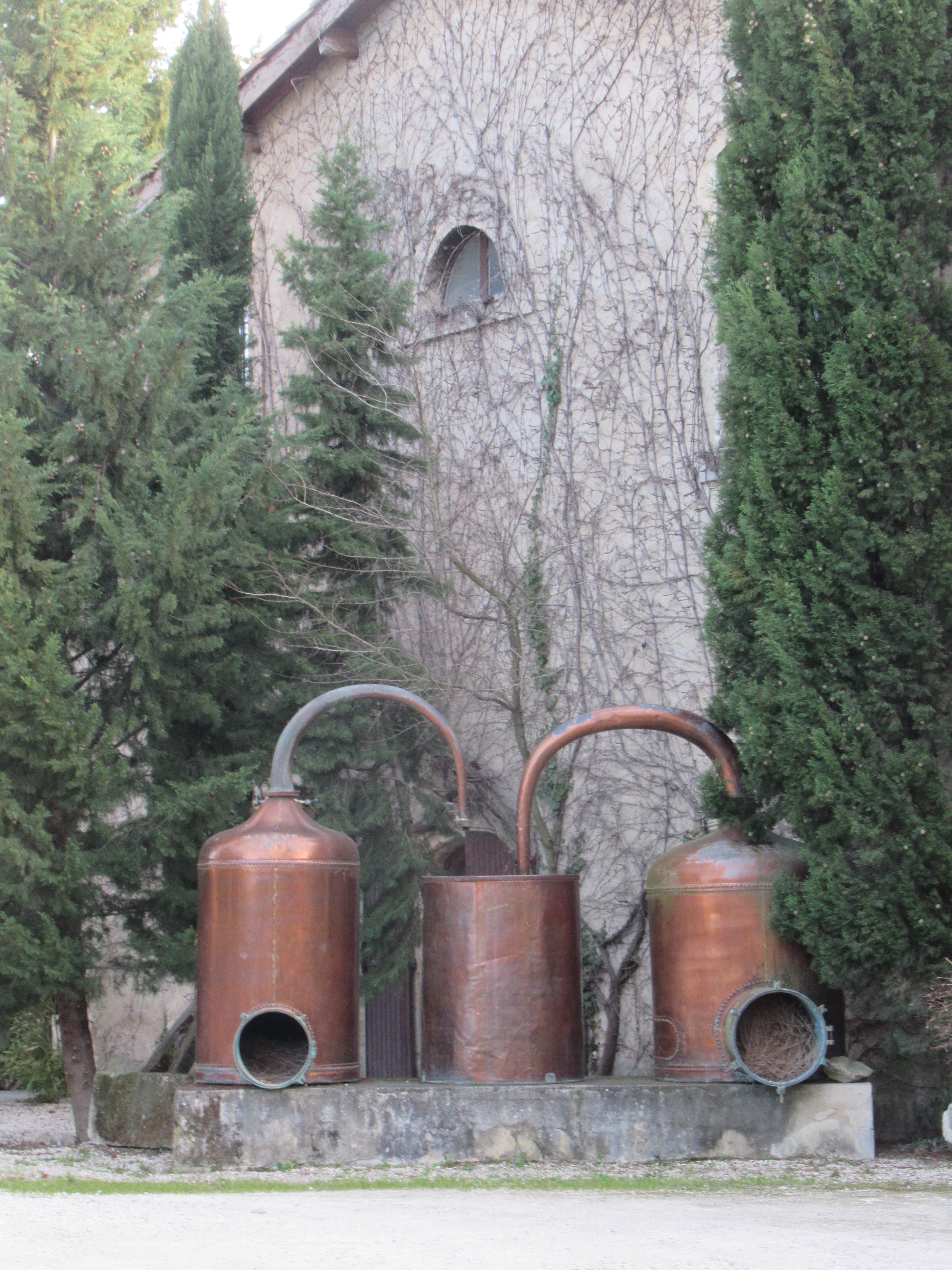
Later, I visit the local perfume museum with a view to making a purchase or two. I always buy some violet eau de toilette there, even though the folk are sullen and no-one else I know likes the joint. Well, I’m not going again. I don’t know if it’s something to do with the pandemic, but they’ve stopped making perfume. They only have something called Eau de Provence which smells like insect repellent.

Who cares – I still have the mimosa to come home to.

Second Day

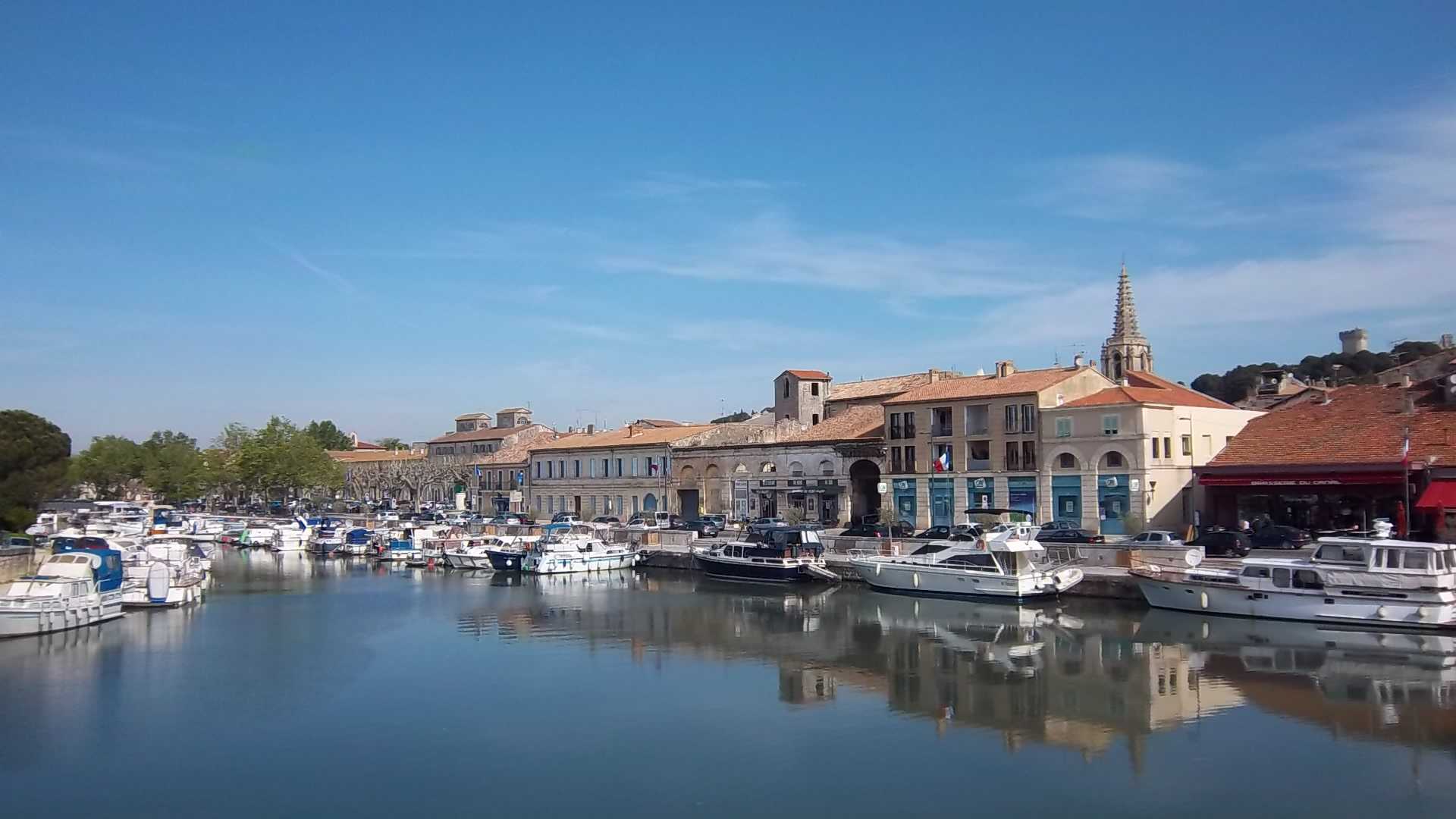
Here’s a photo (taken by Patrick Huet) of the canal at Beaucaire, and not of the public swimming pool in said town where my friend Eleanor had taken me for the first swim of this holiday. Below our outerwear, we were dressed in bathers ready to commence the shedding of a few pounds but there was bad news: the pool is shut until next Monday. This meant that we were forced to sit somewhere to the right of the photo and eat a most excellent lunch. Further, the wind had died and the temperature had reached the giddy heights of 17C, thus coercing us into dining al fresco. As I say, it was all dreadfully disappointing although I manged to shove down the plat du jour which comprised veal cooked in a cream and garlic sauce with assorted veg alongside a slice of focaccia coated in minced something or other. Shocking.

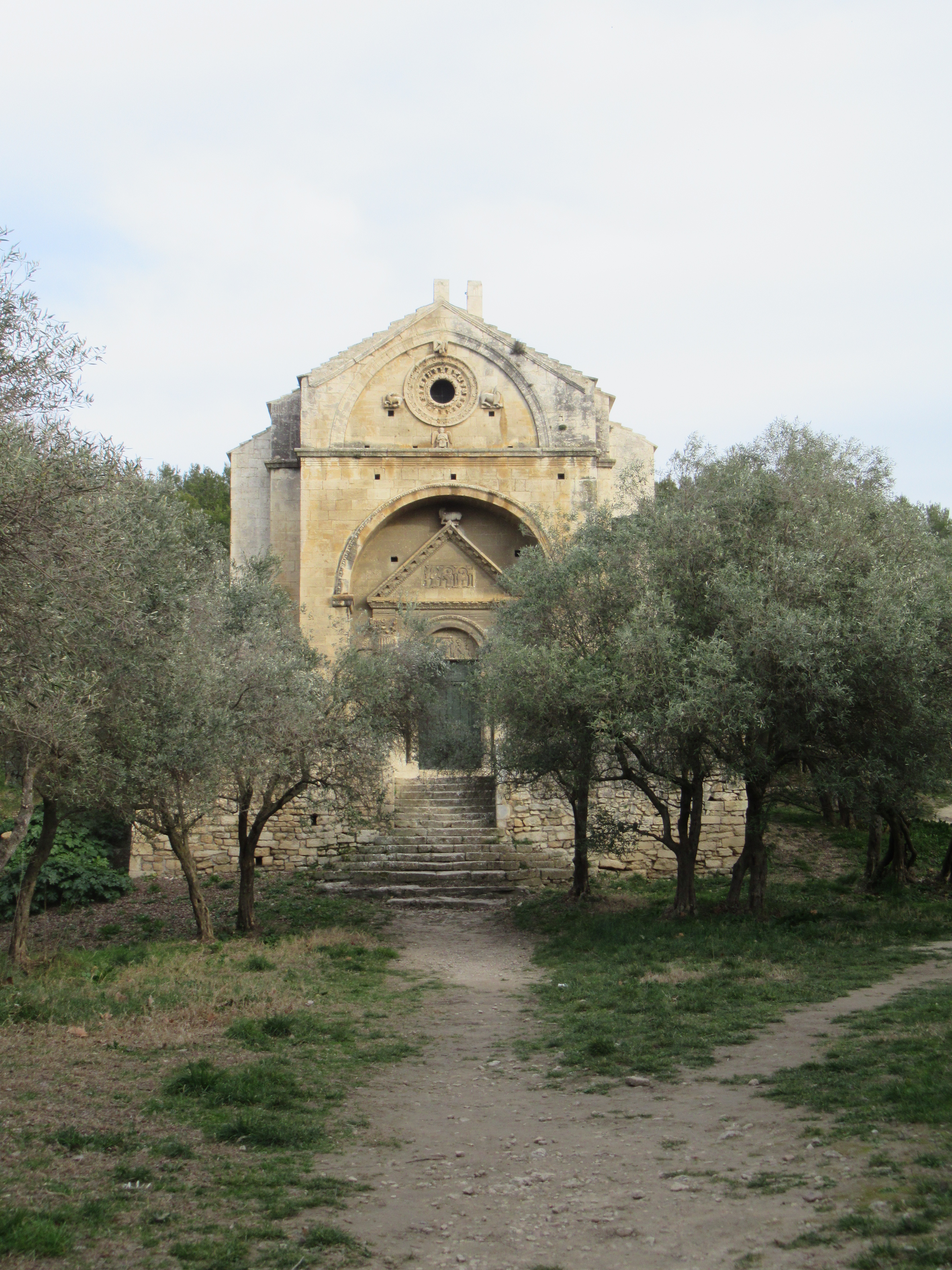
Wanting to make the most of the late afternoon, but with energy sapping, I visited what is possibly my favourite place in these parts – St Gabriel’s Chapel. I’ve been many times and written quite a lot about it over the years but if you’re new to it, here’s a brief potted history. The chapel was constructed around 1175, but for me, the most important thing is that it was built on the site of an earlier chapel dedicated to St Philippe in the seventh century. And before that, may have been the site of a school for women established by Martha, sister of Lazarus.

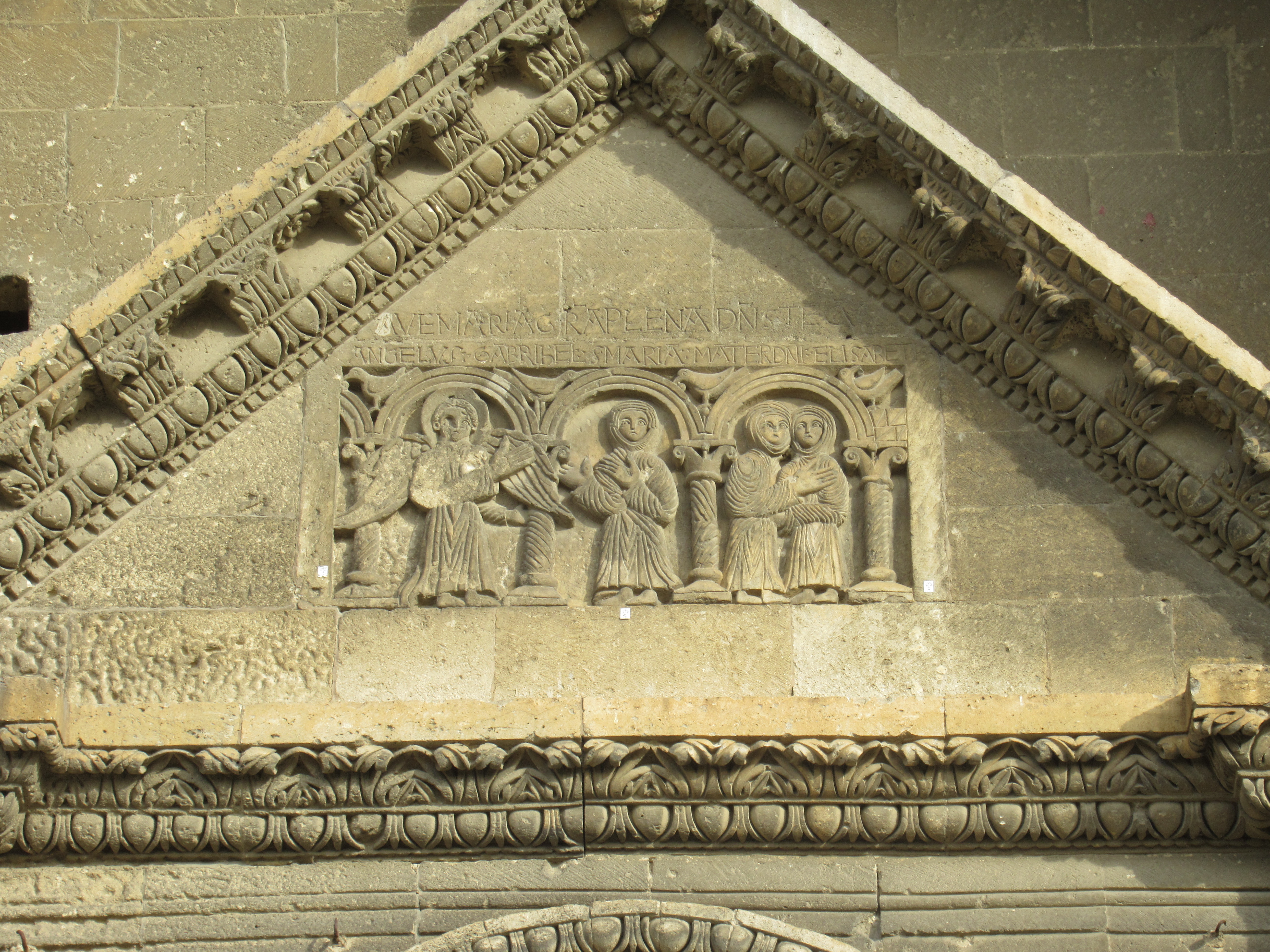
Here’s one of the external friezes which shows Archangel Gabriel making his annunciation to Elizabeth, mother of John the Baptist, and to the unsuspecting Mary, who henceforth had some tough explaining to take care of. I once turned up when the local ‘friends of Gabriel’ were holding an information event. Subsequently, they told me I knew more than they did and I should write the guide book. I’m not blowing my own annunciating trumpet – it’s just I have a huge interest in the women (including Martha & Mary Magdalene) who allegedly arrived down on the coast a few miles away.

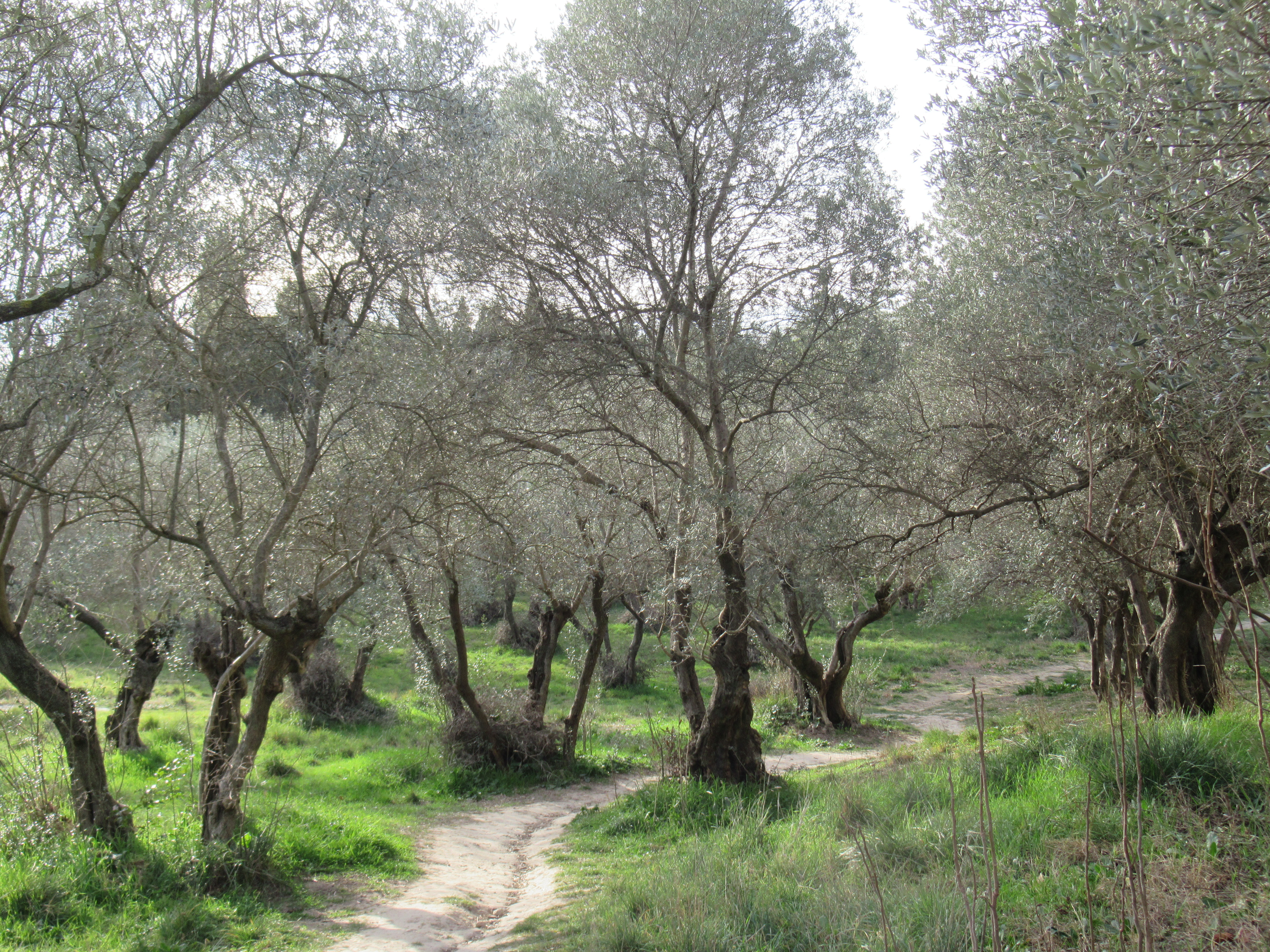
And here’s the beautiful, and very very old olive grove (hundreds of years) in which the chapel sits. The French have a word – ambience – which they use in a way that doesn’t easily translate. It could mean atmosphere, but it could just as easily be used to describe a social occasion. Anyway, here is ambience.

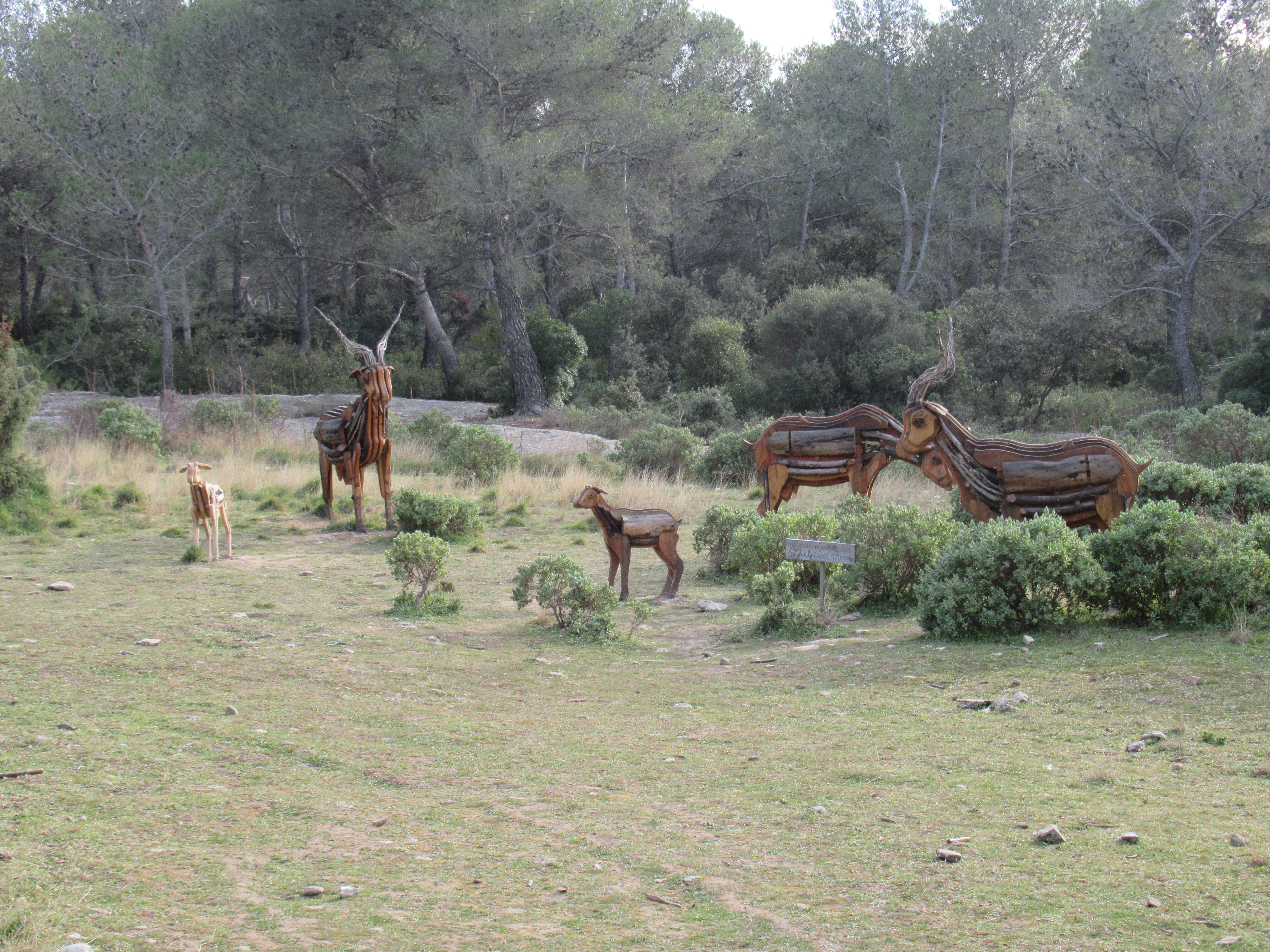
On the other hand, the medieval (late fourteenth century) towers on the hill behind the chapel are anything but pleasing or atmospheric. In fact, I don’t generally venture up here alone because I don’t like the feel of the place. Unlike below, birdsong is conspicuous by its absence and sitting on a wooden bench, I feel as if I should look behind me for bears or wolves. And what are those?

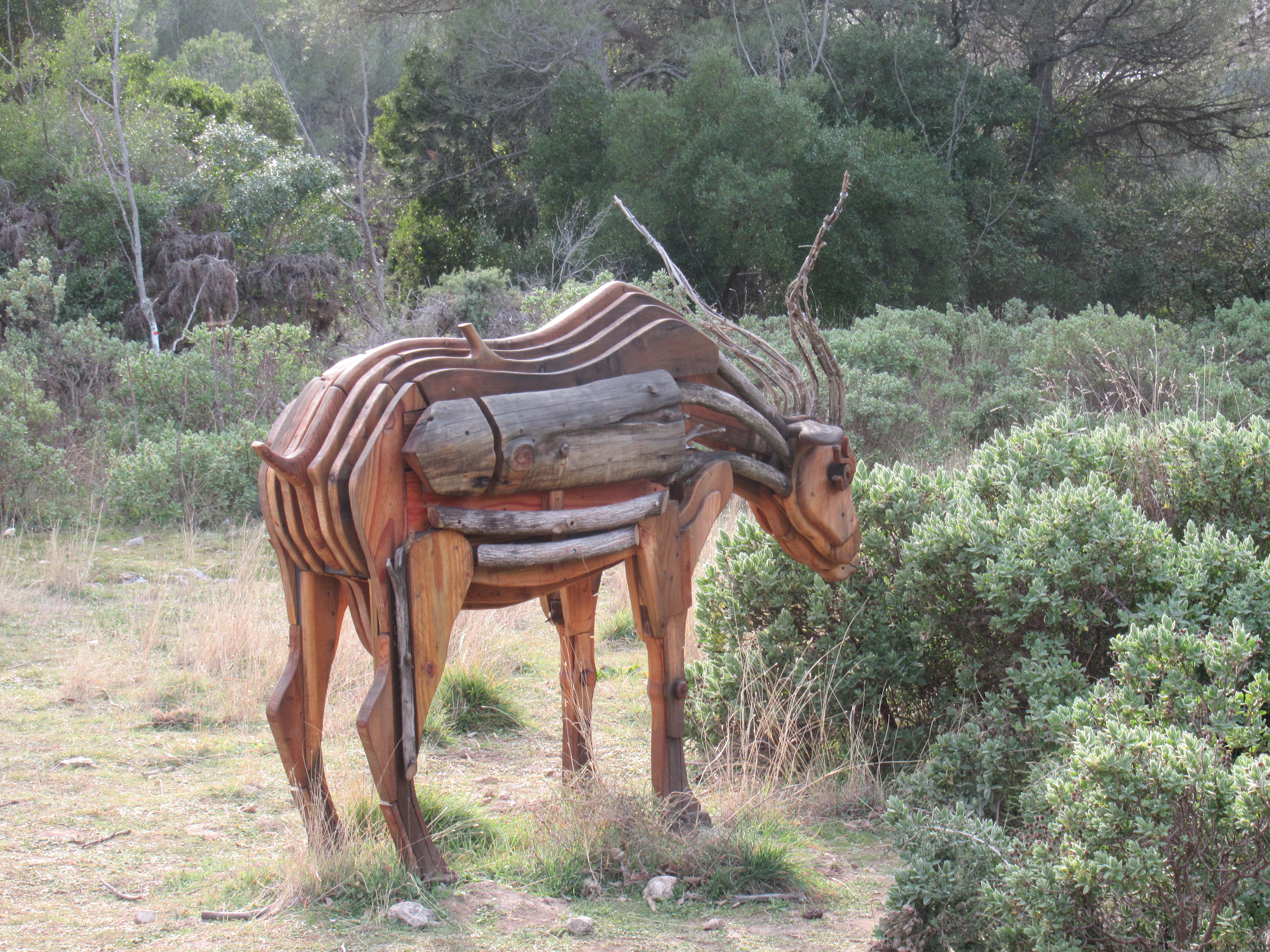
Here are totally unexpected, but rather pleasing wooden sculptures that someone has placed in the landscape. Once, many years ago, I came here to find hammocks full of olive oil that another artist had strung between the olive trees. The oil shimmered in the sunlight and was quite lovely. I like these guys though.

On the first day

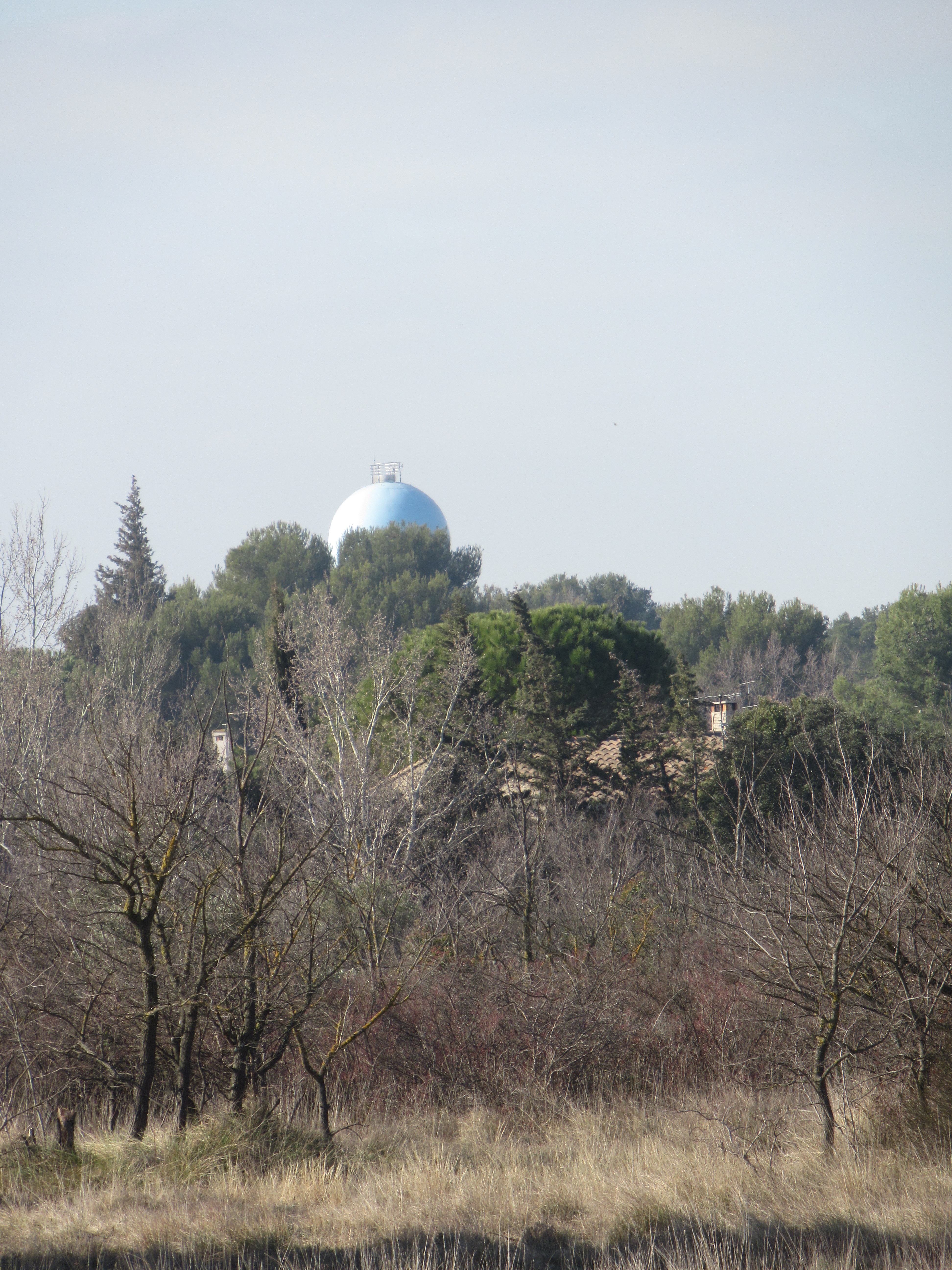
After more than two years away, it’s time to get back in touch with the locale. This is the immediate view outside my front door – beautiful blue skies and sunshine but oh so cold. Allegedly, it’s 14C but the ongoing mistral adds a piercing chill factor.

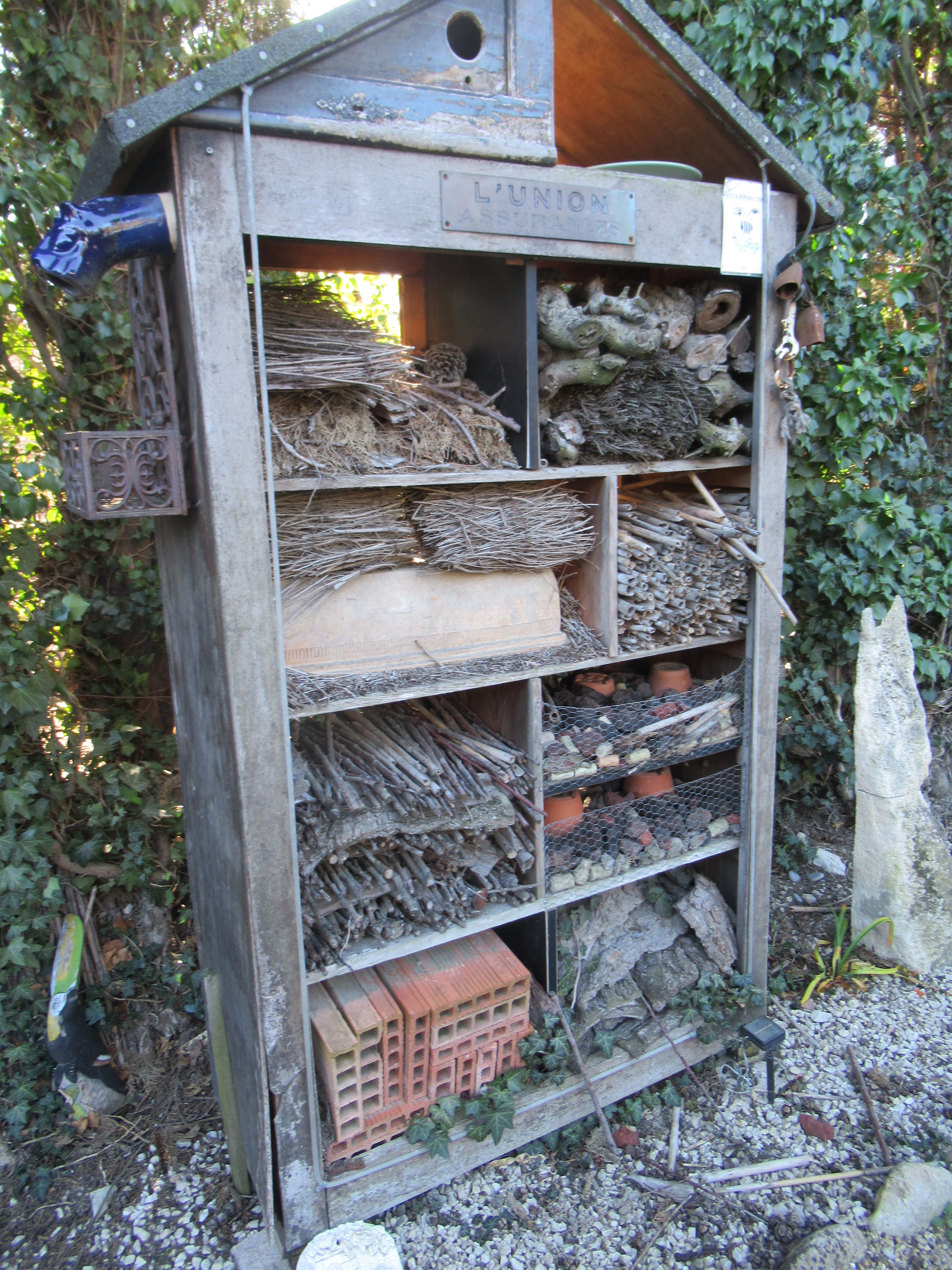
Someone who’s also left home whilst renovations take place is staying in Le Cabanon – my usual abode. I tiptoe past (although I don’t think he’s in) and come across the bug hotel.

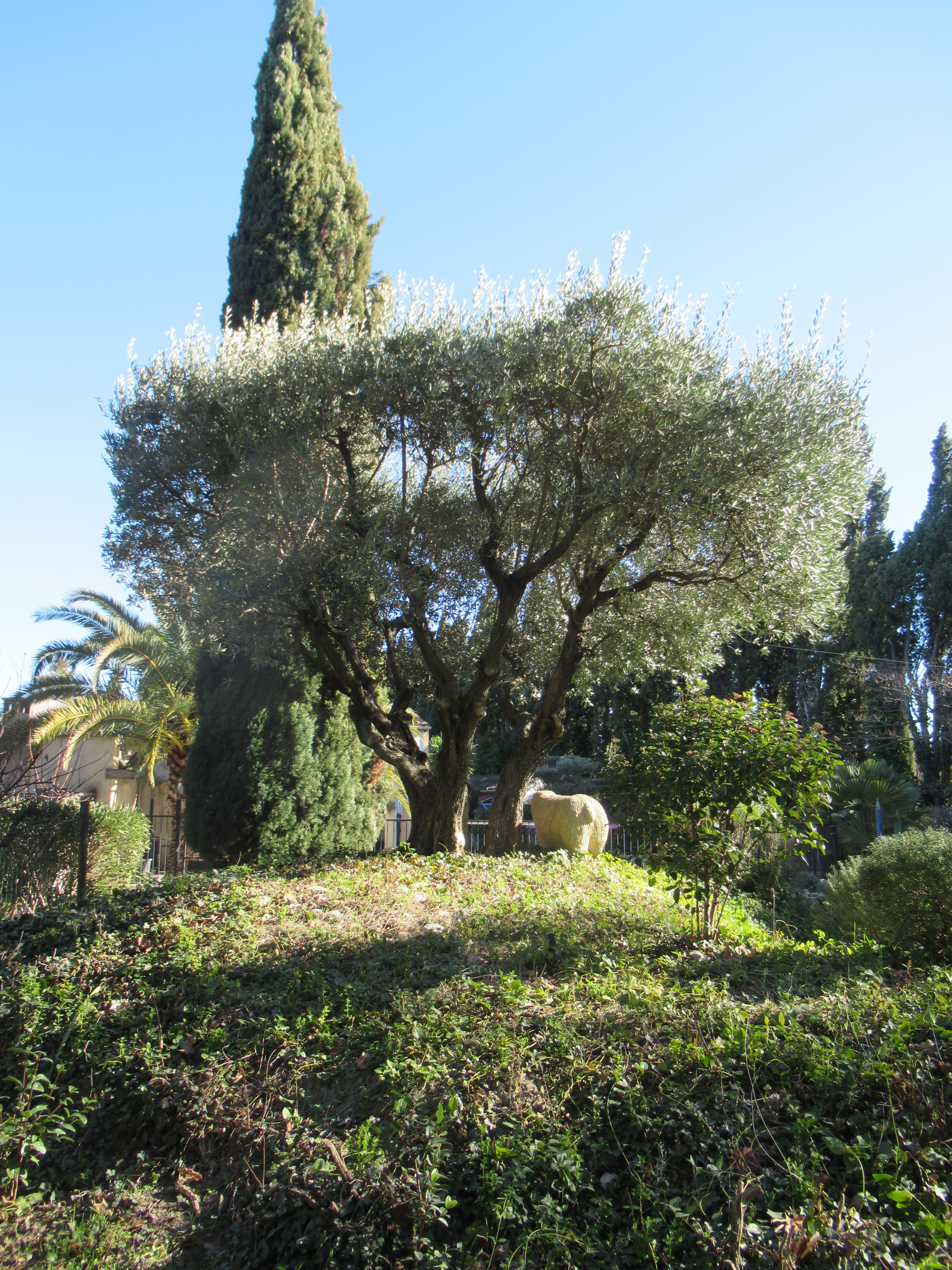
Here’s the current view behind the pool: a well-kept olive and cypress tree guarded by a familiar woolly backside.

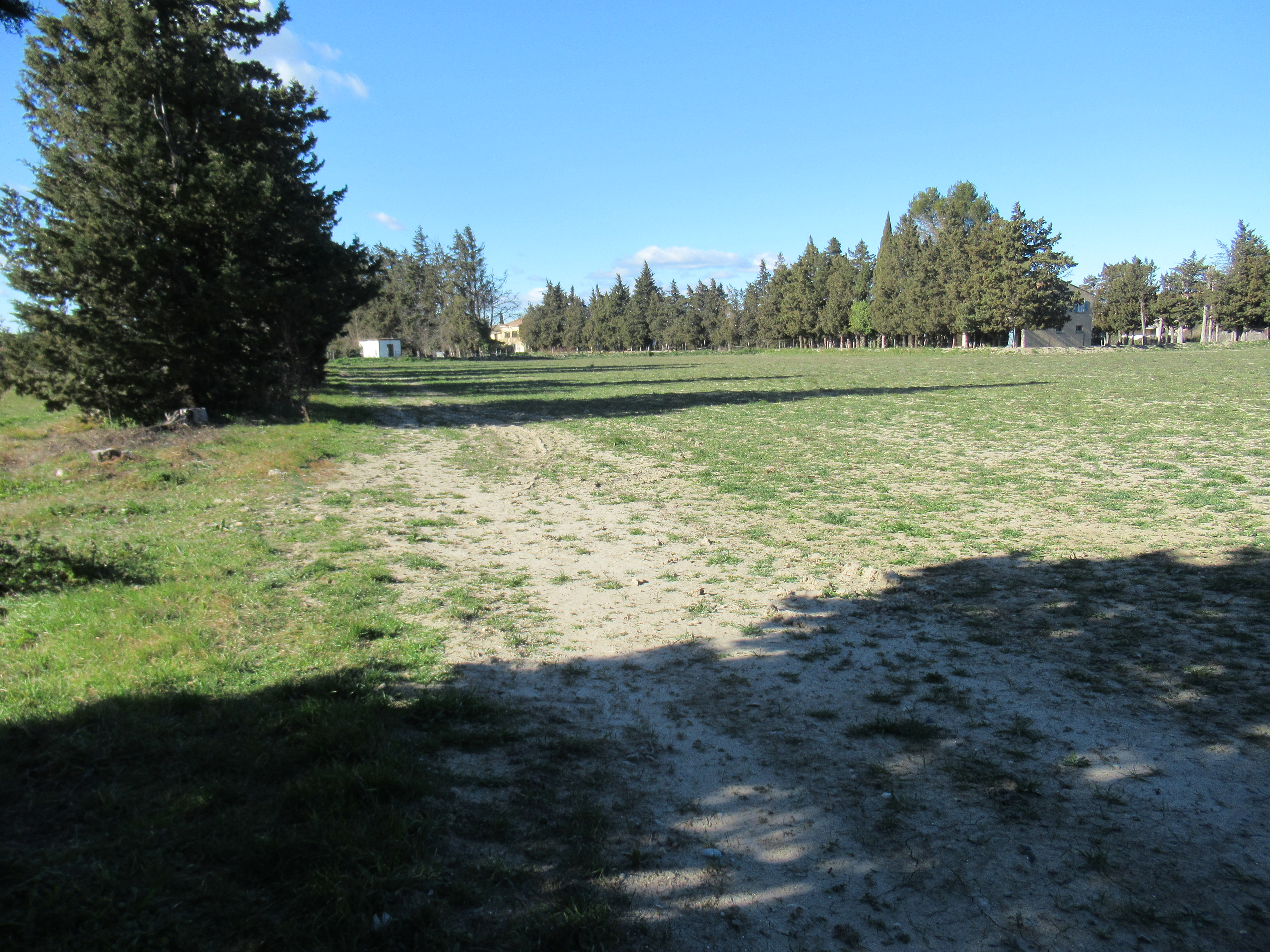
In the past, this field has been inhabited by horses but it’s empty today as I take the short cut, past the remains of the old windmill, to the village.

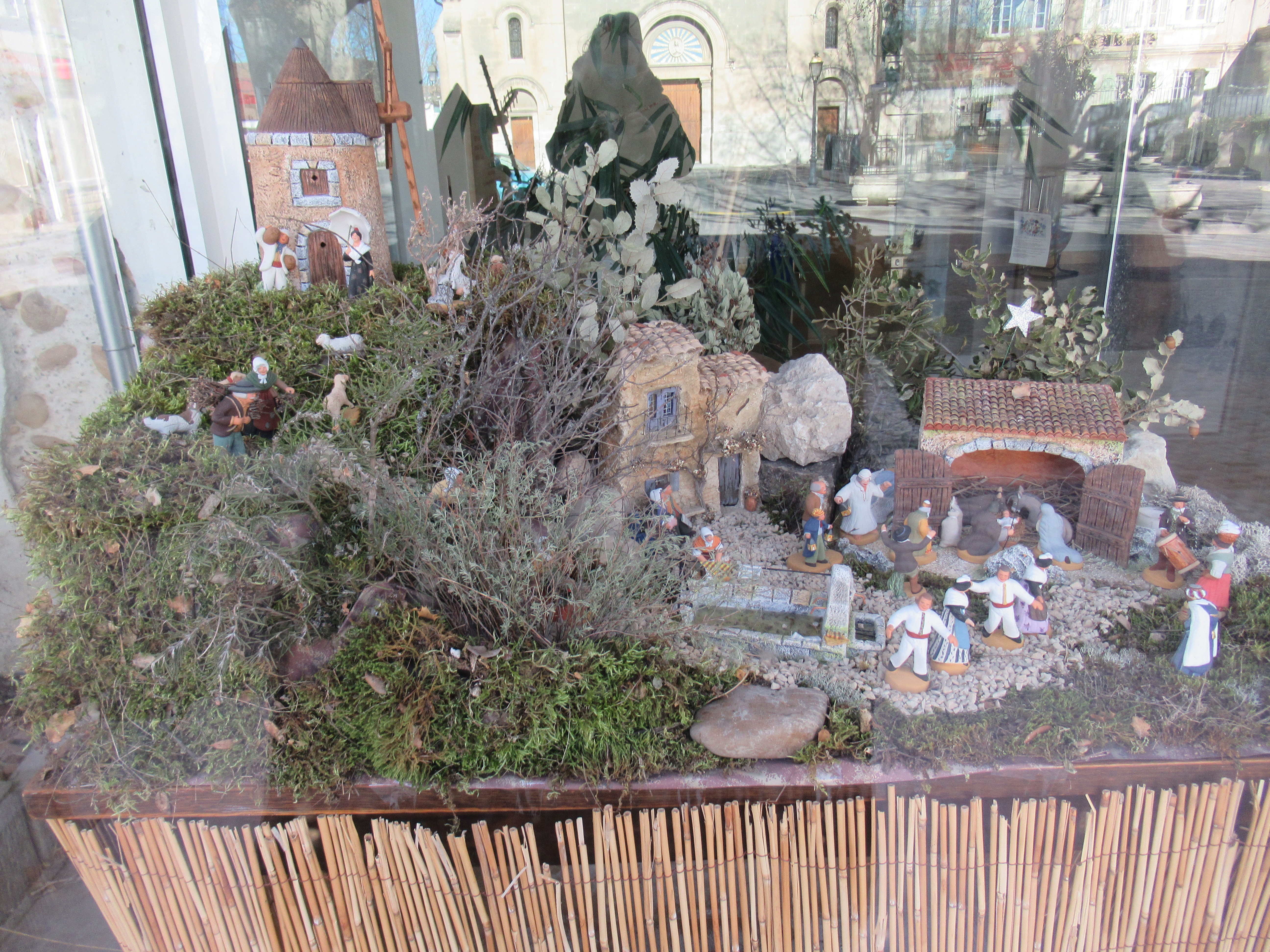
I visit the town hall (or equivalent) to locate the little journal which gives details of up and coming films at the Utopia cinema in Avignon. (Films are shown in the language in which they were made, so you can see English, American or Australian films for example). I spot this beautiful creche in the window – not a brilliant snap because I had to take it through glass and that black thing in the background that looks like Darth Vader is me. I love the French creches and I’ve struck lucky: I learned that this is the last day it’ll be on display because, in this tradition, the creche remains extant until 2 February to commemorate the day Christ entered the temple.

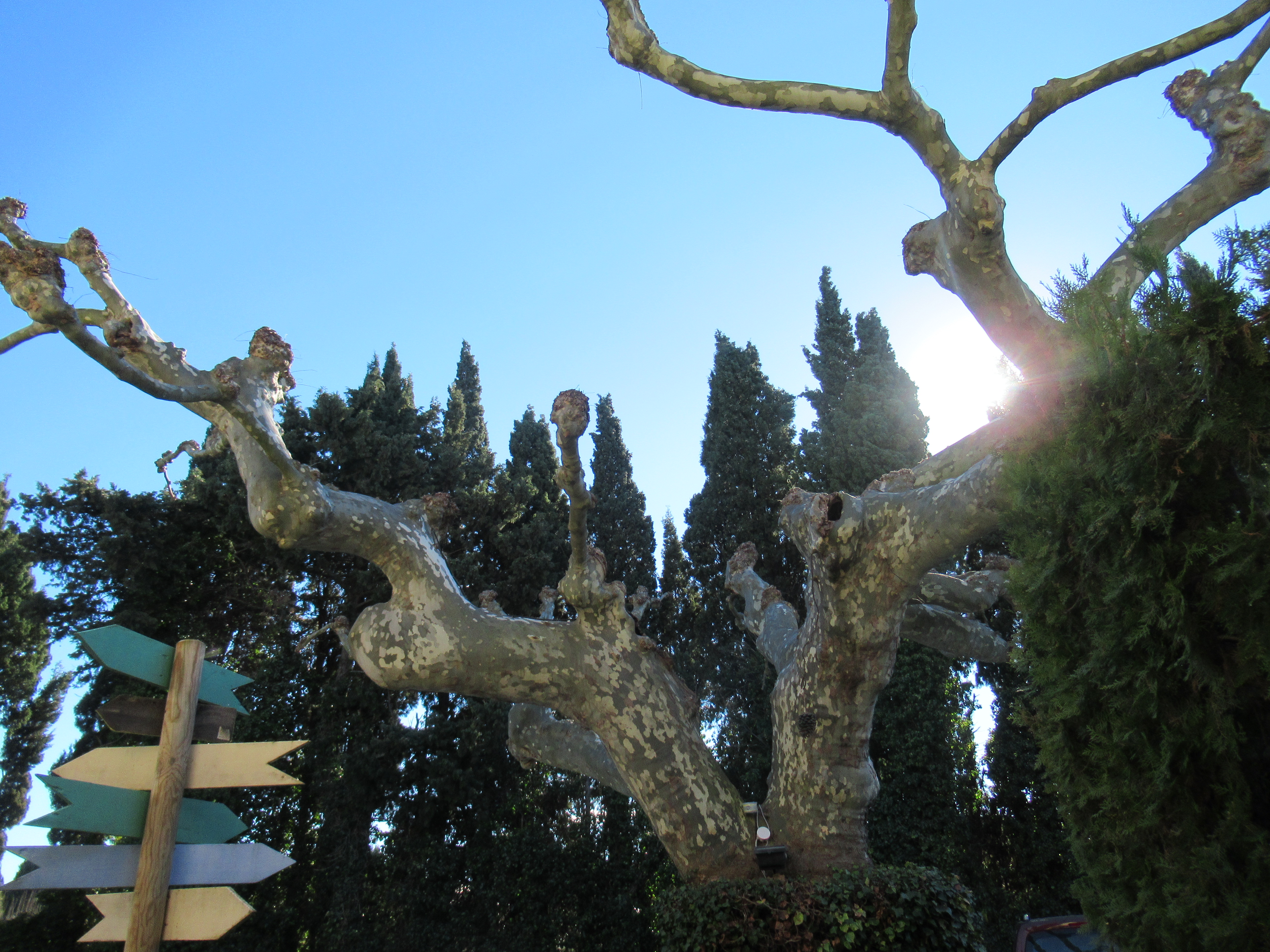
As with the one outside my door, many trees here have been pollarded, which is a means of pruning by trimming the crown. They look a little strange to the untrained eye but, by summer, they’ll be back in all their leaf-covered glory.

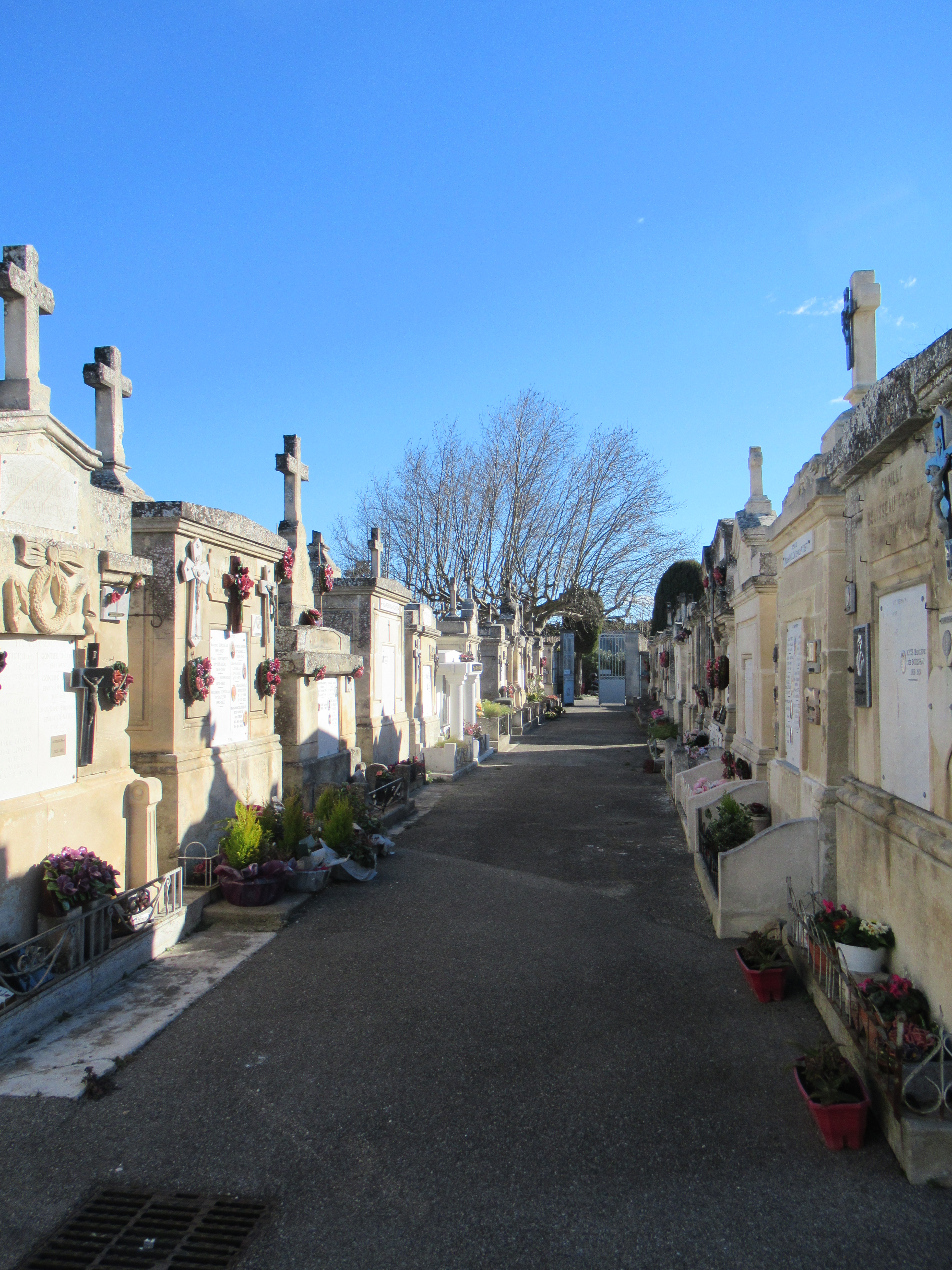
I spend a long time wandering around and manage a visit to the cemetery. If you’re interested in local social history, a French cemetery is an excellent place to hang out. The memorials all have photos and descriptions of whole families so you can discover who was in the Algerian war or whose relative was saved by a miracle at Lourdes – and these are just examples from a tiny unknown village. So lovely to be back.

Small worlds

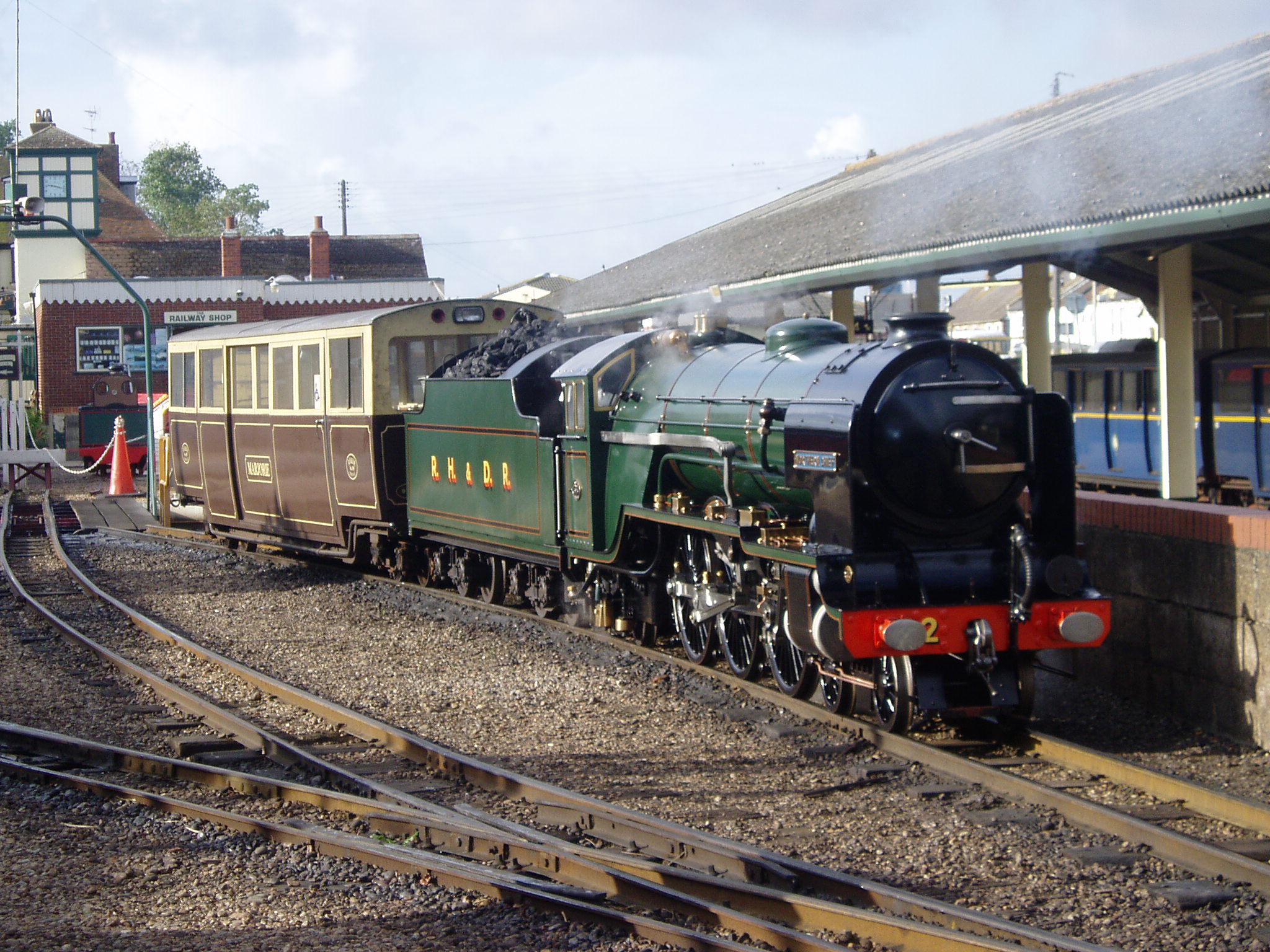
In an open carriage on the Romney, Hythe and Dymchurch light railway I meet a man who began life around the corner from my place of birth in Eastney. Whilst Worsley Street is still standing, Number One, far from bearing a distinguishing blue plaque to commemorate my entry into the world, has long since been demolished. Very probably, the associated infamy was too much for Portsmouth to carry for this was the abode where, during advanced stages of pregnancy, my mother was subject to the unwanted attentions of a monkey that had escaped from a local hostelry, The Eastney Tavern. The story of my father returning home from his job at Brickwoods’ brewery one evening, only to find a flash mob outside his house who had gathered to watch the acrobatics of said primate on the wire that held the net curtains in place, is well known. The part we keep secret is the bit where the monkey, prior to discovering an audience, had bitten mum. It’s a hidden narrative because those who’ve read Mary Webb’s Precious Bane know only too well what might happen to women with child who engage with a wild animal.

Originally, on boarding the train, I’d sat in a rather comfortable bucket seat. There were two of these, behind which was a little leather covered raised bench for small people: ideal for dripping ice cream down the back of the necks of unaware parents. However, on overhearing a worried conversation in the next carriage, concerning which way the train might leave on departure, I changed tack in order to be facing forwards. Meanwhile, Colin and Joan had been evicted from their covered compartment due to the advance booking of a forward-thinking party. Thus, they found their way into the now backward-facing buckets in my carriage. It didn’t take long to establish Colin’s provenance and our joy in finding each other. We shared stories of old Eastney. Mine were rather limited as I left when I was two years old but no matter: I was only able to fill in the context of dad’s stay at the nearby Royal Marine barracks, but Colin and Joan knew of the service road behind Handley’s department store on Palmerston Road where we subsequently resided in a flat over Brickwoods’ social club.

As we traversed the barren wilderness from the station at Dungeness, which, in its surreal bareness, is only superseded in desolation by the Parkdean caravan camp at Camber Sands, we waved a cheery farewell to the power station and exchanged life stories. On the part of Colin and Joan, this was hastened by the fact that they’d hardly spoken with anyone since the onset of the pandemic. On my part, it was because I am extraordinarily nosey. Immersed in the lives of others, which are always extraordinary in their self-perceived ordinariness, I missed most of the scenery. Nonetheless, I did look out of the unglazed window at St Mary’s Bay at a moment sufficiently opportune to notice that a crowd of folk in the back garden of a seaside bungalow were taking tea al fresco around an exact miniature copy of the railway, except theirs had plastic flamingos.

Sadly, Colin and Joan disembarked at New Romney and I was sorry to lose my new friends. I was even sorrier when two women, who clearly had no desire to engage with a lone wanderer, took their place. I tried but I could tell they had little interest in anything other than themselves. Such is life. Some folk like to talk and others don’t. It gave me time to look at the passing scenery which included a fine vista of a castle on the hill; (Ed Sheeran might consider that as a song title). I asked the woman opposite if she knew what it was. ‘It’s where I live’, she replied. Might’ve been funny from someone else.

OLYMPUS DIGITAL CAMERA