On the way to the garden

peggydoddHere’s Brierley House in Bath. I’ve never been there but many of the folk I meet today know it well. Here’s the rub with this canal business: when I go to work, I pretty much know who I’m going to be dealing with during the course of the day, but it’s a different kettle of fish with volunteering.

The weather doesn’t help. It clearly hasn’t bothered to look at the forecast or, if it has, it’s decided to be non-committal. I dress in an optimistic summer top but stuff a jumper in the rucksack just in case. As the up-too-early car grumbles up Spread Eagle Hill, the mist descends before evolving into a thick fog which doesn’t lift until Warminster; a place which should, in any case, be permanently shrouded in cloud. At a quarter to nine, a woman in the BP garage at Longbridge Deverill tells me that, if it’s like Friday, it will be a nice day by 3pm. Life in Longbridge Deverill must be meteorologically resolute: years ago, I stopped at The George when it was proper hostelry. An ancient being, propping himself up against the pub wall, told me that after the war, people had said, ‘what we need now is a drop of rain and it hasn’t bloody stopped since’.

By the time I reach Bradford on Avon, I’ve made the first decision of the day: put on the jumper. I know who my fellow crew members will be. I volunteered for this outing on the basis of this information. I also know that it’s a private charter to the Avoncliff Aqueduct and back but I don’t know who’s hired the boat. It could be anyone with the correct amount of money: last time it was the Trefoil Society but it could just as well be a hen party. It’s thirty five people from Brierley House.
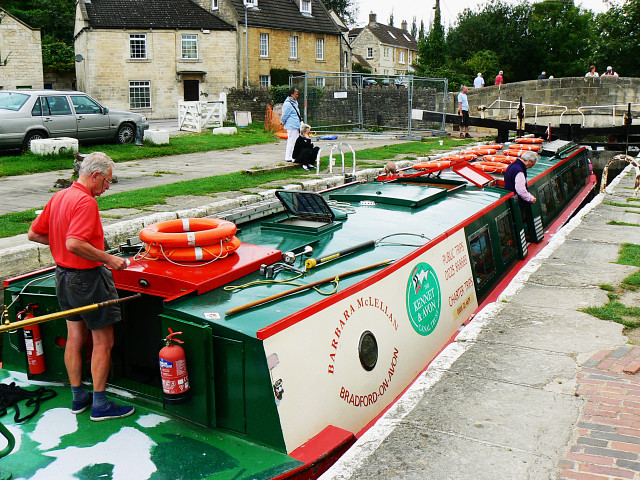
doddsBrierley House is the HQ of the Peggy Dodd centre – a charity supporting those who care for relatives with memory loss at home. Embarking the Barbara McLellan this morning are staff, volunteers, carers and those experiencing memory loss; which is a positive, if euphemistic way, of describing those with no way back from dementia. For a volunteer galley maid, hoping to get a few more boxes ticked in the book of hours, this means learning how to work the boat lift. And it’s not just mechanics: it’s how to persuade the acutely anxious to step onto the boat in the first place; how to persuade them to ‘cuddle’ their relatives during the descent of three feet; how, having accomplished this, to leave the lift and find a seat on the boat.

Those in charge had brought amazing looking home-made cakes. Those in the galley are non-stop on the tea & coffee front: who wants black? Who wants a tiny cup? Who wants this or that? In the day job, I work with people with learning differences and disabilities but all my objectivities and nods to political correctness depart as I engage with folk who know exactly how they want their hot drink but are terrified to stand and look out the window at life on the canal. These are smartly dressed people trapped in that evil state of recognisable loss of control. Reader, I make no apologies for being profoundly moved. And, of course, once back at the wharf, we have to go through everything in reverse in order to enable our new friends to gain landfall safely.
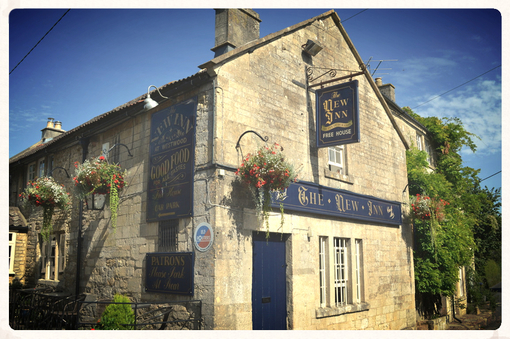
westwood_2460402662Journeying up a few remote country lanes, I draw up at The New Inn , Westwood for lunch. I’m considering sitting indoors as the weather has not improved but, once through the door, I change my mind. The first thing that catches my beady eye is a notice for a £100 High Gun event. I don’t even know what this means but, in terms of gender equality, I’m delighted to learn that there will be a ‘ladies’ shoot’ involving the option of the death of thirty birds. Well, thank goodness for that. The bar is lined with Labradors and the landed gentry. Edging my way round to an apparently unseen spot, in which I might order a bowl of watercress soup, I overhear a few snippets: ‘the John Deere covers the lawn in two hours’. Well would you expect less? ‘My grandfather was a Victorian farmer’, announces an extremely old being, gender undetermined, who I later spot staggering across the car-park. The soup was delicious  but I’m not recommending them as they charged me £5 despite having no bread.

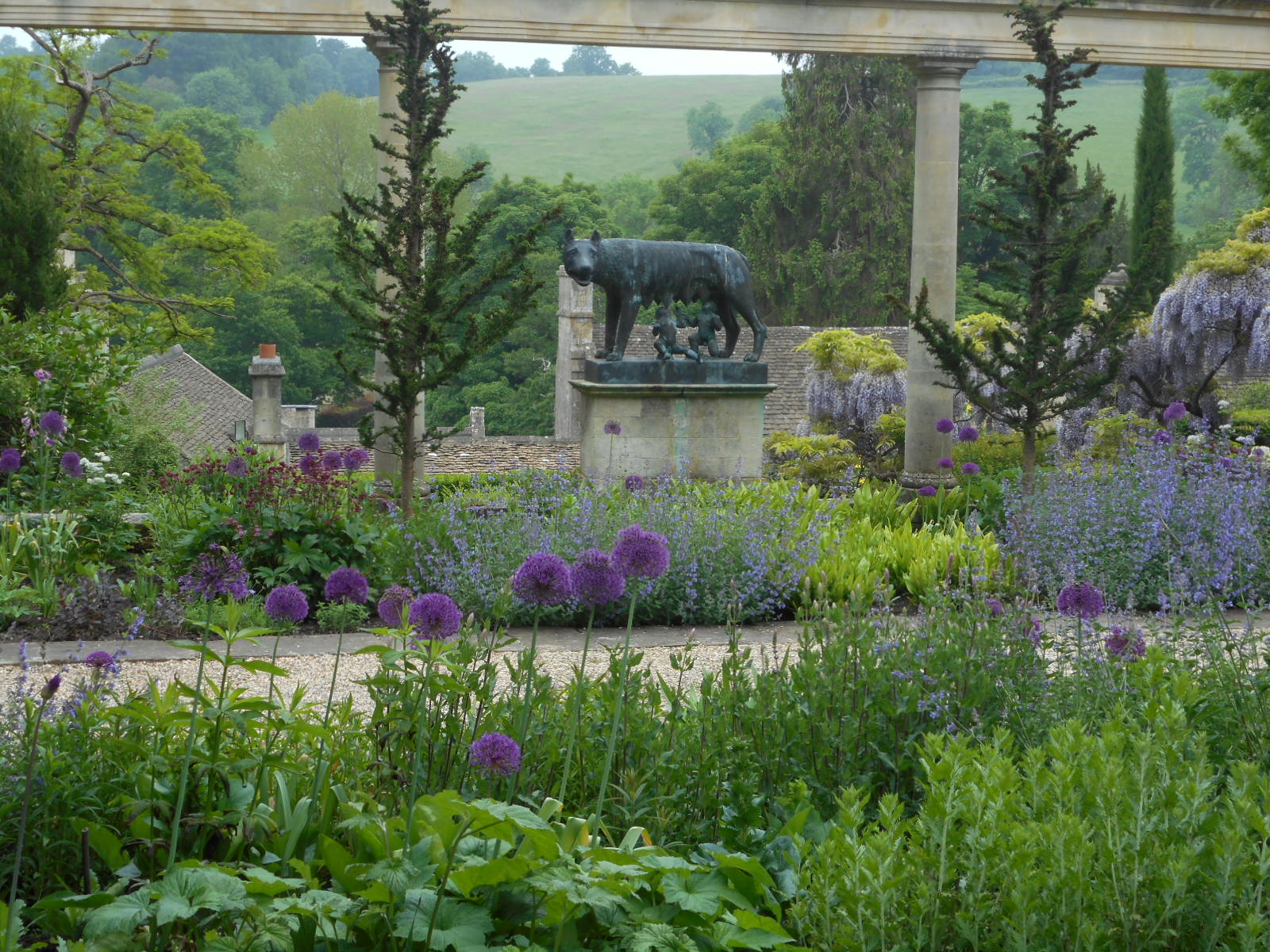
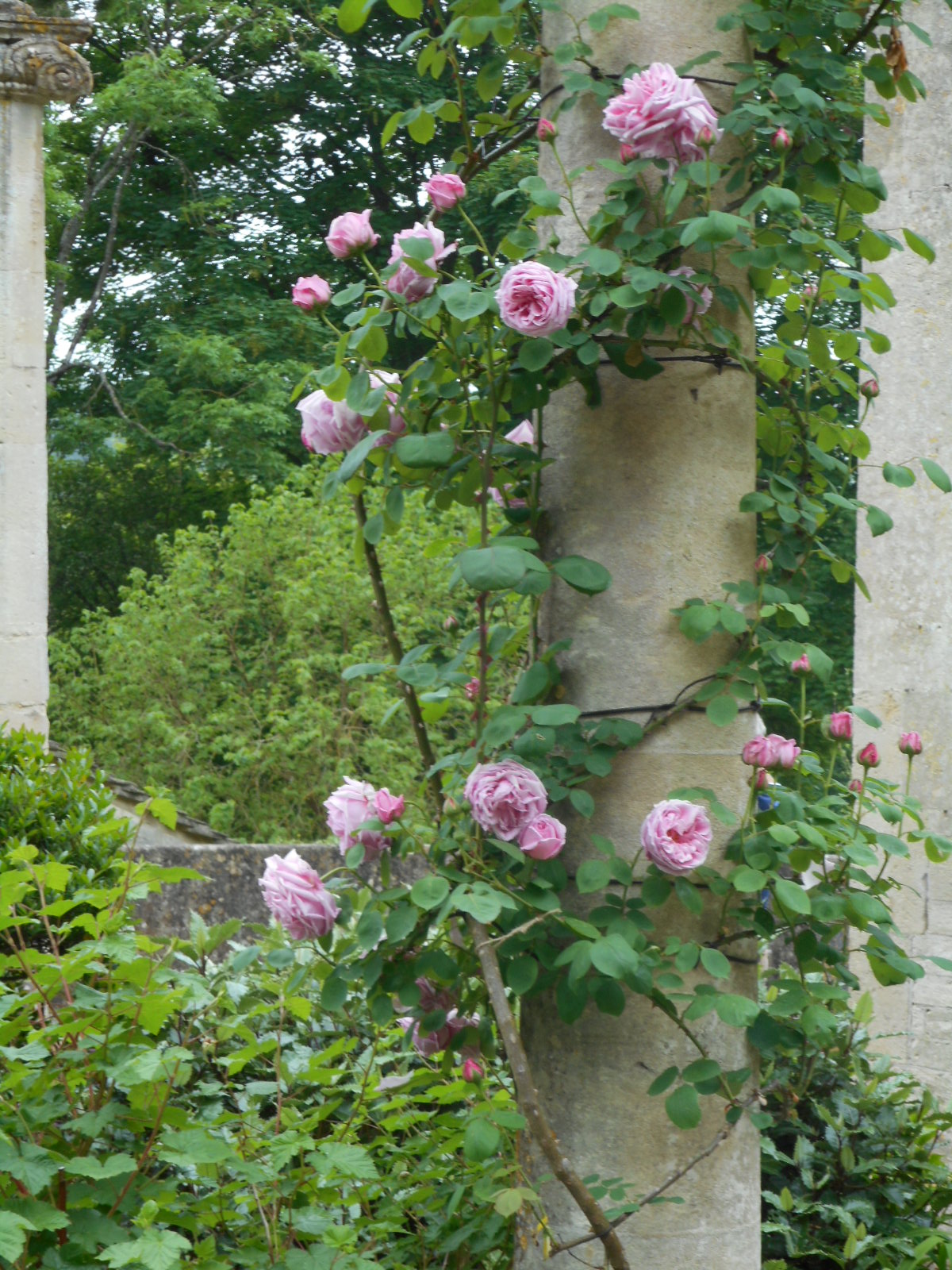
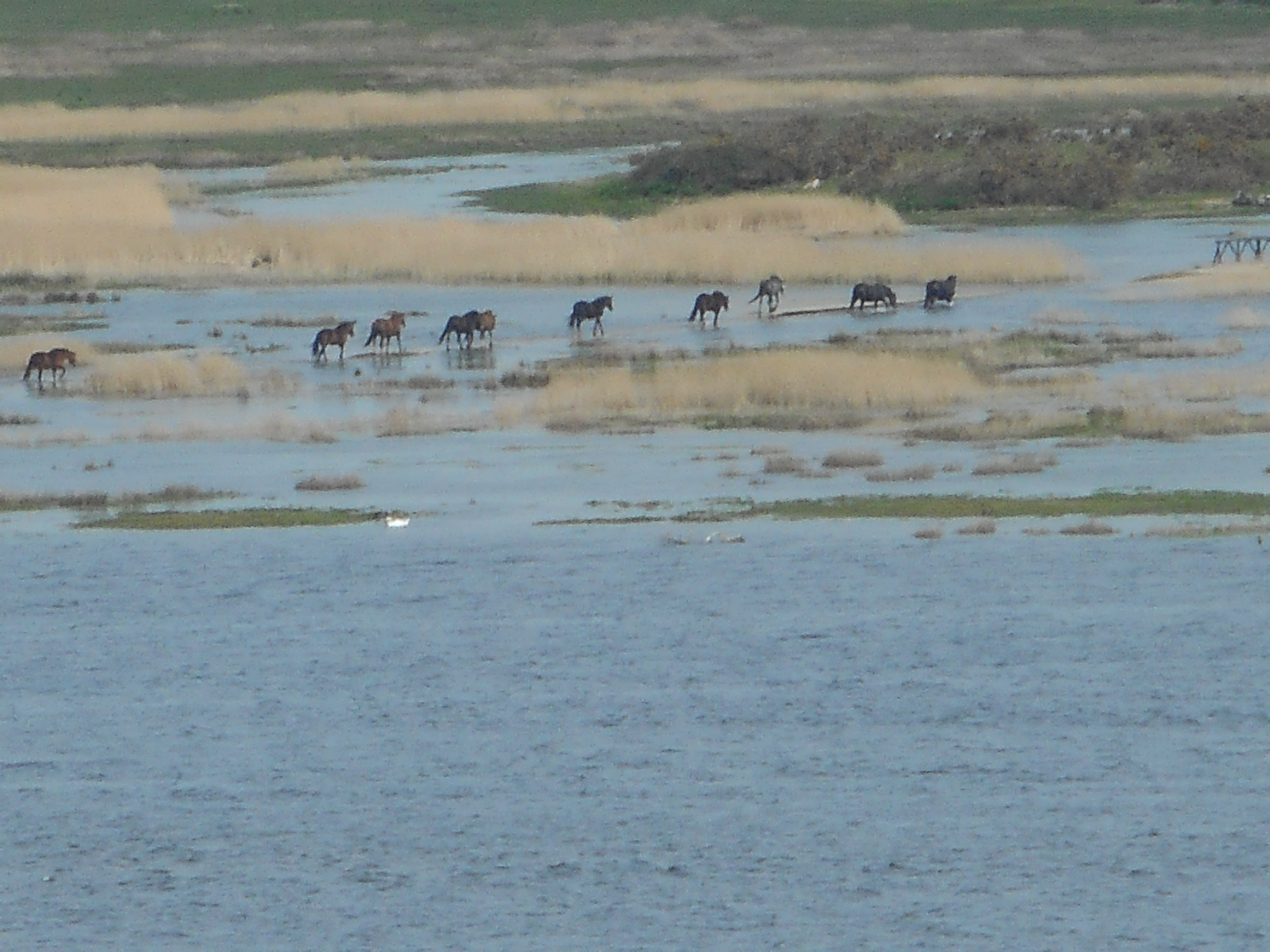
And, to finish this day, I zoom off to the Peto garden at Iford Manor that I thoroughly recommend. Here are a few photos which, because in the real world I’m struggling with Windows 10, aren’t in any order. Please have a look and scroll to the end where there’s an unexpectedly important message:
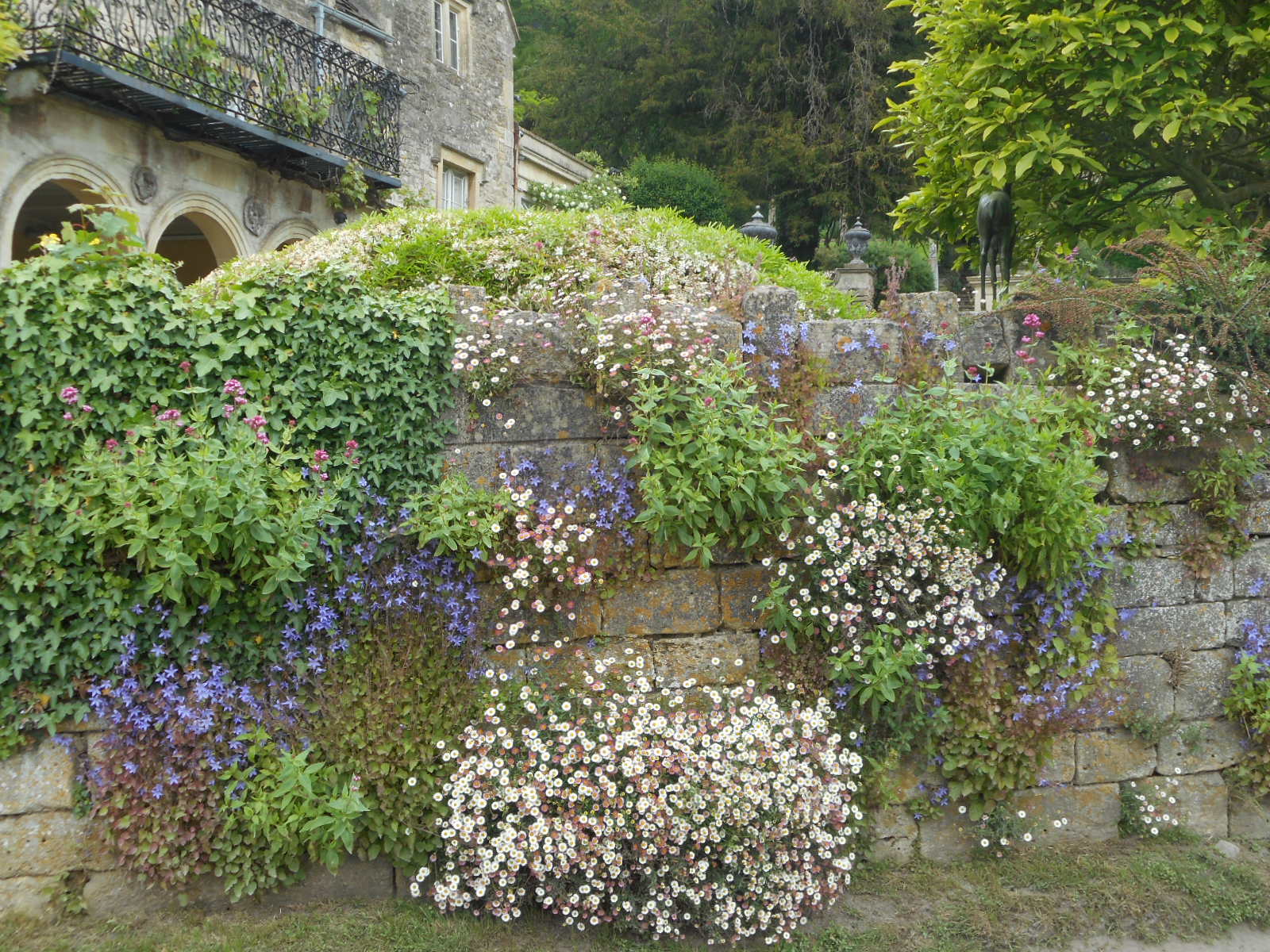
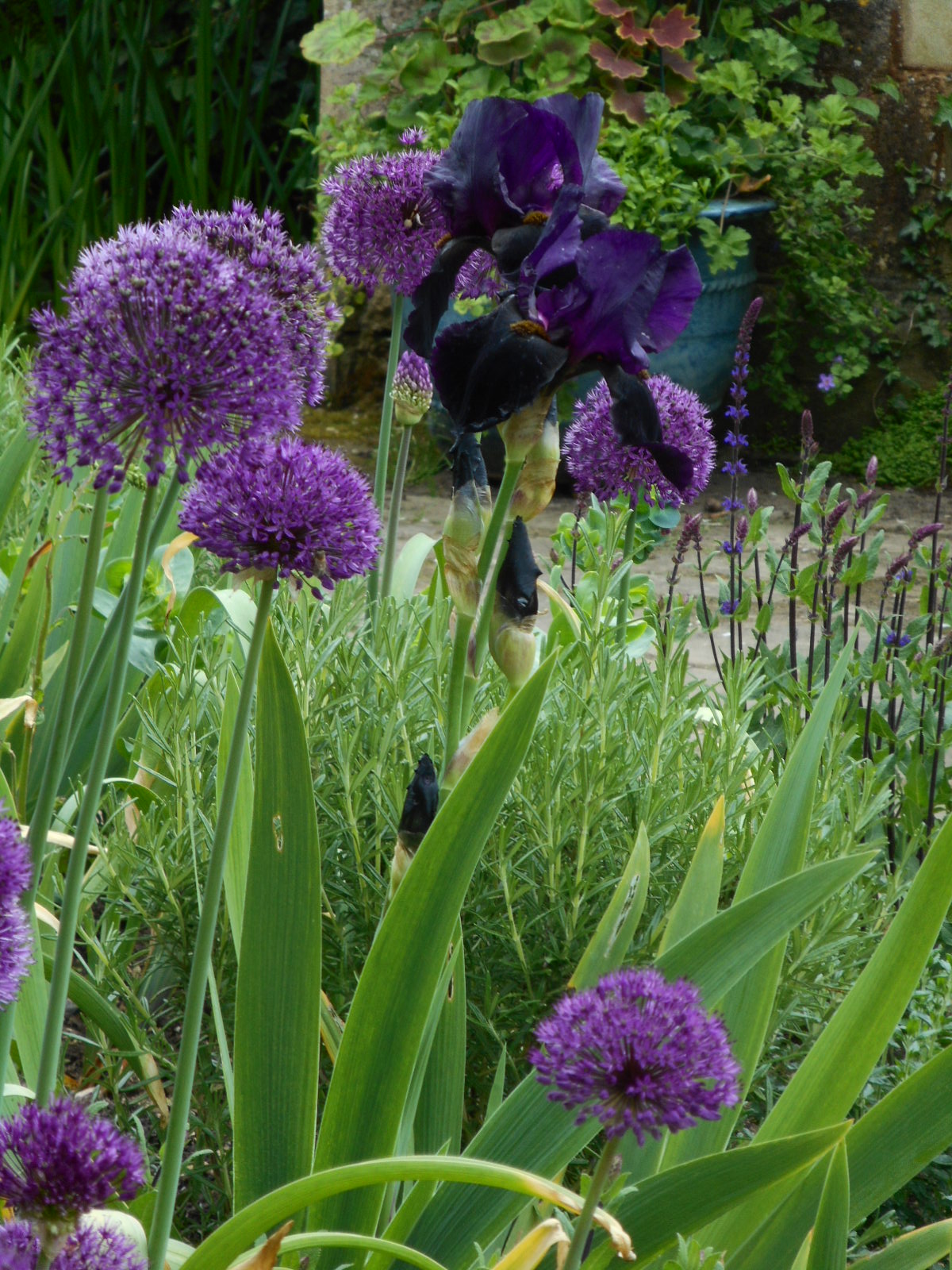
DSCN0554 DSCN0560 DSCN0575 DSCN0576


DSCN0578I remain touched by the folk aboard today. I think the work of the volunteers and the carers is magnificent  in its ‘there but for the grace of your god’ rationale. Donating money will not, sadly, solve anyone’s problems. However, it will pay for experiential trips which may, at least, broaden horizons and give respite to those who support the otherwise abandoned: https://www.justgiving.com/spepeggydodd/

Thank-you


Backwards and forwards

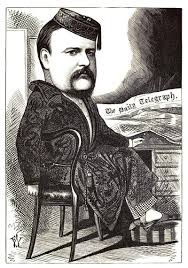
sala“It isn’t picturesque, it isn’t quaint, it isn’t curious. It has not even the questionable merit of being old. It is simply Low. It is sordid, squalid, and the truth must out, disreputable… everything is second hand, except the leviathan gin shops, which are ghastly in their newness and richness of decoration. It is the paradise of the lowest of costermongers, and often the saturnalia of the most emerited thieves. Women appear there in their most unlovely aspect: brazen, slovenly, dishevelled, brawling, muddled with beer or fractious with gin. The howling of beaten children and kicked dogs, the yells of ballad-singers, death and fire-hunters, and reciters of sham murders and elopements; the bawling recitations of professional denunciators of the Queen, the Royal family, and the ministry; the monotonous jodels of the itinerant hucksters; the fumes of the vilest tobacco, of stale corduroy suits, of oilskin caps, of mildewed umbrellas, of decaying vegetables, of escaping  gas, of deceased cats, of ancient fish, of cagmag meat, of dubious mutton pies, and of unwashed, soddened, unkempt, reckless humanity; all these make the night hideous and the heart sick…one of the most unpleasant samples of London that you could offer a foreigner.” Notwithstanding this latter day Trip Advisor account, we decided to have lunch there on Saturday.
cubana

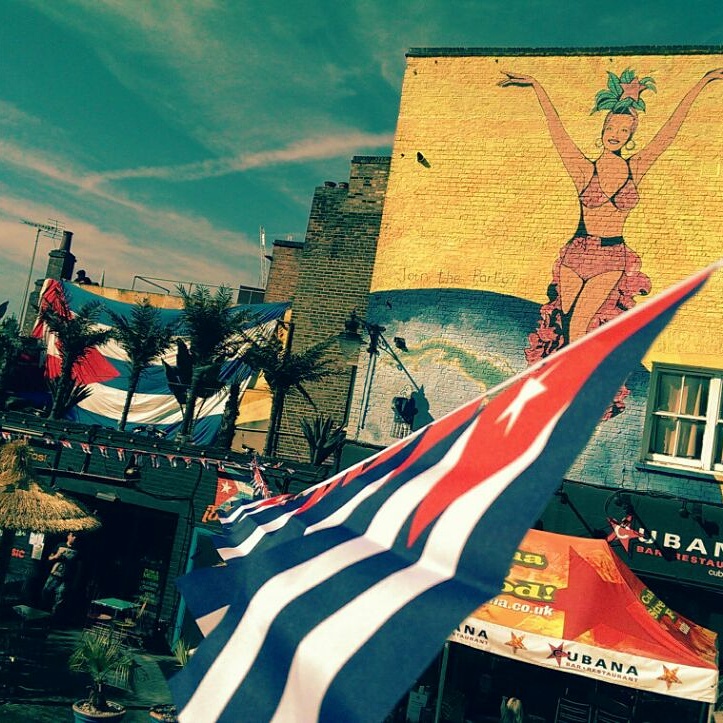
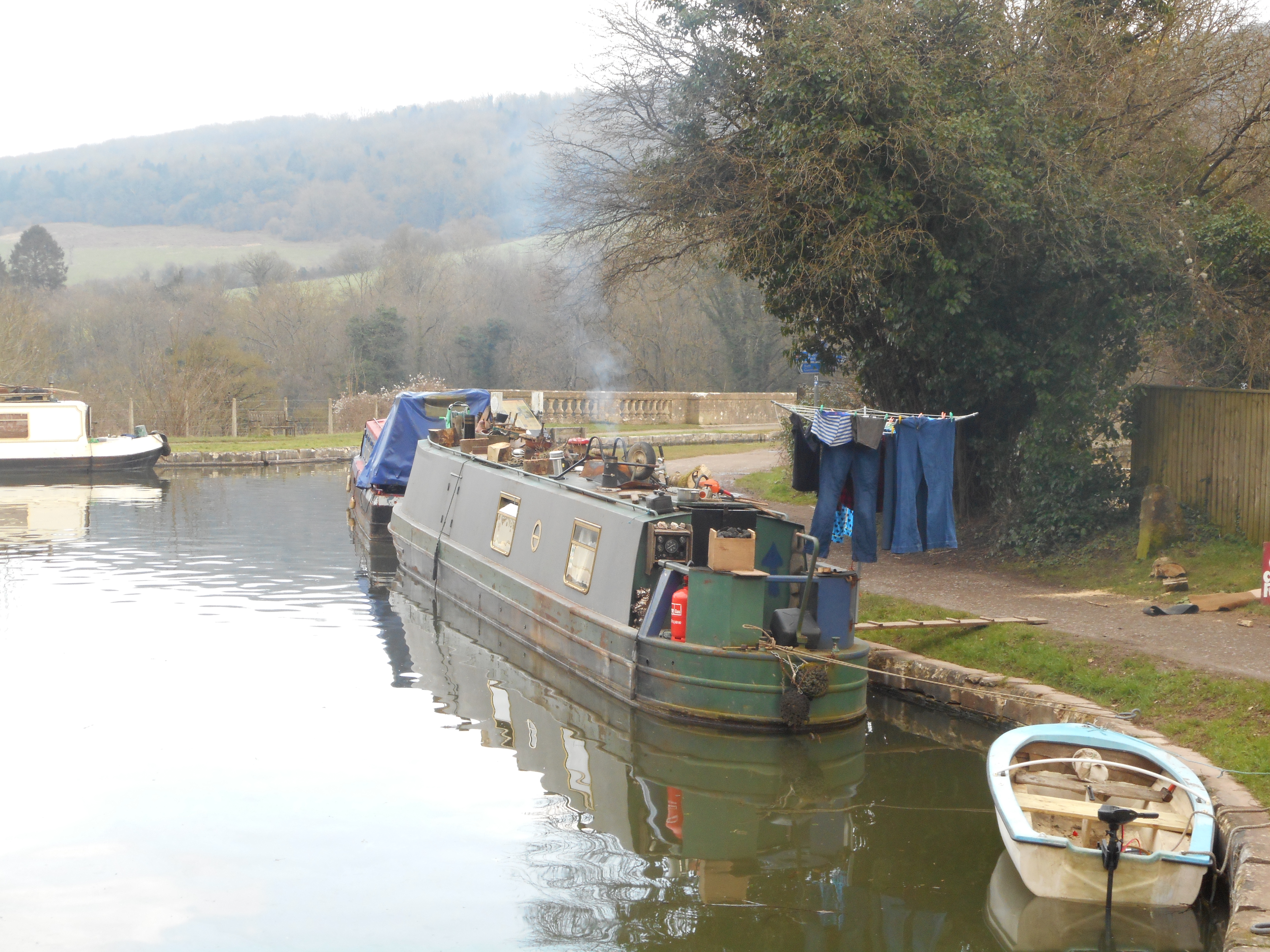
To be fair, it was 1859 when George Sala painted his inelegant picture of Lower Marsh. He was a correspondent for the Daily Telegraph so was probably tainted by the stench of social class. Or just by the general rank of what had emerged from the steadily reclaimed Lambeth Marsh. Today, having physically moved nowhere, the place nonetheless finds itself on the far more geographically desirable South Bank and has assumed an acceptable veneer of ‘vintage’ and ‘retro’. The banks of the Thames being historically soaked by wave after wave of immigrants, Lower Marsh is now reaping the benefits of being home to that component of incomings that today’s xenophobes conveniently forget: a diverse range of ethnic fare. We opt for Cuban street food: a spicy fusion of rice, black beans, tender beef and plantain all served in an avant-garde cardboard box. At which point, I wipe the dribble of facetiousness away from my chin as this is surely the tastiest grub I’ve experienced in many a hungry day, guvnor.

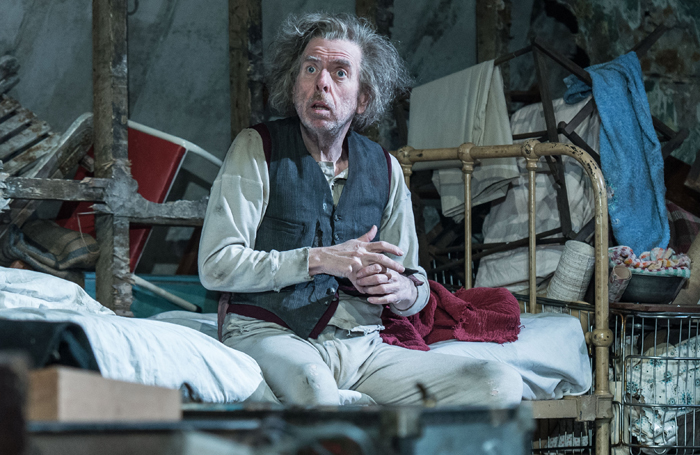
spallSpeaking of the disreputable poor, this Cuban fantasy is a precursor to an afternoon in the company of the sublime Timothy Spall who is currently playing Davies the tramp in Pinter’s Caretaker at the Old Vic. Spall has been critically derided in some quarters for introducing humour into this previously sinister role. Ever heard of old hat you critics? Why not be like Lower Marsh and move with the times? Who wants three hours of doom and gloom after a plantain-topped feast? We’re in it for the laughs and, flanked by the superb Daniel Mays and George Mackay, our hero receives an enthusiastic standing ovation.
2016_0508hh0007

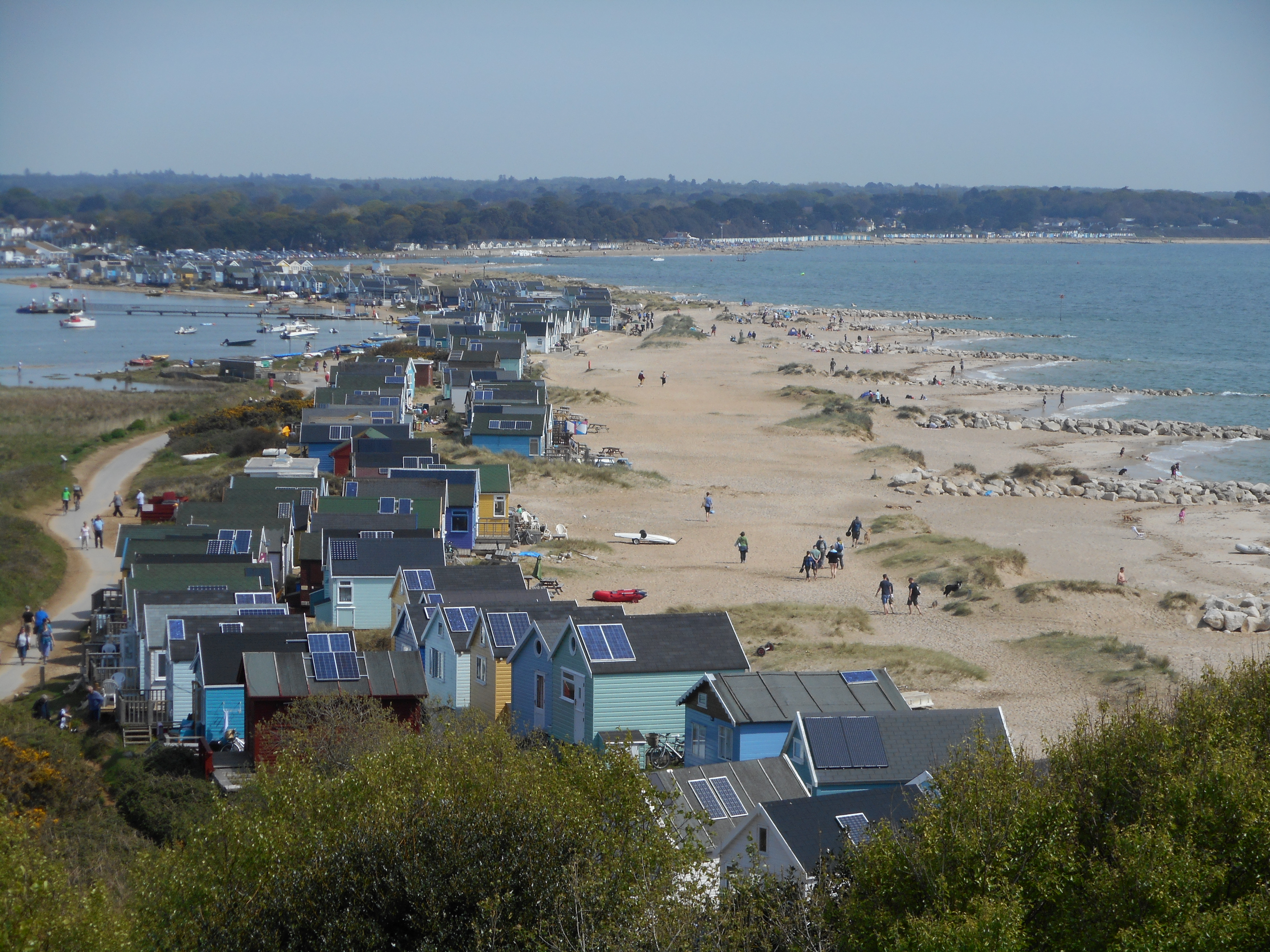
The following day is more of an elongated stepping stone between the contrasts of old Londinium and the rural tranquillity of the Kennet and Avon that awaits me on Monday. The account of my four hour walk into a geological and historical past will, therefore, be necessarily brief. What with trains and theatres, yesterday’s outing involved an awful lot of sitting down. My aged hips are feeble communicators devoid of joy. If I sit down too long, they complain. If I walk too much they’re uproarious. There’s no pleasing those two moaners. Knowing that they’ll get plenty of activity on the morrow, I feel I should get them in the mood and head off for Hengistbury Head. The weather is glorious as I trudge up Warren Hill knowing that the view will be worth the agony. Actually, the impending smugness is what really drives me on.

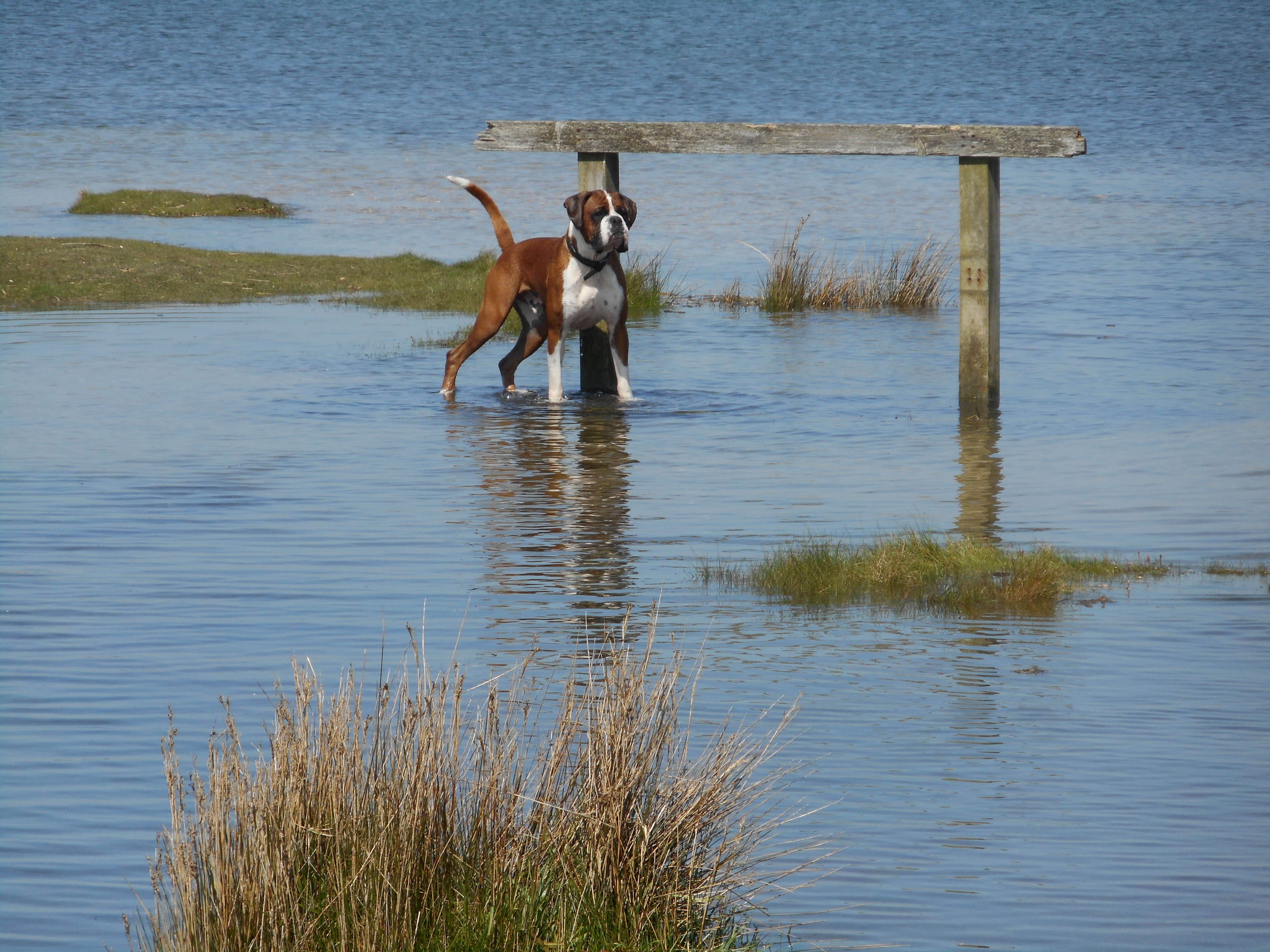
2016_0508hh0015 Every dog has its day and today’s clearly the day. Every breed seems to be present, although some are not as daring as they might be. I am passed by a sour-faced Jack Russell who is being transported in a box on the back of a bicycle. Worse, a Westie in a baby’s buggy is being pushed up the incline by his owner. The ancient carer is of indeterminable age but  has clearly seen at least one century’s events. The bloody dog can’t even be bothered to open its eyes and look at the scenery. Later, I meet William the boxer who’s become trapped in about two inches of water and is too frightened to get his feet wet. His owners send in a scruffy terrier called Wilbur to rescue him but William just tells him to ‘stuff off’.


2016_0508hh0010

Walking down the hill and along the spit, I decide to take the ferry over the water. I am inexplicably drawn by painted toenails to the feet of a woman who has lost the bloom of youth. Good for her to highlight the tips of toes but why draw attention to all those bunions? Life on the other side is equally unattractive, swarming as it is with hundreds of day trippers. I stop for a hasty cup of mint tea without the mint and head back for a walk round the bay. Last night’s rain may have contributed to the high tide which is reticent to recede and I must remove my walking boots and socks and paddle in knee high water in order to regain the high ground in more than one sense.

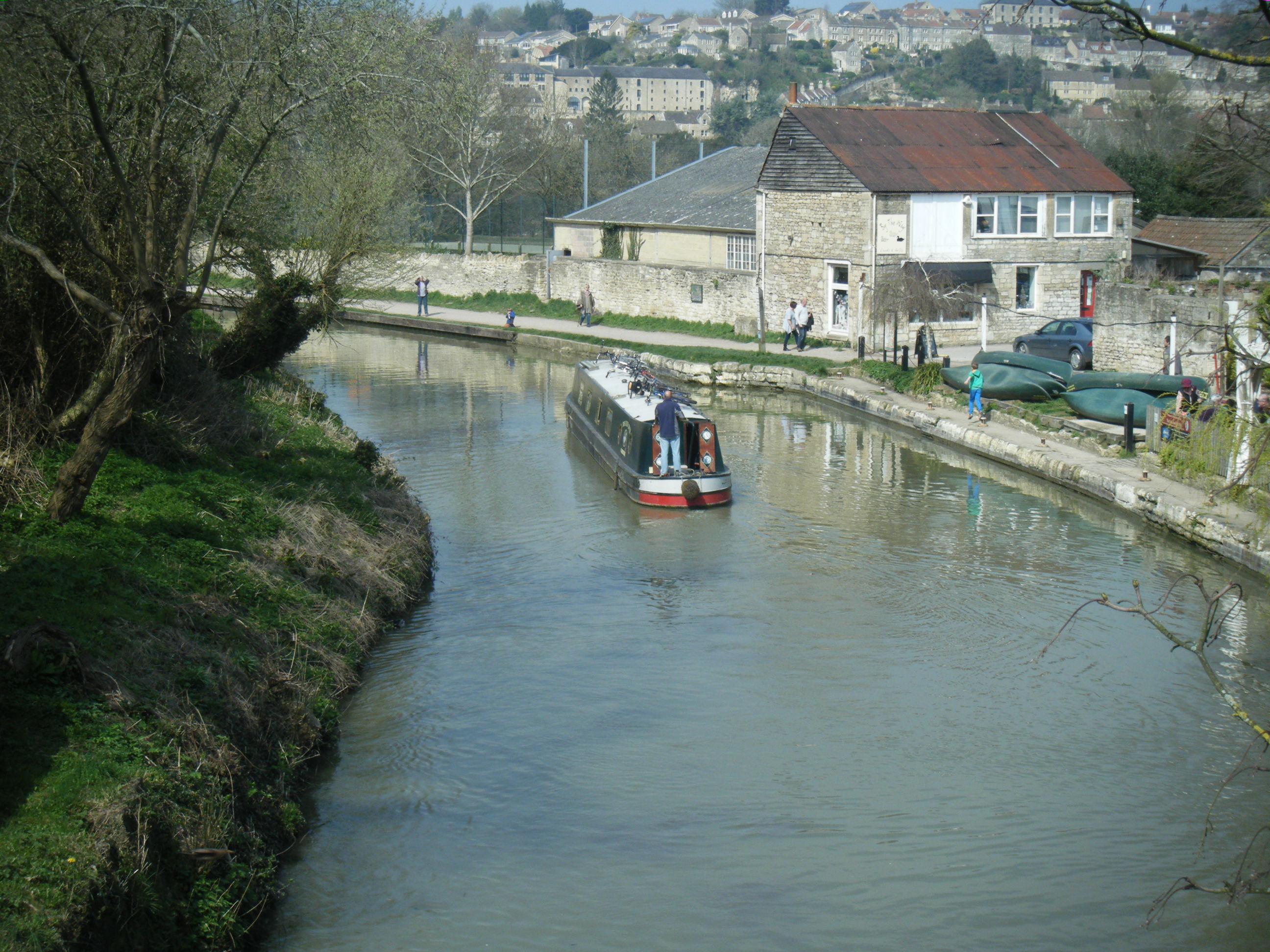
bath roadThe road from Bath to Warminster was once managed – and I use the term loosely – by the Black Dog Turnpike Trust. Established in 1752, they took their name from the inn where the trustees held their meetings. This crowd, like many of today’s so-called authorities, were not economically sound. A cursory glance at the accounts sheet shows that the clerk ran off with nearly £2000 – a heady amount in those days. Further, an investigation by even higher authorities seems to suggest that the trustees were aware of ‘pilfering’, thus inferring they were all in on it. I discover all this through my own research. However, this is only because my truly informative chauffeur finds it necessary to contextualise every step we take together. Derrick is driving me to Bathampton to look at canal-side vegetation.

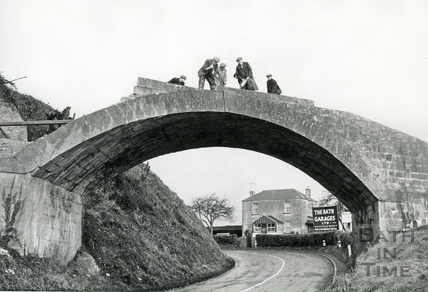
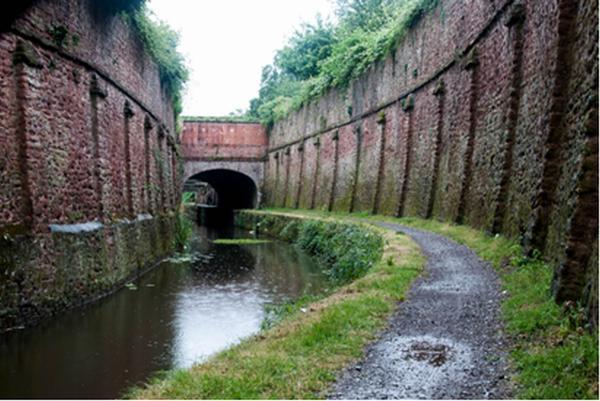
dry archDown at Bathampton, local folk still jump out unexpectedly and demand 70p for the privilege of using their road to avoid the inner-city traffic. Not so on the old turnpike which we’re currently traversing. Just past the place called Dry Arch in fact. Derrick assumes I know about Dry Arch. I don’t so here’s a picture I found of the spot when it was more than just a long forgotten name. Quarried stone from Coombe Down was once lifted by horse operated cranes and brought down the hillside on a tramway that crossed Dry Arch on its way to the canal where barges transported it on to Bristol and London.

DSCN0510

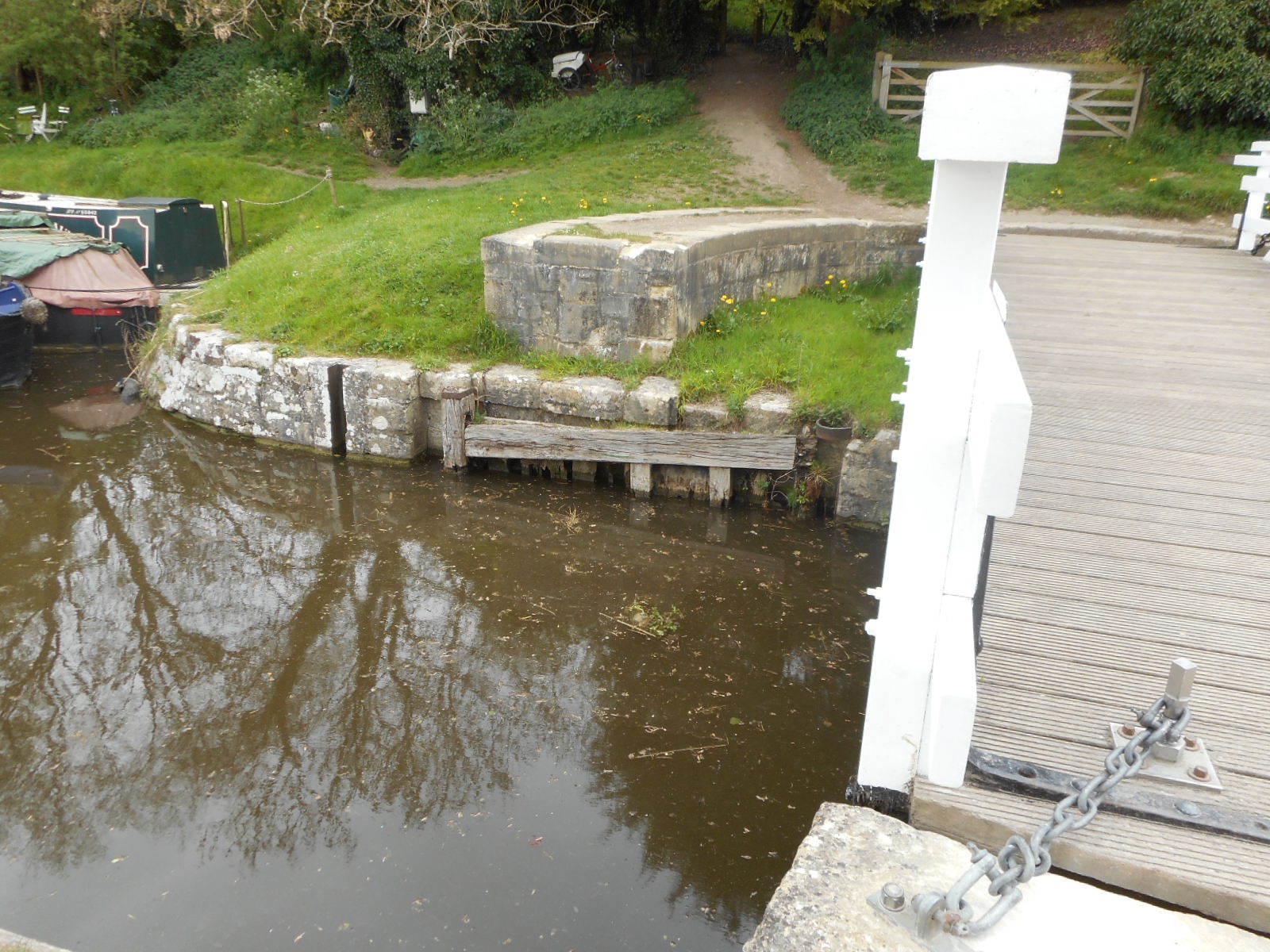
We’re also on our way to the canal and here’s Bathampton swing bridge to the side of which, if you choose to look carefully, you can see some industrial archaeology in the shape of the old stop gate. Stop gates were used in times past if a breach occurred in the canal. This is the site of one of the old wharves where the Bath stone was lifted onto barges.

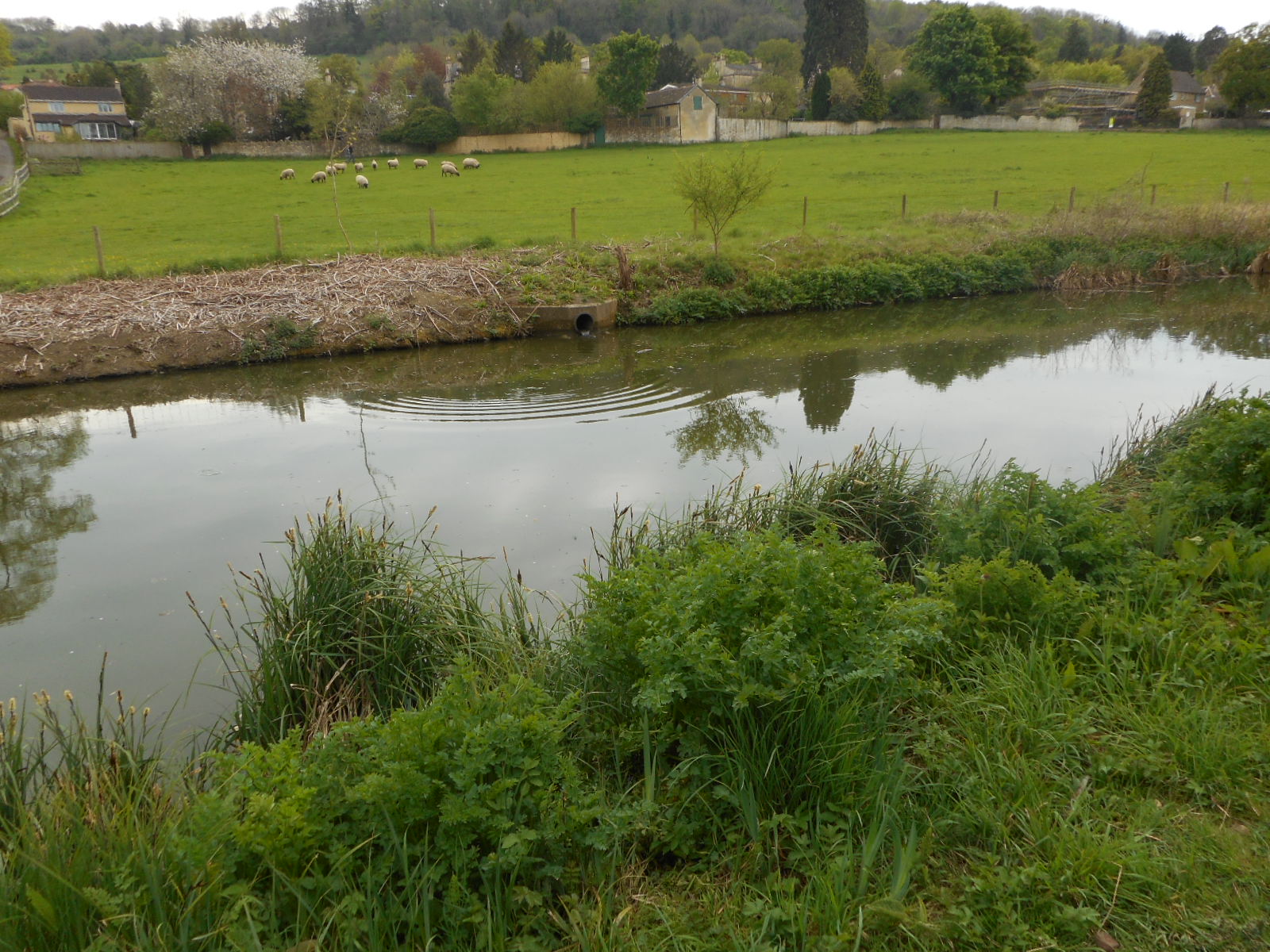
DSCN0500We’ve come to look at foliage and vegetation and I’m about to learn everything a person needs to know about glyceria. Actually, I’ve written about this elsewhere in greater detail for a more specialised and probably more interested audience. However, dear reader, I will just point out that Derrick’s volunteers have done a brilliant job of clearing the offside bank of unsightly and potentially dangerous (to boaters) brambles and branches. In fact, this photo shows a water course outlet they discovered that no-one’s seen for years. Vegetation clearance allows breathing space for the glyceria to regenerate naturally thus maintaining the structural integrity of the canal bank and providing handy living quarters for water-side creatures. I might sound like a bit of an anorak, but if you’ve ever had the misfortune to walk along the Grand Union Canal at Southall, you’ll appreciate what a joy it is to stroll along the carefully tended Kennet & Avon in these parts.

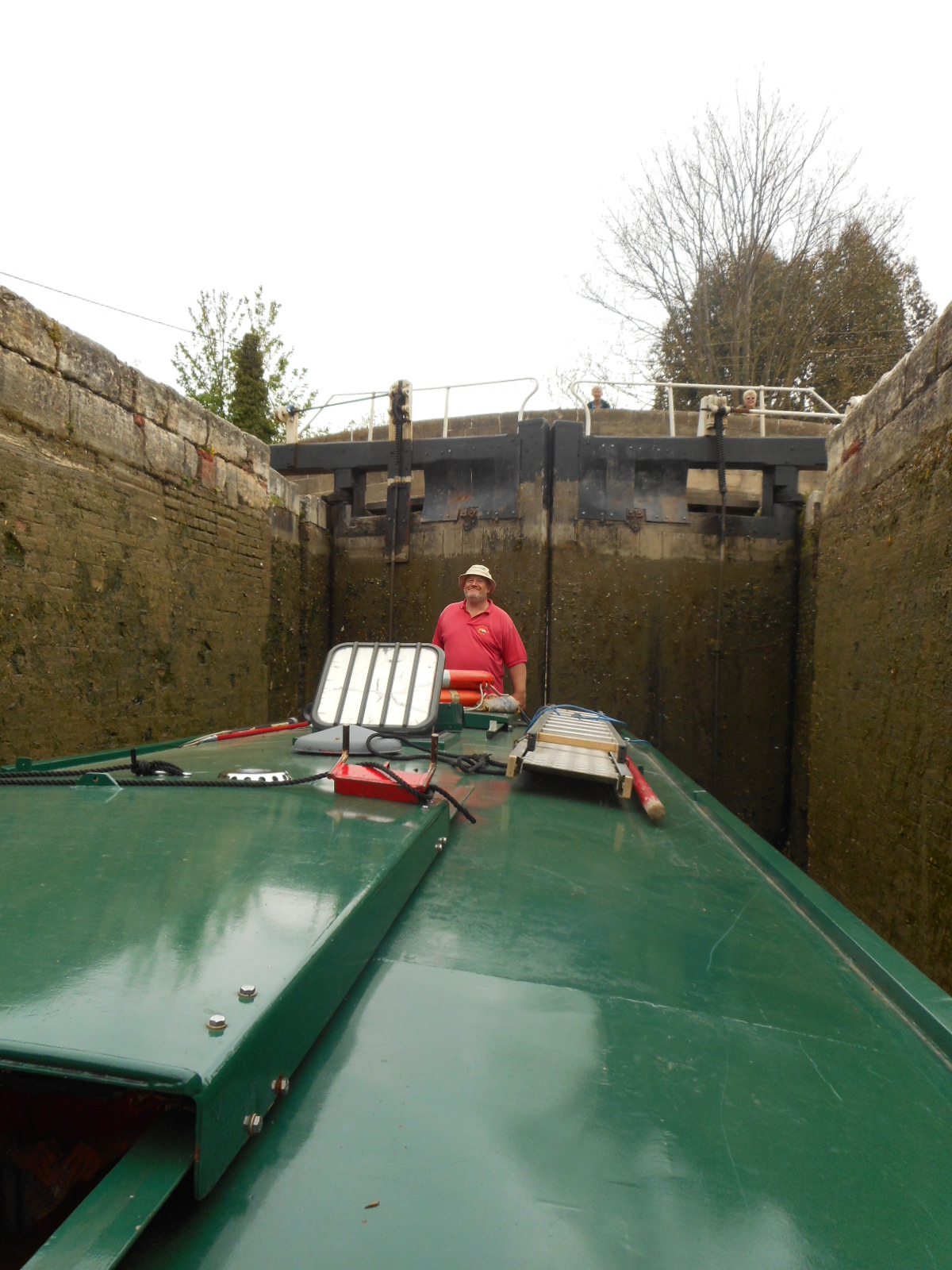
DSCN0514Finally, here’s Graeme, another of my heroes of the canal. At the close of these eventful three days, I find myself aboard the Barbara McLellan once more. This time, I’m in the company of forty members of the Trefoil Society of Royal Wootton Bassett who have chartered the boat for a trip down to Avoncliff . I had wondered if they might be a bit heavy on the gin optic but they turned out to be a well-behaved party. I’m supposed to be a volunteer galley crew member but, yet again, I find myself at the tiller for most of the journey back from the aqueduct. Graeme’s the most patient of teachers although, if you overheard most of the instructions, you might not think so: ‘to me, to me; don’t fall off; stop looking at the swans; to you, to you; we’re not here to look at buzzards; don’t fall off…’ I’m going back to work tomorrow for a rest.

Photos not taken by the author are courtesy of: wikisource.org; cubana.co.uk; lovethetheatre.com; bathintime.co.uk


The lock keeper’s role

lock-keepers

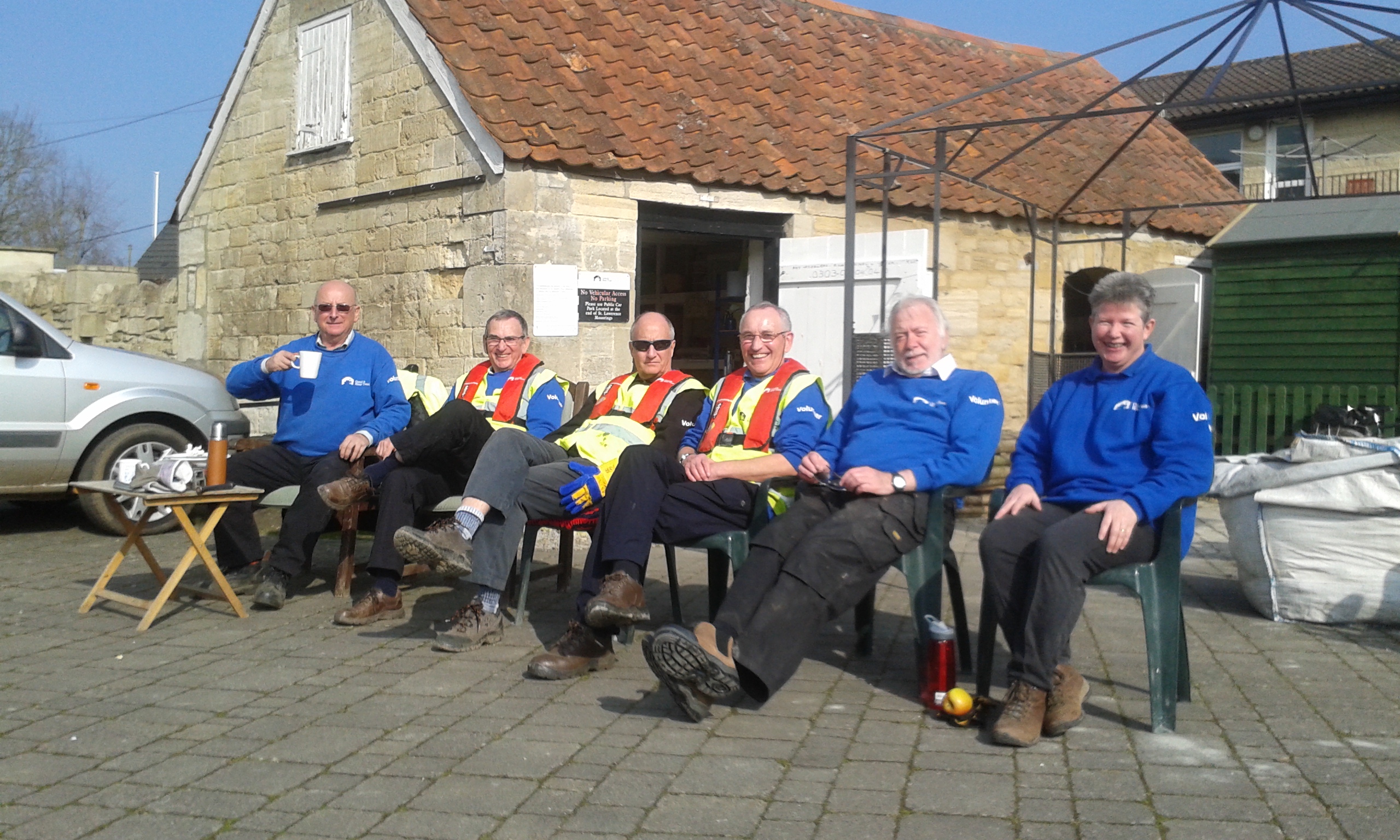
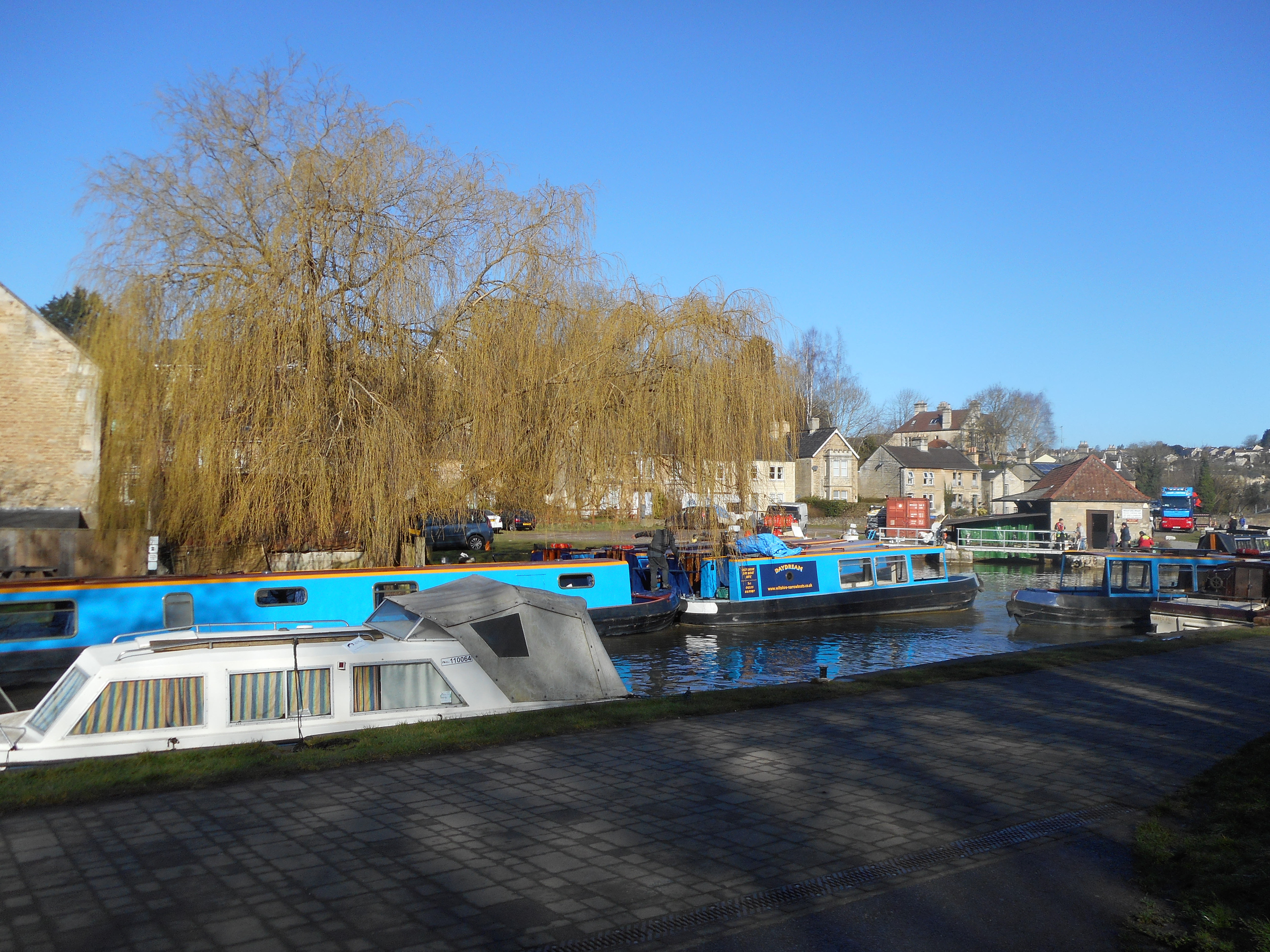
Bradford on Avon boasts the busiest wharf on the Kennet and Avon Canal. It’s obvious, therefore, why it’s necessary to have six lock keepers to hand at any one time. Actually, there are more but a shortage of chairs means that one has been relegated to team photographer. If it’s unclear exactly what these folk do, there’s no better source to turn to than the Canal and River Trust (CRT).

The CRT note that the lock keeper ‘is a really important role steeped in history and tradition … although this has changed over time’. For example, they now do it sitting down. Further, ‘working outdoors and staying fit have been key incentives’. These days, the emphasis is on the former.

Another important facet of the CRT job description is ‘greeting and assisting boats’. This contemporary illustration will inform future students that, in the twenty-first century, this task was performed from a distance and in chorus.

Finally, CRT notes that it’s ‘important to feel part of a friendly and supportive team’. Well, you only need to look at the photograph to see this manifested wharf-side at Bradford on Avon. Where else would so many people be happy to share one apple and two flasks of gin?

All aboard!

DSCN0260Good Friday and after the skin-penetrating dampness of yesterday, this morning’s weather is as perfect as is possible to be. Down on the wharf, men and machines have made an early start in a bid to restore the pump to working order. It seems they’ve retrieved a section of boat decking that was jamming the impeller. However, a passing stranger informs me that the pump at Crofton is also out and more men are on their way to try and remedy the water levels. So that will teach me for being inquisitive – I’m none the wiser and have yet more words to look up.

DSCN0259

This is the day that I become a trainee crew member aboard the Barbara McLellan as it transports Easter holidaymakers on a five hour trip down to the Dundas Aqueduct and back. I’m more than a little anxious and far too early so I sit on a bench with Tom and Gwen who’ve just walked along the canal from Staverton. Gwen tells me about their walk and Tom says nothing. Gwen tells me about their daughter who’s at Portsmouth University and has to spend an extra day there to clean up her room. Tom says nothing. I tell Gwen what I’m doing today and Gwen says she thinks it would be a jolly good idea if Tom undertook some volunteering. Tom looks in the other direction. I see some people in red sweatshirts gathered by the Barbara McLellan. They are the crew members and I bid my farewells to Gwen. And Tom.

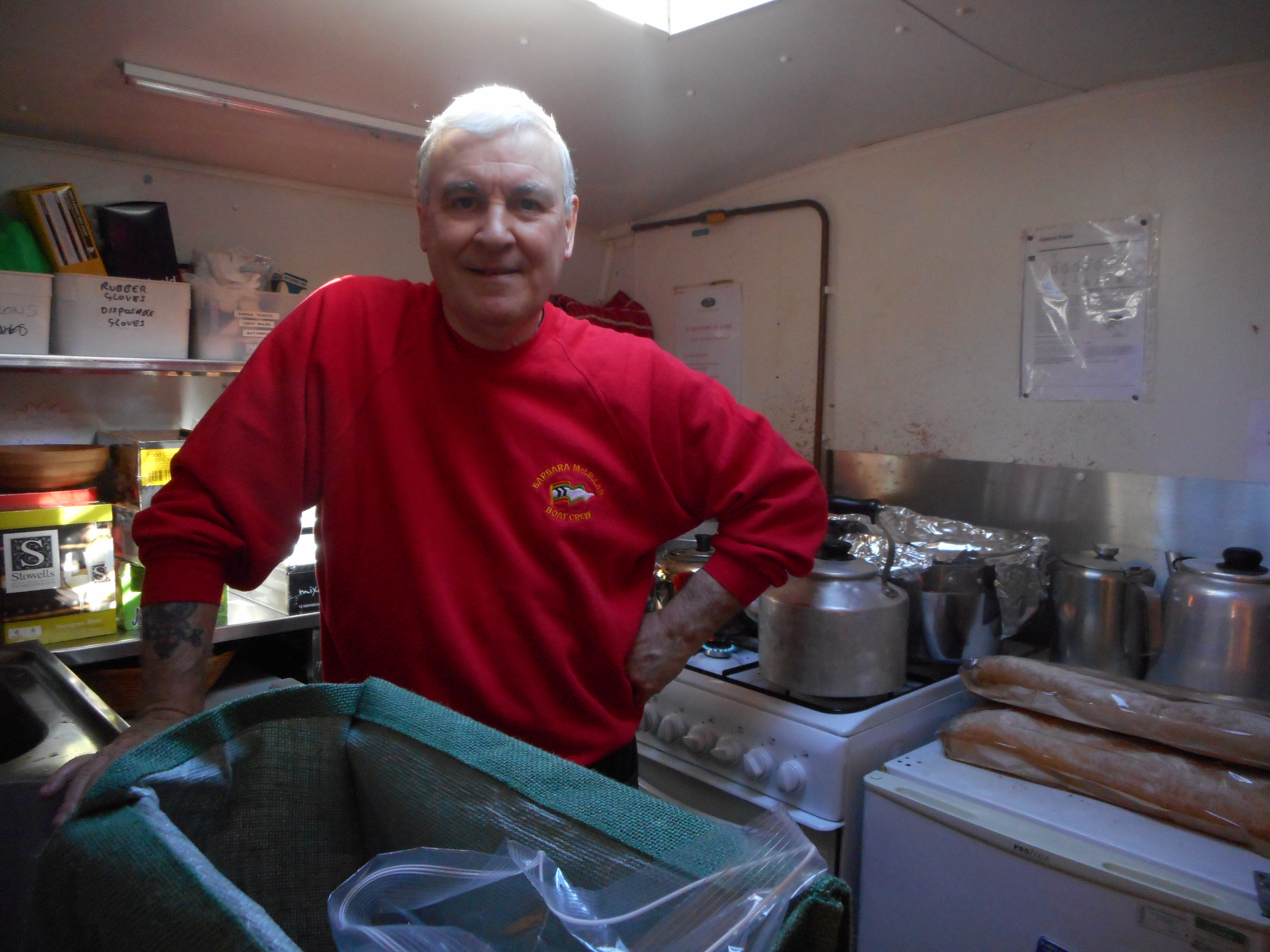
DSCN0272My job is in the galley. I have little idea what’s involved but someone’s just delivered a pan of pea and mint soup and another containing sweet potato and carrot. Well, I think that’s what they are but, subsequently, matters will be simplified when then the options are referred to as green and orange. There’s also bread and butter, both of which require cutting, and chunks of cheese. Oh yes, and croissants and pastries so no-one’s going hungry but things have to be done in a certain order. Eamon is, apparently, in charge of the galley and by default, in charge of me. However, Elspeth says that Eamon’s too busy cleaning the outside of the boat. Skipper pokes his head round the corner to say there may be trouble ahead. It’s ok though: Eamon arrives tout de suite and all is well.

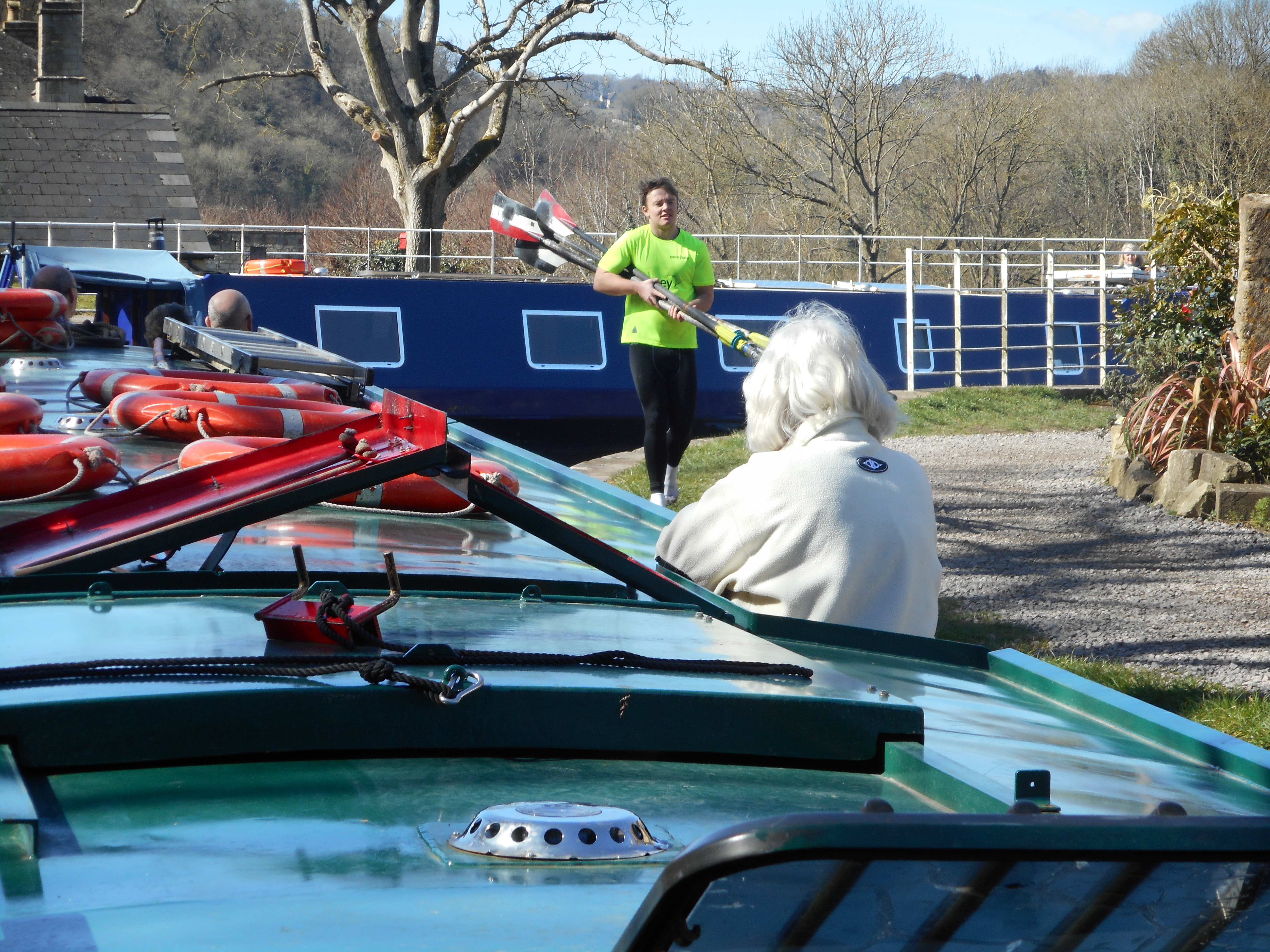
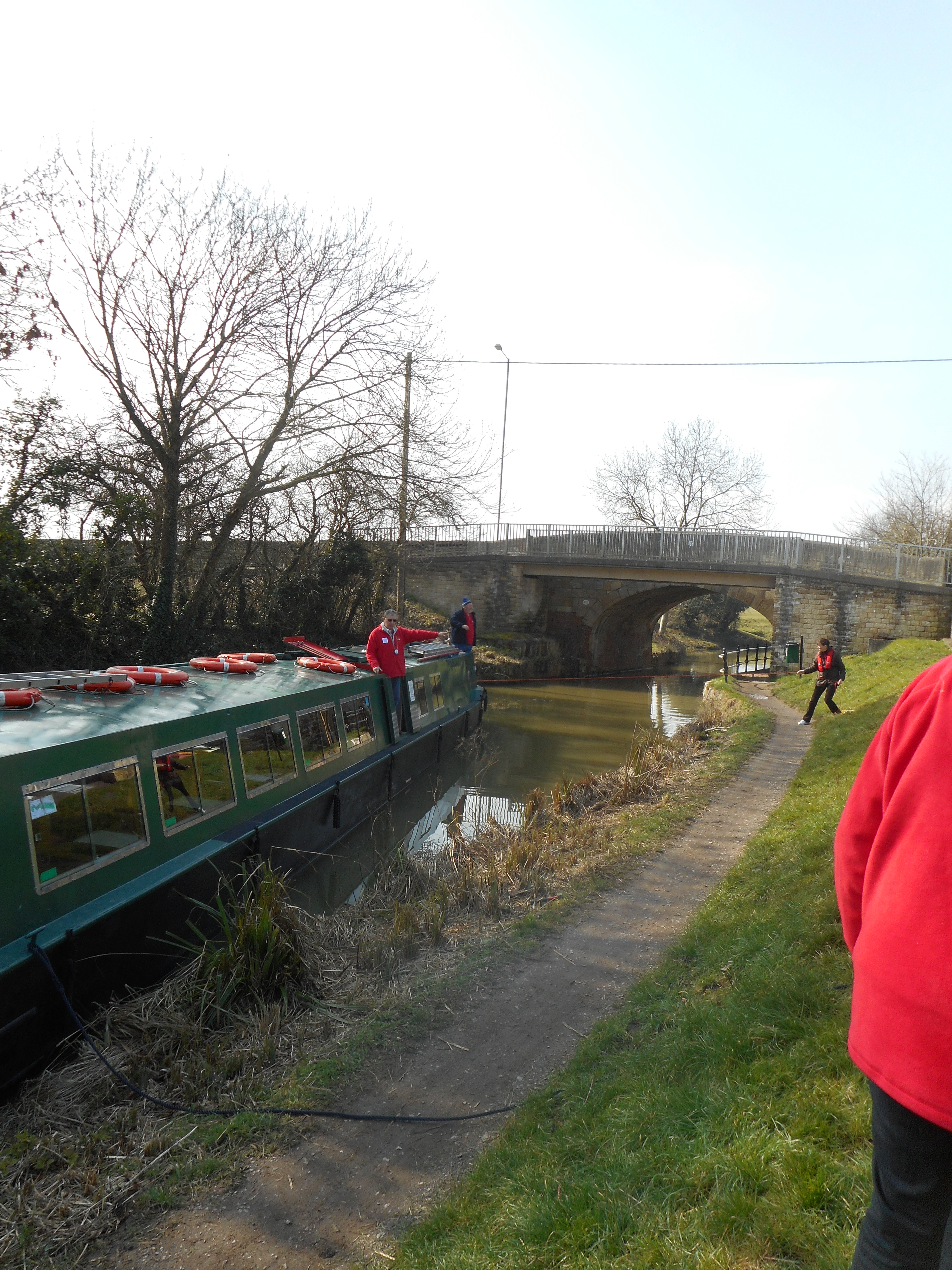
DSCN0266The passengers are eager to come aboard. In all the excitement/confusion/panic of learning what’s expected, I’d totally forgotten there would be paying guests. Fortunately, there are only ten of them and, like canal dogs, they’re an enthusiastic and friendly bunch. Elspeth plays the health and safety tape which makes me a little nervous: the calming voice tells the passengers not to worry if someone falls overboard or there’s a fire as the crew have had in-depth training. Actually, ‘in-depth’ might not be appropriate here. The voice also informs the passengers that members of the crew can be identified by their red sweatshirts or their name badge. I have neither and there’s still no sign of the whistles. I take the orders for teas and coffees and introduce myself just so they know I’m not one of them. And we’re off into my first ever lock.

DSCN0278

It’s wonderful. It’s the first trip of the season and once we’ve worked out what’s supposed to happen, it all falls into place. Crew-wise, we have a dream team. My new friends advise me that the experience of volunteering on a canal boat is tempered by the Skipper. Having come into contact with one or two canal ‘types’, I can understand this. We are lucky enough to have Graeme who is funny and kind and lets everyone have a go at everything, but is also super-responsible and reliable. Mike is ‘mate’. He’s a bit posh and ‘old school’ but, once the pastries and coffees have been dealt with, I’m (tentatively) up at the helm with him as we navigate the Avoncliff aqueduct.

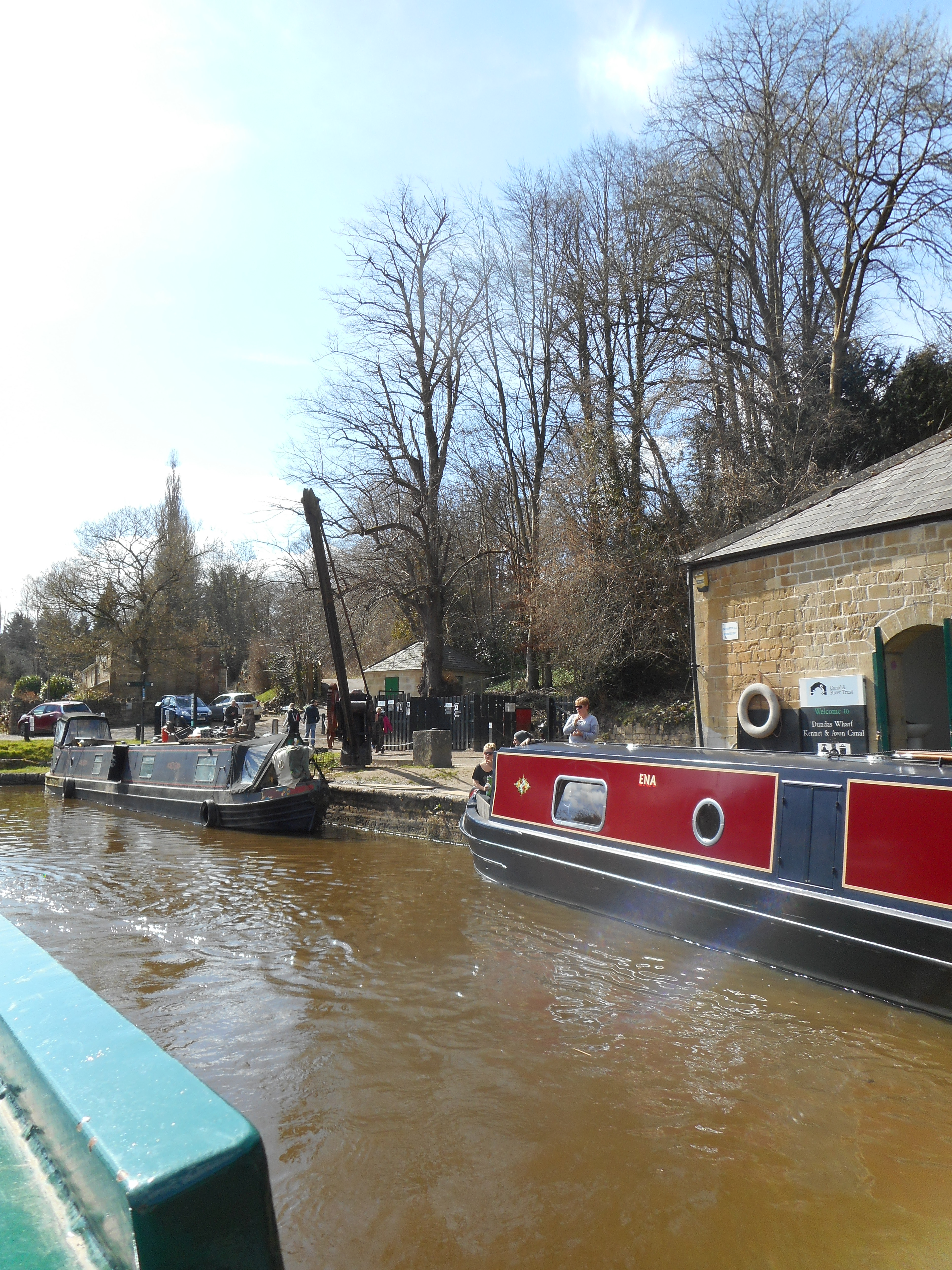
DSCN0286A couple of hours later, the green and orange having been disposed of, we reach Dundas and the passengers disembark to stretch their boat legs. We have a book in which our skills are signed off and Eamon only has to secure a turn of the boat in order to achieve skipper status; which is accomplished in time to retrieve our holidaymakers. And whilst he’s doing this, Mike broadens my canal trivia by telling me about the 200 hundred years old crane that used to lift coal, wheat and other goods that had been transported from elsewhere.

DSCN0281

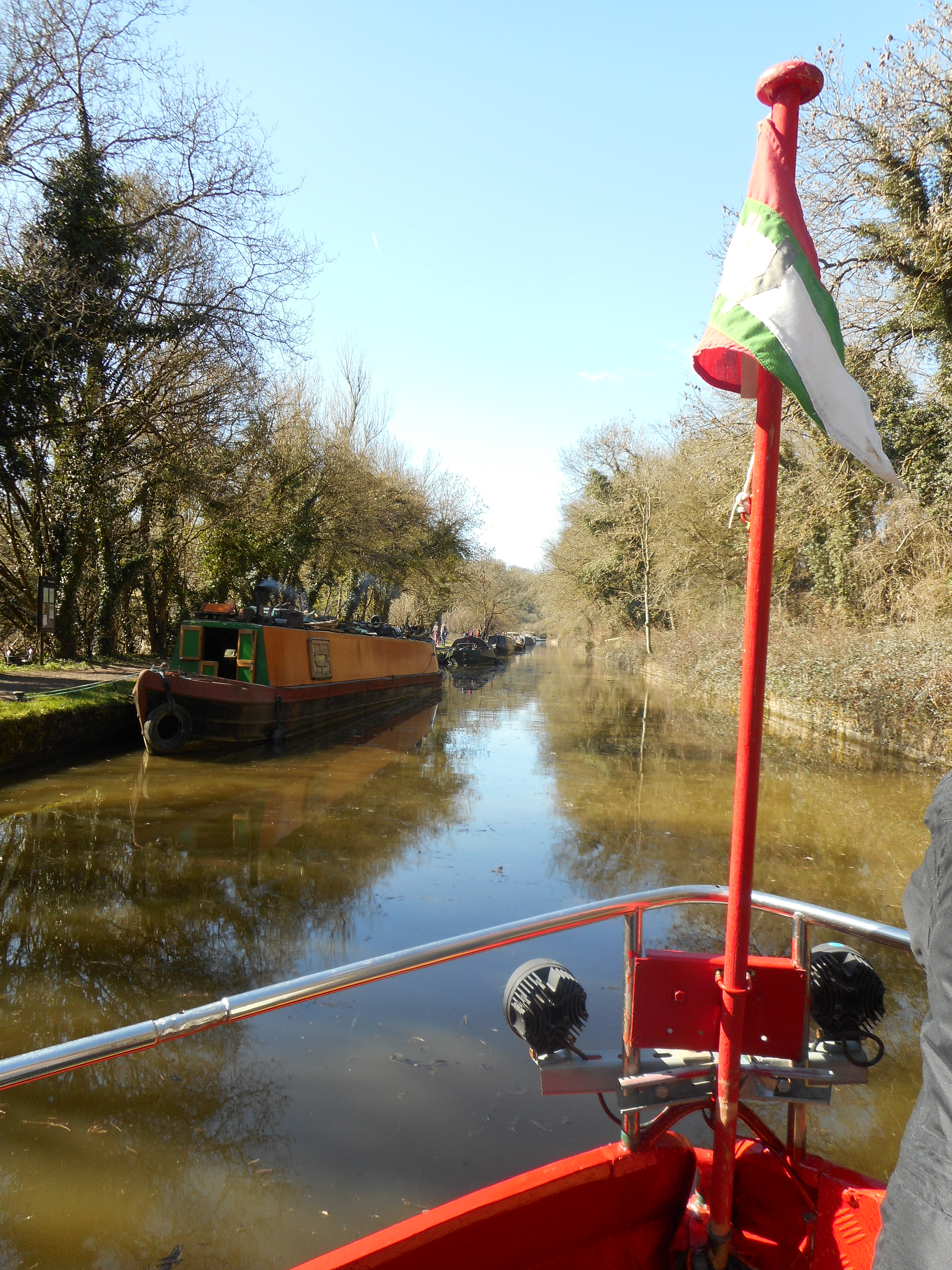
On the return journey, I sit at the front with the lady passengers and we discuss the sexism practised in bowling clubs and the lack of helmswomen on the canal. Skipper arrives without warning to point out that, as I’ve chosen to be in this position, I should be looking out for oncoming boats and making the appropriate signals to the man at the helm. Skipper says there are ample opportunities for women to be at the helm if they’d only stop chatting and laughing. He is booed soundly by the paying persons who threaten to throw him overboard.

DSCN0258

Skipper requests my presence at the helm and I learn a lot about steering a large boat down a canal past other boats. It’s so much more difficult than it looks when Tim and Pru do it. Skipper says I can have so many things ticked off in my book. Forlornly, I picture the forgotten book laying on my bedroom floor in Poole. I know – I’ll write my own book!


Contemplating the bleeding obvious

telemetryOn a day when, according to Derrick, the computerised telemetry system has clearly failed, canal folk stare despondently into the decreasing shallows of the Kennet and Avon. In the two hours passed in the company of my inland waterway guru, many people, encouraged by the knowledge emanating from his high viz jacket, stop to ask questions that, when consolidated, comprise ‘what’s happened to the water?’ … or words to that effect. Some want to know if there’s more of the wet stuff up ahead, as if an imaginary line might exist somewhere in the direction of Devizes at which point things will be back to normal. A place in the future where, employing the usual canal mentality, problems prior to the current resting place of the tiller can be left for someone else to sort out; a sort of sink-hole in which we could dump and forget unwanted entities like Donald Trump, terrorism, and a lack of water.

One person makes the mistake of suggesting the water problem is due to a paddle being left somewhere or other causing the failure of a lock gate. ‘Rubbish’, dismisses the expert, time and time again. ‘It’s the telemetry system’.

DSCN0243

Reader, in case you haven’t noticed, in the straight-lined world of the Kennet and Avon Canal, I’m on a super-fast learning curve. You have to be. They talk in tongues in these parts and I am linguistically challenged. I’m still trying to work out what sort of paddle might be stuck in a lock. Why do we need a paddle? And if we did need a paddle, why would we leave it in a lock? But there’s a more important question. I’m a person who likes to get to the nitty gritty and when I’m interviewing, I use all the skills developed in the ‘university of the bleeding obvious’. Derrick, meanwhile, is a graduate with expertise in explaining his version of the bleeding obvious to persons who have only achieved D minus in engineering for the downright stupid.

My question is, ‘what is a telemetry system?’ I can’t even say it. I pronounce the first part as if I was saying telephone rather than in the requisite musical rhythm whereby the first ‘e’ is almost bypassed. I continue: ‘it’s just that I’ve noticed people looking a bit blank this morning when you’ve used that word (so beautifully, I hasten to add)’. My leader takes a kindly approach: ‘do you know what I love about you Alison?’ (Do I want to know the answer?) Apparently, it’s the way I let people know that one must never assume that everyone else understands the bleeding obvious. And thus, unwittingly, I speak for multitudes who want to know why traversing the canal is so tricky today.

Following an explanation, and convincing myself that I now understand telemetries, if that’s even a word, but making a note to later Google this new phenomenon, I push on bravely: ‘I have another stupid question’. The expert puts on his reassuring hat: ‘there’s no such thing as a stupid question, Alison’, he advises me.

‘Well’, I continue, ‘where is all the missing water?’ There’s no getting away from the fact that he’s looking at me as if I’ve asked the most stupid question ever.

DSCN0249

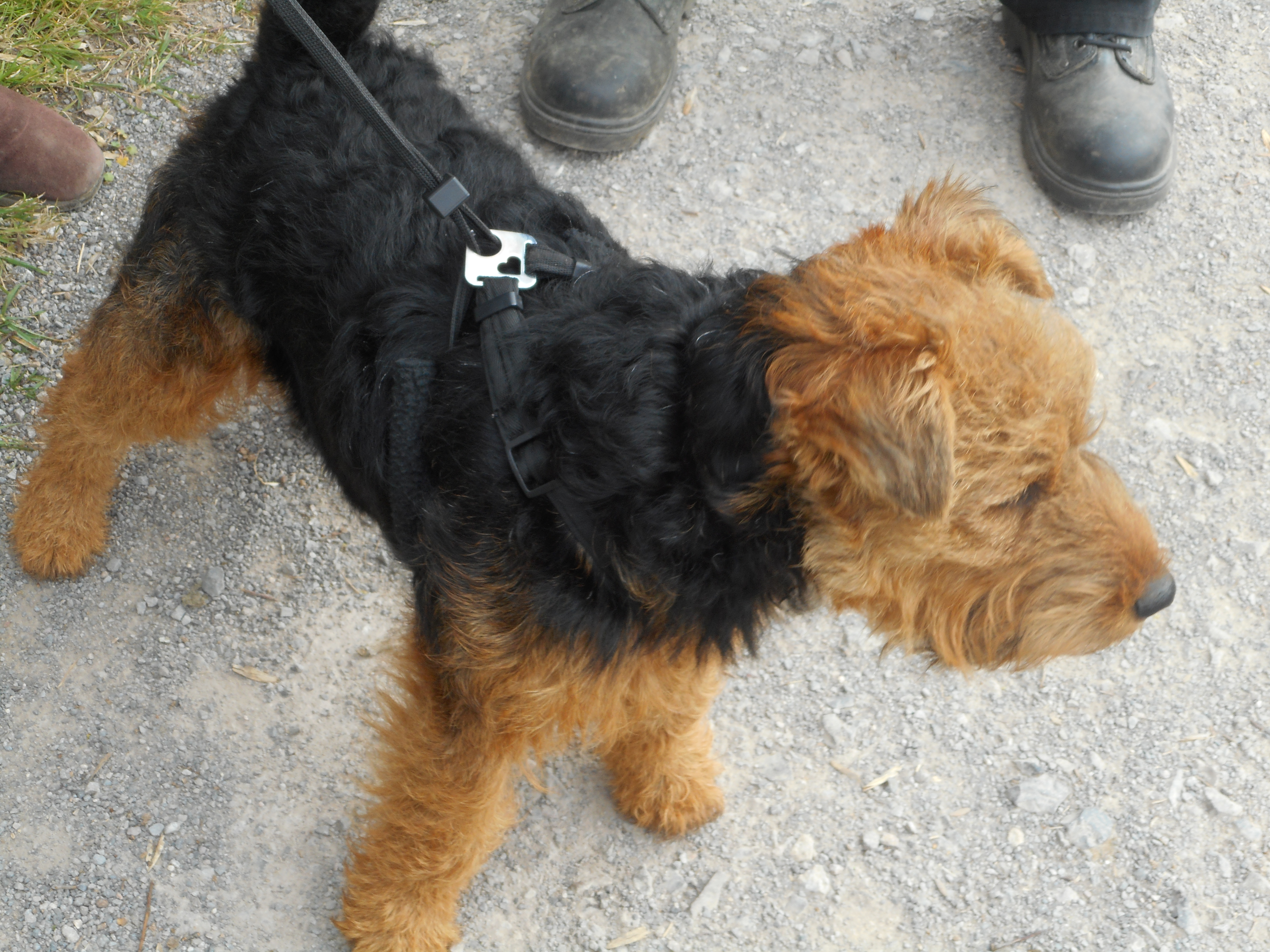
I generally accompany my blogs with photos. There are none that explain the missing water because I didn’t take any snaps of the canal first thing. Having failed to notice the bleeding obvious, I’d not seen anything interesting enough so here’s a nice dog called Barney who we meet at Semington.

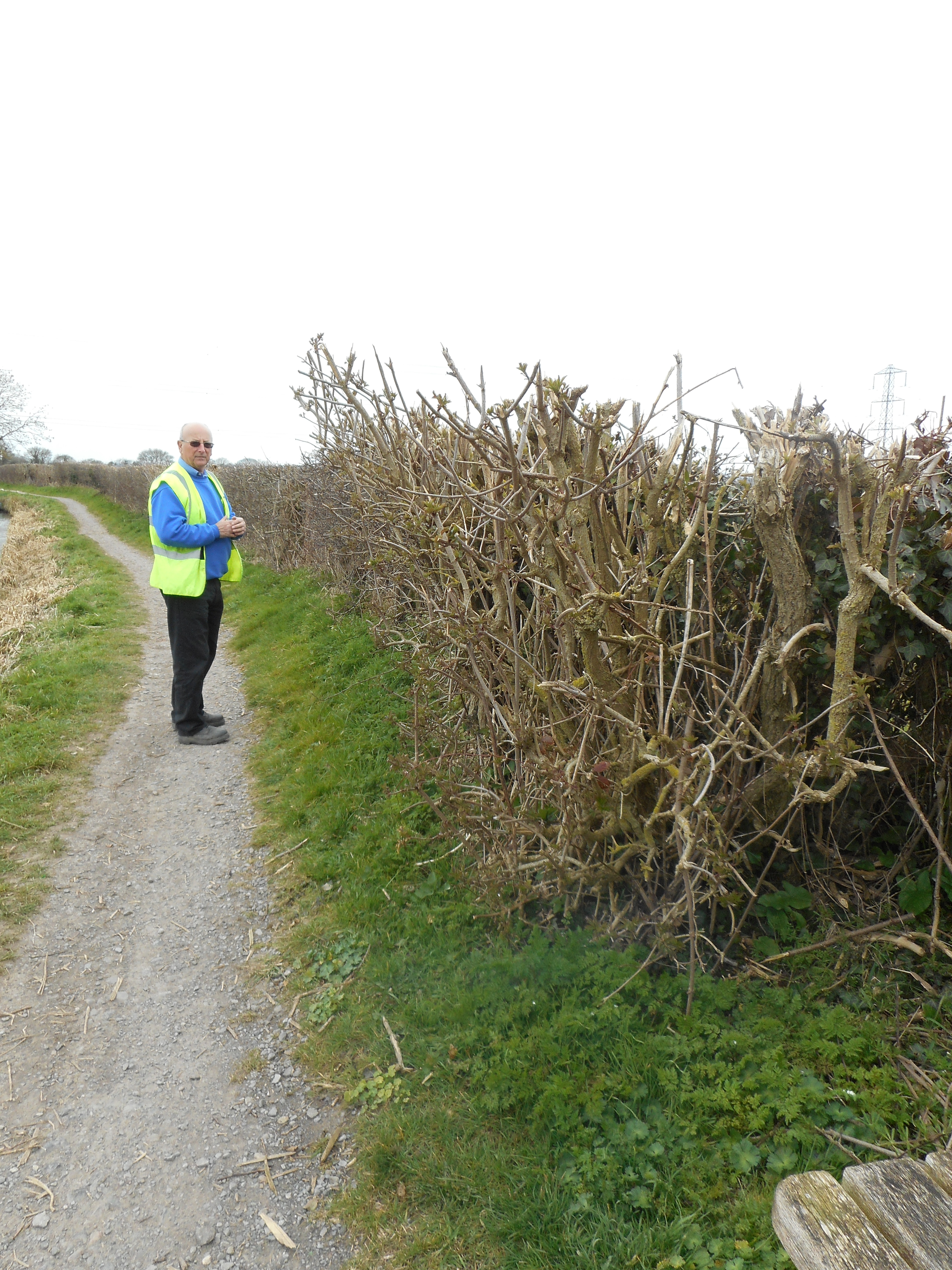
The last time I was at Semington, I’d walked there from Bradford on Avon on one of my jaunts along the canal. I recall that the weather was glorious: a strip-off-your-cardigan-at-an-early-hour type of day. Meteorologically, things couldn’t have been more different this morning. It wasn’t quite hats and gloves but it would’ve been had I thought to bring them. There might not be much water in the Kennet and Avon, but there’s plenty in the air. We’ve come to look at hedges. This is the kindness of my leader: having already increased my expertise of dry stone walls from nothing to sufficient to be published nationally, he’s now sharing his knowledge of hedging.


DSCN0238

To be honest, I’d anticipated it would be a little boring but today I learned something important. When a person walks the canal for pleasure, there’s a natural tendency to look at the canal; admire the canal boats; stroke all the friendly canal dogs; exchange greetings with people aboard boats; listen to gossip from canal-side fisher folk – that sort of thing. Seldom do the ambler’s eyes look elsewhere unless a previously unseen heron chooses to fly gracefully from one bankside hiding place to another. Or one is lucky enough to sit and watch the magnificence of red kites soaring over the north Wessex downs. Certainly, unless the way is made dangerous by mud, one DSCN0235never looks down.  Unless you’re a cyclist.

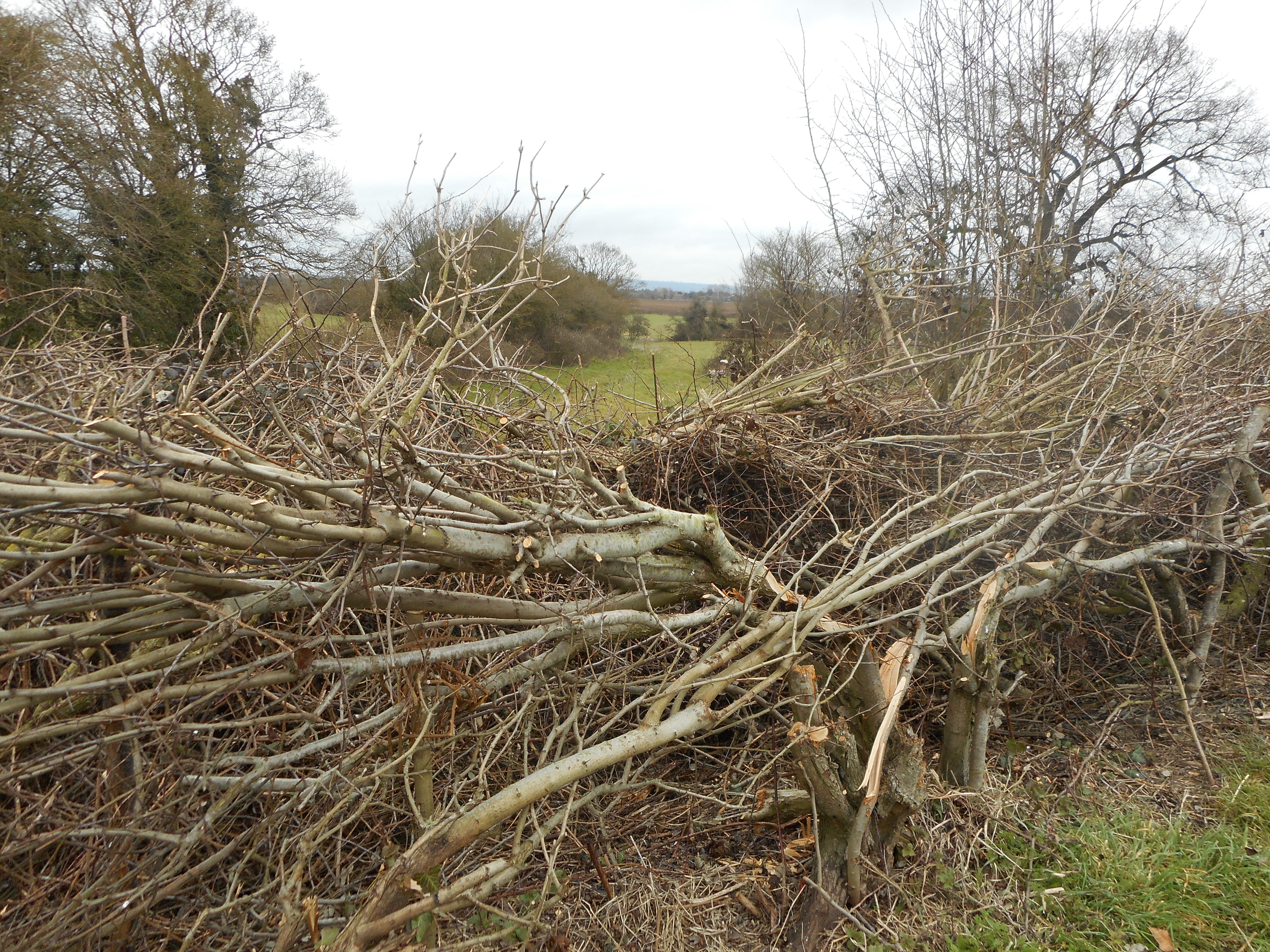
There’s a downside to dressing in a high viz jacket. You become the target of those who like to complain which is why I’m not investing in anything of a luminous yellow nature. Apparently, cyclists complain a lot about thorns on the towpath. As a walker of the Kennet and Avon, I don’t much care for cyclists. People on wheels believe they always have the right of way. I’m never in a hurry and generally stand aside because cyclists are inevitably pressed for time. Thorns impede their progress. And thorns come from hedges along the towpath. The Canals and River Trust (CRT) contract professionals to cut back the annual growth of the hedges to preclude impediment of the towpath. However, animals or wind disturb the cuttings and those irritating little thorns blow onto the towpath. Enter the CRT volunteers who use the cuttings to make woven fences where, previously, there was no hedge.

DSCN0242

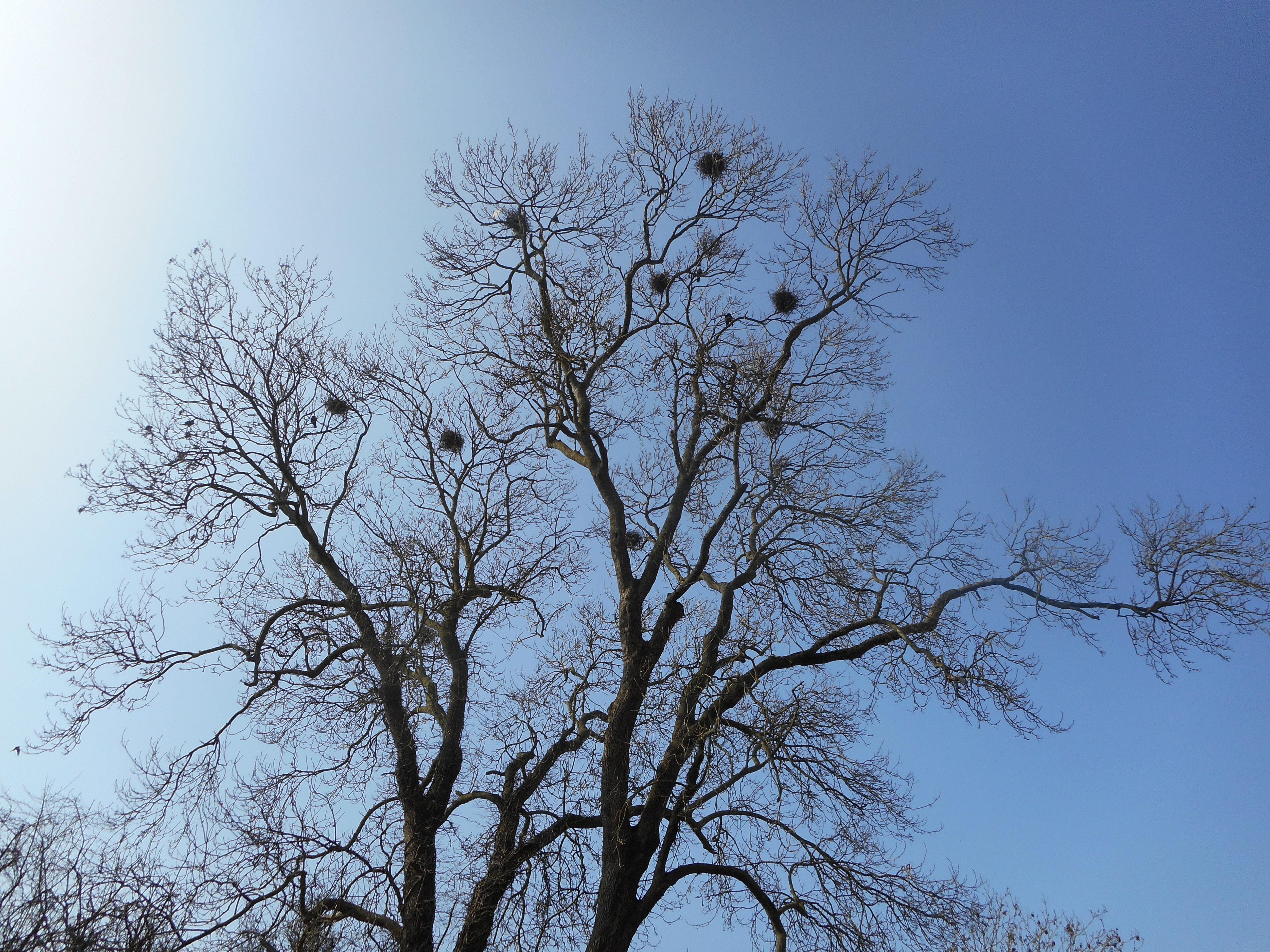
So, what I learned was to also look away from the canal at the aesthetically pleasing border that provides a runway for animals. From Semington, in the direction of Hilperton, they’ve covered 400 yards at a rate of 10 yards a day. And because the volunteers are so ecologically and environmentally aware, it all has to be done by the end of March and the start of the nesting season.

DSCN0251

DSCN0257

DSCN0256


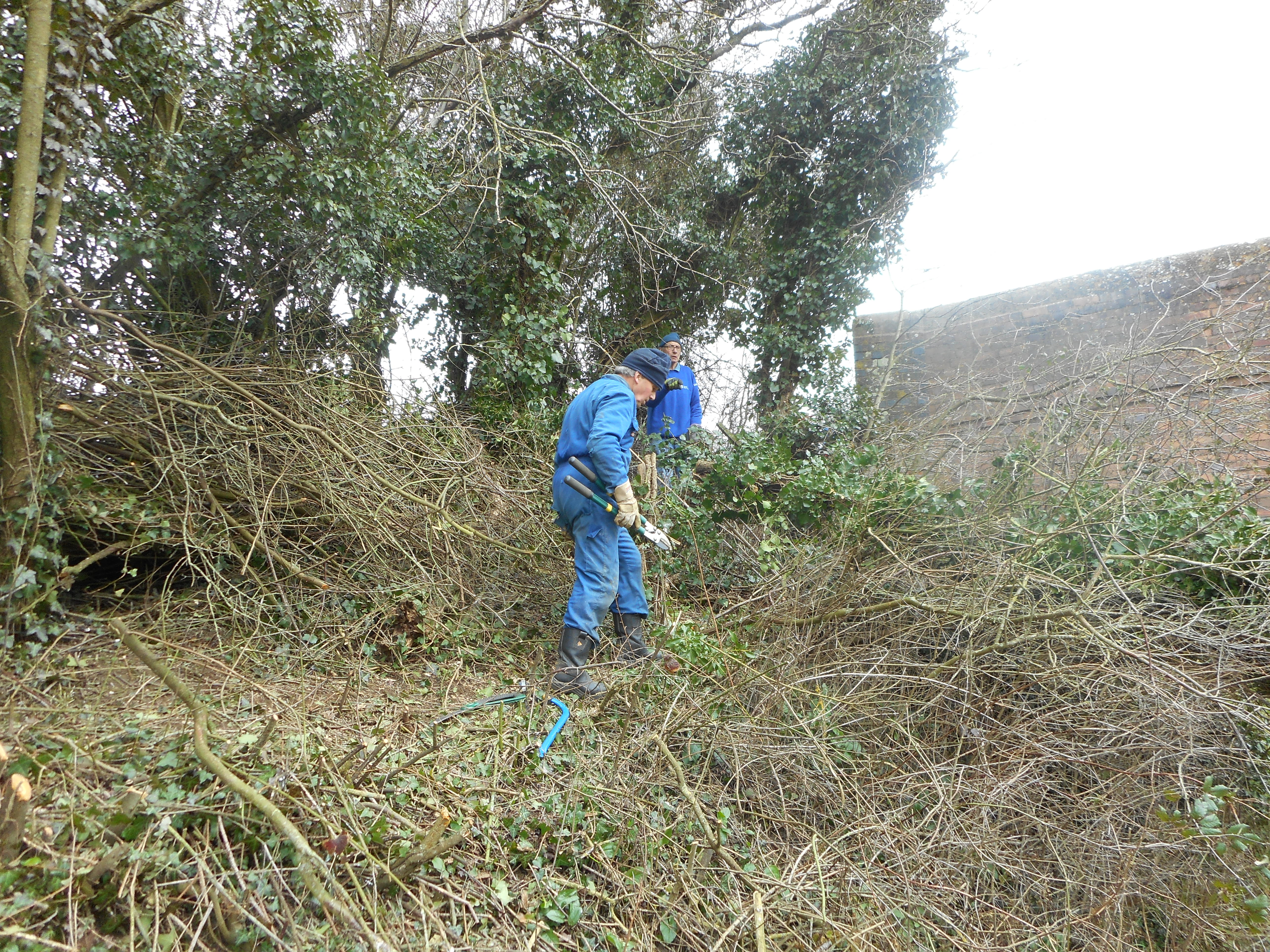
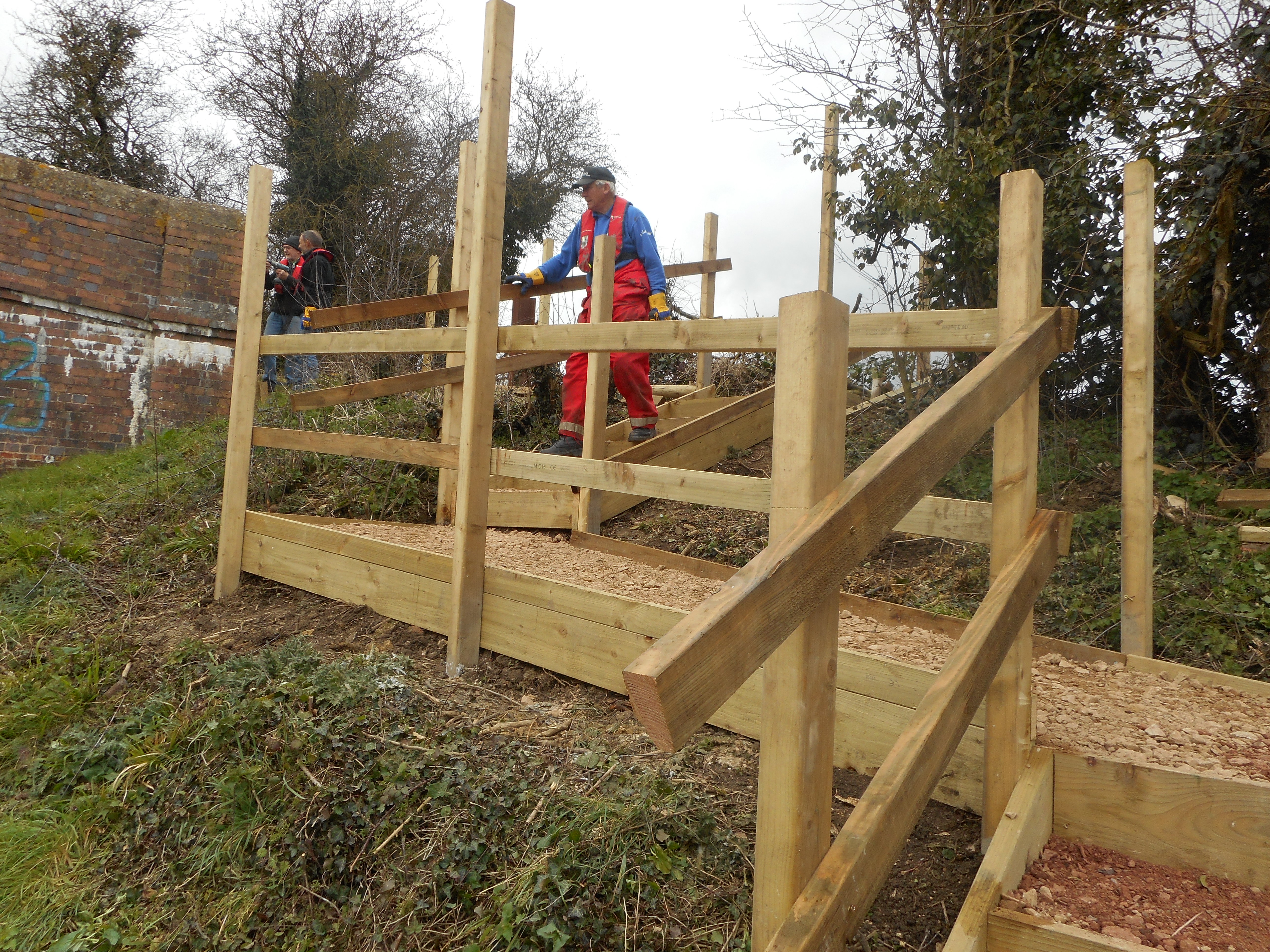
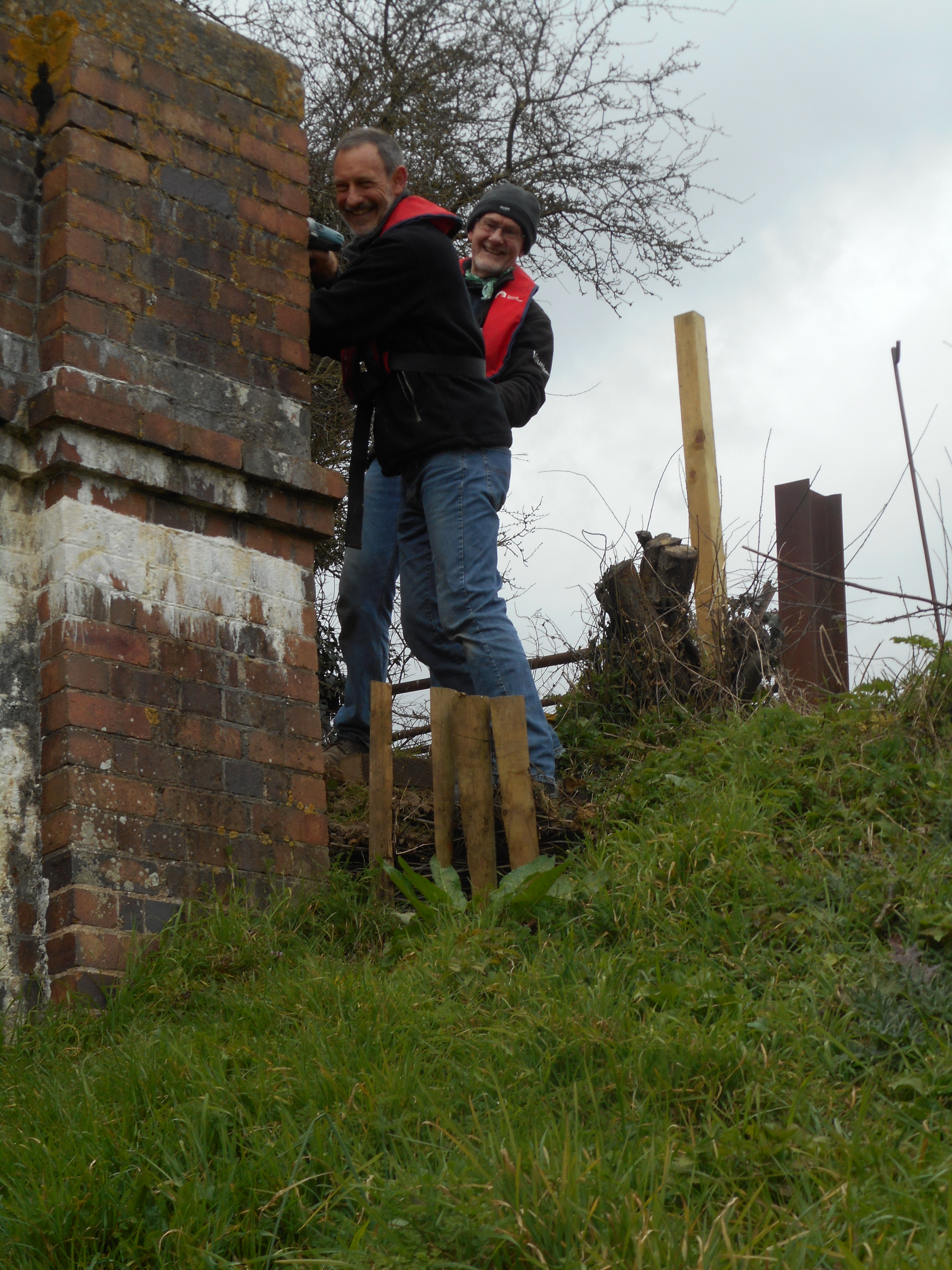
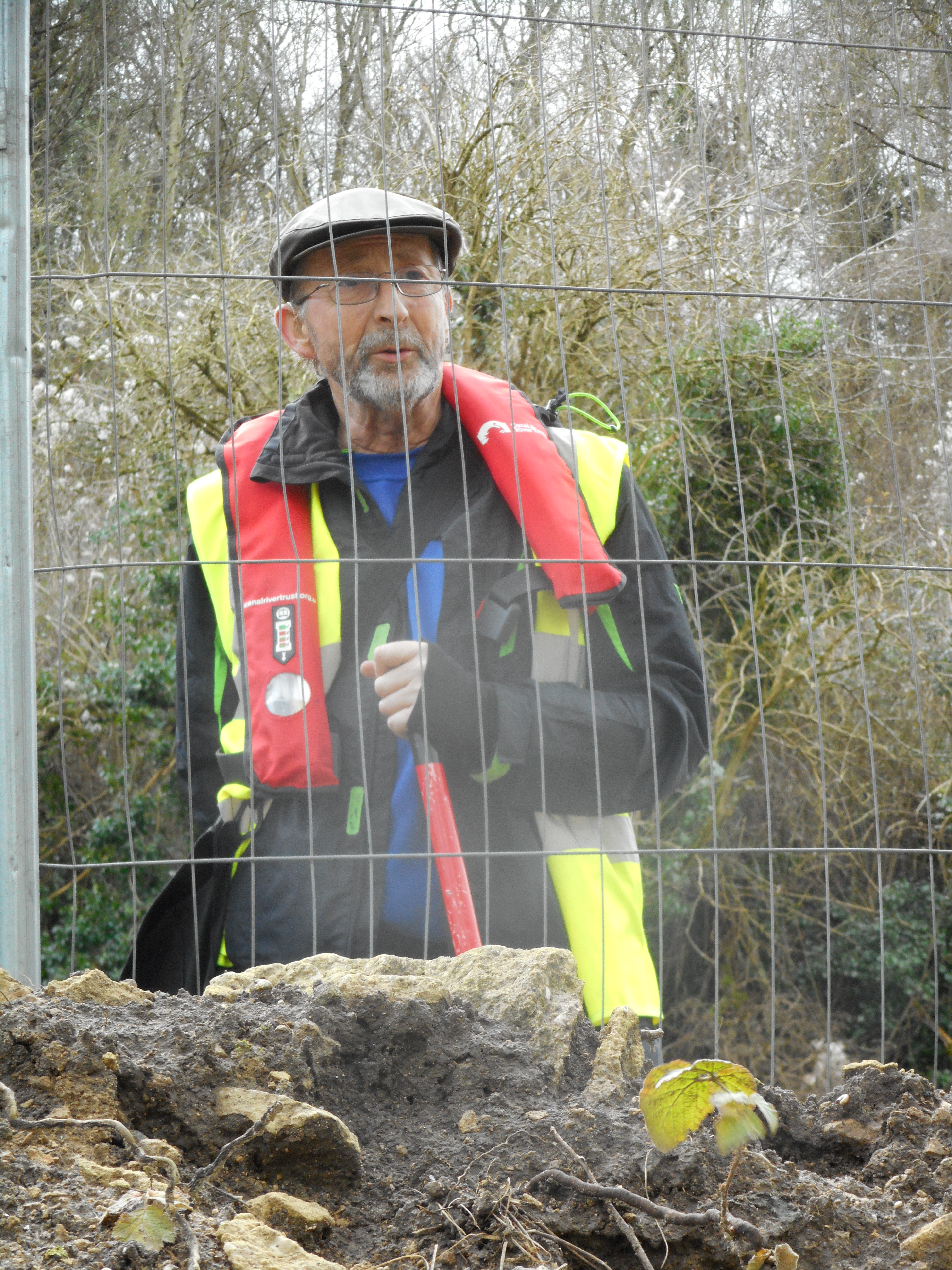
Reader, you know I like to write blog posts with my tongue stuck somewhere in my cheek. Today, as I discover what is far from bleeding obvious, it’s not possible. Later, we go to Whaddon where the teams are clearing the bank of overgrown foliage and constructing a new set of steps. The weather has closed in but these men continue to make good progress. Here’s an ex-ocean liner captain, engineers of various types and other professionals committing hours of retirement time, in good spirits, to the well-being of those parts of the canal that people like me hadn’t even noticed before, having taken it all for granted. Never ignore the bleeding obvious.


Man overboard!

DSCN0121Occasionally, even the most organised of perfect Virgos find ourselves central to something whence we ask ‘how the hell did I get here?’ Take last Friday for instance. It was a strangely sunny morning in Trowbridge. I’d passed an uneventful night chez Bartlett. They have some new cats now so there’s no need for the man of the house to be up all hours attending to the needs of the previous zombie felines; the mewing, walking dead. No international cricket matches on either that required him to comprise his county’s contingent of a global television audience. For Wiltshire, it was relatively normal.

DSCF1154

Spookily, however, by the time I got to the other side of this small town, a thick fog had descended; although, once I reached Bradford on Avon, the sun had reappeared and the sky was a welcome shade of blue. Despite the many miles I’ve trudged alongside the Kennet and Avon, and the hundreds of words I’ve written on towpath observations, both here and in the other country, I was about to embark on my first ever canal trip by boat. During the course of this, there would be five calls of ‘man overboard’ and one ‘fire in the galley’ necessitating an emergency mooring. See what I mean about ‘how the hell…?’

DSCF5618It began badly. What amounted to verbal fistycuffs took place on the quay before we’d even boarded. I’ve noticed this about folk who mean well on the canal: it’s nothing short of a major power struggle. These are very nice men (and never women) who are driven by a need to be ‘IN CHARGE’. There are too many titles. In this case, we had a Boatmaster, a skipper and a chairman. Both the new volunteers attending the health and safety training, and those more experienced, did the right thing and looked away; and sniggered behind our hands. Fortunately, there was something else interesting to look at: a swan had managed to become trapped between the lock gates and other canal volunteers were busy on a rescue mission. They filled the lock with water, then, opened the gates so the errant bird could glide serenely through. The swan had a bubble coming out of its head saying ‘and?’ We were about to clap but were called to account by the leader of the moment demanding to know if we were paying attention. Well, no, now you come to ask. Skipper and the Boatmaster were in a bloody heap on the towpath.

barbmclell

An interim explanation of sorts: wanting to give something back to the canal, I applied to be a volunteer writer. At first, I found myself subject to the control of a patriarchal elite to whom the concept of freedom of speech has yet to be introduced. Subsequently, however, I met Derrick who is a ‘good sort’, driven by the well-being of the Kennet and Avon. He introduced me to the local chairman who, upon agreeing to be interviewed, somehow recruited me to volunteer crew without me even noticing that I’d been aquatically groomed. Clever stuff that. Today marks our three hour session of essential health and safety training.

DSCN0125

 Nemo-like, we set sail in the direction of Hilperton but just as I was relaxing into the trip, ‘man overboard’ was called. Clearly, I hope, they can’t actually throw a man overboard. They threw a safety ring over instead. People who seemed to know what was occurring – that is, everyone except me – jumped to stations in an attempt to rescue the ring. They crawled along the gunwales like watery mountain goats, doing stuff with poles and ladders. Let’s face it, five minutes ago, I didn’t even know what a gunwale was. And now I do, there’s no way I’m going on one. It might’ve worked if everyone else on the canal knew a training exercise was taking place. That might’ve stopped the owner of a moored canal boat assuming the ring had accidentally fallen and helpfully prodding the ‘body’ with a long pole.

DSCN0127‘Fire in the galley’ and I’m in charge of the first-aid bag which is quite cumbersome. When a fire is spotted, a member of crew is supposed to blow their whistle. This alerts the rest of the crew without frightening the passengers by mentioning the word ‘fire’. We didn’t have any whistles so the woman next to me shouted ‘whistle’ three times. That’ll do it then. Everyone except me and the person in charge of the phone evacuated the boat on which ‘skipper’ had executed an emergency mooring. Sadly, your author is not fleet of foot: hindered considerably by the enormous first-aid equipment, I had to be helped down the gangplank and back ashore. If you click on this picture, you’ll see how far from the bank we were at the point of escape. Any further and the ‘man overboard’ and ‘fire in the galley’ exercises could’ve been carried out simultaneously.

DSCN0123The chairman accidentally put the emergency phone in his pocket and skipper forgot to remove the hammer and peg that secured the mooring. Thus, ten minutes back into the return journey, a conscientious passer-by was chasing our boat downstream with said implements. Yet another emergency stop was made to retrieve the hammer and pin at which juncture, the Boatmaster demanded to know why we’d crashed into the bank. Meanwhile, I’d been asked to play the part of an awkward passenger and stepped readily into role. ‘You’re very good at this’, remarked one of the more established crew members as I complained noisily about the number of people falling off the boat. ‘Years of practice’, I replied, demanding complementary alcohol.

DSCN0139Eventually, we arrived safely back at Bradford on Avon, as will you dear reader should you wish to join us. Next time, I’ll be a real-life member of the galley crew journeying down the canal to the Dundas Aqueduct. Come aboard – if you dare.


About a crab

crabI’m a bit of a binge exerciser: nothing for weeks, then a nineteen mile yomp along the canal. Normal footwear is useless. It only works if I wear my trusty walking shoes, purchased some time back for the sojourn in Cornwall along with off-the-map clothes. Actually, it didn’t work too well on the dark side – where’s the fun in stumbling across rain-sodden moors in search of stones piled on top of each other in boring arrangements at the summit of muddy hills? In fact, where’s the fun in anywhere past Devon? Don’t get me started on that place. We only escaped by virtue of a compulsory trip to Craggy Island which is a desperate place comprised entirely of stones, in no particular arrangement, and not even a boat to Ameriky.
No, the walking shoes are better suited to the flat terrain of an English towpath but, even then, my aged bones play up as they make contact with that hateful man, Arthur Itris. I write this having just returned from the depths of Bromley where proper beds are unavailable to the old and needy. ‘Give her a glass of wine and bung her on the put-you-up’, they say. ‘She’s an aged socialist hippy – she can cope with adversity’. In France, they call this type of bed a clic-clac. I think it’s because this is what your bones do the following morning.

It’s not helped when one has a sylph-like daughter who makes us run up underground escalators at night like demented troglodytes so we don’t miss a train which isn’t even the last one ever. On the same day that we walked uphill through a deer park. I mean, it was a very lovely deer-park but I had brought footwear suitable for the exhibition of Vogue photographs in the National Portrait Gallery. I call that downright sneaky.

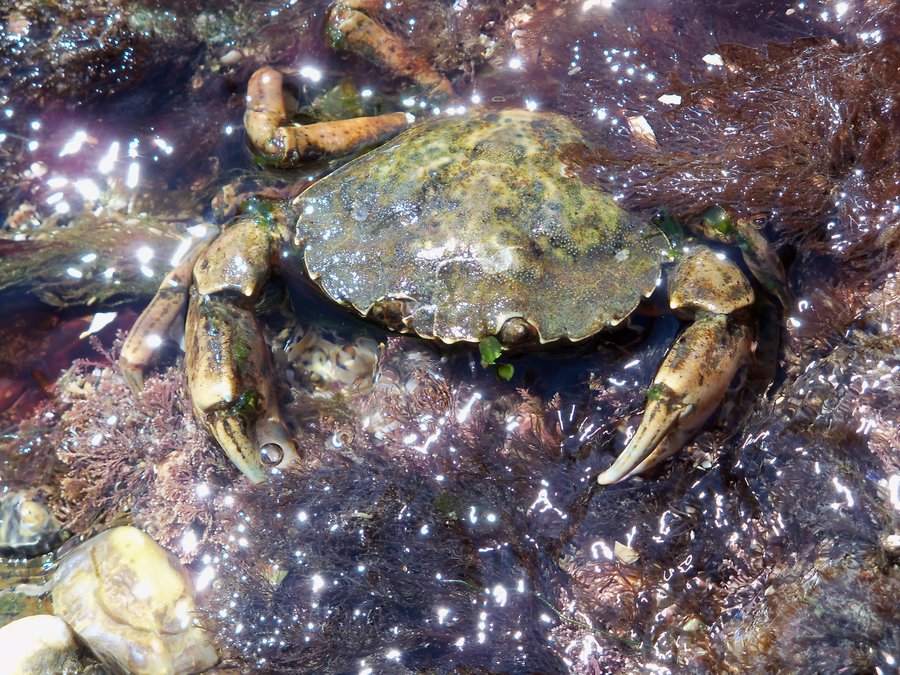
The only way to deal with the bone problem is to keep swimming. When I say I’m a binge exerciser, I don’t include the swimming which I do so regularly it has no effect whatsoever on my body mass. However, if I don’t swim, there will be trouble ahead. Reasons for not swimming are generally related to stitches from minor operations or colds and suchlike. Latterly, I’ve added attack by a crab to this list. Who knew a Poole crab could be so dangerous? Not I.

YouTube have an interesting clip wherein an unknown slave from Norfolk dresses a crab in four and a half minutes. Judging by her headgear, she’s struggling to dress herself but her film comprises the clearest and briefest instructions. I don’t possess a smart phone, an iPad or anything of a useful size so I have to take my laptop into the kitchen and hope it doesn’t get sprayed with too much crab detritus whilst I try to follow the wretched woman. So far, I’d managed three crabs in 50 minutes. The lunch guests seemed appreciative.

Having built up some self-confidence, I attended to two new specimens a couple of weeks ago, but disaster struck whilst wrestling with them in the sink. Even though he was long dead, one of the zombie crustaceans fought back and stabbed me in the thumb, inflicting a deep wound. Much blood was involved. We ate the bastard but it was far from over: four days later, the gash was still seeping and the pharmacist advised immediate recourse to the doctor. I arrived at the surgery, recounted the sorry tale and was immediately seen by a general practitioner. I know I have a reader or two in other countries so I’d just like to point out that, in this green and pleasant land, we normally wait at least three weeks to see a doctor.

The doctor asked me what I’d been doing on the beach in winter. I pointed out that the crab was in my kitchen sink and not by the seashore. ‘Are crabs dirty’, she asked? ‘More to the point, do you know how dangerous hand injuries are’, the medic who never eats fish continued? ‘Last week, we had a woman in here who lost her finger’, she said in a threatening voice. So that was another week without swimming.

When I eventually got back into Waterland, the first thing I did was inadvertently throw a gold earring down the hole in the casing that houses the hairdryers. I was recounting the tedious story of the crab at the time and not paying attention. I’m cutting a long story short here. They told me they had a special person that could take the unit to bits and retrieve the earring. I knew they were lying. They had exactly the same attitude as the folk who think it’s ok to put a pensioner on a bloody clic-clac and then wonder why they’re in a bad mood the next day. People I’d never spoken to before were texting to say the earring was still down the hole. It was the biggest thing that had happened in Dorset since someone got attacked by a dead crab in their sink.

I’ve got my earring back. My son has a fork with an extendable handle. I like to think it’s for toasting muffins on the fire during tutorials with an aged professor in one of the better universities. Actually, it’s probably for stealing roast potatoes from someone else’s plate. Whatever. The earring was retrieved, cleaned and replaced in your author’s ear at the close of a particularly irritating week.


crab

Barbara, Bryan, Deborah, Tony, Ian and Anne Boleyn

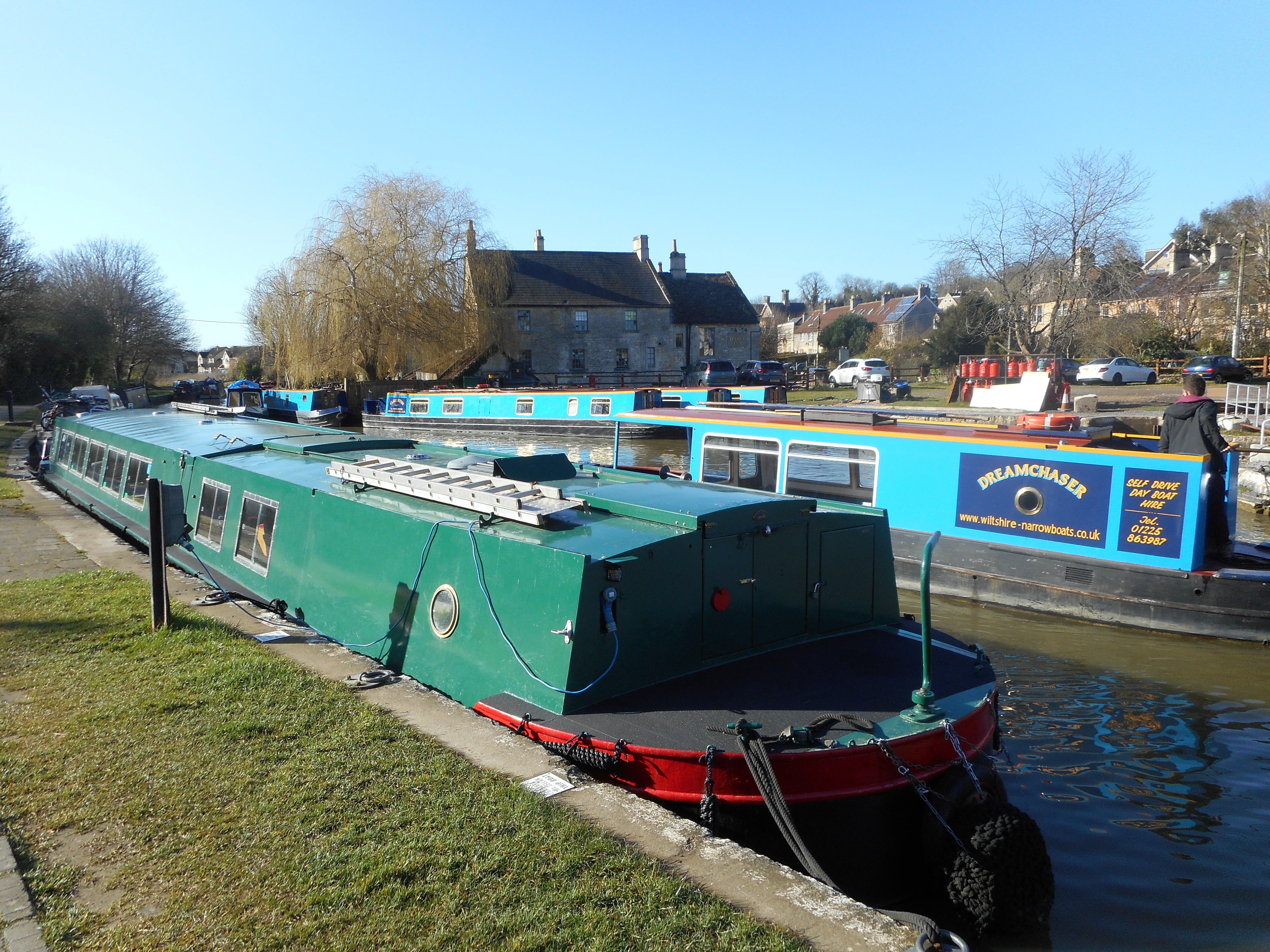
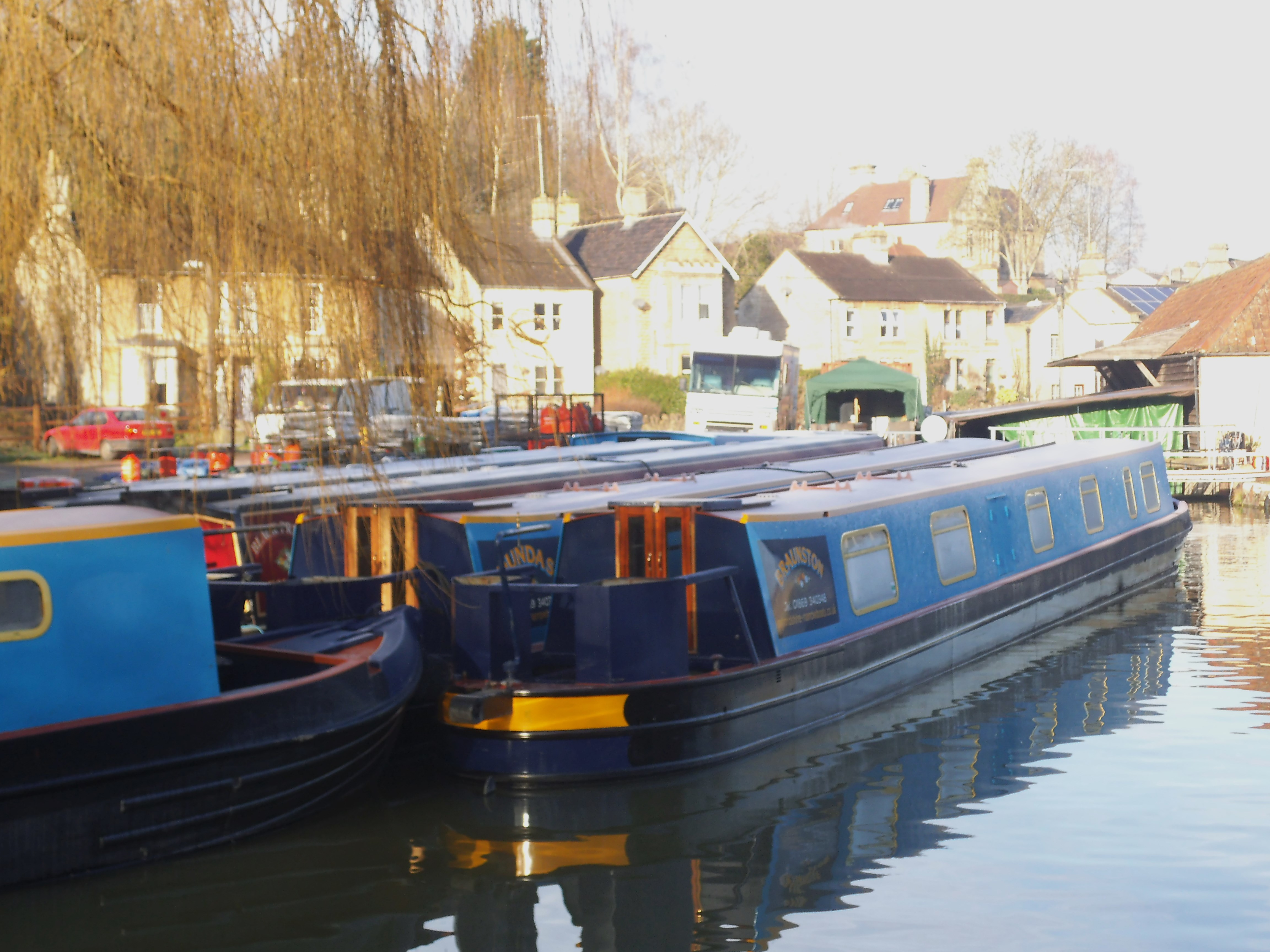
barbmclellThis is the Barbara McLellan. She’s a 65 feet widebeam boat currently owned by the Kennet and Avon Canal Trust (KACT) and housed at Bradford on Avon wharf. During the season, you can charter the Barbara McLellan for parties and suchlike; or you can simply take a trip aboard along with fifty other contented passengers.

DSCN0012

According to Bryan, who’s the KACT branch chairman, there’s a possibility that the Barbara McLellan was once a restaurant boat in Poole before being purchased and bequeathed to the Trust on condition they offered some free trips for certain groups, which they do. At the moment, the boat is in the process of undergoing its annual deep clean so I have the opportunity of being aboard with Bryan who’s telling me all sorts of interesting things. Actually, I have something that I think is quite interesting to tell Bryan: despite being a huge fan of canals, this is the very first time I’ve been invited aboard any type of canal boat. It’s hugely exciting but somehow, before we’ve even started the interview, I seem to have been recruited as a potential crew member for the new season.

DSCN0013

Also aboard, are Deborah and Tony who are in the process of training to be Boatmasters. Every now and then, Bryan sets them another task and, along the way, asks a few challenging questions. Barbara and Tony have years of experience on narrowboats and have traversed many of England’s canals. However, being a Boatmaster involves far more. For a start, they have to take fire safety and water safety courses and be registered first aiders. Further, the amount of legal knowledge required seems daunting. Actually, as to the untrained eye, nothing on the Barbara McLellan is currently where it should be, finding the relevant information appears a bit problematic this morning. I have faith in these two but what do I know? They’ve got to sit an external examination set by the Marine Coastguard Agency.

Bryan, Deborah and Tony are all volunteers. Regular Donald readers will know that I like to be a little light-hearted with most of my weasels but it’s hard not to take these folk seriously. They give hours of their time and energy to making the canal the wonderful place that it is and are gracious in passing on their knowledge to one who knows nothing – me. And today, I also have my first chat with one of that rare species, the full-time paid employee.

DSCN0028

Ian is not in a cage. I am in the cage looking out but more of that another day. Ian’s on the towpath with his measuring stick. He can measure widths and lengths.

‘What do you measure’, I ask?

‘Oh, anything really. Bridges, banks – whatever needs to be measured’. Behind all that wire and hair, there’s a bit of a twinkle in his eye. I discover that Ian is a canal inspector. He works for the Canal and River Trust, walking the towpaths with his beady, twinkling eyes alert for trouble. He tried retiring a few years ago but hated it. After that, he tried coming back on a part-time basis but that didn’t really suit either so now he’s fully employed once more. Ian lives on a barge on the Bridgewater and Taunton Canal where he’s normally based. Currently however, he’s seconded to the Kennet and Avon. He tells me a story about his own canal.

bridgwatercanal bm wk30_jpg-pwrt3

The Bridgewater and Taunton, a mere 14 miles in length, is one of the shortest canals. Despite linking two towns, it’s apparently very rural and olde worlde. So much so, that it played an important part in the television production of Wolf Hall. The stretch shown in the photograph (courtesy of the Bridgewater Mercury), was used to represent the channel leading from the Thames to the Tower of London along which Anne Boleyn travelled to Traitors Gate. Ian was in the support boat as filming took place during a murky dusk. An atmospheric mist was rising from the waters of the canal which made the producers very happy. Suddenly, something else rose without warning from the depths – the historic remains of the inside of a washing machine.

Ian roars, then looks at me more carefully. ‘Do I know you from somewhere’, he asks unexpectedly?

‘I walk along the canal quite a lot’, I suggest.

‘Oh that’ll be it then’, he says. But he doesn’t look very certain. I adjust my crown.


The lock keeper’s story

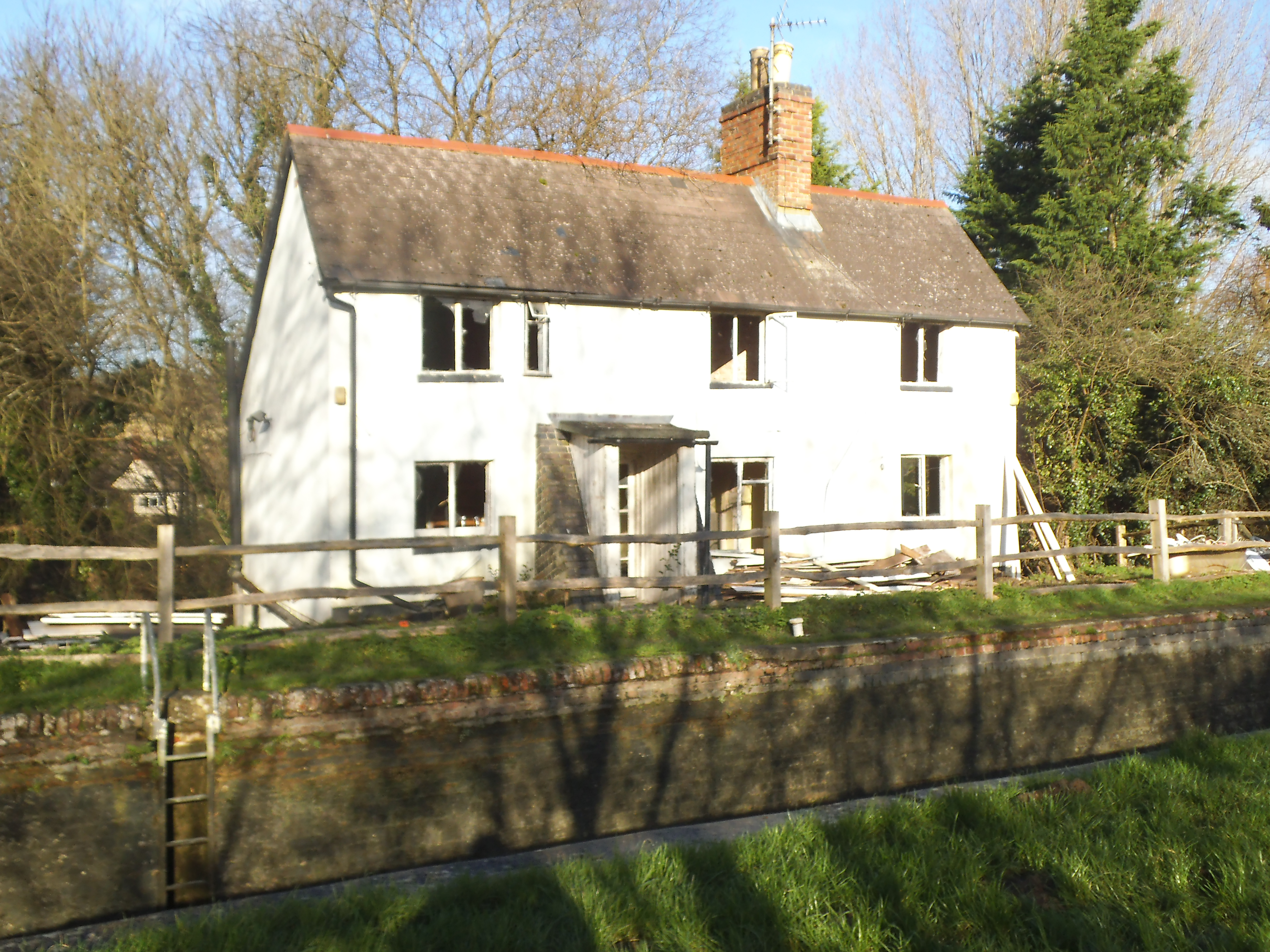
DSCF1112In an earlier posting, I mentioned the lock keeper’s cottage on the edge of Freeman’s Marsh outside Hungerford. Now in a sorry state of disrepair, this once picturesque abode would have typified the accommodation of keepers of the lock, both canal and river-based, up and down the country in times past.

To me, these cottages conjure idealistic visions: places of romance, rural intrigue, comings and goings, exchange of news. Some or all of this might be true enough but, despite the desirable residency of the post, and an almost autonomous responsibility, the life of the lock keeper was not wholly idyllic. He was expected to operate and maintain the lock twenty four hours a day, seven days a week; (women were prohibited by law from becoming keepers of the lock in 1831). Despite everything, many craved the position of lock keeper, concomitant life being far preferable to that in the urban tenements of industrialisation.

DSCF1173Maintaining the lock and surrounding water-edged countryside also included offering whatever aid was needed to water-borne travellers, including the rescue of those who had fallen into the canal or river. Sometimes, the keeper was allowed to retain the tolls paid by those whose boats passed through the lock. Where the authorities took these payments, they occasionally offered the keeper a small stipend. Either way, it was a poor living so lock keepers and their families made the most of the generally large plots of land that surrounded their cottage. All sorts of enterprises have been recorded which mostly centred on the provision of goods that could be sold to those who traversed the canal. Kitchen gardens were substantial as was animal husbandry. Some of the more enterprising built bread ovens, brewed cider or beer, made cheese and a surprising number were bee keepers.

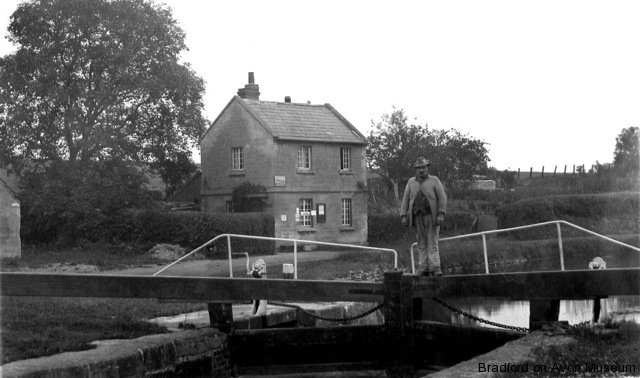
lockeeper002Of course, as the commercial nature of the canals declined, so too did the need for a professional lock keeper. Here, in a photograph held by Bradford on Avon Museum, is George Andrews who was the keeper of the lock in that town in 1925. Behind him, you can see his cottage. Today, George’s house comprises the tea rooms on the wharf. In a somewhat torturous, but eventually successful, arrangement, the freehold of his erstwhile home is owned by the Canals and Rivers Trust (CRT). The Kennet and Avon Trust secure the leasehold from the CRT and they sub-let to the far less bureaucratic and thankfully more down-to-earth Victoria to serve tea and cakes. I love Victoria. On this informative but wind- penetrating expedition, she provided me with a delicious cup of FREE steaming coffee just for standing next to a bloke in a high viz jacket!

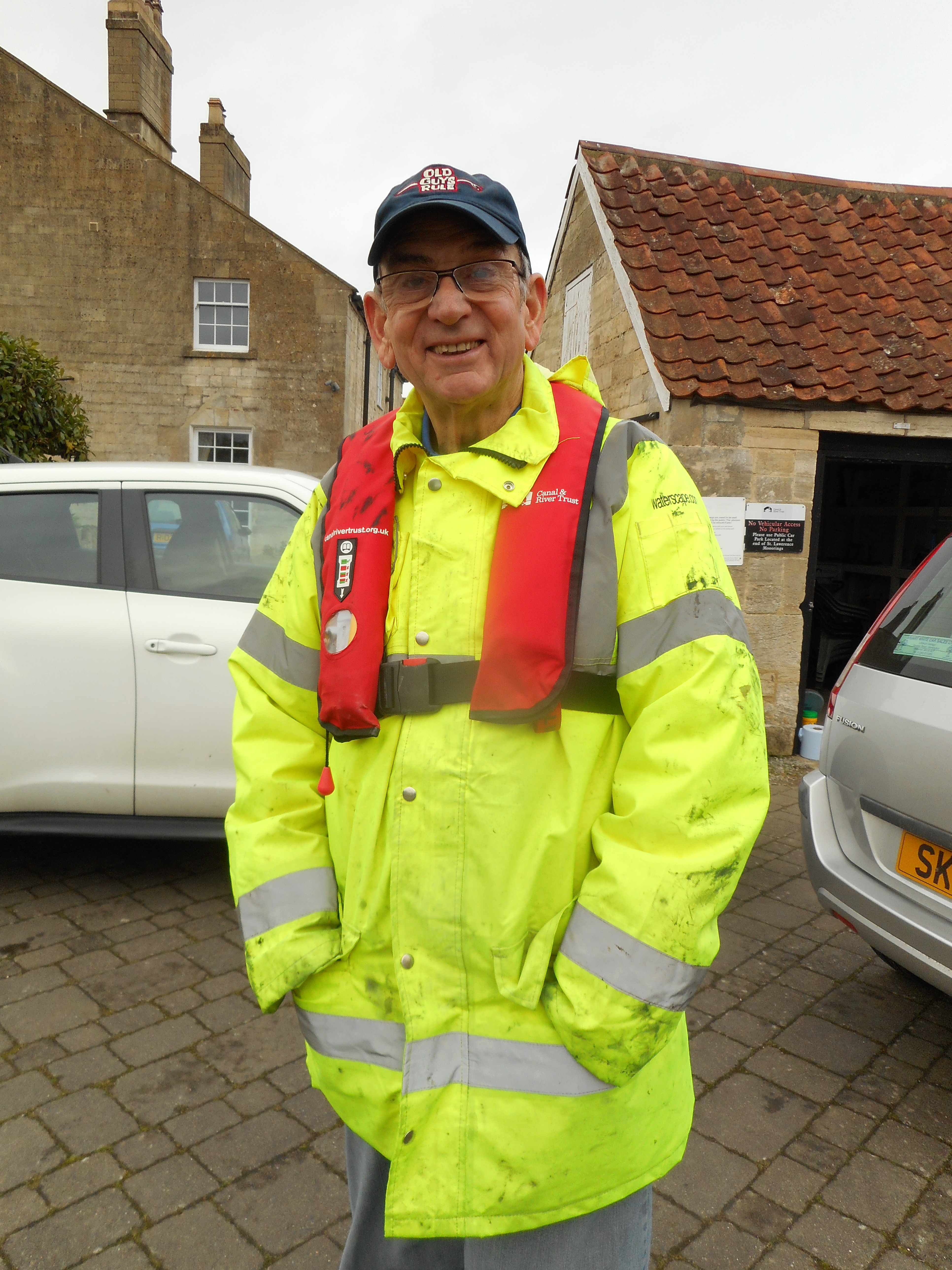
ADSCN0014nd the lock keeper? Well, handing one’s CV into the local dole office with ‘lock keeper’ as your main desirable employment is not likely to get you far these days. However, a brief look at the website of the CRT will quickly alert you to several relevant vacancies. This is the delightful and unassuming Richard, one of today’s volunteer lock keepers at Bradford on Avon wharf. Richard’s one of those people you unexpectedly bump into when waiting for someone else; one of those folk who, once he’s started talking, you wish you had another two hours to spare to listen to.

Richard, a merchant navy engineer in another incarnation, has been a volunteer lock keeper for six years and told me all the things I should have known: his lock, at 11 feet 6inches in old money, is the second deepest on the Kennet and Avon. The deepest, somewhat unimaginatively named Bath Deep Lock, is the deepest IN THE COUNTRY. All very well me putting that in capitals – some of today’s local commentators were a little dismissive of the Bath construction claiming it comprised two locks conjoined so ‘it would be wouldn’t it’. Richard’s lock is also one of the busiest in the country. Normally. Interestingly, it’s not busy today:

‘The Avon’s too full’, says Richard in passing.

‘Too full of what’, the cub reporter enquires? Boats, I think but don’t posit.

‘Too full of water. Dangerously fast water’, the expert informs me. ‘And there’s a bridge down at Seend’, he continues. So, nowhere much for the boats to go, but plenty of opportunity for repairs. I am sucked into this world and its inhabitants. I am a walking anorak. Dare I ask whether there are many mishaps at Bradford on Avon wharf? Am I looking for glamour where it’s not required?

‘Well’, replies the poker- faced Richard, ‘we had two sunken boats in the lock last year. Would that be the sort of thing you’re interested in?’ Yes, oh yes. I try not to appear too excited.

In order to understand how the narrow boats sunk, I am obliged to stand on a very muddy piece of grass close to the water’s edge whereupon tricky engineering issues are pointed out. There’s no way I can utilise either my notebook or my camera. I must now rely on my unreliable memory. Basically, a cill is a large piece of stone which juts out from the lock gate. The narrow boats enter the lock. The captains observe all the warning signs, of which there are many clearly displayed, and they stop their boat short of the cill. Unless, according to today’s lock keeper, they are ‘out of their skull on drink’ or are busy on their mobile telephones. Moving forward of the cill results in a flooded boat. ‘And’, he continues. ‘if you get sucked under into the dark, you won’t be coming out again’. More importantly, for everyone else, they cause the canal to be closed for a week. Use of a heavy crane is a non-starter because it will damage the lock so a proper salvage operation must be undertaken which costs the narrow boat owner £100,000.

I think about all those lock keepers surviving in times when there were no cranes or salvage operations of the type that Richard refers to. All of those men and their families intent on the safekeeping of the locks. And all of those whose living depended on the well-being of the canal.

I am indebted to a writing blog I discovered: https://regencyredingote.wordpress.com/2014/03/14/a-lock-keepers-cottage/ Sadly, the author gives no source for her piece on canals but she writes as one who has undertaken substantive research


A change of plans

DSCF1181The previous time I left the Western end of the Kennet and Avon was at the Midland Road Bridge in Bath. During the last week which, let’s be fair, I have stumbled through in some yet-to-be-rationalised distress, Saturday’s outing was to be nowhere near this canal. I’d intended to travel in the direction of some inner city location where flowers might be laid. Then it transpired that, having left without warning, he also departed without ceremony, not wanting anyone’s grief. As he latterly said, ‘if I never see the English evergreens I’m running to,it’s nothing to me’.

DSCF1154I thought to walk from Bath to somewhere or other but the English weather dictated otherwise. Snow is coming and if it never arrives, the roads from Poole will still be icy and dangerous. So, for the third time, I readjusted and decide to take a short walk – maybe a mere four miles – from Bradford on Avon to Avoncliff, along the canal and back by means of the river path. It’s an old and pleasing favourite.

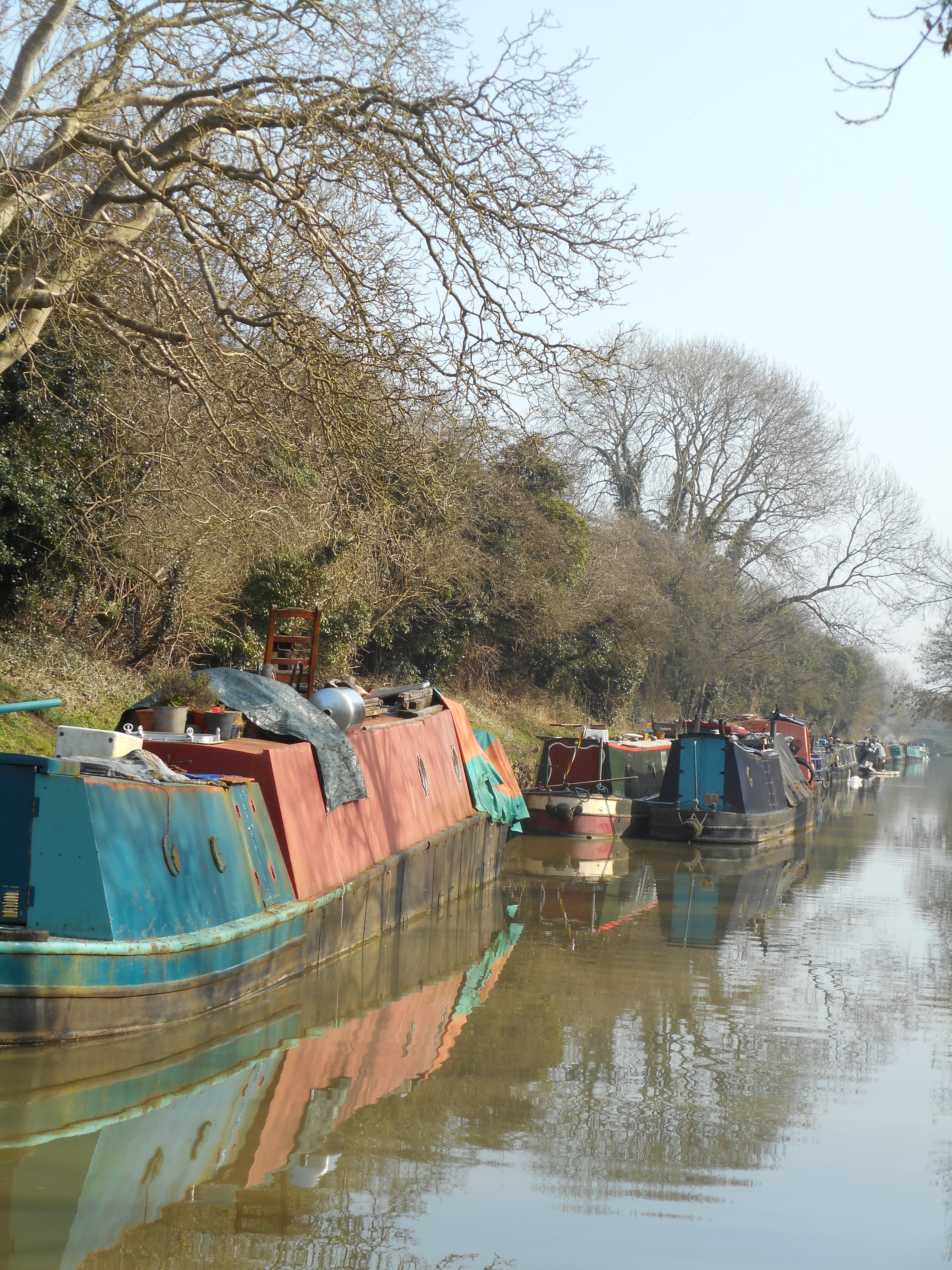
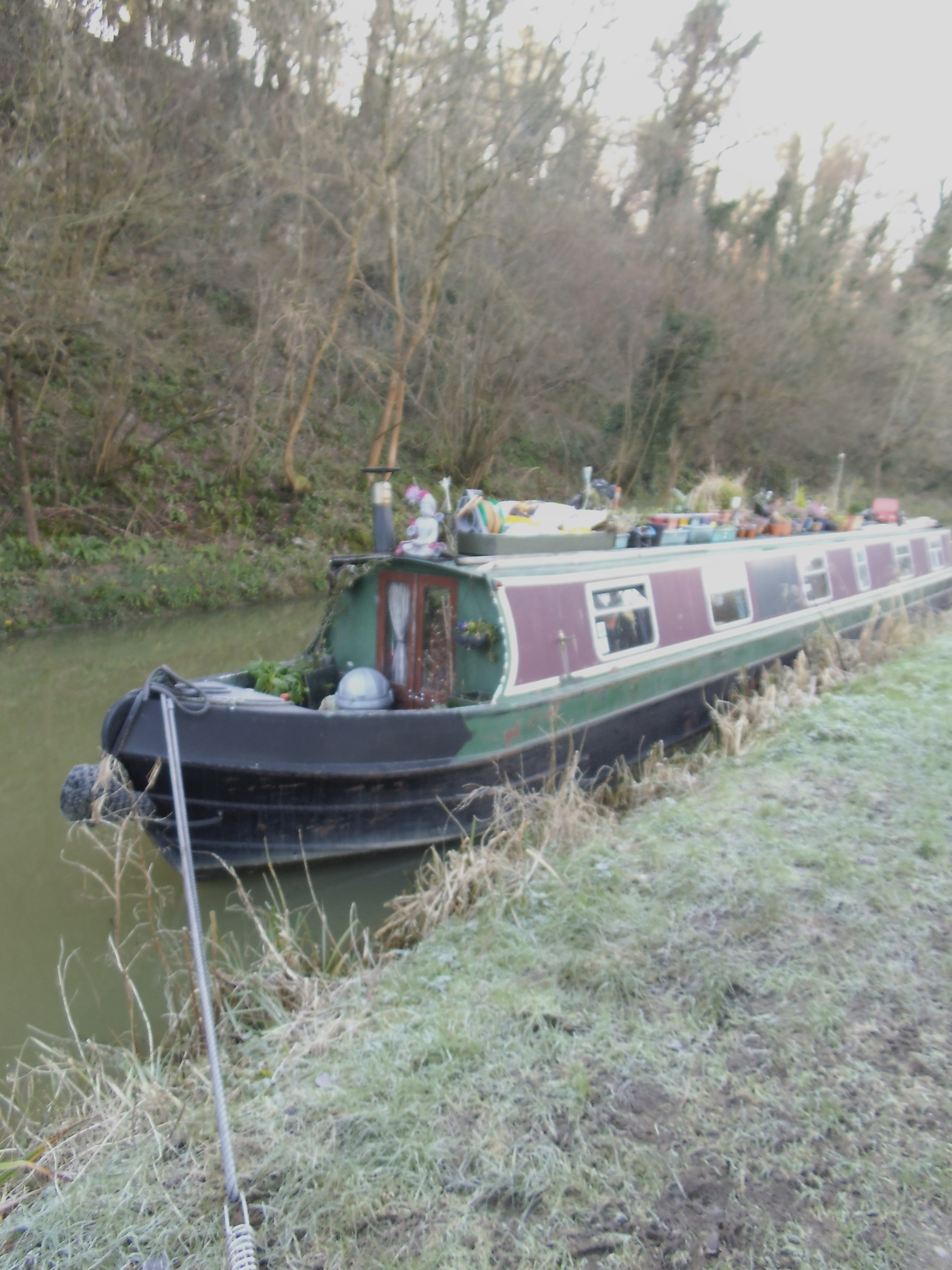
DSCF1155By the time I reached Bradford, the temperature had resigned itself to not rising above freezing point but the morning was brightly optimistic after the incessant rainfall. I have a new ‘job’ as a volunteer writer for the Kennet and Avon Canal Trust and was hoping to speak with a few volunteers. It’s a non-starter as no-one is around so, with the air full of that wondrous wood smoke I now associate with winter barges, I pressed on alone. Save, no-one who likes to talk whilst walking the canal is ever alone.

DSCF1173DSCF1180I met Christine and cursed the dying/dead camera. In the last posting, I mentioned that the camera was fading. Now, my photographs disappear without reason. Christine was chopping wood at the side of the canal but you’ll have to take my word for that. She was gracious enough to let me capture her on film but, of this, there’s no evidence.

DSCF1164Christine and Alistair have been moored up near Avoncliff since September when they’d retired from jobs in Oxfordshire to live on the canal. I am rather envious, but not of her transposition to the life of a lumberjack. Alistair might have taken on this task but he’s inside and unseen. He’s poorly.  When they lived in Henley, Alistair was Head Gardener on a number of projects in stately homes. It sounds idyllic. Whilst she’s creating the fuel for all this wonderful wood smoke, he’s safe inside. Christine was something high up in the county’s educational sector but she’d seen the writing on the wall: ‘fourteen curriculum changes in 30 years’; she was teaching the writing: ‘And now this lot’, she nods in the direction of Downing Street; or the Bullingdon Club. For Christine, the concept  of shopping has changed somewhat since the Henley days of high-powered position: now she’s looking for replacement axe-heads and four-piece saws.

DSCF1165Down below, on the track that runs alongside the Avon, and too far for the dying camera to cope with, Roger’s trying to cope with his ill-behaved group of ramblers:

‘People at the front,’ he shouts, ‘stop!’


People at the front are deep in conversation and oblivious to Roger.

‘You at the front, stop’, as if they’re  in Ypres and about to go over without precision. Nothing.

‘Stop!’

People at the front think they might have heard something and turn round. Roger’s caught up with them. He’s very animated – arms are windmill-waving as he points to the end of his group and leads his team  up the muddy bank towards the canal. Some braver members of the brigade point out this strategic error and they all turn, as one, back to the river.

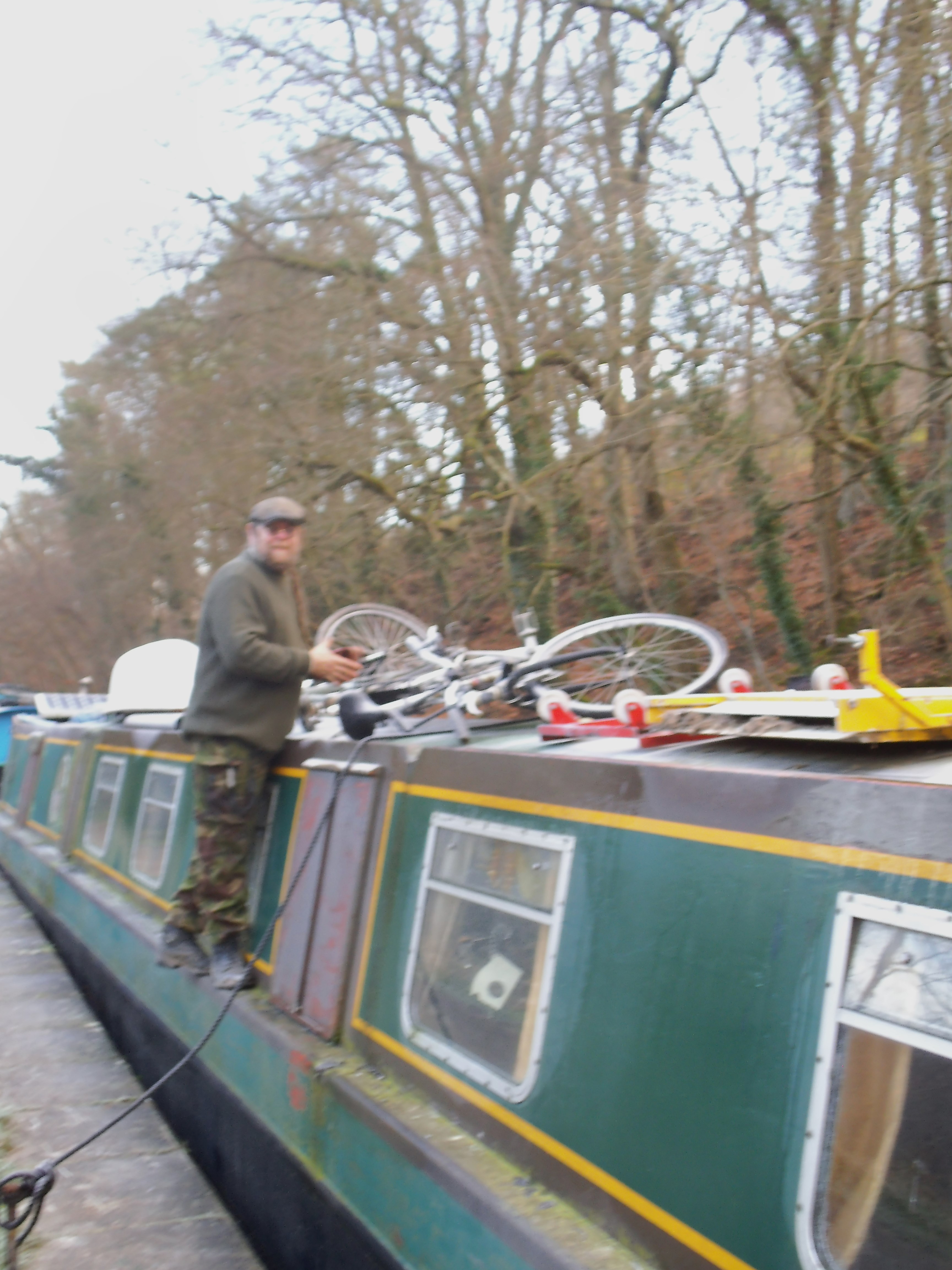
DSCF1178As I leave the shade and shadows, the canal is dressed in sheets of ice and I meet Mickey. He’s been ill for two weeks: ‘like everyone else’, he informs me. Mickey and his unseen wife have been on the canal for a year now. ‘We were on the Medway for eight years before we got flooded’, he explains. ‘Water came up 15 feet and we were nearly on the football pitch, so we came over here’.

I’m struggling to understand any of this and have an image of this modern-day Noah guiding his barge away from the lost canal, from the flooded football pitch, and mysteriously landing round the corner from the Avoncliff Viaduct,

DSCF1182I arrive at the inhospitable Cross Guns where, despite the appalling temperature, they still make you take another walk outside to use the facilities. I partake of a seemingly ancient cup of coffee and write my notes. This must be the only place in the universe where no-one gives a stuff whether you’re writing about them.  And I return to Bradford via the icy track along the river.


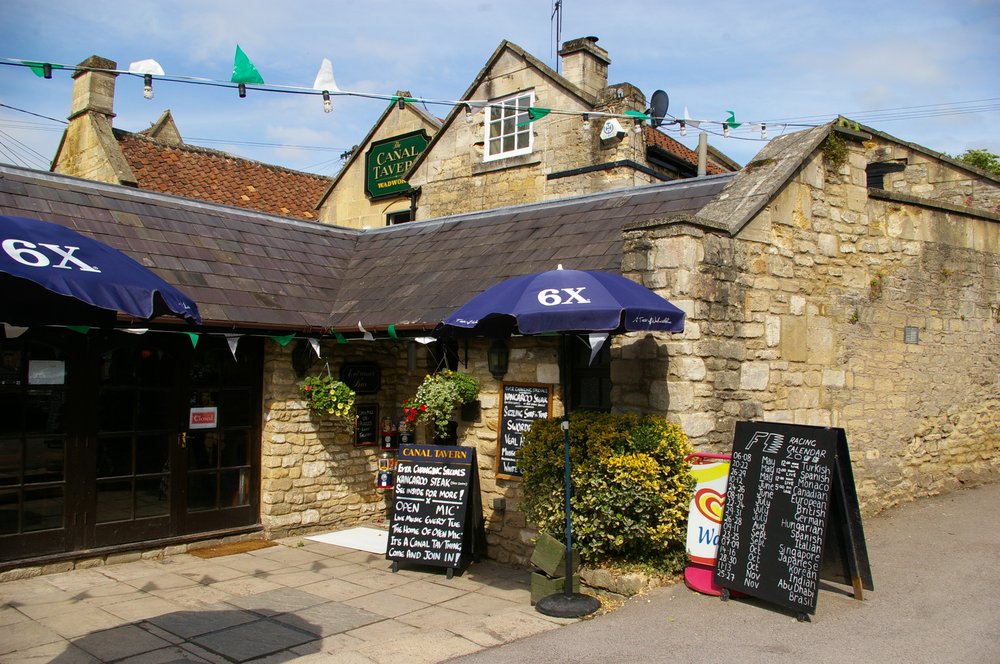
canal tavernI would say there’s little to recommend The Canal Tavern. Their Wiltshire Ham and Cheese Wrap was disappointing, although the salad was surprisingly avante-garde. But tonight, when I am long-gone, they will host a Bowie party.  For the time being, they have, on their very large screen, something called Vintage TV on which I watch the man, because there is no escape.