The stars look very different today

bowieI don’t know when the end begins. For many years of our lives, most of us are, apparently, immortal. My generation knows only too well that there will be early demises – Jimi Hendrix, Jim Morrison, Brian Jones, Keith Moon, Ian Drury, John Lennon: characters, stars; call them what you will. I remember being particularly saddened a couple of years ago, just when I thought I’d got used to it all, by the death of James Gandalfini – a particularly nasty trick when I’d been such a late convert to The Sopranos.

And, talking about my generation, we’ve experienced first-hand those other shocking wake-up calls: Jack and Robert Kennedy, when one was not yet old enough to read American politics; Diana, when we were of an age to hate the financial unfairness of royalty, but not yet mature enough to deal with innate sadness that made the whole country be nicer to each other for a week.

Unexpectedly, when we hit sixtyish, our personal friends start dying. These are not folk who’ve passed a lifetime of indulgent excess. There’s no lesson to be learned and this is a terrible shock. How very inconsiderate of them to notify us that, despite being children of the sixties, and thus not only up there with the game changers, that the game is, after all ,not infinite. What a nerve these people have with their strokes and their heart attacks and their cancers. Get a life!

Bowie never warned anybody about anything – he just did it. No surprise then that we didn’t know he was ill. What would we have done with that information anyway? We wouldn’t have rushed out and purchased his new album – we were doing that anyway. His death was as his life’s work: unexpected and shocking.

A couple of years ago, we went to the Bowie retrospective at the V & A. How wonderful to write that sentence. How amazingly different from all the other modern deaths that the V & A chose to commemorate this icon. How brilliant that the Archbishop of Canterbury was the first to offer his plaudit on Radio 4 this morning.

When we speak of Bowie, we speak not of small or temporal things. The world mourns.


The second walk

Great Bedwyn to Hungerford: 6 miles, 29 December 2015

DSCF1106

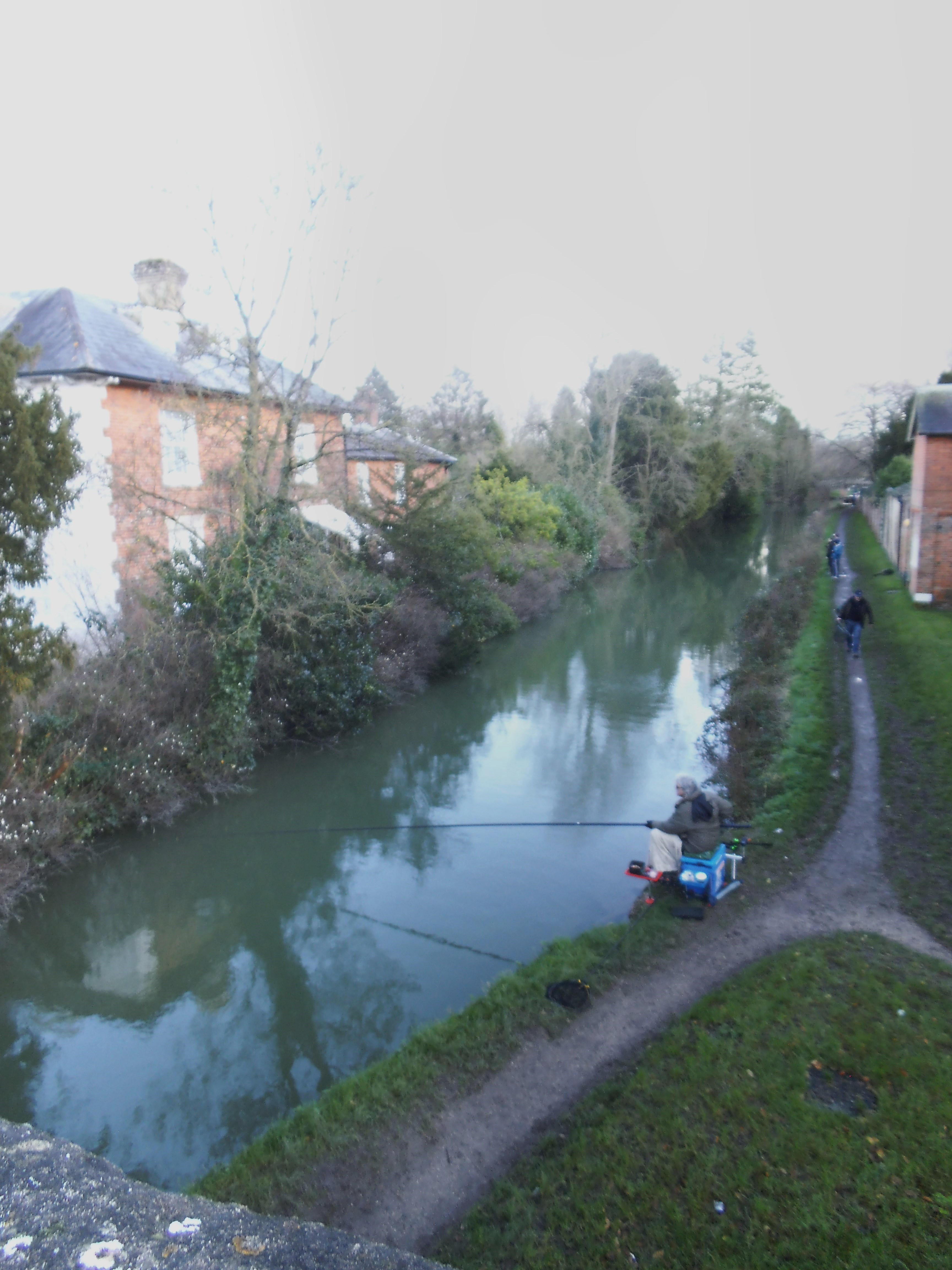
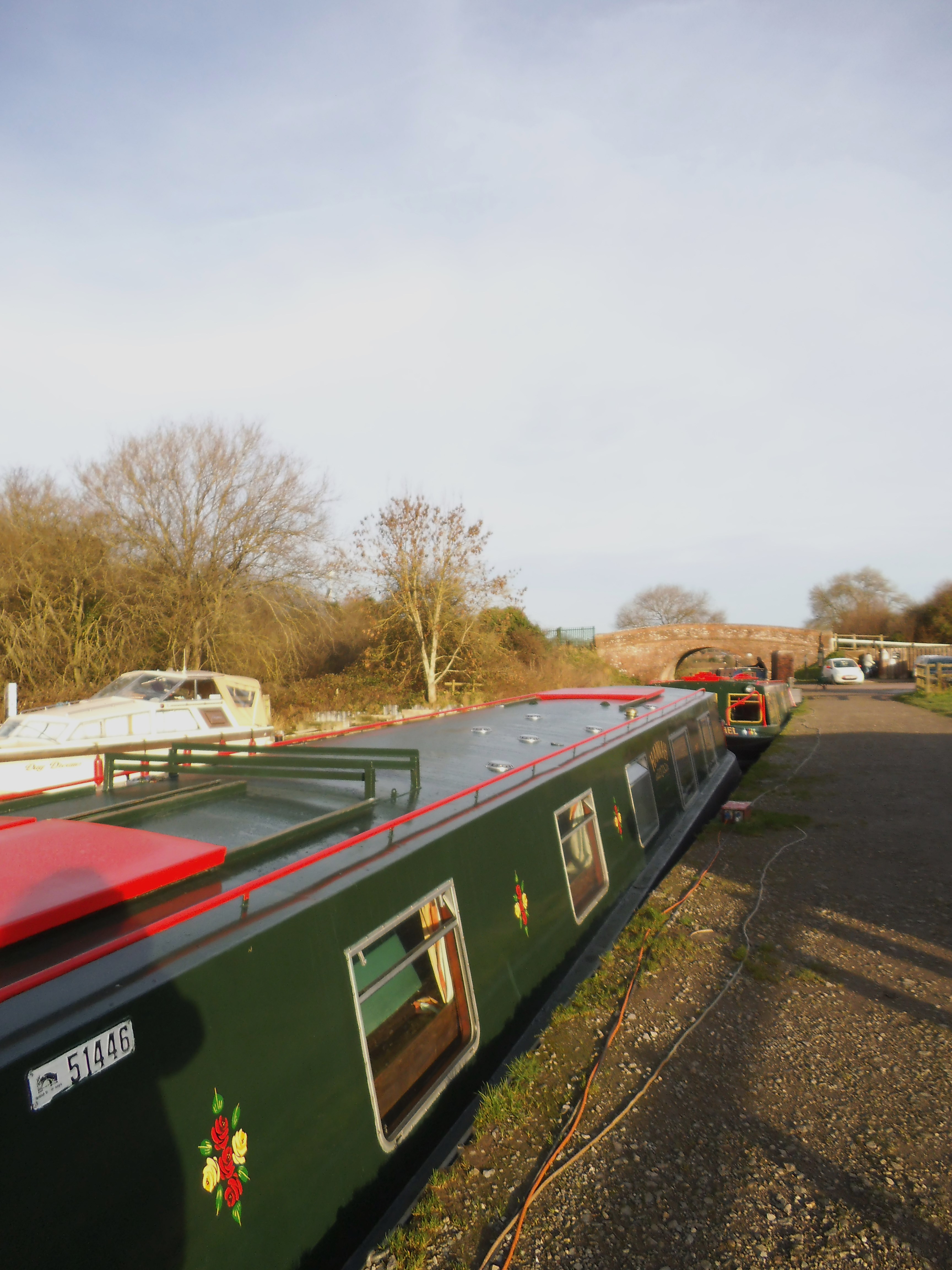
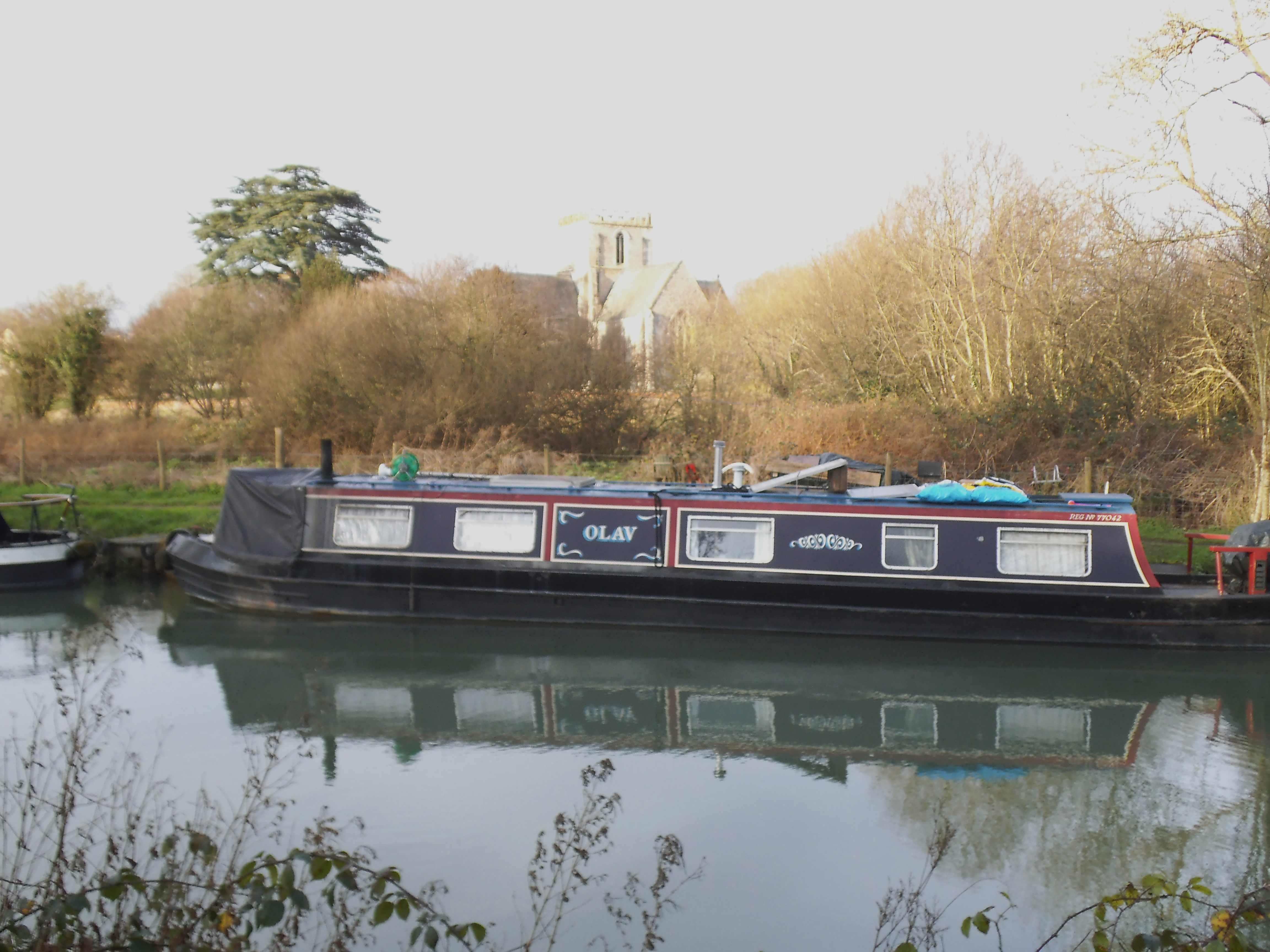
Frank is due tomorrow but on this most glorious of mornings there are a lot of people out and about on the canal. Due to early morning showers, the towpath is treacherous: in some places, the attempt to remain upright is painful as neither foot seems to want to remain in close proximity to the other. The water in the canal is especially high and the path has disappeared to leave a slippery incline just inches from the edge.

DSCF1073

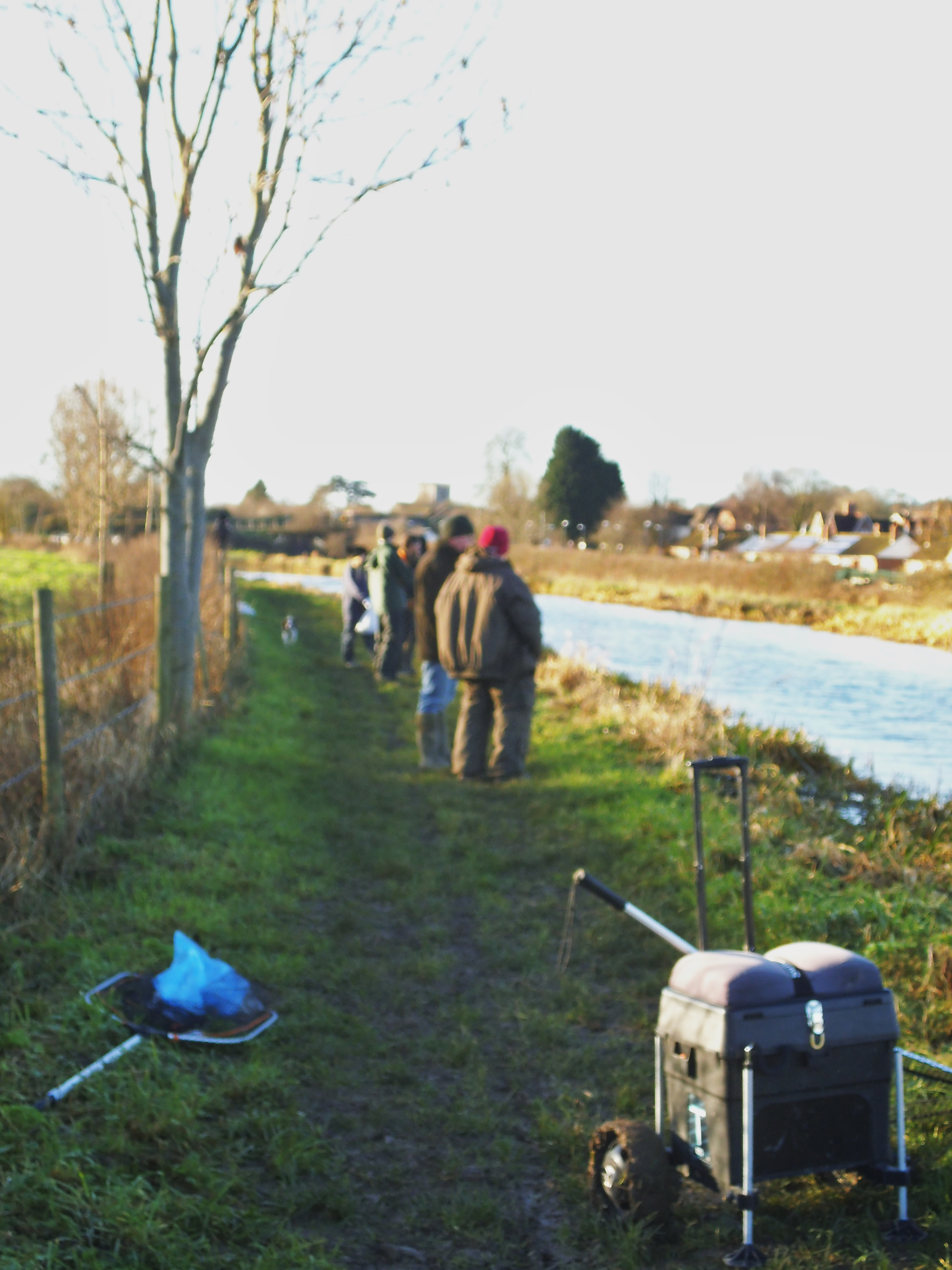
Most of the folk on the first stretch are fishermen who kindly offer warnings regarding the dangers of walking the walk. Some are actually fishing; others stand around in groups.

‘Is it an event,’ I enquire?

‘No, it’s just a good spot for fishing’.

‘Can you eat the fish?’

‘Not unless you’re desperate’. You’d have to be. That water looks really murky. I stumble on wondering whether it’s time I owned some sort of walking aid.

DSCF1080

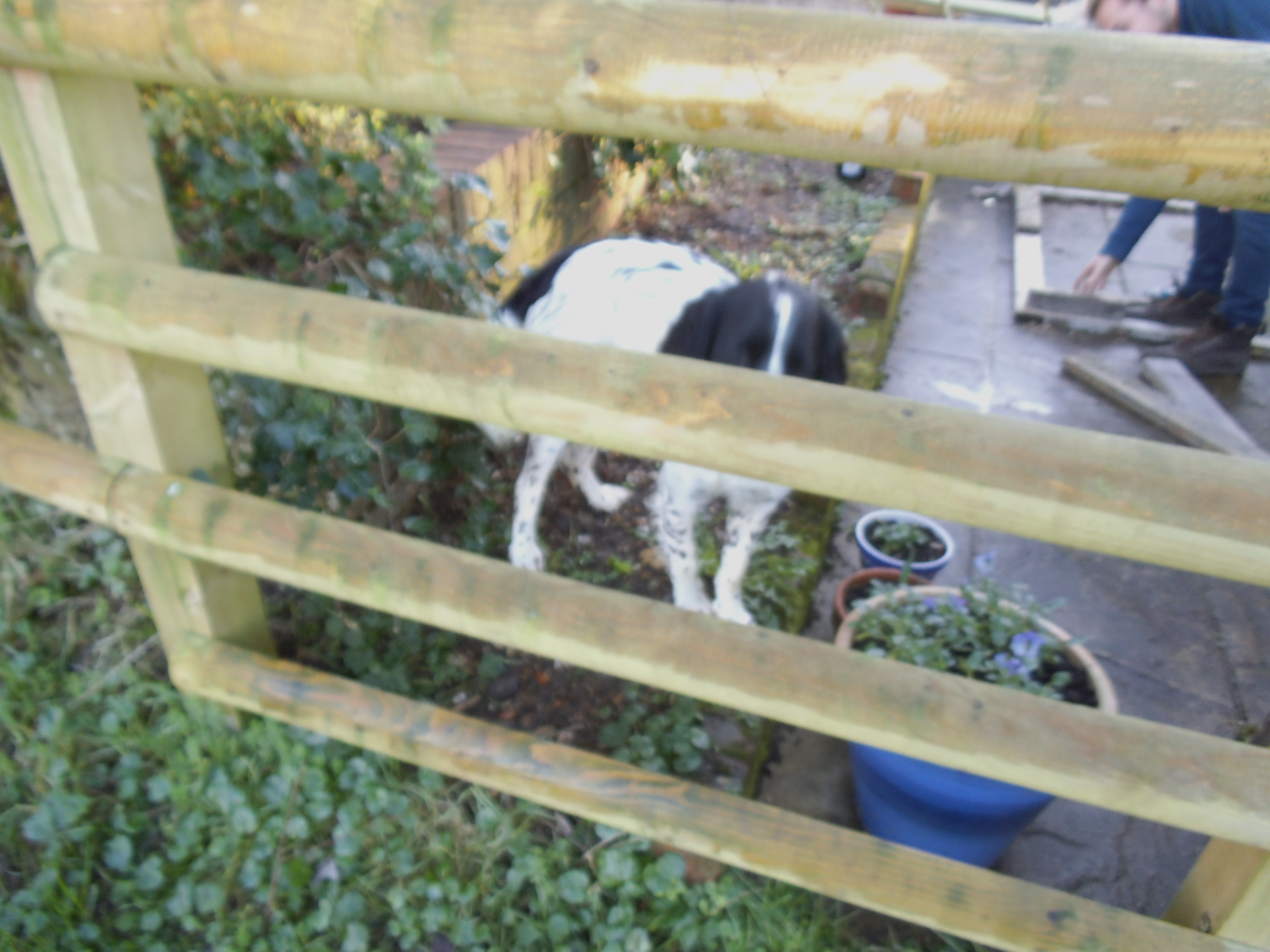
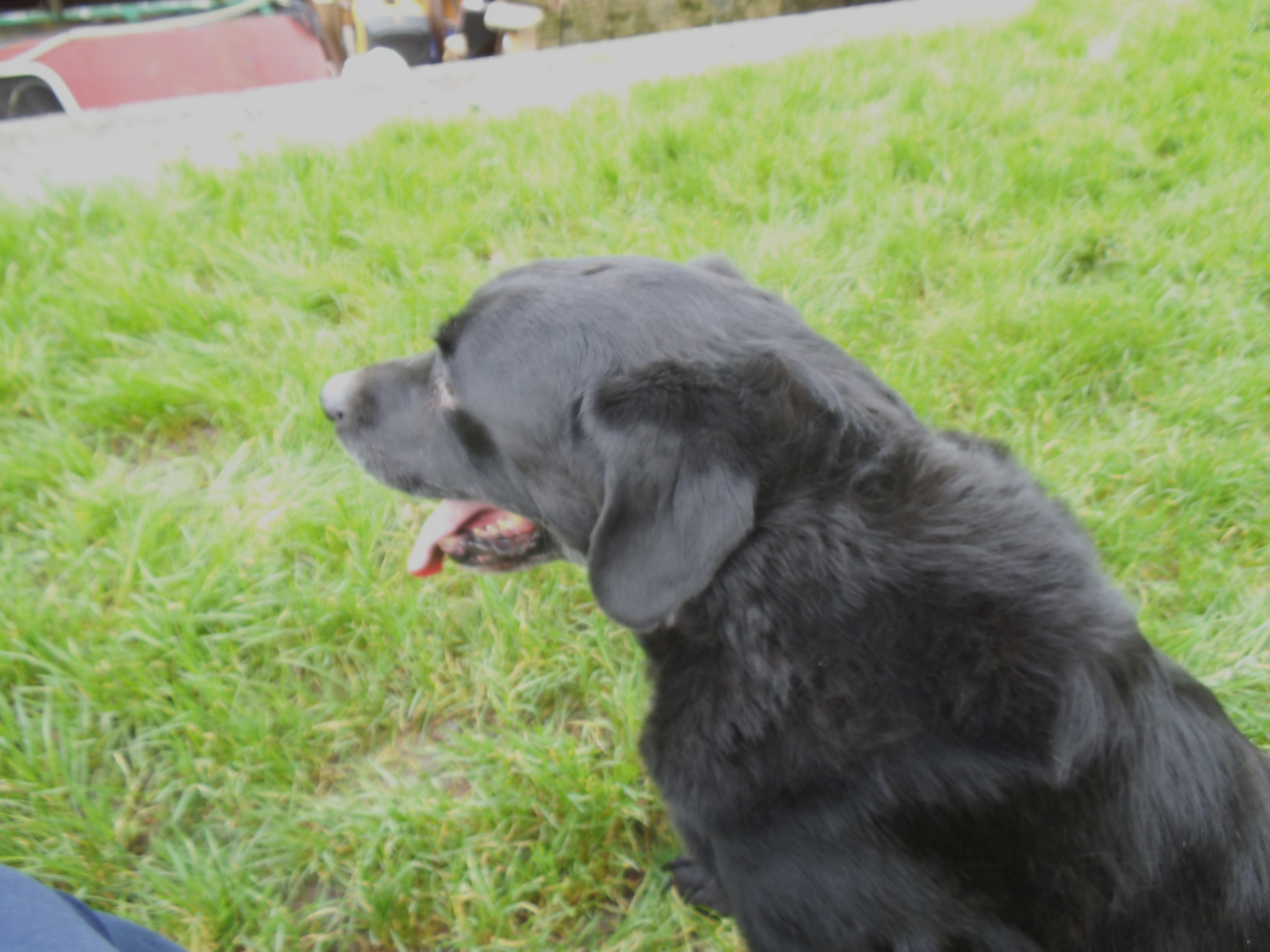
If there’s one thing you can depend upon along the canal, it’s dogs. The ones that introduce themselves today are variously named Sprouts, Roxy, Truffle, Rosie and Bullseye but there are others who don’t stop to speak. Although there are quite a few Labradors around this morning, many of the canal canines appear to be related to Sooty. Heading towards Little Bedwyn, I spy a black and white head looking out from the slats of a wooden gate. Whilst trying to organise my dying camera, Sprouts – for it is he – gives a warning bark before an invisible hand grabs the head from the gate.

DSCF1087A young man, busy doing something or other with a hammer, some nails and a wooden frame, advises me that Sprouts is an excellent guard dog. Sprouts ignores him and squeezes out between the gate slats. He sniffs me in a not unfriendly manner and accepts a few strokes of the head.

‘He’s not like that with most people’ comments the owner. Most people don’t smell of all the dogs on the canal I think but don’t say.

DSCF1092

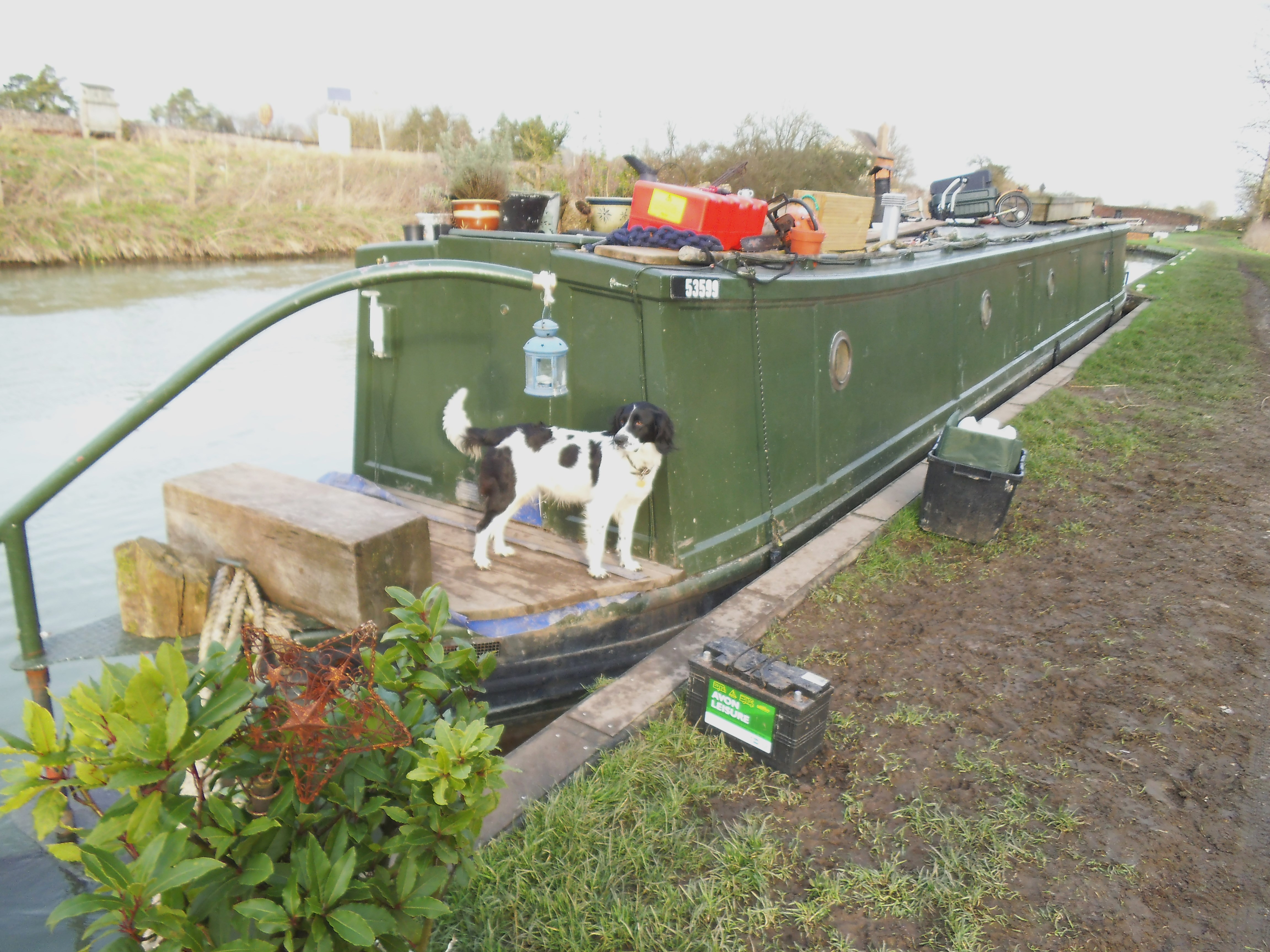
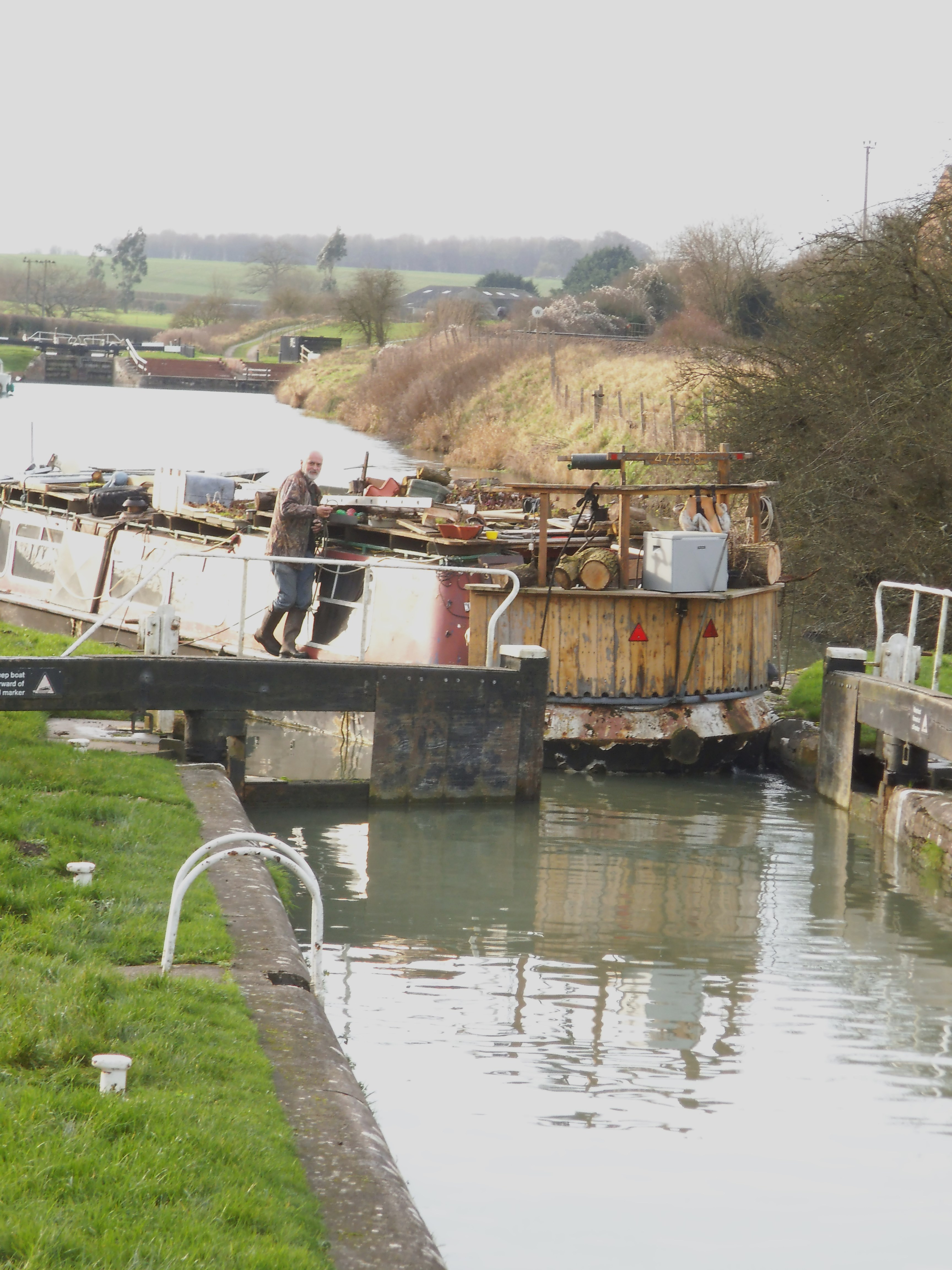
A couple of miles further along, Bullseye is sitting down guarding the prow of his barge. He appears to be tied up and I wonder whether he’ll be friendly. However, as I arrive, Bullseye, who has clearly been involved in some sort of Indian rope trick, rushes down the plank to greet me. Fortunately, he offers felicitations sufficient for me to attempt a photo. Just as I take the snap, I notice Bill Sykes smoking a roll up out of a window further down the barge. He’s looking at me in a way that demands an explanation. For breathing, possibly.

‘I’m taking photos of canal dogs this morning’, I say, showing him my camera by way of evidence.

‘Did he smile’, Bill demands gruffly? Through a grimy window, I notice Nancy and a selection of Fagin’s lads quivering within. Much later, when Jeff asks whether I’ve seen many water gypsies, an image of Bullseye’s family will flash into my head and I will feel guilty and a tiny bit afraid.

Here are some other canal dogs

DSCF1067DSCF1107

DSCF1077DSCF1041DSCF1042DSCF1119

DSCF1112

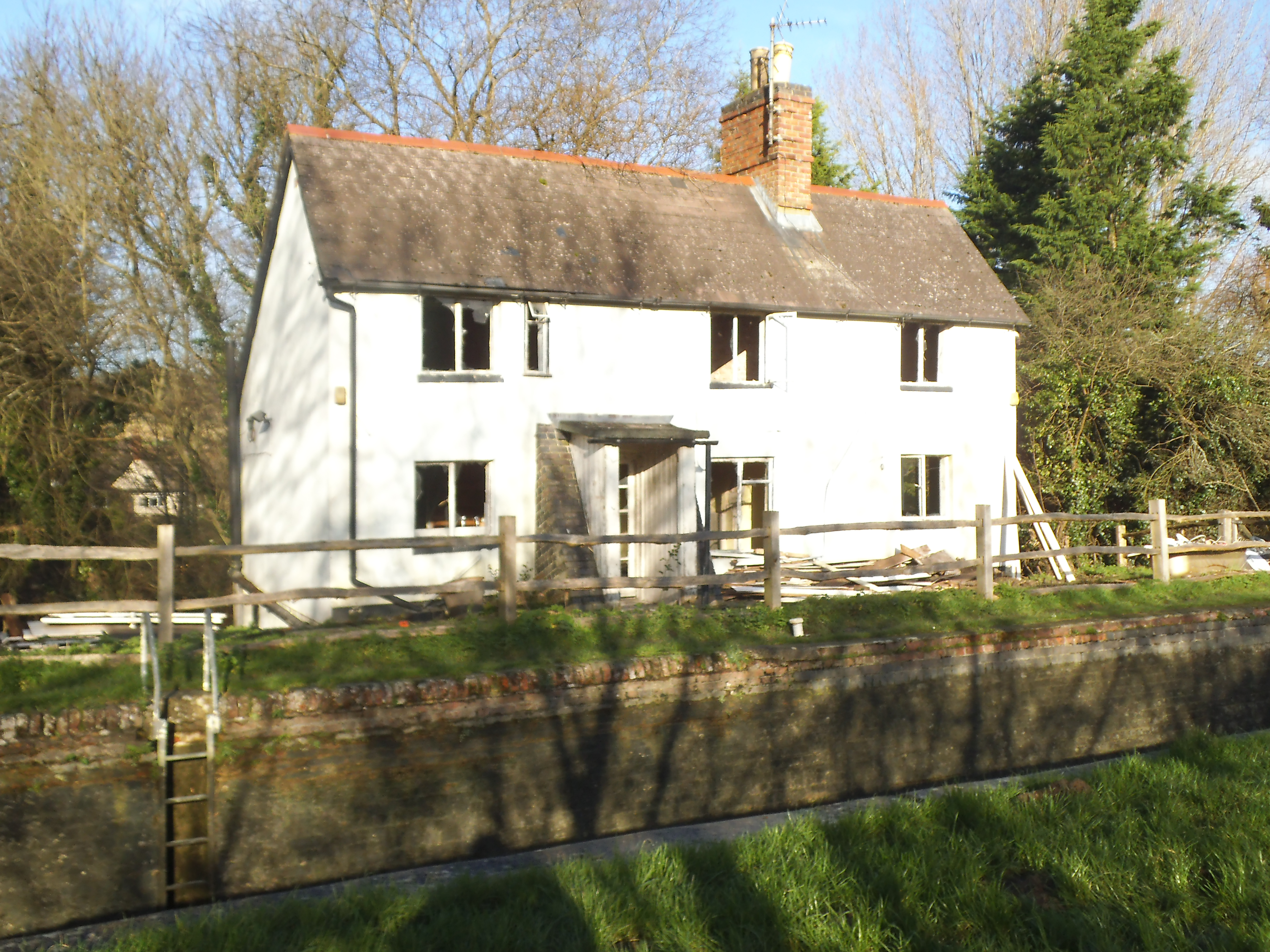
Approaching Hungerford Marsh at a steady pace, I reach Cobblers Lock and, from a distance, see what must have once been the lock keeper’s cottage. It looks idyllic but, once opposite, I find it to be in a dreadful state of disrepair. It’s been stripped out and I wonder whether somebody is rebuilding it as another loved and lovely home.

Not too far away, on the same side of the canal, is a brand new house: huge, white and totally lacking in charm. I didn’t take a photo seeing no need to but I wish I had. I’d already heard rumours of a new marina and hotel in the area and shortly after leaving Cobblers Lock, a passing dog walker told me that the owners of the cottage had sold the land to a developer and built the ugly new house with the proceeds. I don’t really have a view either way, and I guess a marina for twenty boats will bring money to the area if it ever happens.

DSCF1133

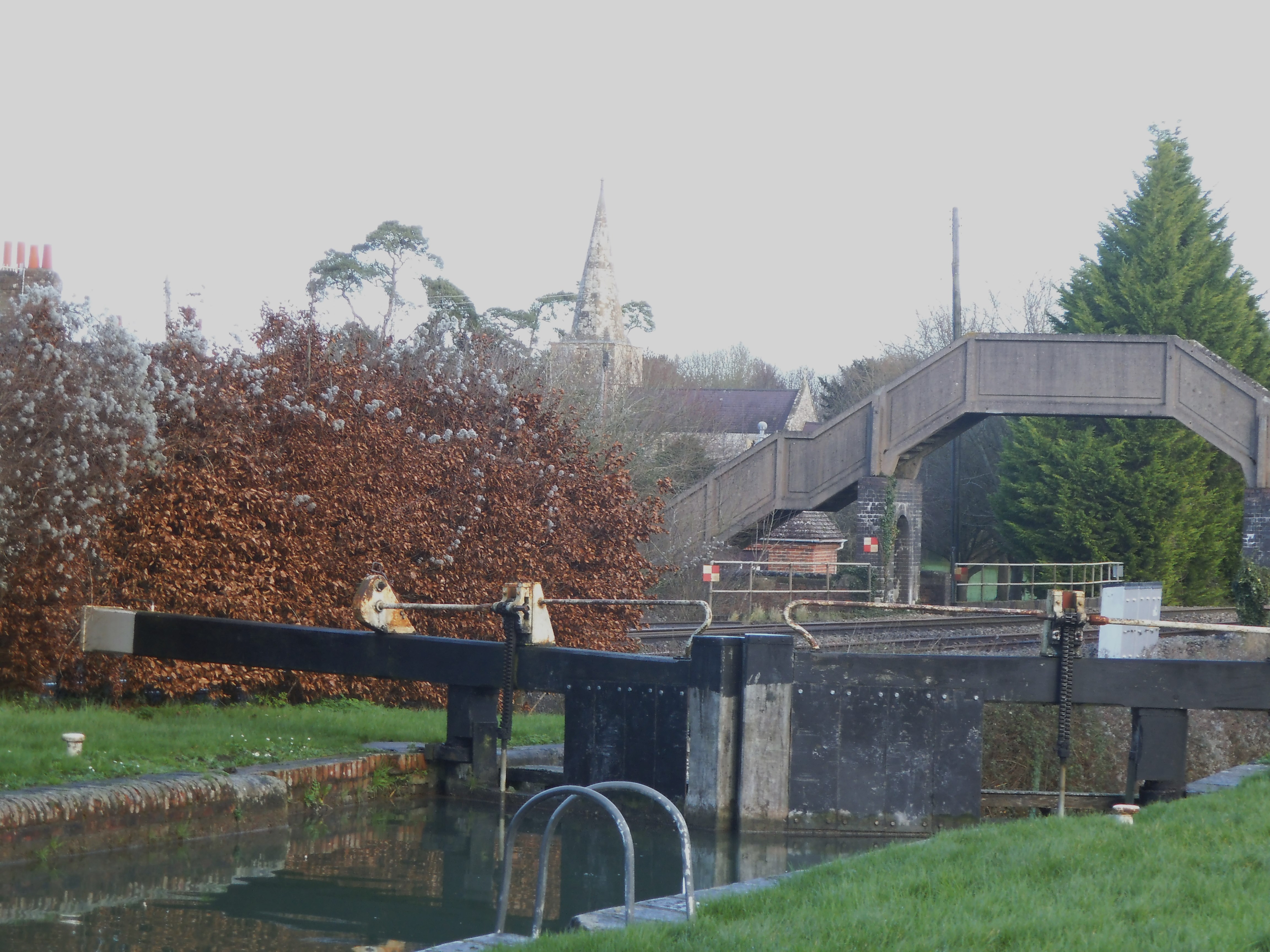
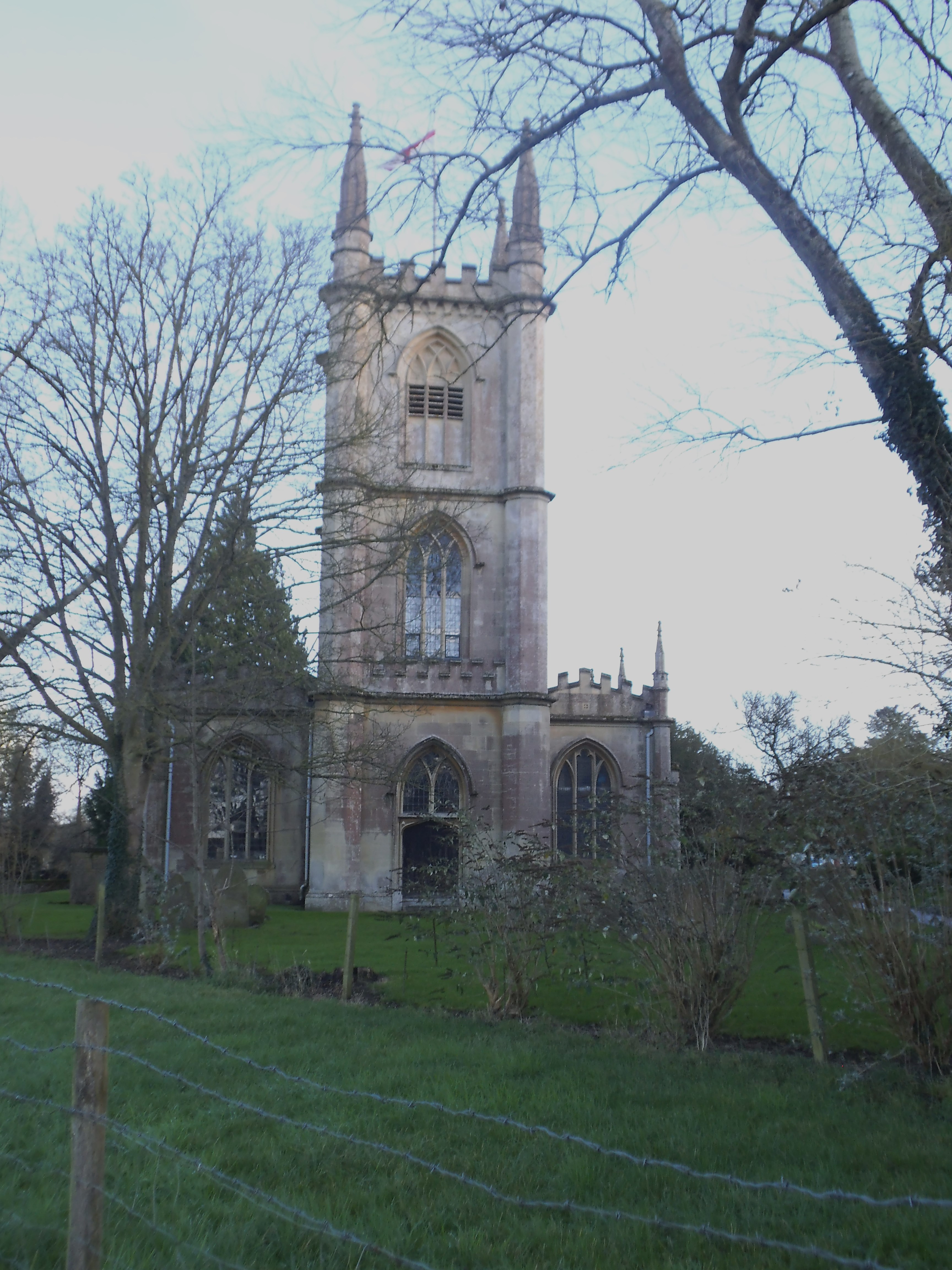
The rest of the walk into Hungerford is delightful. The canal is virtually straight as it passes through Freeman’s Marsh which is protected meadowland of special scientific interest. In the near distance, I see the church tower and the beginnings of Hungerford but before that Jeff is waiting.


DSCF1131

Jeff says the best people on the canal are the fishermen who are, he claims, the only people that don’t talk to strangers. Well, plenty of fisherfolk have been kind enough to speak to me, especially to warn me of the lethal state of the towpath this morning. In any case, Jeff never stops talking or catching fish – tiny roach. Jeff’s been married twice but he thinks he’s allergic to it. He wants to know what I’m up to and I make the mistake of mentioning the canal trust. Jeff’s been in correspondence with the trust for many years, man and boy. I feel obliged to ask why. It seems that the main problem is boats that overstay their welcome. On further investigation, I determine that this means any boat that’s moored anywhere on the canal where people need to fish. Jeff can quote all the relevant regulations and does just this when he finds out I know nothing about anything. Jeff tells me where he lives – Thatcham – and asks whether I’ll be travelling that way at any time in his remaining lifetime. Jeff asks if I know where I’ll be going for coffee in Hungerford but just as he’s about to make a plan of sorts, a stranger stops to ask an important question about roach. Jeff seems cross at this interruption but I take the opportunity to run away.

DSCF1141

In Hungerford, in a muddy state of disorder, I peer into a tempting vintage shop and see Lottie in her cage. ‘Oh, why is Lottie in a cage’, I demand passionately? But I already know the answer – so that she’s not kidnapped and forced to live a life on the canal as the sex slave of Bullseye. Lottie’s owner, probably in an attempt to rid her shop of a filthy old woman pronto, releases Lottie from the cage in order that a photo can be taken. Lottie is naturally ecstatic and jumps all over me gratefully taking in all the smells of all the dogs she will never meet.

Once I’ve partaken of an organic hot dog at the John of Gaunt, discovered that the Kennet and Avon Canal Trust joint will not open this side of Easter and ascertained that there are no trains due to return me to my car at Great Bedwyn, I’ve exhausted all that Hungerford has to offer. I enter a handy florist’s and ask whether such a thing as a taxi rank exists. Unexpectedly, the florist informs me that the rank is right outside the shop. Joy is short-lived:

‘Don’t expect a taxi along any time soon’, says the florist pleasantly. ‘In fact, don’t expect a taxi at all’. I am pointed in the direction of the telephone number of a taxi company on a map of Hungerford which is almost as big as Hungerford itself. I call the number but am directed to a voice mail service. I suppose they’re still on Christmas holidays. Just then, a people carrier arrives driven by Mike who has nothing to do with the missing taxi service. I happily pay him a suitable fee to take me to my car in the flooded, pot-holed area next to the canal bridge at Great Bedwyn.

‘Don’t go in’, I say, ‘it’s full of pot-holes’. Mike ignores me and turns in.

bed27


‘Bloody hell’, he exclaims in surprise, ‘it’s full of flooded pot-holes. Do you want a card’, he asks? Too true my good man. You’re exactly the sort of person an independent traveller needs at the end of the year.


And now for something different: the view from the bridge at Hungerford looking west where the next part of my walk along the Kennet and Avon will begin. Watch this space.

DSCF1139

Winter walking

DSCF1091On the morning after Boxing Day, the last of the festive visitors departed at early doors leaving me alone with sheets and towels, dusters and hoovers, leftover food, leftover rubbish and, unexpectedly, a leftover besom. I spoke to no-one all day and wandered no further abroad than the wheelie bins behind the shed. I felt deserted but relieved; sulky, yet content; tired and restless. By 7pm, I was looking for the next big thing. By 8pm, by I’d booked a billet handily located for re-joining the Kennet and Avon Canal the following morning somewhere close to where I’d last left it behind.
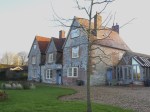
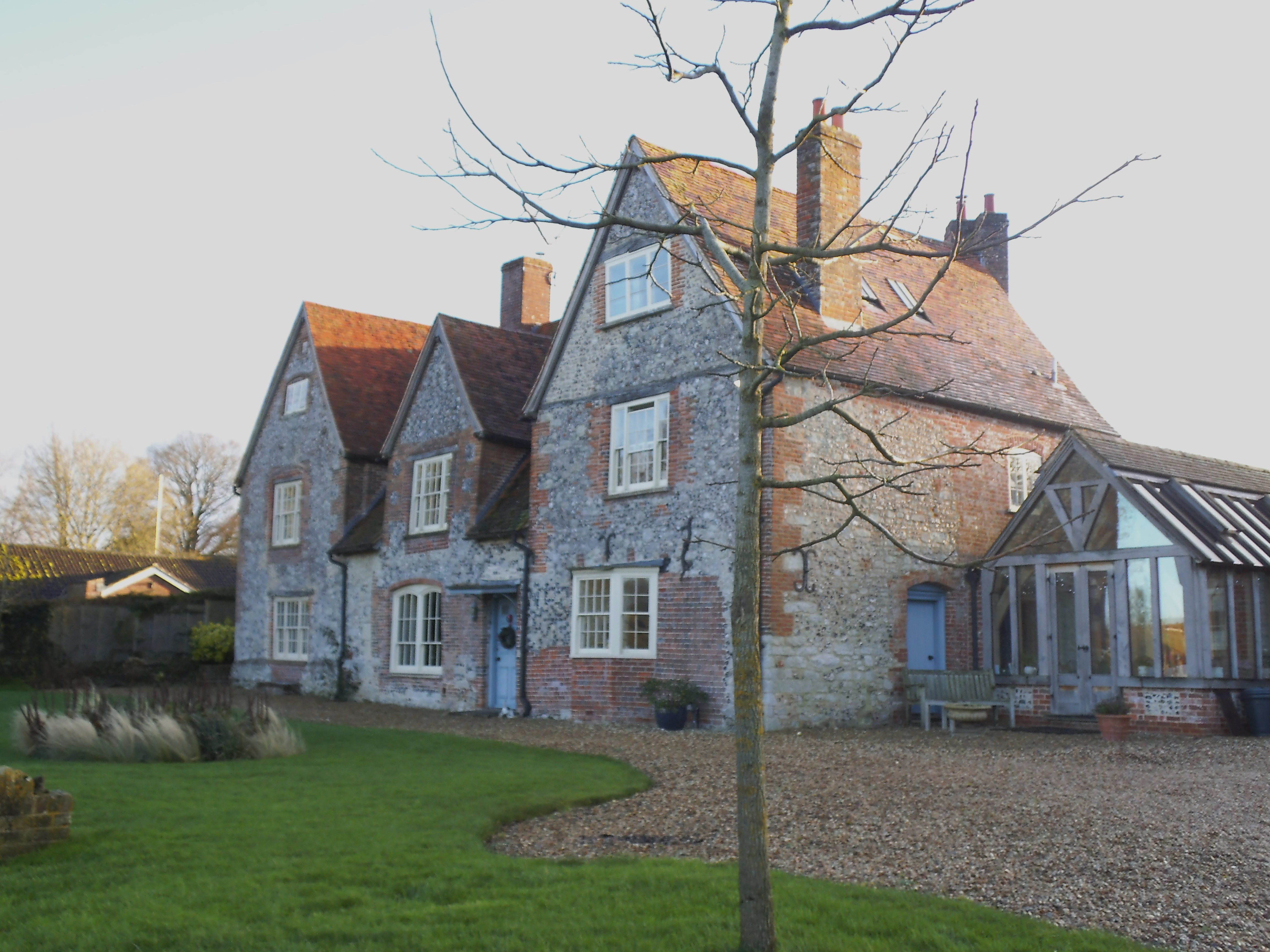
DSCF1070Here t’is. The amazing Westcourt Farm, built in1316. Outside my room was a beam bearing the mark of an Arabic carpenter. I couldn’t believe my luck – either in finding this place by serendipity too complicated to explain, or in staying with the owners, Rozzy and Jonny who invited me in for peppermint tea and Christmas cake.

Rozzy and Jonny had turkey at Christmas. Rozzy felt that this year’s swing towards geese was down to the storyline on The Archers. I knew I was going to fit in here for a couple of days. ‘How long can Rob carry on’, I asked her? ‘Not long, Helen’s not strong enough’.

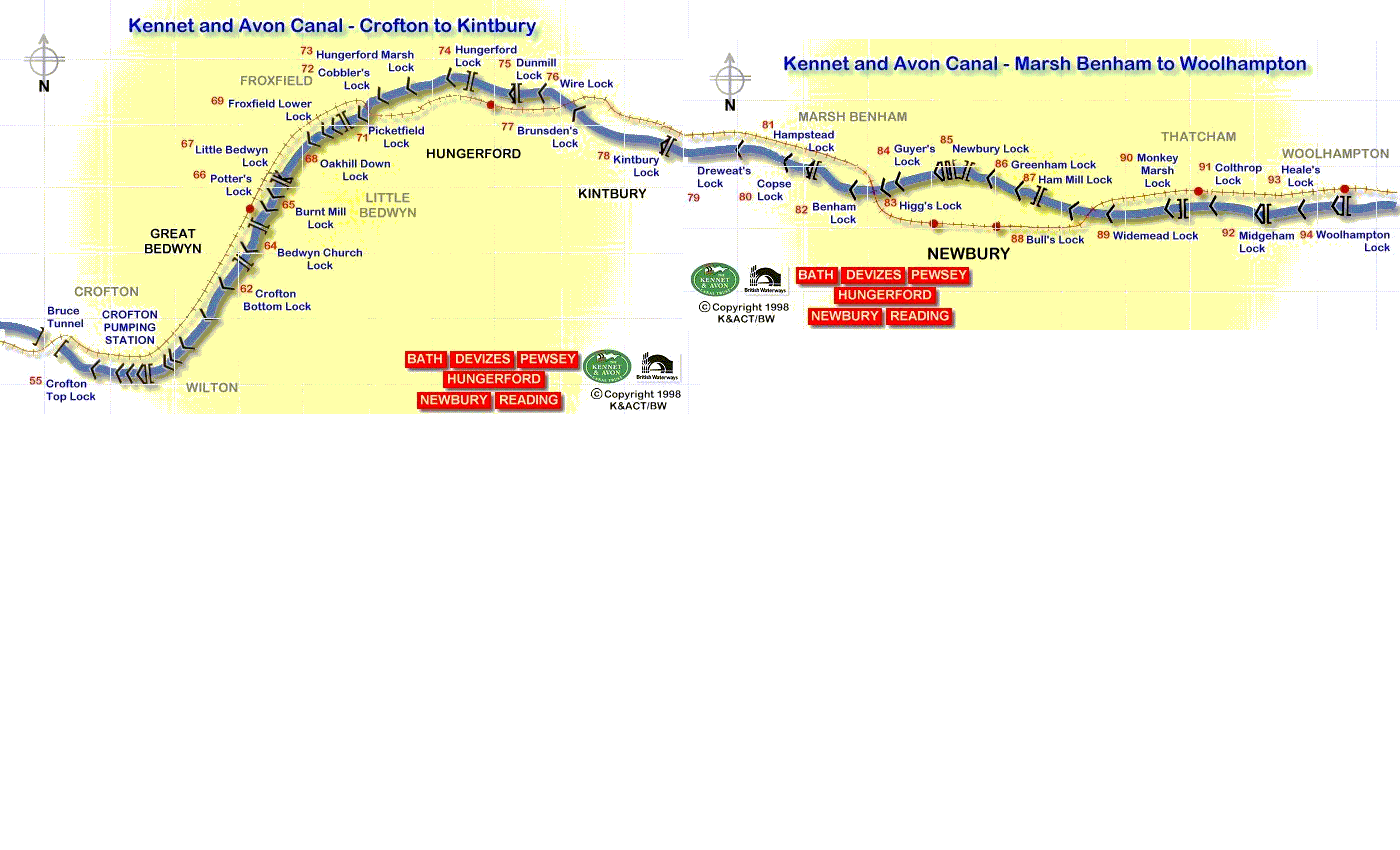
bed mapGreat Bedwyn to the Bruce Tunnel and back: 28 December 2015; 9 miles

(click on the picture and look at the map on the left)

Bruce and Moira have been holed up by the bridge at Great Bedwyn for three days due to inclement weather. They moored overnight with a view to spending Christmas Day aboard and were unable to leave due to the wind. I wanted to write that sentence without mentioning sprouts which have nothing to do with anything. Today, like me, they’re taking advantage of the wind dropping and a forecast that gives no more rain until Wednesday when Frank arrives.
DSCF1026

Seven years ago, Bruce and Moira had their first canal holiday. They enjoyed it so much that they booked another straight away for the following year. But when they thought more about it, they felt a year was quite a long time to wait so they bought a barge of their own. Bill hasn’t cut his hair since. Now in his early sixties, he’s training to be a new age type.
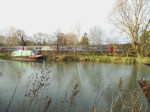
DSCF1029

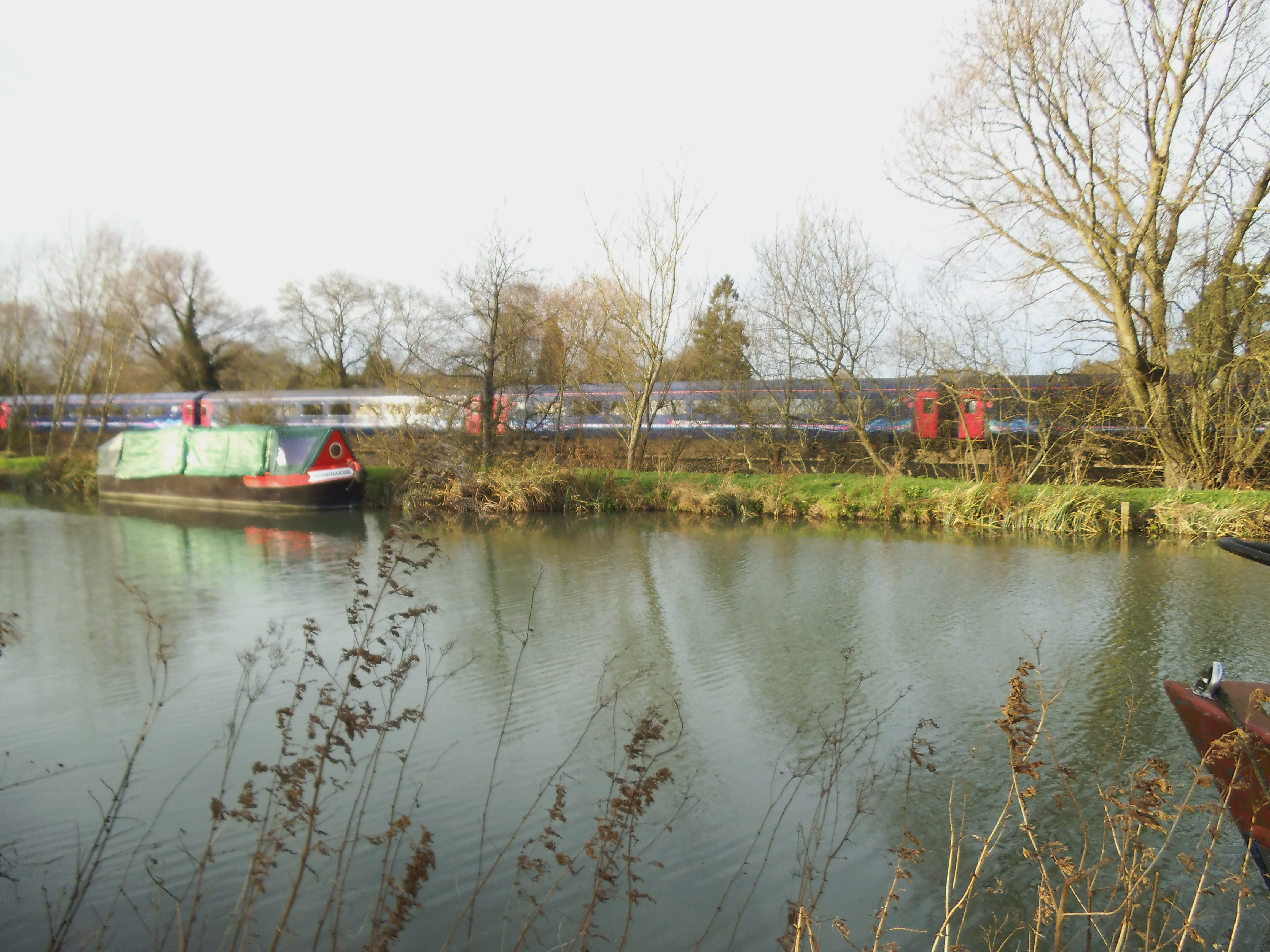
The Great Western runs alongside the canal for a while. I shouldn’t applaud this fact as it was the Great Western that took control of this part of the Kennet and Avon in 1852 which very quickly led to the demise of the canal. Still, it’s interesting to see these two extremes of speed in close proximity and I may have need of a train in the not too distant future. After all, I last left the canal by means of a train from Pewsey so maybe I can catch one in the opposite direction later today. Or not.
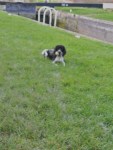
DSCF1033

Sooty’s back! Weasel readers might recall the mysterious appearance of Sooty a mile or so from Devizes on a previous hike. On that day, despite being in the middle of nowhere, he and his green tennis ball were accompanied by no-one. As I turn my gaze from the railway, I spy Sooty and his green ball once again. Surely not? Unlike our last meeting, there are boats to hand but Sooty doesn’t seem to belong to any of them. Actually, there are quite a lot of black and white dogs on this stretch. More of them later.
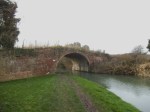
DSCF1031

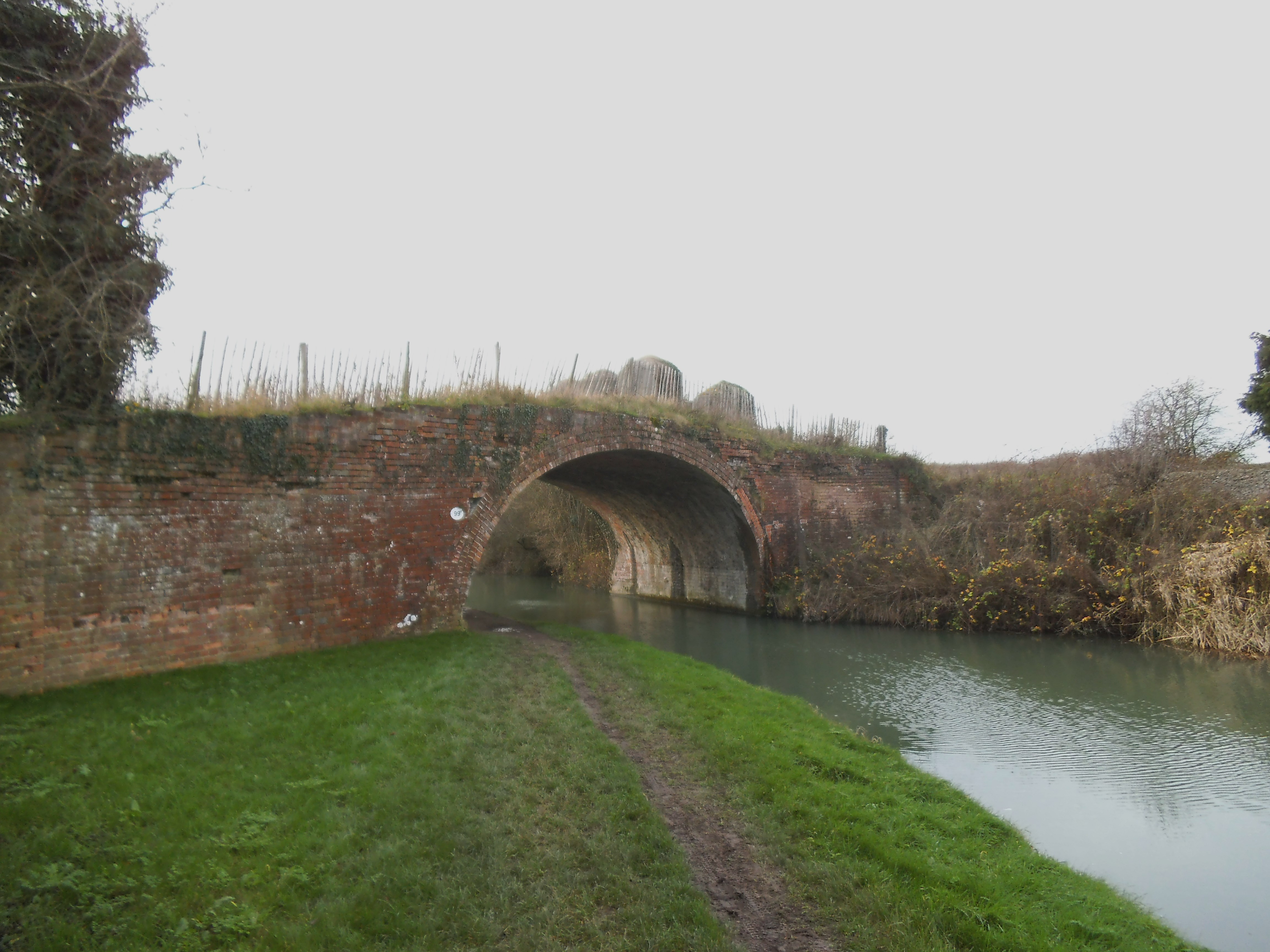
A couple of the early bridges have pill boxes on them. I’ve seen quite a sprinkling of pill boxes during my walks along the canal – they’re quite handy for lurking behind when caught short – but these are the first I’ve seen atop a bridge. They are part of something called the GHQ Line – Blue which was a defence system set up near waterways and railways during the Second World War in the face of an expected German invasion. Don’t panic Captain Mainwaring!
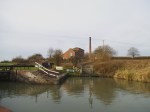
DSCF1043

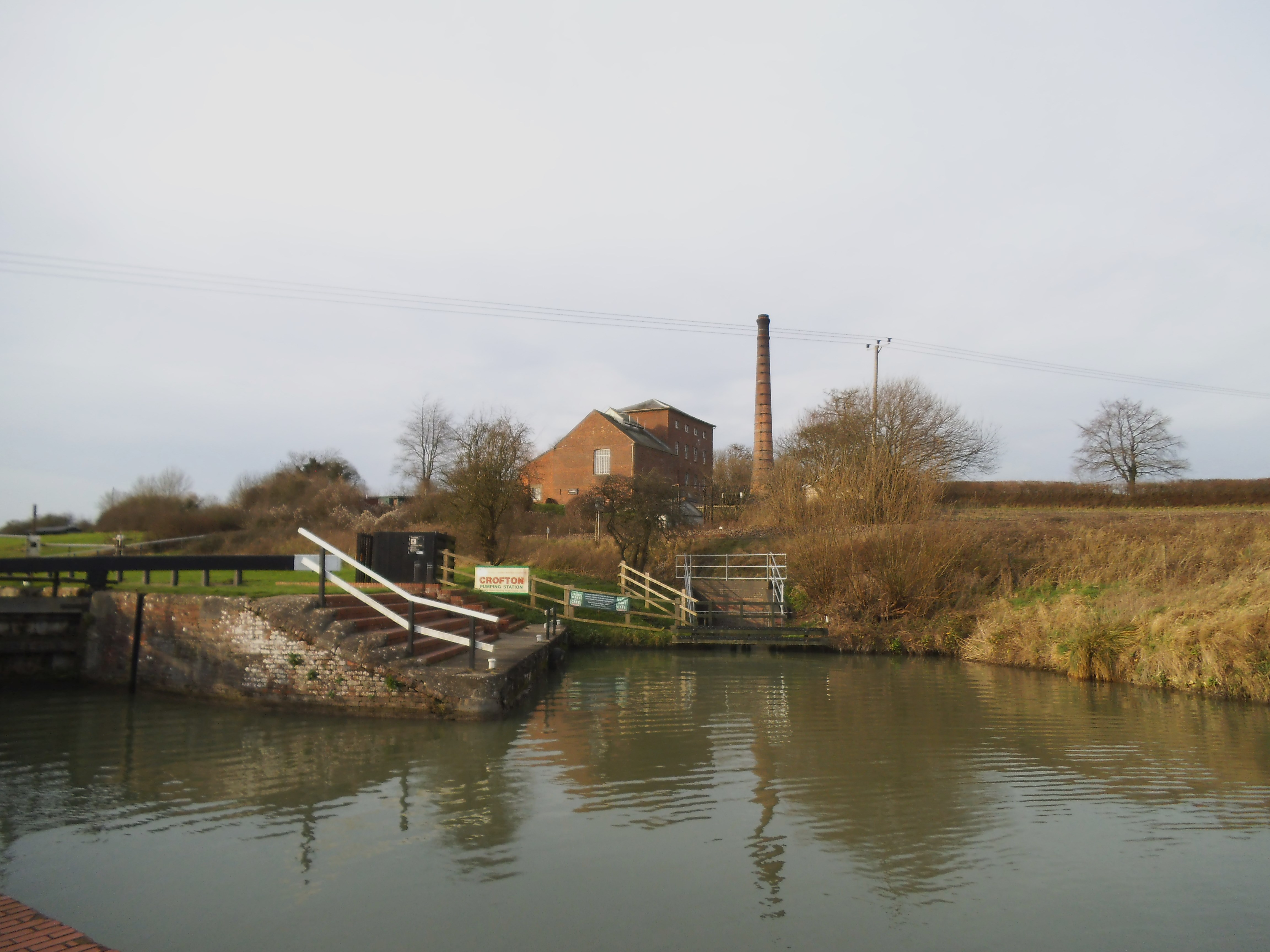
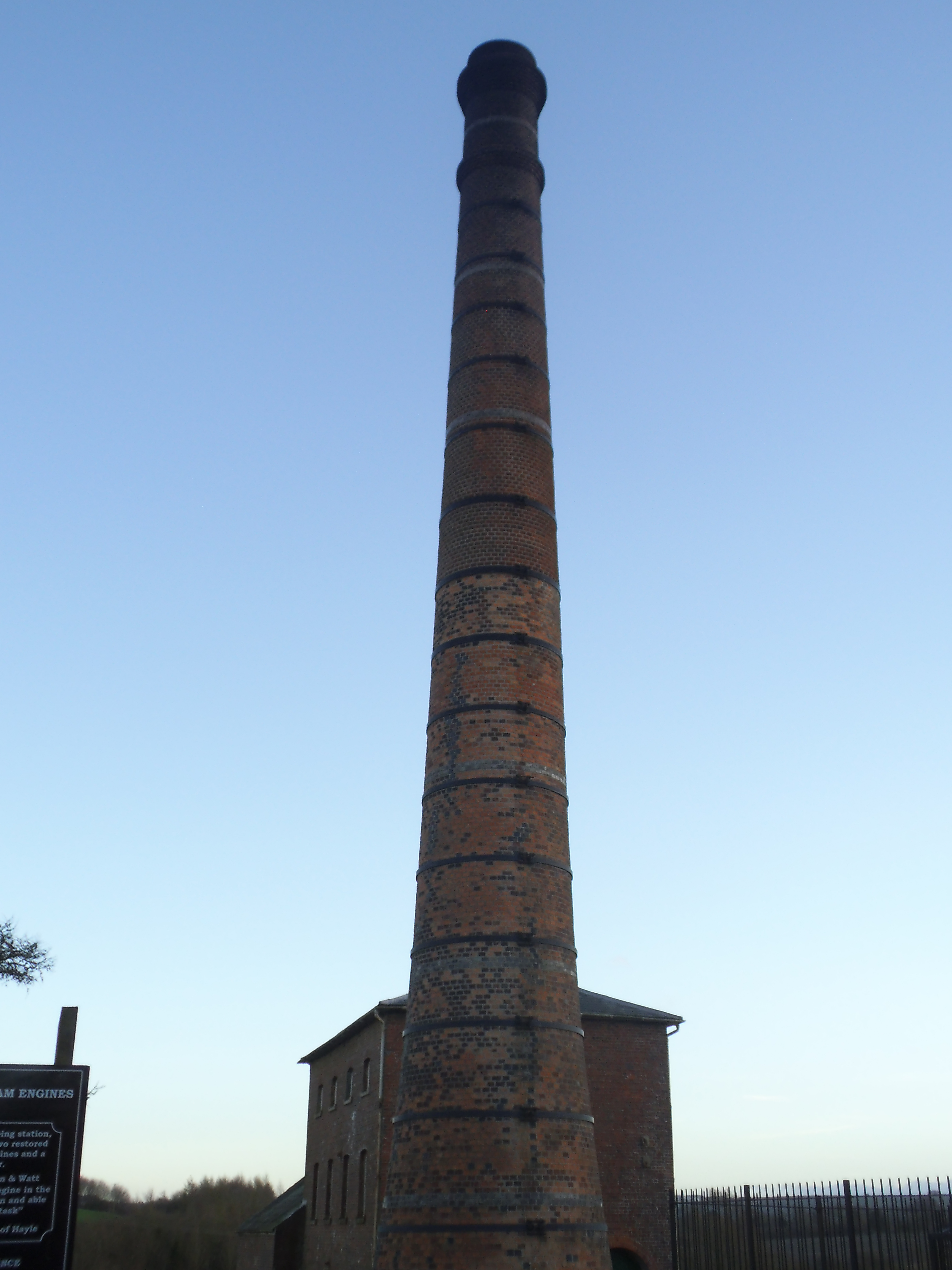
In the meantime, there’s the world famous Crofton Pumping Station to enjoy. It really is world famous as it contains the Crofton Beam Engines. I’ve given them capital letters because they are the oldest working steam engines IN THE WORLD.
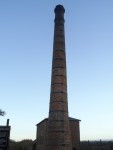
DSCF1152Everywhere one looks, there are signs for the beam engines and I’d been informed by no end of folk that I should visit them, take tea in the marvellous café and perhaps purchase a meaningful souvenir from the gift shop. I was really looking forward to finding out more about the industrial heritage of the canal. The place was shut.
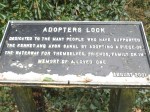
 

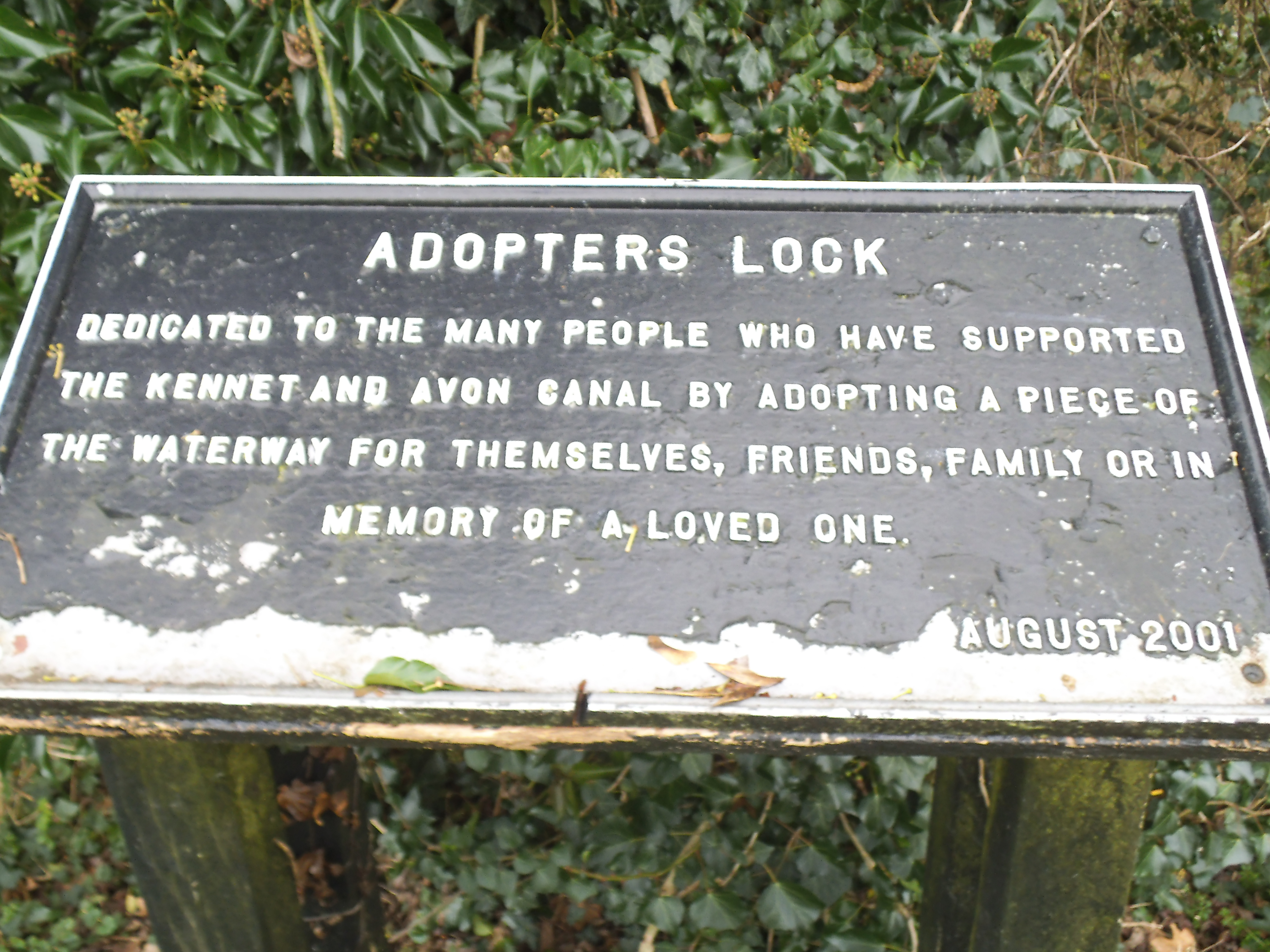
DSCF1050The weather is pleasing and the drift of wood smoke from the barges is delightfully evocative. The towpath, however, is a muddy affair on this late December morning and walking is not easy. No matter, I’m in no hurry. Mouth full of festive kit-kat, I rest awhile by Adopters’ Lock. The wooden bench is sodden and glazed in green slime as will I be by the end of today’s hike.
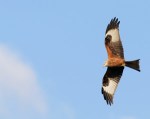
red-kite-flightI perch on the very edge of the seat and watch a kettle of kites soaring above the meadow on the other side of the canal. A bit like boomerangs, kites are making a comeback and are quite easy to see in parts of Wiltshire. It seems unfitting to call something so beautiful a scavenger but they do eat a lot of roadkill which might be why they like living in this area: I can’t remember the last time I saw such an abundance of dead animals on tarmac.
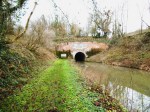
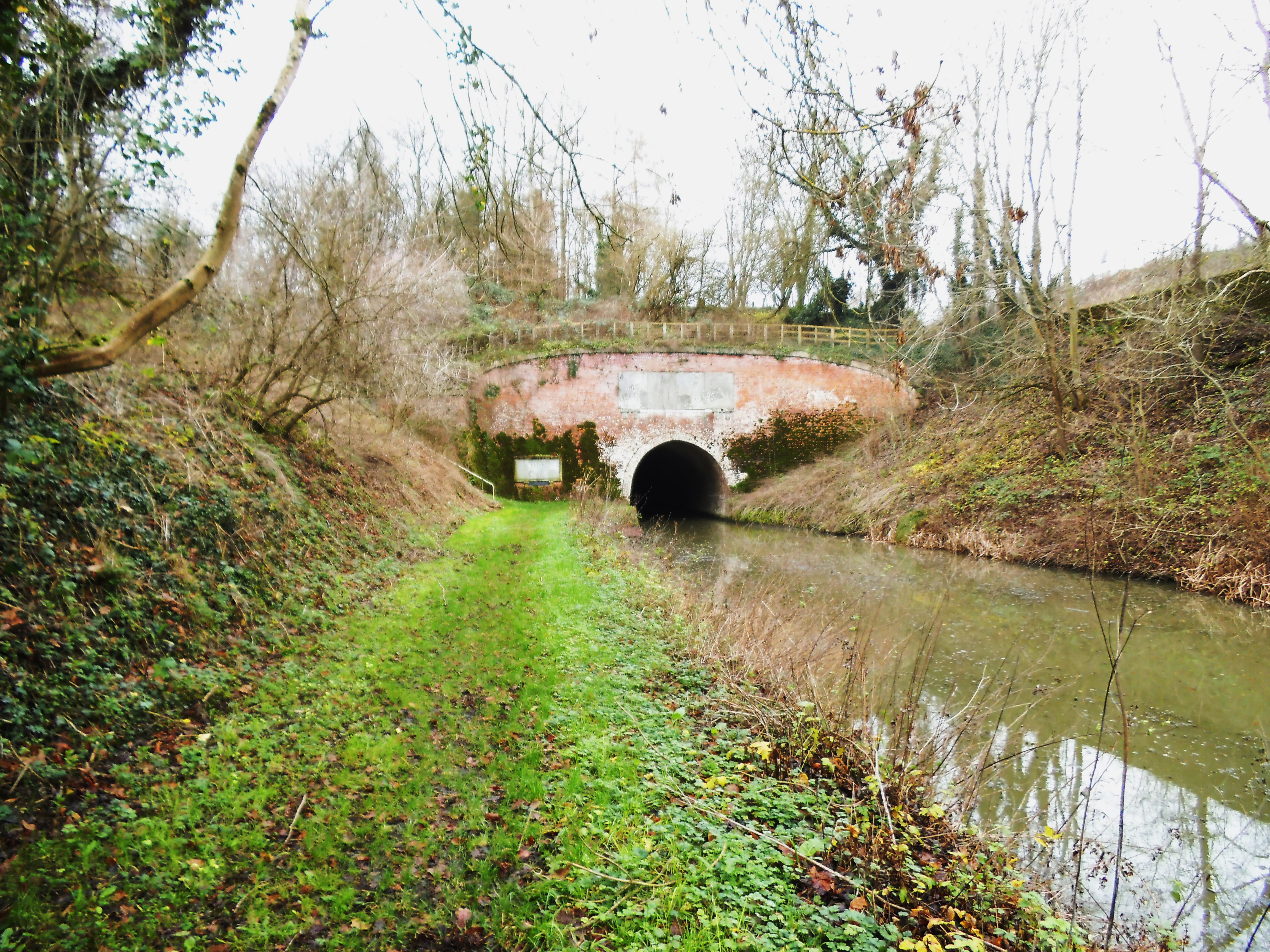
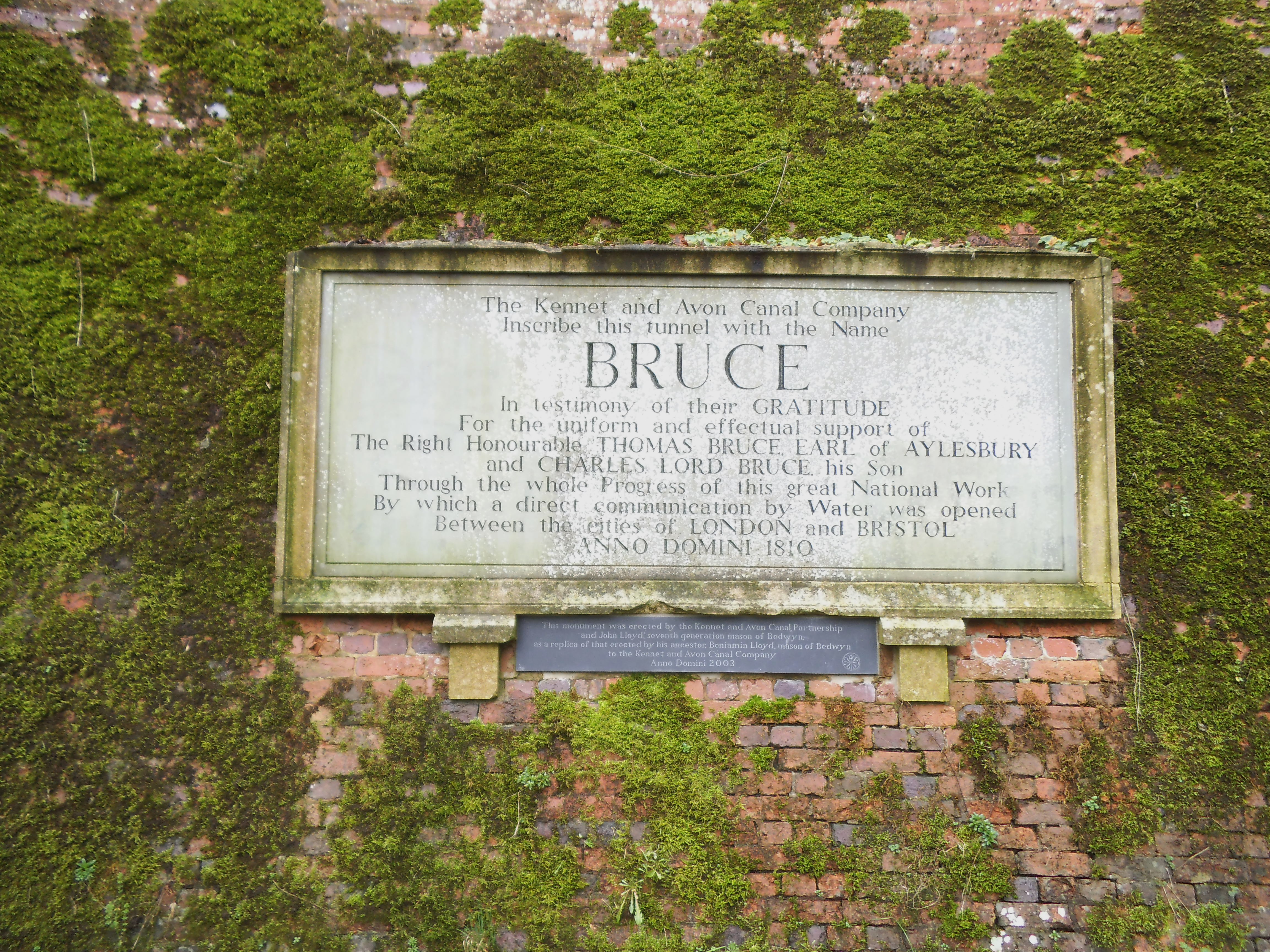
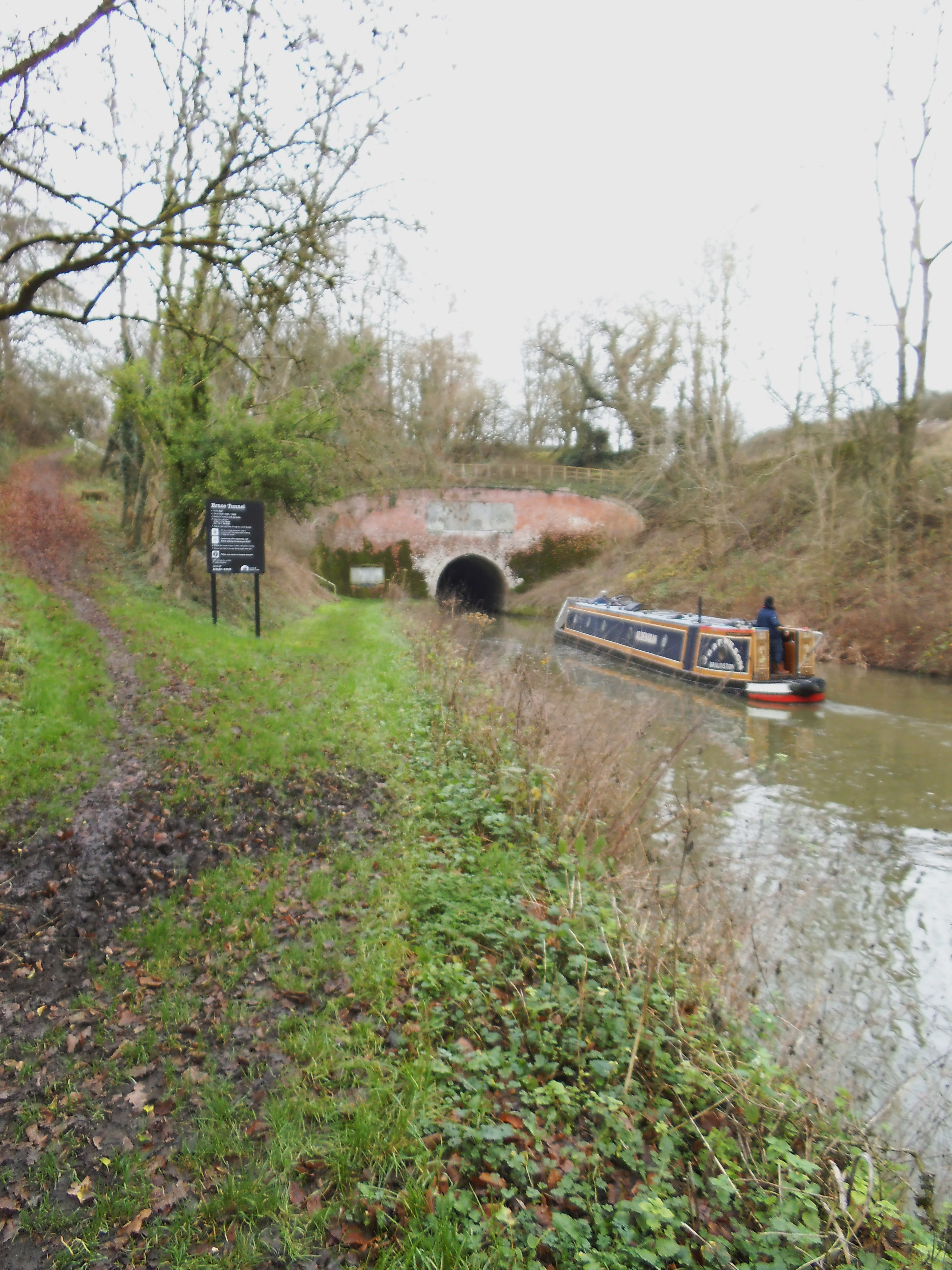
DSCF1052Eventually, I reach my goal: the Bruce Tunnel which is 502 feet long and the only tunnel on the Kennet and Avon. It’s named after the first Earl of Ailesbury who insisted on its construction underneath the Savernake Forest as he didn’t want a visible cutting made through his deer park.
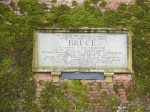
DSCF1054I’ve never really understood how someone can own a forest but then I’m an old Billy Bragg fan keen on the idea of land being a common treasury.

DSCF1056


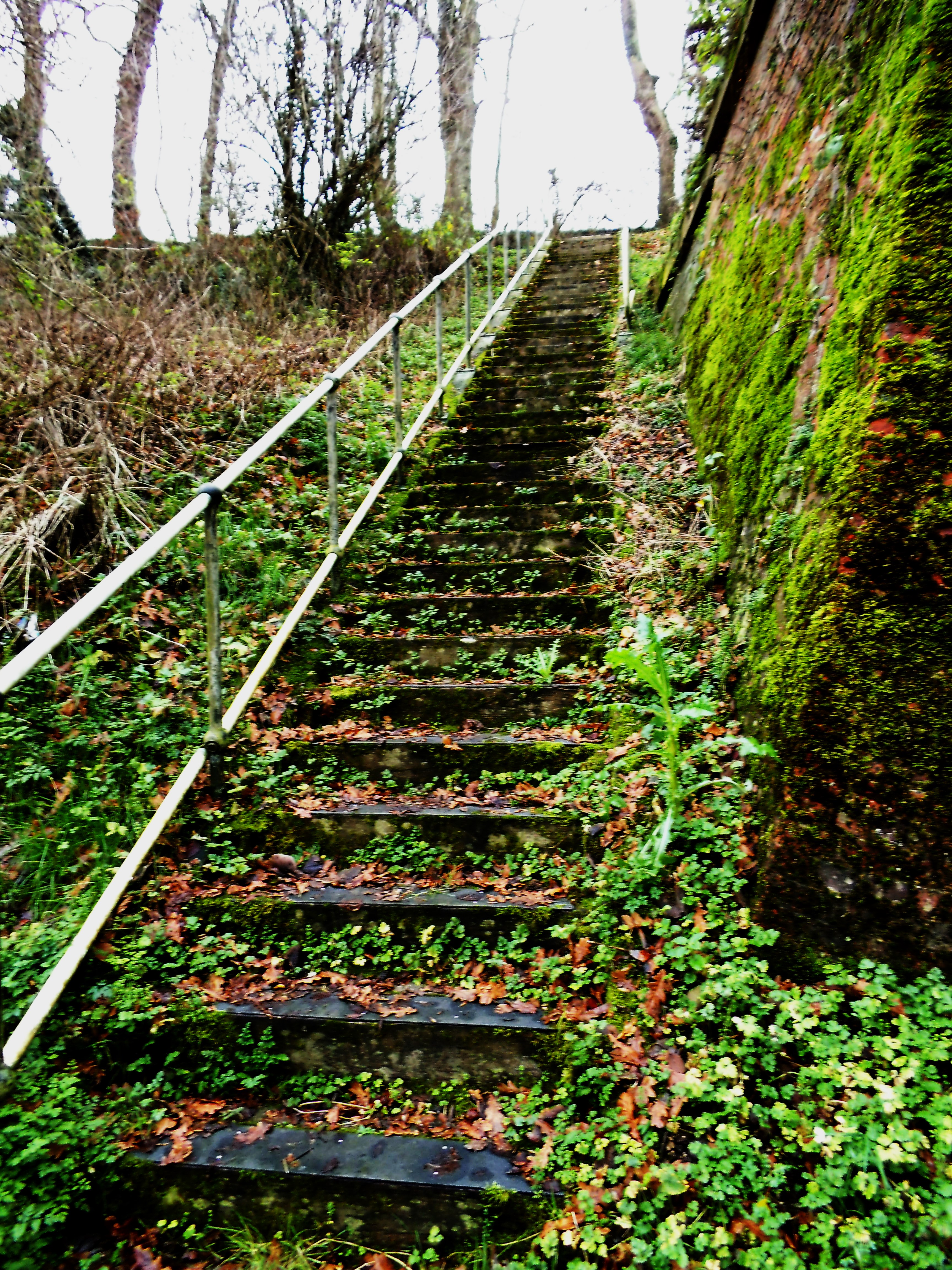
There’s no towpath through the tunnel; one has to walk over the top via this splendid stairway. It’s a bit steep. If I go over the top, I’ll have to walk to Pewsey and hope they’ll be a train that’s stopping at Bedwyn today. If I don’t push on, I’ll have to retrace my steps, which is a little dispiriting.
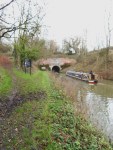
DSCF1059During this silent discussion with myself, a barge arrives with a view to entering the tunnel. There’s clearly not enough room for more than one boat at a time and I question the bargee on the dangers of entering. He informs me that he can see the other end of the tunnel and that there’s a boat flashing him forward. On and in he goes only to reverse out again moments later. I try to question him again but he informs me that he can’t hear what I’m saying above the noise of the engine.
DSCF1064I don’t, of course, believe him but he’s clearly involved in some sort of watery argy-bargy (ha!) with the mariners coming the other way through the tunnel. I watch the entertainment for a while but the newcomers comprise a raucous bunch who appear to be drunk. I turn tail and walk as quickly as I can. I’ve come here for a bit of peace and quiet and I know I can get to the first lock before they do. And I know it’ll take them ages to get through the lock if they decide to give it a go.
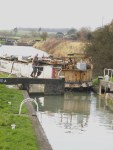
DSCF1036

On the way back, I stop at another soaked bench to enjoy a seasonal sausage roll that I find at the bottom of my rucksack and have a chat with Jim. Jim’s boat is crammed with all sorts of unexpected paraphernalia that must make things tricky for those arranging his home and contents insurance.
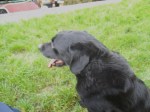


DSCF1068‘Why have you got a tiger’s head’, I demand? One of Jim’s dogs who is sitting close to me and my sausage roll looks politely interested at this question.

‘It’s for my grandchildren’, Jim replies. Fair play, he could’ve told me to mind my own business I think. ‘I told them there were tigers in the field’, he continues. Jim looks pretty old to me. I reckon his grandchildren must be in their thirties at least.

Back at Crofton, I find Bill hammering mooring hooks in the ground. ‘You haven’t got very far’, I venture. Bill and Moira don’t like to travel too quickly. ‘So will you be here for two days now’, I enquire nosily.

DSCF1027

‘Oh, more like two weeks’, says Bill dreamily. ‘We’ll be walking back to Bedwyn shortly to collect our car. Then we’ll be able to take things easy.’

I don’t know why I said Bill and Moira had only got as far as Crofton in such a dismissive tone, making it seem like a short cruise around one or two bends. It seems miles and miles to one who hasn’t engaged with any serious canal walking for months as I trudge back. In the car, I have to acclimatise for a while as I gather up the strength to get going. I’ve just walked nine miles on tricky terrain and haven’t yet reached the feeling smug stage. I look up and see car lights flashing at me and the occupants waving genially. ‘Who’s that’, I think? ‘I don’t know anyone round here’. Then I notice the flowing grey locks. It’s my new friends, Bill and Moira. DSCF1127
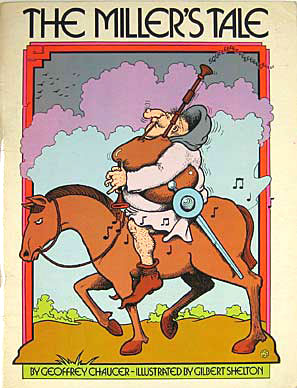
Miller’s Tale (apologies to Chaucer)

millerMiller’s lived in New Zealand for around 25 years now which is probably nearly as long as he lived in Dorset. I was surprised when I discovered he’d left. When I first met Miller, I was a seasonal worker and he was a local. I was transient; Miller was grounded. There were people on that part of the Dorset coast who had never left the Purbecks. Those who did rarely went far and always returned after a short interlude.
I’d imagined Miller to be one of those. It was a woman, of course. Tried to get her to stay on in Dorset but there were problems: visas and suchlike; so Miller went home with her to New Zealand. He didn’t come back. In some respects though, he never left.

I see him quite often on social media. I suppose writing letters used to be a form of social media before we’d ever heard of it. Not such a big audience though. Unless someone else was reading your mail. Funny: now you want the world to read your post. And it’s much easier to check in every now and then to see what’s happening in the lives of those who’ve become ‘others’.

Miller isn’t really living the life of ‘other’. Miller’s still in Dorset. He doesn’t really fit elsewhere. Mind you, there’s no such thing as a Dorset diaspora. Well, not since that business over at Tolpuddle and even that crowd eventually became homeward bound. Miller, meanwhile, posts photographs of snow and sun to illustrate the extremes of available temperatures, compared to those on offer in Dorset.

It’s important to have a sense of difference. What would otherwise be the point in moving so far away? Miller also comments on all the news and sport and politics. That would be the news and sport and politics of England. Of Dorset. Come on you Cherries! Many people in Dorset respond. You Cherries!

Miller posts photographs of himself and his friends as children; as adolescents; as young adults. Miller’s friends in Dorset reply: that was a great day; that was a great life. Hey, Miller – have you moved? There’s nothing referring to Miller’s current life. From Miller’s frequent appearances on social media, I have learned nothing about what it means to live in New Zealand today. I don’t know what sport he follows, how he votes, his interest in public affairs or who his friends are. There are no images of the woman he left home for. There are no children in evidence. Occasionally, there’s a photo of a long dead dog. Nothing to tempt those left in Dorset to move along the line of Hardy-like territorialism. It’s as if he never left.

Against foreign inclines, Miller has wrapped himself in a diaspora of one.


Festive greetings from chez Martin

A seasonal taster of the forthcoming sequel

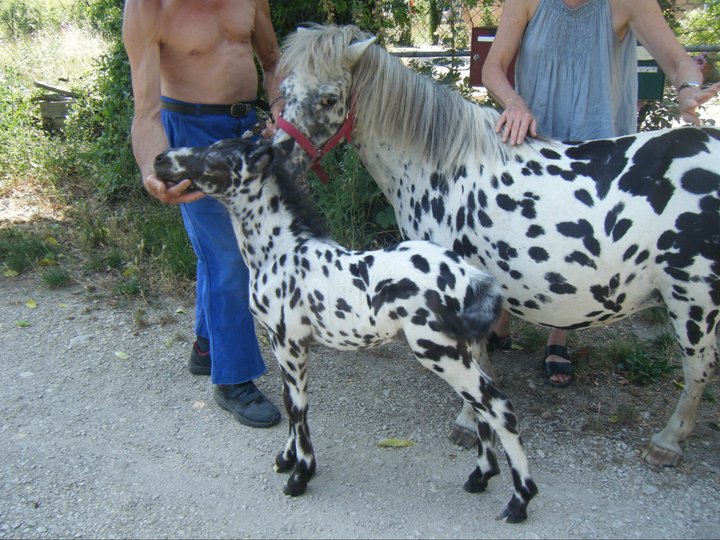
FOAL

Christmas passes almost before anyone has noticed its arrival. However, it would be foolish of your narrator to allow this opportunity for consolidation to wend its merry way into history without comment. Let’s face it, Christmas is a time to relax and gently mull over the preceding year’s events before commencing anew. Pardon? Madame Martin feels there’s little opportunity to relax in her ever-shrinking, increasingly dilapidated kitchen: a kitchen constantly full of all and sundry bringing their emotional baggage à table to which we will return shortly.

At home, any home, one is often expected to pass the season of goodwill with those family members to whom the least amount of goodwill is voluntarily expended during other times of the year. It’s a bit different for the ex-pats in Provence who have made a new life in distant climes. For a start, they wouldn’t have moved to the South if they had any desire to be in regular contact with many of their biological relatives. They certainly wouldn’t have chosen to live along the road that runs between Noves and Cabannes if they wanted to be easily found. But, for most of them, there’s an ingrained debt to this cultural business of sharing seasonal bonhomie. It’s true that the partner who cannot be named has little interest in stories linked to stars and stables. Neither has he much of an appetite for the giving of expensive gifts, or cheap ones. The partner has been a little grumpy of late owing to the onset of a tediously dull pain in his lower back. Phyllida has taken him to Noves where Dr Giraud was unable to determine the reason; largely because wooden chaise longues were absent from any account of possible causal activities. He has advised a course of yoga. Phyllida is extremely happy with this prescription as the partner will now be able to accompany her to the centre culturel once a week. The partner is less than happy.

In the meantime, they have shared a festive dinner with Louise, Louise’s visiting (and welcome) mother and Louise’s lawn-mowing husband. Myrtle and Richard Meades were also in attendance. The appearance of these extra guests was also a source of dismay to the partner who cannot be named as, in his opinion, far too much conversation was exhausted on the subject of cricket. Nonetheless, there may have been a geographical resolution of sorts. Louise’s husband has offered to mow a wicket in their parkland in order that the ex-pat team has a practice venue. Apart from the minor irritation of the sports interlude, which was easily managed with a few extra aperitifs, the celebrations were enjoyable.

Louise, as everyone agrees, is an excellent chef. She has managed to secure a large goose on the table whilst simultaneously producing a succulent nut roast for her vegetarian neighbours. To aid her culinary expertise, she has, of course, the advantage of owning the best available in the departments of kitchen equipment and utensils. The Norwegian Blues, meanwhile, have been left at home with platefuls of gourmet goodies fit for their delicate palates. Nanette, however, being the pampered lady of Mas Saint Antoine when guest dogs are absent, is resplendent in her self-contained exhibitionism. She lies on her back in front of the fire, legs stuck at various angles, displaying a rather distended tummy. She looks full of goose. Louise tries hard not to look at Nanette. Louise knows only too well that it’s not a goose which lurks inside her beloved lady dog. Like the spring flowers that currently lie dormant beneath the gardens of Provence, the thing that is not a goose waits to make an appearance. Unlike the golden crocuses, the not-a-goose-in-waiting has more to do with a wolf dog than floral adornments that might have been planted for the delight of early holiday makers.

Over at chez Martin, the celebrations have also been in full swing but were not undertaken with the advantages of an avante garde kitchen. The last thing that Madame Martin thinks about is the potential paternal responsibilities of Clovis. Of these, she has no idea as she batters her tiny route around the kitchen of despair. Was it so long ago, she wonders, that she accompanied Monsieur Villiers to see the santons in the crèche at Frigolet? How she would have loved to see the seasonal display in the town hall of Tarasçon. Poor Tarasçon: vilified throughout the year for its nerve to sit adjacent to smelly Beaucaire, suddenly redeems itself each Christmastide with the most extraordinary account of Provençal social history. The miniscule clay visitors wend their supplicating way up the stairs of the Hôtel de Ville, round the corner to the epicentre of the nativity and yet again celebrate the arrival of Jesus in Provence.

Madame Lapin has been celebrating the arrival of, amongst others, Jean-Pierre Lucard. In this, she has imbibed more than one aperitif as she considers that, had Daudet been alive and present chez elle this Christmastide, he almost certainly would have felt obliged to write a prominent paella purveyor into correspondence from his windmill. There are, of course, others: Christophe, Netty and her father who has travelled from the Camargue, Monsieur Martin, Sophie, Dr Giraud and the obligatory goose. Nut roasts, however, do not comprise an element of this gathering. Nut roasts comprise an unknown concept at the bottom of the lane that runs from the road between Noves and Cabannes.

Since the errant Jean-Pierre Lucard returned to the fold, Madame Lapin is a changed woman from the one who attended that distressing interview earlier in the month. Mascara, for example, now accentuates a pair of bright eyes rather than running in lava-like rivulets down red, puffy cheeks. Hair has been piled high with deliberately falling wisps shaping that not-really-enigmatic face. Of course, clothing has been chosen with care: the right parts of the body are accentuated and the not-so-good quarters are pleasantly disguised. And everything has been dressed with a variety of sparkling and seasonal adornments: earrings, necklaces and a bracelet that proudly sits below Madame Lapin’s sleeve, next to the place where she wears her heart.

Jean-Pierre Lucard is still wearing his summer ensemble. Come hell or high wind, both of which have made more than one appearance during the preceding autumn, the paella purveyor, immune to meteorological inconsistencies, can be depended upon in the department of sartorial. The pale pink shirt is currently replaced by one in a pleasant shade of grey. Naturally, in the winter warmth of the kitchen chez Martin, he’s been able to open a few buttons and his golden medallion shines like a gift from a passing king. Actually, in this part of the world, the kings don’t pass this way until epiphany at which point vast amounts of gateaux will be eaten; and numerous admissions to the Henri Duffaut hospital in Avignon will witness mass choking on miniature cartoon characters hidden in the depths of the epiphany cakes. In the meantime, Jean-Pierre Lucard also sports a glinting wrist. The person who once dared to call herself a feminist has given her lover an identity bracelet with her own name engraved upon.

Amongst other gifts, Madame Lapin has donated an enormous bunch of mistletoe which now hangs on a handy nail above the kitchen table. Each time someone stands up, they are knocked sideways by the foliage and berries fall like poisonous snowflakes into the food below. ‘Putain’, thinks Madame Martin although, secretly, she’s delighted to have her friend and business partner back on board. What’s really annoying her, however, is the continuous talk of cricket. How times change. Let’s be clear, this is Provence. People flock to Provence precisely because things don’t change. Generally. When was the last time someone suggested holding a cricket match in a bull-ring?

From the clear winter skies above chez Martin, the faintest of passing bells might be heard by anyone who is not busy celebrating . And in his secret grotto under the festive table Clovis lifts a quizzical ear and whines.


The past is another country

DSCF0970I remember, I remember … walking across a field in Warwick with my father towards the house where he was born. It was a long time ago but he must have been having a similar moment to the one I’m experiencing this evening for he said to me, ‘I don’t really understand what it’s all about’. By ‘it’, he meant life, the universe, anything that we’re brought up to believe are our terms of reference.

I had a wake-up call today – in itself a misnomer as I’m rarely asleep. A missive arrived to say I’d have a winter fuel allowance imminently. Surely they’re for old folk? Well, 200 unexpected smackers in the bank are quite handy for the festive season, but still… it’s tricky.

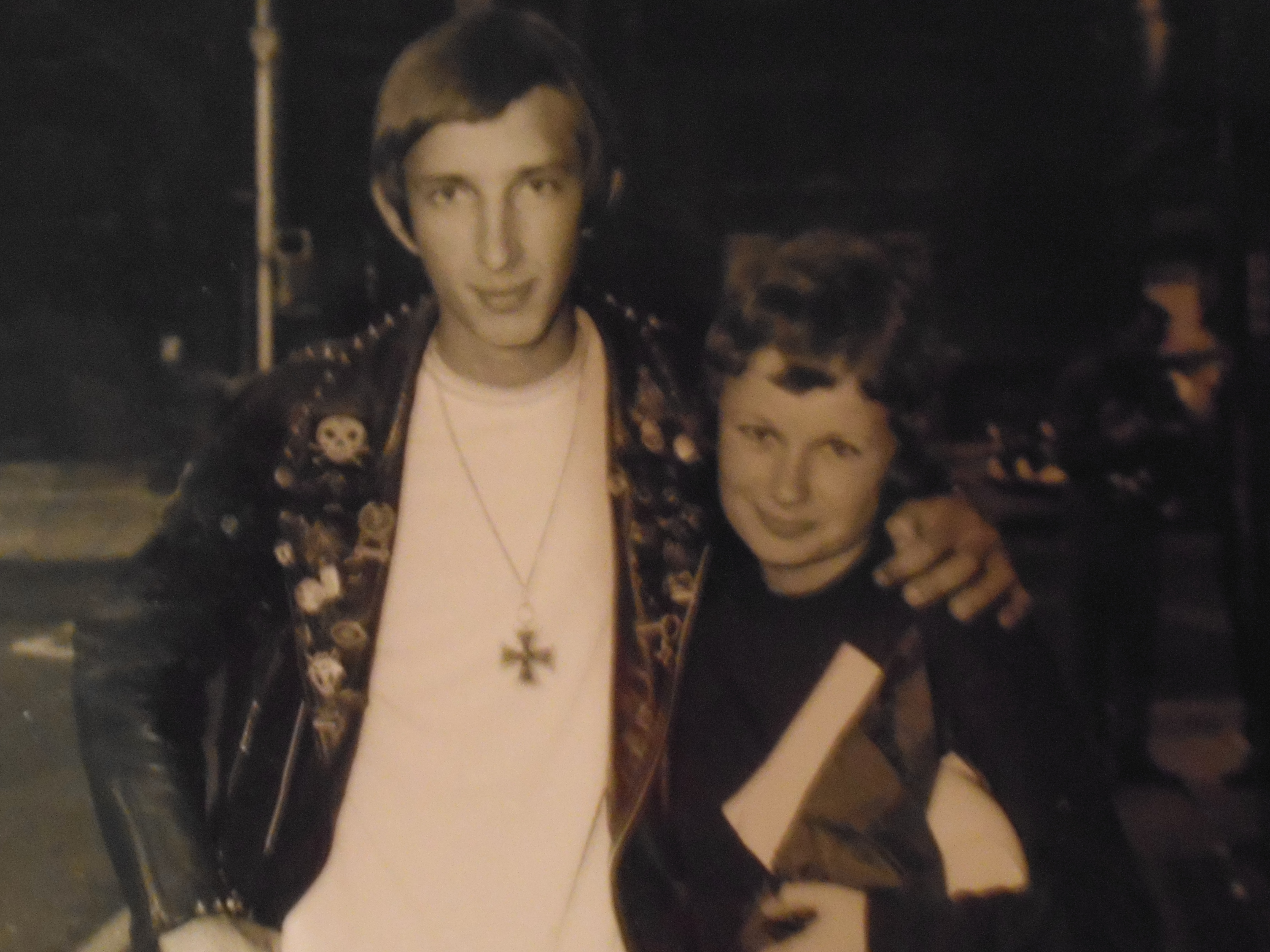
By coincidence, I was looking for a photo of an errant husband tonight for daughter number two. And whilst searching, I found the snap above. It’s me with Spencer Thomas Alan Havelock-Allan – a direct descendant of the baronets and latter-day famous film director. He was working in Keymarkets at the time on the yoghurt counter. In this photo, we’d just come back from the fair in Trowbridge. I can’t imagine who took this picture or why. People didn’t have the instant access to cameras that they do now. We had no notion of digitalisation so we must have paid someone to take it. And the ‘someone’ must’ve sent it to us. But how did that happen? We had no money. Did we forfeit a turn on the Waltzers in order to have a piece of memorabilia of life in Trowbridge? Was it a special occasion?

More importantly, where is Spencer Thomas Alan Havelock-Allen today? Has he discarded his leather jacket? Is he, too, in receipt of old person’s heating allowance and a senior railcard? Is he also moaning about having to still go to work despite all these formal recognitions of advanced age? Is he dead?

I’m hoping he’s living in the back of beyond listening to Smokey Robinson and the Miracles, riding a Royal Enfield Constellation, and keeping warm (courtesy of Cameron’s heating allowance). Here’s two fingers to old age.

Shopping notes

carparkIt’s National Poetry Day today and I’m minded of that spooky little poem, Antigonish. You’re probably thinking you’ve never heard of it, but you have. It’s the one that starts:

Yesterday, upon the stair, I met a man who wasn’t there…

I met a man upon the stairs today. To be precise, the stairs in the Dolphin Shopping Centre car park which is where he lives with a grey Staffordshire Bull Terrier. I don’t normally give to homeless people who aren’t selling the Big Issue. Is that bad of me? Anyway, I’ve been a bit under the weather this week: confined to quarters, climbing up walls and a plethora of other metaphors that will surely render this post completely meaningless to anyone of some alternative nationality. Today, I felt well enough to take a quiet trip into town and having accomplished this without falling over, and having purchased a haunch of venison and five inviting nectarines from an unexpected market stall, I was positively bursting with bonhomie. Returning to my car, I accosted said homeless person:

Me: would you like a nectarine?

Him: what’s that?

Me (proudly brandishing a juicy fruit): a nectarine

Him (suspiciously regarding it as though ’twas the poisoned chalice): what is it?

Me: it’s a nectarine

Him: I can’t eat it

Me: why not?

Him: I haven’t got any teeth

Me: but it’s soft

Dog: grrrrrrrrrr

I left to buy a few back copies of the Daily Mail.

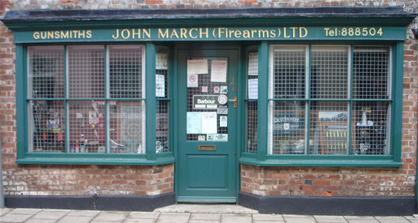
JMShopLater, enthused by having escaped the confines of the sick bay and having taken a small restorative nap, I went to Wimborne. I wasn’t wandering aimlessly – I was aiming for a specific shop but on the way I passed another. If you click on the picture, you’ll be steps ahead of me as I hadn’t even bothered to look upwards to see what kind of place this might be. It was just that, out of the corner of my beady eye, I noticed a cookery book of sorts in the crowded window: From field to table – how to cook venison.

I pushed open the ancient, creaking door and was immediately overcome by the stench of wet spaniel. Inside, there were dogs everywhere. I greeted one or two of them but they were clearly exhausted from earlier activities. A Springer who had collapsed in a green leather arm chair beat his tail with great vigour but never managed to open his eyes.There were two or three people of indeterminate, but advanced, age in this emporium having a conversation about country-type things. I like to think I’m a woman of the countryside. Wrong. No idea whatsoever about the content of their discussion.

The place was jammed to the rafters with guns but it also contained really interesting potential Christmas presents – a walking stick with a hare’s head, a silken tie on which pheasants had landed and so on. Trouble is, I don’t know anyone who might be able to make use of such things. And, as an intruder, I was clearly under close scrutiny. This, sadly, is not a shop in which browsing is anticipated or condoned.

An ancient being retrieved the one and only venison cook book from the window and immediately replaced it with a small volume on ferrets. There were no credit card facilities and no mention of any of that paper bag nonsense. I was sold the book that had been in the window for eons and sent on my way.

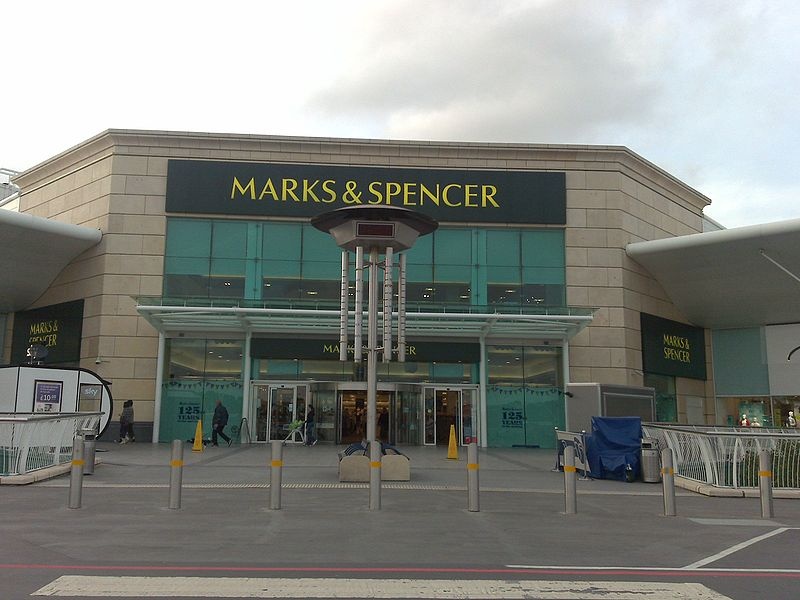
M&SEarlier this week, before the Heebie-jeebies struck, I took mother shopping at Castlepoint. Every time I take her shopping she, understanding the rules, comes home laden down with baggage whilst I have nothing. Somehow, most shopping I undertake results only in purchases that can be eaten or plane tickets to France. In M & S, I hover near the ‘pay here’ point as mum happily pays for yet more goodies. A woman arrives and is confused by my pointless proximity to the tills:

Woman: are you in the queue?

Me: no, I’m waiting for my mum

Woman: I wish I was waiting for my mum

Me: gulp

Like this unfortunate sense of standing outside my own body as it travels along its path, this tiny, tiny comment has remained with me all week.


Not what you expected

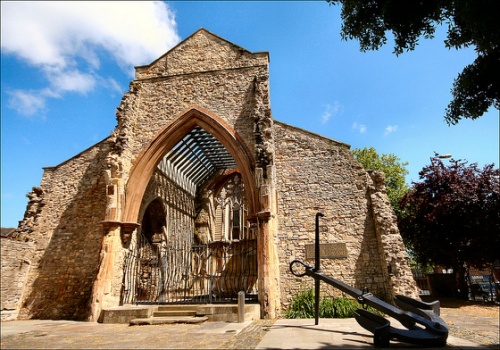
holyroodThis is what’s left of Holyrood Church which is down towards the water in Southampton. I would’ve taken my own photo but, when we were there last Friday, there was a couple of people who, despite a few tourists looking for a picture opportunity, insisted on spending a good fifteen minutes sucking each other’s faces. It’s not really what one expects. As B commented, she’ll have a very nasty rash around her mouth later.

Holyrood Church, built in 1320, was once, like Friday’s female, in better shape . Not so good though according to Sir Henry Englefield who commented that ‘it does not seem to have ever been of elegant architecture’. Things got a lot worse in November 1940 when it fell foul of allied bombers during the blitz. What makes it worth a visit are the many memorials within to various elements of the crew of the Titanic.

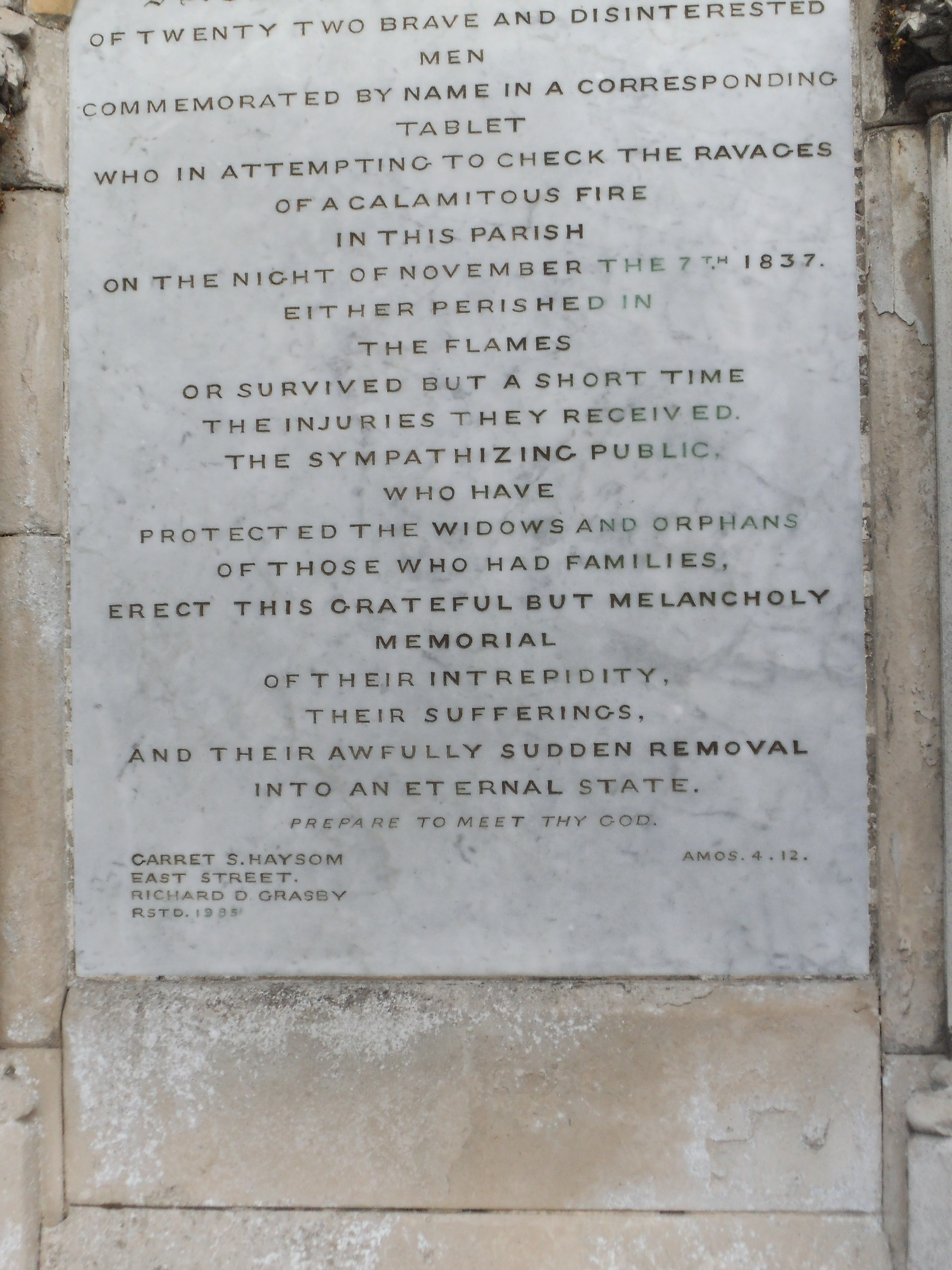
DSCF0932Of course, one invariably trips over the multitude of Titanic memorabilia in this most superficially unattractive of cities. There are lots of other unexpected stories to discover, however, if you look between the awful mish-mash of the place. November doesn’t seem to have been a great month for the city: witness this plaque on the exterior of Holyrood. At 11.15pm on 7 November, 1837, fire broke out in the stables of local merchants. Horses may have been housed within – what wasn’t known was that the building also contained 150 pounds of gunpowder along with thousands of gallons of oil, turpentine and varnish. Local workmen and passers-by, in an act of selfless citizenship, rushed in to try to thwart the spread of the flames. Sadly, and regardless of valiant and magnanimous attempts, explosions began just after midnight and most were burnt beyond recognition. Despite the close proximity to the sea, the shortage of water and the lack of fire fighting equipment contributed to the inquest jury’s condemnation of the city’s complete unreadiness for such an occasion.

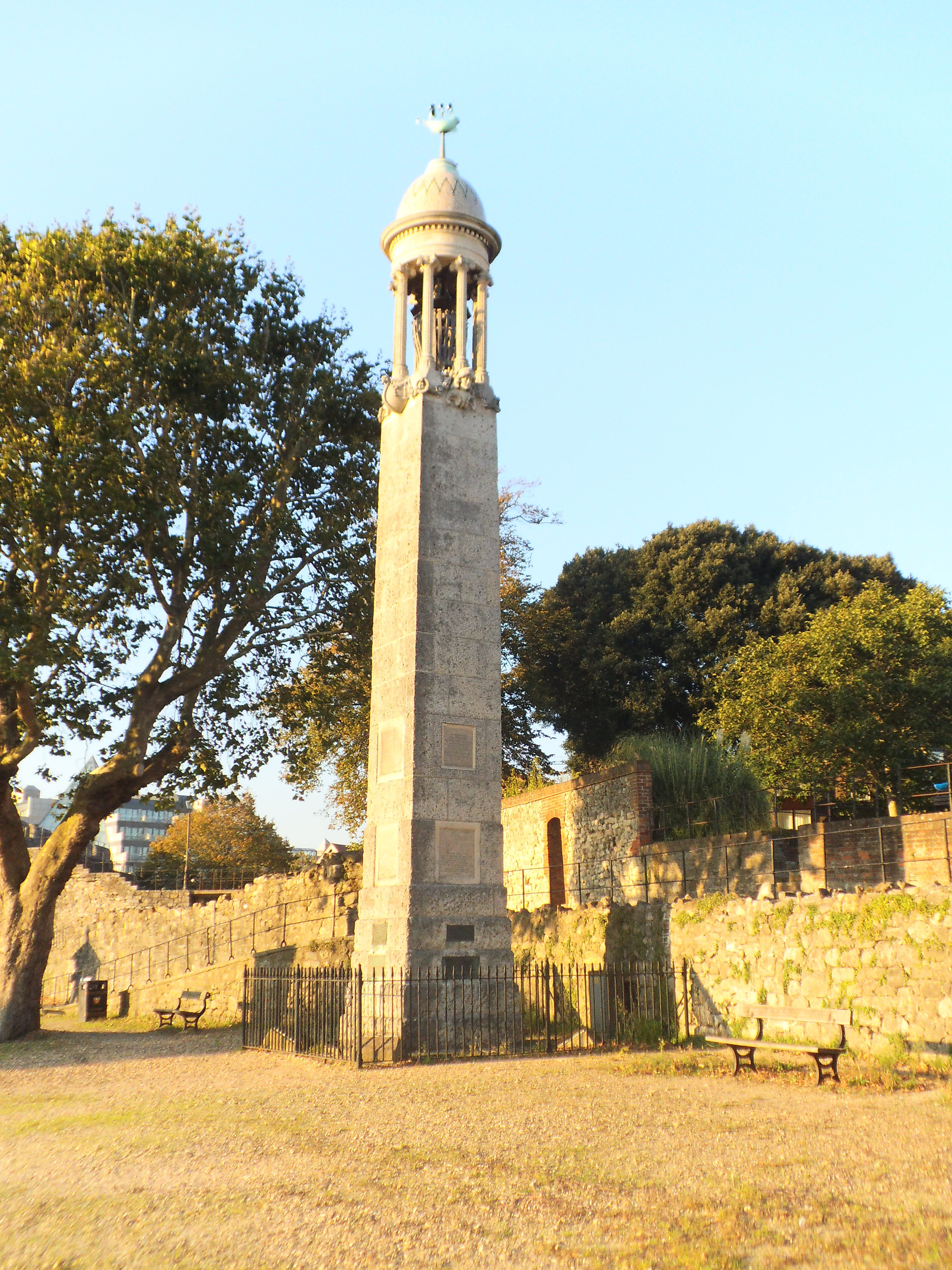
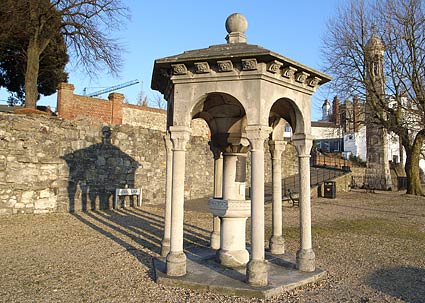
DSCF0933Continuing our pre-dinner stroll, we came upon this memorial raised by relatives of those who sailed on the Mayflower.  Walking around this part of Southampton is a bit like being on an unexpected treasure hunt: poking through pubs and restaurants to locate who knows what. There are lots of stories engraved on this tower, placed by those who could afford to do so, but my favourite was on an unattractive drinking fountain just out of the frame.

maranne rogersMary Ann Rogers was the senior stewardess on The Stella – a passenger steamer that left port on Maundy Thursday, 1899. Her husband had already drowned in 1883 and Mary Ann was working to provide for her children. When the Stella went down in fog off the Isle of Wight with the loss of 105 lives, she gave her life jacket to a child and gave up her place on a life boat, thus saving many women and children. Hoorah for someone who acknowledged a woman.

DSCF0934Here’s the view from my hotel window on Friday night before we set sail. It’s not that attractive but to have such wonderful weather and a sunset like this was totally unexpected in these days of berried hedgerows and indecisive mornings. The following day we went to the Isle of Wight. Despite living on the south coast for so many years of my life, I’ve only ever been once. Hendrix was present – huge yawns from my children at this point.

DSCF0953Here they are. And here we are in Bembridge having purchased all things smelly from the delightful garlic farm. Lovely countryside, a seafood lunch, the welcome but unanticipated autumn sunshine and so on and so on. But my over-riding memory will be coming down a hill, round a corner and confronting the development of a new retirement home where the agent’s sign declared, to the aged folk who had not considered they might be abandoned by their families on an island, ‘not what you expected’.

Lucky to live in Dorset

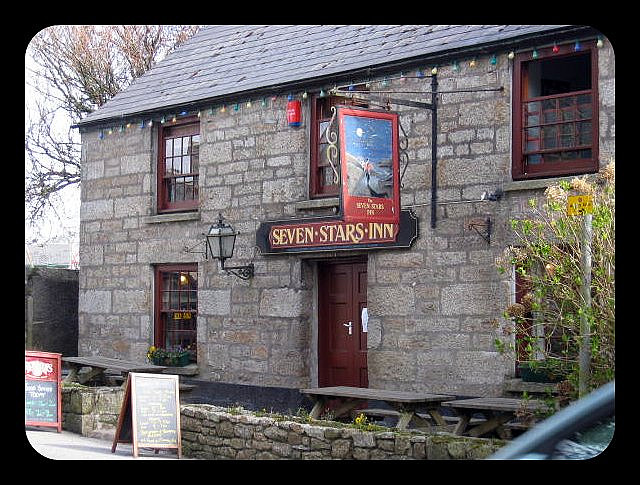
sevstaTrying to avoid the gloomy autumnal view through my sitting room window, and looking through folders for something which remains lost, I found a piece I wrote in the depths of despair whilst living in Cornwall a few desperate winters ago. It goes without saying that I am not a poet. Nonetheless, it’s a timely reminder of the joys of living in Dorset:

Condemnation

Those were not the days of our lives.

Neither were they days like these. They were THE DARK DAYS:

Stumbling around the back of that angel infested graveyard on the way to

The Seven Stars, Stithians!

My saving grace; the light of my night,

Where sea shanties were sung to celebrate

St Pirran who had arrived on a stone,

Cast upon the wasteland of poor excuses for roads.

The coldest place in the universe where,

Like Wesley, I had fallen off the map.


Afraid to venture further than third gear in case I met

A horse

OR someone with a number of Labradors

OR skidded on ice

OR a pile of shit

OR worse still, arrived at my destination with water running down its walls

And chickens in the kitchen leaving behind

Another pile of shit

OR snow that stopped me escaping to Tremough

On a hill where the rain waited to seep into my bones on what was supposed to have been

A literary adventure.


I took tea with Mollie.

I listened to Josh sat on his damp bed

Playing his acoustic guitar.

I cooked aubergines and averted my eyes from the man

Strapped to cylinders of oxygen in the front room and thought

My life might not be as bad as his.


I craved the A30. I resorted to pasties and chocolate raisins.

I stood by a gate smoking and looked at the best of night skies holding

Too many stars that hung over a disaster called

Redruth.

Talk about poverty. Talk about desolation.


A woman purporting to be a gypsy

Accosted me in the car park on my way to look for

Otherwise unheard of tapestries that reflected

CULTURE (in a place where no-one had heard of the word).

Buy my shell she said.

I’ve spent my last two pounds parking the car in

A place I don’t want to stay in I said.

I see you in a cottage she said

Is it in Cornwall? I said

Yes, she said thinking

That would be worth three quid.

Wrong.


I didn’t go to the beach.

(I prefer the beach in Dorset; it can’t be beaten.

No choughs though.

But buzzards floating on air currents and mingling with hang gliders.)


I went to the Falmouth Beach Hotel

To swim and it burnt down.

Good job too and

I went on the mine trails and it was as near to beautiful as

Cornwall can manage if you’re stuck there and

I went to the Seven Stars, Stithians! again and again and

I claimed my free Sunday lunch with

Lindsay and Ian and Josh; it was small compensation.

I searched, desperately, for

Some redeeming features and there were none because

Cornwall is a poetic and artistic

Lie.


Take St. Ives, for example.

Please take it,

Away, along with its galleries full of dismal pictures and its

Sculptures and its men dragging boats and its men

Swearing at bus stops.

You want to be a lifeboat man he said

Then you’d know what Cornwall’s about.

He got away with pushing in front of the queue being,

As he was, on business of the highest importance.

You don’t argue with a man with RNLI

On his jumper even if he’s

Waiting for a bus and not running for a boat.


And now they’ve told the folk of Helston to leave.

They say it’s because of

The floods.

If I lived in Helston you wouldn’t have to evacuate me.

I’d have left when the sun was still shining.