Off again
It’s an inauspicious start to the next stage of my journey along the Kennet and Avon Canal. Yet again, I’ve rested overnight chez Bartlett but there was little sleep involved: the heat was stifling and the bloody seagulls, who are also on holiday from the coast, screeched their homesick way throughout the early hours. During the endless night, Mr Bartlett was up and down like a fiddler’s elbow looking for international cricket matches to watch on TV or worrying about the new cats. Mrs Bartlett got up to see what her husband was doing and I had a quick whizz round in case I was missing something.
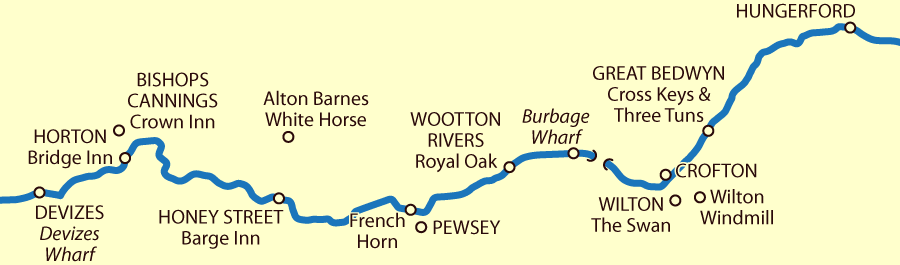
The Bartletts both have blood tests this morning. I don’t ask why. Seems rude to enquire but, whatever the outcome, perhaps some kindly physician will dispense a sleeping potion. Anyway, it means that Mr Bartlett will have to take me to Devizes at early doors. I’ve requested the Marina Village as a starting point but, owing to traffic and the need to get back in time for needles, I am deposited near the Kennet and Avon Canal Trust place at Devizes wharf. On one hand, this doesn’t matter as it means I join the canal exactly where I last left it so don’t miss anything. On the other hand, the minute I get round the first bend, I discover that the tow path is closed for repairs so, not only do I miss a small portion, I am also lost within 10 minutes of starting my walk.
I’m carrying a secret of unimagined importance which I try to focus on in order to remain positive. It’s tricky as I find myself traversing rather a rough estate with a boarded up school. At 8.15am, all the mothers and tattooed children are out looking for somewhere offering education. I’m not scared – I ask a couple of people for directions but it’s not going well.  I finally reach what should have been my starting point 45 minutes later having already added an extra 2 miles to my journey.
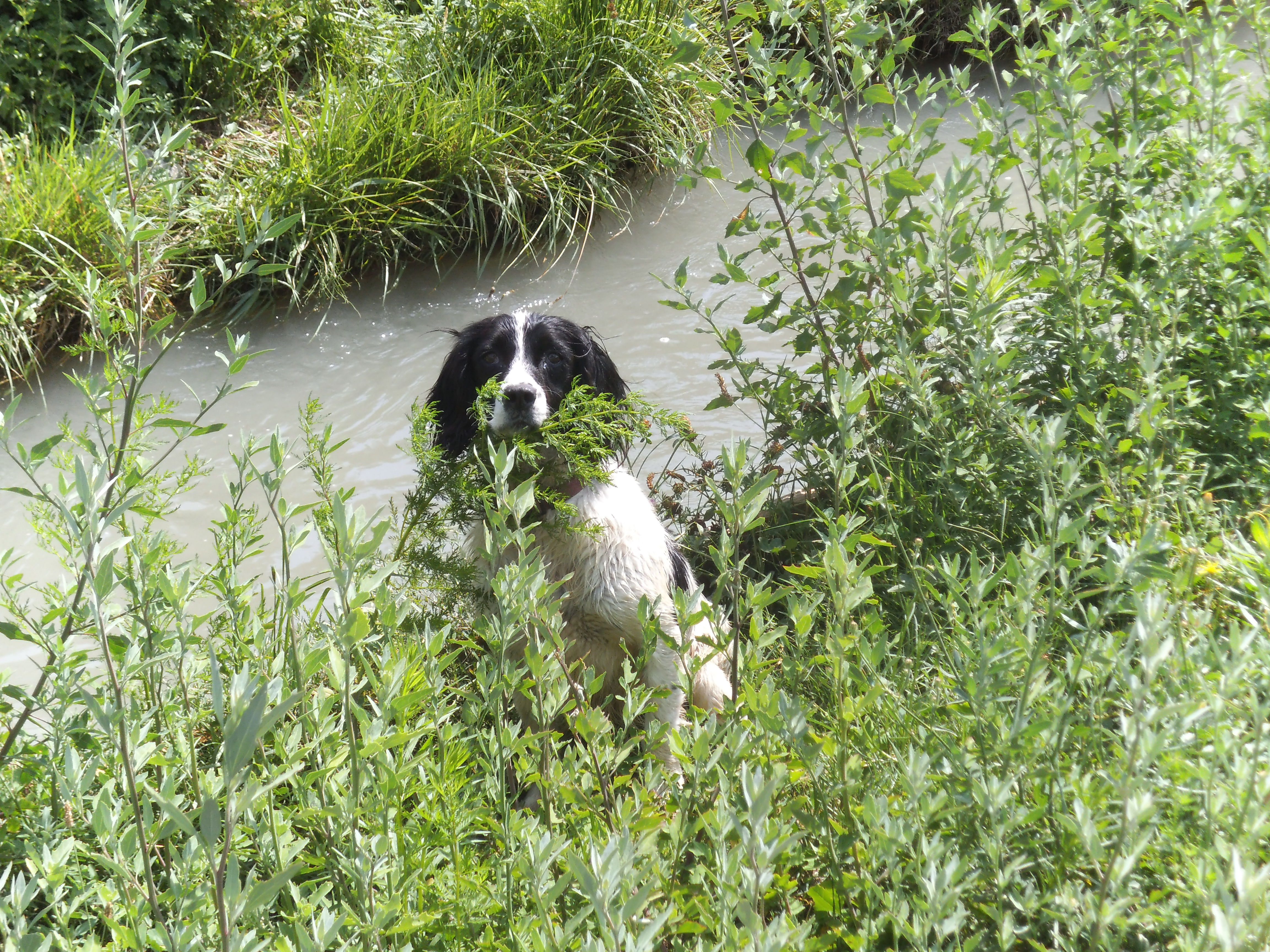
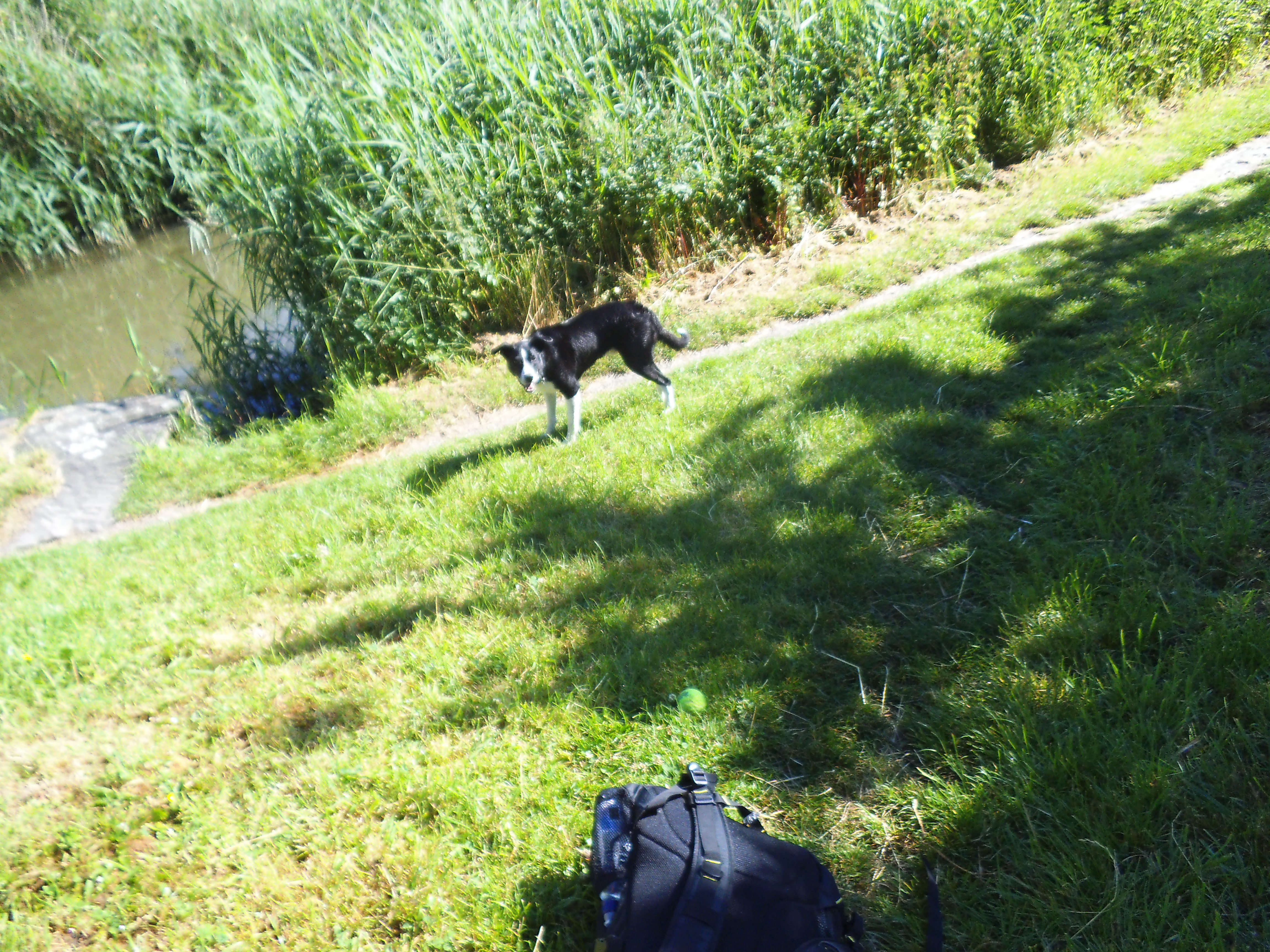
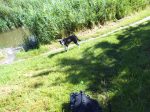 Sooty is waiting for me on a bridge in the absolute middle of nowhere. There’s not a soul to be seen and I wonder whether Sooty is a very wet ghost dog. I do that clicking business that I favour when confronted by unknown dogs. Generally, they just look at me in a disparaging sort of way and clear off. Sooty brings me his squeaky yellow tennis ball and insists that we have a game. We play for a while but then Sooty fails a catch and the ball ends up in long grass and nettles in a field behind a wire fence. Sooty starts crying pitifully. I look round for a stick. Sticks are in short supply so I break a plank of wood off the fence which is why, reader, I’m being a bit vague about my location. I reach over the fence with my wooden implement and the rampant nettles commence their attack on me. Sooty is sobbing inconsolably but, despite being stung in several places, I manage to retrieve the ball. Sooty cheers up and wants to play again.
An old-fashioned looking man mysteriously materialises from the ether:
Me: Is this your dog?
Him: No, I thought it was yours.
Unkindly, I throw the ball into the rushes at the side of the canal and scuttle off while Sooty’s occupied on a hopefully time-consuming cause. Two minutes later, I hear an optimistic squeak behind me. I’m not turning round.
I meet Alan
Some time after I finally lose Sooty, Alan creeps up on me. To be fair, he does a spot of early warning reed-swishing so I’ll know that, like everyone and everything else on the canal, he’s about to overtake me. Alan doesn’t hear my ‘good morning’ because I’ve got his wrong side. Of course, I don’t even know he’s got a wrong side, let alone which one it is, as I’ve never met the man before. Anyway, we swap sides and he slows down for a chat. Alan’s the type of chap who looks as if he knows everything there is to be known about canal walking; or any other type of walking come to that.
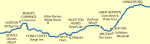
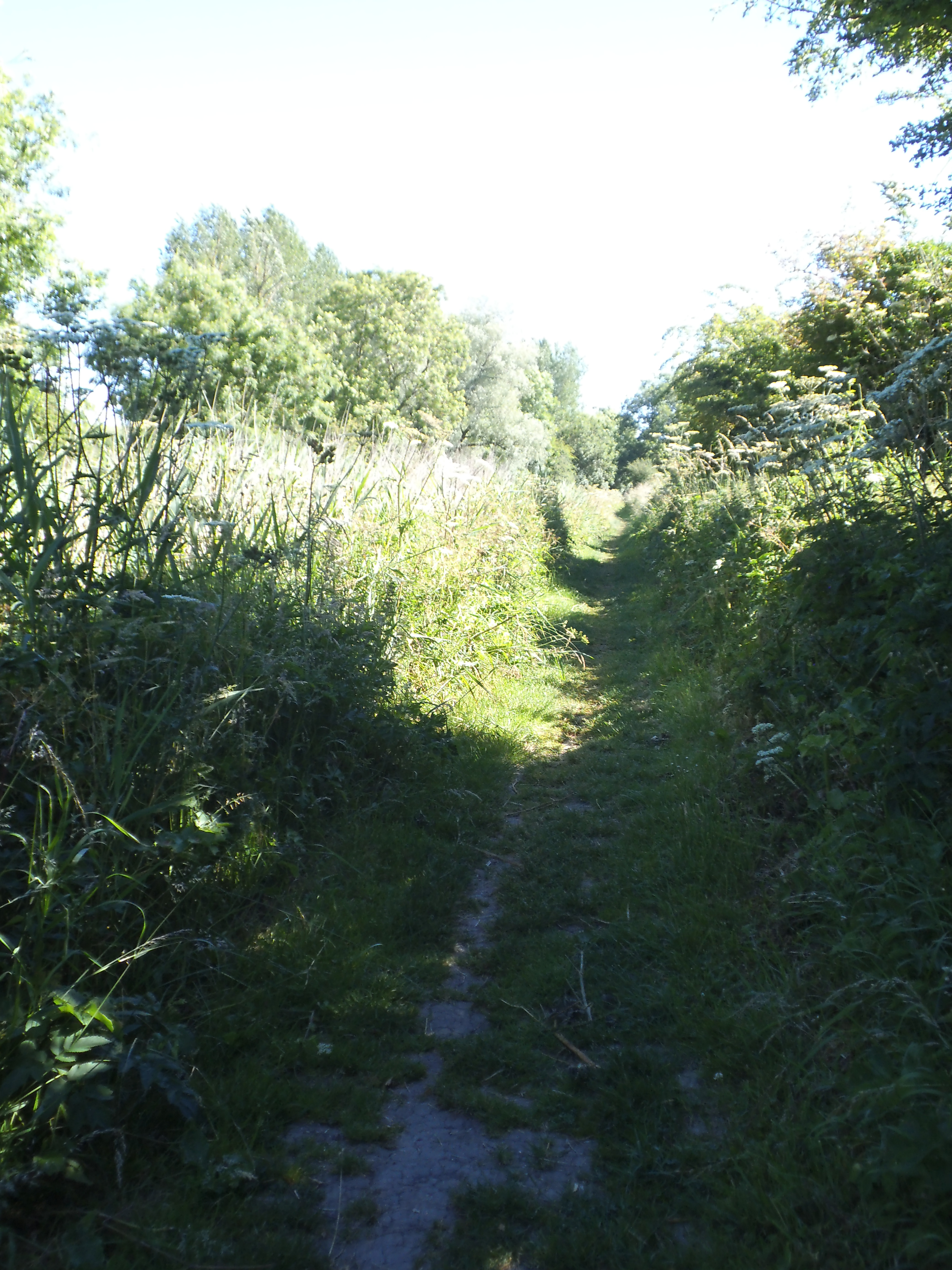
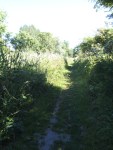 I ask Alan how to work out distances in canal miles as, currently, it’s a skill I still haven’t mastered. Alan turns and asks ‘are you on the internet?’ At this point, the cow parsley and bull rushes are so high that we can’t even see the canal. To our right, the brambles comprise a density that precludes sight of the acres and acres of Wiltshire fields and hills. ‘Not right now, Alan’, I respond.
I try another tack:
Where are you walking to today, Alan?’ This is cunning stuff. When he tells me where he’s going, he must surely know how far it is.
Alan informs me that it’s his intention to walk for three hours, then turn round and walk back again. Well, not knowing where you’re walking to certainly comprises a valid reason for not knowing how far it is. I can see he’s anxious to get on to Nowhere-in-Particular so we say our farewells and he disappears into the distance.
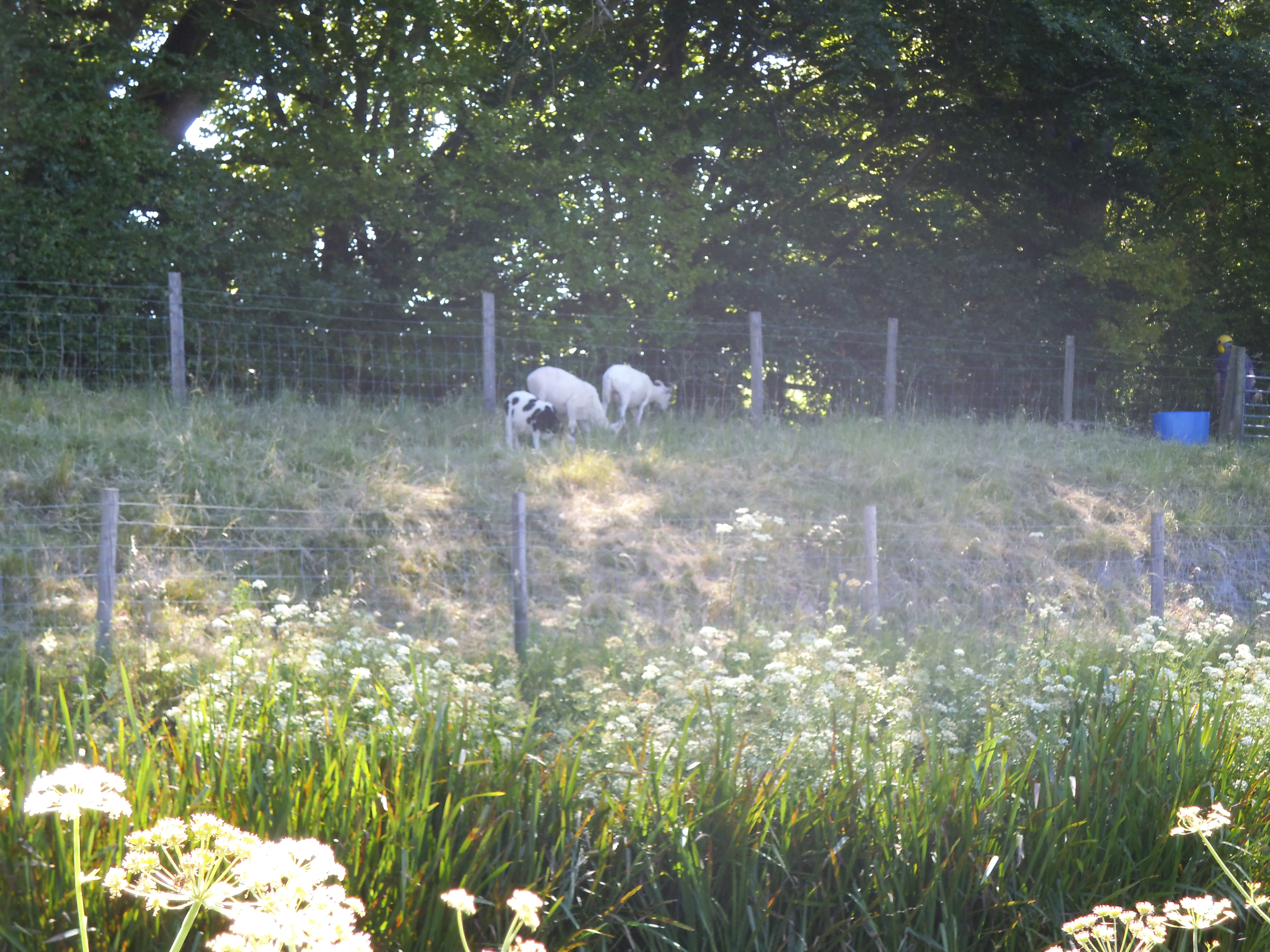
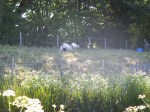 After an excess of dawdling and photographing and waddling and note-taking, I round a bend later on and find Alan sitting on a bench eating a sandwich. We greet each other like long lost friends. Although he evidently deems us not good enough mates to warrant a spot of sandwich sharing, we resume our pointless attempt to work out how far we’ve come. Alan never goes anywhere without his 1:2500 Ordnance Survey map. Apart from today. I show him my canal map. I point out our current location – near the goats. Alan disagrees. I show him the number on the bridge we are sat below, then show him the corresponding number on the map. Alan hasn’t realised my expertise in cartography. Alan misreads the scale on the map and concludes we’ve come about 2 miles. Frankly, apart from the business with the right ear, I feel there might be other deficiencies. I keep this thought to myself and waddle on.
And sometime later, he yet again catches me up and informs me that All Cannings will surely be round the next bend. ‘See you later’, I shout as he zooms off.
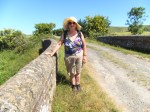
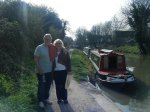
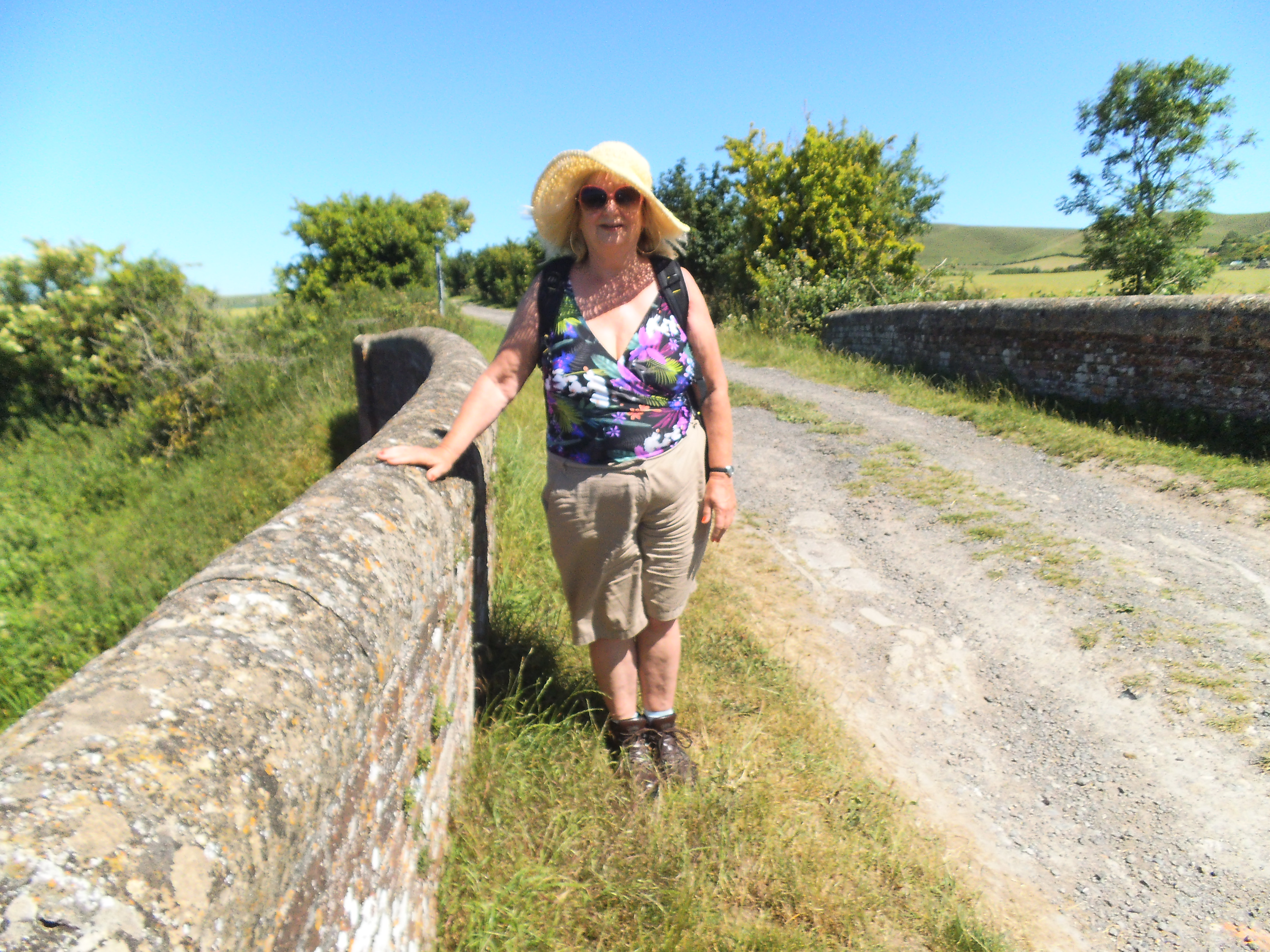
About an hour later the bridge at All Cannings finally looms into sight. But who’s this standing atop waving and laughing? I don’t know what he’s laughing at – he’s got no further than I have and I know where I’m going. I ask Alan if he’ll take my photograph. It’s the first time he’s used a digital camera and he holds it up to one eye and shuts the other just like in the old days. He tells me a story about a 36 mile yomp he took across Salisbury Plain, then informs me he’s off home now. ‘Cheerio Alan, it was good while it lasted’.
A walk with Brenda
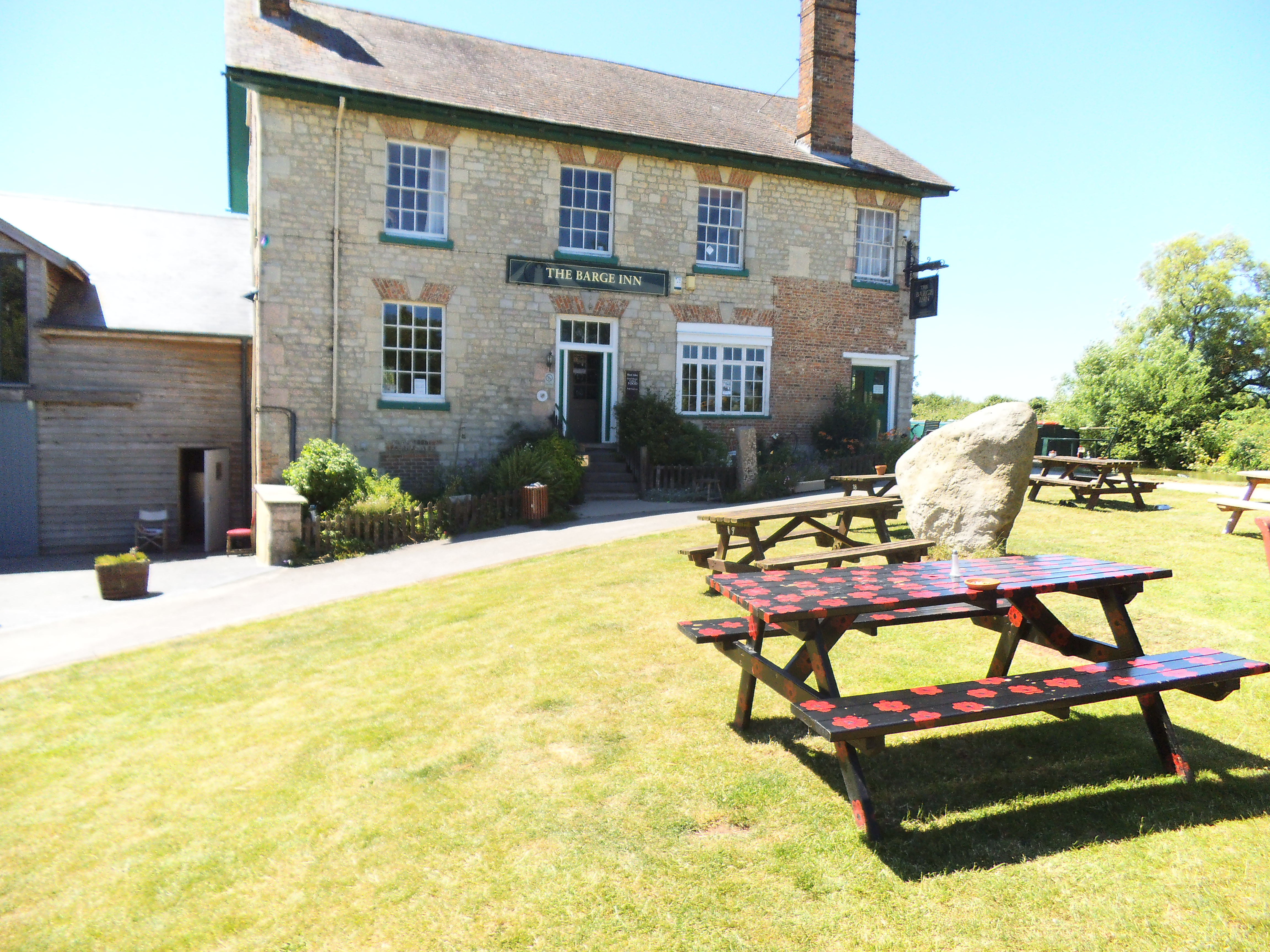
 After walking nine miles, I finally arrive at The Barge Inn, Honeystreet. The existence of this place was one of the reasons for stopping in the area. A very clever person has designed a website which entices travellers to what is claimed to be the best pub in the universe. A complete flock of Trip Advisor sheep has also written extensively about the sheer brilliance of what is deemed to be the epitome of quirkiness. This, despite the fact that those very same reviews allude to poor food, rude staff, toilets that haven’t been cleaned since the millennium and so on. It is surely a huge disappointment but after those nine miles I’m pleased to have the opportunity to sit in the garden with a large glass of sparkling Pepsi and write a few lines.
 Madge is also in the garden. There’s some evidence to suggest that, back in the day, Madge was a terrier of sorts; possibly a Jack Russell. The four legs and nasty disposition are the main clues but it seems that none of the legs are in working order. Madge slithers her way across the grass with the sole intention of upsetting anyone else who’s dared to bring a canine to the best pub in the universe. ‘Arthritis’, explains the drunk-in-charge of Madge who, unaware that she can pick up quite a turn of speed down grassy slopes, leaves it until the very last minute before trundling over to collect the vicious old lady. I’m very grateful that The Barge does not offer accommodation and that I’ve had the foresight to book a billet at Yew Tree Cottage, a mile away.
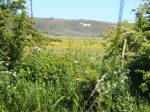
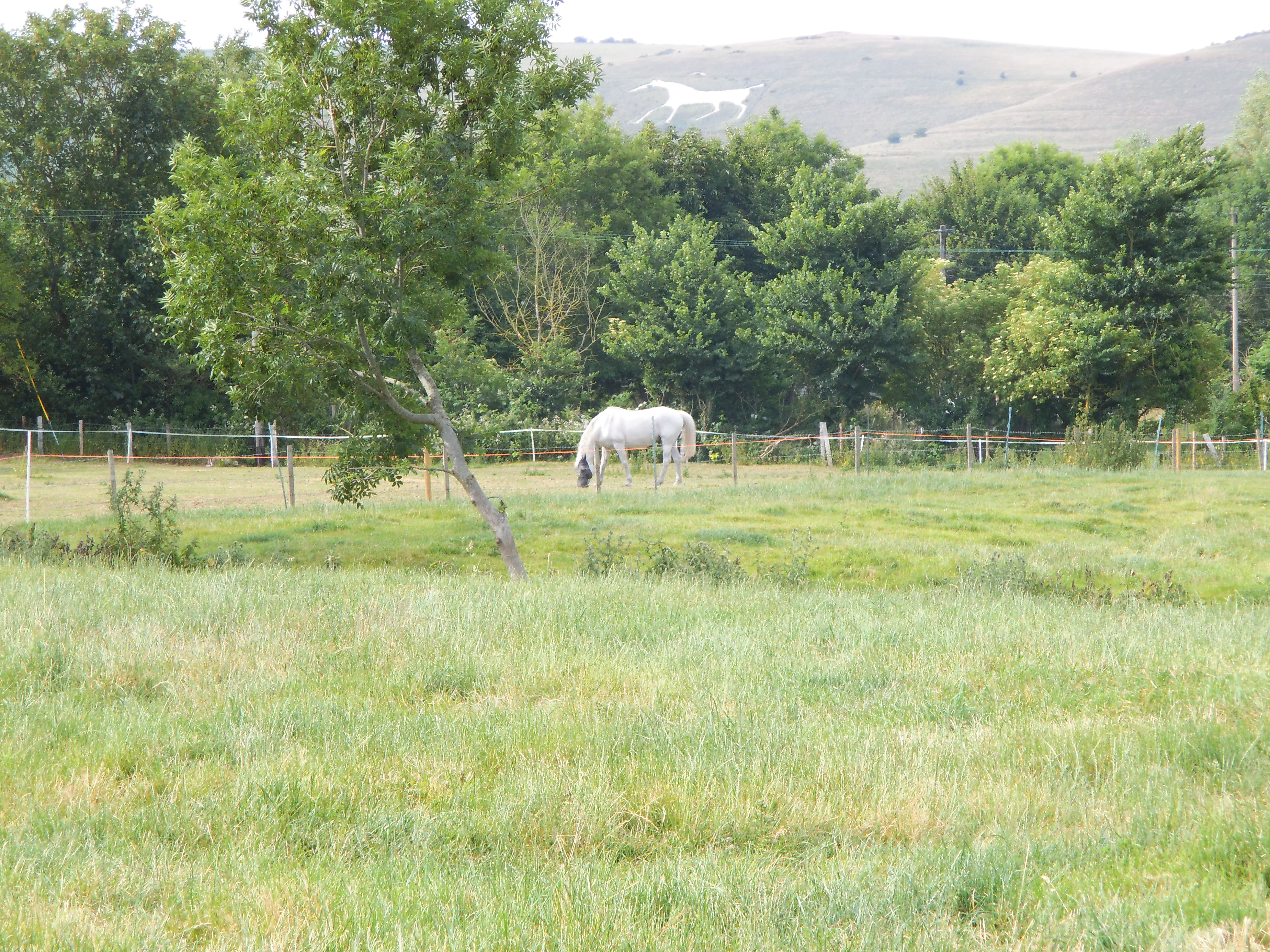
The directions I received from the owner, Brenda, were intriguing: cross the bridge, face north with the white horse in front of you… 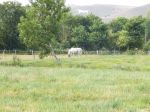
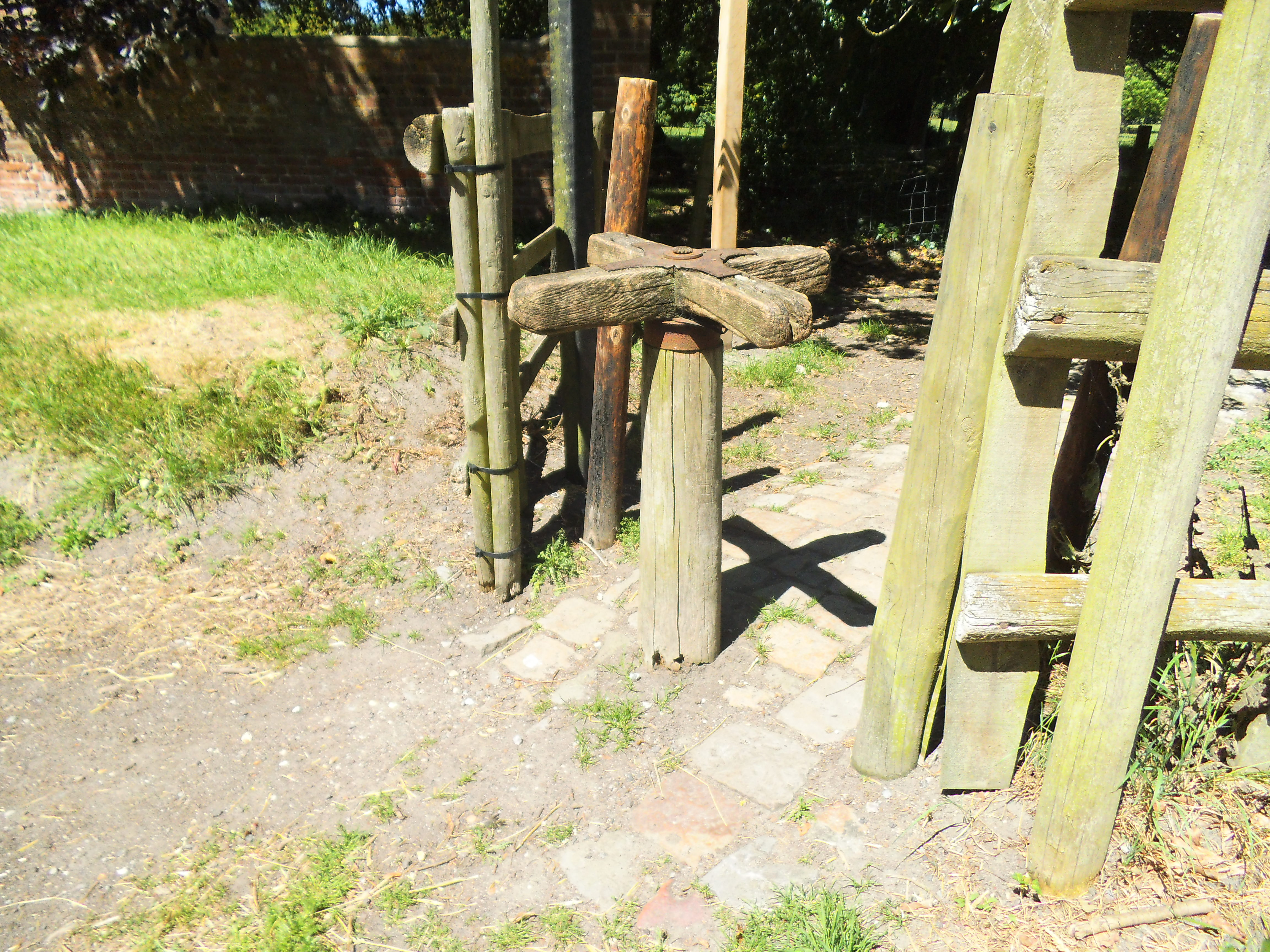
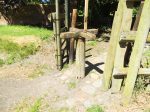 ..turn by the Saxon church, follow the Sarsen stone path through a roundabout stile …
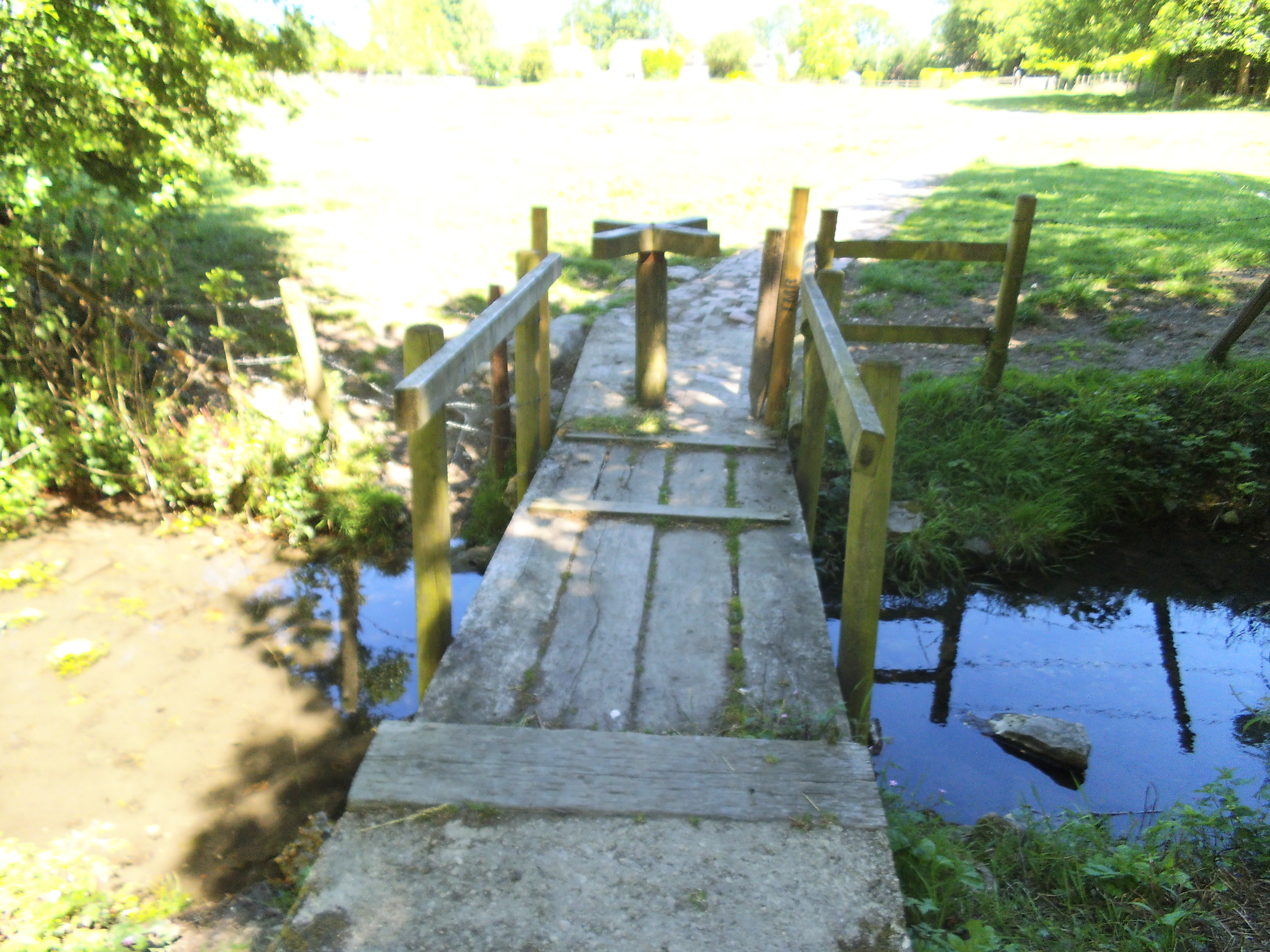
 cross the Pooh Stick bridge, go over the field, through another roundabout stile, up the lane and look for the cottage…

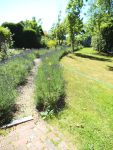
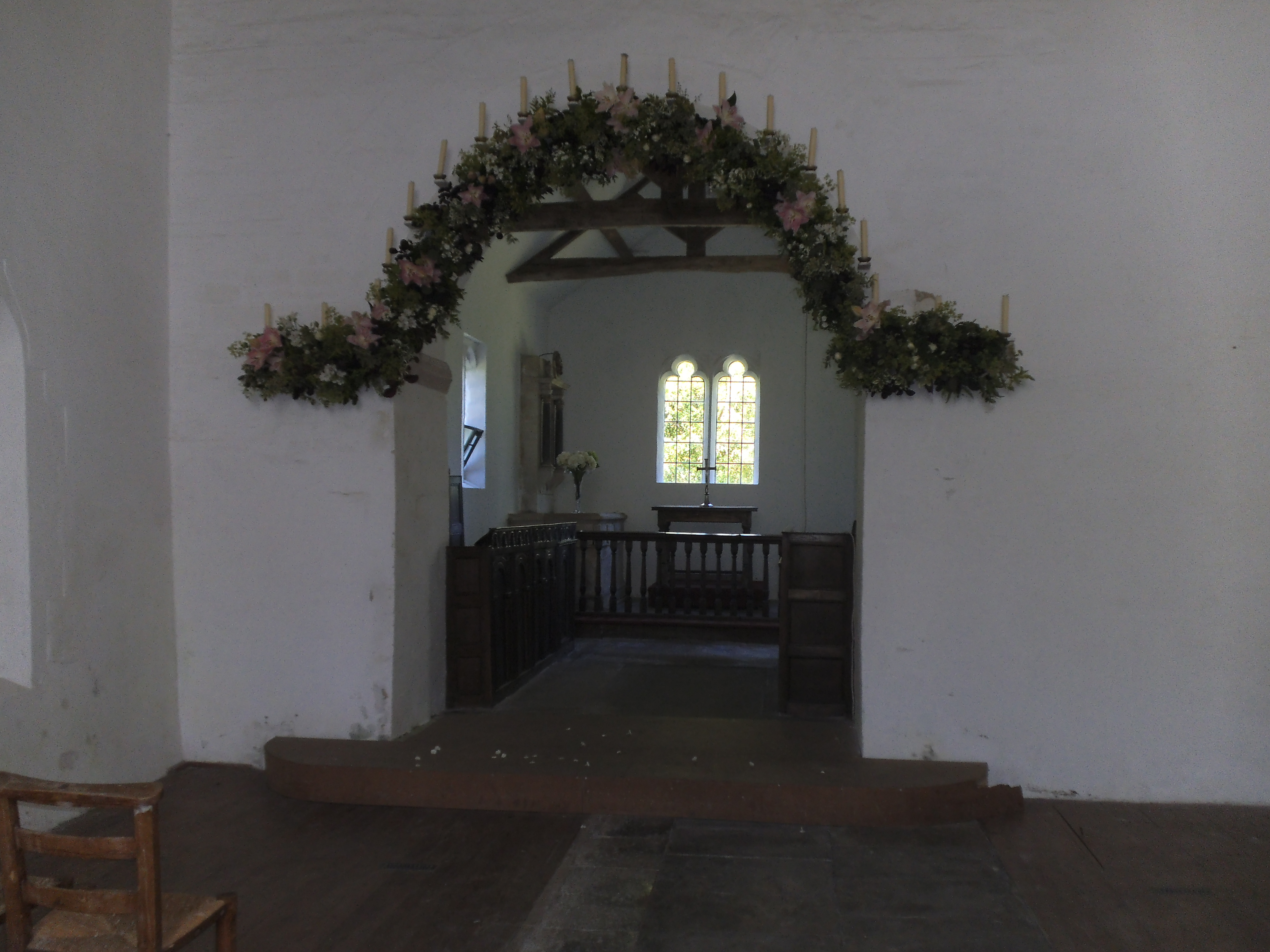
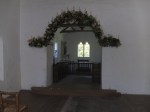 It’s a magical place and Brenda is also quite magical. After I’ve showered and rested, she takes me for a walk. Well, let’s face it, I haven’t had a walk for a while. We wander down the lane and cross the field because Brenda wants to show me All Saints Church. She opens the door and an overwhelming scent of mixed blooms rushes out. It’s extraordinary. The white interior has just hosted a music and flower festival and it’s as if the perfume has been bottled up in readiness for my visit. The church is 12th century but, of course, it’s a church on a church on a church. For example, she lifts a handy trapdoor in the floor to reveal a goddess stone of indeterminable age. In passing, Brenda mentions her three years old grandson who, on being shown the stone, threw himself upon it exclaiming ‘oh, I’ve been looking for you for a hundred years’.
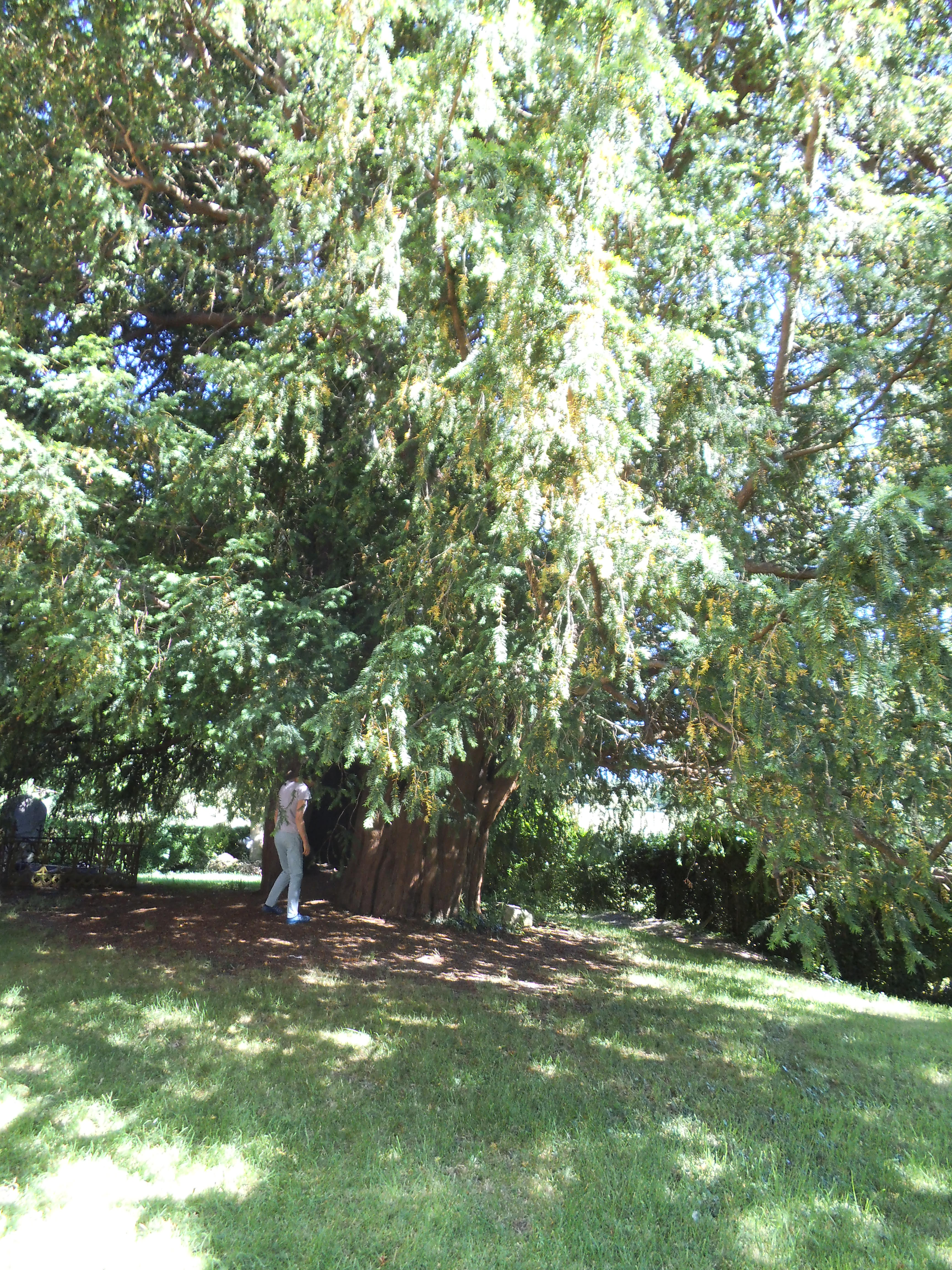
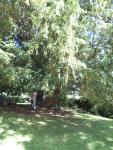 After this, we go outside to look at the 1700 years old yew tree. The tree has split into two beautiful halves, the insides of which are as sculpted. One of Brenda’s previous guests travelled all the way from Ameriky to have herself photographed naked inside the trunk. Apparently, she goes all over the world doing this in special trees. It’s a hobby (but not as we know it). I’m glad I declined Brenda’s earlier offer to snap me in front of the tree – might’ve seemed a bit tame.
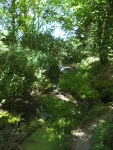 We traverse the Pooh Stick Bridge and enter the newly cleared 100 acre wood where Brenda and friends have recently reclaimed the sacred springs of Brade Wyll. In the wood, we meet Emma, a nymph who speaks of her own well and the purity of the water therein. In this beautiful secret place, where just last week they celebrated the solstice, Brenda shows me all the sites where the spring is bubbling as it did in the Neolithic, taking the waters into the Avon. Brenda, Emma and I sit on the ground with our feet in the water. I feel about a million years away from the canal, from home and from anyone else I ever knew.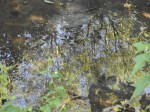
Over the hills and far away
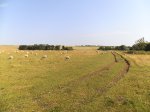
Near Milk Hill, I begin my ascent of the Ridgeway. The blurb that I read later will inform me that I’m entering a surprisingly remote landscape. Well, there’s certainly no-one else up here today. After about twenty minutes, I sit on the ground where the Ridgeway crosses the Wansdyke Path: one old girl alongside two others. Even the sheep have abandoned me.
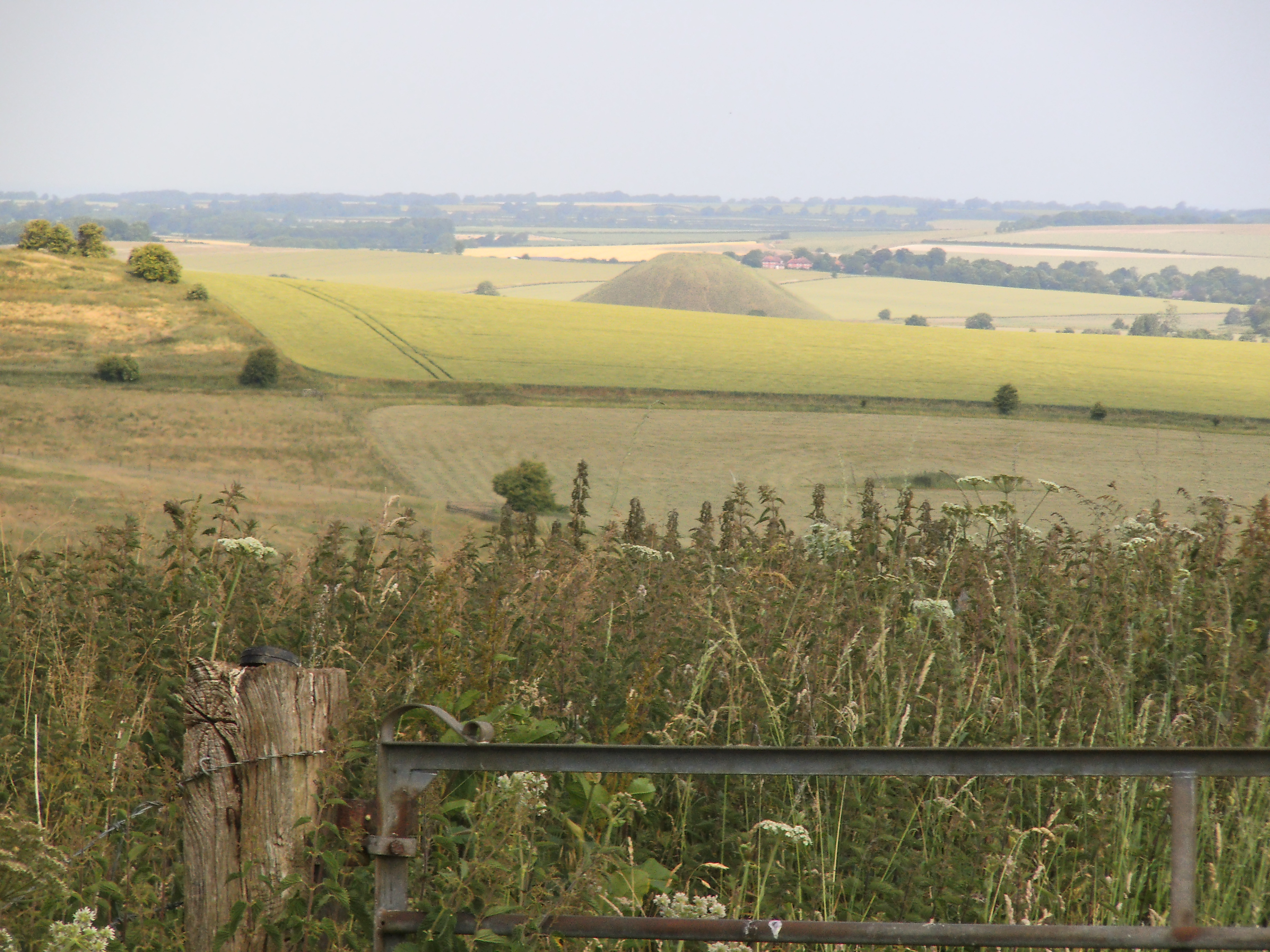
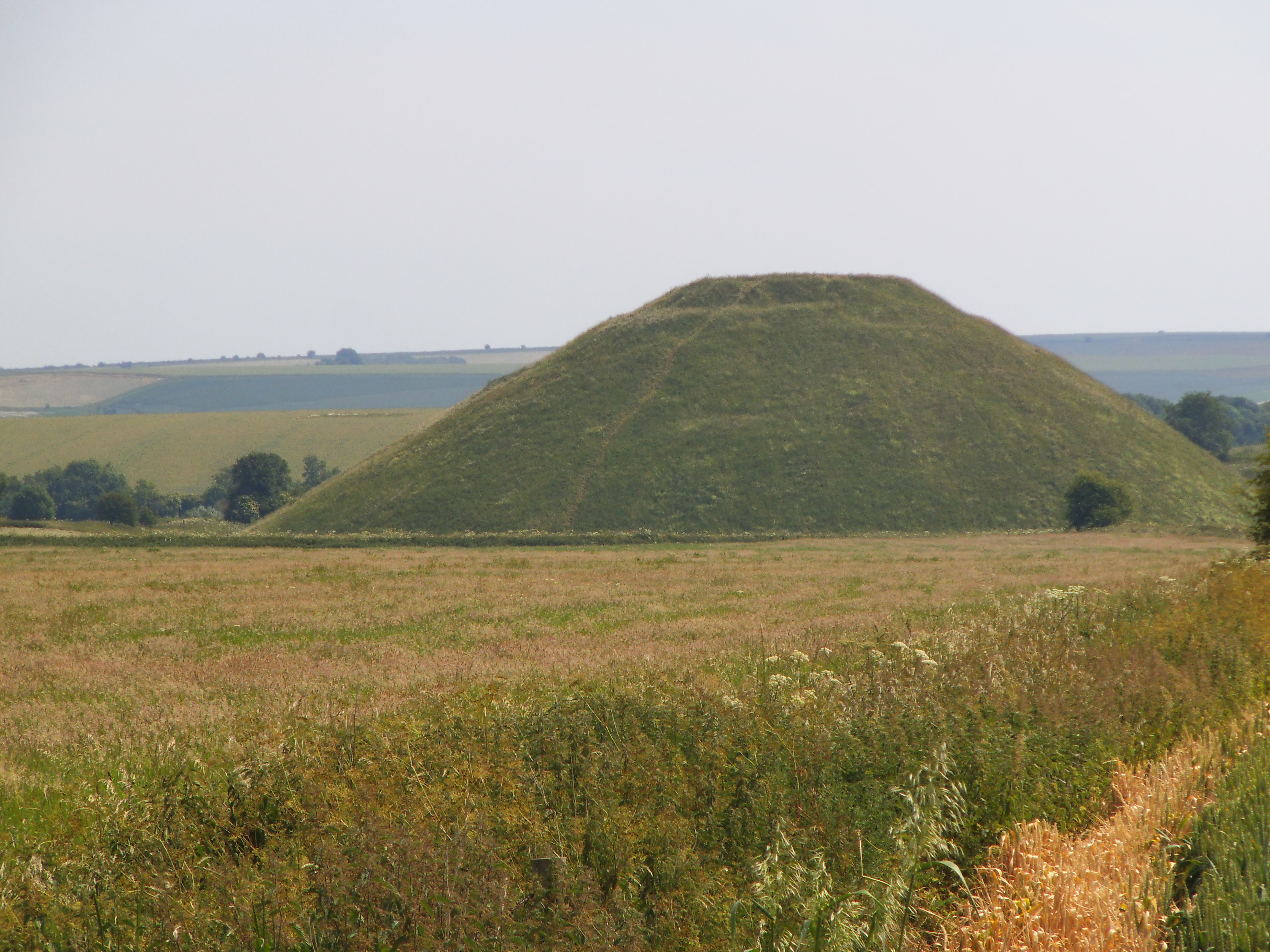
 As I dip onto the path that’s enclosed by thick woods, I wonder whether I’ve made a good choice and feel just a tiny bit alone. This is Britain’s oldest road and some of the noises emanating from the depths of the trees sound as though they might belong to something that lived here when the thoroughfare was first constructed. I look down and find a beautiful hawk’s feather. This immediately becomes my lucky feather and I thread it through my hat. I think I probably resemble Phil from Time Team. And of course, the lucky feather weaves its spell: the woods end and I emerge into a sun-soaked ancient landscape. It’s strewn with round and long barrows, with collections of sarsen stones and with tiny pathways winding up and down and round and about. But the very best thing in this otherworld is my first sighting of Silbury Hill.
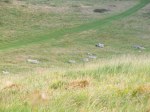
At breakfast this morning, a small dish of words had been carefully placed amongst the jams and honey. Without looking, one picks a word and lives the day accordingly. My word was ‘surrender’. I didn’t understand it at the time but now I know I’m to surrender to the landscape. Silbury is older than the stones at Avebury to which I’m heading. Its purpose has never been determined but recent theory suggests the process of construction was probably more important than the end. A bit like my walk really. I feel totally immersed in this glorious panorama. I can see for miles and miles in all directions and I’m the only person here. In fact, it’s an hour and ten minutes before I meet anyone else. He and I share this information – I am the first person he’s seen for two hours.
Leaving the Ridgeway, the way becomes a little troublesome. Well wouldn’t you know it: the ancients built a nice straight path up one side of the hill and down the other; more recent road builders have popped a few curly bends in for interest and I’m pounding tarmac for longer than I’d prefer. Eventually, I find a stile that leads through a field and into a hedge from which I emerge – in HORROR – on the A4. Luckily, I spot a gap in the hedge on the other side of the road and, taking my life in my hands, I run towards it.
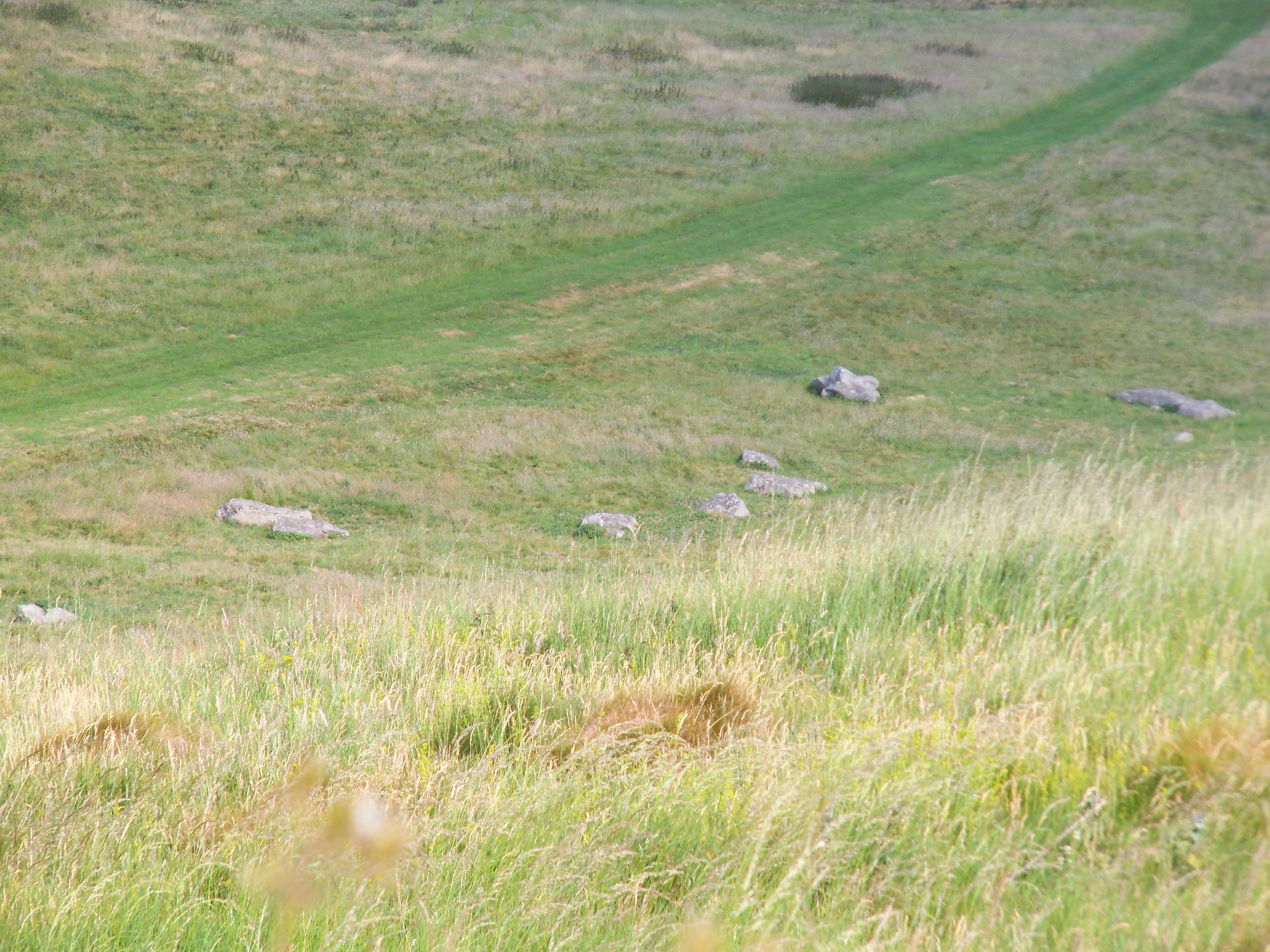
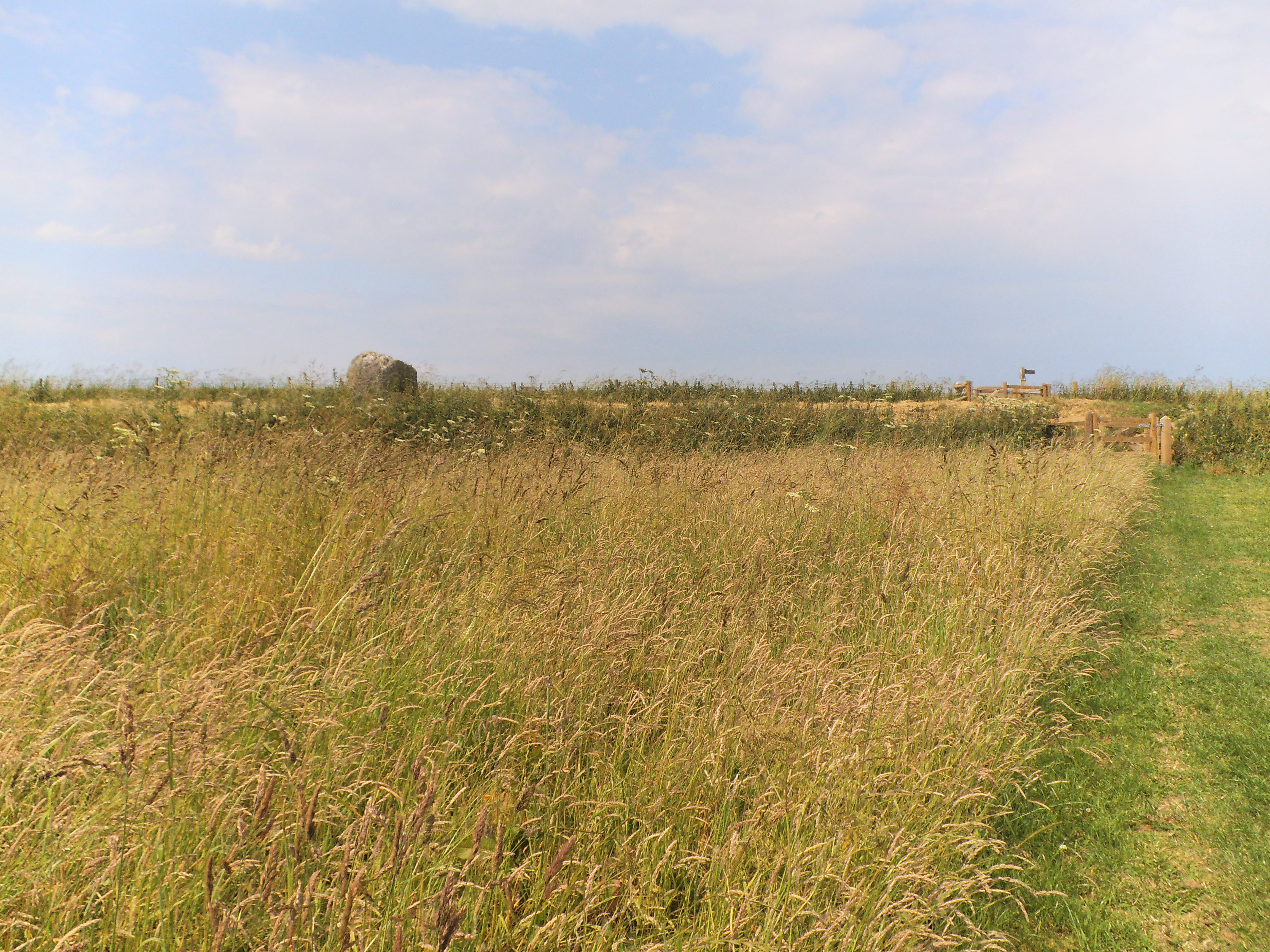
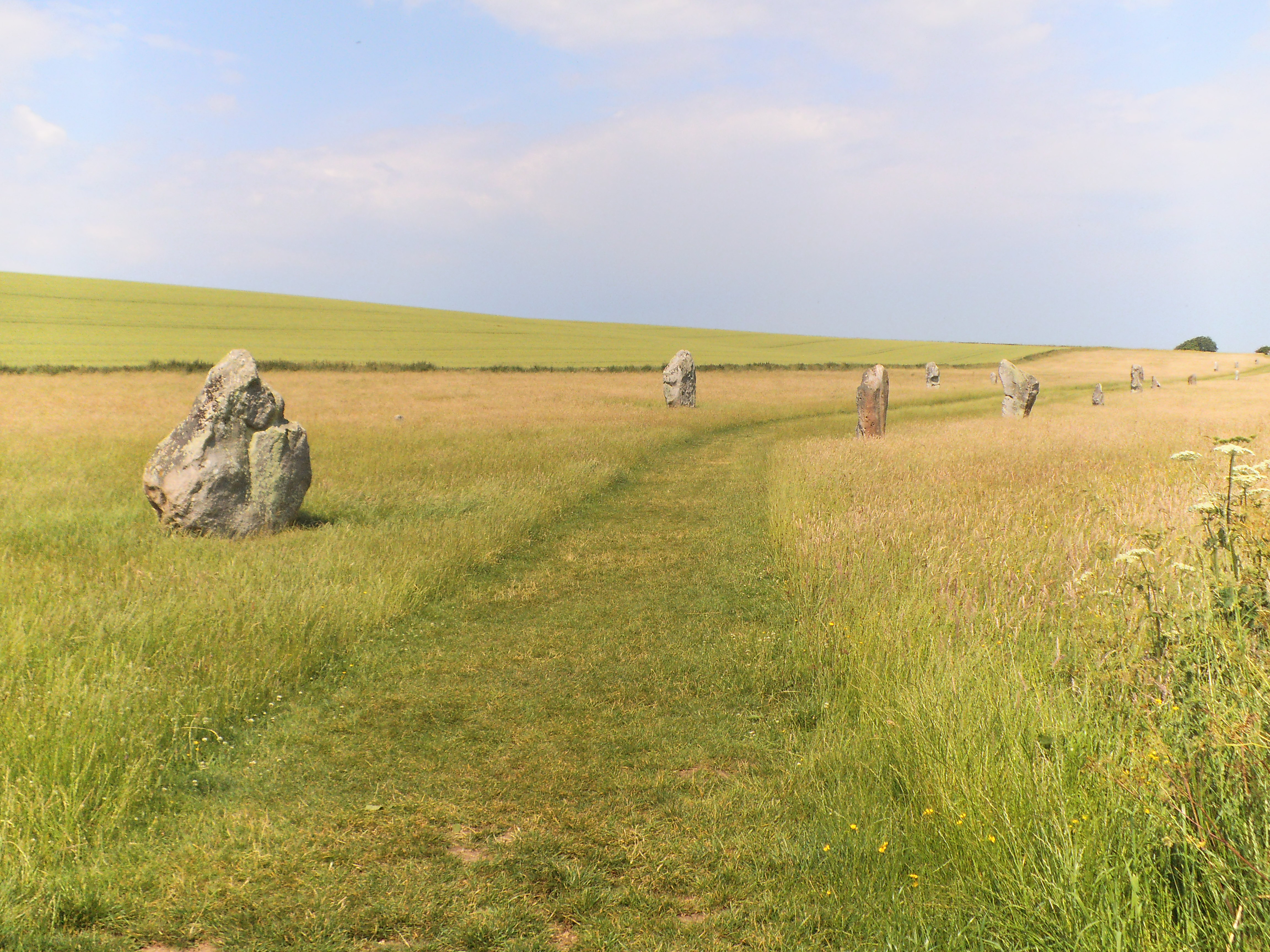
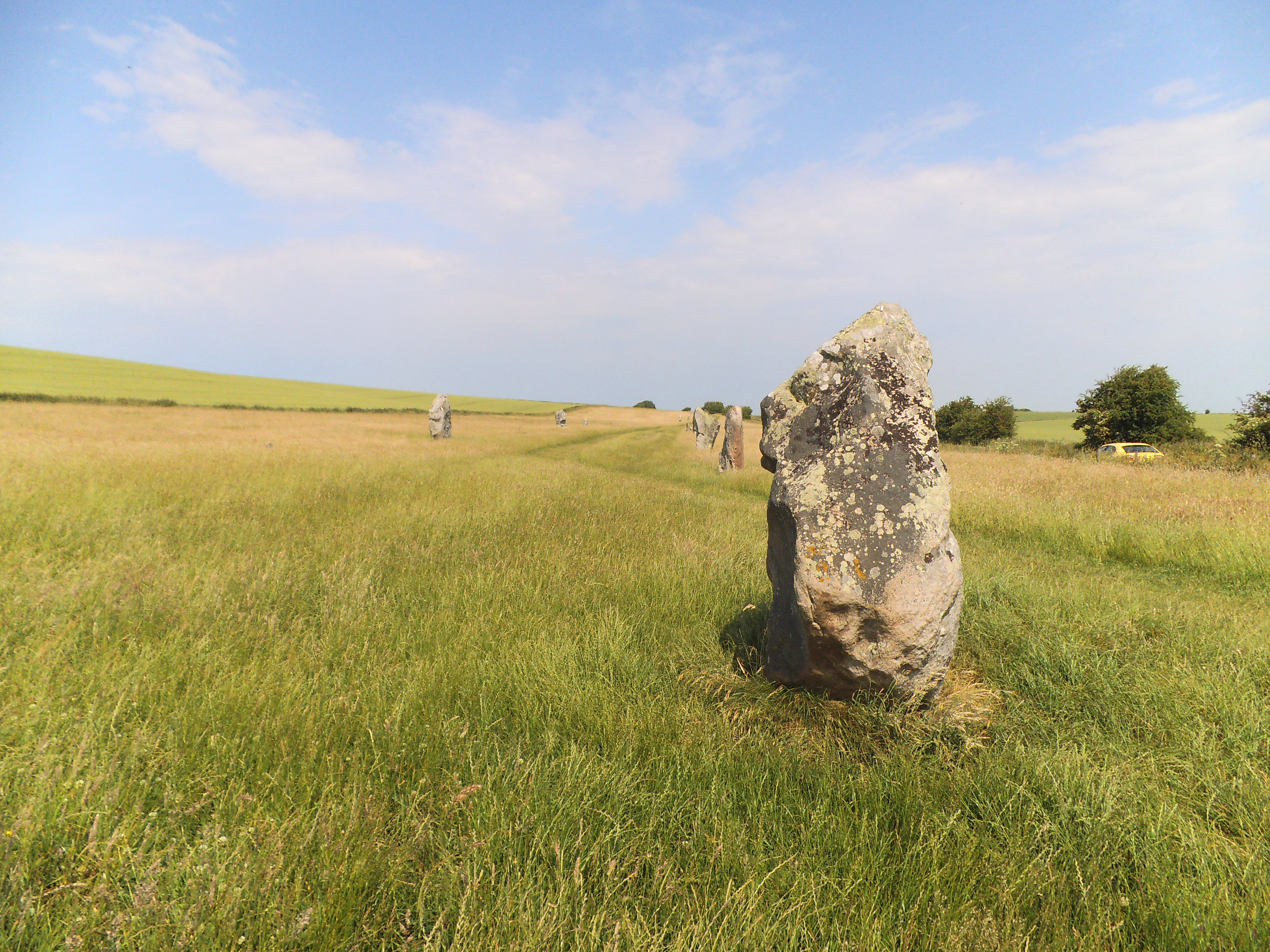
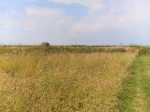 I skirt round the edge of a cornfield and come to a parting of the ways where, yet again, I have to get the map out. At first, I’m torn on which way to progress. Then, in the distance, I think I see a stone. And now I’m walking up the side of another golden cornfield. And now I’m sitting happily in knee high grass looking along the processional route of the West Kennet Avenue. I feel it to be a moment I will remember for some considerable time.
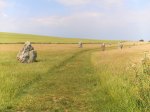
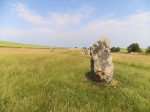
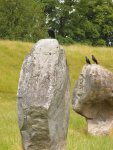 The Bartletts are in Avebury and we stagger around in the intense heat. It was so much cooler up on the Ridgeway. Down here, what with leys, auras and the hottest day in July, the stones are virtually on fire. Mrs Bartlett says I look like an old farmer. I think it’s the boots and Time Team Phil’s hat. Speaking of which, there is a moment of confusion in the Henge Shop when the hat is misplaced. I shout in panic:
Barb, have you got my hat?
A man I’ve never seen before answers:
I haven’t got your hat.
Me: You’re not called Barbara are you?
Him: No. I’m called Bob. You said Bob.
Me: No I didn’t
I spot the missing hat on the floor of the shop amongst the crystals and green men. No sign of Barbara though. 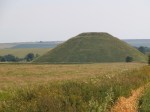
Heron morning
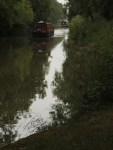 The following morning, the rain arrives as I rejoin the canal at Honeystreet on my way to Pewsey. The dank unwelcoming towpath is positively antediluvian. Yesterday’s otherworld was a joyous celebration of spiritual ancestry. Today, the canal-side foliage stinks of something primitive and suspect. Thunder and lightning are forecast and the skies grumble in anticipation. I hurry on my solitary way, conscious that I might be outrunning a storm. Today’s breakfast word was ‘honesty’. It makes no sense so, from a distance, I can only assume it would be a false literature that endeavours to make this seem a pleasant walk.
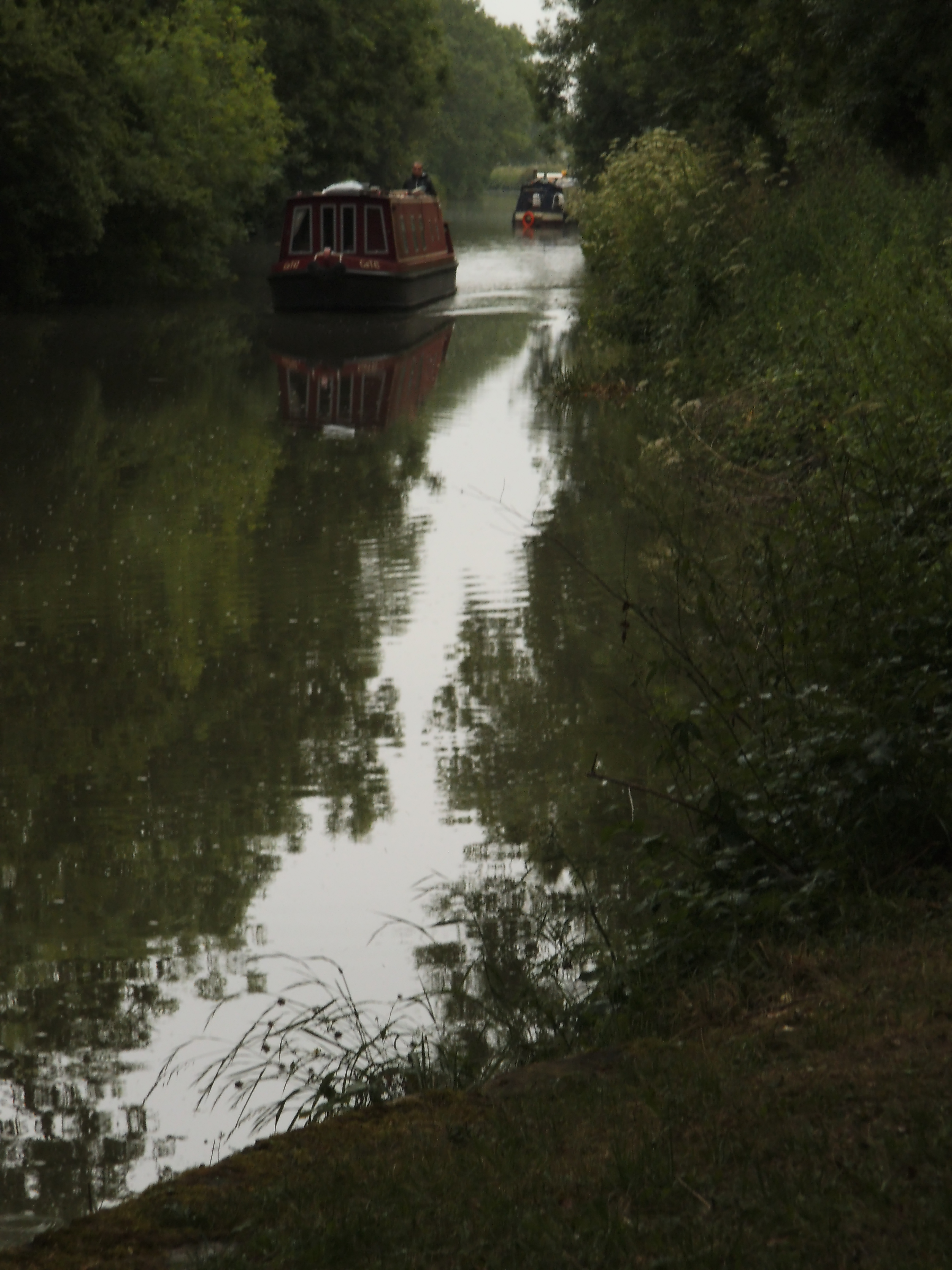
Early in the day, I see one other person with whom to exchange a few words. After this, no-one. Every now and then, I look at my map in search of something interesting to write about but inspiration is thin on the ground. The only thing of note is the number of herons. I haven’t seen a solitary heron since leaving Devizes. This morning, however, they proliferate. These are not herons that stand around looking graceful. These are herons that I unintentionally continue to disturb along the way. They are herons that hide quietly in the wet bushes before darting downstream the minute I appear. They are herons that are too quick for me: not once do I reach my camera in time. They are sneering at my attempts to account for wildlife.
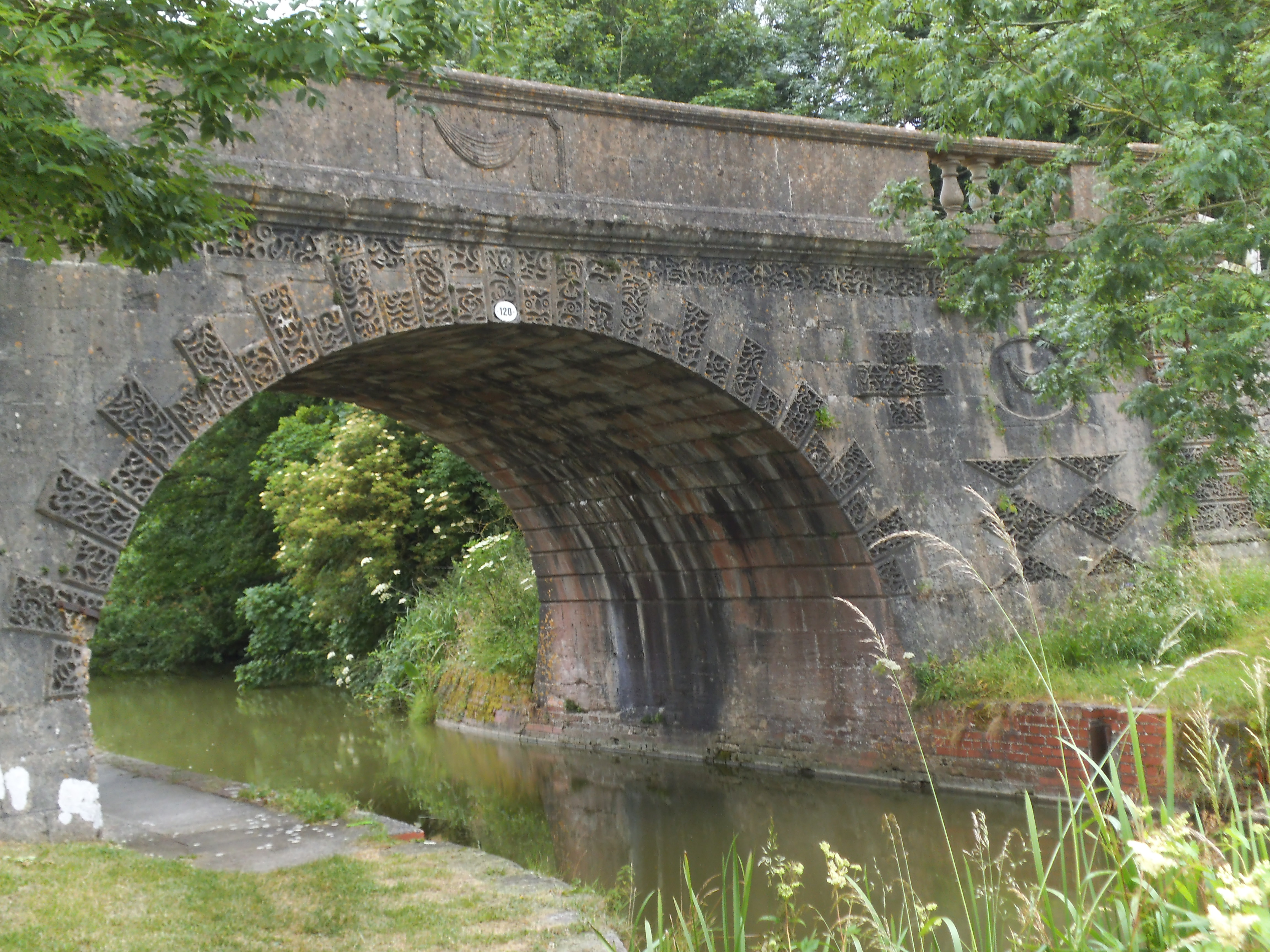
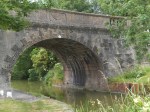 I stop at Lady Bridge as the rain begins to fall heavily and try not to be too downhearted. I recall the secret as sustenance. As with the aristocracy back in Sydenham Gardens, Lady Wroughton was a bit miffed that the nasty working class canal was passing along the bottom of her garden. She had a strong word or three with John Rennie who created an ornate bridge for her ladyship’s delectation. He also widened the canal to make it look like a lake. It’s a marginally interesting piece of social history but I am appalled to discover that little has changed in terms of adherence to bourgeois preferences. Everywhere one looks there are signs: ‘do this; don’t do that; don’t go there; don’t steal the pike’.
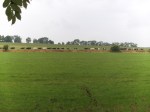
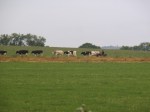
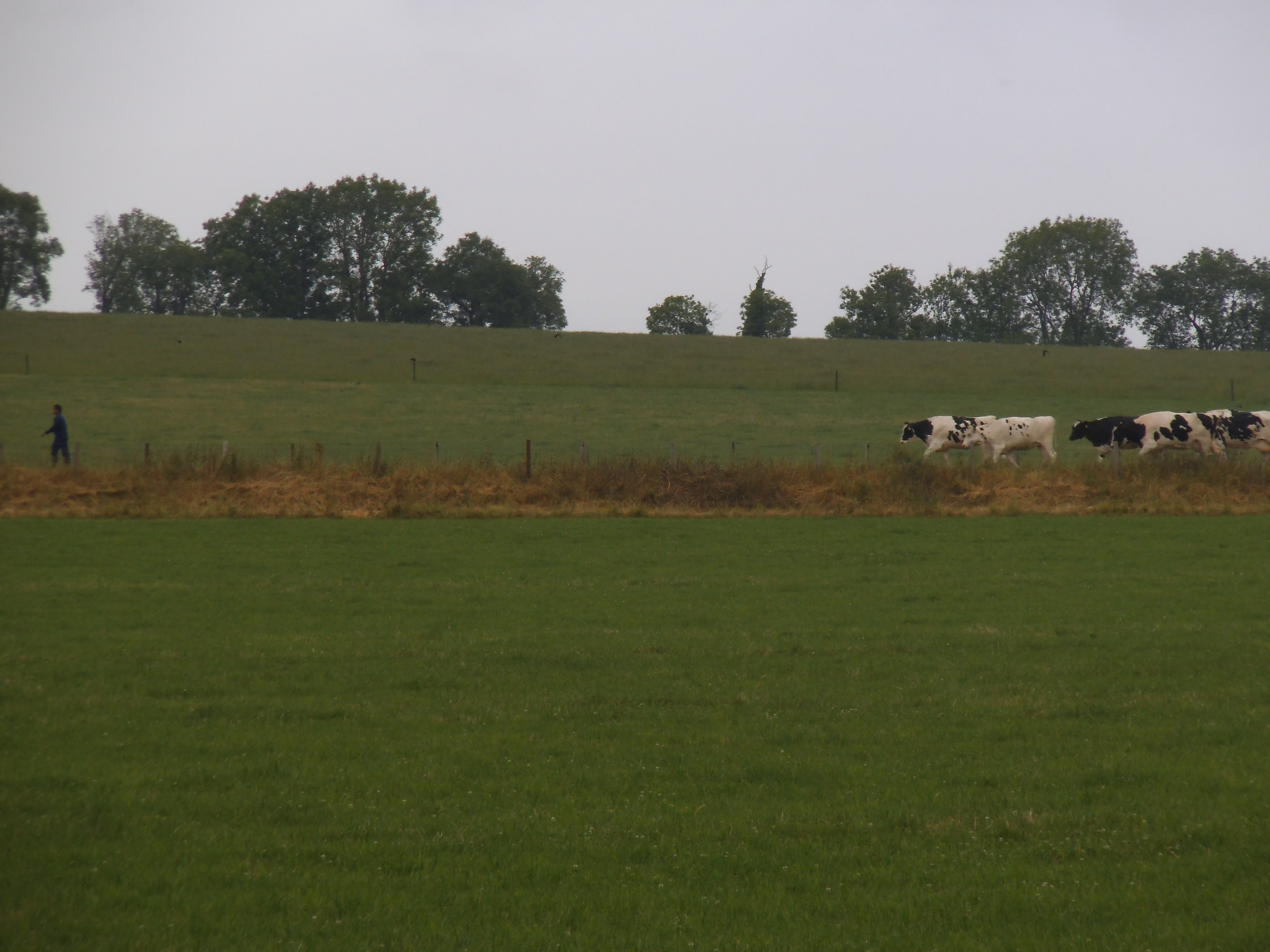
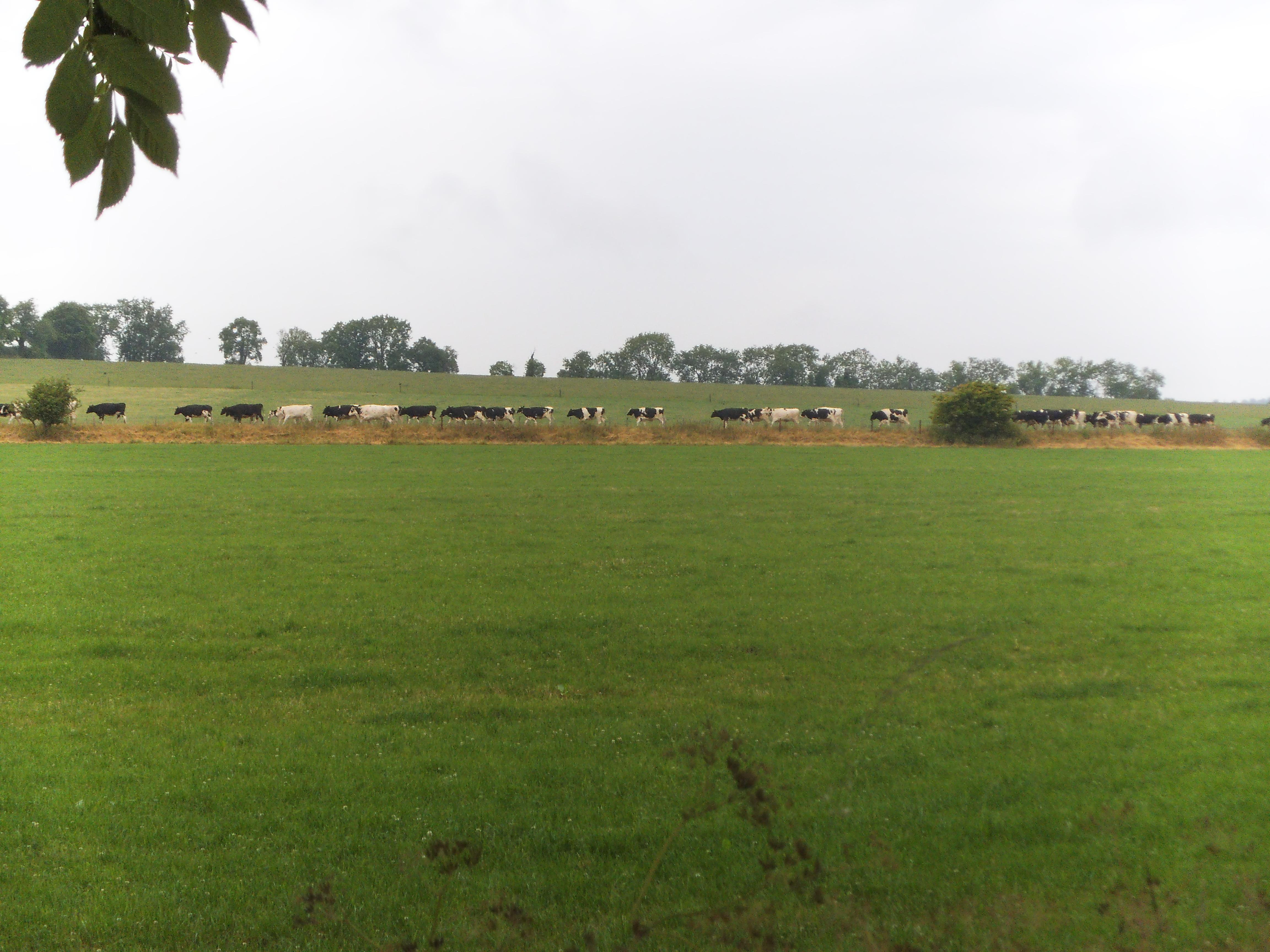
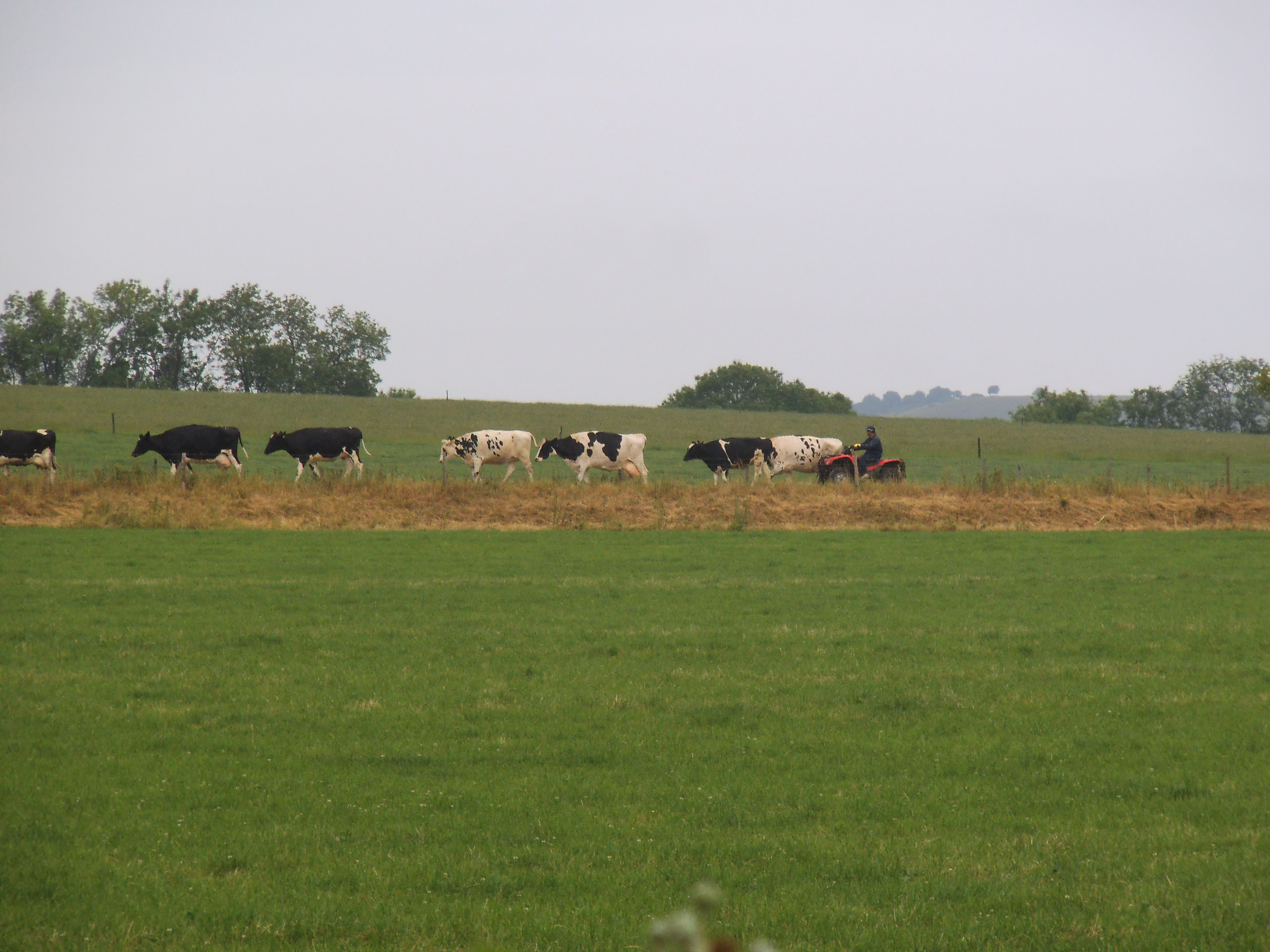
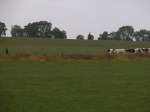 I proceed and nothing happens until I hear the sound of men shouting. I look across the landscape and spot the Wiltshire killer cows. There are a lot of them and they seem to be chasing a man who has had the audacity to shout at them. Right at the end is another man on a quad bike, clearly the arch enemy of the chap in front as he’s driving the herd onwards.
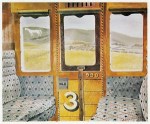
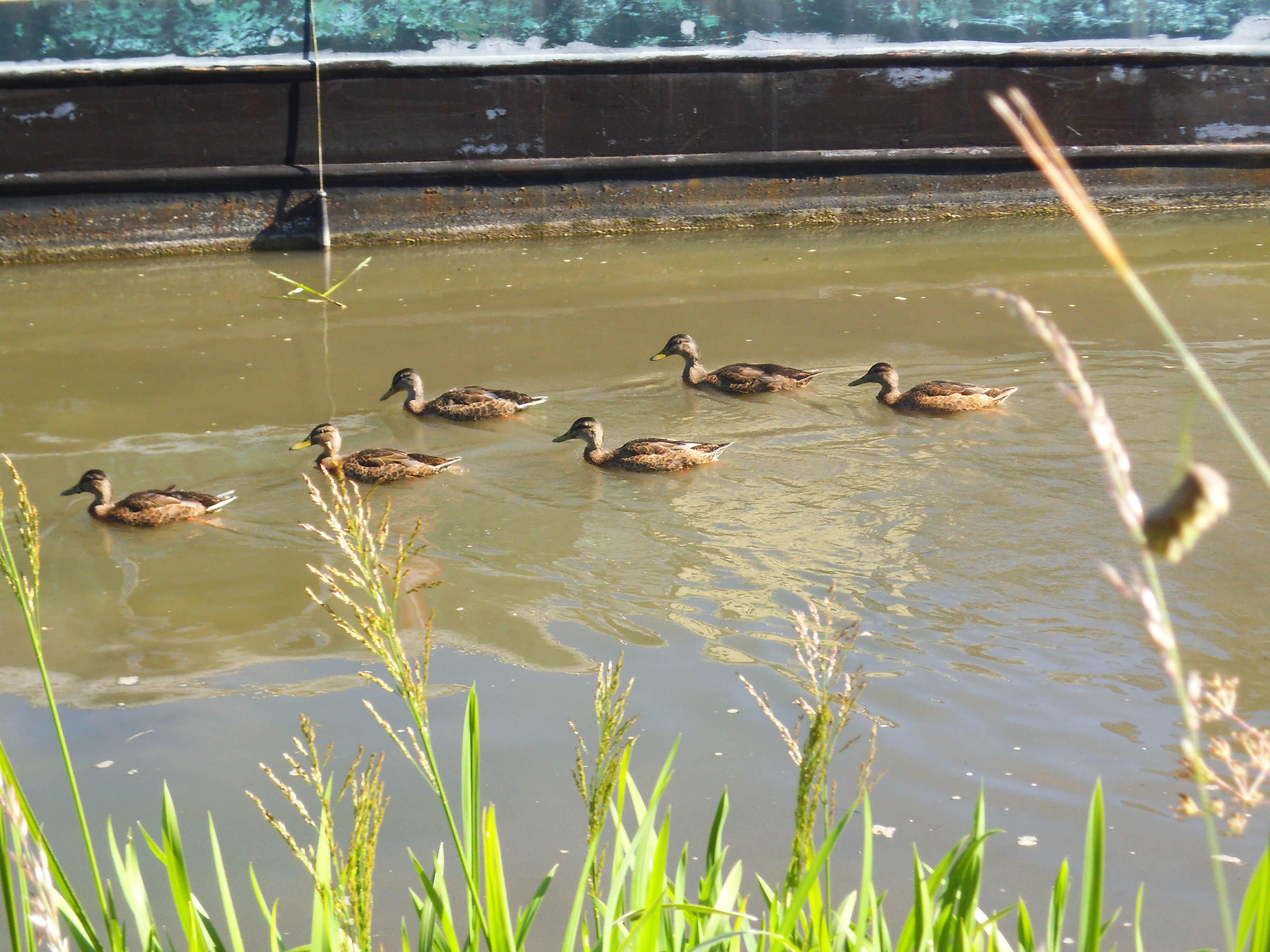
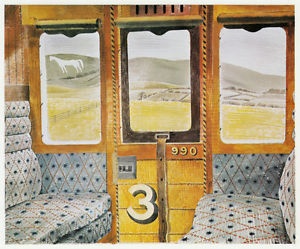
At long last, I stagger towards Pewsey Wharf. I see rabbits and ducks and am shooed away by a fisherman just as mother deems it appropriate to telephone me. She says I seem out of breath. I can’t think why. By the time I’ve finished this jaunt I will have walked 28 miles in 3 days. That’s not bad for a person of my advanced years. I fall onto Pewsey Wharf where yet another unwelcoming pub is closed and where I’m informed I must walk a further mile to the train station. Finally, I board a train for Westbury and am thrilled to cross the exact spot where Eric Ravilious painted the white horse.
As ever, the dear Bartletts are waiting to return me to my car. They give me cheese and cucumber sandwiches on fresh bread. Butter has been carefully spread on those slices. I don’t eat butter. Let me tell you this, reader. In those sandwiches, I taste the tang of Cheddar, the salt of English butter and the freshness of a summer cucumber. I taste the idiosyncrasies of two people who drive me up the wall with their inability to make a plan. I taste all their attempts to support my own eclectic and spontaneous decisions over more than forty years of friendship. And I applaud them silently.
Coda: in another version of this journal I deleted the last paragraph, fearing readers might find it a bit soppy. I am minded of the film ‘Waking Ned’ where one of the protagonists – for reasons too tedious to mention here – gives the eulogy to his friend who is not yet dead and is sitting in the church. Ergo …

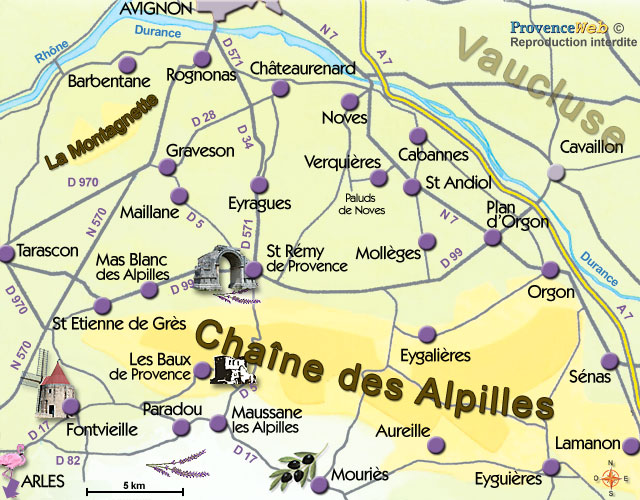
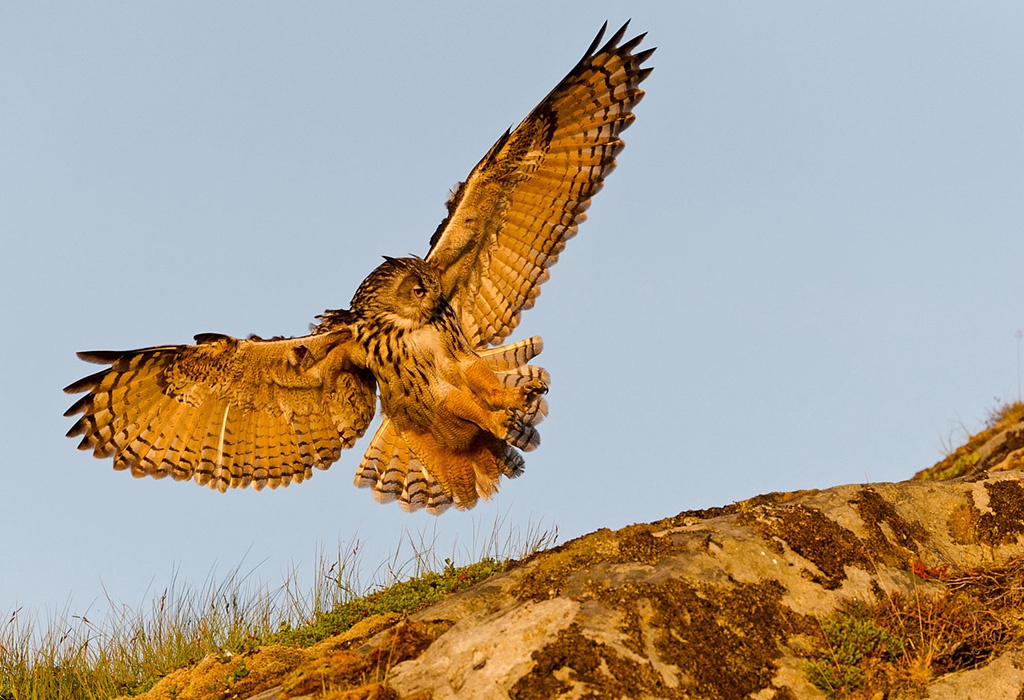 I saw Le Grand Duc the other day. Had I been in a position to pull over and take a photo, this is exactly what it would have looked like. This is because, as I was driving in the direction of Tarascon, the eagle decided to land beside the road that veered off into the rocky outcrop known as La Montagnette. I couldn’t believe my luck – good in seeing it so closely and bad in being the only place in Provence where it’s impossible to stop. Joyous, nonetheless.
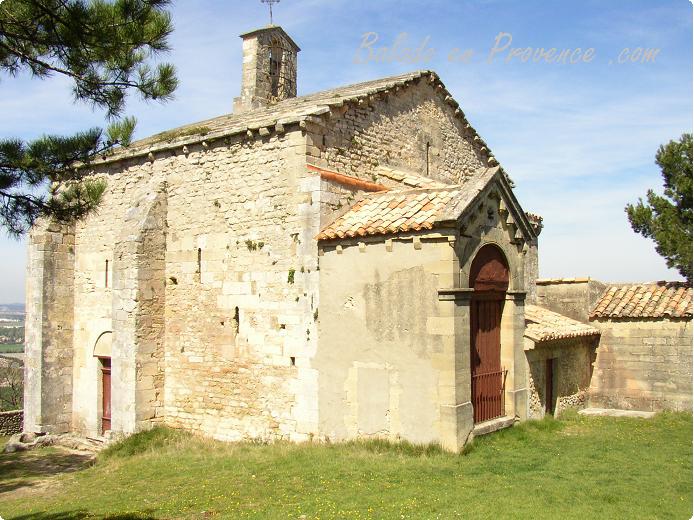
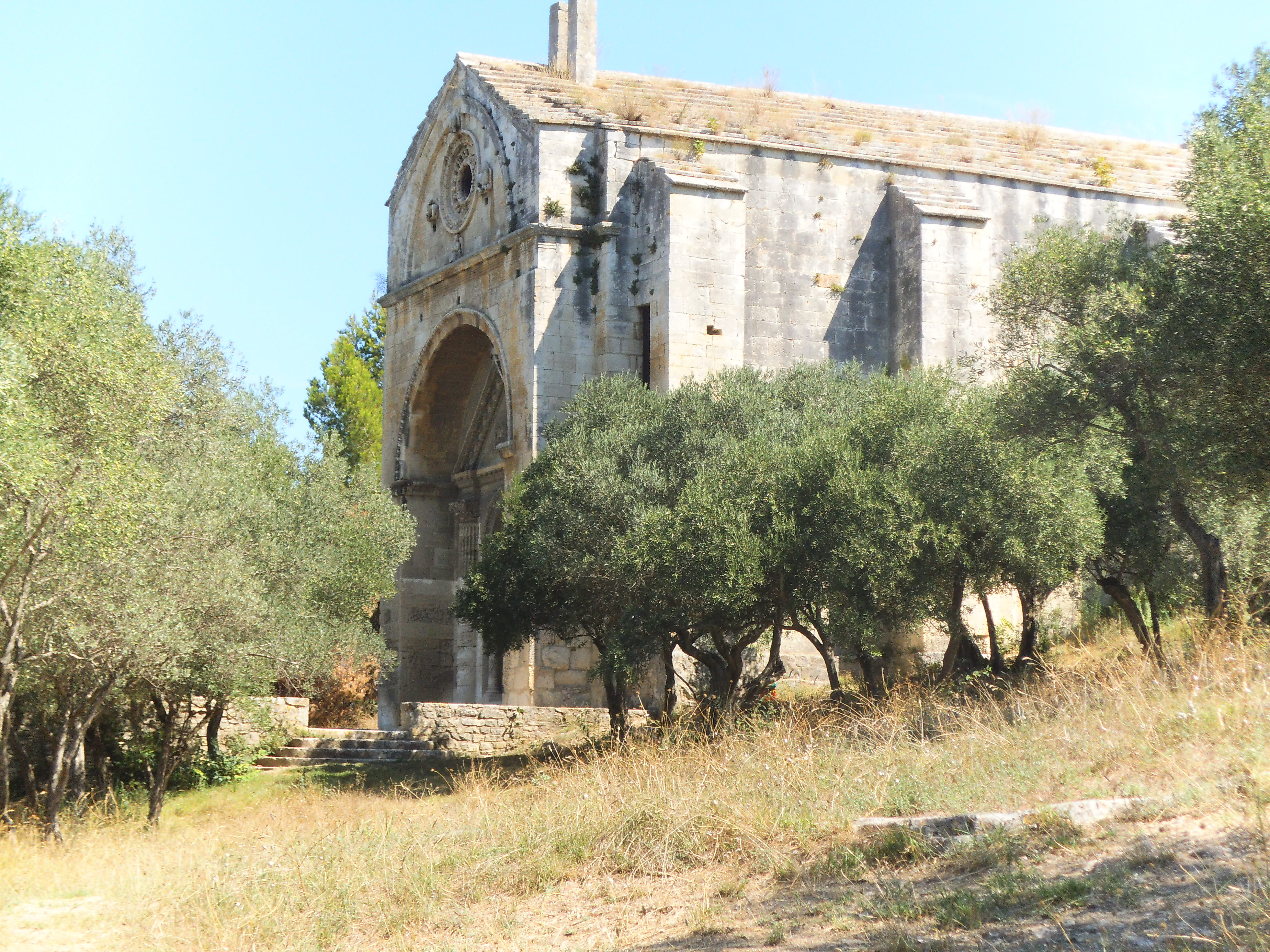
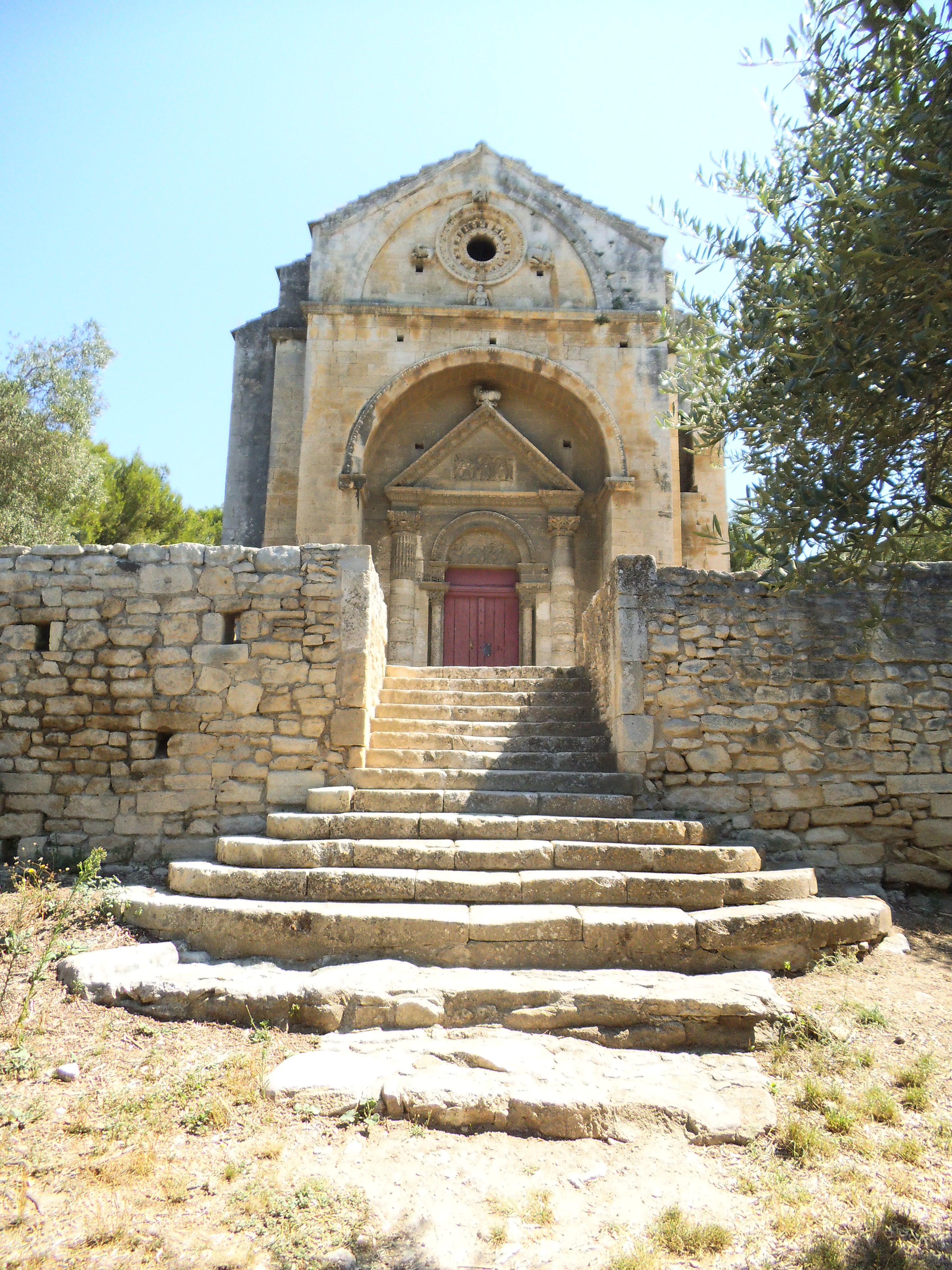
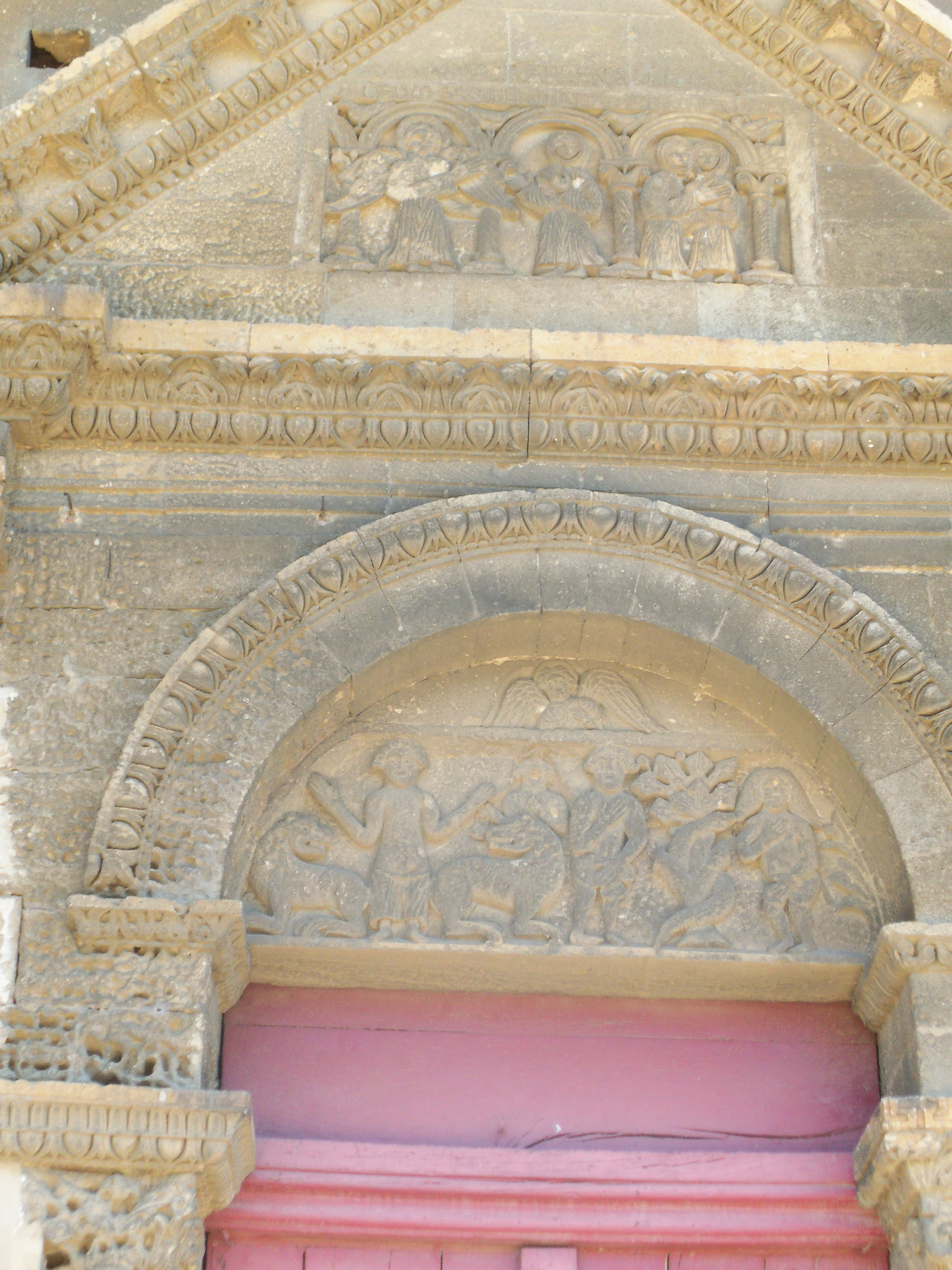
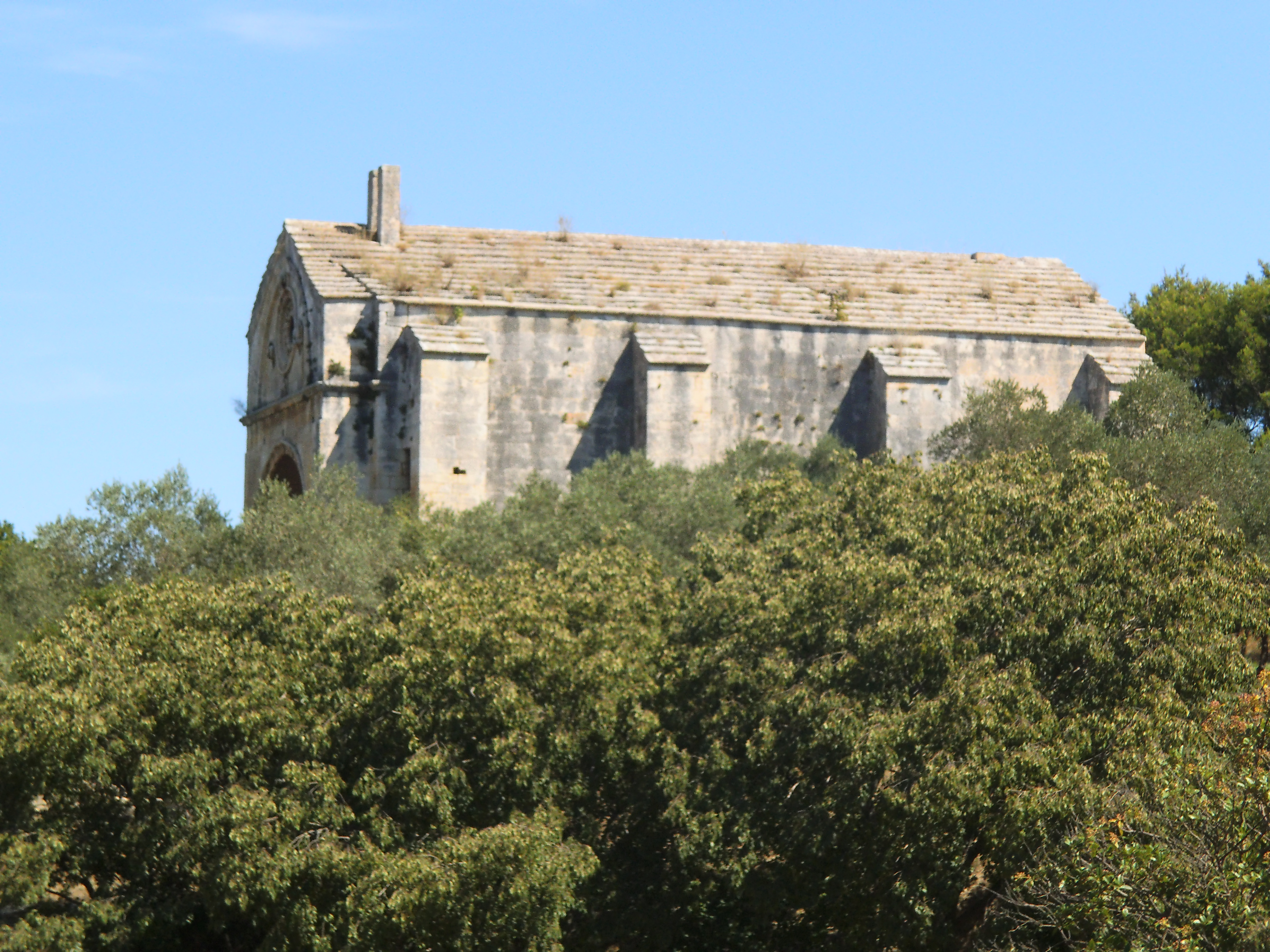
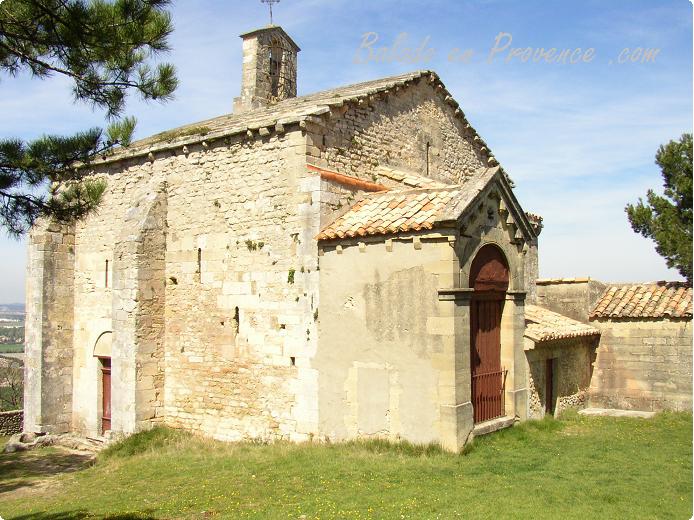
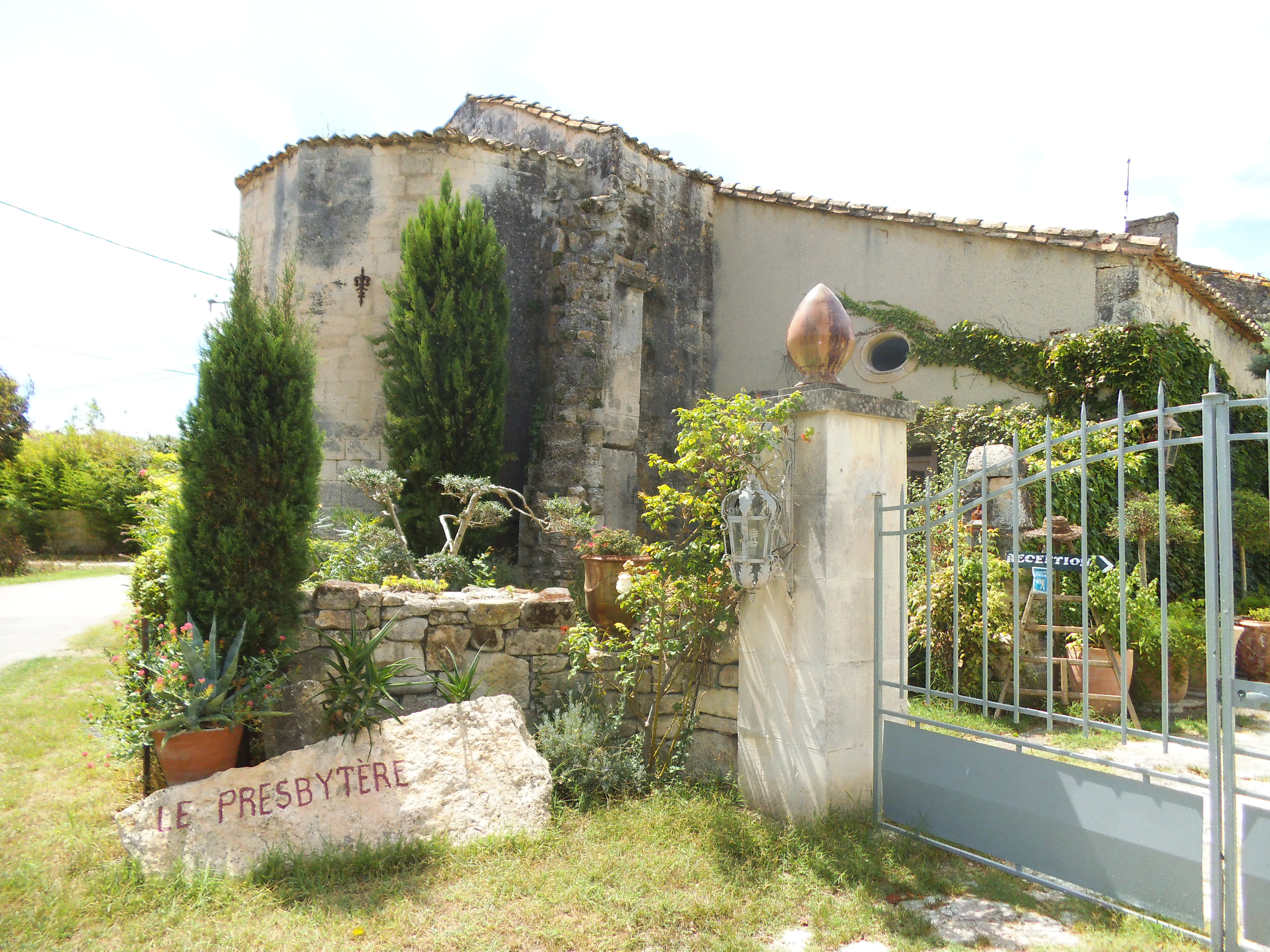
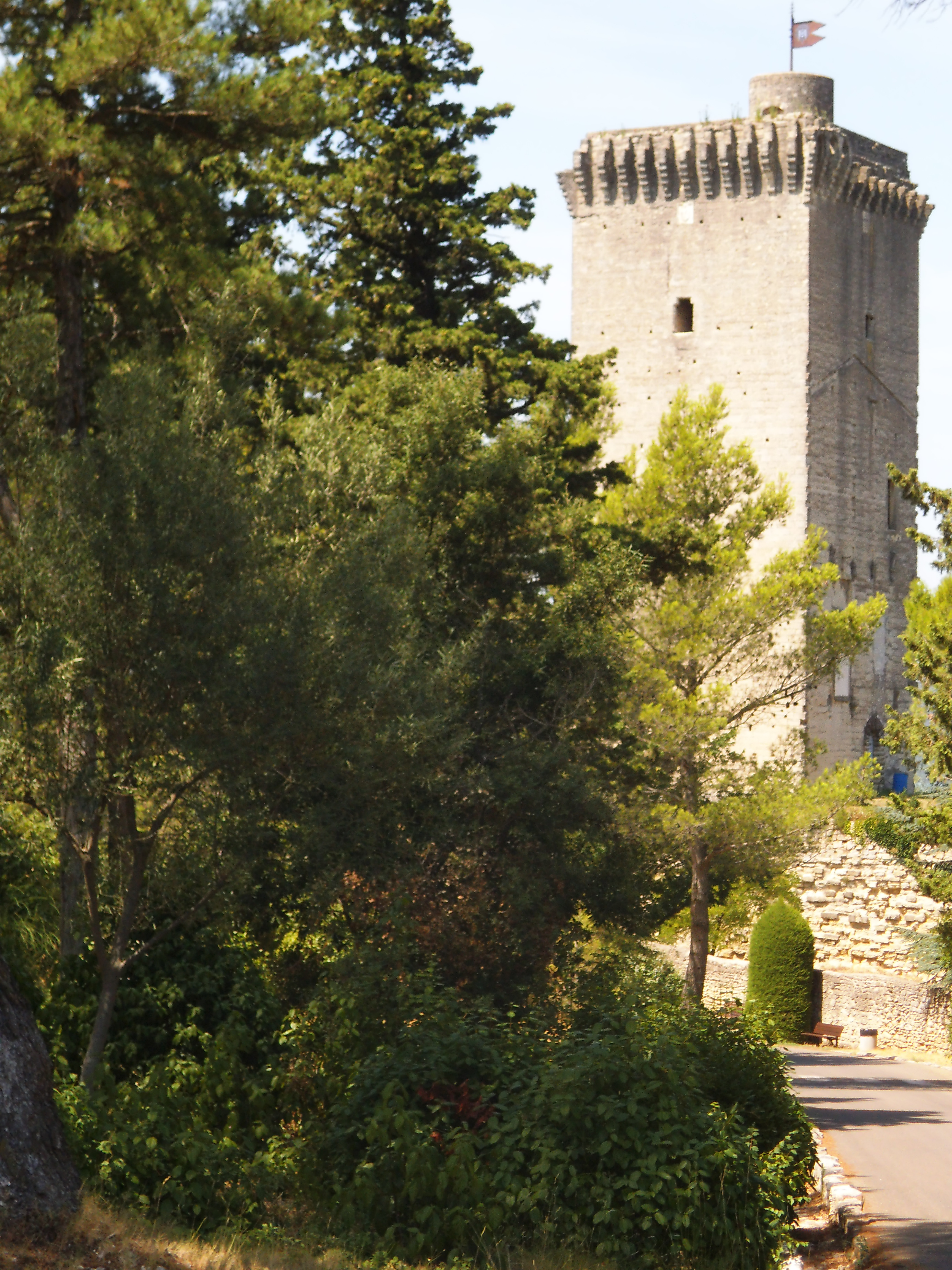
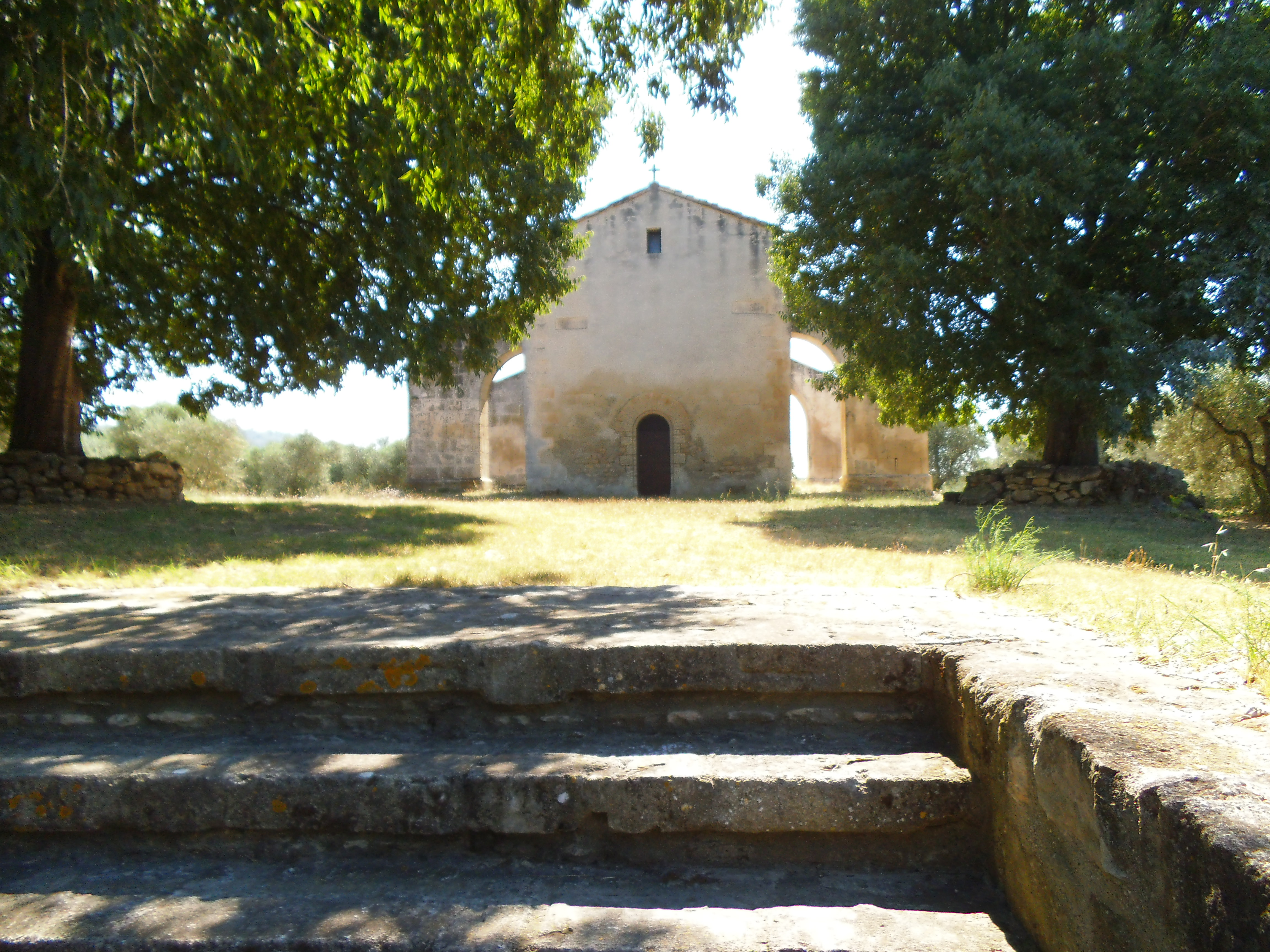
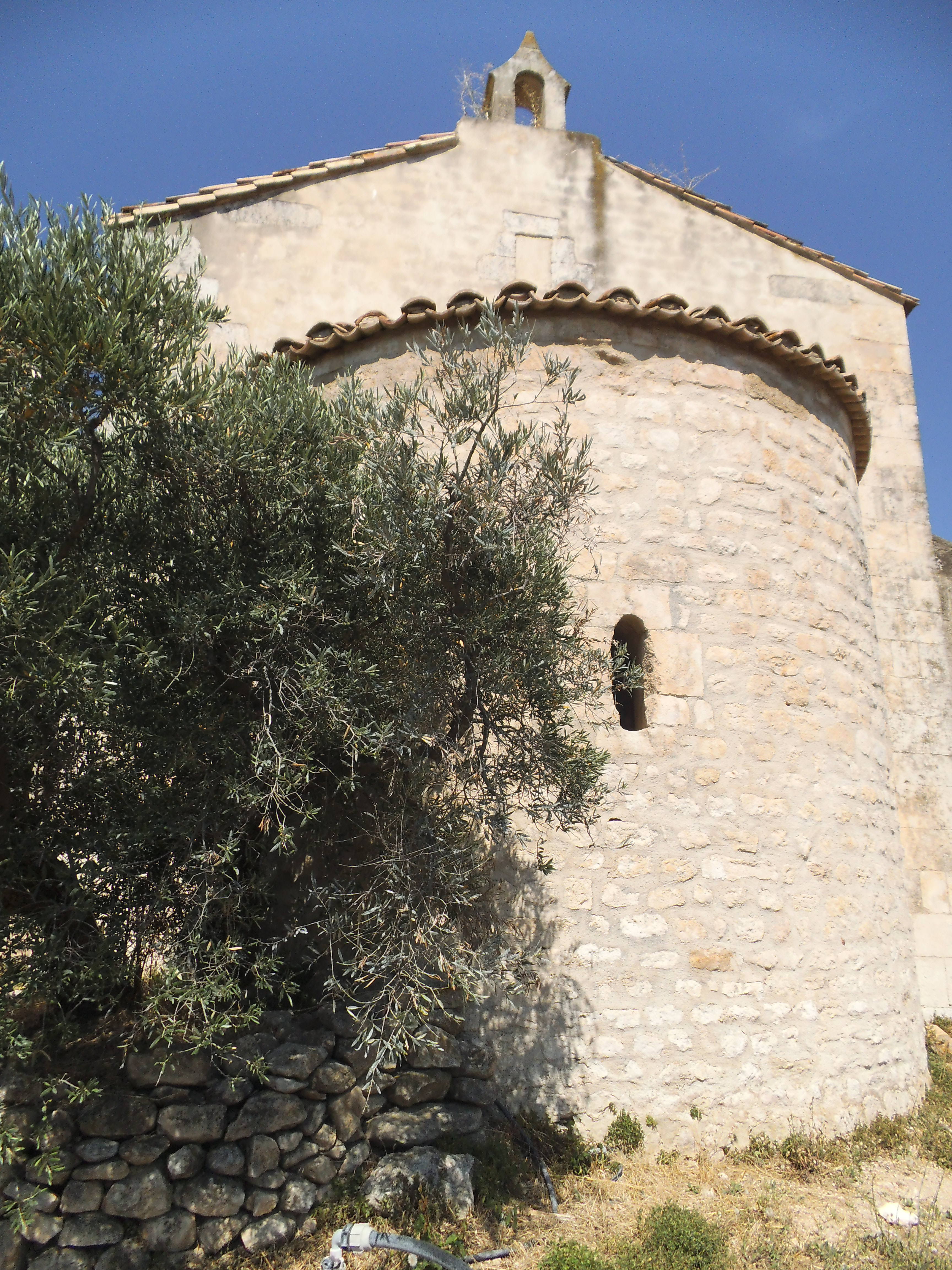
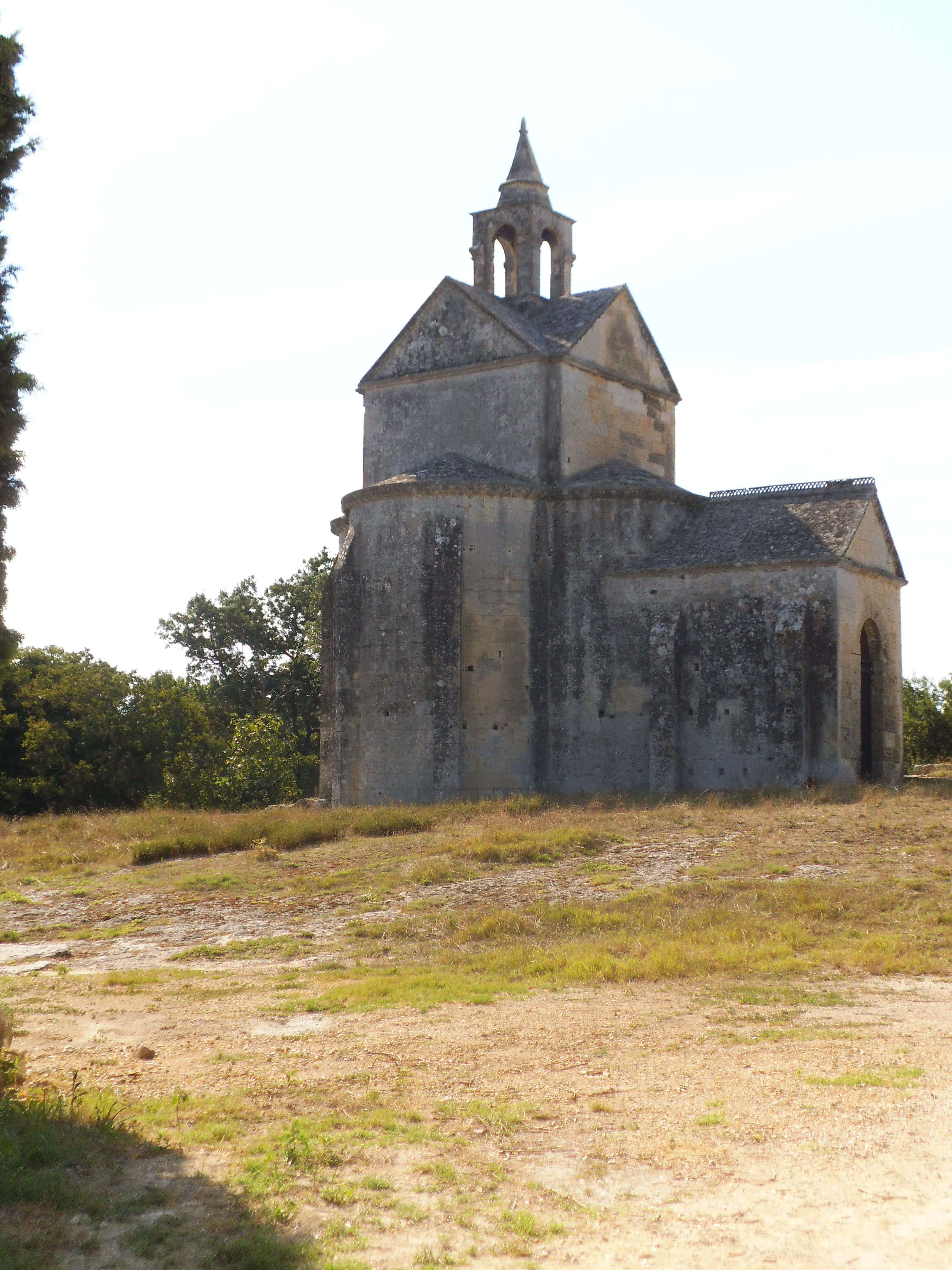 This year, I was travelling Eagle Highway with a view to visiting the Abbey Montmajour again. This is NOT a picture of it. This is the Chapel of the Holy Cross which is just down the road from the abbey and which I was making yet another unsuccessful attempt to enter. How can these joints be private property? The chapel was built in the twelfth century for those making a pilgrimage to the adjacent abbey. Over at Montmajour, they were more than happy to dispense a pardon for whatever sins the pilgrims had committed; which, if they were anything like that lot on the way to Canterbury, would’ve been significant in number and seriousness.
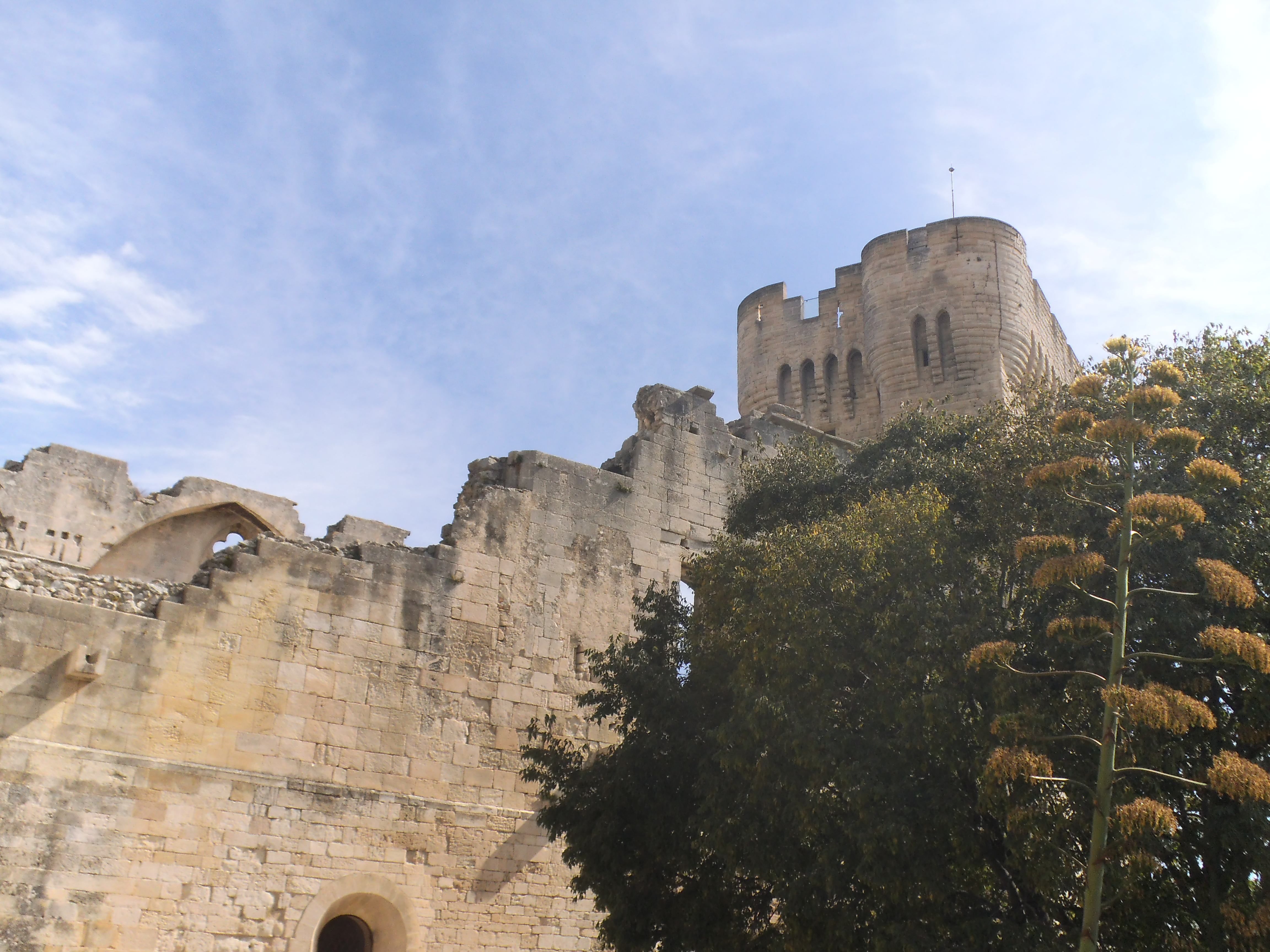 Pardons abounded but the hierarchy over at the abbey weren’t having any riff raff inside to start all that praying business. Hence, the chapel. And, to make the chapel more inviting, a relic of the ‘true cross’ was left inside. I’m happy with this. After all, the Palestinian diaspora had arrived with celebrities, saints and bloodlines so why not bring along a few choice pieces of wood.
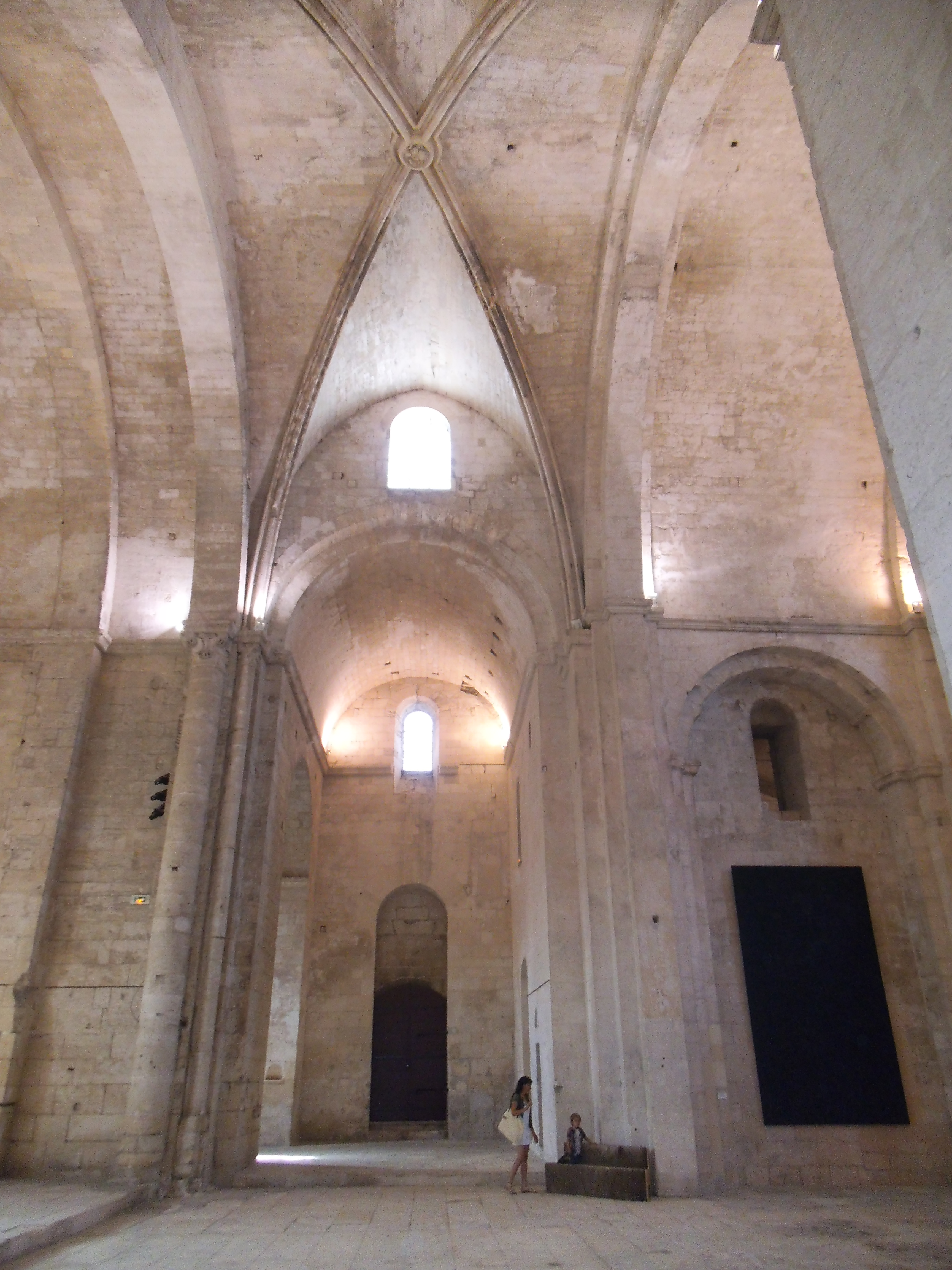
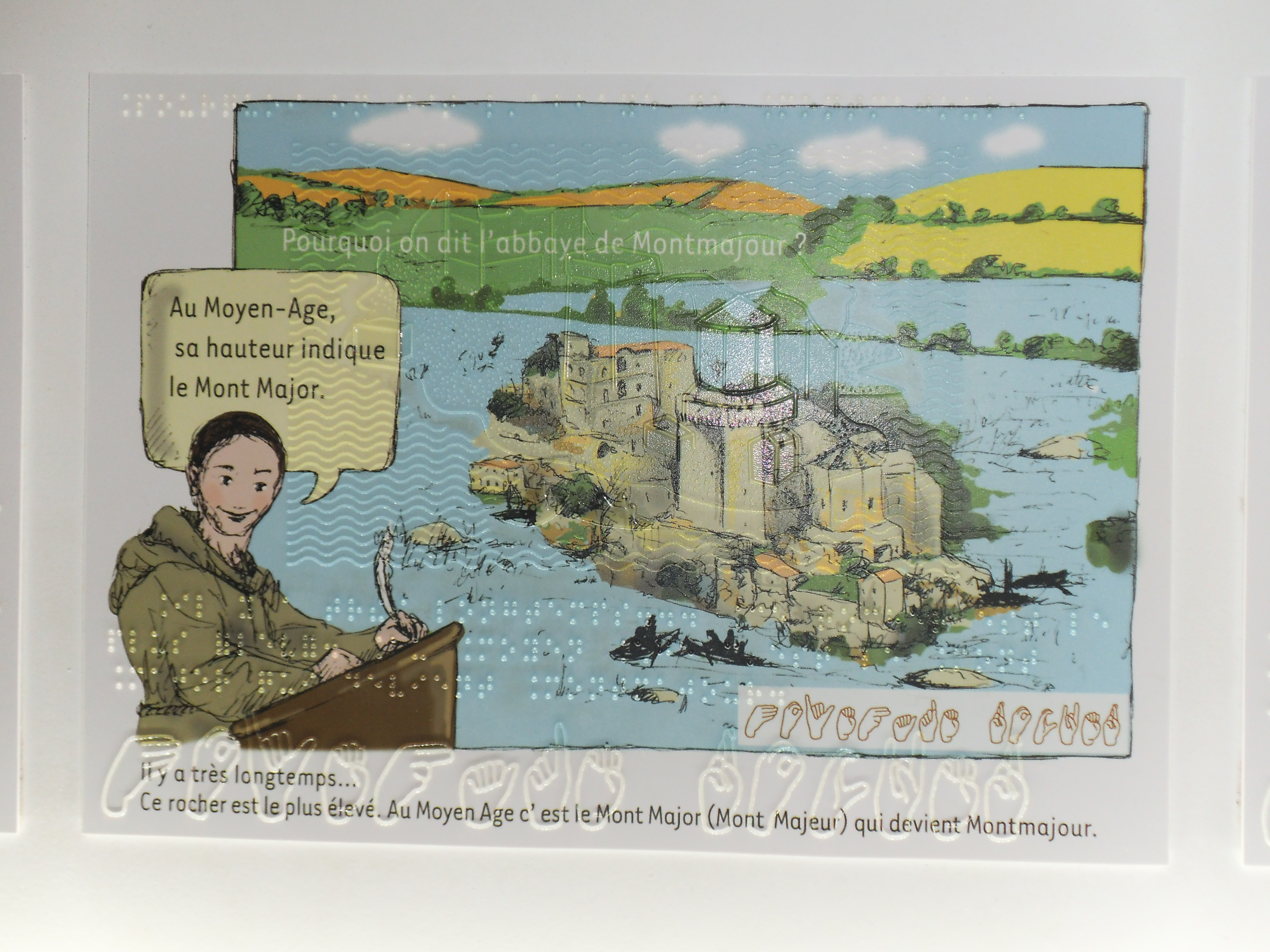 I duly paid my 7 euro and visited the abbey again. I particularly enjoyed the new exhibition in which a bunch of happy monks walk us through the development of the abbey which was built over an ancient necropolis.
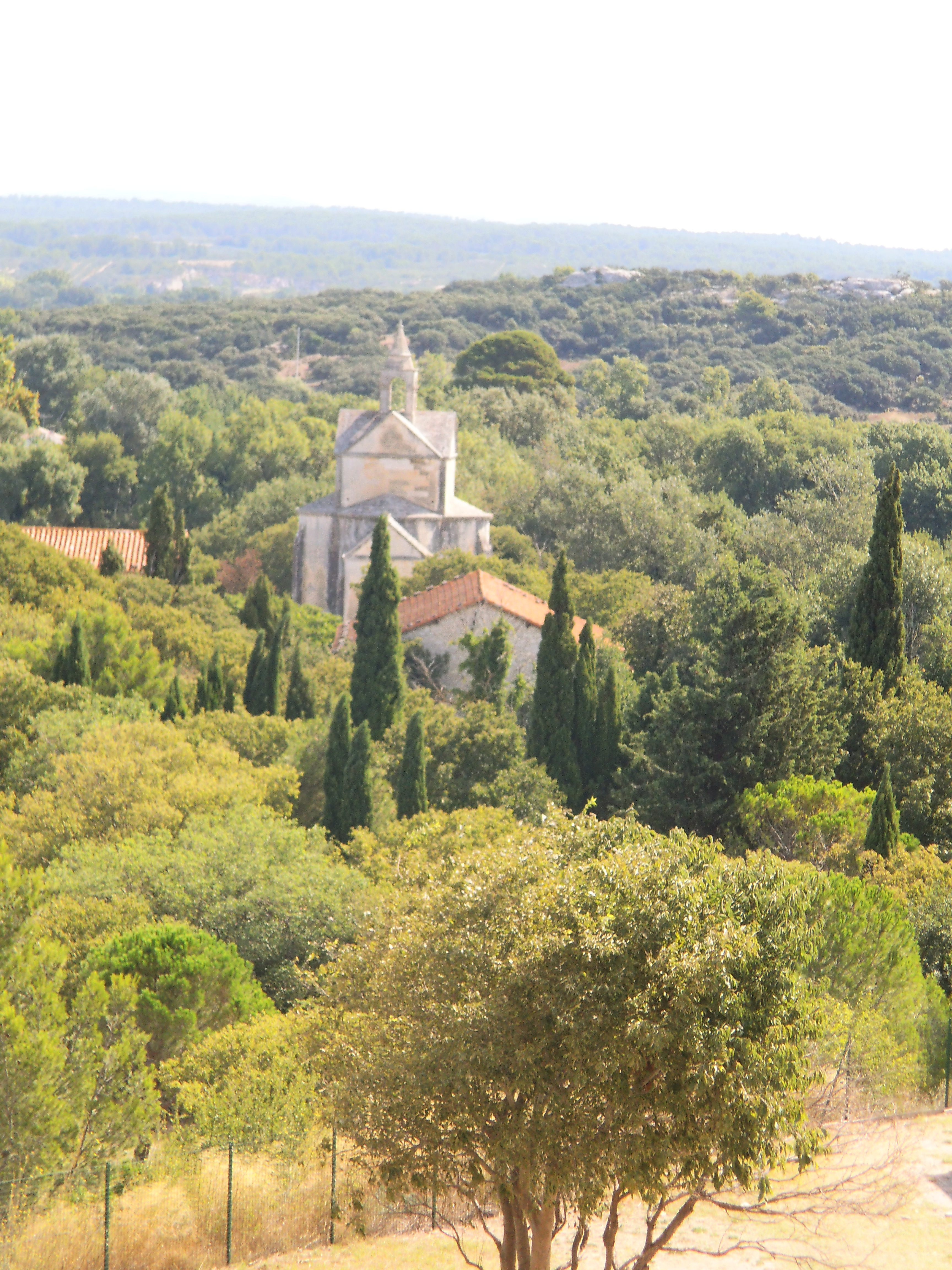 I also loved the view of the Chapel of the Holy (or true) cross, even though it made me sad that I couldn’t get closer than the earlier photo that I took through the bars. But what I really liked was the reproduction map I purchased in the abbey gift shop of the ancient route to Santiago de Compostela. The innocent that I am, I get so much pleasure from these few themes that seem, unexpectedly, to link my thoughts, my travels and my subsequent weasels.
 Whilst in France, I read A God in Ruins by Kate Atkinson, in which she brilliantly discards all sense of the linear and of chronology. I feel she’s subconsciously infiltrated my weasels. I didn’t see Le Grand Duc on the day I went to the abbey. Neither did I see an eagle on the road to Arles this year. On both days, I’d discarded the scallop shells, yet everything links.









 Donald and the Weasels