Treasure

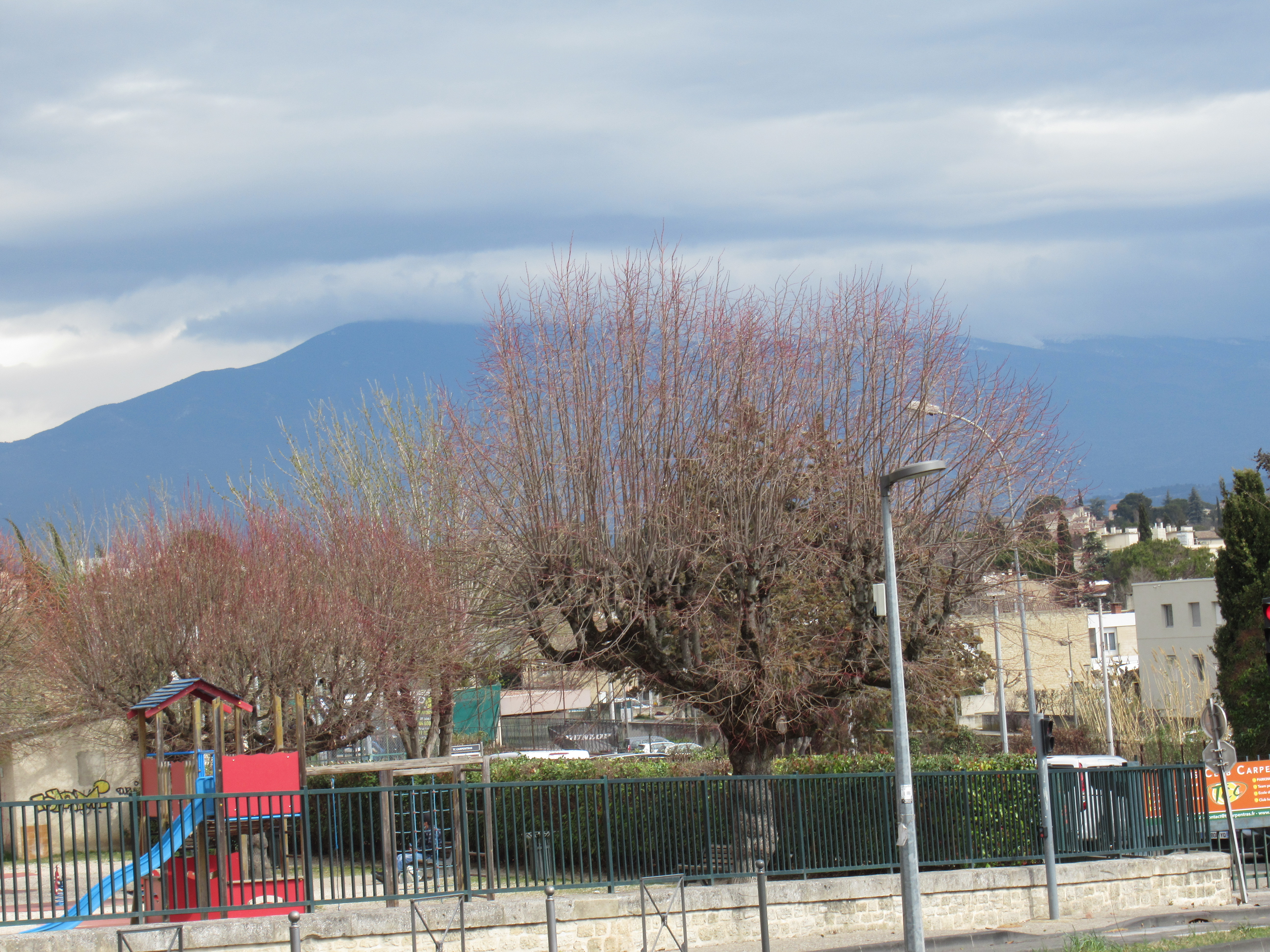
In the background of this snap sits Mount Ventoux. Although I was pretty close to it today, the colour of the little you can see, and those dark foreboding clouds above, give some idea of the weather. I was in the town of Carpentras in the Vaucluse where the mistral was howling around like an angry lion. The journey there was a bit scary: I’m now driving around in a Twingo which, apart from permanently displaying an illuminated spanner on the dashboard, seems to find it difficult to keep its wheels on the ground when journeying alongside the Rhone. So why take the trouble …
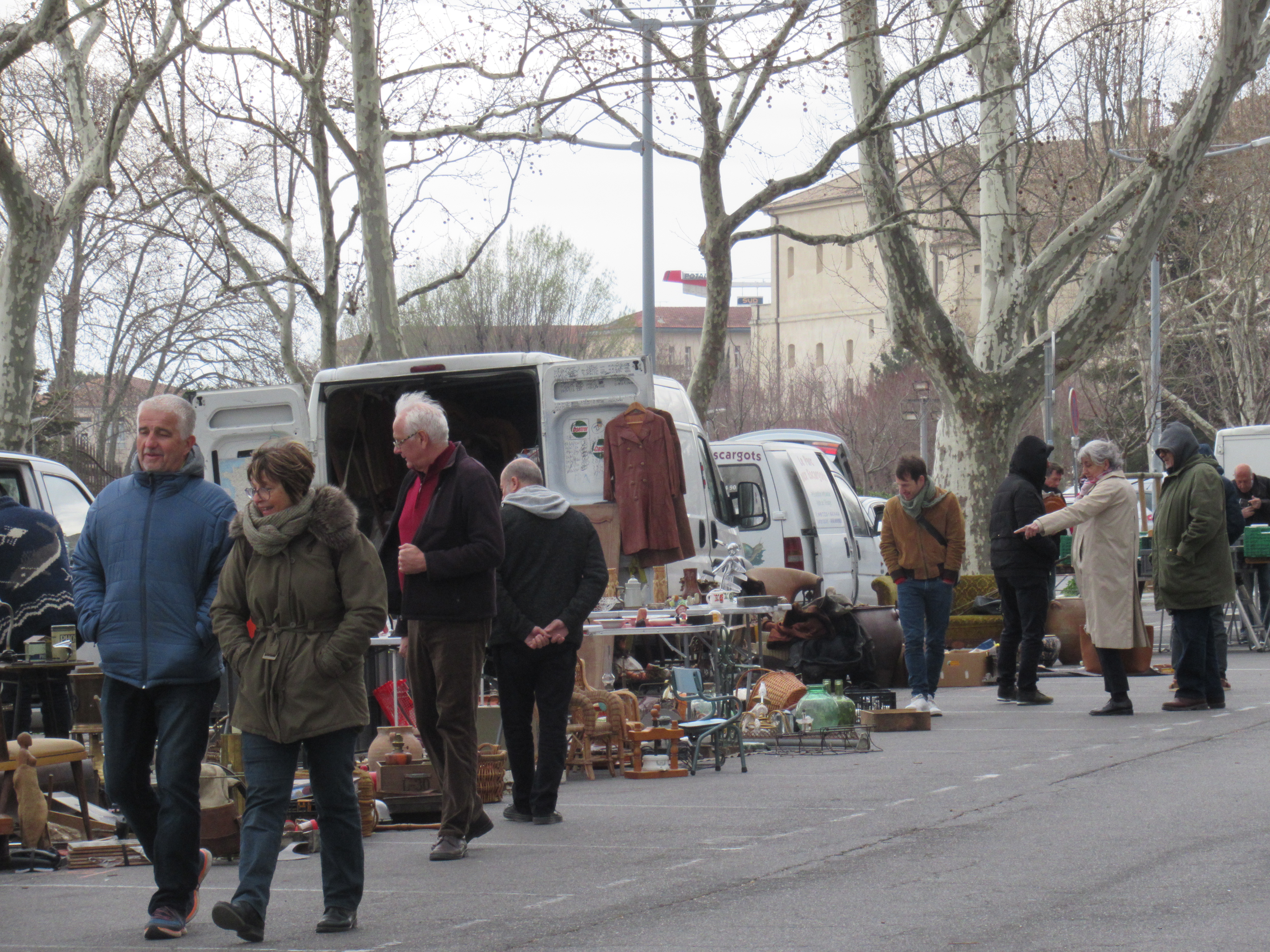
… someone here might have the answer. Sunday in Carpentras is brocante day. To be fair, this one was half the size of those seen in the summer, and most of the vendors were hiding in their vans. To begin with, the prices were exorbitant: I’ve noticed that at this time of year, many marketeers take the view that it’s better to get top dollar with so few people around. Consequently, people walk away empty-handed in amazement at the audacity of being demanded 30 euro for a small photograph that would need reframing, or 25 euro for a battered old tin. Surely it would be better to reduce the prices and not have to take all the junk home again.
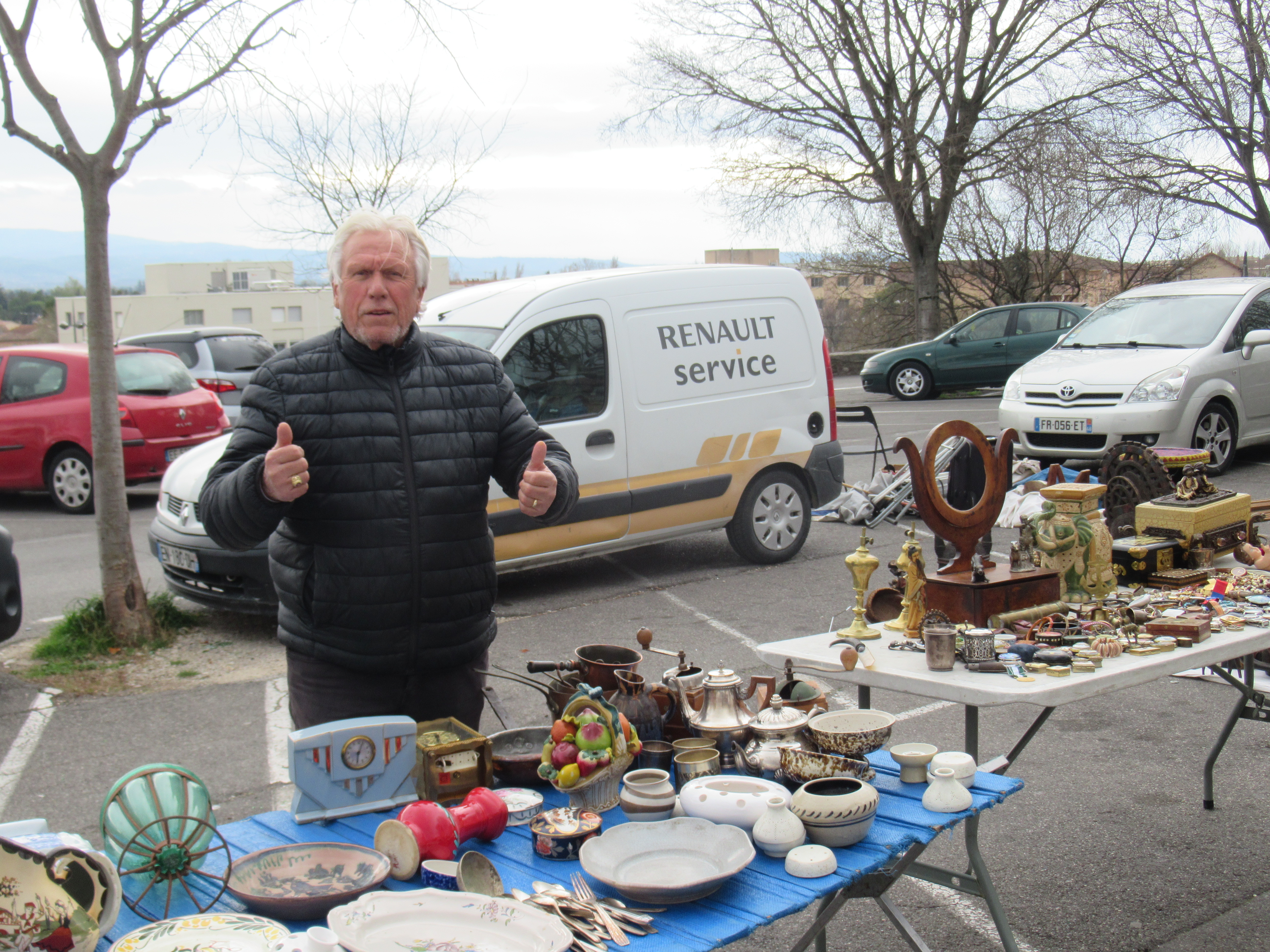
And this is the philosophy of Michel who I found almost at the end of the market. You have to have a good old firkle amongst all the stuff, and not mind his cheerful banter and repetitive demands of whether I speak German. No, and neither do you Michel. Why would we when we can manage perfectly well in Franglais?

I found some nice treasure on his stall and beat him down with such skill that he asked me whether whether I was a marchand (trader) in England. I told him about my renovations and he agreed to have his photo on my blog. Voila. Maybe I’ll show you some of my purchases later.
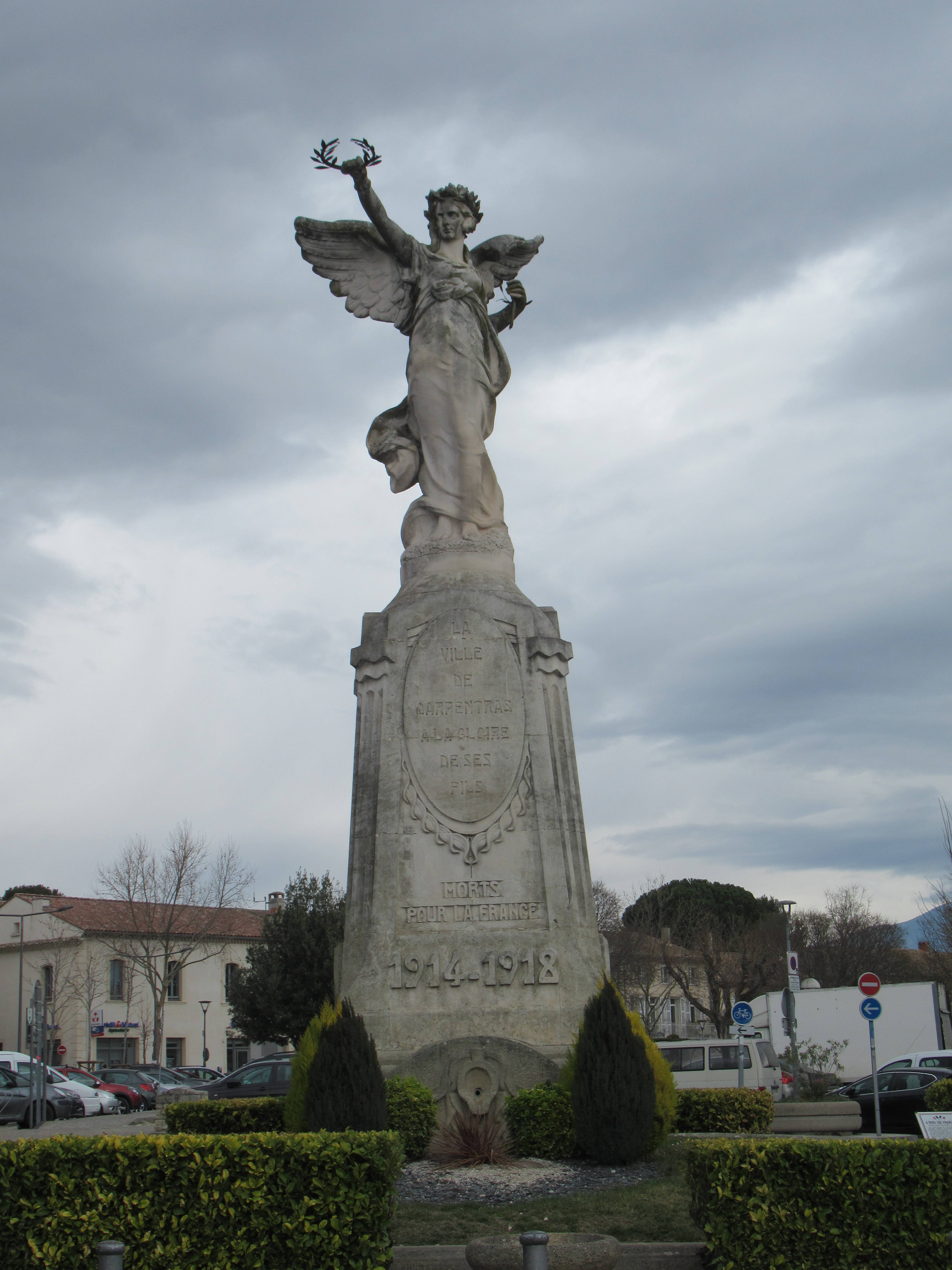
Not being in a particular rush to get back in the Twingo, I decided to have a look around the town – you can only get so cold and windswept, after which it doesn’t seem to matter. At the end of the market stands this really impressive memorial to those that died in WW1. You have to hand it to the French, they don’t spare the horses when it comes to remembering the lost ones.
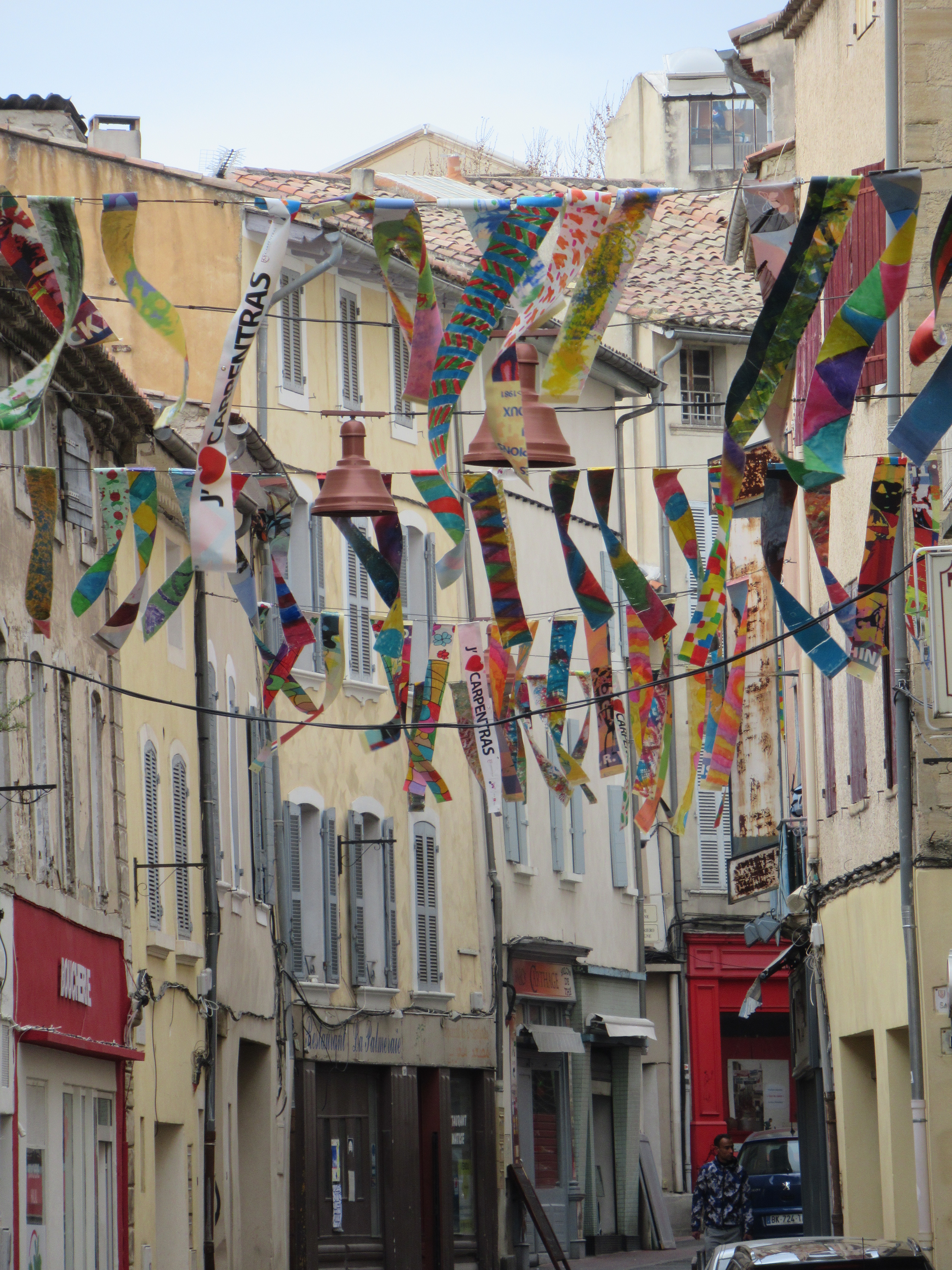
And after that, I chose to venture up this street. Well, who wouldn’t want to experience all that colour on such a drab day? I had no idea where I was going but it didn’t really matter. As ever, there was something to see wherever you look.
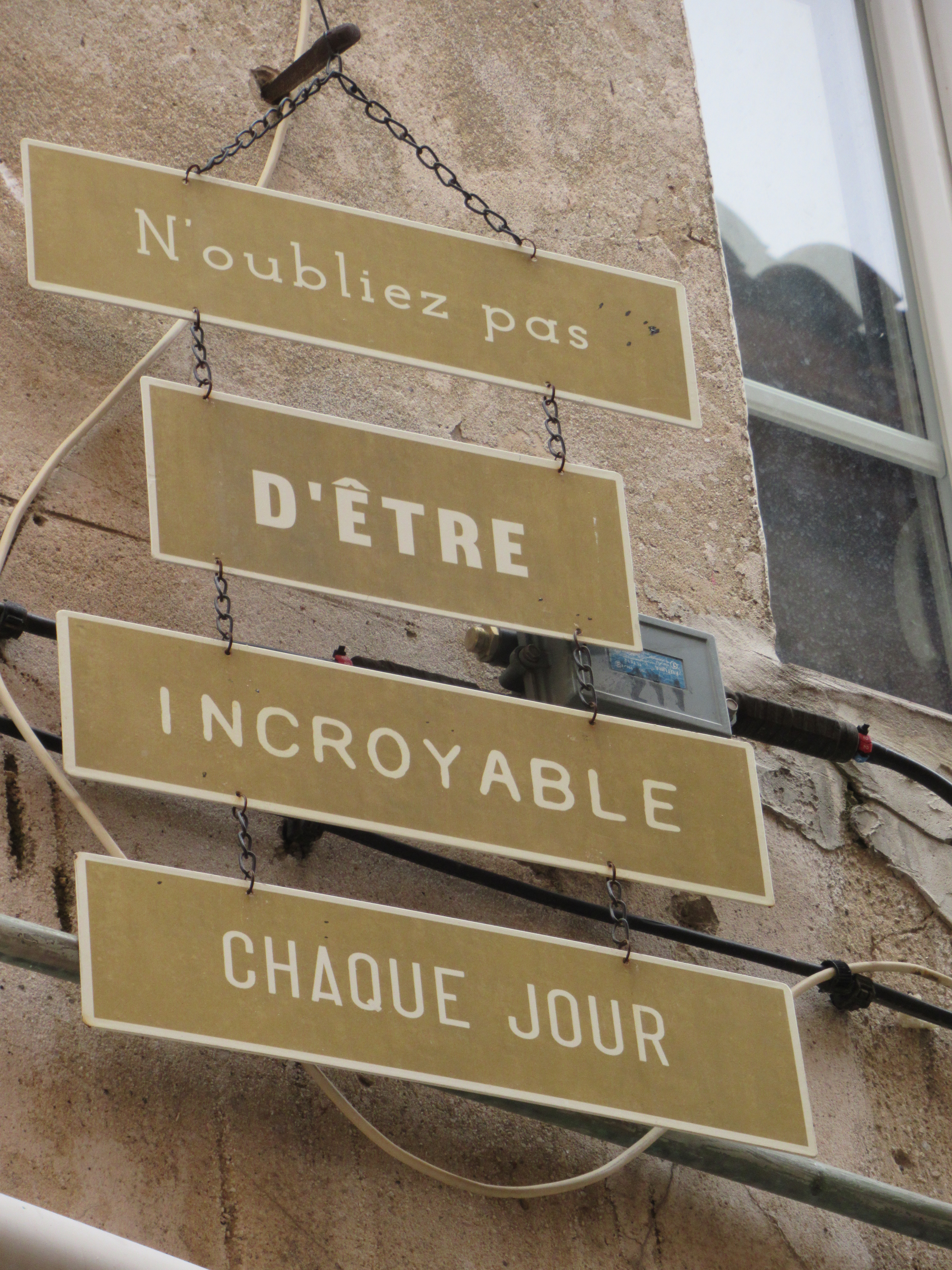
For example, down a little side street, I found this suggestion hanging outside a tenement building: ‘don’t forget to be incredible every day’. Well, I do my best but of course it’s all in the eye and opinion of the beholder. Further, if it means I look like the person hanging outside next door’s window, I might ignore the advice.

See what I mean?

This was the door to the seventeenth century convent of the Carmelite nuns which, apparently, was destroyed in1930. The Carmelites were founded in12th century Israel as followers of the prophet Elijah. I didn’t find out much about their time in Carpentras, but I did learn that in 1993, Pope Jean Paul 11 instructed fourteen of them to vacate the convent they’d established on the site of the death camp at Auschwitz. Further, they were to take the cross they’d erected with them, thus ending the tensions between Roman Catholics and the wider Jewish community in Poland. Do you remember yesterday when I wrote about St Trophimus and the problems between Gentiles and Jews? I think I said ‘same old’.
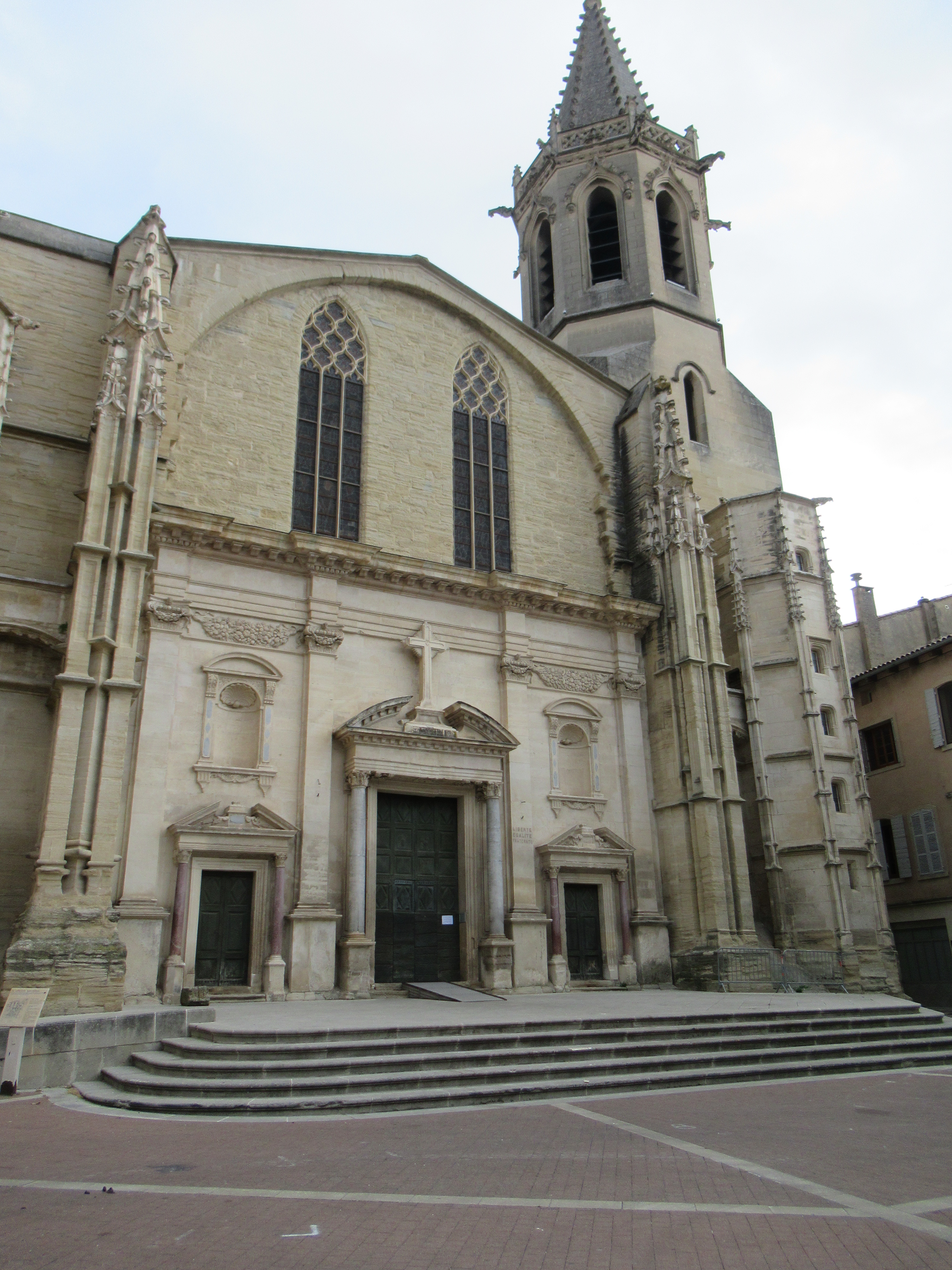
Speaking of Trophimus, here’s the Saint-Siffrein cathedral which was begun in 1405 but took over 100 years to complete. Well, you know what they say about French builders. It stands on the site of three previous churches so clearly sacred ground. Actually, you can’t get in it today as it’s pretty much surrounded on three sides by scaffolding and other building detritus. I suppose they’re having a refurb.

Nobody knows much about Saint Siffrein, who was the first bishop of Carpentras at the beginning of the seventh century. A person would at least want to know what he did to warrant a sainthood. Anyway, what reminds me of Trophimus is that in exactly the same year that Arles cathedral was decommissioned (1801), the cathedral in Carpentras suffered a similar fate: the bishopric moved to Avignon, and the ‘cathedral’ became a church. It certainly wasn’t a great year for ecclesiastical buildings.
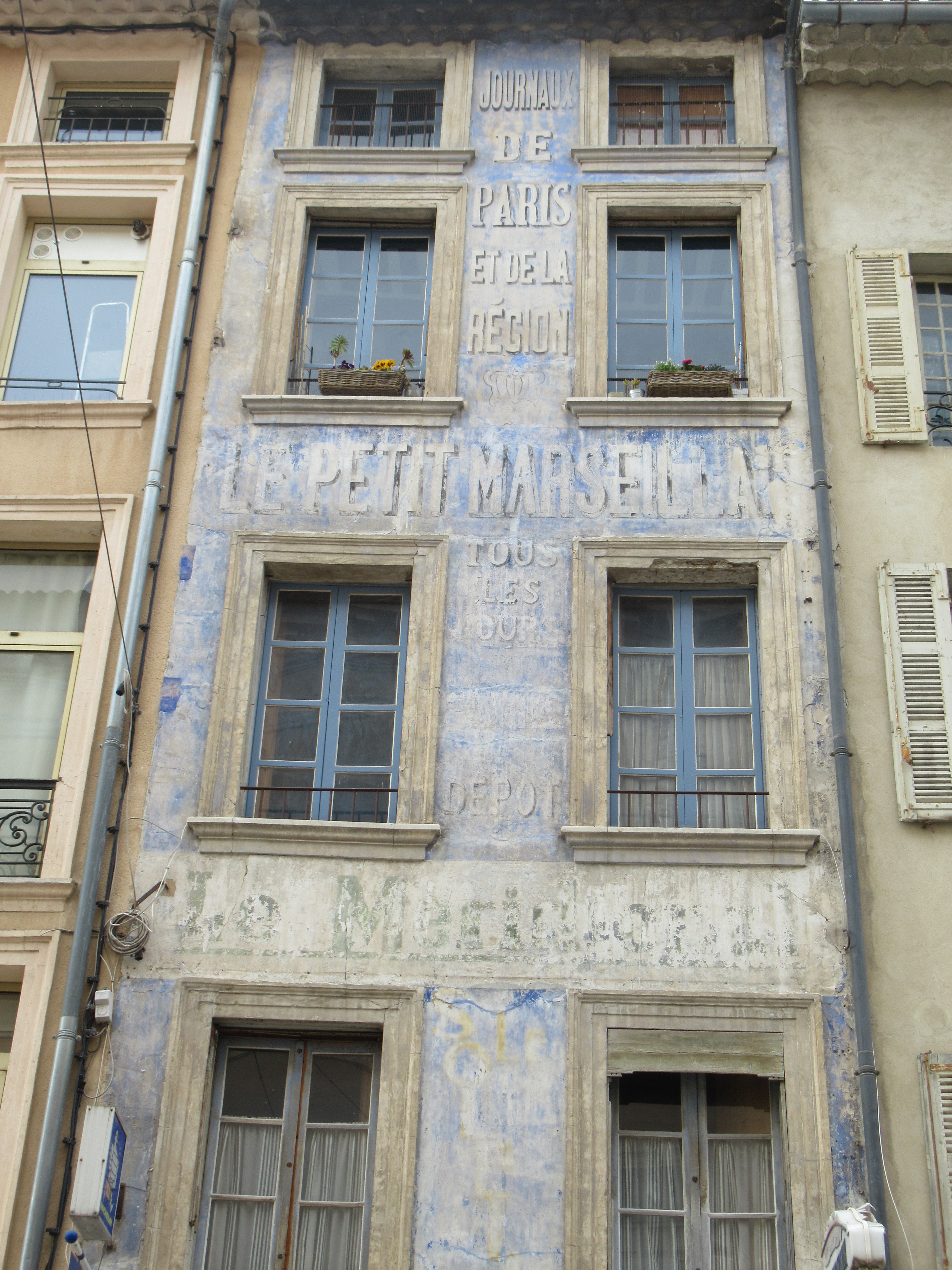
And talking of decommissioned buildings, I passed this lovely old place on the way to nowhere in particular and took a snap as I thought it looked a bit French(!).

Well, I suppose you’re waiting with baited breath to see what I bought at the brocante?
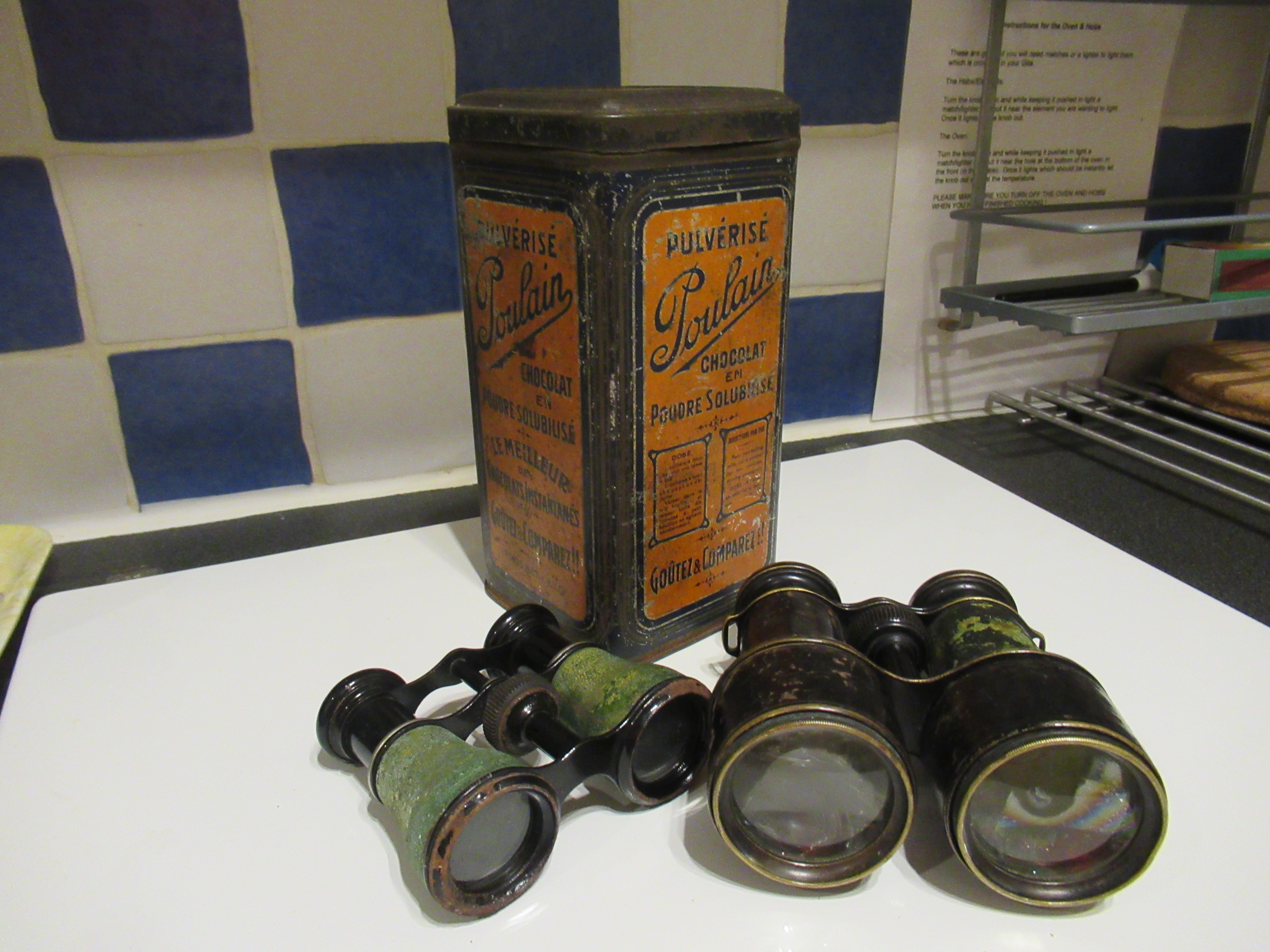
I didn’t pay 25 euro for my tin in which I intend to put dried flowers – I parted with 4 euro. And bargain of the day has to be these antique binoculars. I have a lovely view from my new extension at home and hope to make these a bit of a statement piece, especially as one pair actually works. Michel wanted 20 euro each but I got away with 15 euro for the two. You never know what you might find on a windy Sunday.
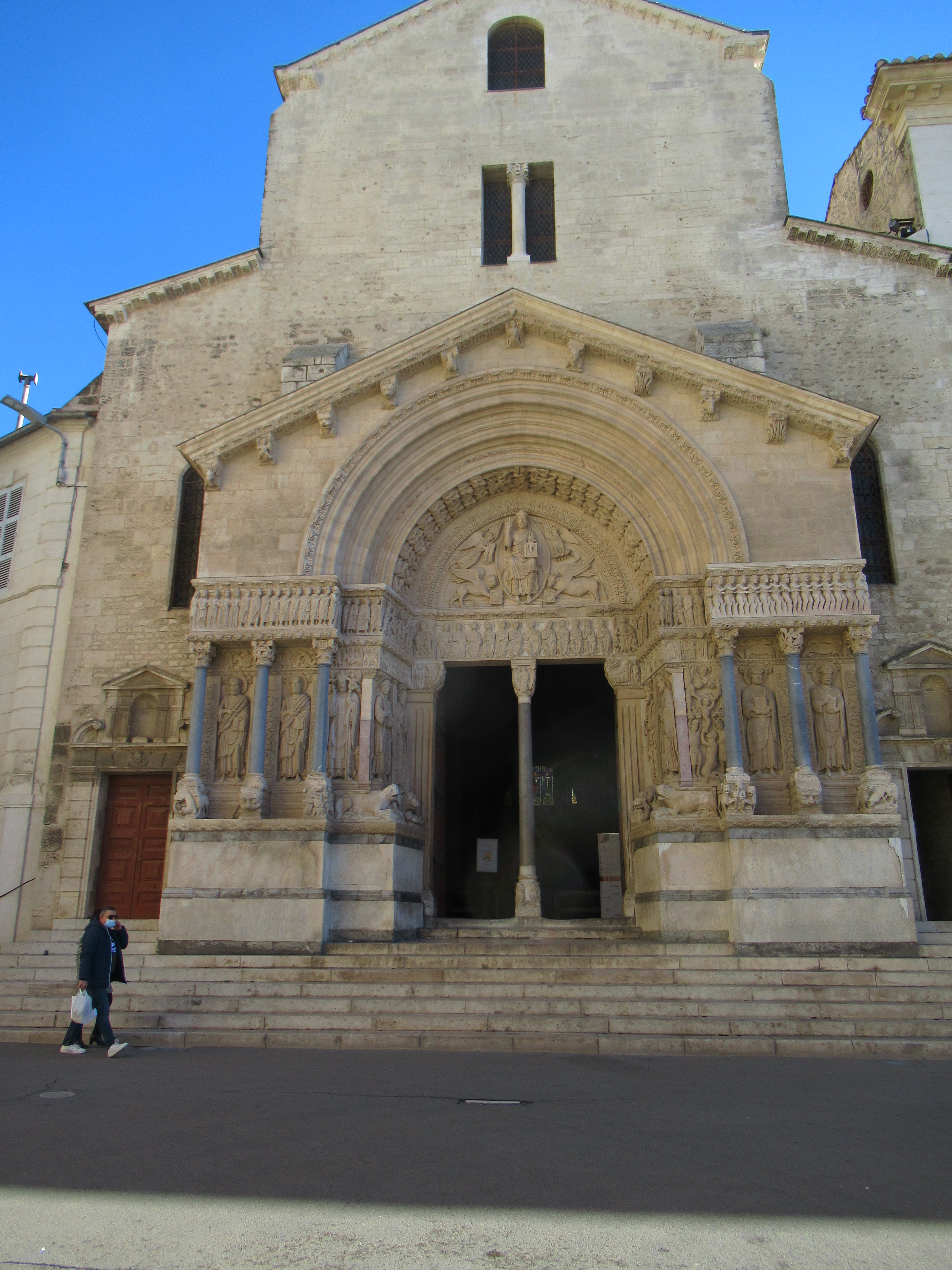
Catching up with Trophimus

If you’ve been paying attention, you’ll know that you’ve seen this church before. Five croissants for correct identification?

Following Thursday’s gloom at Pont du Gard, the weather is currently misbehaving to the extent that I’ve been forced indoors today due to the unpleasantly low temperature outside. Earlier, I managed a quick sortie down to Chez Florence for supplies. Florence was in the business of selling fine fruit and veg, plus a tasty selection of home-made meals when I first came here in 2007 and I’m not surprised to find her shop still packed. Irritatingly, she seems to have acquired neither weight nor wrinkles in all those years and still greets me in the manner of one who never notices absence, apart from lasagne which is what I went for because it’s the best. On enquiring whether said dish was available, I was greeted with incredulity: ‘lasagne is Tuesday’, said Florence. Silly old me. I’ll have to buy a Tropezienne at the baker’s to make up for the disappointment.

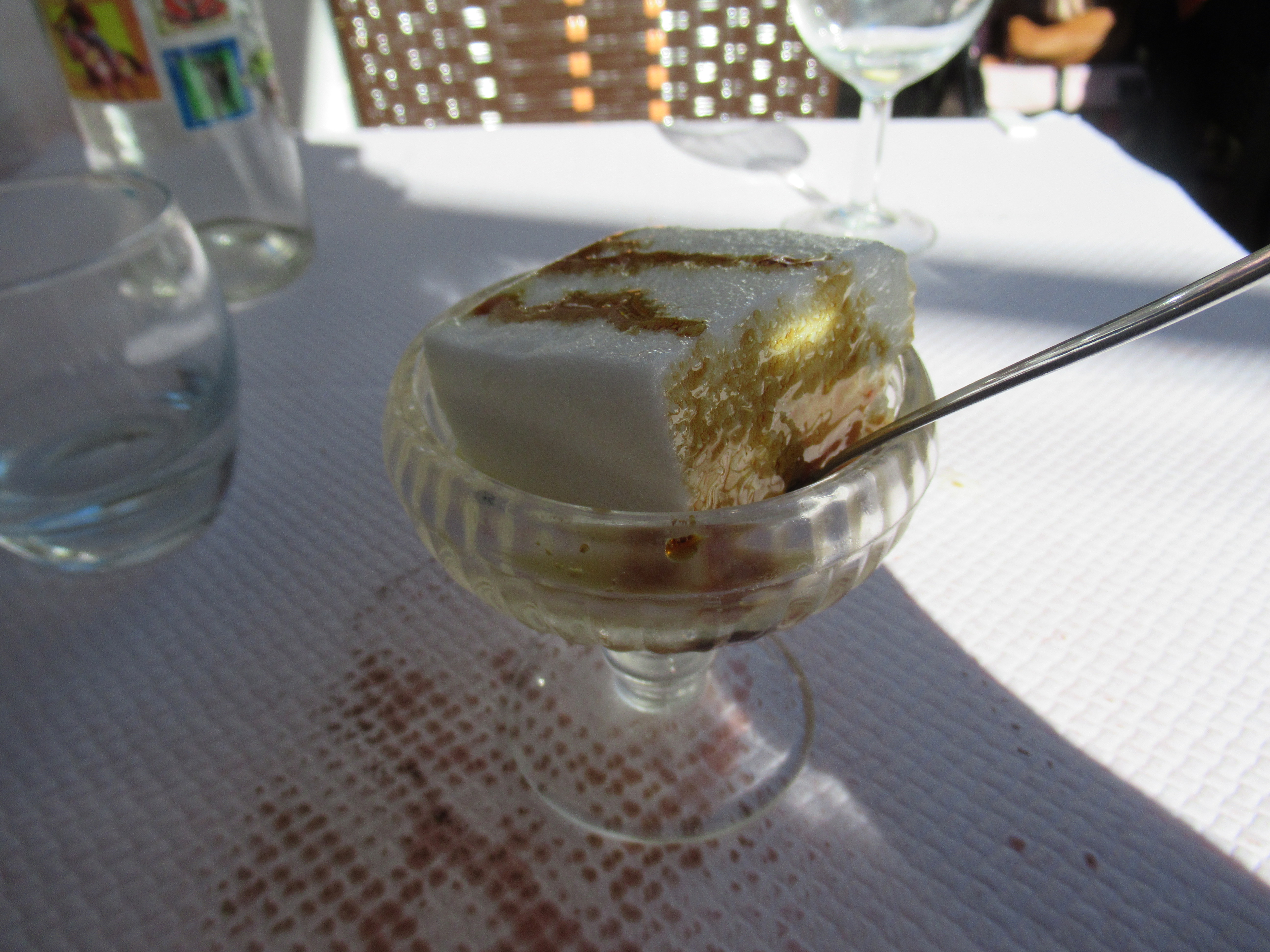
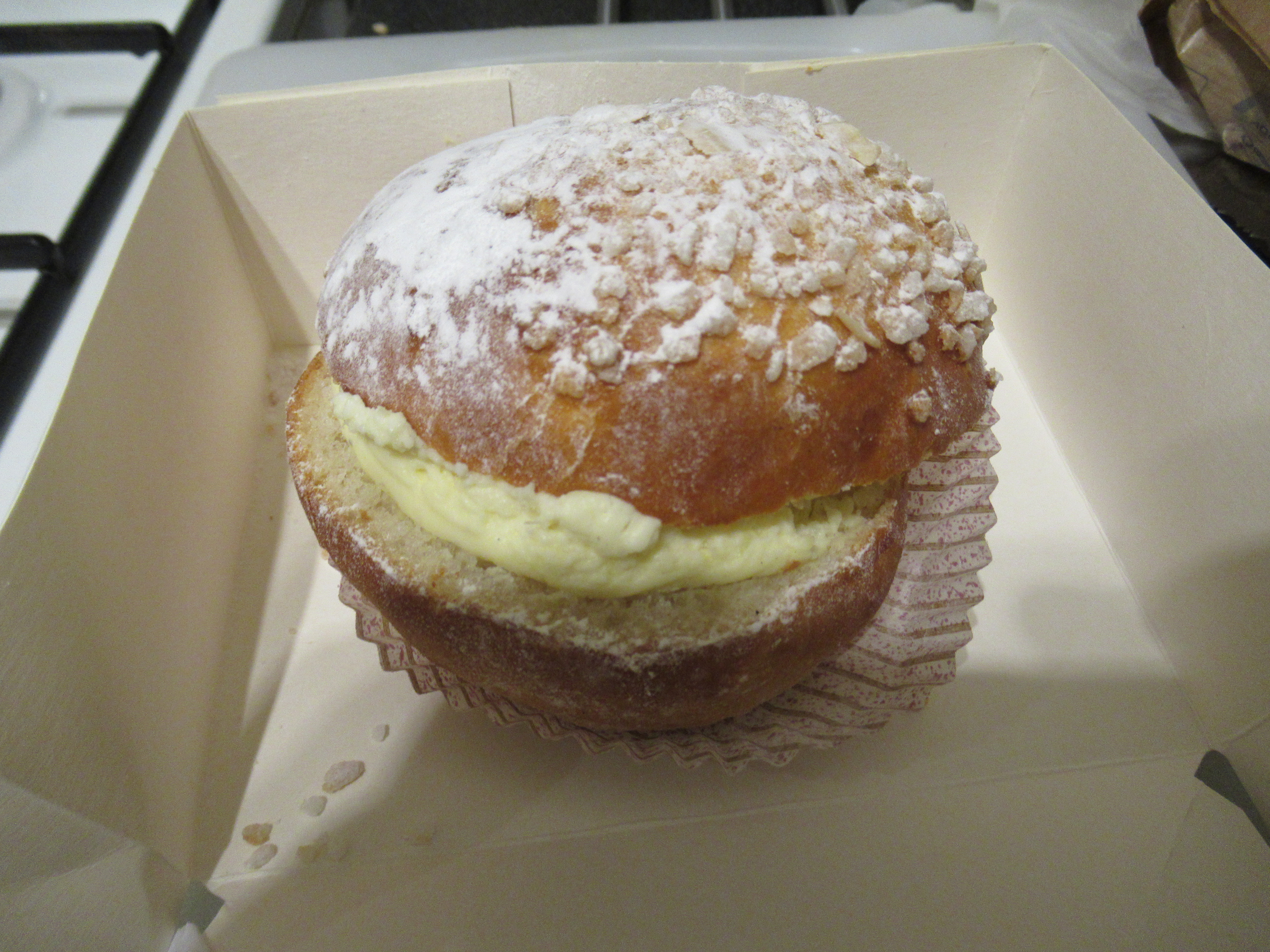
This is the Tropezienne. It may not look much to the uninitiated but let me tell you, it might be the most wonderful cake in France: sort of a cross between brioche and donut, filled with what we might call custard cream, and topped with large chunks of sugar.

On the way round to Florence’s, I noticed that most of the population of our village was gathered outside the church, largely dressed in black. Must be a funeral I thought sadly; but when I left the shop, all that tooting of horns began as the wedding party drove around the village and off to the first reception. I suppose black must be the new black, or they’re all in mourning for the loss of the lasagne.

I imagine you think I’ve digressed when, in fact, I was just giving you time to recall the name of the church. Yes, it’s the parish church of St Trophimus in Arles. St Trophimus, first bishop of Arles, accompanied St Paul on his third journey so was pretty important. However, there’s a bit of a downside to his CV as it seems his later appearance at the temple in Jerusalem precipitated a riot. This was because (allegedly) he stepped over the barrier that separated Jews from gentiles. Same old.

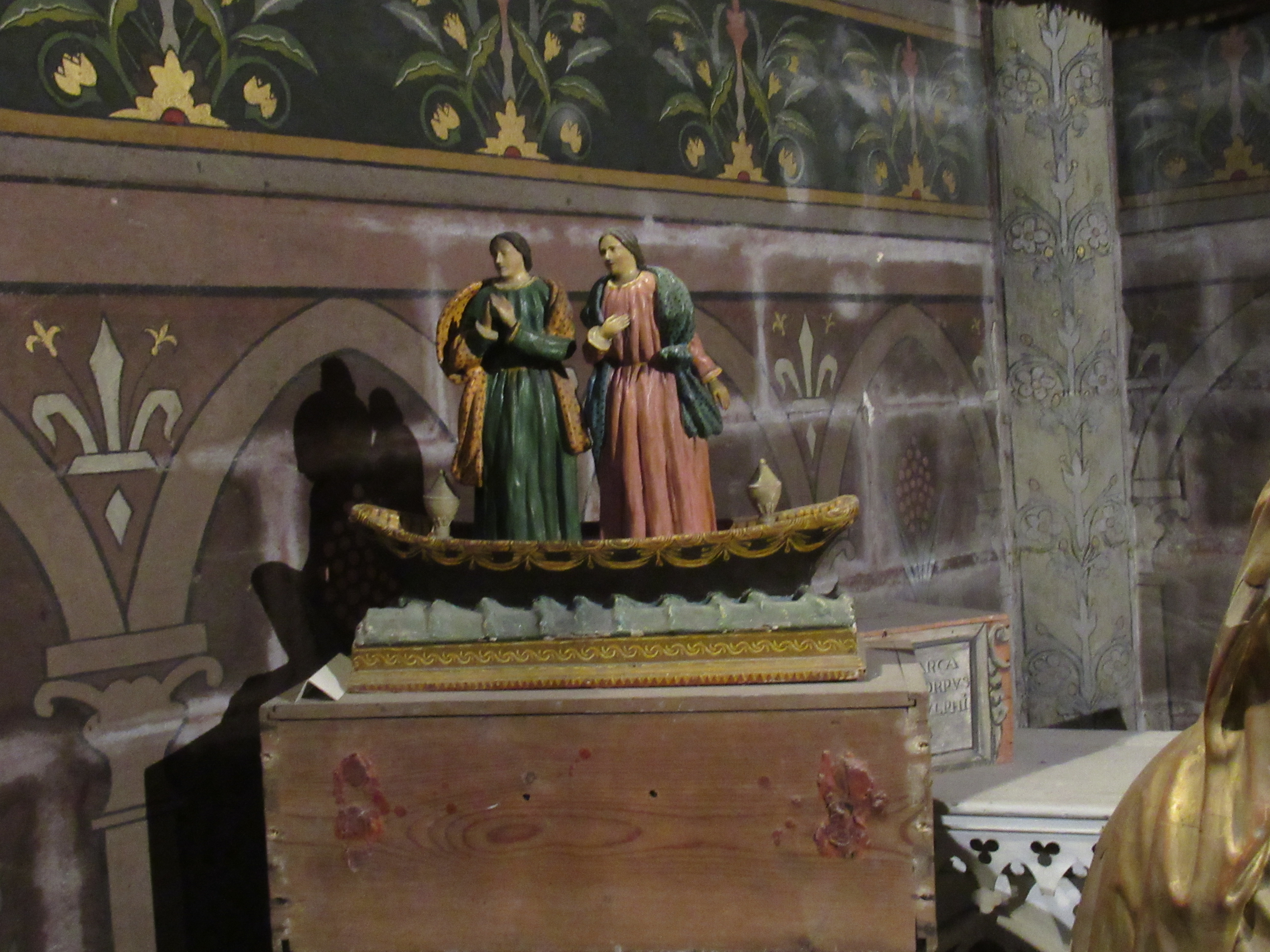
Anyway, for those of us who don’t hold any particular religious beliefs, one of the most fascinating things about this church is the huge number of diverse relics present. To say the gang’s all here would be a massive understatement. My snap shows a couple of the Marys who landed at Saints Maries de la Mer, of whose story you know I have an especial interest. All the relics are housed behind a dimly lit glass screen. I’m pretty sure it used to be possible to pop a centime in a slot and have them all light up. This doesn’t happen any longer and I feel I might be confusing the experience with a funfair I once attended.

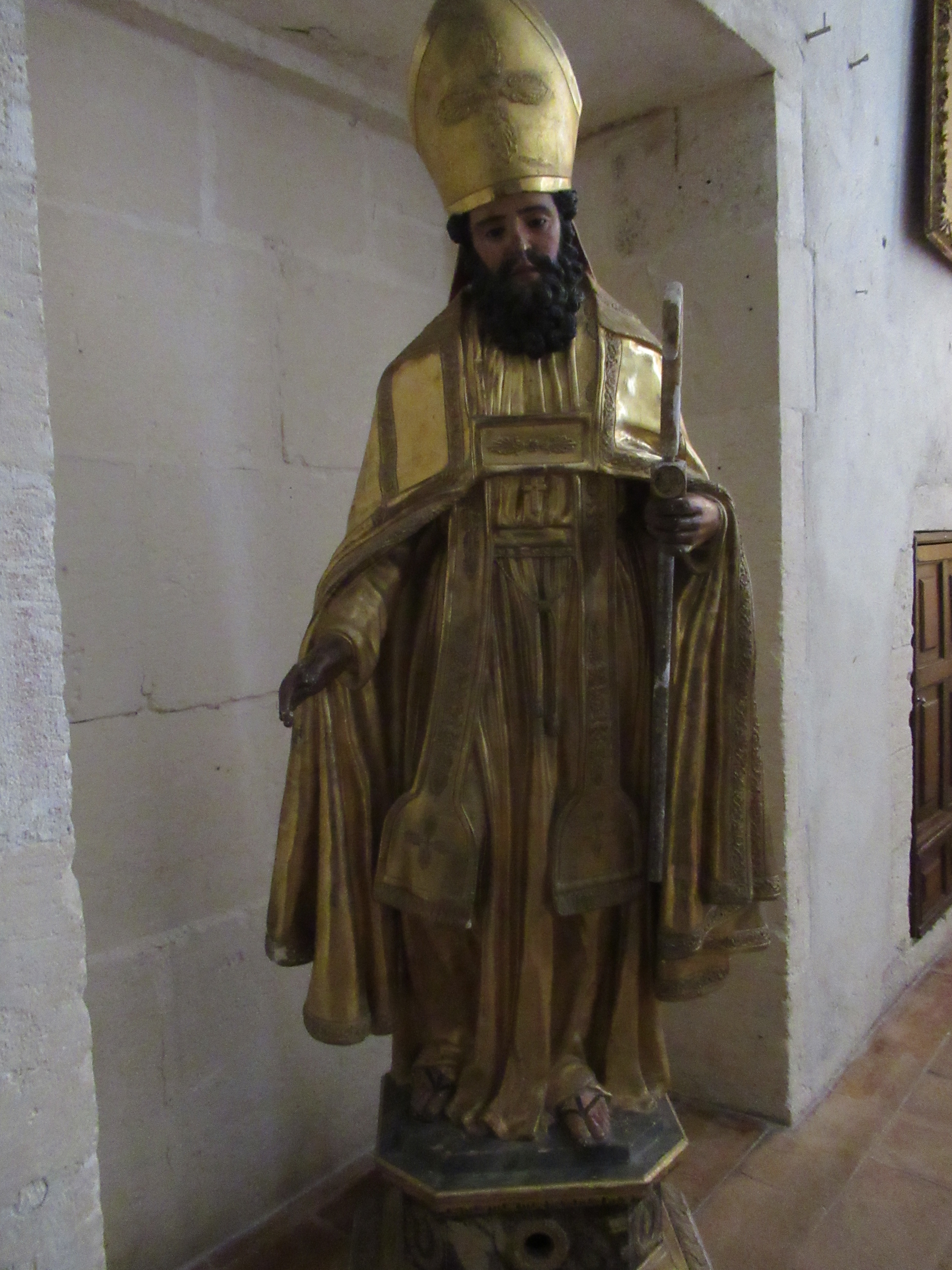
This is Jesus. I took the photo because I thought he had a nice face and might be St Trophimus. What do I know? They’re not going to make the number one look like a trouble maker are they, even though I’ve never seen him dressed like this before.

I find it strange that such a grand place, built over a third century crypt, is a mere parish church. Well, turns out it used to be a cathedral until 1801 when it was decommissioned. What! How can that happen? Due to some internal wrangling, the bishopric was moved to Aix and with it, all the glory. But wait – in 1882, Pope Leo declared the joint to be a minor basilica which, to my uninformed ears, sounds grander.

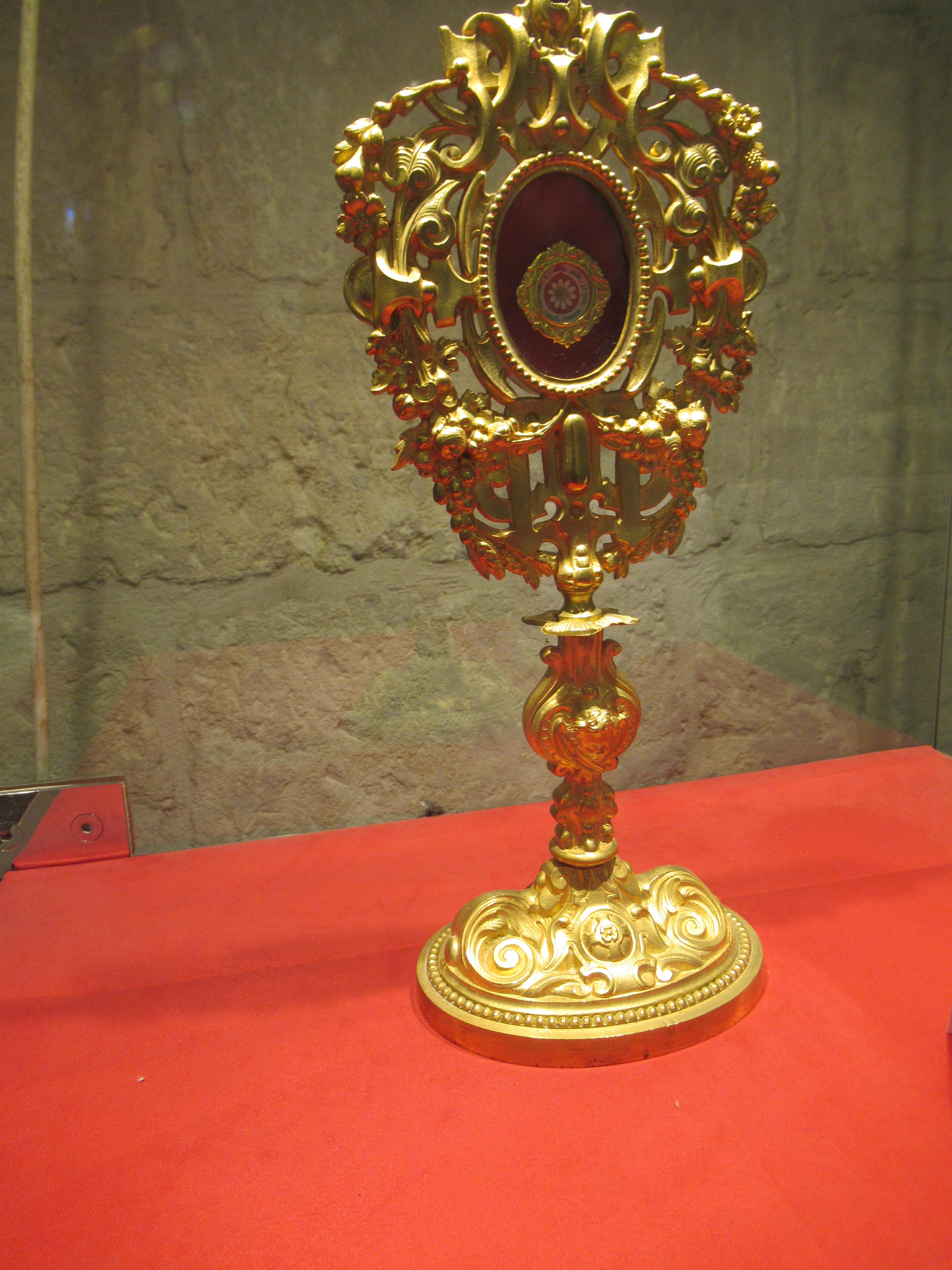
Finally, in a room on its own, and not in the penny-in-a-slot relic machine, are the partial remains of Pope John Paul 11, now a saint. It’s a drop or two of his blood that’s been given to the church. What I want to know is where has it come from? Did they choose a finger from which blood would be sent world wide? It’s the type of question, the answer to which, I don’t even know how to search for. I’m off to eat whatever that was I bought from Florence, followed by a meaningful Tropezienne.

A little gloomy

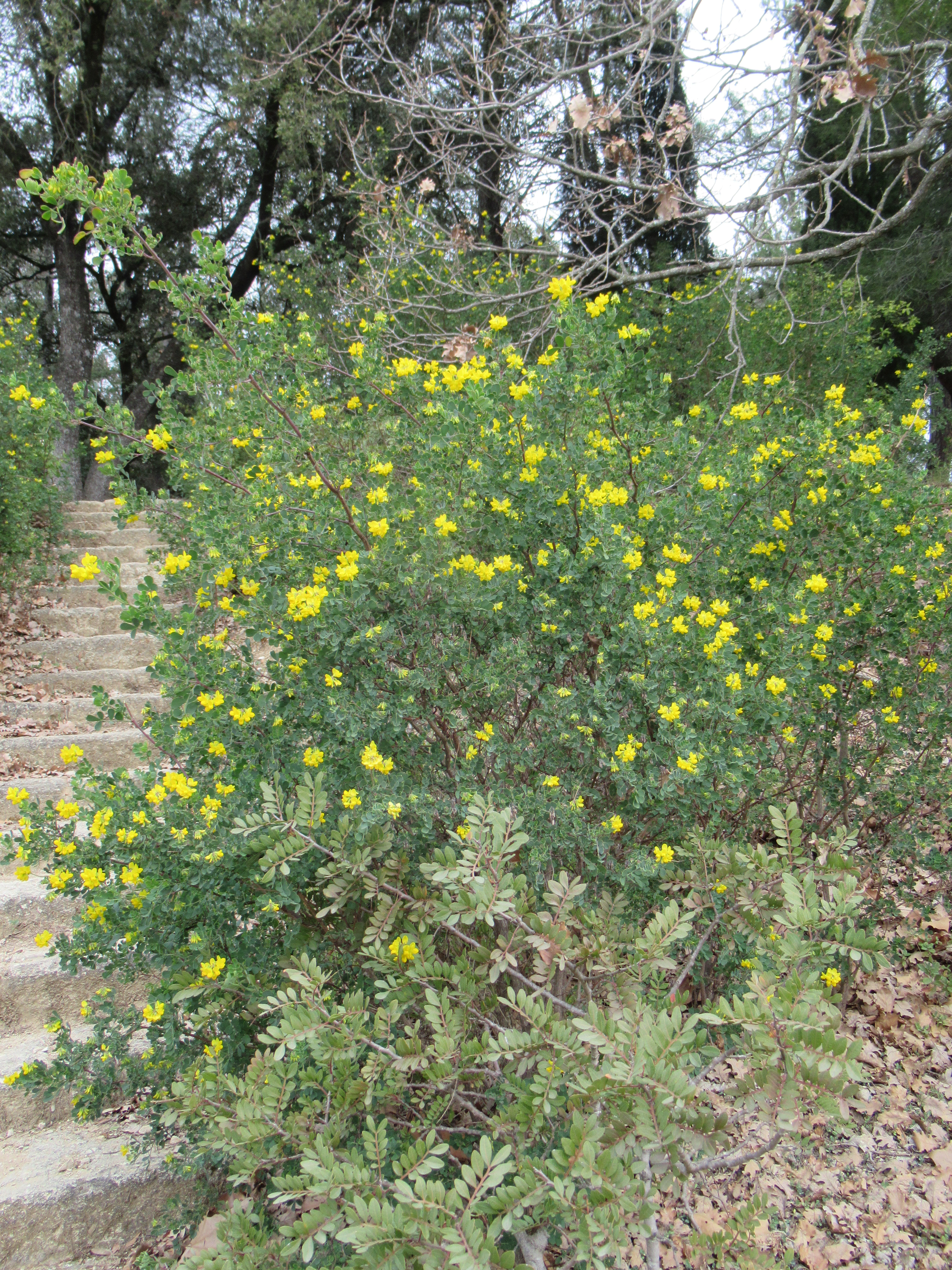
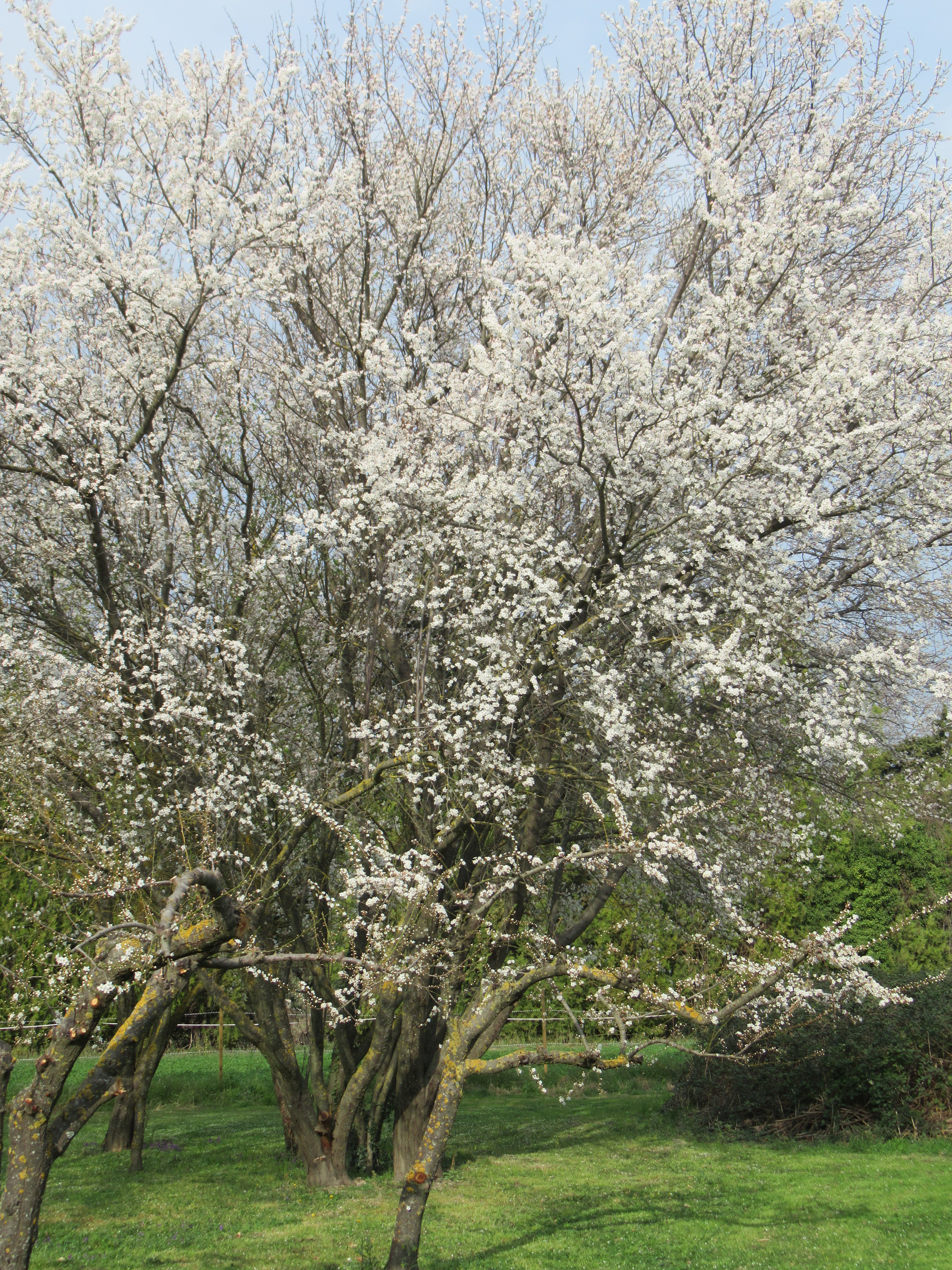
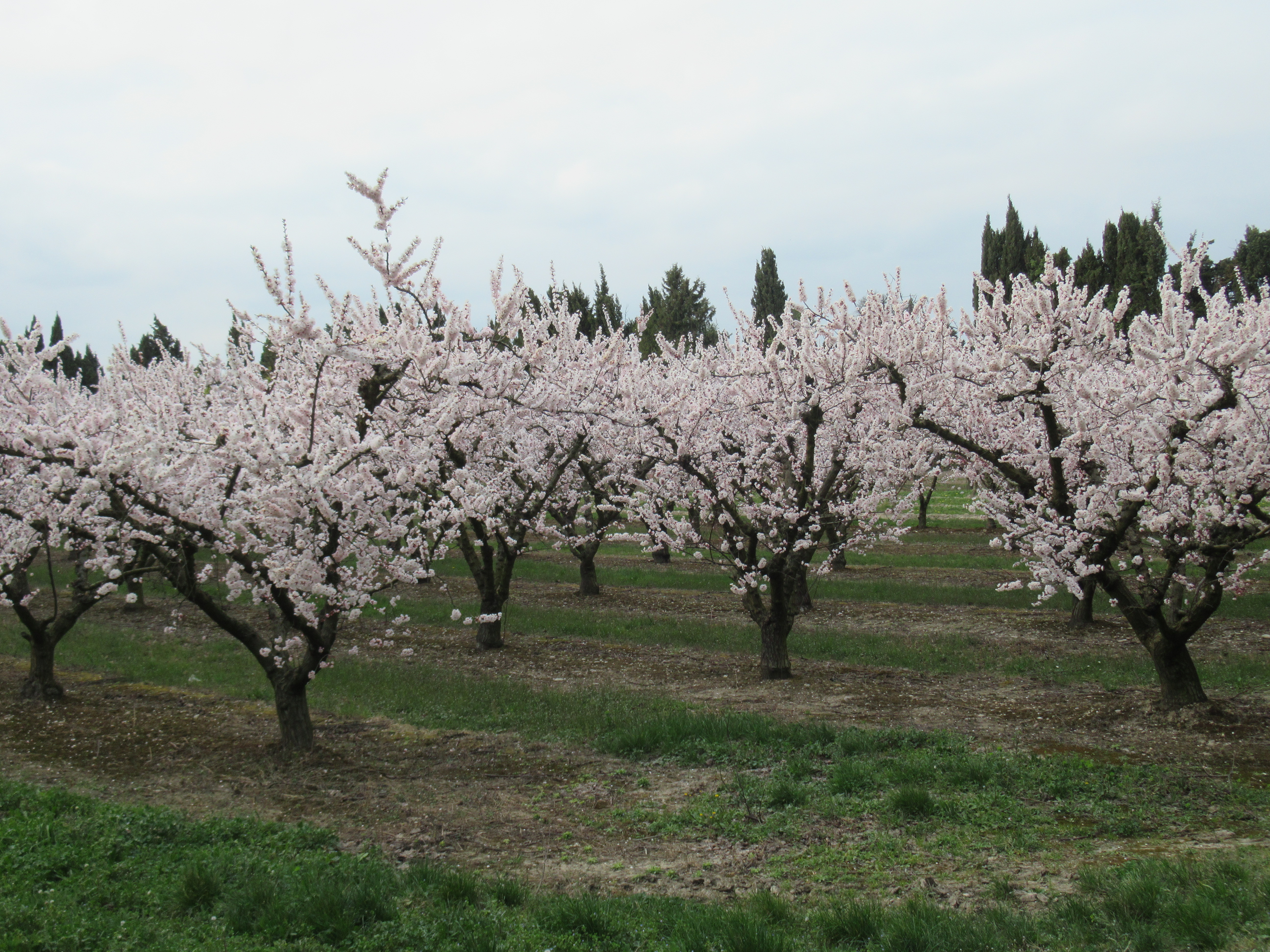
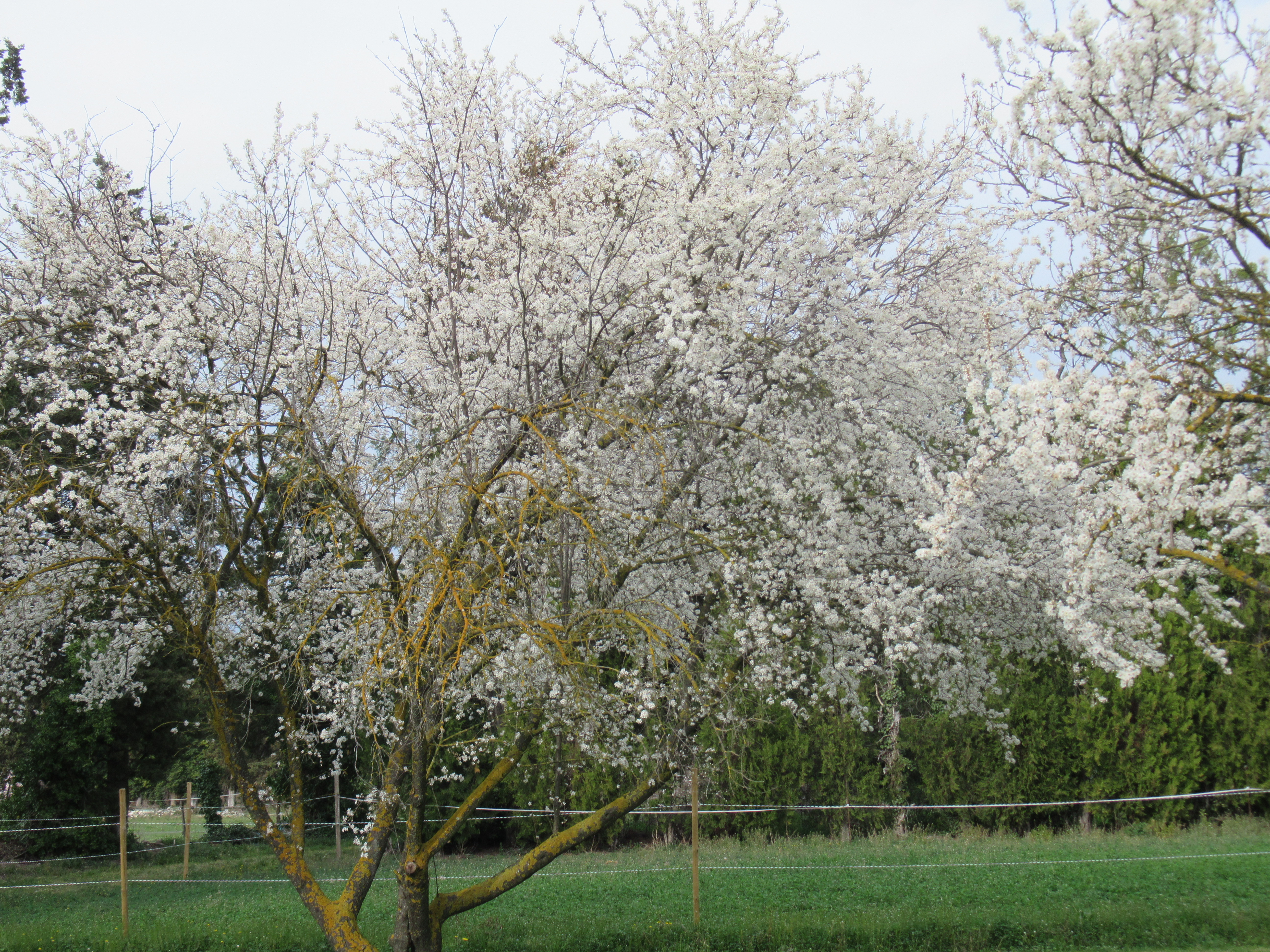
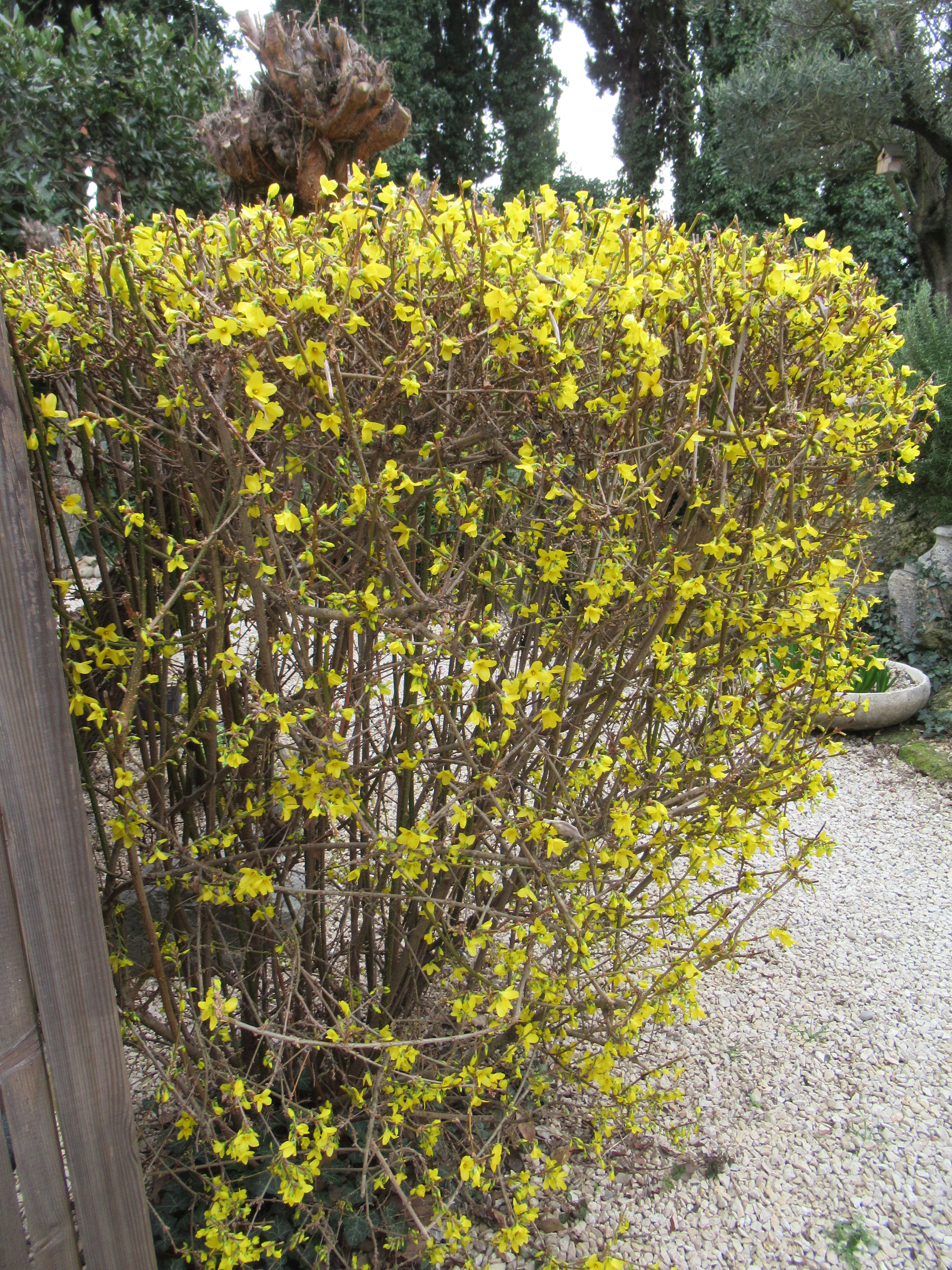
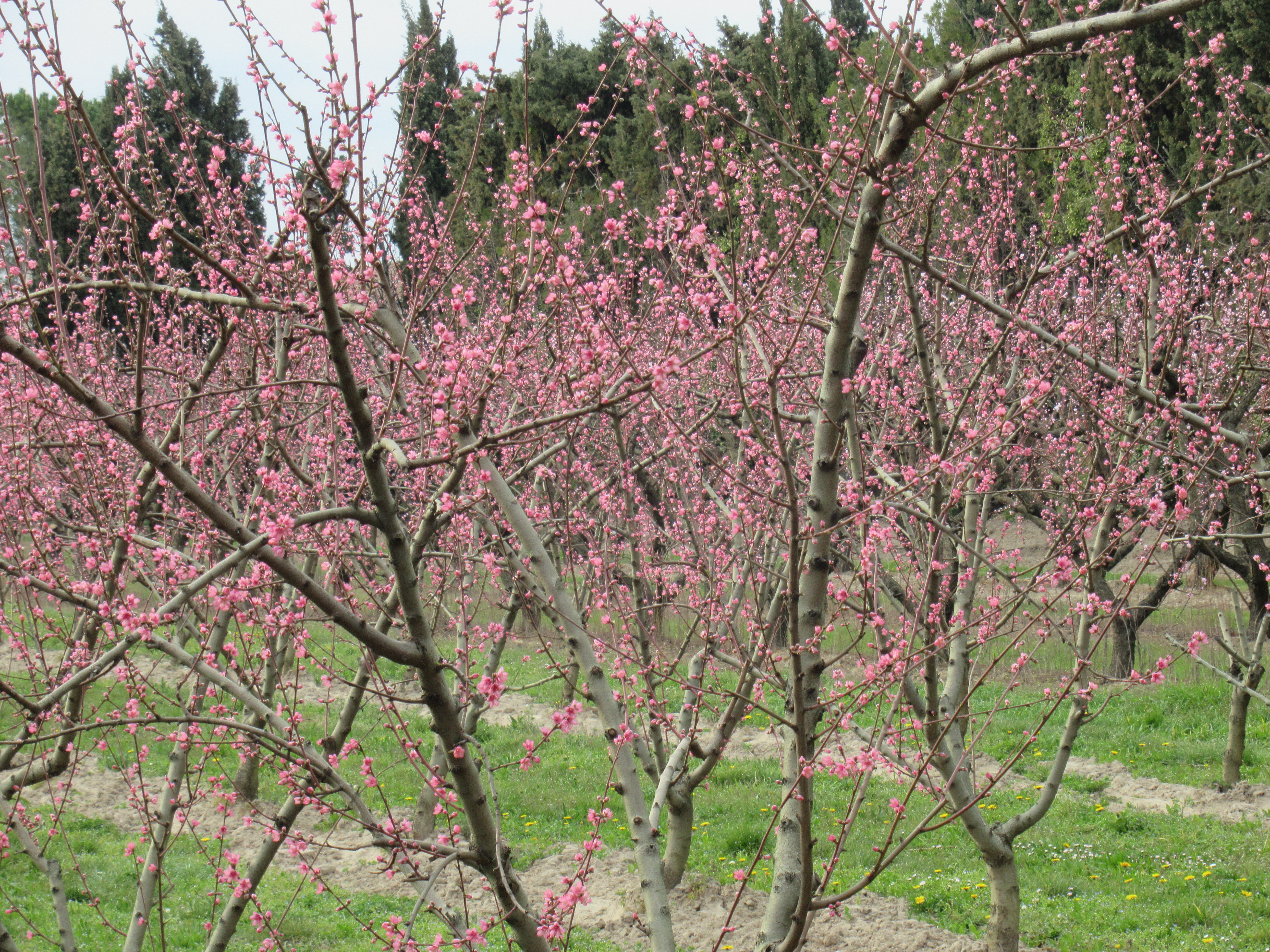
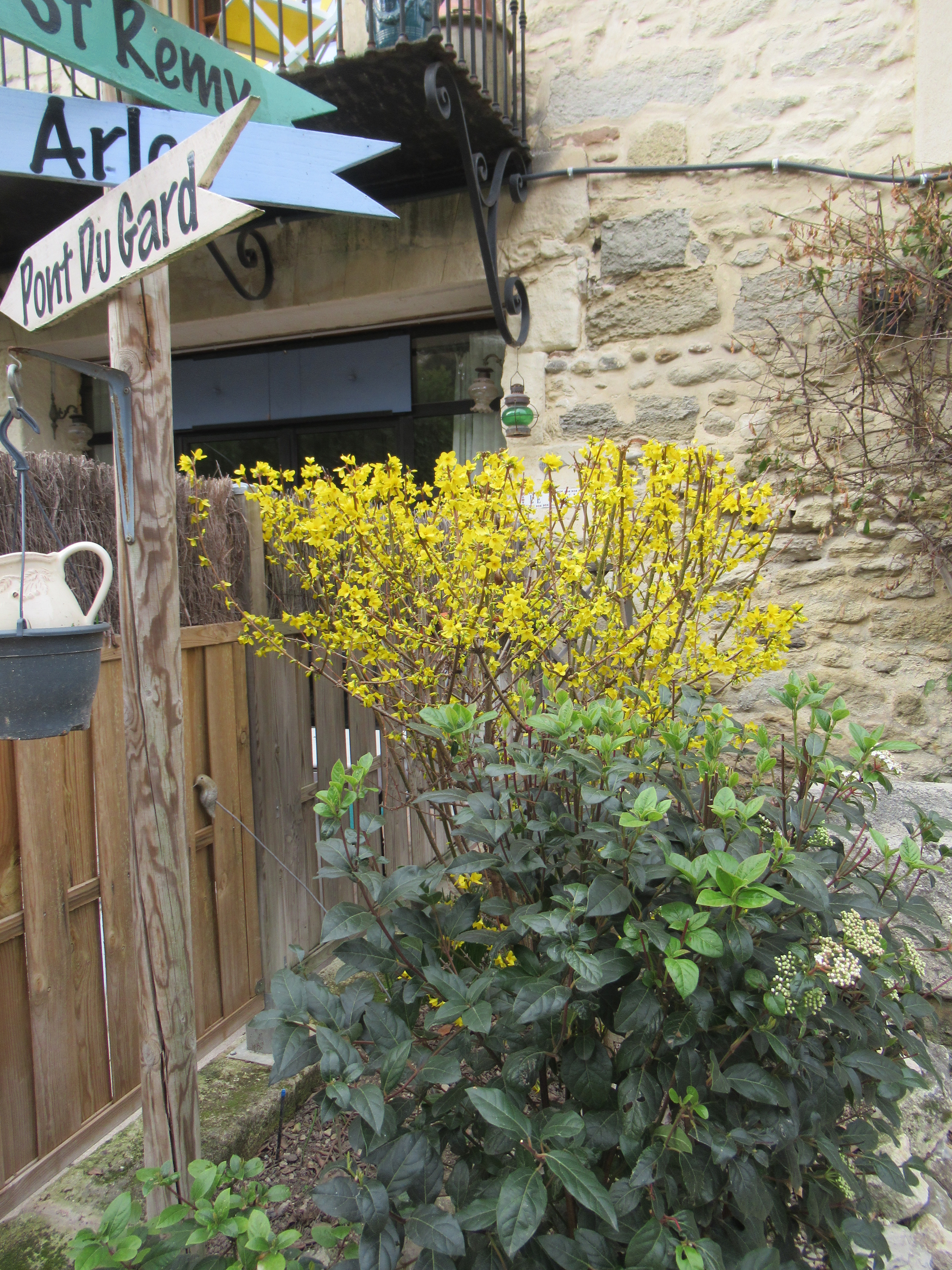
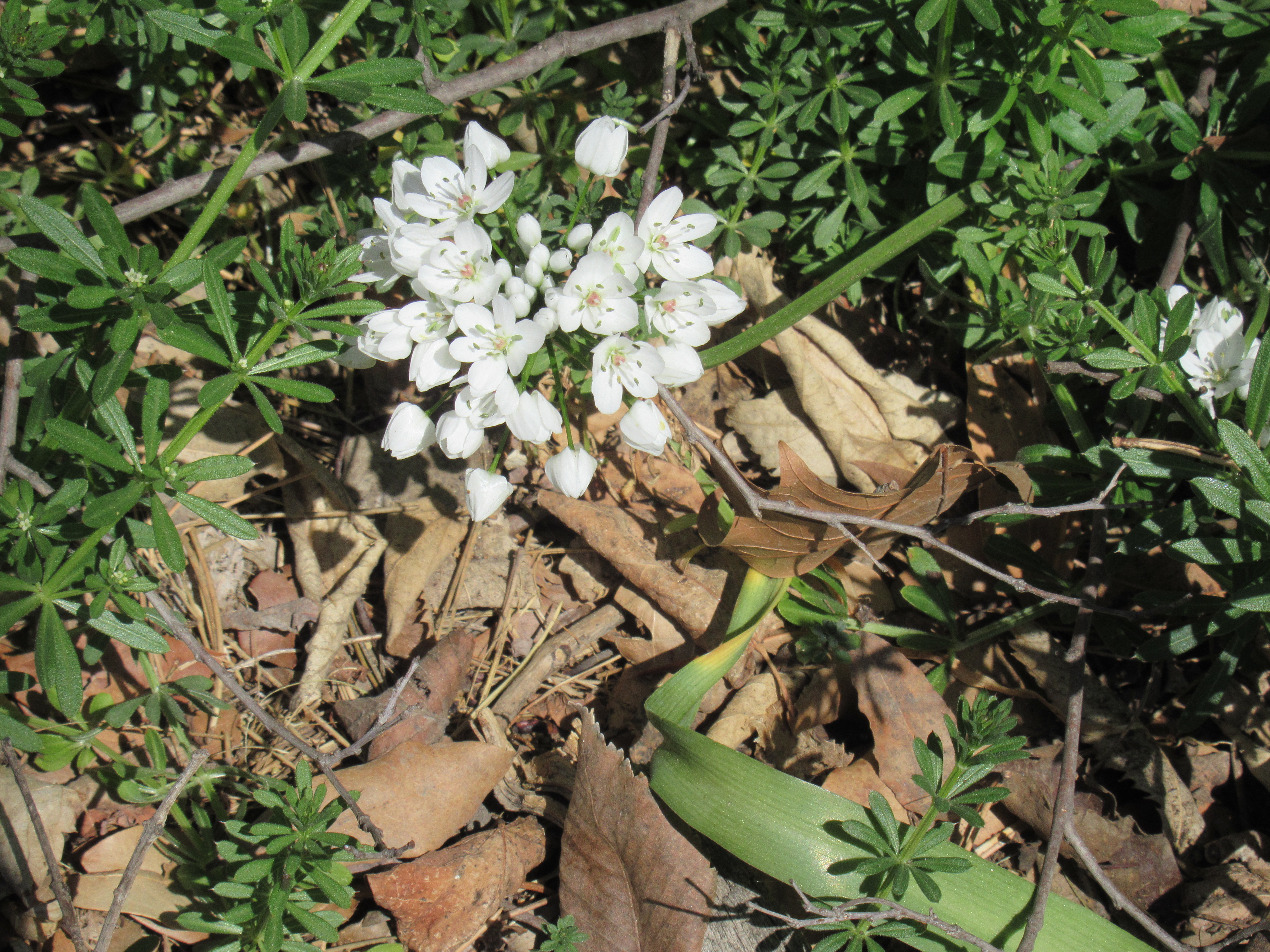
I’ve seen a few of these bushes around lately. I find them quite interesting in as much as the blooms and berries appear together. I’ve no idea what they are. Recently, I was supposed to go on a botanical walk with my old French teacher at which point I may have discovered some handy horticultural hints. Instead, we met for a two hour coffee during which I might have been in trouble for not completing my homework fourteen years ago.

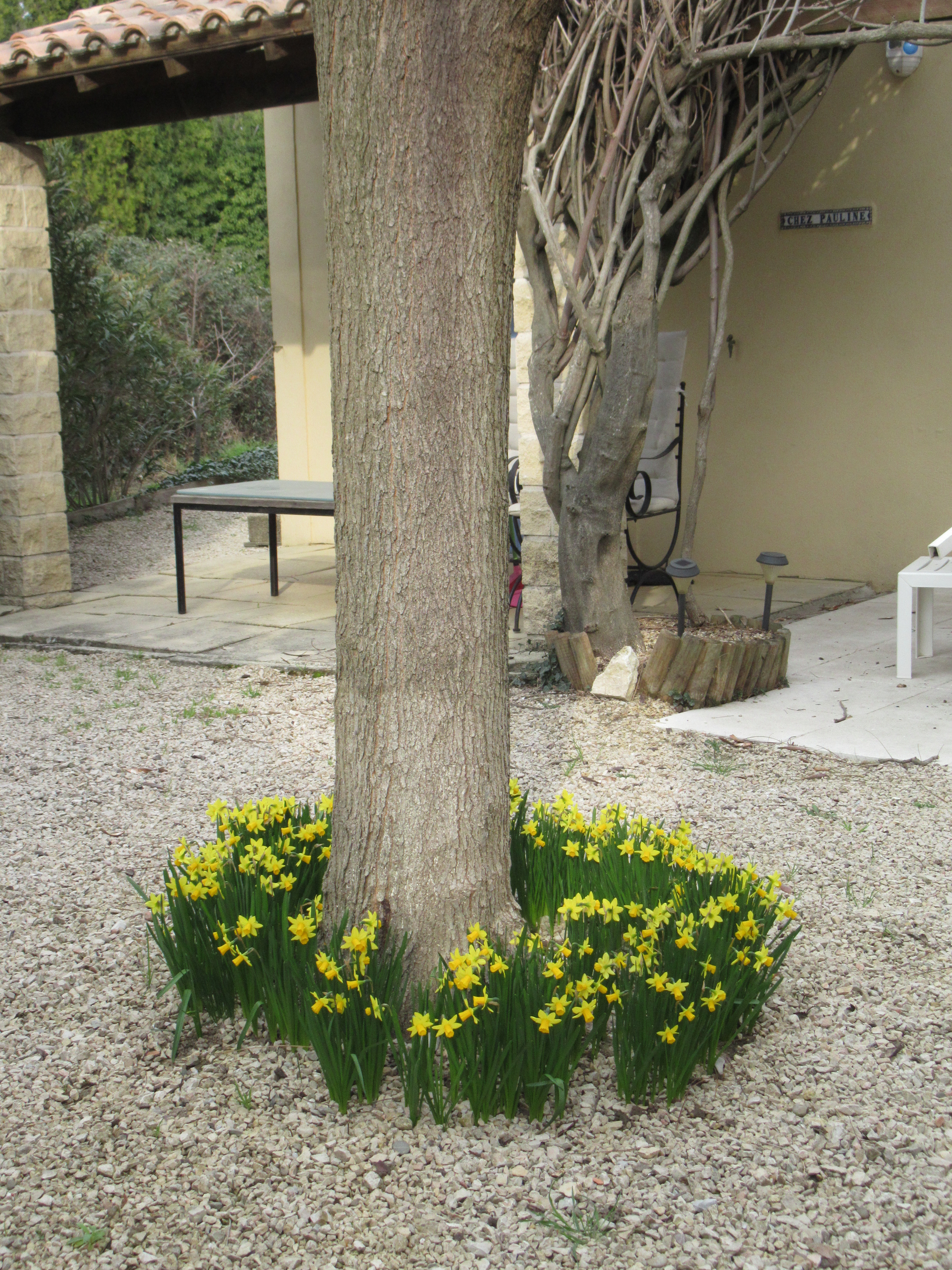
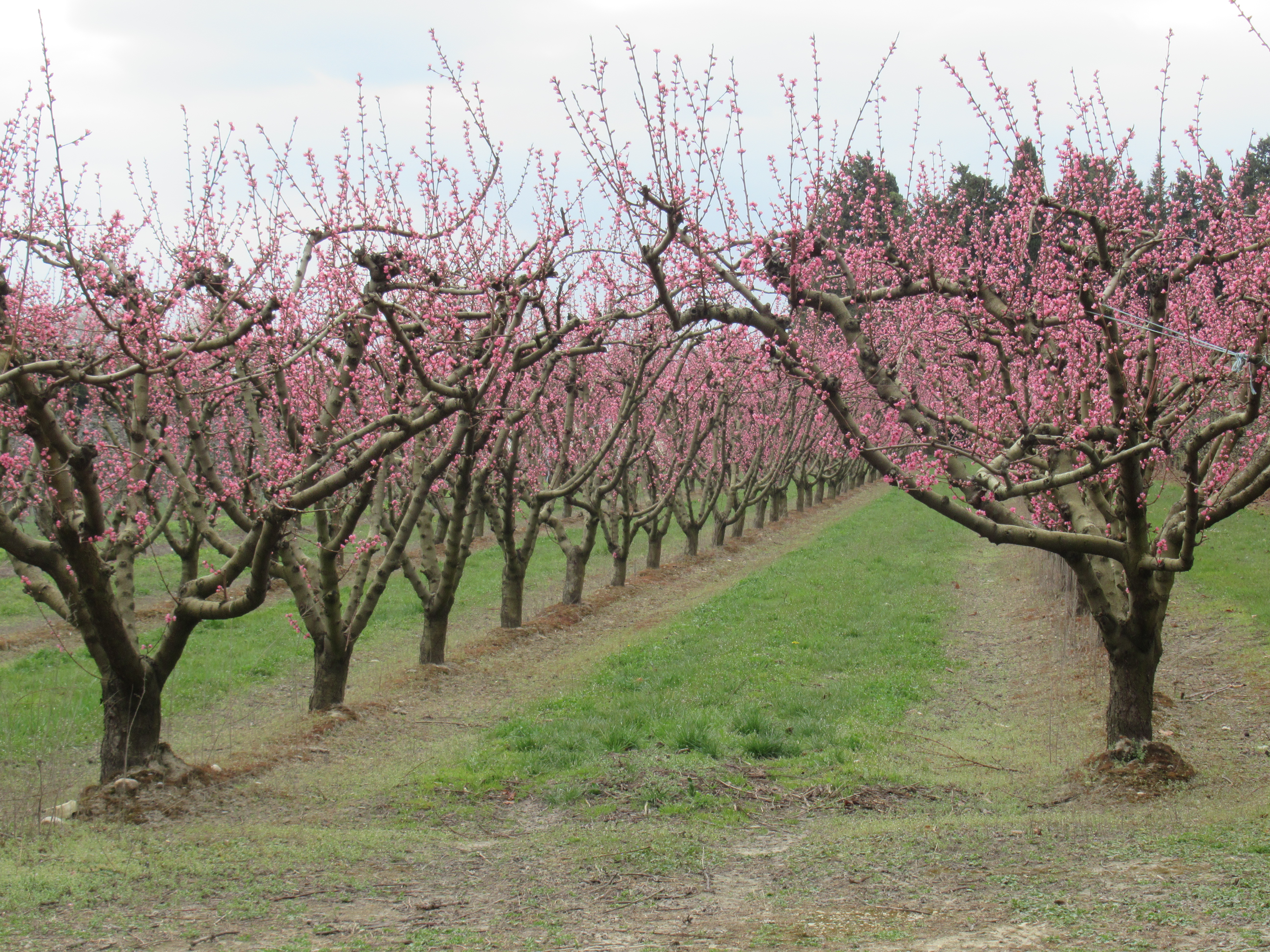
I don’t know what this is either; it’s like gorse but without the prickles. These photos aren’t as random as you might think. Yesterday, Eleanor and I decided to visit Pont du Gard. We’d both been before but only idiots turn down a second or third visit to a World Heritage Site; especially at this time of year when crowds are thin on the ground. The thing is, almost all my previous posts have depicted gloriously blue skies but the weather yesterday was grey. Sort of English grey. In fact, it even tried raining at one point. So, having decided to press on, I thought I’d try to capture some of the flora to brighten things up.

Firstly, we took a walk away from the bridge and up into the hills. I could tell she wasn’t over the moon: she’s the sort of friend who wants to visit the bridge, cross over, come back and find somewhere decent for lunch. Me, I’m on holiday and I’m seeing everything. There are 49 UNESCO World Heritage Sites in France but only a few are Grand Sites (Pont du Gard is one). I didn’t know that so I carefully read the information that explains what’s so different about Grand Sites. Could it be the essence of historicity? Or geography? Or uniqueness? No, it depends on how much time, money and effort is being paid to maintain and expand the area. And that depends on how much money is being given to the place. It’s a bit of a virtuous cycle.

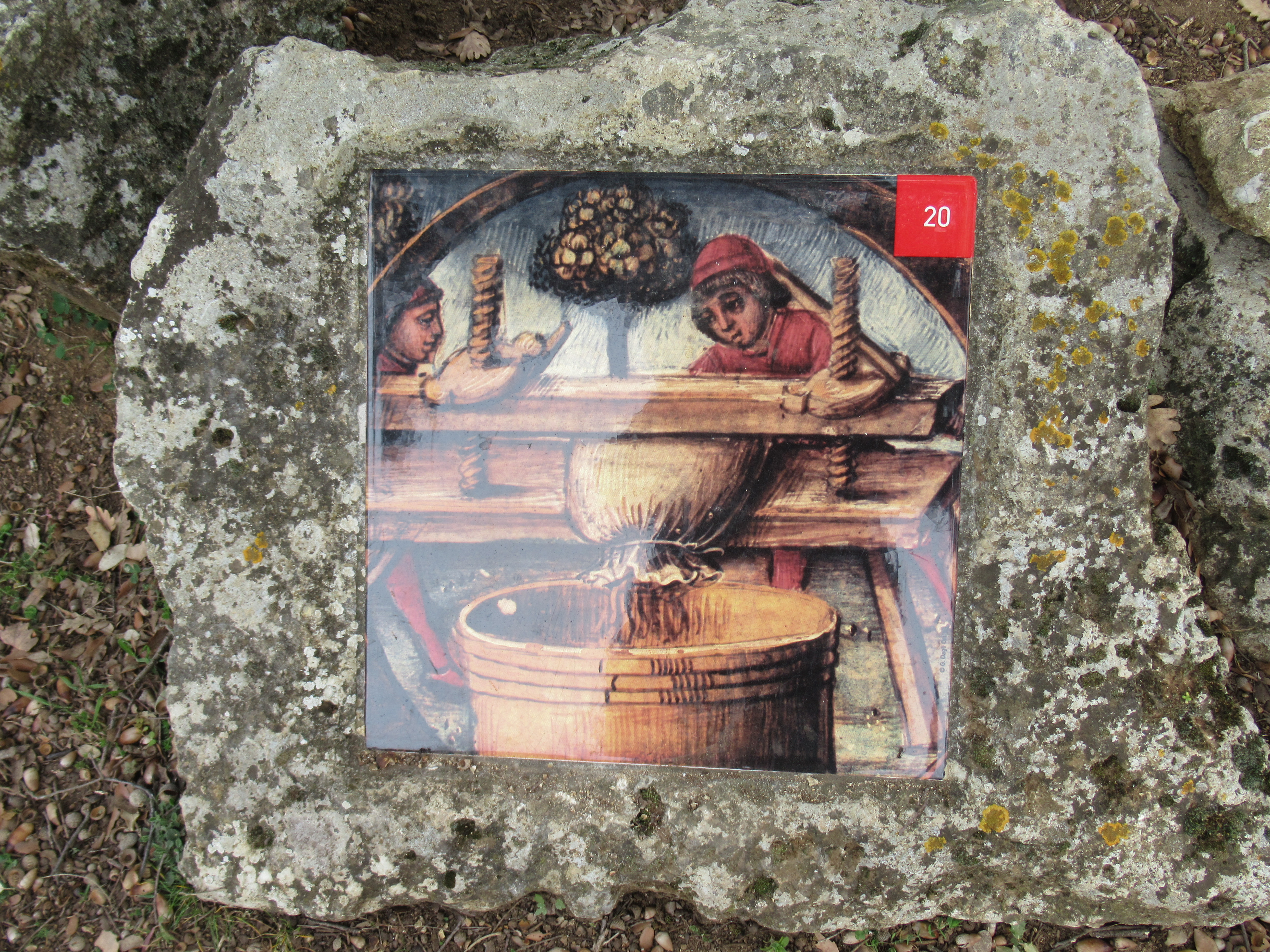
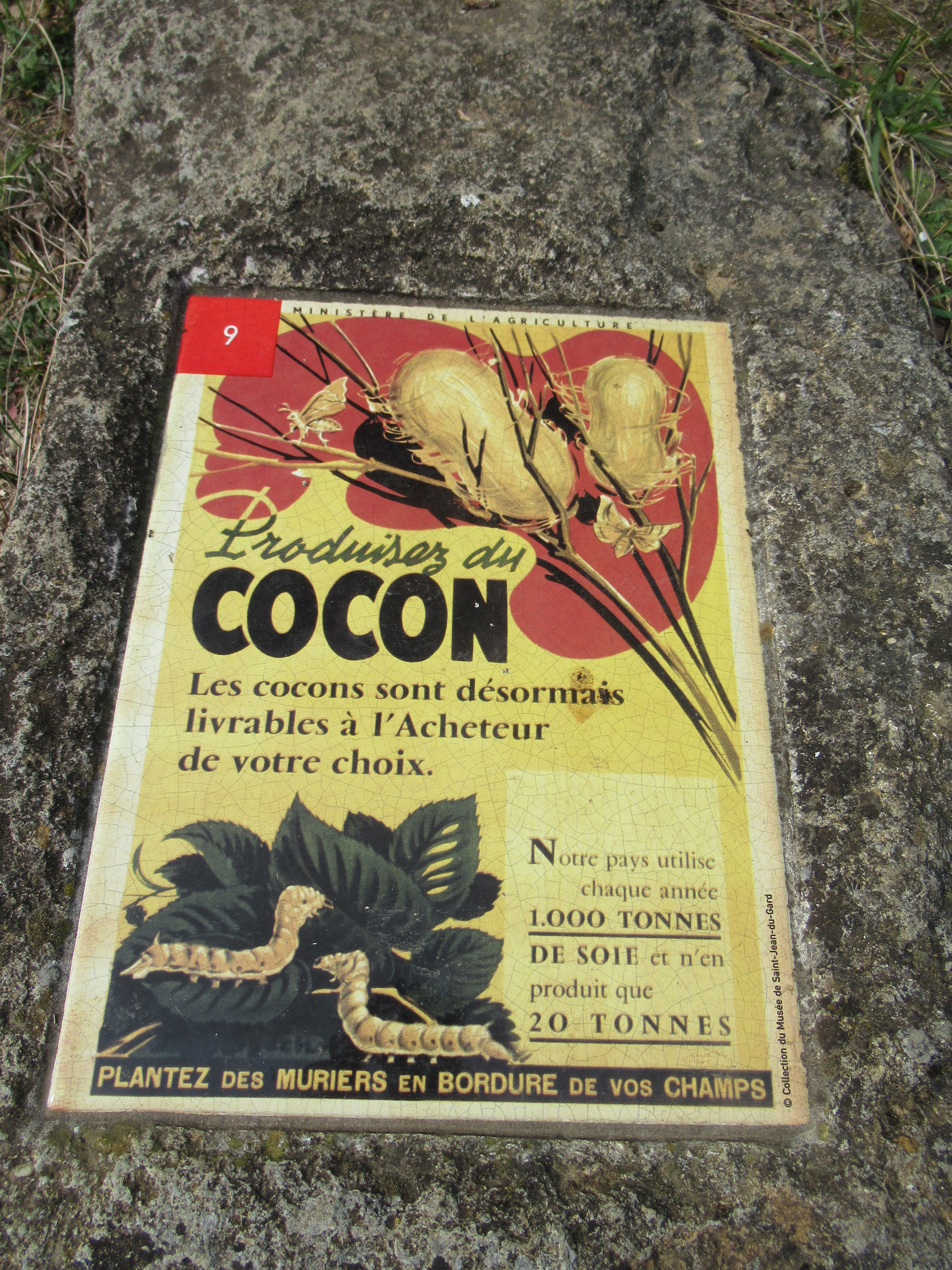
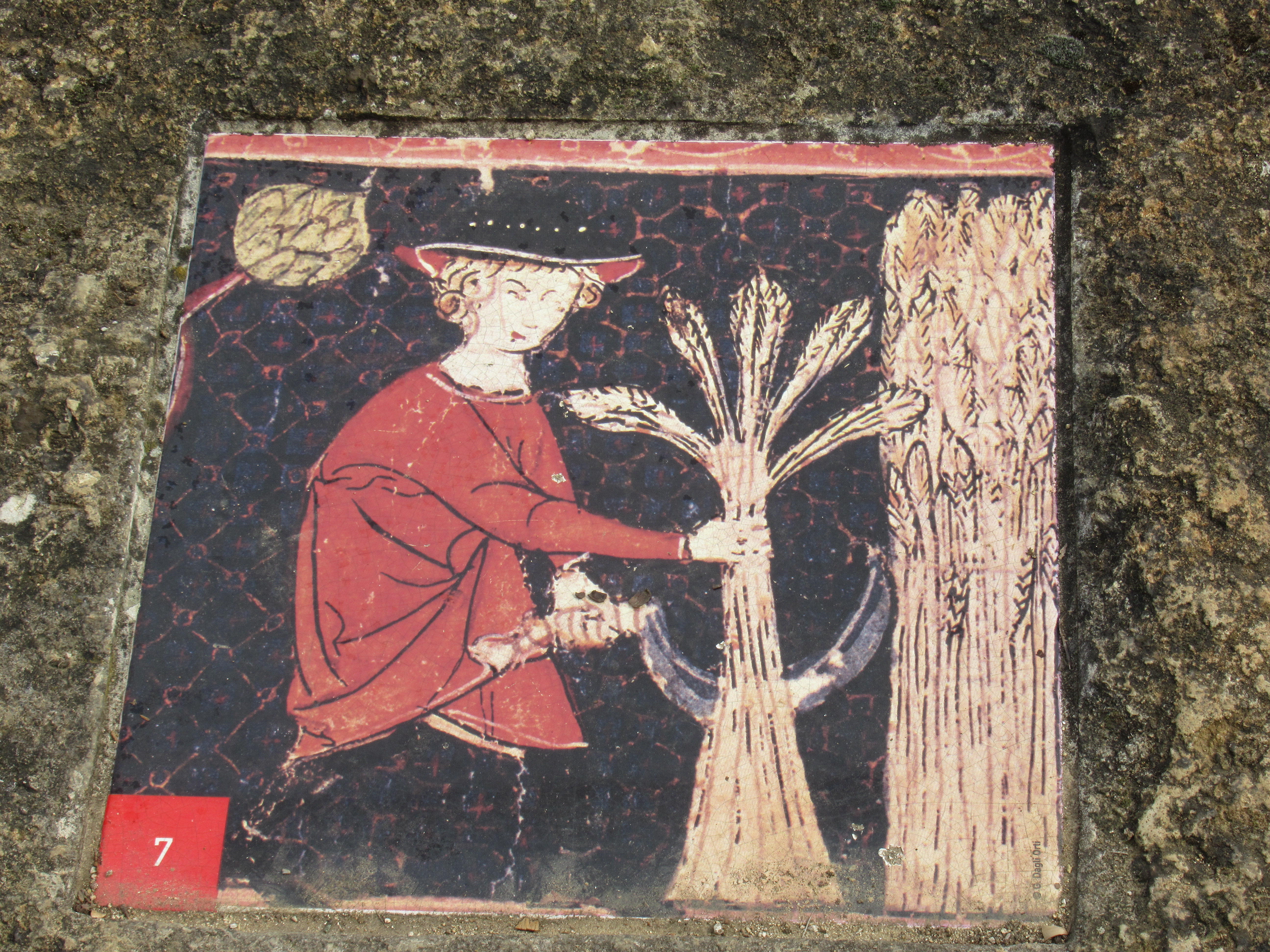
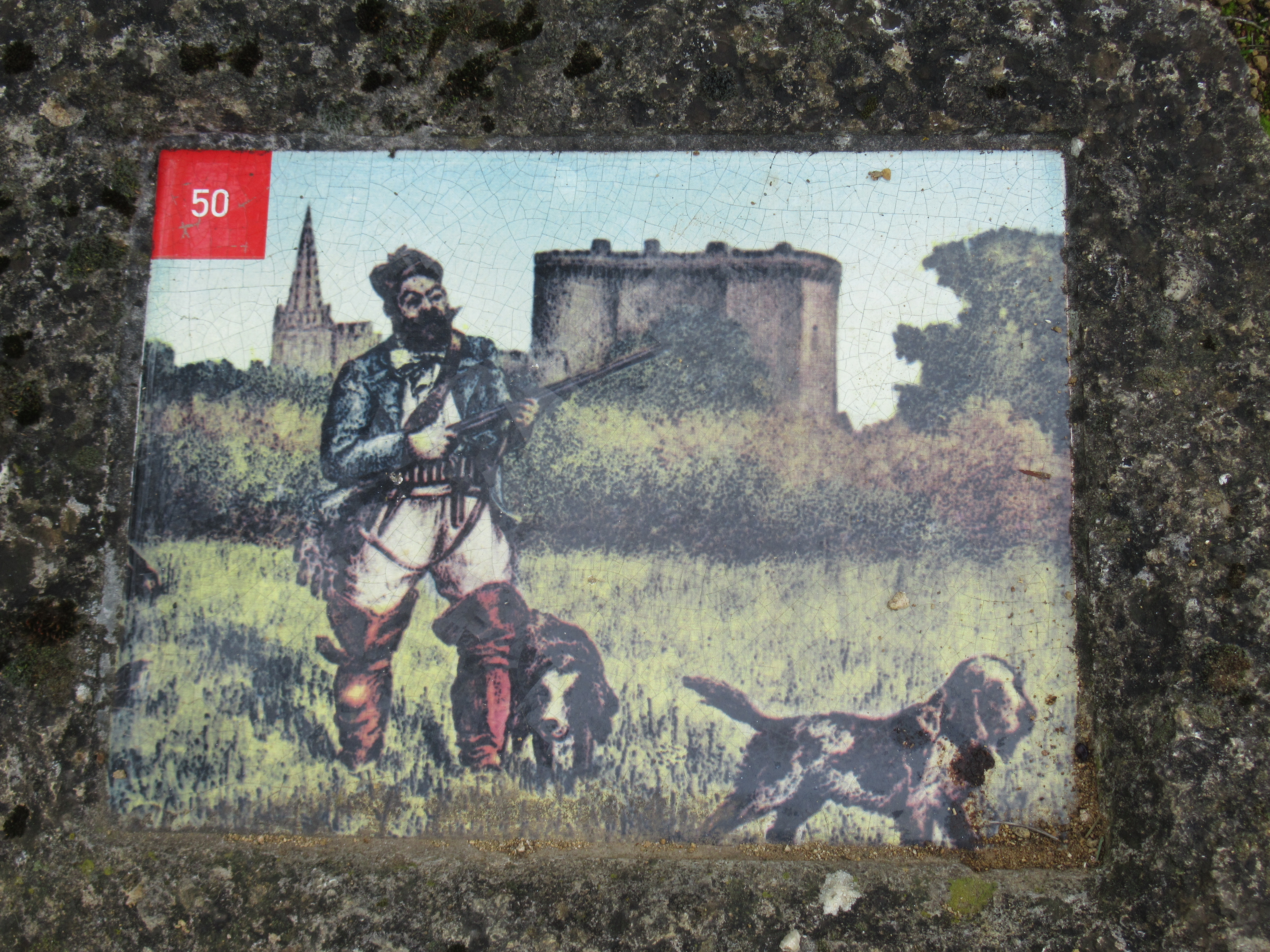
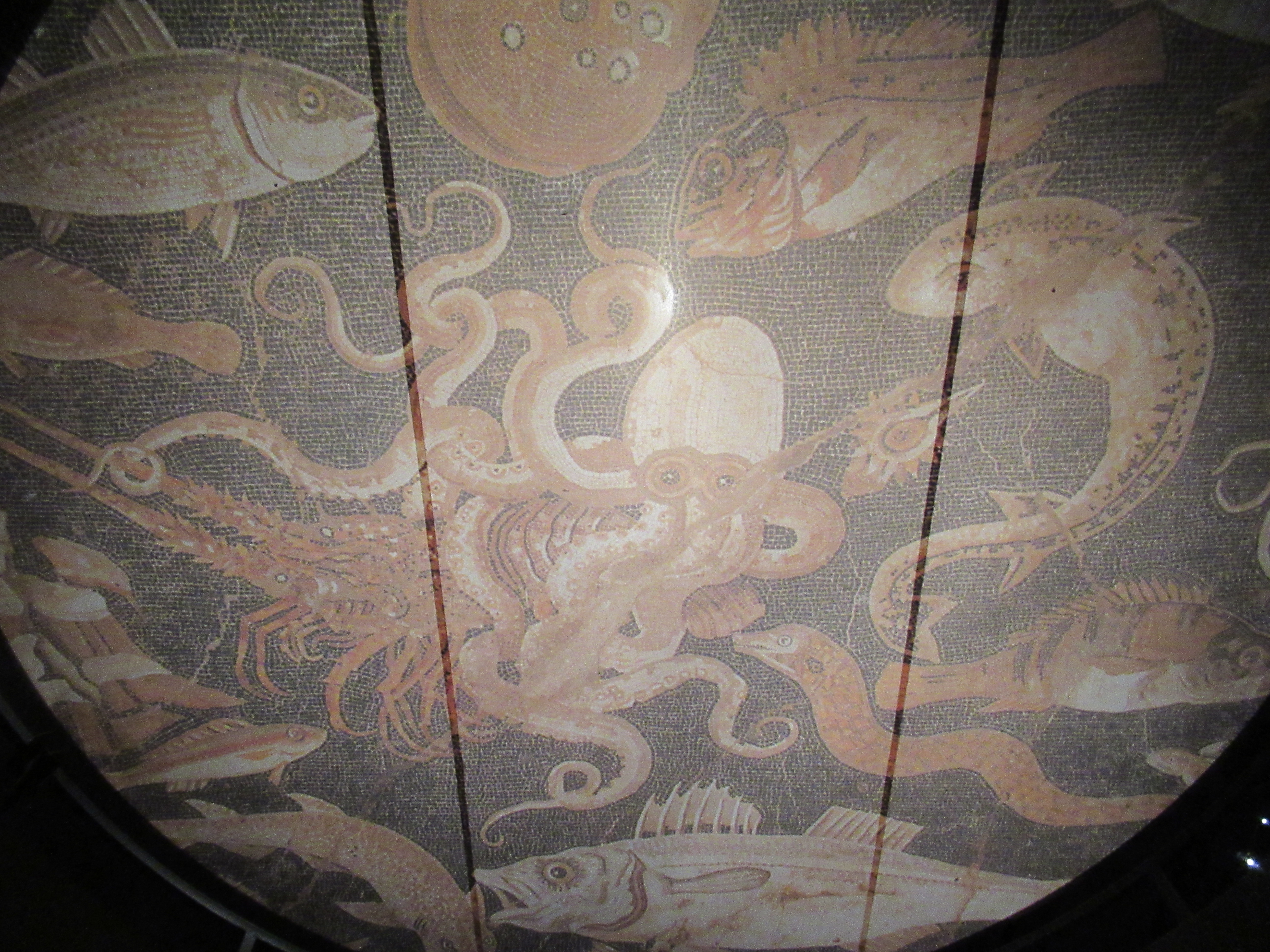
Those in charge at Pont du Gard have developed this trail which is a sort of living museum en plein air, to illustrate the history of the Garrigue. It looks quite new: the olive groves aren’t thick and bushy, the cereals haven’t yet sprouted, the mulberries are difficult to discern. I can see why Eleanor wasn’t overly impressed. On the other hand, they have made an effort to contextualise the bridge and don’t have a bunch of men dressed in Roman gear wandering around which might have been an alternative. The three previous photos show ancient images depicting various agriculture, viticulture and suchlike. I’m really looking forward to buying some cards of these in the gift shop later.

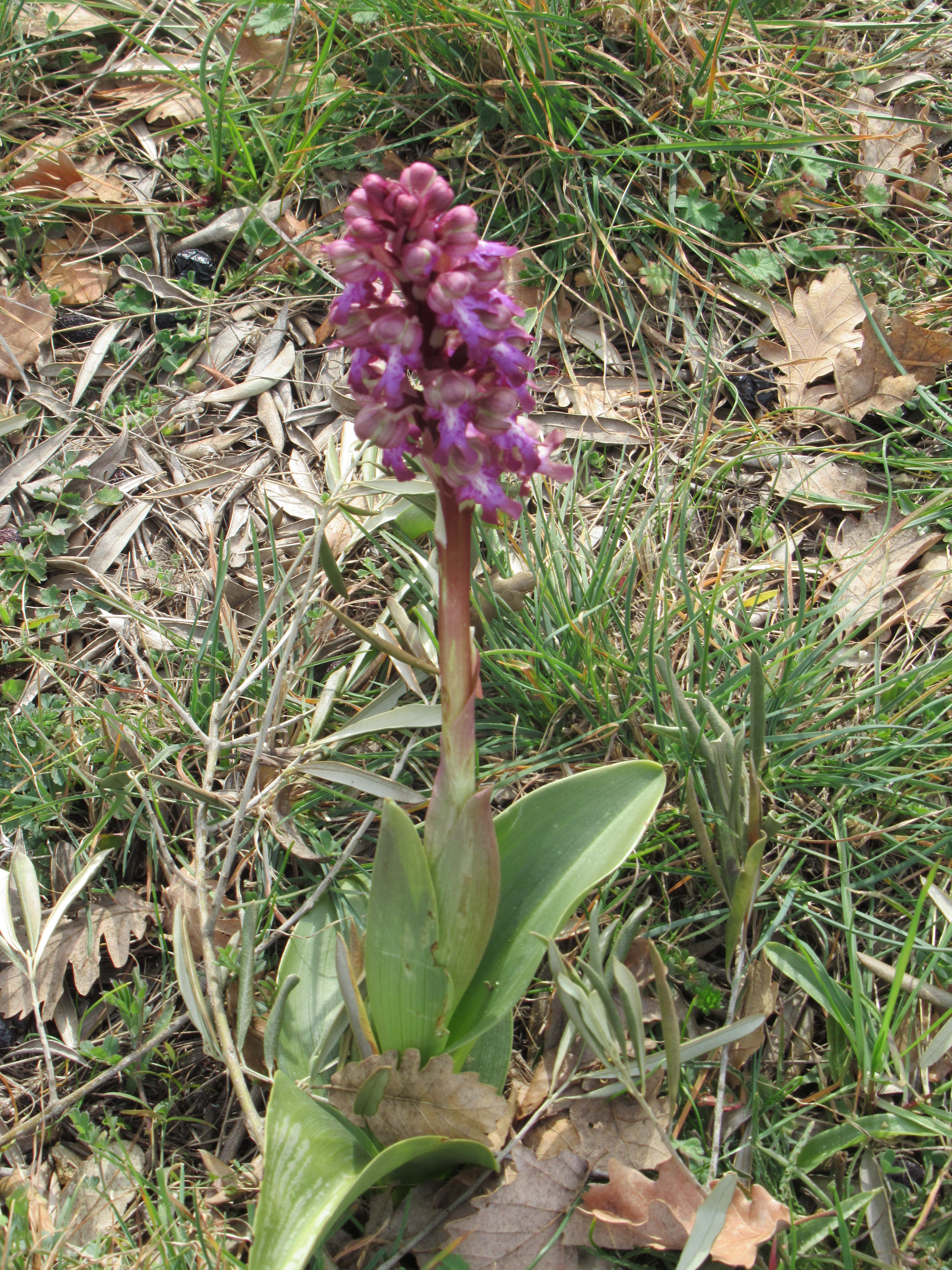
And here’s a wild orchid. They grow all over the place in this region; even down the verges of the lanes.

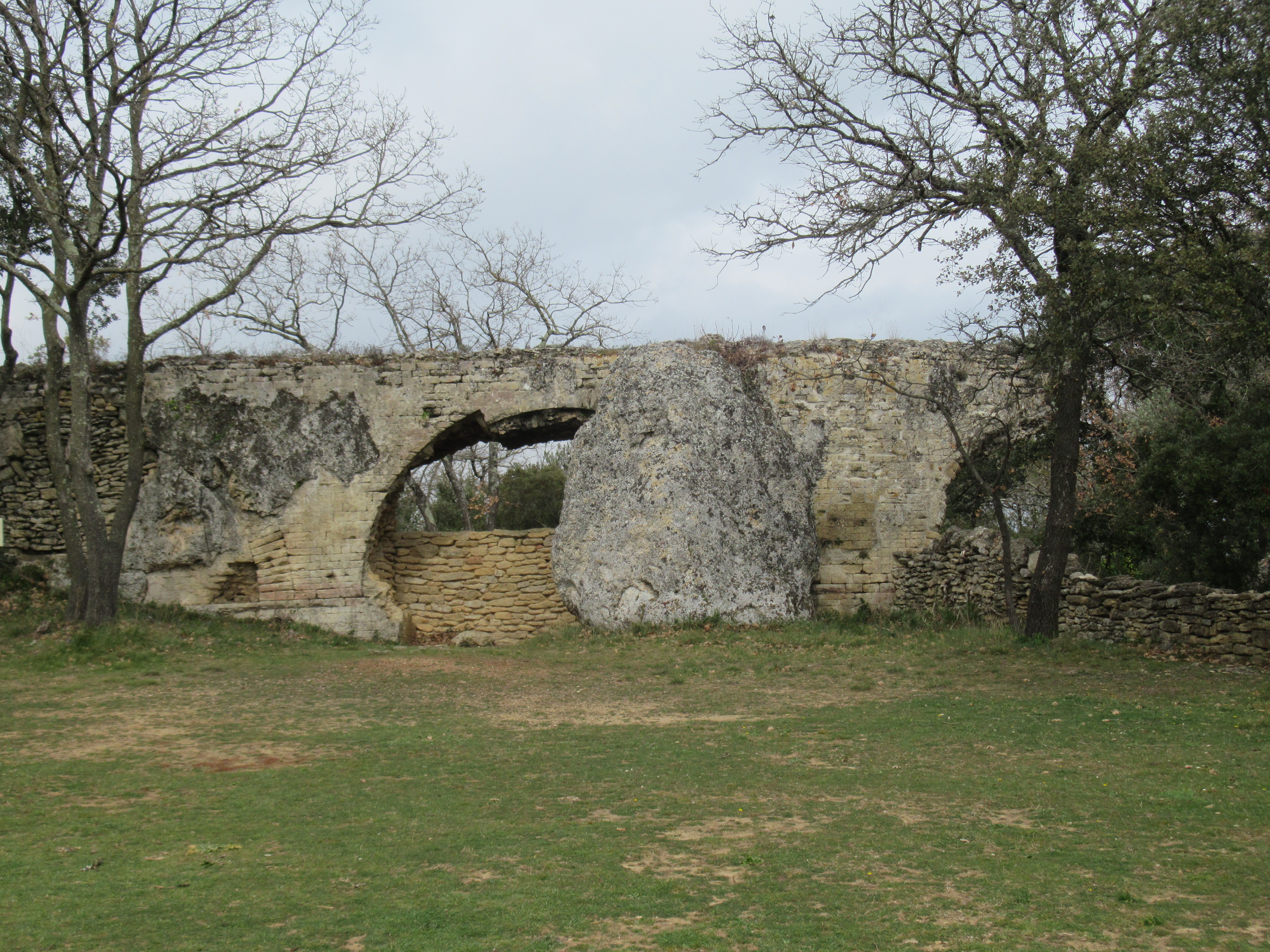
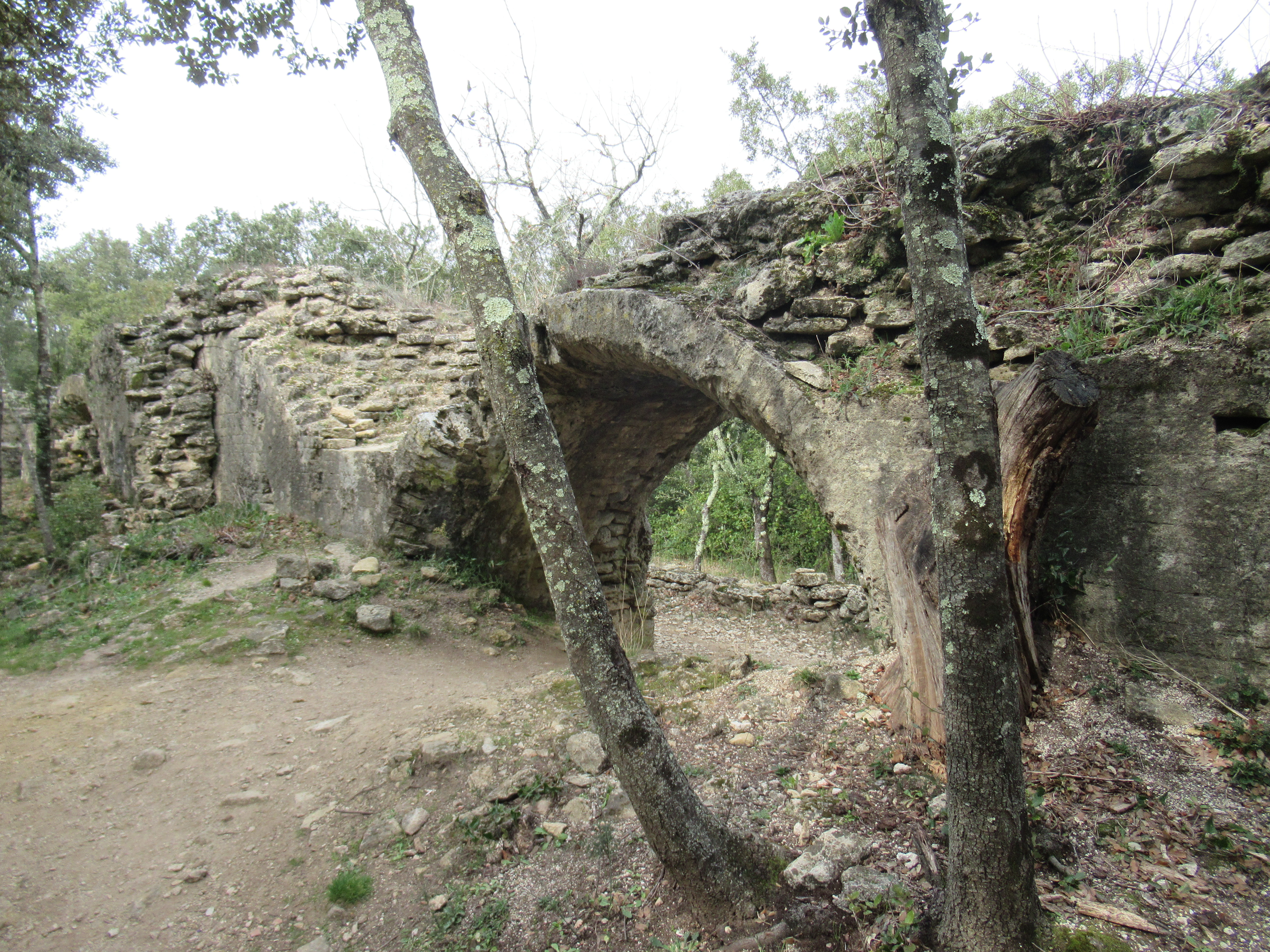
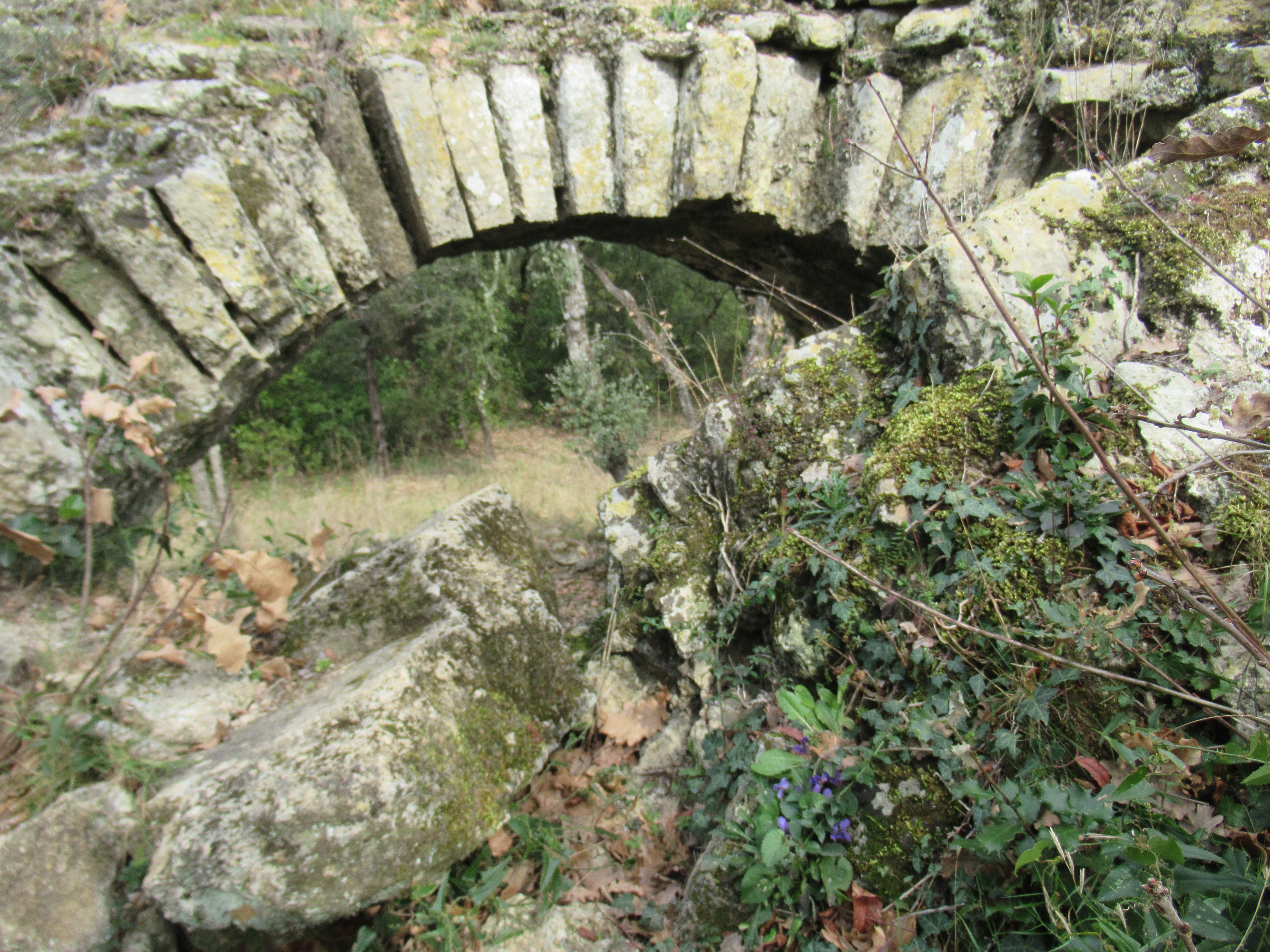
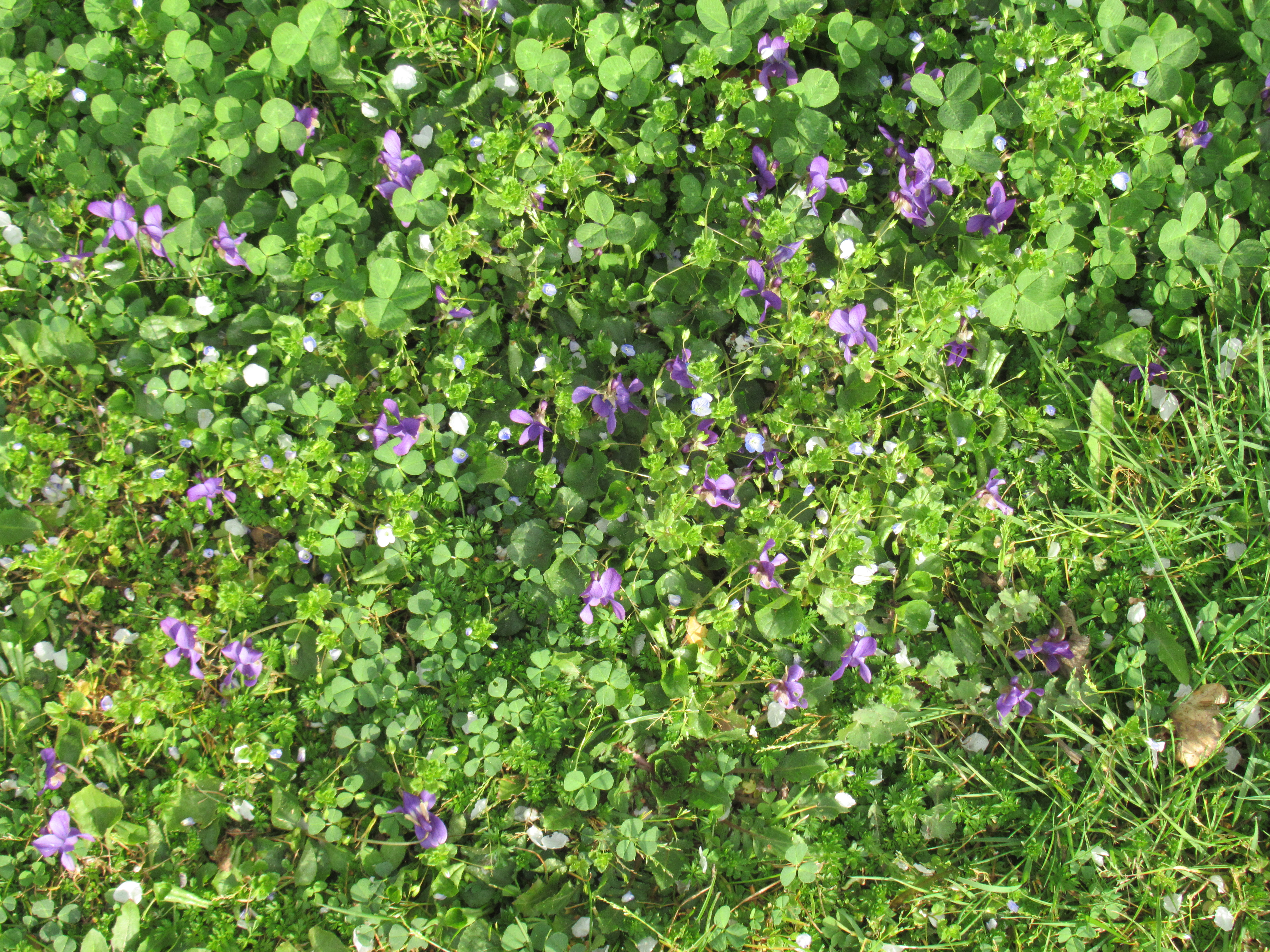
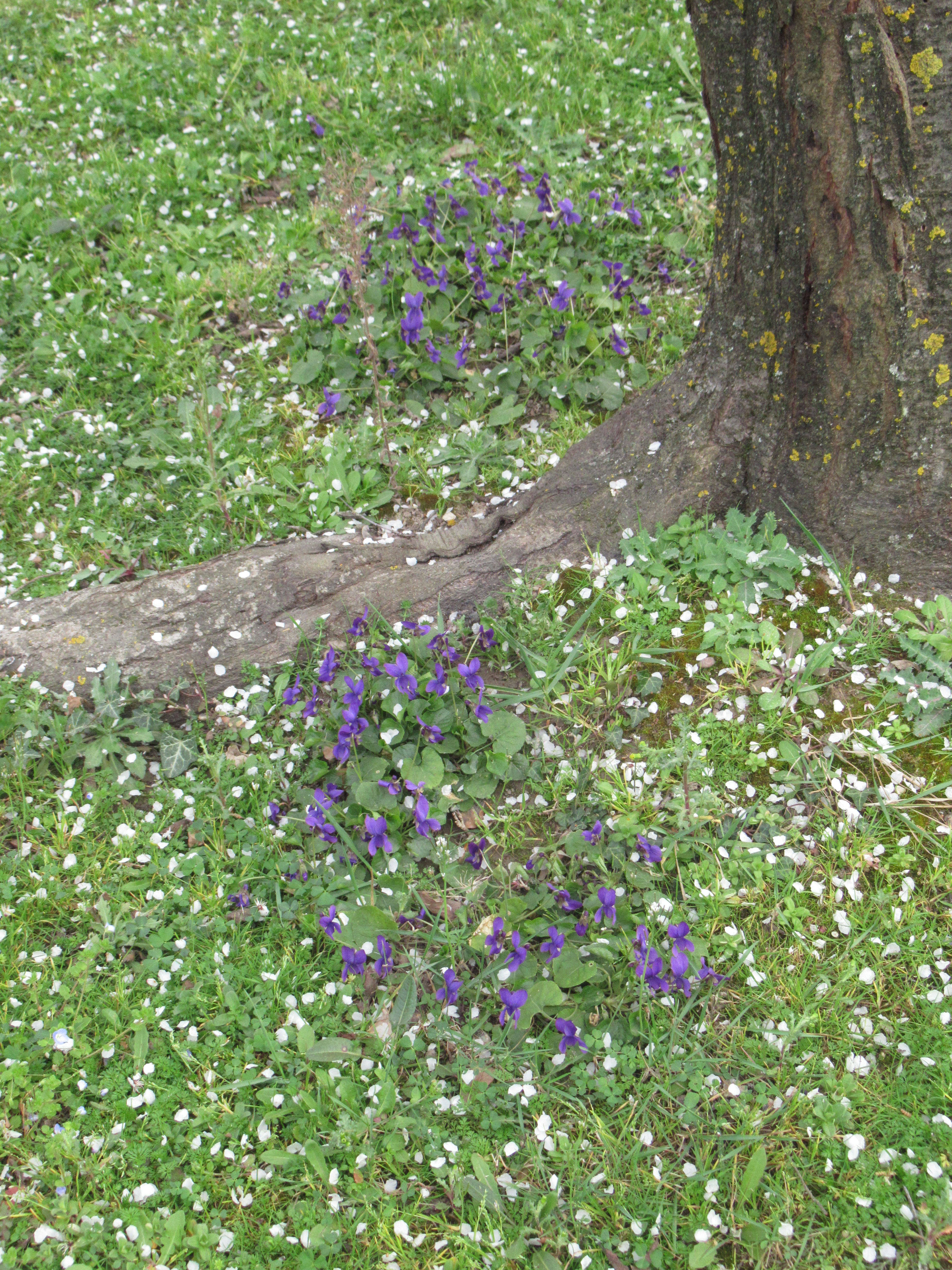
And here are a few brave violets fighting a way through a bunch of stones. Actually, these stones form part of the remains of the aqueduct that carried the water of the River Gard from Uzes to Nimes (via the Pont du Gard). Roman aqueducts were amazing feats of engineering, stretching for miles and miles. The Nimes aqueduct is a middle-sized affair, being a mere 50 kilometres. In the marvellous museum, one can watch a film made by someone using a drone to follow its path and even though it’s nowhere near the longest (426 kilometres in Turkey) it’s still stunning to see the topography traversed.

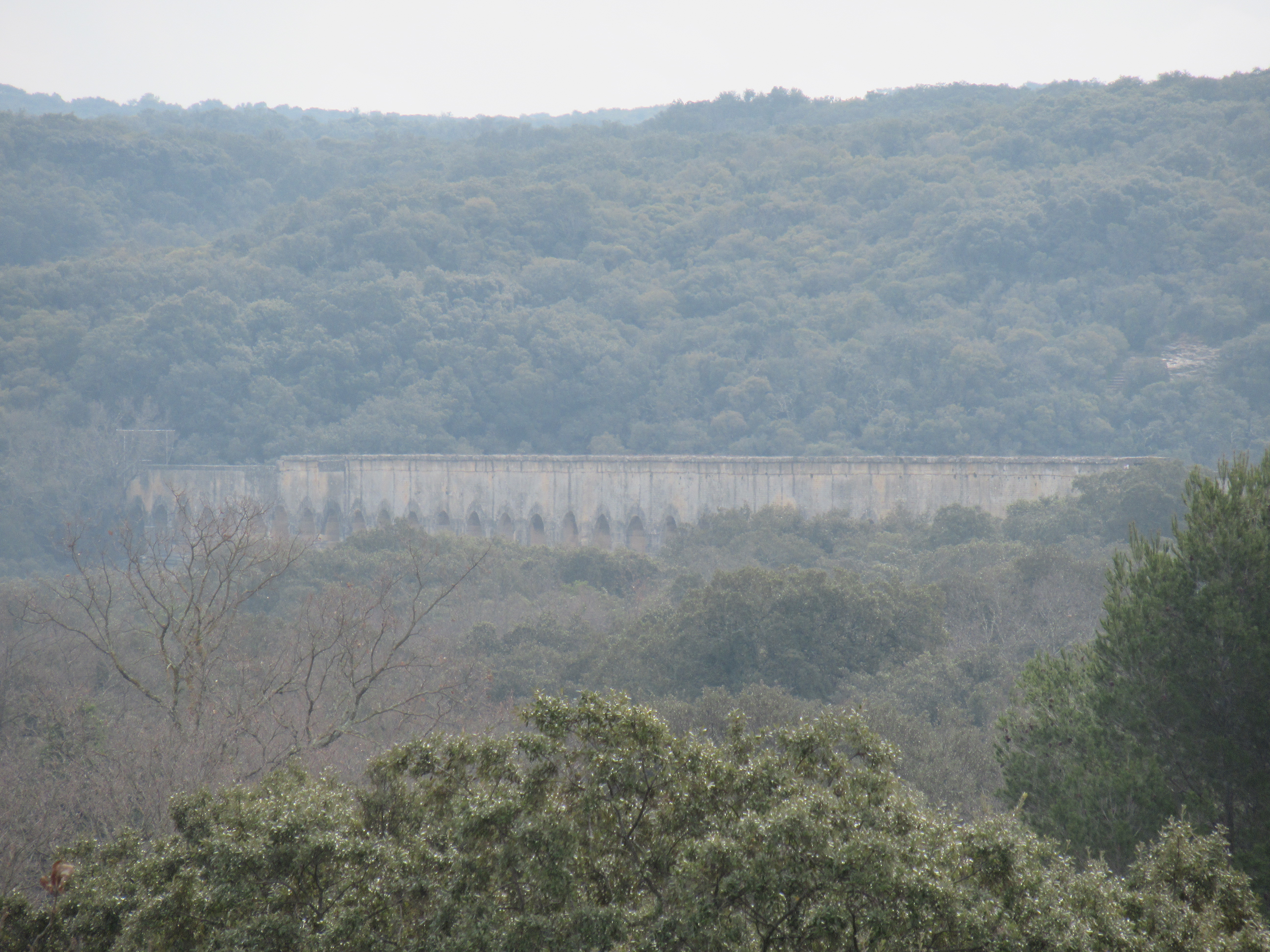
Speaking of which, we traversed a lot of topography on our ramble, finally reaching the viewpoint across the valley of the Gard. I used my zoom to capture the distant bridge which, even in the gloom, looks pretty impressive to me.

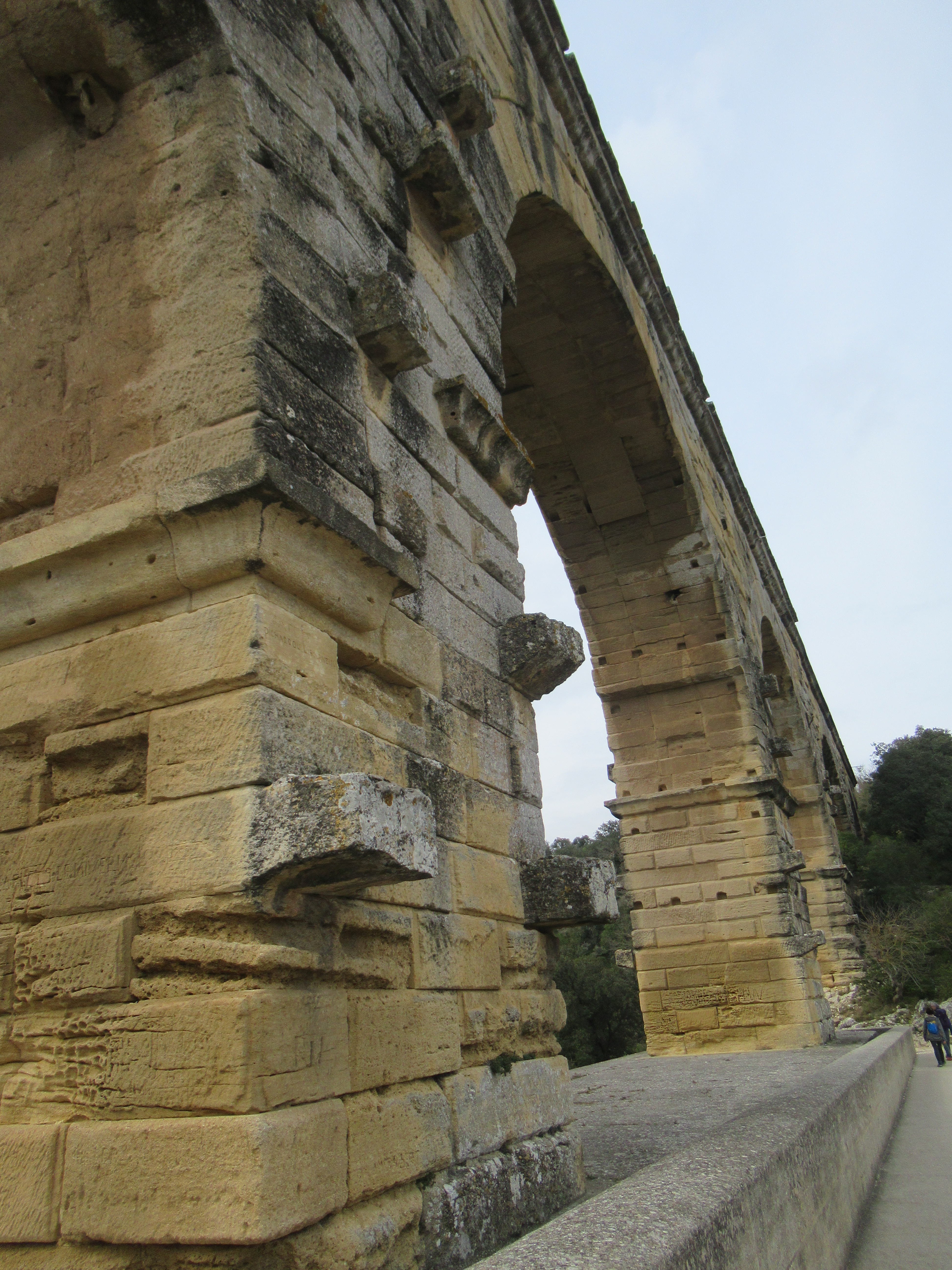
Back down the hill, we finally reached Pont du Gard, and even if you’ve seen it before, in sunlit skies, it never fails to impress. I’m a bit iffy with bridges, even though it seems bizarre to class this one into the generic mix. Nonetheless, we got half way across and one of the things we both noticed was an abundance of swifts darting gleefully around in a desire to mix with history. I wonder how many years they’ve been doing that. There they were again in the film of the bridge in the museum. Amazing that the French haven’t shot them and put them on kebabs. For years I’ve been driving through France singing ‘Aloutte, gentil aloutte’, about the skylark but it’s taken me until now to recognise that the translation is about plucking all the bird’s feathers out, and this nursery rhyme is designed to teach small French children about body parts.

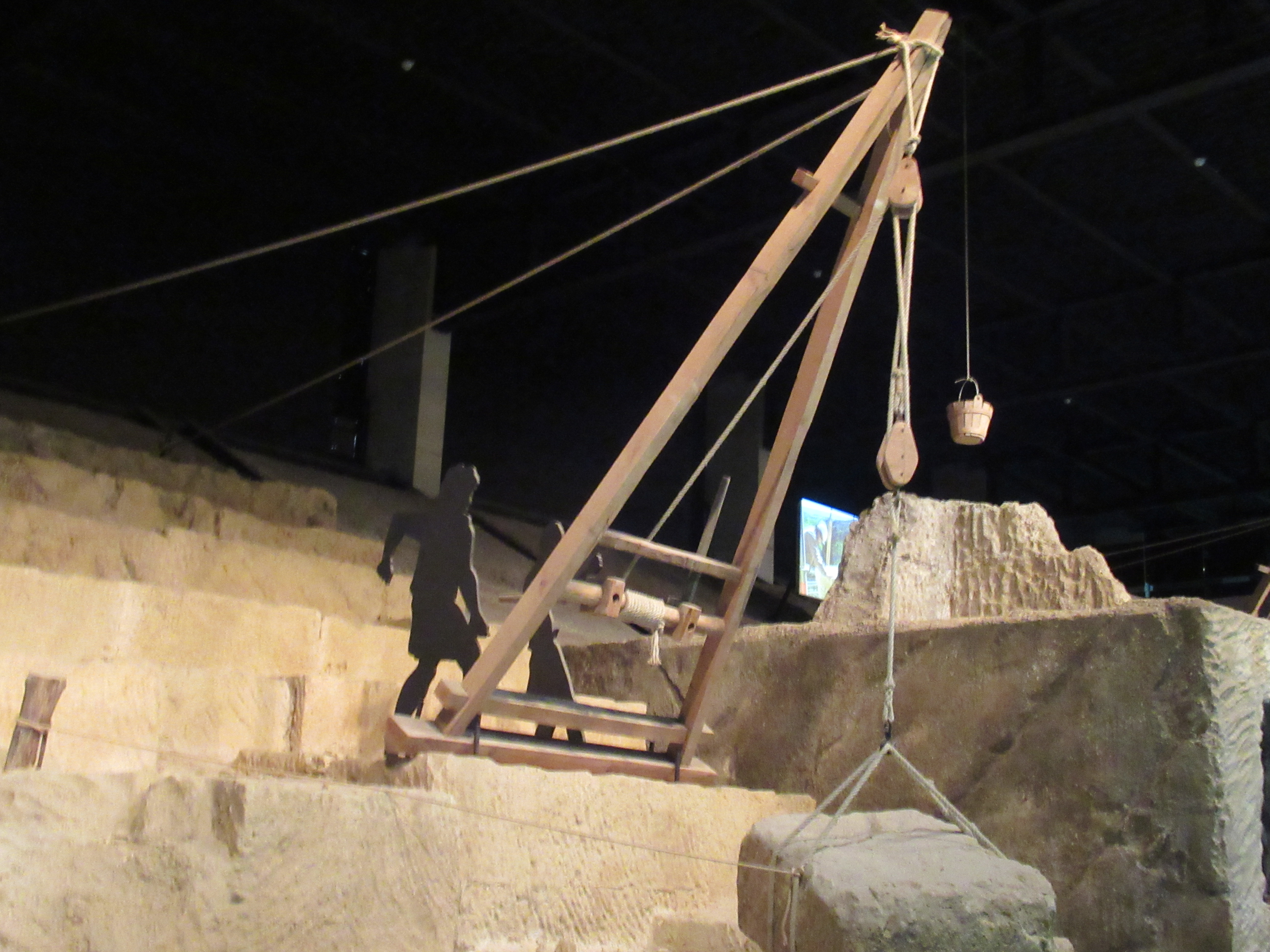
And finally, to the on site museum which is fabulous. Every visit brings something new to look at. Not for the man in front of me though, who was denied access because he didn’t have a vaccine pass. The rules are changing on Monday but no-one knows what to. Good job my host ‘mended’ my pass last night which had somehow disabled itself due to lack of interest. The world can’t cope with pestilence and war simultaneously – one too many horsemen of the apocalypse arriving on the doorstep.

And speaking of the unspeakable, the gift shop was closed. It’s the end of the world.

Chateaurenard

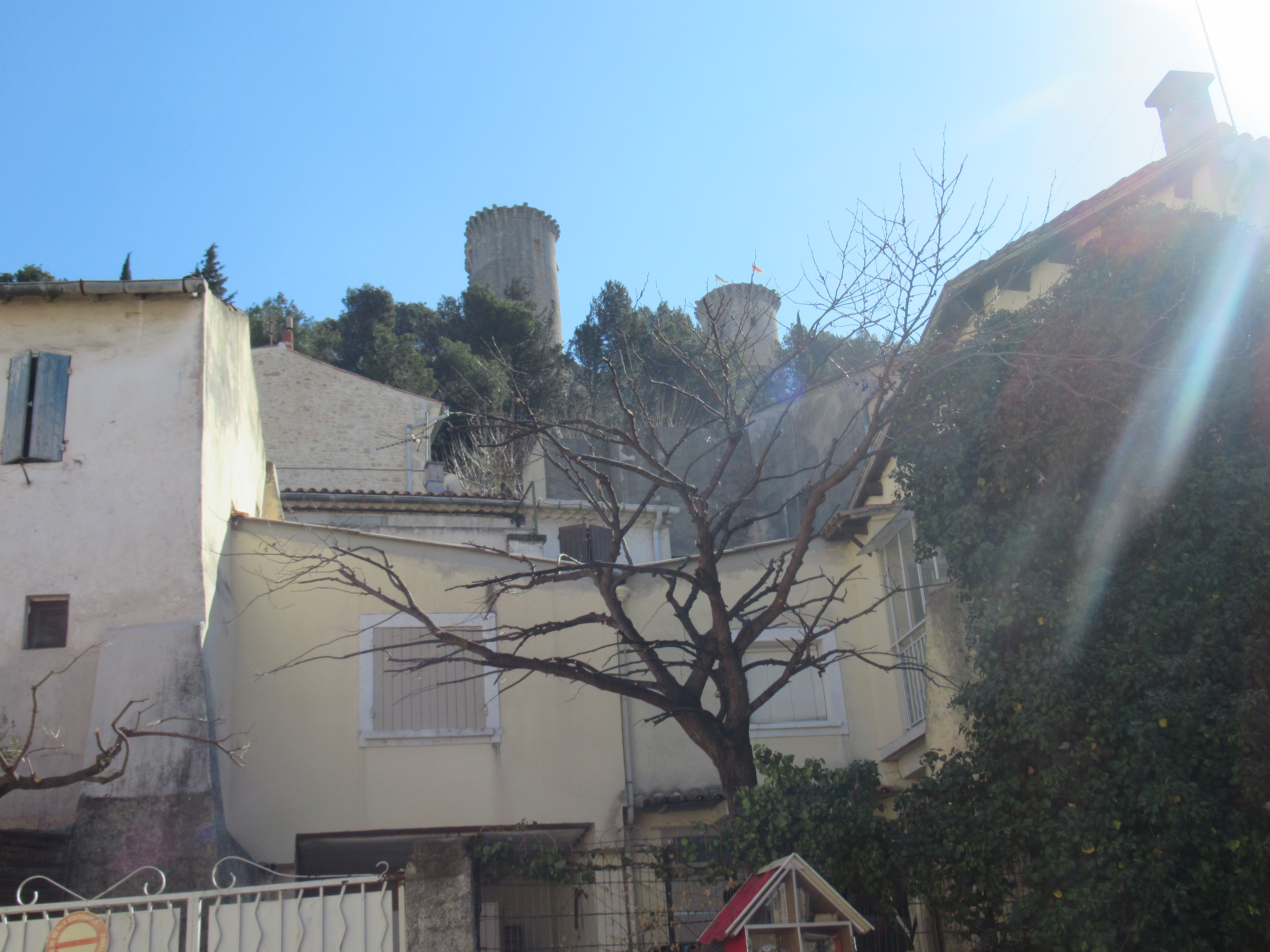
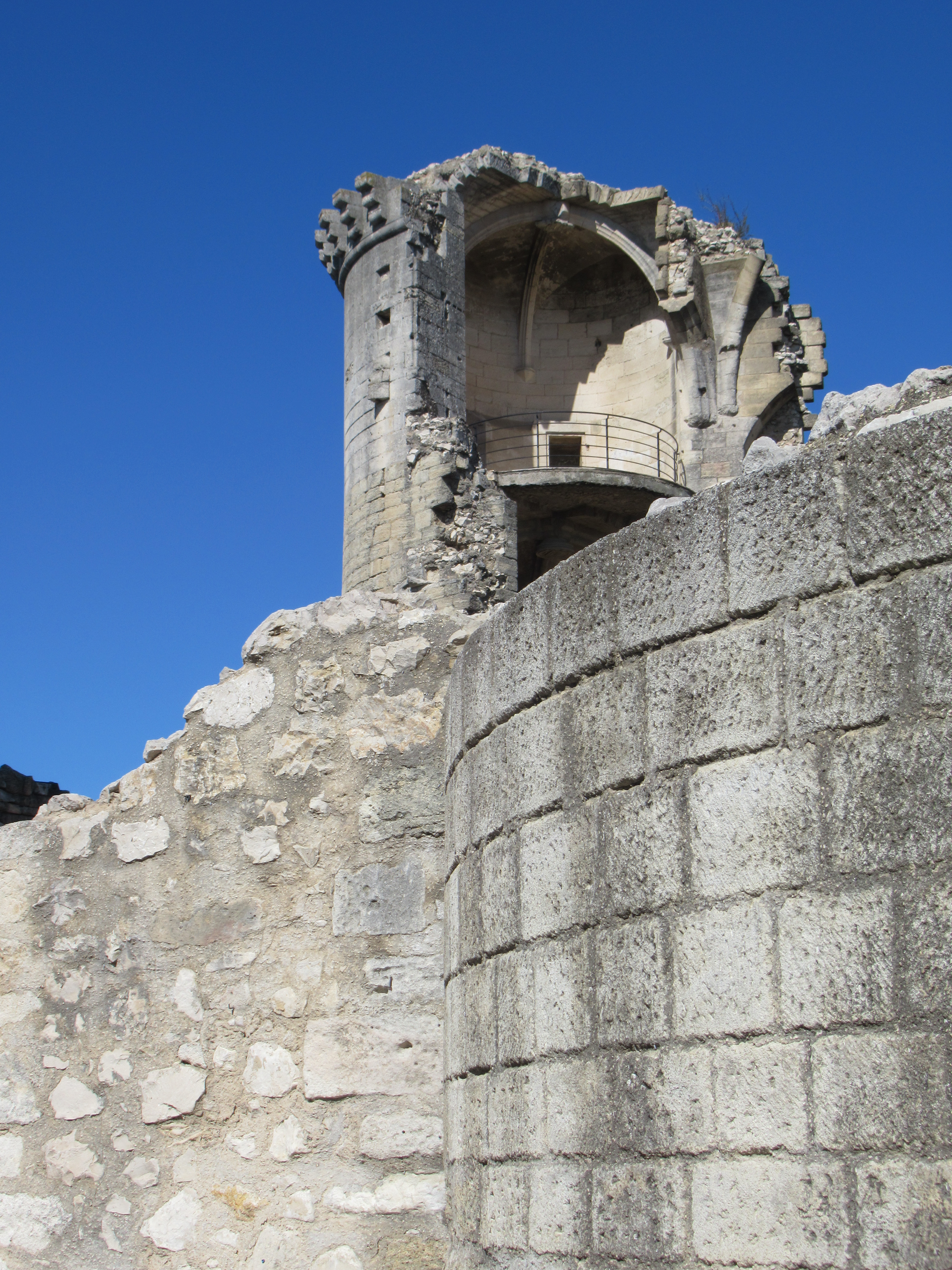
Reader, be warned: there’s going to be one or two snaps forthcoming of the 13th century castle that gives this town its name. Following yesterday’s nonsense with ‘the finger’, I thought it better to stay close to home. Largely this is because a) it takes forever to do the bathing, soaking, creaming and dressing of said digit which means a late start, and b) because I have to return at regular intervals to swig back more antibiotic. Therefore, I thought I’d take a stroll up to the castle in the next town as, having only been coming here for 14 years, I’d never been before. (It’s on a hill!)

Further, as yesterday’s attempt at a picnic with a ham and cheese baguette was reasonably successful, I thought I’d repeat this culinary exercise. After all, today is Vendredi which means Plat du Jour everywhere is Aioli which is surely the worse meal the French ever invented. In Chateaurenard, there weren’t too many bakers’ open but I found one and politely asked for a sandwich to be made. ‘What would you like in your sandwich’, asked Madame? Ham and cheese please. ‘Certainment’. Off she went only to return with the goods saying ‘no cheese’. No explanation, just no cheese. This must be the only joint in France with no cheese. I felt cheated and begrudgingly paid for the ham baguette.

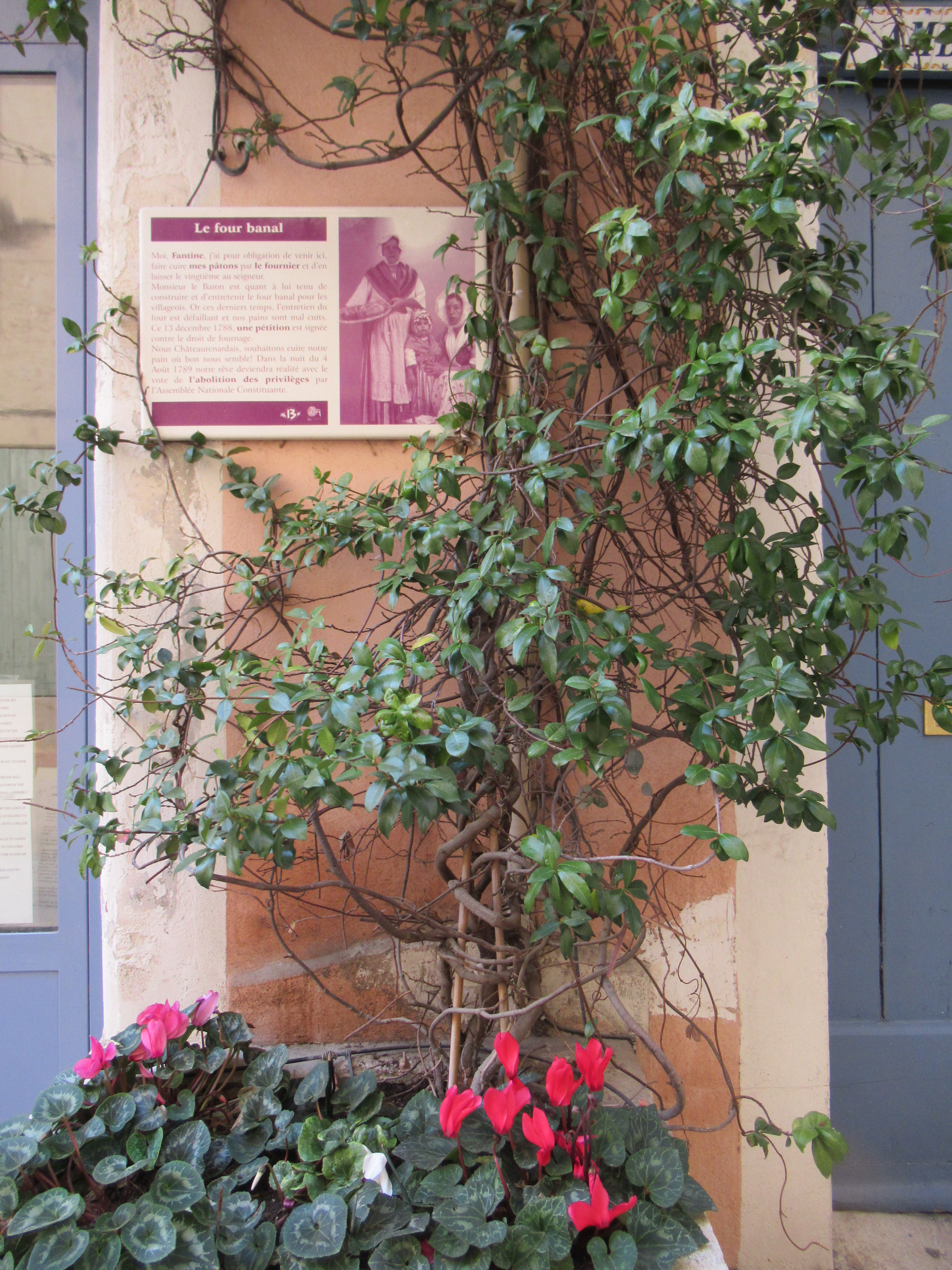
On the way up the hill, I passed by Le Four Banal which means the banal oven. Hmm. That must be where they make the ham and cheese baguettes with no cheese.

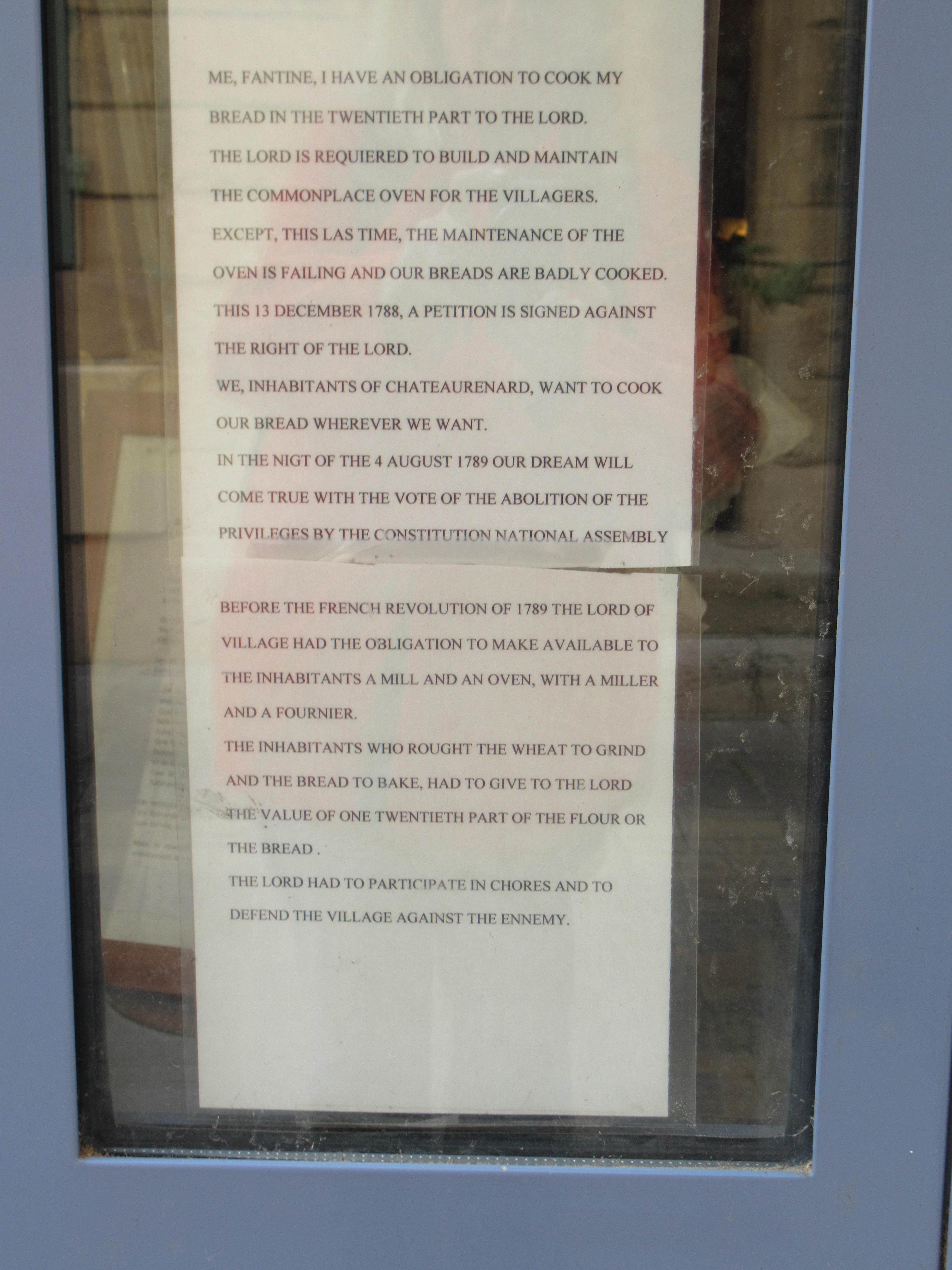
So, I could put my version of events but what’s the point when someone has bothered to write an explanation in English and tape it to the window. By the way, I hate people who start a sentence with ‘so’. This thing with the bread is historically interesting: in French restaurants, a carafe of water and a basket of bread arrives on the table regardless of whatever else is ordered and someone once told me that it’s actually due to an old law which states such sustenance must be provided for the poor. Just as well no-one mentioned cheese.

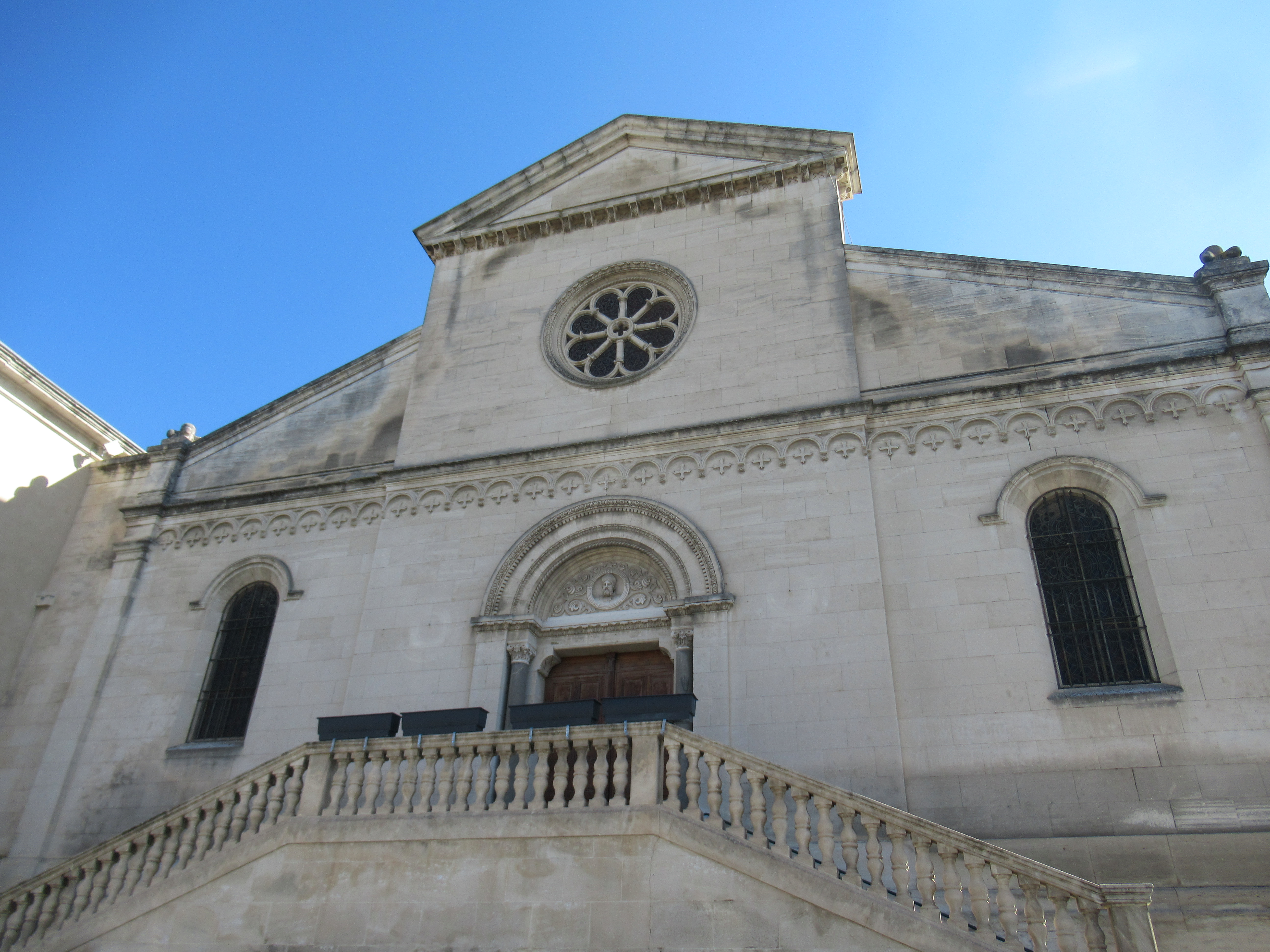
I arrive at St Denis’ church. I’m sorry, but it’s not that wonderful. Admittedly, it’s open, but there are no lights so it’s almost impossible to see anything.

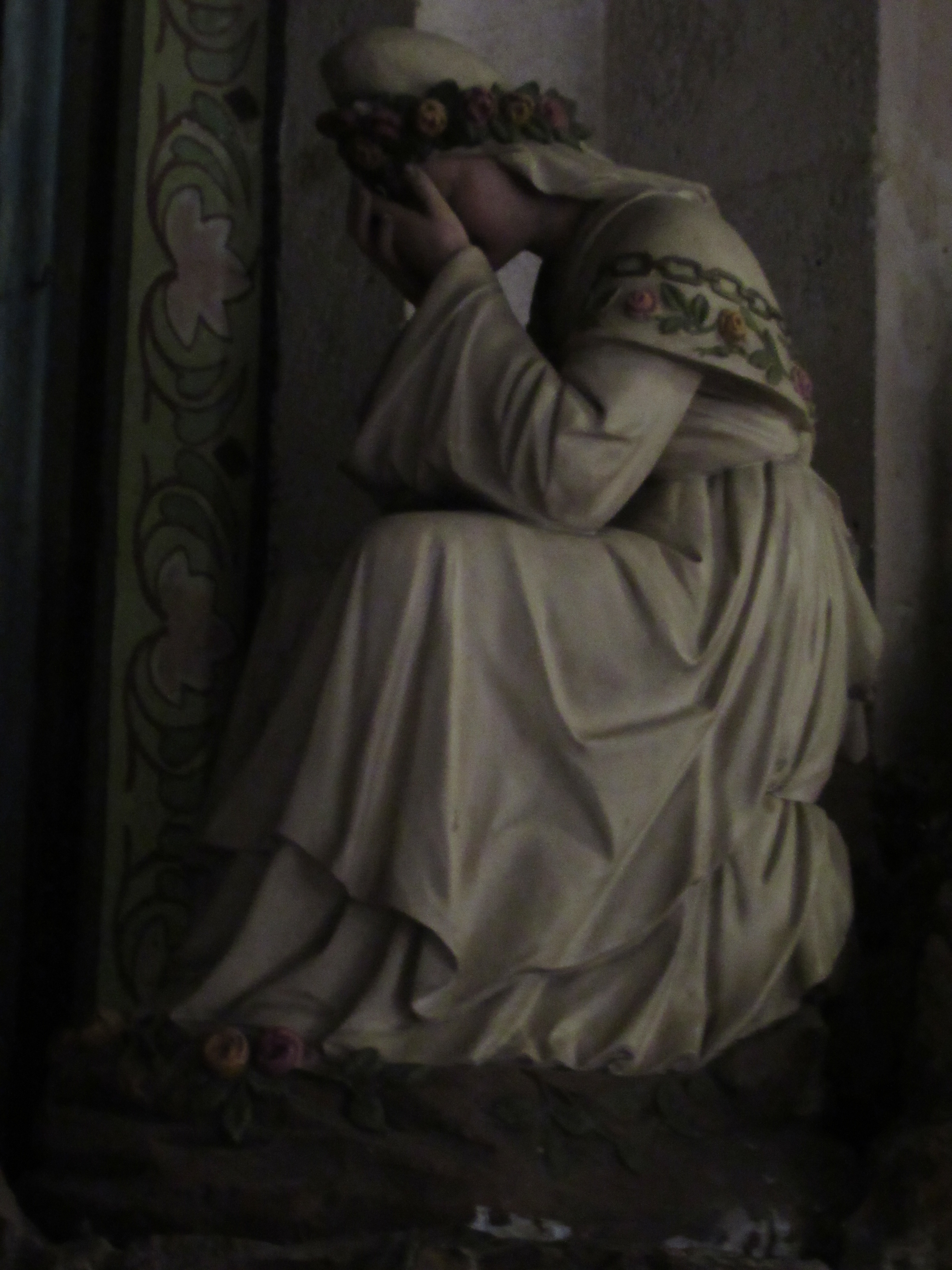
I found this lady sitting in the darkness. I think she’s just heard there’s no cheese available in town.

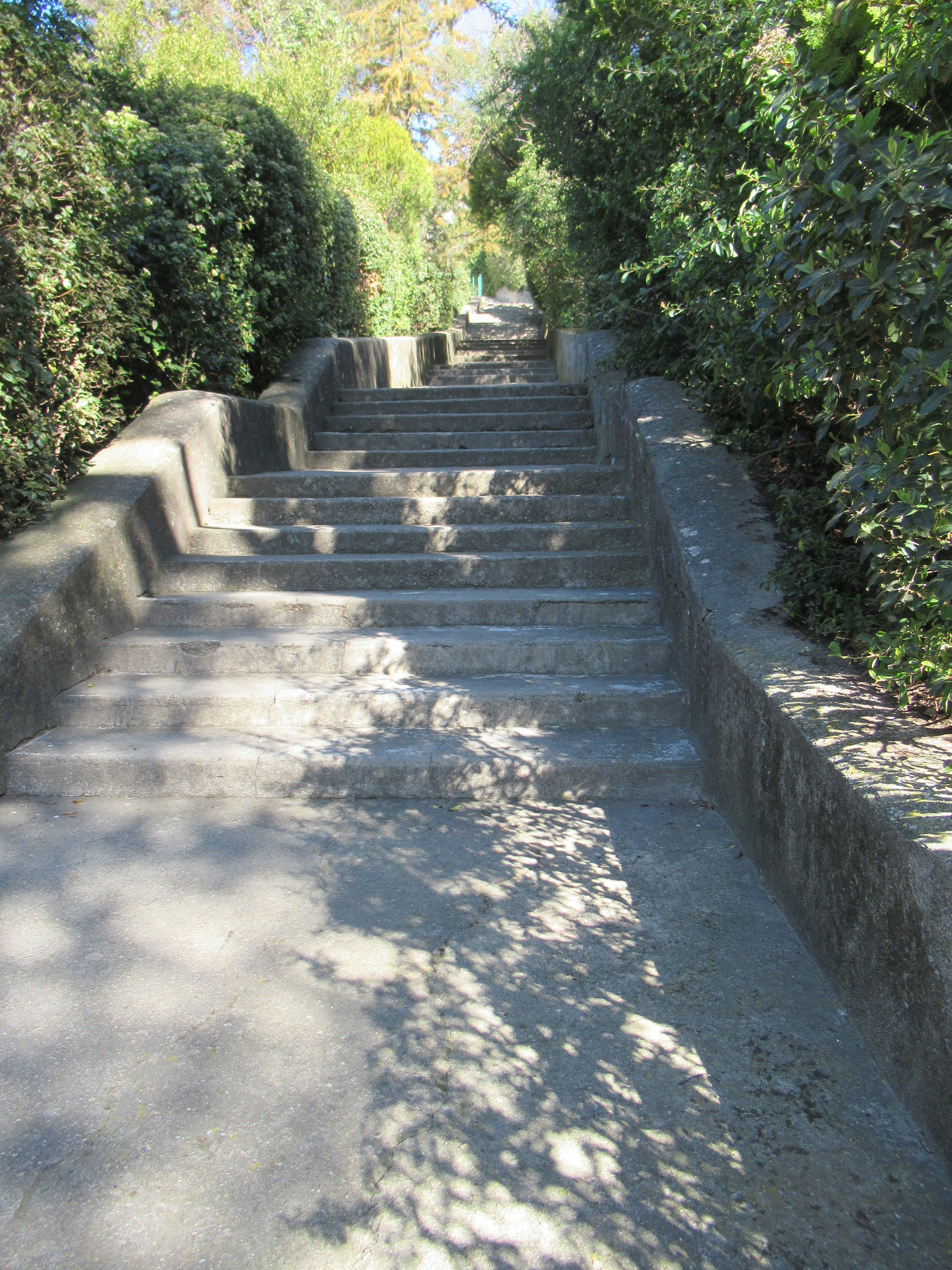
And so begins the final ascent to the castle. I have lots of photos like this but I feel exhausted just looking at them.

One of the saving graces (of which there are few), is that everywhere one looks there are banks and banks of wild Rosemary which is just coming into full bloom.

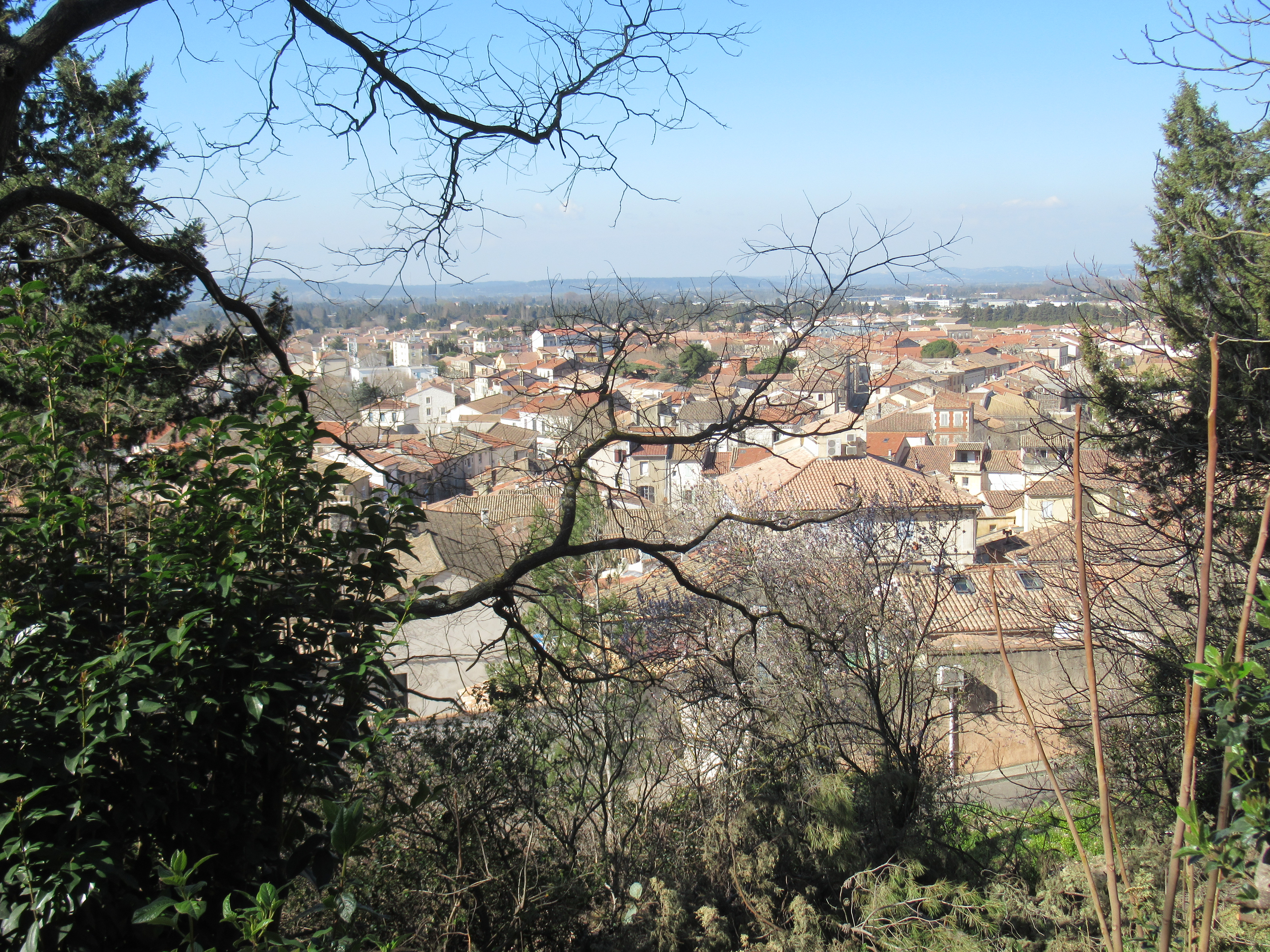
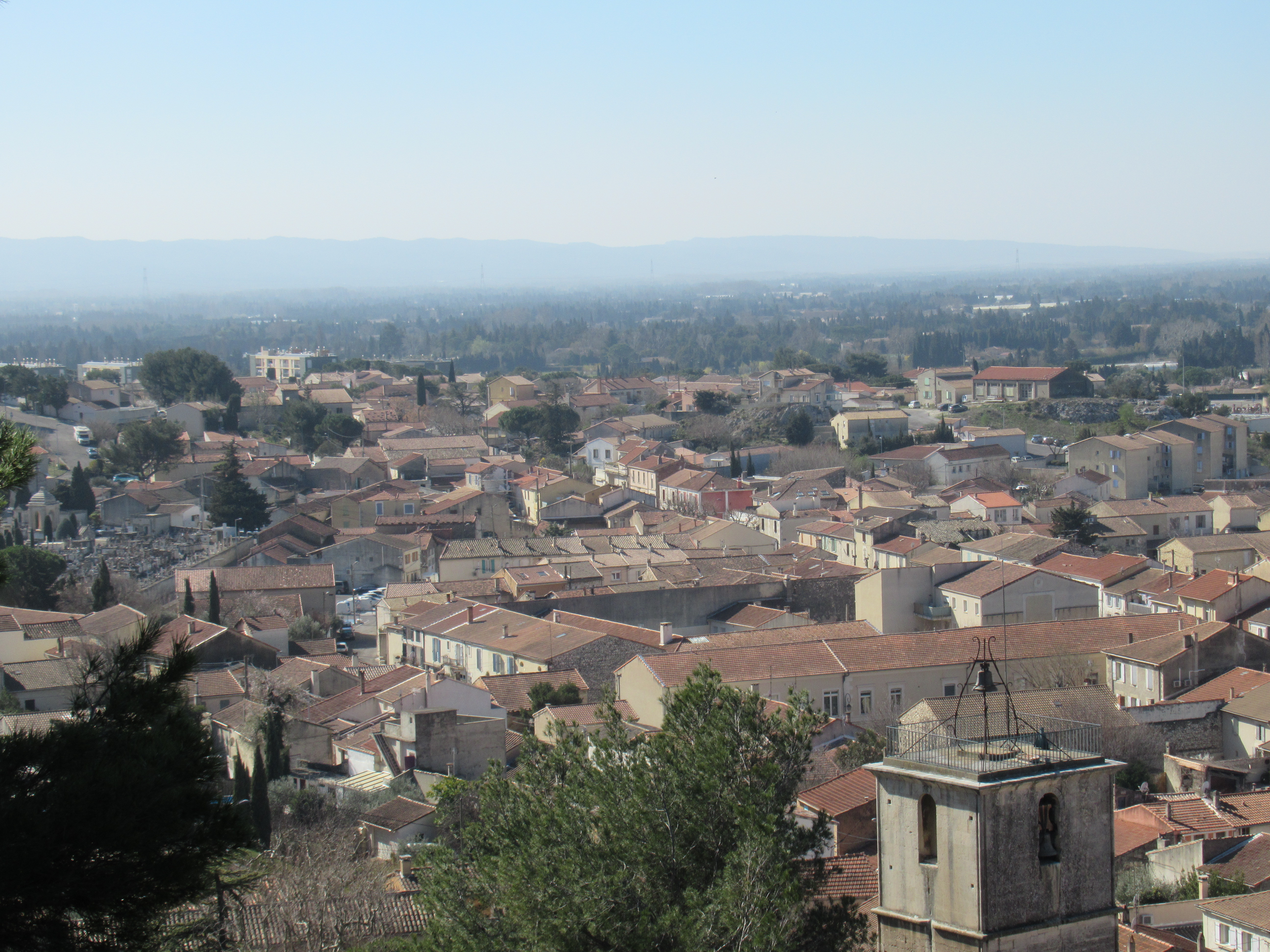
And then there are the views which, the higher I climb, are more and more spectacular. Whoever thought Chateaurenard could look so charming?

And there’s the castle on the hill. Oh wait, is that Ed Sheeran I can hear?

It’s a bit windy up here and I feel a little exposed but look how far I can see.

Just popping this one in to show how close I was when I stopped for lunch.

This is the view from the seat where I ate my ham and cheese (minus the cheese) baguette. That’s the Ventoux over there in the distant haze. I’m up here all on my lonesome. Is anyone joining me for midi?

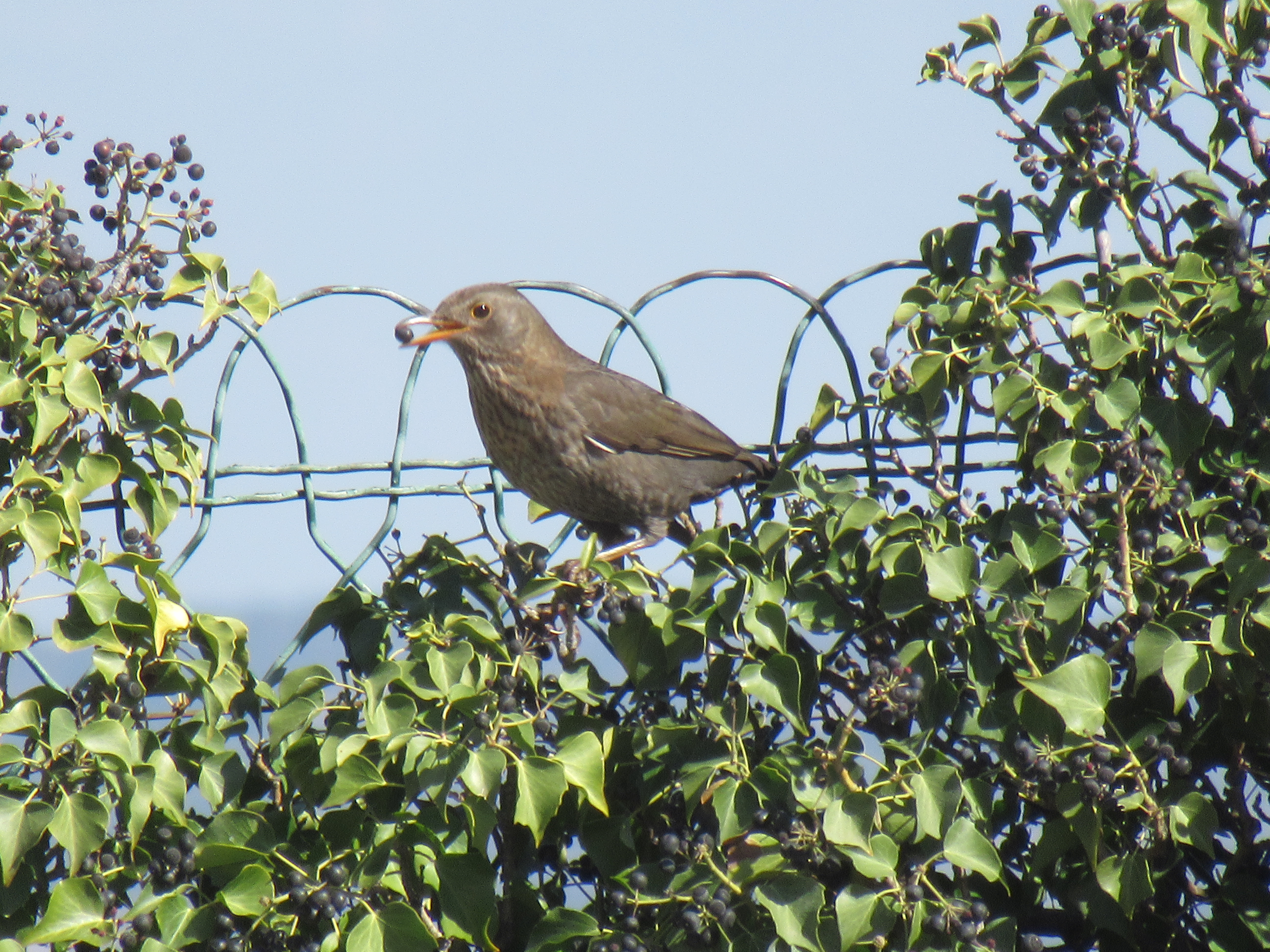
Yes, look here’s Mrs Blackbird who’s come along for a berry or two.

And over there’s a collared dove having a little nap in the midday sunshine.

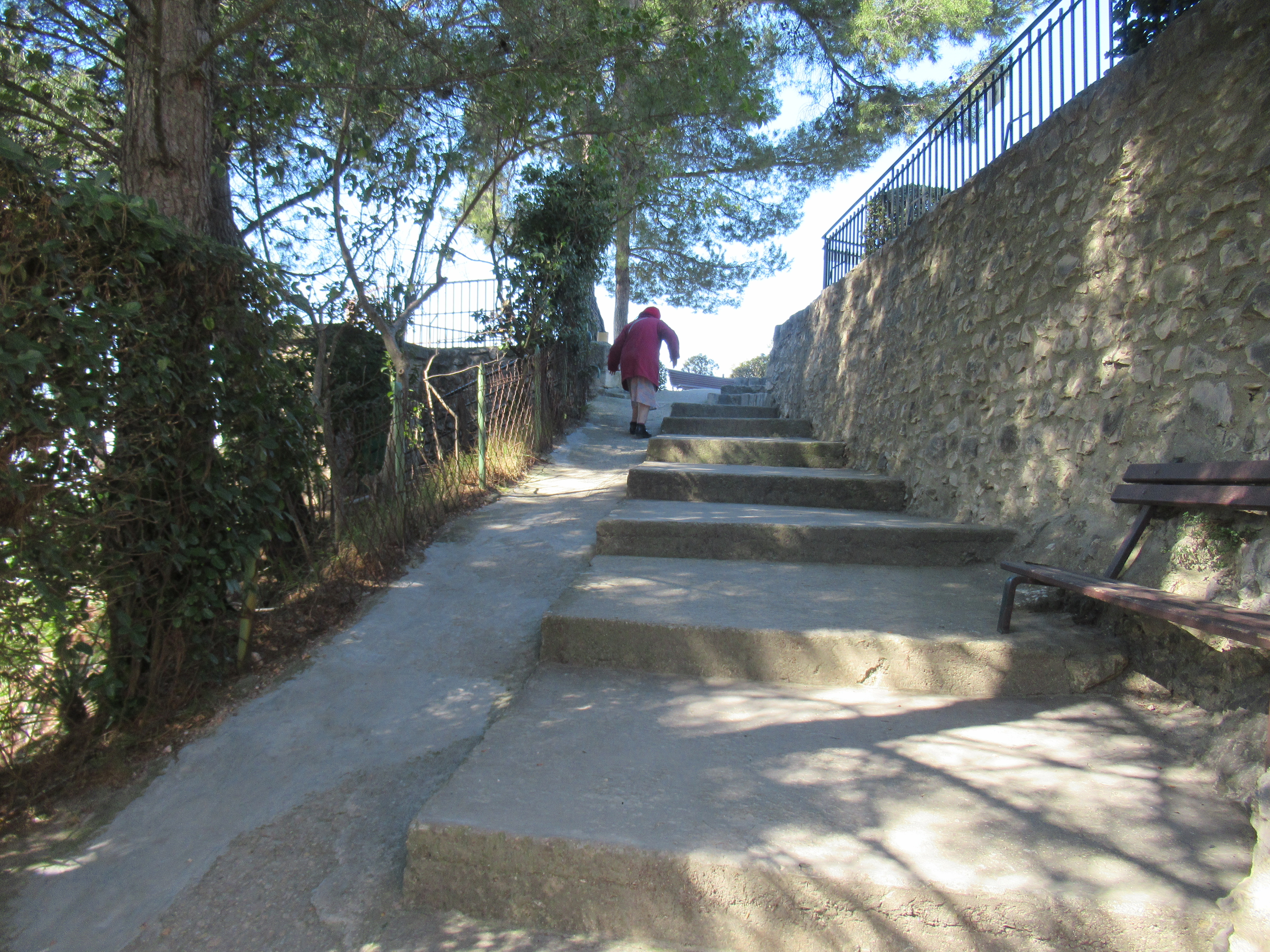
Reader, although I never feel lonely, sometimes when taking a walk I feel alone. And just when I thought, not for the first time, that no-one knows where I am (and do they care?), I bumped into this ancient being struggling up the incline. ‘Bonjour Madame, bon promenade’, she says in passing, and I give myself a good slap.

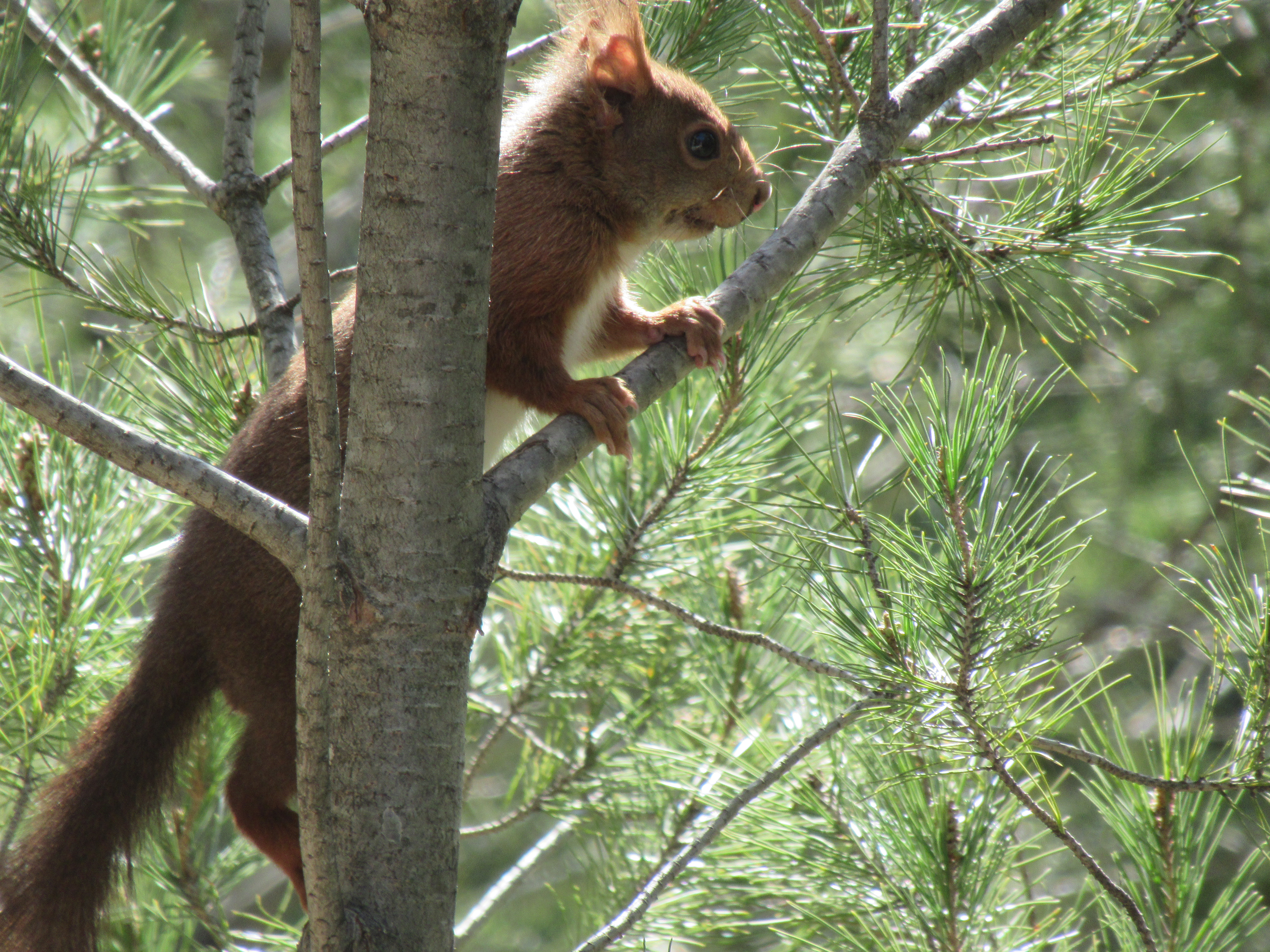
And as if to say ‘look what’s up here, a wonderful red squirrel stops to survey the scene immediately in front of me.

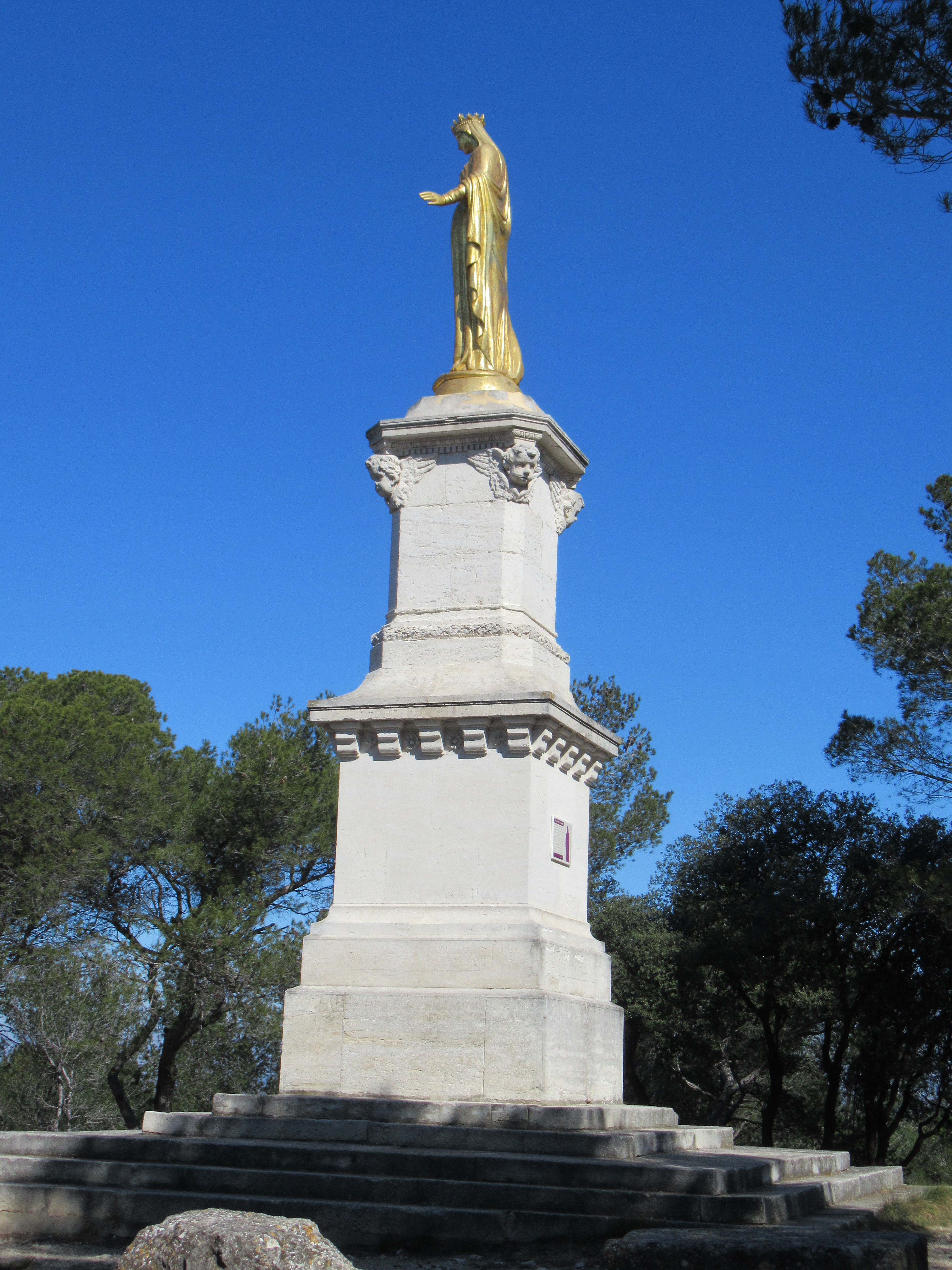
Then, unexpectedly, the Virgin Mary is here. I’ve done my best with the photo but there was a sheer drop in front of her and handrails were as much in evidence as the cheese in my baguette.

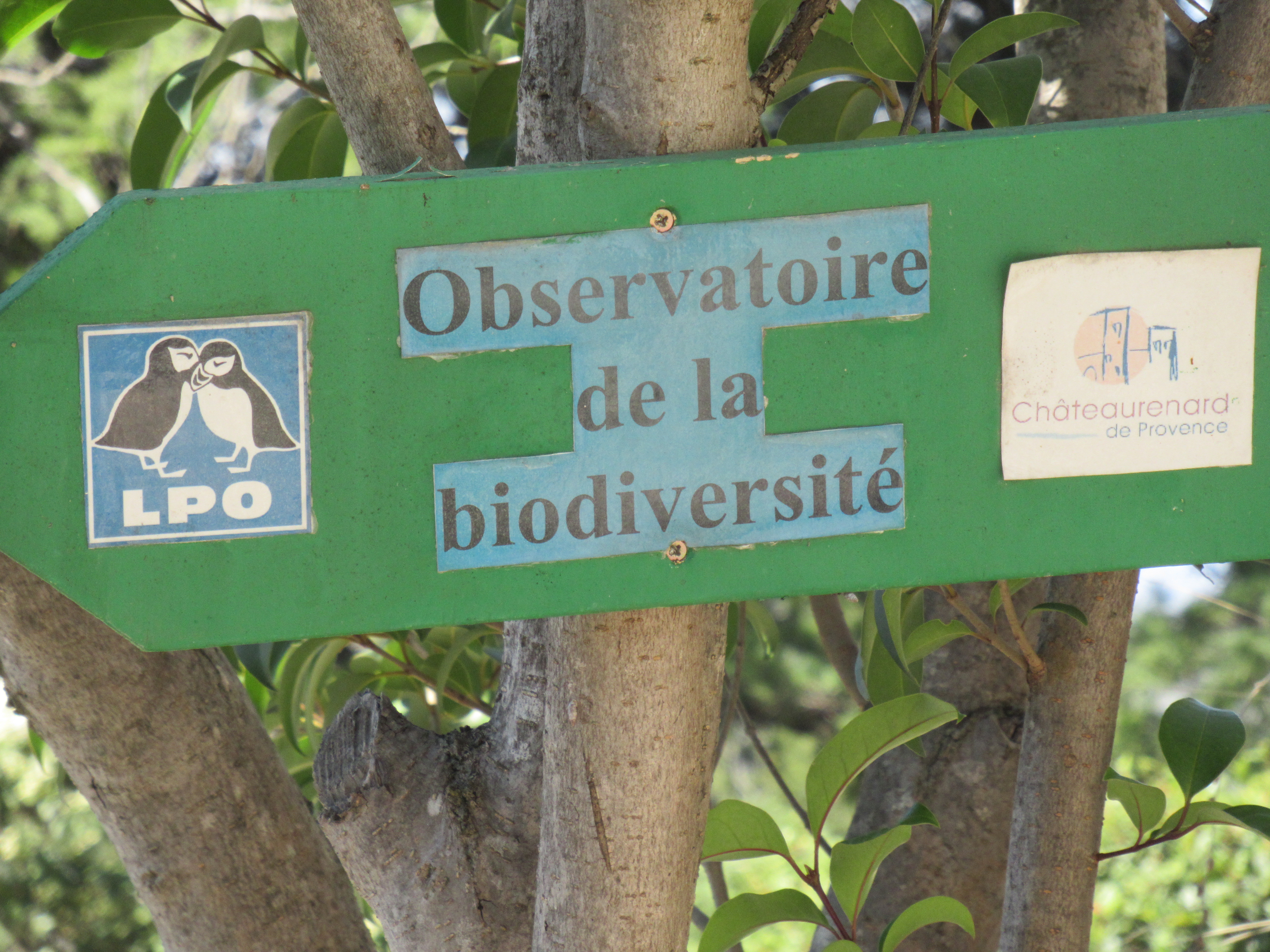
I begin my descent and find this sign. I don’t, for a moment, suspect the existence of biodiversity up here but even I am not optimistic about spotting any puffins.

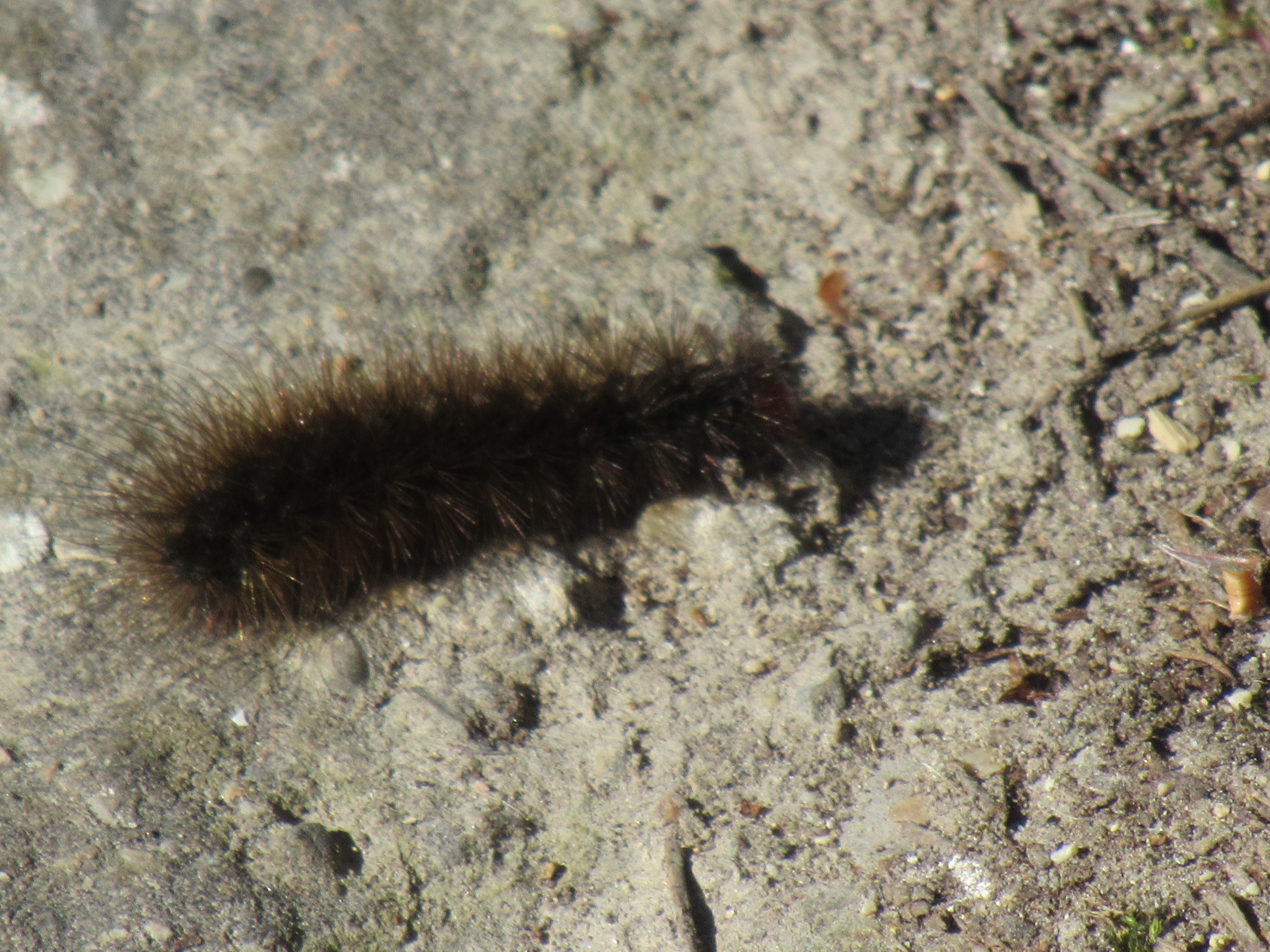
However, in a change from my ‘look up’ philosophy, I look down and spot this caterpillar. I don’t think I’ll be going any closer – I’ve got enough skin problems already thank you.

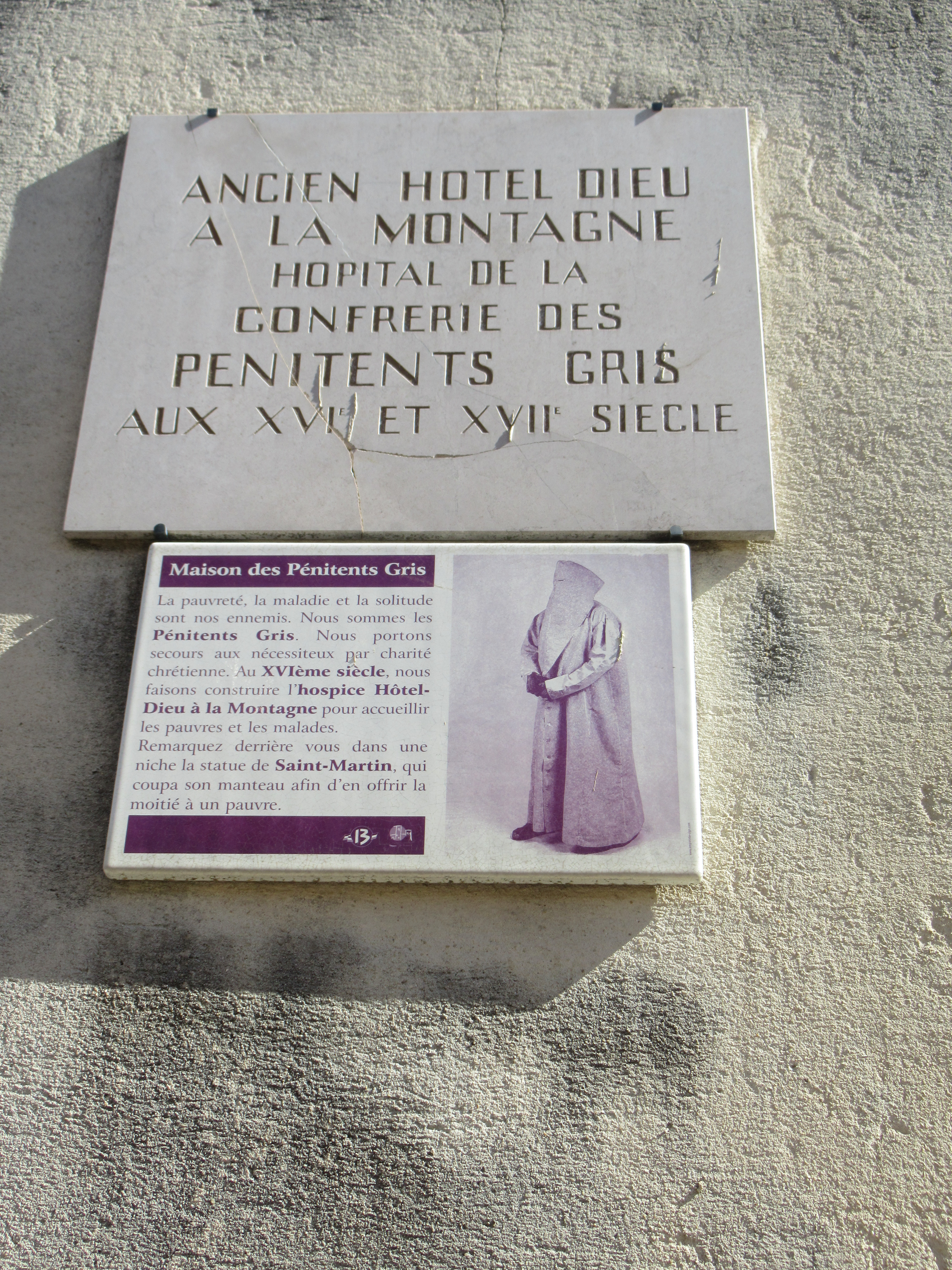
Back down the hill, I find the memorial to the grey penitents. Not sure I like that image: looks a bit like the KKK with a droopy mask. But what a wonderful walk.

Unexpected destinations

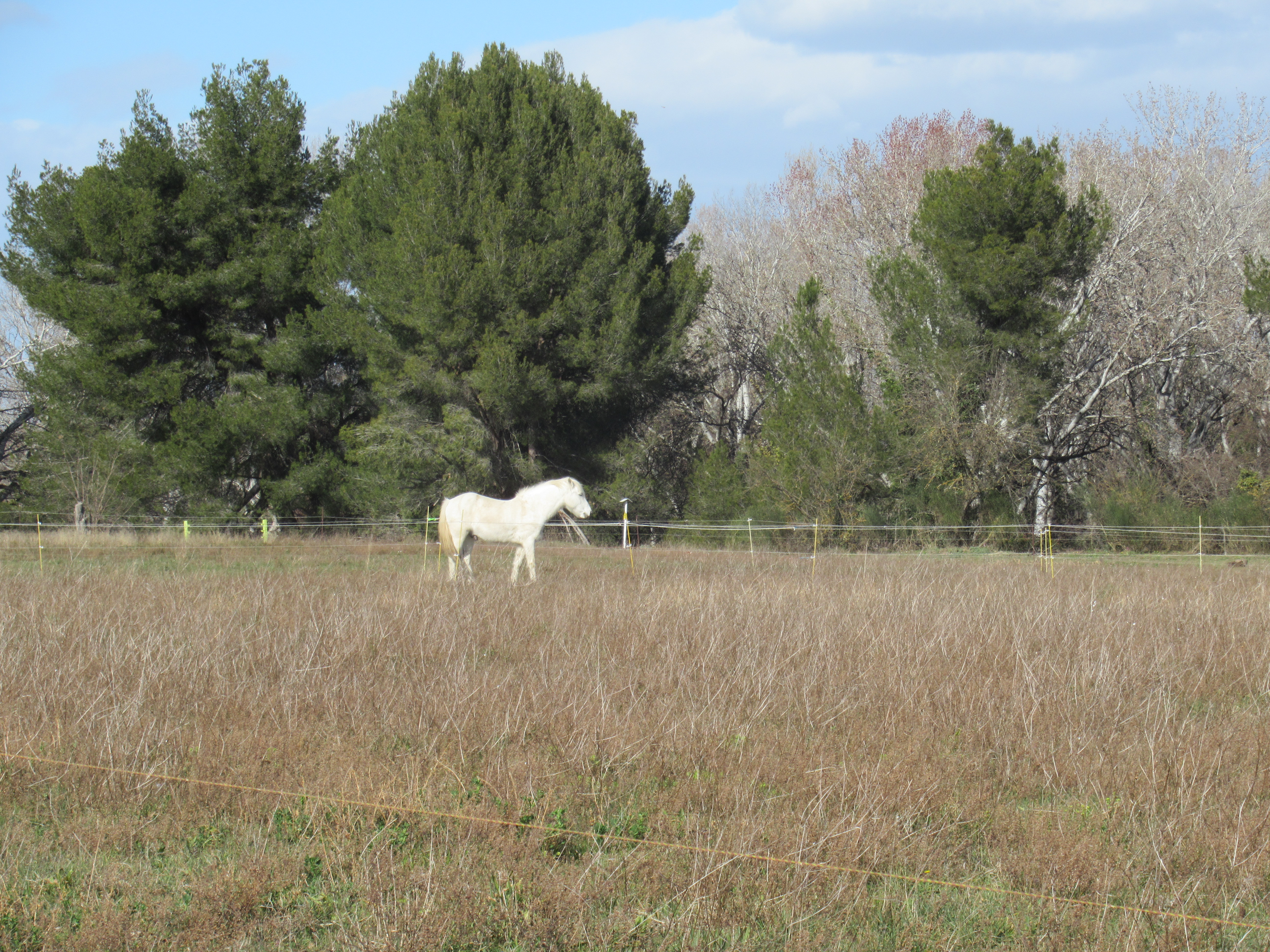
There’s a place in the Camargue that I’d like to visit, but am having a spot of bother finding. This isn’t it – just contextualising with a snap of a Camarguaise pony. I’m not giving the name of the place because folk will just look it up and say, ‘oh, that place is easy to find’, from the comfort of their armchair. I mean, people around here, who don’t even own an armchair, are saying, ‘I don’t understand why you can’t find it’.

My friend Eleanor and I, neither of whom I feel are especially dumb, went looking the other week and got in a dreadful state. Irritable doesn’t come into it. In the end, we gave up, vowing never to come this way again. We found a sign to a place we recognised and, yet again, were forced to have lunch.

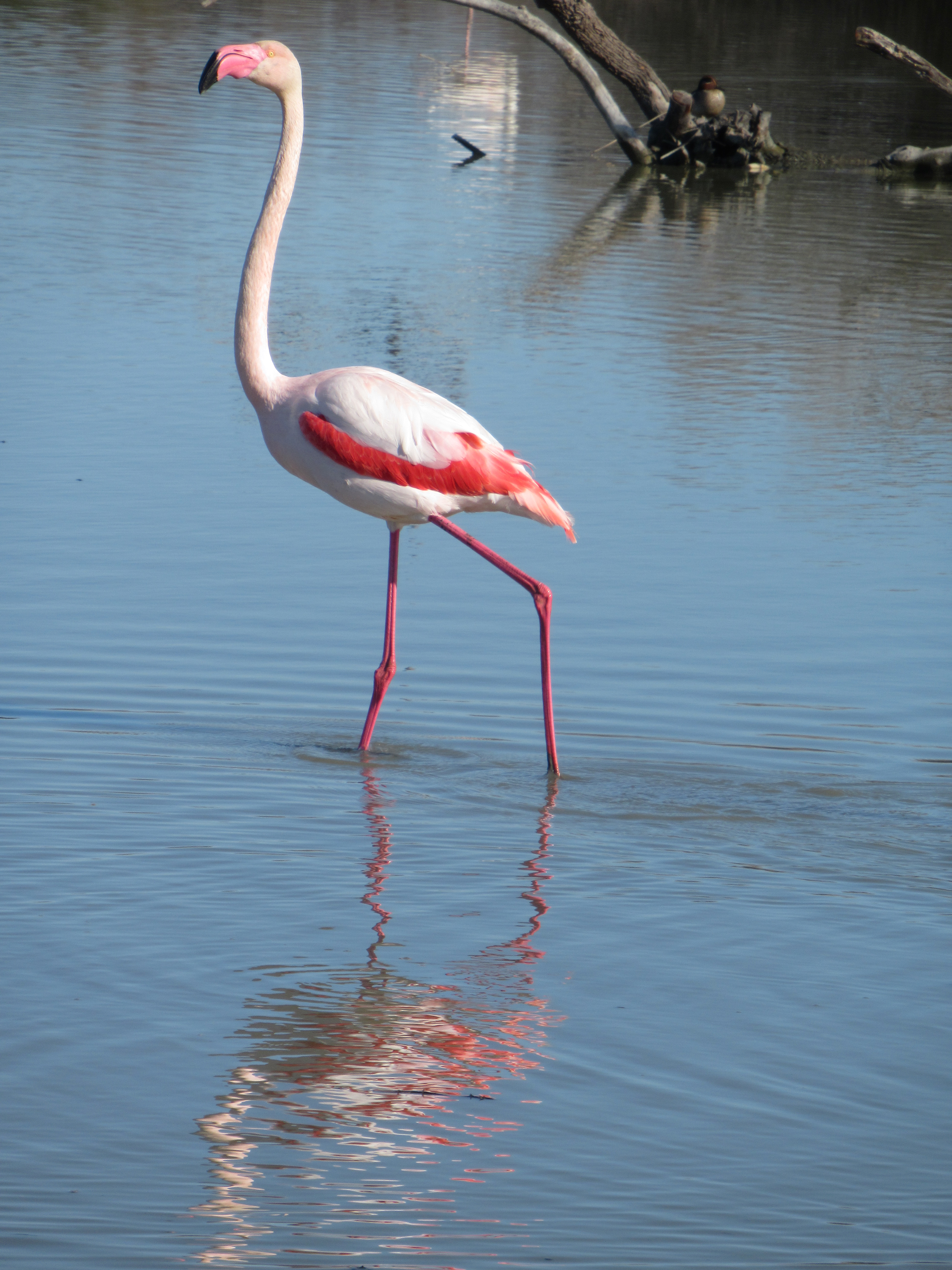
You’ve seen this photo before but I’m showing you again for two reasons: a) because he looks so supercilious and b) because I don’t like giving into being unable to locate a place – hence ending up here on the second attempt, which is also in the Camargue.

After swimming, I go into St Remy and have my coffee at Cafe Grand Riche. (I didn’t take this photo and can’t find a credit so sorry). The waitress there knows me now. When she spots me, she gives a ‘thumbs up’ sign, to which I answer likewise, and my double expresso magically arrives. The two old men and the elderly lady say Bonjour now instead of looking upset at the intruder. It’s a little thing but I love it: it makes me feel accepted for a while. Anyway, this morning, they were shut! I don’t know why and I felt a bit offended so the first unexpected destination of the day was some other joint across the road where I actually had to tell them what I wanted. And their coffee was bitter and arrived without the complimentary mini biscuit. Further, I’ve got something suspect on the end of my finger which has been annoying me. At yesterday’s book club, the ladies had a look at the video my builder has sent of the renovations before discussing various treatments my finger could receive. It looks a bit fierce this morning. Sulking in the sun, I yet again retrieved my ‘Birding Paradise’ brochure and planned another route to THAT place.

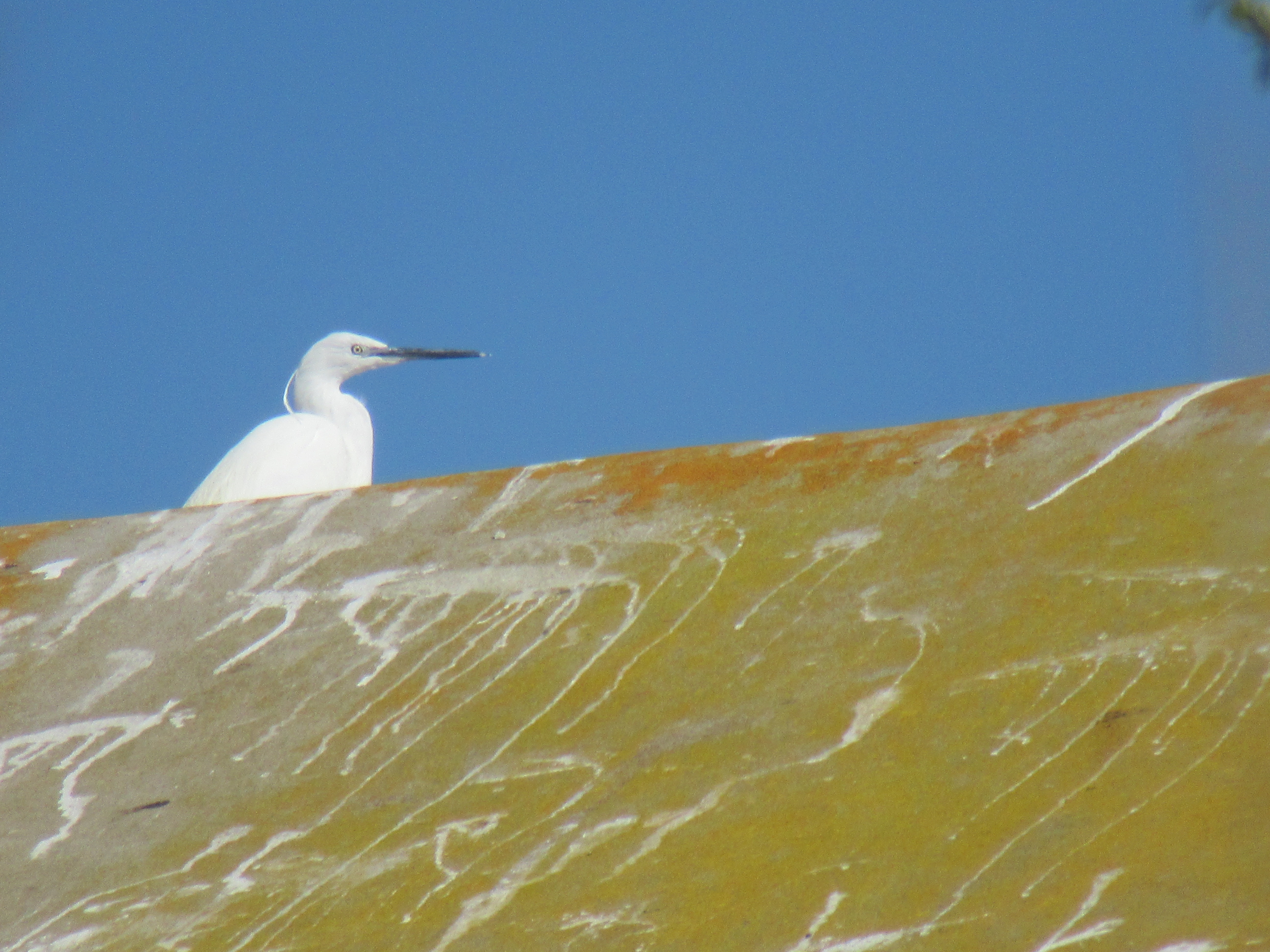
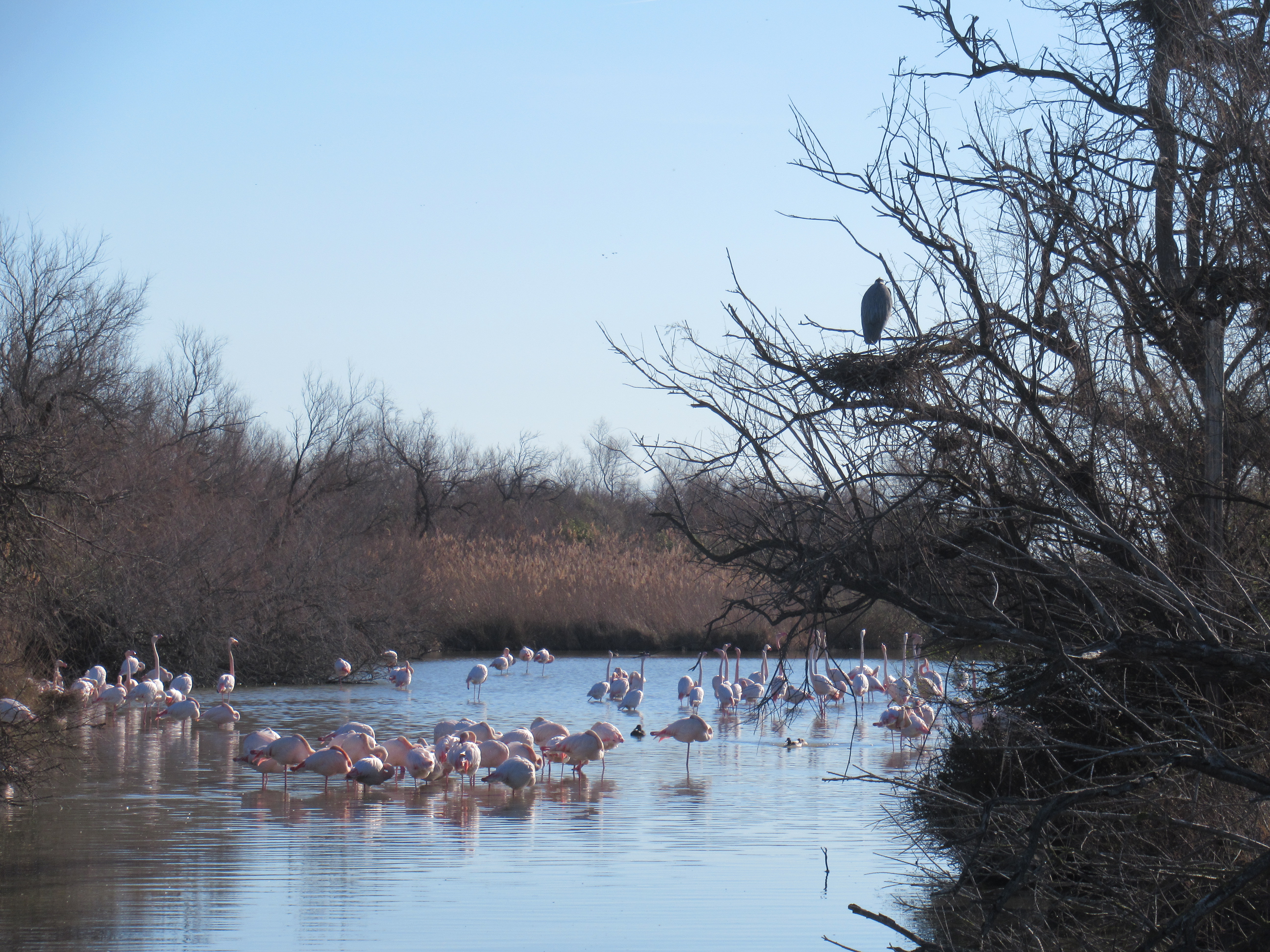
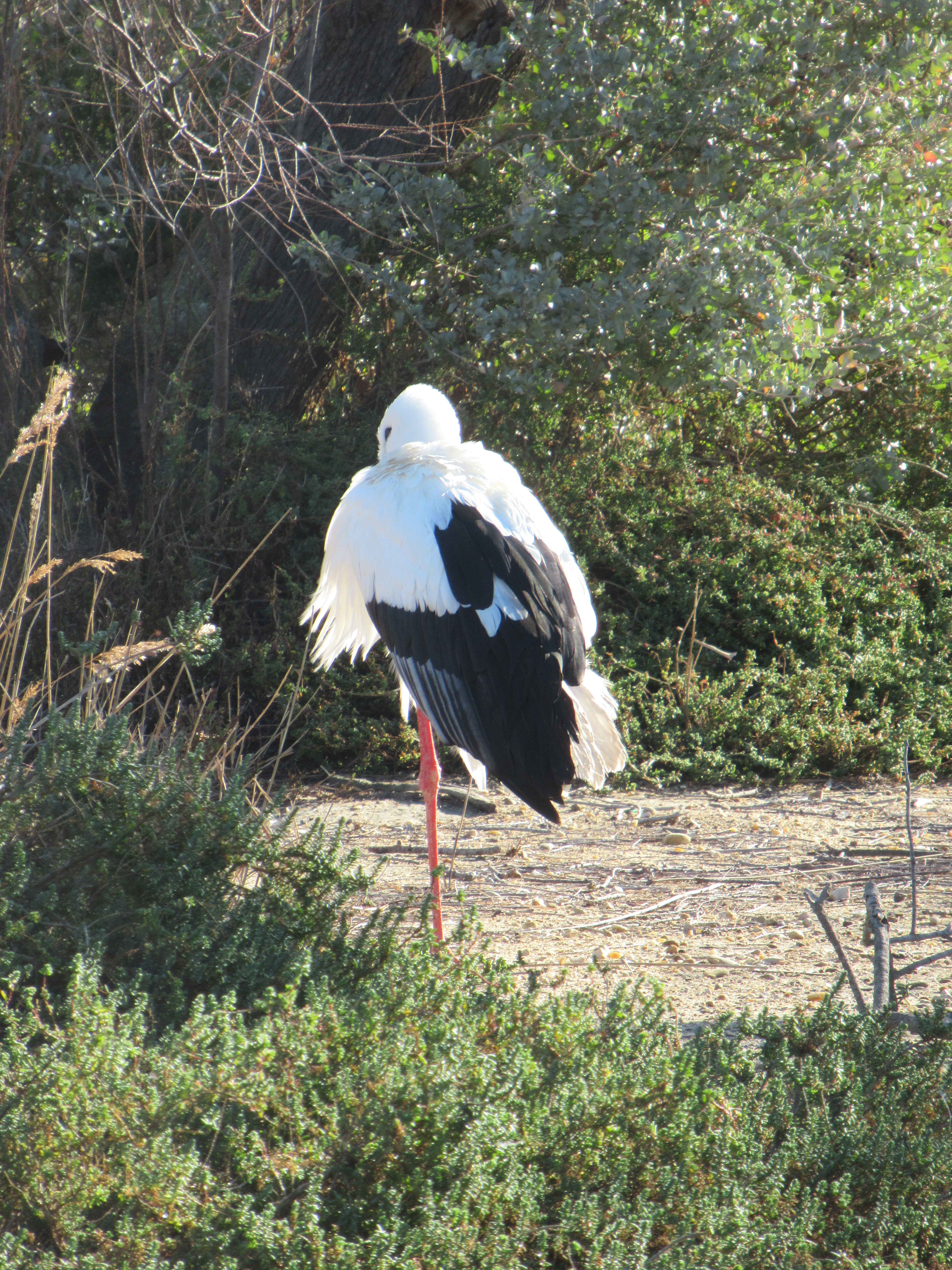
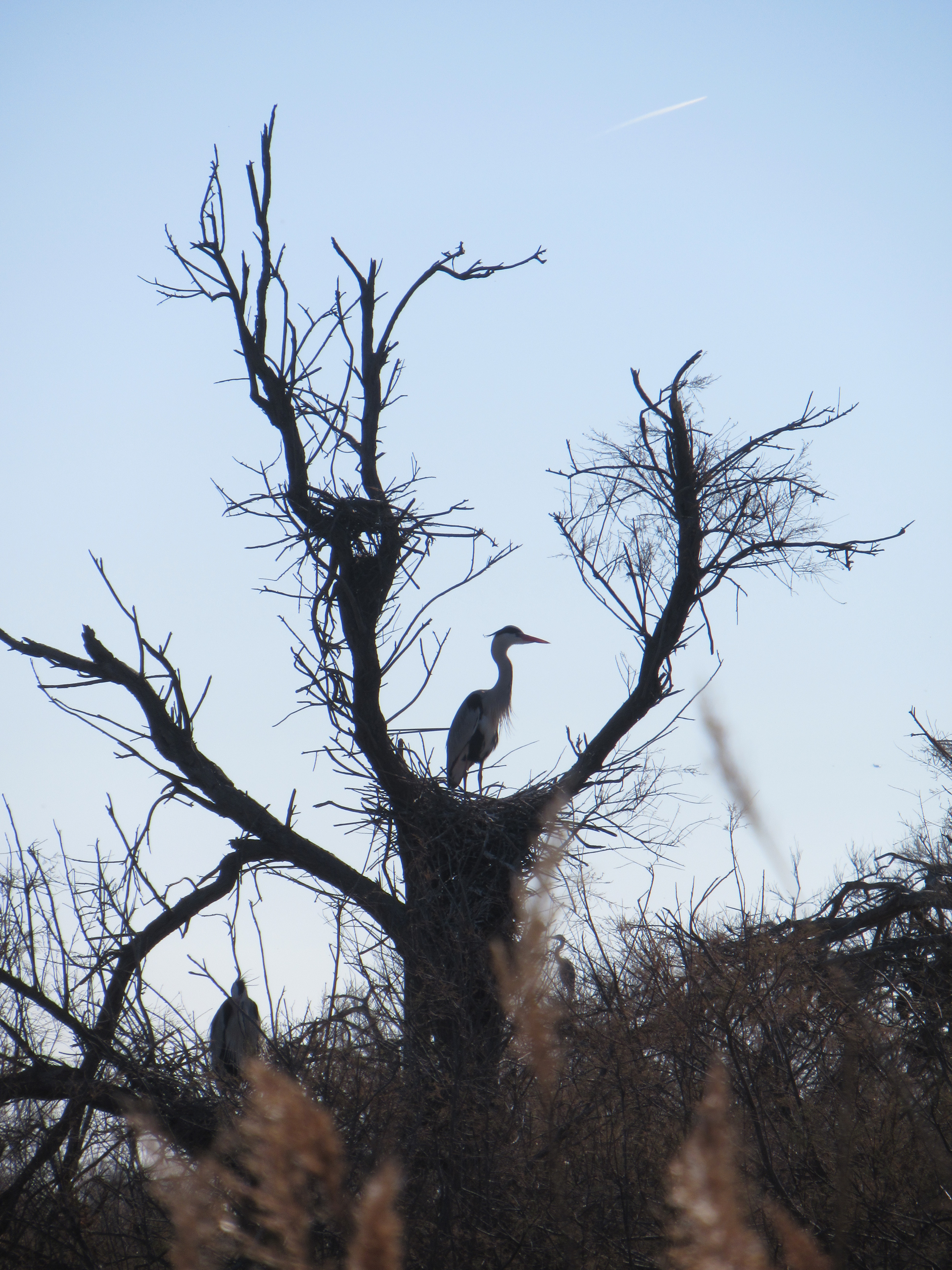
I’m going to be honest – I didn’t find it. However, with some perseverance, and a great deal of fortitude in travelling down a road that disappeared into a lane that fell into a track, I found this place; another unexpected destination. And when I got out of my car and unwittingly startled a stork that immediately flew away before I’d retrieved my camera, I thought there might be worse places.

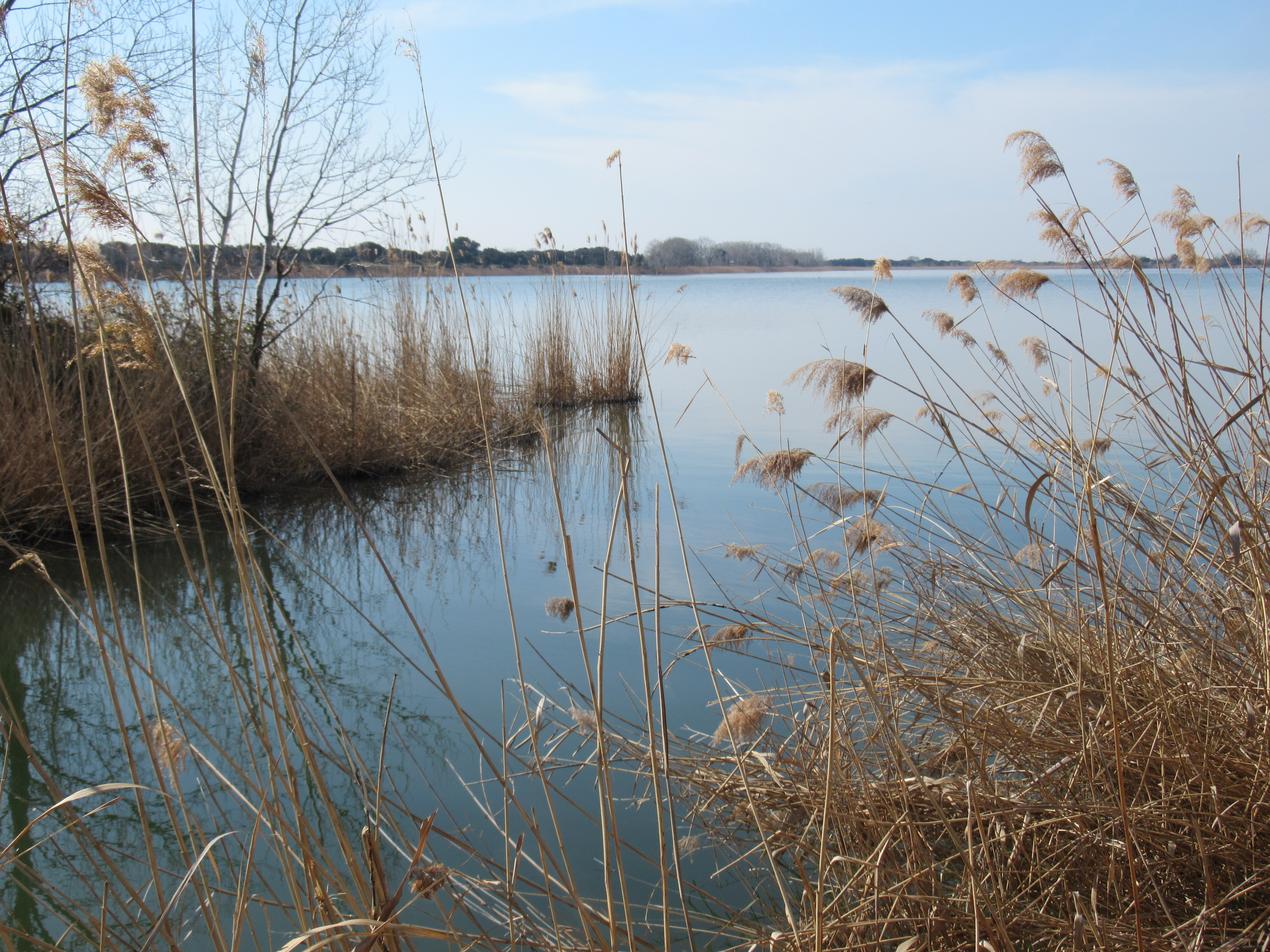
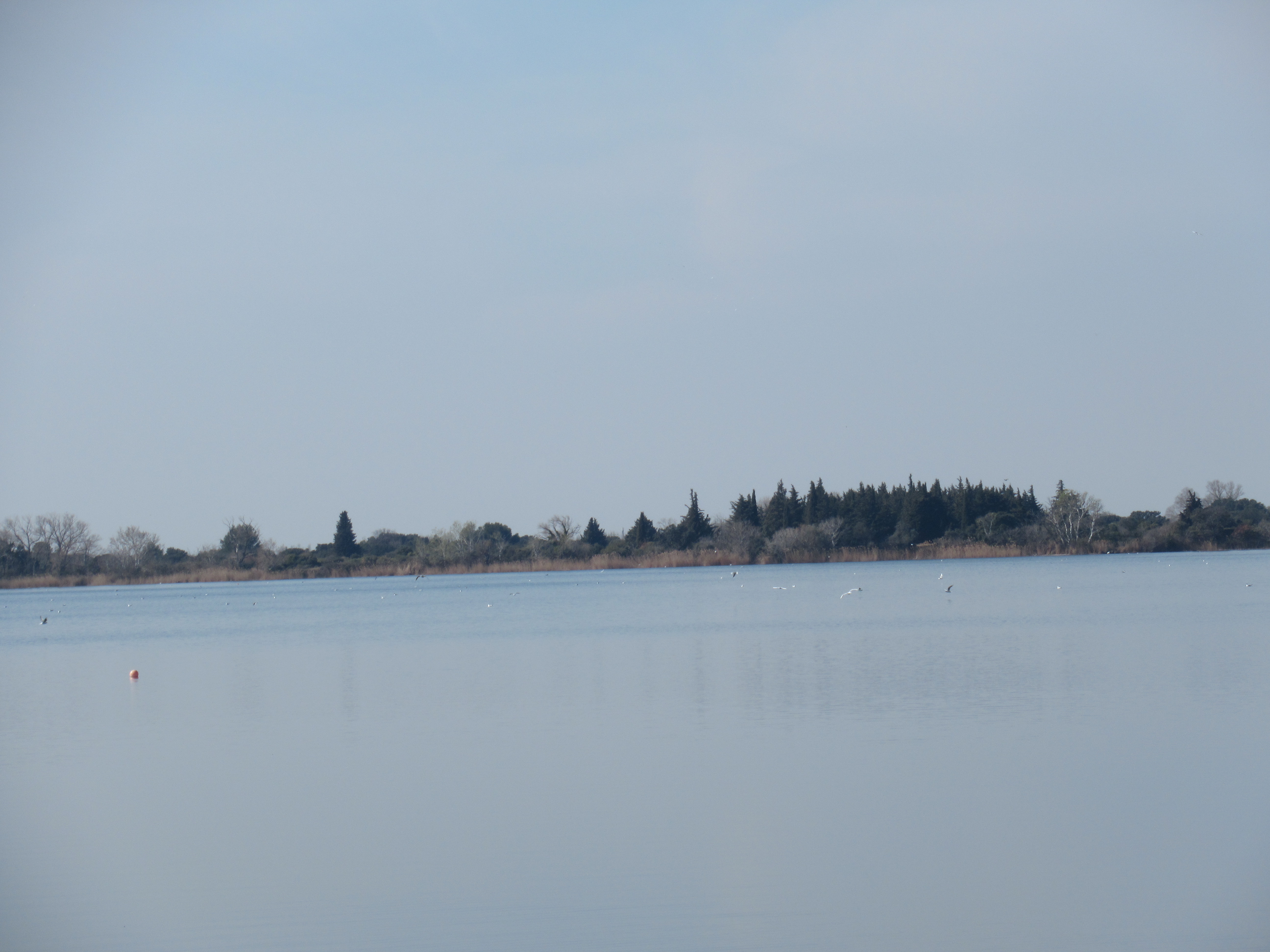
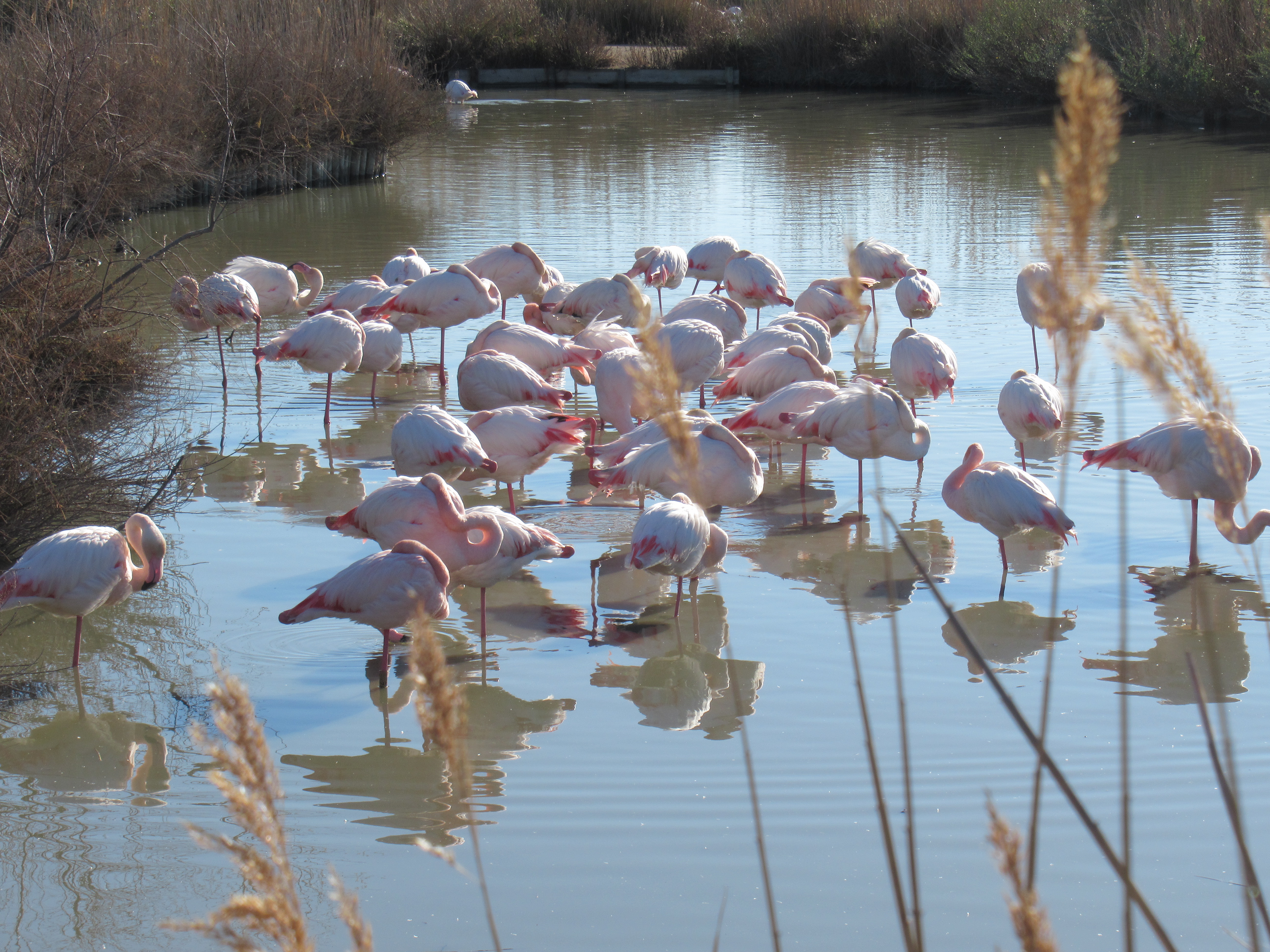
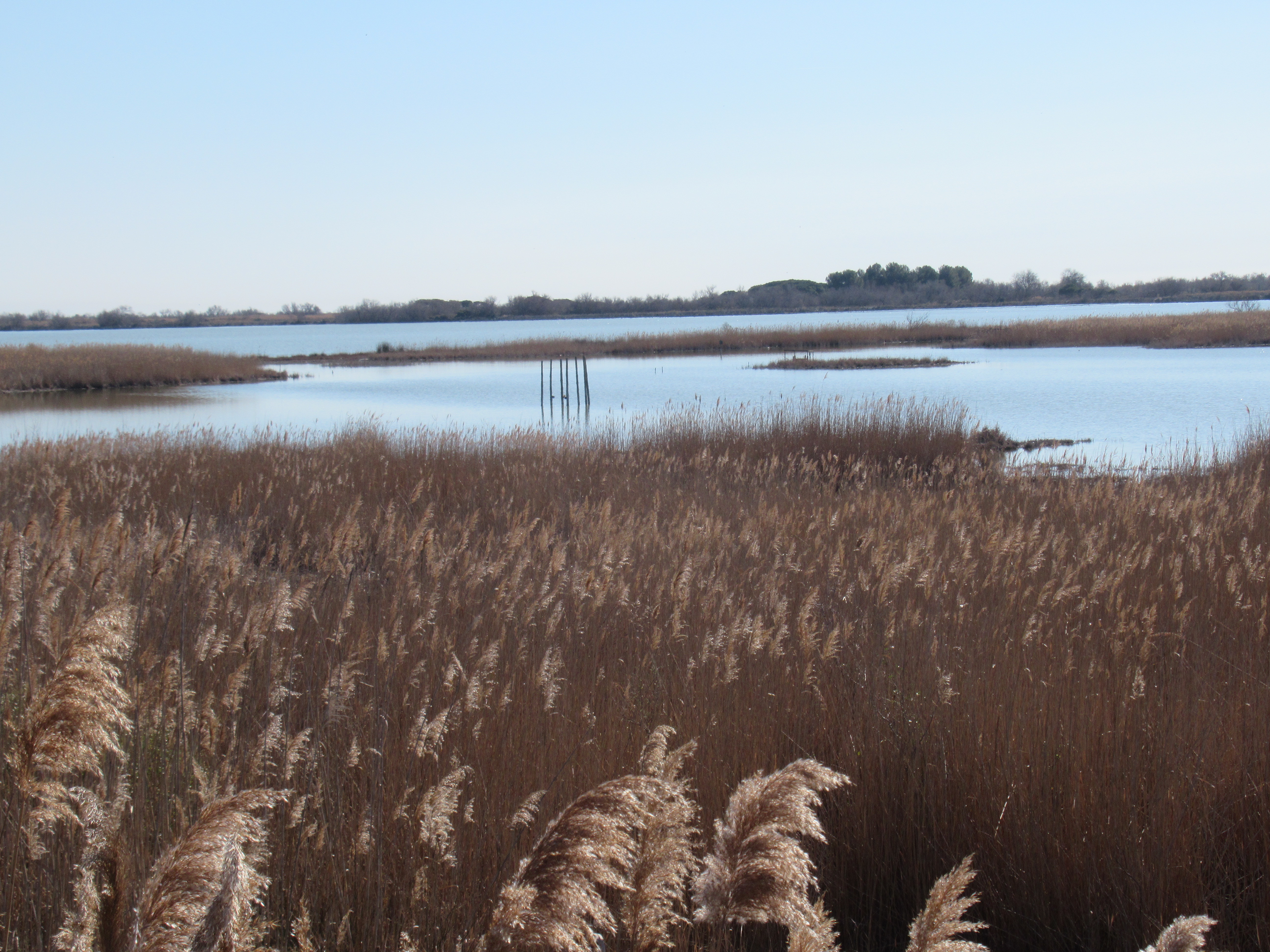
Apparently, I was in the Reserve Naturelle Coussouls by the Lake Aulnes. It’s just the most peaceful place ever. It’s one of those places that you go to and a smile appears.

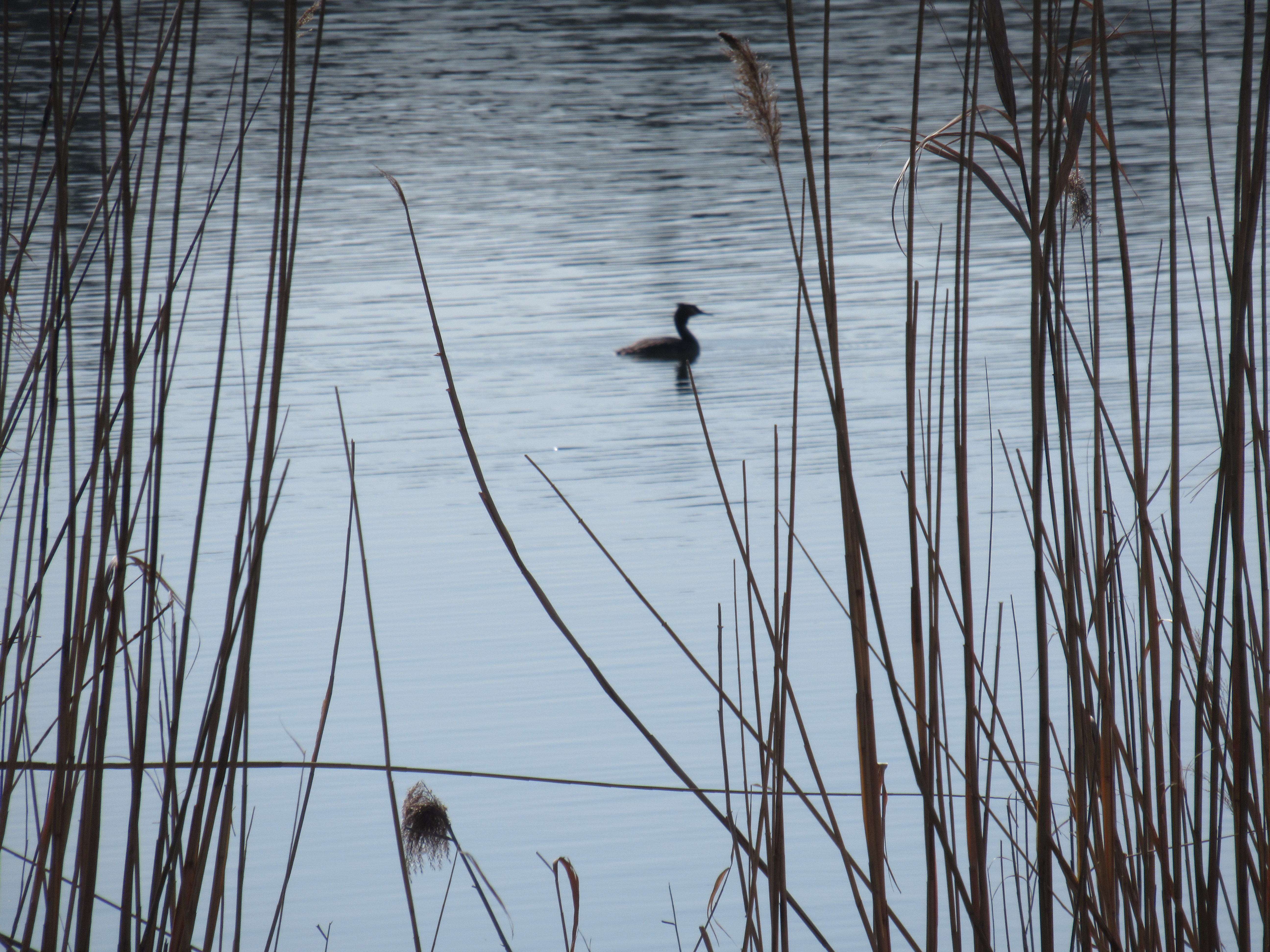
The sun was shining and the birds were minding their own business. There was a lot of rustling going on in the reeds and I wished I brought my walking boots. (I changed cars yesterday and nothing’s where it should be).

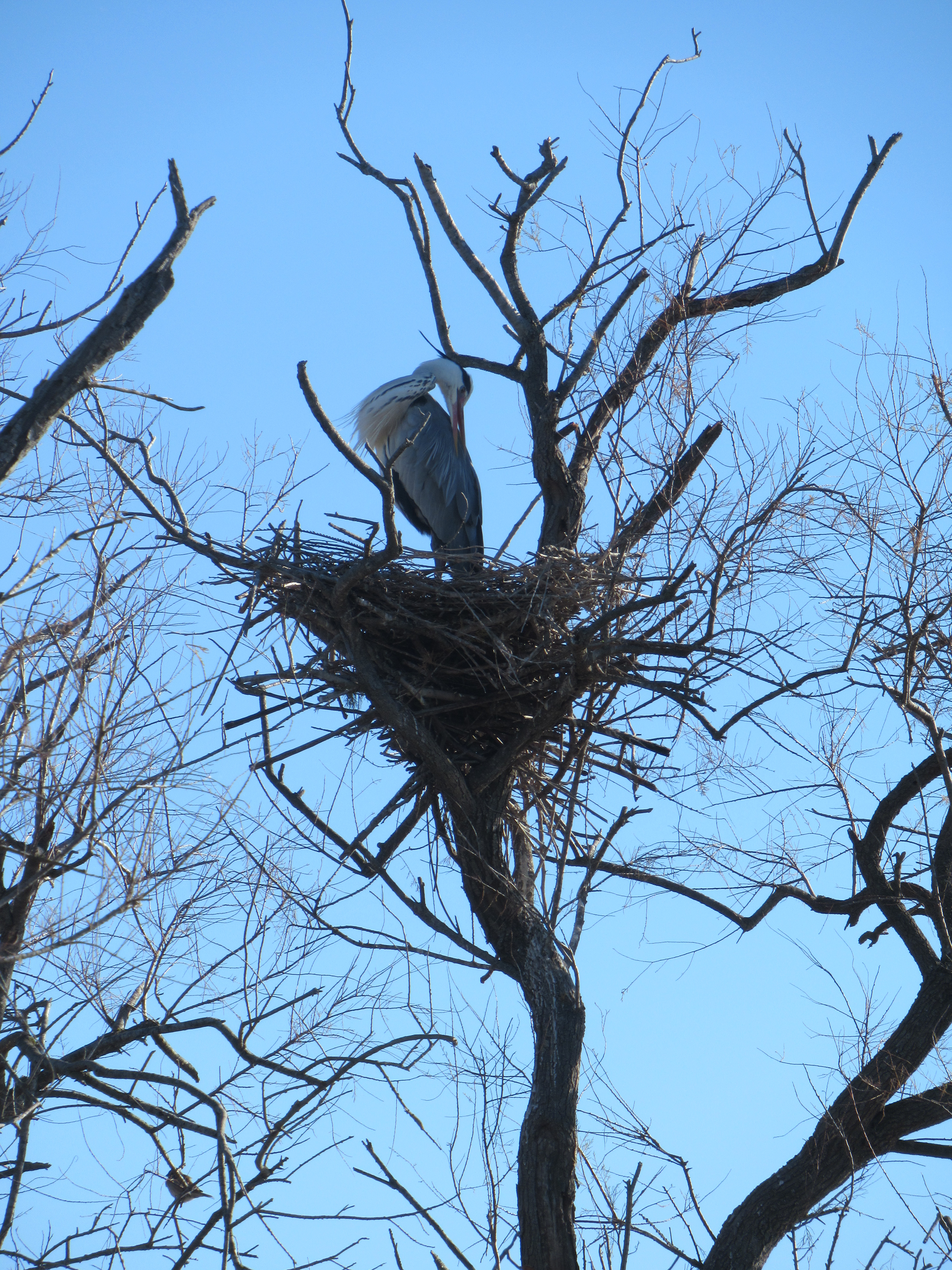
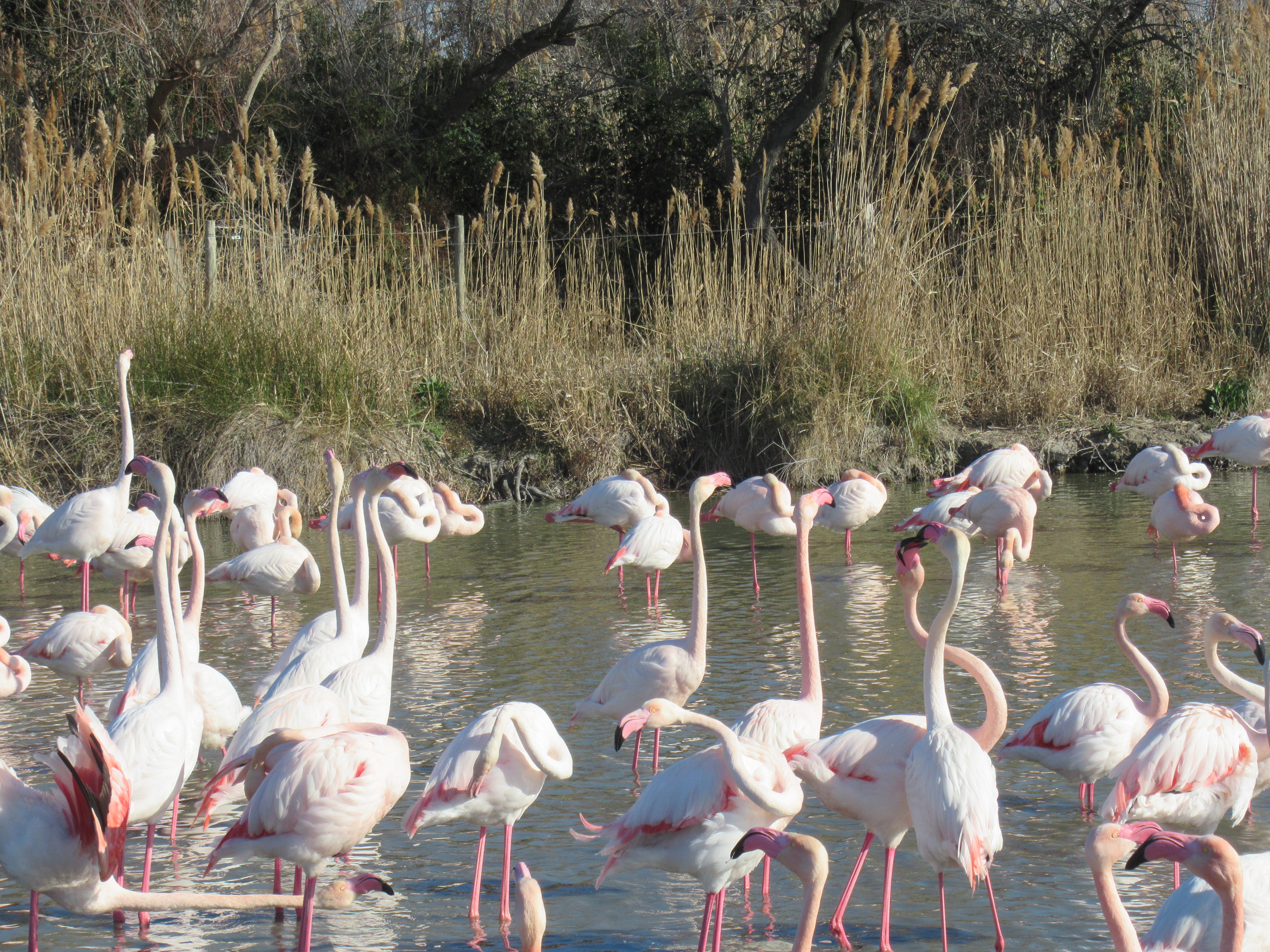
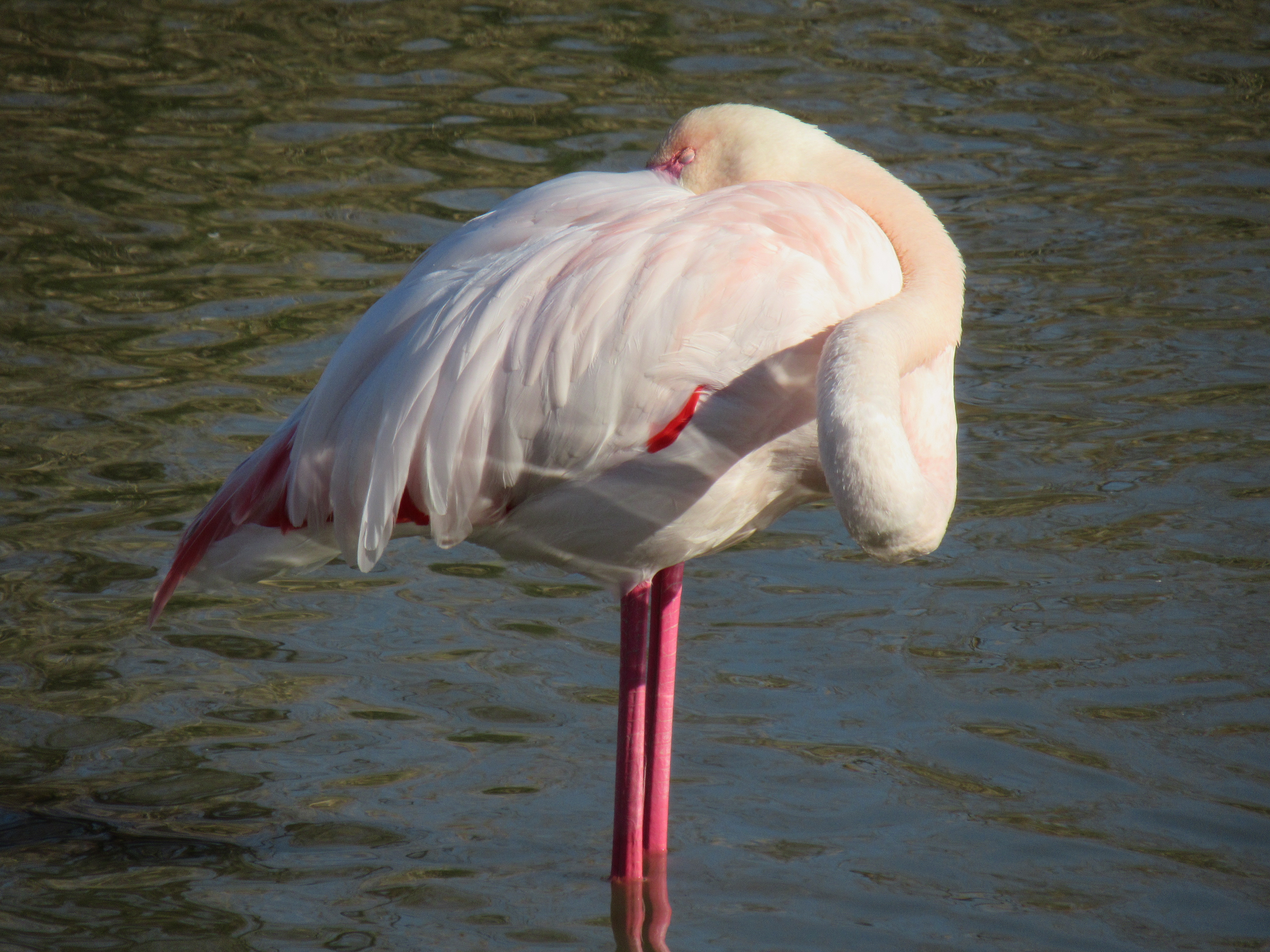
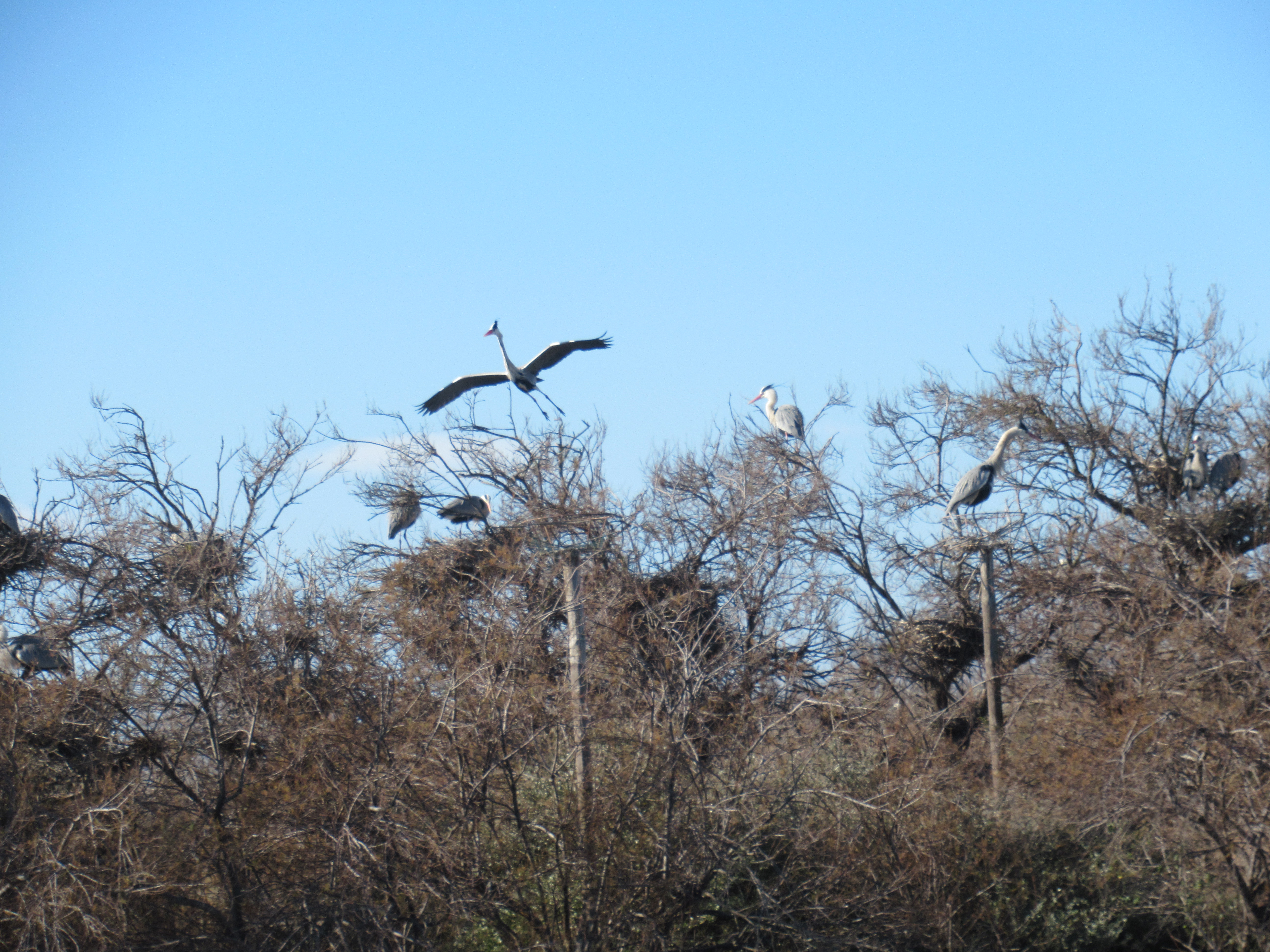
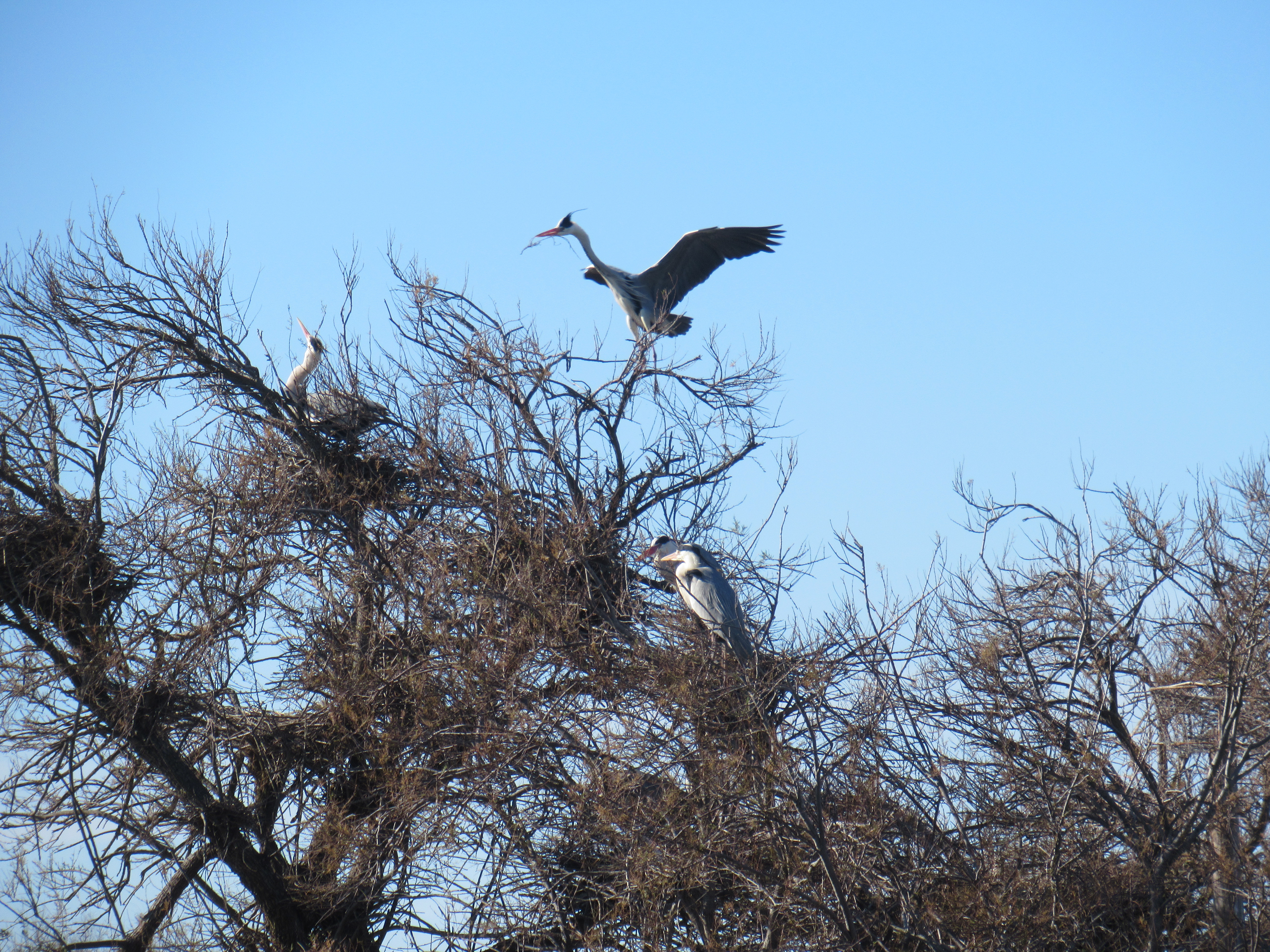
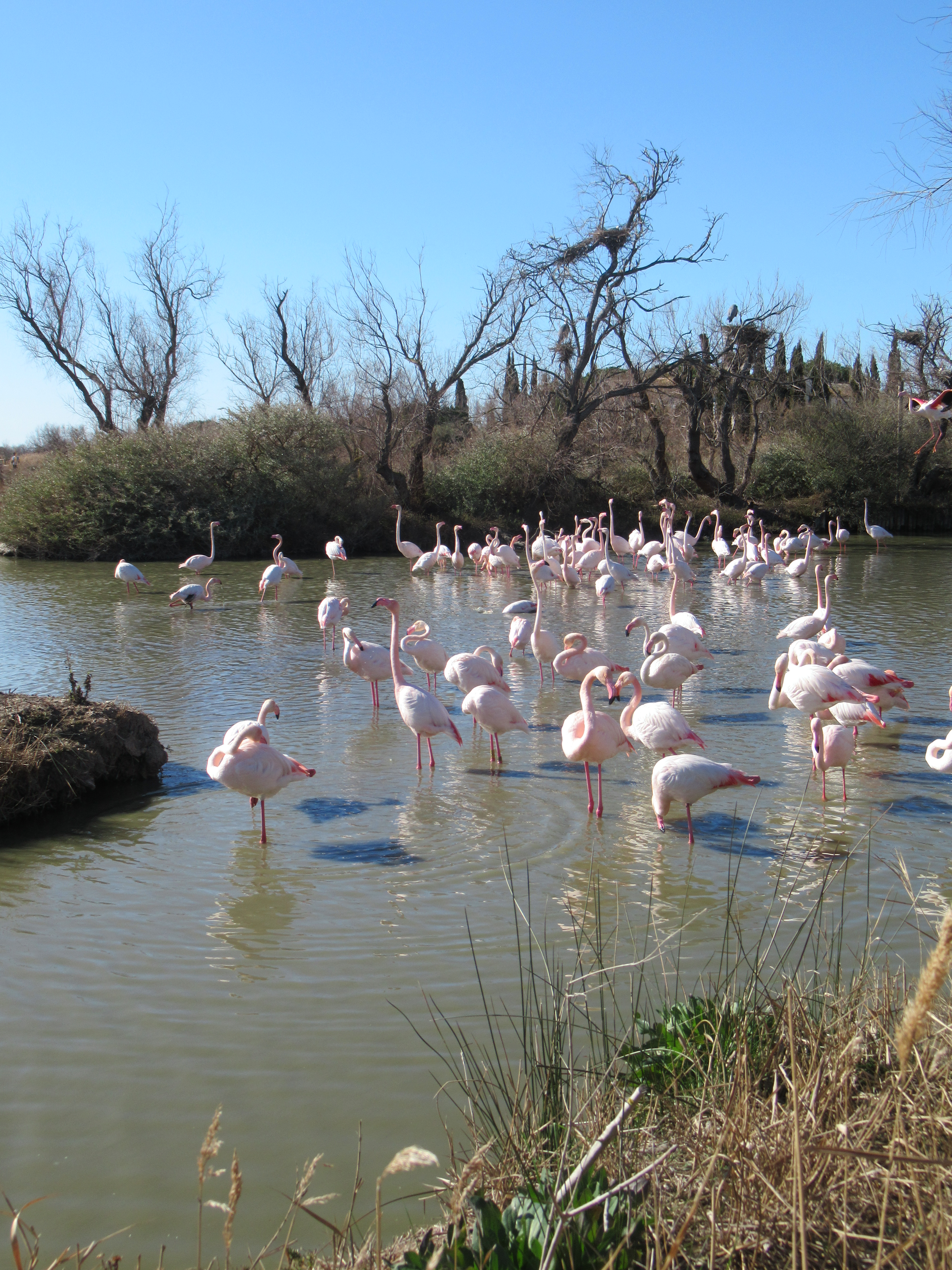
All the big birds were out of range of my camera but it didn’t matter. The world was at peace with itself – at least in this small corner.

I ate half my cheese and ham sandwich because, let’s face it, who can manage a whole one. Then my reverie was insulted by the bloody throbbing finger. Better get back and sort it out.

Which leads me to the final unexpected destination of the day. It’s like Plat du Jour but not as tasty. Monsieur le docteur is a jolly sort even though he’s wielding a large pair of blue pincers and a razor blade. It’s an abscess. ‘Can I drink a little wine’, I ask tentatively? ‘On the contrary’, he responds, ‘drink a lot. Which colour do you prefer?’
I’m only mentioning this as I have form: my lovely hostess who takes me to Avignon for ‘surgery’, and subsequently collects me, says it wouldn’t be the real thing without a visit to the hospital. ‘You can leave your antibiotics behind for the next time’. Thanks pal.

And later, as I’m stood on a patch of waste ground outside the hospital, munching the other half of my sandwich while I wait for her to arrive, I watch an endless convoy of flashing lights as the ambulances arrive, and two emergency helicopters dropping the damaged and distressed, and think the day wasn’t too bad.

Down amongst the dead men

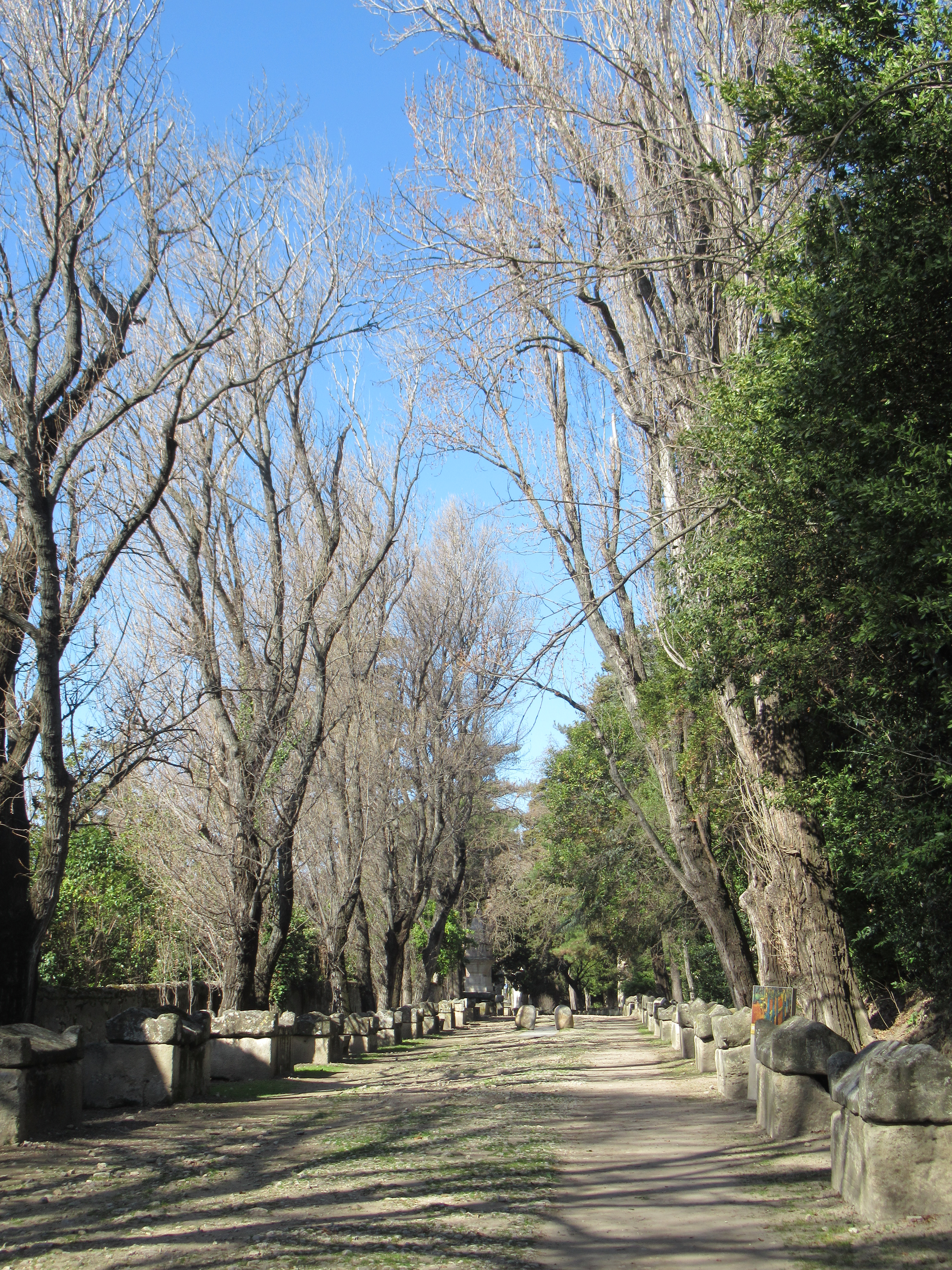
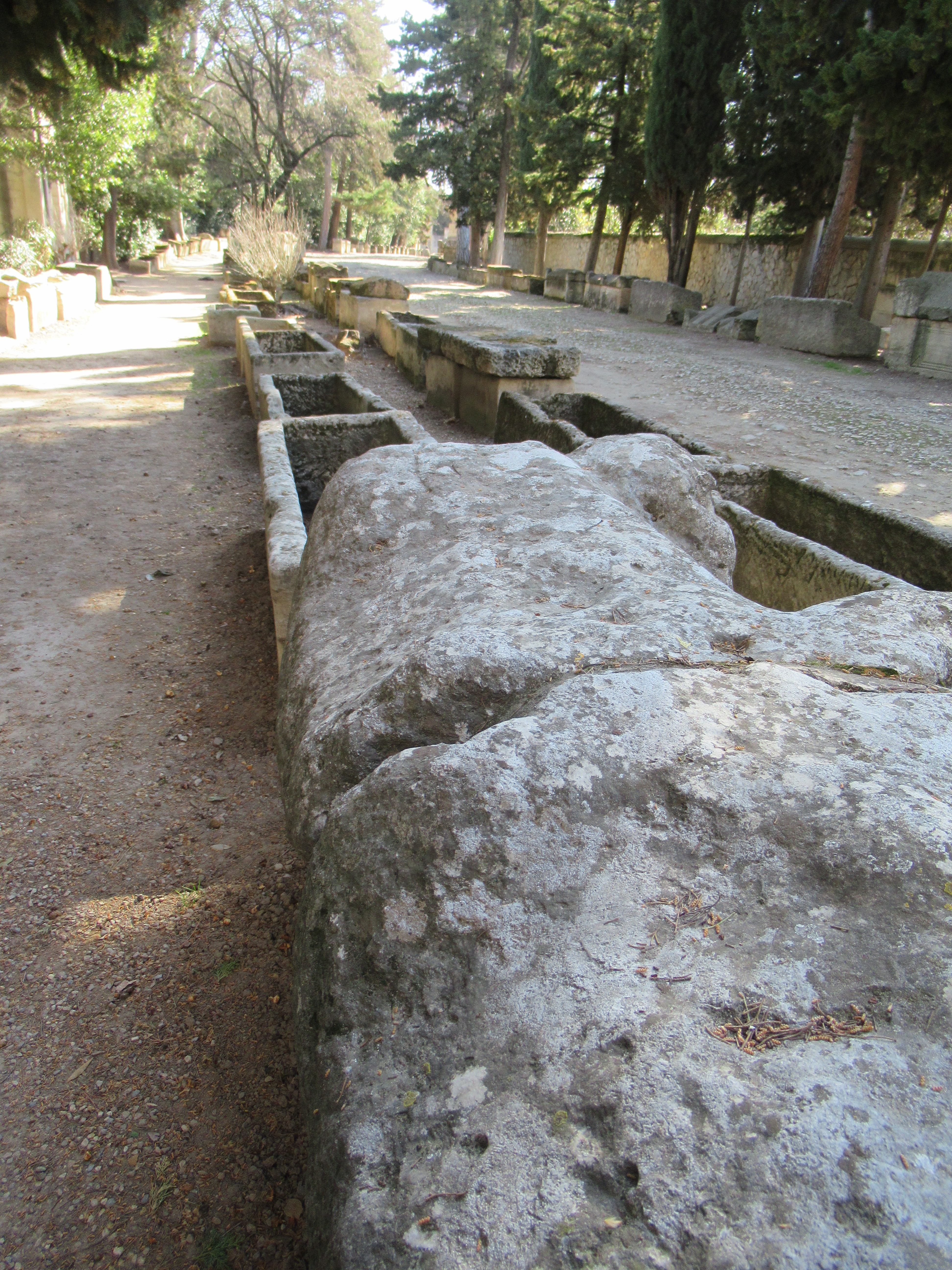
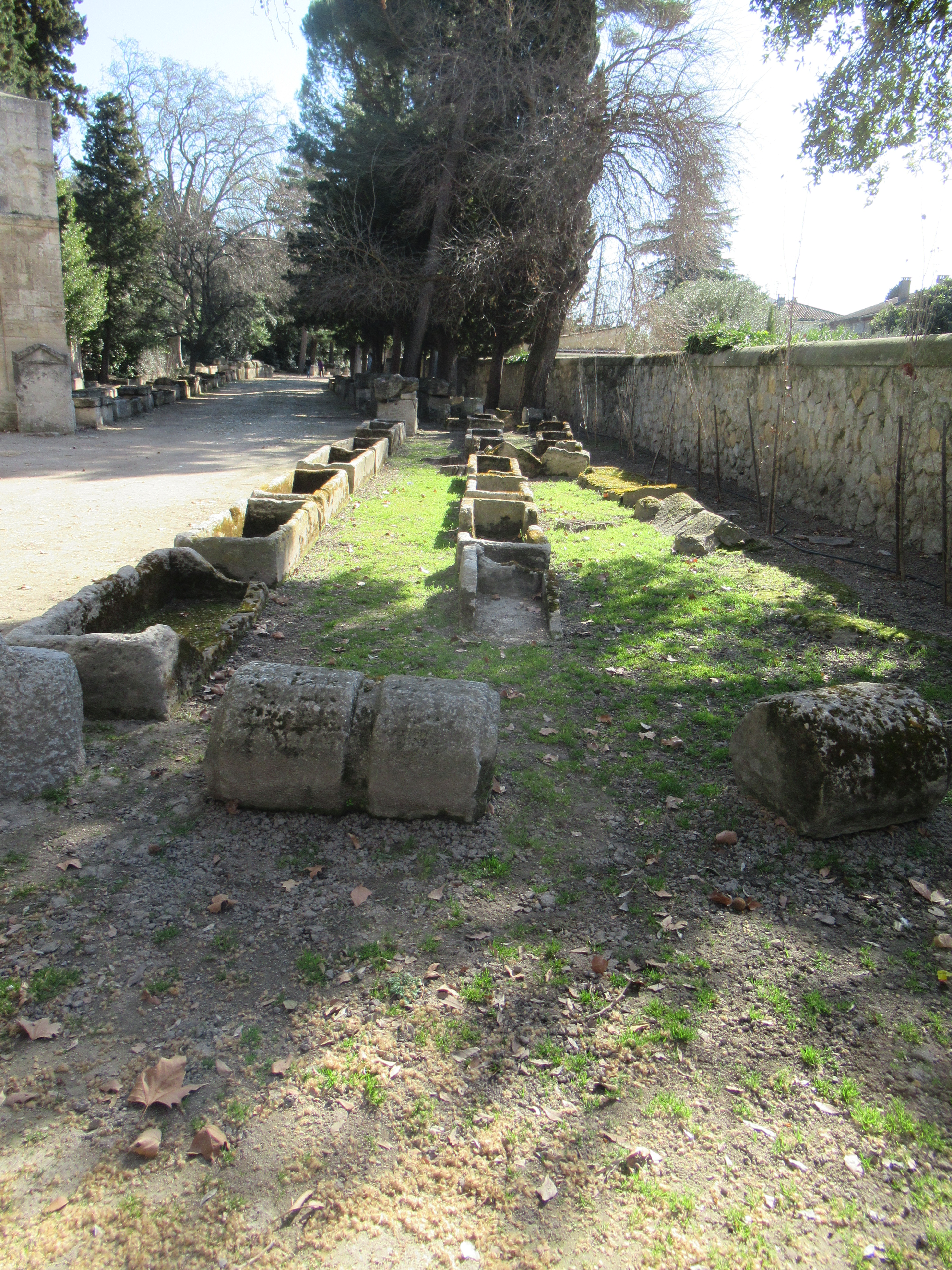
Fans of Van Gogh or Gaughin might feel a sense of familiarity with this picture. This is the Roman necropolis of Alyscamps, and whilst sharing a billet in Arles, and before they fell out, this was the first place the two artists painted together. If you click on the picture and look at the tree trunk on the right, you might just see one of Vincent’s paintings.

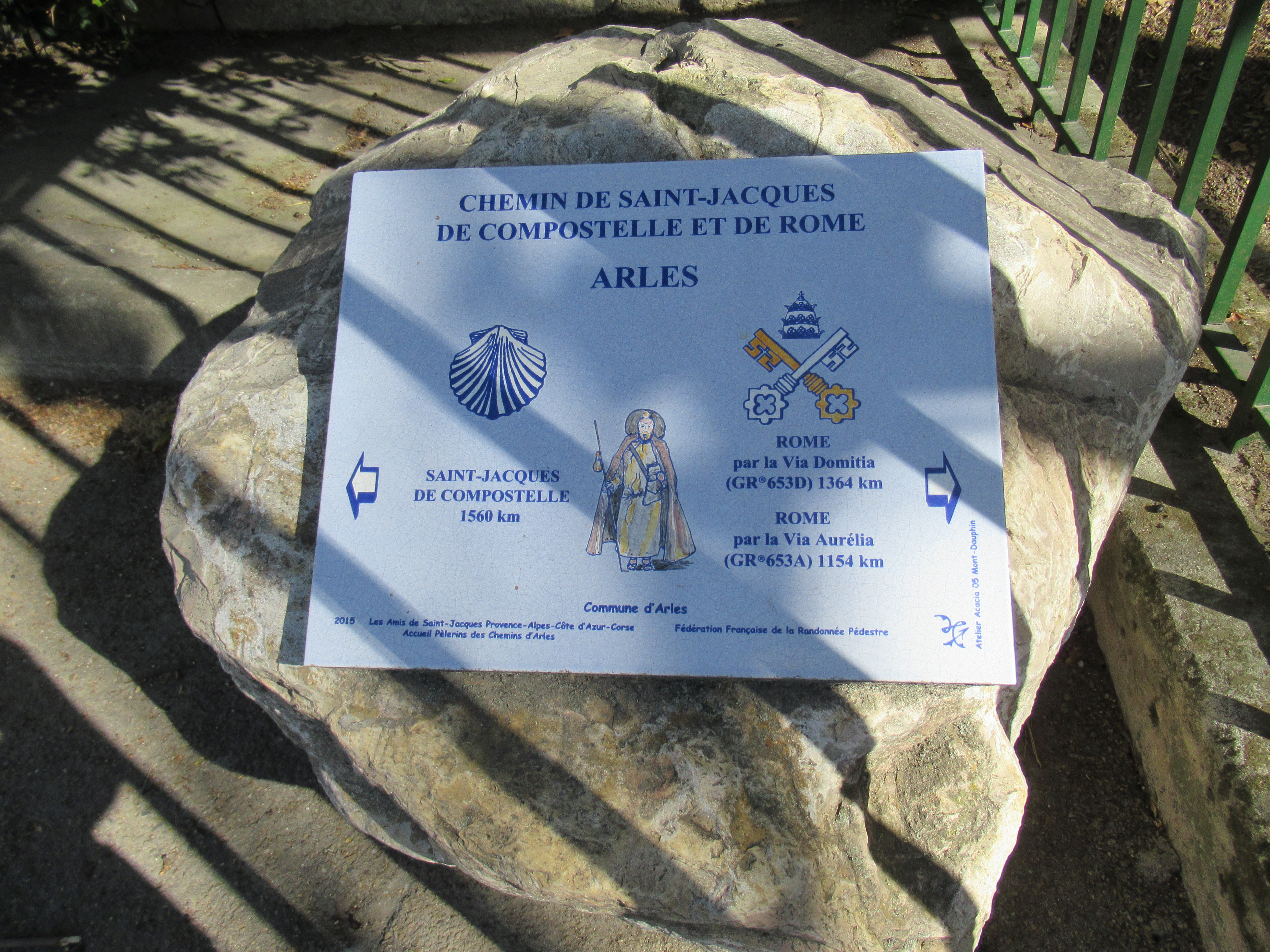
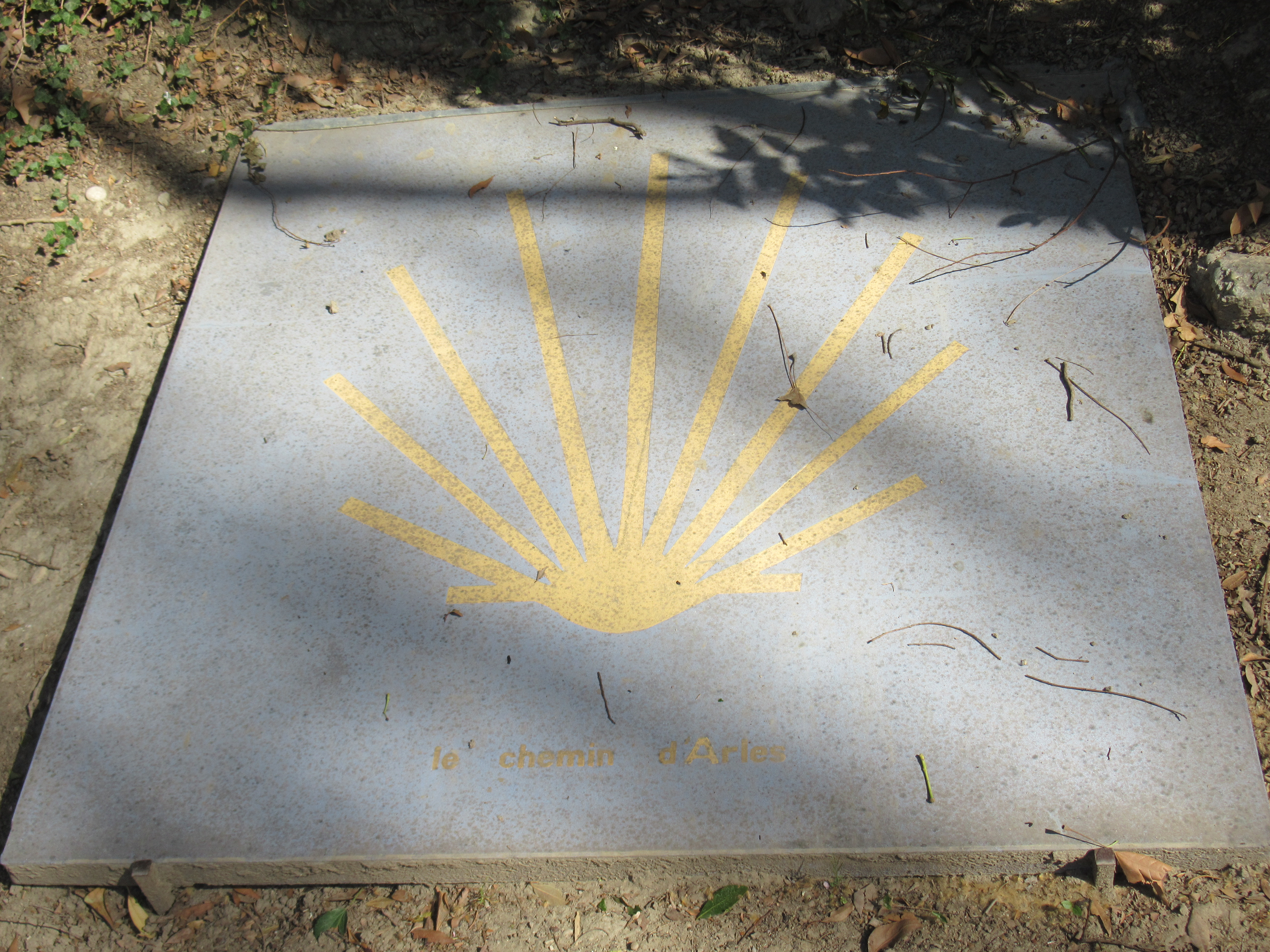
Before continuing with the tour, I just wanted to point out that if you don’t rush into the necropolis, you can spot signs that show this to be a stopping place for pilgrims taking the route from Rome to Santiago de Compostela. Obviously, these two illustrations have been constructed to commemorate the road …

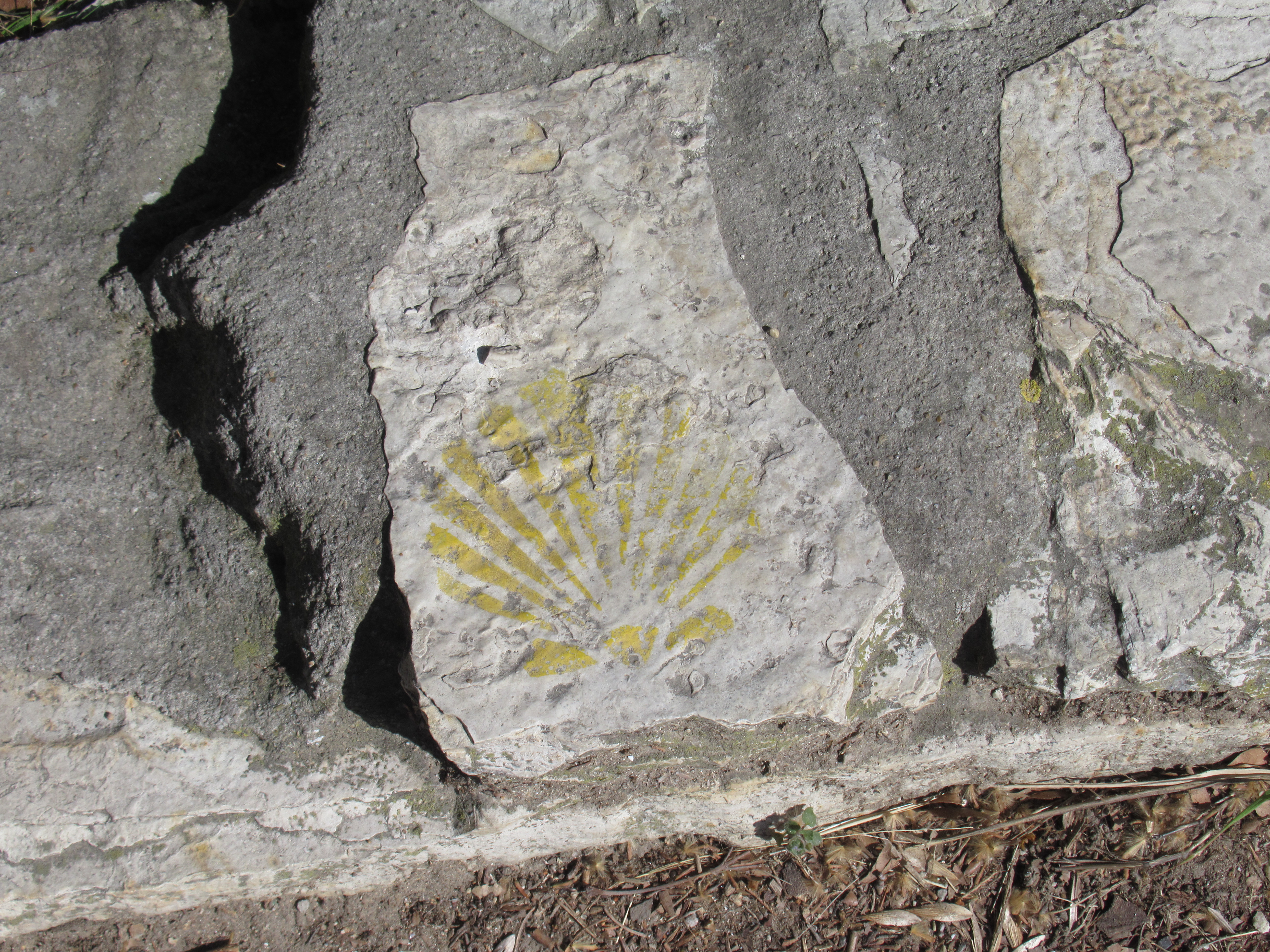
… but here’s one I found when taking a leafy track into town.

The Alyscamps is set outside the city walls of Arles because Roman burials were forbidden within. This meant that roads leading to towns and cities were often lined with tombs and mausoleums. It’s quite tedious to explain the origin of the word ‘Alyscamps’ but fun when you get there. Basically, it’s a provencal derivation of a Latin word of something else which, in the end, comes down to Elysian Fields which refers to afterlife. Still with me? It’s the same derivation as Champs Eylsees in Paris. You can learn a lot by reading a weasel.

You can also see a lot by looking around. St Trophime, the first bishop of the cathedral in Arles was buried here. Allegedly, Christ attended the ceremony, which just goes to show that the Provencal Christian tradition I mentioned in the previous post continues throughout.

An artist has been here. There’s an exhibition en plein air which basically means it’s outside or integral to the surroundings. The French are big on this sort of thing but the quest seems to be to spot what’s out of place.

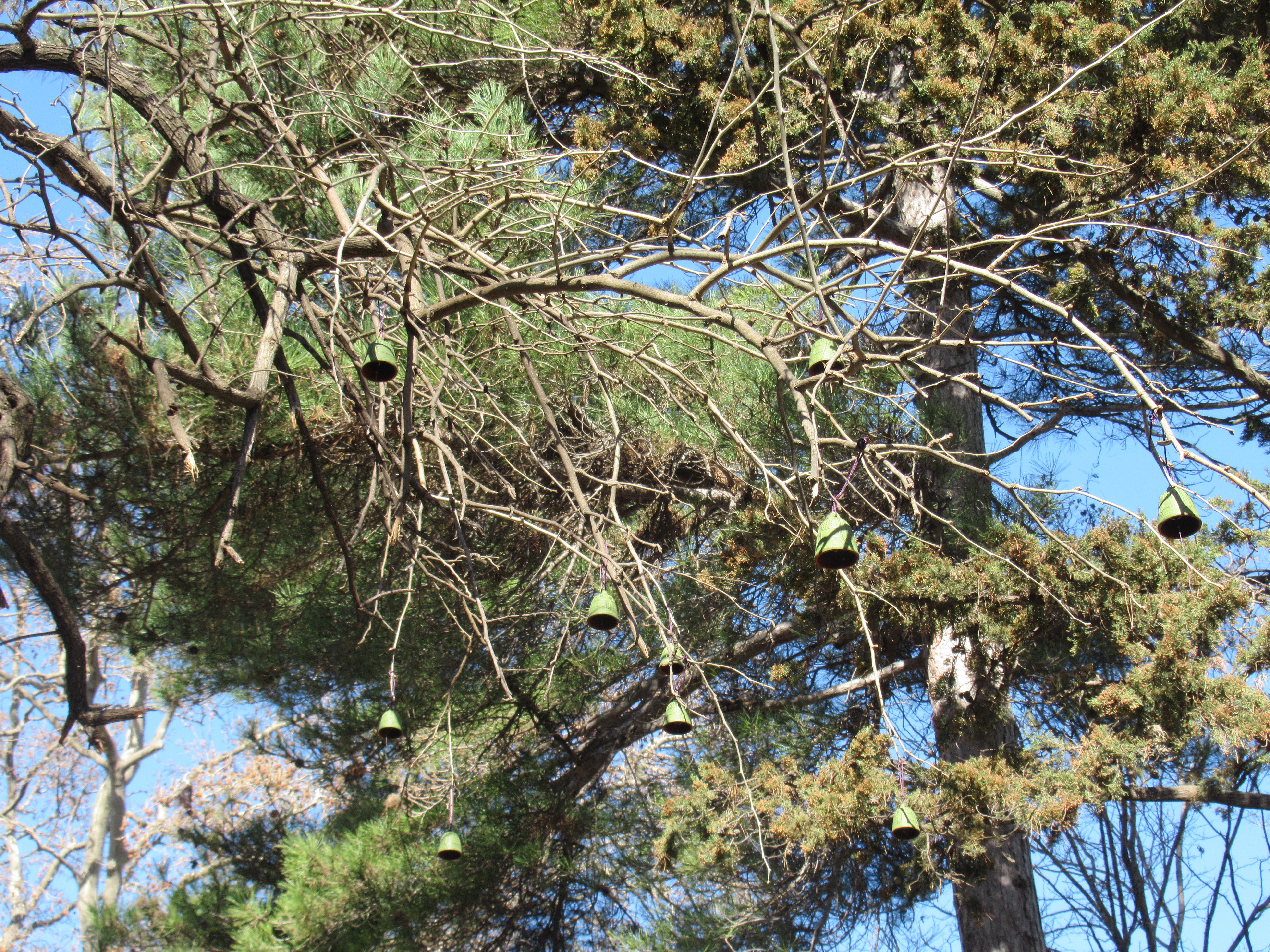
For example, having instantly developed tinnitus, I look up (always a good move) and spot a load of bells in a tree. It’s pretty enough but in the next snap one can see what nature manages on its own.

I think this is better.

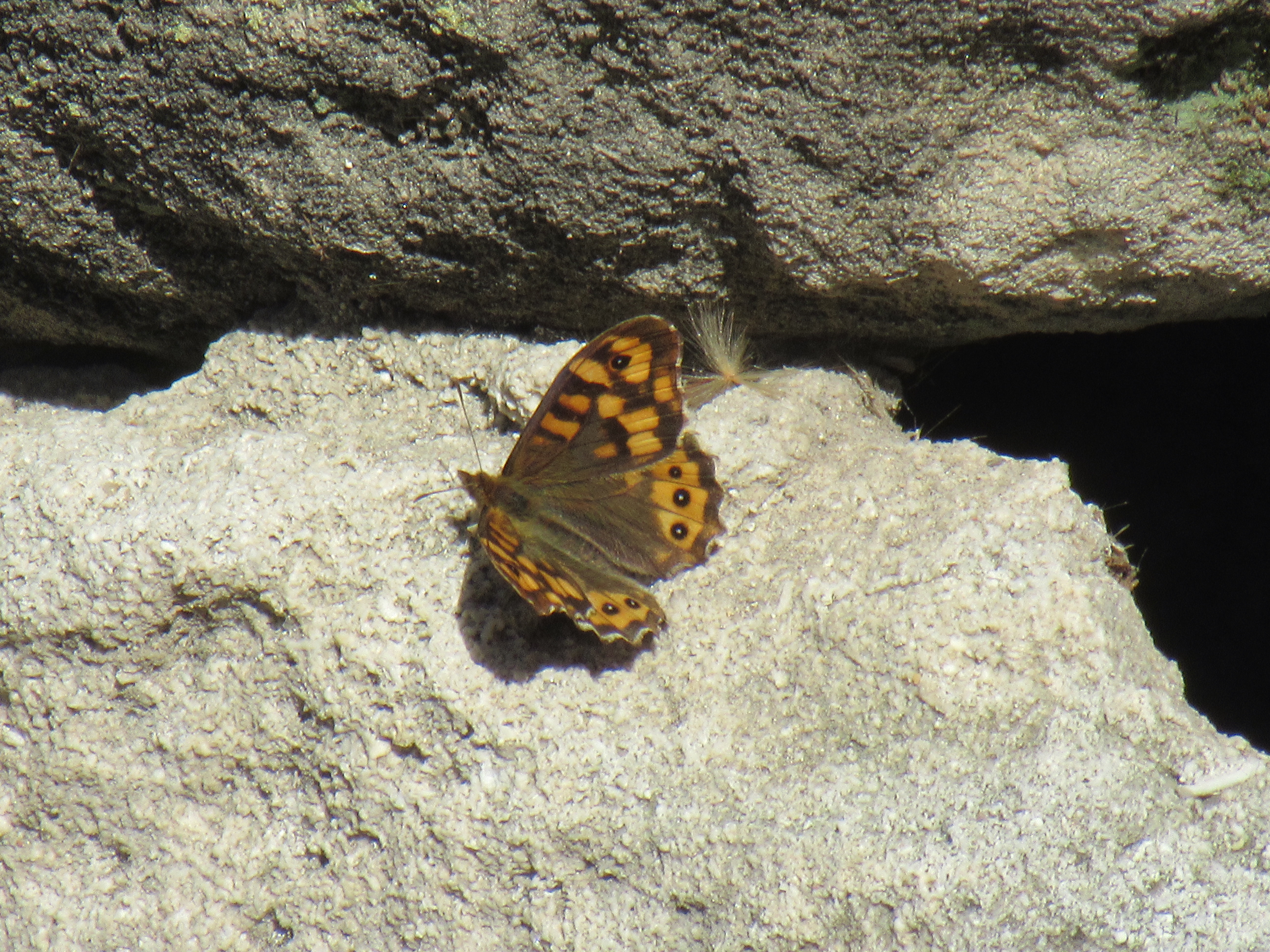
Just around a corner or two is the Saturday market – the busiest day in town but here I am, sat on a sarcophagus, watching butterflies in absolute tranquility. A downside of visiting Provence in February is that a lot of things aren’t open. Having a Roman necropolis to oneself surely compensates. The longer I sit here, the more butterflies arrive and today I saw my first lizard of the year. In the tree above me a hidden bird sings an unrecognisable tune and, like an echo, another responds at a distance.

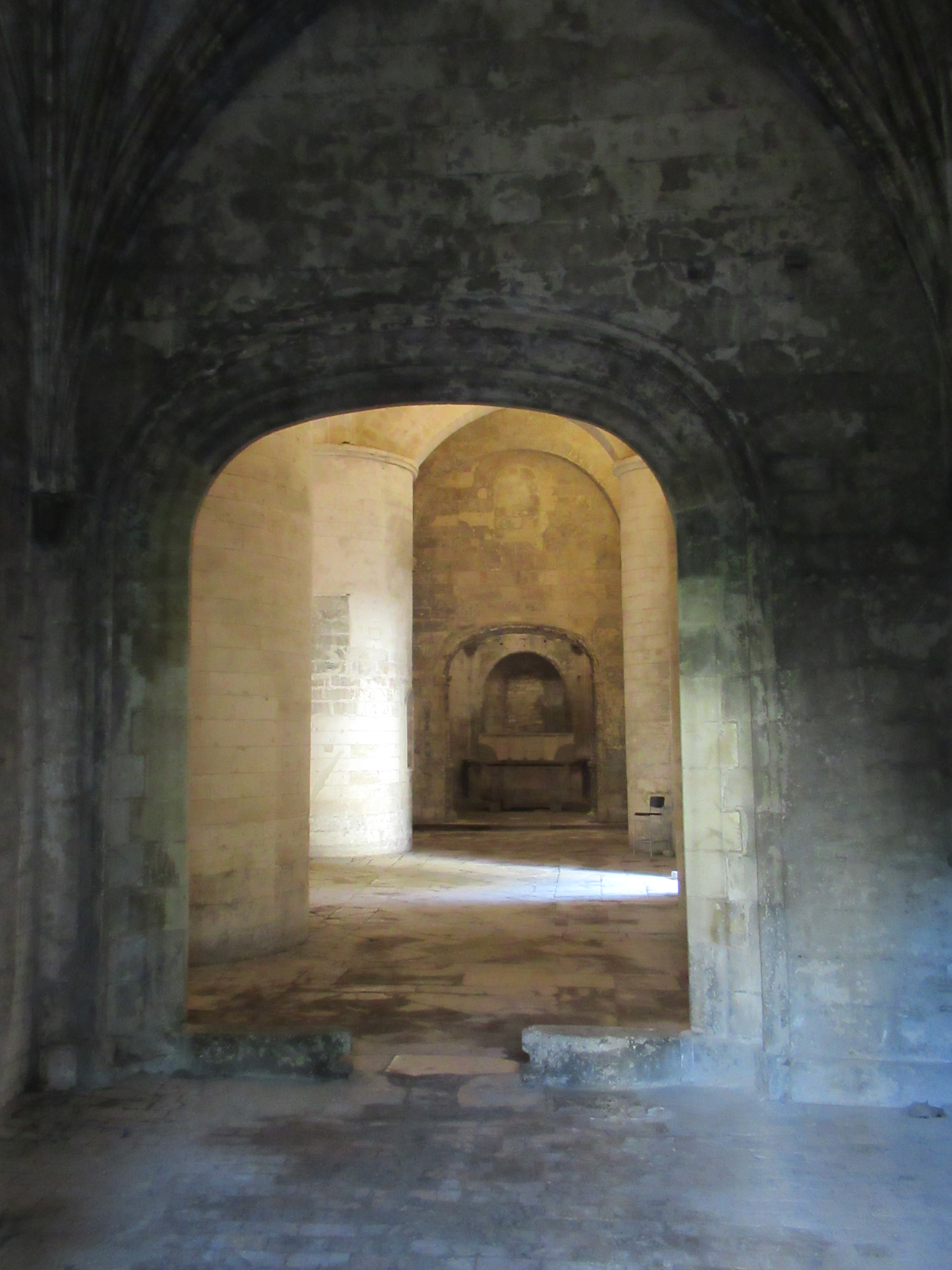
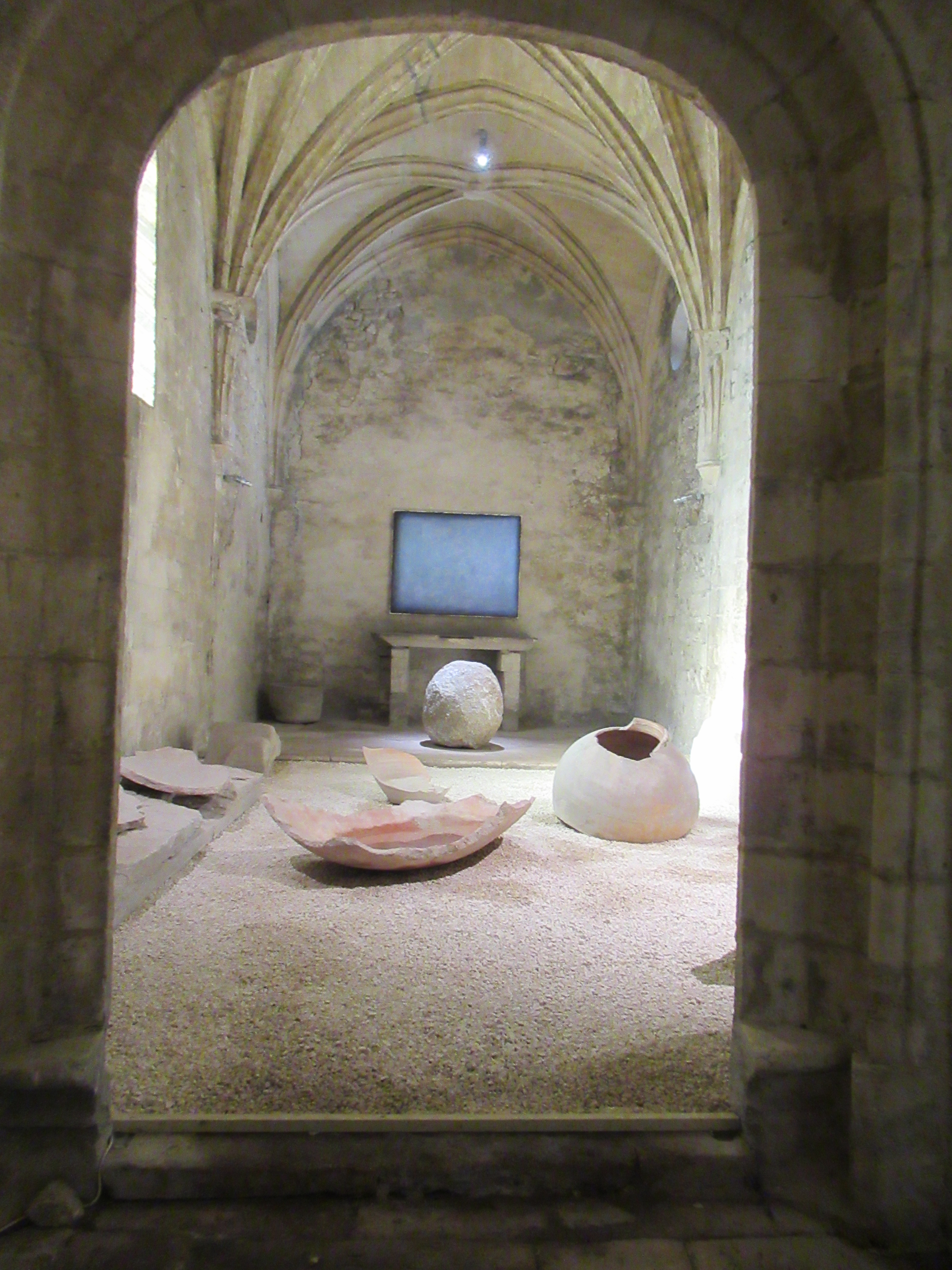
Eventually, I move into the mediaeval church of St Honoratus. Usually, the place is home to hundreds of pigeons and the cooing can be spookily overwhelming. Today, however they seem to have cleared off due to installation of further works of the resident artist.

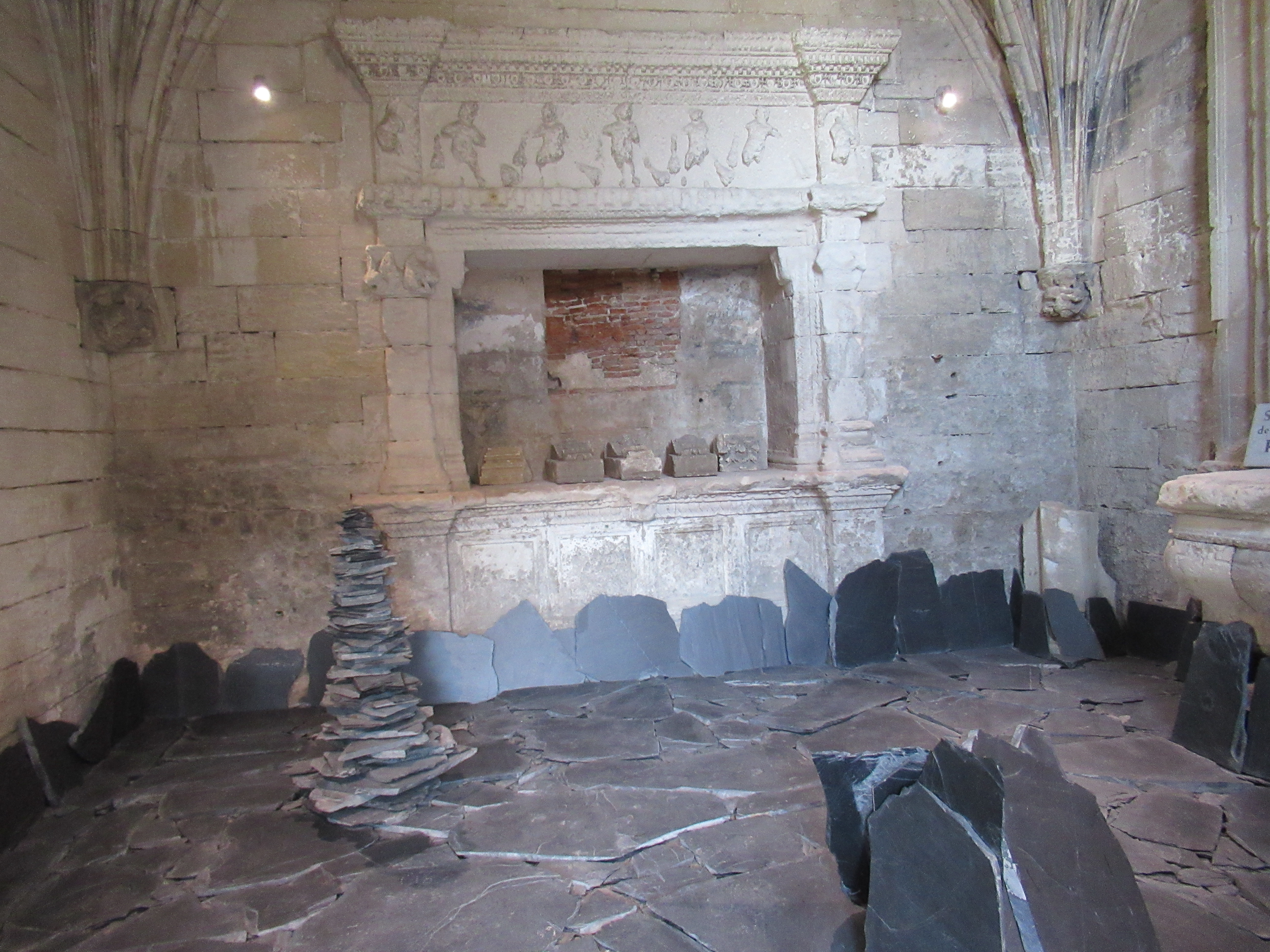
Like this. And the cooing has been replaced by speakers which emit a lot of noise that can only be described as bonging. I don’t want to appear dismissive of modern art, but I can’t help but feel it irrelevant when you have the real thing; such as …

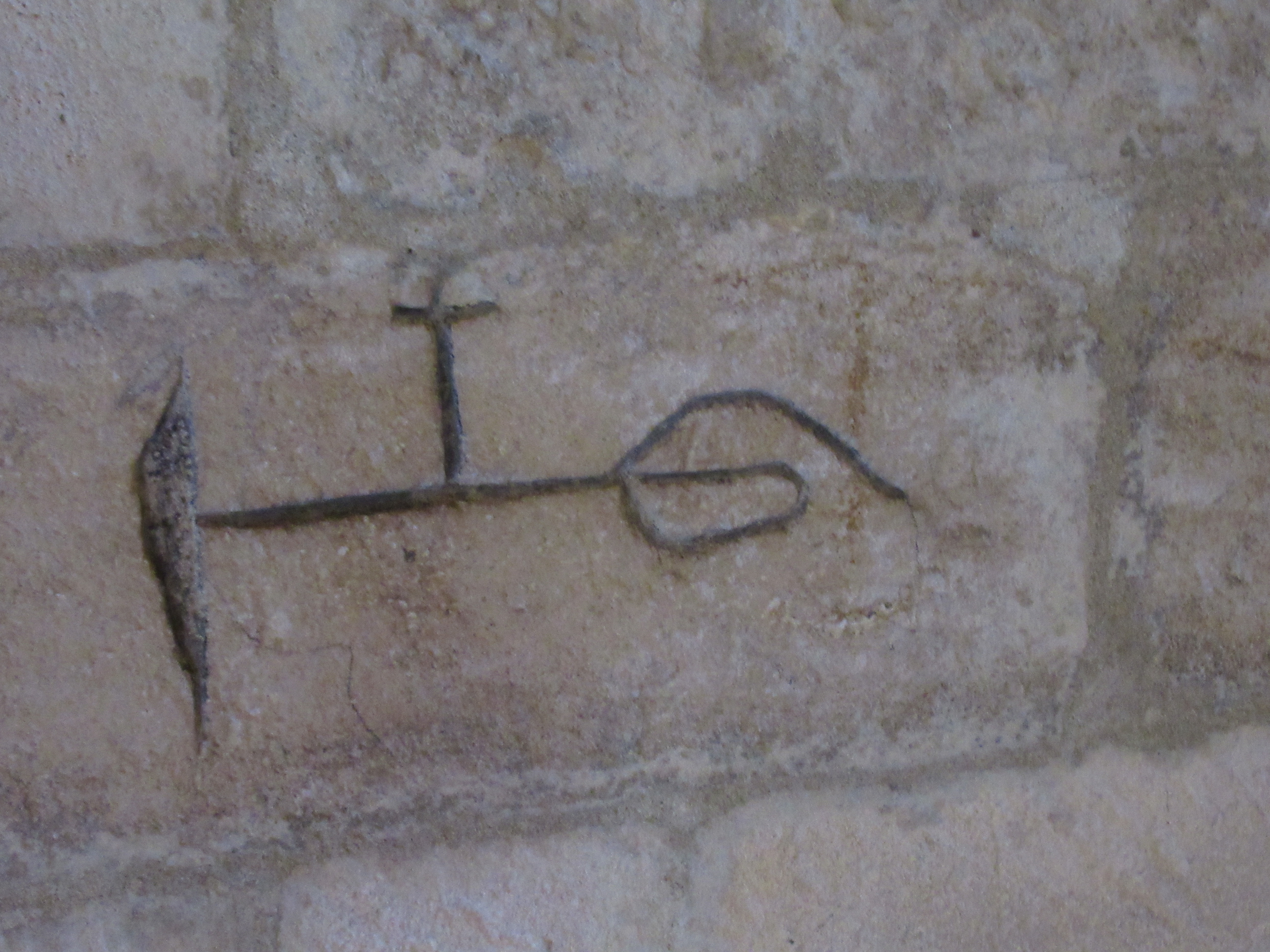
… ancient mason’s marks and …

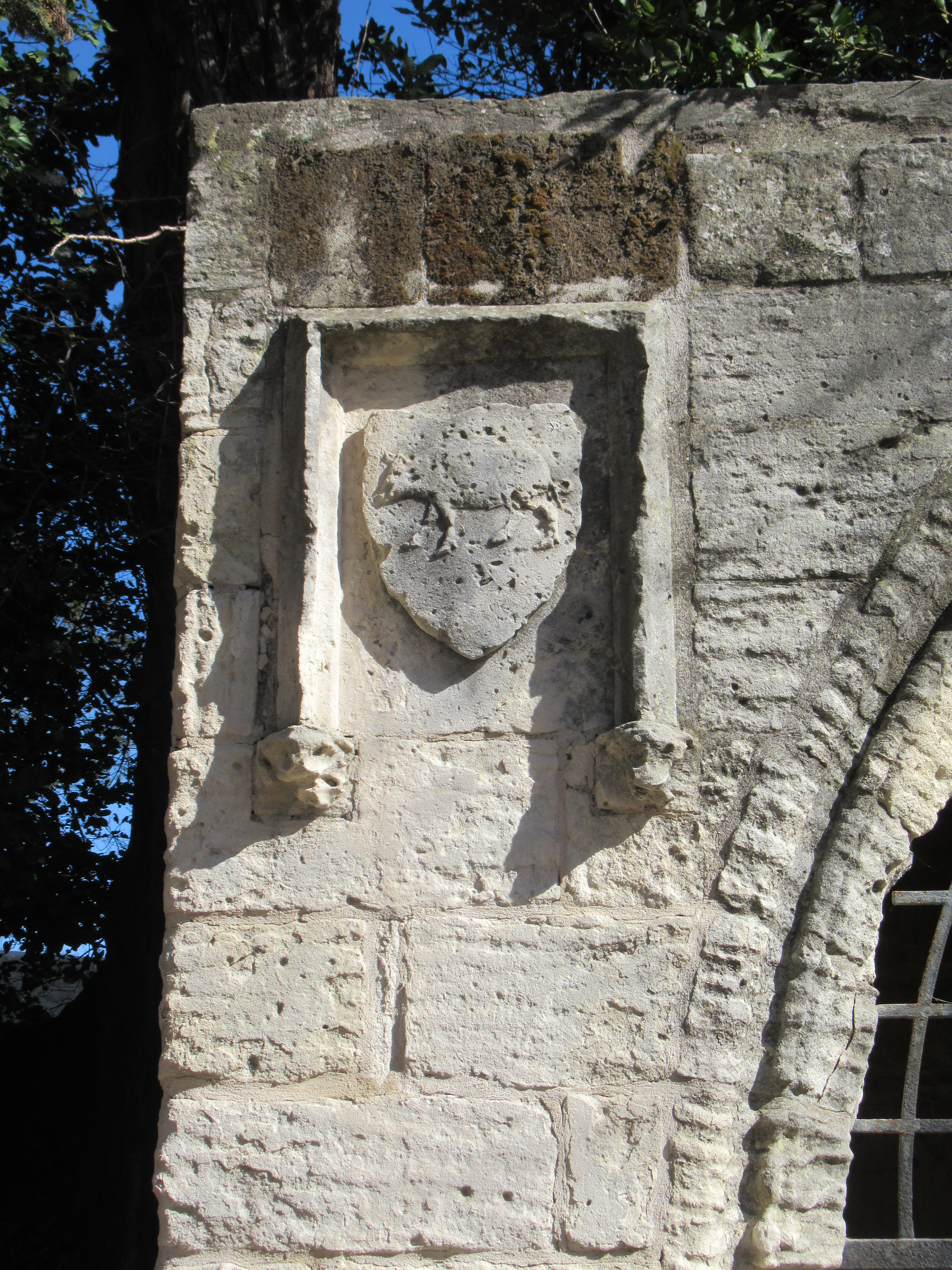
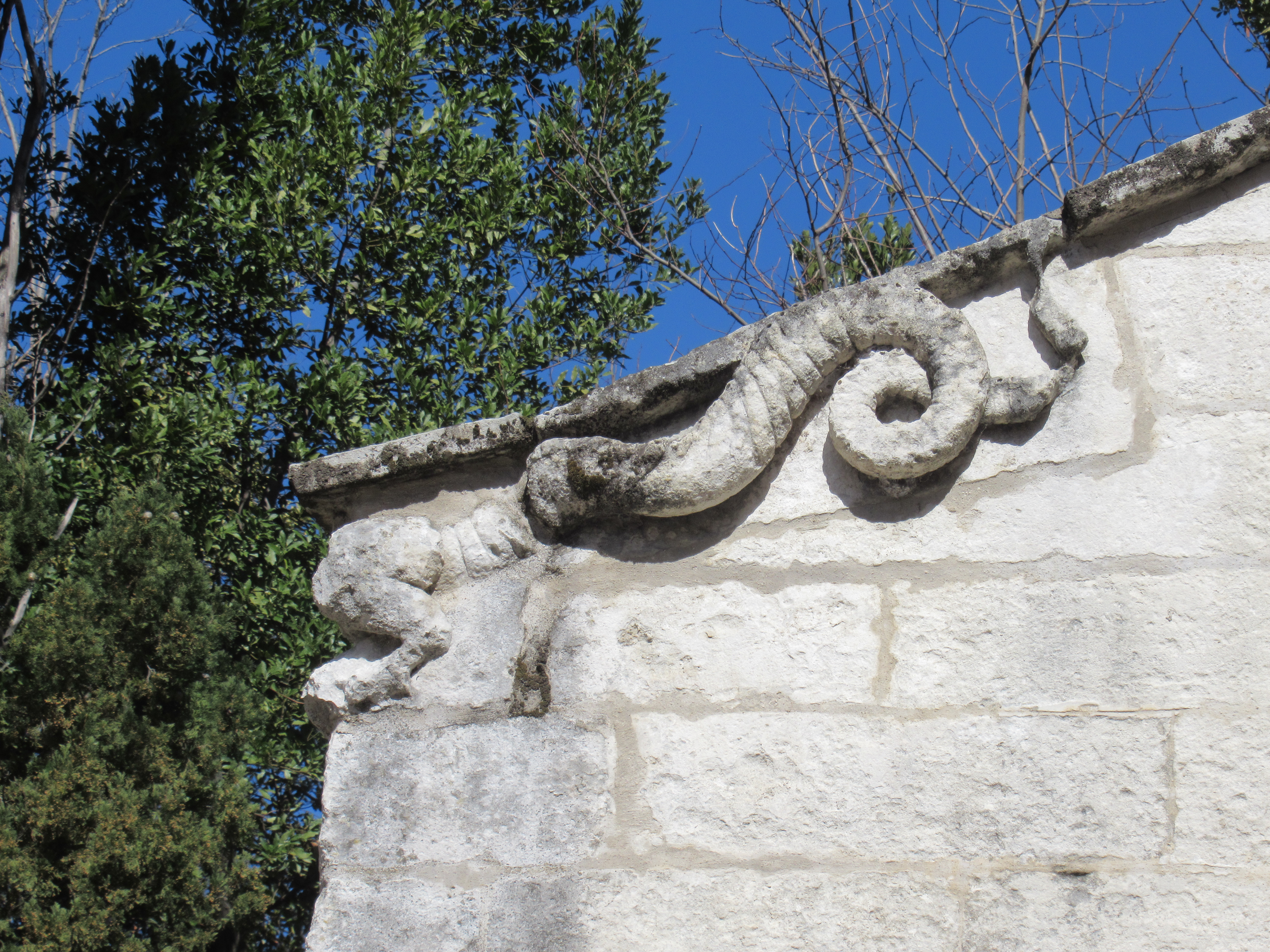
… gorgeous old carvings of enigmatic animals. I’m off to follow the trail to the next port of call on the route to Santiago de Compostela. More of that another time pilgrims.

Monstrous

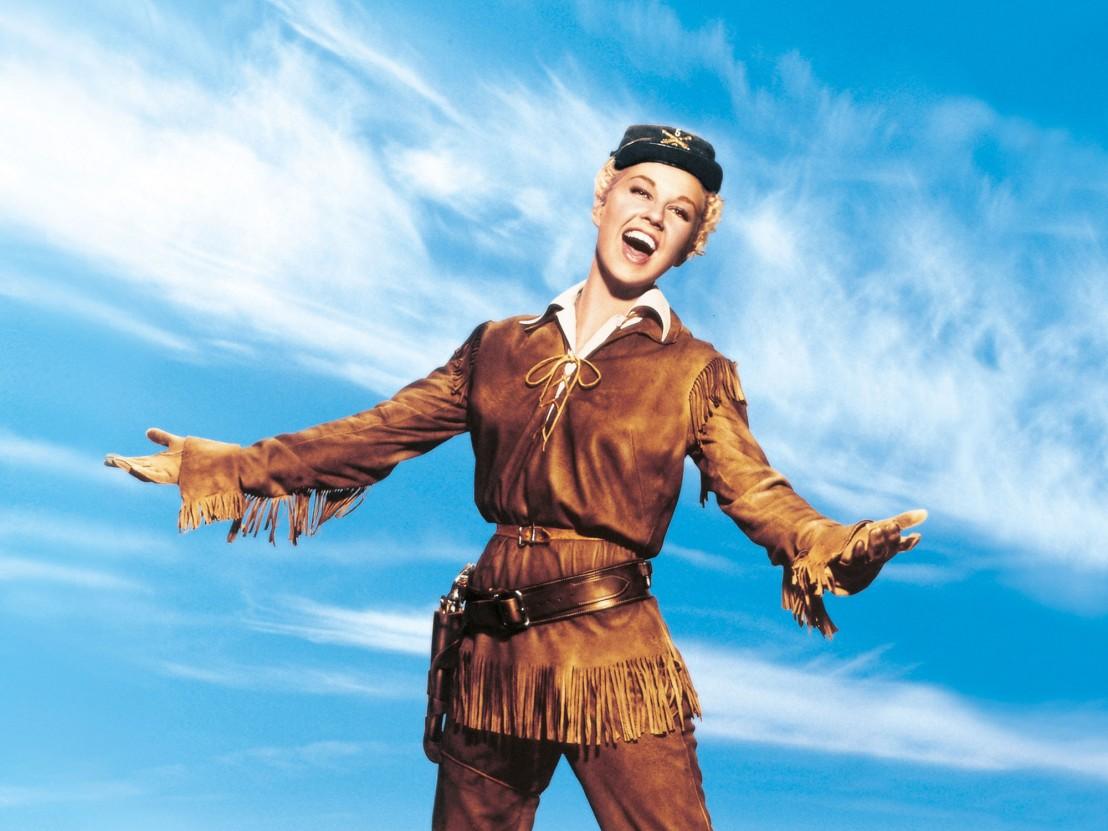
I’d intended to pop down to Arles for more antiquities post swimming this morning, but the weather had something to say about the prospect of driving along that open stretch of road: so gloriously edged by fields of sunflowers in the summer, but a different can of worms in a mistral as violent as today’s offering. Thus, buffeting along the back roads towards Tarascon, whilst being blown in from the windy city, I reflected on how I’d already been both Orca and Doris Day by only eleven o clock.

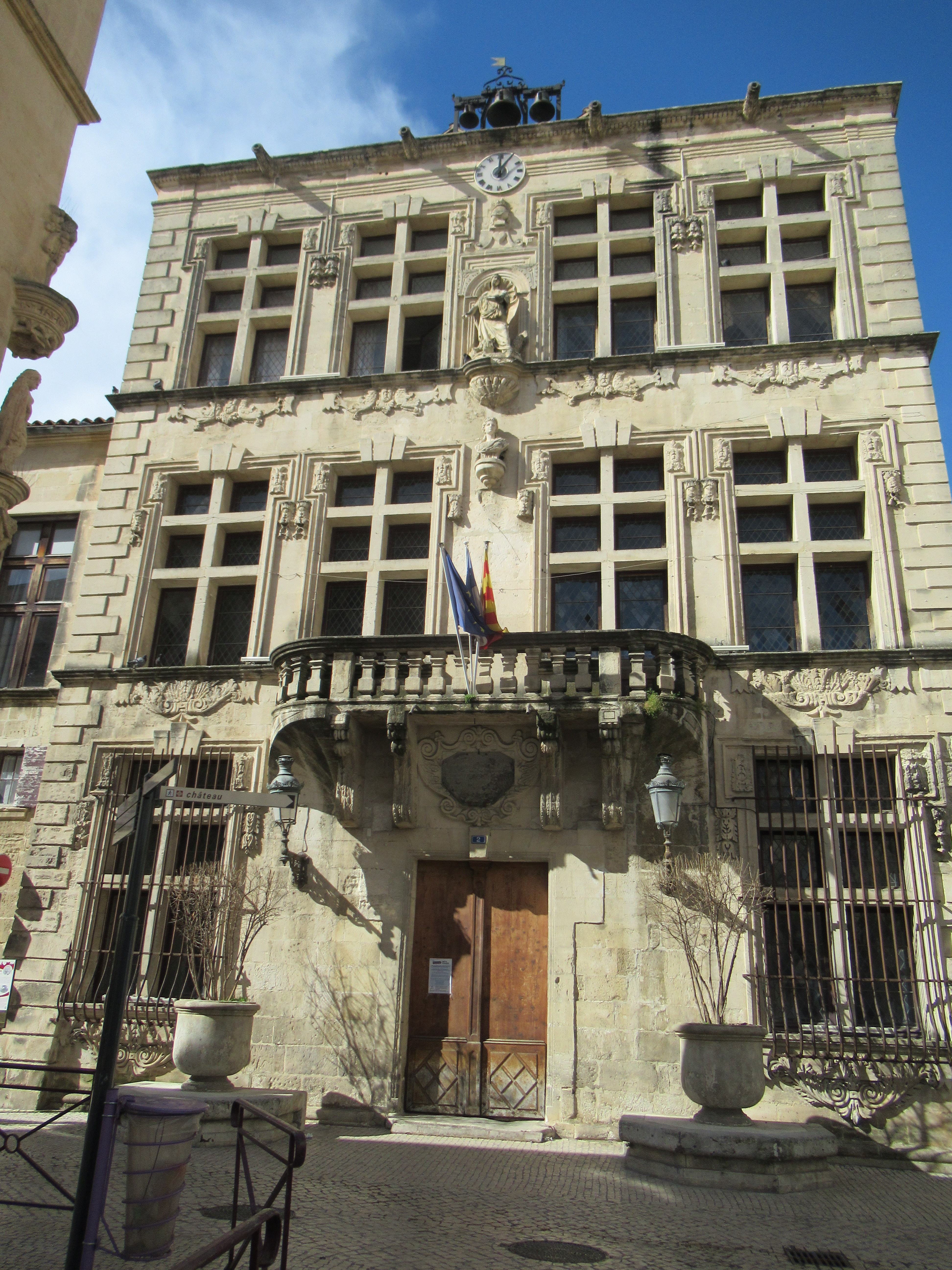
To be fair, I don’t think there’s a huge swathe of folk placing Tarascon at the top of a list of places to visit in Provence but I like it, even though it appeared generally shut today. It’s February, it’s exceptionally windy, and it’s midi so what can you expect. The beautiful seventeenth century town hall was bathed in sunlight – but closed. I first came here one Christmastide, poked my head around those uninviting doors, and discovered a most wonderful creche which wound its way on and on, upstairs and around corners. As santons, everyone you can think of, and more, was on their way to see the nativity including the three kings with elephants! However, the real reason to visit Tarascon, whilst equally fantastical, and vaguely related to Christian stories, involves a monster.
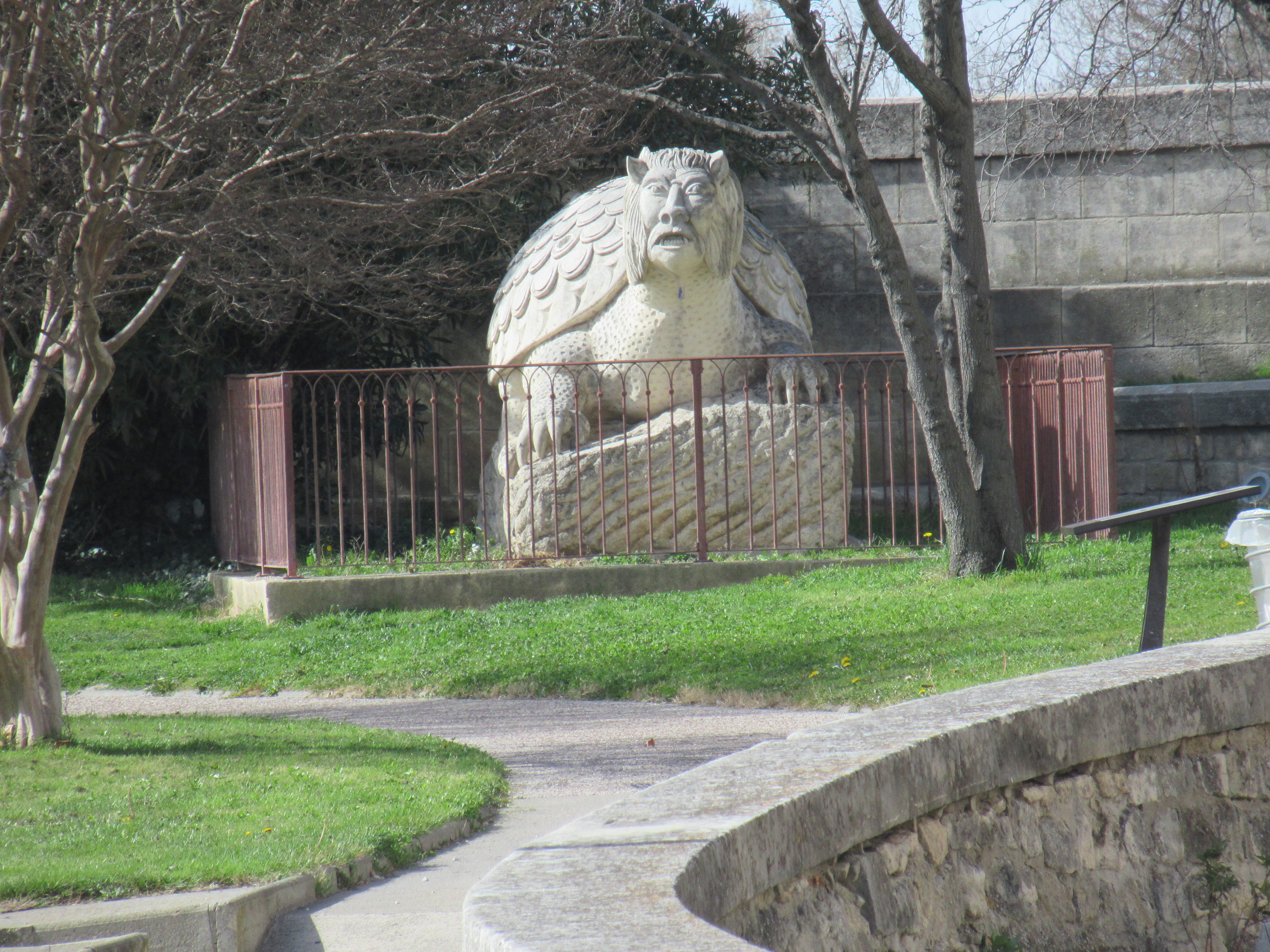
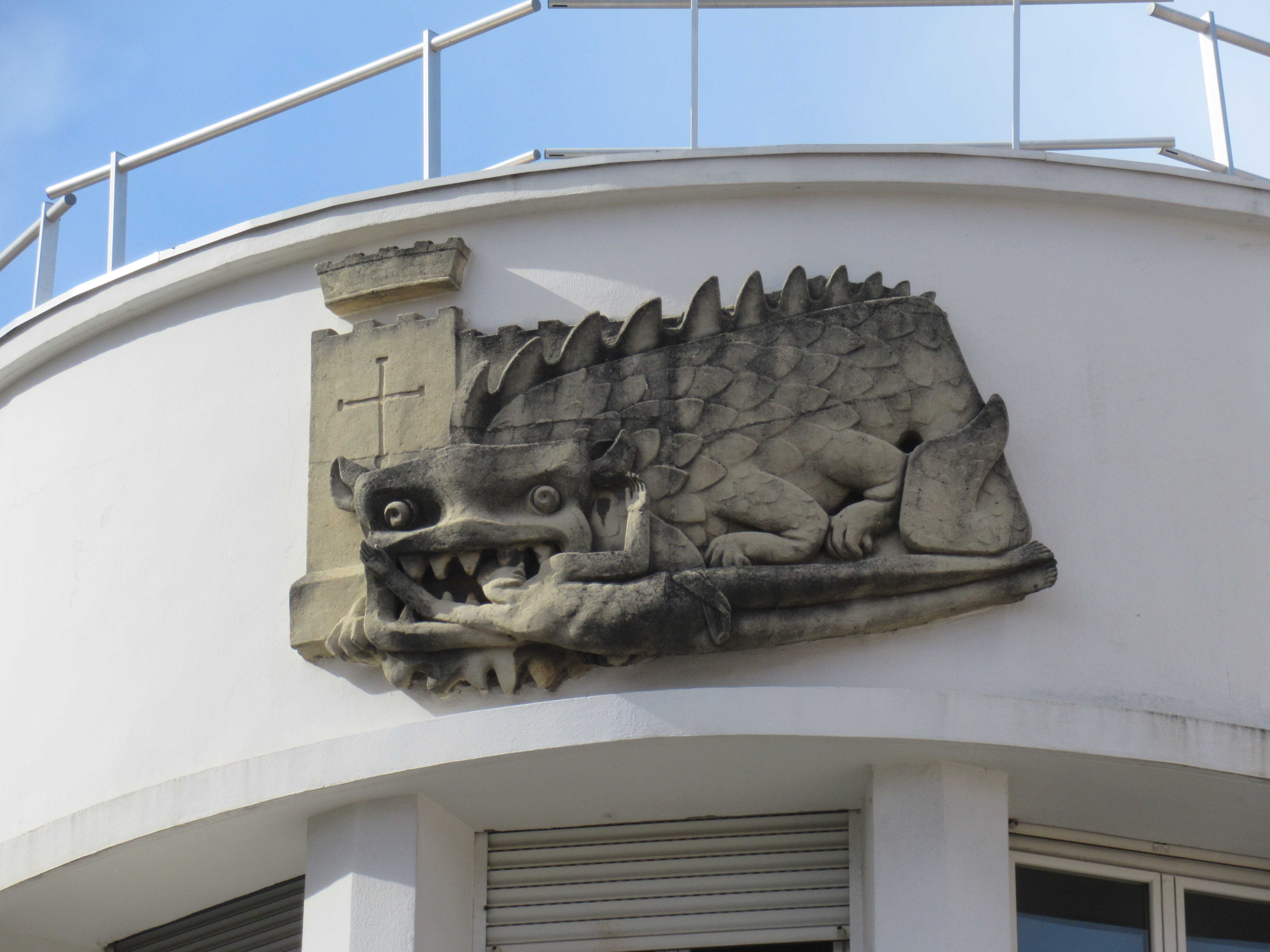
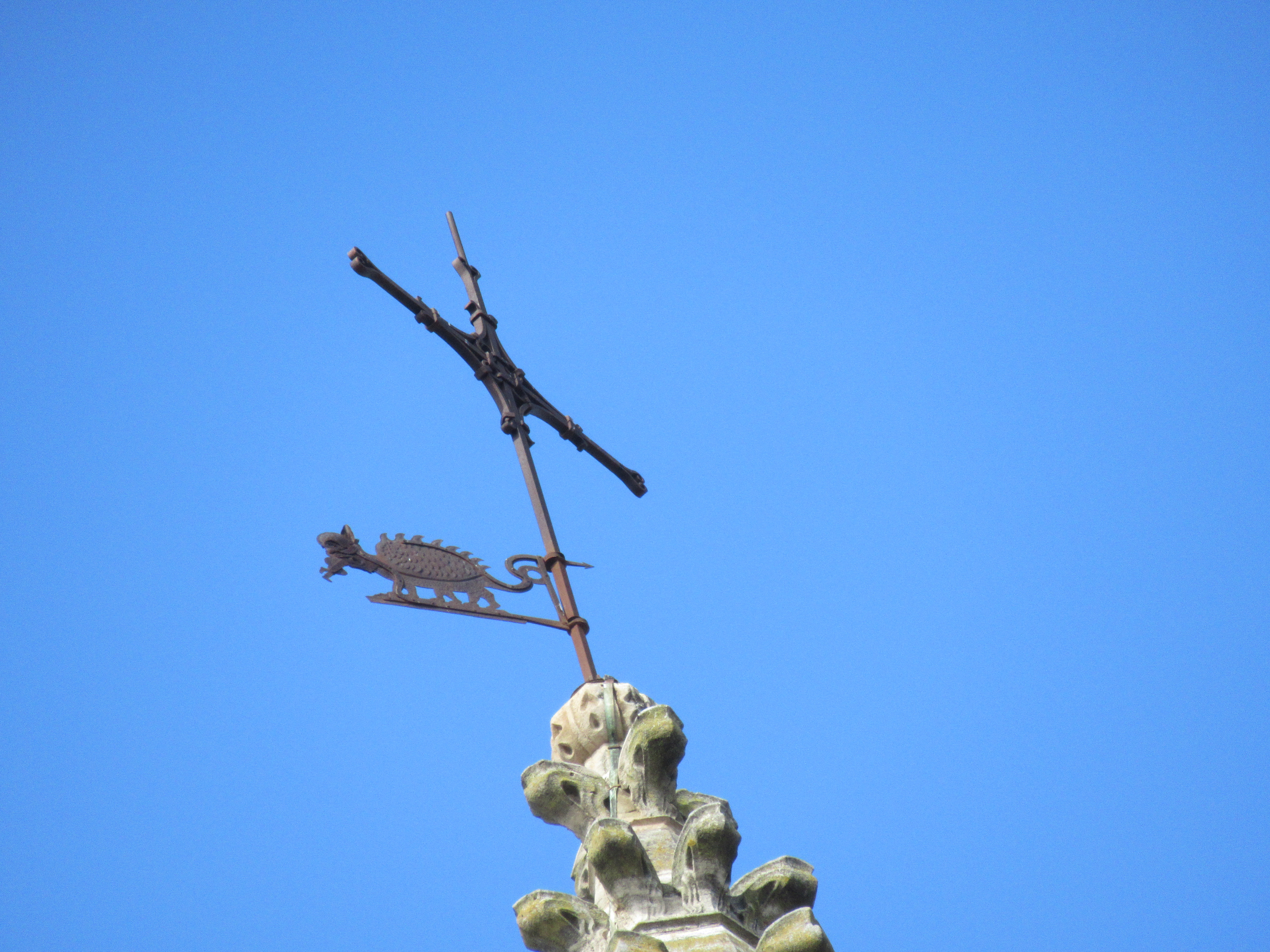
This is the Tarasque, from whom the town derives its name – see how important monsters can be? The Tarasque was said to be half amphibian and half reptilian, or possibly a six legged dragon, which roamed the banks of the Rhone giving everyone in the locale the heebie-jeebies. And don’t think this is the only depiction.

Here he is again above the national bank.

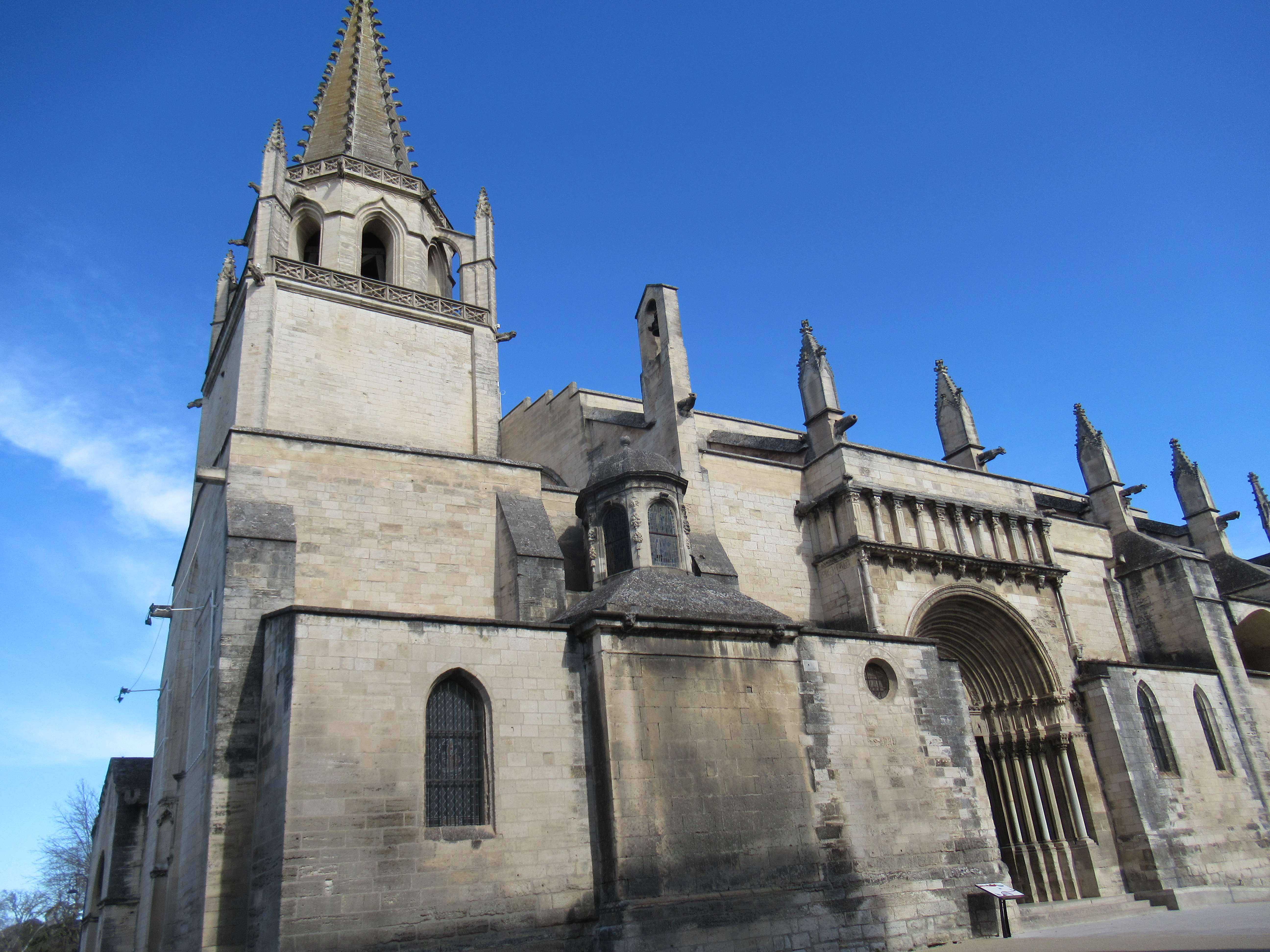
And there he is on the steeple of the St Martha’s church. (Look at that sky – hard to believe how cold the wind is). So, I’m just going to remind you about St Martha and why, for me, her church is the most interesting place in town.

Christian tradition tells us that Martha was the sister of Lazarus. Then there’s something called Provencal Christian tradition which, to the traveller, is arguably more interesting. For a start, some folk believe that Christ was born in Provence – hence the preoccupation with creches that involve every provencal character you may have read about, and wherein the nativity is only a part of the whole.

Martha, along with a number of people called Mary, including the Magdalene, were cast adrift in a boat which found its way to St Maries de la Mer, down the road, in 48 AD. All sorts of myths and tales abound concerning the subsequent lives of these sacred mariners. For example, it’s from this source that the suggestion of Christ going to Glastonbury is derived. Or that Lazarus is buried in Marseilles. Or … take your pick.

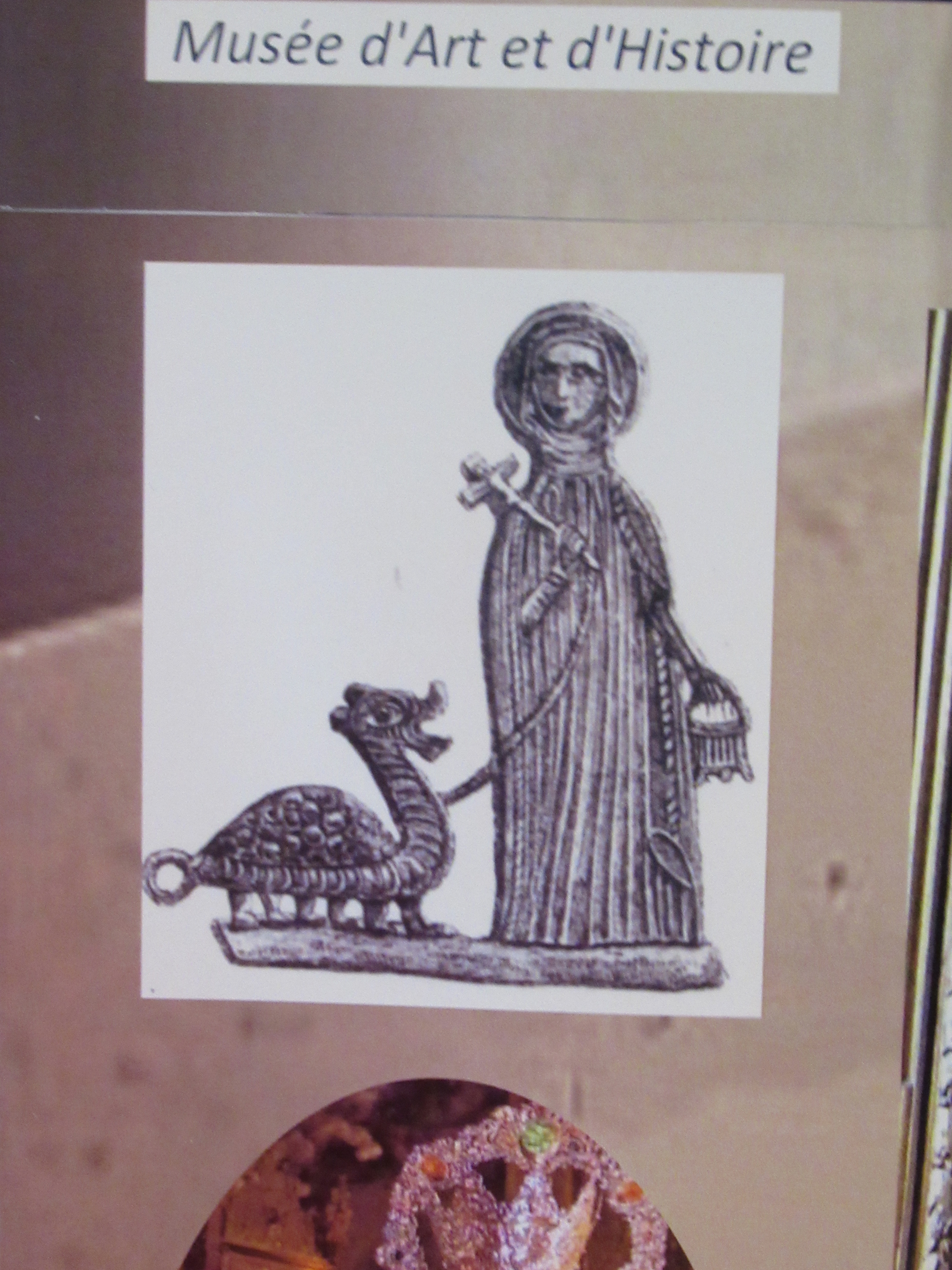
Martha is supposed to have travelled up through the marshy wastes of the Camargue, hoping, like her fellow travellers, to spread the Christian word. You may recall that when I wrote about Chapelle St Gabriel, it was to suggest that the edifice on which the chapel was built was a religious school for women founded by Martha. But, before she could begin her work, she had to overcome the Tarasque which was too fearful for the locals to listen to any other beliefs. Martha caught and tamed the monster and took it into town for the people to see. Look, she did a good job and managed to put it on a lead.

Presumably, the story is allegorical. However, the folk of whatever Tarascon was called before, hadn’t heard of allegories so they thanked Martha very much before tearing the monster apart. Only then, did they convert, which says something suspicious about faith.

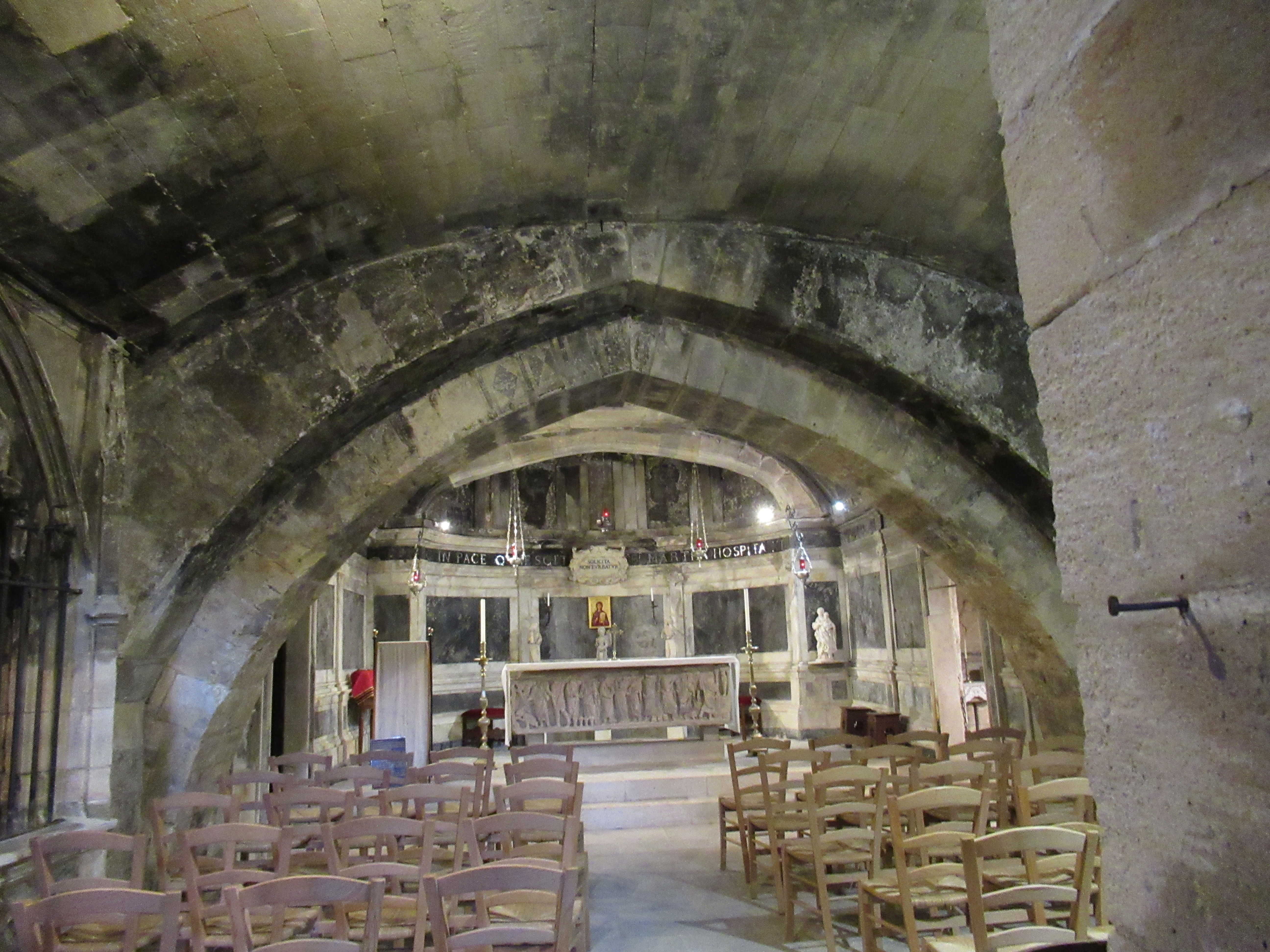
Here’s the crypt where Martha’s tomb and relics reside. (And can I just say that I was the only person in the place when I descended. Actually, I might’ve been the only person in Tarascon today; certainly, the only tourist). I will own up and say I took this snap with my arms between bars.

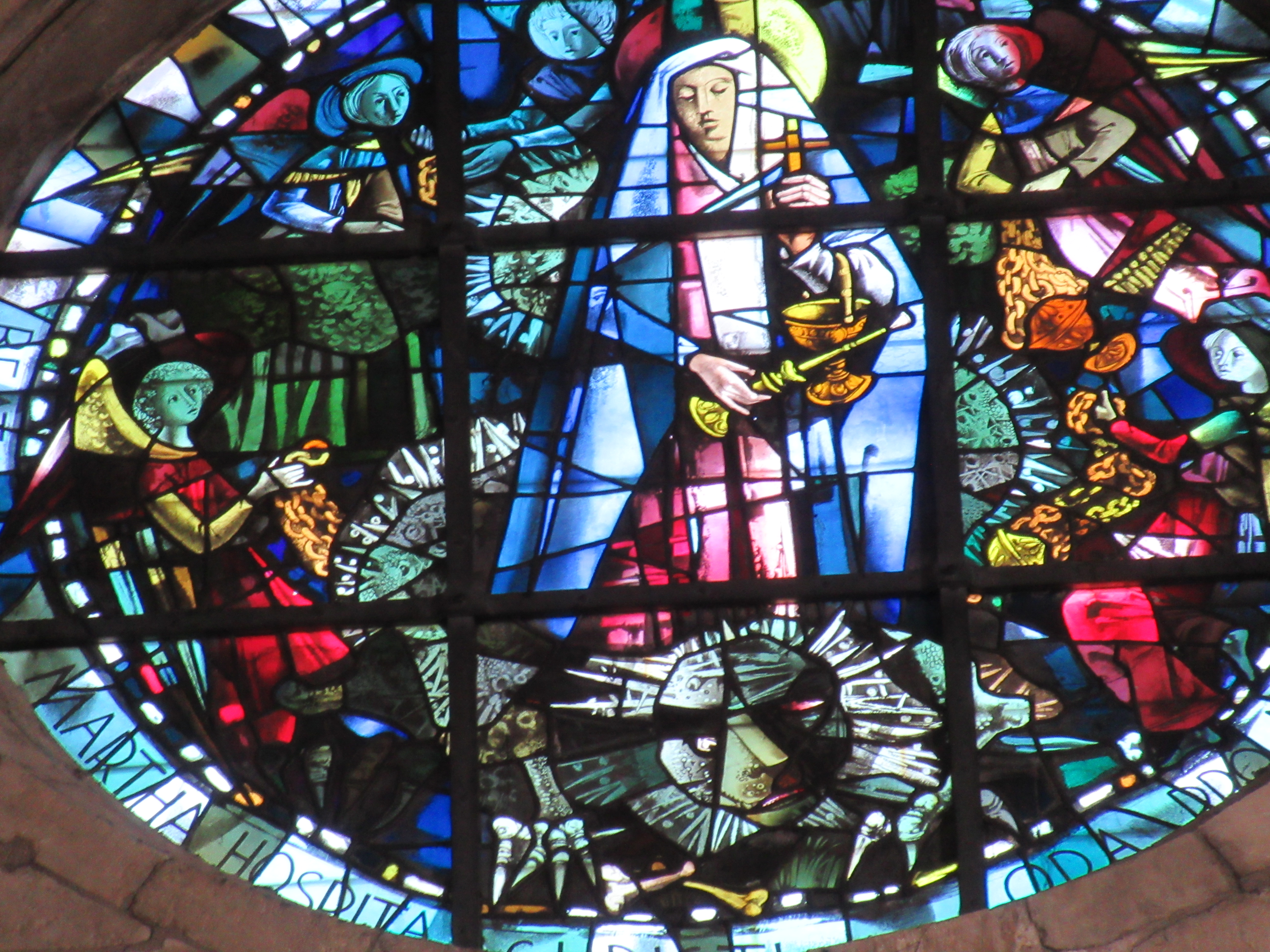
Finally, it’s not immediately obvious in this church where, amongst all the usual statues, sculptures and paintings, any depiction of Martha might be. I’d do well to follow my own advice when on a walk or a visit anywhere: Look UP. And as I was leaving, along an aisle that I’d already traversed, way up in the vaults, I finally saw this glorious piece of stained glass. There’s our dear brave Martha, and at her feet the fearsome Tarasque.

Jean Moulin

Not too far from my current billet is the commune of St Andiol boasting a population of around 3,500 people. It’s not exactly on the tourist track and in my experience nothing much happens there, with the exception of a large annual boot sale which seems to celebrate the commencement of the hunting season. However, St Andiol is really important in the annals of history for producing a man whom it’s said was the most important figure in the French Resistance.

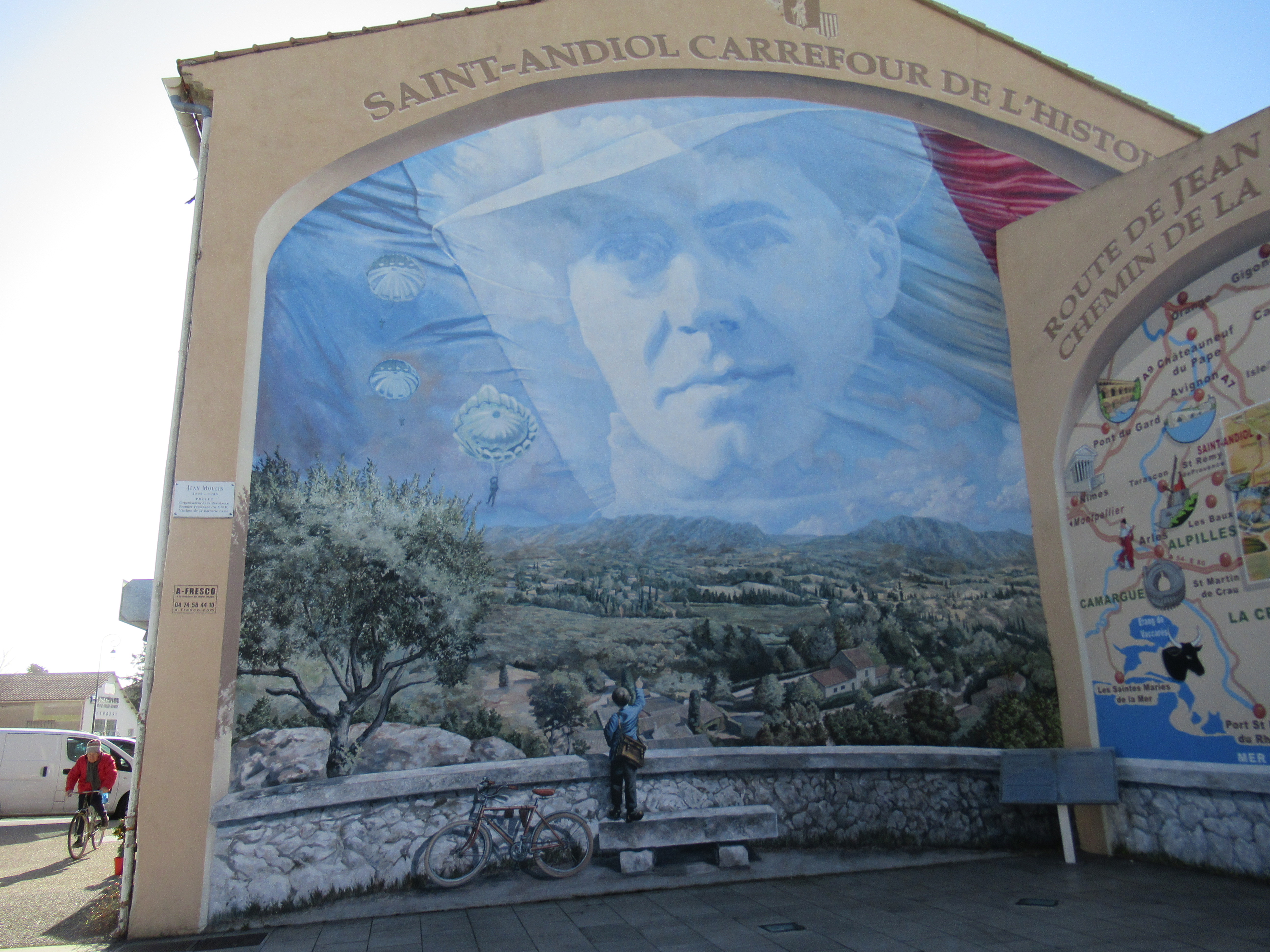
There’s a bit of a clue to be seen whilst waiting at the village traffic lights. It’s the most wonderful mural depicting Moulin’s handsome but haunting face. At the front of the fresco, a small boy has discarded his bicycle and stands on a stone bench looking at a parachutist descending over Les Alpilles. In an amazing trompe l’oeil, it’s not immediately apparent that the child and his transport are actually part of this superb work of art.

I know people who’ve passed this way and claim not to have noticed the fresco. How can that be? The first time I saw it, I swerved into a handy gap, parked the motor and got out to inspect it. Since then, I’ve read what I think might be the only book translated into English about our hero. And also, since those long-ago days, the commune opened the Jean Moulin Museum, then immediately closed it because of Covid, and has now re-opened their memorial.

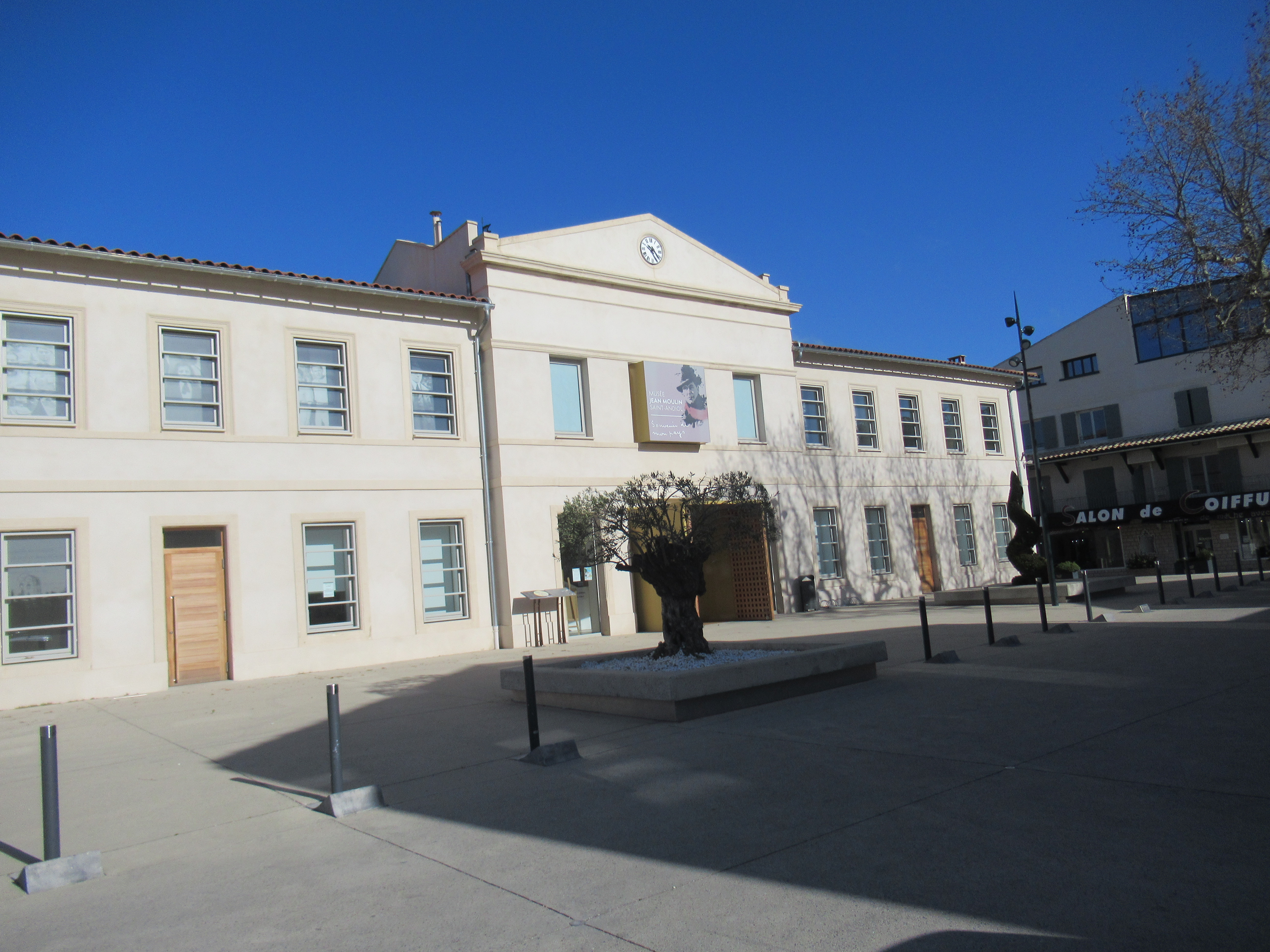
Yesterday, my friend Eleanor and I went to visit the museum which is sited in the old school that Moulin attended as a student. As you can see, it’s not small and St Andiol isn’t big but we did have an initial spot of bother locating it which I feel warrants a mention. Eleanor parked her car somewhere in the back streets. ‘I’ll go and ask that workman for directions. You stay here in the warm’, I said. (The day was sunny with brilliant blue skies but, yet again, the mistral was playing havoc with our hair). Having received helpful instructions I returned to the car, opened the door, and got back in. That’s strange, I thought, where’s she gone? I’d just like to point out that this was the first time I’d been in her car. Anyway, I got back out, had a vague look round for my friend who happened to be waiting in her motor three places along. After that, we made a dash for it but still couldn’t find the joint. Next, I went into the baker’s to ask for further directions. Madame, sensing I was an idiot, found a spare piece of baguette bag on which she drew an illustrated guide replete with lady having her hair done (look for the coiffeur, very busy in the mistral), large square sign with the word ‘Stop’ on it, and an arrow to ‘musee’.

The first thing one sees on entering the museum is this rather decorative container which has clearly been the subject of past abuse. The sign reads: ‘this is not a rubbish bin, this is where you leave your umbrella’.

Anyway, back to more serious things. Jean Moulin became a civil servant, although I feel this was a front to other activities, particularly as to say he was politically active would be an understatement. Quite early in the war, he was arrested in Chartres by the Germans and attempted suicide by cutting his throat with a piece of broken glass. The scars left from this episode explain why he’s subsequently portrayed wearing a scarf around his neck.

Having survived this, he returned to St Andiol where he joined the French Resistance. In October 1941, Moulin travelled to London where he met with de Gaulle and, according to some historians, with Churchill. He was tasked with unifying various resistance groups. On 1 January, 1942, Jean Moulin parachuted into Les Alpilles to meet with the leaders of these groups and achieve successful unification.

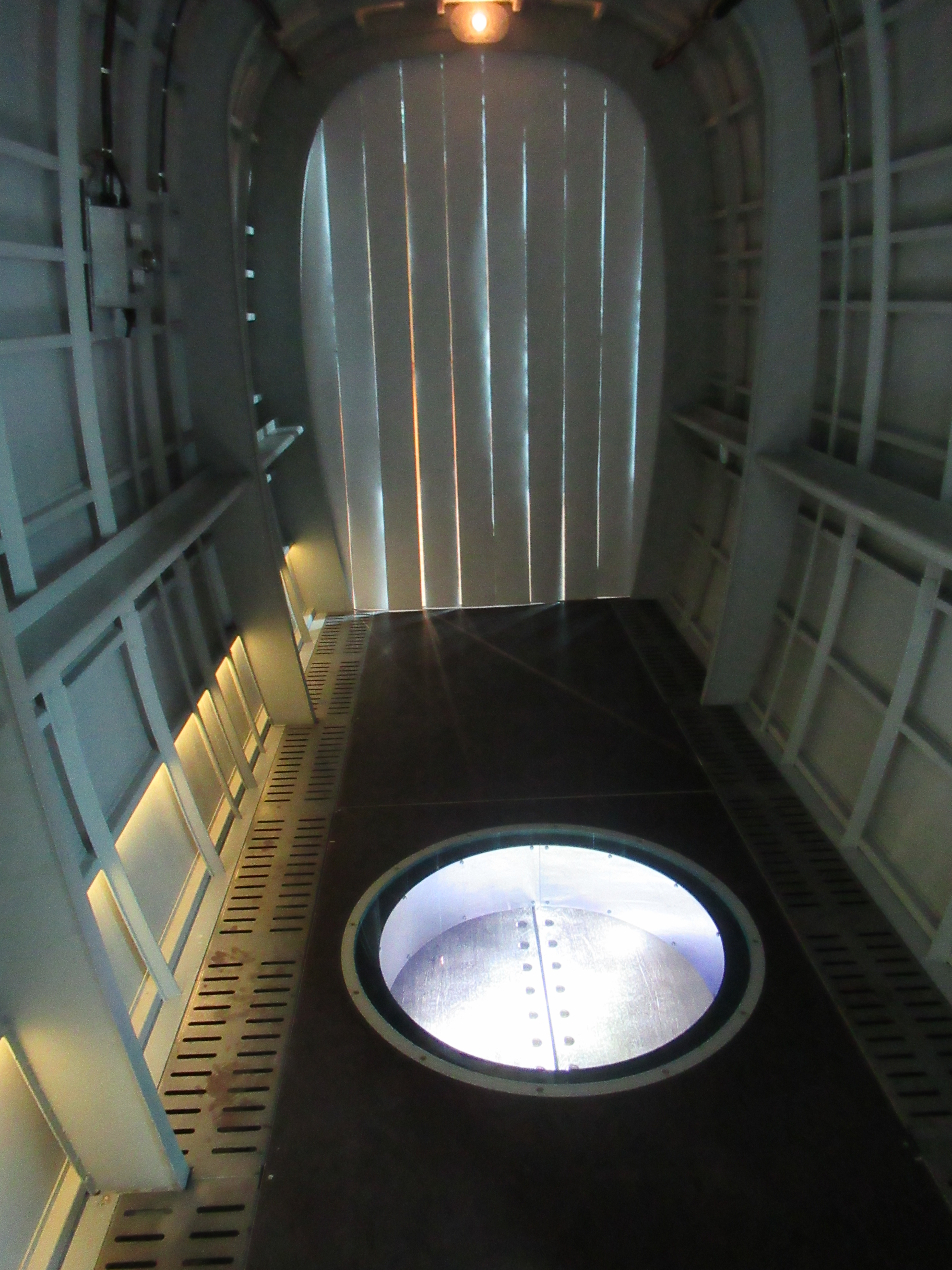
In this most amazing museum is a reproduction of the inside of the aircraft which took Moulin to Les Alpilles. As a visitor, one has to go through in order to progress to the rest of the exhibition. It’s difficult to describe: on entering, we are surrounded by the noise of the plane. Next, the circle on the floor opens, at which point Eleanor and I grabbed each other. The opening then displays the Alpilles coming closer and closer as if we are parachuting down. It’s amazing but very disconcerting.

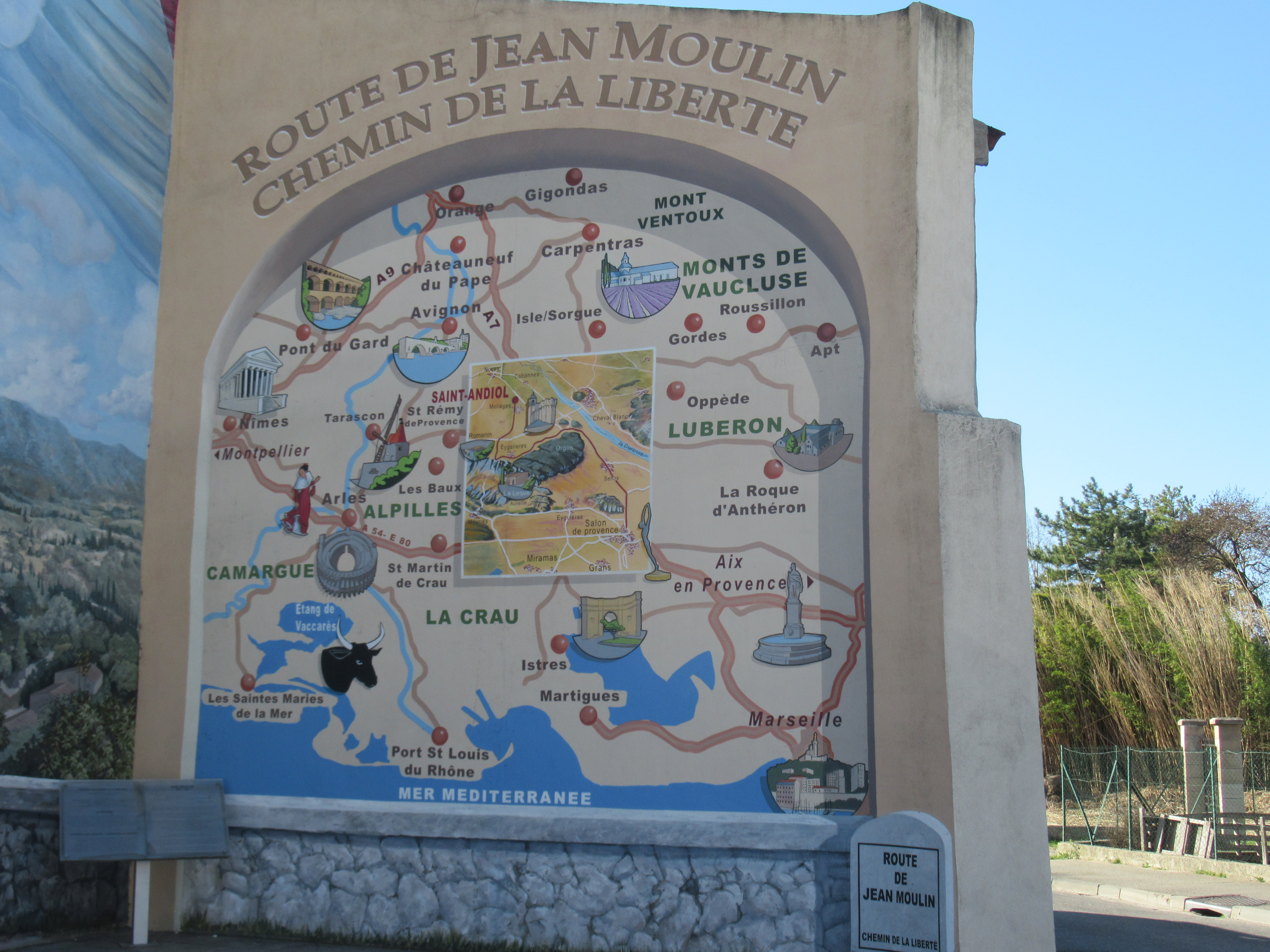
And here’s the second fresco in St Andiol depicting the Chemin de la Liberte. On 21 June, 1943, Jean Moulin was arrested in Lyon by Klaus Barbie, the ‘Butcher of Lyon’. He had been betrayed but by whom is unclear. Moulin was tortured by the Gestapo but never revealed anything of use to the enemy. He failed to survive the barbarity inflicted upon him and died before reaching internment.
In a country that names its streets after distinguished Frenchmen, Rue Jean Moulin is the third most popular and the fifth most popular when naming schools; which is as it should be as long as students recognise his importance. And in a country where museums don’t always do justice to their raison d’etre, I’d like to say that the little commune of St Andiol has done a most excellent job.