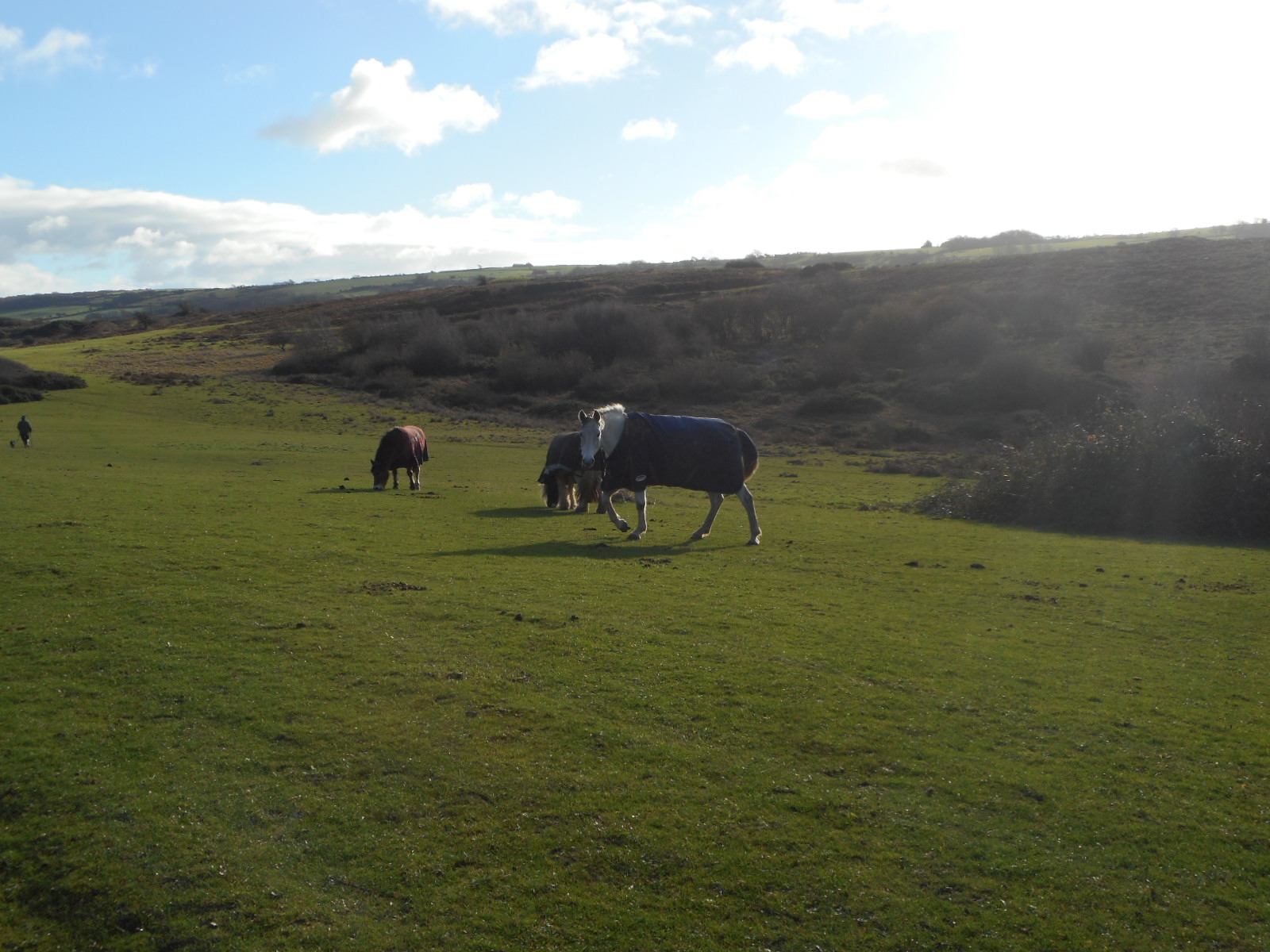
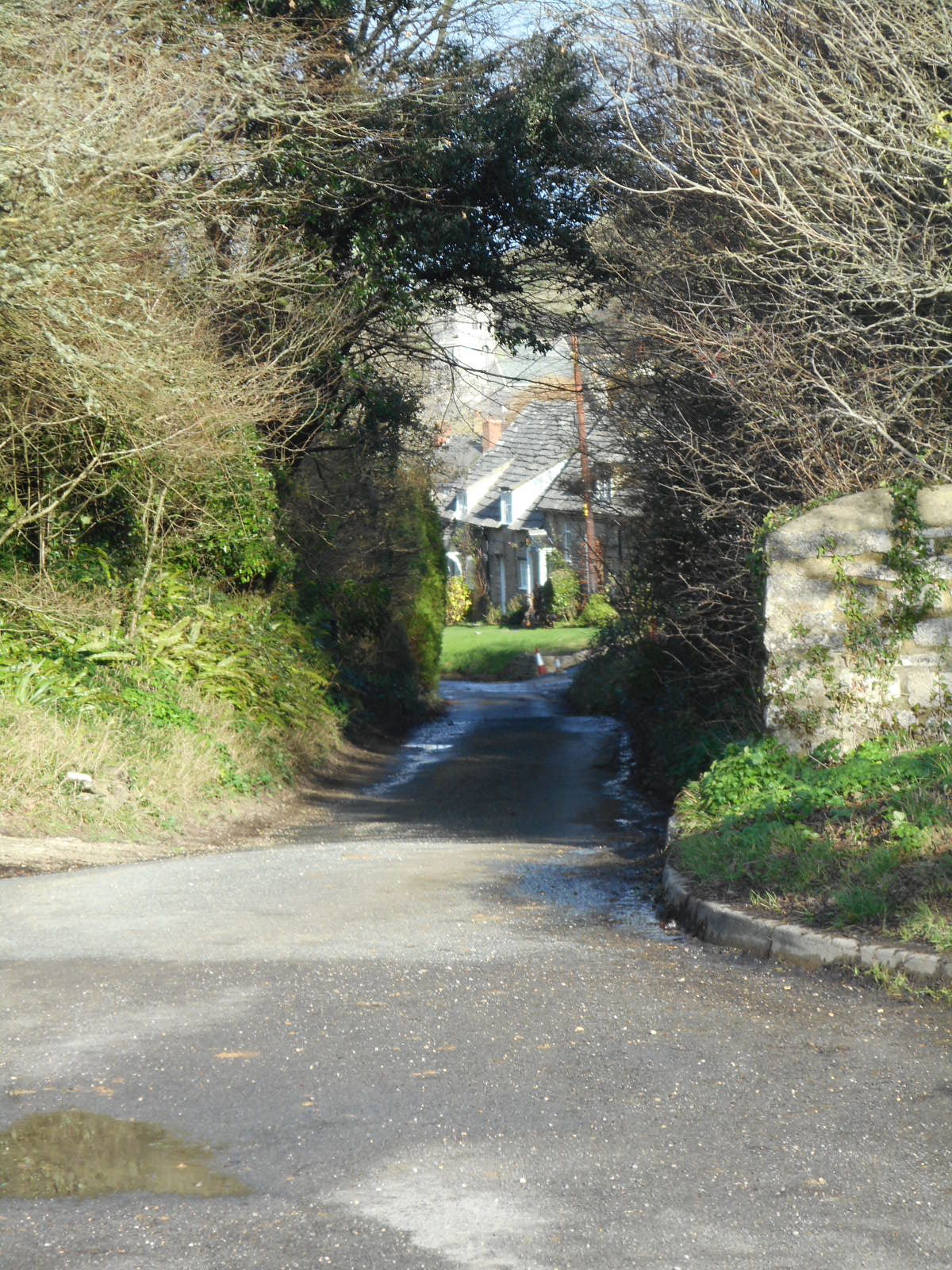
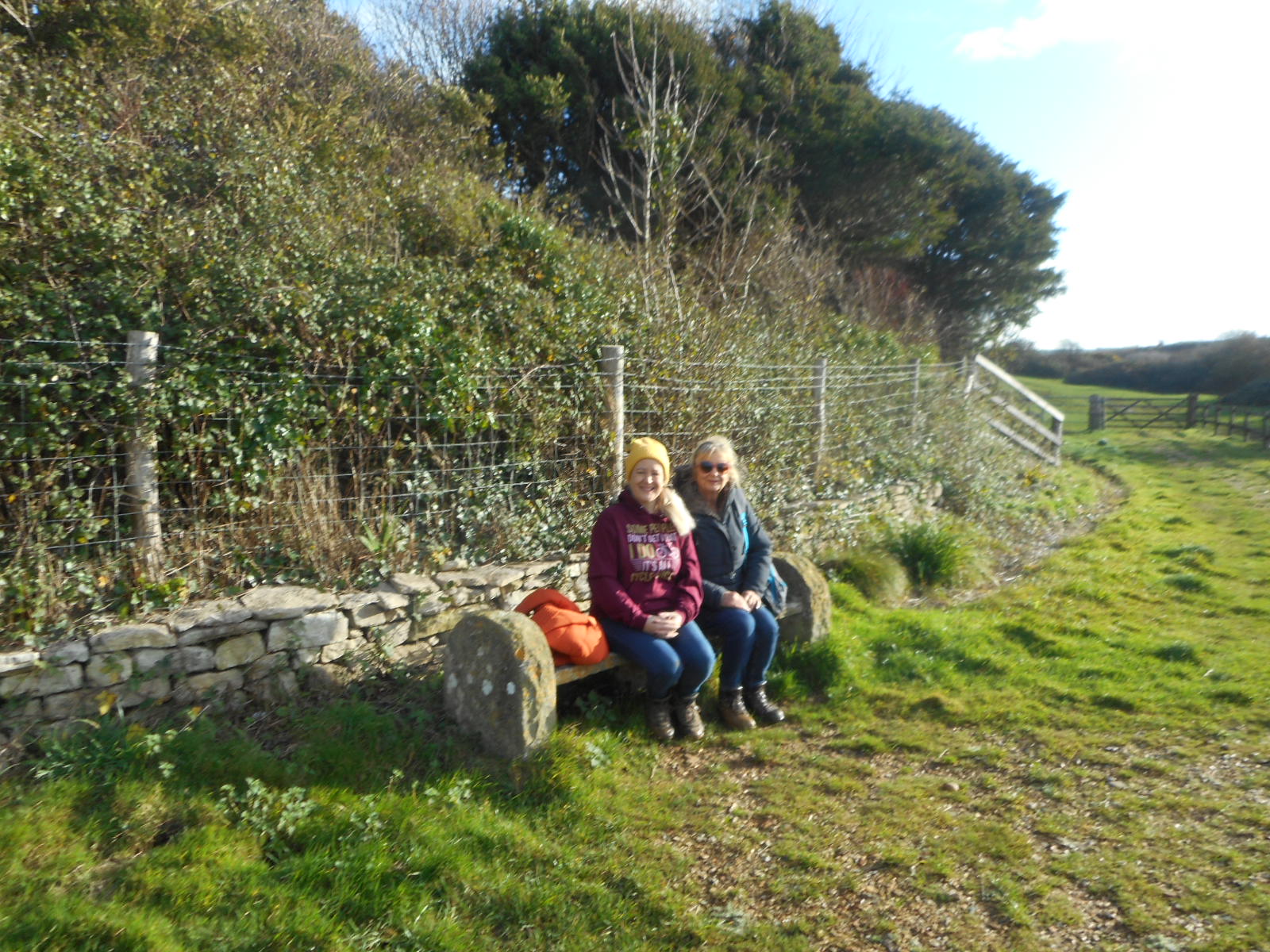
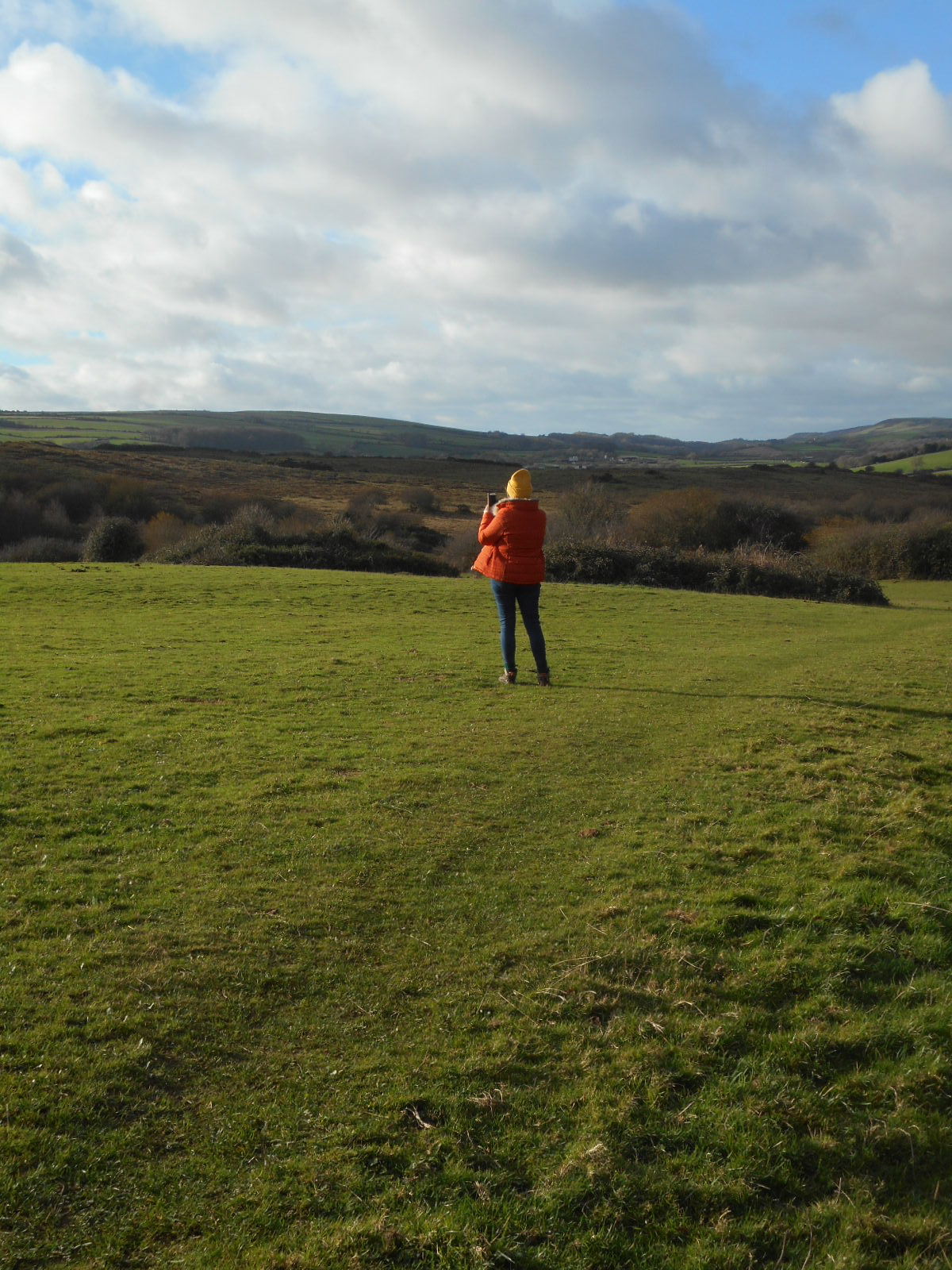
A cold January day

On this sparkling morning, someone delivering a washing machine to someone else has parked his lorry across the front of my car. ‘Excuse me’, I begin and the driver is so quick to move the offending vehicle that, in my inferred hurry, I have to speedily drive away pretending I can see where I’m going. I can’t: the car is frozen solid and the windscreen refuses to clear. It’s a bit parky.
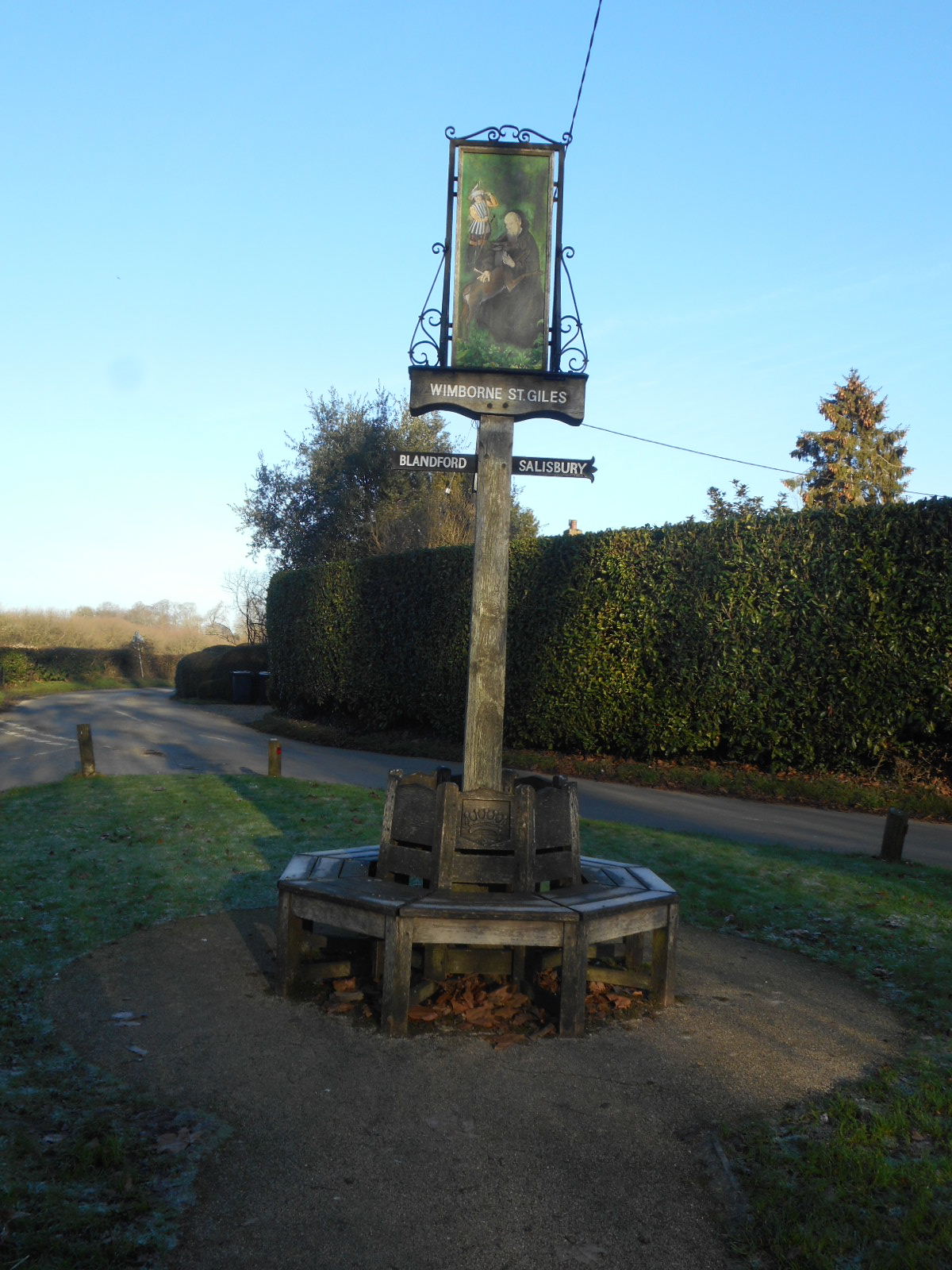
Following a last minute change of plan, my friends and I are undertaking a six and a half miles circular walk from Wimborne St Giles ( the prettiest village in Dorset according to our information sheet) to Gussage All Saints and back. St Giles was a Greek hermit whose feast happens to fall on my birthday. Not much of a feast though as he was a vegan. I assume this village sign depicts him protecting the deer from a juvenile hunter.
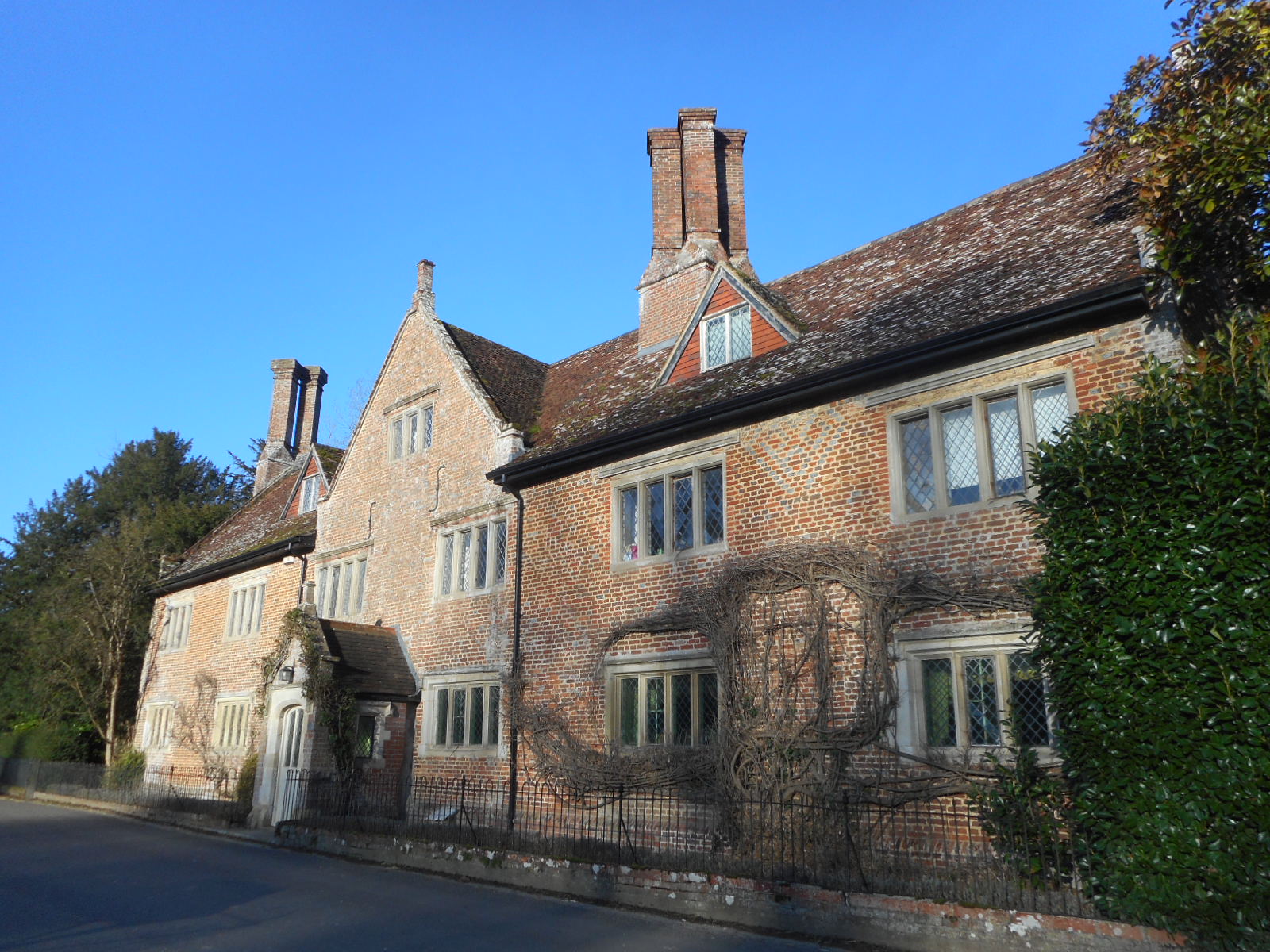
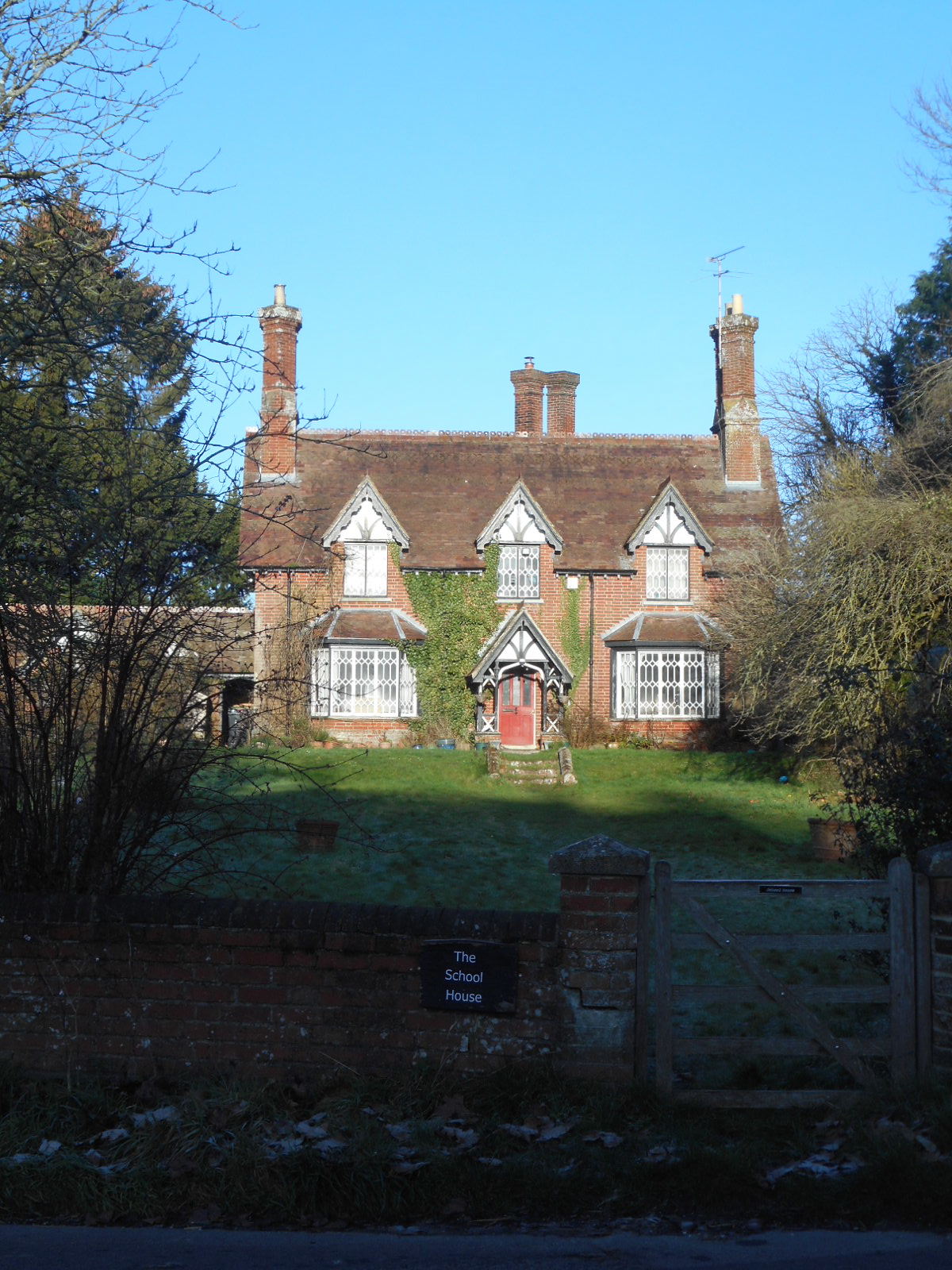
 

It’s true, Wimborne St Giles is pretty picture perfect. It’s part of the Shaftesbury estate so there’s clearly no hoi polloi welcome in this neck of the woods. Better get a move on.
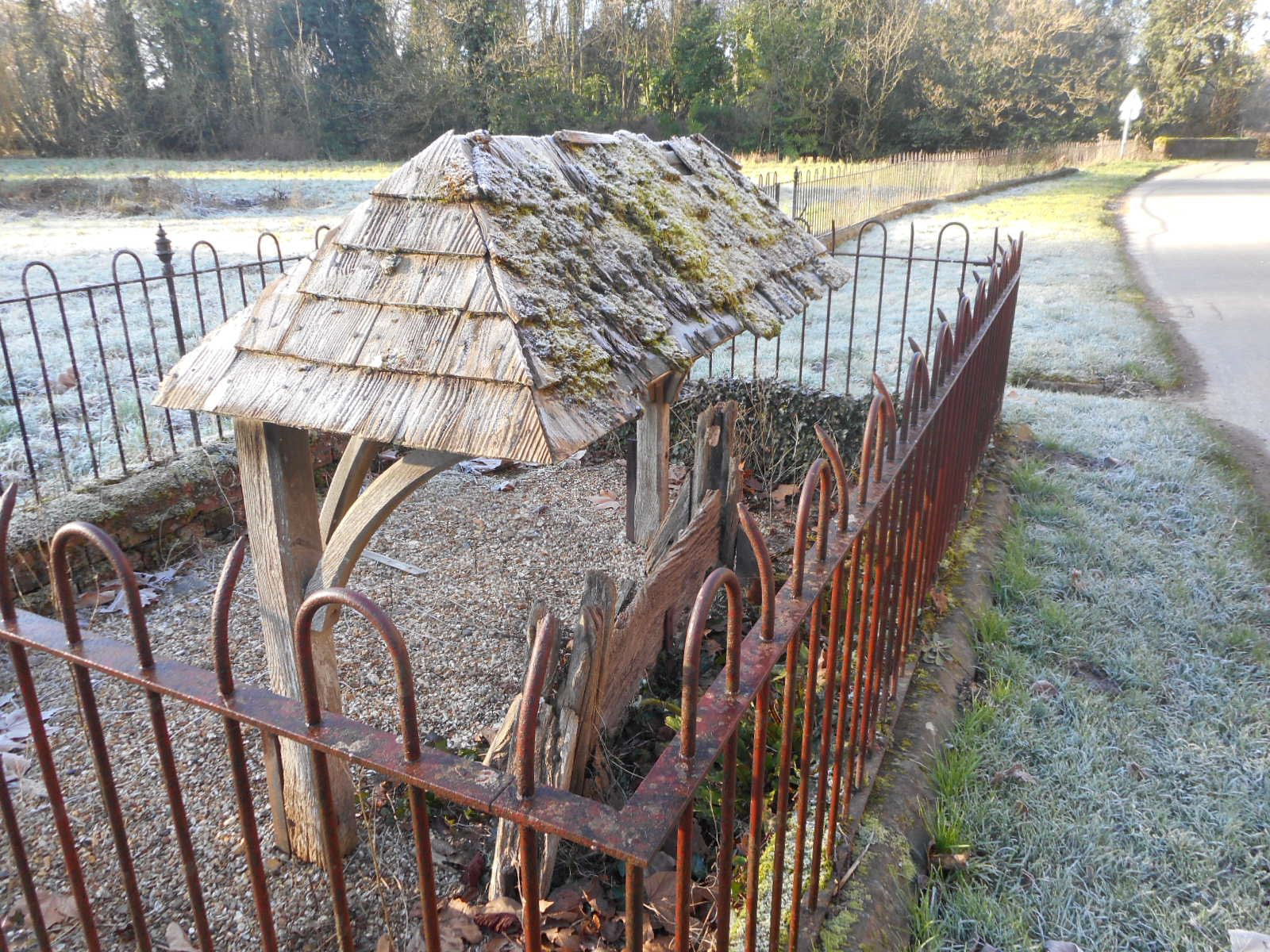


Any adverse behaviour would warrant a spell in the stocks, the rotting remainder of which can be seen below this sunken well. It’s probably more relevant to look at the state of the surrounds which will give some indication of just how cold it is today. Despite two pairs of socks, my feet are frozen before we’ve even left the village.
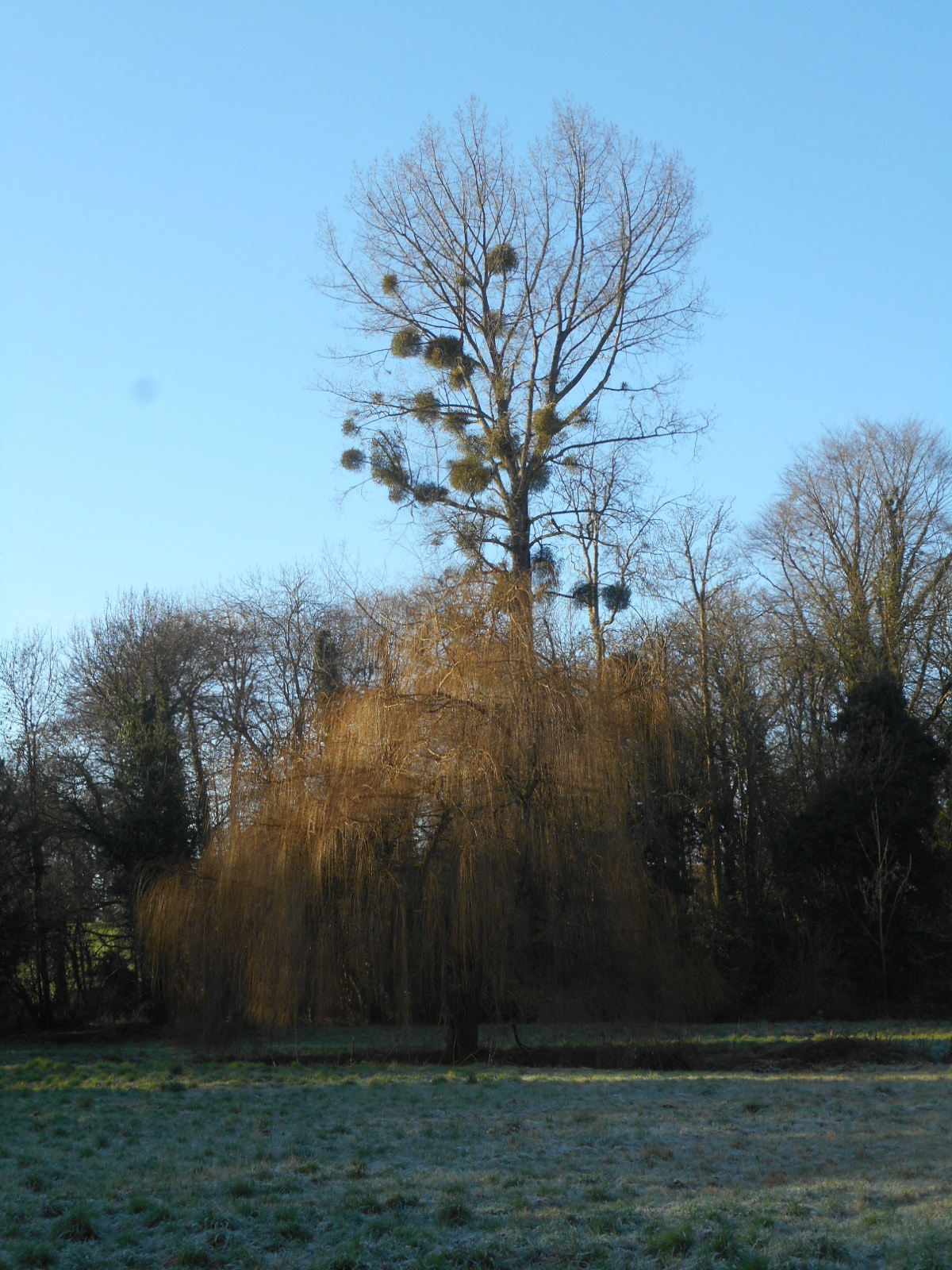
 

On the other hand, looking upwards to this mistletoe dressed tree illustrates the sun-soaked clear blue skies that we are about to enjoy and the promise of a slight rise in temperature.
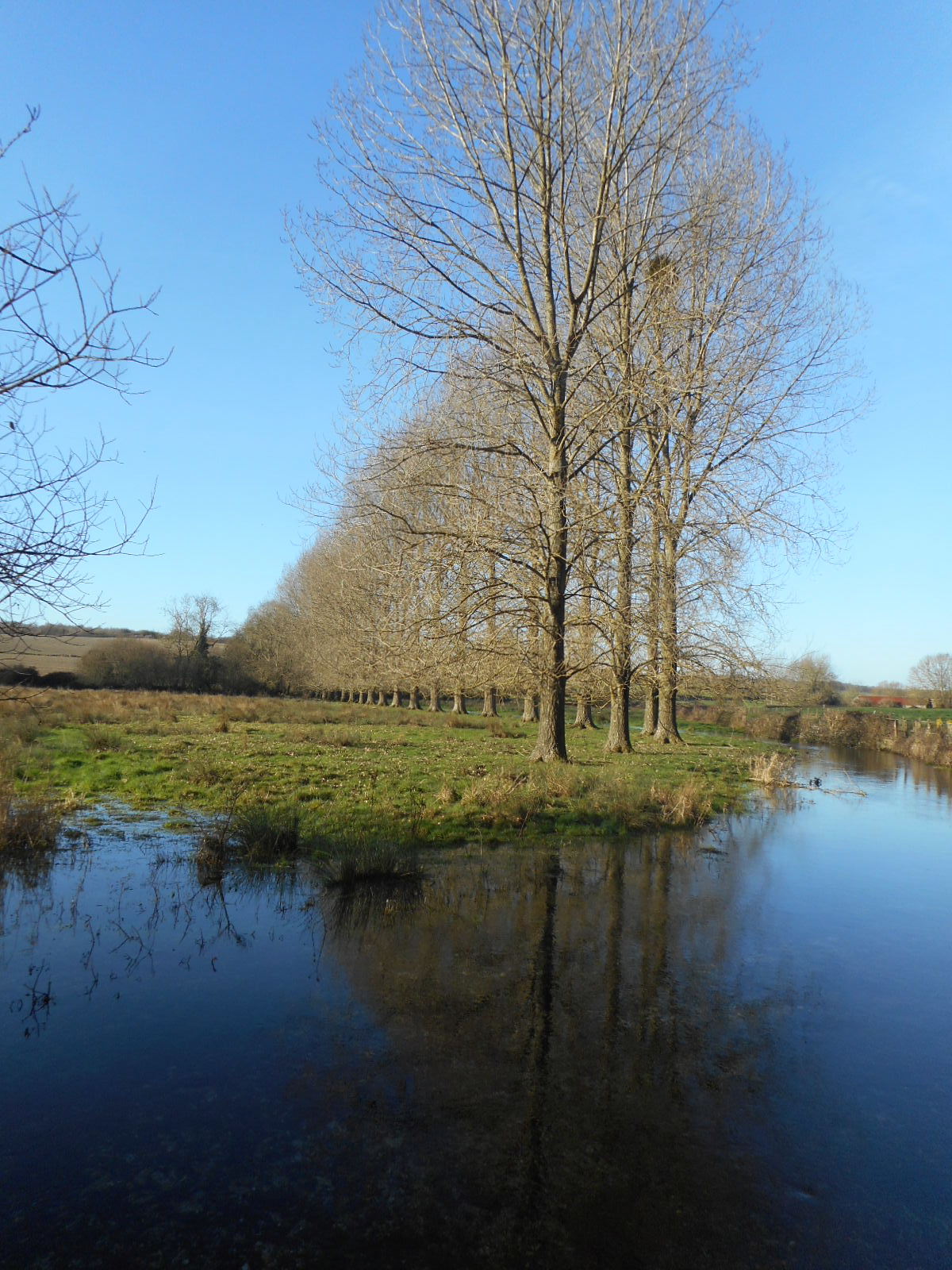


Tony wants to walk along the River Allen. Sadly, his desire is short lived as the water will soon disappear. However, what we see of it is beautiful. According to the instructions we’re following, this walk will take a little over two hours. Well, that may be the truth if one fails to stop and imbibe the countryside which is looking a little French on this frosty morning.
 

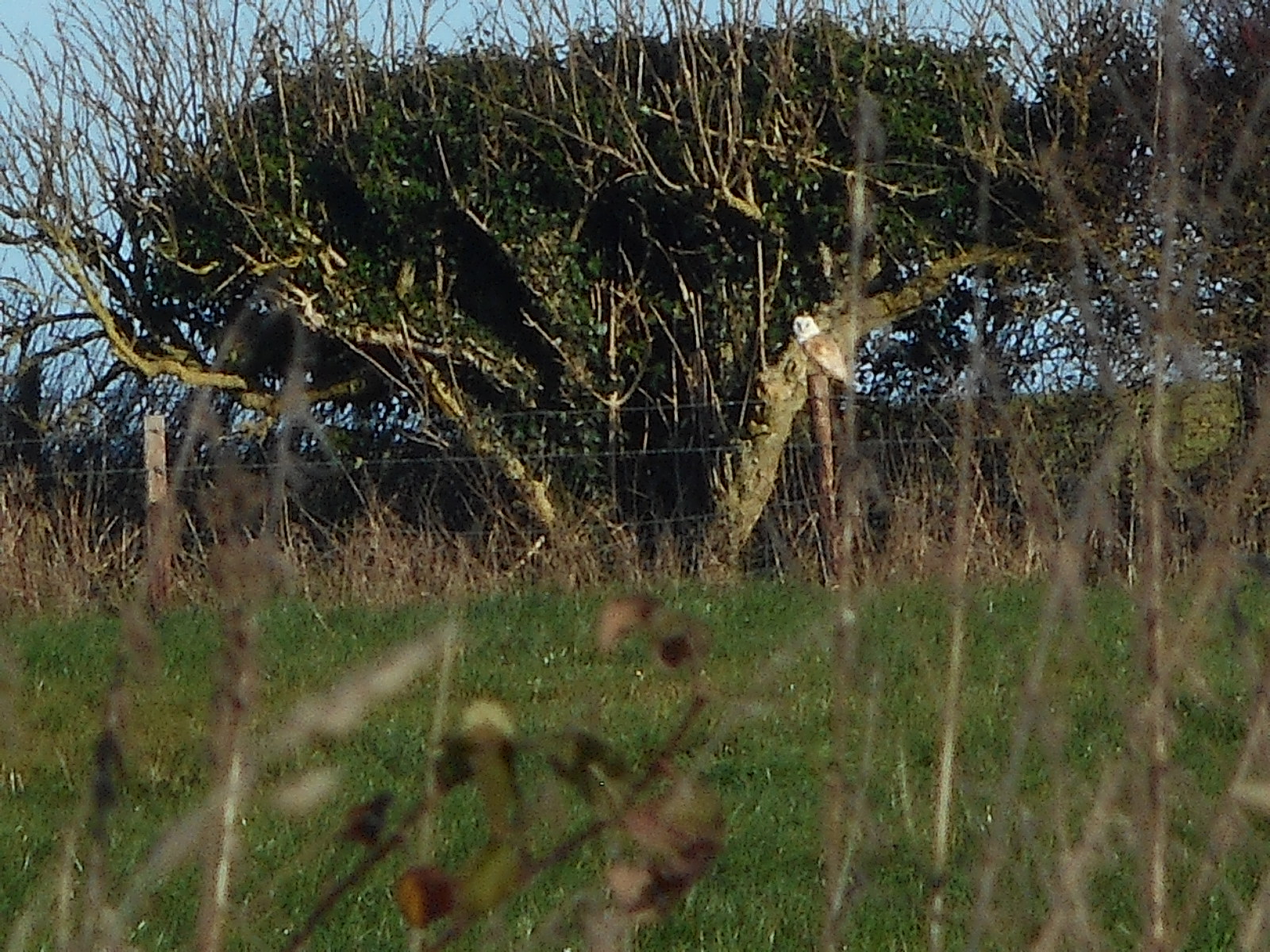
Here’s the rub. Just as we’ve left the river and are walking along a fairly boring lane, Sally cries ‘stop, stop’. Tony can’t hear as he’s lagging behind seeking water fowl so its left to we two to try and record the barn owl my eagle-eyed friend has spotted. Such a treat. ‘Might as well go home now’, she says . ‘We won’t better that’.
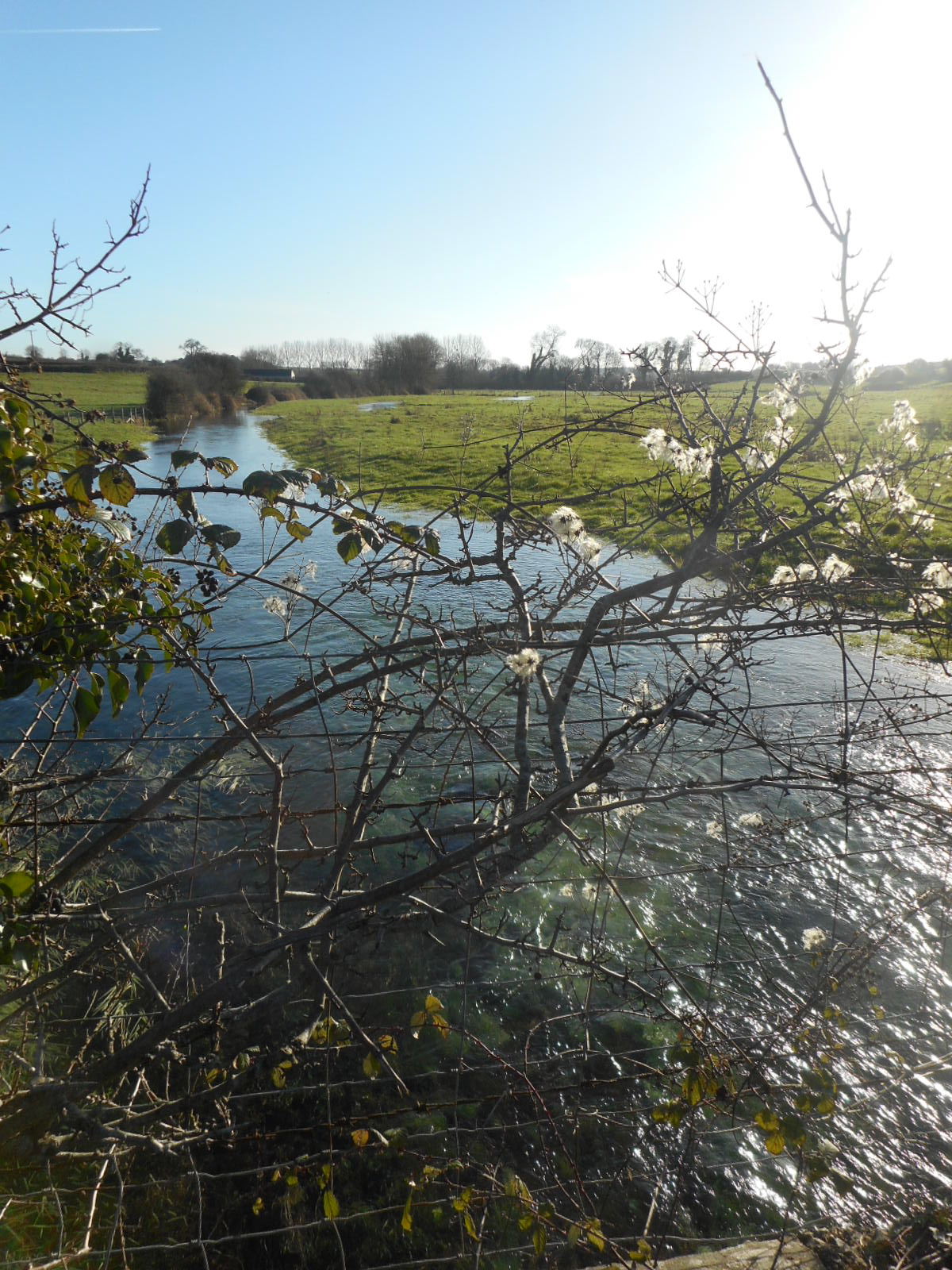
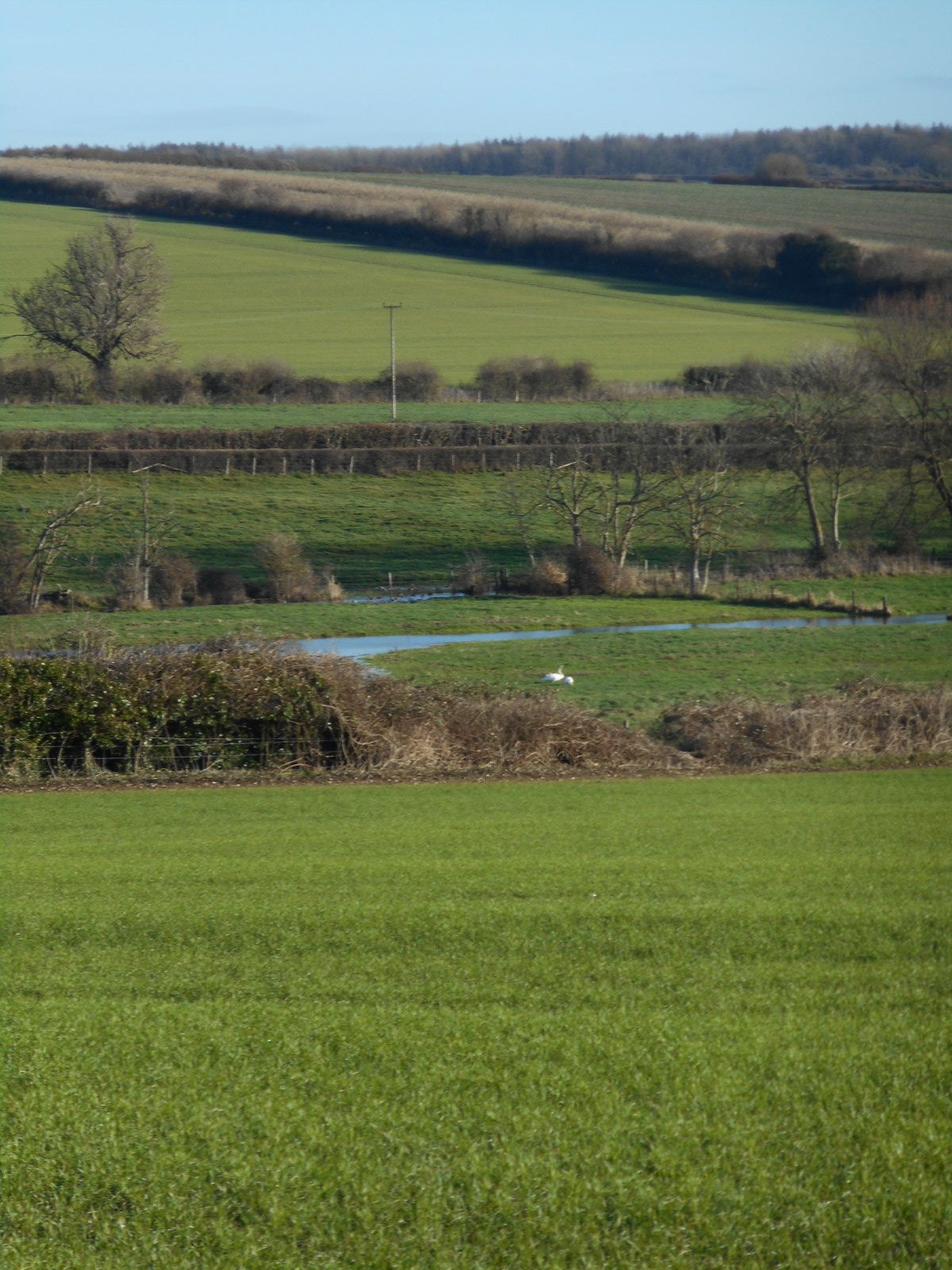
Well, maybe not in ornithological terms but just look at the sun-soaked countryside: the quiet river Allen  wandering through the water meadows of Dorset, a sky-owning kestrel and a couple of swans minding their own business as we trek up the hill to Tenantry Down.
At the top of the hill, and seeing an open prospect ahead, I decide it’s time to take advantage of the facilities. You know that feeling you get that someone’s watching you, especially when it’s impossible to move speedily, well this is what was behind me. I don’t know what it is. A meerkat? I  hurry out of the bush.
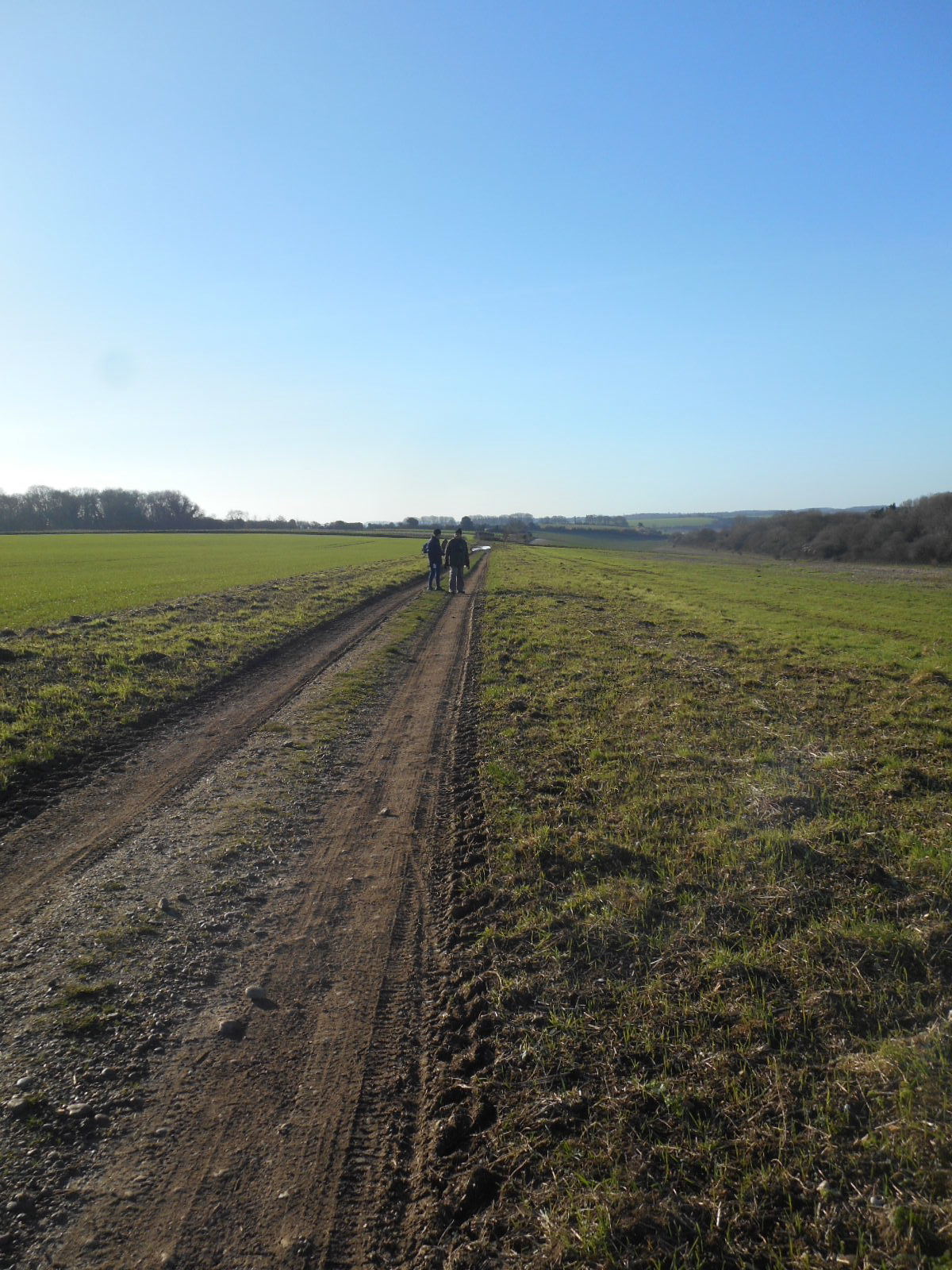


And there they are, studying the map, some way down the track at a point that made me glad we’d climbed the hill and I was back in the open. I decide against mentioning the meerkat.There’s another person in this sightline. You probably can’t see him and he was the only other person we met out here in the middle of nowhere but, trust me, he was there. I loved it up here: in truth, it’s not my favourite of all that the Dorset countryside has to offer but it was so quiet and peaceful and so vast with that huge blue sky that its a moment worth remembrance.
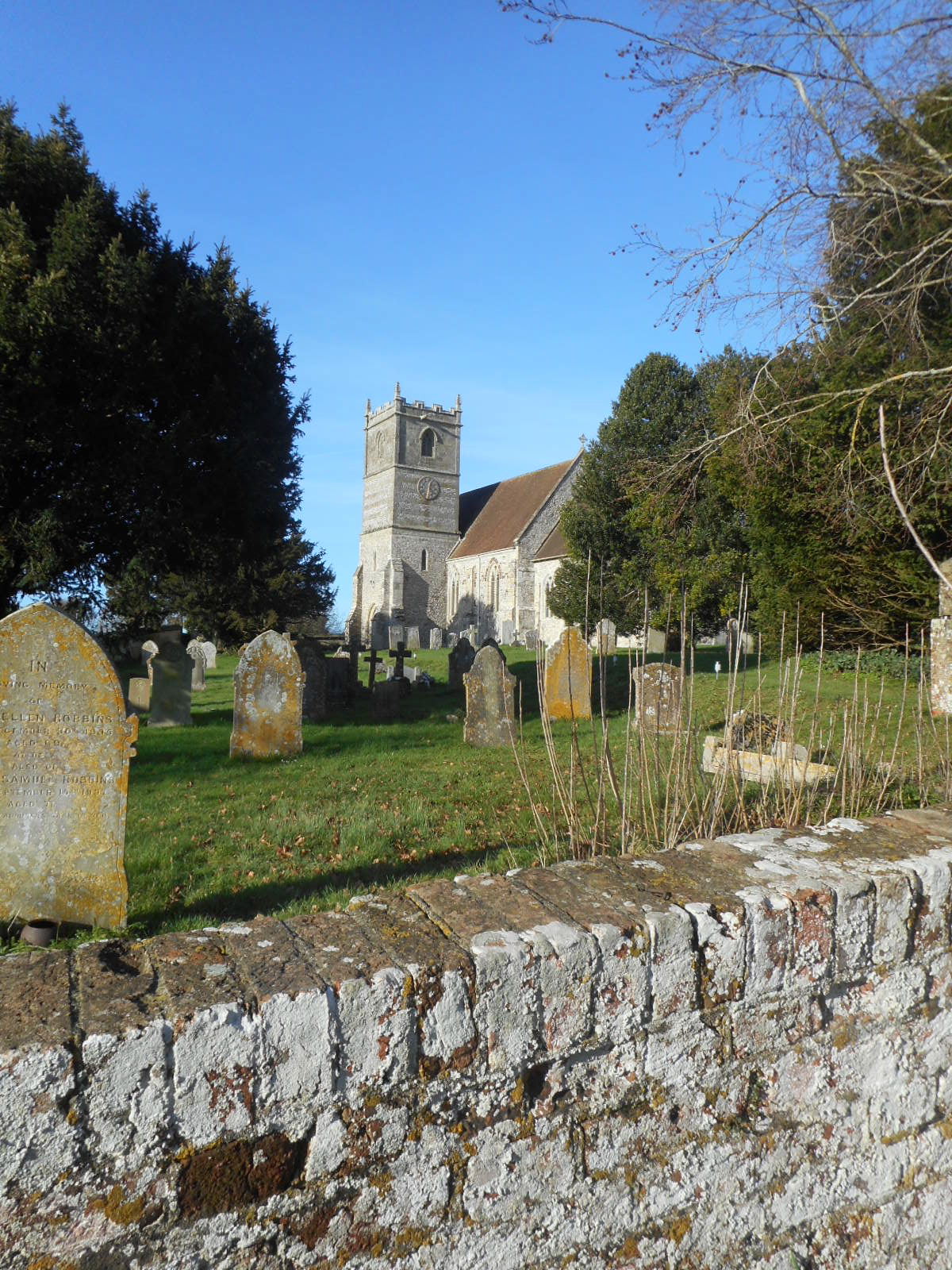
We amble up hill and down, around and about, past copses and woods that are fairly jammed with little songbirds, and eventually find ourselves in Gussage All Saints. Whoever wrote the directions for the walk estimates that the whole jaunt should take about two hours. Well, they must’ve gone at quite the pace without stopping to look at anything of the countryside. We’ve been out for two and a half hours and have only now reached the half way point. Who cares – it’s lunchtime and I’m christening my brand new bird covered flask that my daughter gave me for Christmas. It’s full of that childhood delight – Heinz tomato soup. Mmmm.

Under watchful eyes, we sit on a bench by the war memorial and eat our picnic. When were up on Tenantry Down, it seemed as if the day had warmed marginally even though we roamed vast open spaces with no cover. Down here, in the shelter of the village, it seems particularly cold once more. Perhaps the sun can’t get in. It’s not uncomfortable but we don’t hang about once we’ve fortified ourselves.
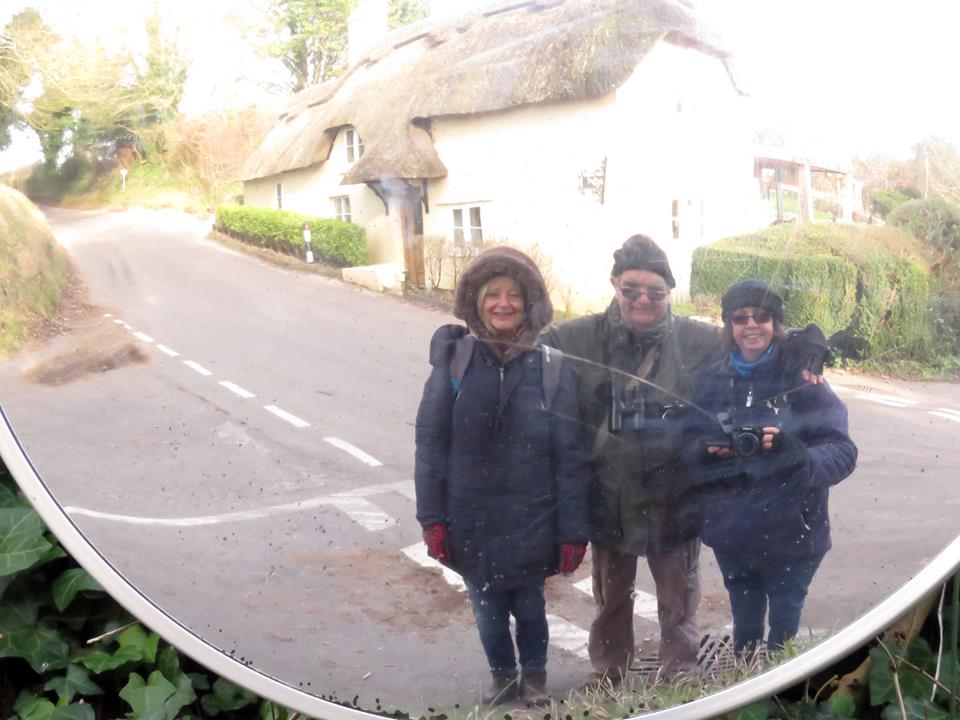
 

There’s a bit of a dodgy crossroads called Amen Corner as one leaves the village. It’s got one of those roadside safety mirrors which Sally cleverly utilises to get us a group photo. Good job there wasn’t any passing traffic – they would’ve found us bizarre. We’re also momentarily tempted by a wide variety of home-made jams and pickles for sale outside a house but quickly come to our senses on realising this will comprise more things to carry.
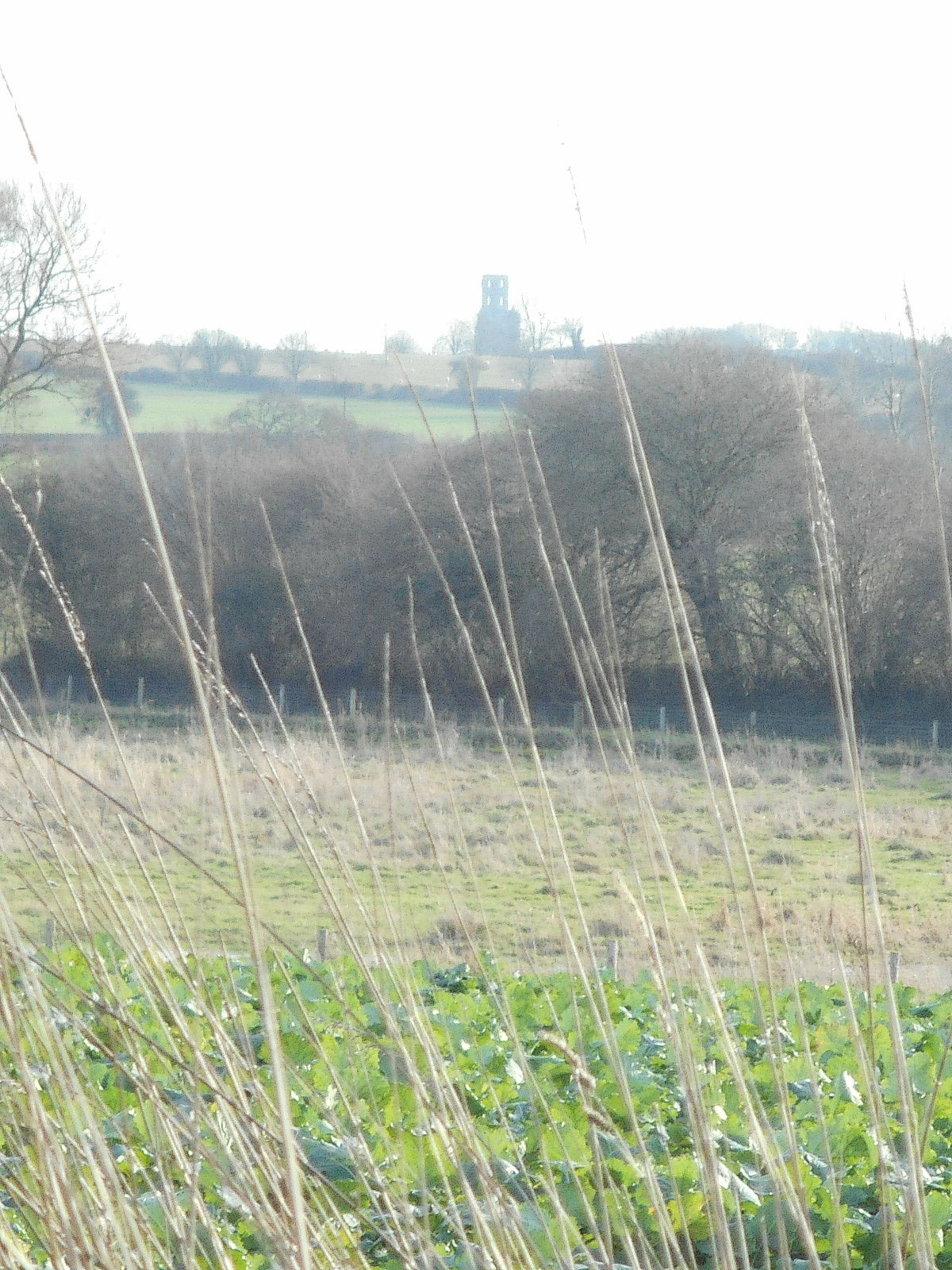
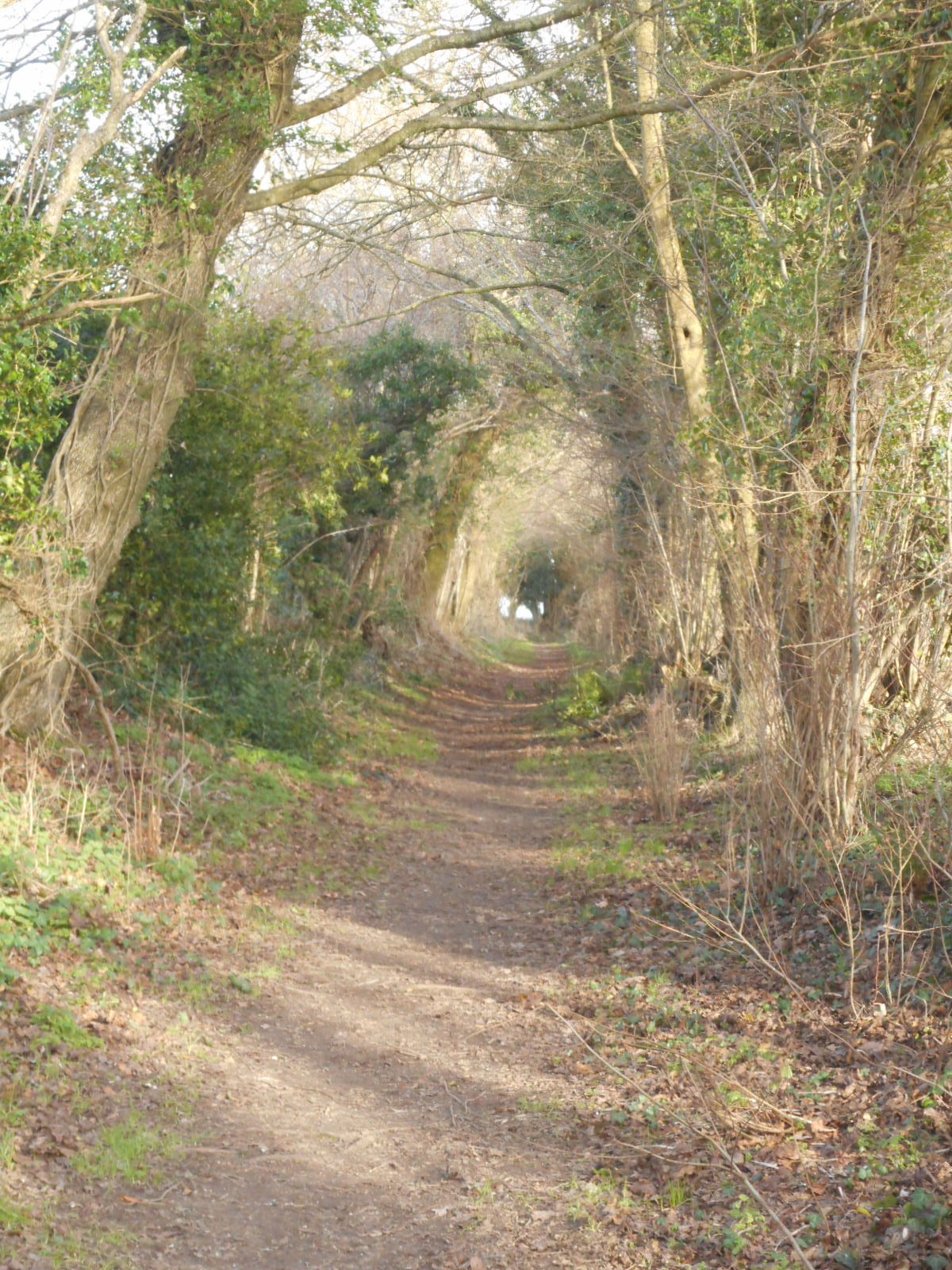
 

Later, we briefly relocate the river but lose it again as we wander along an old track which evolves into something of a Holloway. That’s Horton Tower over there in the misty distance.
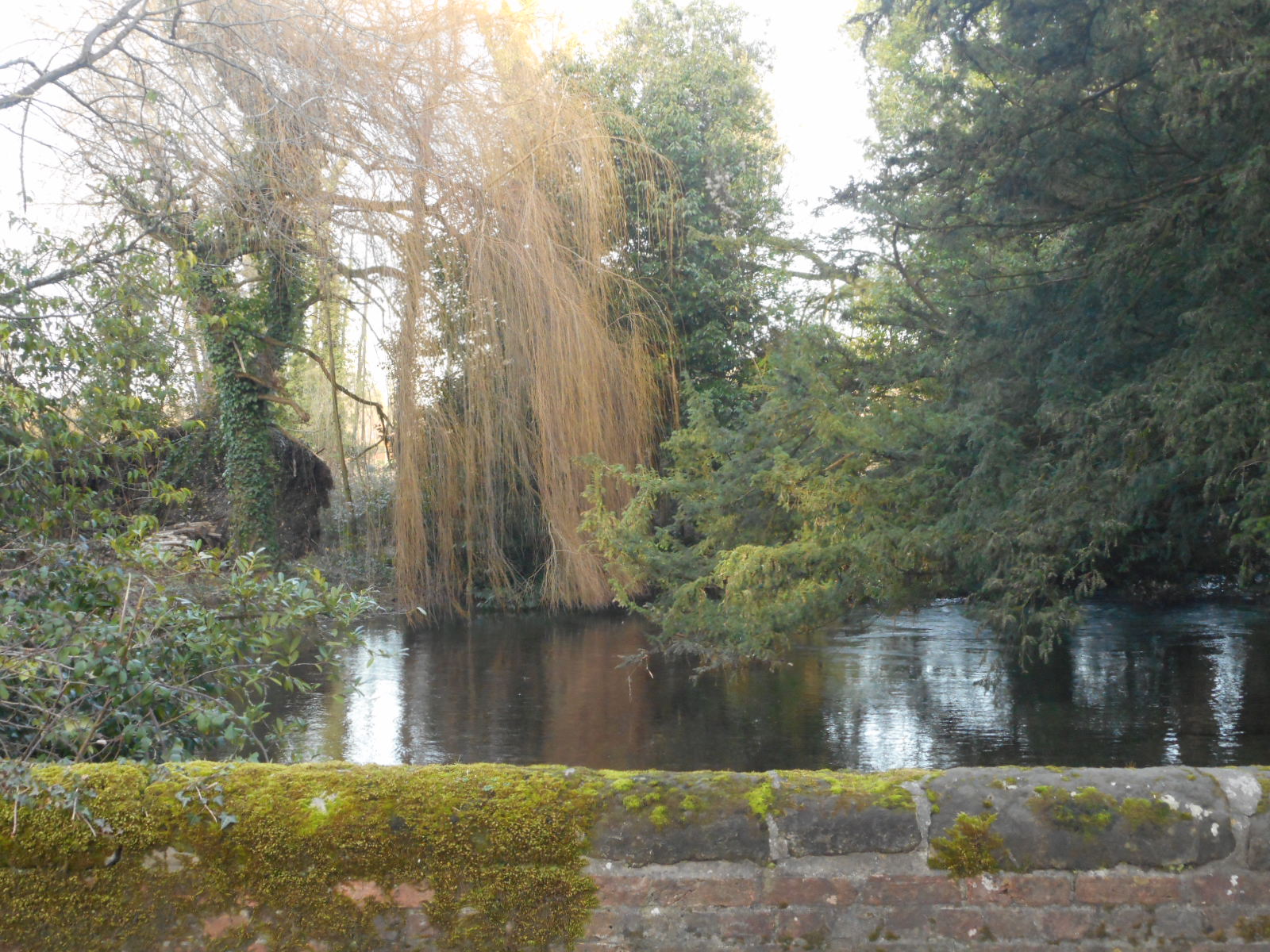
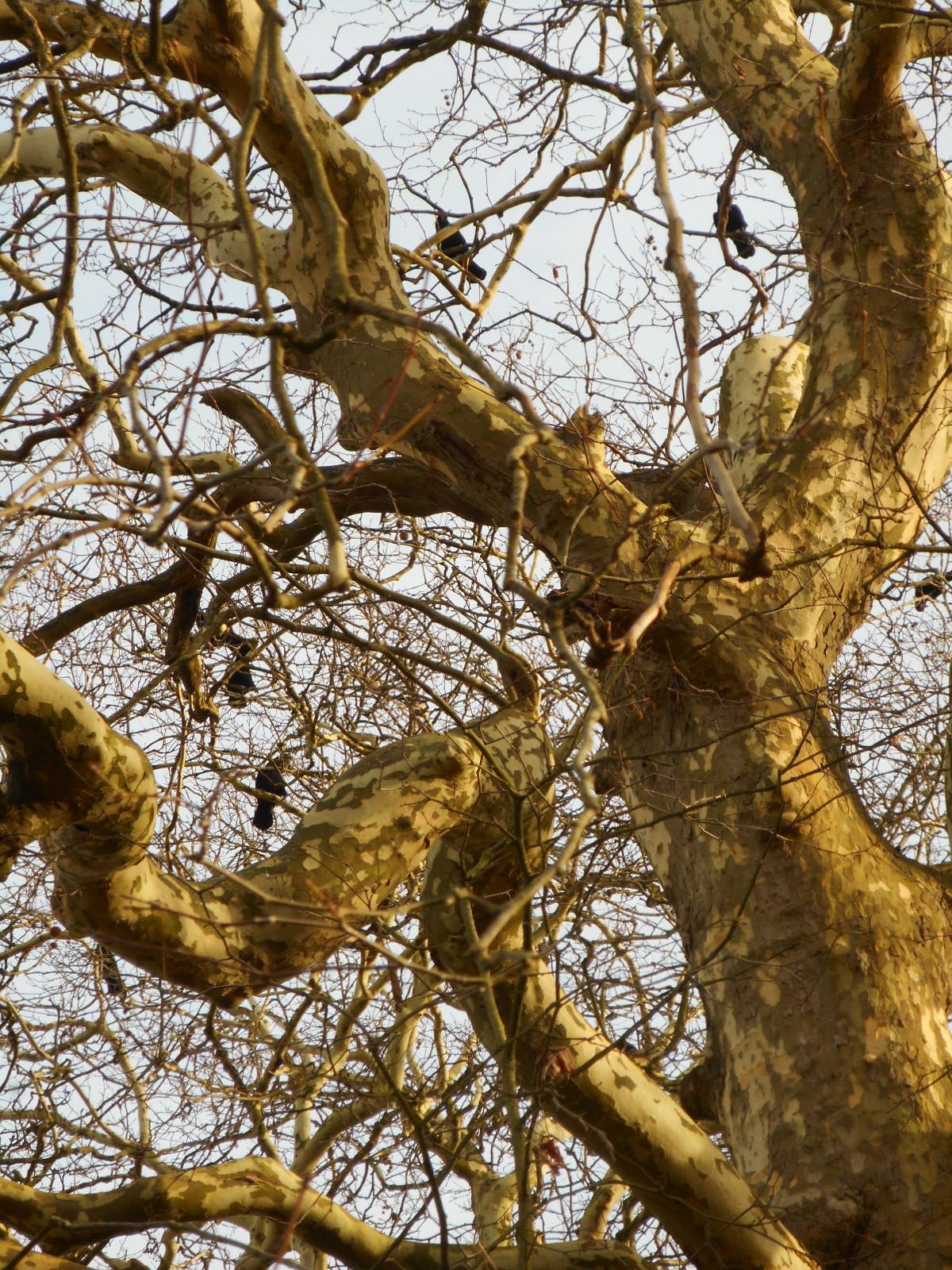


There’s still a stretch to go over open farmland and along tree-edged fields. There are also still flocks of birds including long-tailed tits, enjoying the glorious afternoon sunshine. Eventually though, we’re back in Wimborne St Giles where we stop on Bull Bridge to enjoy the calm of the water. Over by the church, things are not so peaceful as the inhabitants of the rookery are raucous. Perhaps they’re glad to see us back after nearly five hours.
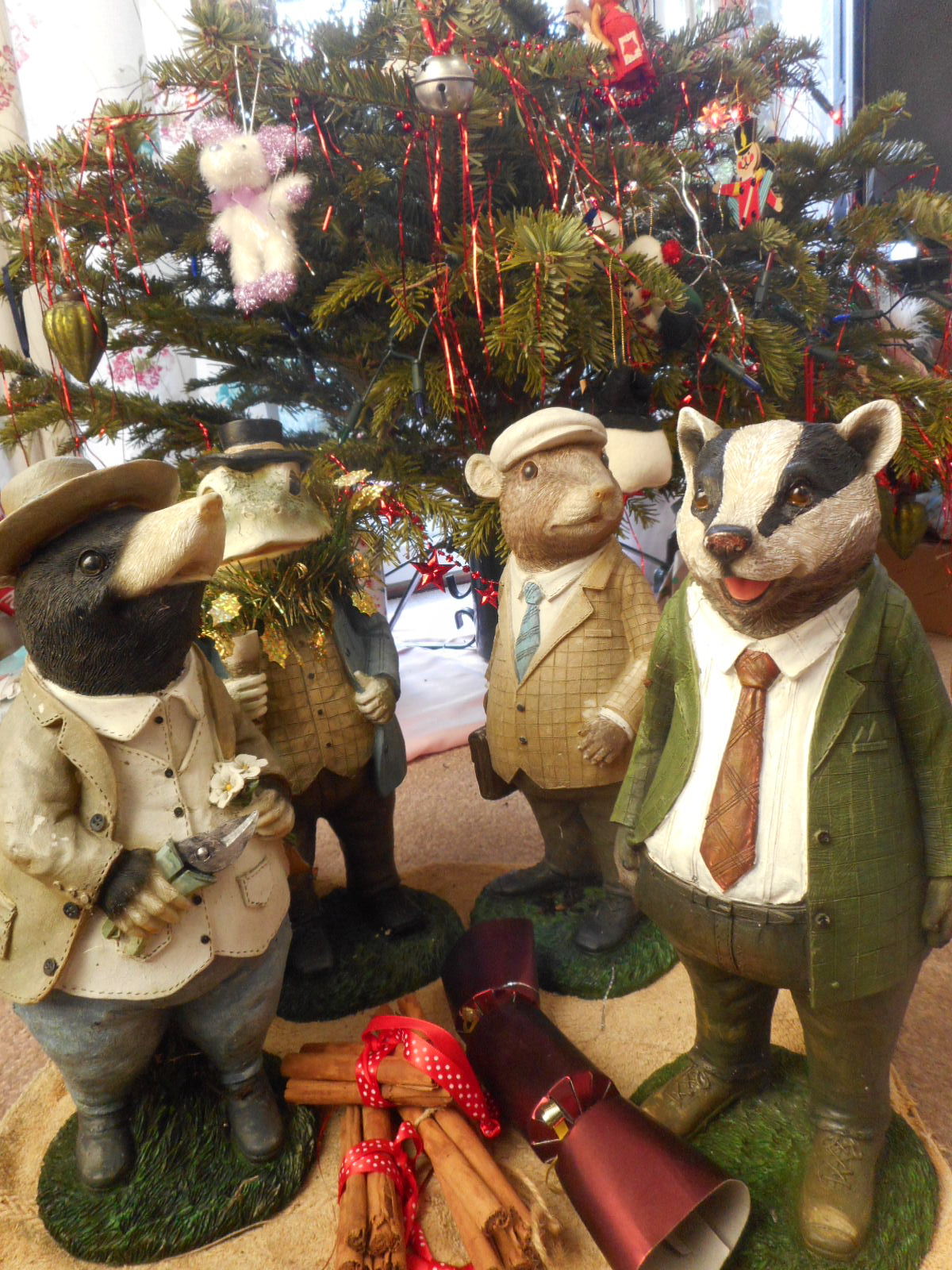


Nothing changes at Christmas

Every Christmas, apart from MR James’ ghost stories, there are two pieces of writing I always read. One is Dylan Thomas’ A Child’s Christmas in Wales ,which I’m determined my tiny grandson will love; although, if he does, it will be a miracle given that I’ve failed with my own three children and two older grandchildren. The other is TS Eliot’s Journey of the Magi which I learned at primary school.

The standard of the writing is such that you might be forgiven for thinking I went to a private joint constructed for the elite who would progress to Oxbridge. Nothing could be further from the truth. It was a tiny state school in the backwaters of Berkshire/now Oxfordshire. We were taught by ladies who’d lost their potential husbands in ‘the war’. And we were taught, literally. ‘old school’. We didn’t do bits of books: we did the whole thing – Shakespeare, Chaucer, Dickens. Eliot – and all before we were ready for the eleven-plus.

Christmas should make you happy but this poem isn’t a celebration of anything. It’s sad and it’s cynical; it does nothing to make one believe in the nativity. Relating the hardship of ‘journey’,it simply illustrates another side of that old story.

Journey of the Magi

A cold coming we had of it,

Just the worst time of the year

For a journey, and such a long journey:

The ways deep and the weather sharp,

The very dead of winter.’

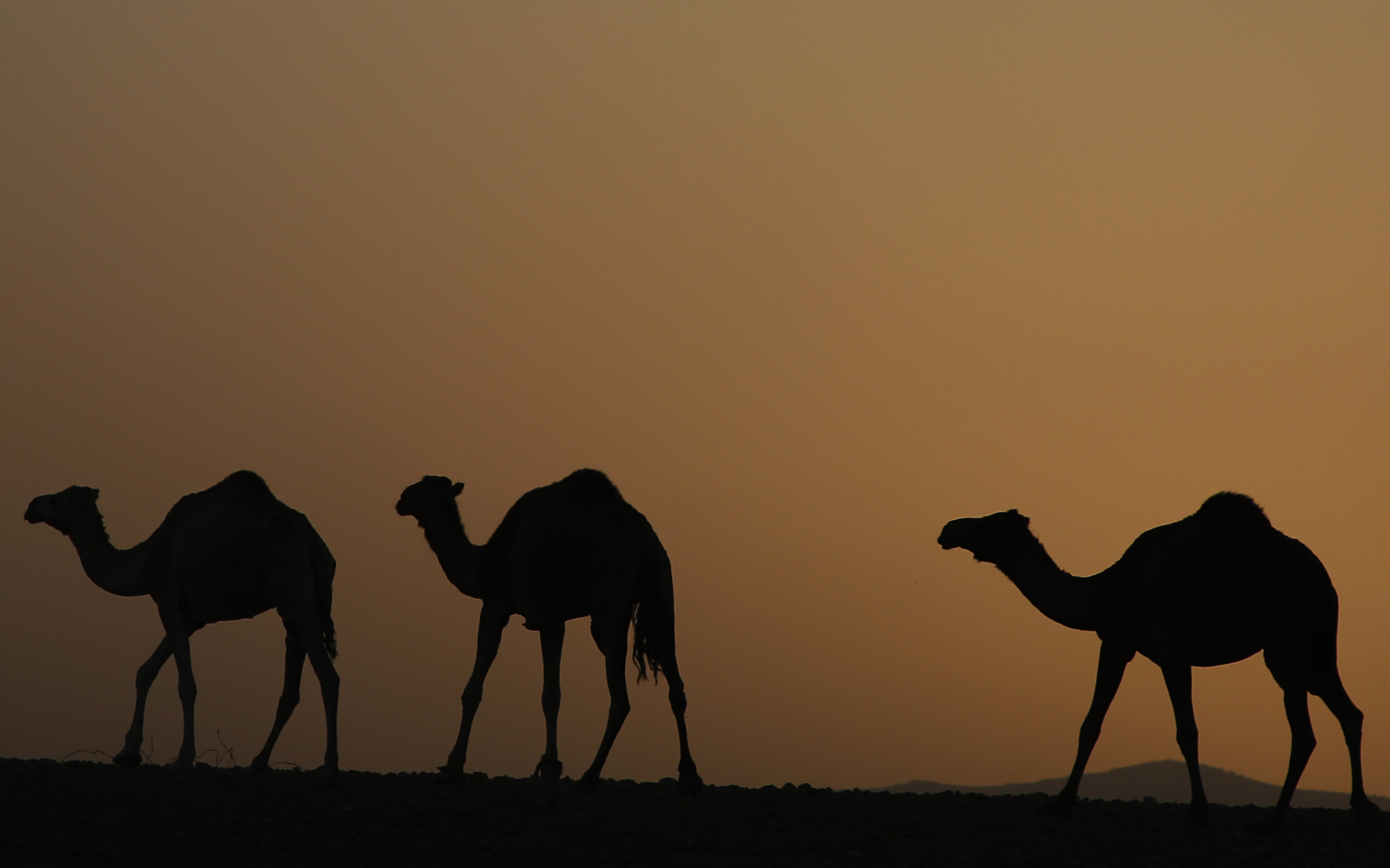
And the camels galled, sorefooted, refractory,

Lying down in the melting snow.

Sleeping in snatches,

With the voices singing in our ears, saying

That this was all folly.

There were times we regretted

The summer palaces on slopes, the terraces,

And the silken girls bringing sherbet.

Then the camel men cursing and grumbling

and running away, and wanting their liquor and women,

And the night-fires going out, and the lack of shelters,

And the cities hostile and the towns unfriendly

And the villages dirty and charging high prices:

A hard time we had of it.

At the end we preferred to travel all night,

Sleeping in snatches,

With the voices singing in our ears, saying

That this was all folly.


Then at dawn we came down to a temperate valley,

Wet, below the snow line, smelling of vegetation;

With a running stream and a water-mill beating the darkness,

And three trees on the low sky,

And an old white horse galloped away in the meadow.

Then we came to a tavern with vine-leaves over the lintel,

Six hands at an open door dicing for pieces of silver,

And feet kicking the empty wine-skins.

But there was no information, and so we continued

And arriving at evening, not a moment too soon

Finding the place; it was (you might say) satisfactory.

All this was a long time ago, I remember,

And I would do it again, but set down

This set down

This: were we led all that way for

Birth or Death? There was a Birth, certainly

We had evidence and no doubt. I had seen birth and death,

But had thought they were different; this Birth was

Hard and bitter agony for us, like Death, our death.

We returned to our places, these Kingdoms,

But no longer at ease here, in the old dispensation,

With an alien people clutching their gods.

I should be glad of another death.


On Corfe Common

December. It’s coming on Christmas and you have to take your chances when and where you can on a last-minute Sunday. Those beautiful huge Dorset skies could promise a sunny winter’s day; or they could be the harbingers of rain-laden doom. We zip up our coats and don hats, hoods and gloves against the deceptive chill with the intention of heading out towards the timelessness of Corfe Common.

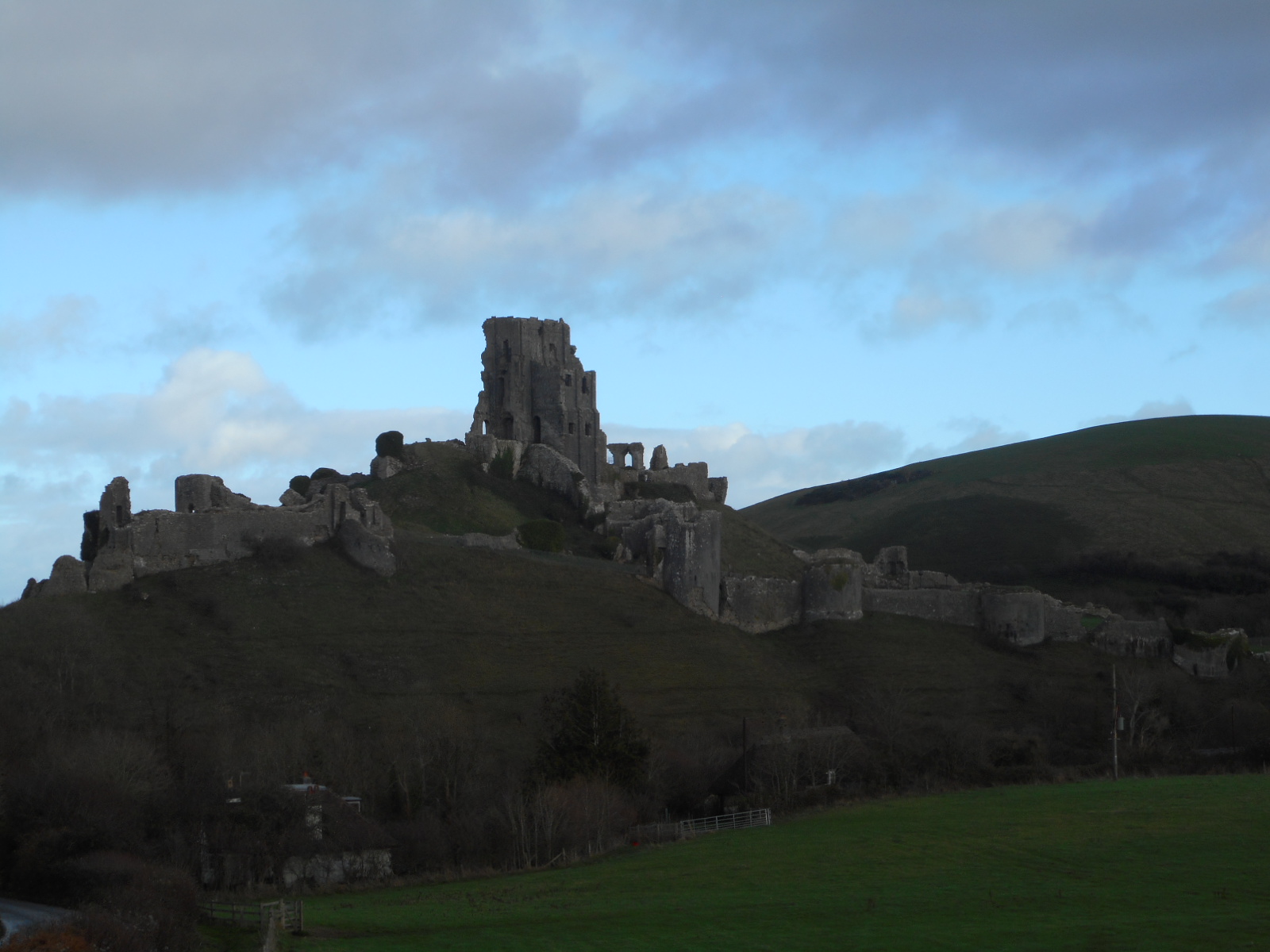
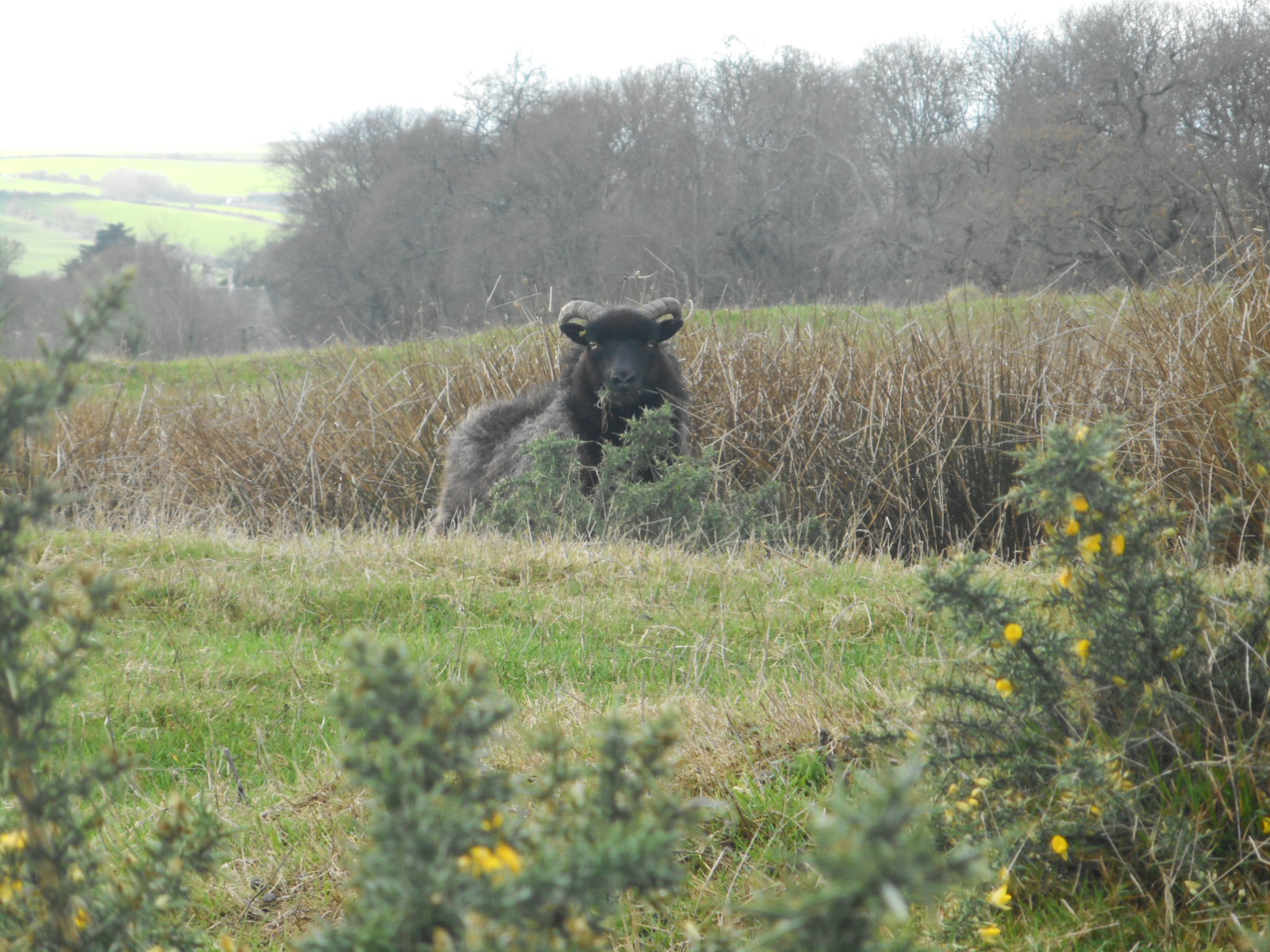
Daughter number one thinks we should commence our journey via the village but I disagree: we’ll be side-tracked by festive jollity and miss our ramble. In any case, she knew nothing of the existence of a second castle other than the one that Corfe is famous for. ‘The Rings’ comprise a Norman motte and bailey siege fort founded by King Stephen and currently guarded by a flock of equally ancient sheep.

There’s to be a lot of boundary climbing involved in this walk. After a photo opportunity, we try to leave The Rings but find the gate to the field we require tied and wired and probably set with ammunition. She’s new to this walking malarkey and wants to retrace our steps. I’m all for the quicker alternative and we bundle our way up and over and locate the pathway that runs to the village from Knowle Hill. It’s not really a pathway: more of an animal track, but a clear and straight line is apparent. At the bottom is an option: continue along the path or deviate.

The trouble with the countryside is that it’s full of animals. Cows are dodgy but generally stupid. The field ahead, that I’m keen to avoid, contains horses. In these parts a lot of folk travel by horse. They even have signs along the roads depicting people on horseback inside red triangles. You might think that these horses would be familiar with humans and not give a jot to a couple of strangers traversing their territory. I’m old school: I think red triangles indicate danger. We deviate.

I can see the Common in the distance but our route, gained by climbing another fence, is wet and getting wetter. We wander across a treacherous marsh seeking a way to the bridge which I’m sure I remember from a dream I once had. Here’s the thing – we can hear voices but can see no-one and there’s no exit from this land without a public right of way. In the end, loath to turn tail, we fight a few rotten trees, climb over a barbed wire fence, venture through a gate and finally locate the bridge. On the other side we find the voices: a bunch of volunteers clearing the pathway and having a jolly time around a large bonfire. Or, we’ve walked into a remake of The Wicker Man. They seem startled to see us and send us on our way up to the Common.

I told you this was horse country. It’s not too bad though as there’s a lot of space up here. This is Thomas Hardy territory. Egdon Heath is, in truth, a composite of various Dorset heathland. However, it seems pretty certain that Return of the Native was mostly set on Corfe Common. Timelessness is not a cliché around here.


Ever since she was a child, she’s had a mantra which we’ve repeated endlessly over the years: ‘how lucky we are to live here’. To the left are the ruts caused by long-ago smugglers wheeling their contraband-laden carts down into the village ready for transport to Wareham and on to London. To the right, is the great Purbeck Ridge which wanders across the southern most part of Dorset before choosing either a seaward destination or continuing along other ridgeways.

A large and unfriendly looking black horse suddenly gallops out of the past and frightens us. We rush into water-ridden land so deep that it creeps up our legs and into our boots. I ask if she wants to take that little lane into the village but the horse has gone and the sun is shining. She wants to continue. What happiness it is to be with someone who is only now discovering the joy of walking the countryside.


We accost the only other person up here and beg her to record our day as we sit smugly on a handy stone seat and laugh inwardly at all those people currently undertaking their Christmas shopping while we have all of this pretty much to ourselves. Later, we’ll go into Corfe and discover that the tiny village shop stocks two hundred varieties of gin.

I suppose that when it’s too dark to stop taking photographs there’s nothing else to do while you’re waiting for the next day.

Some memories of Studland

 I first walked through the door to the Bankes Arms in readiness for my interview as the new seasonal barmaid at some irredeemable point in the early non-descript seventies. From thereon in the whole of life became slightly vague and surreal. There was a jolly lady behind the bar whom I took to be the landlady. She wasn’t: she was scary Kim Mullins who didn’t hang around much after I arrived. That early in the summer she’d had enough. Pete Salisbury was in the office counting money. As ever. An interview took place. I remember nothing of it but, with no experience whatsoever, I got the job based on the length of my skirt. Short with matching knickers as I recall. Later, he was heard to say of me, ‘she seems very nice but she has a terrible accent’. He could talk – nothing in the way of patois but a well-recited turn of phrase:’ Family well? Boat in the bay?’ That mantra passed for new-found happiness.

Later that day, Peggy appeared – she hadn’t been well. There’d been a cheese and wine do the previous evening. Not much cheese but a fair amount of shocking Corrida wine. A small man, left over from the night before, fell through the door in a state of disrepair. He was very amusing to one down from the Wiltshire sticks where funny folk aren’t readily in evidence. Well, not funny ha, ha. Funny peculiar certainly. Unbeknownst to me, his small children were parked in a vehicle outside waiting for crisps and coke where they remained for most of that summer. He was called Brian Loveless. Brian commiserated with Peggy, shared headaches and tinnitus-like symptoms, and everyone treated me as though I’d always been there and had better get on with it. In two hours I gained all the necessary skills: how to present a pint of bitter; who needed a barley wine; how to make a gin and dry; how to make a gin and It (for Dick Snelgrove); how to present an excuse for a ‘ploughmans’ – pickle or onions but never both. How to develop an ‘August smile’ in all months. I was hooked. Henceforth, I was always there, in spirit if not in body.

Some time after, I learned the Salisburys had a son: David. He was away at school. Initially, along the coast at Barton, then at All Hallows. Now and then, David would come home. Sometimes, his dad would collect him. Mostly, they’d send Dick and I felt a bit sorry about that. Dick would be allocated special responsibility for the son and heir. However, when home, Dave was a bloody nuisance. Just when you thought you’d finally landed in the grown-up world, Dave would appear to trip you up or somehow ruin the latest outfit with a speedy kick up the arse for no good reason. And just as suddenly, Dave grew up. There wasn’t that much difference in age between us so the years fell away and he became one of us.

We had a connection of sorts. I think it was because I was close to Peter and Peggy. And because I used to kick him back. And because we shared a love of music even though he frequently told me I was stuck in a time warp. Years later, in the forgettable eighties, he and I went to see the Pogues together. Possibly, we were even more drunk than they were. I count that as one of life’s achievements.

One day, when Peter and Peggy had left for heavenly heights, Dave invited me and my small children to stay at the Bankes for a rare treat with the proviso that he would pass the afternoon alone watching the rugby. The smallest being managed to successfully trap a daisy up her nose. I have no idea how we got to Studland in the first place but, devoid of transport, we had to persuade Dave to leave the rugby and take us to Swanage Hospital to have the daisy surgically removed. I’d like to say he did this in good spirit. He didn’t. He was cross. But not for long.

I mourn him. He was a funny man. I don’t believe that, as a child, he had the best family life one could want but he made a better one for himself with Hilary and their children. I haven’t seen him for years but I spoke with him and every time those missing years fell away. I can’t remember a time when we didn’t talk about music and compared notes. Or spoke of our children. He was so proud and sometimes surprised of what he’d produced. And never was there a conversation in which he failed to mention his beloved Studland. He comprised a unilateral diaspora: a man happy with what life had allotted but always longing for the Dorset coastline.

Dave sent me an email: ‘phone me’. I replied: ‘I’m in France. What’s up?’ ‘Derek’s dead’, came the reply.

I went to Studland today to put some flowers on Derek’s grave. Two years since our hero had the audacity to leave without warning. We had the concurrent two years notice of Dave’s impending departure but it still makes no sense. He was terribly confused by what was happening to him. And angry. Good for you Dave: be bloody angry.

There’s no evidence of longevity in the graveyard of Studland Church. There’s only a very short historical tour of one’s life. There they all are, the men we once thought  already old as they propped up the bar of the Bankes Arms. And all the young men who have no business being amongst them. I used to have this romantic vision of the Studland men – strong, healthy men of the country and countryside. We were cheated.


Beautiful things

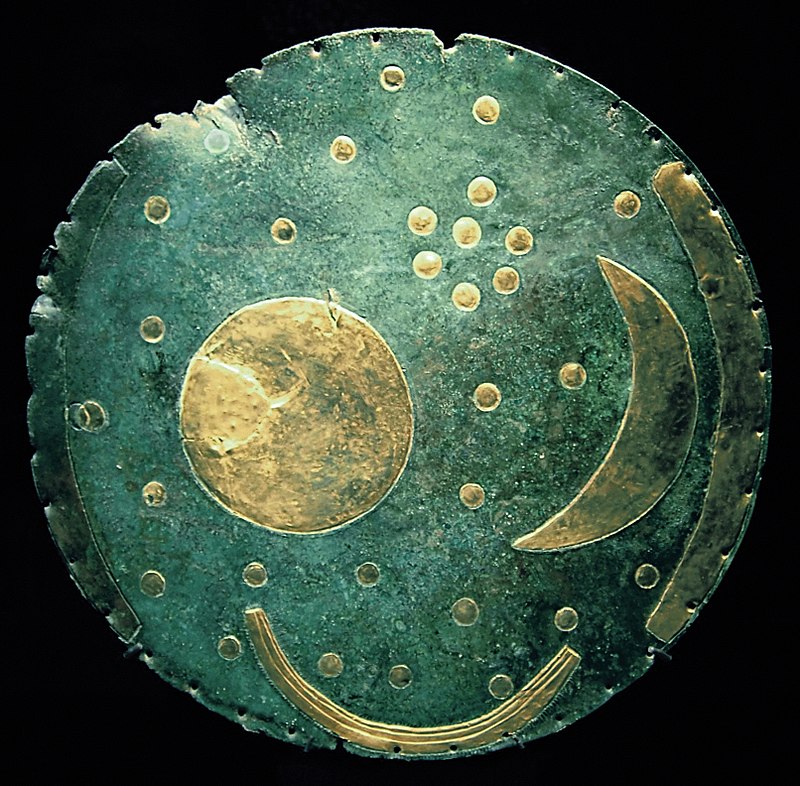
Within the last week or so I discovered the Nebra Sky Disk. Well, I didn’t personally ‘discover’ it – if only – but I’m happy to report that it was found in 1999 by a couple of metal detectorists. Eat you heart out Lance! Interpreted as showing the sun, a crescent moon, the Milky Way and a star cluster identified as Pleiades, it’s the oldest tangible depiction of the cosmos known being dated to 1600BC. How beautiful it is. I want to see it in ‘real life’. Unfortunately, it’s in a museum in Leipzig. Try finding an easy way there with the interstellar help of Google.

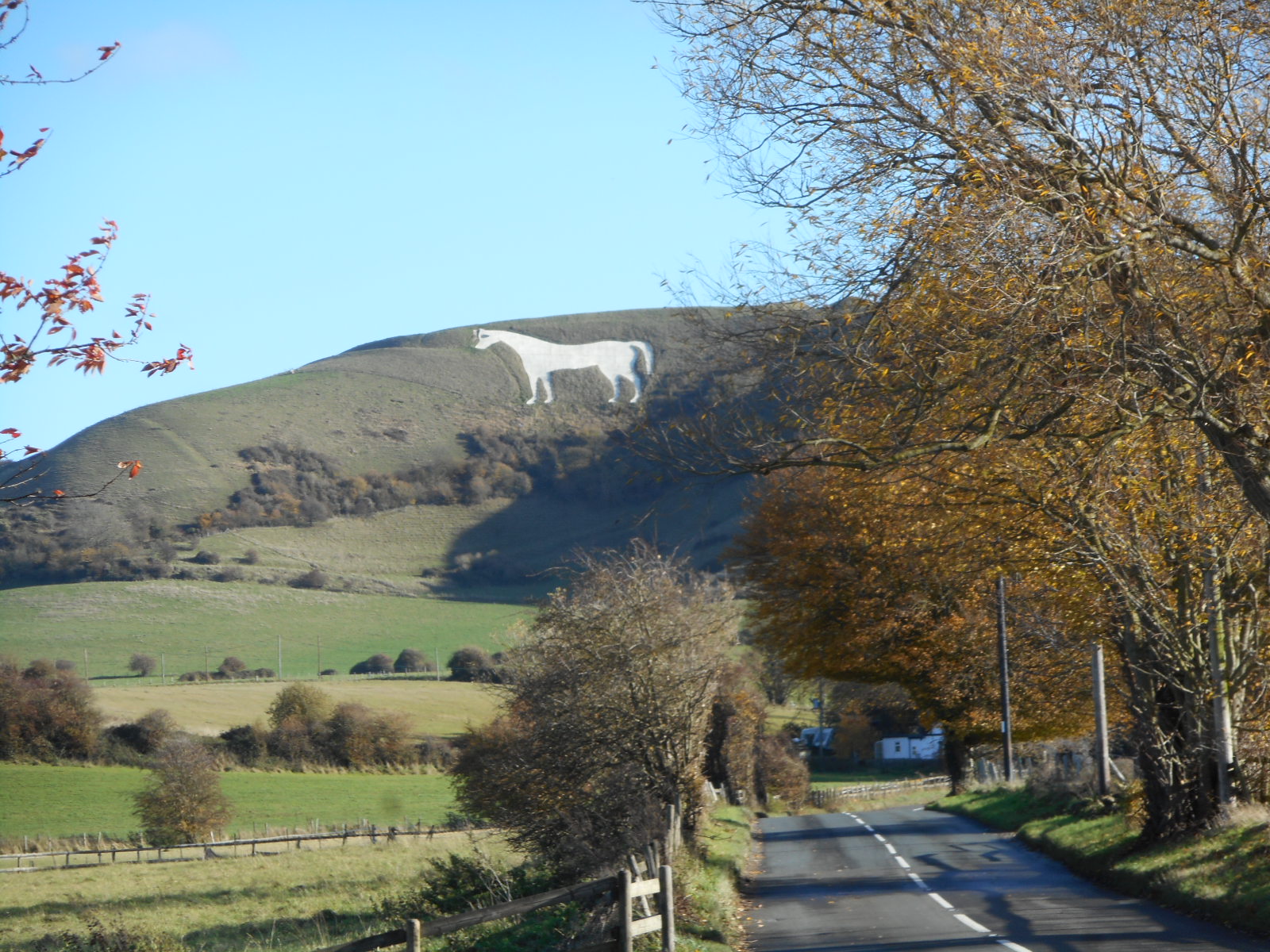
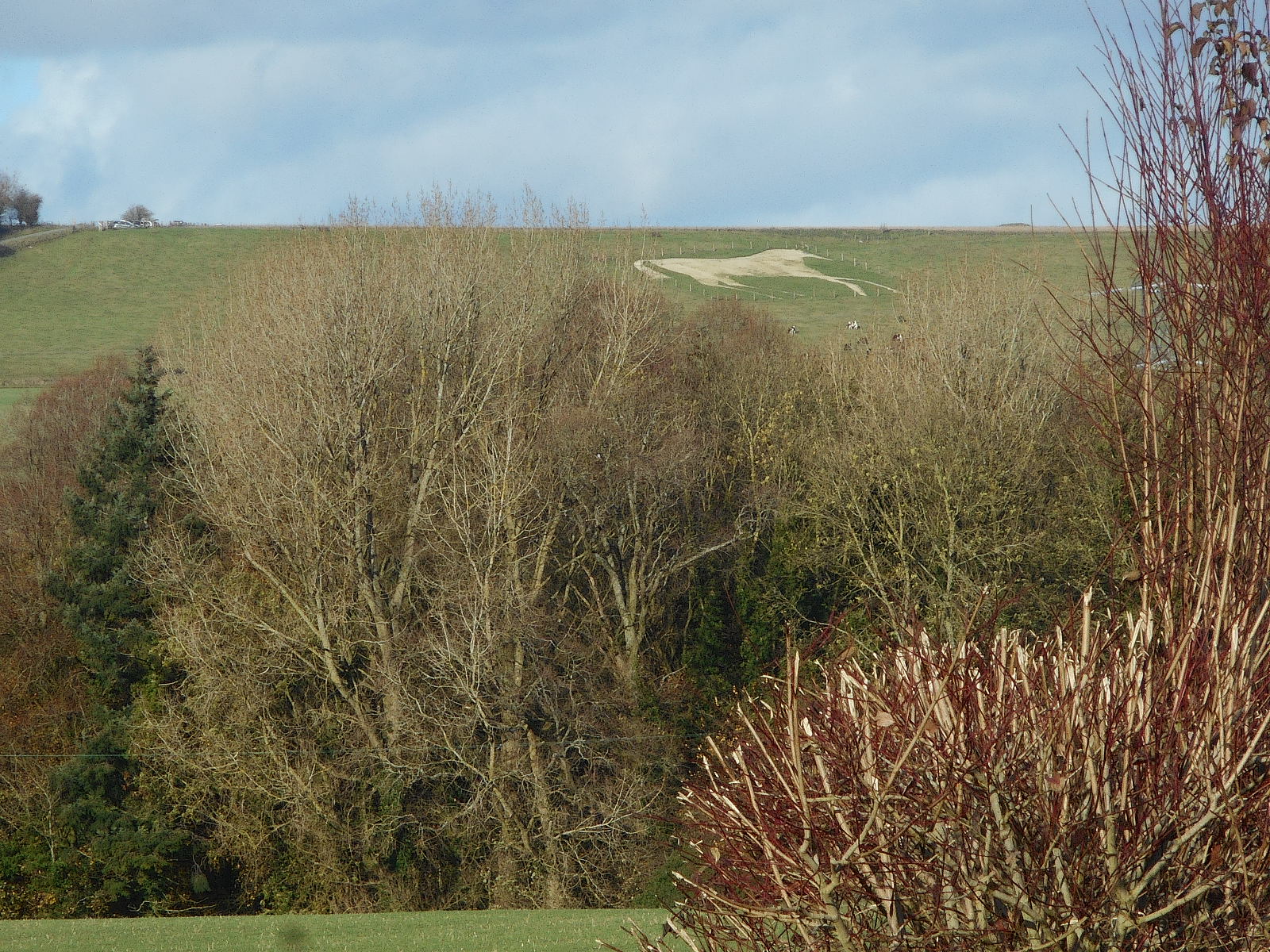
Instead, I decide to go to Devizes where another beautiful artefact is waiting. This isn’t it. This is Westbury White Horse, the dating of which is somewhat indecisive but around the 1740’s; thus making it the oldest of eight of its kind in Wiltshire. On a November morning, when the crows are flying low over wind-torn hedgerows, I escape the Dorset downpours and head to sunnier climes.

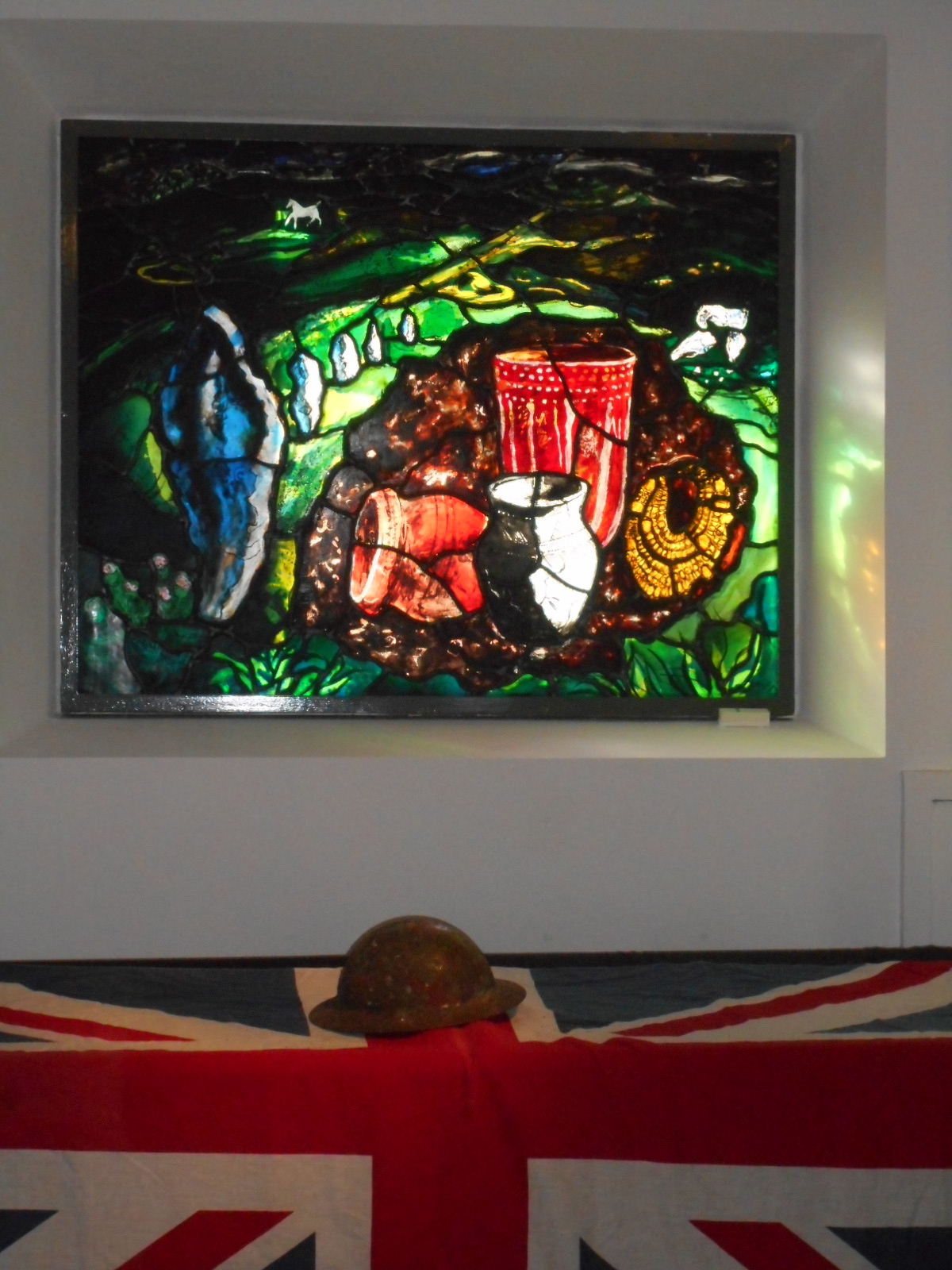
This is what I’ve come to see: my favourite exhibit in the Wiltshire Museum at Devizes. It’s a stained glass depiction of the county as seen and created by John Piper, he of the old Shell Guides. Being given to the museum in 1982, it has nothing of the age of Nebra but, in its own right, all of the informative beauty of its subject. This morning, it hangs above another memorial, for today marks 100 years since the Armistice.


We know the numbers but there are too many to make sense of it all. We’re of the ‘what did you learn’ generation. There’s an installation next to Piper’s window wherein the names of the dead are being called out alongside their photographs. They are the dead members of the Wiltshire Archaeological Society. So many from one tiny group of people in one tiny corner of England.

It’s suddenly all a bit overpowering but, from nowhere, an elderly gentleman appears to show me his grandfather’s Military Cross. ‘Did he talk about the war’, I ask (for he was a survivor)? I expect him to say ‘no’, but quite the opposite because ‘grandfather’ had horses shot from underneath him twice and everything my new friend learned was about the animals. And we have quite the second-hand conversation: he from familial memories and I because I’ve read John Lewis-Stempel’s account of the beasts on the Western Front. Between us, we know an extraordinary amount about lice.

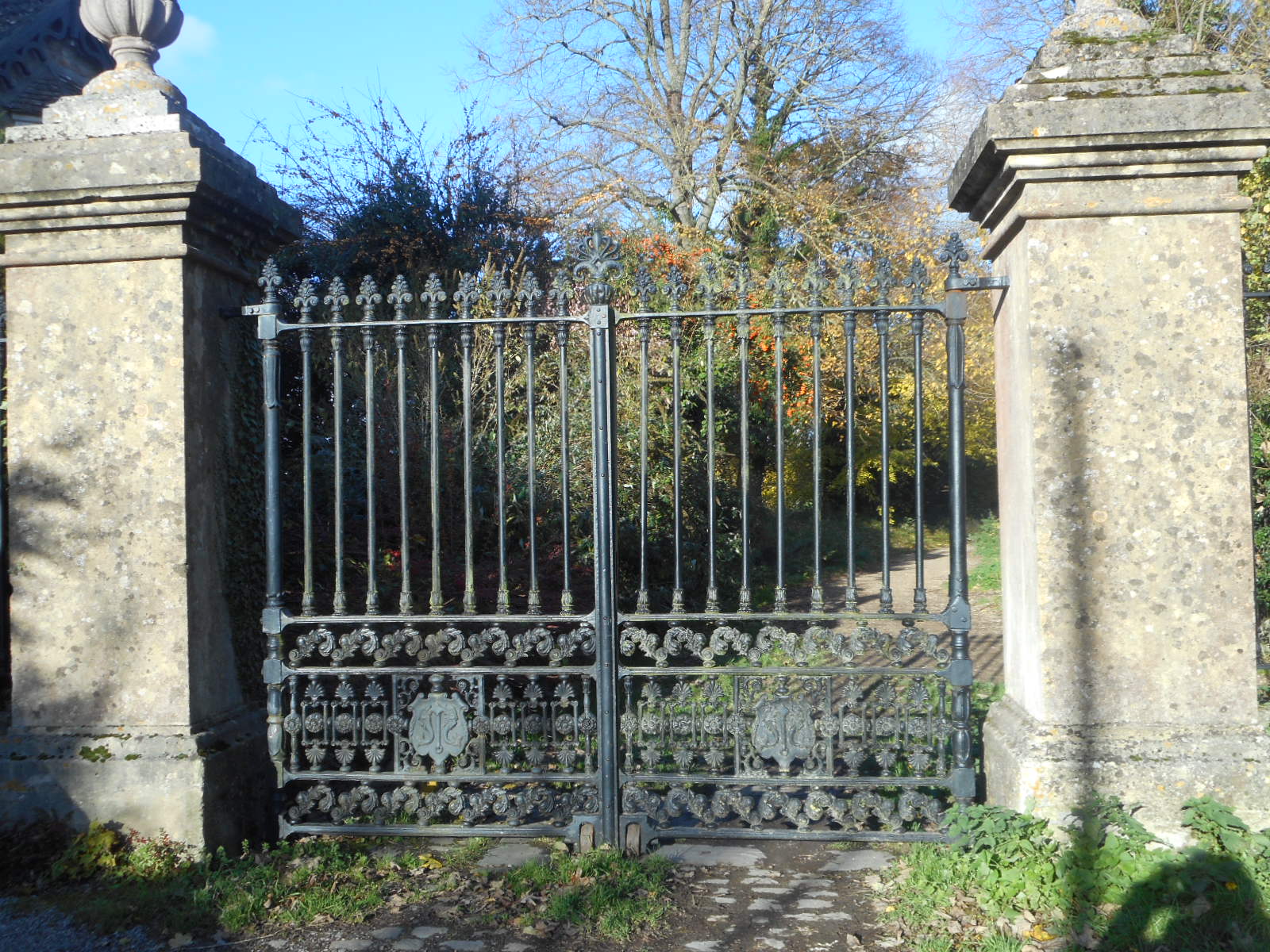
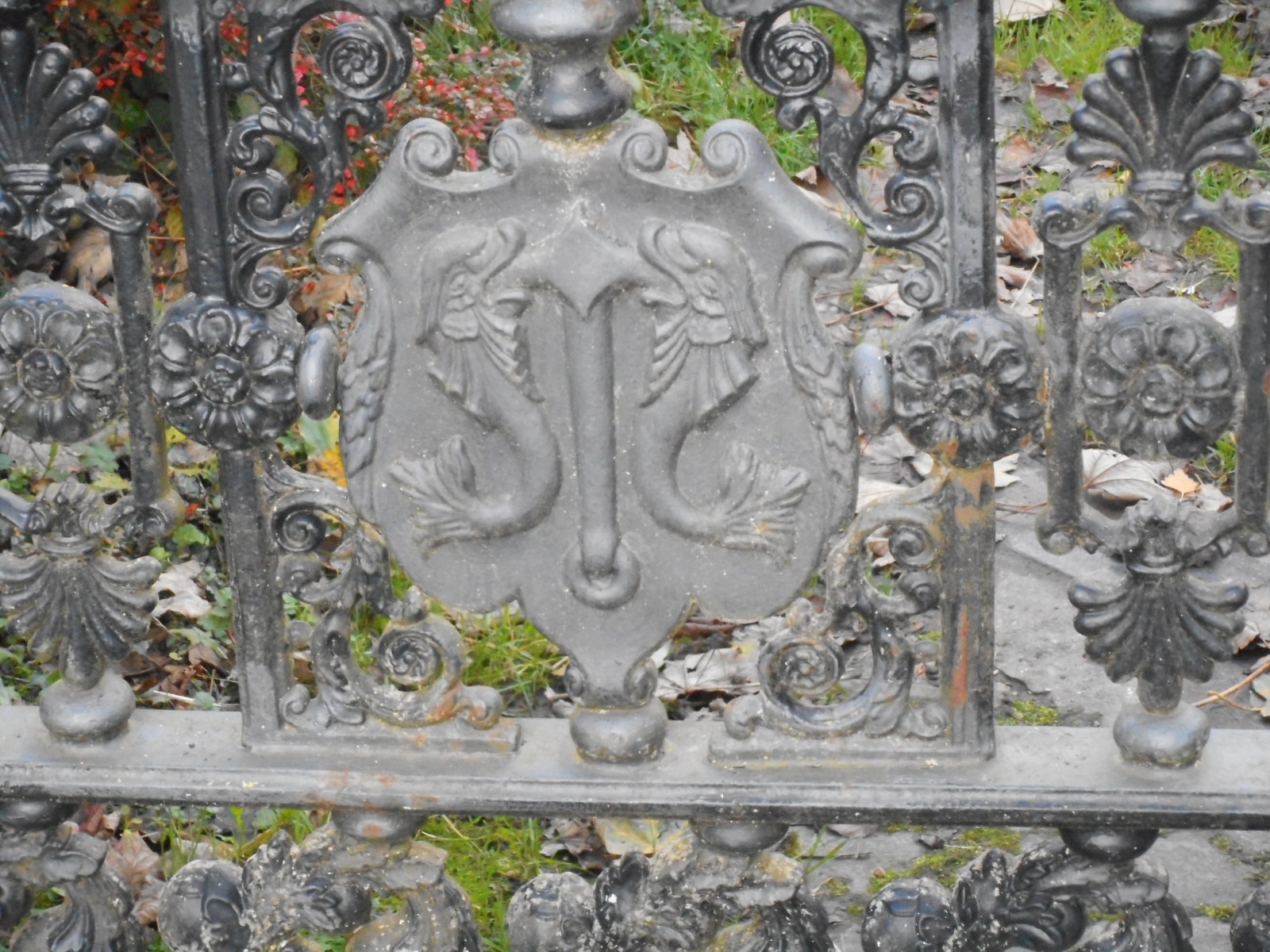
After, I decide to search for beautiful things in the fresh air which involves passing through these gates onto Quakers’ Walk. The track leads onto what’s now referred to as ‘the extended Ridgeway’. It’s a nonsense as England’s thoroughfares once comprised an interlocking system of pathways along ridges. There’s an interesting history to these grade two listed gates which depict a sacred dolphin that allegedly saved one of Edward Colston’s ships and crew from destruction when a magnanimous dolphin blocked a hole in the side of the boat.

No-one seems to know why the path is called Quakers’ Walk and trust me, I asked a lot of people. More interestingly, the path was established in 1157 and I’m traversing it towards the Devizes White Horse which, not only have I never seen before, I didn’t even know of its existence.

I make it to the top, somehow, and have a look around. And the view is another beautiful thing. If they died for king and country, the best you can do is make sure you’ve witnessed an ancient landscape.


He’s back!

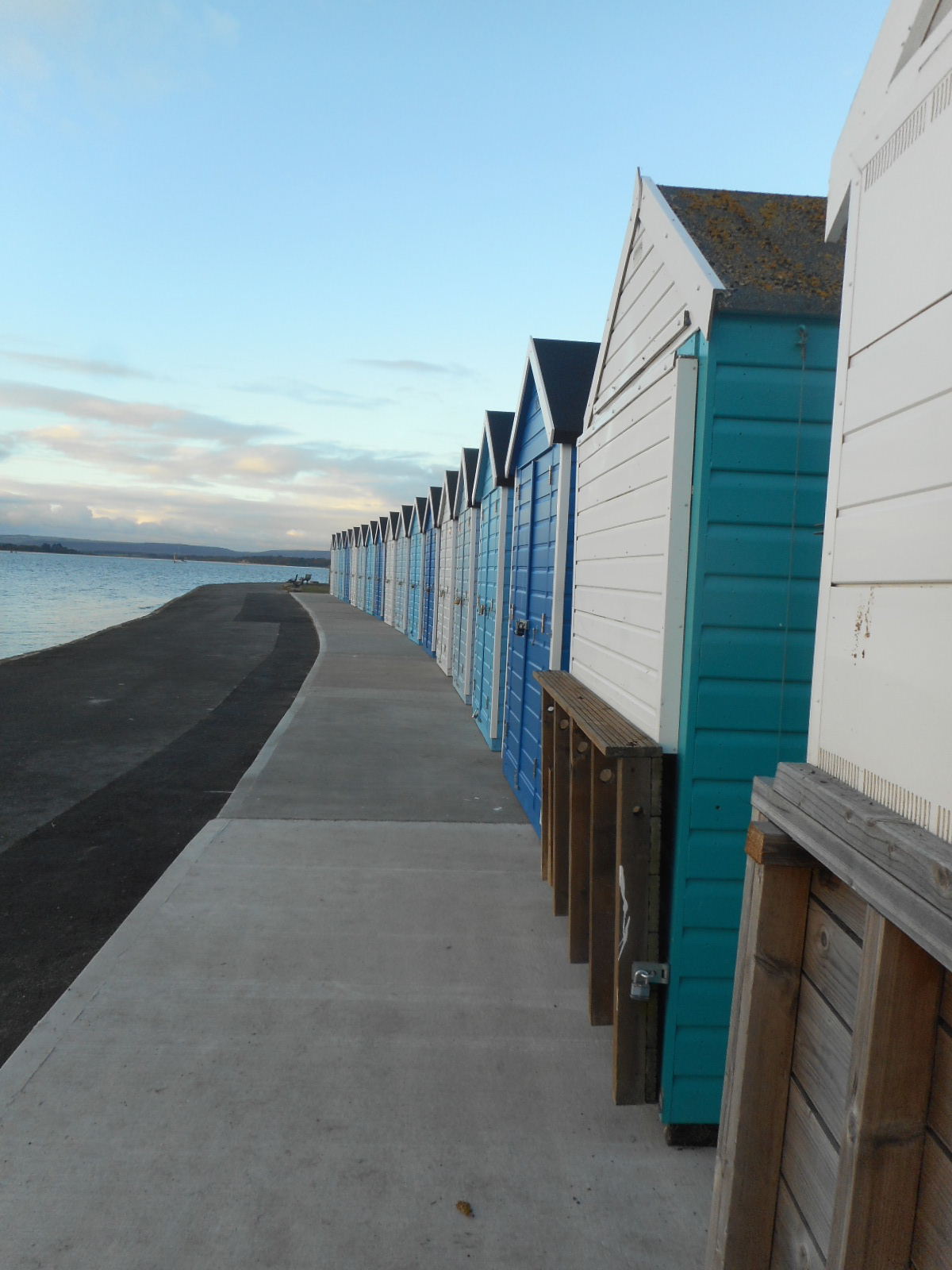
It’s 8.30 on a cold and crispy October morning. Anyone with an ounce of sense would be in bed. I’m hiding in between newly painted beach huts waiting to jump out and surprise Harrison. Being only two years old, he thinks being scared is hilarious. His mother, a person of whom I’m in great awe, is terrified.


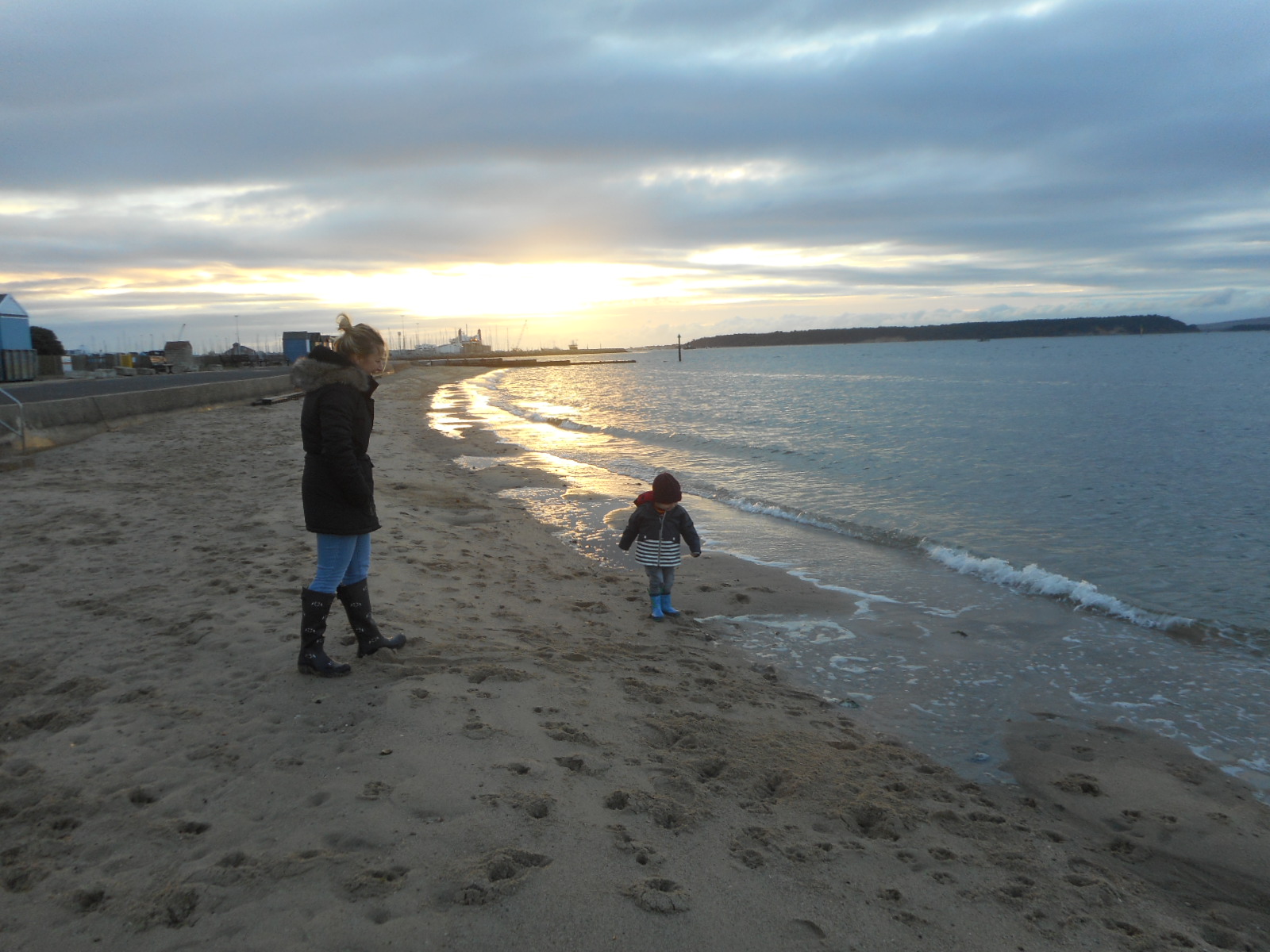
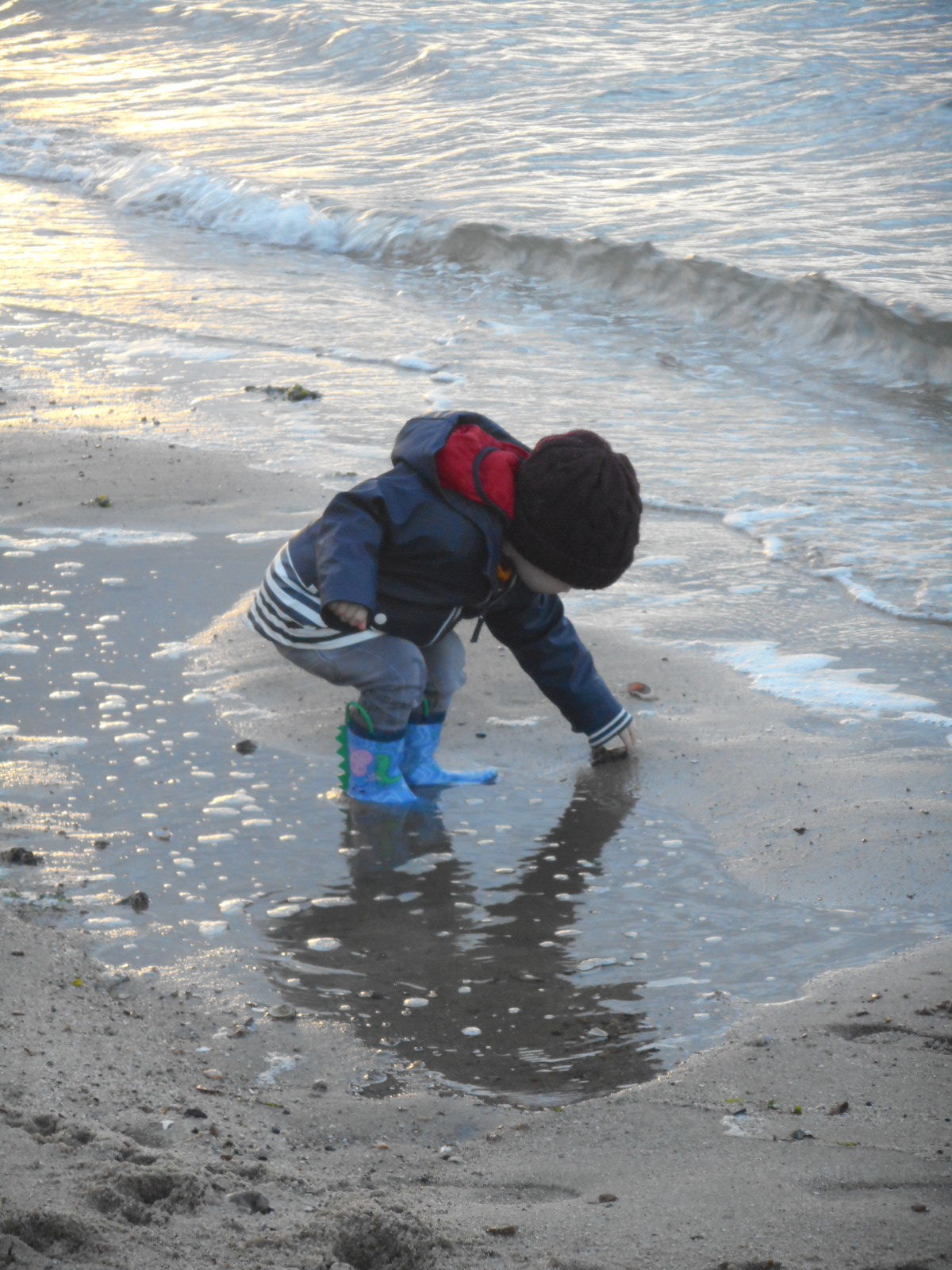
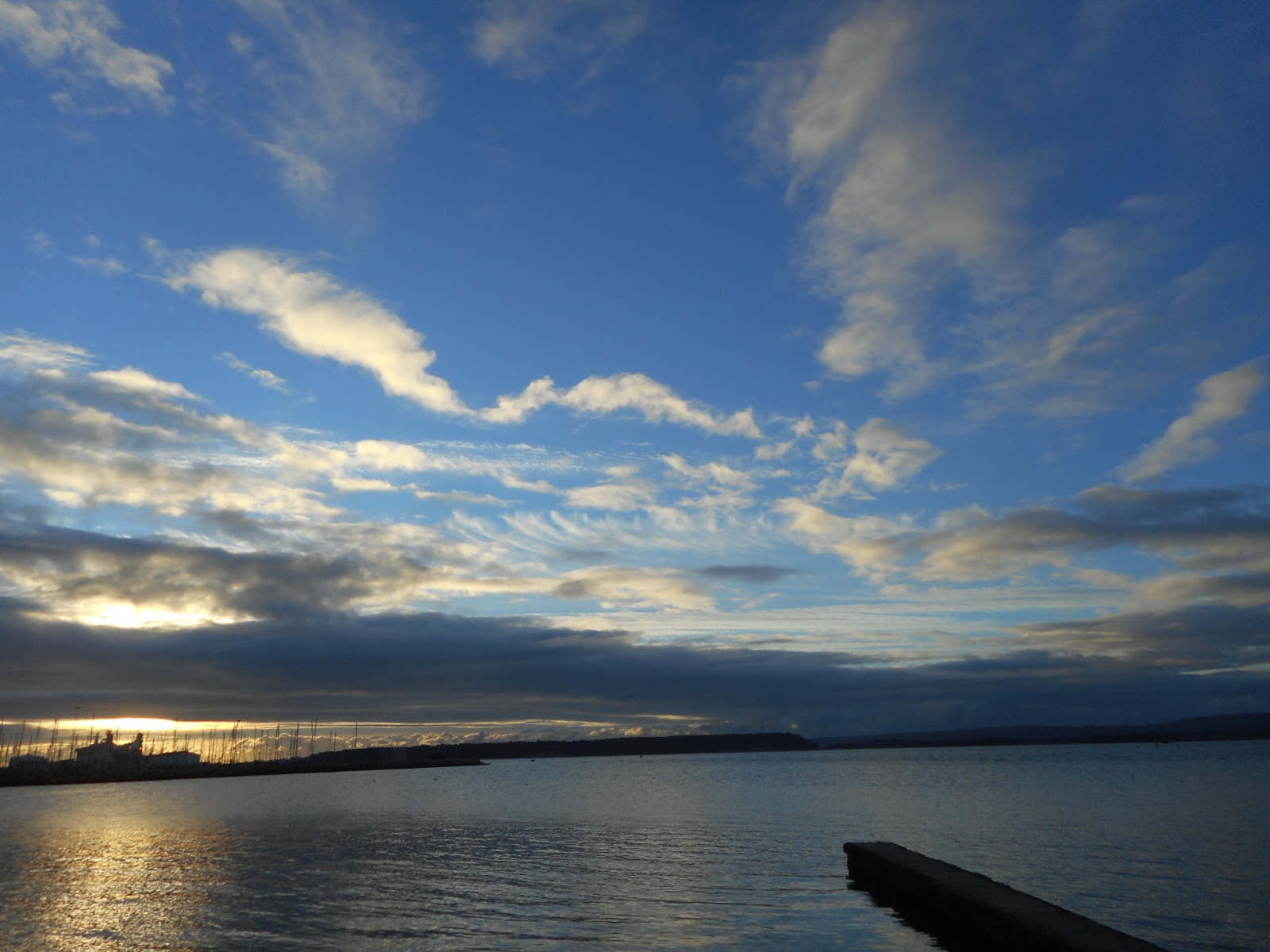
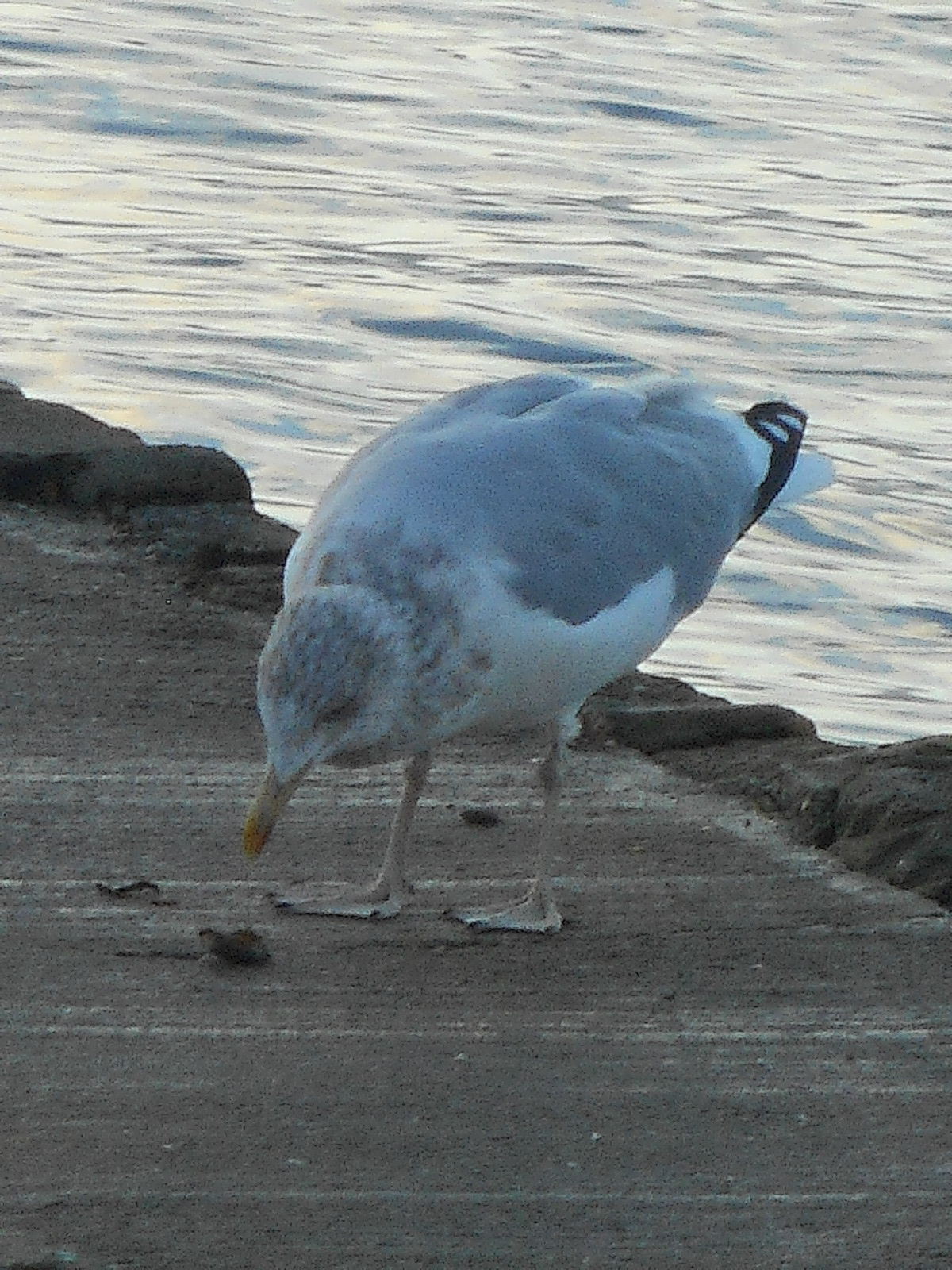
We’re here to see the sunrise on the water. Harrison understands ‘the water’. He doesn’t live by the sea but it makes little difference. He’s a clever type so knows everything. Like this is where you get shells. And where we see a crab. Or a seagull enjoying a fishy breakfast. Or a big boat with all its lights on. See the world through the eyes of a two year old and you see a different world

We look for anything to point out – like an unexpected rainbow patch of colours in the sky. A stark, lonely cormorant flying past. A jellyfish painted on a wall.


Back home, he demands a croissant with Marmite for breakfast and I discover children’s TV exists on my rarely watched television. It’s taken two evenings for his exhausted mother to watch one film. Harrison watches Paw Patrol before I find Sooty. Matthew Corbett looks like a man who’s lost a battle with a bottle of Scotch. Harrison informs me that it’s very funny.

Being two seems an easy place to be.


A night out

 Living in the Twilight Zone, I don’t get out a lot in the evenings so a Friday night out on the quay with my son and his partner isn’t an invitation to be readily turned down. I walk to their gaff. About a mile and a half. I’d already walked up and around Europe’s largest hill-fort earlier in the day but as everyone I know is already dead, or on their way out, I felt it prudent. After this, we walk into town so I’ve worked up quite a thirst.

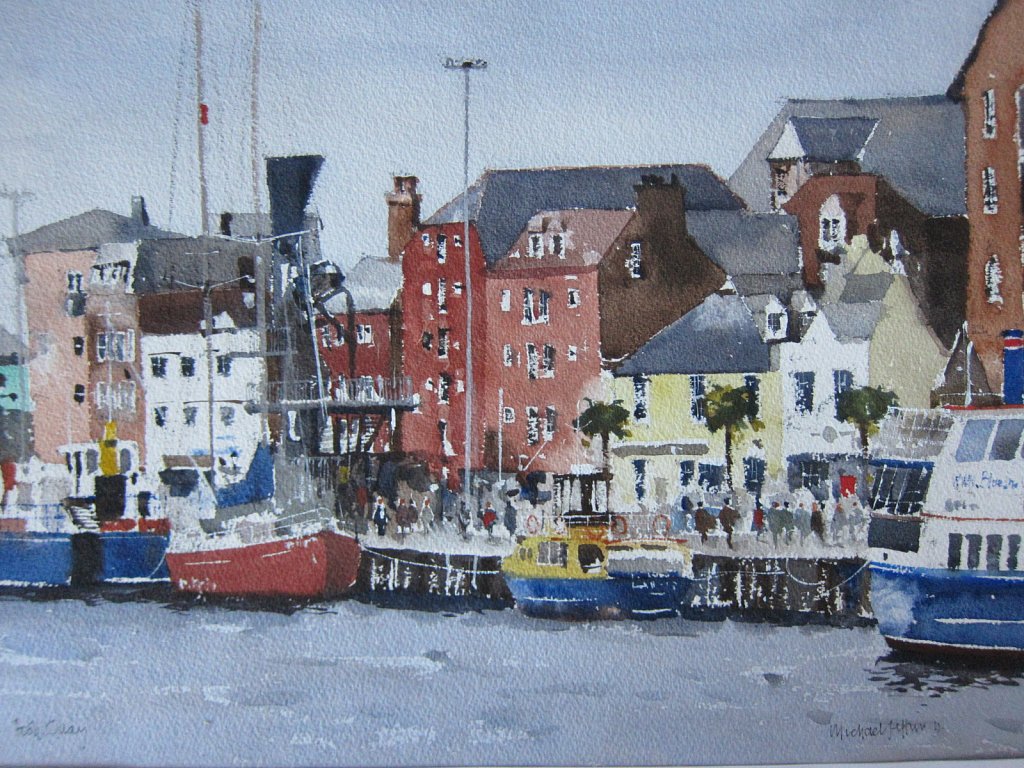
In the King Charles, I order a healthy pint of Guinness. Mmm. That went down well but I might go for something less filling at the next joint. We wander past the still working ships and end up in the Lord Nelson where they have a live band playing old rock classics. It’s a bit of a spit and sawdust joint and seats are sparse in order to accommodate all the old salts that might fall in.

The band, All Funked Up, are pretty good even with such a shocking name. They have an excellent repertoire which improves considerably with each glass of red wine. Here’s a funny thing: in this not very salubrious enclave, when one asks for a glass of red wine, you get the choice of a Montepulciano Abruzzo or a very nice Sicilian. And they’re not being precocious. They’re just not selling rubbish.

A sleek grey cat appears on the bar. It’s wearing a diamond encrusted necklace. This is the sort of joint one might expect a Rhodesian Ridgeback but the cat does the job: everyone backs away.

The female lead singer has bright red hair and sports an impressive number of tattoos. She’s got a shouty voice that doesn’t quite reach the depths but she has all the actions and is having an intimate conversation with one of the old sea dogs round the corner. You have to go ‘round the corner’ if you want to use the facilities. A very short woman from Windsor (I know because I interrogated her) tries to climb up on the stool beside me. It’s tricky. However, her husband has bought her a coke. It’s a funny colour. I think it has about ten Bacardis concealed within. Anyway, with each sip, the ascent seems easier.

Once she’s settled, I begin my journey to the loo. The guitarist has left the stage, still strumming. We can hear him but I think he’s ventured outside for a fag. By the time I get to the musicians, he’s reappeared without missing a note. I journey into the domain of old salts. Dangerous territory. In amongst the pirates, I spot a sea dog with ‘guide’ embroidered on his hat. Only the brave or foolhardy would ask the destination.

I forgot to say that, this being an occasion, I’m wearing a sparkly grey full length skirt. Some hours ago, I thought I was the bees’ knees. Now, as I resume my place at the bar to order more drinks, my son’s partner arrives behind me. She puts a kindly arm around my shoulders and whispers: ‘it’s not dreadful news but you do have your skirt tucked in your knickers’.


Museum

The Archaeological Museum of Agrigento isn’t exactly what I call interactive. It’s more ‘old school’. Or old Sicily. After the Valley of the Temples, and the disappearance of Claudio, we’re let loose in town for just long enough to down a few glasses of wine and a spot of pasta before being decanted back into the coach and poured back out again, against our better judgement.


Everything is housed in glass cabinets of which there are nearly as many as there were tourists in this morning’s security queue. Largely, they contain pots and vases. To be fair, she did warn us of vase overkill but one can have too many vases. I manage to locate a case of ceramic penises of differing sizes but then we’re back to pots.


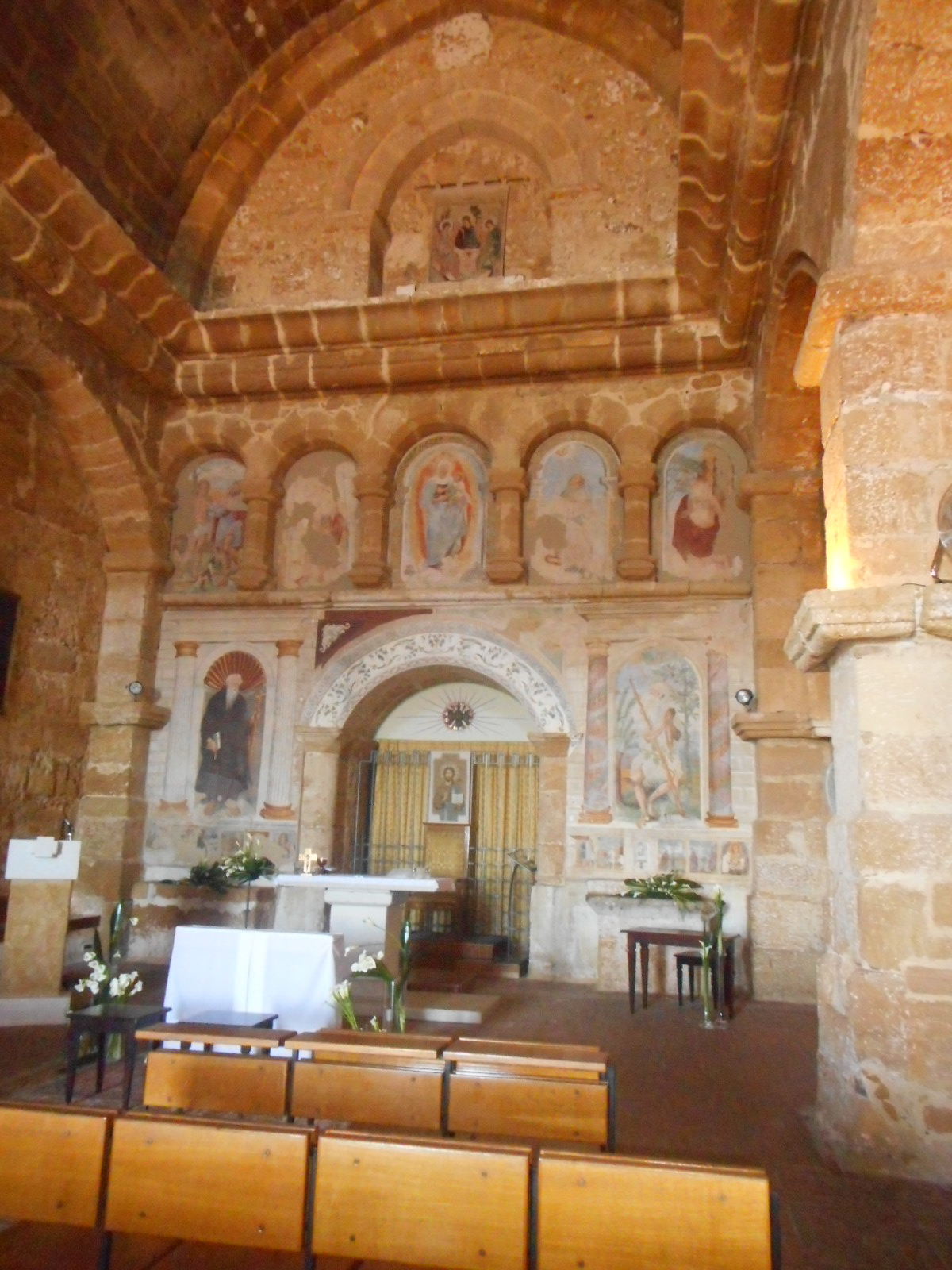
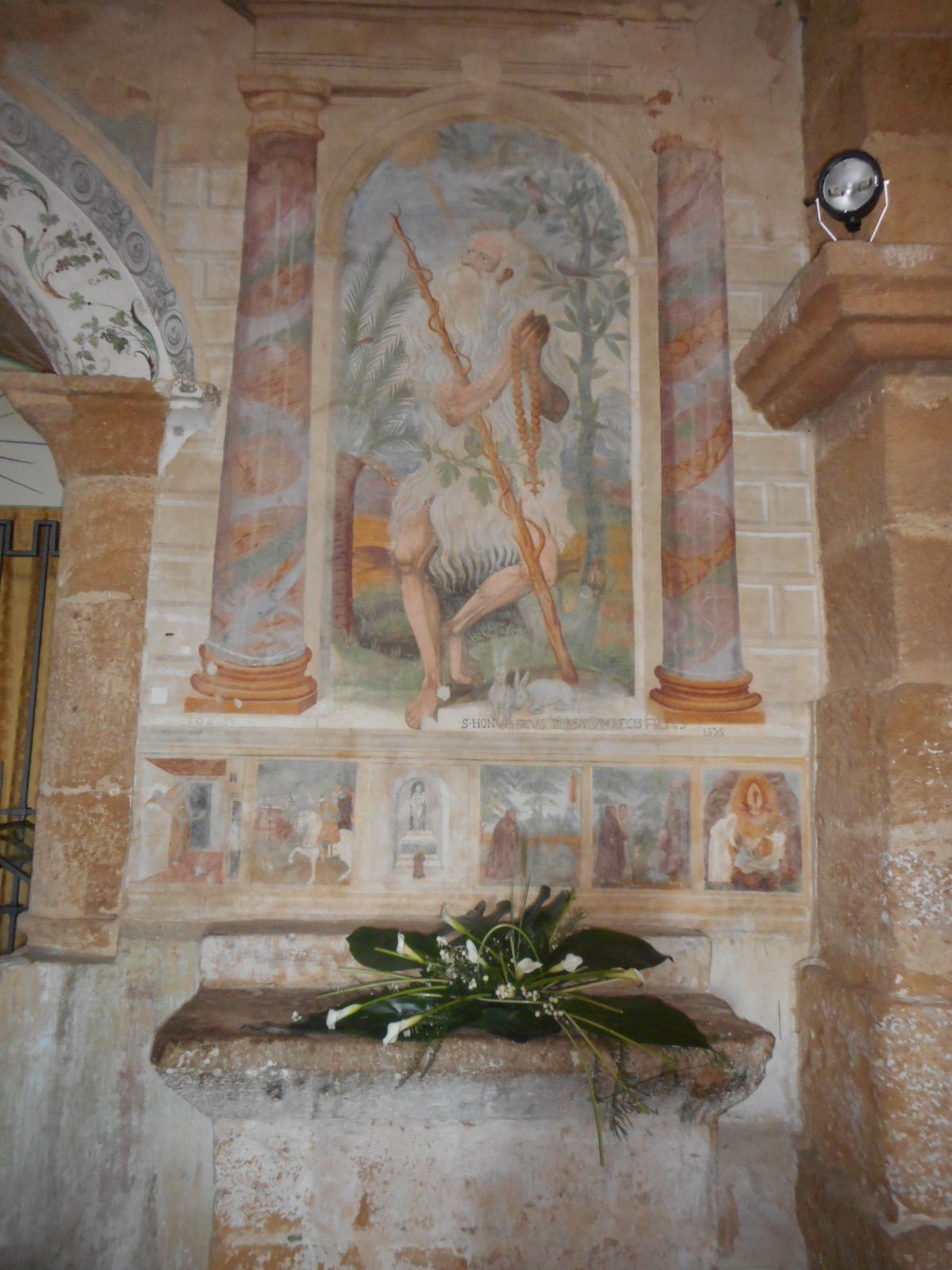
Vased out, I escape outside into the sunshine and find the Oratorio – the beautiful church of St Nicholas depicted in the first two photos. A wedding is imminent and due to the heat the ladies are only now arranging the flowers. It’s quite stunning but around the corner I spy two suited types and a pretty woman with long dark hair dressed in a bright orange frock. She looks suspiciously like that female in the art installation up at Concordia. Surely not?

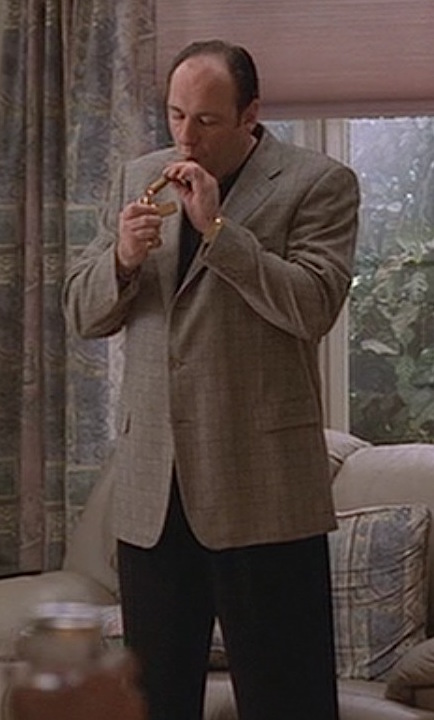
More and more guests stroll up the path towards the Oratorio. This is better than all the vases in history. The men sport dark glasses and super skinny expensive suits. The women are immaculately clothed – many in full length dresses, dripping in diamonds, Heels ridiculously high. It looks like a scene straight from The Sopranos. I feel it must be a Mafioso wedding. Sadly, we’re not allowed to wait for the bride: Angelo, our driver, has arrived and I think has been told to disappear ‘velocemente’. It’s the most exciting thing that’s happened all day – apart from Claudio.


Valley of the Temples

We arrive at 8.30am, as do most of the other groups that have been herded onto coaches and disgorged onto a hill before their breakfasts – alleged scrambled egg and suspicious chopped frankfurter – have had time to attempt settlement. They say we have to get here before the day gets any hotter.

Today’s specialist guide is Claudio. He’s very Sicilian in an Indiana Jones type of way. He sports a large hat that might have been white when the Greeks invaded. He wears a grey linen jacket which probably saw better days on a man less substantially built; a lesser man in all ways for Claudio is nothing if not macho.


We wait for about twenty minutes in a queue for ‘security’. The crowds are restless and the Italians start booing when someone is allowed in ahead of them. Claudio is bored and demands another gate is opened, which it is. ‘Security’ isn’t very stringent: a cursory glance inside open handbags and a quick body sweep with an airport-type scanner that beeps on making contact with me. The beeps are ignored:’prego, prego’ as I’m waved in unceremoniously. We regroup – all fifty of us who can only spot each other by the orange radio receivers which we wear.

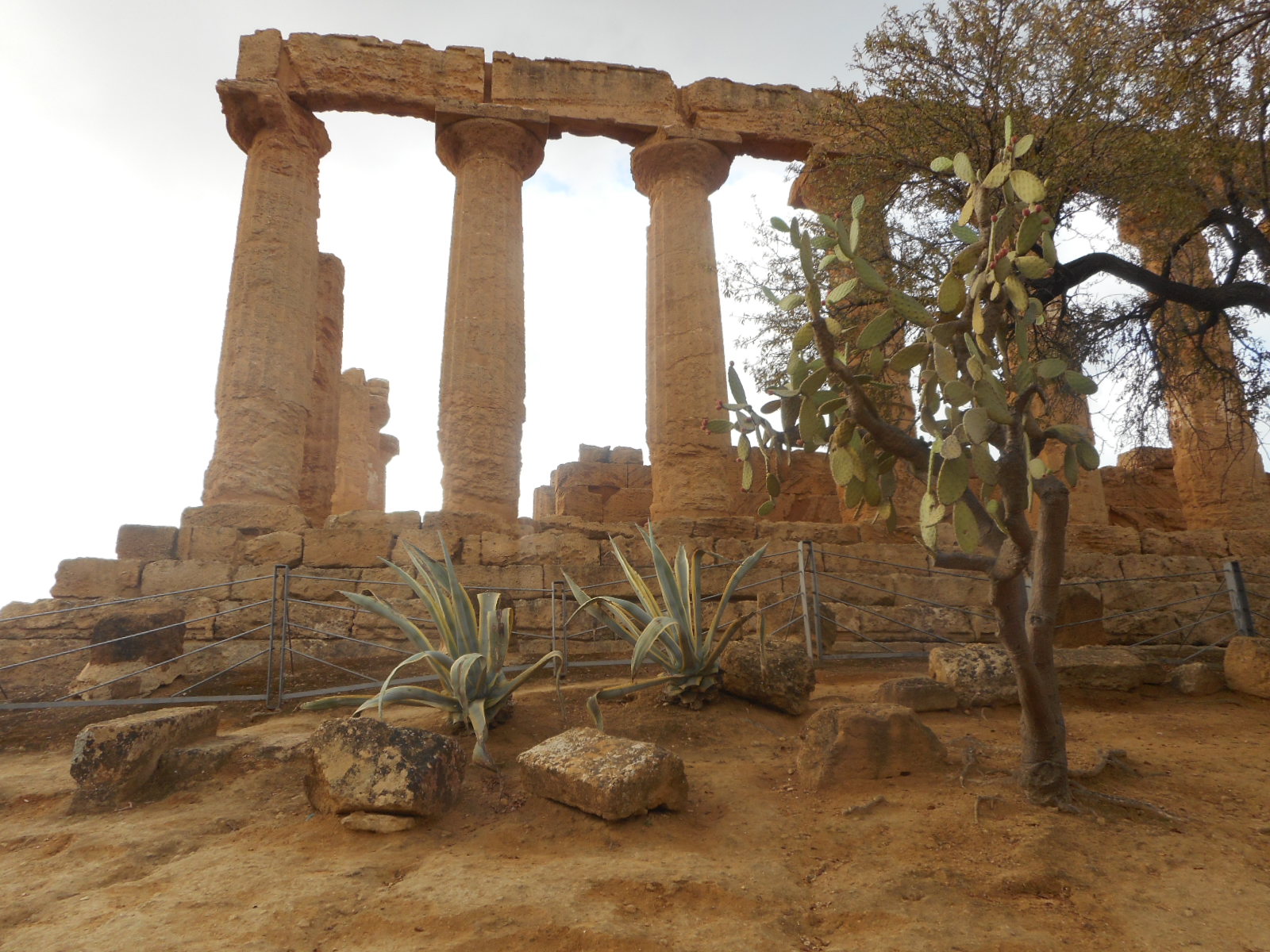
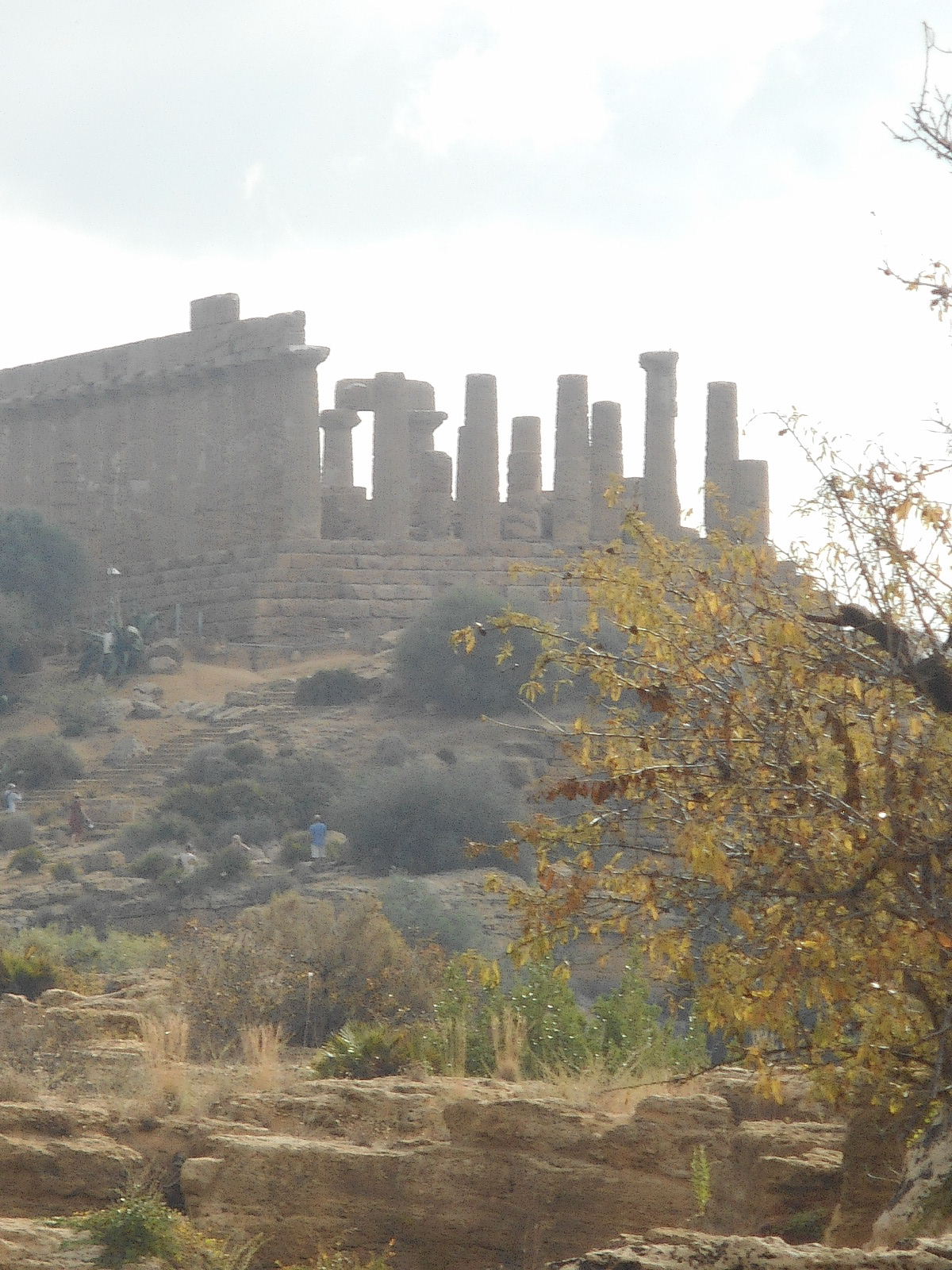
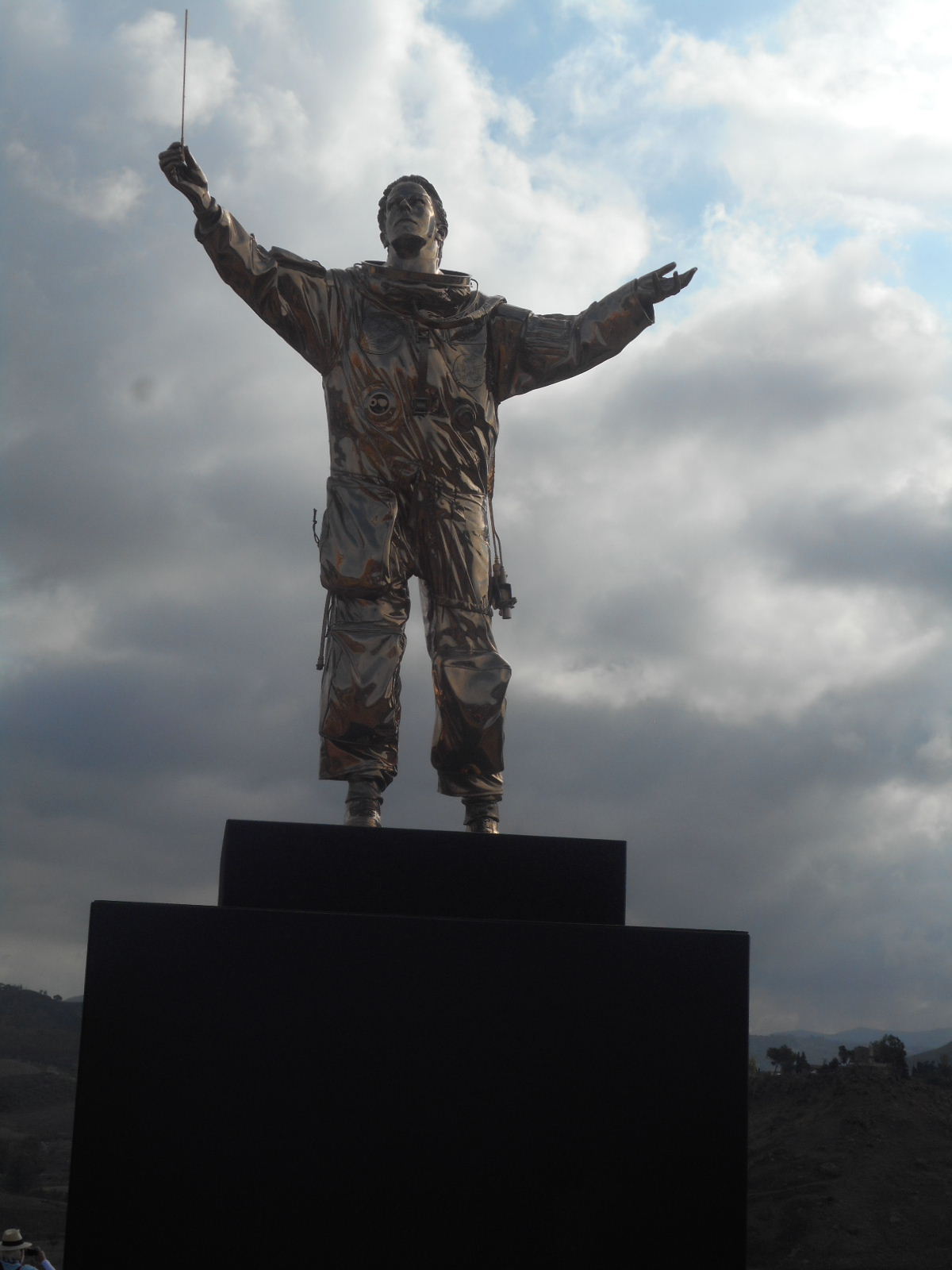
We climb 59 steps to the Temple of Hera. Wasn’t she the one whose head kept talking to Jason on his boat trip with the Argonauts? Love that film. Still. Claudio is a font of archaeological and historical knowledge so is a bit peed off that we want to know about the statue that looks like a spaceman. ‘It’s supposed to be art. Not of importance’, he snaps.


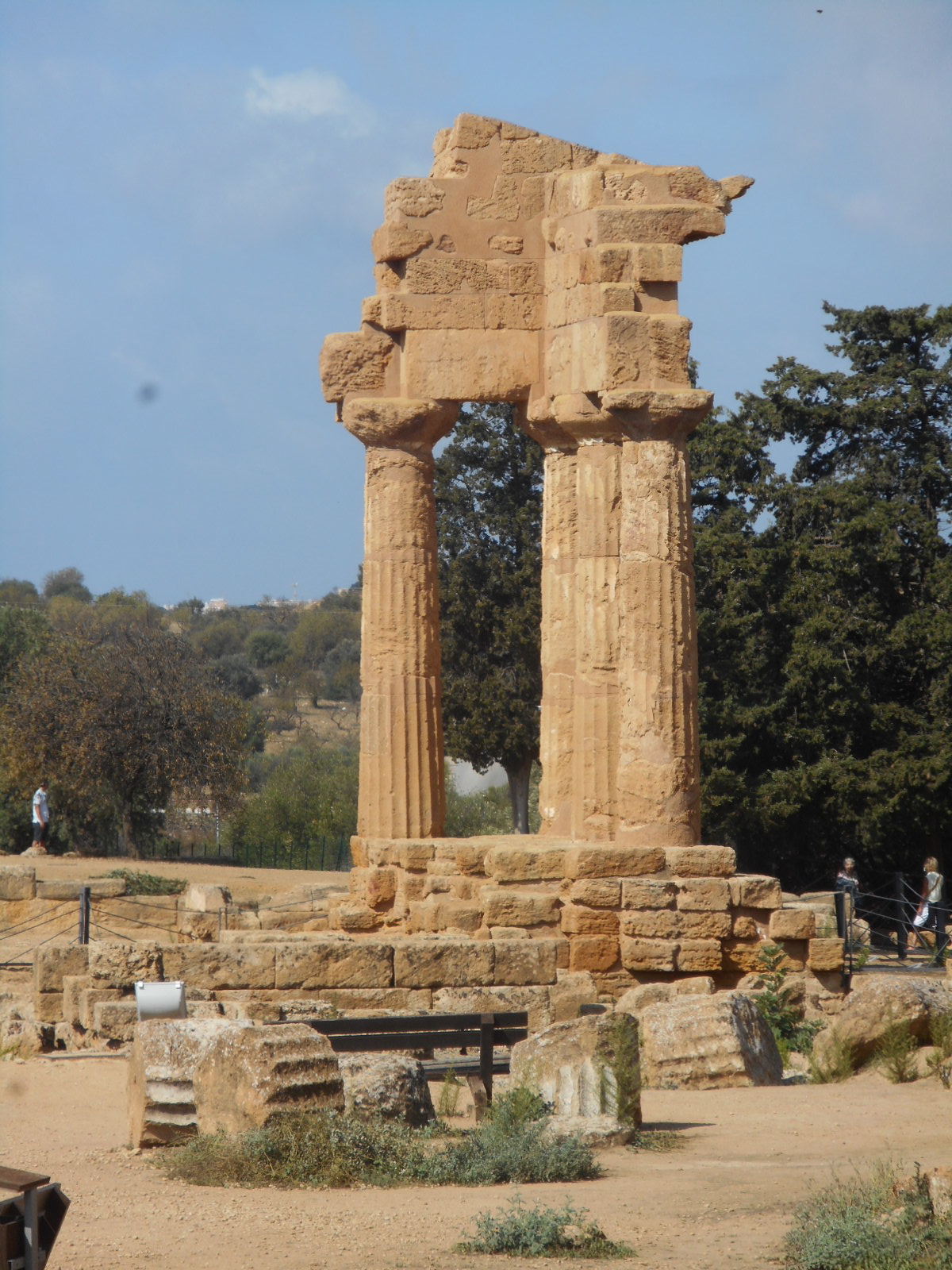
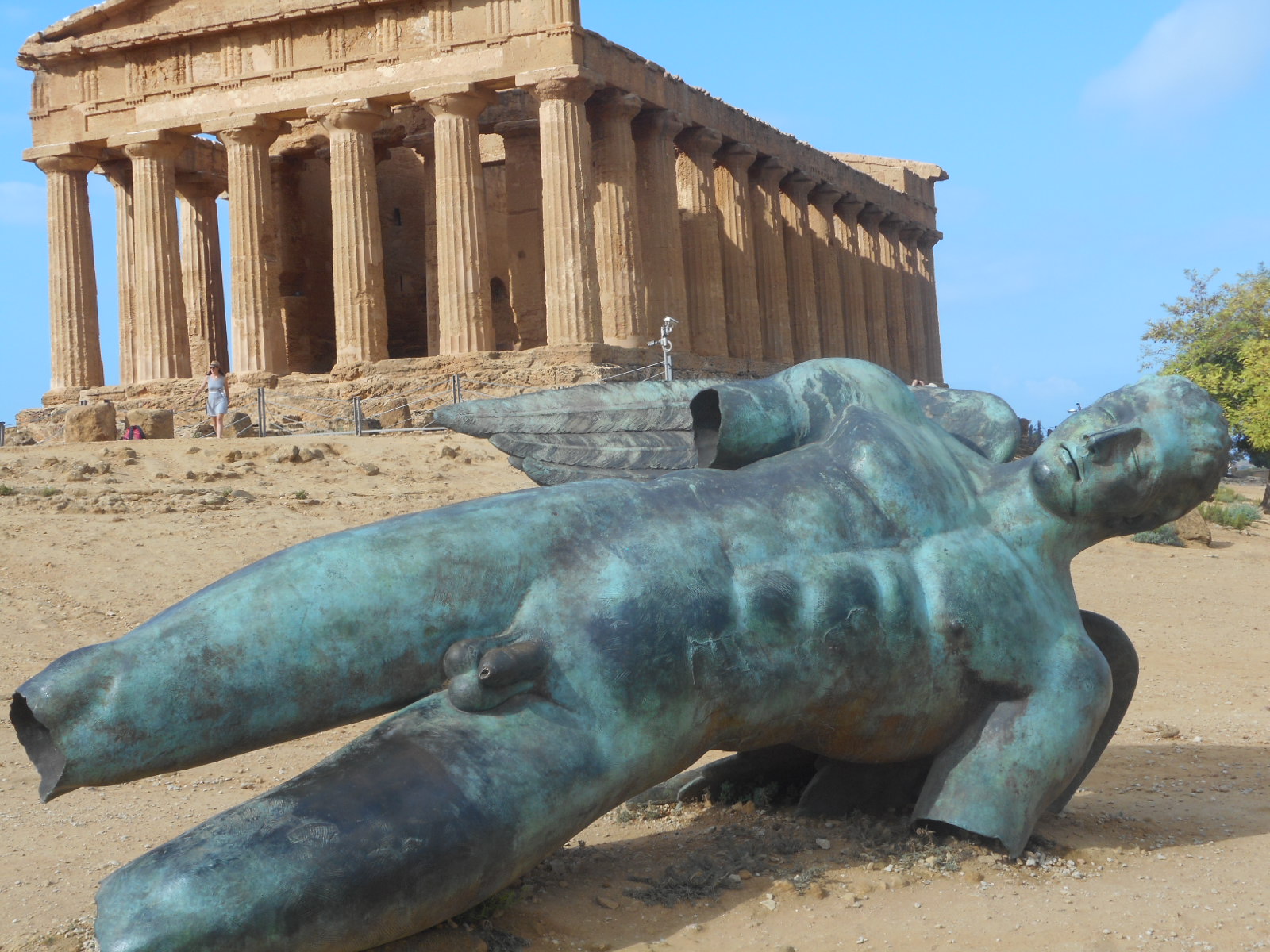
We walk the whole length of the ridge that houses five temples. At the Concordia, which is the most complete of these, there’s another art installation. This comprises four large screens, each with a video of a woman in an orange frock simulating sex with some invisible entity – possibly a god. It’s distracting.

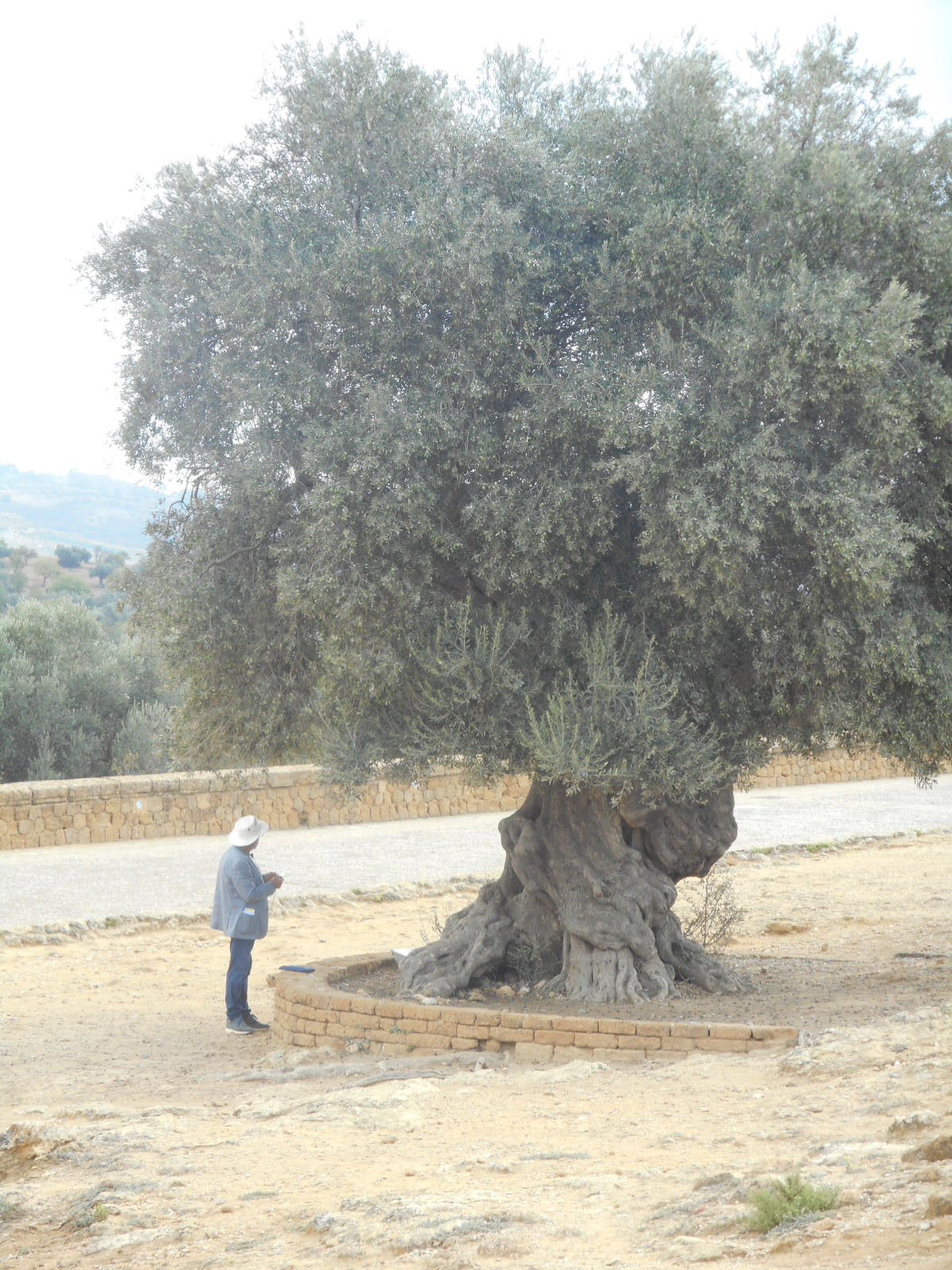
Claudio, who every now and then sings in English, gathers us under a 500 years old olive tree and tries to enlighten us historically. In my notes, I’ve written that there are always 613 seeds in a pomegranate. I’ve no idea why as, even with the help of the radio receivers, most of his monologue is drowned out by the initially ecstatic, and subsequently painful, shrieks of the lady in the orange dress. A Daily Mail Brexiteer next to me mutters that she wishes someone would put her out of her misery.

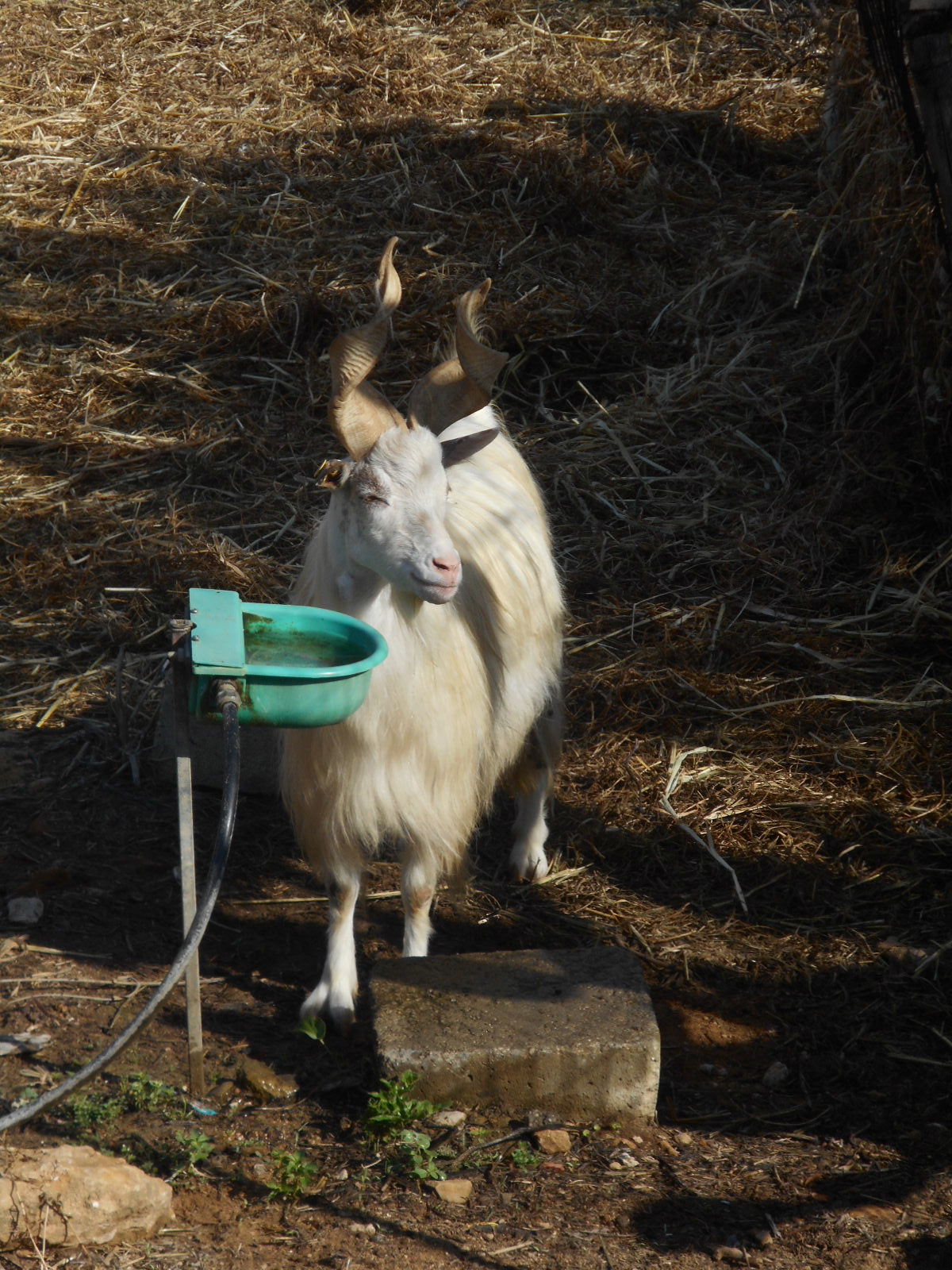
Claudio shows us a rare Argentinian goat but everyone’s lost the plot so no-one knows why we’ve stopped. Some of the less able have fallen by the wayside and have to be retrieved a couple of hours later when we rediscover the coach. Claudio sings ‘when I’m sixty-four’. Most of us would be pleased to see that year again.