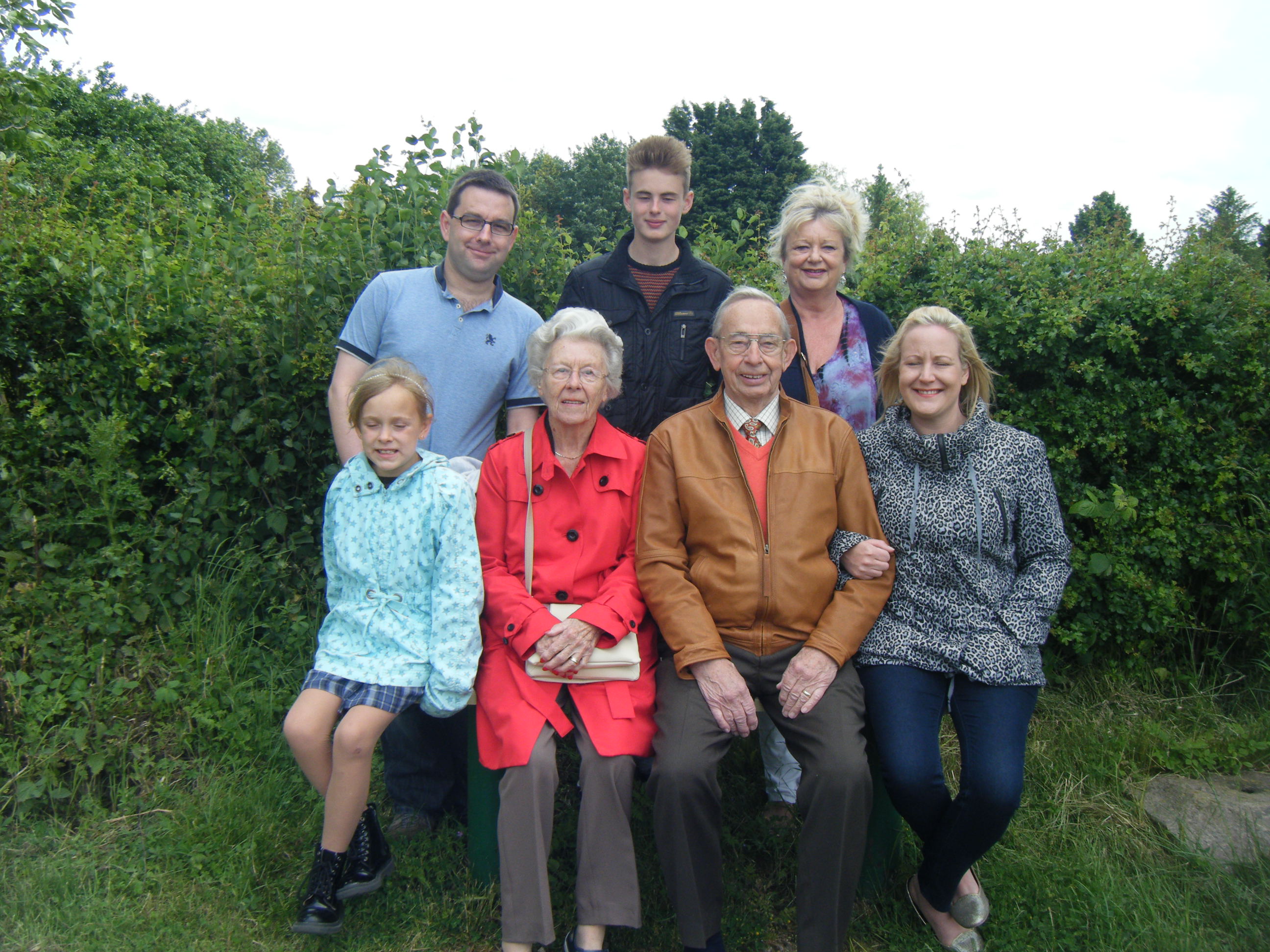
The lock keeper’s role

lock-keepers

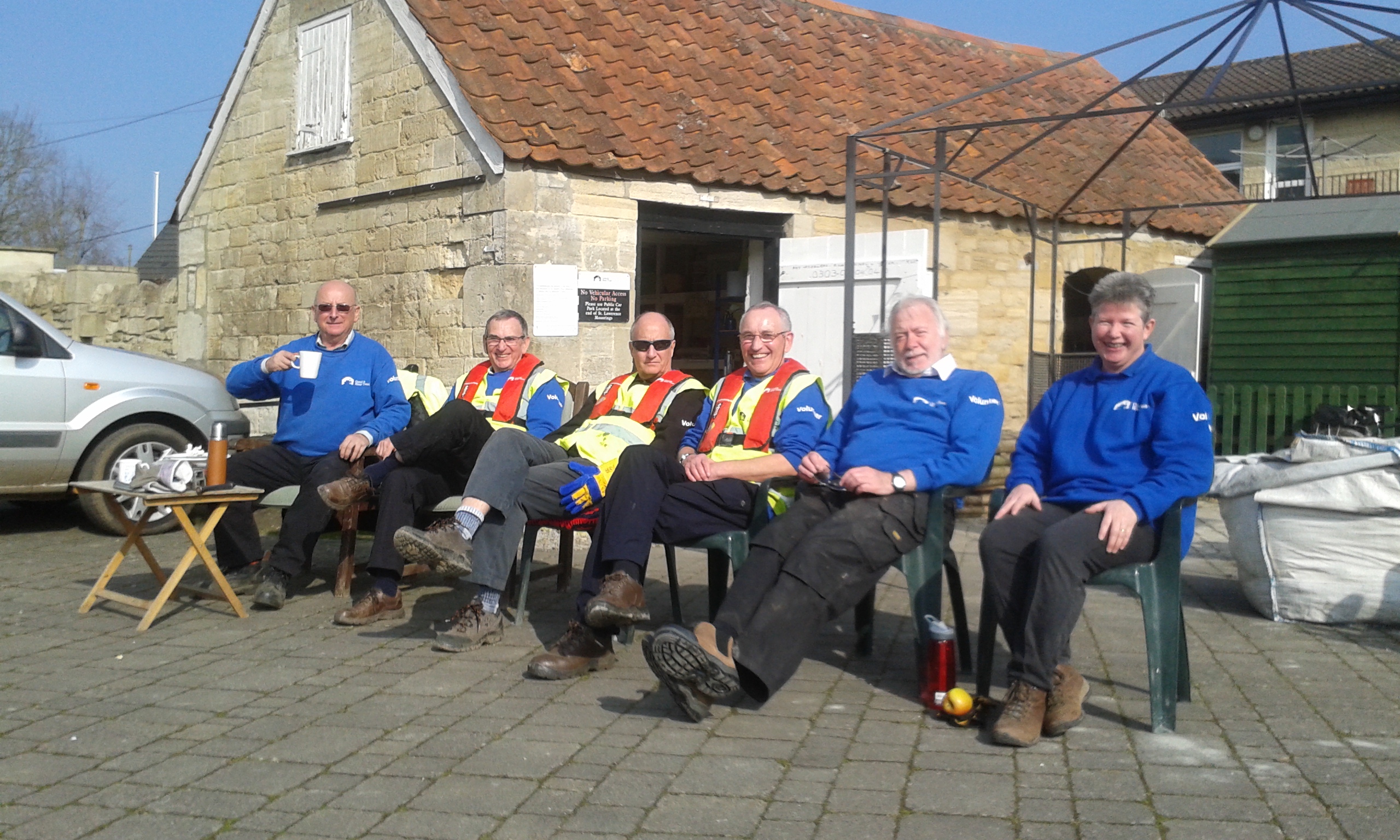
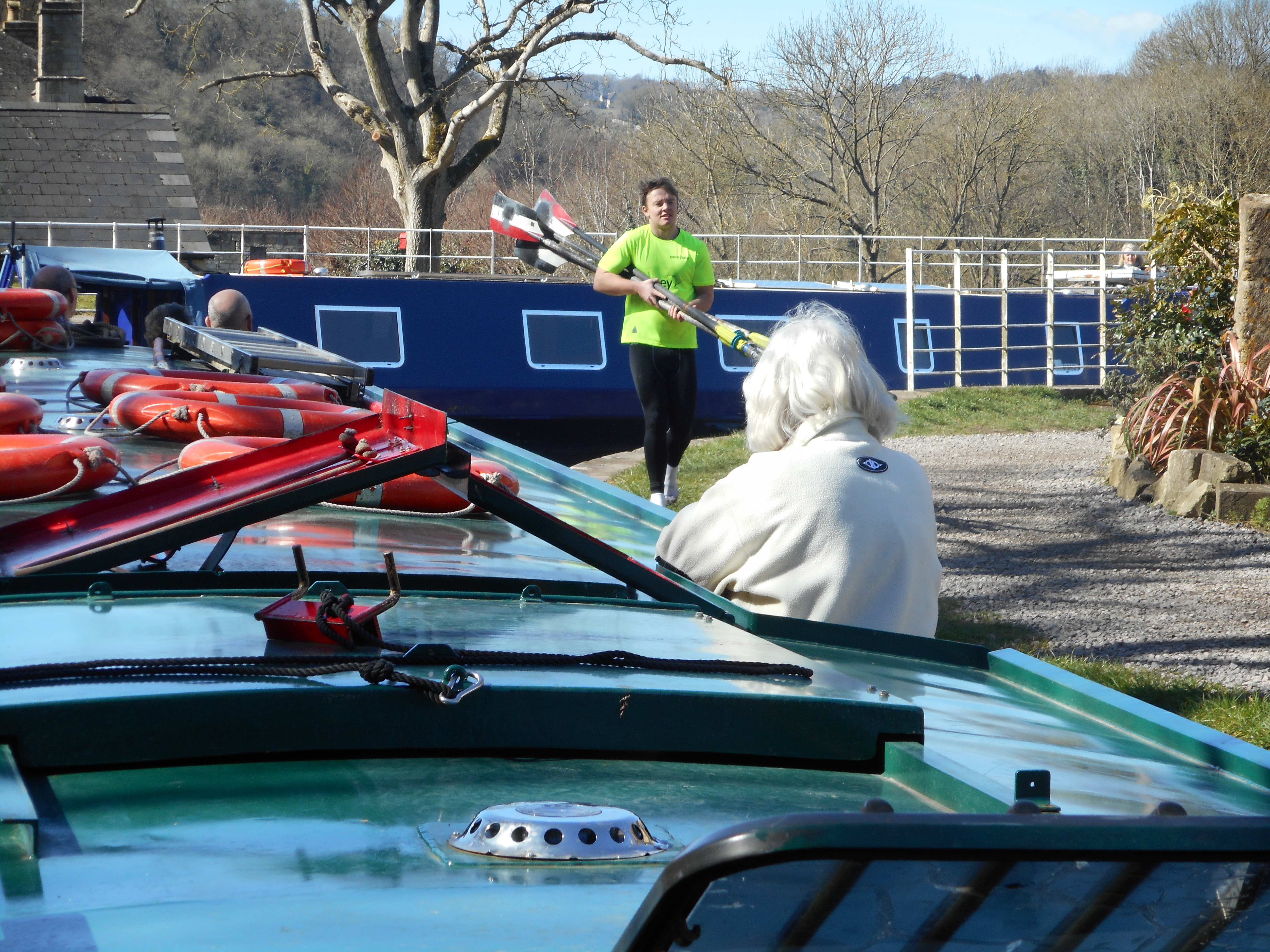
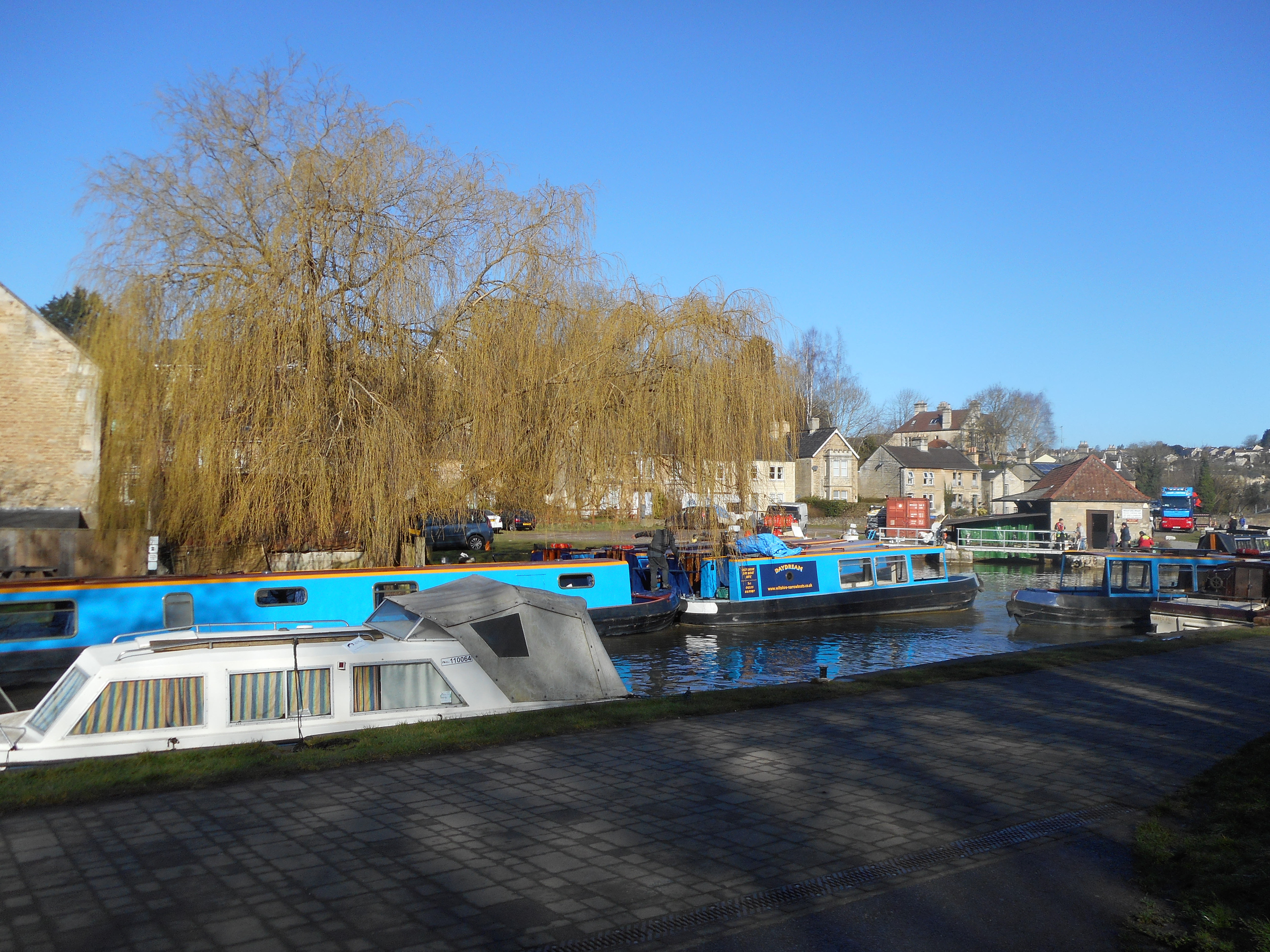
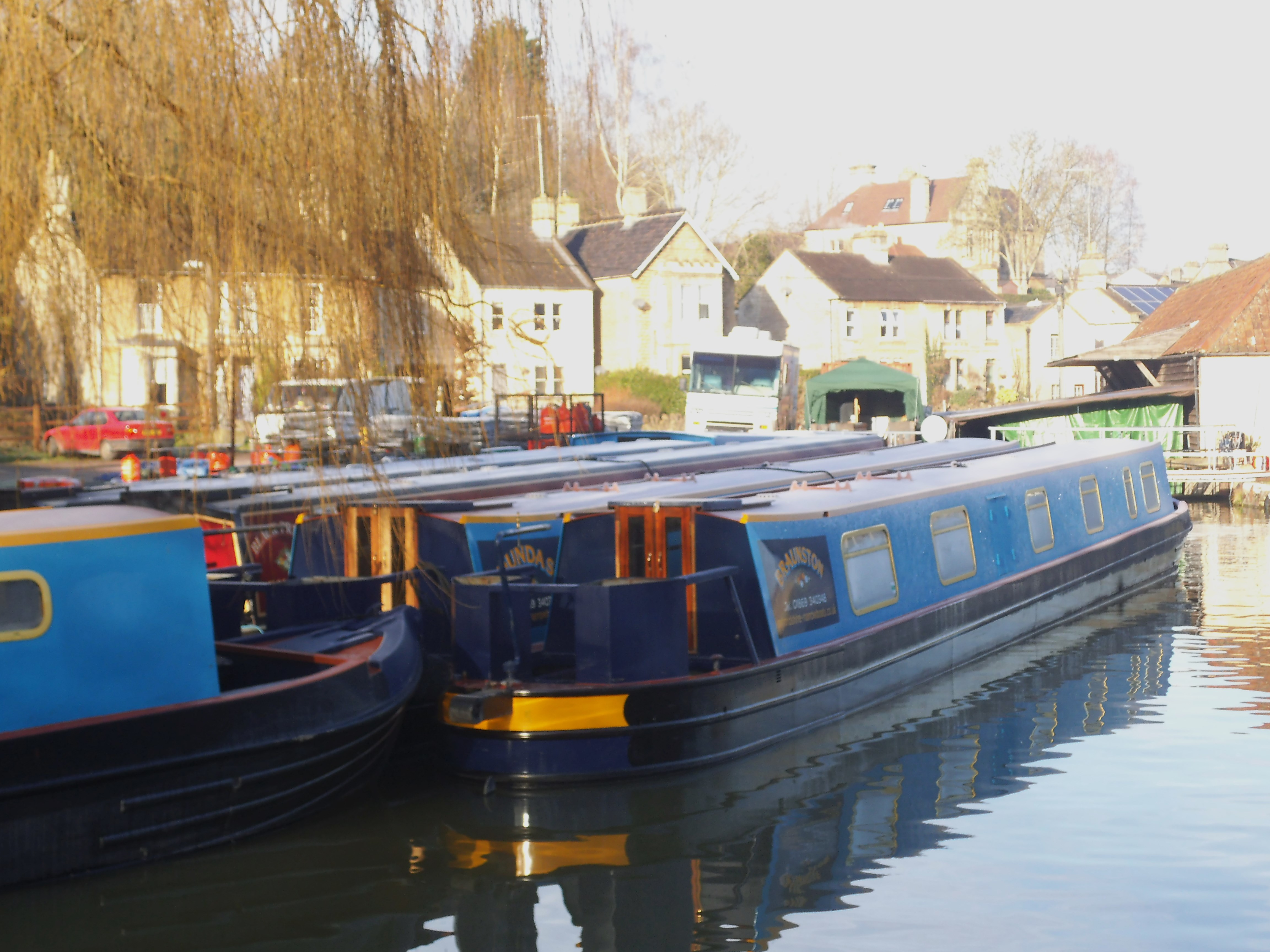
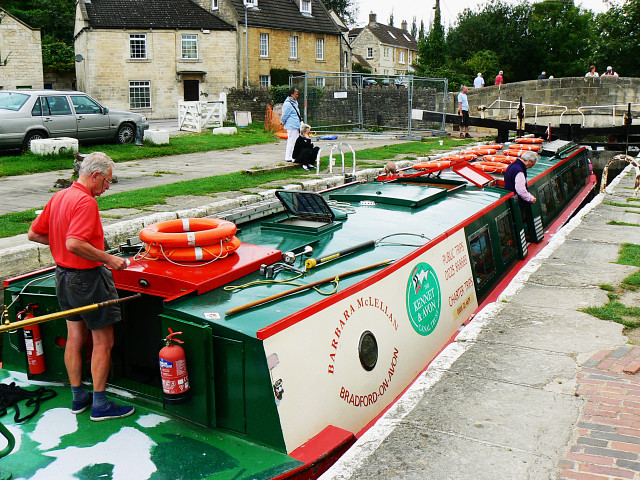
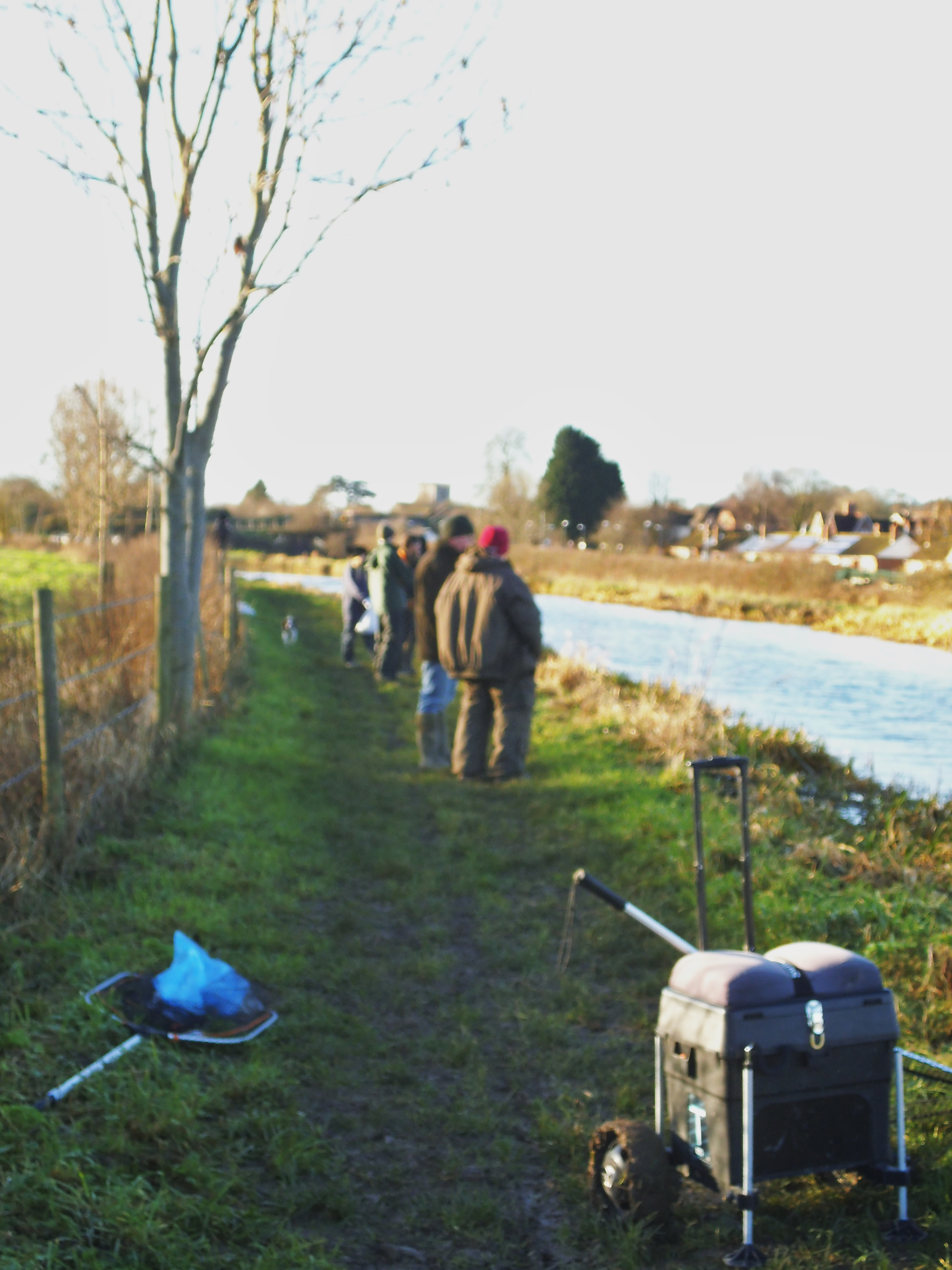
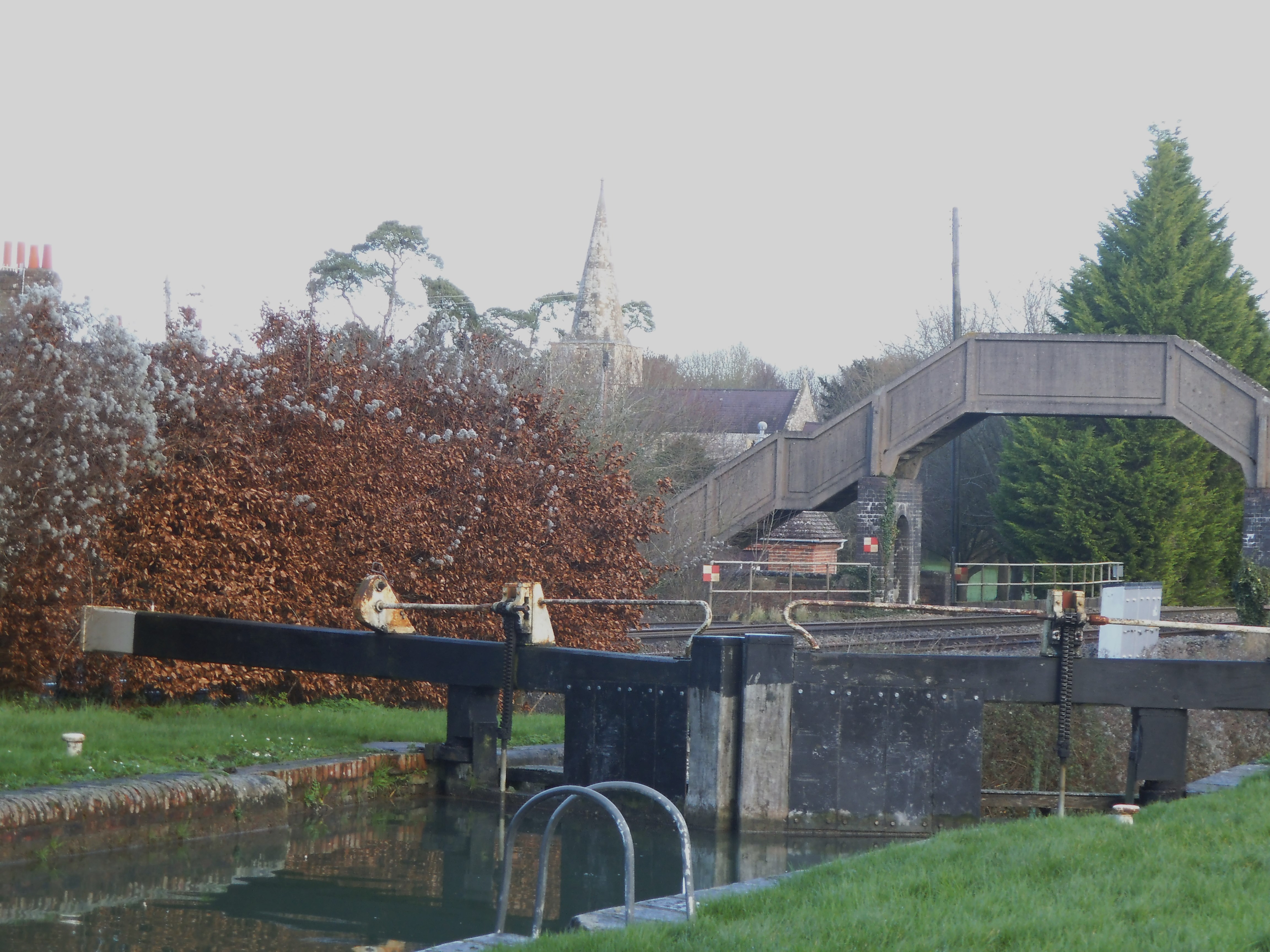
Bradford on Avon boasts the busiest wharf on the Kennet and Avon Canal. It’s obvious, therefore, why it’s necessary to have six lock keepers to hand at any one time. Actually, there are more but a shortage of chairs means that one has been relegated to team photographer. If it’s unclear exactly what these folk do, there’s no better source to turn to than the Canal and River Trust (CRT).

The CRT note that the lock keeper ‘is a really important role steeped in history and tradition … although this has changed over time’. For example, they now do it sitting down. Further, ‘working outdoors and staying fit have been key incentives’. These days, the emphasis is on the former.

Another important facet of the CRT job description is ‘greeting and assisting boats’. This contemporary illustration will inform future students that, in the twenty-first century, this task was performed from a distance and in chorus.

Finally, CRT notes that it’s ‘important to feel part of a friendly and supportive team’. Well, you only need to look at the photograph to see this manifested wharf-side at Bradford on Avon. Where else would so many people be happy to share one apple and two flasks of gin?

All aboard!

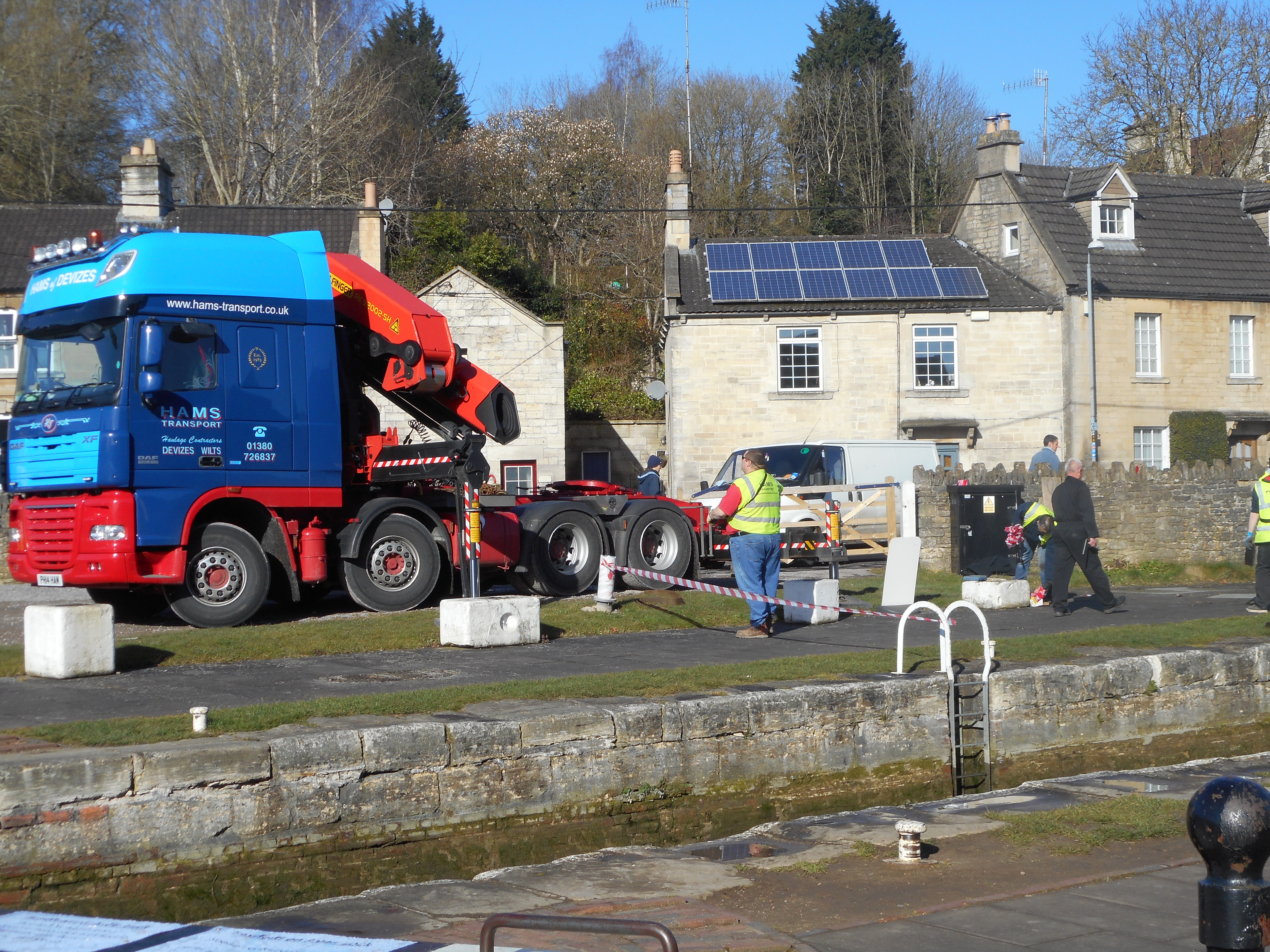
DSCN0260Good Friday and after the skin-penetrating dampness of yesterday, this morning’s weather is as perfect as is possible to be. Down on the wharf, men and machines have made an early start in a bid to restore the pump to working order. It seems they’ve retrieved a section of boat decking that was jamming the impeller. However, a passing stranger informs me that the pump at Crofton is also out and more men are on their way to try and remedy the water levels. So that will teach me for being inquisitive – I’m none the wiser and have yet more words to look up.

DSCN0259

This is the day that I become a trainee crew member aboard the Barbara McLellan as it transports Easter holidaymakers on a five hour trip down to the Dundas Aqueduct and back. I’m more than a little anxious and far too early so I sit on a bench with Tom and Gwen who’ve just walked along the canal from Staverton. Gwen tells me about their walk and Tom says nothing. Gwen tells me about their daughter who’s at Portsmouth University and has to spend an extra day there to clean up her room. Tom says nothing. I tell Gwen what I’m doing today and Gwen says she thinks it would be a jolly good idea if Tom undertook some volunteering. Tom looks in the other direction. I see some people in red sweatshirts gathered by the Barbara McLellan. They are the crew members and I bid my farewells to Gwen. And Tom.

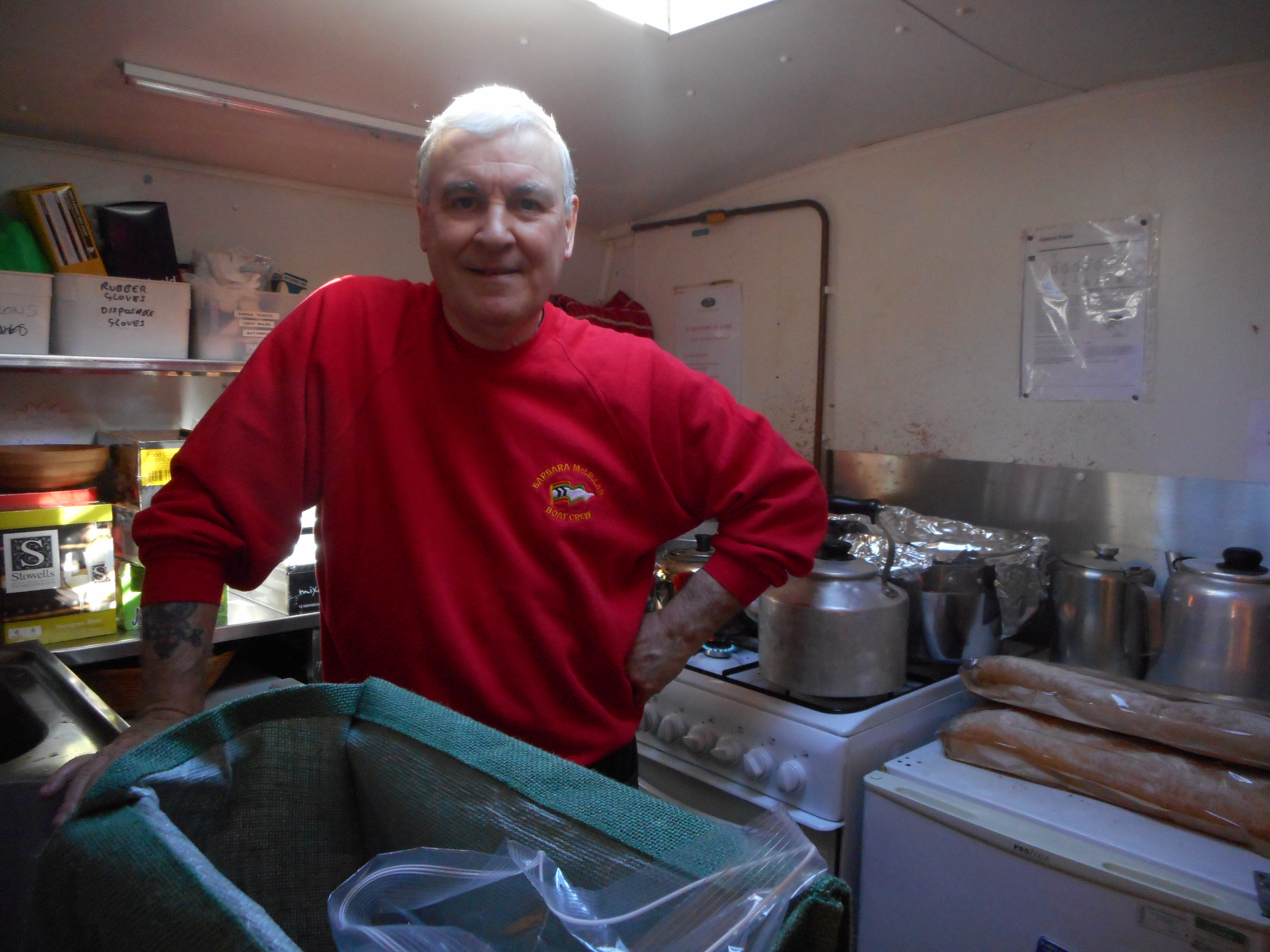
DSCN0272My job is in the galley. I have little idea what’s involved but someone’s just delivered a pan of pea and mint soup and another containing sweet potato and carrot. Well, I think that’s what they are but, subsequently, matters will be simplified when then the options are referred to as green and orange. There’s also bread and butter, both of which require cutting, and chunks of cheese. Oh yes, and croissants and pastries so no-one’s going hungry but things have to be done in a certain order. Eamon is, apparently, in charge of the galley and by default, in charge of me. However, Elspeth says that Eamon’s too busy cleaning the outside of the boat. Skipper pokes his head round the corner to say there may be trouble ahead. It’s ok though: Eamon arrives tout de suite and all is well.

DSCN0266The passengers are eager to come aboard. In all the excitement/confusion/panic of learning what’s expected, I’d totally forgotten there would be paying guests. Fortunately, there are only ten of them and, like canal dogs, they’re an enthusiastic and friendly bunch. Elspeth plays the health and safety tape which makes me a little nervous: the calming voice tells the passengers not to worry if someone falls overboard or there’s a fire as the crew have had in-depth training. Actually, ‘in-depth’ might not be appropriate here. The voice also informs the passengers that members of the crew can be identified by their red sweatshirts or their name badge. I have neither and there’s still no sign of the whistles. I take the orders for teas and coffees and introduce myself just so they know I’m not one of them. And we’re off into my first ever lock.

DSCN0278

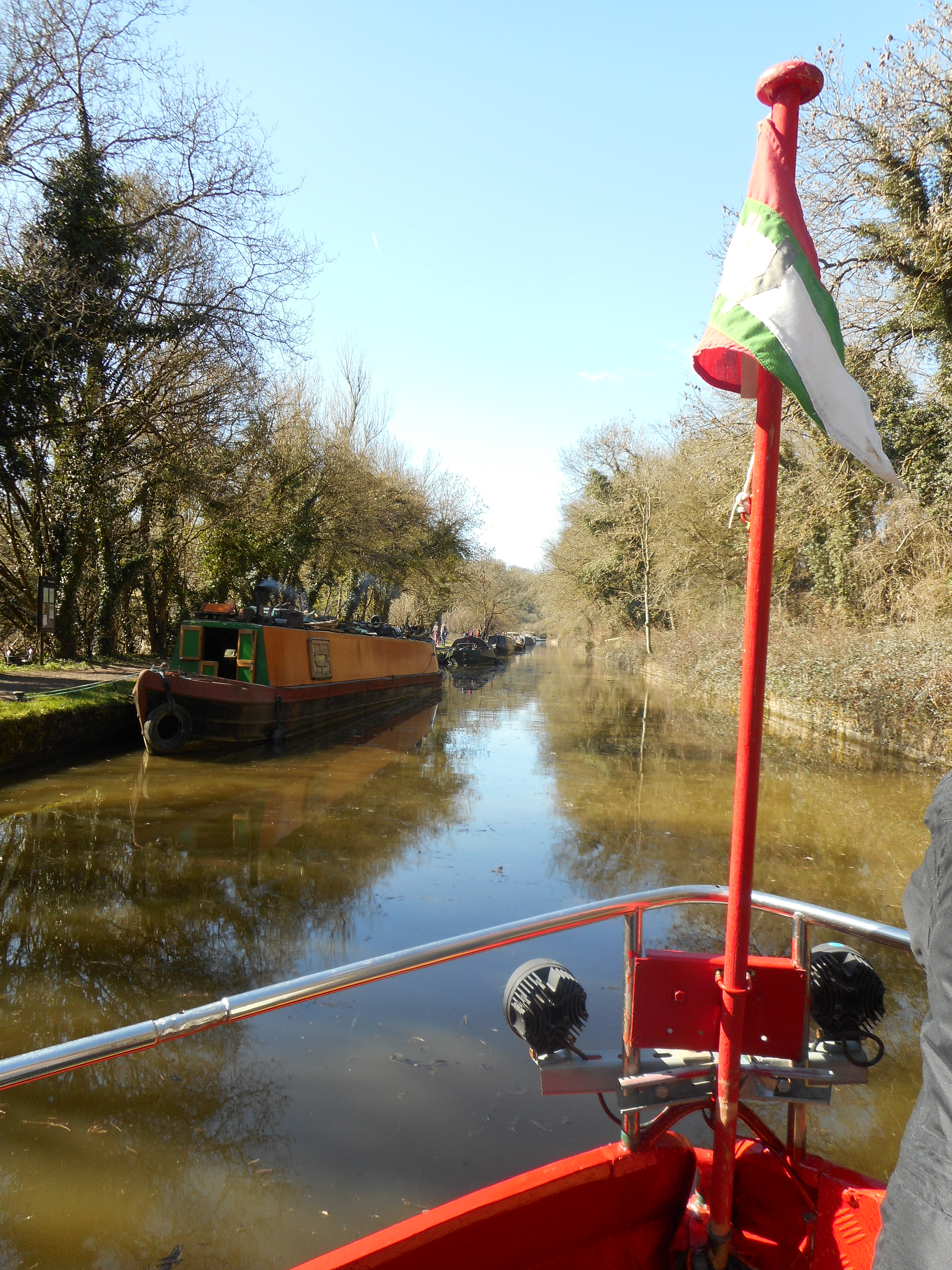
It’s wonderful. It’s the first trip of the season and once we’ve worked out what’s supposed to happen, it all falls into place. Crew-wise, we have a dream team. My new friends advise me that the experience of volunteering on a canal boat is tempered by the Skipper. Having come into contact with one or two canal ‘types’, I can understand this. We are lucky enough to have Graeme who is funny and kind and lets everyone have a go at everything, but is also super-responsible and reliable. Mike is ‘mate’. He’s a bit posh and ‘old school’ but, once the pastries and coffees have been dealt with, I’m (tentatively) up at the helm with him as we navigate the Avoncliff aqueduct.

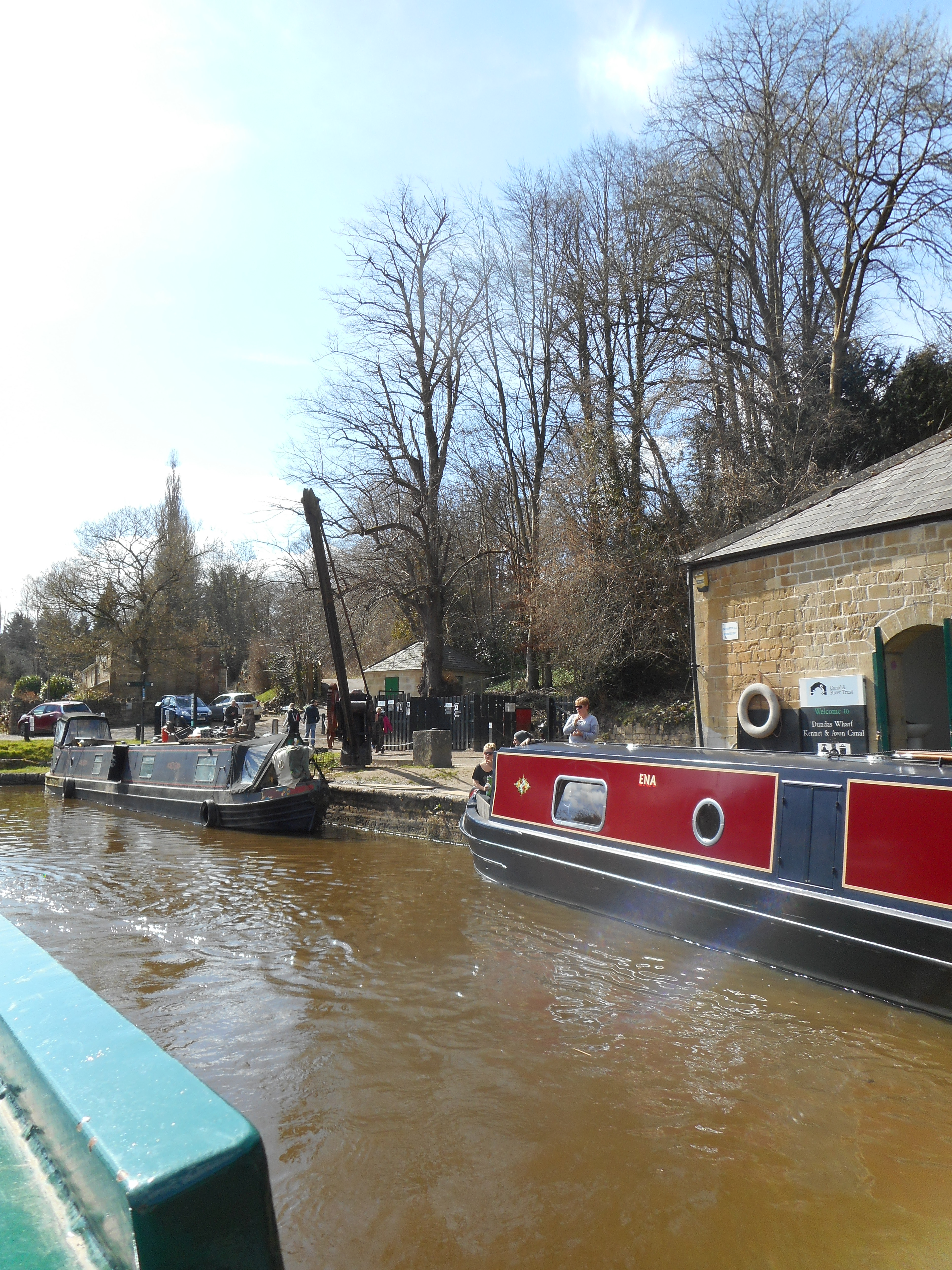
DSCN0286A couple of hours later, the green and orange having been disposed of, we reach Dundas and the passengers disembark to stretch their boat legs. We have a book in which our skills are signed off and Eamon only has to secure a turn of the boat in order to achieve skipper status; which is accomplished in time to retrieve our holidaymakers. And whilst he’s doing this, Mike broadens my canal trivia by telling me about the 200 hundred years old crane that used to lift coal, wheat and other goods that had been transported from elsewhere.

DSCN0281

On the return journey, I sit at the front with the lady passengers and we discuss the sexism practised in bowling clubs and the lack of helmswomen on the canal. Skipper arrives without warning to point out that, as I’ve chosen to be in this position, I should be looking out for oncoming boats and making the appropriate signals to the man at the helm. Skipper says there are ample opportunities for women to be at the helm if they’d only stop chatting and laughing. He is booed soundly by the paying persons who threaten to throw him overboard.

DSCN0258

Skipper requests my presence at the helm and I learn a lot about steering a large boat down a canal past other boats. It’s so much more difficult than it looks when Tim and Pru do it. Skipper says I can have so many things ticked off in my book. Forlornly, I picture the forgotten book laying on my bedroom floor in Poole. I know – I’ll write my own book!


Contemplating the bleeding obvious

telemetryOn a day when, according to Derrick, the computerised telemetry system has clearly failed, canal folk stare despondently into the decreasing shallows of the Kennet and Avon. In the two hours passed in the company of my inland waterway guru, many people, encouraged by the knowledge emanating from his high viz jacket, stop to ask questions that, when consolidated, comprise ‘what’s happened to the water?’ … or words to that effect. Some want to know if there’s more of the wet stuff up ahead, as if an imaginary line might exist somewhere in the direction of Devizes at which point things will be back to normal. A place in the future where, employing the usual canal mentality, problems prior to the current resting place of the tiller can be left for someone else to sort out; a sort of sink-hole in which we could dump and forget unwanted entities like Donald Trump, terrorism, and a lack of water.

One person makes the mistake of suggesting the water problem is due to a paddle being left somewhere or other causing the failure of a lock gate. ‘Rubbish’, dismisses the expert, time and time again. ‘It’s the telemetry system’.

DSCN0243

Reader, in case you haven’t noticed, in the straight-lined world of the Kennet and Avon Canal, I’m on a super-fast learning curve. You have to be. They talk in tongues in these parts and I am linguistically challenged. I’m still trying to work out what sort of paddle might be stuck in a lock. Why do we need a paddle? And if we did need a paddle, why would we leave it in a lock? But there’s a more important question. I’m a person who likes to get to the nitty gritty and when I’m interviewing, I use all the skills developed in the ‘university of the bleeding obvious’. Derrick, meanwhile, is a graduate with expertise in explaining his version of the bleeding obvious to persons who have only achieved D minus in engineering for the downright stupid.

My question is, ‘what is a telemetry system?’ I can’t even say it. I pronounce the first part as if I was saying telephone rather than in the requisite musical rhythm whereby the first ‘e’ is almost bypassed. I continue: ‘it’s just that I’ve noticed people looking a bit blank this morning when you’ve used that word (so beautifully, I hasten to add)’. My leader takes a kindly approach: ‘do you know what I love about you Alison?’ (Do I want to know the answer?) Apparently, it’s the way I let people know that one must never assume that everyone else understands the bleeding obvious. And thus, unwittingly, I speak for multitudes who want to know why traversing the canal is so tricky today.

Following an explanation, and convincing myself that I now understand telemetries, if that’s even a word, but making a note to later Google this new phenomenon, I push on bravely: ‘I have another stupid question’. The expert puts on his reassuring hat: ‘there’s no such thing as a stupid question, Alison’, he advises me.

‘Well’, I continue, ‘where is all the missing water?’ There’s no getting away from the fact that he’s looking at me as if I’ve asked the most stupid question ever.

DSCN0249

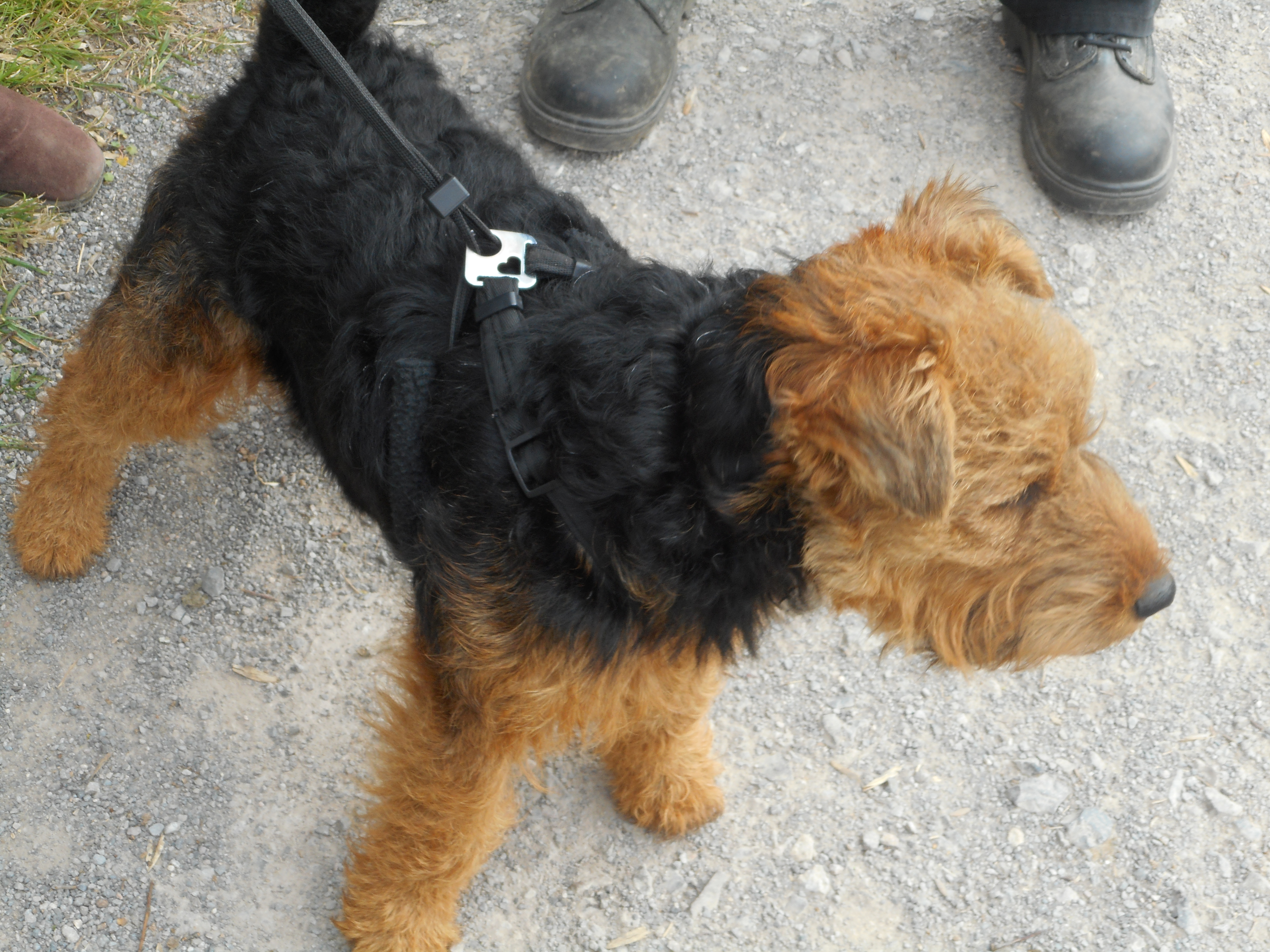
I generally accompany my blogs with photos. There are none that explain the missing water because I didn’t take any snaps of the canal first thing. Having failed to notice the bleeding obvious, I’d not seen anything interesting enough so here’s a nice dog called Barney who we meet at Semington.

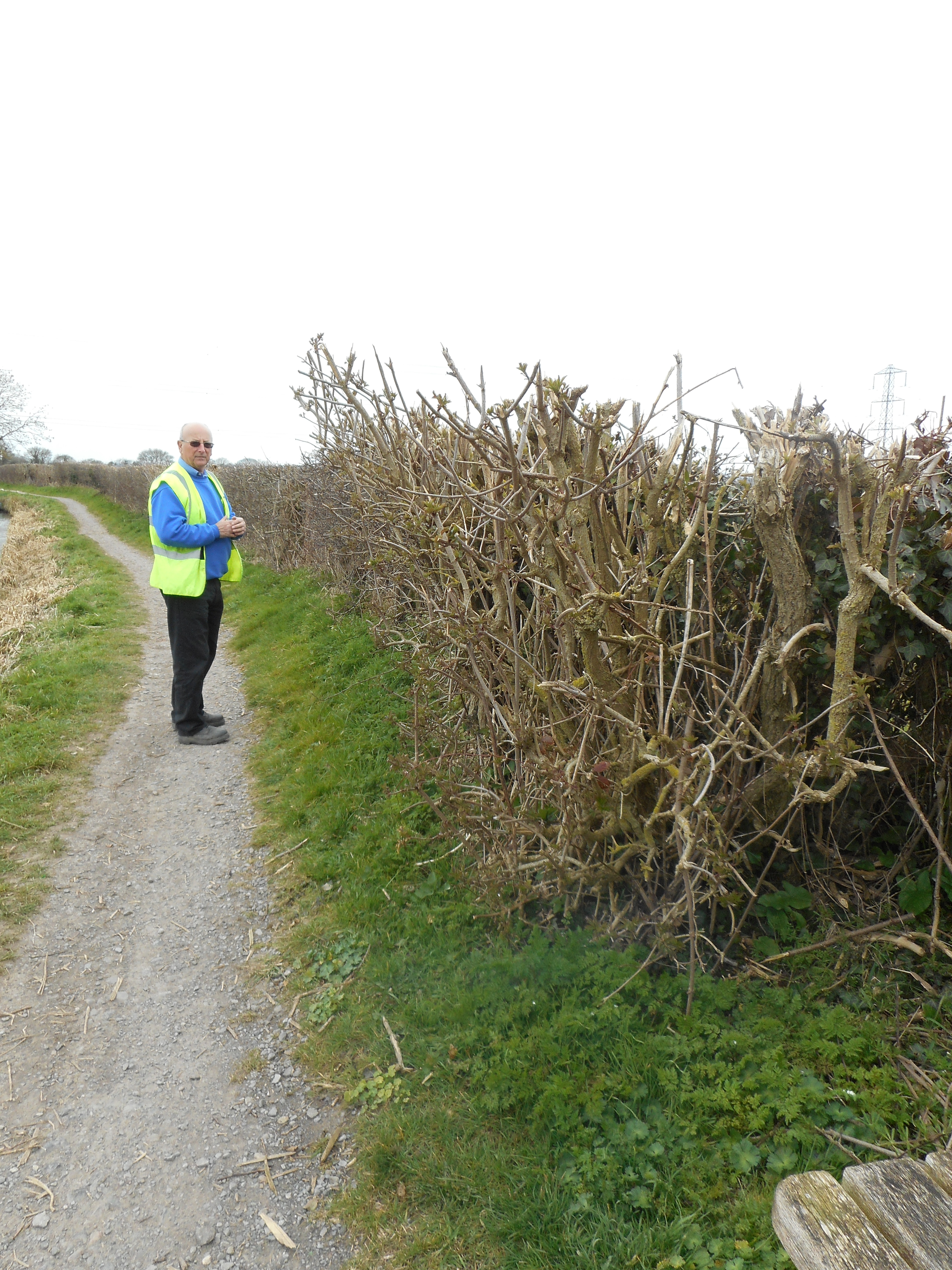
The last time I was at Semington, I’d walked there from Bradford on Avon on one of my jaunts along the canal. I recall that the weather was glorious: a strip-off-your-cardigan-at-an-early-hour type of day. Meteorologically, things couldn’t have been more different this morning. It wasn’t quite hats and gloves but it would’ve been had I thought to bring them. There might not be much water in the Kennet and Avon, but there’s plenty in the air. We’ve come to look at hedges. This is the kindness of my leader: having already increased my expertise of dry stone walls from nothing to sufficient to be published nationally, he’s now sharing his knowledge of hedging.


DSCN0238

To be honest, I’d anticipated it would be a little boring but today I learned something important. When a person walks the canal for pleasure, there’s a natural tendency to look at the canal; admire the canal boats; stroke all the friendly canal dogs; exchange greetings with people aboard boats; listen to gossip from canal-side fisher folk – that sort of thing. Seldom do the ambler’s eyes look elsewhere unless a previously unseen heron chooses to fly gracefully from one bankside hiding place to another. Or one is lucky enough to sit and watch the magnificence of red kites soaring over the north Wessex downs. Certainly, unless the way is made dangerous by mud, one DSCN0235never looks down.  Unless you’re a cyclist.

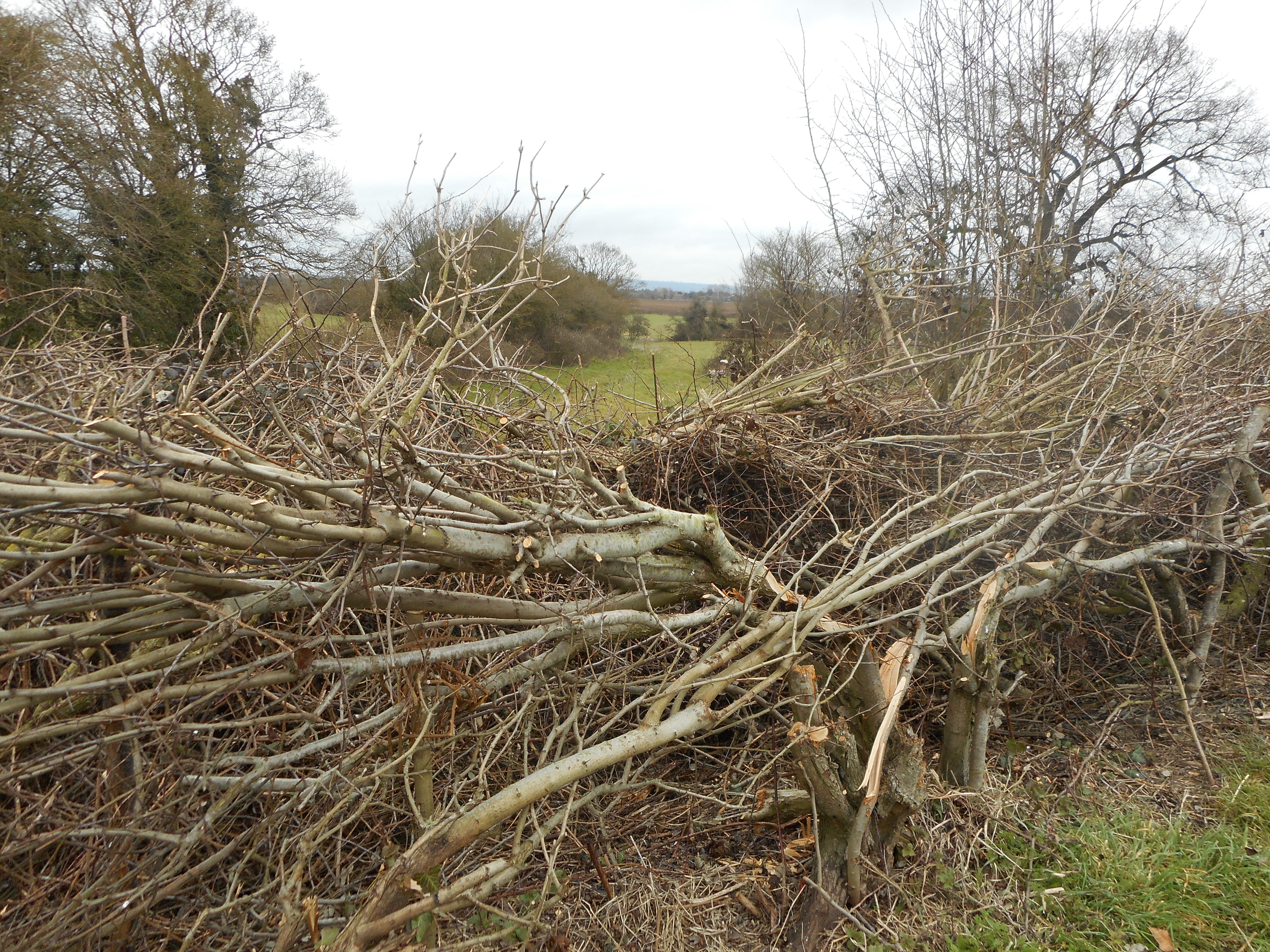
There’s a downside to dressing in a high viz jacket. You become the target of those who like to complain which is why I’m not investing in anything of a luminous yellow nature. Apparently, cyclists complain a lot about thorns on the towpath. As a walker of the Kennet and Avon, I don’t much care for cyclists. People on wheels believe they always have the right of way. I’m never in a hurry and generally stand aside because cyclists are inevitably pressed for time. Thorns impede their progress. And thorns come from hedges along the towpath. The Canals and River Trust (CRT) contract professionals to cut back the annual growth of the hedges to preclude impediment of the towpath. However, animals or wind disturb the cuttings and those irritating little thorns blow onto the towpath. Enter the CRT volunteers who use the cuttings to make woven fences where, previously, there was no hedge.

DSCN0242

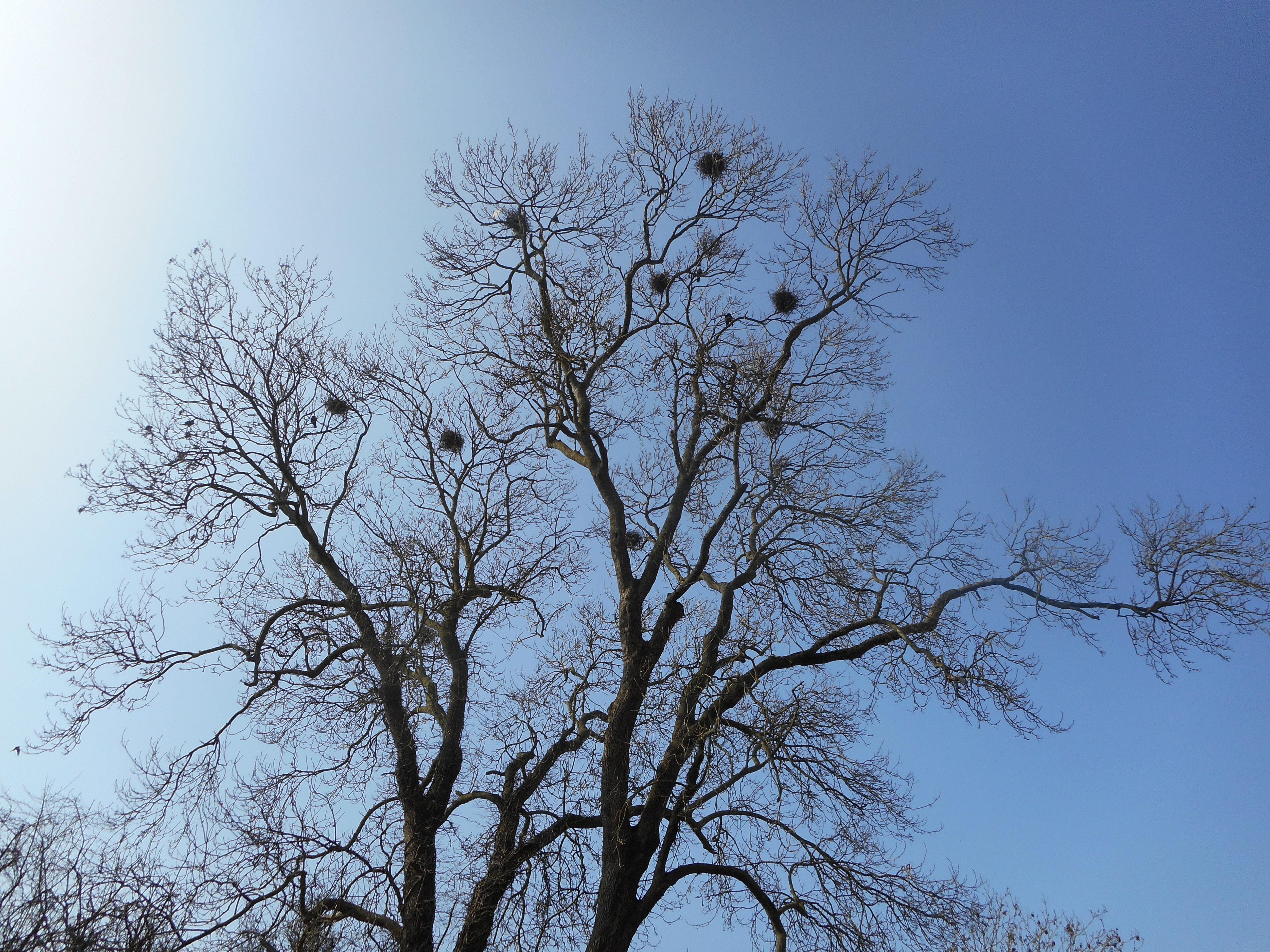
So, what I learned was to also look away from the canal at the aesthetically pleasing border that provides a runway for animals. From Semington, in the direction of Hilperton, they’ve covered 400 yards at a rate of 10 yards a day. And because the volunteers are so ecologically and environmentally aware, it all has to be done by the end of March and the start of the nesting season.

DSCN0251

DSCN0257

DSCN0256


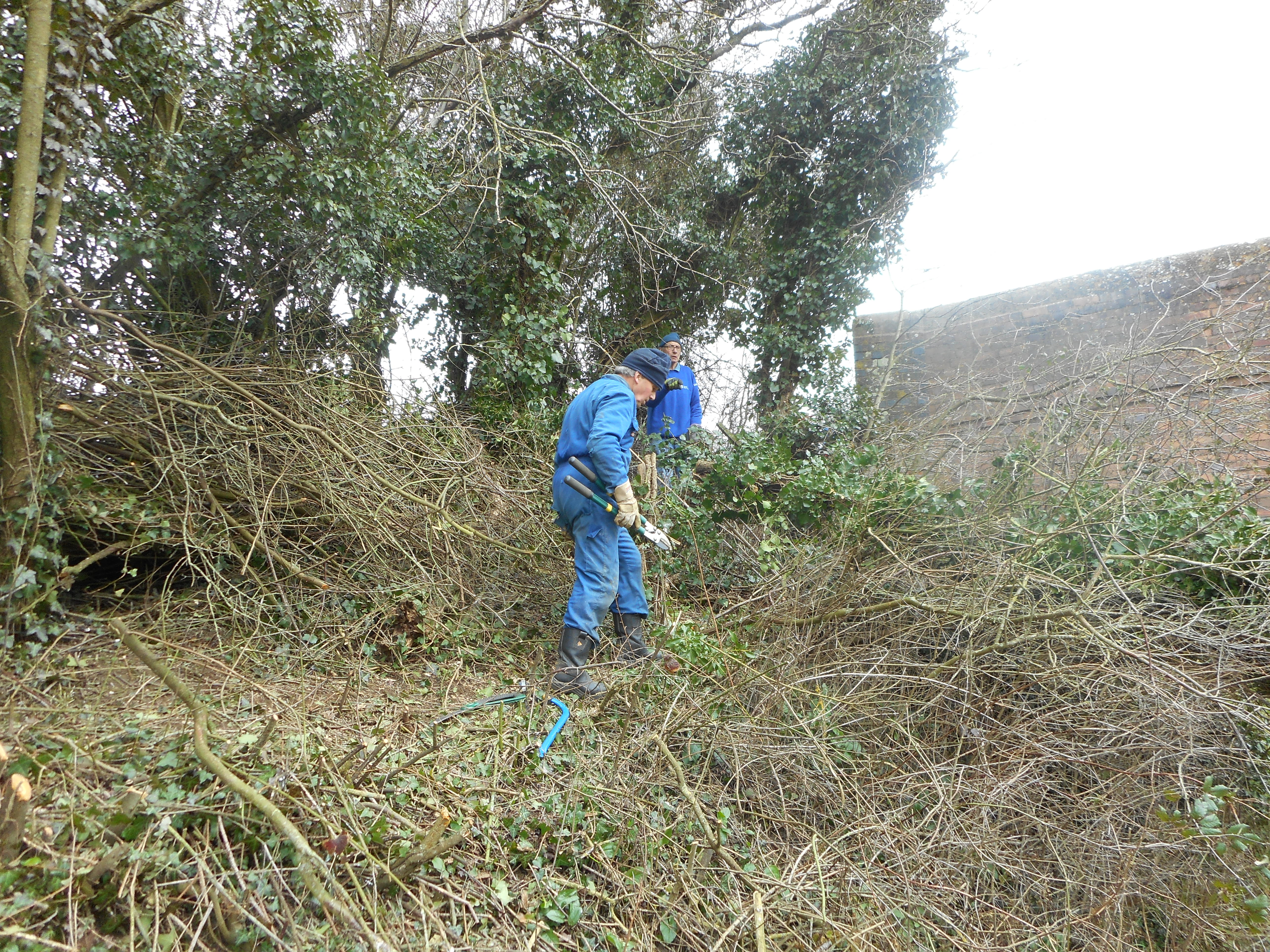
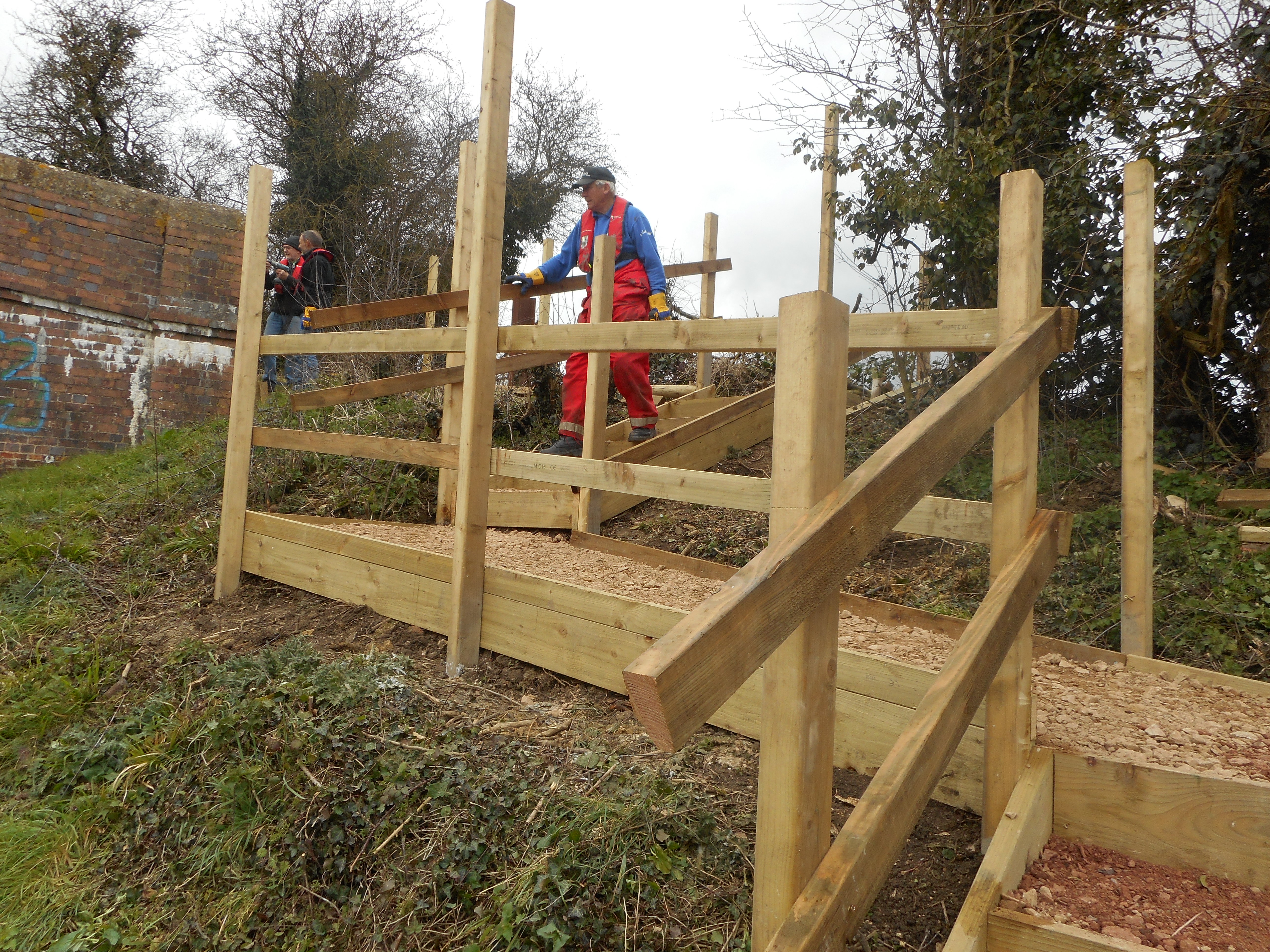
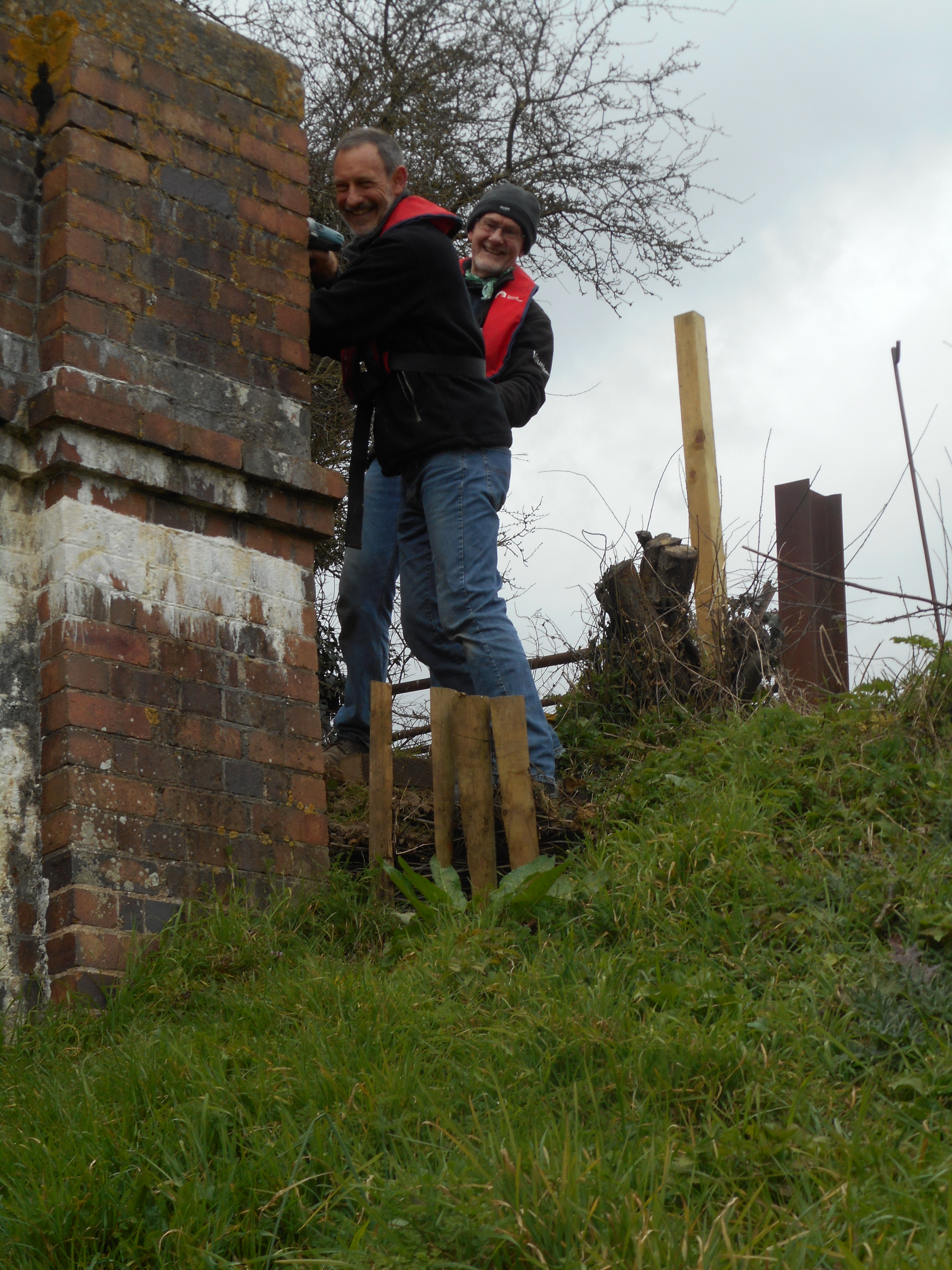
Reader, you know I like to write blog posts with my tongue stuck somewhere in my cheek. Today, as I discover what is far from bleeding obvious, it’s not possible. Later, we go to Whaddon where the teams are clearing the bank of overgrown foliage and constructing a new set of steps. The weather has closed in but these men continue to make good progress. Here’s an ex-ocean liner captain, engineers of various types and other professionals committing hours of retirement time, in good spirits, to the well-being of those parts of the canal that people like me hadn’t even noticed before, having taken it all for granted. Never ignore the bleeding obvious.


Man overboard!

DSCN0121Occasionally, even the most organised of perfect Virgos find ourselves central to something whence we ask ‘how the hell did I get here?’ Take last Friday for instance. It was a strangely sunny morning in Trowbridge. I’d passed an uneventful night chez Bartlett. They have some new cats now so there’s no need for the man of the house to be up all hours attending to the needs of the previous zombie felines; the mewing, walking dead. No international cricket matches on either that required him to comprise his county’s contingent of a global television audience. For Wiltshire, it was relatively normal.

DSCF1154

Spookily, however, by the time I got to the other side of this small town, a thick fog had descended; although, once I reached Bradford on Avon, the sun had reappeared and the sky was a welcome shade of blue. Despite the many miles I’ve trudged alongside the Kennet and Avon, and the hundreds of words I’ve written on towpath observations, both here and in the other country, I was about to embark on my first ever canal trip by boat. During the course of this, there would be five calls of ‘man overboard’ and one ‘fire in the galley’ necessitating an emergency mooring. See what I mean about ‘how the hell…?’

DSCF5618It began badly. What amounted to verbal fistycuffs took place on the quay before we’d even boarded. I’ve noticed this about folk who mean well on the canal: it’s nothing short of a major power struggle. These are very nice men (and never women) who are driven by a need to be ‘IN CHARGE’. There are too many titles. In this case, we had a Boatmaster, a skipper and a chairman. Both the new volunteers attending the health and safety training, and those more experienced, did the right thing and looked away; and sniggered behind our hands. Fortunately, there was something else interesting to look at: a swan had managed to become trapped between the lock gates and other canal volunteers were busy on a rescue mission. They filled the lock with water, then, opened the gates so the errant bird could glide serenely through. The swan had a bubble coming out of its head saying ‘and?’ We were about to clap but were called to account by the leader of the moment demanding to know if we were paying attention. Well, no, now you come to ask. Skipper and the Boatmaster were in a bloody heap on the towpath.

barbmclell

An interim explanation of sorts: wanting to give something back to the canal, I applied to be a volunteer writer. At first, I found myself subject to the control of a patriarchal elite to whom the concept of freedom of speech has yet to be introduced. Subsequently, however, I met Derrick who is a ‘good sort’, driven by the well-being of the Kennet and Avon. He introduced me to the local chairman who, upon agreeing to be interviewed, somehow recruited me to volunteer crew without me even noticing that I’d been aquatically groomed. Clever stuff that. Today marks our three hour session of essential health and safety training.

DSCN0125

 Nemo-like, we set sail in the direction of Hilperton but just as I was relaxing into the trip, ‘man overboard’ was called. Clearly, I hope, they can’t actually throw a man overboard. They threw a safety ring over instead. People who seemed to know what was occurring – that is, everyone except me – jumped to stations in an attempt to rescue the ring. They crawled along the gunwales like watery mountain goats, doing stuff with poles and ladders. Let’s face it, five minutes ago, I didn’t even know what a gunwale was. And now I do, there’s no way I’m going on one. It might’ve worked if everyone else on the canal knew a training exercise was taking place. That might’ve stopped the owner of a moored canal boat assuming the ring had accidentally fallen and helpfully prodding the ‘body’ with a long pole.

DSCN0127‘Fire in the galley’ and I’m in charge of the first-aid bag which is quite cumbersome. When a fire is spotted, a member of crew is supposed to blow their whistle. This alerts the rest of the crew without frightening the passengers by mentioning the word ‘fire’. We didn’t have any whistles so the woman next to me shouted ‘whistle’ three times. That’ll do it then. Everyone except me and the person in charge of the phone evacuated the boat on which ‘skipper’ had executed an emergency mooring. Sadly, your author is not fleet of foot: hindered considerably by the enormous first-aid equipment, I had to be helped down the gangplank and back ashore. If you click on this picture, you’ll see how far from the bank we were at the point of escape. Any further and the ‘man overboard’ and ‘fire in the galley’ exercises could’ve been carried out simultaneously.

DSCN0123The chairman accidentally put the emergency phone in his pocket and skipper forgot to remove the hammer and peg that secured the mooring. Thus, ten minutes back into the return journey, a conscientious passer-by was chasing our boat downstream with said implements. Yet another emergency stop was made to retrieve the hammer and pin at which juncture, the Boatmaster demanded to know why we’d crashed into the bank. Meanwhile, I’d been asked to play the part of an awkward passenger and stepped readily into role. ‘You’re very good at this’, remarked one of the more established crew members as I complained noisily about the number of people falling off the boat. ‘Years of practice’, I replied, demanding complementary alcohol.

DSCN0139Eventually, we arrived safely back at Bradford on Avon, as will you dear reader should you wish to join us. Next time, I’ll be a real-life member of the galley crew journeying down the canal to the Dundas Aqueduct. Come aboard – if you dare.


The lock keeper’s story

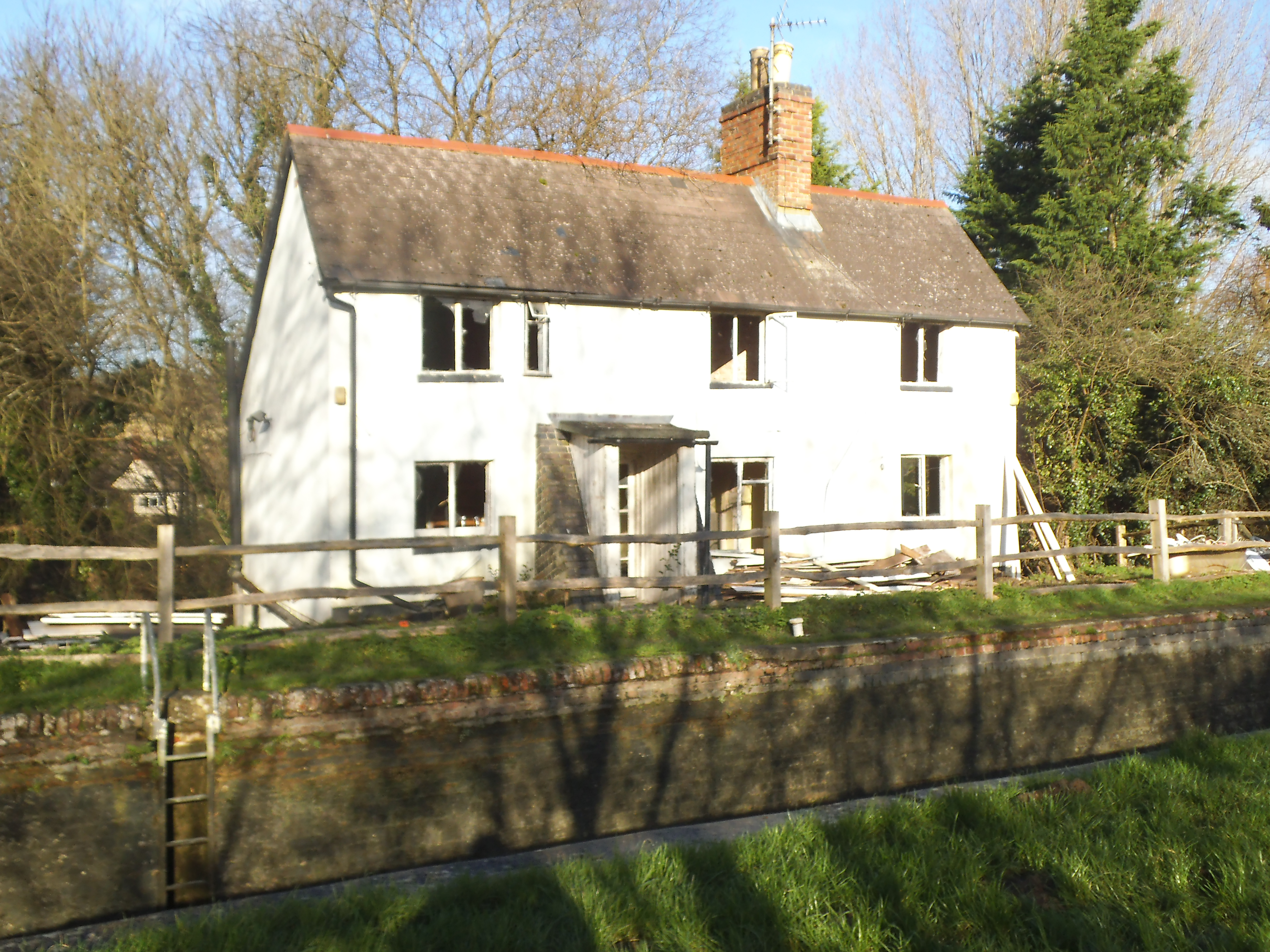
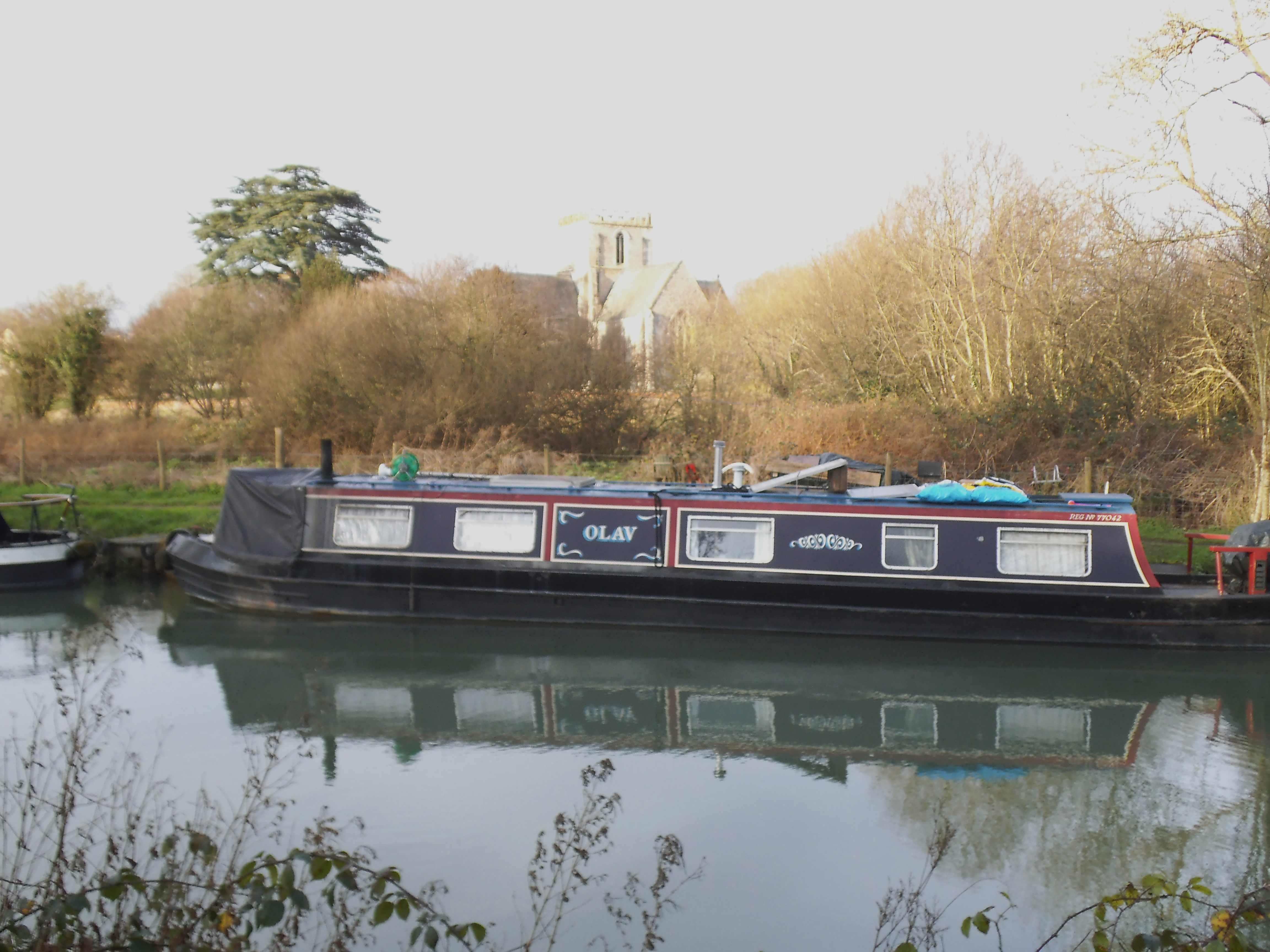
DSCF1112In an earlier posting, I mentioned the lock keeper’s cottage on the edge of Freeman’s Marsh outside Hungerford. Now in a sorry state of disrepair, this once picturesque abode would have typified the accommodation of keepers of the lock, both canal and river-based, up and down the country in times past.

To me, these cottages conjure idealistic visions: places of romance, rural intrigue, comings and goings, exchange of news. Some or all of this might be true enough but, despite the desirable residency of the post, and an almost autonomous responsibility, the life of the lock keeper was not wholly idyllic. He was expected to operate and maintain the lock twenty four hours a day, seven days a week; (women were prohibited by law from becoming keepers of the lock in 1831). Despite everything, many craved the position of lock keeper, concomitant life being far preferable to that in the urban tenements of industrialisation.

DSCF1173Maintaining the lock and surrounding water-edged countryside also included offering whatever aid was needed to water-borne travellers, including the rescue of those who had fallen into the canal or river. Sometimes, the keeper was allowed to retain the tolls paid by those whose boats passed through the lock. Where the authorities took these payments, they occasionally offered the keeper a small stipend. Either way, it was a poor living so lock keepers and their families made the most of the generally large plots of land that surrounded their cottage. All sorts of enterprises have been recorded which mostly centred on the provision of goods that could be sold to those who traversed the canal. Kitchen gardens were substantial as was animal husbandry. Some of the more enterprising built bread ovens, brewed cider or beer, made cheese and a surprising number were bee keepers.

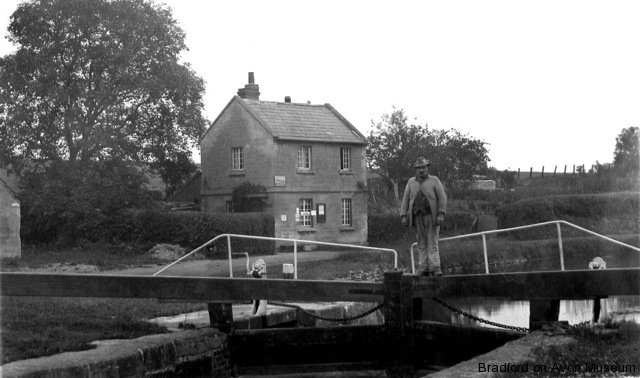
lockeeper002Of course, as the commercial nature of the canals declined, so too did the need for a professional lock keeper. Here, in a photograph held by Bradford on Avon Museum, is George Andrews who was the keeper of the lock in that town in 1925. Behind him, you can see his cottage. Today, George’s house comprises the tea rooms on the wharf. In a somewhat torturous, but eventually successful, arrangement, the freehold of his erstwhile home is owned by the Canals and Rivers Trust (CRT). The Kennet and Avon Trust secure the leasehold from the CRT and they sub-let to the far less bureaucratic and thankfully more down-to-earth Victoria to serve tea and cakes. I love Victoria. On this informative but wind- penetrating expedition, she provided me with a delicious cup of FREE steaming coffee just for standing next to a bloke in a high viz jacket!

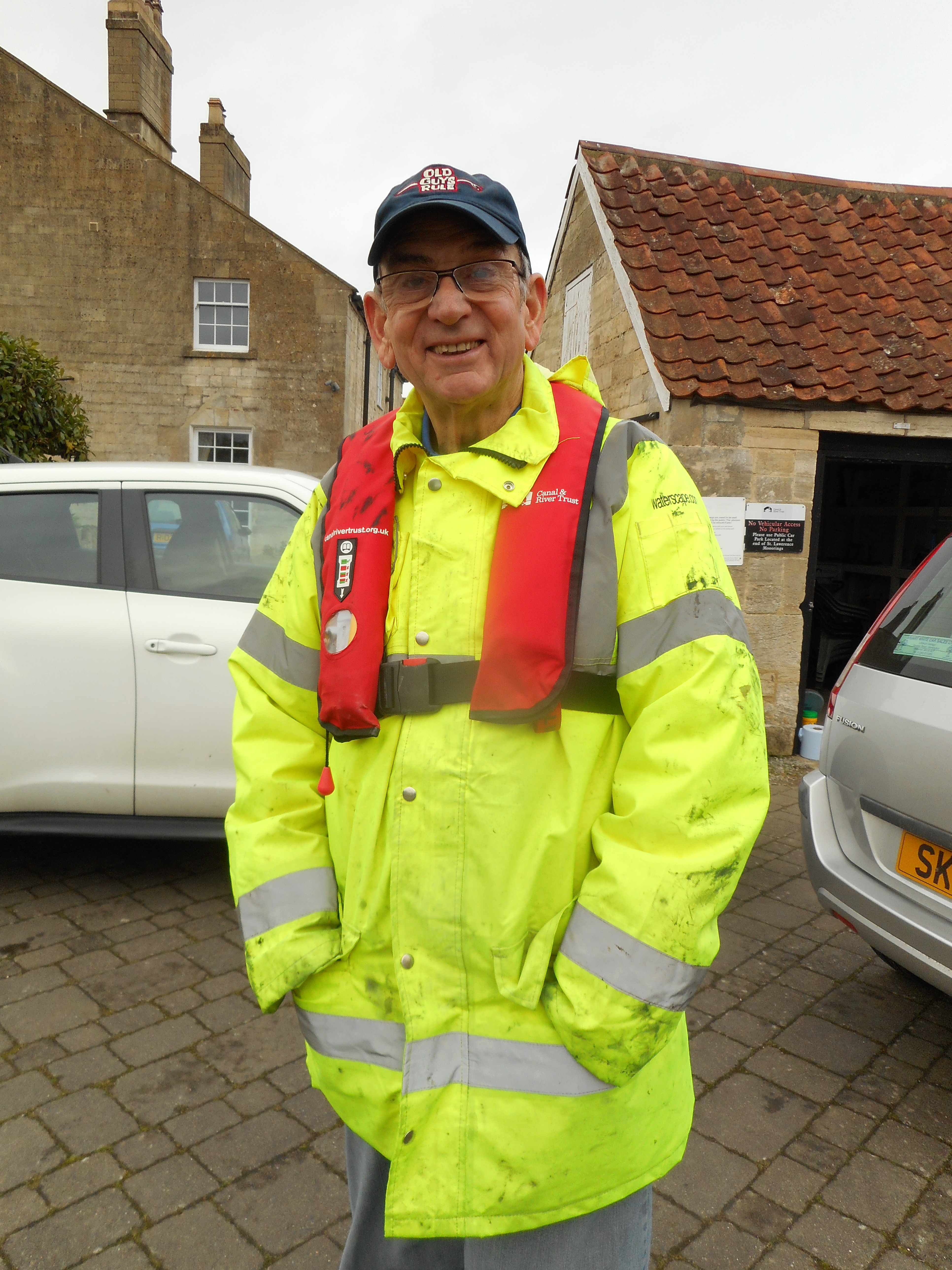
ADSCN0014nd the lock keeper? Well, handing one’s CV into the local dole office with ‘lock keeper’ as your main desirable employment is not likely to get you far these days. However, a brief look at the website of the CRT will quickly alert you to several relevant vacancies. This is the delightful and unassuming Richard, one of today’s volunteer lock keepers at Bradford on Avon wharf. Richard’s one of those people you unexpectedly bump into when waiting for someone else; one of those folk who, once he’s started talking, you wish you had another two hours to spare to listen to.

Richard, a merchant navy engineer in another incarnation, has been a volunteer lock keeper for six years and told me all the things I should have known: his lock, at 11 feet 6inches in old money, is the second deepest on the Kennet and Avon. The deepest, somewhat unimaginatively named Bath Deep Lock, is the deepest IN THE COUNTRY. All very well me putting that in capitals – some of today’s local commentators were a little dismissive of the Bath construction claiming it comprised two locks conjoined so ‘it would be wouldn’t it’. Richard’s lock is also one of the busiest in the country. Normally. Interestingly, it’s not busy today:

‘The Avon’s too full’, says Richard in passing.

‘Too full of what’, the cub reporter enquires? Boats, I think but don’t posit.

‘Too full of water. Dangerously fast water’, the expert informs me. ‘And there’s a bridge down at Seend’, he continues. So, nowhere much for the boats to go, but plenty of opportunity for repairs. I am sucked into this world and its inhabitants. I am a walking anorak. Dare I ask whether there are many mishaps at Bradford on Avon wharf? Am I looking for glamour where it’s not required?

‘Well’, replies the poker- faced Richard, ‘we had two sunken boats in the lock last year. Would that be the sort of thing you’re interested in?’ Yes, oh yes. I try not to appear too excited.

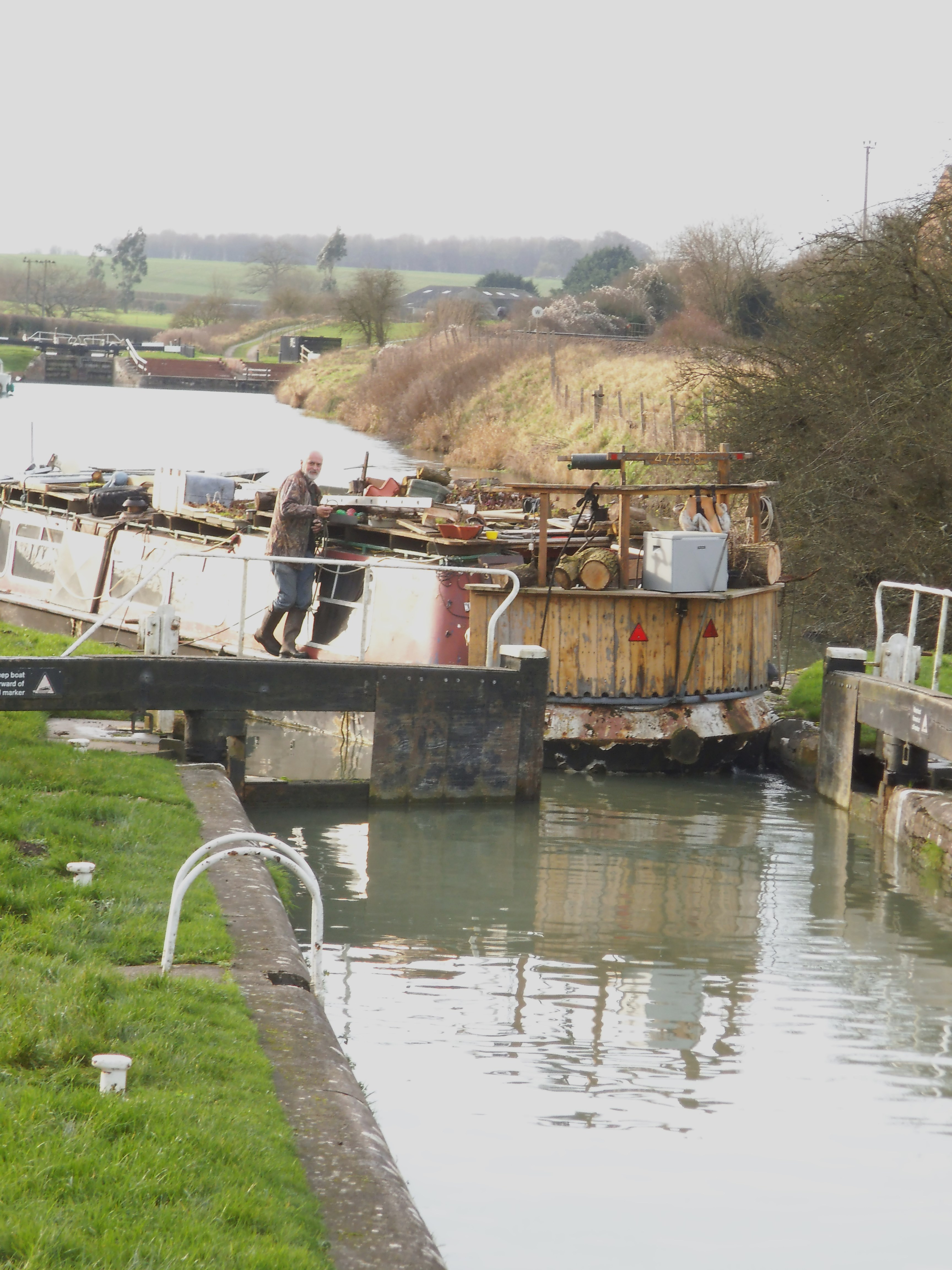
In order to understand how the narrow boats sunk, I am obliged to stand on a very muddy piece of grass close to the water’s edge whereupon tricky engineering issues are pointed out. There’s no way I can utilise either my notebook or my camera. I must now rely on my unreliable memory. Basically, a cill is a large piece of stone which juts out from the lock gate. The narrow boats enter the lock. The captains observe all the warning signs, of which there are many clearly displayed, and they stop their boat short of the cill. Unless, according to today’s lock keeper, they are ‘out of their skull on drink’ or are busy on their mobile telephones. Moving forward of the cill results in a flooded boat. ‘And’, he continues. ‘if you get sucked under into the dark, you won’t be coming out again’. More importantly, for everyone else, they cause the canal to be closed for a week. Use of a heavy crane is a non-starter because it will damage the lock so a proper salvage operation must be undertaken which costs the narrow boat owner £100,000.

I think about all those lock keepers surviving in times when there were no cranes or salvage operations of the type that Richard refers to. All of those men and their families intent on the safekeeping of the locks. And all of those whose living depended on the well-being of the canal.

I am indebted to a writing blog I discovered: https://regencyredingote.wordpress.com/2014/03/14/a-lock-keepers-cottage/ Sadly, the author gives no source for her piece on canals but she writes as one who has undertaken substantive research


A change of plans

DSCF1181The previous time I left the Western end of the Kennet and Avon was at the Midland Road Bridge in Bath. During the last week which, let’s be fair, I have stumbled through in some yet-to-be-rationalised distress, Saturday’s outing was to be nowhere near this canal. I’d intended to travel in the direction of some inner city location where flowers might be laid. Then it transpired that, having left without warning, he also departed without ceremony, not wanting anyone’s grief. As he latterly said, ‘if I never see the English evergreens I’m running to,it’s nothing to me’.

DSCF1154I thought to walk from Bath to somewhere or other but the English weather dictated otherwise. Snow is coming and if it never arrives, the roads from Poole will still be icy and dangerous. So, for the third time, I readjusted and decide to take a short walk – maybe a mere four miles – from Bradford on Avon to Avoncliff, along the canal and back by means of the river path. It’s an old and pleasing favourite.

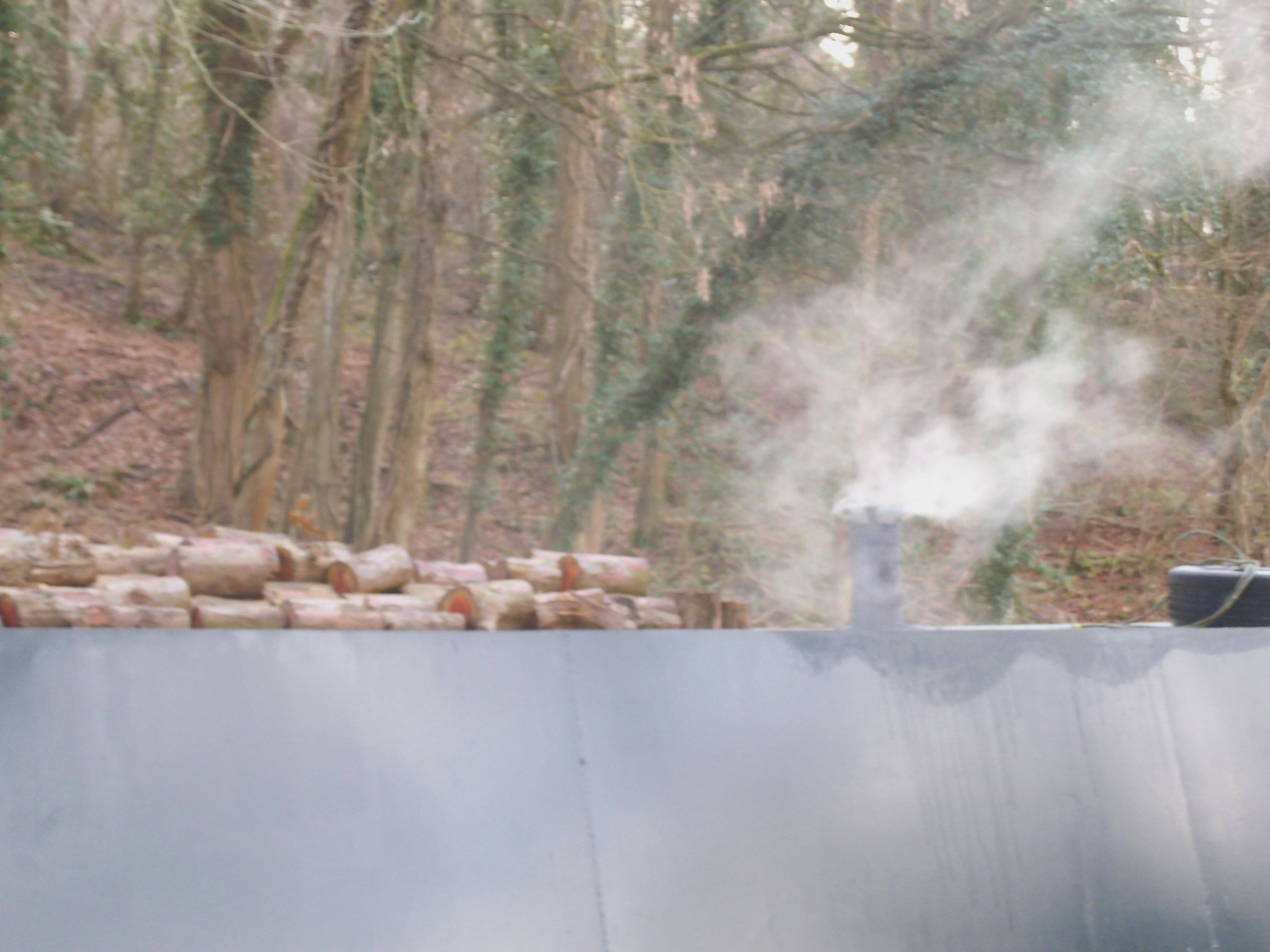
DSCF1155By the time I reached Bradford, the temperature had resigned itself to not rising above freezing point but the morning was brightly optimistic after the incessant rainfall. I have a new ‘job’ as a volunteer writer for the Kennet and Avon Canal Trust and was hoping to speak with a few volunteers. It’s a non-starter as no-one is around so, with the air full of that wondrous wood smoke I now associate with winter barges, I pressed on alone. Save, no-one who likes to talk whilst walking the canal is ever alone.

DSCF1173DSCF1180I met Christine and cursed the dying/dead camera. In the last posting, I mentioned that the camera was fading. Now, my photographs disappear without reason. Christine was chopping wood at the side of the canal but you’ll have to take my word for that. She was gracious enough to let me capture her on film but, of this, there’s no evidence.

DSCF1164Christine and Alistair have been moored up near Avoncliff since September when they’d retired from jobs in Oxfordshire to live on the canal. I am rather envious, but not of her transposition to the life of a lumberjack. Alistair might have taken on this task but he’s inside and unseen. He’s poorly.  When they lived in Henley, Alistair was Head Gardener on a number of projects in stately homes. It sounds idyllic. Whilst she’s creating the fuel for all this wonderful wood smoke, he’s safe inside. Christine was something high up in the county’s educational sector but she’d seen the writing on the wall: ‘fourteen curriculum changes in 30 years’; she was teaching the writing: ‘And now this lot’, she nods in the direction of Downing Street; or the Bullingdon Club. For Christine, the concept  of shopping has changed somewhat since the Henley days of high-powered position: now she’s looking for replacement axe-heads and four-piece saws.

DSCF1165Down below, on the track that runs alongside the Avon, and too far for the dying camera to cope with, Roger’s trying to cope with his ill-behaved group of ramblers:

‘People at the front,’ he shouts, ‘stop!’


People at the front are deep in conversation and oblivious to Roger.

‘You at the front, stop’, as if they’re  in Ypres and about to go over without precision. Nothing.

‘Stop!’

People at the front think they might have heard something and turn round. Roger’s caught up with them. He’s very animated – arms are windmill-waving as he points to the end of his group and leads his team  up the muddy bank towards the canal. Some braver members of the brigade point out this strategic error and they all turn, as one, back to the river.

DSCF1178As I leave the shade and shadows, the canal is dressed in sheets of ice and I meet Mickey. He’s been ill for two weeks: ‘like everyone else’, he informs me. Mickey and his unseen wife have been on the canal for a year now. ‘We were on the Medway for eight years before we got flooded’, he explains. ‘Water came up 15 feet and we were nearly on the football pitch, so we came over here’.

I’m struggling to understand any of this and have an image of this modern-day Noah guiding his barge away from the lost canal, from the flooded football pitch, and mysteriously landing round the corner from the Avoncliff Viaduct,

DSCF1182I arrive at the inhospitable Cross Guns where, despite the appalling temperature, they still make you take another walk outside to use the facilities. I partake of a seemingly ancient cup of coffee and write my notes. This must be the only place in the universe where no-one gives a stuff whether you’re writing about them.  And I return to Bradford via the icy track along the river.


canal tavernI would say there’s little to recommend The Canal Tavern. Their Wiltshire Ham and Cheese Wrap was disappointing, although the salad was surprisingly avante-garde. But tonight, when I am long-gone, they will host a Bowie party.  For the time being, they have, on their very large screen, something called Vintage TV on which I watch the man, because there is no escape.


The second walk

Great Bedwyn to Hungerford: 6 miles, 29 December 2015

DSCF1106

Frank is due tomorrow but on this most glorious of mornings there are a lot of people out and about on the canal. Due to early morning showers, the towpath is treacherous: in some places, the attempt to remain upright is painful as neither foot seems to want to remain in close proximity to the other. The water in the canal is especially high and the path has disappeared to leave a slippery incline just inches from the edge.

DSCF1073

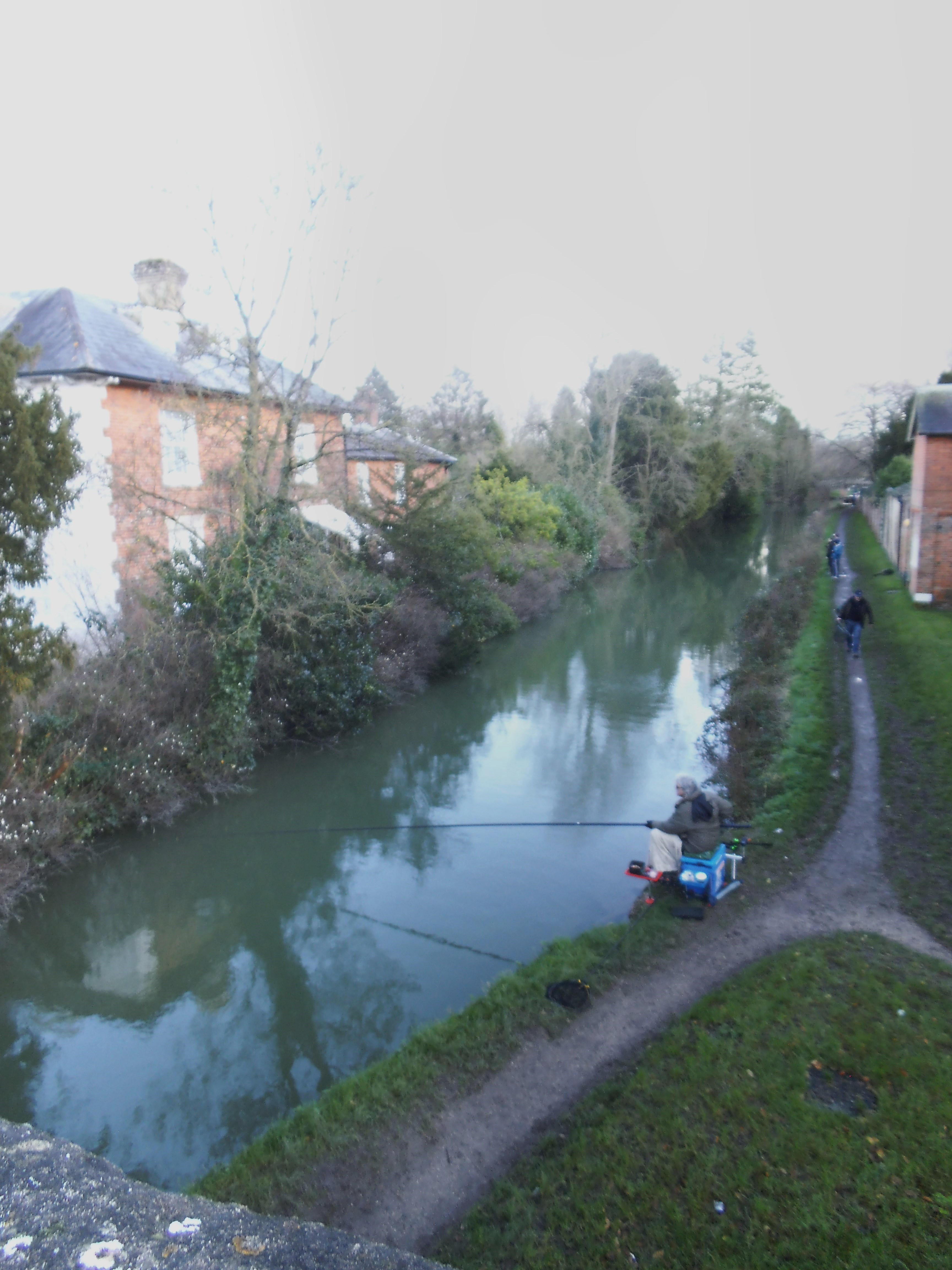
Most of the folk on the first stretch are fishermen who kindly offer warnings regarding the dangers of walking the walk. Some are actually fishing; others stand around in groups.

‘Is it an event,’ I enquire?

‘No, it’s just a good spot for fishing’.

‘Can you eat the fish?’

‘Not unless you’re desperate’. You’d have to be. That water looks really murky. I stumble on wondering whether it’s time I owned some sort of walking aid.

DSCF1080

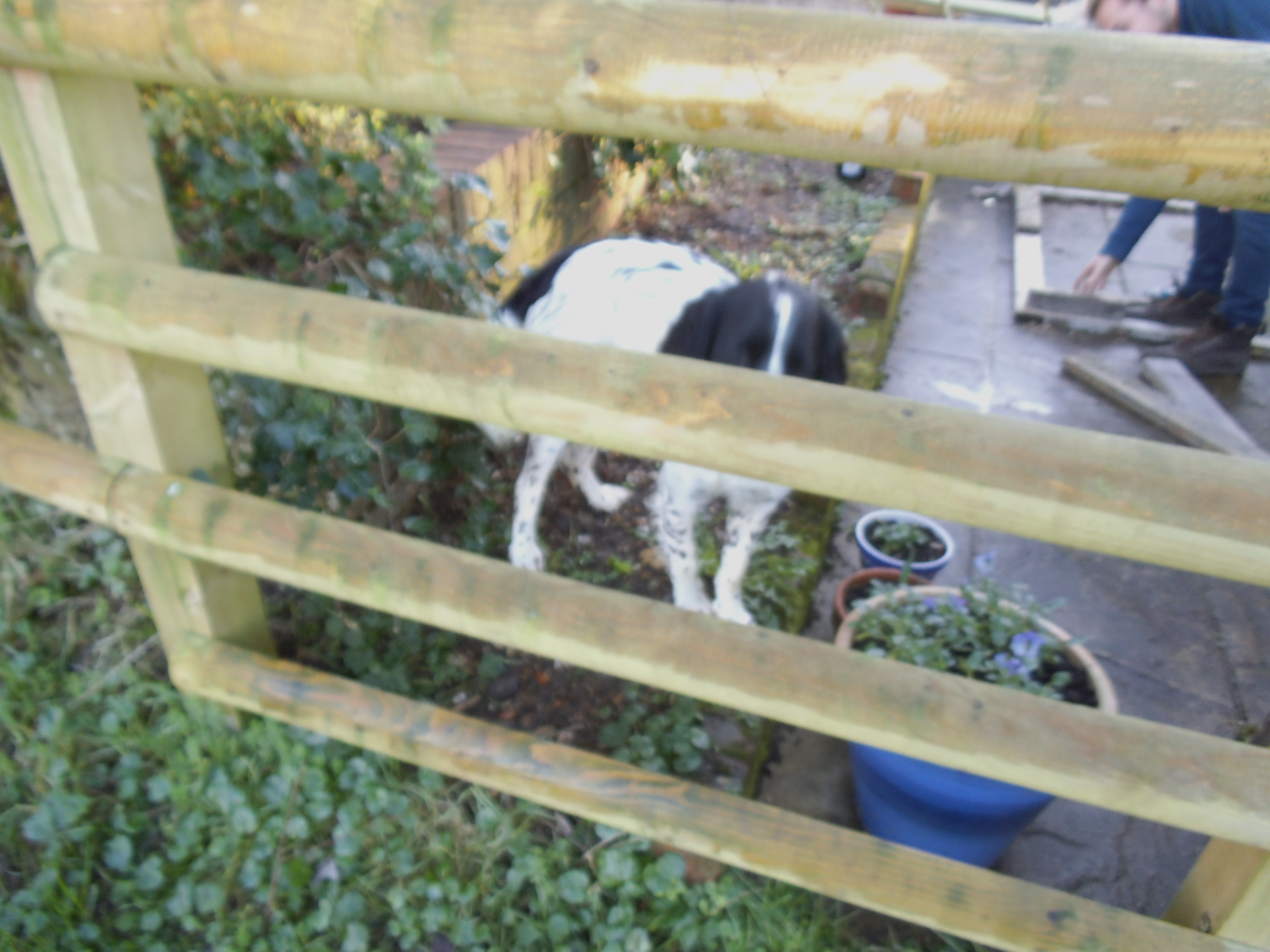
If there’s one thing you can depend upon along the canal, it’s dogs. The ones that introduce themselves today are variously named Sprouts, Roxy, Truffle, Rosie and Bullseye but there are others who don’t stop to speak. Although there are quite a few Labradors around this morning, many of the canal canines appear to be related to Sooty. Heading towards Little Bedwyn, I spy a black and white head looking out from the slats of a wooden gate. Whilst trying to organise my dying camera, Sprouts – for it is he – gives a warning bark before an invisible hand grabs the head from the gate.

DSCF1087A young man, busy doing something or other with a hammer, some nails and a wooden frame, advises me that Sprouts is an excellent guard dog. Sprouts ignores him and squeezes out between the gate slats. He sniffs me in a not unfriendly manner and accepts a few strokes of the head.

‘He’s not like that with most people’ comments the owner. Most people don’t smell of all the dogs on the canal I think but don’t say.

DSCF1092

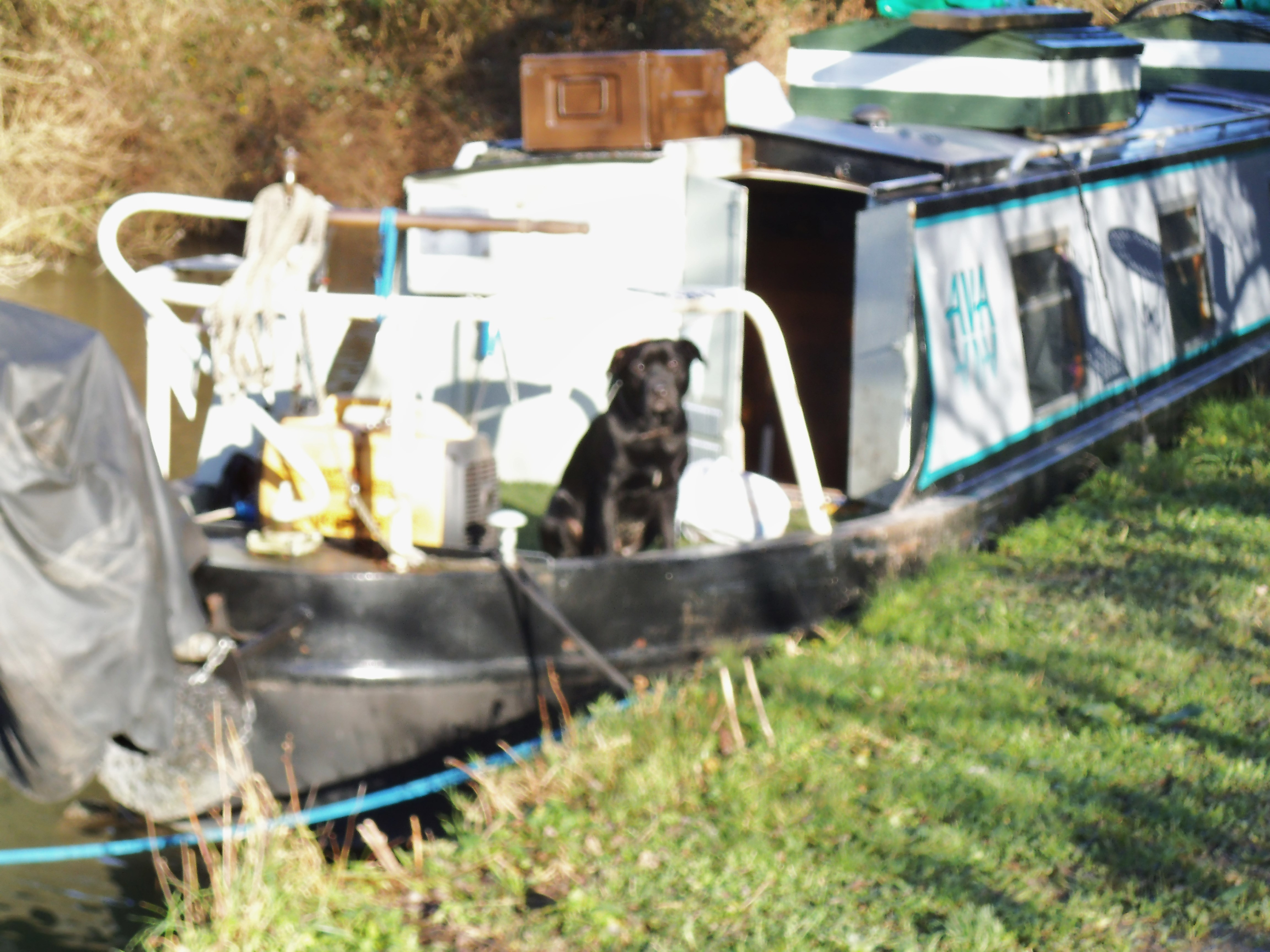
A couple of miles further along, Bullseye is sitting down guarding the prow of his barge. He appears to be tied up and I wonder whether he’ll be friendly. However, as I arrive, Bullseye, who has clearly been involved in some sort of Indian rope trick, rushes down the plank to greet me. Fortunately, he offers felicitations sufficient for me to attempt a photo. Just as I take the snap, I notice Bill Sykes smoking a roll up out of a window further down the barge. He’s looking at me in a way that demands an explanation. For breathing, possibly.

‘I’m taking photos of canal dogs this morning’, I say, showing him my camera by way of evidence.

‘Did he smile’, Bill demands gruffly? Through a grimy window, I notice Nancy and a selection of Fagin’s lads quivering within. Much later, when Jeff asks whether I’ve seen many water gypsies, an image of Bullseye’s family will flash into my head and I will feel guilty and a tiny bit afraid.

Here are some other canal dogs

DSCF1067DSCF1107

DSCF1077DSCF1041DSCF1042DSCF1119

DSCF1112

Approaching Hungerford Marsh at a steady pace, I reach Cobblers Lock and, from a distance, see what must have once been the lock keeper’s cottage. It looks idyllic but, once opposite, I find it to be in a dreadful state of disrepair. It’s been stripped out and I wonder whether somebody is rebuilding it as another loved and lovely home.

Not too far away, on the same side of the canal, is a brand new house: huge, white and totally lacking in charm. I didn’t take a photo seeing no need to but I wish I had. I’d already heard rumours of a new marina and hotel in the area and shortly after leaving Cobblers Lock, a passing dog walker told me that the owners of the cottage had sold the land to a developer and built the ugly new house with the proceeds. I don’t really have a view either way, and I guess a marina for twenty boats will bring money to the area if it ever happens.

DSCF1133

The rest of the walk into Hungerford is delightful. The canal is virtually straight as it passes through Freeman’s Marsh which is protected meadowland of special scientific interest. In the near distance, I see the church tower and the beginnings of Hungerford but before that Jeff is waiting.


DSCF1131

Jeff says the best people on the canal are the fishermen who are, he claims, the only people that don’t talk to strangers. Well, plenty of fisherfolk have been kind enough to speak to me, especially to warn me of the lethal state of the towpath this morning. In any case, Jeff never stops talking or catching fish – tiny roach. Jeff’s been married twice but he thinks he’s allergic to it. He wants to know what I’m up to and I make the mistake of mentioning the canal trust. Jeff’s been in correspondence with the trust for many years, man and boy. I feel obliged to ask why. It seems that the main problem is boats that overstay their welcome. On further investigation, I determine that this means any boat that’s moored anywhere on the canal where people need to fish. Jeff can quote all the relevant regulations and does just this when he finds out I know nothing about anything. Jeff tells me where he lives – Thatcham – and asks whether I’ll be travelling that way at any time in his remaining lifetime. Jeff asks if I know where I’ll be going for coffee in Hungerford but just as he’s about to make a plan of sorts, a stranger stops to ask an important question about roach. Jeff seems cross at this interruption but I take the opportunity to run away.

DSCF1141

In Hungerford, in a muddy state of disorder, I peer into a tempting vintage shop and see Lottie in her cage. ‘Oh, why is Lottie in a cage’, I demand passionately? But I already know the answer – so that she’s not kidnapped and forced to live a life on the canal as the sex slave of Bullseye. Lottie’s owner, probably in an attempt to rid her shop of a filthy old woman pronto, releases Lottie from the cage in order that a photo can be taken. Lottie is naturally ecstatic and jumps all over me gratefully taking in all the smells of all the dogs she will never meet.

Once I’ve partaken of an organic hot dog at the John of Gaunt, discovered that the Kennet and Avon Canal Trust joint will not open this side of Easter and ascertained that there are no trains due to return me to my car at Great Bedwyn, I’ve exhausted all that Hungerford has to offer. I enter a handy florist’s and ask whether such a thing as a taxi rank exists. Unexpectedly, the florist informs me that the rank is right outside the shop. Joy is short-lived:

‘Don’t expect a taxi along any time soon’, says the florist pleasantly. ‘In fact, don’t expect a taxi at all’. I am pointed in the direction of the telephone number of a taxi company on a map of Hungerford which is almost as big as Hungerford itself. I call the number but am directed to a voice mail service. I suppose they’re still on Christmas holidays. Just then, a people carrier arrives driven by Mike who has nothing to do with the missing taxi service. I happily pay him a suitable fee to take me to my car in the flooded, pot-holed area next to the canal bridge at Great Bedwyn.

‘Don’t go in’, I say, ‘it’s full of pot-holes’. Mike ignores me and turns in.

bed27


‘Bloody hell’, he exclaims in surprise, ‘it’s full of flooded pot-holes. Do you want a card’, he asks? Too true my good man. You’re exactly the sort of person an independent traveller needs at the end of the year.


And now for something different: the view from the bridge at Hungerford looking west where the next part of my walk along the Kennet and Avon will begin. Watch this space.

DSCF1139

Winter walking

DSCF1091On the morning after Boxing Day, the last of the festive visitors departed at early doors leaving me alone with sheets and towels, dusters and hoovers, leftover food, leftover rubbish and, unexpectedly, a leftover besom. I spoke to no-one all day and wandered no further abroad than the wheelie bins behind the shed. I felt deserted but relieved; sulky, yet content; tired and restless. By 7pm, I was looking for the next big thing. By 8pm, by I’d booked a billet handily located for re-joining the Kennet and Avon Canal the following morning somewhere close to where I’d last left it behind.
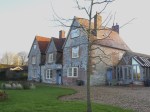
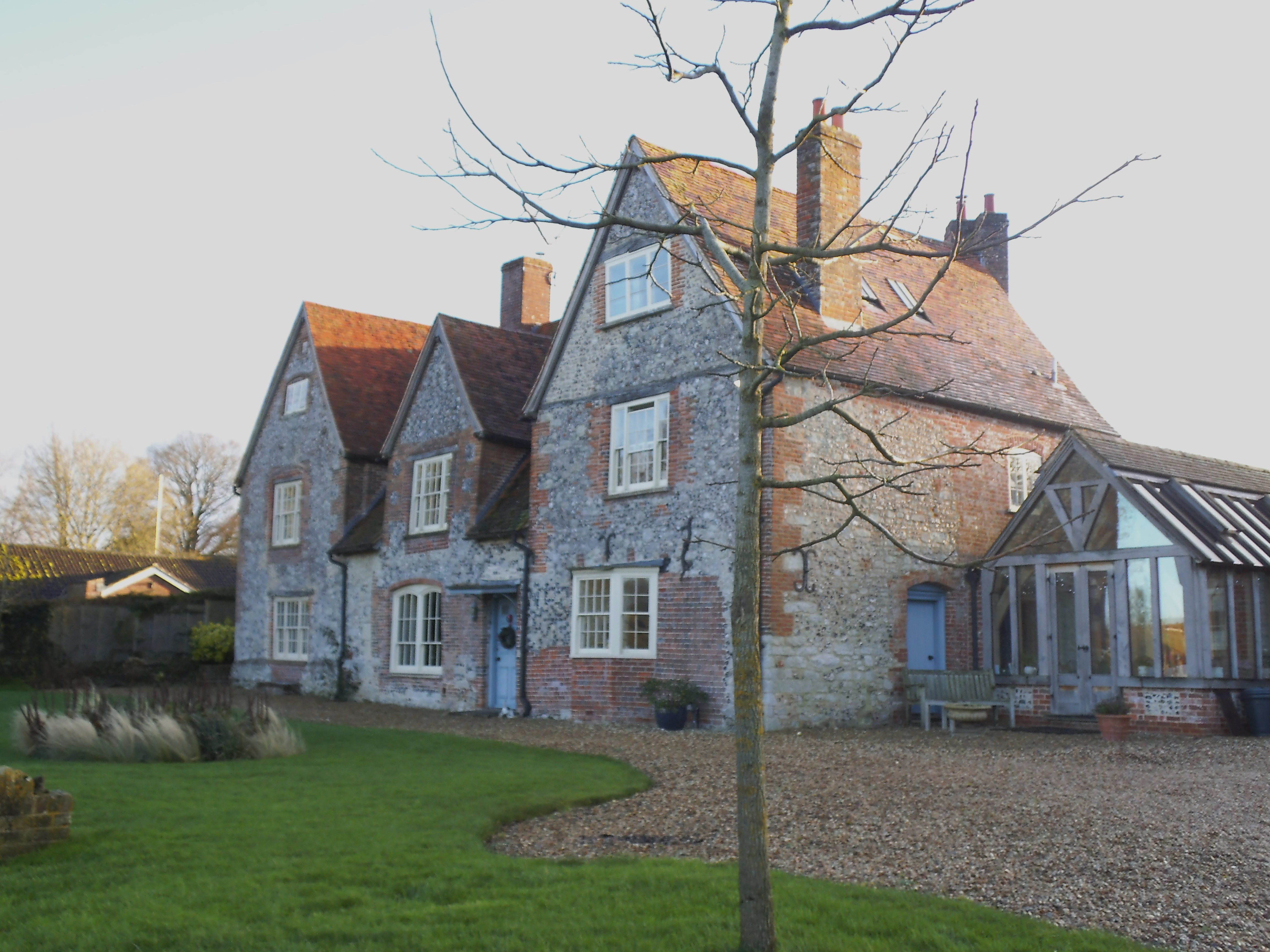
DSCF1070Here t’is. The amazing Westcourt Farm, built in1316. Outside my room was a beam bearing the mark of an Arabic carpenter. I couldn’t believe my luck – either in finding this place by serendipity too complicated to explain, or in staying with the owners, Rozzy and Jonny who invited me in for peppermint tea and Christmas cake.

Rozzy and Jonny had turkey at Christmas. Rozzy felt that this year’s swing towards geese was down to the storyline on The Archers. I knew I was going to fit in here for a couple of days. ‘How long can Rob carry on’, I asked her? ‘Not long, Helen’s not strong enough’.

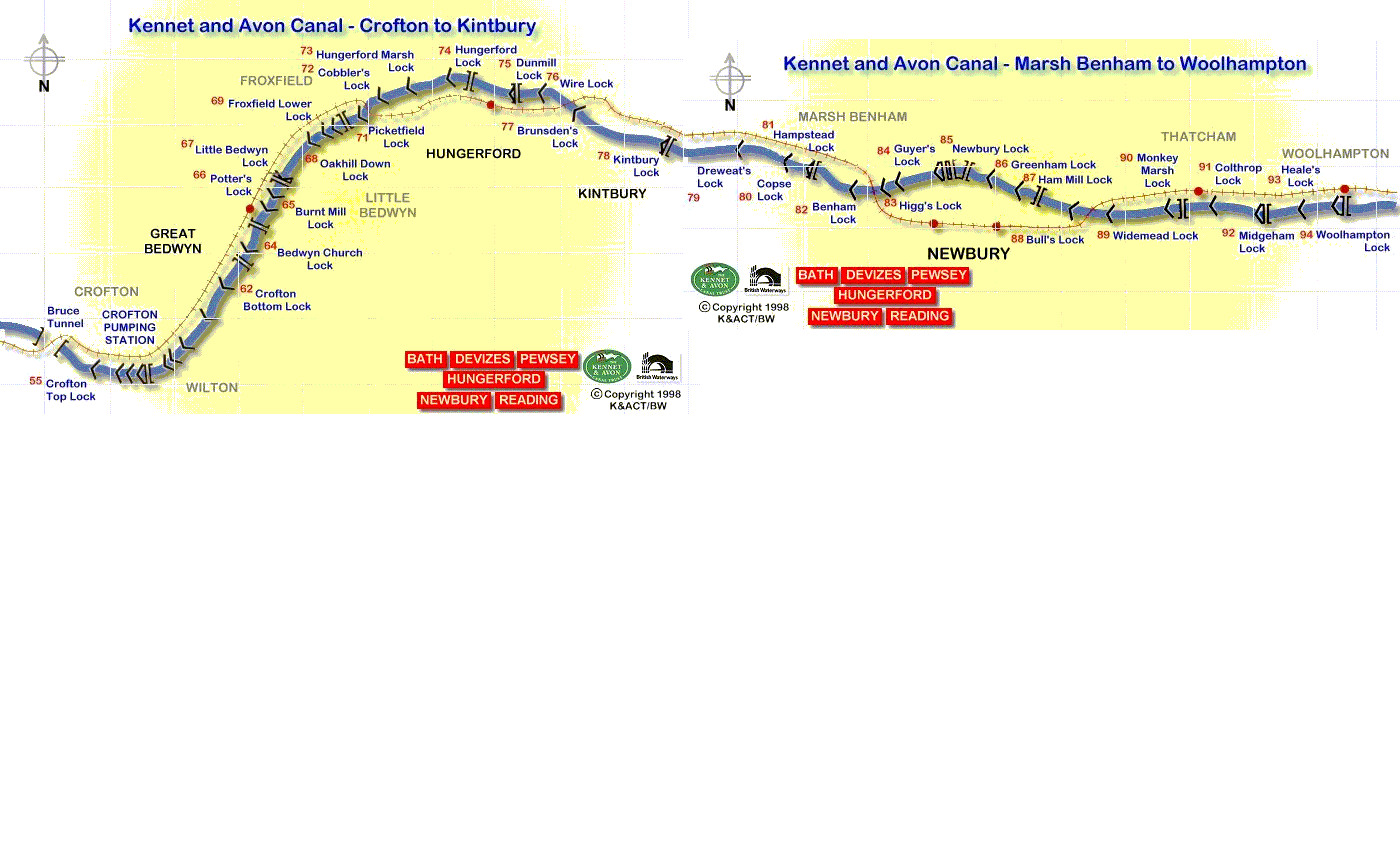
bed mapGreat Bedwyn to the Bruce Tunnel and back: 28 December 2015; 9 miles

(click on the picture and look at the map on the left)

Bruce and Moira have been holed up by the bridge at Great Bedwyn for three days due to inclement weather. They moored overnight with a view to spending Christmas Day aboard and were unable to leave due to the wind. I wanted to write that sentence without mentioning sprouts which have nothing to do with anything. Today, like me, they’re taking advantage of the wind dropping and a forecast that gives no more rain until Wednesday when Frank arrives.
DSCF1026

Seven years ago, Bruce and Moira had their first canal holiday. They enjoyed it so much that they booked another straight away for the following year. But when they thought more about it, they felt a year was quite a long time to wait so they bought a barge of their own. Bill hasn’t cut his hair since. Now in his early sixties, he’s training to be a new age type.
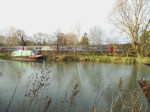
DSCF1029

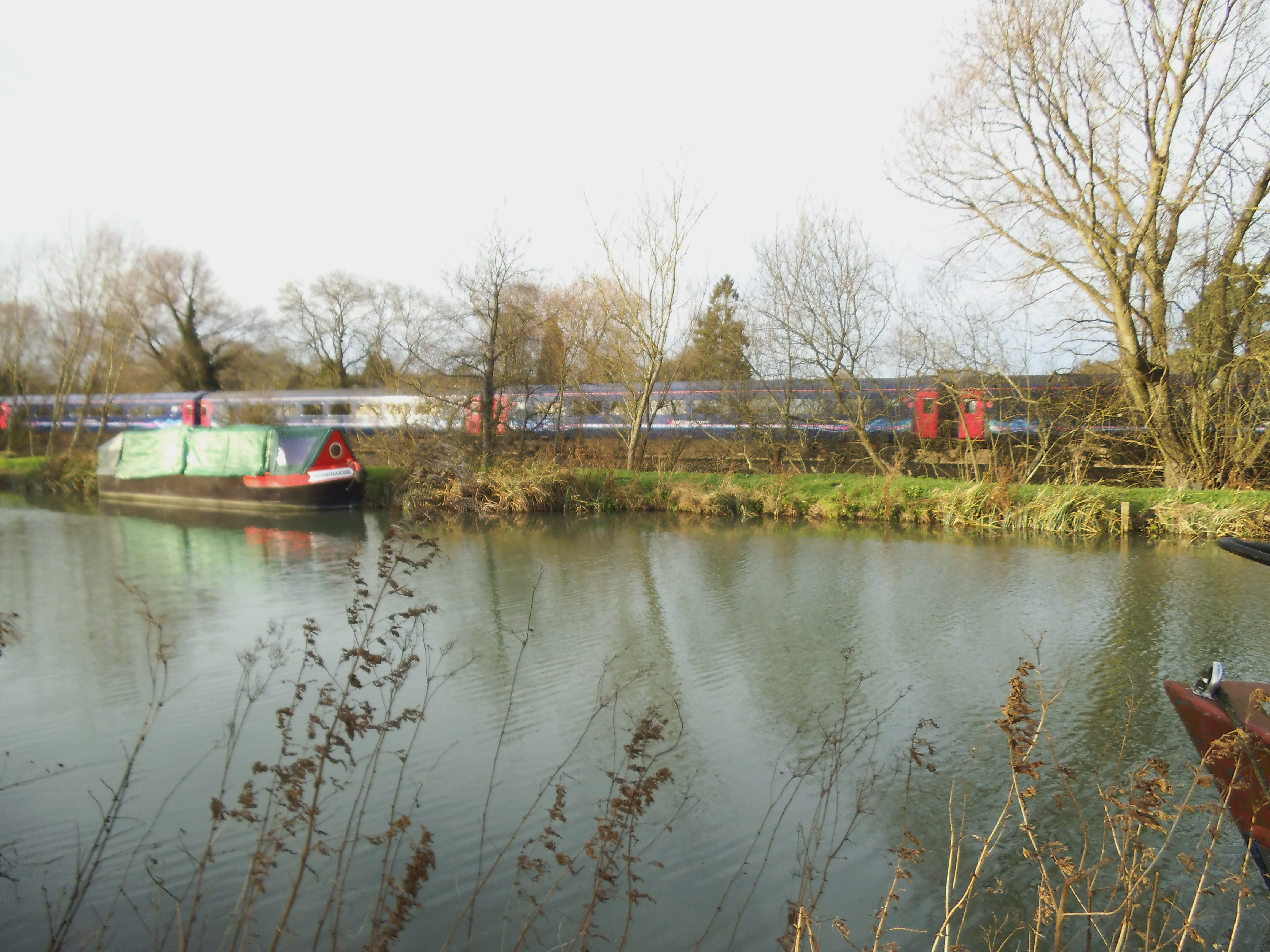
The Great Western runs alongside the canal for a while. I shouldn’t applaud this fact as it was the Great Western that took control of this part of the Kennet and Avon in 1852 which very quickly led to the demise of the canal. Still, it’s interesting to see these two extremes of speed in close proximity and I may have need of a train in the not too distant future. After all, I last left the canal by means of a train from Pewsey so maybe I can catch one in the opposite direction later today. Or not.
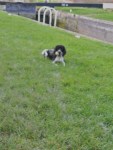
DSCF1033

Sooty’s back! Weasel readers might recall the mysterious appearance of Sooty a mile or so from Devizes on a previous hike. On that day, despite being in the middle of nowhere, he and his green tennis ball were accompanied by no-one. As I turn my gaze from the railway, I spy Sooty and his green ball once again. Surely not? Unlike our last meeting, there are boats to hand but Sooty doesn’t seem to belong to any of them. Actually, there are quite a lot of black and white dogs on this stretch. More of them later.
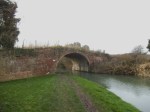
DSCF1031

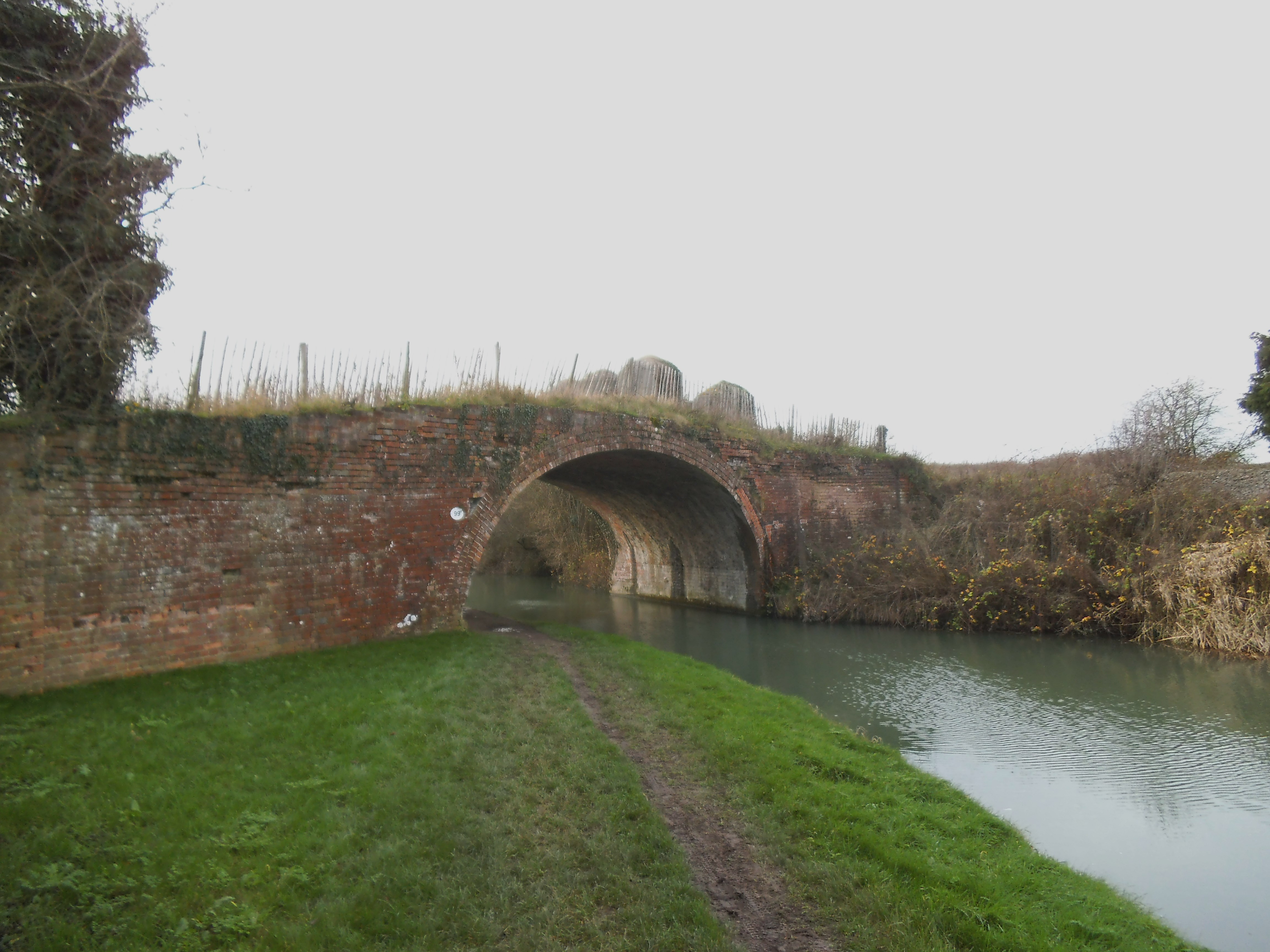
A couple of the early bridges have pill boxes on them. I’ve seen quite a sprinkling of pill boxes during my walks along the canal – they’re quite handy for lurking behind when caught short – but these are the first I’ve seen atop a bridge. They are part of something called the GHQ Line – Blue which was a defence system set up near waterways and railways during the Second World War in the face of an expected German invasion. Don’t panic Captain Mainwaring!
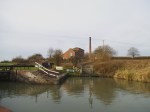
DSCF1043

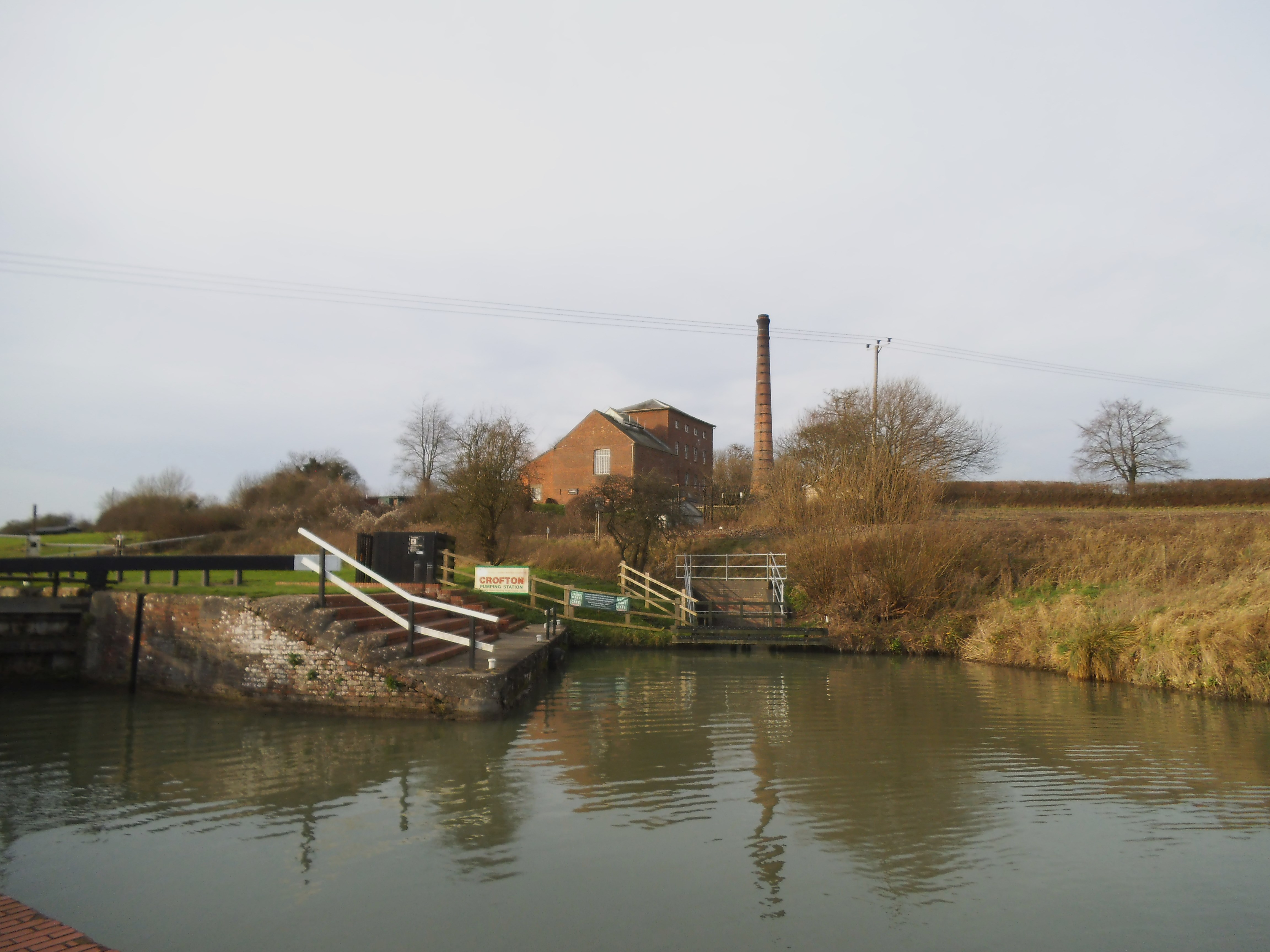
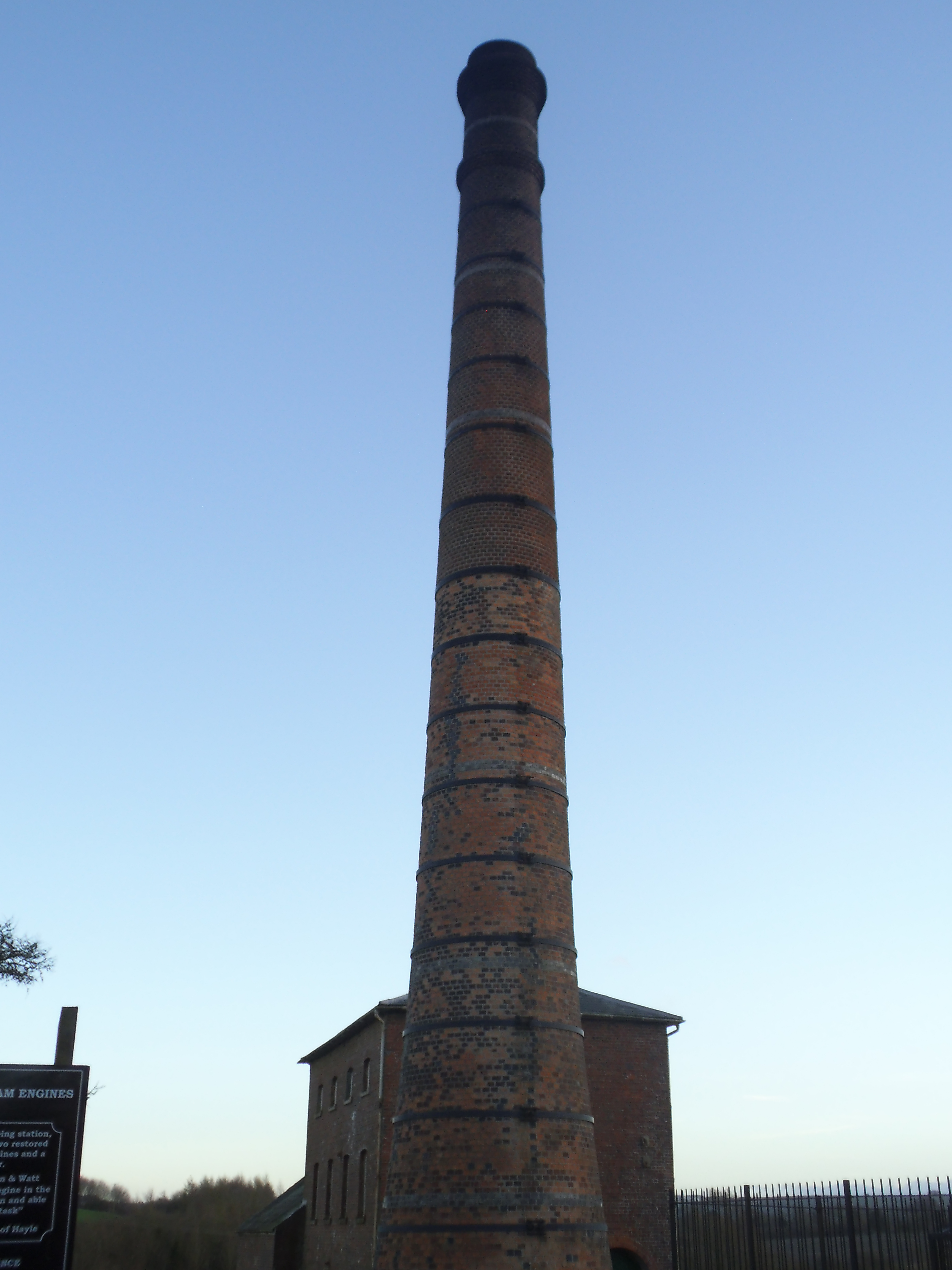
In the meantime, there’s the world famous Crofton Pumping Station to enjoy. It really is world famous as it contains the Crofton Beam Engines. I’ve given them capital letters because they are the oldest working steam engines IN THE WORLD.
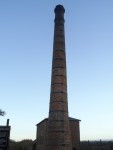
DSCF1152Everywhere one looks, there are signs for the beam engines and I’d been informed by no end of folk that I should visit them, take tea in the marvellous café and perhaps purchase a meaningful souvenir from the gift shop. I was really looking forward to finding out more about the industrial heritage of the canal. The place was shut.
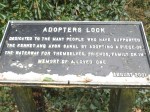
 

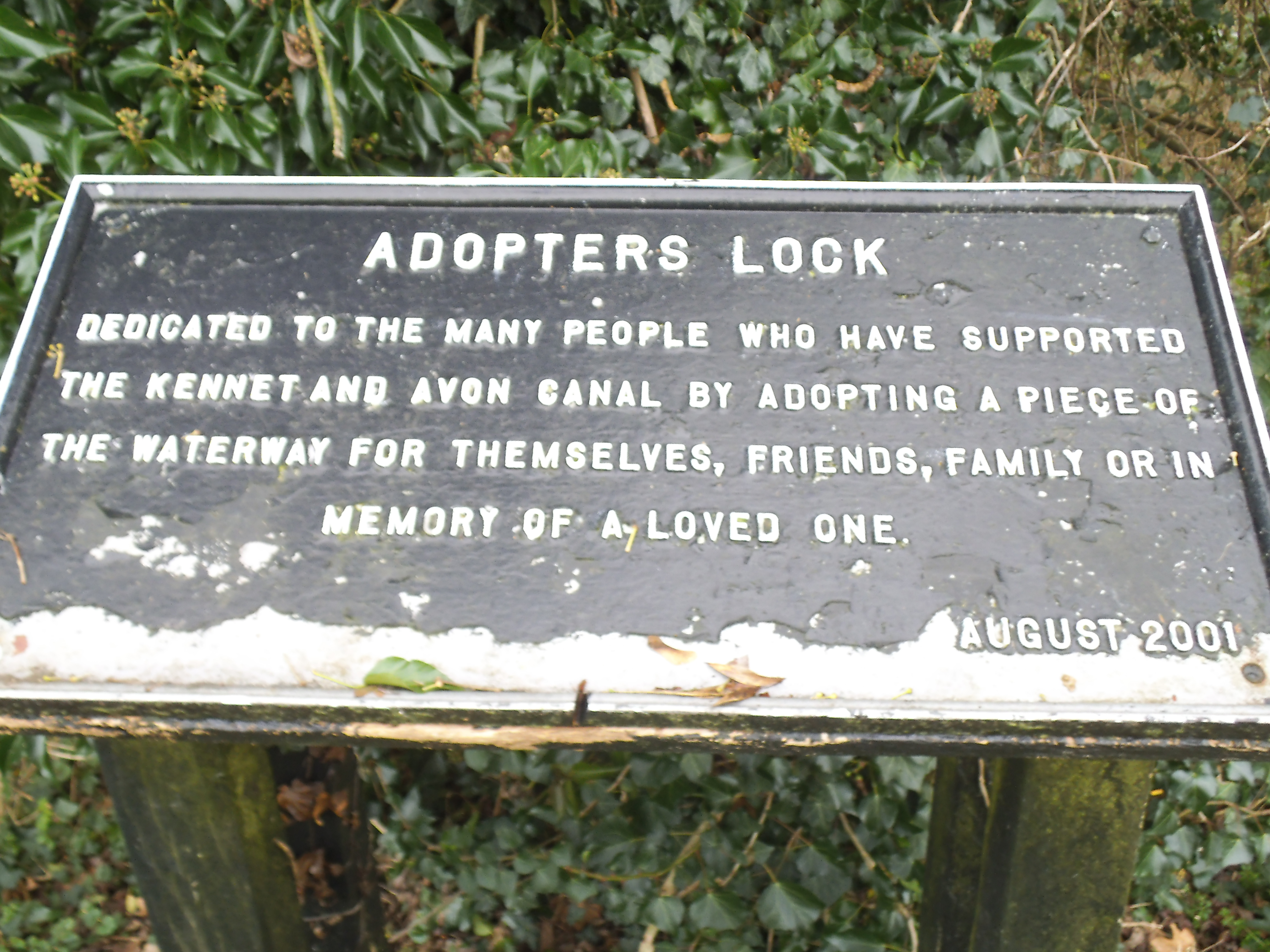
DSCF1050The weather is pleasing and the drift of wood smoke from the barges is delightfully evocative. The towpath, however, is a muddy affair on this late December morning and walking is not easy. No matter, I’m in no hurry. Mouth full of festive kit-kat, I rest awhile by Adopters’ Lock. The wooden bench is sodden and glazed in green slime as will I be by the end of today’s hike.
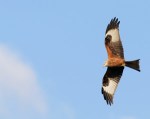
red-kite-flightI perch on the very edge of the seat and watch a kettle of kites soaring above the meadow on the other side of the canal. A bit like boomerangs, kites are making a comeback and are quite easy to see in parts of Wiltshire. It seems unfitting to call something so beautiful a scavenger but they do eat a lot of roadkill which might be why they like living in this area: I can’t remember the last time I saw such an abundance of dead animals on tarmac.
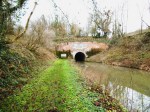
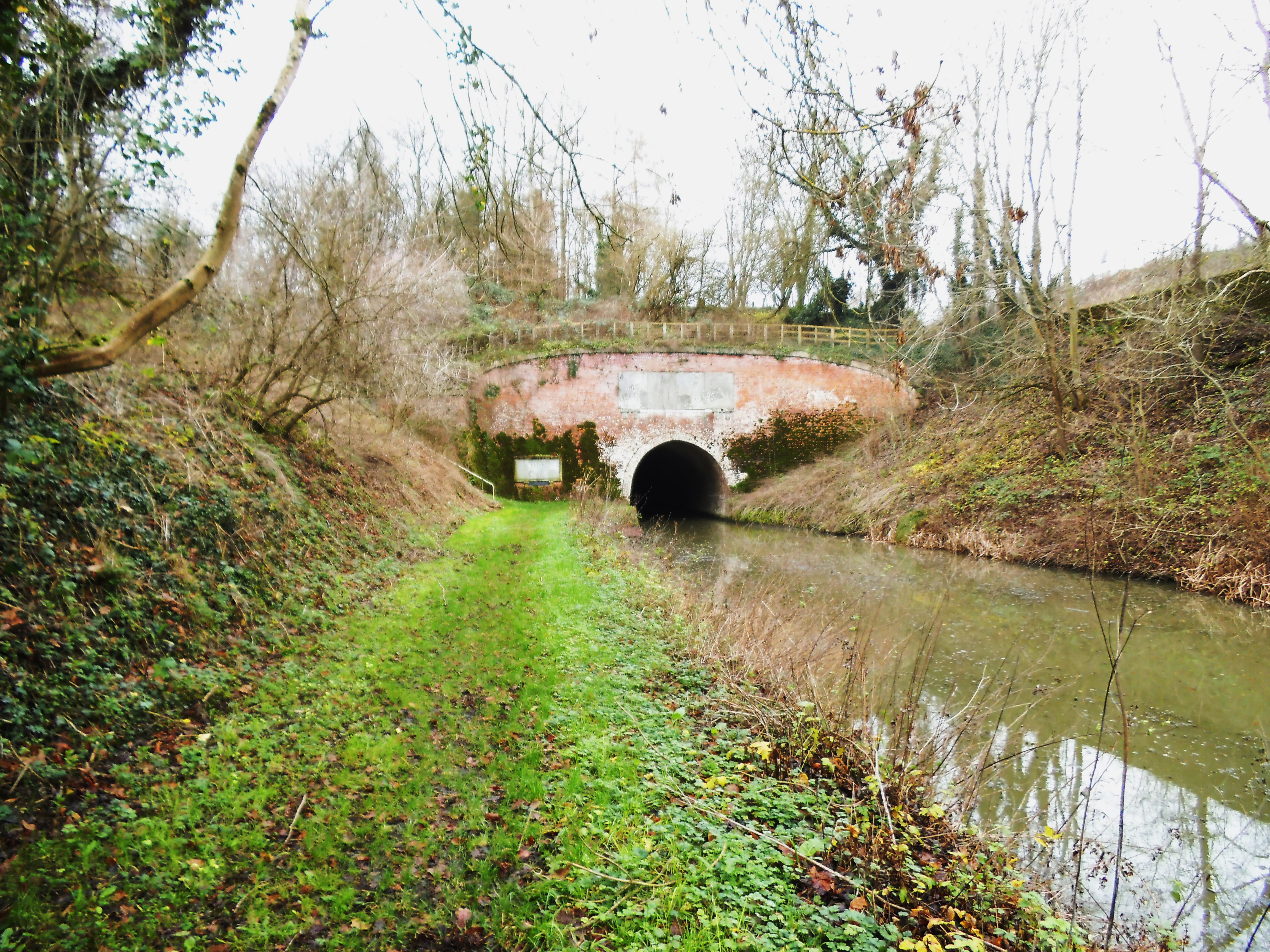
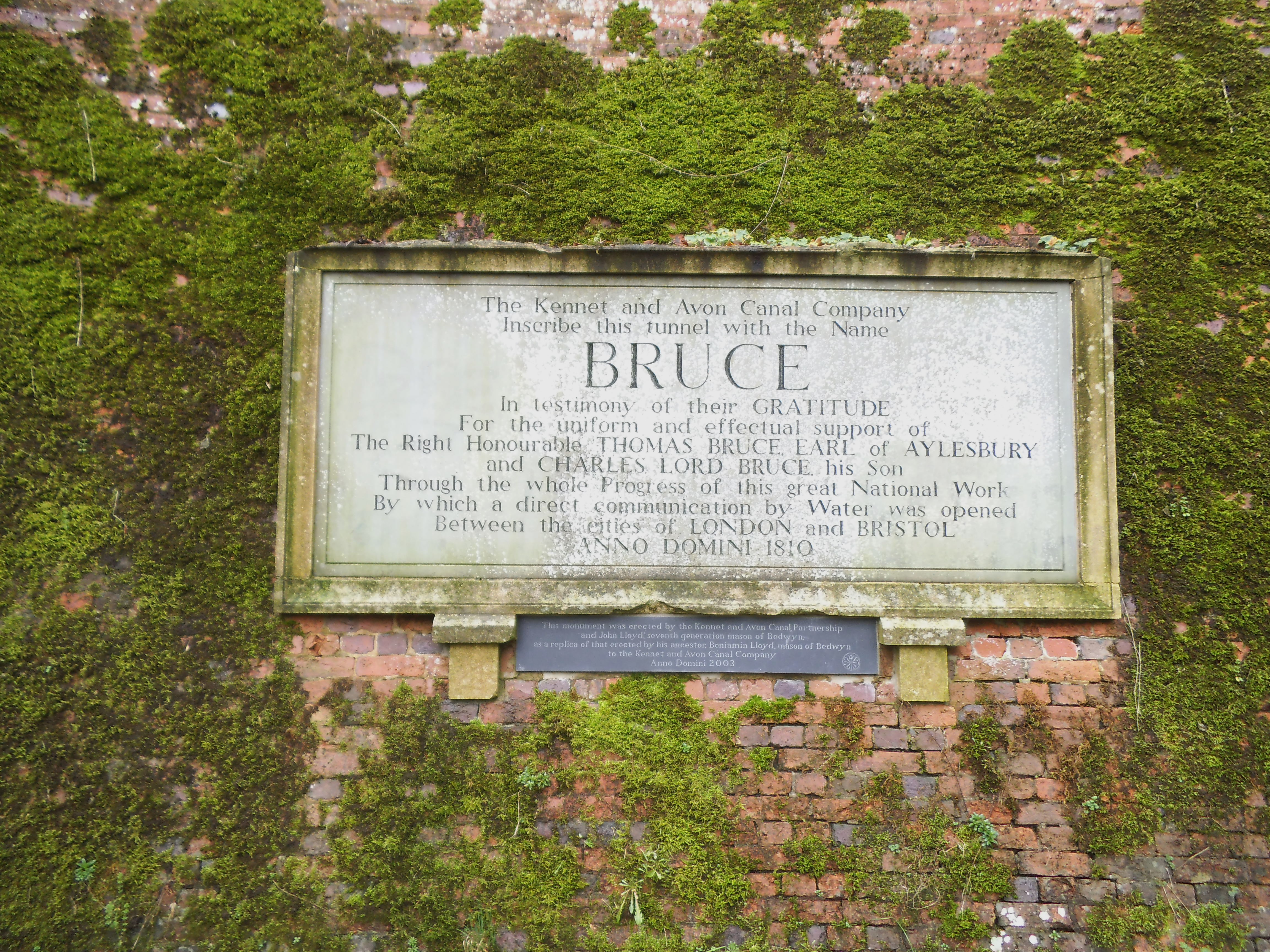
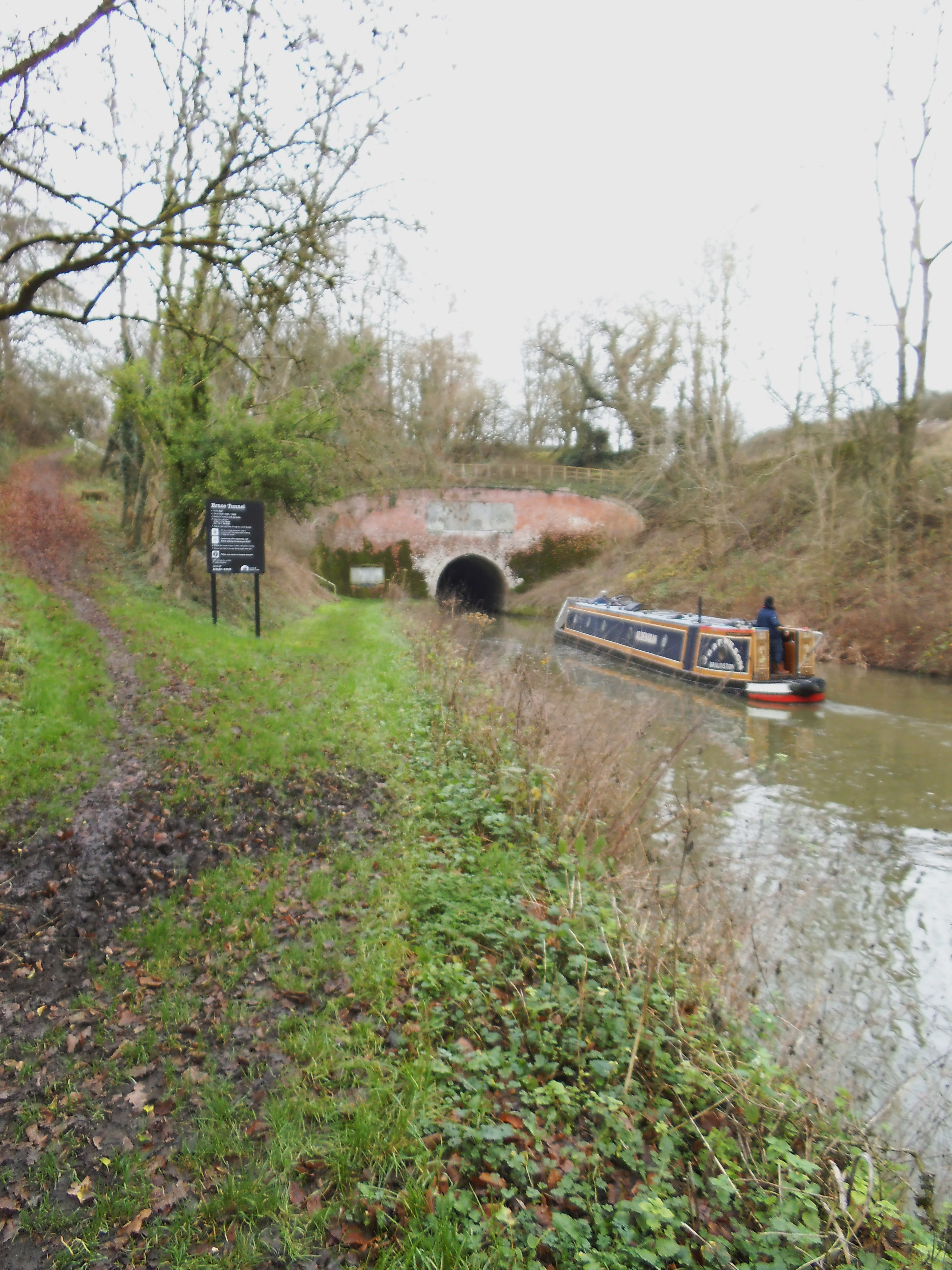
DSCF1052Eventually, I reach my goal: the Bruce Tunnel which is 502 feet long and the only tunnel on the Kennet and Avon. It’s named after the first Earl of Ailesbury who insisted on its construction underneath the Savernake Forest as he didn’t want a visible cutting made through his deer park.
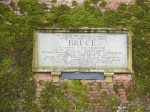
DSCF1054I’ve never really understood how someone can own a forest but then I’m an old Billy Bragg fan keen on the idea of land being a common treasury.

DSCF1056


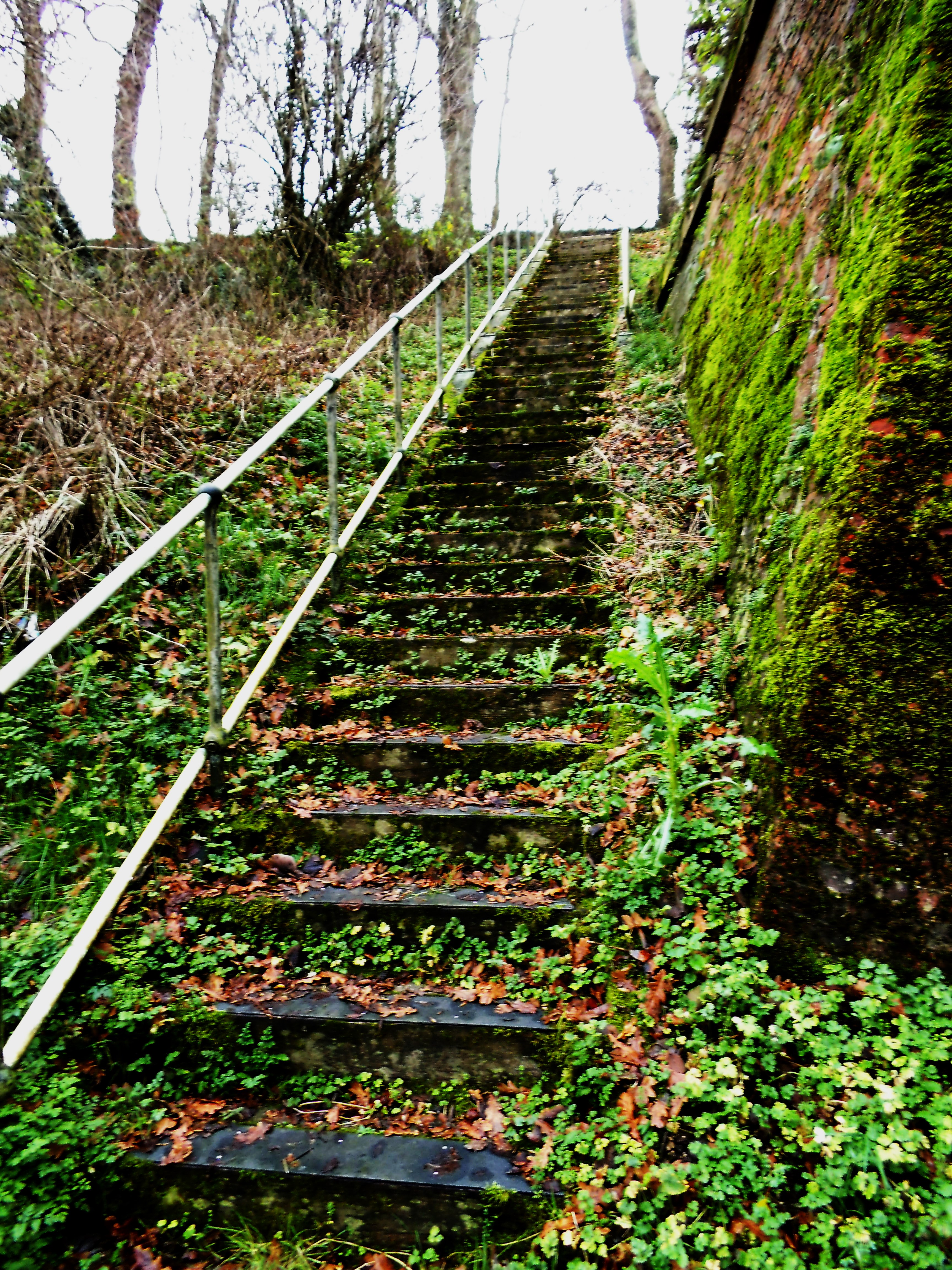
There’s no towpath through the tunnel; one has to walk over the top via this splendid stairway. It’s a bit steep. If I go over the top, I’ll have to walk to Pewsey and hope they’ll be a train that’s stopping at Bedwyn today. If I don’t push on, I’ll have to retrace my steps, which is a little dispiriting.
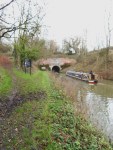
DSCF1059During this silent discussion with myself, a barge arrives with a view to entering the tunnel. There’s clearly not enough room for more than one boat at a time and I question the bargee on the dangers of entering. He informs me that he can see the other end of the tunnel and that there’s a boat flashing him forward. On and in he goes only to reverse out again moments later. I try to question him again but he informs me that he can’t hear what I’m saying above the noise of the engine.
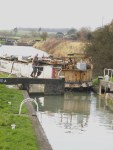
DSCF1064I don’t, of course, believe him but he’s clearly involved in some sort of watery argy-bargy (ha!) with the mariners coming the other way through the tunnel. I watch the entertainment for a while but the newcomers comprise a raucous bunch who appear to be drunk. I turn tail and walk as quickly as I can. I’ve come here for a bit of peace and quiet and I know I can get to the first lock before they do. And I know it’ll take them ages to get through the lock if they decide to give it a go.
DSCF1036

On the way back, I stop at another soaked bench to enjoy a seasonal sausage roll that I find at the bottom of my rucksack and have a chat with Jim. Jim’s boat is crammed with all sorts of unexpected paraphernalia that must make things tricky for those arranging his home and contents insurance.


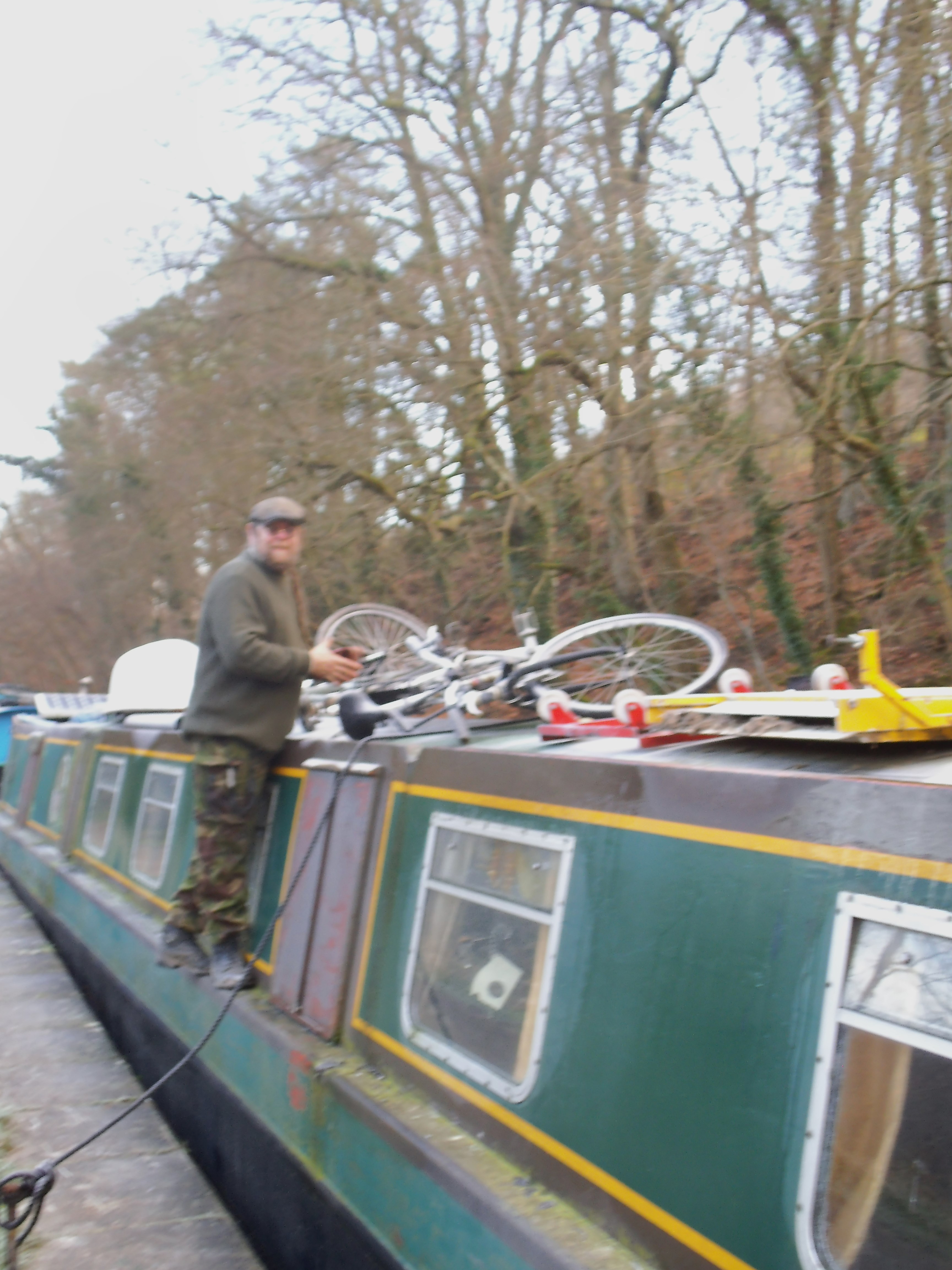
DSCF1068‘Why have you got a tiger’s head’, I demand? One of Jim’s dogs who is sitting close to me and my sausage roll looks politely interested at this question.

‘It’s for my grandchildren’, Jim replies. Fair play, he could’ve told me to mind my own business I think. ‘I told them there were tigers in the field’, he continues. Jim looks pretty old to me. I reckon his grandchildren must be in their thirties at least.

Back at Crofton, I find Bill hammering mooring hooks in the ground. ‘You haven’t got very far’, I venture. Bill and Moira don’t like to travel too quickly. ‘So will you be here for two days now’, I enquire nosily.

DSCF1027

‘Oh, more like two weeks’, says Bill dreamily. ‘We’ll be walking back to Bedwyn shortly to collect our car. Then we’ll be able to take things easy.’

I don’t know why I said Bill and Moira had only got as far as Crofton in such a dismissive tone, making it seem like a short cruise around one or two bends. It seems miles and miles to one who hasn’t engaged with any serious canal walking for months as I trudge back. In the car, I have to acclimatise for a while as I gather up the strength to get going. I’ve just walked nine miles on tricky terrain and haven’t yet reached the feeling smug stage. I look up and see car lights flashing at me and the occupants waving genially. ‘Who’s that’, I think? ‘I don’t know anyone round here’. Then I notice the flowing grey locks. It’s my new friends, Bill and Moira. DSCF1127
Dora the explorer looks for spiritual paths & loses her purse

DSCF0474

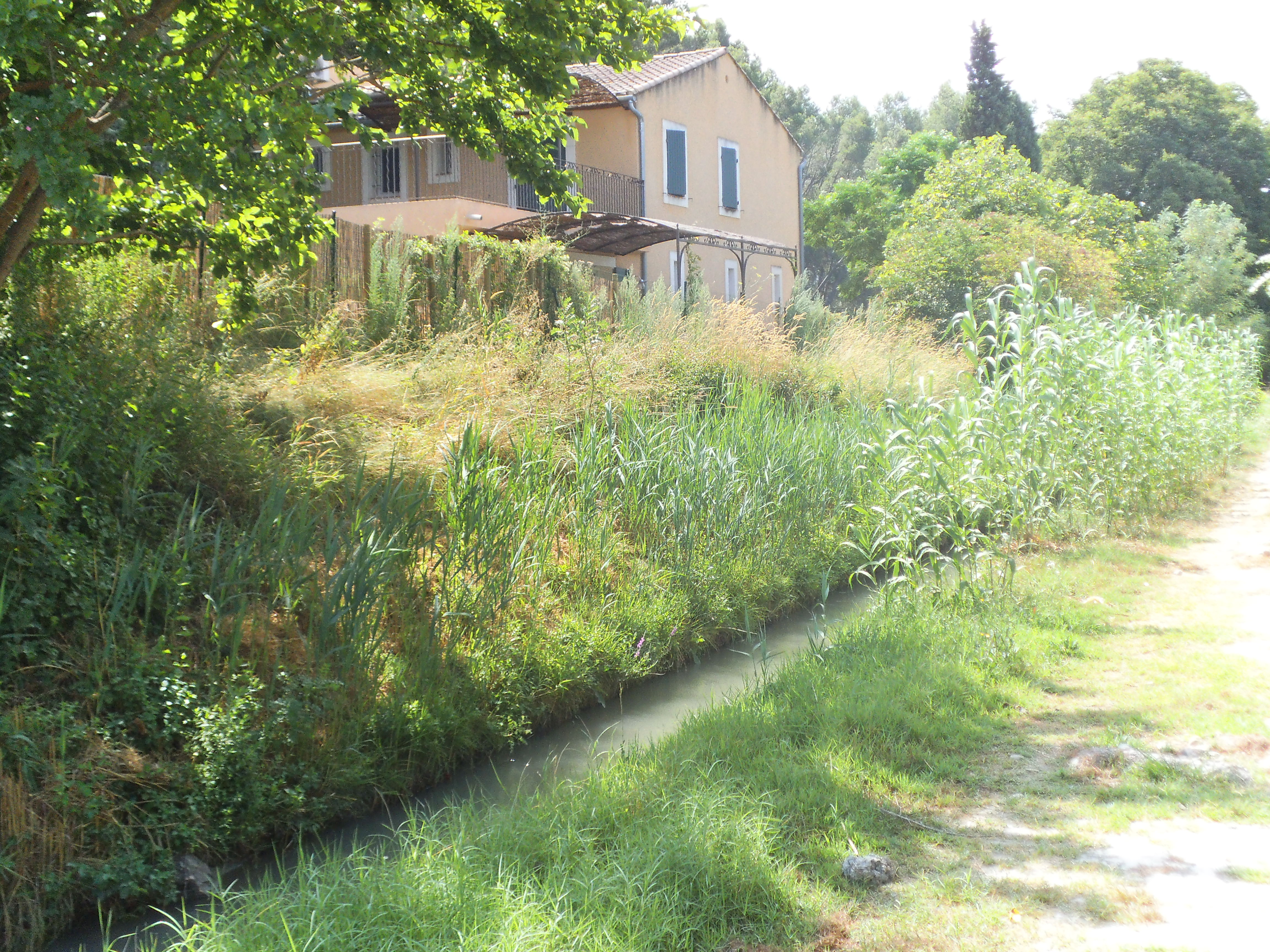
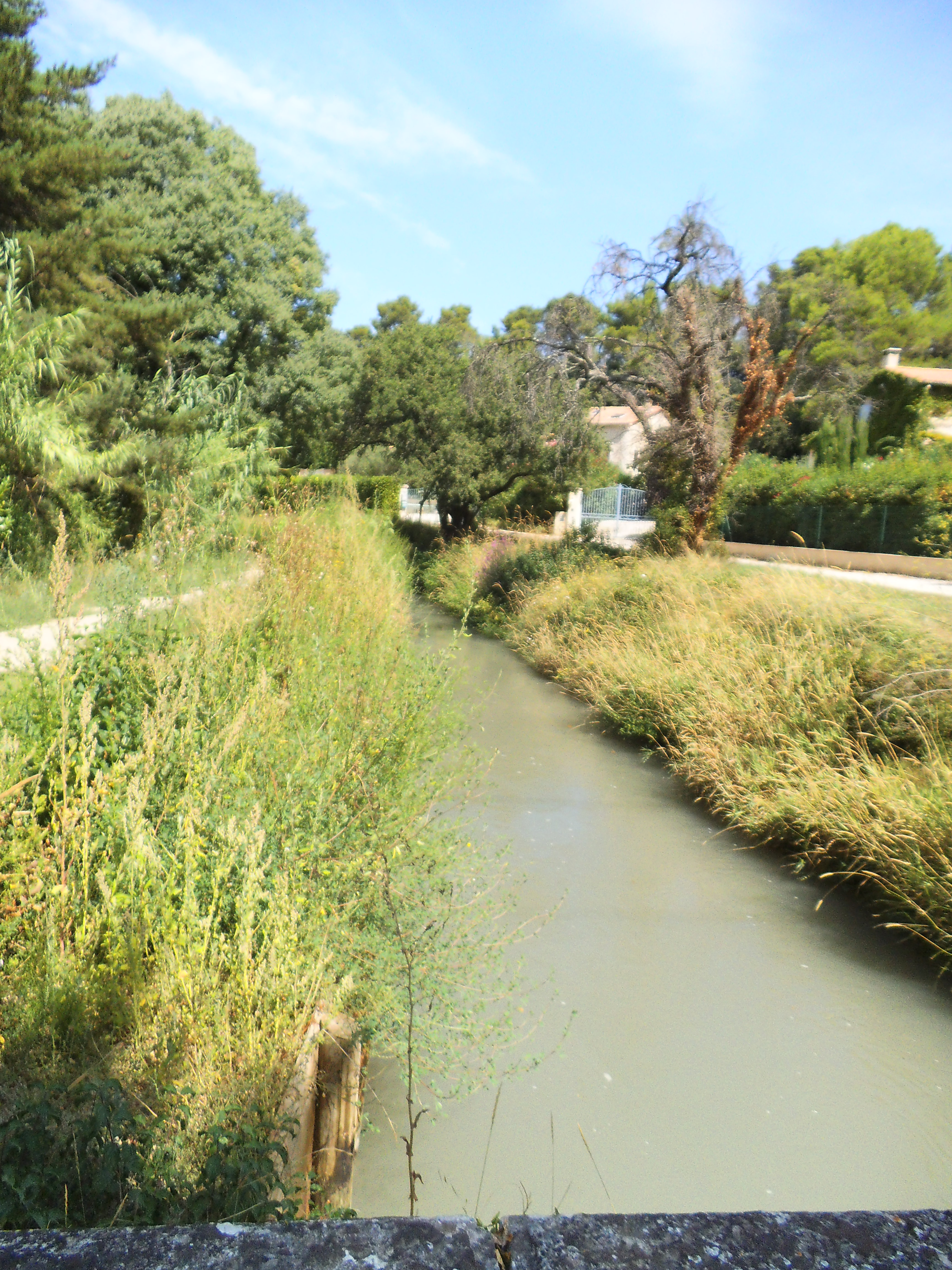
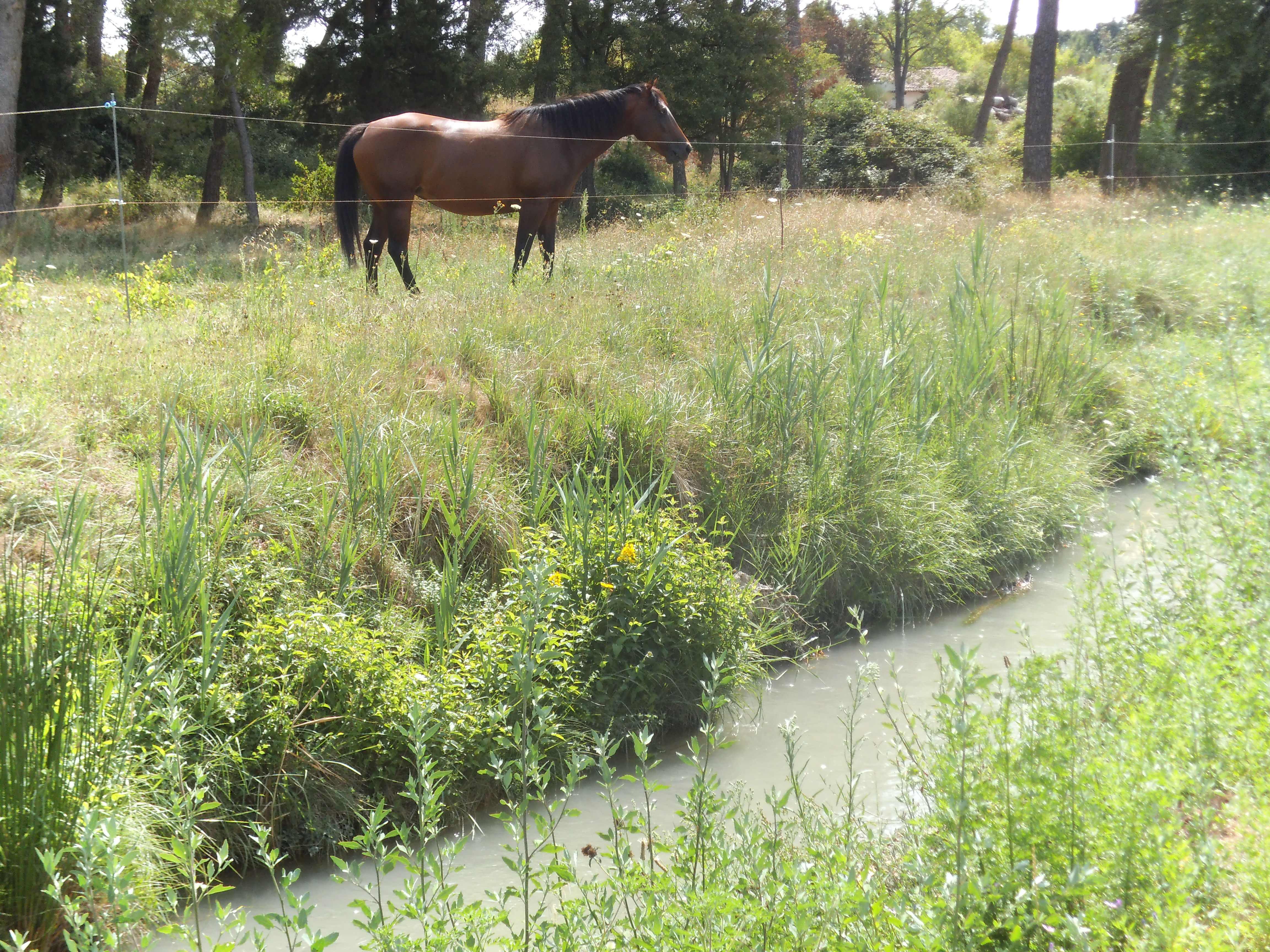
I’ve been waiting for the temperature to drop sufficiently for a spot of canal walking. After all, the reason I bought the aforementioned maps in the first place was so I could locate the canals. It dropped to 27C this morning so I thought I’d risk it.


ADSCF0487re there a lot of canals in these parts? This is Karil who’s lived here for about eight years, does a lot of walking and even once took me along the canal that runs conveniently close to that most excellent boulangerie at Eyragues. Why is she asking me this I wonder? My maps are positively soaked in canals. The problem, which I’m just beginning to be aware of, is that it’s tricky to ascertain whether they are mere irrigation channels bounded by private agricultural land, or whether they have accessible footpaths. YouTube has videos galore of the Canal des Alpines which is the one I’m especially interested in. In particular, since I started seriously interacting with my maps – hot, sleepless nights passed researching things which, just last week, I never knew existed – I want to walk the canal from St Remy. And being even more specific, the part of the Canal des Alpines that mysteriously evolves into the St Gabriel branch.

DSCF0490

We had a bad day with the mosquitoes yesterday. Up until 2012, there were no mosquitoes in this part of Provence. When I contemplated spending six months in Rognonas during the annee sabbatique, I asked only two questions of my potential landlords: 1) is there internet access? 2) are there mosquitoes? Answers: yes and no. Like everyone else who’s ever been there, I’d had a bad experience in the Camargue and wasn’t about to sign up to half a year of debilitating itching. But, due to global warming I suppose (yawn), the bloody things have arrived. Hence, at 3am I found myself wide awake – a combination of heat, the whir of the fan, the rain that had brought the dreaded mossies and the trying-not-to-scratch business. Which is when, studying my beloved map at close quarters, I noticed the St Gabriel branch. My reader knows I’m extremely well read on St Gabriel’s connections to Provence. But what’s that strange symbol that looks like half a sun? There are a few of them dotted about on one map but none on the other. Odd. I look at the key – nothing. There must be some explanation. Then I notice the symbol all alone on the other side of the map. They are waypoints on the pilgrimage route to Santiago de Compostela. What!
DSCF0486

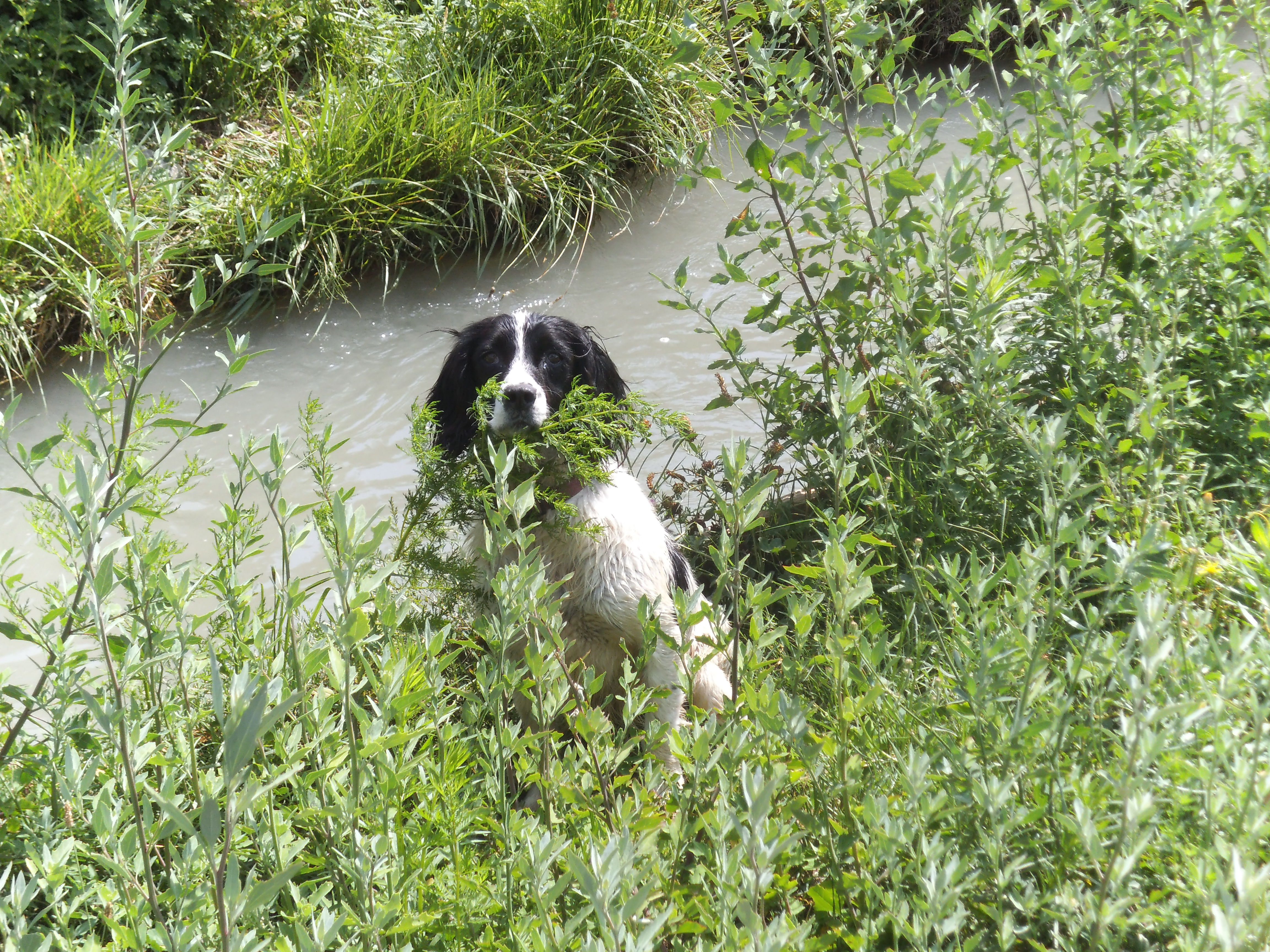
I visit the tourist information office in St Remy armed with my darling map that is opening up new worlds. I want to know where to join the canal. The St Gabriel branch. The lady behind the counter sports a badge with the French, Italian and Union flag. I hazard a logical guess that this means she speaks in several tongues. I make the mistake of beginning our conversation in French and because I’m not too bad, she refuses to consider any other linguistic deviation. When, at one point, I politely say I don’t understand her response she tells me that she doesn’t understand why I would want to walk along a canal. I just don’t have the language to deal with these philosophical demands so I give in and take up her suggestion of another route. These are the photos I took and you might notice that, yet again, I’m ambushed by another weeping dog who wants to play.

DSCF0484


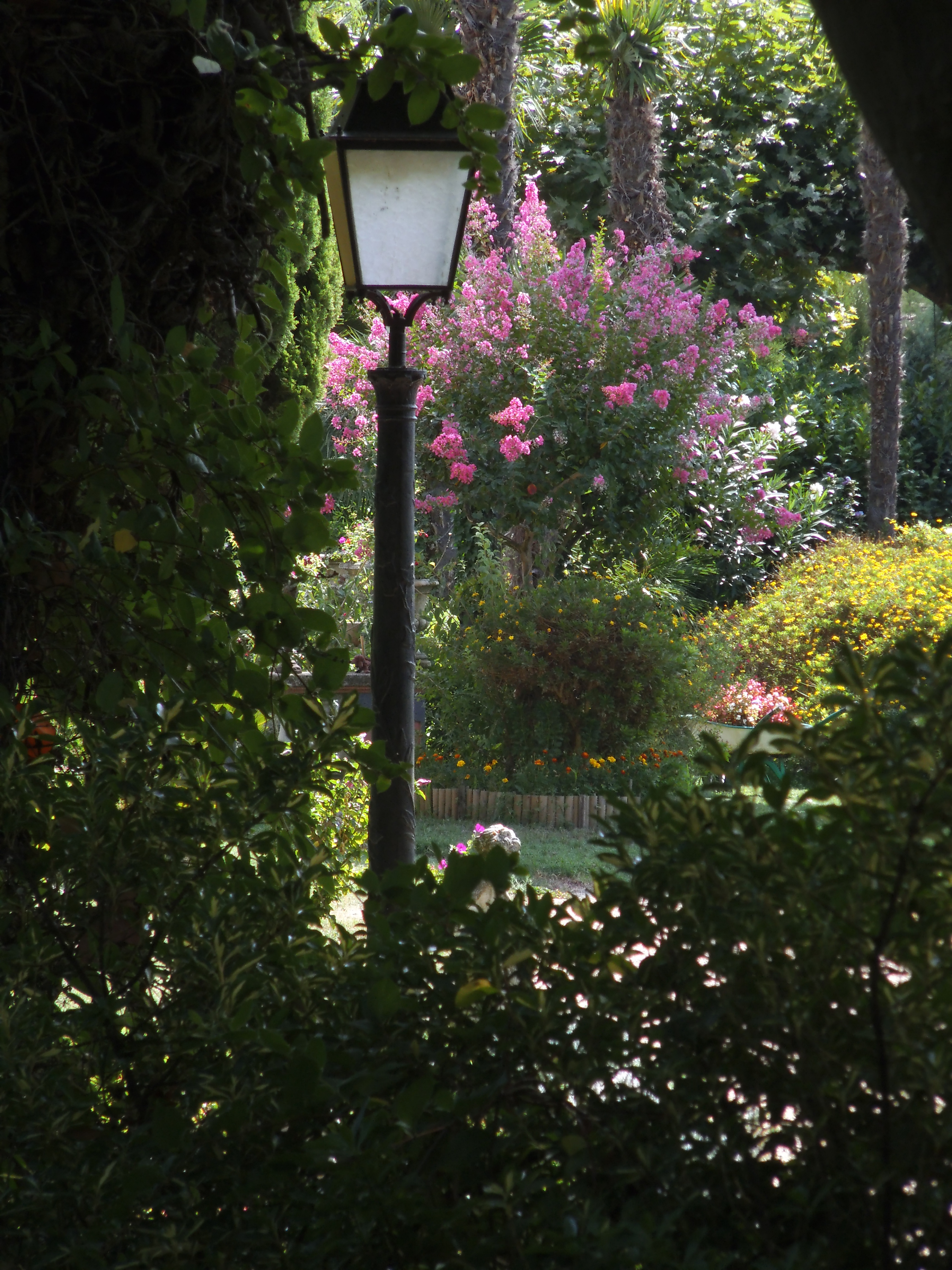
There are other unexpected sights like this beautiful canal-side garden that looks like Narnia after the snow has melted


DSCF0492

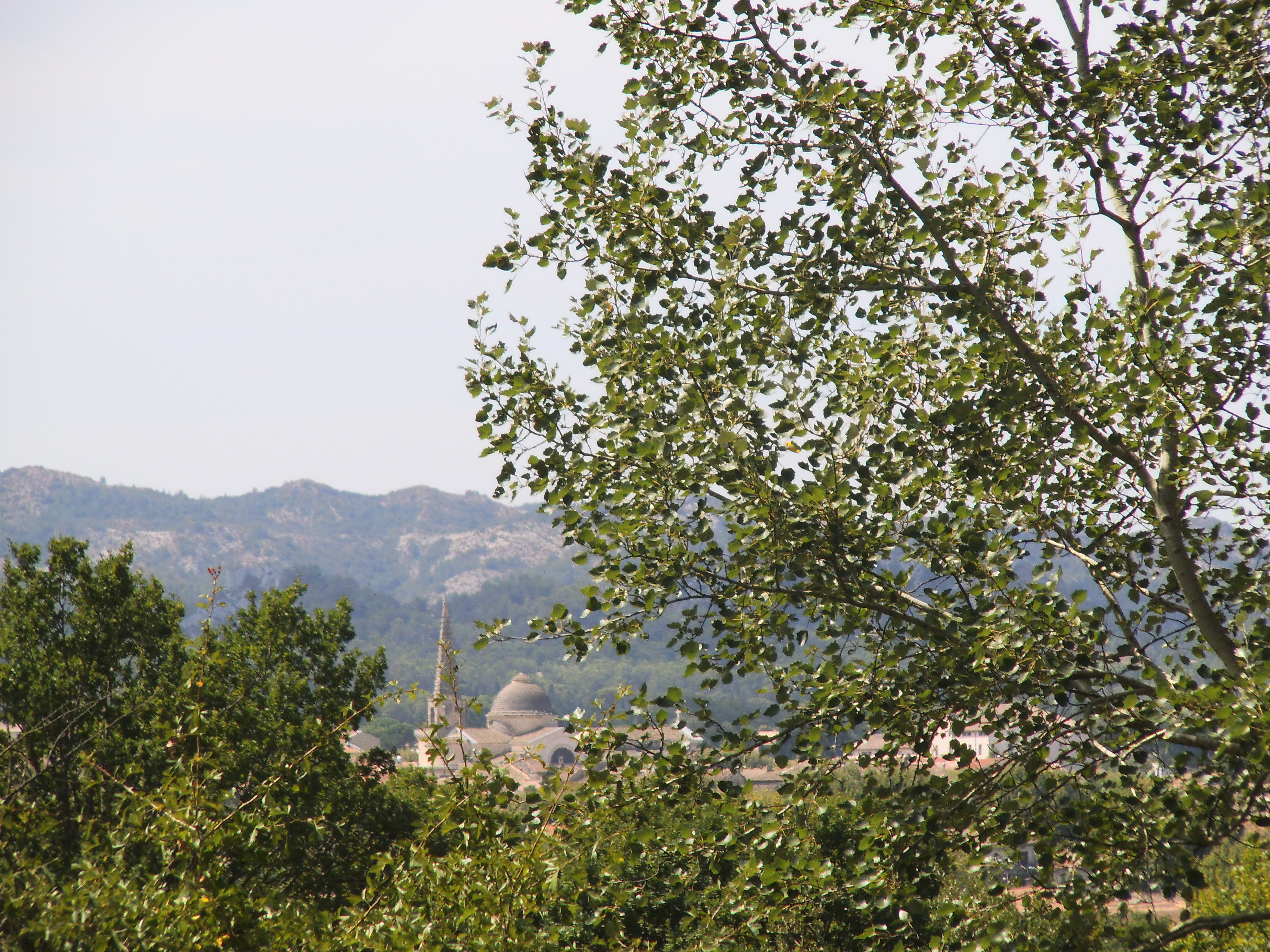
And in these days of suburban sprawl, what a treat to find this view of St Remy. Try to imagine it without the tree. Now pretend it’s the blackest of nights. Then light up the sky with huge stars and whirls of yellow. Now you might be looking at possibly the most famous painting in the world.


So, although I don’t reach the St Gabriel branch (yet) I still see parts of St Remy that I imagine most other travellers miss. It’s difficult to continue though – the temperature is back on the increase and I decide to drive back into town for lunch. Nothing too expensive and certainly no alcohol in this heat. At the Bar-Tabac des Alpilles, which, of course, plays a reasonably integral part in Chez Martin, Monsieur is apparently delighted to see me. He moves me into the shade, feeds me the duck with the dauphinoise potatoes, a delicious salad that is devoid of dangerous tomatoe seeds and offers me coffee or dessert on the house. Which is when I discover I have no money. When you walk along a canal in temperatures exceeding normal, a decision has to be made regarding what’s essential to carry. I emptied my tiny bag of everything apart from notebook, pencil, camera and phone – this last for emergencies, but who should I call? I confess all to Monsieur – I’ve lost my purse. Monsieur thinks this is a bigger problem for me than him: come back when you’ve got some dosh he says. How can you not love the French


Phil and Rene

DSCF4616Inspired, perhaps, by Harold Fry, Phil and Rene are walking to London from the depths of Northamptonshire. They’re taking the path that follows the Grand Union Canal for 92 miles. This pair recently celebrated their 64th wedding anniversary so, like their marriage, they’re taking the trip slowly and in stages to make it last.

DSCF4627

Accompanied by three sea bass, a bag of seaweed and two bottles of the red stuff, I went up to see Phil and Rene the other day. They always have plenty of their own red stuff but, living in middle-earth, not much in the way of fresh fish; unless you count Waitrose, which I don’t. During our fishy dinner, I was asked to join them the following day on the next stretch of their unlikely pilgrimage from Stoke Bruerne to Grafton Regis. This was a great privilege, being the first time that they’d allowed a fellow traveller to join them; a dangerous strategy, I fear, given what happened to Harold Fry when other folk hitched a ride on the bandwagon.

Phil and Rene are prepared for the terrain: flask filled with coffee – check; walking boots in the car – check; walking sticks on hand – check; route well-planned – check; pub located at end of stage – CHECK! And off we go.

DSCF4622

I forgot to mention the number of cars involved. We take two cars to the end point of the stage. We leave one car there and all drive back to the beginning of the stage. We do the walk, get in the waiting car, drive back to the other car and everyone drives home. Simples.

They didn’t check the weather but it was ok: no downpours even though they said it was always sunny when they travelled alone. And there were people to talk with and lovely English countryside to enjoy.

DSCF4628

Phil and Rene were lulled into a false sense of security. A veritable horde descended the following day. Wikipedia gives a definition of horde as ‘a socio-political and military structure in nomad cultures such as the Mongols…sometimes from the Caucasus Mountains’. This lot comprised extended family from Dorset. So not much difference then.  And Phil and Rene made the mistake of inviting them on the next stage of the walk that would commence at Grafton Regis.

The socio-political structure from the south had not arrived bearing gifts, it being a Friday which is always a good excuse for forgetting the preceding week and anything they should’ve remembered. Further, they ate no intellectually stimulating fish, but still managed to down sufficient quantities of the red stuff to ensure that eight people felt adequately qualified to offer their opinions on how best to accomplish the task ahead. At the same time as each other.DSCF4652

The first suggestions involved the use of four cars. This was, naturally, deemed ridiculous and the plan was whittled down to three. One bright spark maintained that if we could work out the solution to the conundrum of the man, the chicken, the fox and the corn crossing the river, we would know what to do next. DSCF4653

What we did next was drink some more of the red stuff. Next, it was agreed to take only two cars and split into two splinter groups which would start the walk from opposite ends of the trail. We would pass each other at the half way point, exchange a wave and car keys and drive home in the wrong car. We drank some more of the red stuff. There were other suggestions entailing some people doing the walk and then turning round and walking back again. Others argued that it would be better to walk one way and wait for another group to reappear. Others fell off their chairs. As it happened, we divided into two groups each of whom went for a walk in completely different places from the other and none of whom ever saw a canal. A number of photographs had to be taken to prove everyone was present.

We left on the Sunday. ‘So long, and Thanks for all the fish’, shouted Phil and Rene, unaware of their plagiarism. They were too busy clearing up and planning never to ask for company again.

“There was a point to this story, but it has temporarily escaped the chronicler’s mind.”   Douglas Adams (1984)  So long, and Thanks for all the fish. 

Follow Phil and Rene at http://watman-somewhat.blogspot.co.uk/