
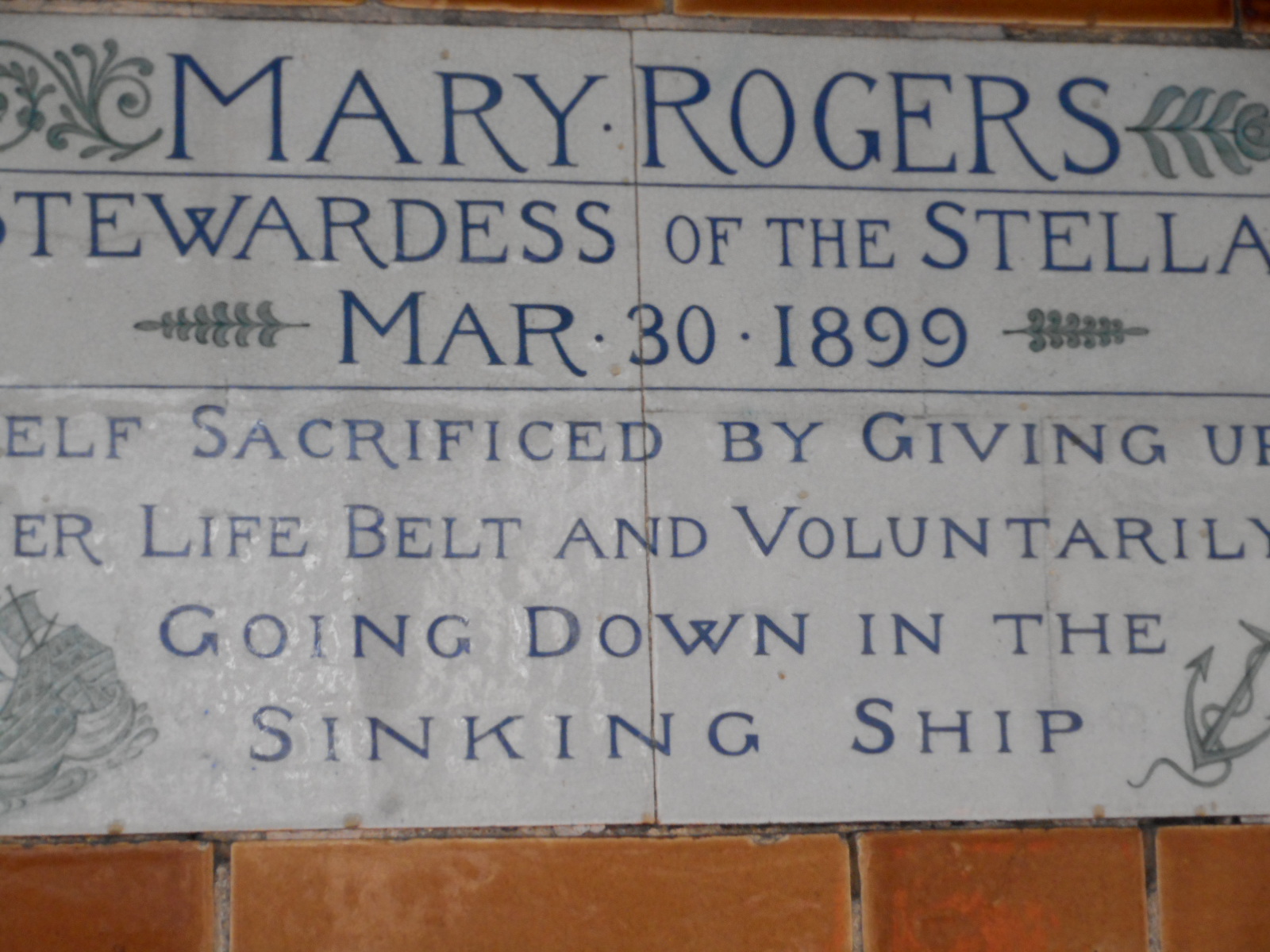
 Here in Postman’s Park is the memorial to Mary Rogers, aged 44 years, who died on Maundy Thursday, 30th March 1899, having given up her life belt and voluntarily going down on a sinking steamer.
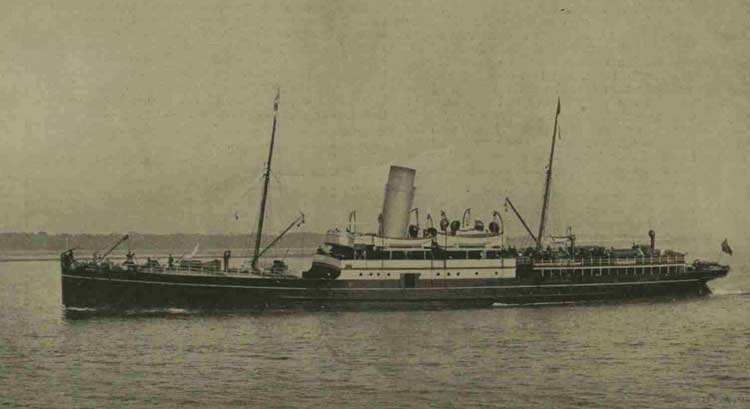 The Stella, a steamer belonging to the South Western Railway Company, had left Southampton and was heading for the Channel Islands. Mary was a stewardess on board who had been employed as such for sixteen years. As the steamer approached Guernsey, it was caught on the Casquet rocks and its steel bottom was ripped open.
 Six lifeboats were launched with women and children taking priority as passengers. From her muster post, Mary calmly guided all the ladies to the side of the ship, placed lifebelts on all those who had none, and helped the women into the small boats. Finding one lady left without a lifebelt, Mary removed her own and gave it to her, ensuring she had a seat in a lifeboat. Despite encouragement from passengers and crew, Mary refused her own place in the boat for fear of it becoming overloaded. She lifted up her hands and was heard to say, ‘Lord, have me’.
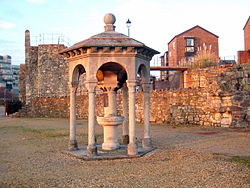 Sadly, one of the lifeboats capsized and the ship sunk within twenty minutes. 75 people, including 19 crew members drowned but 106 people were saved, although fifteen hours passed before they were rescued. There was an enormous amount of publicity given to the disaster and to the bravery of Mary Rogers. A fund was established to support the elderly father and two children she left behind which reached £570. Of this, £500 was given to the family members and the rest financed this second memorial which can be found near the waterfront in Southampton.
N.B. The black and white photographs are the copyright of the British Library.

 Donald and the Weasels