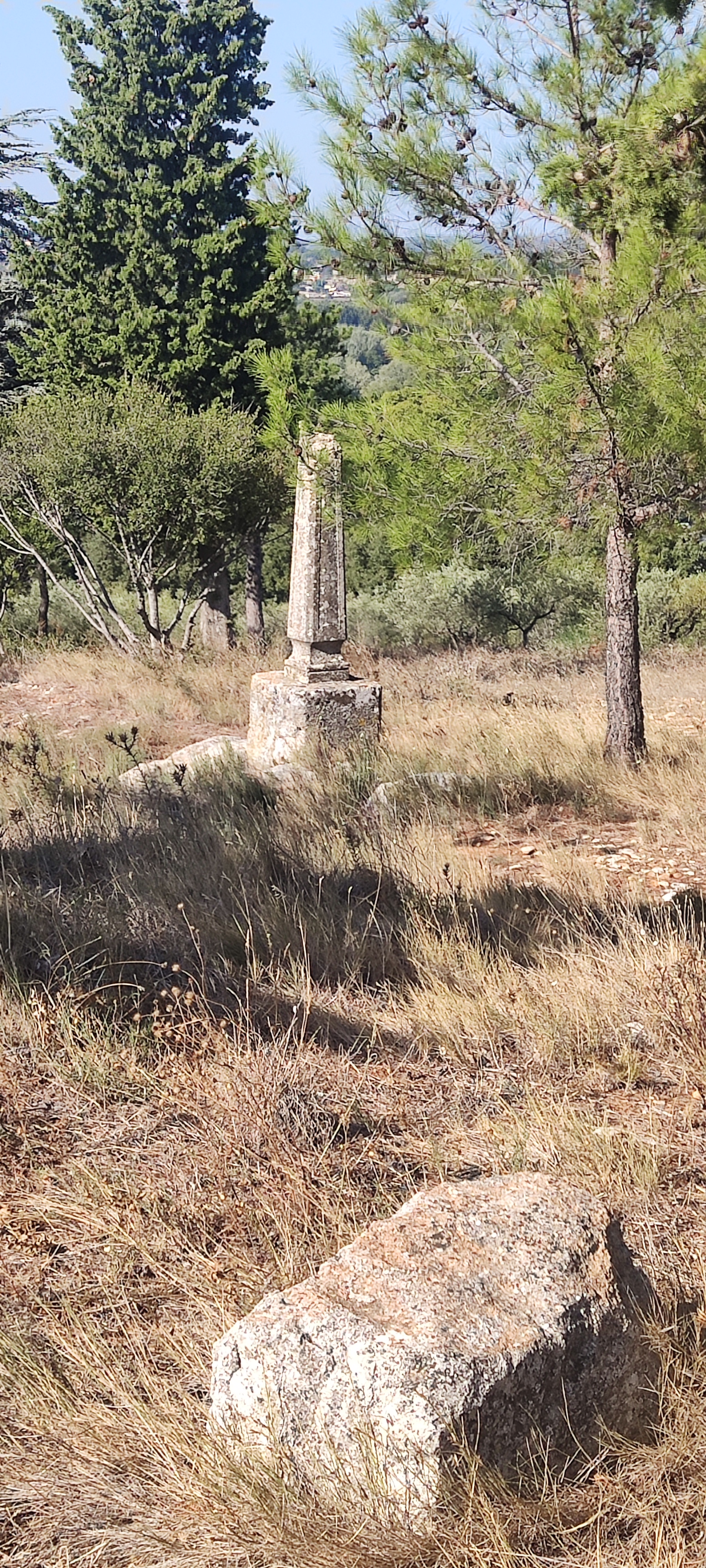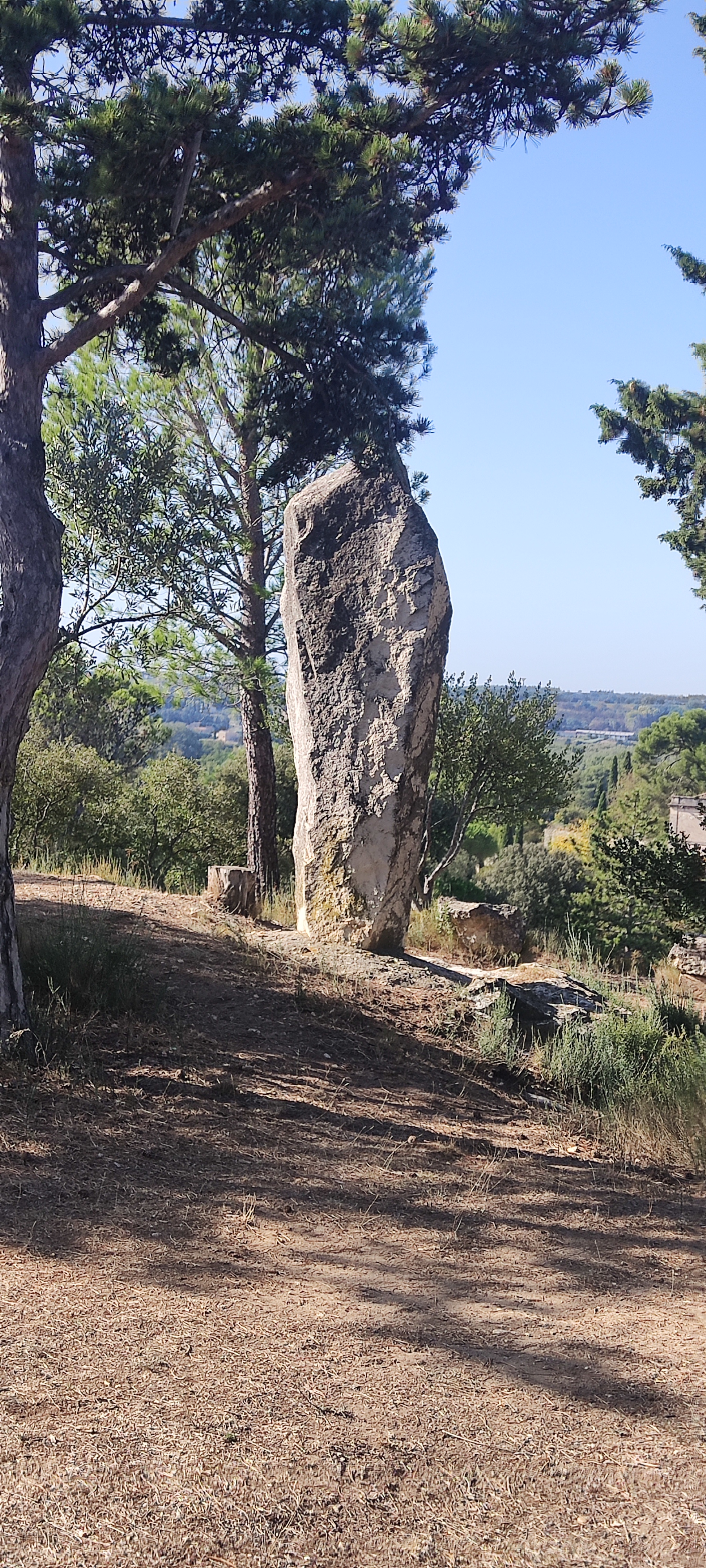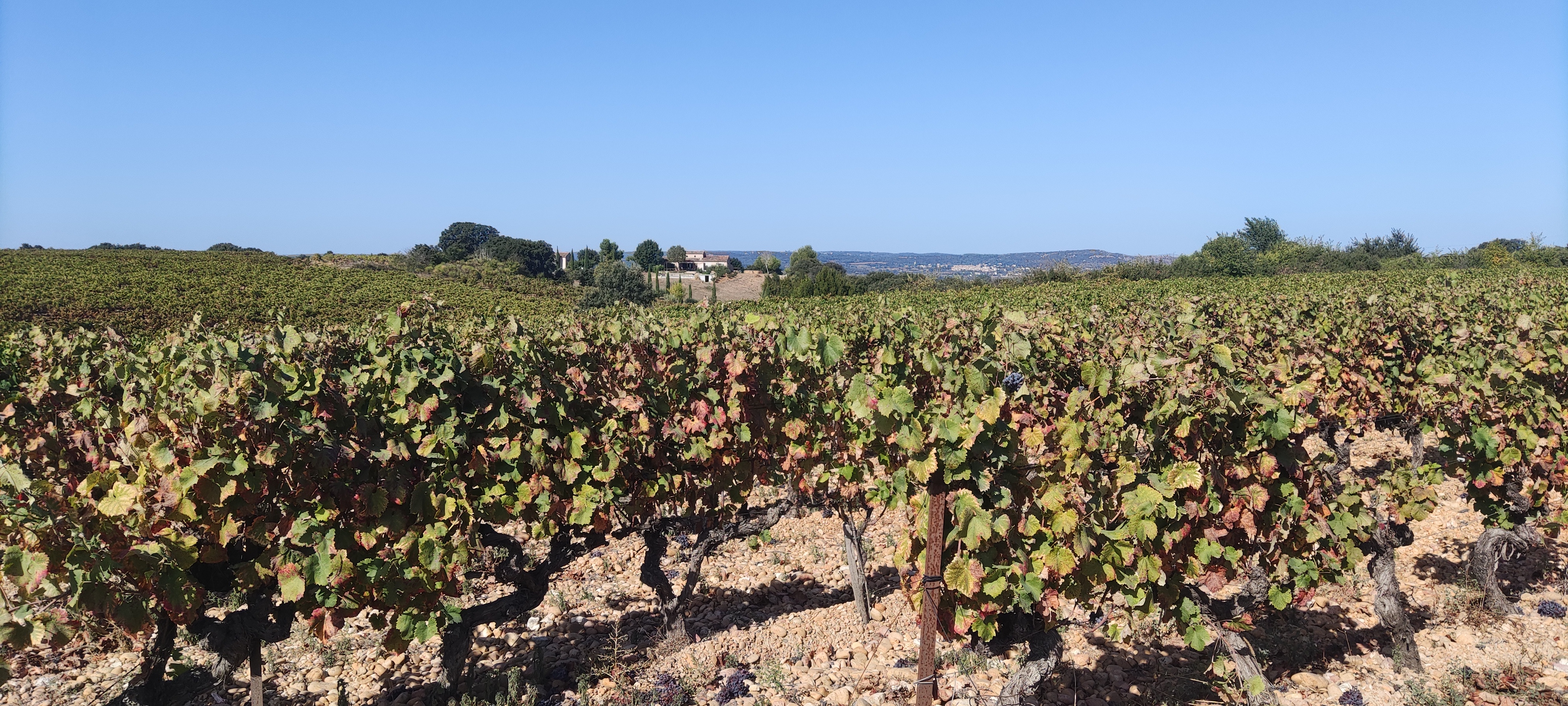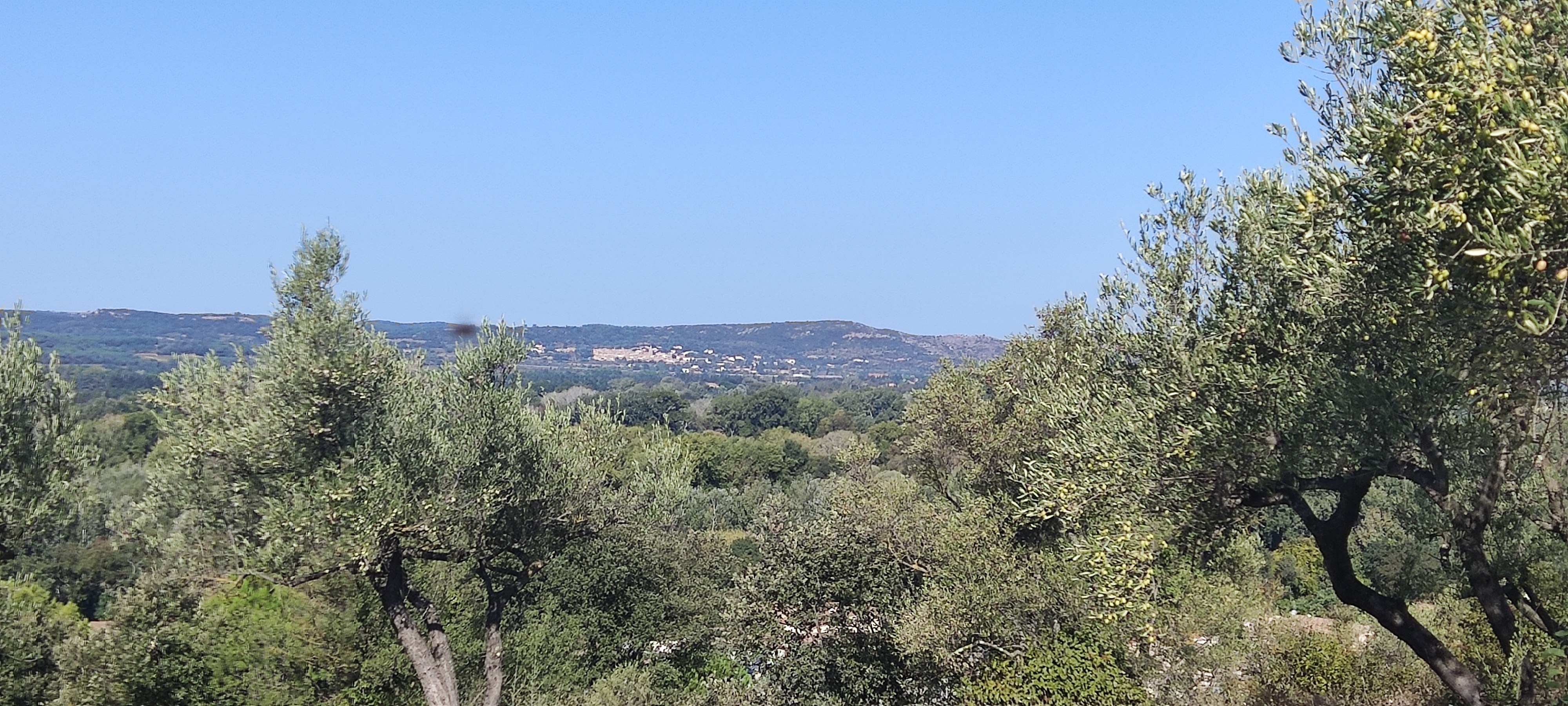
The last one!

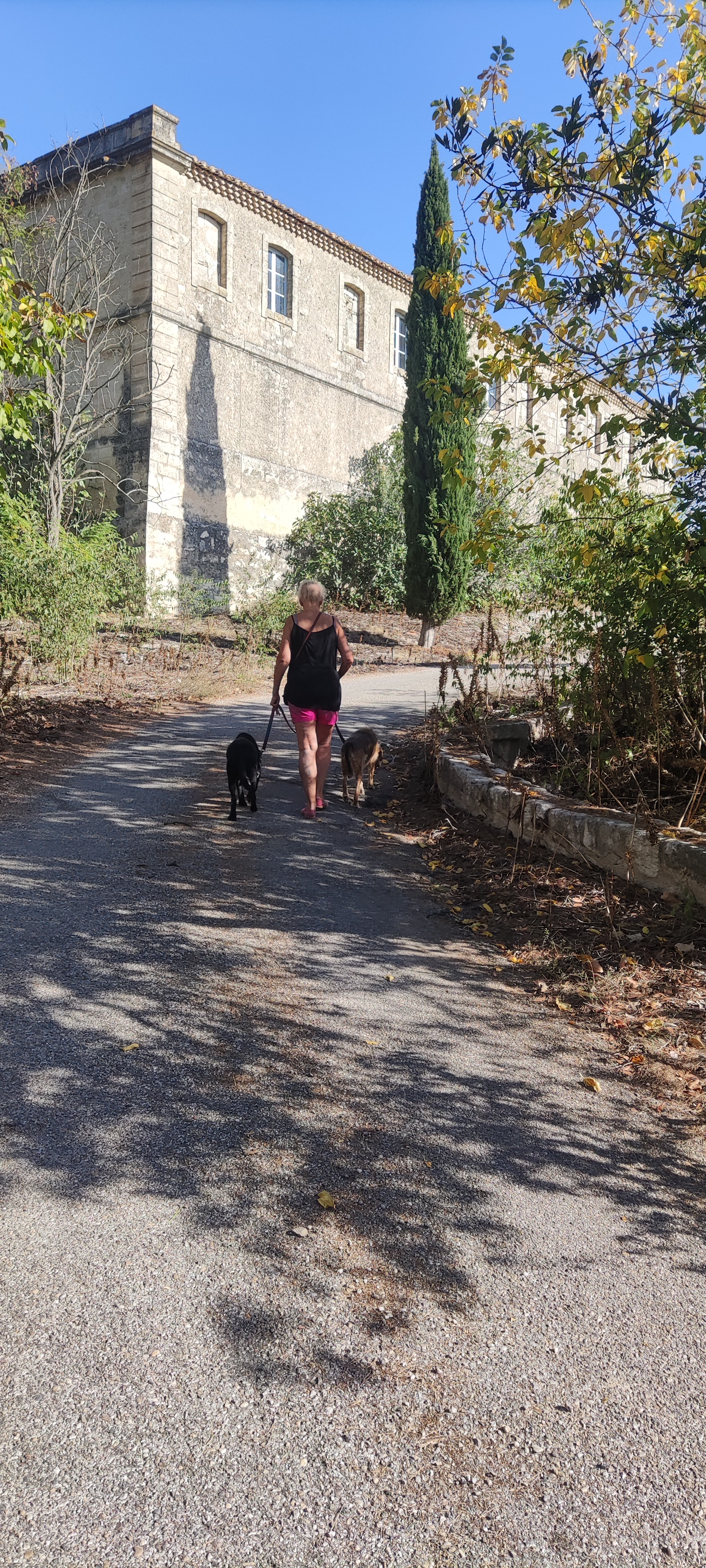
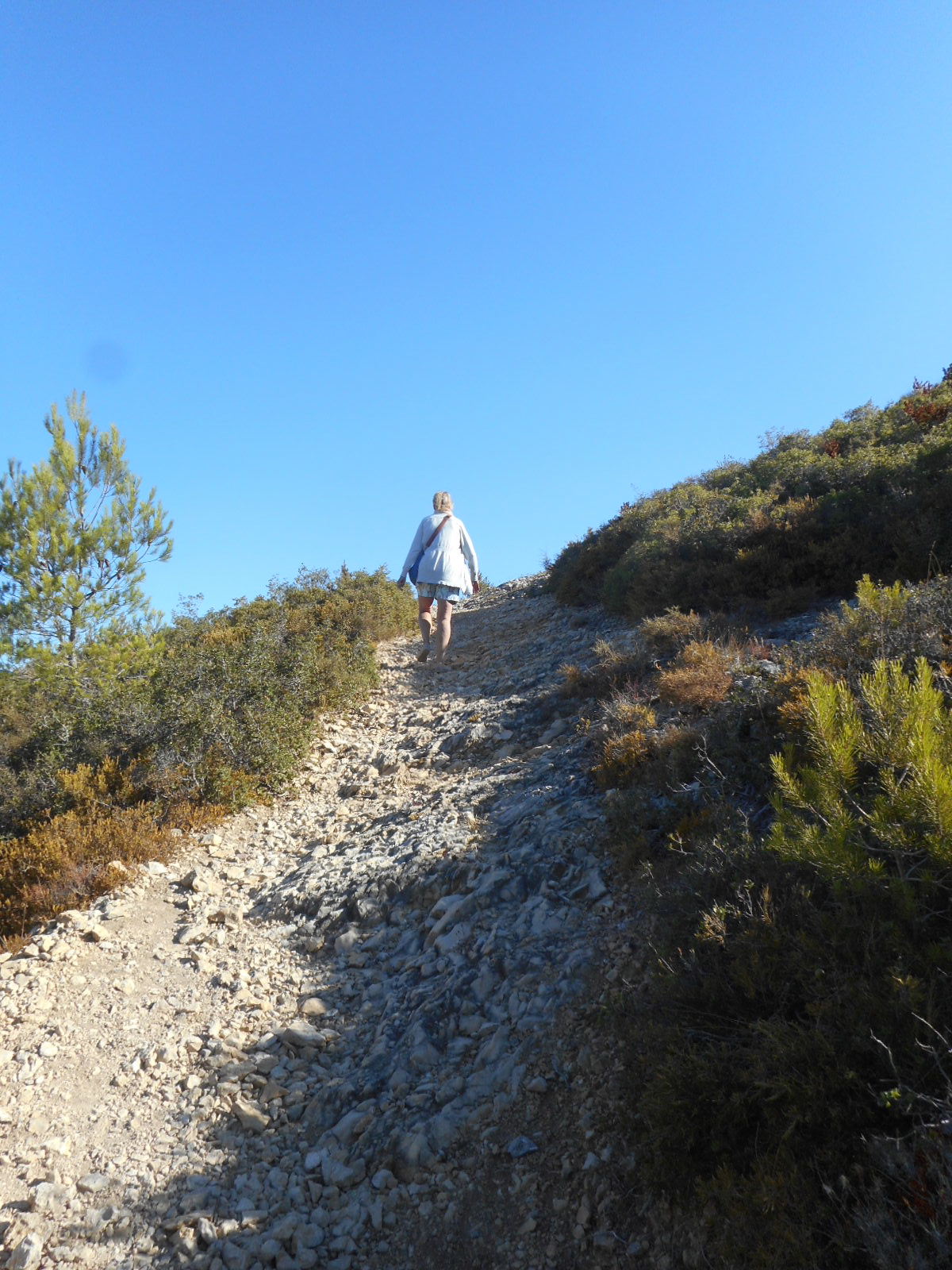
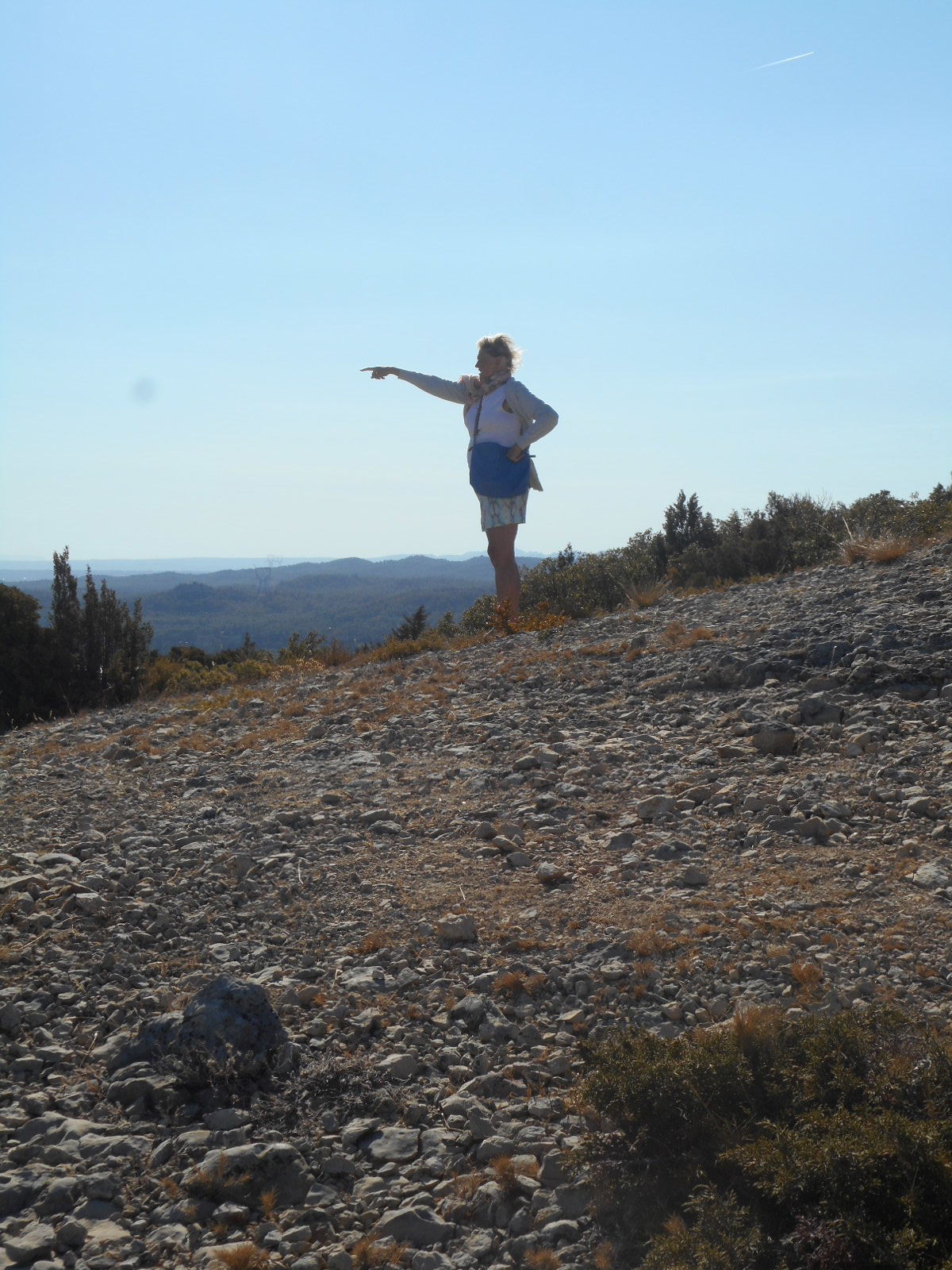
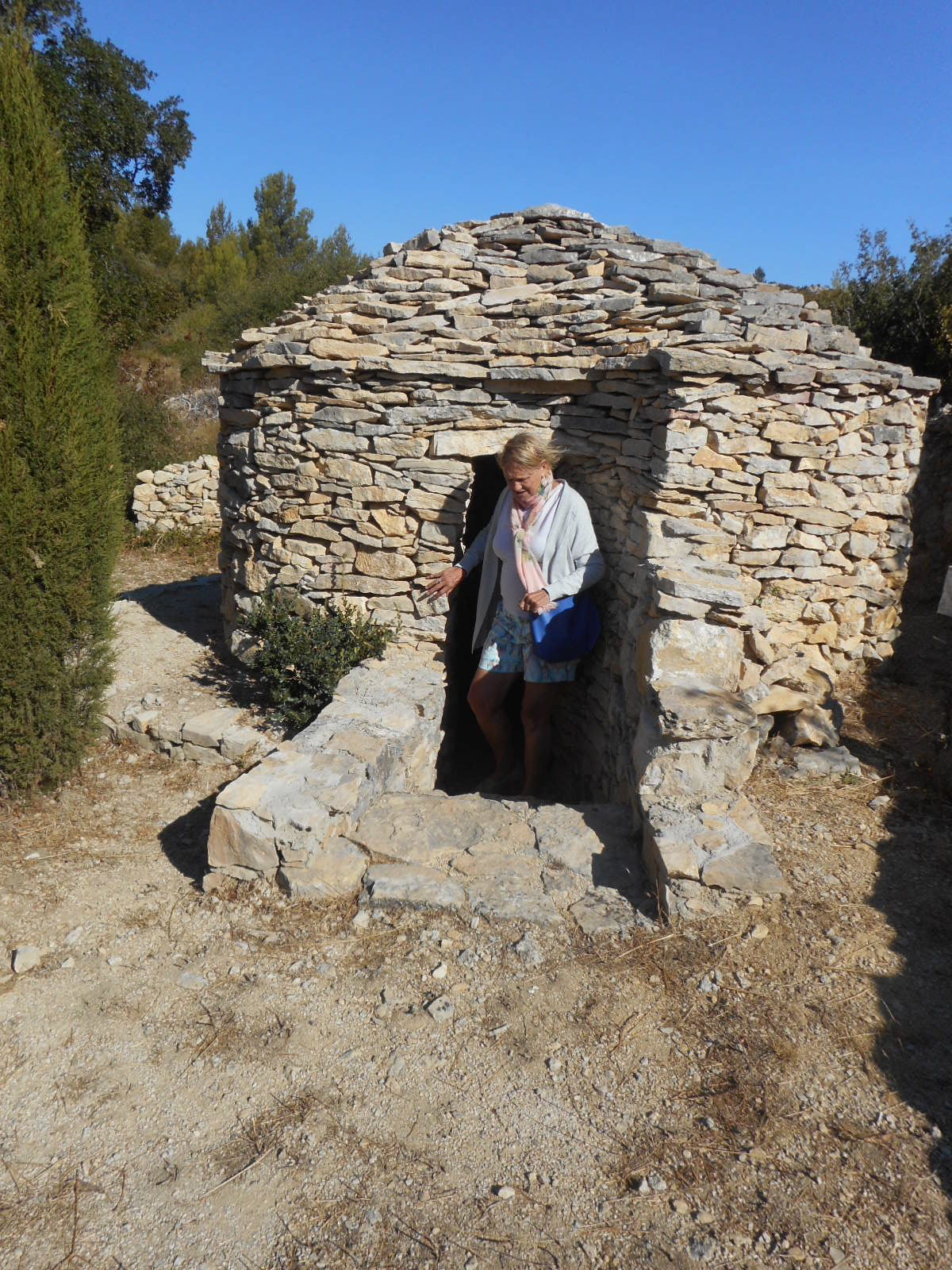
This is the lovely Anais. Fifteen years ago, when I first discovered Provence on my sabbatical year, Anais was my French teacher…and she was excellent at her job. Now, she’s my dear friend and a tourist guide around Les Apilles, which she’s also top notch at. A woman of the earth, Anais knows everything about flora, fauna and nature in general; being in her company is always super interesting and even a comfortabe walk, such as the one she took me on this morning, is an education in itself, although we must always speak French!

We parked opposite this field. It’s unusual to see cows in Provence, I remark. They’re bulls, she corrects me. It’s a farm that raises bulls for leisure (not so leisurely for the bulls), and for eating (even less enjoyable for those guys). I knew that…just testing.

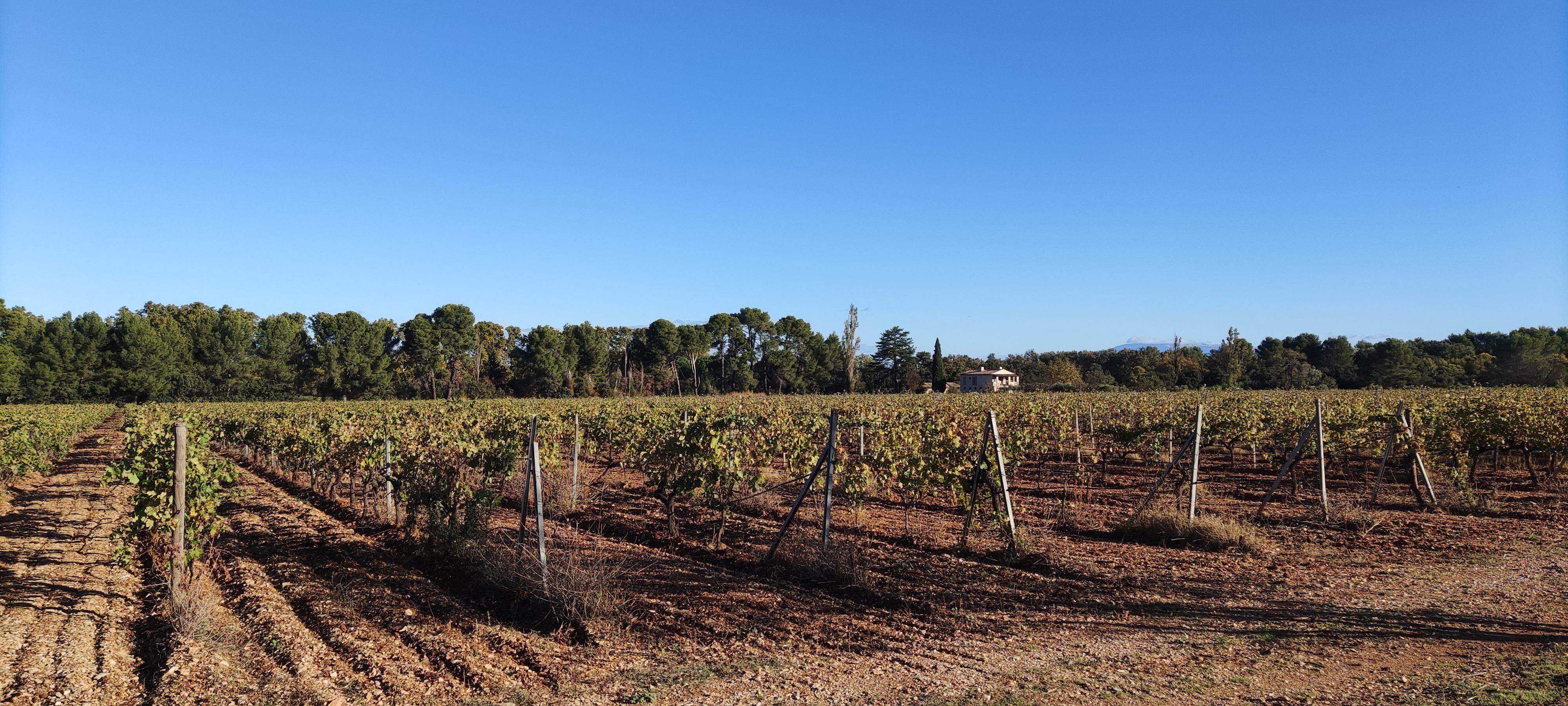
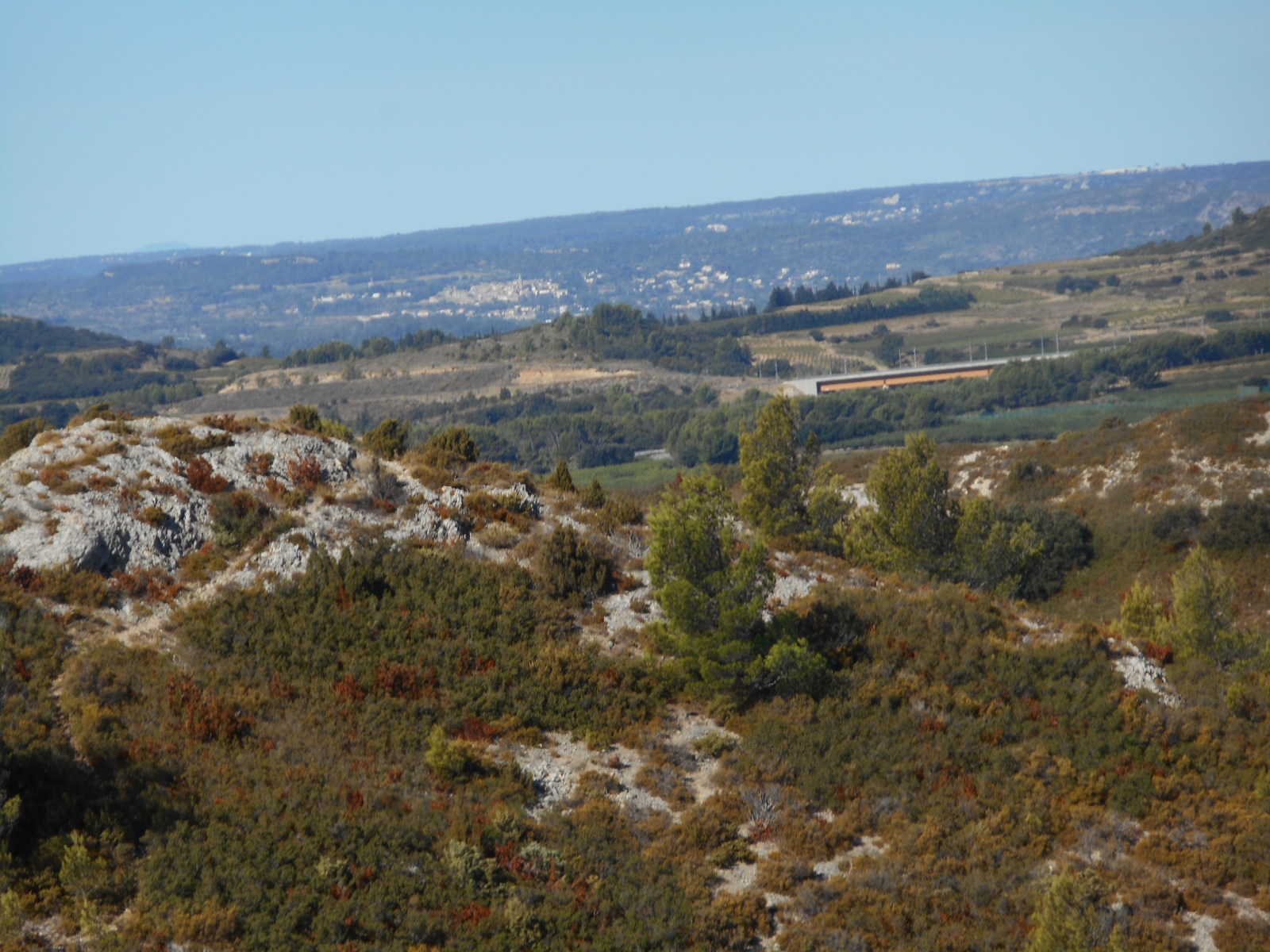
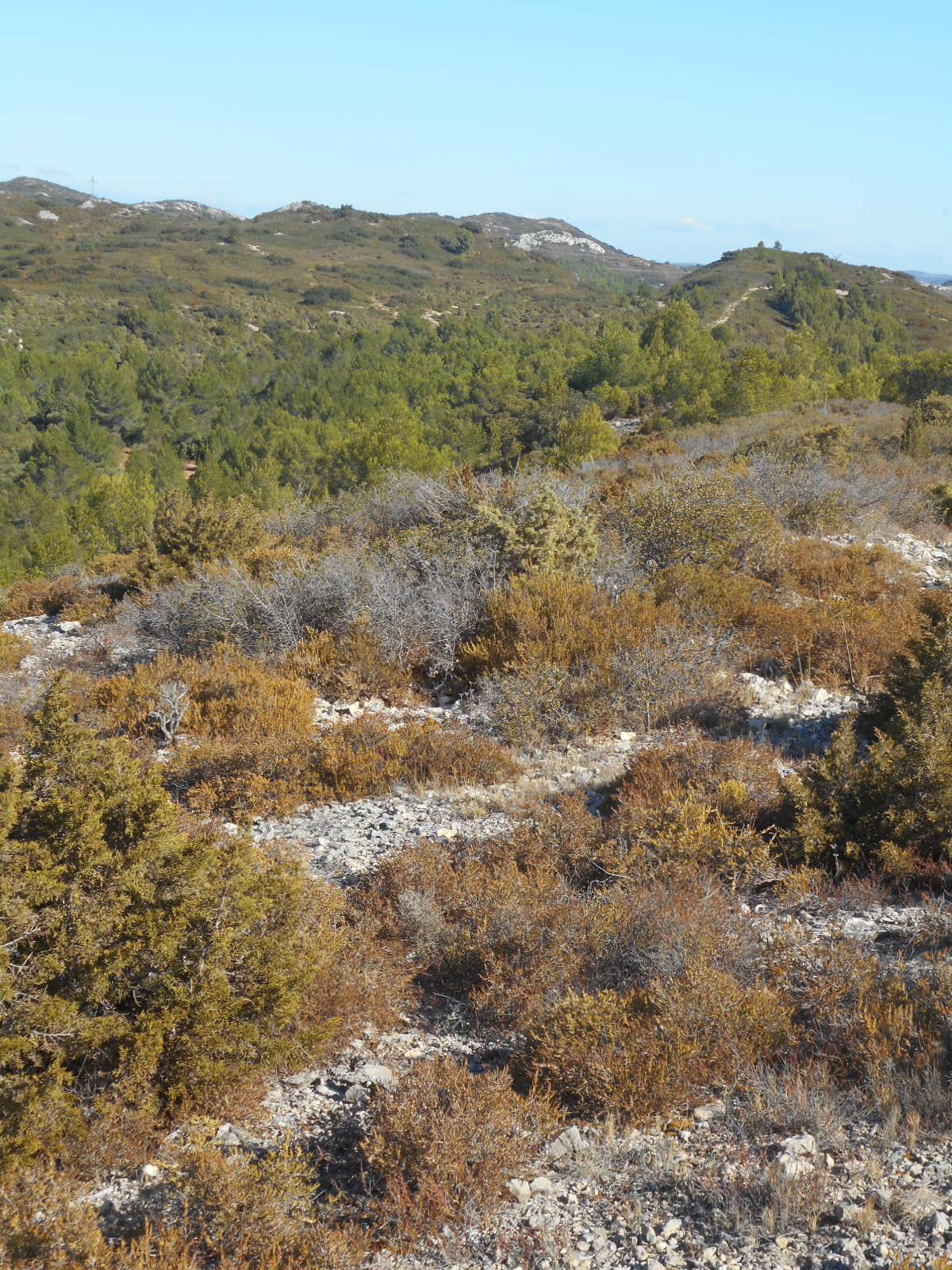
And we’re off, traipsing around vineyards that produce award-winning wine at the foot of the Alpilles. Beaucoup des brownie points for providing a view. I know you don’t like hill walking, she says, so I thought of a walk that woud be flat for you. She’s so kind: will you be ok in those shoes, she asks, inspecting my Clarkes sandals which allow an appealing view of the toes Madame painted the other day? It’s all I have, I tell her. I could mention that I also possess a pair of flip flops, but who knows what that translates as so I keep this information to myself. Anais tells me about the wine and I tell her that, when I’m here, I only buy wine that’s been awarded a medal by some committee or other, and has been bottled by the proprietor of some joint or other. The former condition is pure snobbery on my part; the latter is something I learned some years ago – if it’s not made where the grape is grown, then it’s a mixture.

This is the Northern Canal of the Alpilles. It’s not overly attractive and there’s some tricky footwork to be undertaken in navigation, but it’s nice to see water. Apparently, it’s covered in dragonflies in the spring and the locals used to swim in the water when the summer heat became overbearing. I’m appalled at this news, feeling it doesn’t look too inviting. The practice went on for years until a dreadful accident occurred whereby a small child was sucked into one of the underwater absorbers. No-one swims there now.

This may look like nothing much to you, but the churned up ground shows where wild boar have been roaming. Anais says there are two creatures around here which frighten her: boars and hornets. I recount a story whereby, many years ago, Beverley and I had taken her dog, Hugo, for a walk around the glider aerodrome which is close to hand, and had been chased by a swarm of hornets. Glider is a new word for Anais and she duly locks it away in her brain for another day. Are there wolves here, I ask? Bien sur, my guide replies. And eagles; sometimes, it’s possible to see the eagles flying alongside the gliders. Be fair, this is another world n’est-ce pas?

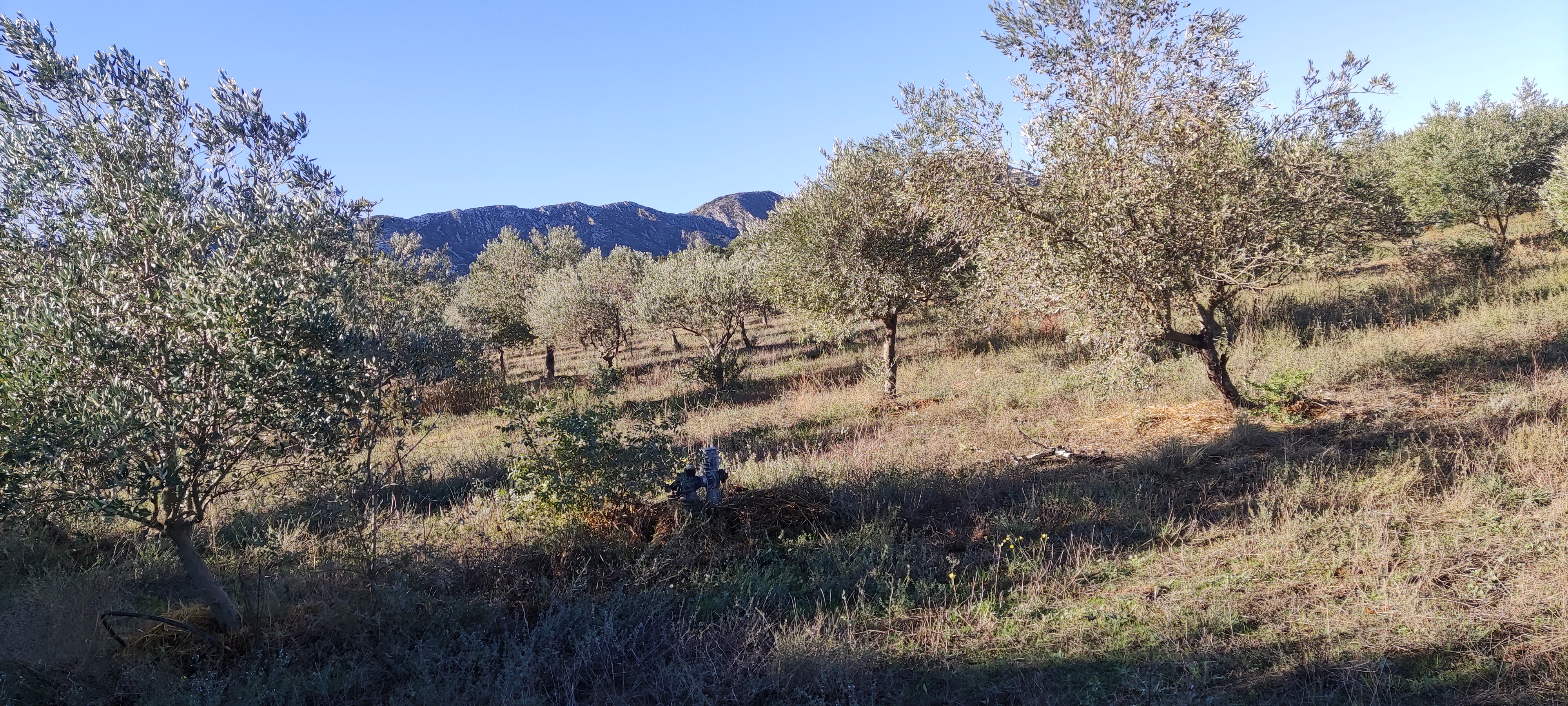
Now, we’re wandering through ancient olives, always with the little mountains in the background. In another weasel, I wrote about Jean Moulin who parachuted into the Alpilles here in order to try to contain the various and disparate groups of men and women fighting in the Resistance during WW2; and who was tortured and murdered for his troubles. Today, whilst turmoil continues in the wider world, it’s hard to reconcile those times with the peacefulness here, broken ony by the noise of a solitary tractor trimming the overgrowth on the side of the canal.

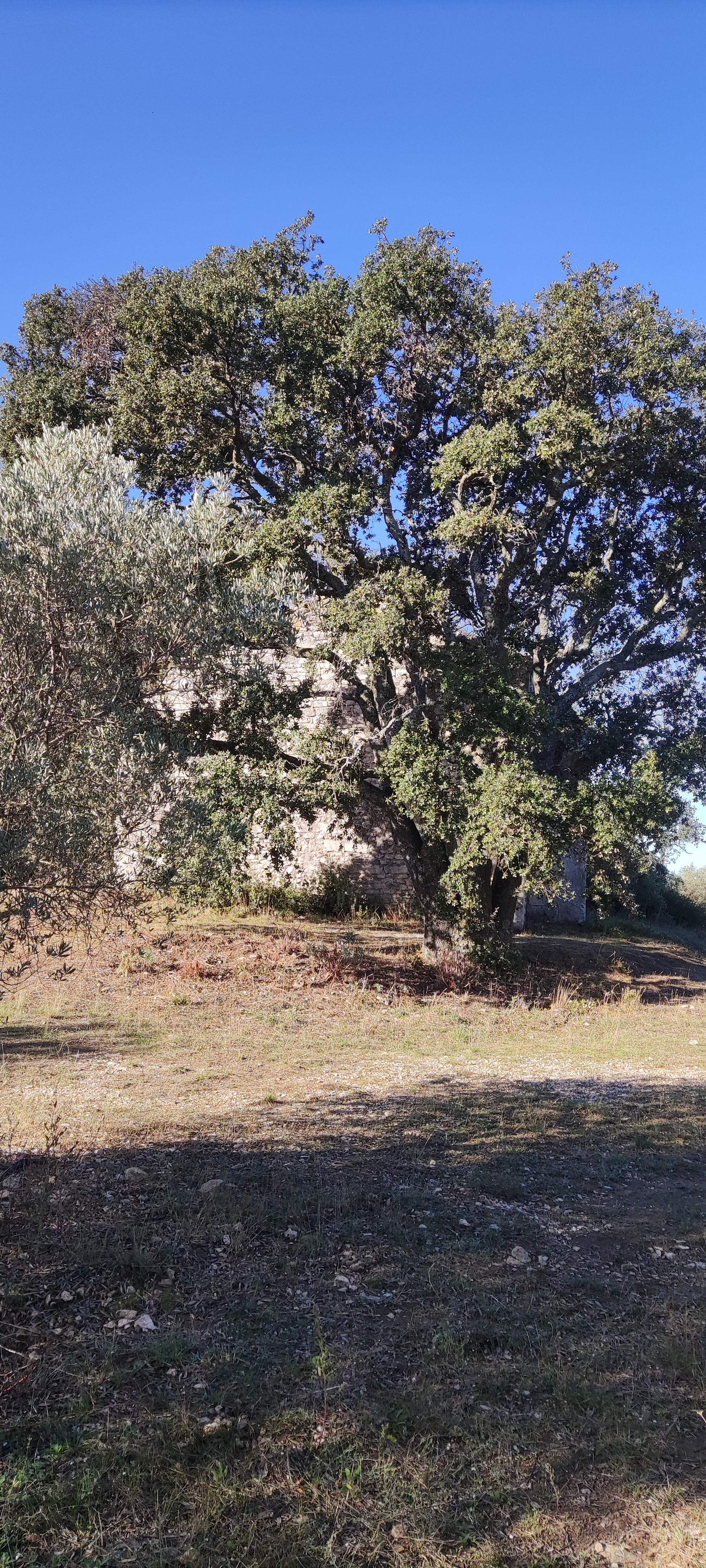
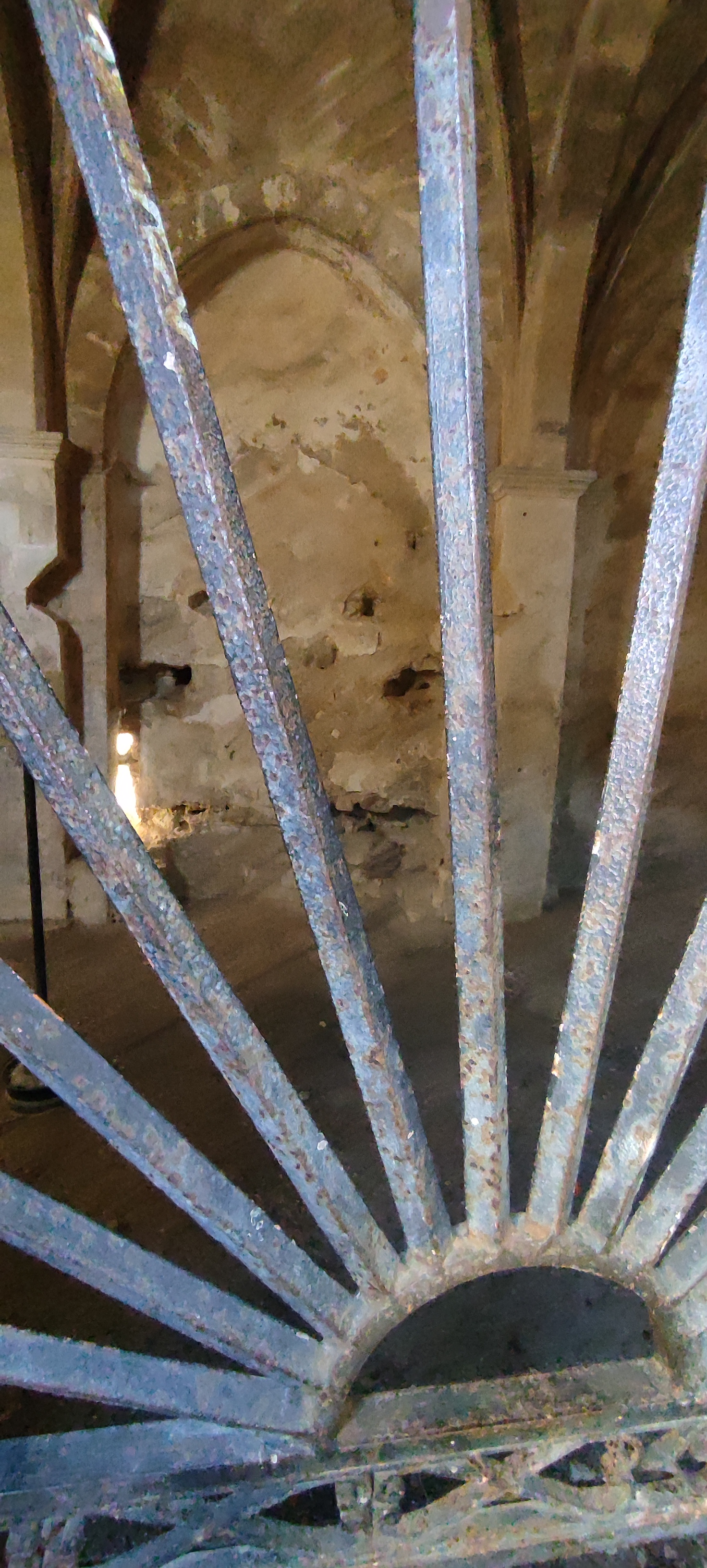
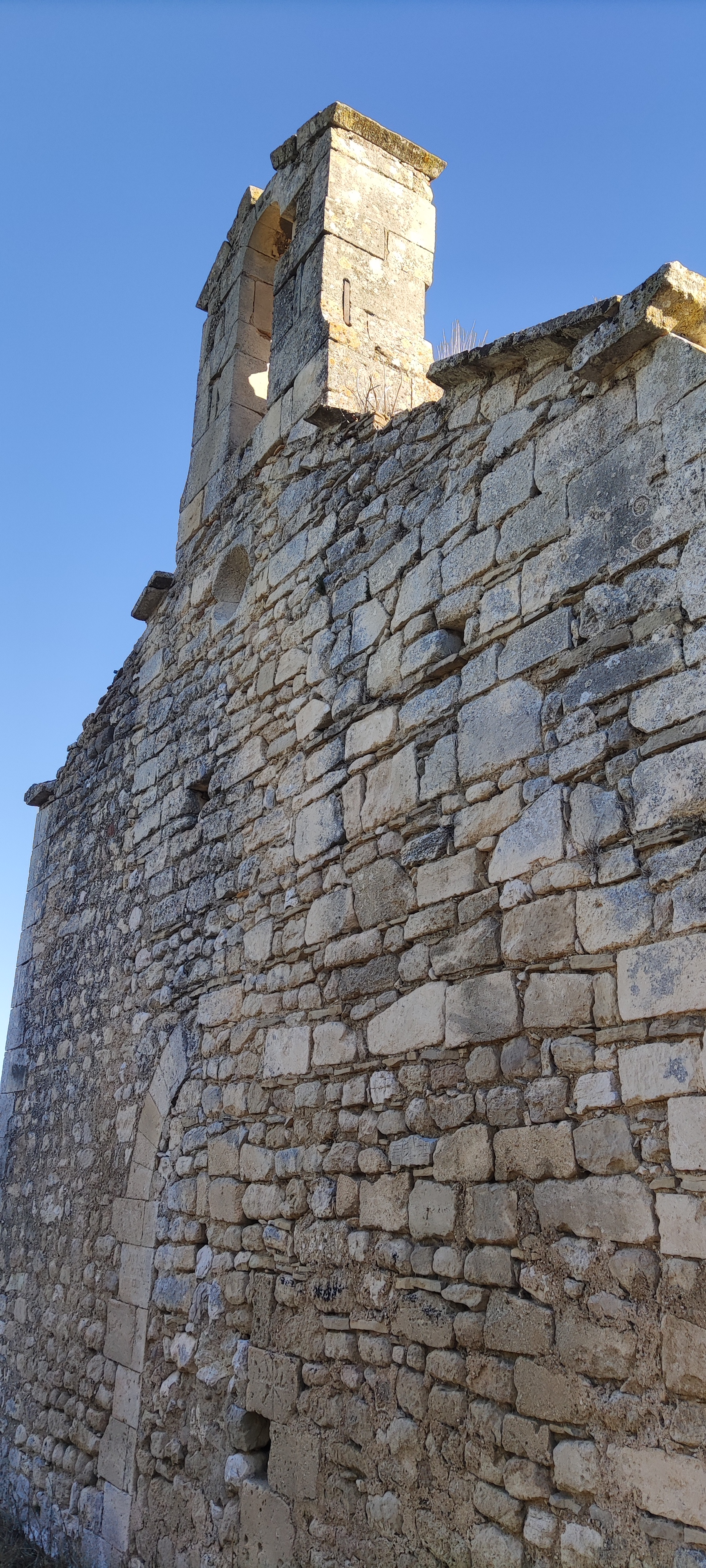
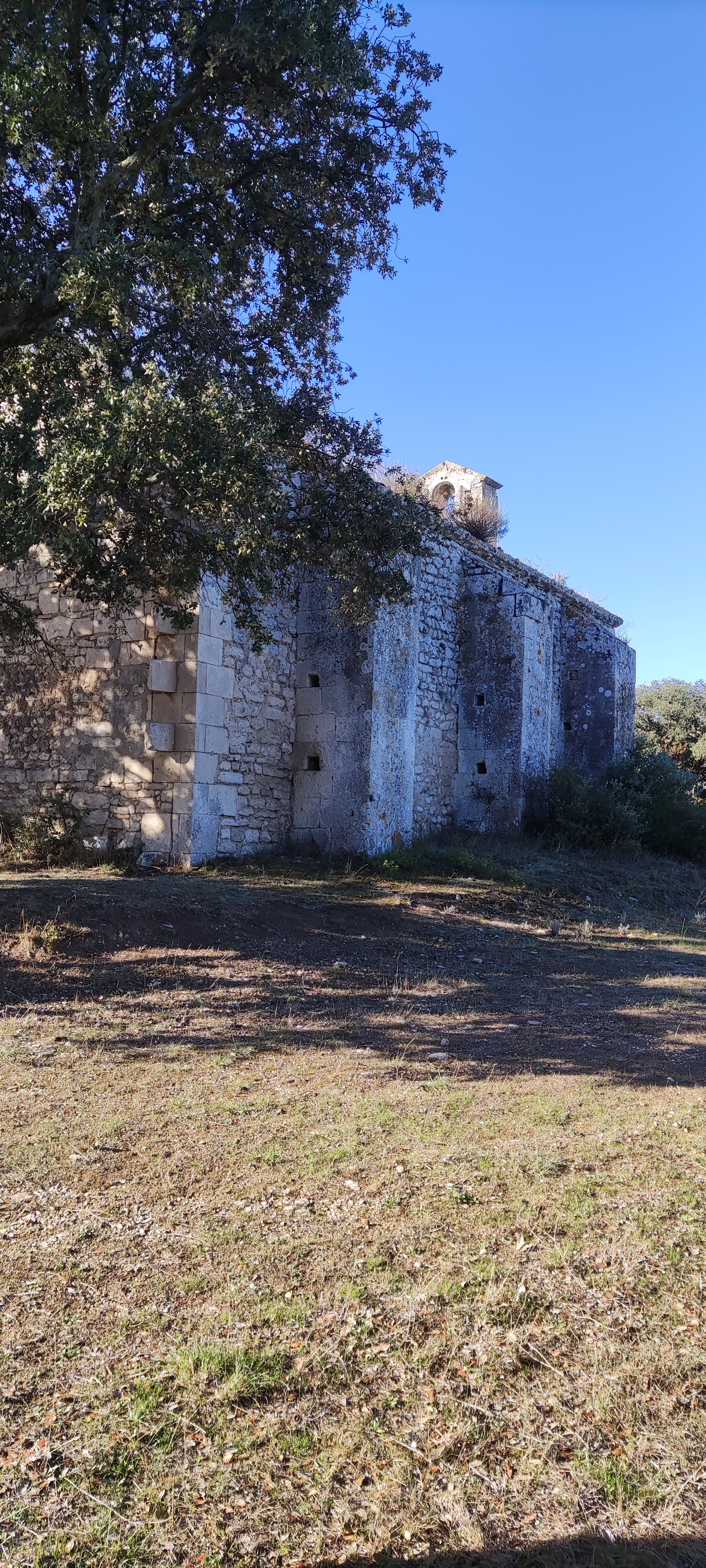
Eventually, we arrive at the Chapel of Romanin which, despite being rather large, is completely hidden from roads, tracks and paths; we’ve had to take an unmarked path across the olive groves to reach our destination. The base was built in the twelfth century and the rest of it has been added to and dismantled over the years. We can’t gain entry but, brushing the foliage aside, it’s possible to see the interior which, in the French tradition, is covered in graffiti. Why do they always do that I ask? Anais has no answer but explains that this is why all the beautiful chapels are rarely open to the public. It makes me sad.

But llittle else about this walk has disheartened me. It’s the end of October and way back we discarded our coats in the warmth of the sunshine. Yet again, my French has improved, almost by chance, and I consider myself so lucky to have a friend who gives everything for the enjoyment of others.

Just before I go …

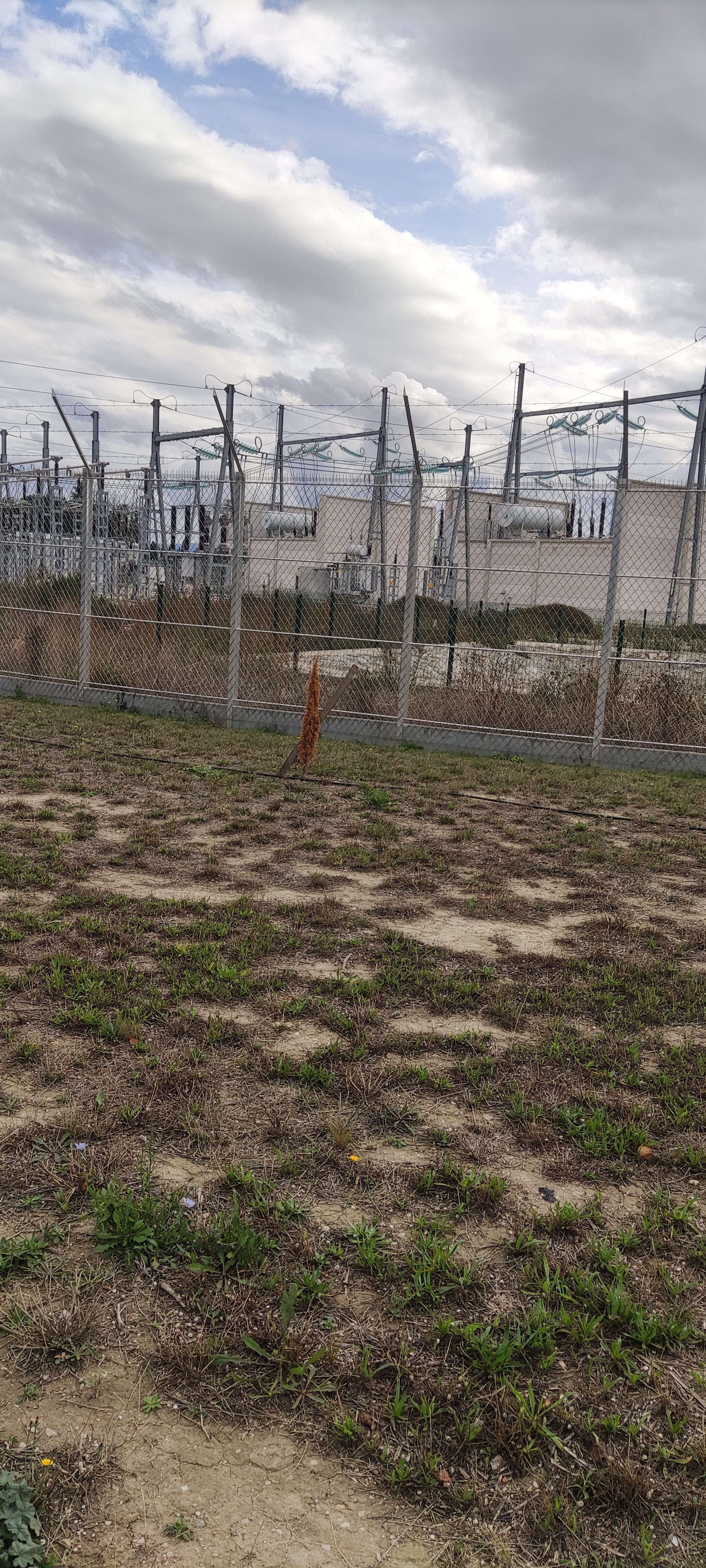
I’m almost at the end of another fabulous stay in Provence so, on this, my penultimate full day, I decided to finally visit a place which I’ve been driving past for the last five weeks, but had never yet seen. It’s an electricity sub-station. Looks nice doesn’t it? When on the road to Arles, on passing this place which is just outside the village of Graveson, you can see one of those small brown signs which denote a place of interest, usually historic. The one I’m thinking of says ‘archaeological site’, though obviously in French: ‘site archeologique’ – so not too tricky.

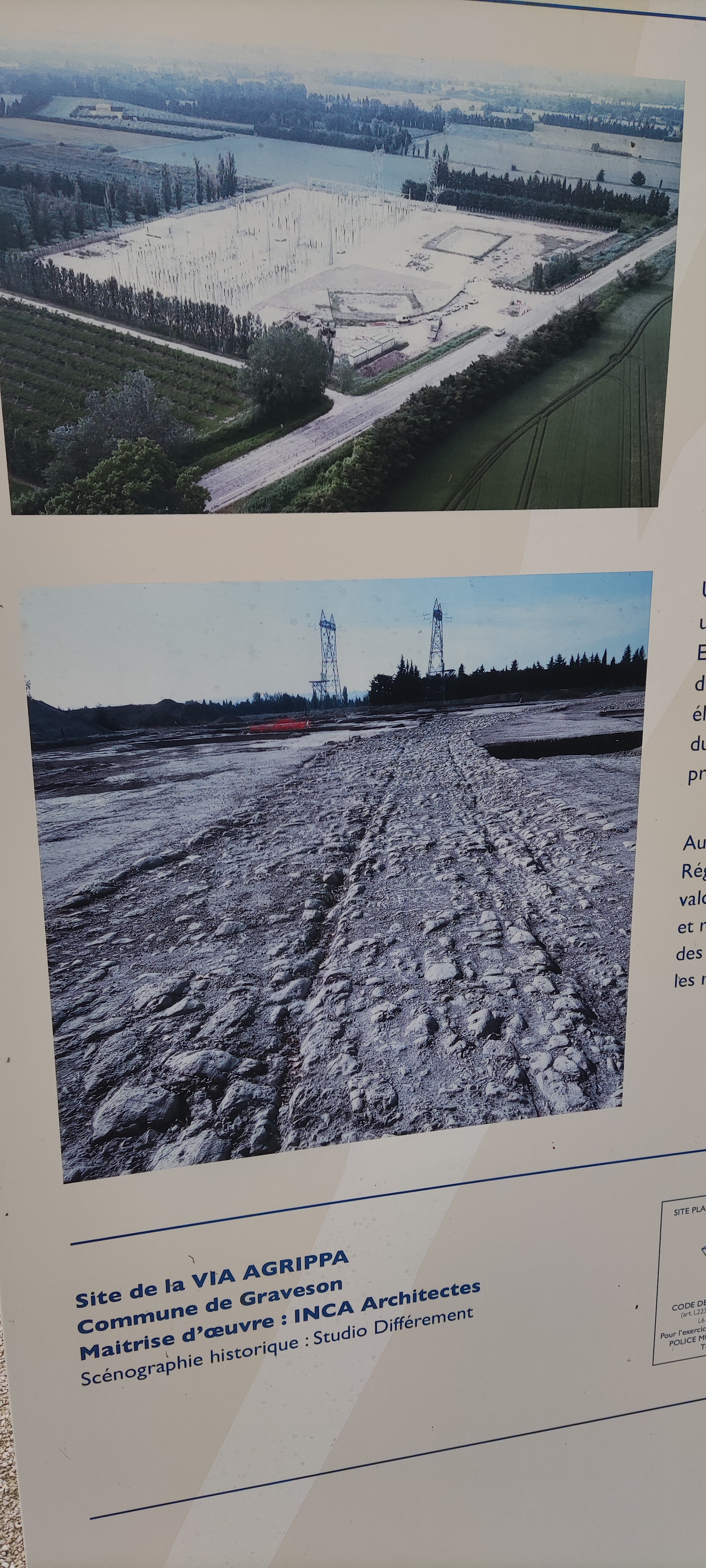
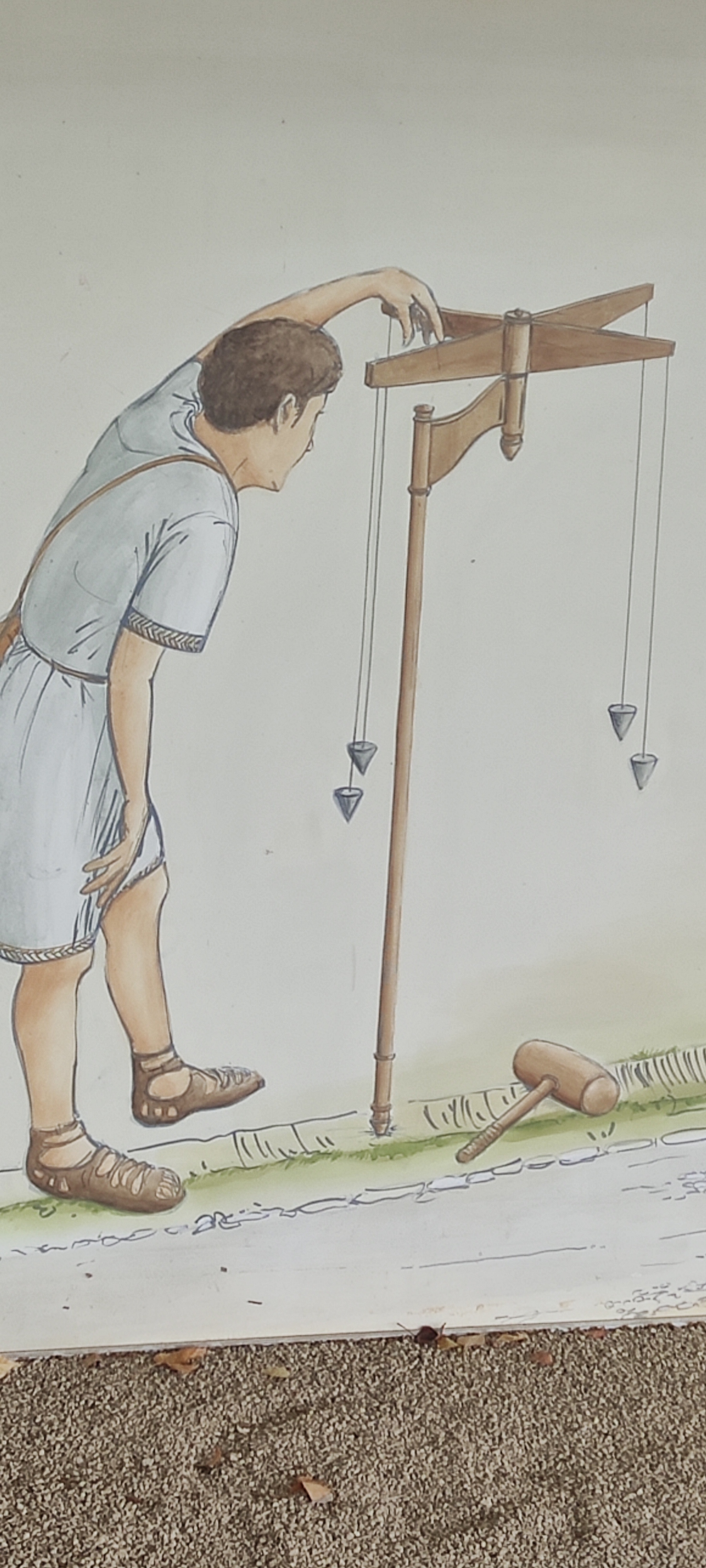
The top picture denotes the construction in 2015 BCE (Before Covid Era), and the bottom shows a road, the commencement of which was believed to have been in 16 BCE (Before Common Era); ‘common’ having replaced ‘Christian’ when political correctness was invented in the DOAE (Don’t Offend Anybody Era). Whatever, I just love the juxtaposition of the two. And here’s the story:

Back in the day, RTE (Network of Transport and Electricity) decided to build two new underground electricity lines but, at some point, they discovered that their chosen venue sat on a stretch of a rather ancient looking road. A team of twenty archaeologists was called in and they determined that this was an unknown part of La Via Agrippa – do you really need the translation?

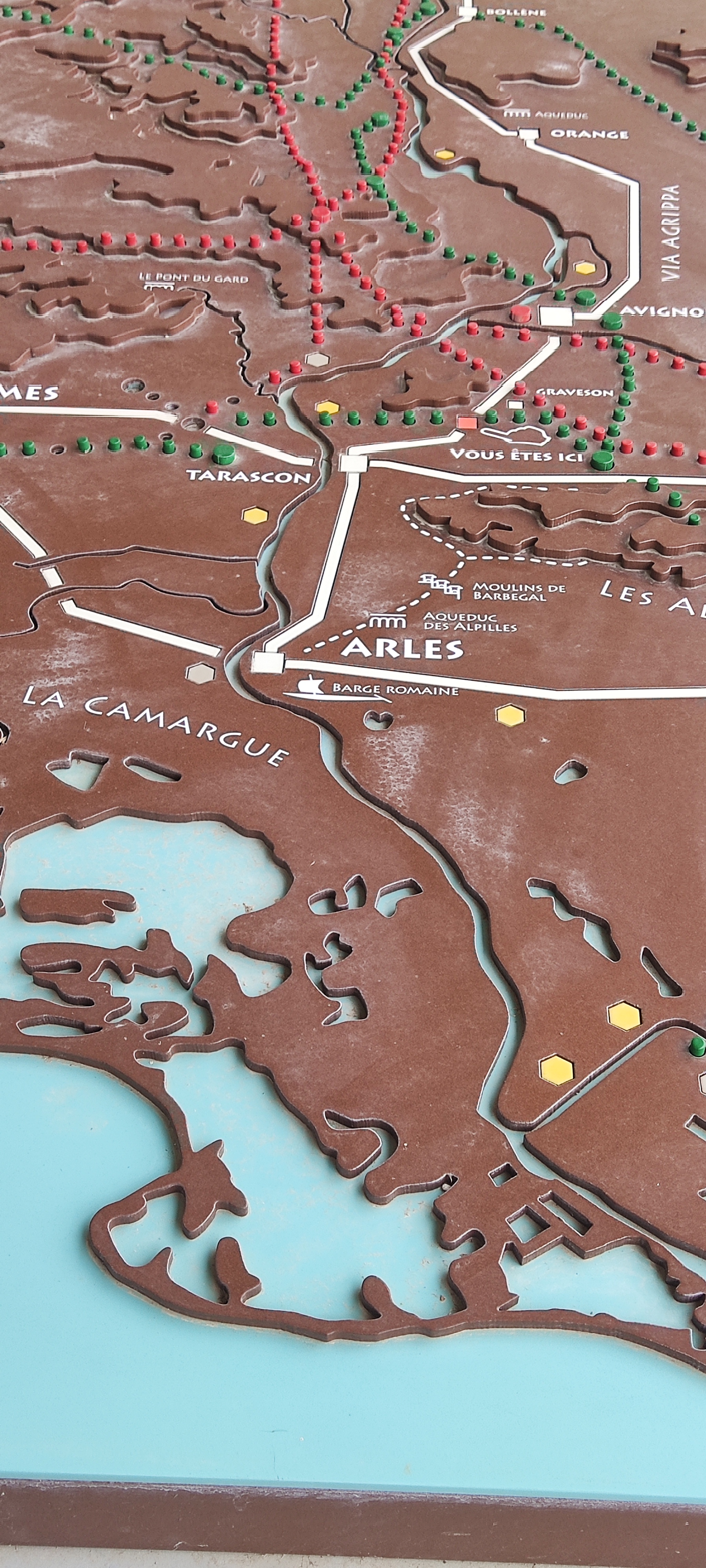
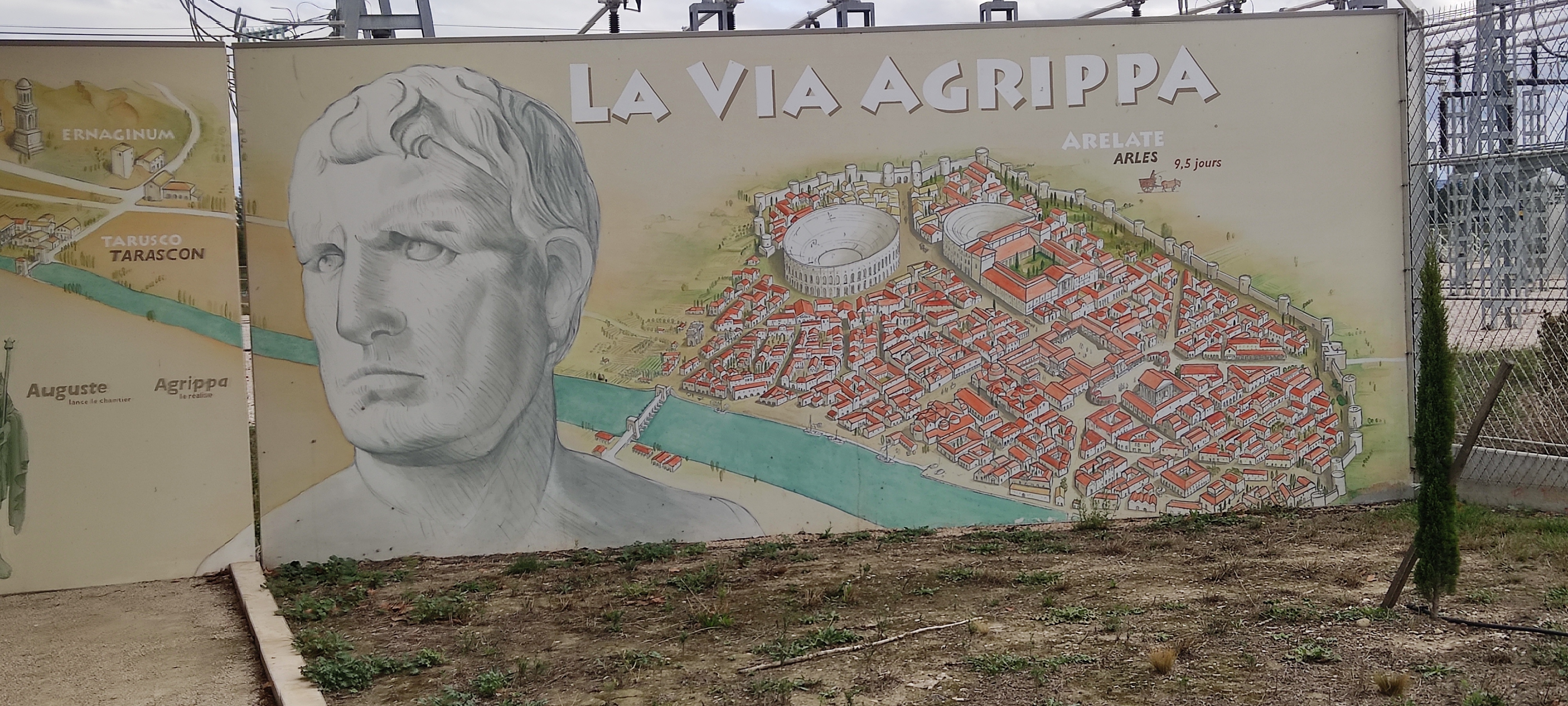
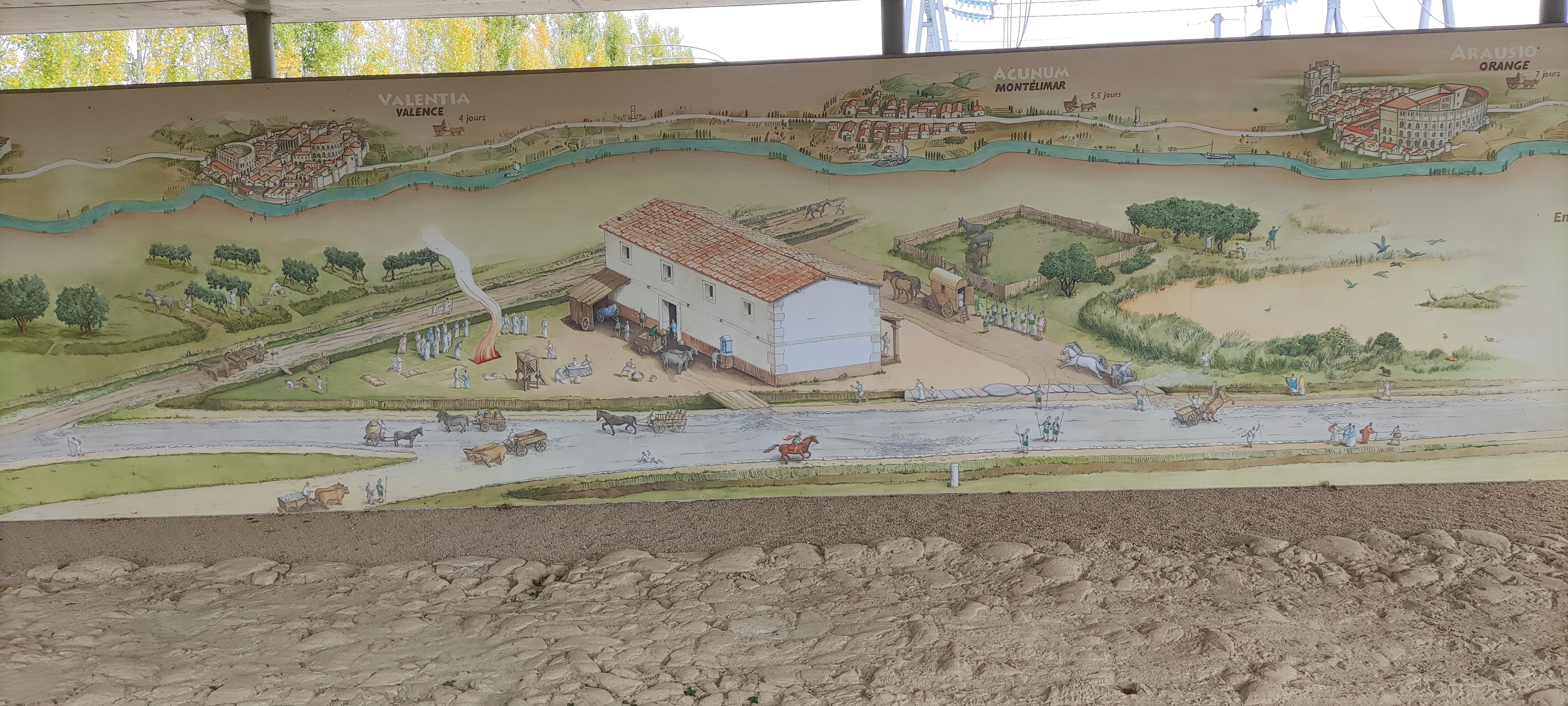
La Via Agrippa comprised around 13,000 miles of roads built by Marcus Vipsavius Agrippa, throughout what we call France today, to help subjugate those tricky Gauls. The strategic hub was Lugdunum (Lyons) from whence the routes emanated in four directions. Our particular road was the one which took the Romans down to Arles where they could take their boats from the mouth of the River Rhone into the wide open sea. Graveson would have been a relay station where horses could be exchanged and people could refresh themselves.

Sometimes, the French do history well; other times not so. I once stayed with a family whose next door neighbours were putting in a swimming pool. On discovering their garden was covering a Roman site, they instructed the builders to destroy all those old stones and crack on. How we laughed when they recounted the story under the shade of an old fig tree. Another time, I heard of a fellow over near Les Baux whose soon-to-be landscaped garden unearthed some large stones which, to the workers, were an irritation. Shall we continue, they asked? The owner decided to call in a specialist whence the stones were determined to be the missing part of a Roman aqueduct for which folk had been searching for years.

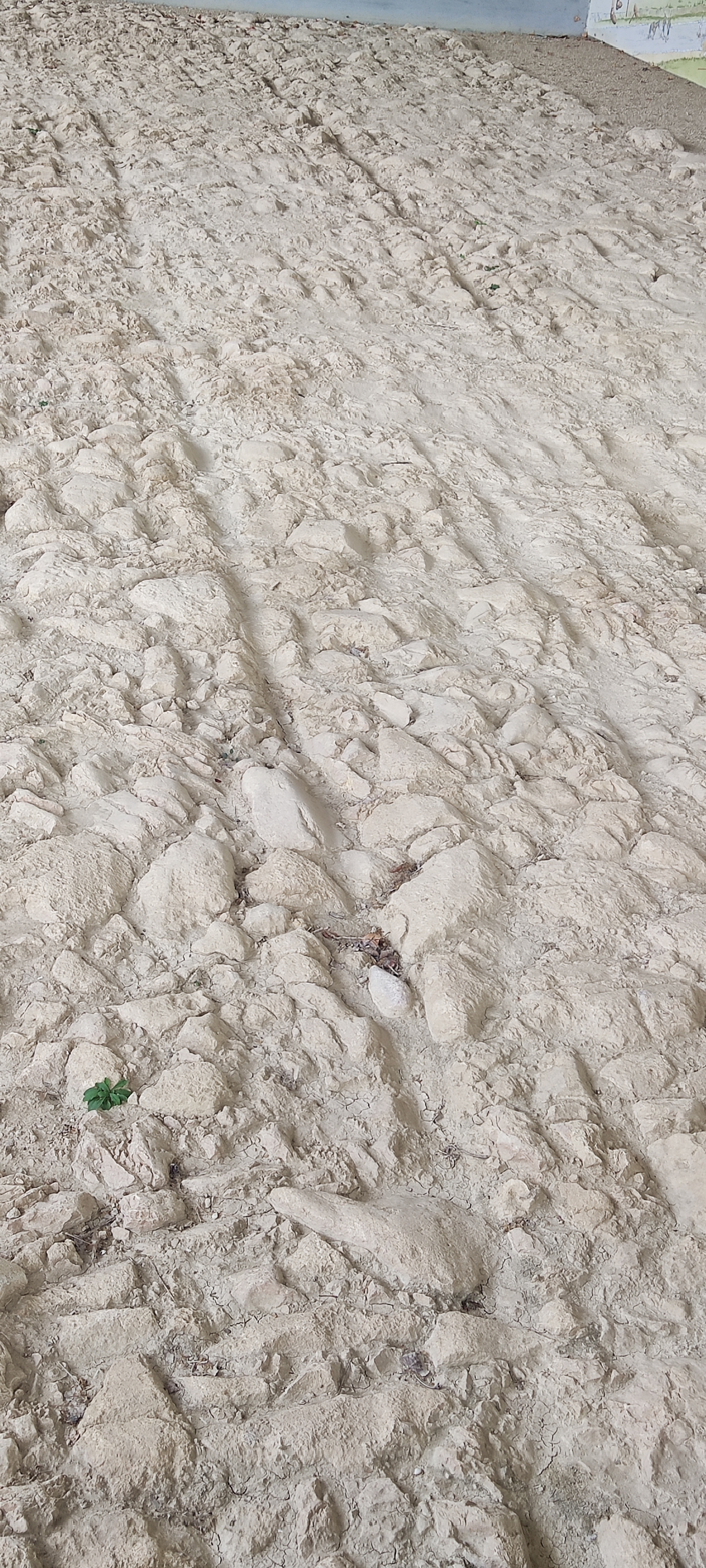
Not so RTE. They halted construction, then modified their plans by moving the sub-station along a bit in order that the small part of La Via Agrippa which had been uncovered could be preserved and made accessible to the public. And it is only a small portion but RTE have made a really interesting and child friendly ‘event’ from this. At the end of the day, you could say that it’s just a placard, but it’s been done very well and I learned a lot. Berets off to those guys.

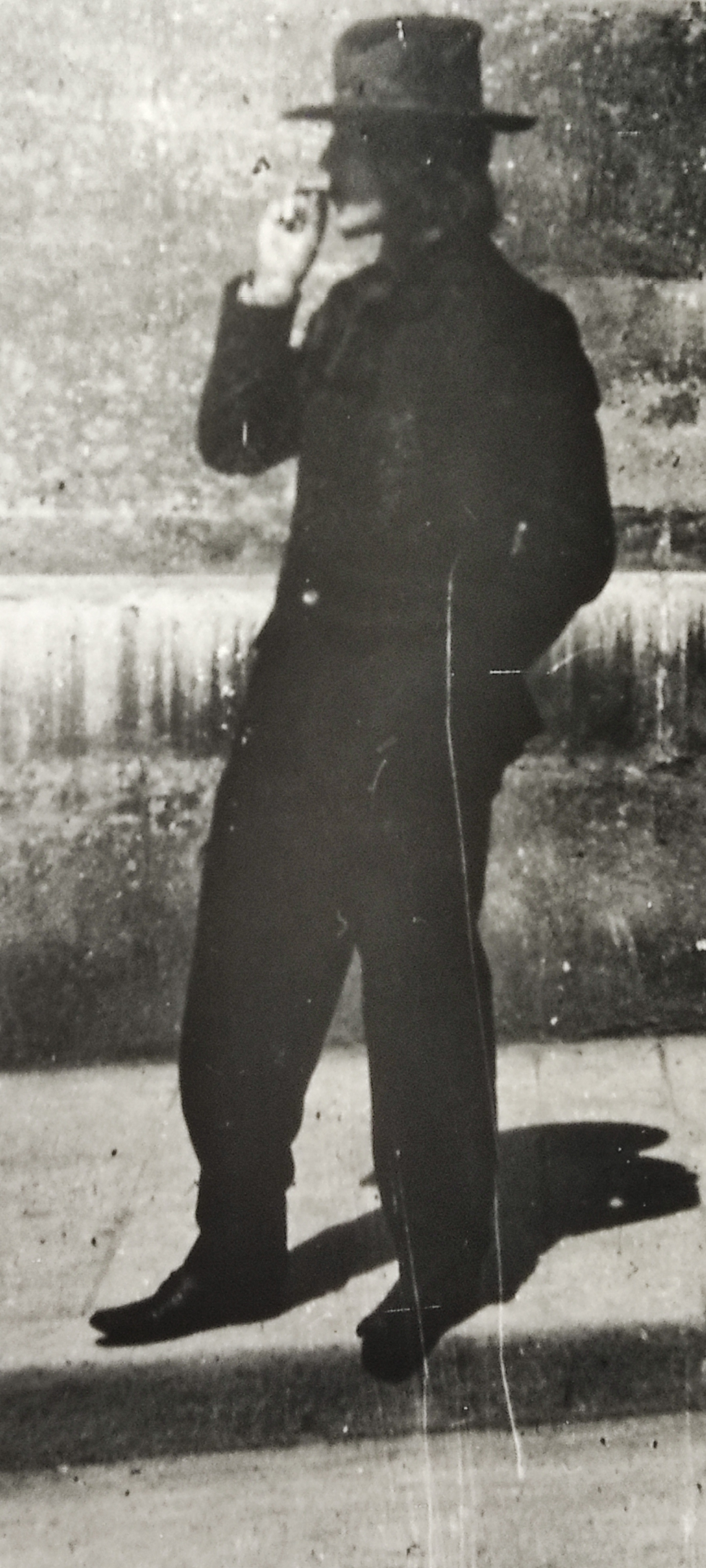
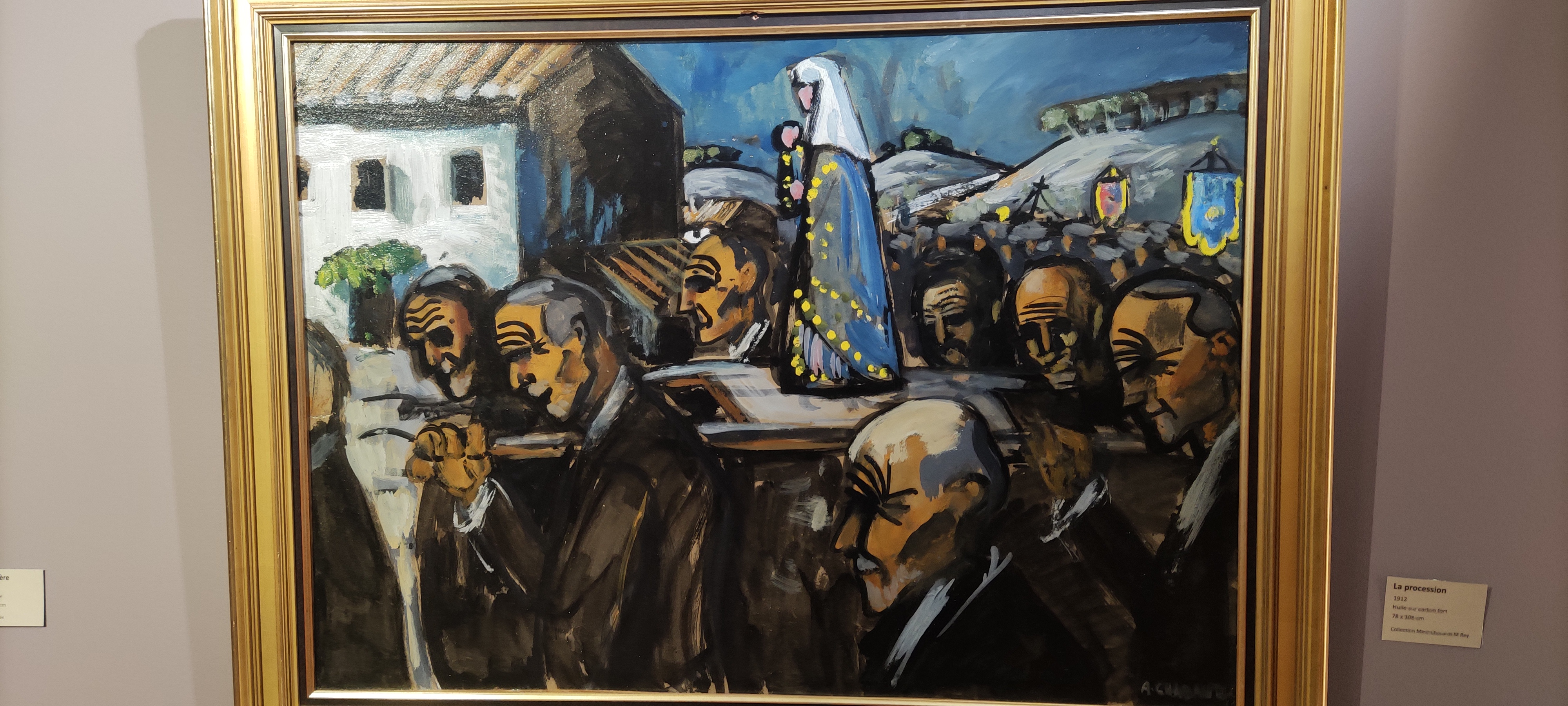
Auguste Chabaud 1882-1955

A bit of culture for weasel readers tonight. And even though this rare photo is grainy, you can see our man looks pretty cool.

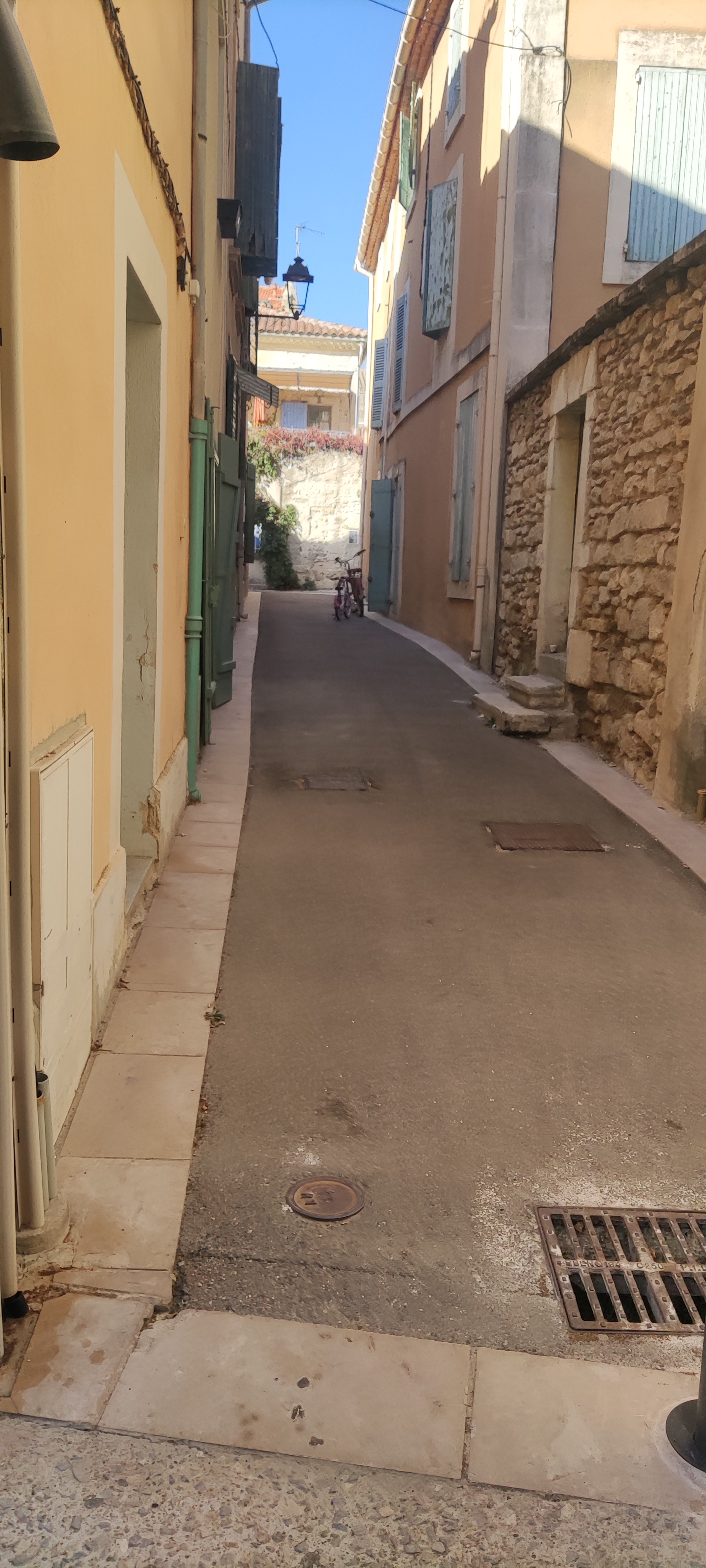
This is the village of Graveson…just down the road from where I’m staying, so I’ve visited many times before, but never to the Chabaud Museum. Who knows why? Maybe it was closed; perhaps I was waylaid in one of the many bars? Maybe I couldn’t be bothered, knowing little about this artist. I had the pool almost to myself this afternoon, only the cleaning robot was also present. I hate that thing. It’s chasing me, I tell my hosts which they find hilarious. But, let me tell you, one minute it’s lurking at the side then, as soon as I make a splash, it’s off after me. So, I gave up, thinking I’d have a quick look at the museum. A quick look? It’s now one of my favourite places in the area. Possibly in the world.

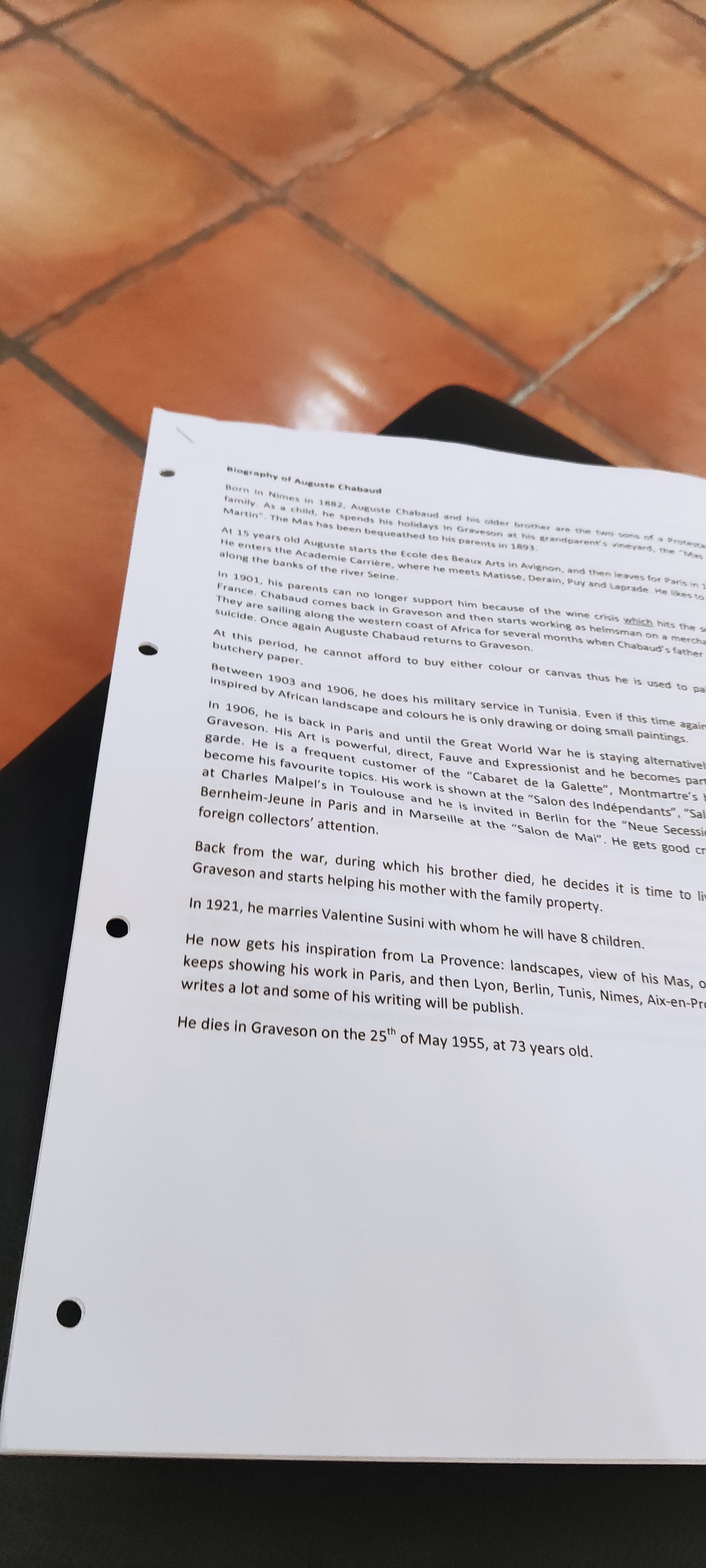
You might’ve noticed that the cropping function is still not functioning so all the photos are ginormous. Sorry… bear with. Anyway, about five minutes into my tour of the museum, I decided that I could do with a translation so returned to the reception. Have you got a guide in English, I asked optimistically? Madame gave me a look, arose from her desk, went to an ancient filing cabinet, found a mouldy file and withdrew the only paper ever written in English in Graveson. Voila! It comprised two pieces of stapled paper and as there were no photocopying facilities, I had to handle it with care before returning. It was next to useless, but, hey, brownie points for entente cordiale.

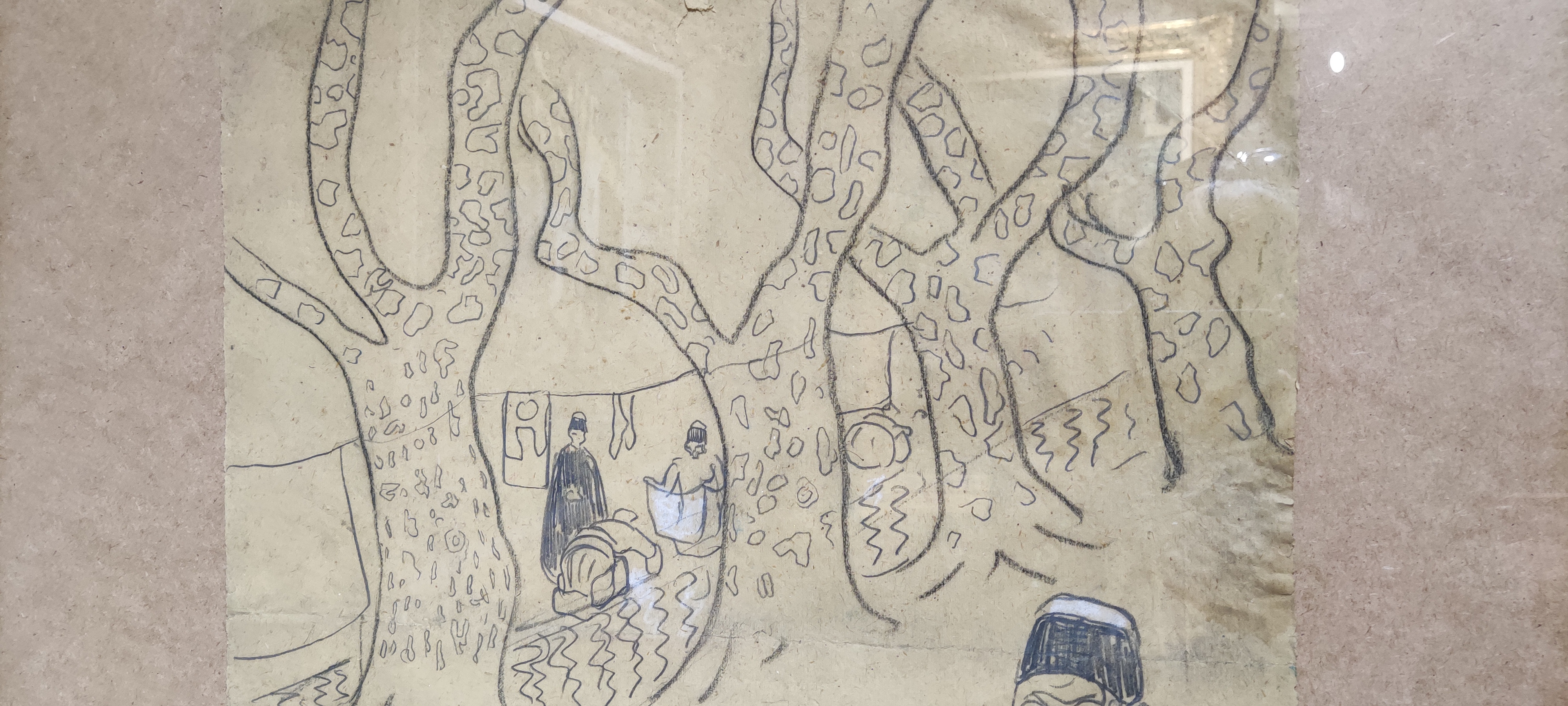
So, Chabaud sloped off to Paris, as all artists must, but returned to the family vineyard to help his parents whose business was suffering from the phylloxia crisis that was sweeping France and decimating grapes. Then, a few years of coming and going were followed by his permanent return in 1919 after WW1. The pictures above depict his early work when he was drawing on butchers’ paper. I’m not an art critic, but even I can see how clearly he captures scenes from a provencal village. And once he was back, he never stopped painting the South, especially immortalising La Montagnette and Les Alpilles.

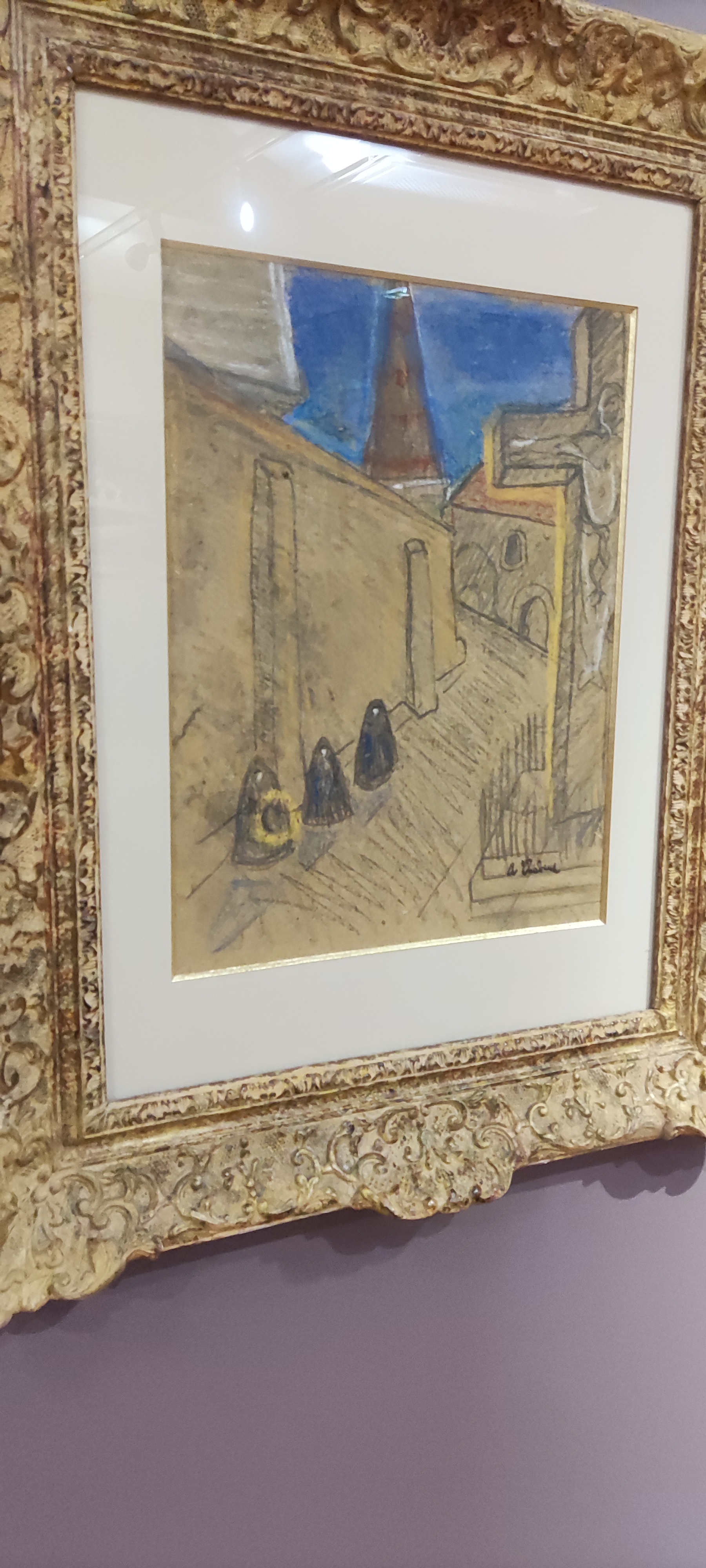
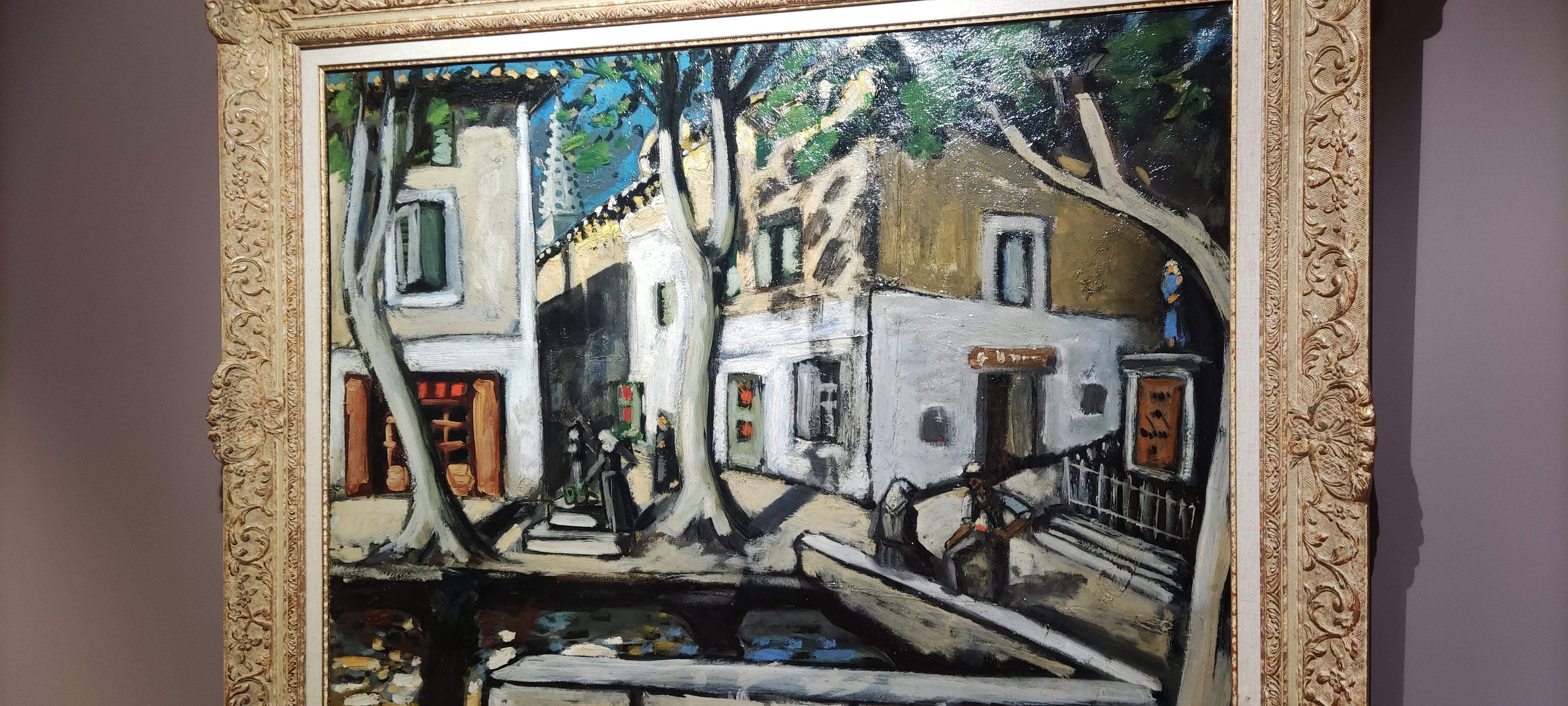
Here’s a painting of Graveson which, apart from parked cars, looks pretty much the same today. The other depicts a group of village elders carrying the local relic, yet another version of the Magdalene, from the church to some other sacred place…these events are still carried out throughout Provence: different men, same procedure.

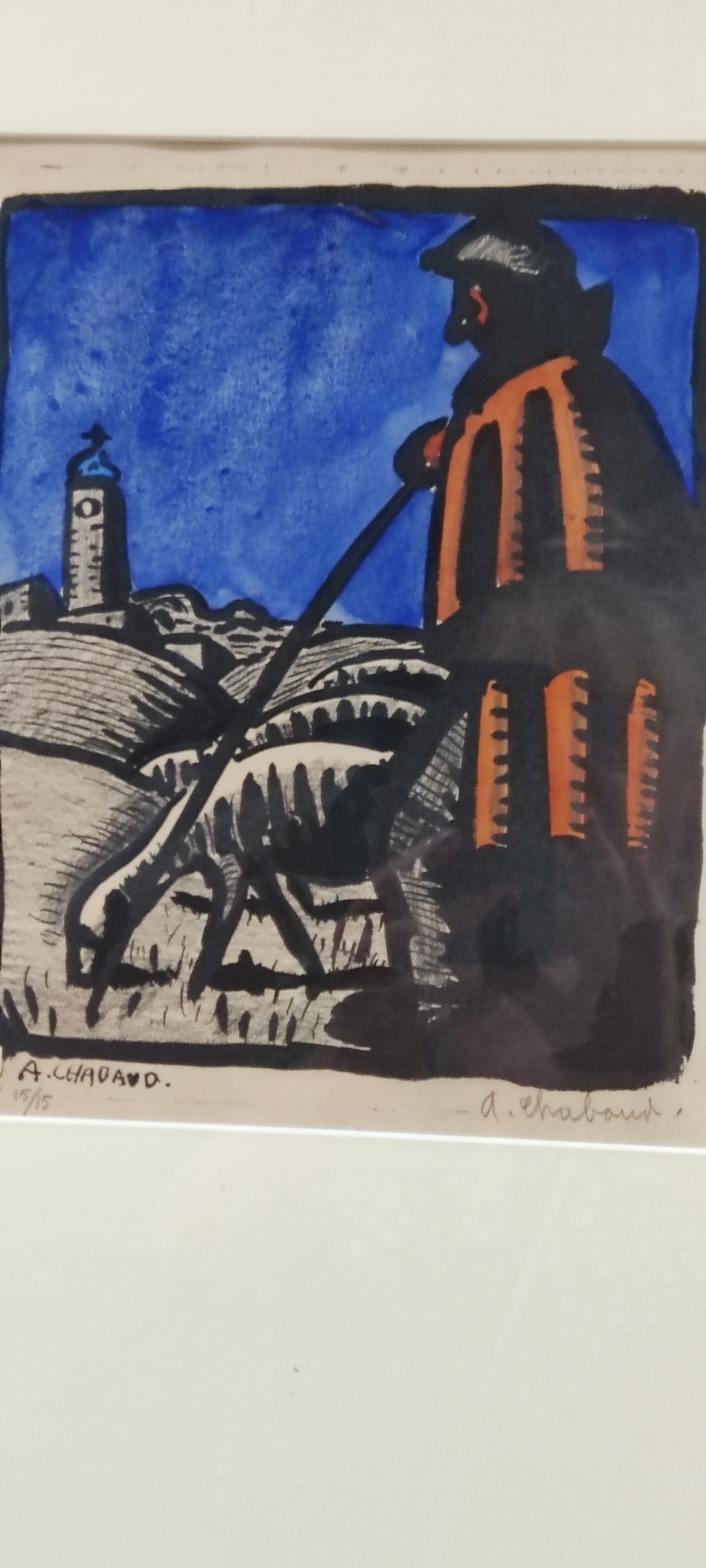
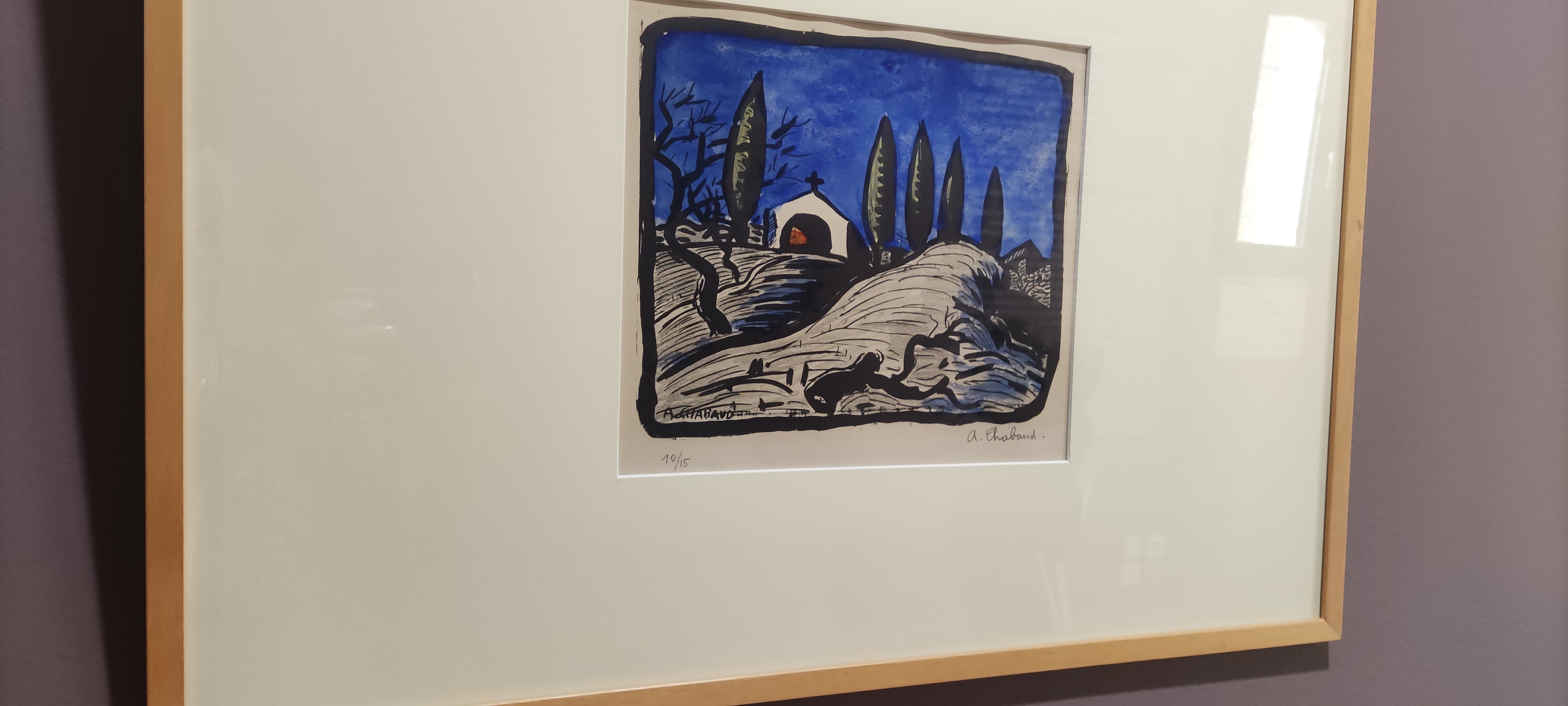
And this is Chaubaud’s blue period. Do I sound as though I know what I’m talking about? It means that he used pure Prussian Blue to highlight the local people and their traditions. They’re beautiful: there’s the shepherd on the hill looking over the village; and something that looks like Chapelle Sainte Sixte – I have a painting of that back in Dorset.

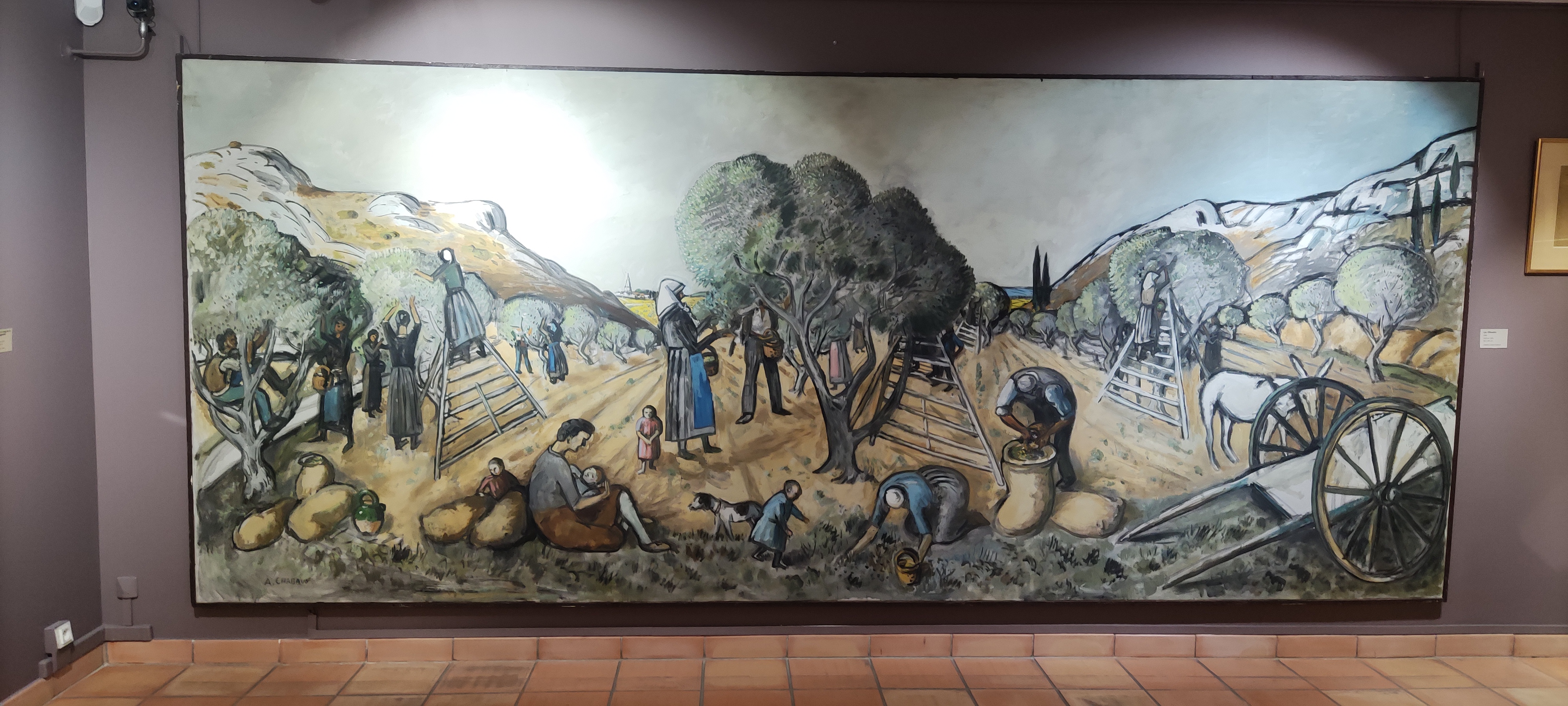
And here’s my favourite painting in the whole exhibition. It’s the locals collecting the olives. Try clicking on it to get a feel for the place. I love it and passed a lot of happy time sitting on the bench that someone had carefully placed in front of it. In fact, I spent a lot of time in this fantastic gallery, purchased a bunch of stuff in the gift shop and I’ll be going back because, in the heat of an afternoon, this is the most fantastic place to immerse oneself in a Provence of not that long ago

Montfrin

Eleanor and the dogs took me to Montfrin today – a first for me and what a charming village it is, situated in the Gard between Nimes and Avignon (although you’d never know those two ancient cities were so close to hand). The name comes from the Latin, Mons Fremens which means the mountain of fearsome beasts. Rumour, myth, what you will has it that wild animals sought refuge here after fleeing from the flooding of the Rhone and the Gardon. It’s believable because if you look at recent statistics, one can see these rivers, plus other local irrigating waterways, flood for a hobby.

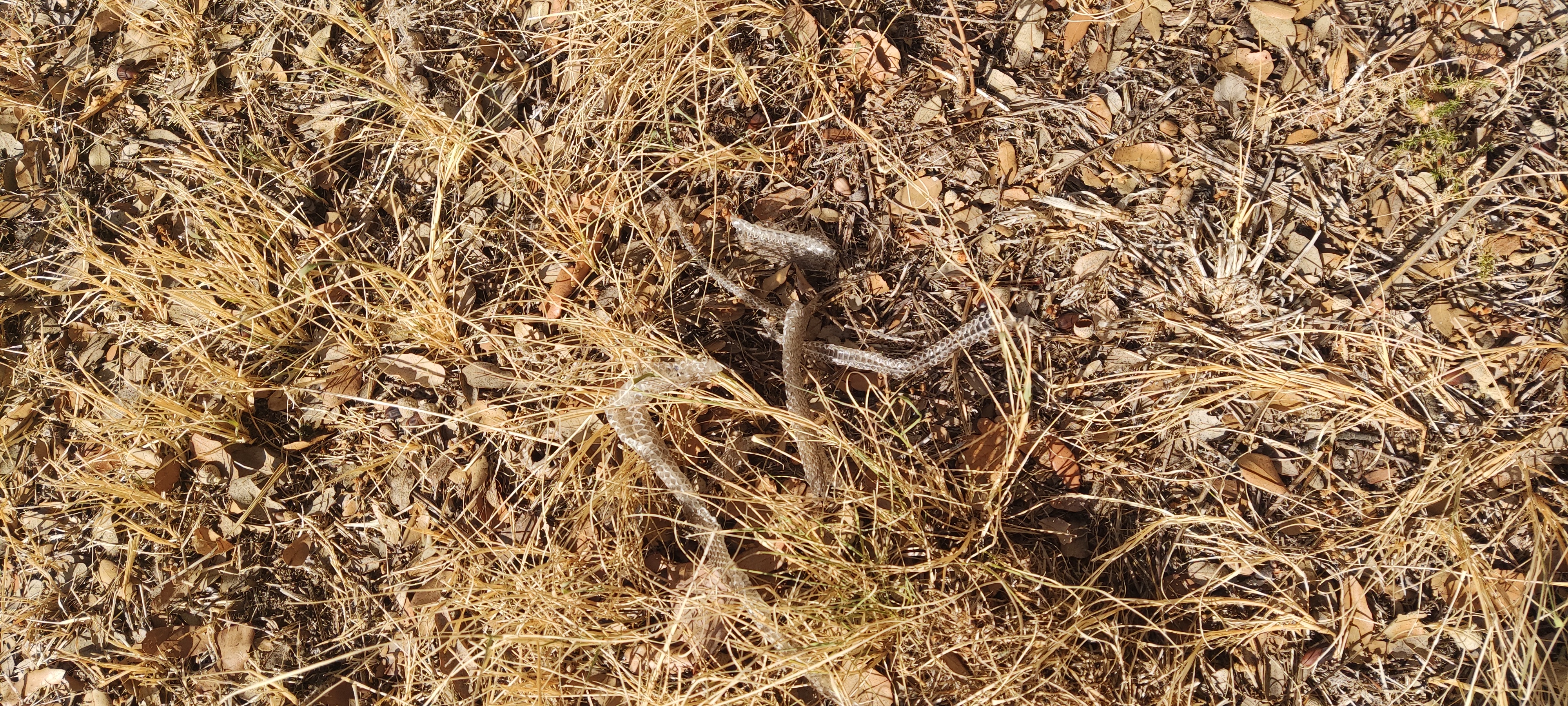
Fortunately, we didn’t see any wild creatures today, but we did spot this discarded snakeskin which meant I spent too much time looking downwards in case its owner, or any of its friends, might be lurking around. More of the walk in a minute…quickly back to the village though. A brief interrogation of its heritage will inform you that two or three ancients used to hang around here back in the day. For me, however, the most interesting of the village alumni is the TV chef, Keith Floyd who lived here for a while. Poor old Keith, an erstwhile favourite of the British viewing public, spent a lot of time in the South, trying and failing to establish various restaurants. He was a genial type but useless in the business world. When researching Montfrin for this post, I discovered so many wonderful obituaries for him: it seems that no-one had a bad word to say about the man.

Anyway, the walk beckoned. There goes Eleanor, striding ahead with Tapas and Jazzy. Are there hills involved, I’d asked nervously beforehand? No, she brushed away my enquiry. Well, I think you can see she’s already on an incline.

We walked up to the chateau which was built around a Roman tower and a Templar keep. First occupied in 1304, it was constantly rebuilt until 1791 and is now a domaine producing local wine. I think weasel readers with a minimum of topographical awareness can see I’m standing on a hill to attain these views.

That would be a scrubby hill; the type of place in which Hissing Sid might be hiding.

In rising temperatures, we walked through endless vineyards with stunning views in all directions. Although you can’t see it, in the distance, is Pont du Gard. Today, it’s a World Heritage Site, drawing travellers from around the globe. However, just the other day, my friend Anais told me that when she was a child, you could visit at no cost: people knew there was something of interest and beauty over the other side of the Rhone, and families would visit to swim in the Gard and have a holiday picnic under the oldest known Roman aqueduct in the world. They found it by word of mouth. Amazing really but, I suspect, like Stonehenge used to be.

We spent a bit of time trying to work out what this sign on an old disused building might depict. I had a flash of inspiration: maybe it’s where you park when you want to shoot pheasants.

More beautiful scenery in which we spotted an enormous bird floating on the thermals. I was too entranced to think about a photo, but both of us concluded it was an eagle. If only…you’ll have to take my word for it. The other day, I was excited to see an unusual bird outside my gite which I later discovered was an Eurasian Blackcap. Seems a bit pathetic to even mention it after this. I think Eleanor might have liked to walk further, but Tapas, Jazzy and I were ready for a drink.

Poster

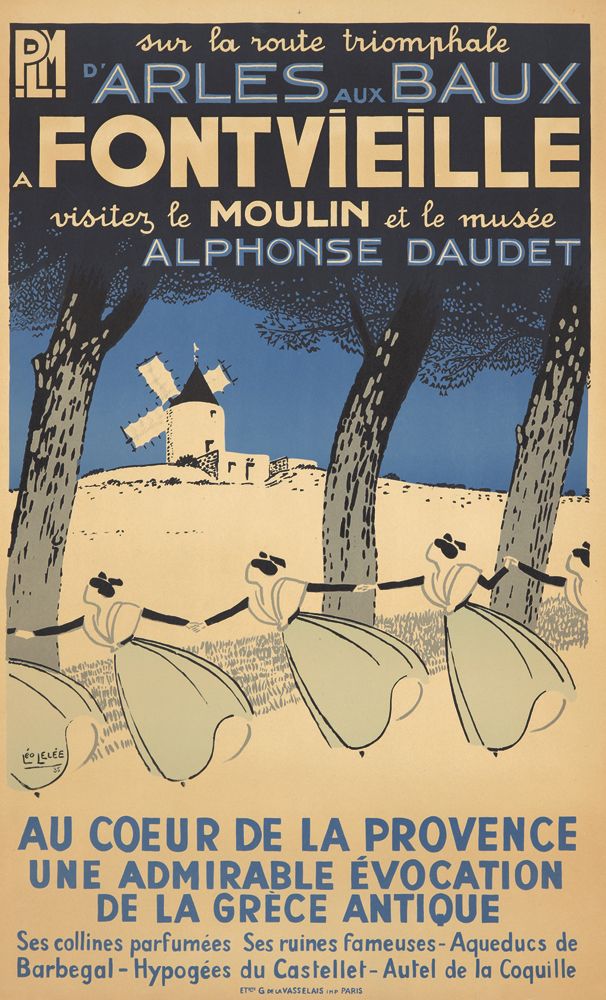
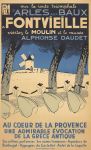
The rather large picture on my bedroom wall to which I awake each morning, a 1935 poster by Leo Lelee, was purchased in two provençal markets: the first, wherein a scruffy facsimile is tied around the trunk of a plane tree in Place General de Gaulle during a Tuesday evening market – or the more romantic sounding marché nocturne – in St Remy de Provence. I’ve acquired souvenirs from this vendor previously over the years and he knows a potential sale when he spots my head bobbing across the jewellery and leather handbag stalls. All the Gallic charm is switched on, hands are shaken in a business rencontre that avoids all that multiple kissing, I’m welcomed back en France, and a price is negotiated. I don’t want the battered copy on the tree trunk merci beaucoup so he promises me another, complete with cardboard transportation tube, by the end of the week. Thus, on Friday, the deal is completed at the second market, this being the morning one at Eygalières: a slightly less cosmopolitan affair, and thereby not as expensive as St Remy but, nonetheless, increasingly affluent, especially with the advent of Hugh Grant’s recent residency into the village environs. Allegedly.
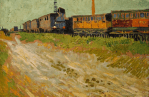
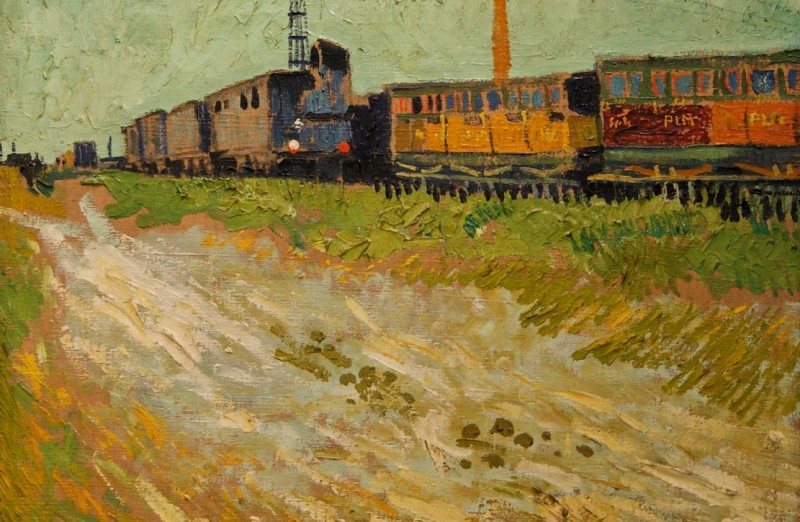
 Subsequently, my version of the poster is ensconced in black by a superb framer who lives just down the road from me in deepest Dorset; a craftsman who welcomes my trips to Provence with the same relish as the guy who sells the pictures. They know what I spend my holiday money on once the wine shopping has been accomplished. A black frame suits the lavender-coloured background with its black and white graphics. Of course, you can buy similar on eBay – but they’re not quite the same. I remember once meeting a woman in Arles, who claimed she worked for the estate of Lelee, telling me that it wasn’t possible to purchase the complete poster any longer. In these parts, the heat makes one disinclined to argue a point, especially one which the other side will never admit to losing. Wherever you go in the world, there’s always someone who’s got something that somebody else desires. For example, the sole original Van Gogh on show in Provence is a dull representation of a train, housed at the Musèe Angladon in Avignon. However, being a fan of all things conspiratorial, I don’t believe it’s the only one hanging around in all senses. In those infamous nine week passed at the yellow house in Arles, Vincent sold his paintings before they were even dry for the price of a beer or an hour with a woman of the southern nights. Might not be on public display but it’s difficult to believe none of these masterpieces still exist in the locale. And anyway, my pal in the market is churning them out to order.
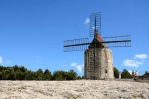
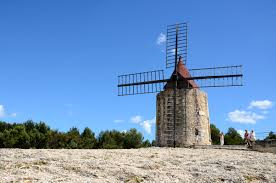
 The poster was a piece of promotional art designed to encourage tourists, having been persuaded that patrimony was now all the rage, to traverse the conveniently emerging ancient sites of Provence; that would be all those antiquities that Johnny Onion Man had been staggering past for eons. In particular, those on the new Grand Tour were advised to visit Fontvieille. This superficially insignificant village, set in the region of what is now the Parc des Alpilles, was the literary home of Alphonse Daudet who wrote a number of seminal pieces about the area that, á la mode Dickens, were published in the capital’s press prior to comprising a small but important book entitled Letters From my Windmill. Daudet wrote his pieces from the contrasting urbanisation of Paris but, like many writers since, contrived to convince the reader that he was, in fact, living elsewhere. And he pulled off this literary trompe l’oeil with exacting veracity. Want to read about rural Provence? Read Daudet.

On the poster, places of potential interest are highlighted under a row of dancing Arlesienne ladies: Daudet’s museum, the aqueducts of Barbegal – always mentioned in the plural but I’ve only ever found one, the underground water systems which are no longer accessible and the shell altar. I must have looked at my framed version for at least a year before actually registering and translating this final piece of information. Shell? Altar? What shell altar? I’d passed many a day in Fontvieille, mostly eating very rare steak at the Bar Tabac but, on one memorable occasion, having purchased an ancient tome from some boot sale or other, traipsing around the village counting wells. I knew the place but had never come across a shell altar.
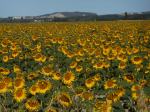
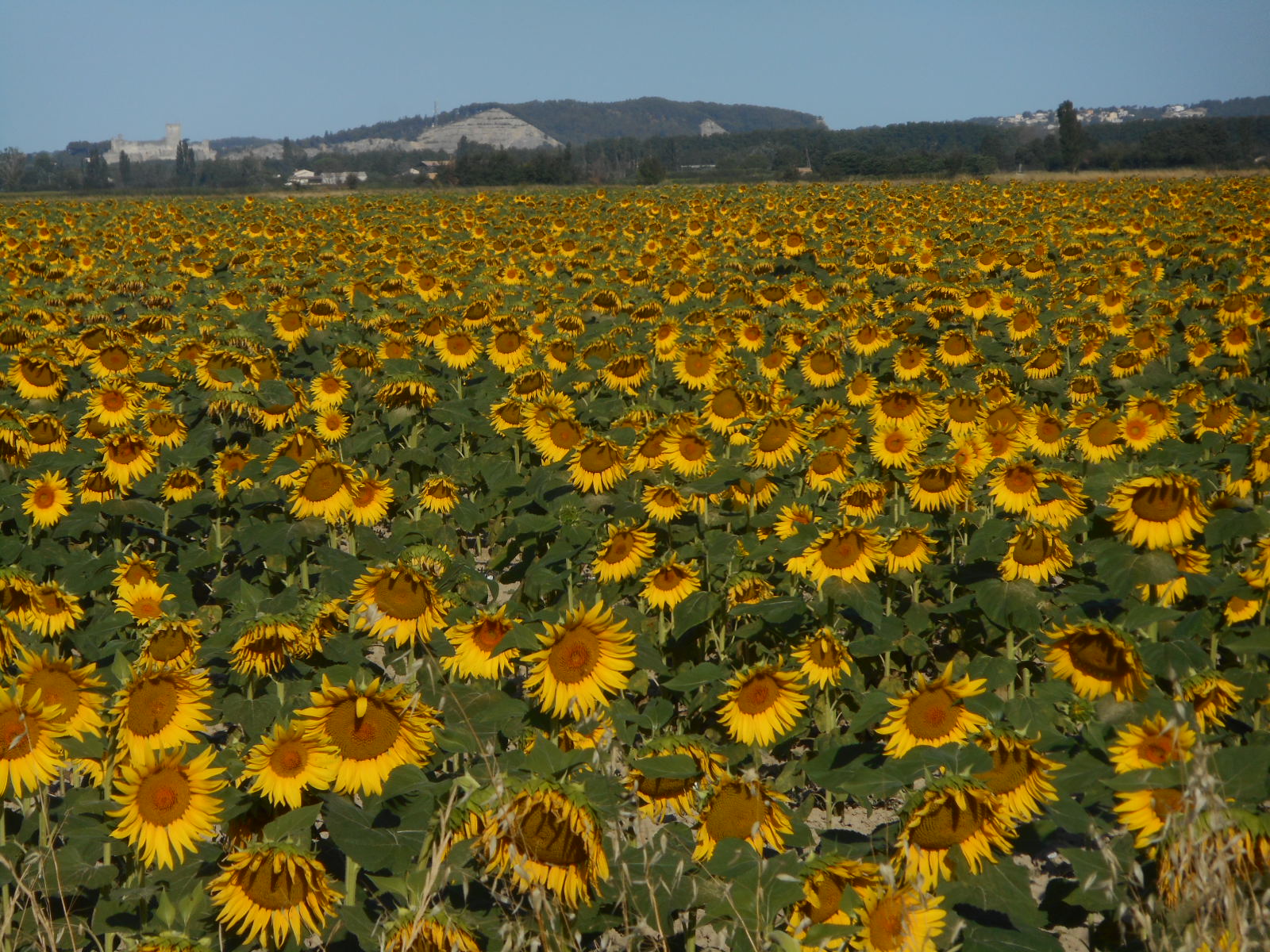
 On a hot (what else?) June morning the Kiwi and I set off in search of the shell. On the road to Arles, fields are ablaze with sunflowers waiting patiently for an artist to pass by. We’ve seen them before – who hasn’t? But they’re like a magnet even for those of us without a handy paintbrush and we spontaneously pull over in order to stand or crouch between the sturdy stems for yet another photo opportunity. Vincent painted twelve pictures of the majestic tournesol – turn to the sun – which we know of. I can understand his lack of ennui.
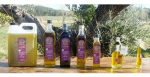
Nearer to Le Paradou than anywhere else, we spot signage for the Moulin de Coquillage which seems a bit of a clue. This being the premier area in France for olive oil, there are moulins aplenty but not too many boasting a scallop. We take a sudden and startling turn a la droit and make for the mill whereupon we locate and interrogate a pleasant gangly youth. Before we’ve even considered how one might say we’re looking for a large shell in French, the pleasant gangly youth asks whether we’re looking for a large shell and points us in a completely different direction. From this I deduce that hordes of others have travelled this way before without the slightest intention of purchasing olive oil; although, this is simultaneously contradicted by the fact that we’re in the back end of nowhere on a track that looks like nothing more mechanical than a mule has passed by in eons.

Retracing our route, we come across two provençal types lurking in the trees who look as if they may be the descendants of those who came to the aid of travellers in the 1930s. ‘Looking for the shell’, they ask? ‘Follow the track that says no entry, no cars, entry forbidden and other such welcoming signage’.

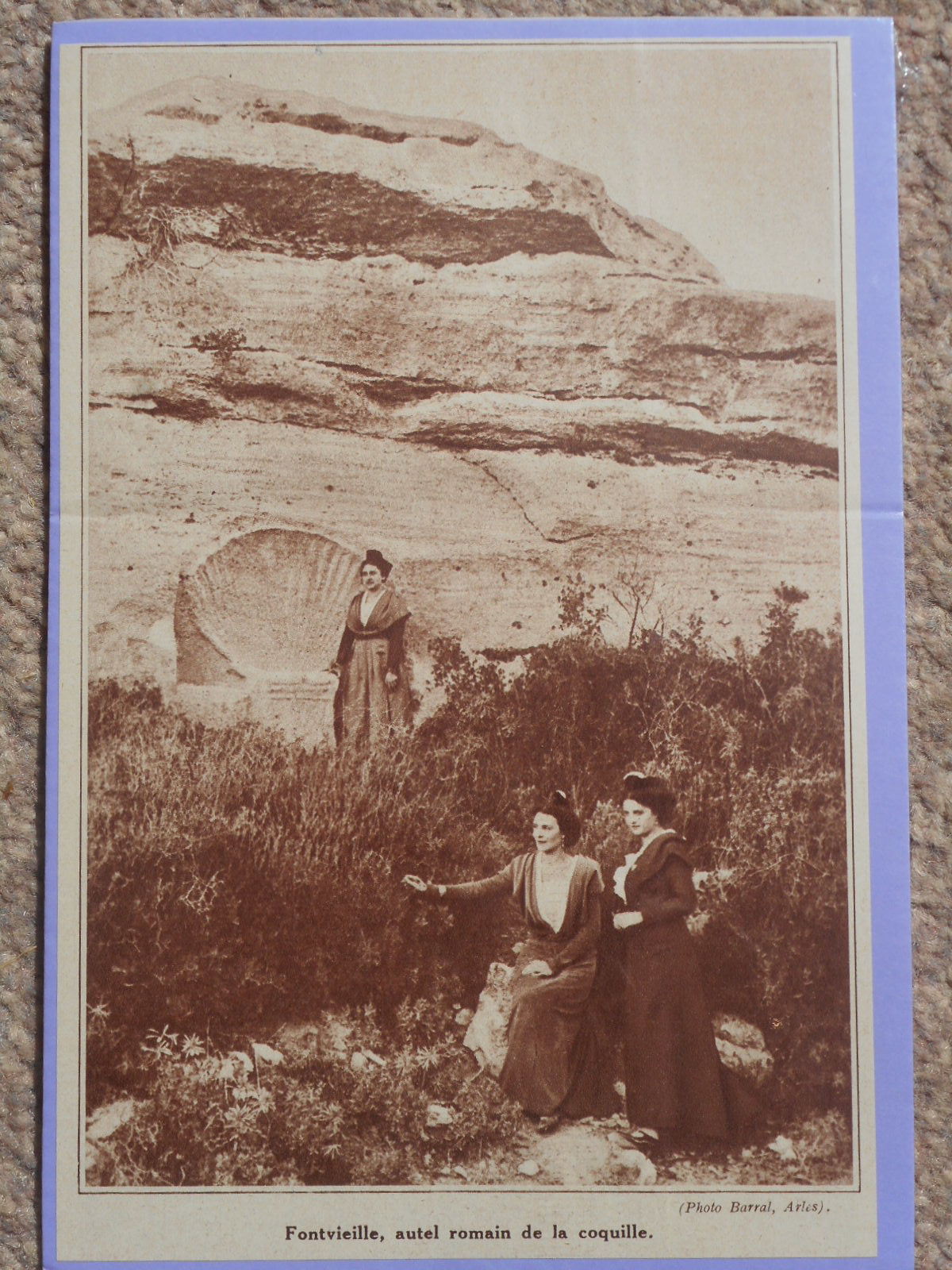
On this same holiday, some days later, I once again see my friend in the market who had sold me the original poster. On this occasion, amongst the reproductions of the only time the Tour de France passed through Les Alpilles, I find a small copy of an ancient photo of three Arlesienne ladies, in full traditional dress, posing formally by the shell altar. It seemed such a fortuitous and timely discovery. Monsieur tries to explain the image to me but I stop him in his tracks, saying I’d been there a few days previously. He is horrified and more than a little disbelieving: ‘c’est impossible’, he cries. ‘No-one knows where it is and anyway it’s a private road. One can only go by personal invitation. Well, sorry old bean, but I went, I saw and I took a photo.
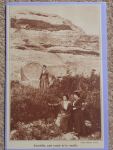
Coming back from Les Baux the other day, I recount this story to my daughter and remind her of the photo of the Arlesiennes on my dressing table. From the corner of my eye, I detect a possible spark of interest. The dressing table of one’s mother is often a source of private interests and considerations. Not my mother’s any longer but in another lifetime it was where the remains of delightfully scented powder compacts and carefully used lipsticks rested: things that signified some other part of her. ‘Do you want to go’, I ask, recalling that she’s turned down a trip to the antiquities in St Remy on the basis of having no time for ‘all that Roman stuff’. But something has stirred a sense of adventure. As she’s today’s designated driver, I offer a warning reiteration of the forbidden route she’ll have to traverse. A professional, a parent and a person in her own right, she’s still not developed that nonchalant and perverse ability to ignore ‘prohibited’ that one acquires with age.
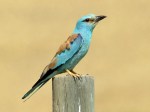
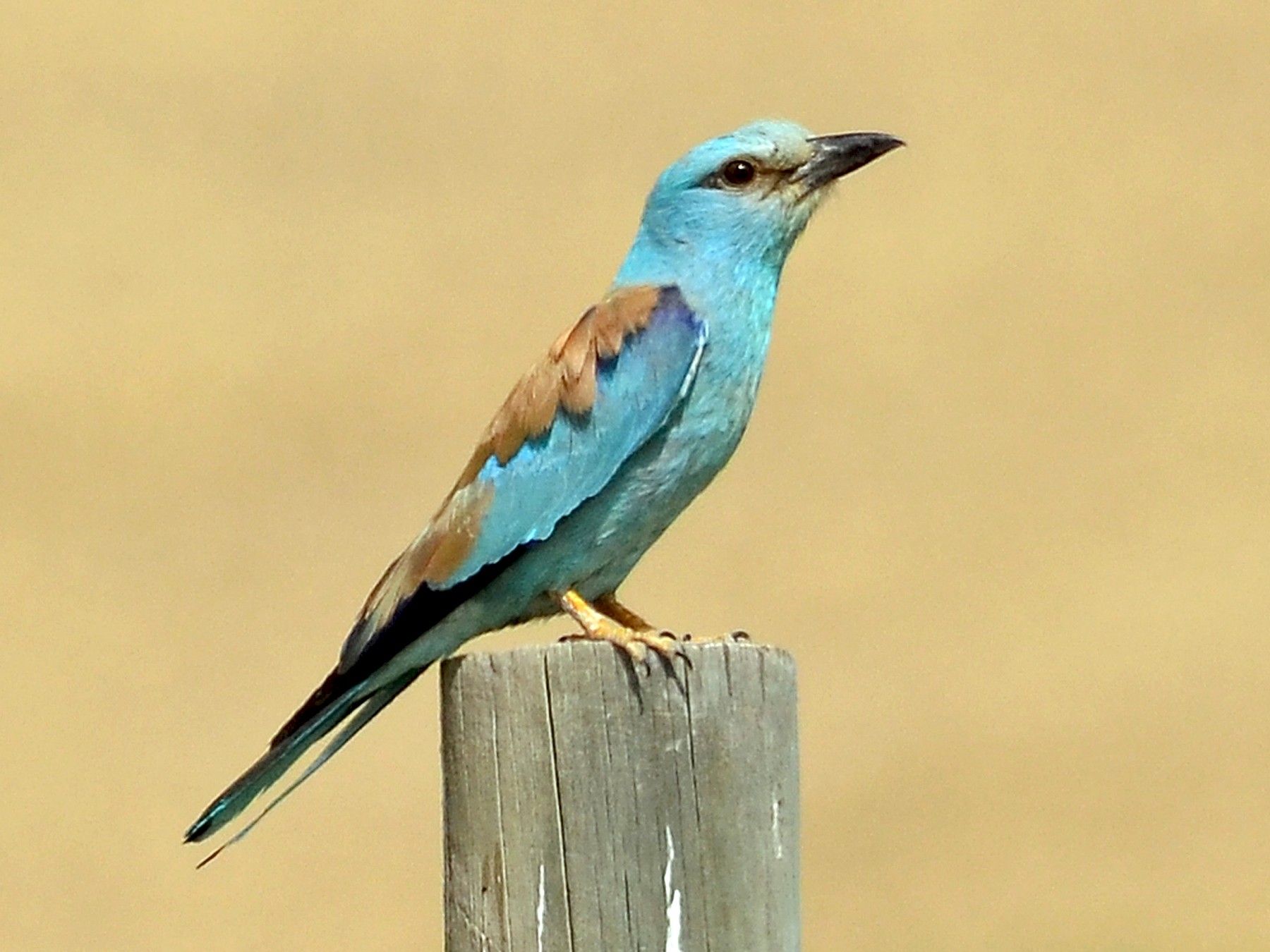
She behaves as well as one can hope for; better actually, merely counting and expounding on the number of warning signs. And being driven down this track, as opposed to being in charge of the vehicle, avoiding ruts, roots and potholes, is a totally different experience. On the far right is a wall of stone in front of which a few trees cling perilously to the cliff. From the left, there’s a sudden flash of iridescent blue as unidentifiable bird darts from the trees, across the road to the other side. Is it a blue jay, she asks? I think not – too big and, ironically, too blue. Then another five or six which must have been hiding in the trees in front of the olive mill fly past to join their leader. They are European Rollers, exotic cousins of the jay. On another day, we’ll see single ones perched in solitude on telegraph wires.

Pull in here, I suggest as we reach a suitable piece of gravel off piste, and we abandon the car to walk further down the track into nowhere. It’s the sort of place that, on a good day, there might be large professional guard dogs wandering free in a cheerful but protective provençal attitude; on a bad day, there might be wolves. It would be difficult to hear them coming for here in the Alpilles the noise of the cicadas is deafening. It’s not that pleasant chatter that accompanies other sounds of the South – this is Provence at its wildest. Overgrowth abounds.

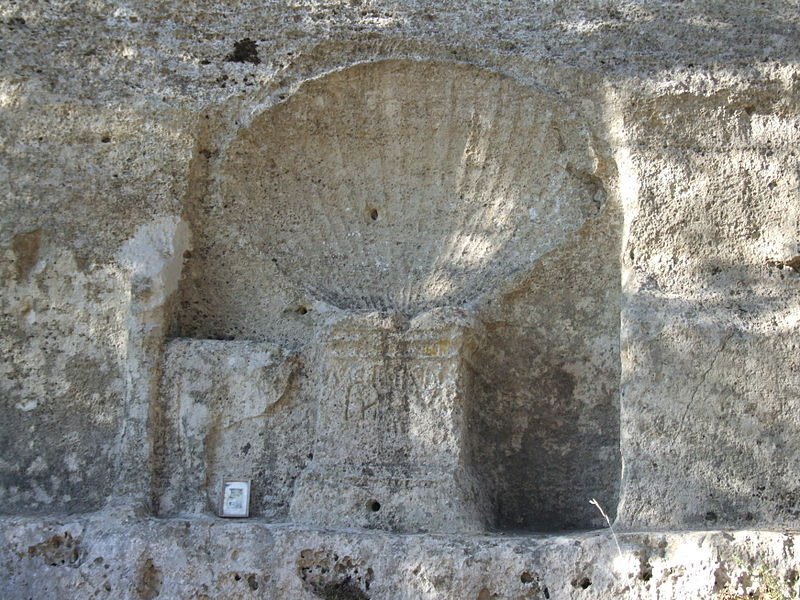
 Where is it, she demands with more than a hint of angst-ridden urgency? Just behind these trees, I say on reaching the bend. In fact, if you didn’t know where to look you would never see it. And when you do see it, well then you wonder how it can remain so hidden and so unknown to most people. A great and perfectly formed scallop shell is carved meticulously into the rock above a plinth that can only be an altar. She’s as amazed as I was when I first saw this edifice that has quietly contemplated its surroundings for hundreds of years. In the middle ages, it was mistaken for a waymarker of St Jacques on the route that crosses the Alpilles from Italy to Arles and onwards to Santiago Compostela, and many pilgrims somehow found their way along this lonely path. Its history is older and its raison d’être somewhat different as it’s now believed to be a Gallo-Roman taurobolic place of sacrifice.
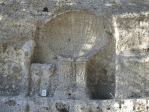
 

Wow, she says, that’s weird. And it is.


photos: angladon.com; ebirds.org; monumentum.fr


A reading

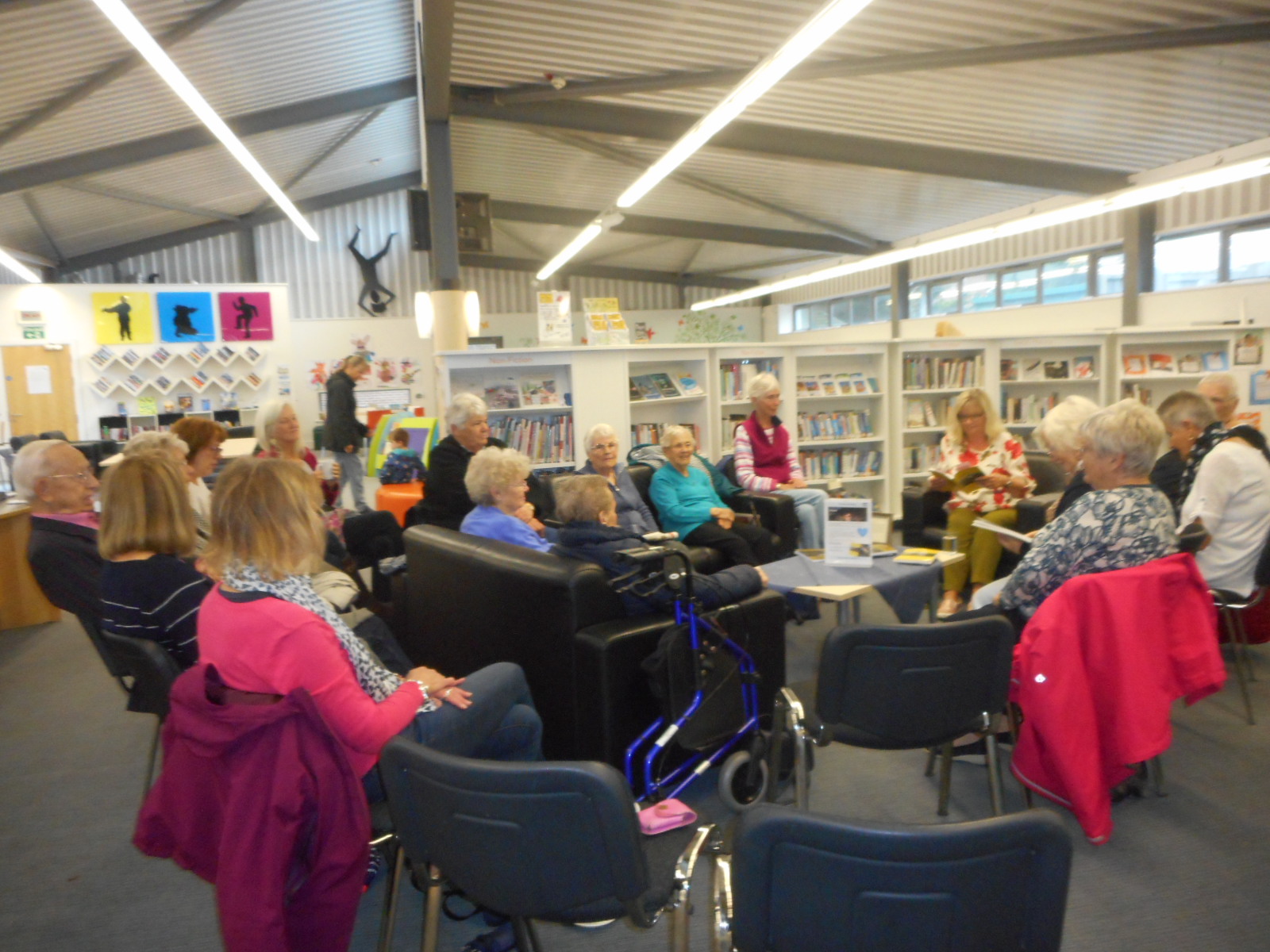
An unexpectedly warm day sees quite a few folk gathered at the local library where I am to offer a reading of my last book, The Road That Runs. Once again, it’s set in that fruit growing area of Provence where one can expect something meteorologically consistent. So much so, in fact, that it’s easy to write against a backdrop of the seasons: the almond blossom of spring; the seemingly endless heat of high summer; the chilly winds of autumn and the sudden arrival and even more speedy departure of Christmas.
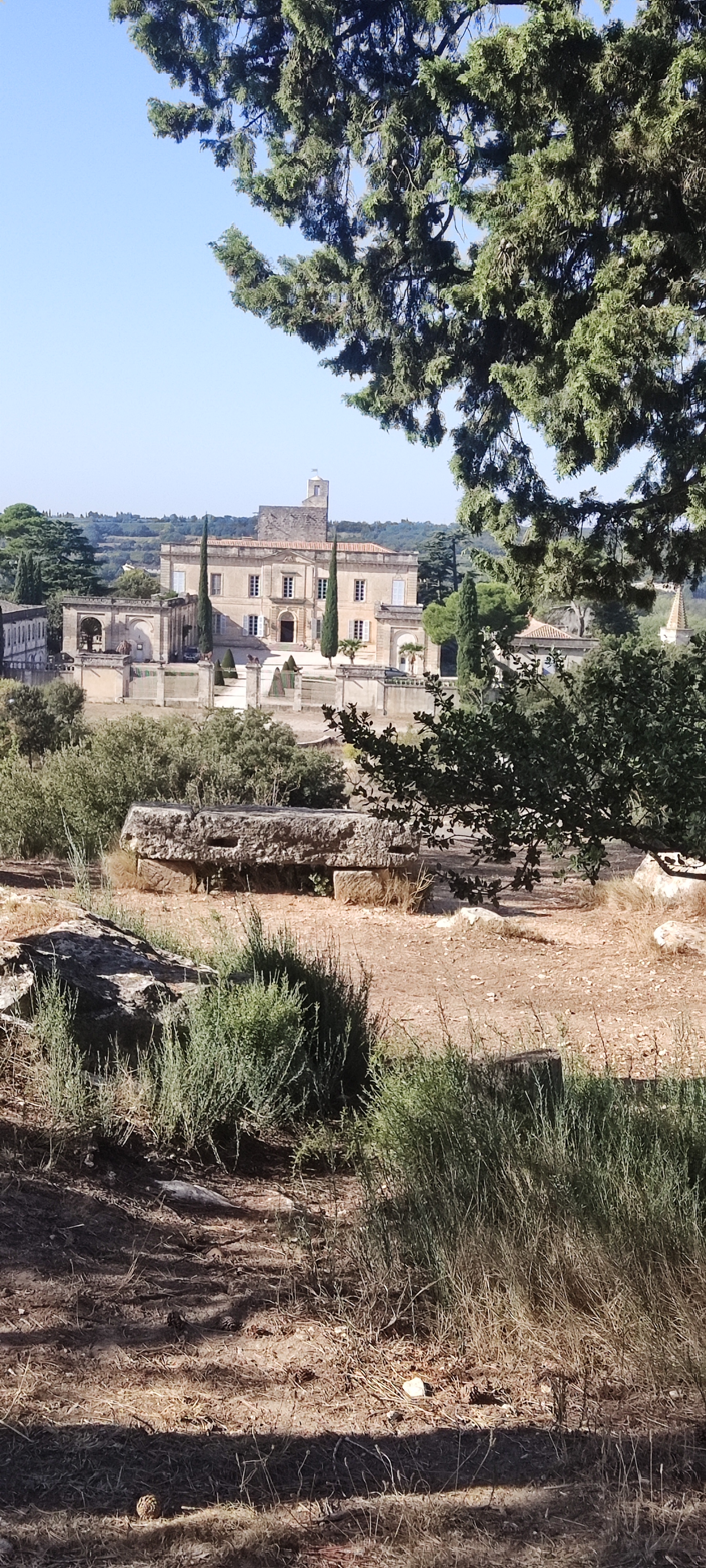
An age ago, I stayed in Provence during what passes for winter. The only thing that marks this temporary hiatus between the end of one level of warmth and the beginning of another is the somewhat fabular Mistral. Emulating the hand of Satan, it shuts down the electricity, the internet and sometimes the water supply. Depending on its strength, it closes the motorway or, at the very least, forces mad truckers to travel more slowly than they would like. It makes ladies’ hair stand on end, literally. And people seeking refuge in Avignon, where the wind reaches a climax alongside the Rhône, down which it has hurtled, are accosted by flying placards. But this is a picture of Dorset!

On that long-ago sojourn, having succumbed and adjusted to the nuances of what they like to call winter, I was appalled to wake to snow on the morning I’d planned to go home for Christmas. It won’t last, they said. And it didn’t.

Inevitably, having given a reading, folk always ask whether I have a house in Provence; and if not, would I like one. Well, no actually. Of course, if I was a rich woman, I would. Who wouldn’t? That instantly reviving warmth, the vibrant Provençal markets, the lost-in-time antiquities, the never-ending aperitif and, naturally, all those eclectic friends made over the years. It’s all so – reliable. But I wouldn’t stay all year in that hypothetical house because what’s even more reliable, and more demanding, is home. Some folk seek a warmer winter but I can understand those who hurry home to the grey dampness of England.

Global warming may have led to the English seasons being less discernible than those of childhood but, regardless of temperamental weather, they still exist. The Provençal autumn is marked by gunshot: the onset of the hunting season where anything moving is fair game. The English autumn is signalled by the sight of random berry collectors along the hedgerows. In my books, Madame Martin and Madame Lapin become entrepreneurs selling confiture and pickle made from the goods that Monsieur Martin grows. In my real world, everyone is making crumbles, jam and chutney. Those of us devoid of sterilised jars and inherited know-how, shovel their sloes and blackberries and damsons into brandy and gin.

In France, no-one talks about Yuletide until about half an hour before the Christmas Eve celebrations. In England, we’ve started purchasing gifts in October. Because, largely, we love it. In France, there are beautiful crêches to be seen in December but the nativity comprises a tiny part of the scene which depicts the year-round culture of Provence. In England, which, for me, is Dorset, there is story-telling, Dickens and the Bournemouth Symphony and Chorus performing The Messiah. As I said, it’s all so wonderfully predictable.

I read my stories of Provence aloud and they always say, ‘it’s so evocative; I must go’. Maybe I should write more about Dorset. And maybe you should stay.

French style

Ten years ago, whilst staying up in Valence, Katy took me to what was my first French car-boot sale in a nearby village. She bought a crate of melons for a very good price in response to allowing the vendeur a glimpse of her own melons; I purchased an old photograph of a group of even older men outside some sort of small factory for one euro. Madame, who was selling the photo, demanded, ‘what does she want that for?’ ‘She’s English’, said Katy with that infamous French shrug. Madame was disdainful which makes me wonder why she had the photograph there in the first place. I gave my dad that photo and he had it on his desk for some years – an unusual souvenir.

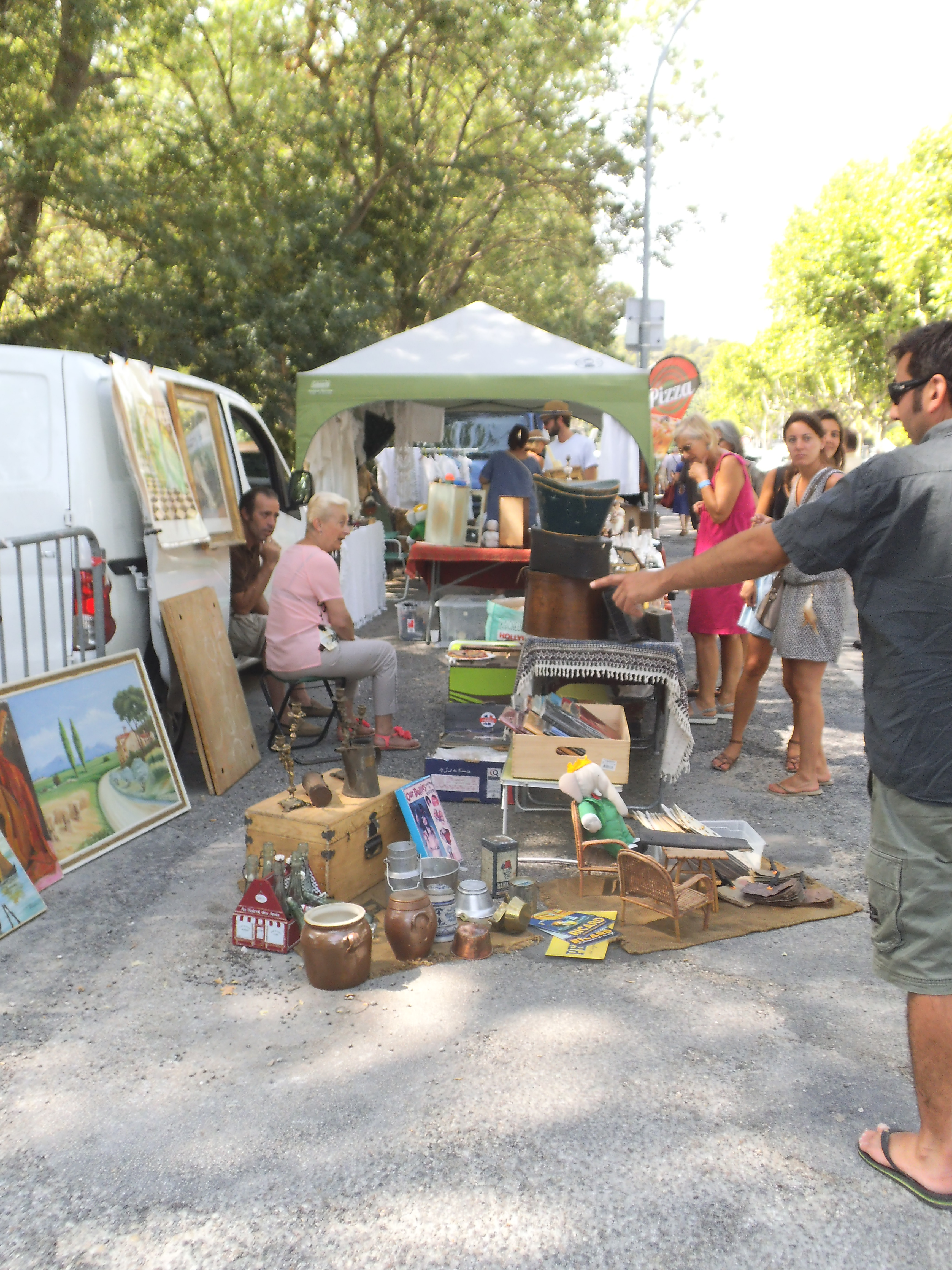
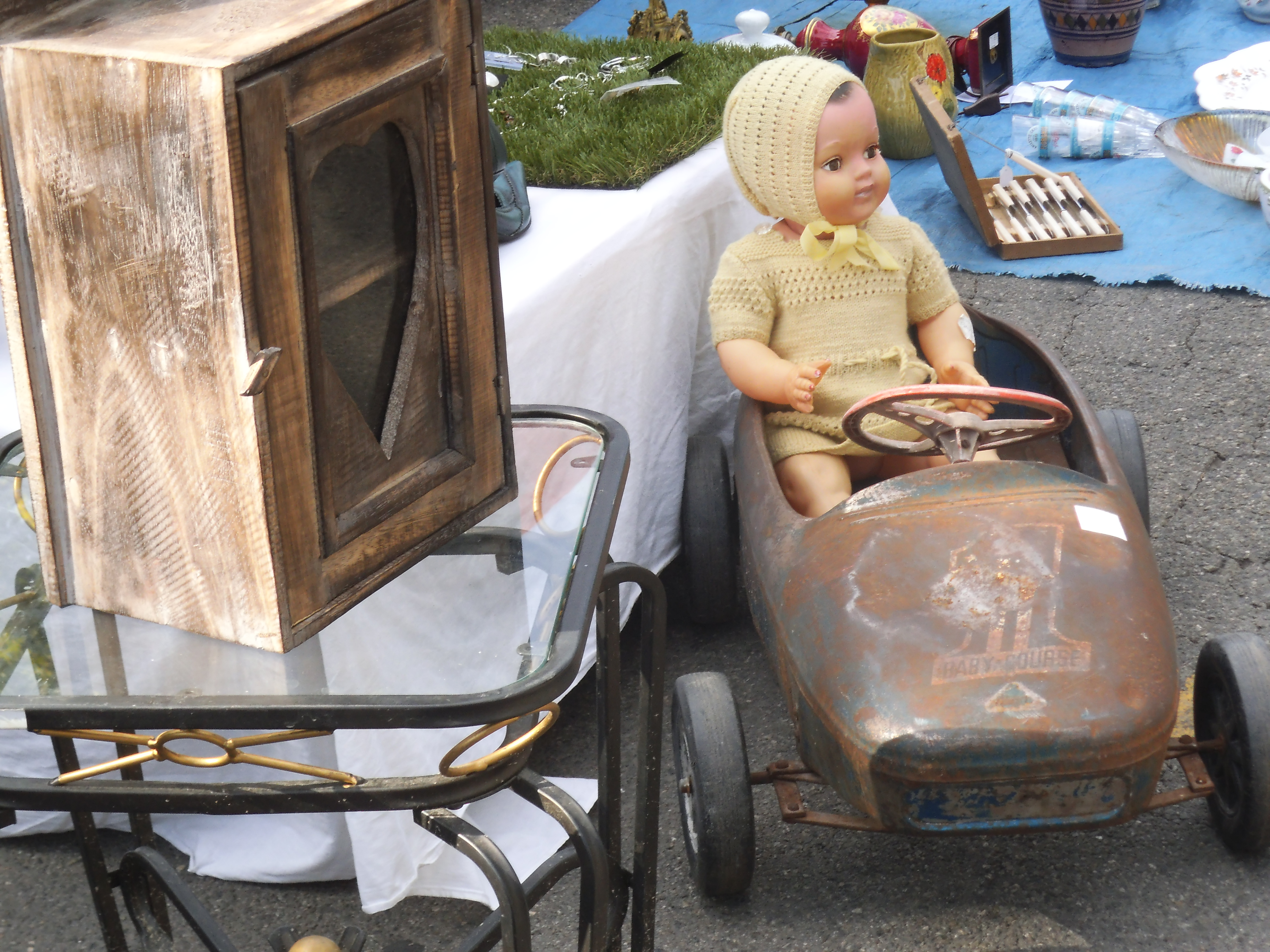
I don’t even think that sale had a name.The French have since caught up and things have moved on, although now there’s nomenclature. Largely, the difference is between Brocantes, Vide Greniers and Marchés aux Puce. In translation, they all mean much the same – flea markets. The reality, however, doesn’t really reflect this.

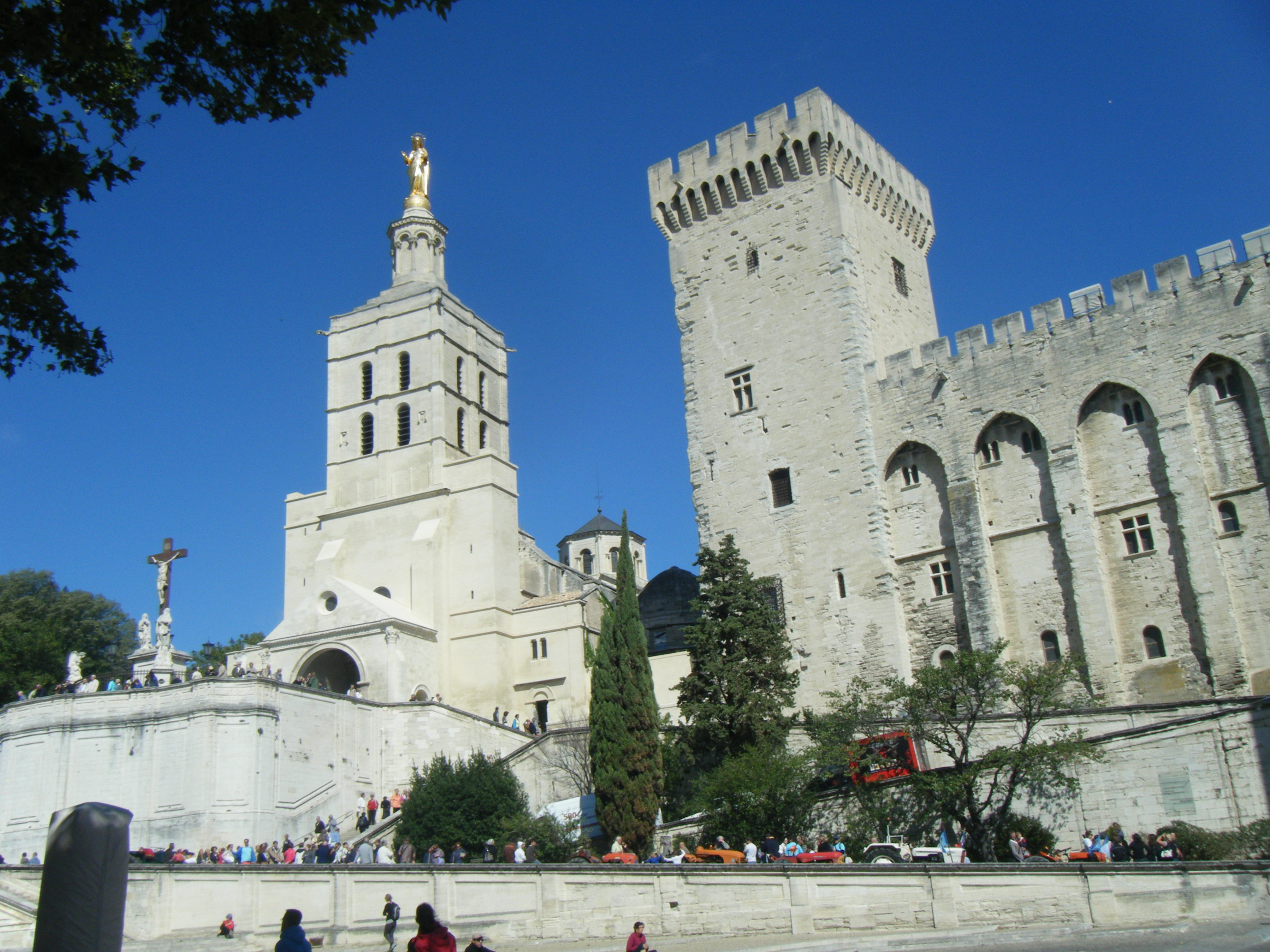
I would say that a Marché des Puces falls at the bottom end of the scale and might well be avoided. In Avignon, for example, you can find a Marché des Puces almost any day of the week, especially in the square nearest to Les Halles. The goods on sale are of a poor quality, at ridiculous prices, just for the prestige of being slap bang in the centre of antiquity. I’ve never seen anything that I wanted to purchase and have moved on quickly to lunch.

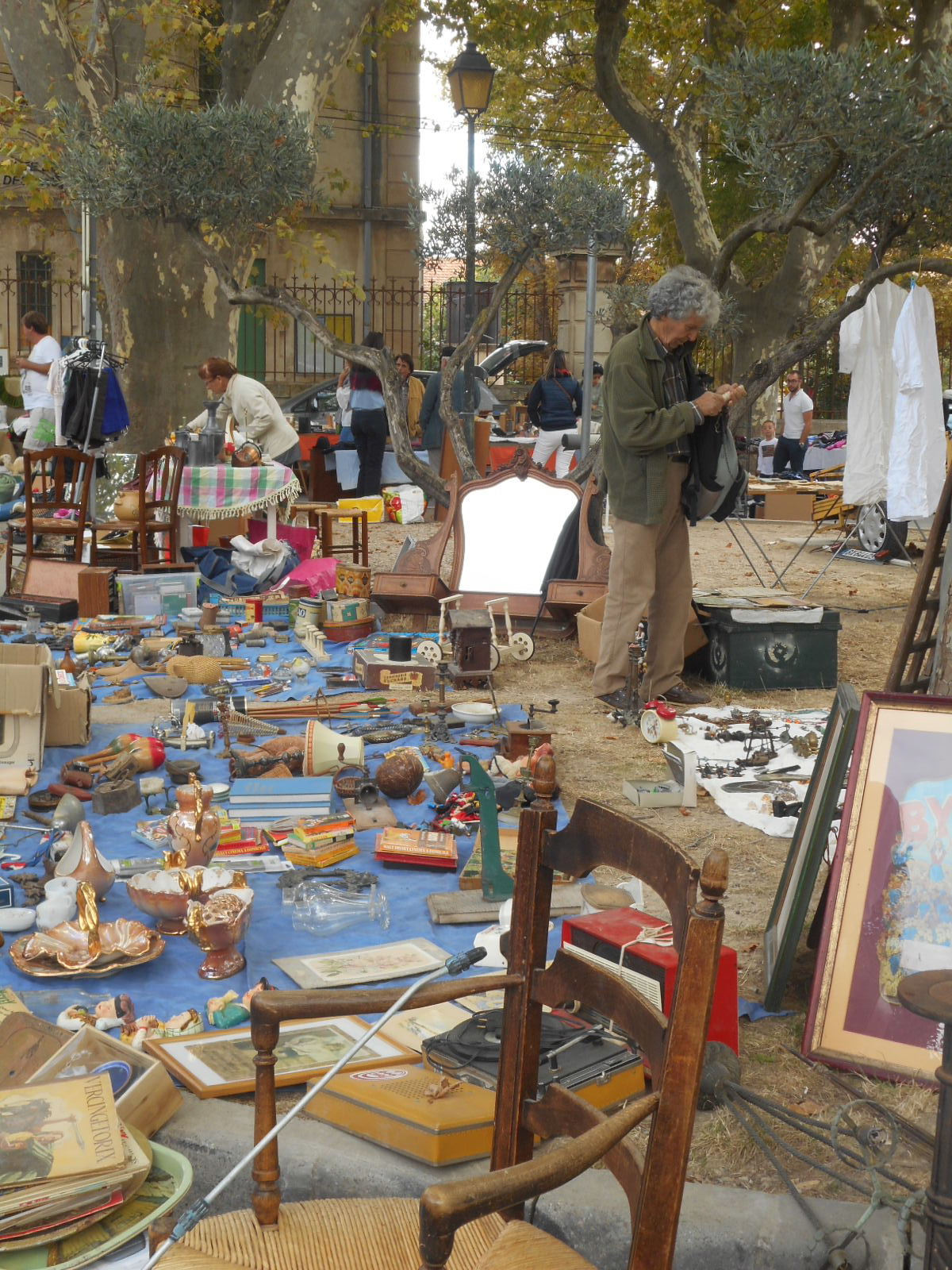
On the other hand, the Brocantes are well worth a visit. These are more up-market and are the haunts of those UK programmes that centre on the benefits of buying abroad. However, the French have caught on. In my humble opinion, one of the most famous – Ilse sur la Sorgue – is to be avoided at all costs on a Sunday if you’re from the UK. There are permanent antique businesses here which predominately target Americans. They even arrange for goods to be shipped which says something about the price. Ok: the town is really pretty but it’s a crush. Far better, after church, to head on over to Carpentras. Settled just underneath the Ventoux, it means you have the opportunity to drive through vine-ridden villages and seek a more authentic venue for your Sunday lunch. Further, the sale doesn’t commence until 10am so there’s no anxiety-inducing need to get up at stupid-o-clock after Saturday night exertions.

Even so, the stall-holders in Carpentras are increasingly canny and you have to be prepared to barter; and for them to know the game. Along with a variety of friends, I’ve found good deals on things ranging from ostrich feather fans to model wooden horse-driven carts. But my very favourite Brocante is the Saturday morning show at Villeneuve-les-Avignon. The English programmes, such as French Collection, will tell you that this is the best in the South.

What makes it particularly interesting is the buvette in the far corner. A buvette is a small establishment, such as a shed or a caravan, selling liquid refreshment. Options are generally limited: tiny paper cups of the strongest expresso you’re ever likely to taste aimed, presumably, at the stall-holders who’ve arrived at une bonne heure; Pastis for the next stage; beer to keep them going and Orangina for the lightweight tourists. If you go to the counter to purchase a drink, etiquette is maintained and one is told brusquely to find a table and wait to be served. And photographs are frowned upon.

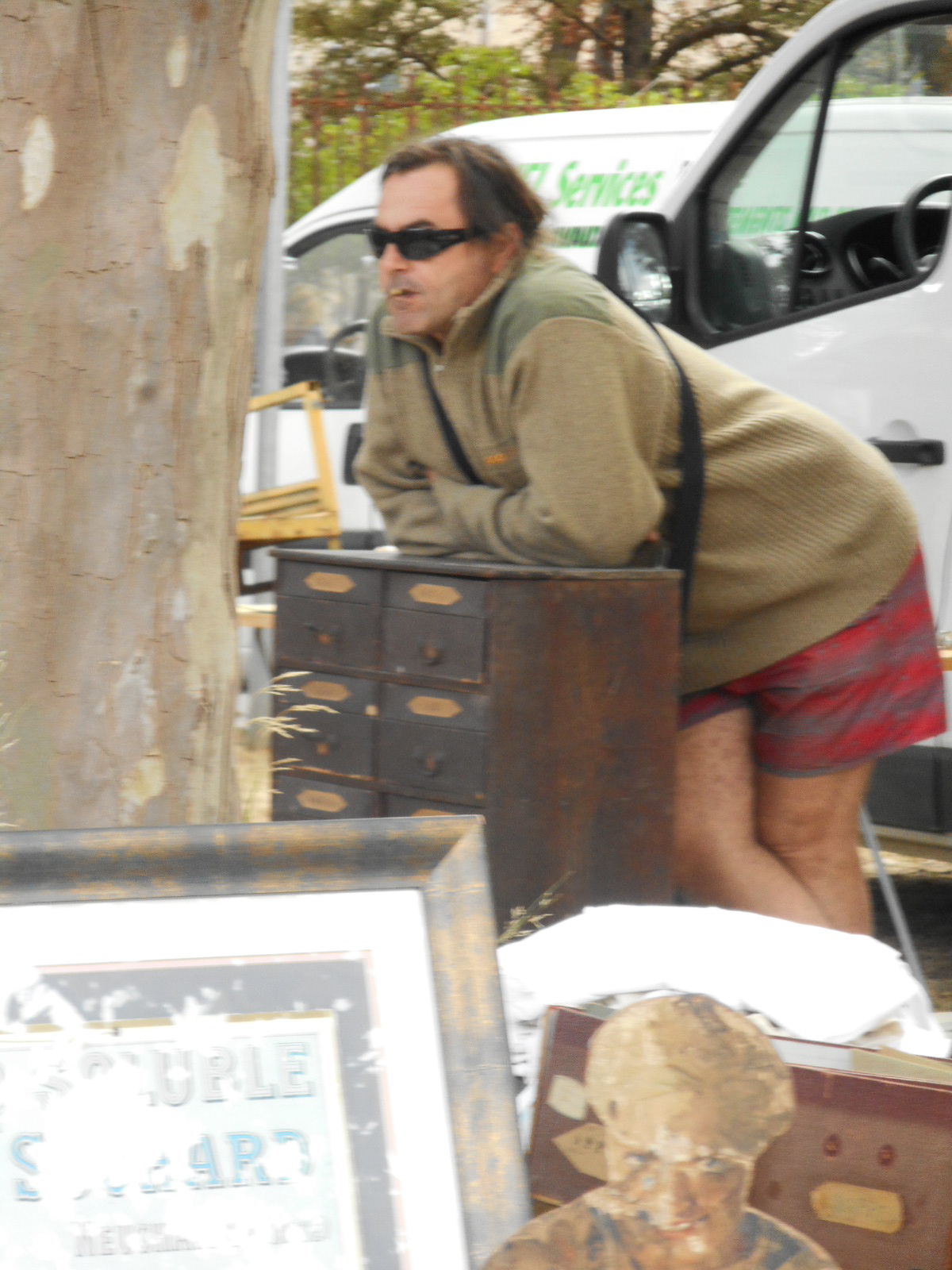
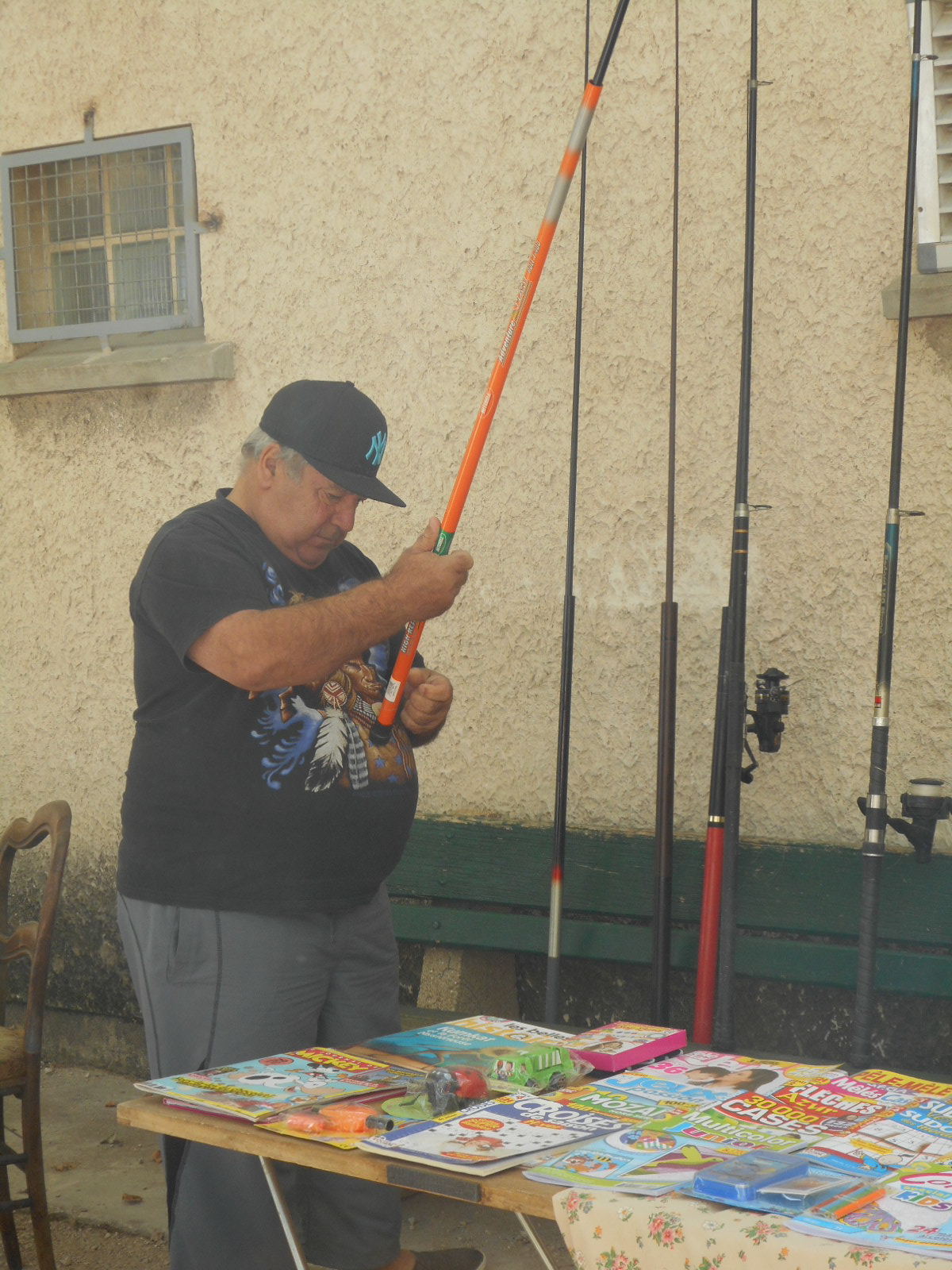
The other week, Elle and I came across a bunch of really interesting looking stuff laid out on the ground. A youth of indeterminate description sat in the back of a nearby truck studying his phone. ‘Monsieur’, I ventured, ‘how much for this?’ He looked up and tried to focus but, having forgotten how to speak, stumbled away to return with an older man in a very sad state of affairs. Stumbling is a good word. The new ‘monsieur’ was having trouble standing, although seemed adept at keeping his beer in the glass. He mentioned a price and I mentioned one lower. Evidently, he’d forgotten how the game works as he then gave an even lower price. Reader, this isn’t normal but who cares? We got some fine bargains and he seemed delighted. Much winking and shaking of hands ensued.

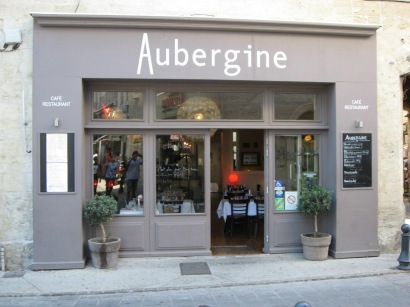
The brocante is done and dusted by 1pm in Villeneuve which enables us to wander up into the little town for lunch in the square. This isn’t a piece on where to eat – however, you could do worse than Aubergine which has tables inside and out, a clean toilet and great food at very reasonable prices. Just saying.

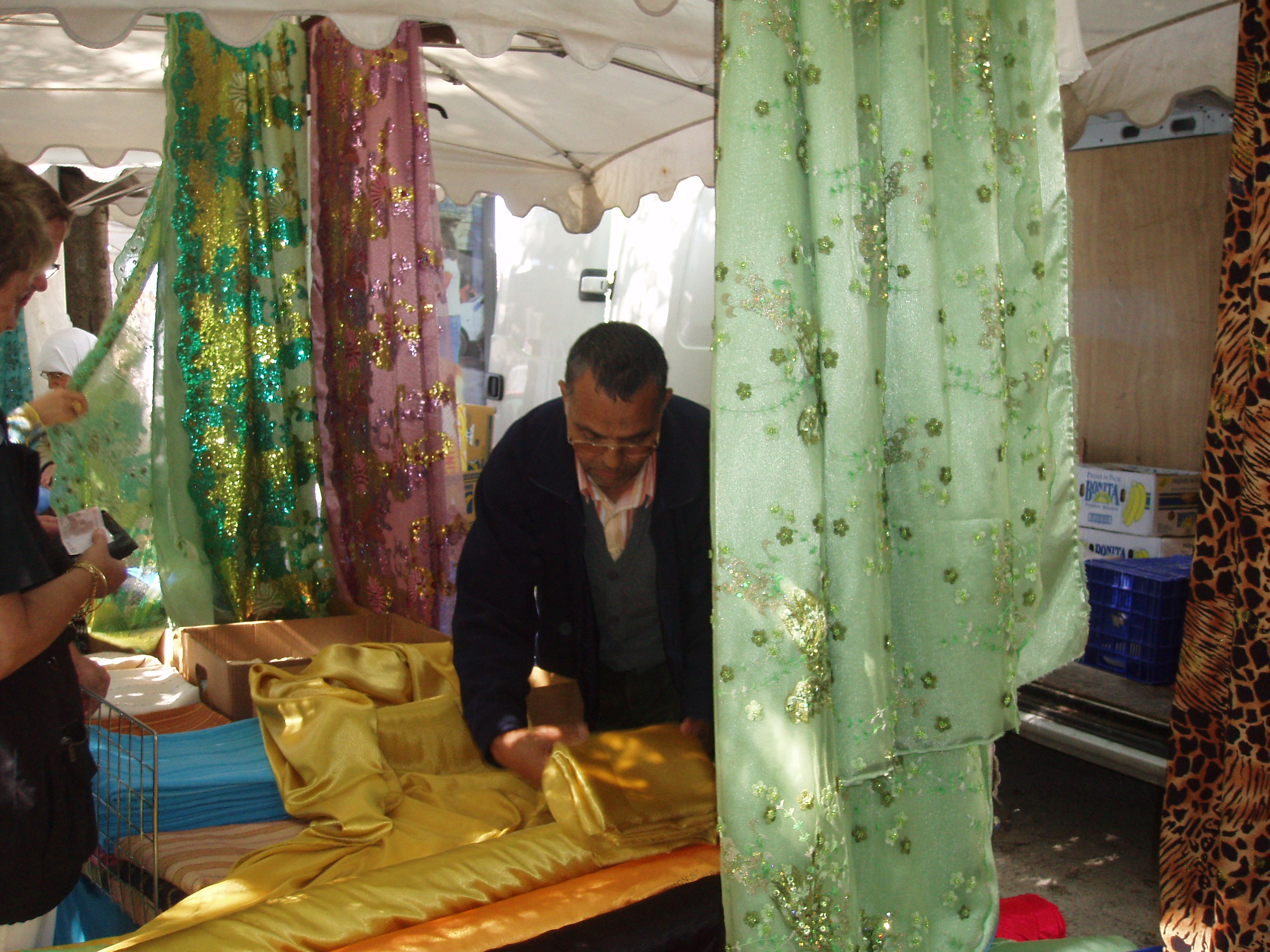
Vide Greniers have come a long way in the last ten years. There’s even a website to tell you when and where but, in practice, it’s easy to find them in the summer as advertising signs are placed on nearby roadsides. Inevitably, as in the UK, they’re held on a Sunday but, unlike the UK, they last all day. Close to the Bricomarché in Tarasçon, you’ll find a weekly one which is still quite unusual. Tarasçon is, unfairly, a much derided town. Sadly, I feel that part of the reason is the preponderance of Arabs… France is a pretty racist type of place. Up in Pierrelatte, there’s a predominately Arab market every Friday and it’s vibrant with colour, high quality material being prime stock in trade. I thoroughly recommend a jaunt north just for the experience.

However, Tarasçon on a Sunday isn’t a market: it’s a boot sale. Nonetheless, it’s interesting as all things Provençal are sold alongside old and new goods of Arab origin… a veritable mix of cultures. But if you want French goods, go to a village vide grenier. I’d say pick a wealthy village such as Mausanne but even the lesser known places have good finds. Don’t go for traditional stuff such as French lace or so-called ‘shabby-chic’ furniture because prices are extortionate; look for the things that the sellers haven’t yet cottoned on to. Happy bargain hunting.

Flying in style

So, another sojourn in Provence is over. Leaving is always difficult but this morning it’s particularly tricky. My billet is fifteen minutes’ drive from the tiny airport: generally, one rocks up about half an hour before the plane leaves. Today, however, it’s Avignon Air Show and I receive a text saying I must be there two and a half hours before the flight. Et pourquoi?

Friends advise me traffic may be heavy so I’m duty bound. There is absolutely no traffic on the road but, on arrival, the way is barred by copious numbers of gendarmes and security folk. No entry. I have a rental car to dispose of, I explain. Sorry, says the first officer, no idea what you’re talking about. The second gendarme says I may enter but the third, in charge of the barrier, is not in agreement. If Paul Russell was here, he’d be in a state of ragged disrepair by now. Anyway, he’s not so I press on and eventually gates are temporarily dragged aside.

I dump the car. Of course, there’s no-one to take the keys so I dump them also. I’m shocked to find the check-in open. Normally, they also appear at the last moment. The bag is given over, a seat number is allocated, and it’s back outside in the sunshine with Northanger Abbey. And a prime bench from which to watch the aerial activities. Is this the best thing to see when one is about to take to the skies?

Jane Austen is rudely interrupted by two jets from the French air force doing inexplicable things directly in front of me. Over the loudspeaker comes a pre-recorded speech relating to how they won WW2 and every other thing since, even if, like the Brits, no-one asked them to. Then, the band plays La Marseillaise and two people on the next bench down dutifully stand up. I return to the Bath Pump Rooms but Madame from the check-in ventures outside with news for folk travelling to Southampton: you must go to ‘departures’ toute de suite because the customs people are going home.

We trundle inside dispiritedly but it’s not too bad. The transport has arrived early and the crowds have flocked to the perimeter to watch the idiots who intend to fly away on a prop plane in the middle of the loop de loops.


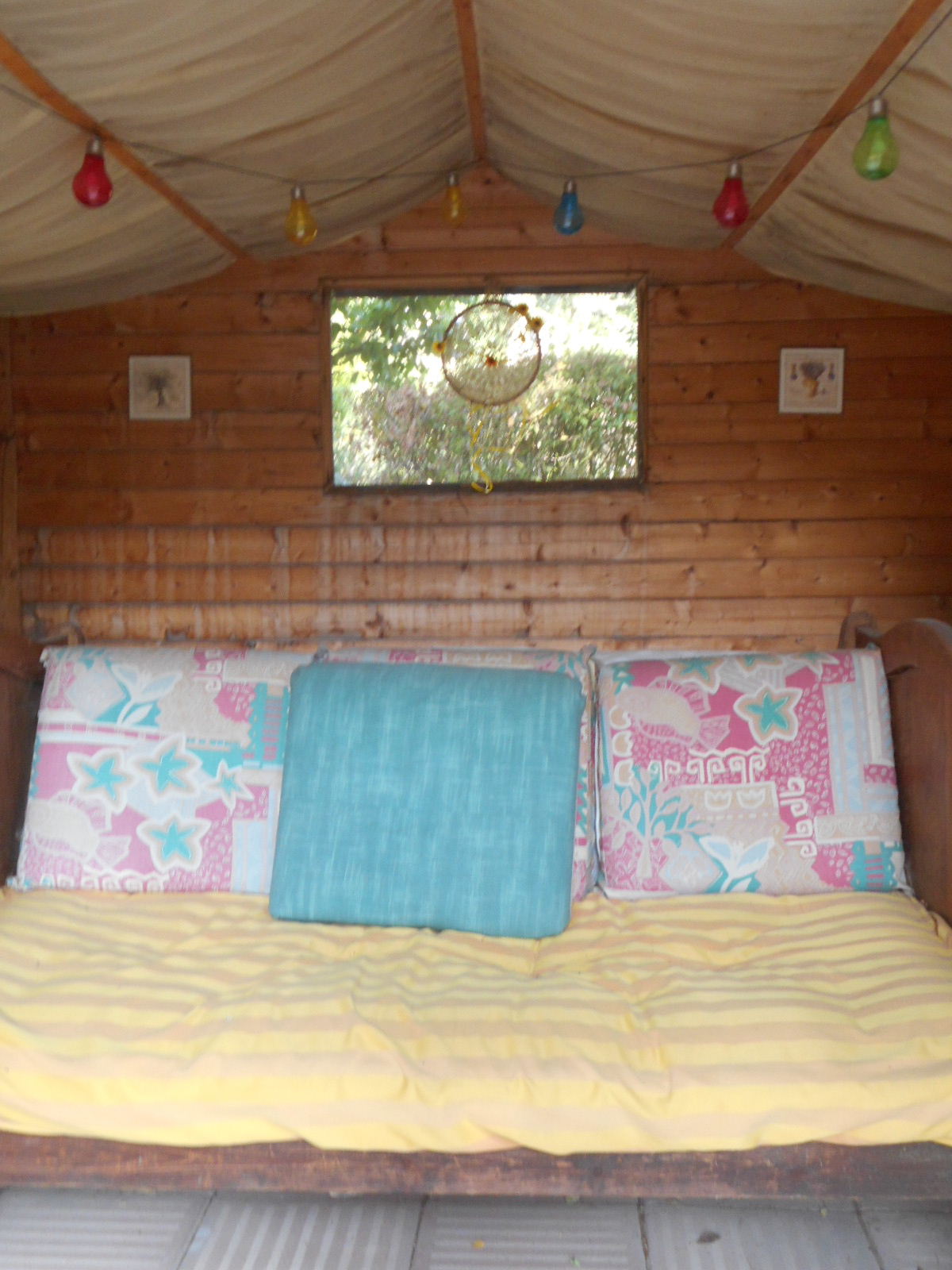
When I arose this morning, I put my coffee on and went down to the village to purchase croissants. Now, I’m back in Blighty looking at my overgrown grass and, having visited my parents, I’m contemplating a proper curry. A couple of hours on the plane and another life. But, if you look closely, you might see one of my dream catchers hanging in the summer house at Mas Sainte Antoine conjoining my two homes.


Le déluge

I took this photo eight or nine years ago in Vaison la Romaine, up in the Vauclause. I was a little worried about the darkness under his eyes and the potential poverty he depicts. Vaison is an attractive, quite ‘up-market’ place, famous for its Roman remains.


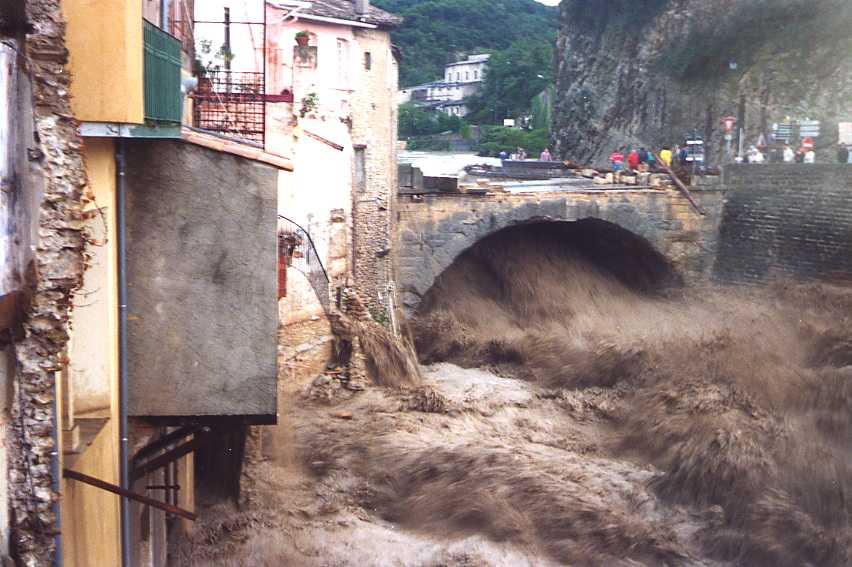
Another picture of the same place which I didn’t take ( source:’Watts up with that’). Down in my village today, my attention was drawn to a special edition of the local newspaper commemorating twenty five years since the devastating flood in Vaison that killed forty two people and destroyed huge parts of the town.

By 22 September, 1992, Provence had witnessed four years of virtual drought but  it had been raining for days, although there was no sense of impending doom. In the afternoon of this catastrophic day, an alert was issued warning of rare violent pluvio-orageux, rain storms, and the security forces were put on alert. However, the campsite upstream from the Roman bridge, situated next to a normally small stream, wasn’t evacuated because no-one realised the  impending danger. Similarly, inhabitants of a small housing estate on the opposite bank of the river remained oblivious.

Nonetheless, by mid-afternoon, the town was cut off from all communications with the outside world. Just after 4pm, the rain stopped but too late in the day to forestall tragedy. An enormous wave, more than 15 metres high, swept onto the campsite causing death and devastation. As it proceeded towards the Roman bridge, it grew in height and speed. The 2000 years old bridge had, uniquely, withstood German bombardment in WW2 and somehow managed to survive this onslaught.

In Vaison, however, not everything was as strong or fortified. The security forces rescued hundreds of people trapped on roofs or struggling in the waves. Bodies were discovered for the next fifteen days and it took years to remove all traces of the deluge.

This link should take you to extraordinary footage of the river in full force on the 22nd September: https://www.youtube.com/watch?v=a9o3tvuN5pQ

On this current sojourn, the weather has been, as we say in England, ‘up and down’, and often ‘unseasonable’. Nonetheless, today I’ve been swimming in the open air and I write this on my terrace in the late sunshine. Over in Vaison, they’re holding a service to remember the lost of another 22 September.


Over the hills and far away

There’s a prevalent view that the English always talk (and moan) about nothing except the weather. I’m here to tell you that it’s no different in Provence: I remember one spring-time when I was told ‘this is the wettest May on record’. This June, they said ‘it’s never been as hot’. Now it’s September and all are agreed ‘it’s unseasonably cold’. One thing is as certain as death and taxes: the wind! Today, however, despite the ravages of the mistral, we three set off in glorious sunshine to walk in the hills behind Aramon.

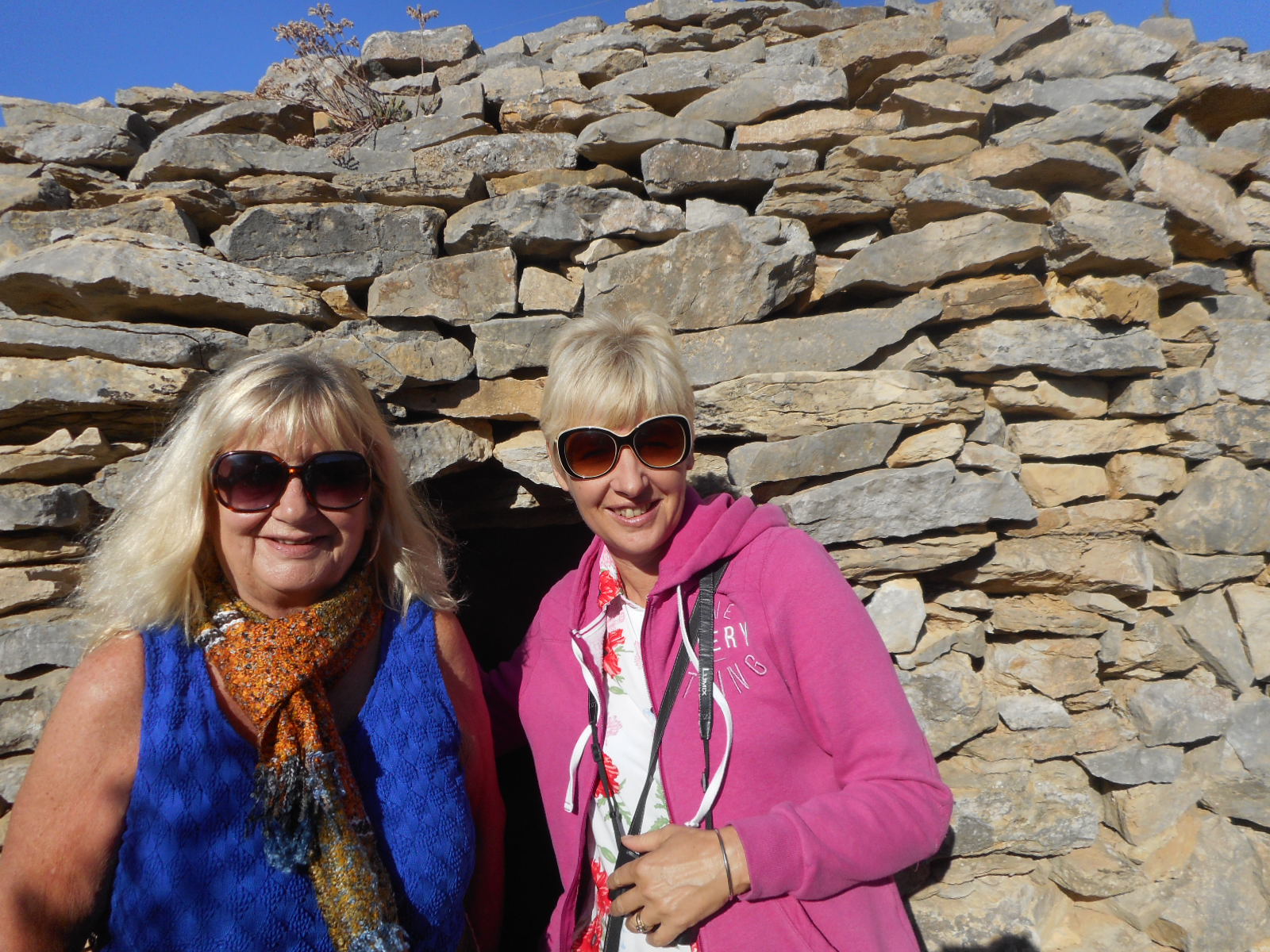
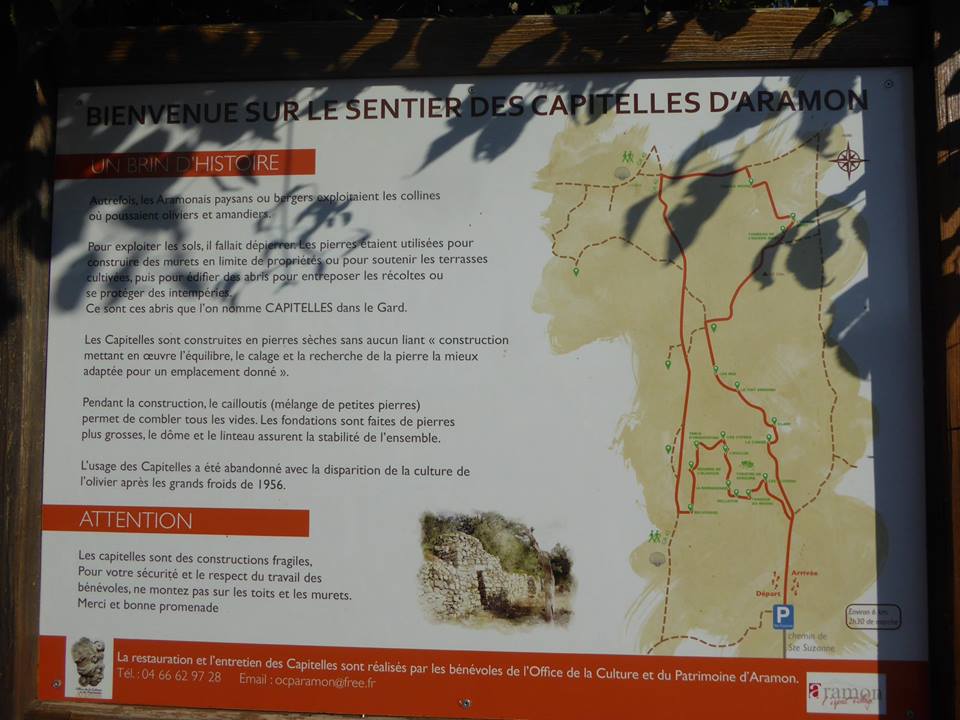
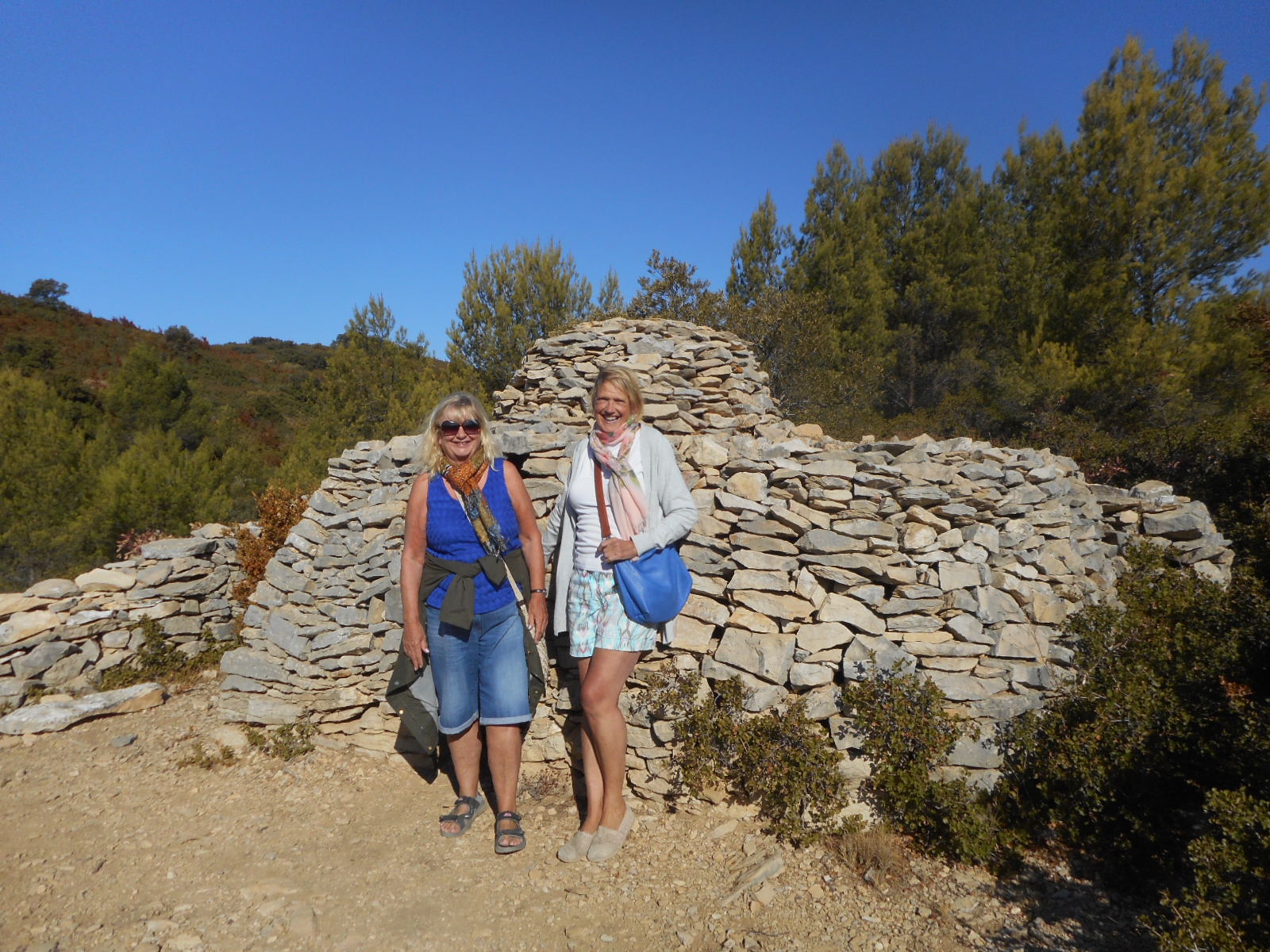
This is no ordinary walk: this is the Sentier des Capitelles d’Aramon. We have crossed the mighty Rhône to be here, thus we are officially in the region known as the Gard. No big deal you might think but, the very words remind you that, until the beginning of the twentieth century, there was no such language as French. For example, the capitelles are small dry stone buildings once used for shelter by shepherds. Twenty minutes from here, they’re known as bories but we are in another country. This photo, taken by my hostess, Keryn, shows the route we’re about to take. I might have been astute enough to take my own snap but I was preoccupied with the birds. I don’t know the difference between swallows and swifts but there they all were, skirting the vivid blue skyline, contemplating a move even further south.

The French are economically sparing with paint. The sign shows the yellow path and we follow this and the subsequent yellow arrow. After this, the decorators have lost the will and we must look for yellow blobs on movable stones to ensure we might be, literally, on the right track.


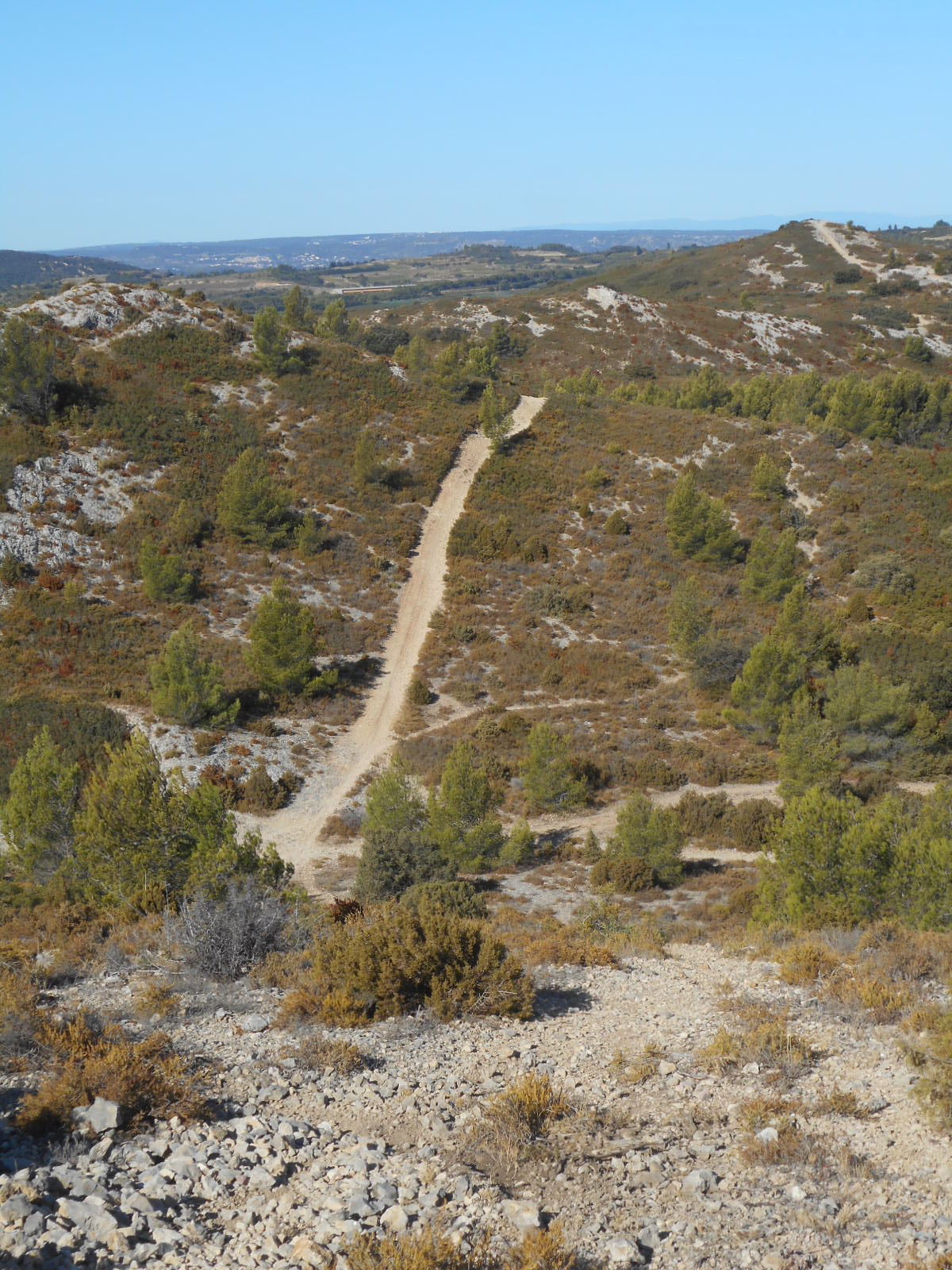
It doesn’t really matter: we regularly come across capitelles in various conditions which we duly enter and inspect as we climb higher and higher. The wind is not so bad – maybe we’re sheltered by the little mountains. There was an initial plan to leave the struggler (me) behind at an appropriate spot. There isn’t an appropriate spot: the garrigue is stunningly beautiful, but relentless. Leave me here and I’ll be lost forever. But then, I look back and see the river which inspires me to climb higher.

At one point, I see something brown crossing the track. No-one else is looking and when I mention this apparition, I am, as usual, ignored. ‘Perhaps it was a boar’, some comedian comments. And the next minute, everyone sees five or six unidentifiable birds scurrying along the path. Told you so. They were too quick for the cameras but even I know they weren’t swallows.


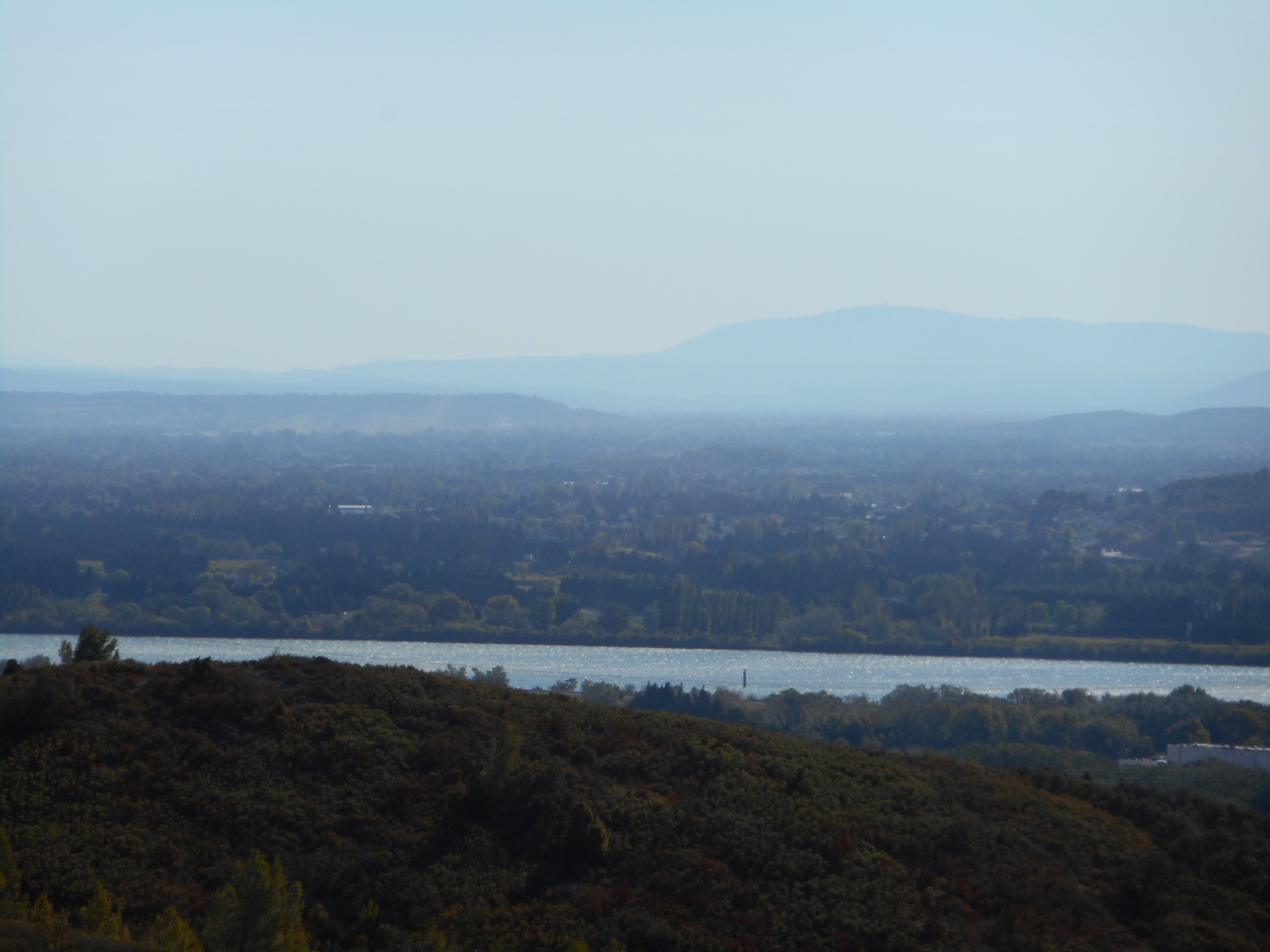
Eventually, we reach the heights which is well worth the climb. From here, we can see, in a 360 degrees turn, the Ventoux, the Alpilles, the Montagnette, Tarasçon and beyond. We’re on the top of the world, under the bluest of skies and the sunshine of the South.


We begin our descent. ‘Here’s another capitelle’, exclaims the kiwi. Haven’t we been to this one before, I query? What I like about being with Keryn and Eleanor is, no matter where we are, we never stop talking. And I don’t mean talking about nothing, for we don’t know each other that well to engage in the quotidian. At this particular point, I am minded of the chapter in Three Men and a Boat whereby the intrepid triumvate, with a crowd of followers, deny being lost in the maze at Hampton Court. Someone says, ‘didn’t we pass that bun half an hour ago?’ This, naturally, leads on to an explanation of Longleat and a discussion about PD James and Pride and Prejudice.

And then we are back at the car. And, of course, lunch beckons. Sadly, Aramon doesn’t boast a plethora of eateries. Nonetheless, we manage to secure a spot on the terrace of an apparently non-descript joint where, as Keryn reports, we enjoy ‘a five star meal for the price of a two star restaurant’. Fish for my compatriots and mignon of porc for me… a million miles from the damp offerings in Avignon yesterday.