A few holes in the ground

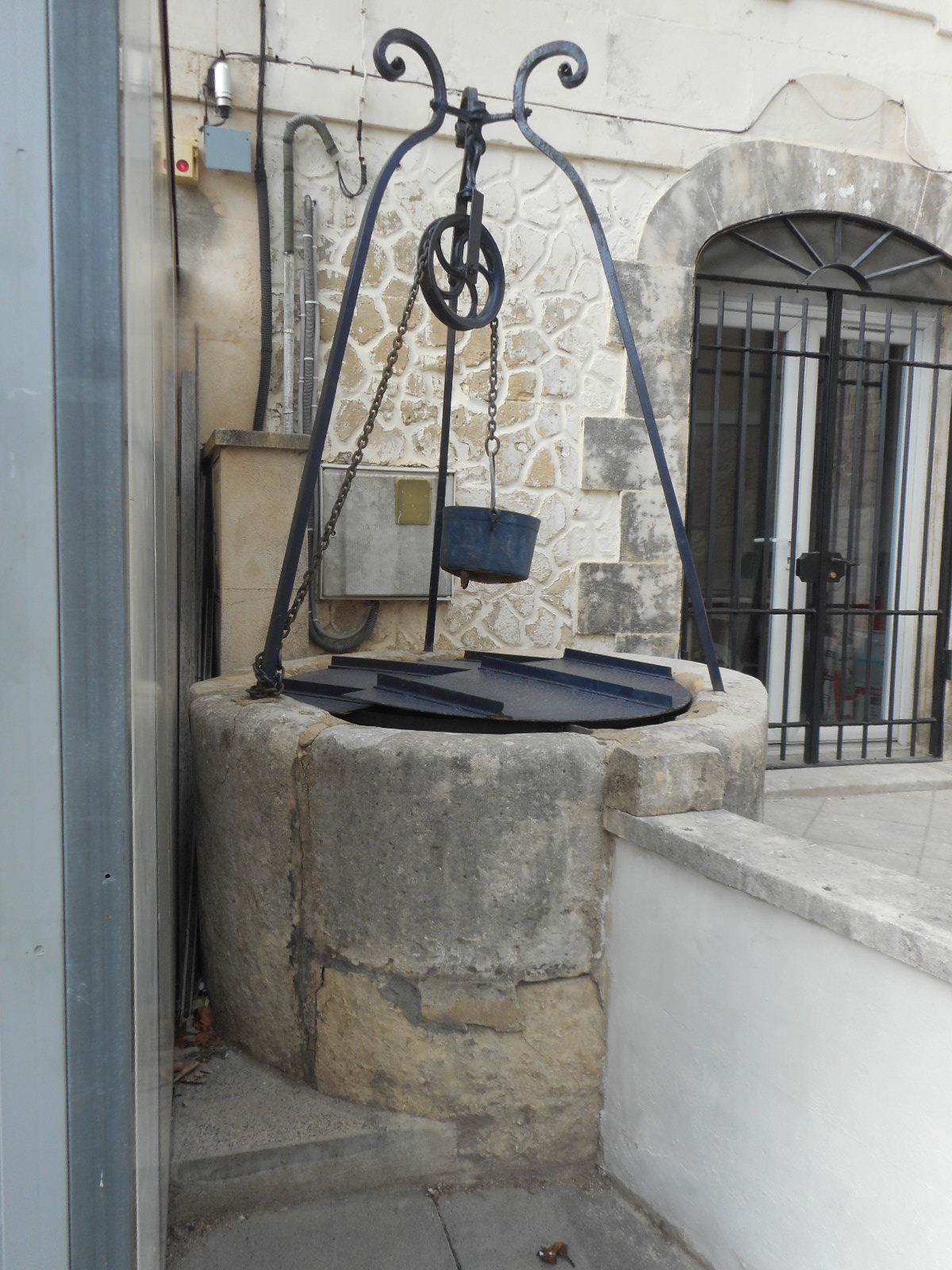
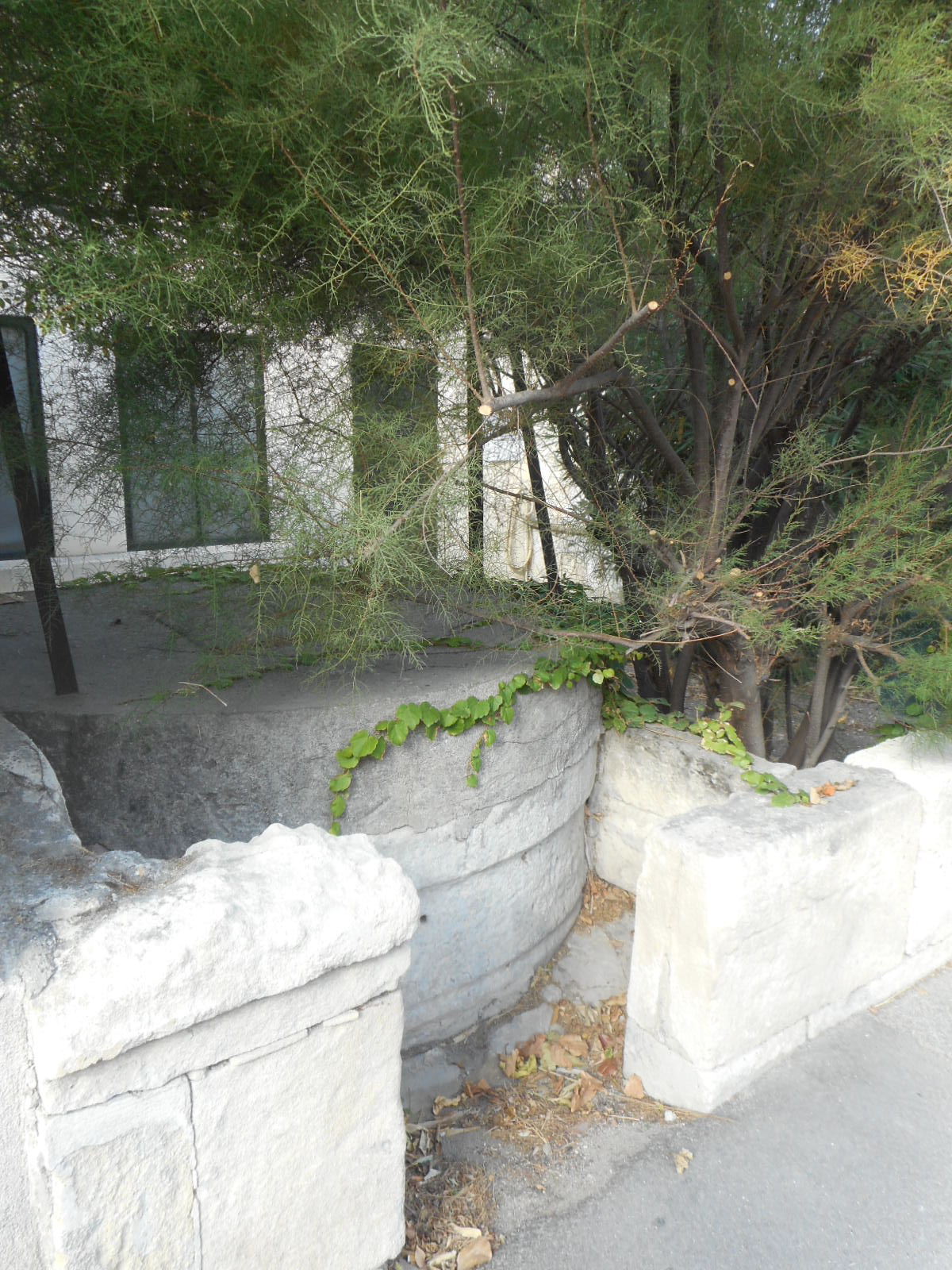
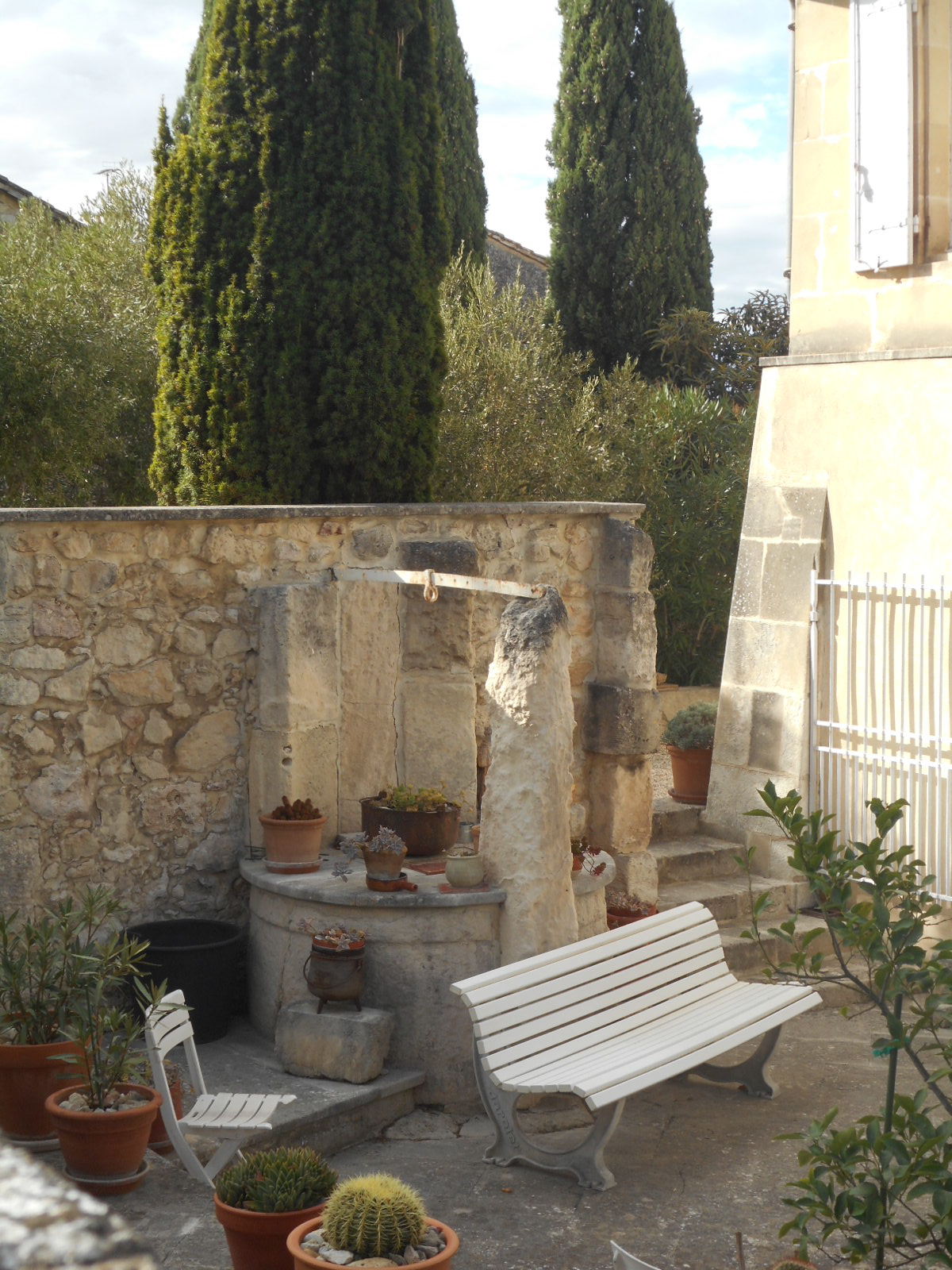
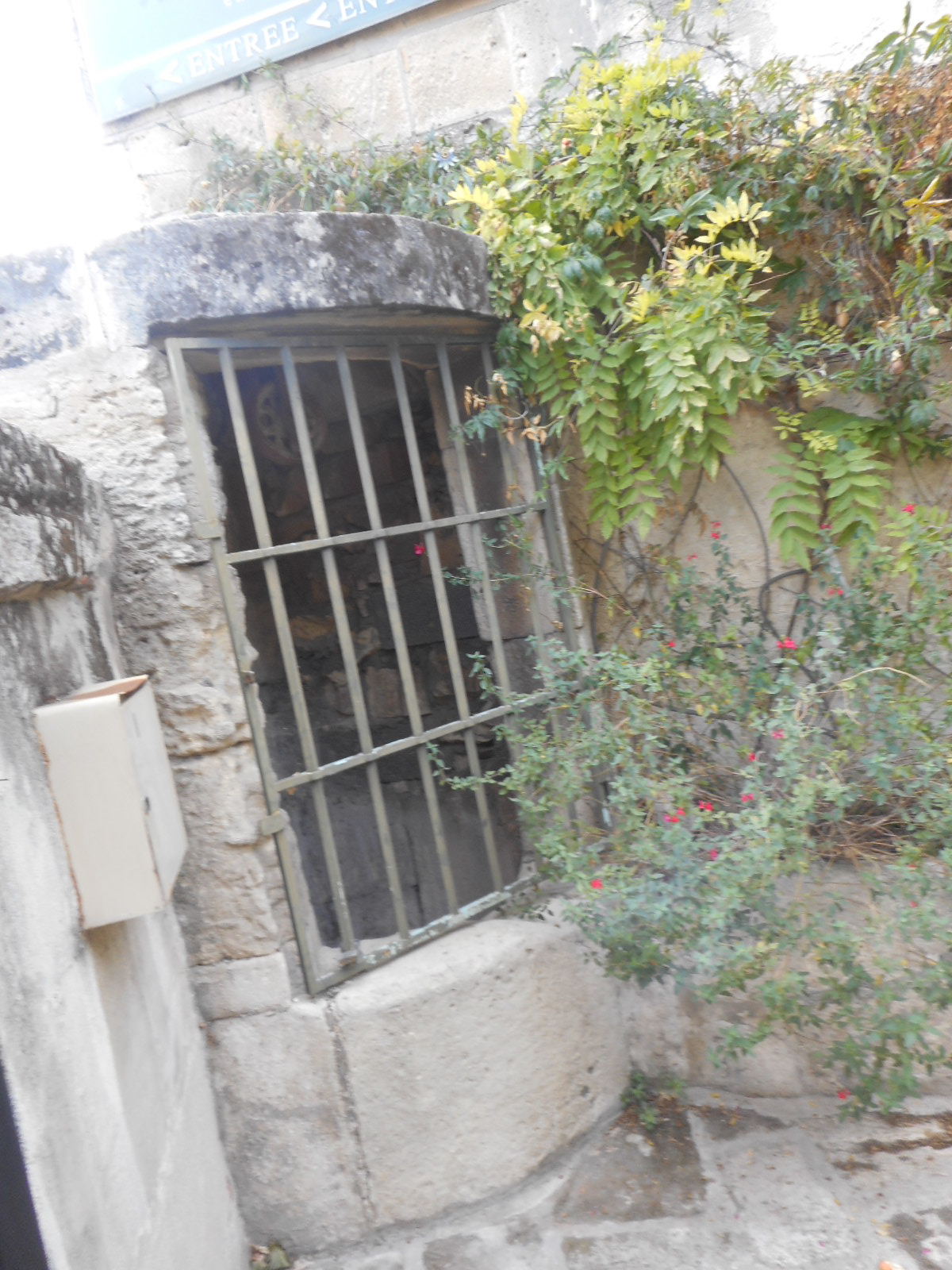
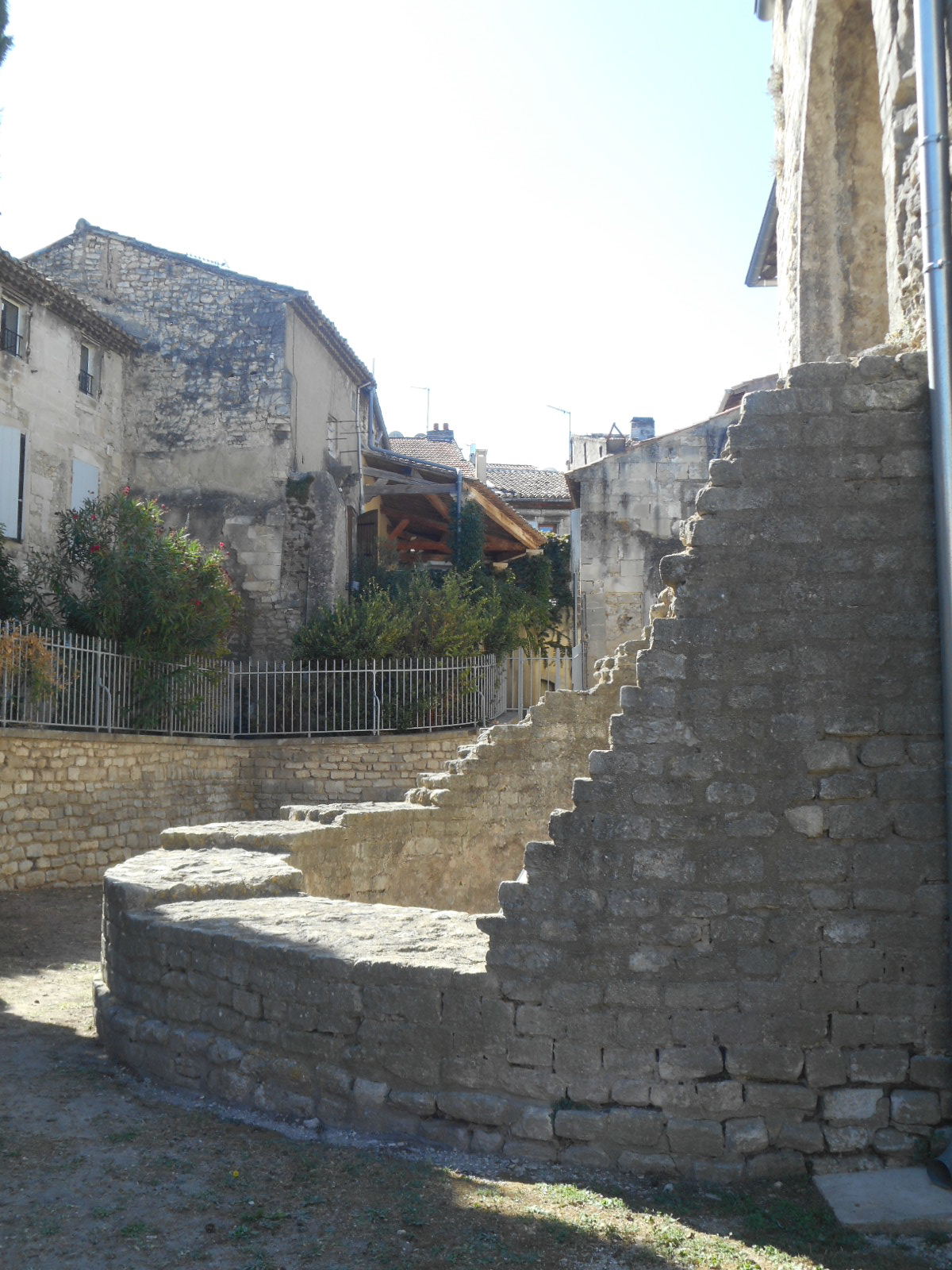
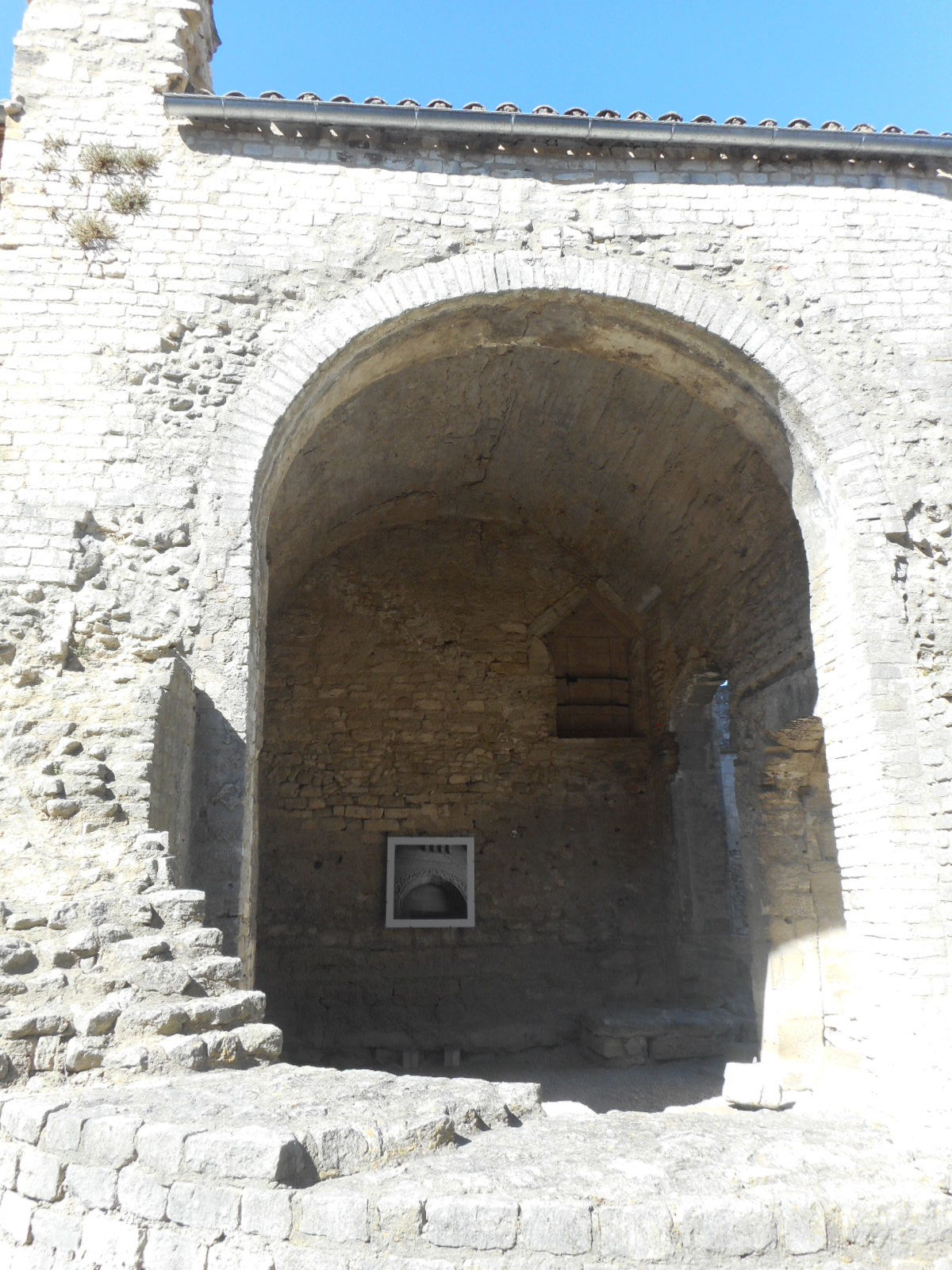
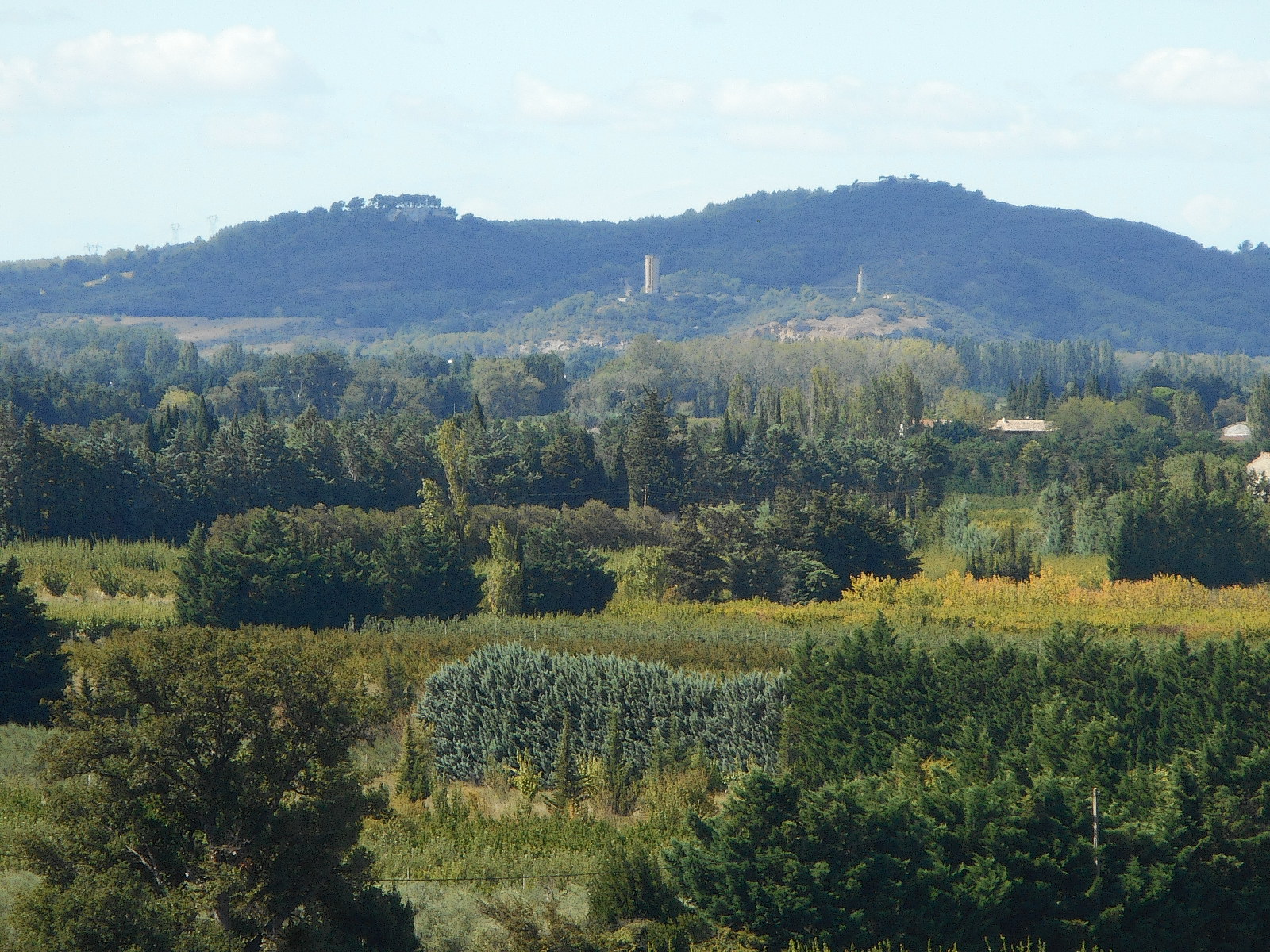
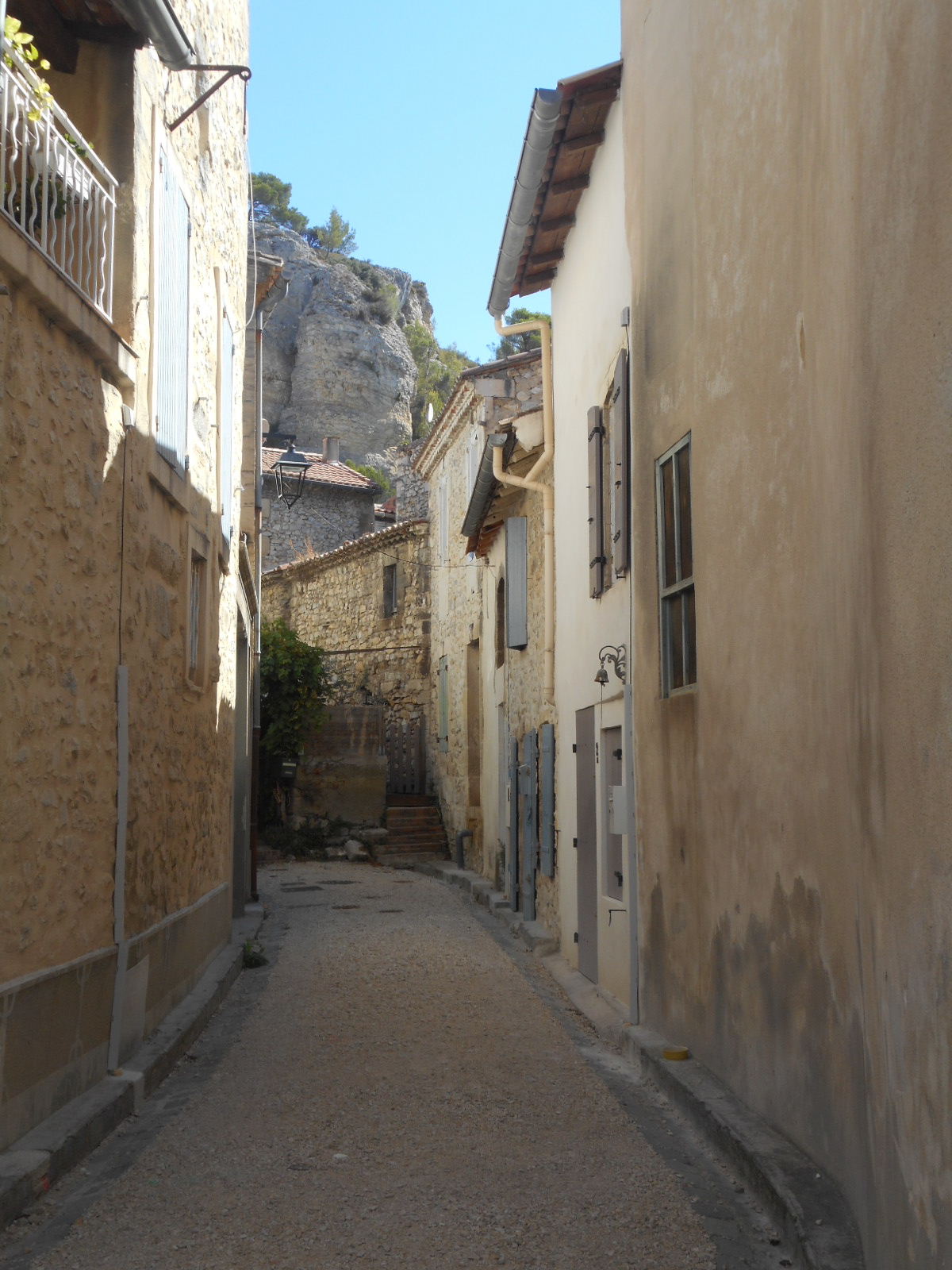
At yesterday’s vide grenière (empty attic =boot sale), I purchase a book about Fontvielle because it has some old pictures and news about the shell altar of which I’ve previously written. However, it also contains a lot of information about les puits which, it transpires, means wells. Apparently, Fontvielle is famous for them. So, with an hour to spare, I decide that today’s mission is to search for the wells of which, my book informs me, there are over fifty. A sort of watery treasure hunt.


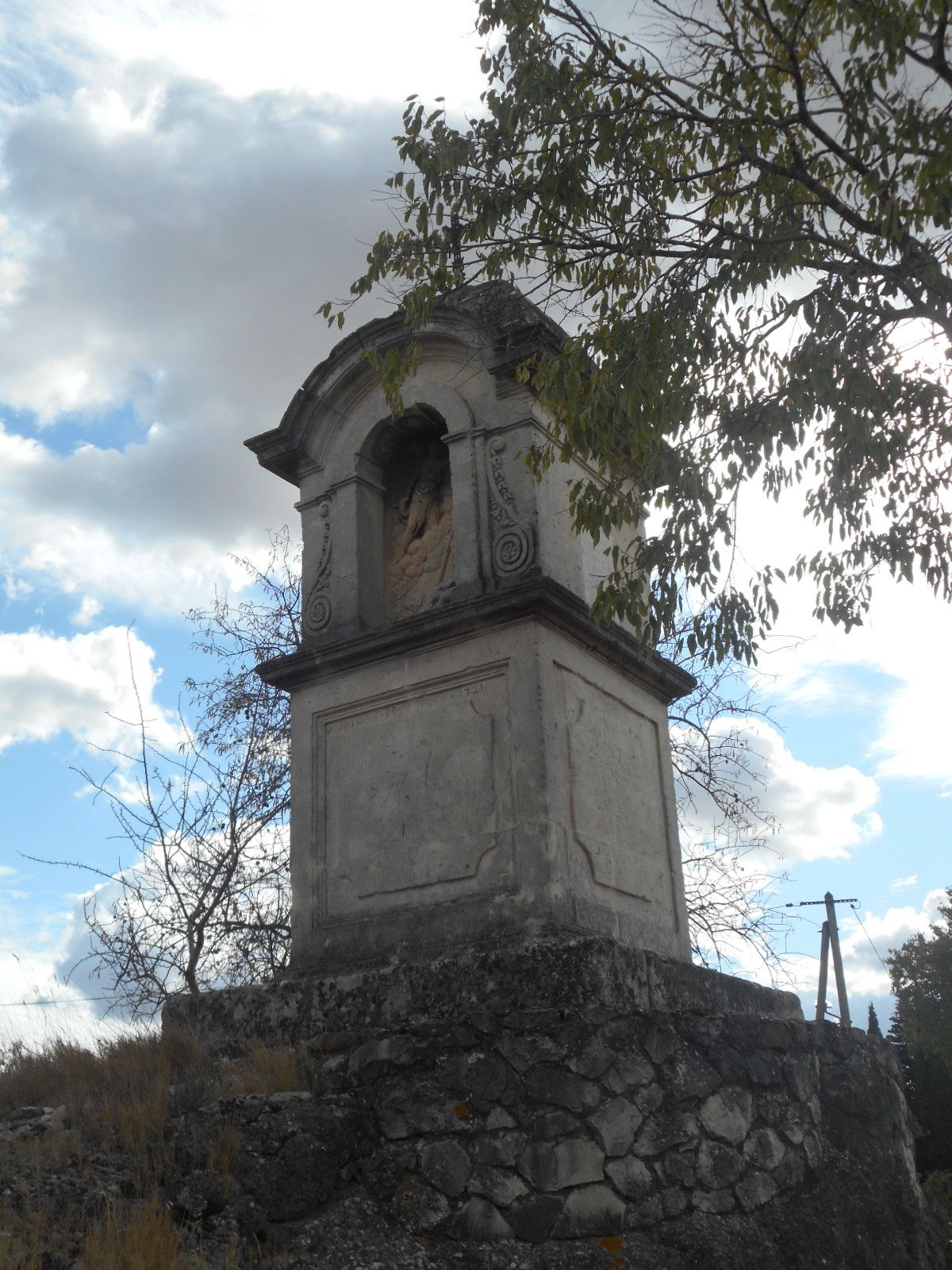
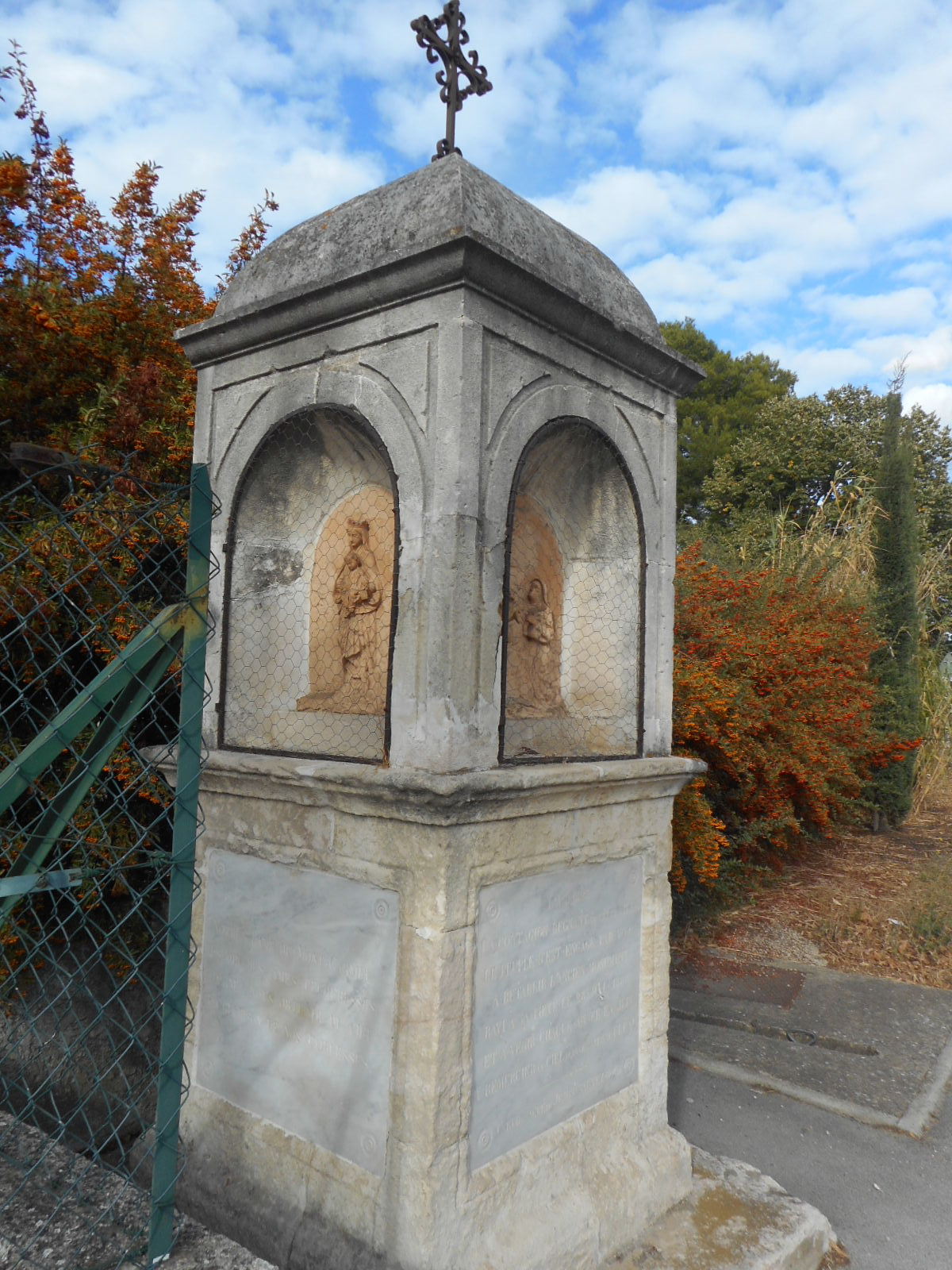
Firstly, I look for the two oratories which are also supposed to be famous. I find the one dedicated to St Victoire easily but upset the owners of the only car that has passed this way in years by parking over the entrance to their house.


The second, dedicated to St Roch, is equally easy to locate but not very accessible as it’s on the side of a roundabout. I doubt whether poor old Roch gets many votive offerings.


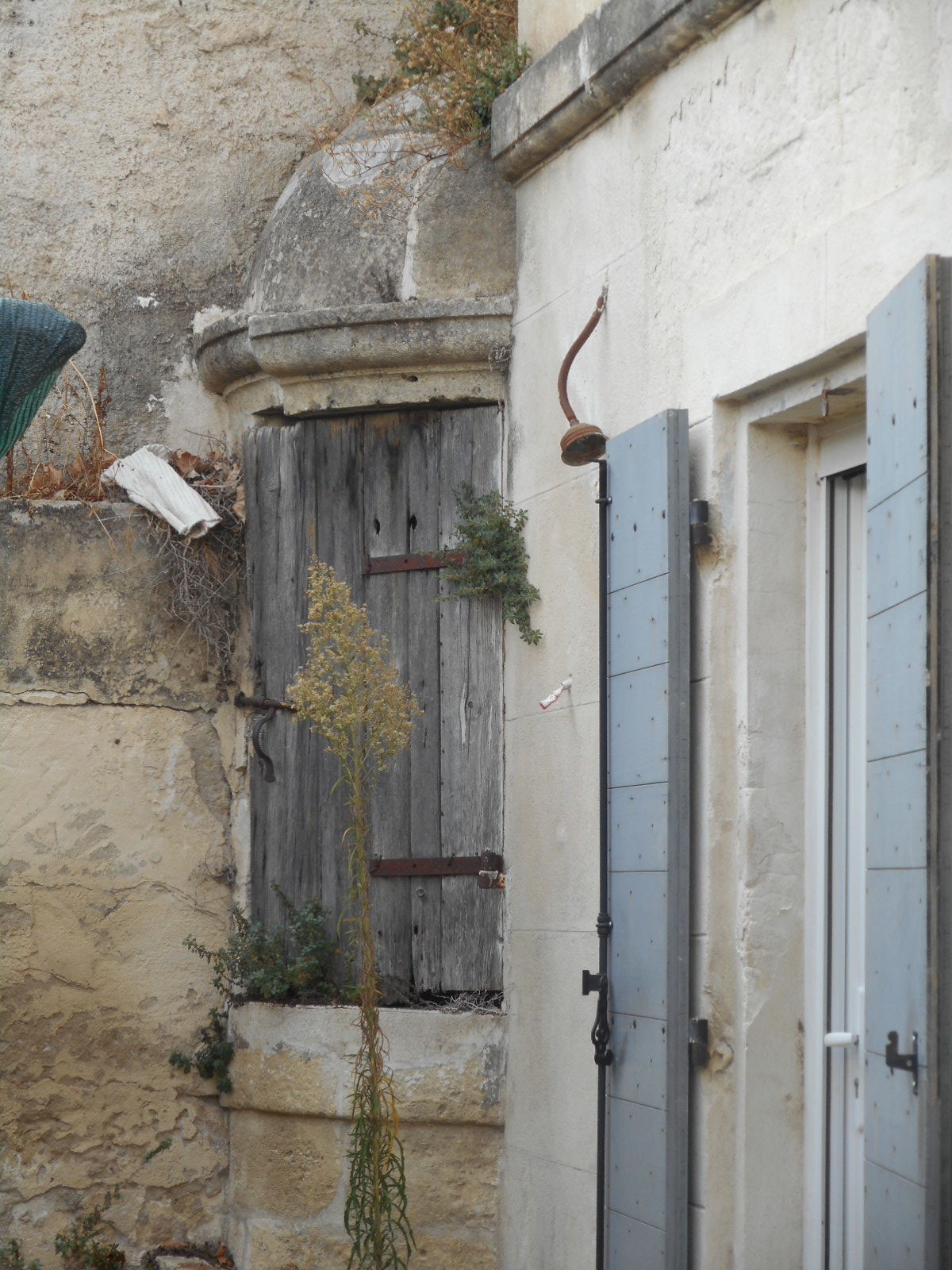
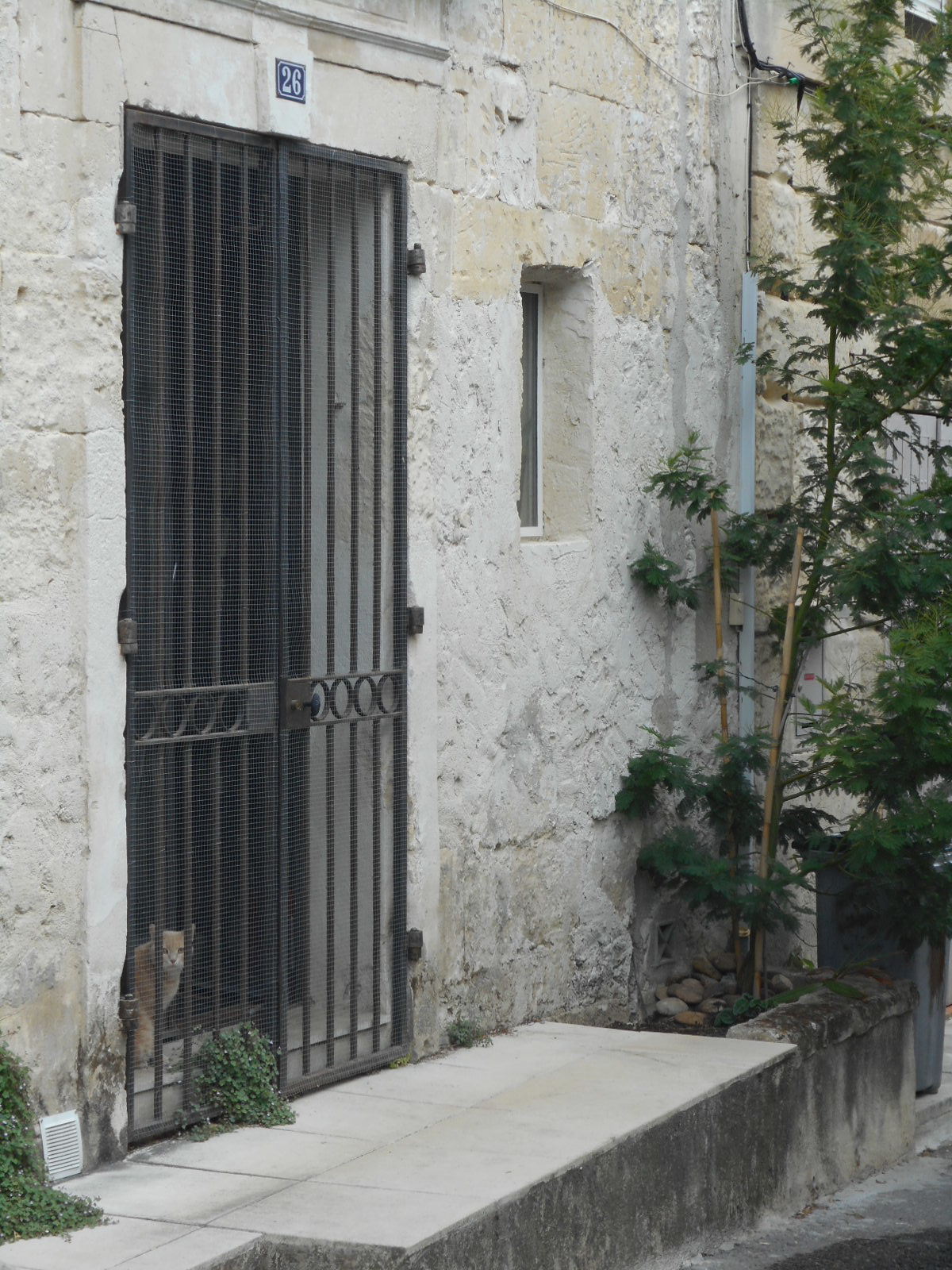
Then it’s off to look for wells. I’d say you need about three weeks to find them all. At one point, a man comes out of his house to see what I’m up to. ‘Puits’ is quite a hard word to pronounce and I am unsuccessful. I show him my book. Oh, you mean the wells, he says in perfect English. Anyway, it turns out that he used to live in Zurich but now lives in Berne, and comes to his little house in Fontvielle every six weeks. Sorry, did I ask for your life story? He shows me a well that I’ve just walked past and would never have noticed in a month of Sundays.


Looking for wells is an unusual pastime: I must look over walls and sneak into people’s gardens and run away like a naughty child that’s just rang the doorbell.


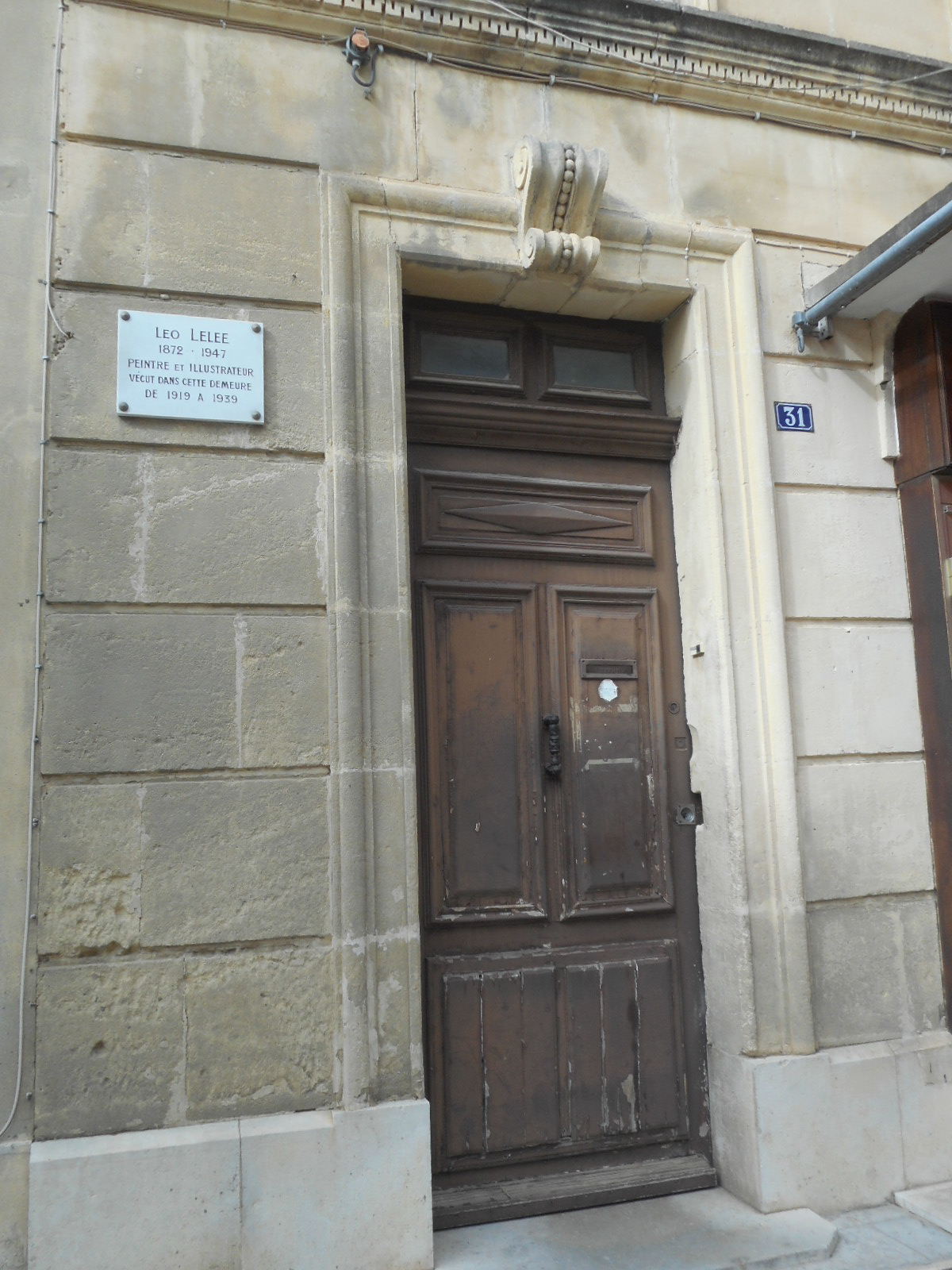
It’s fun though and I got to see some bits of the village that I hadn’t seen before. I never knew LeLee was here. My dad and I have some of his pictures at home – sadly, not originals but some rare ones which we like.


It’s a pretty village and worth a wander.


More open doors

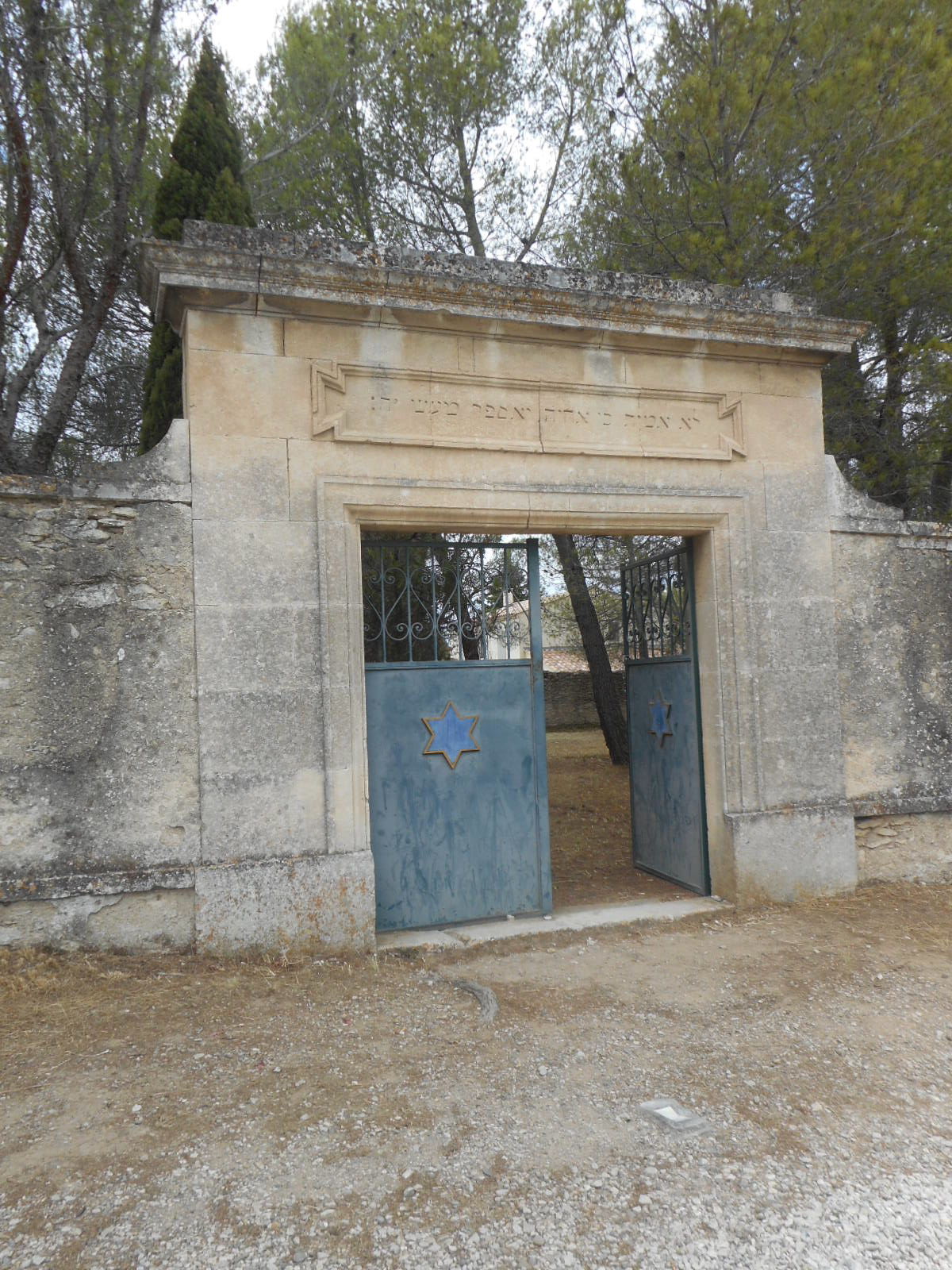
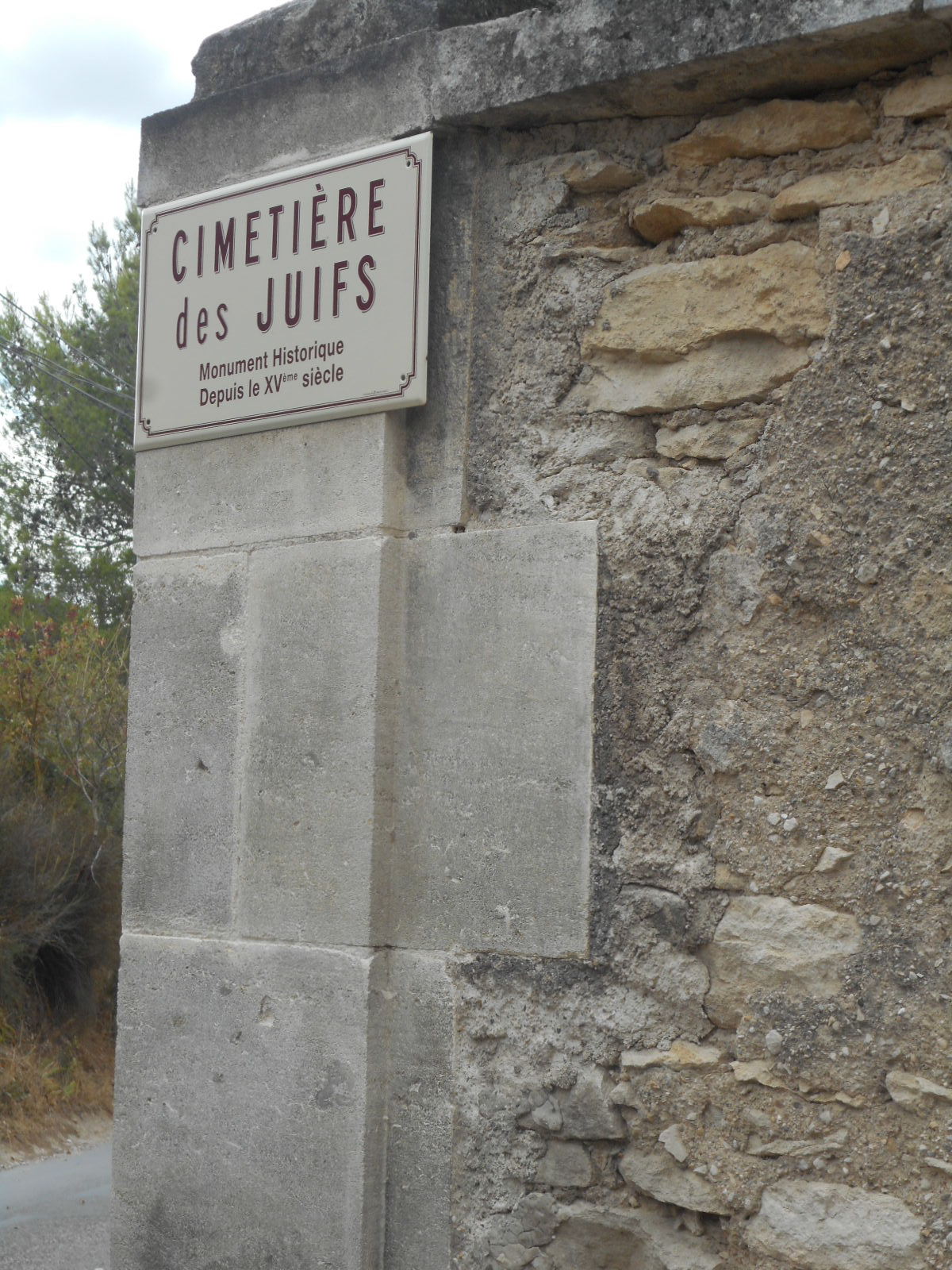
On the second of the Journées de Patrimone, I visit the Jewish cemetery in St Rémy de Provence and, before I proceed with this account, I’d like to say that, whilst I learned a lot today, I must apologise in advance to those of the Jewish faith who are familiar with what follows.


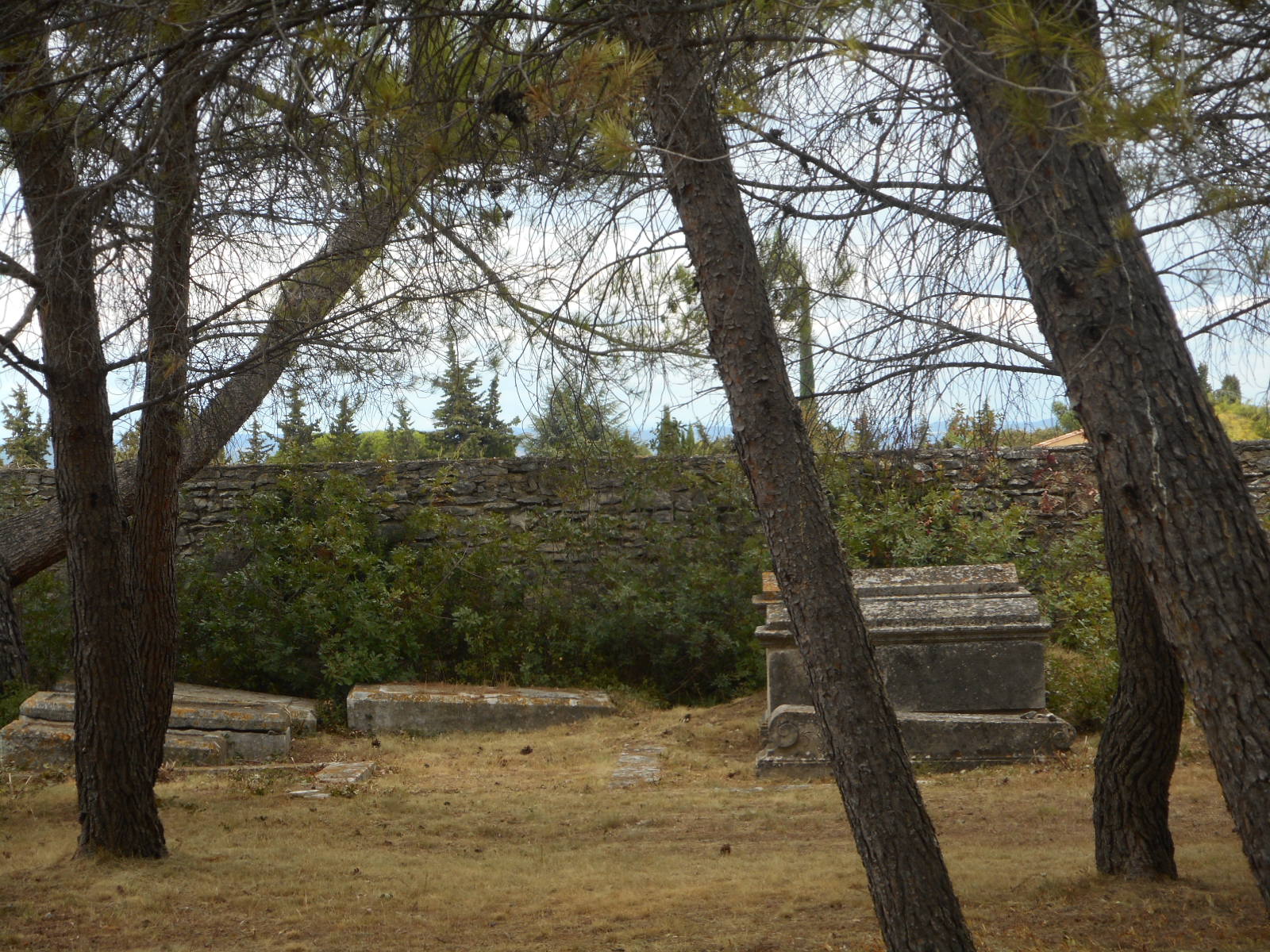
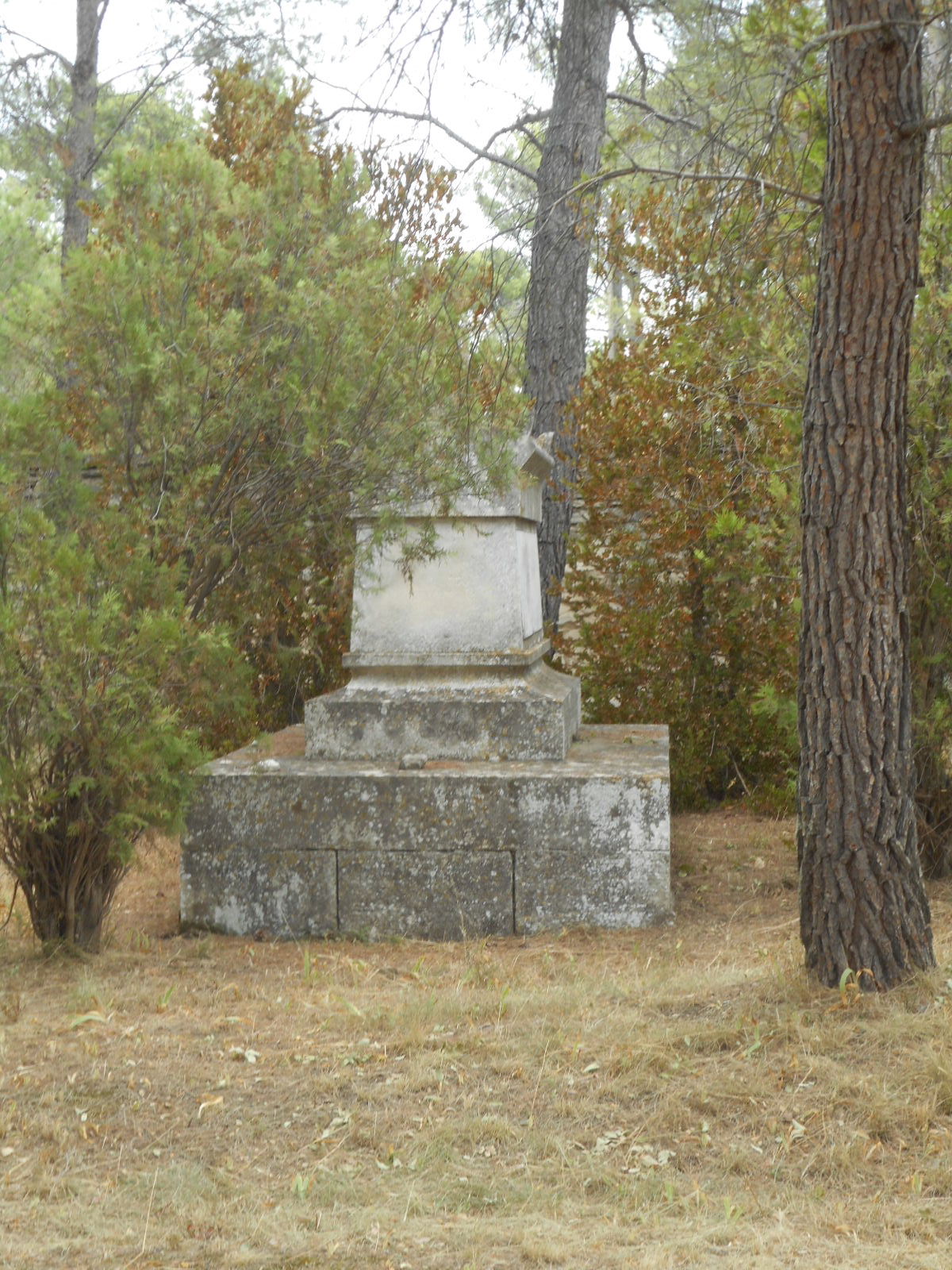
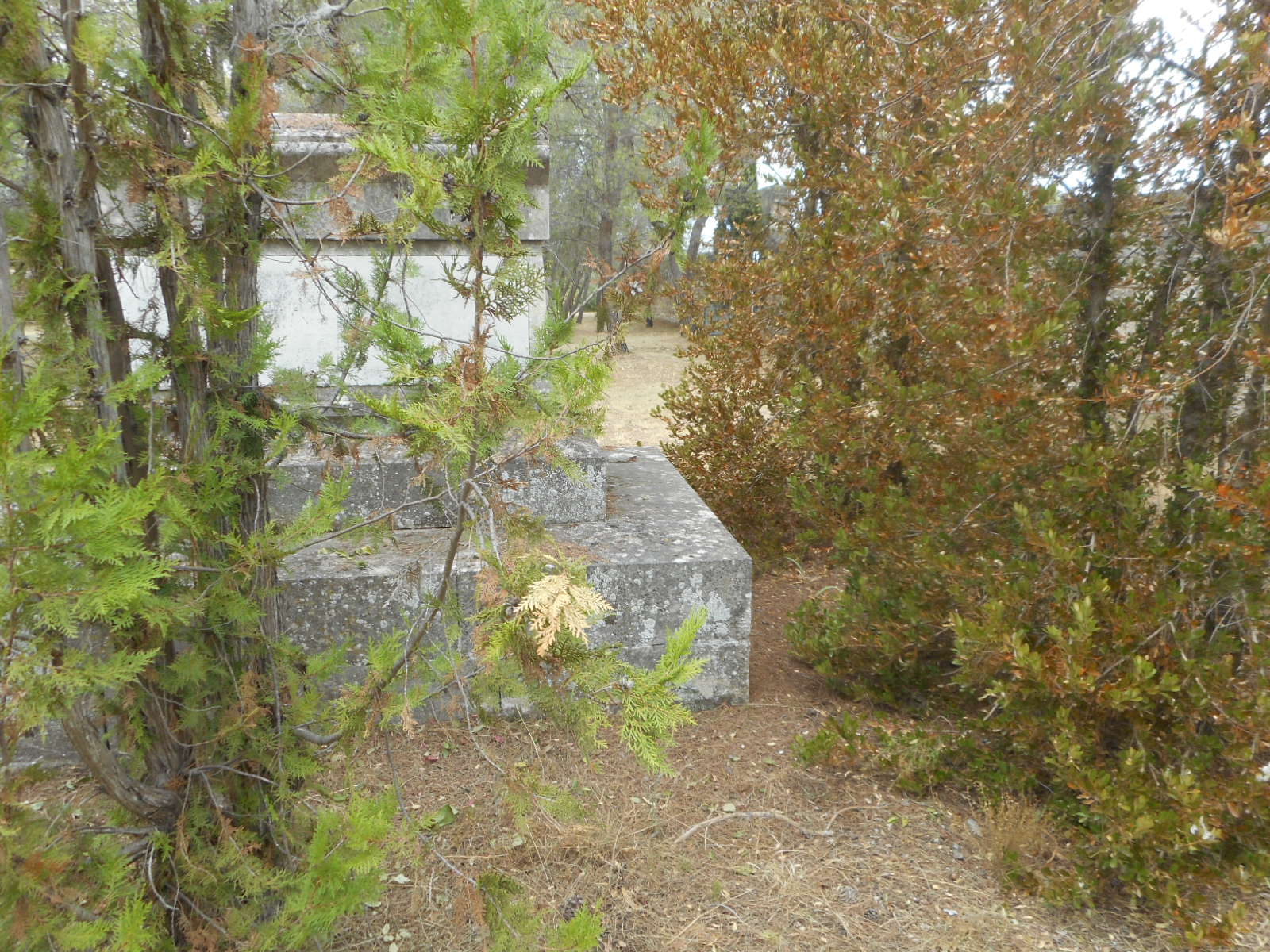
This serene and tranquil cemetery finally closed its doors in 1977 and it’s only thanks to European Heritage Days and the ‘friends’ that we can get in once a year, rather than never. Today, the oldest visible tomb was erected in 1821 and the most recent dates from 1915. However, the cemetery was first mentioned in 1400 and was founded much earlier; indeed, it was built on the site of another medieval burial ground.

There is evidence of a large Jewish community in St Rémy forever, probably since Roman times. Records show that in 1339 all meat sold in the town was ritually slaughtered (Kosher) and the locals made a formal complaint of it being tasteless. St Rémy’s famous son, Nostradamus, was born of Jewish ancestry although his family later converted to Catholicism. The Jews were expelled from Provence in 1500 by Louis X11 and they had to wait until the French Revolution of 1789 for official recognition of their right to return and confirmation of their equality with everyone else.

Back in the cemetery, I see a couple placing a stone on a tomb. Actually, I’d noticed that several of the tombs have stones randomly placed upon them. I gave this half a thought: in Provence, you can see rooftops adorned with stones but this is a practical solution against the whims of the Mistral. Surely this can’t be true for long-ago graves.

I pluck up courage and ask Madame from ‘the friends’. I don’t mean I need courage to ask, but I do need some extended vocabulary to understand the answer. Actually, it’s not too tricky: she gives me some alternative explanations which I later research and find her perspective the best. In no particular order that I know of, they are as follows:


Before the time of caskets and coffins, the deceased was buried in a shroud in the ground so the stones acted as protection against the ravages of wild beasts. Par contre, the stones, which are placed with the left hand, keep the souls in place, thus preventing a haunting. And yet another alternative is the view that placing a stone is a symbol of sending the dead on a safe journey (because the stone represents strength) and a reminder of the resurrection.

I was a bit confused by the latter. Pragmatically, it makes sense: if the stone is removed, then the soul can escape – hence the rolling back the stone from the place of Jesus’ burial. But I didn’t think that this religion believed in the resurrection; what do I know?


Anyway, Madame is on a roll with her audience of one and begins to tell me about the Germans. It’s true that the German army requisitioned St Paul de Mausole in WW2 but trying to confirm her story is a non-starter. Nonetheless, I’ve no reason to disbelieve her. Weasel readers will be familiar with St Paul de Mausole which is where Van Gogh placed himself after the episode in Arles. And where he produced 150 works of art including Starry Nights. So, the Germans threw out all the patients and closed down the cemetery. Just as contextualisation, this little part of the world was, in 1940, ordained as part of the Free Zone under the protectorate of the dubious Vichy government. By 1942, the Germans had moved in and begun a systematic round-up of French Jews.

Everything she passionately recounts begs another question but now more French people have arrived and the discourse is too speedy for yours truly. Still, it’s another piece of local history and culture for me from yet another true representative of Heritage Days.

Open doors

It’s the European Heritage Days today and tomorrow when, all over Europe, it’s possible to visit places that are mostly closed to the public. Well, all over Europe apart from England which, secretly, had its heritage days last weekend. I suppose the Brexiteers feel we’re already no longer part of Europe so why not be different?

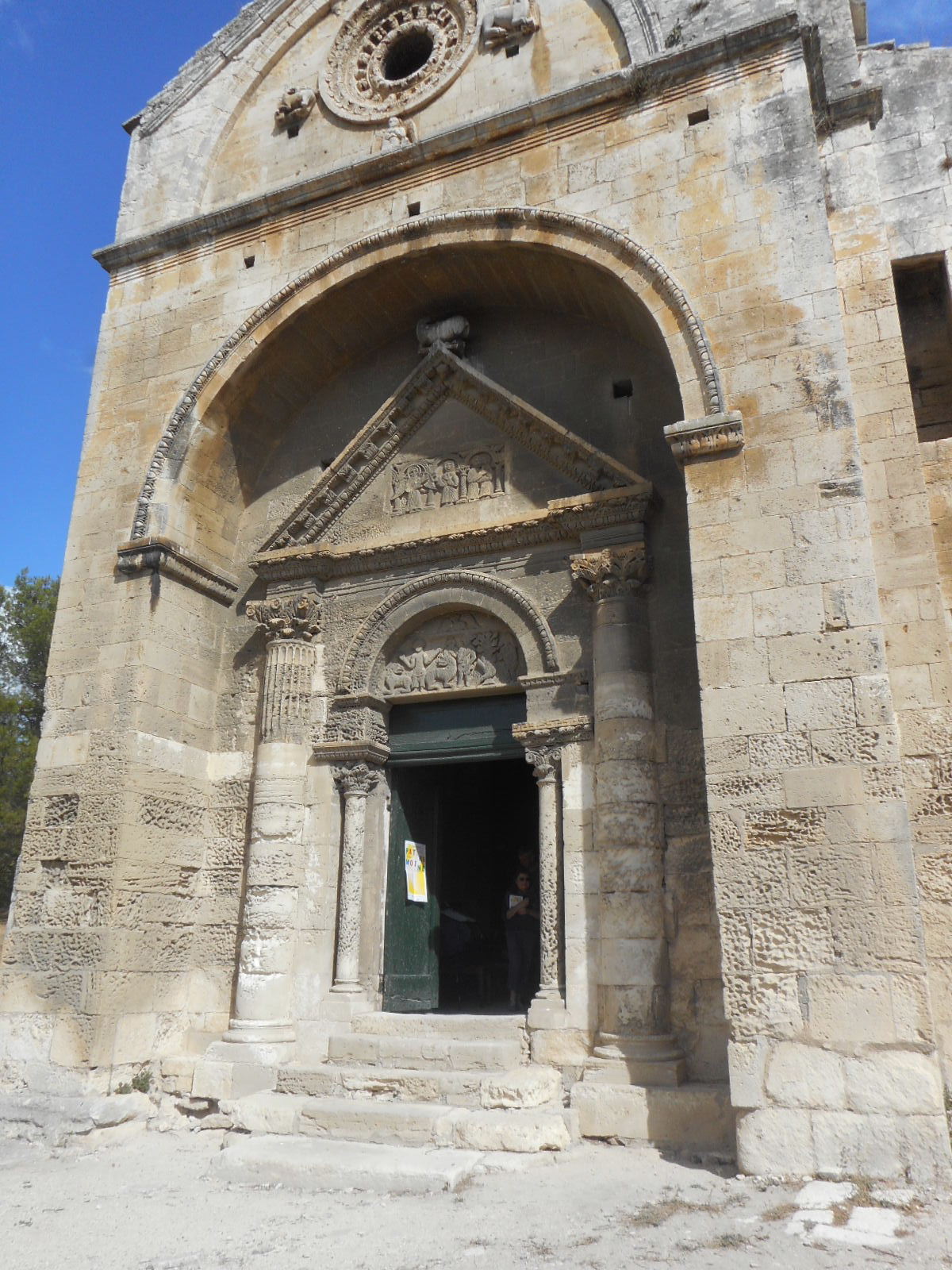
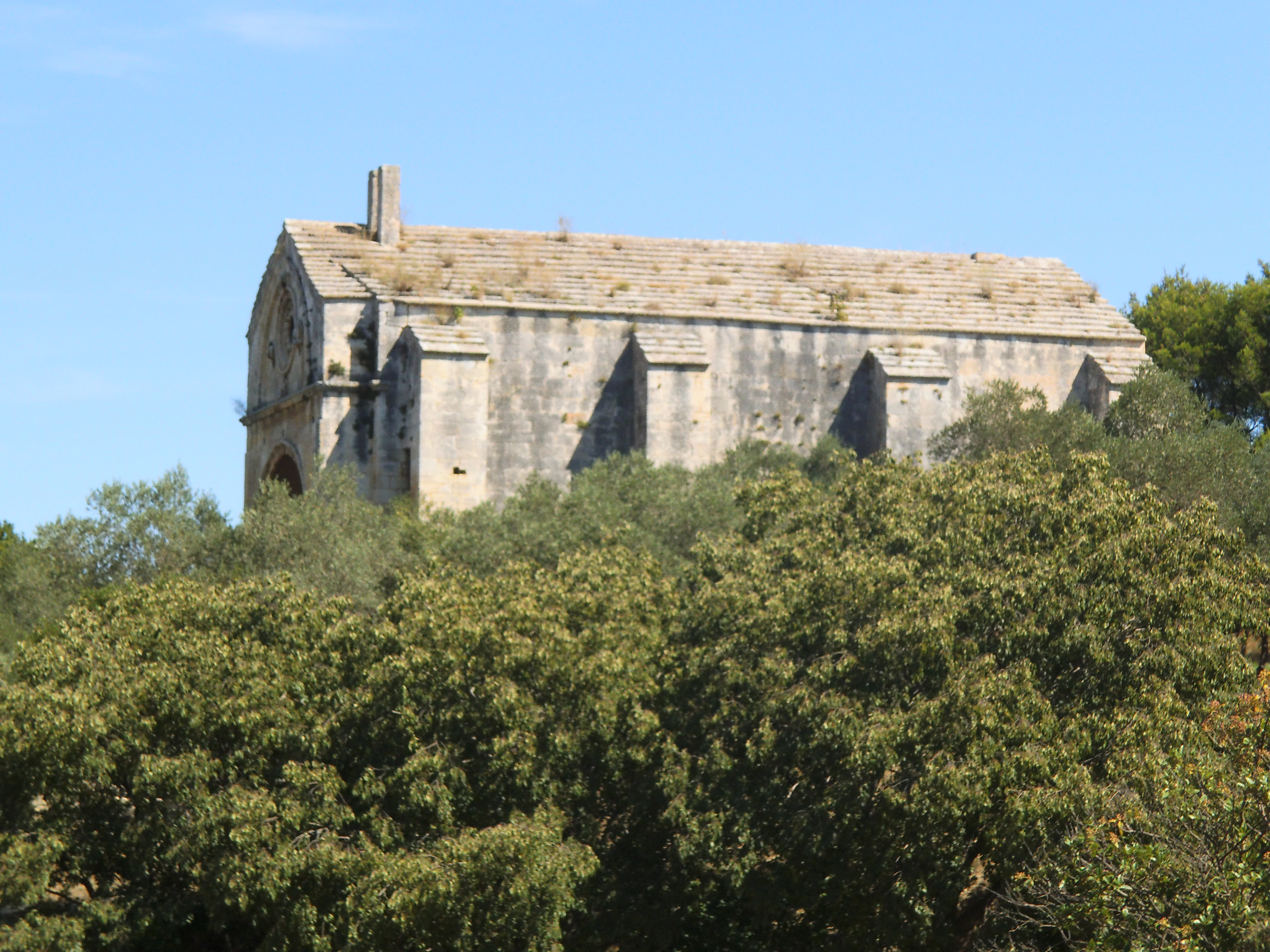
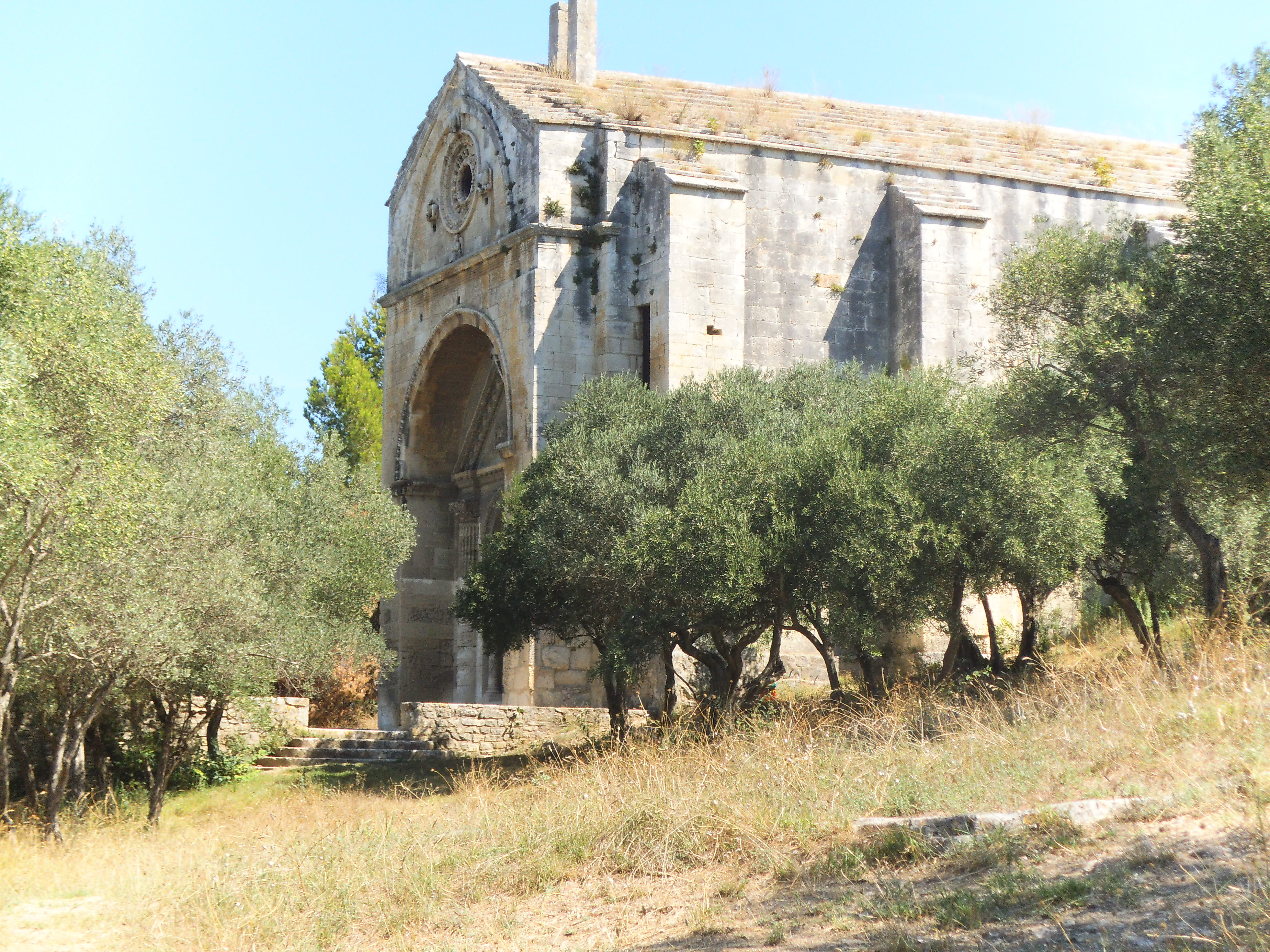
And actually, the French may well feel the same: at my very favourite Chapelle St Gabriel, whose doors are rarely open, on asking the lady from the Association of the Friends of Gabriel if they had any literature in English, I was informed ‘non’, only French, German and Spanish. And pourquoi pas Anglais, I press her? She’s embarrassed, poor thing – ‘une erreur’, she tries with a question mark. You’re sure it’s not Brexit, I suggest?
What she does have, nonetheless, looks interesting even if it’s going to take me some time to translate. So, I continue, as a friend of Gabriel, do you know the secret? She hates me in a charming sort of way. I see blank confusion as she makes a mental note to ensure there’s something in written English next time. ‘Quel secret?’
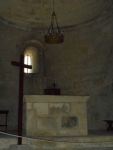
I tell her I’ve read that St Gabriel’s Chapel embodies a secret hidden in plain sight. Perhaps Jesus was here? (any chance to get back on that overladen boat in a manner of speaking). Madame has not heard of this although, being a huge fan of conspiracy theories, I suspect the Association of the Friends of Gabriel won’t be owning up to anything in the near future.


Or possibly St Martha, I continue? Madame brightens up considerably at this suggestion and begins to tell me how Martha overcame the Tarasque. Yes, yes, I smile but I also read that this chapel was constructed on the site of a previous building that may have been a religious school for girls and women initiated by St Martha. We’re having this conversation in French and nobody like a know-it-all. But Madame, who hasn’t heard this story either, seems genuinely interested. Either that or she’s a pleasant but accomplished actor.
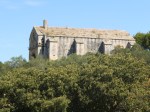
Do you come here often she asks without a hint of either irony or sarcasm? Because, she continues, you could join the Association, which I’ve now decided is a local branch of Opus Dei, and tell everyone else all these things. It was a joy to be in that place with her: she loves it as I do and I’m seriously thinking of signing up.

The Association was formed in 2009, with the aims of restoring and maintaining the chapel and enabling regular access. In 2013, they managed to get the state architect on board along with the national body for archaeological research whose study suggested that a provisional budget of 460,000 euro might get the renovations under way. Some minor building works have been carried out but, today, one of the most worrying problems comprises the parasitic vegetation which is erupting over the building. On the other hand, the Association successfully inaugurated the ‘Dimanches de St Gabriel’, so many of those who previously complained of the place never being open, have subsequently been able to visit. Voila, what began with a tiny group of people now has a membership of over 250.
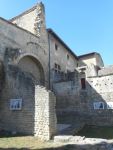
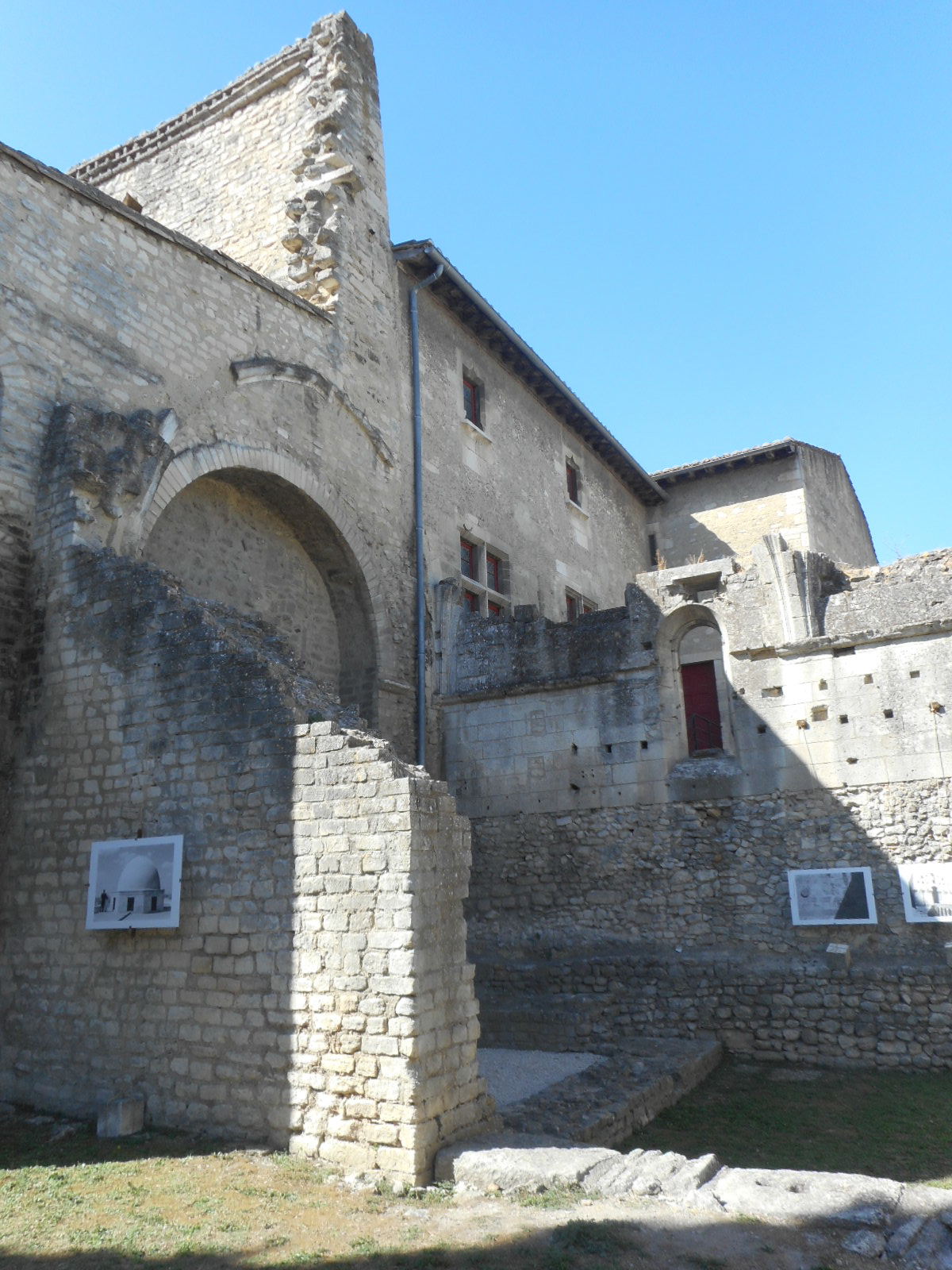
I’ve lost count of the number of times I’ve been to St Gabriel’s Chapel. However, my second visit on the first of the Journees du Patriome was to the Hôtel de Sade which I’ve never previously visited. Balthazar de Sade had a wonderful mansion erected in St Remy in the late fifteenth century. Baltahazar, by the way, was an ancestor of the infamous Marquis of the same name.


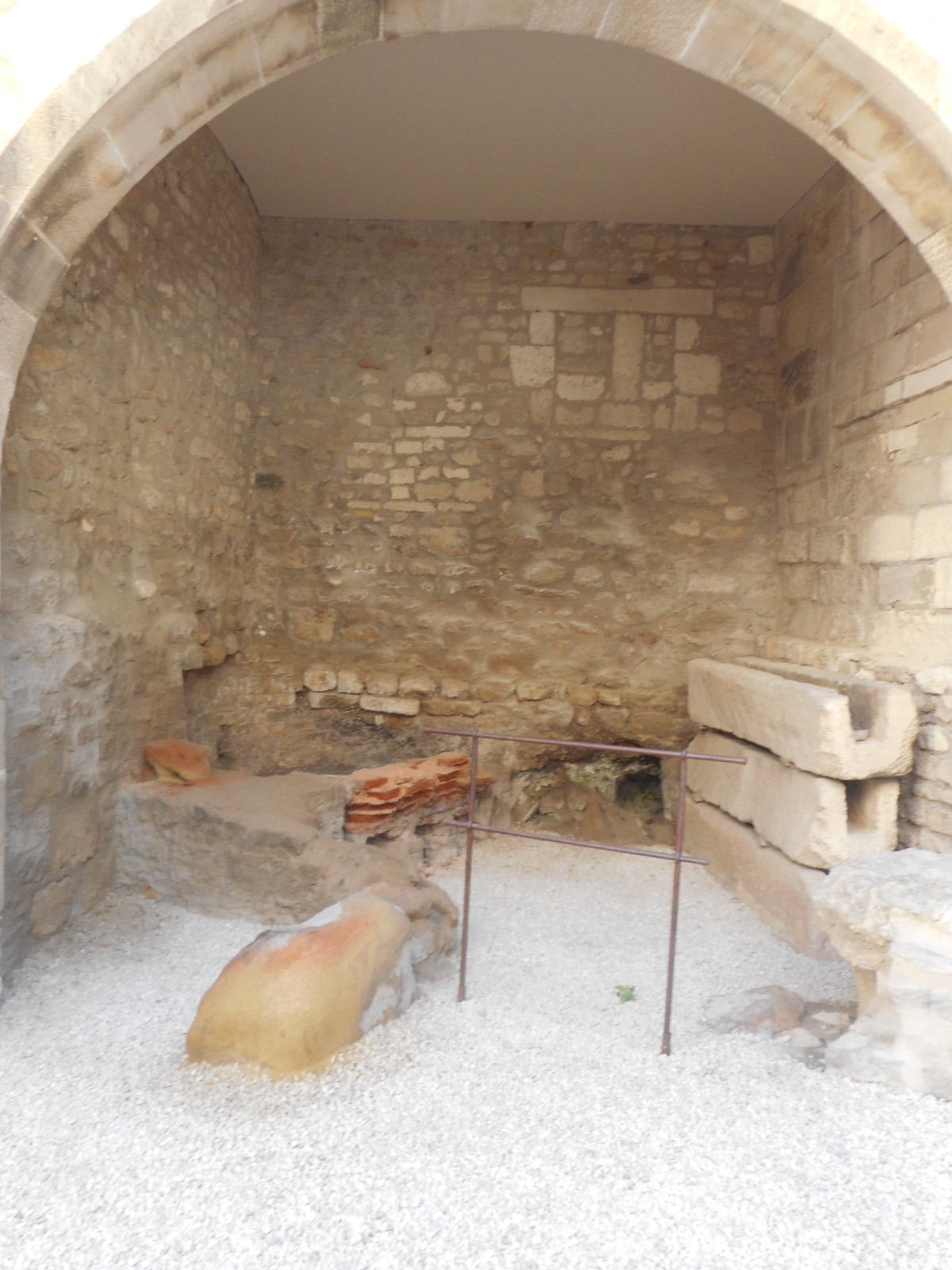
I suppose the main reason for its importance is that Balthazar had his house built around a bunch of much older constructions, most of which are a bit tricky for yours truly to comprehend. Where’s Paul Russell when you need him? Apparently, the new bits are constructed in the ‘flamboyant Gothic’ style whatever that is. However, pre WW2 excavations revealed a huge bath complex dating from the fourth century AD. Not mentioning any names, but it wasn’t that long ago that some Prof from the USA was dragging me round Constantine’s bathroom in temperatures of 40C after a particularly energetic lunch. If only we’d known what was lurking in the back streets of St Remy. I quote: ‘it’s exceptionally well-preserved state is comparable to the thermal baths of Constantine in Arles’.

Here, we have the well-preserved remains of the hypocaust, the palaestro, the pool, the sauna, the tepidarium and the frigidarium. Who knew, Russell? Don’t ask me ; I only take the photos and write a few words.


And if all of that isn’t sufficient, it turns out that the Hôtel de Sade is the repository of excavation findings from Glanum. They’ve got mosaics and sculptures; painted plasters, heads and torsos; tombs and carvings. They only had a few out on display today and they were ‘roped’ off by ugly red and white chains, so I didn’t take any photos. Sorry Prof.

Here’s a tip, though. If you’re interested in historical stuff that the public can’t normally see, visit Provence during les Jours du Patrimone.

The end of something

September in Provence can be charming with its late-in-the-year warmth, excepting the unexpected wind. Something purporting to be the mistral blows down the Rhône when one least desires its presence. But, today, the curse of the South is non-existent.

Market Day in St Remy de Provence and the place is flooded with Americans looking for end of season bargains. It’s like high summer has chosen to make a last-ditch reminder of its economic raison d’être. Those huge tomates anciennes are beckoning to be conjoined to a little picadon. The rennes claudes, sweet and juicy, don’t suffer the fears of their English counterparts: if a tree dies, so will its owner (or vice versa).
By the pool, we few cosmopolitan hangers-on lap up the globally warmed rays, intent on returning to colder climes with the hint of an envied tan. We dip in and dip out of the water and likewise of our undemanding novels; immersed in the care of nothing, to which we cling before reality hits on the next plane home. A solitary tree frog sings a lonely song from time to time.

Later, just before dark, the odd lost swallow flies overhead looking for its compatriots. I sit here quietly, reading of news from home wherein a son has just bought his first house and my parents are accompanied by decorators. It’s an hour and a half away by air and a million miles to another life. My hostess lends me a jacket to combat the sudden drop in temperature, but it’s still warm enough to take supper outside.

My picture is of the town hall at Tarascon, the place to be when celebrating Christmas in these parts. I won’t be there: I’ll be in Dorset with my family.Tomorrow, the temperature begins its downward slide, but Provence will still be here. Different, but still beckoning timelessly with a disregard of the seasons.


Boulbon

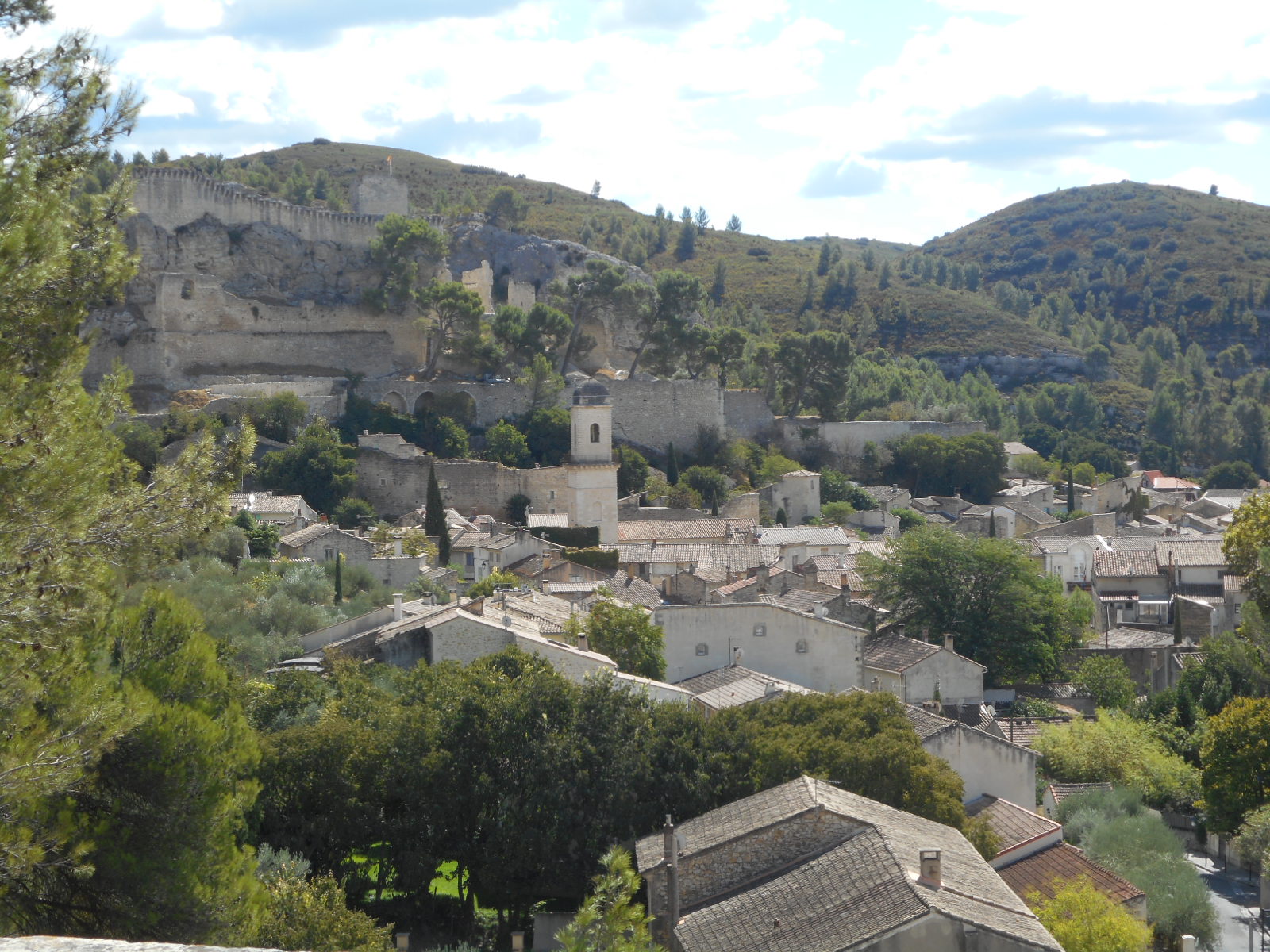
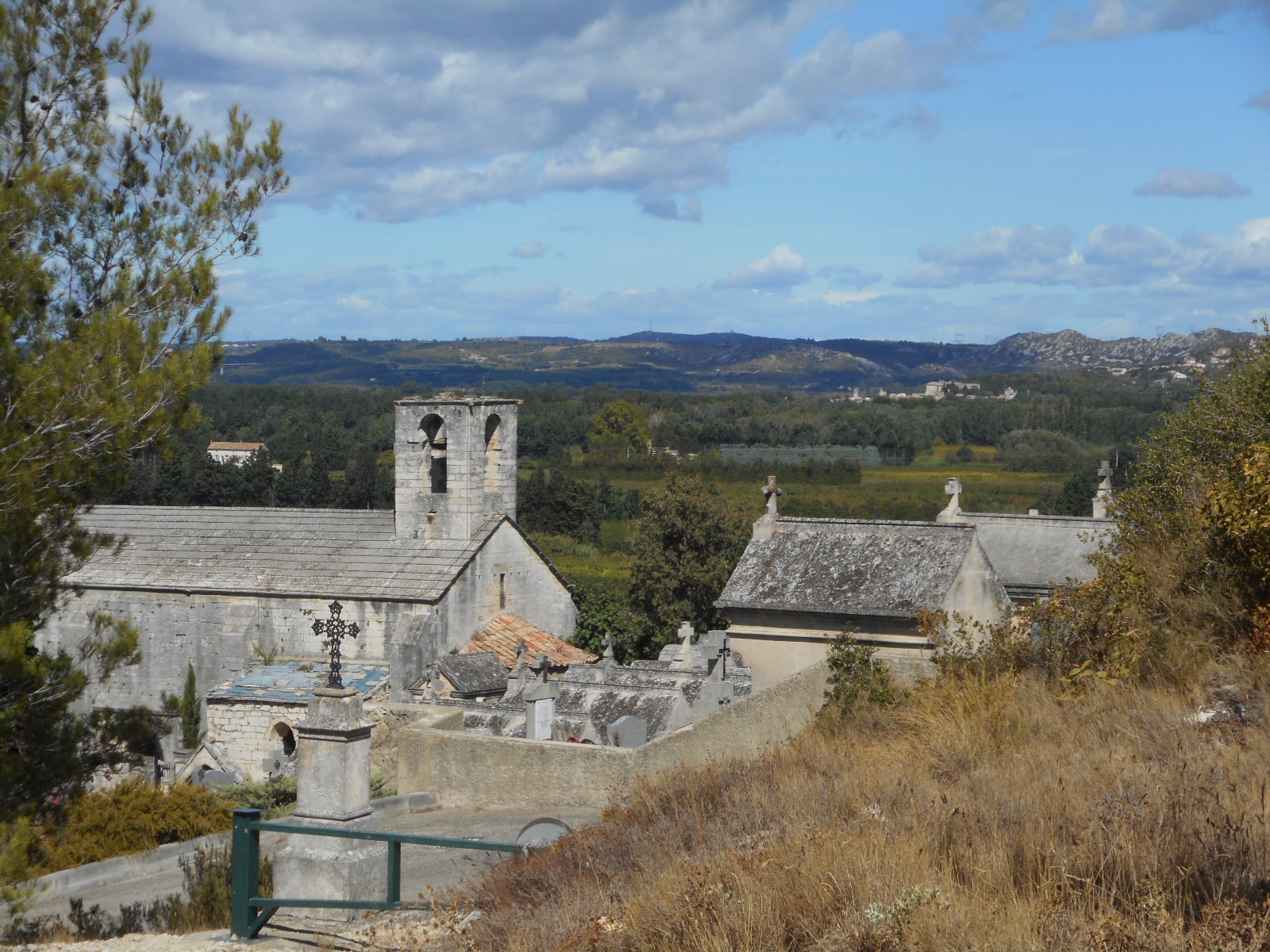
In all the years I’ve been coming to Provence, I’ve never been to Boulbon, which is strange as it’s a mere twenty minute drive from where I’m staying. Looking in my notebook to see what can be said about today’s visit, I see that the first thing I wrote was ‘there’s a good view from the cemetery’. Fortunately, there’s a bit more to the place.

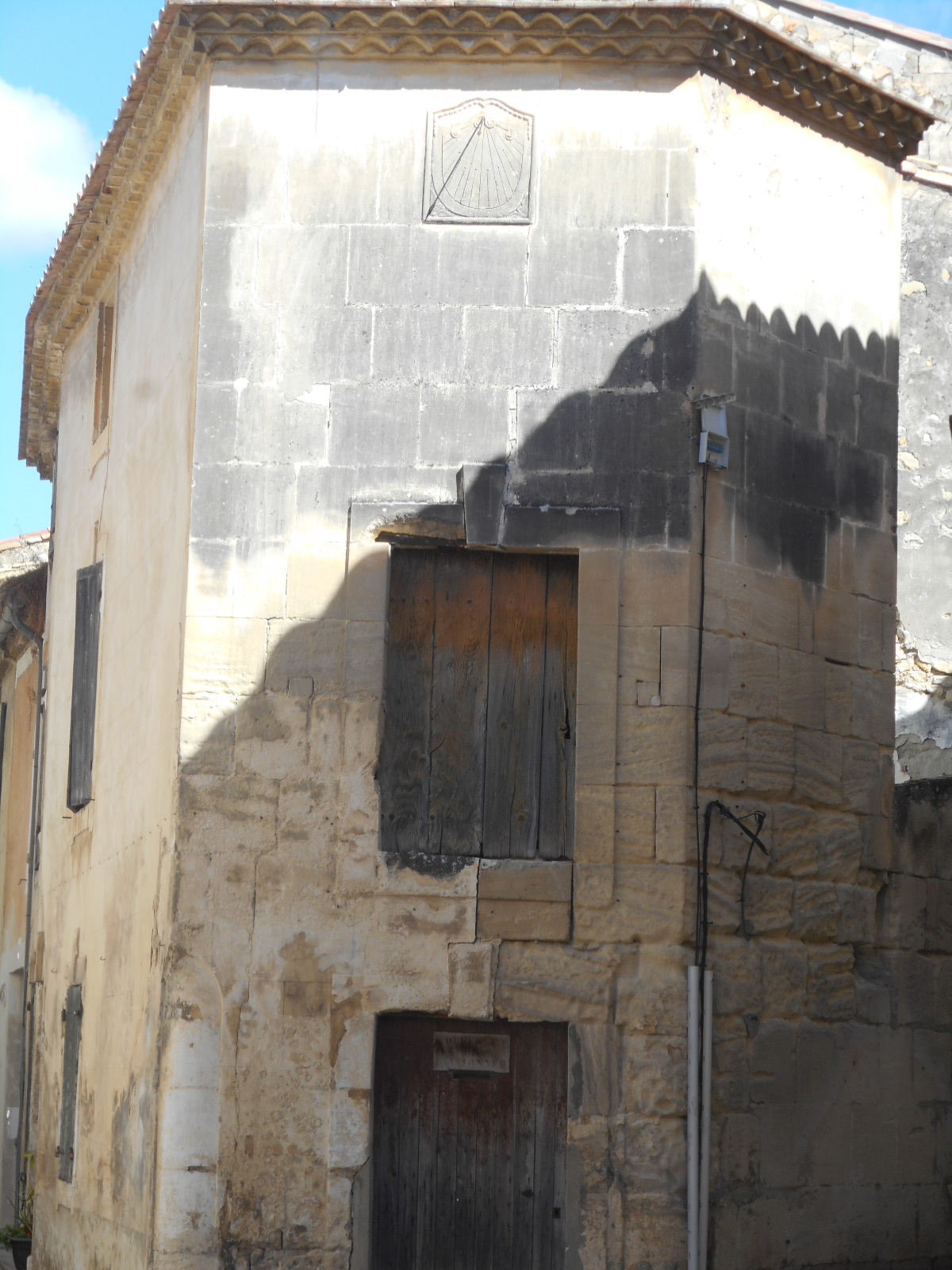
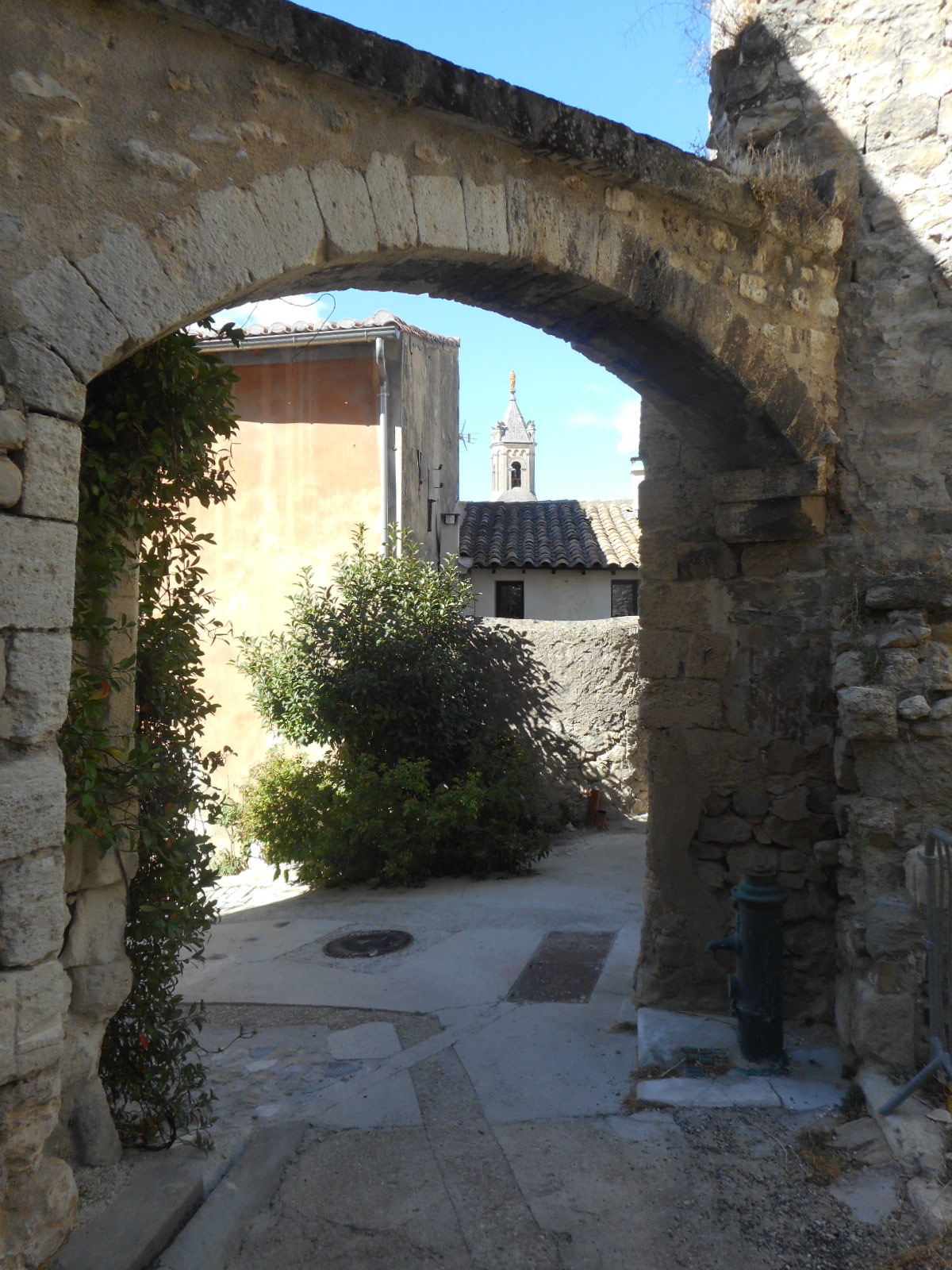
To begin with, Boulbon is worth a visit just to wander around the labyrinth of ancient streets and lanes


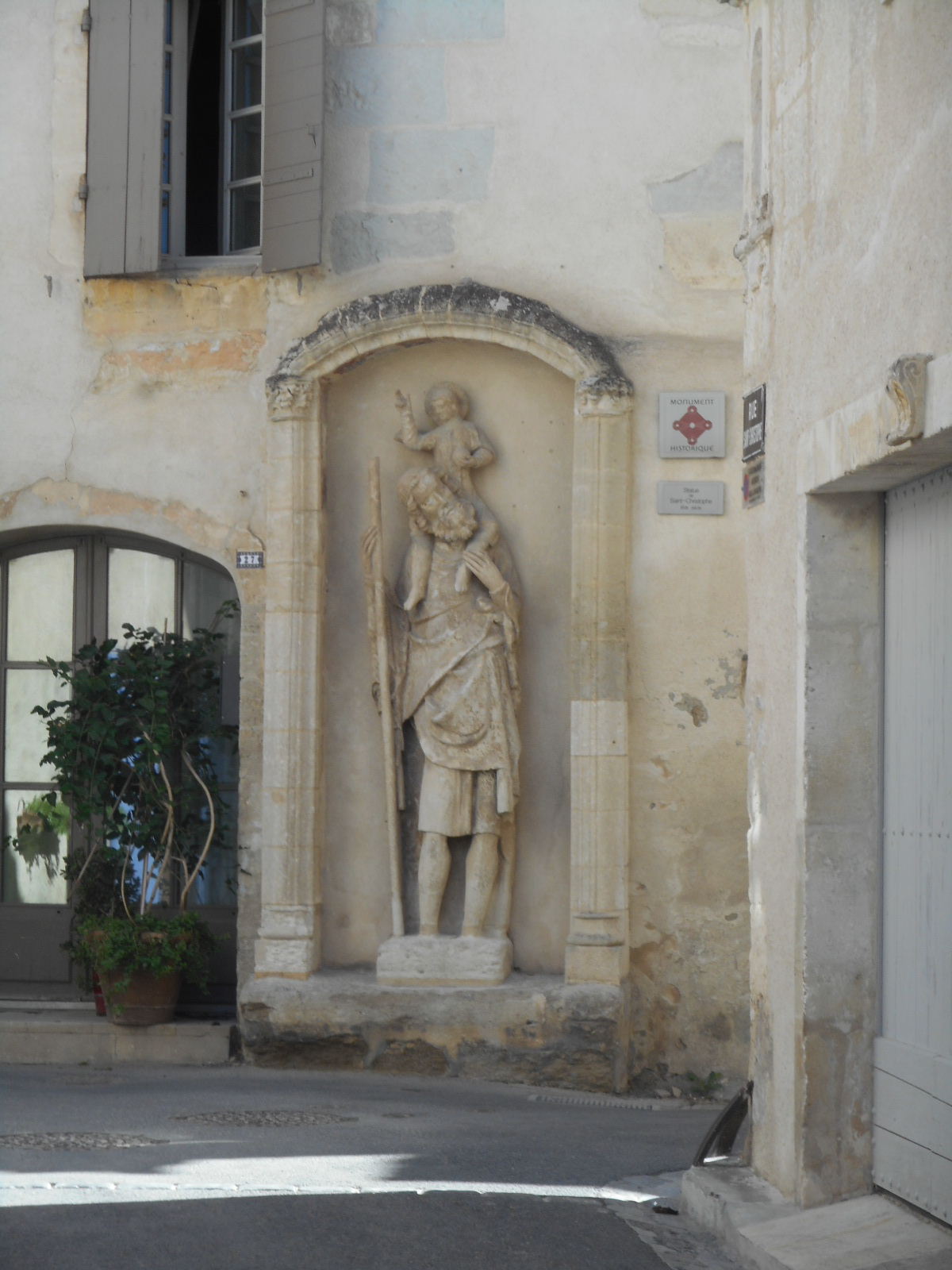
Eventually, you’ll come across this fourteenth century carving. Most of the depictions of saints in this tiny part of the world are either of St Eloi or St Roch. This, however, is St Christopher with his feet submerged as he carries the Christ child across the Rhone. As we know, folk round here are keen on the story of Jesus being born in Provence, so maybe this is somehow related.


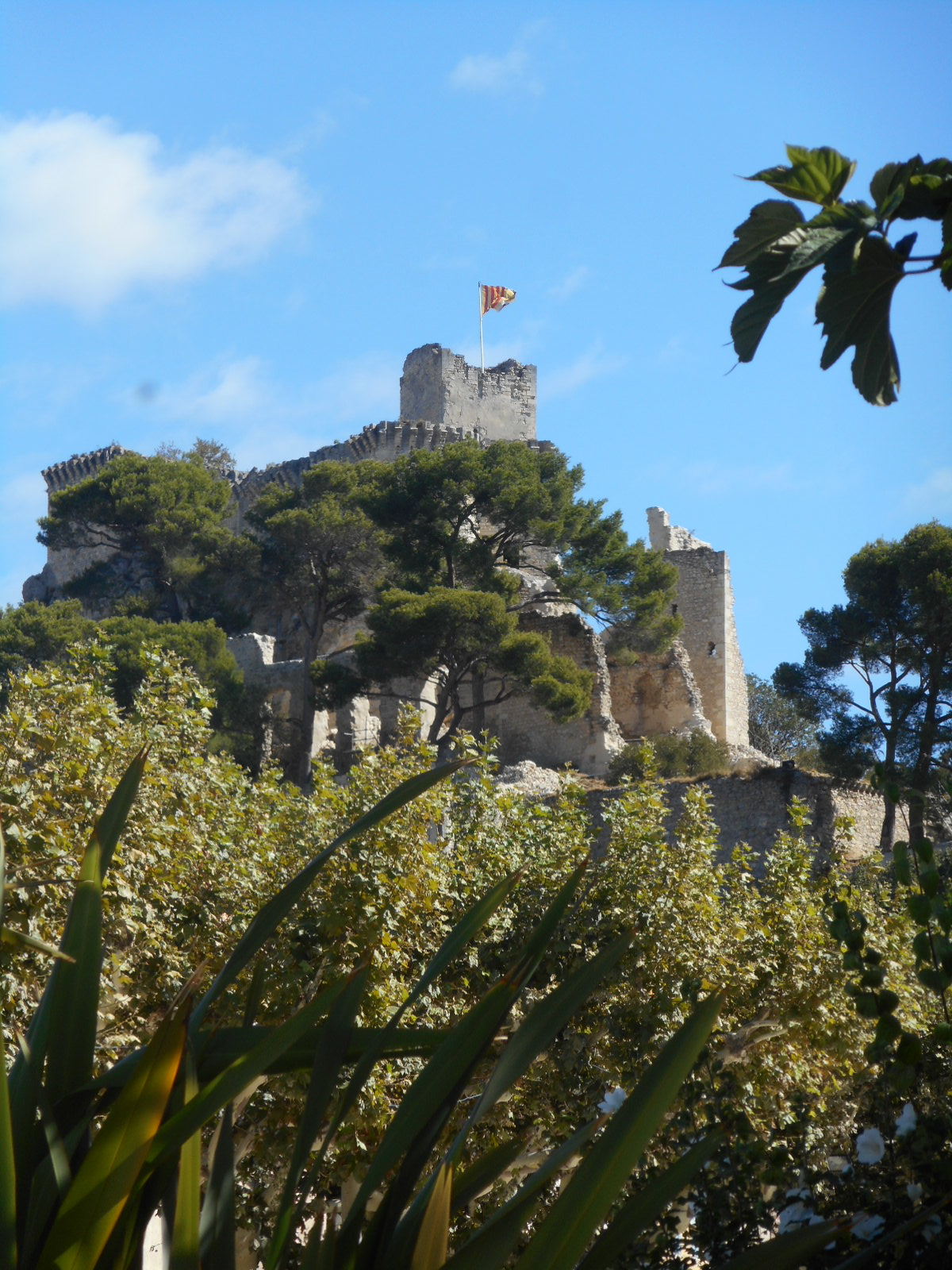
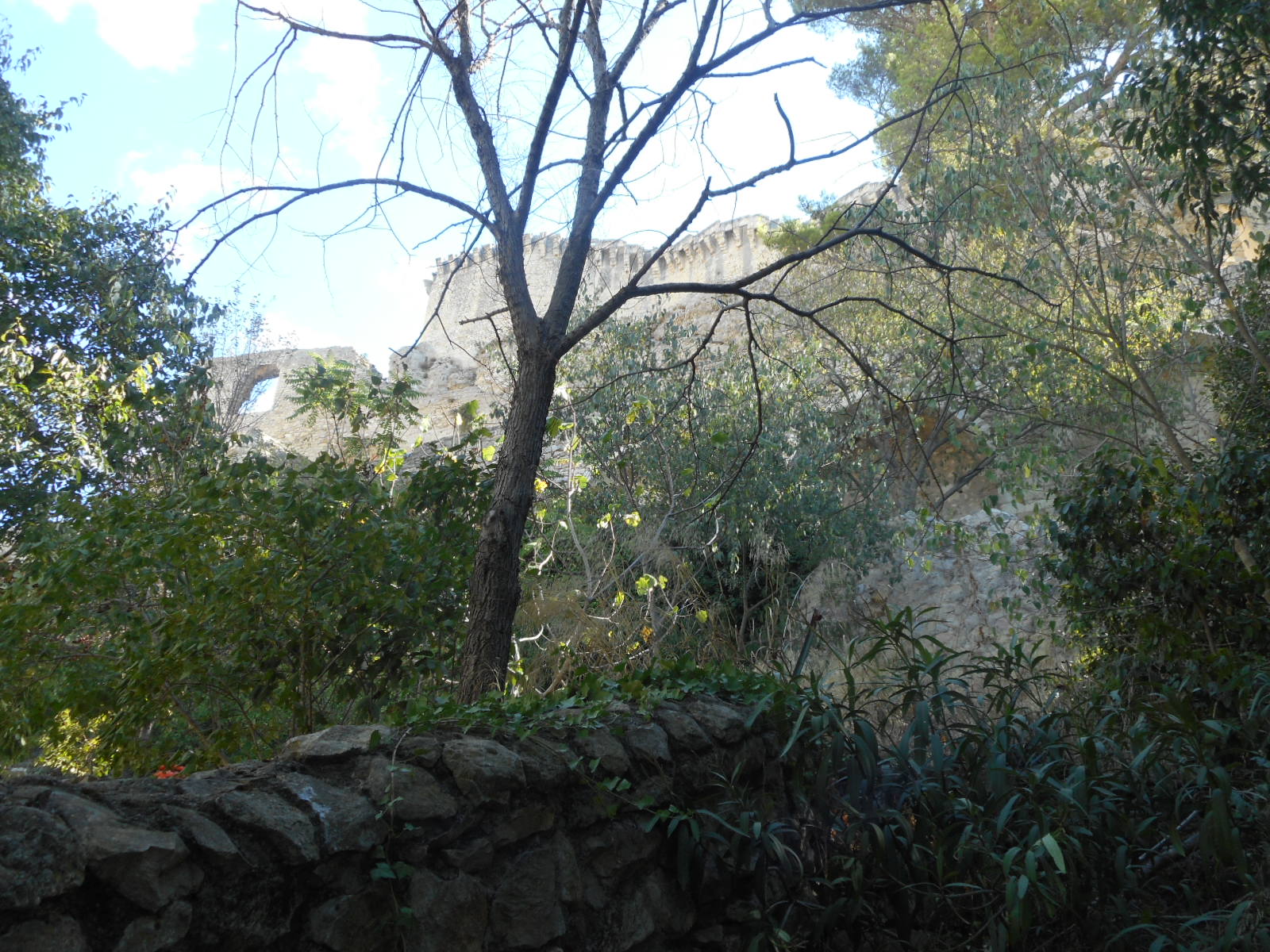
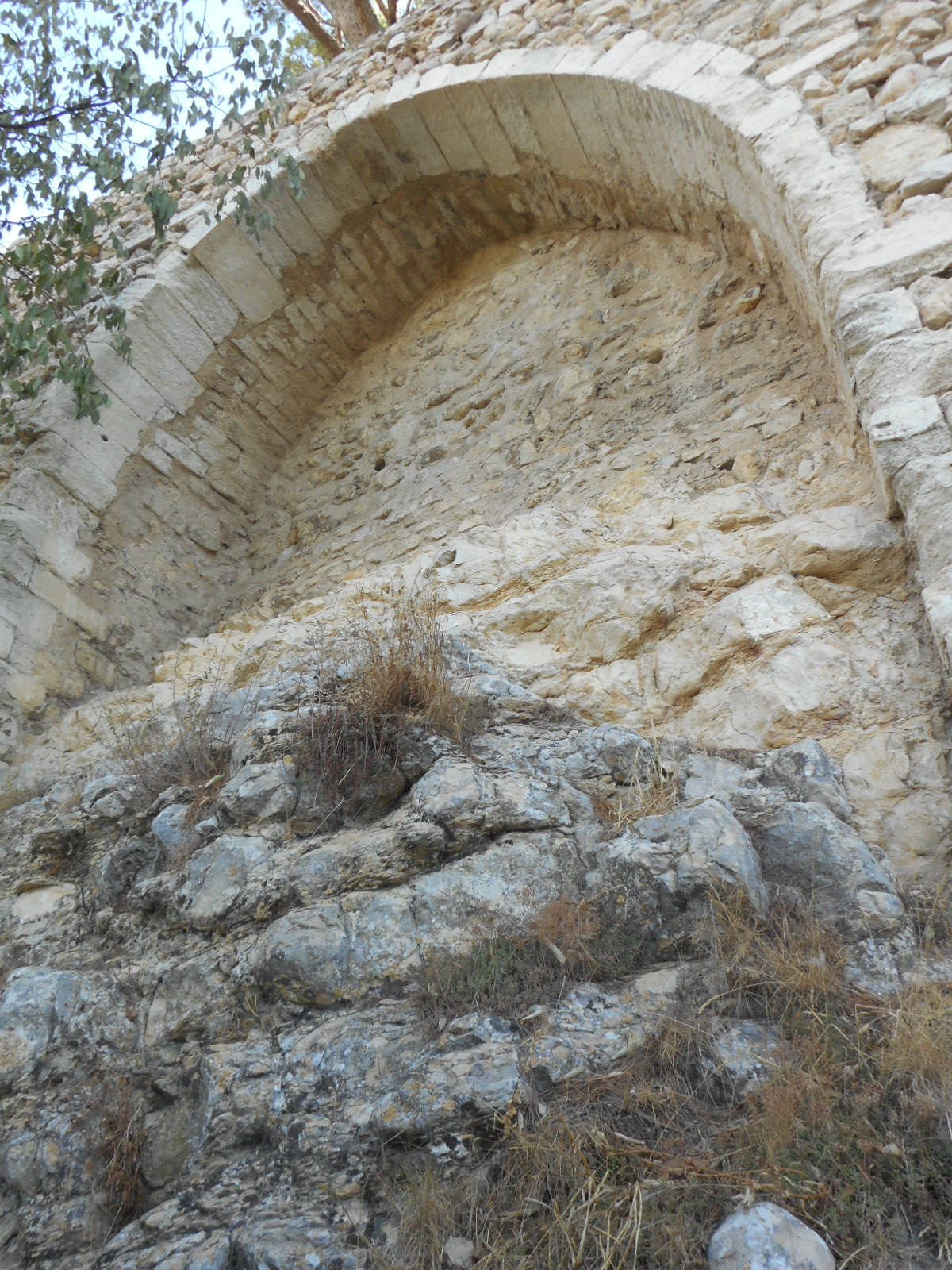
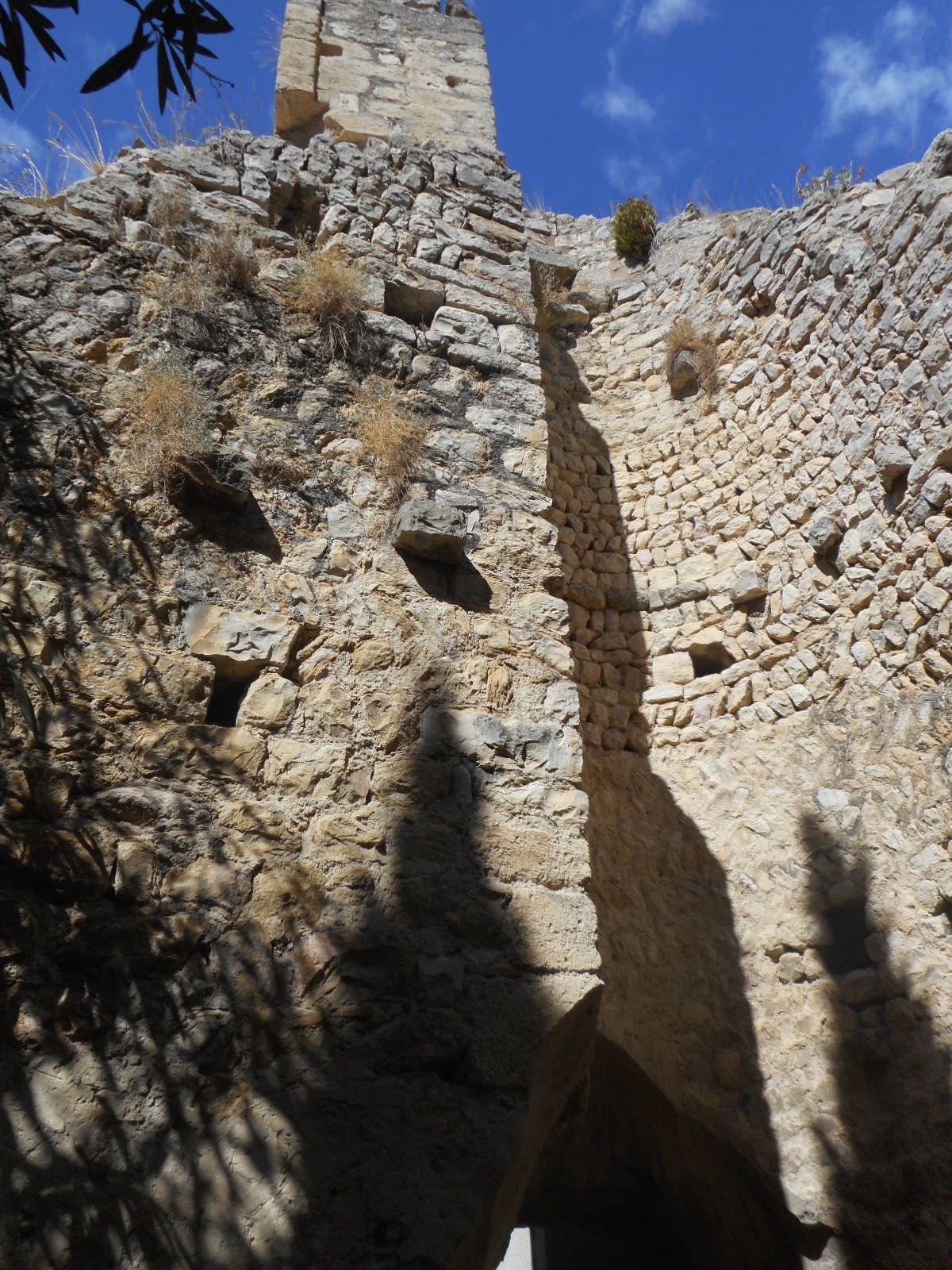
Probably the main reason for a visit to the village is to see the eleventh century feudal fortress come chateau. It’s been added to and updated over the centuries, to accommodate the vagaries of the war machine but, today, is largely ruined. A quick perusal of any relevant literature will inform tourists that you can’t get in due to private ownership and the instability of the joint. That doesn’t mean you can’t try.


I find a street that turns into a path which becomes a track and make a torturous ascent. I say torturous not because I don’t like hills or the way is both stony and slippery, but because of the crowds. Down in the village, with high noon approaching, there was barely a living soul to be seen. Up here, just as I was negotiating a particularly difficult step past the last tumble-down house in near-civilisation, I suddenly find a man with a small child in one arm close on my tail.

Bonjour, I say, clinging onto a tree in order that he can pass. Bonjour, he replies. I stagger upwards behind him only to hear the snapping of twigs behind. Turning round, I see a woman who’s even older than me virtually on all fours. Bonjour, I say. Bonjour, she replies and begins to speak some impenetrable language that she clearly thinks is French and I know isn’t. She’s trying to ask if I’m with the man and the baby.

Now, we seem to have formed some sort of rambling troupe in which no-one knows where they’re going. No sooner have we re-grouped than two more climbers appear. Bonjour, we all say politely to each other and make suggestive noises and grunts regarding the castle.

I forgot to mention an ancient woman had emerged from the shack with two bin-bags full of dead foliage and weeds. She looks up the path. Bonjour, we all say but she glares at us. She doesn’t seem overly happy at so many idiots passing by her house, all of whom, it transpires, have English as their first language despite coming from a variety of countries. Of course, none of us get anywhere near the castle: some of us realise broken ankles are in the offing and others just get fed up with it all and lose the will to live. I begin my descent and pass the withered old crone again with two more bags of weeds that she’s surreptitiously dumping somewhere or other. I don’t speak.

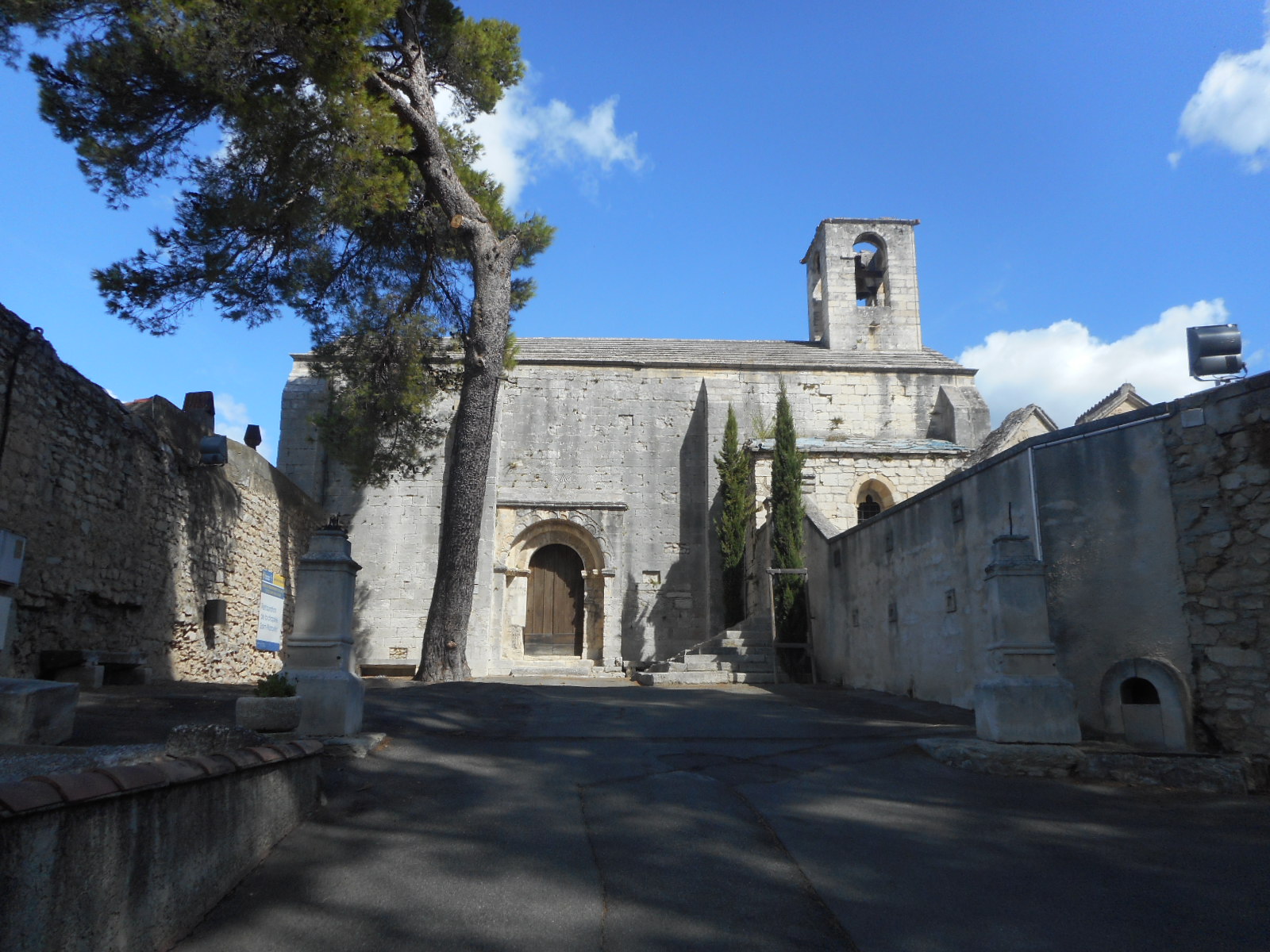
Once I get back down, I wander across to the other side of the village and begin climbing another hill. This one leads to the cemetery via St Marcellin’s Chapel to which it’s adjoined. It’s difficult to find anything about St Marcellin that doesn’t involve cheese so I don’t know who he was. His twelfth century chapel is built on the site of an earlier edifice and is, of course, shut. It’s a mystery to me why all the interesting chapels are never open whilst all the boring churches never seem to close their doors.


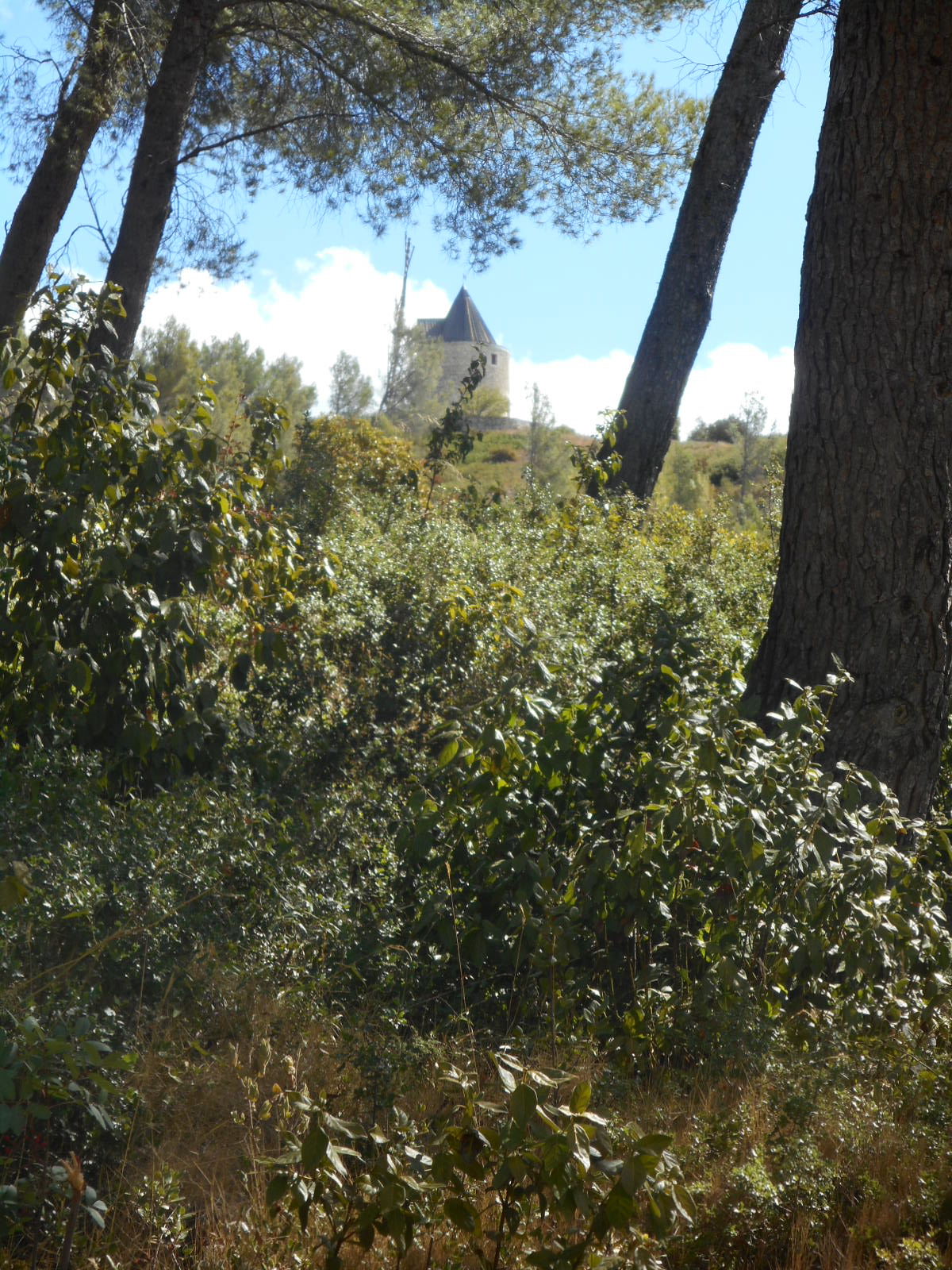
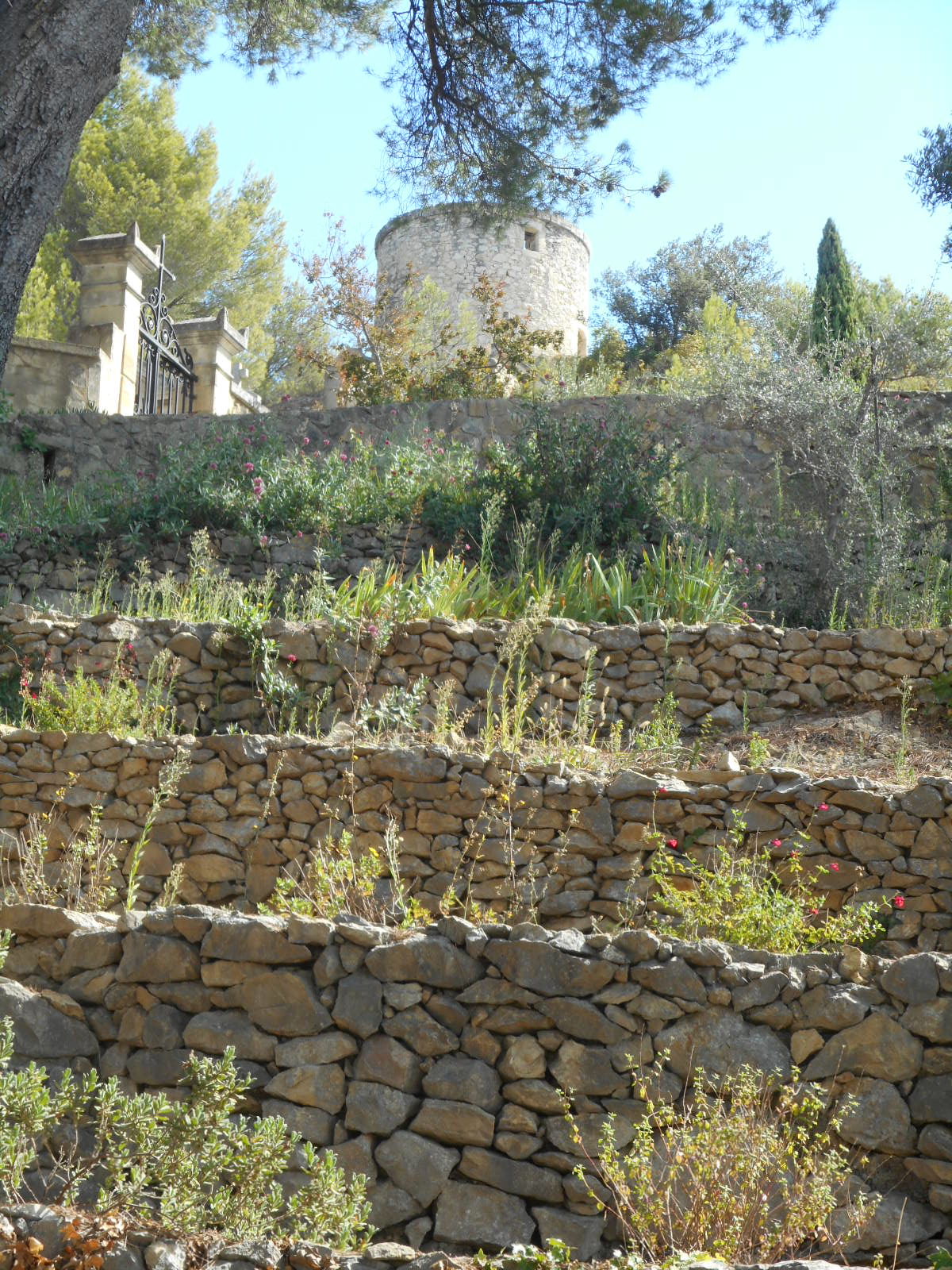
Close to hand, I can see the windmill but it’s not THE windmill, renovated and complete with sails, that can be seen from the road below the village. That windmill has completely disappeared so I make my way to the second best option


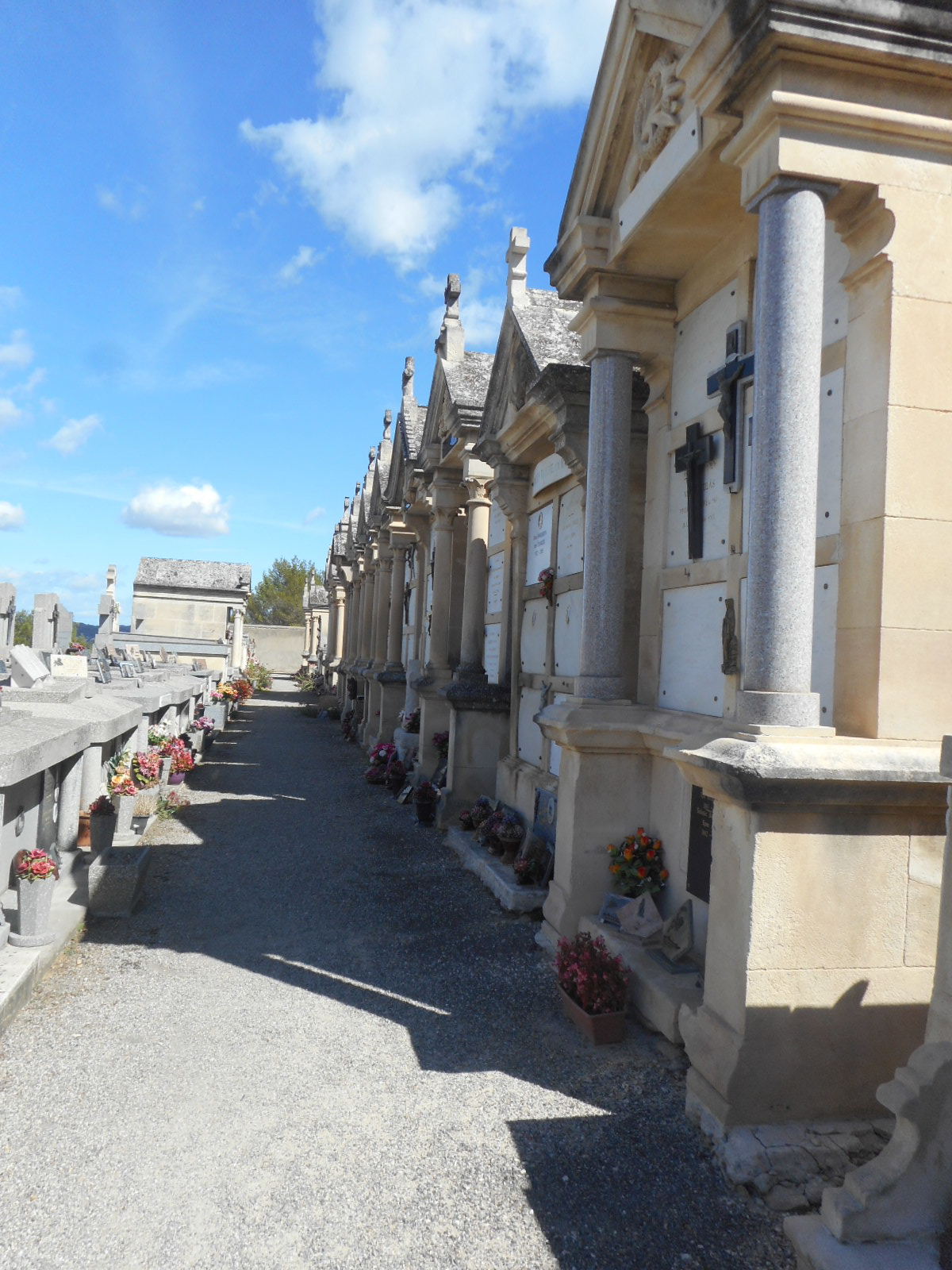
This involves another climb through the terraced cemetery where the grandest tombs are right at the top, nearer to God. They remind me of a row of ornate beach huts.


Finally, I reach the top and see the ‘proper’ windmill in the distance. The views up here are amazing and worth the climb. But now it’s surely time for lunch. In the Café du Commerce, where all the local workmen are eating, I join them in a chicken curry which is dish of the day. It bears little resemblance to the curry at home but it’s very tasty.


In anticipation

June. Flaming June. Not. Warm – yes. End of. I sit in my little hobbit house, garden doors open, looking out at the relentless rain. Cardigan on, cardigan off. Who else except the English so frequently adhere to the comforts of a cardigan? I think of the other place where I will be in on Saturday. That place of which I often use Jonathan Meades’ statement – ‘every Englishman has two countries – his own, and France’. More recently, and prosaically, Meades has updated this: ‘if I’d been in England, I’d be dead’… in this monotony of electoral opportunities, a timely reference to health systems.

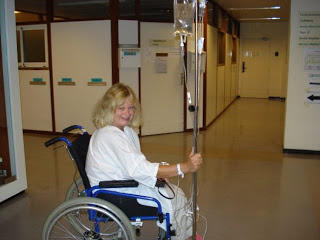
I know what he means. I once became dangerously unwell in that other country. I passed an unexpected eight days in the Henri Dauffaut Hospital in Avignon, saddled down with numerous drips, a ‘nil by mouth’ regime, and easy access to the French Open from a room that I shared with an ancient being who farted for France. Difficult to think of anywhere that would be more reassuring.

Flat out, waiting for an ultra-sound scan, the kindly French folk played a quiet game of Cluedo: ‘this is Madame Green’ and, in reference to a moaning body on another stretcher, ‘this is Madame White. We’re just waiting for Colonel Mustard’. How we roared.

I’m to travel with a companion from the colonies. Ameriky. He’s in for a shock of the most pleasant kind once we’ve bumped onto the runway in an ancient prop plane and overcome the rental car fiasco. ‘Someone will meet and greet you from the security area’, says the man on the phone. ‘Have you ever been to Avignon airport?’ I respond. There are two rooms: arrive and leave.

It must be one of life’s greatest pleasures to arrive in Provence for the first time. They say that one’s first visit to Paris is an unmatchable experience. Paris is not Provence. It’s not even France. Provence is an indescribable challenge to the senses. There are no accepted terms of reference – suspend everything you live by, especially time, and all will be well. Immersion is essential.

Never fear that the place has been spoiled by the travelling classes. The folk of the South remain in a provençal bubble in which we come and go for a couple of weeks. Ignore the boutiques of St Remy. Read your Daudet and Mistral and look beneath to discover that the quotidian is as it was. Rien ne change ici. Which is why I keep going back.

And it’s why this piece has no beginning, middle or discernible end. Just popping the cardigan back on. Oh England – my England.

All over or just beginning?

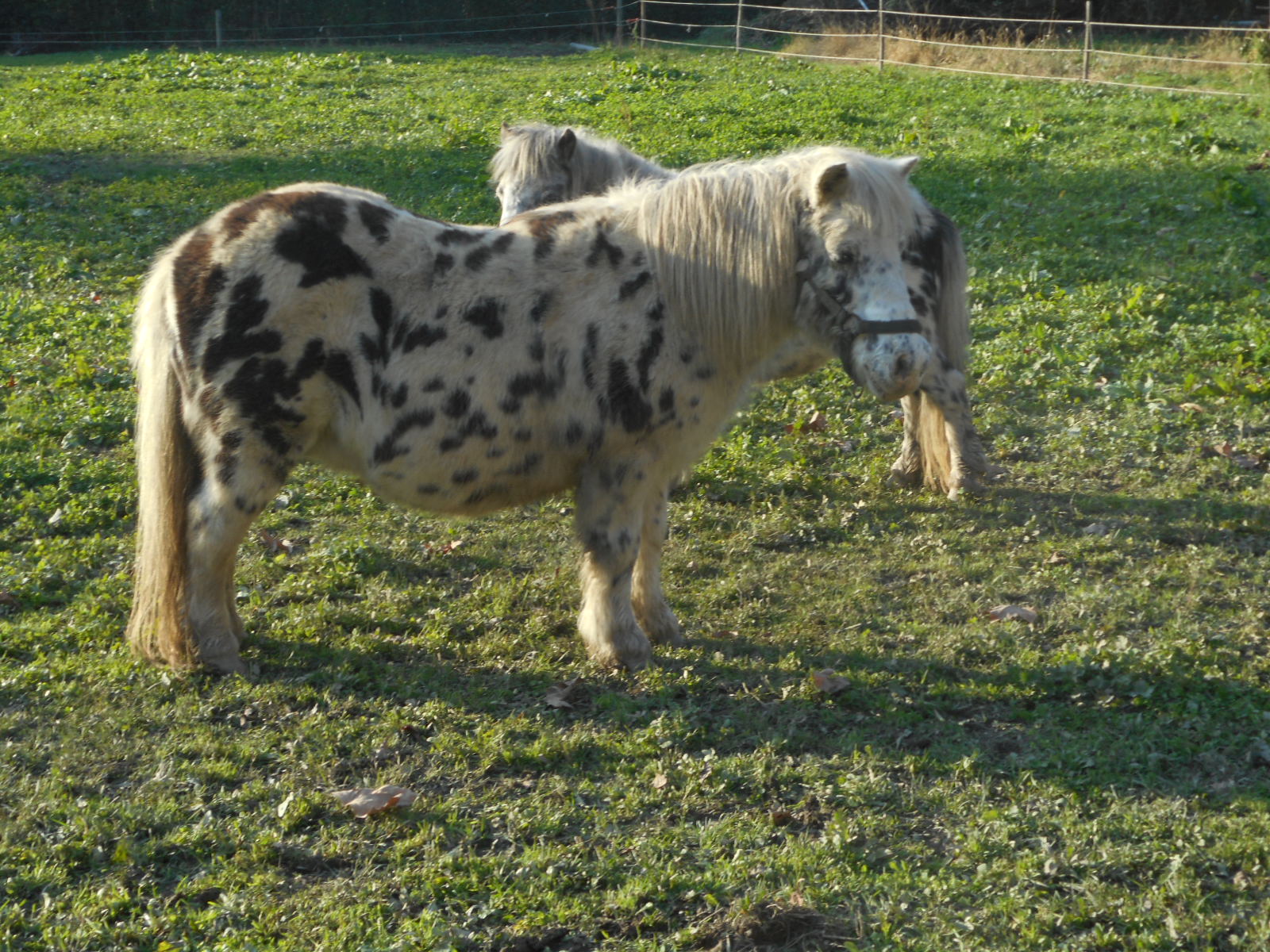
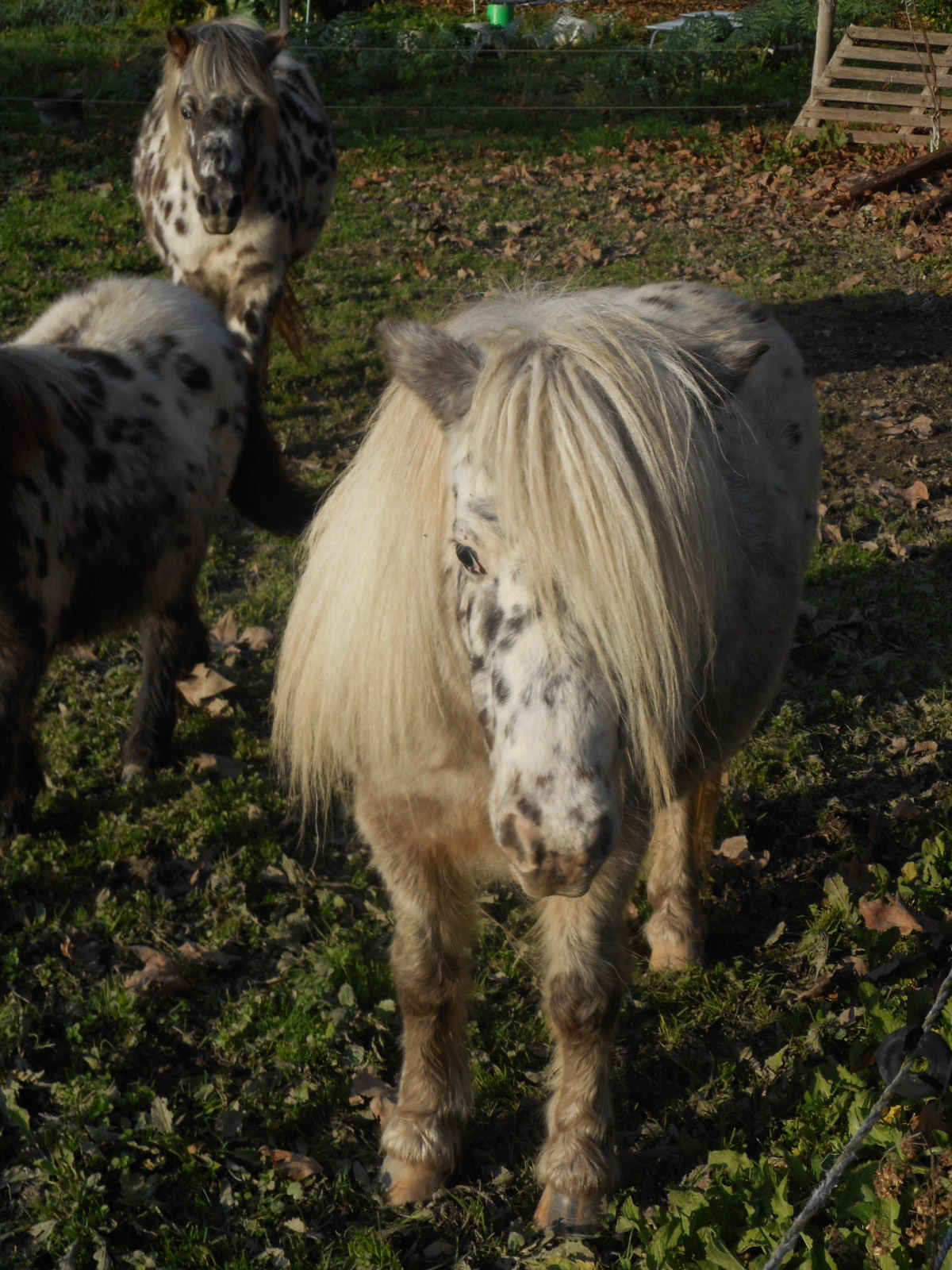
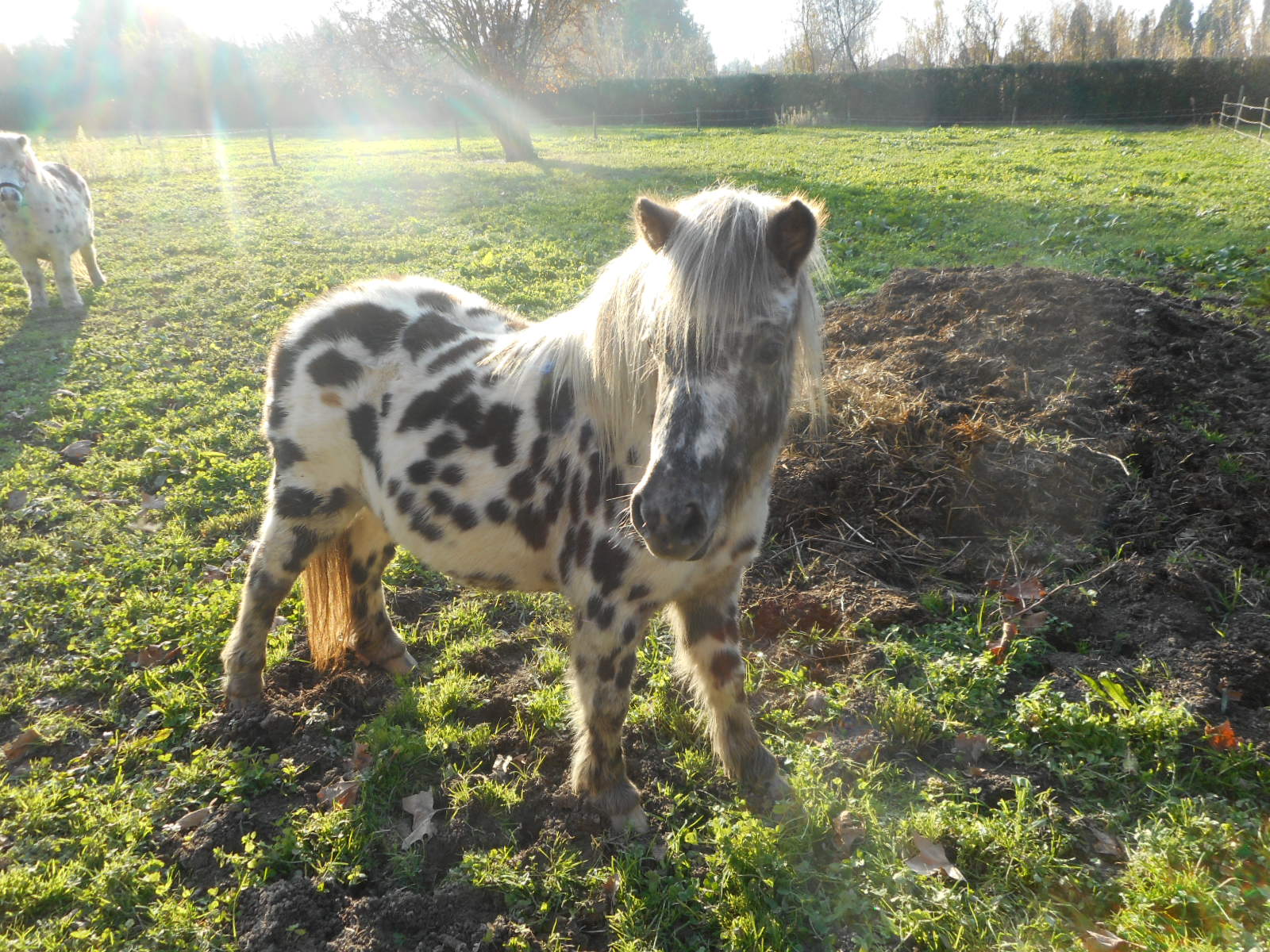
It seems so long since I first sat on a leafy terrace looking over the fence at an impressive number of small spotted ponies in an old pear orchard. The orchard was along a dusty lane that wanders away from the road that runs between Noves and Cabannes in a little known area of Provence. The beautiful ponies were sheltering quietly from the oppressive heat of the August sun. In the cool of the evening, when the cicadas began to wind down their incessant whirring, the ponies would be moved to a field on the other side of the lane to run and play like naughty children.

Every now and then, a small semi-naked man would drive past on his tractor waving politely at me and I would wave back. Once, he came to the jasmine covered gate with a gift of oddly shaped courgettes and peppers. My hostess introduced me to Monsieur Martin, her neighbour who lived with his wife and son at the bottom of the lane. Later, she told me a tale about this family and I was lost forever.


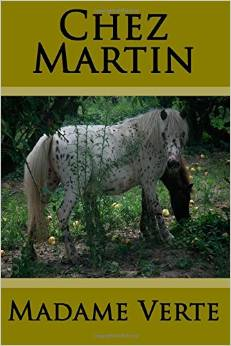
 Sat on that distant terrace, I wrote a short story about Monsieur Martin and the small spotted ponies. Over the aperitif, I read it aloud to my friends and it made them laugh so I wrote another. And after that, I couldn’t stop. Back in grey old England, constructing an alternative life for Monsieur Martin made me think constantly about the South and Chez Martin was born and completed. It was such a pleasurable pastime and I suspect the story is not that far from the truth. If you’ve read the book, you’ll know we weren’t laughing at Monsieur Martin, but with him.

 In truth, I wrote that book for myself but it’s given pleasure to lots of folk who have never been near Provence. That they were able to read Chez Martin was due entirely to Tim Pepin, a colleague from work. Tim constantly nagged me to tidy up my manuscript and get it published; and when I seemed incapable of the latter, he took it away and published it himself. It was an act of such graciousness from one writer to another. He was horrified when I tried to wave money around. As a compromise, he said he would take payment in chocolate oranges.

Book sales were good but I was still surprised at the number of people who kept asking for more news of Monsieur Martin. It wasn’t a great hardship to begin again and my terrace-owning friend updated me with little snippets of news. But life gets in the way and there always seemed to be other things to do. Last summer, Tim was once again nagging me to finish, saying he would help me again. By this time, however, he was dreadfully sick and sadly we lost him before the new book was completed.

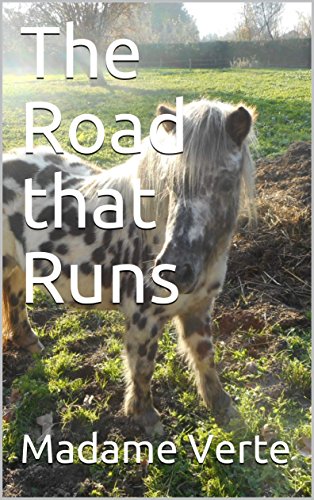
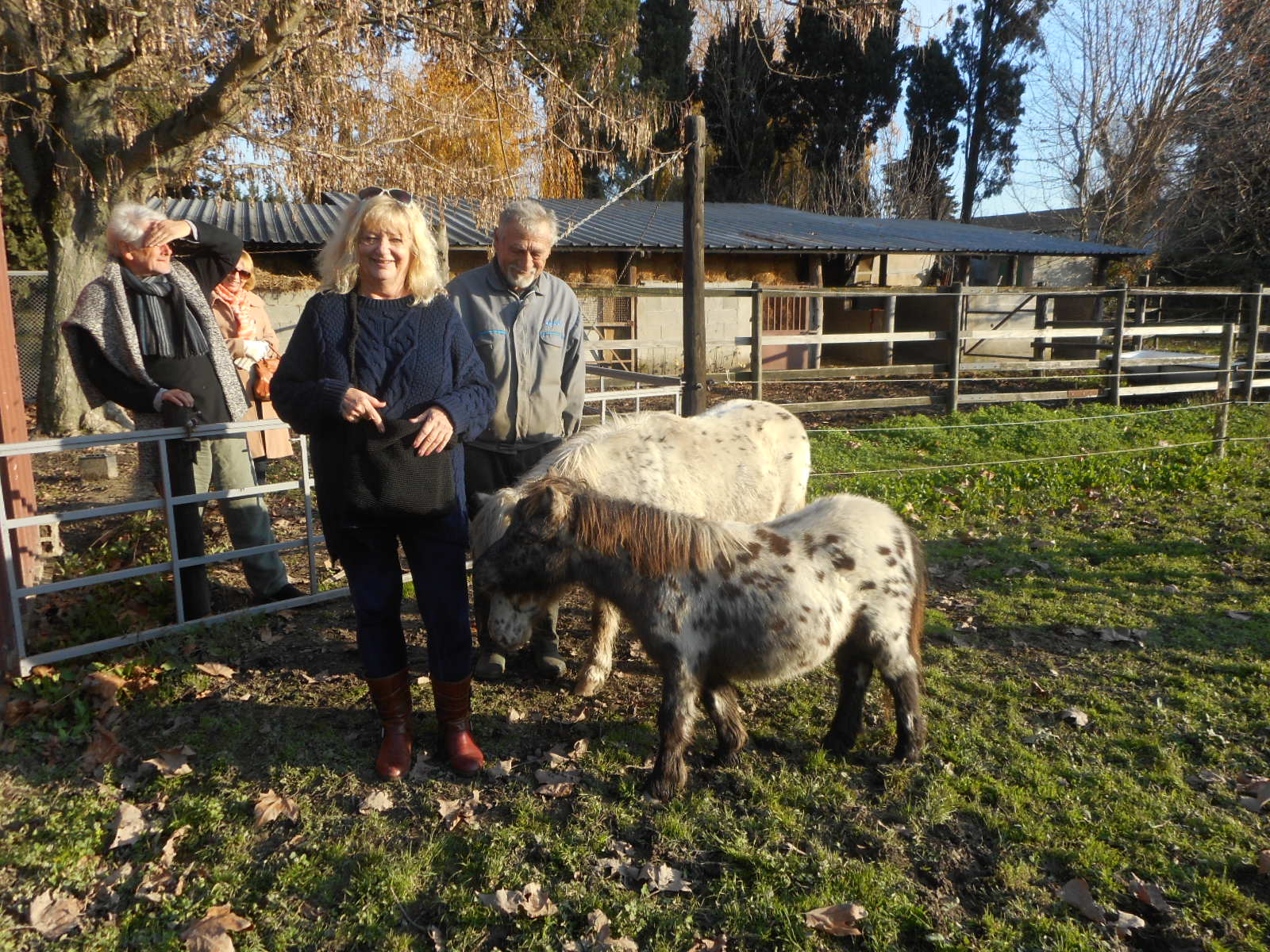
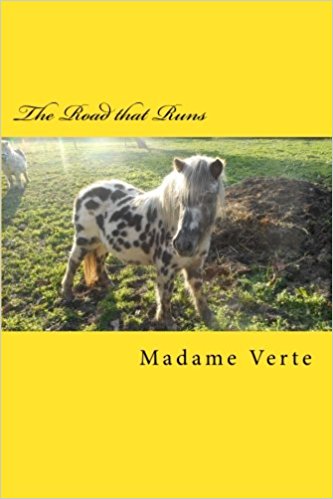
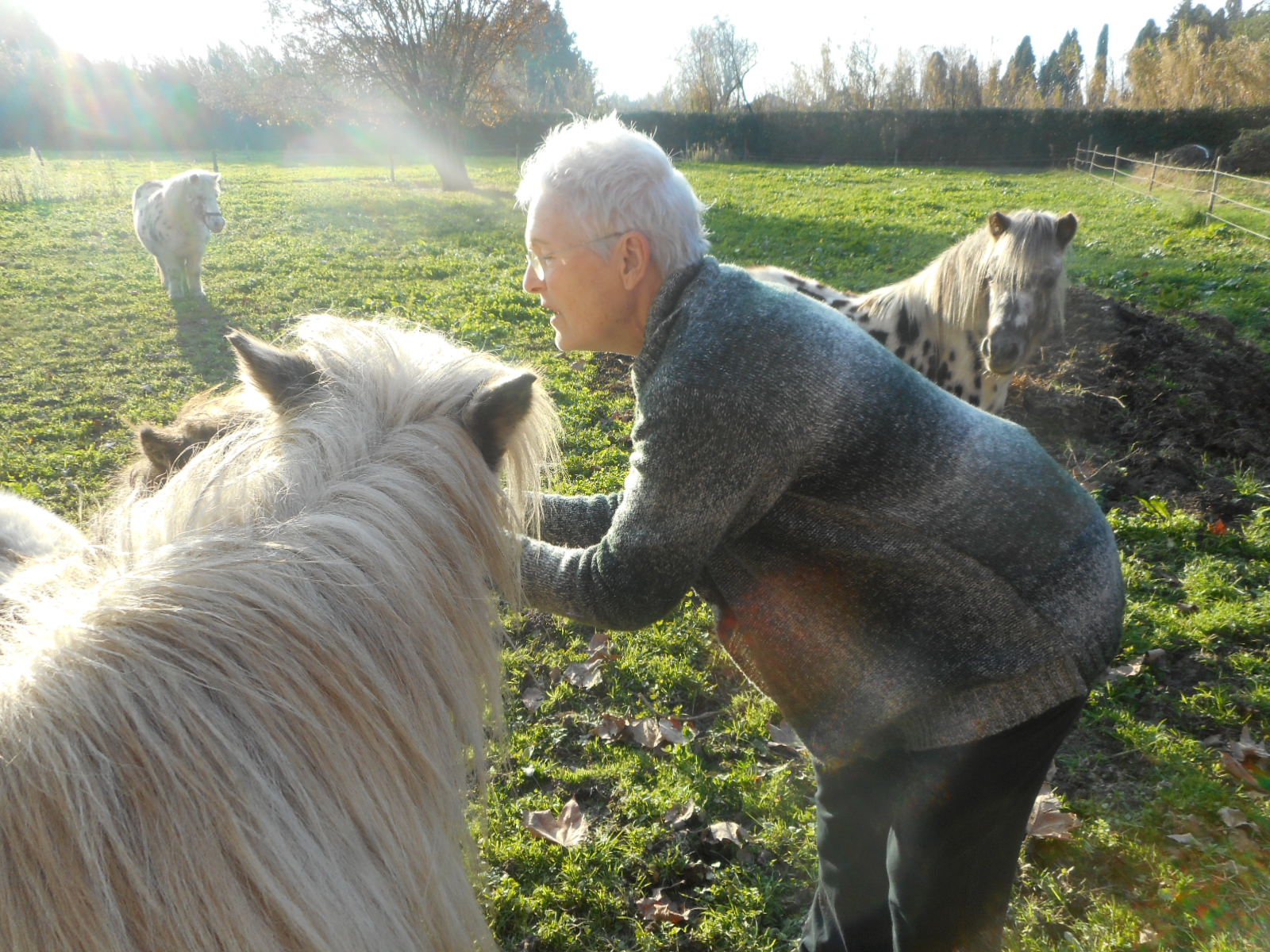
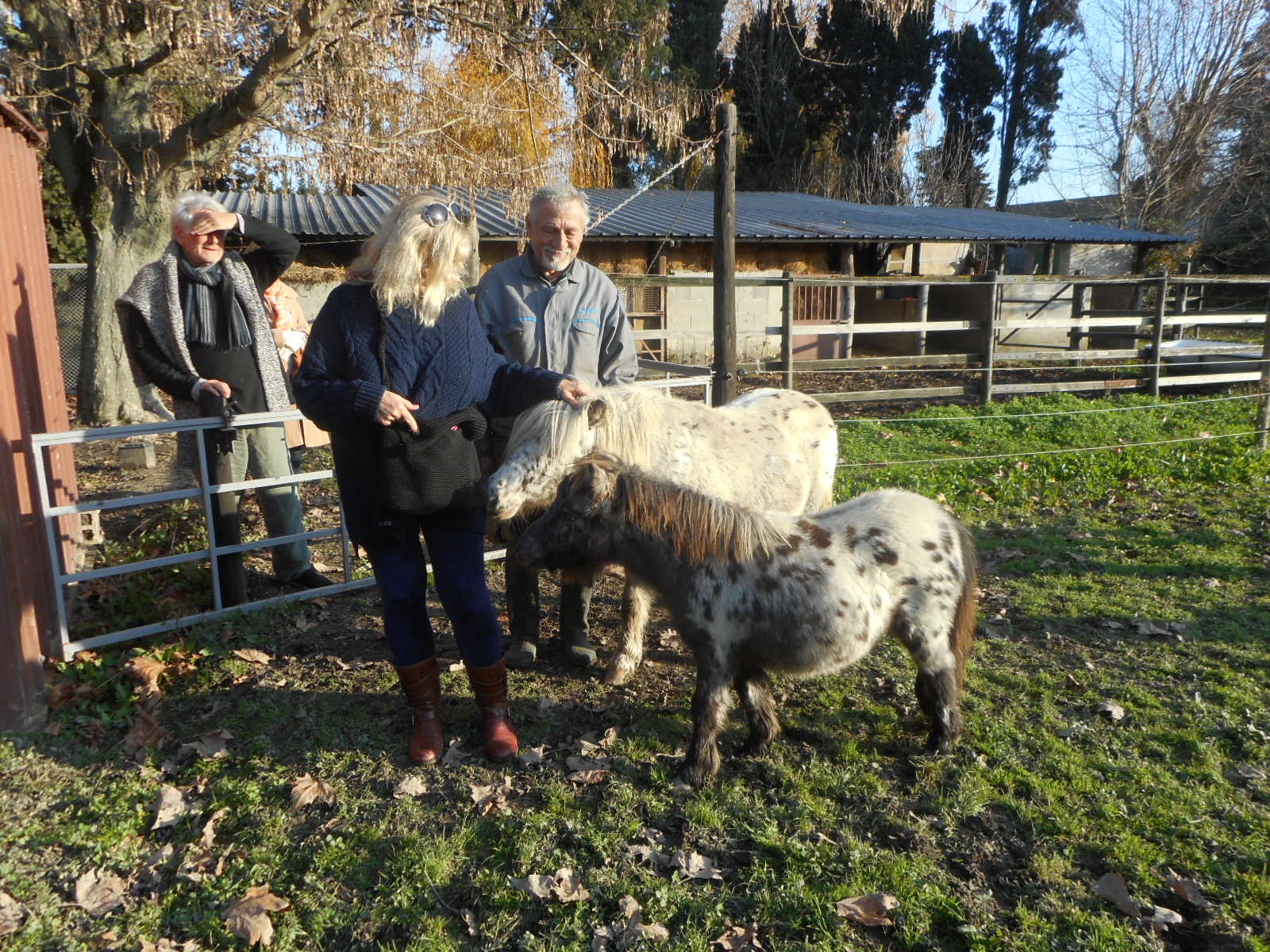
He’s the last person who would want any unhappiness today now that The Road that Runs has finally been published. Here’s a picture of ‘Phyllida’ with the small spotted ponies taken last year when we visited their owner chez Martin. It’s a timely ending as without her sharing her tale over that long-ago aperitif, Monsieur Martin would never have graced the pages of these two volumes.

The Road that Runs  by Madame Verte is available on Amazon: https://www.amazon.co.uk/Road-that-Runs-Madame-Verte/dp/1545252920/ref=sr_1_3?s=books&ie=UTF8&qid=1492688893&sr=1-3&keywords=madame+verte


A very French day

2016_1127tarasconmm0011On a gloriously sunny November morning, with the bluest of skies that have been cleaned by recent storms, we arrive at Tarascon. So far, it’s been a good start to the day: we have heating, water – hot and cold, electricity, fuses in the upright position and hens donating prolific numbers of eggs.

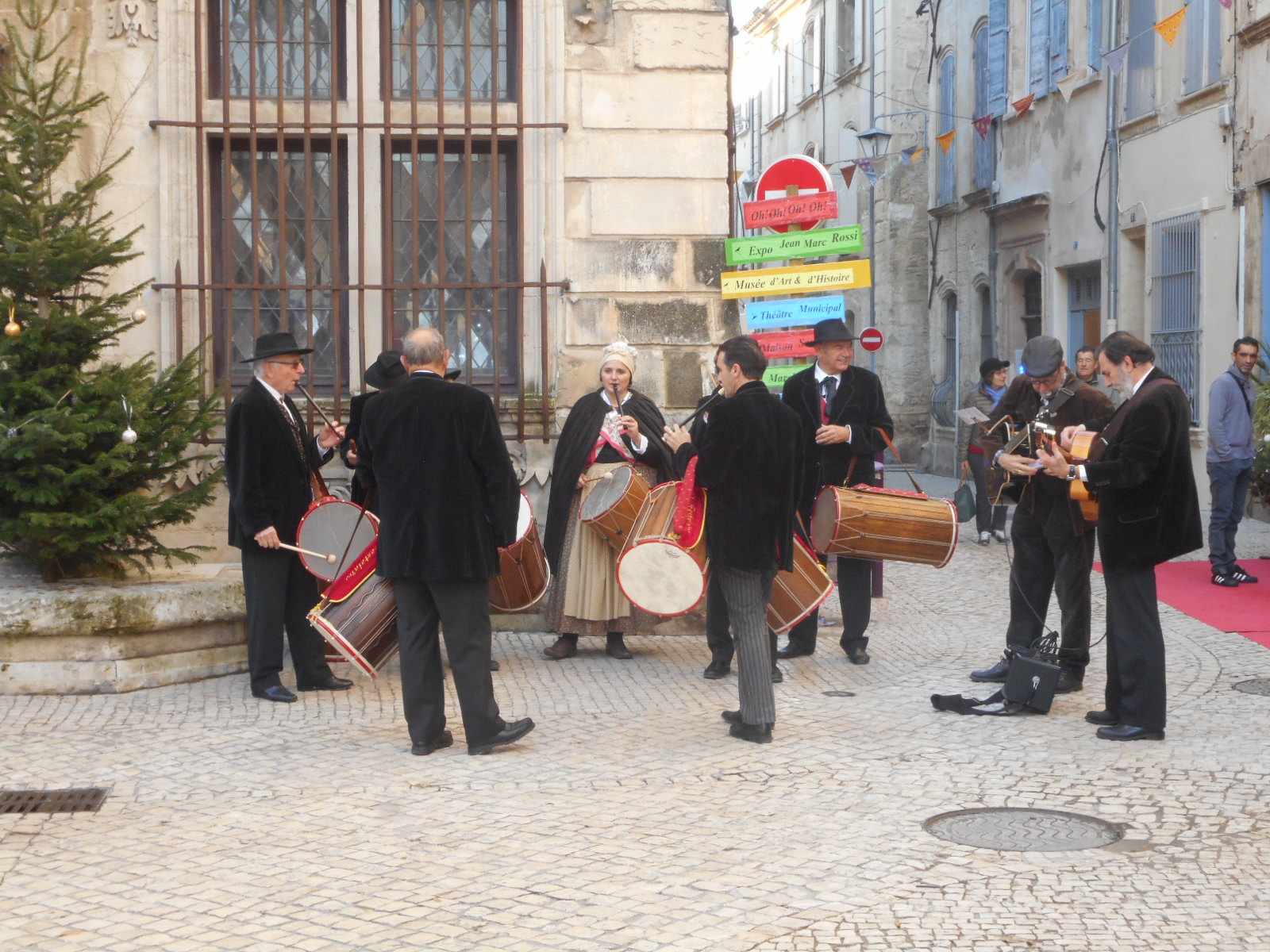
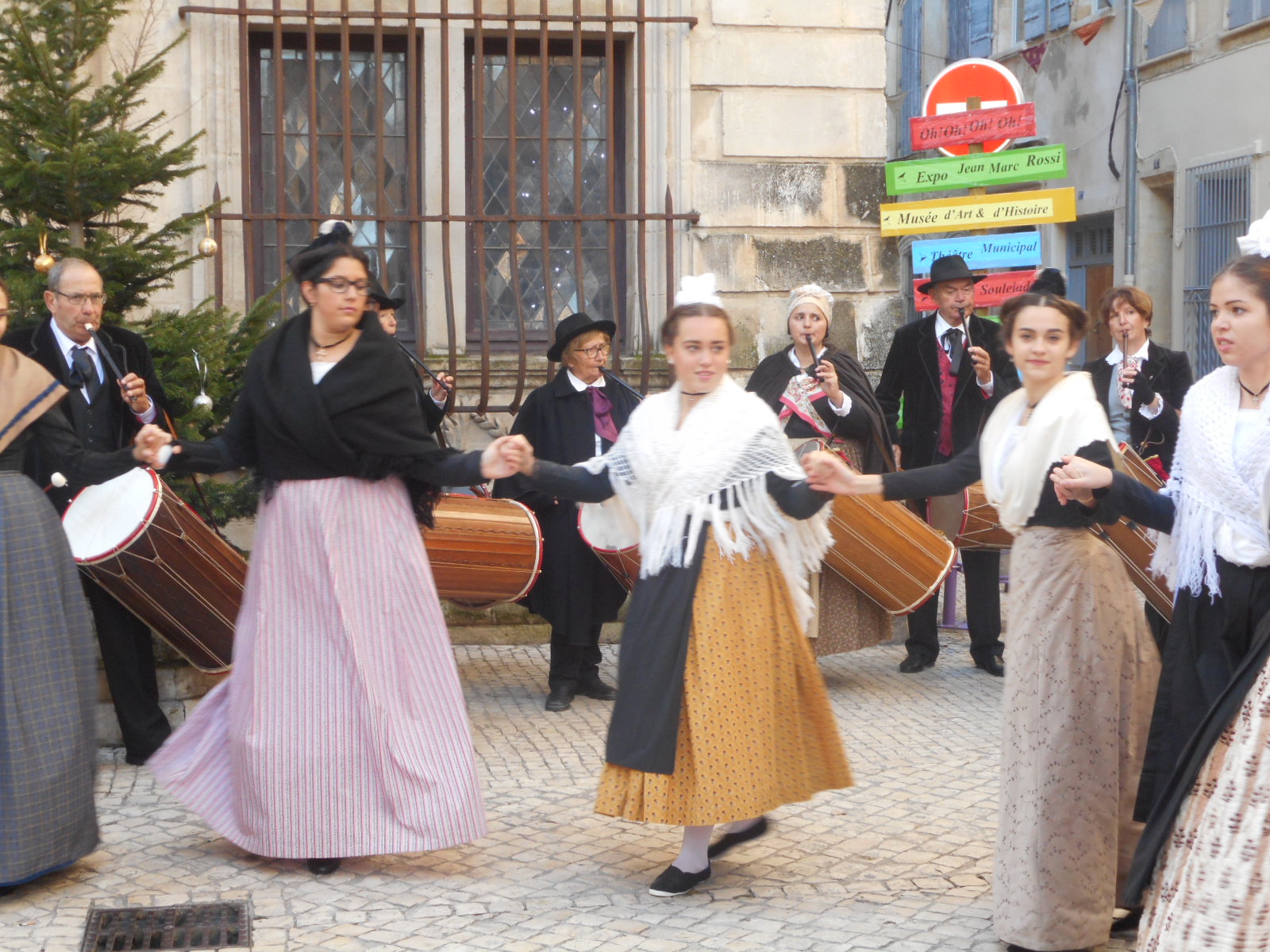
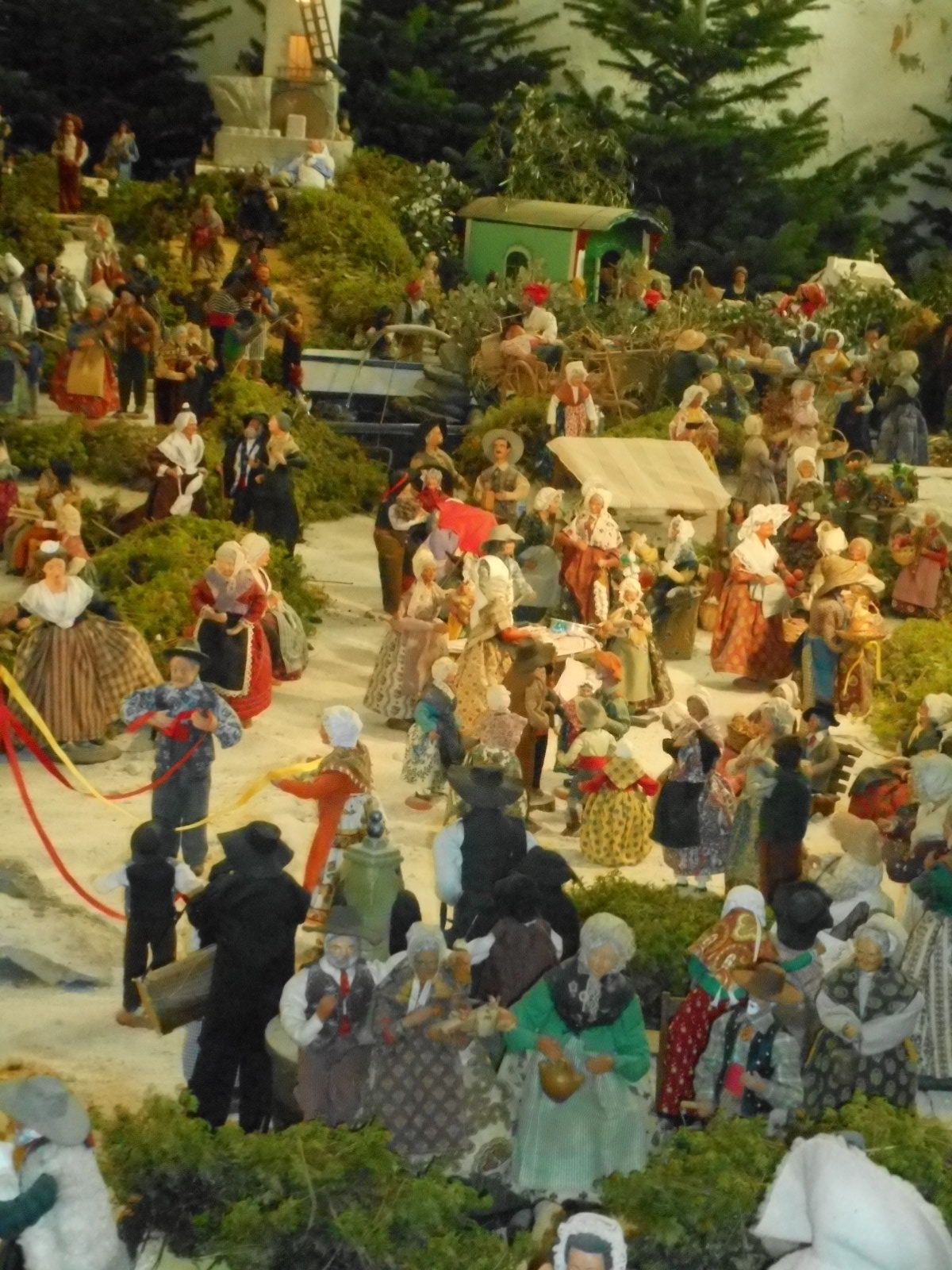
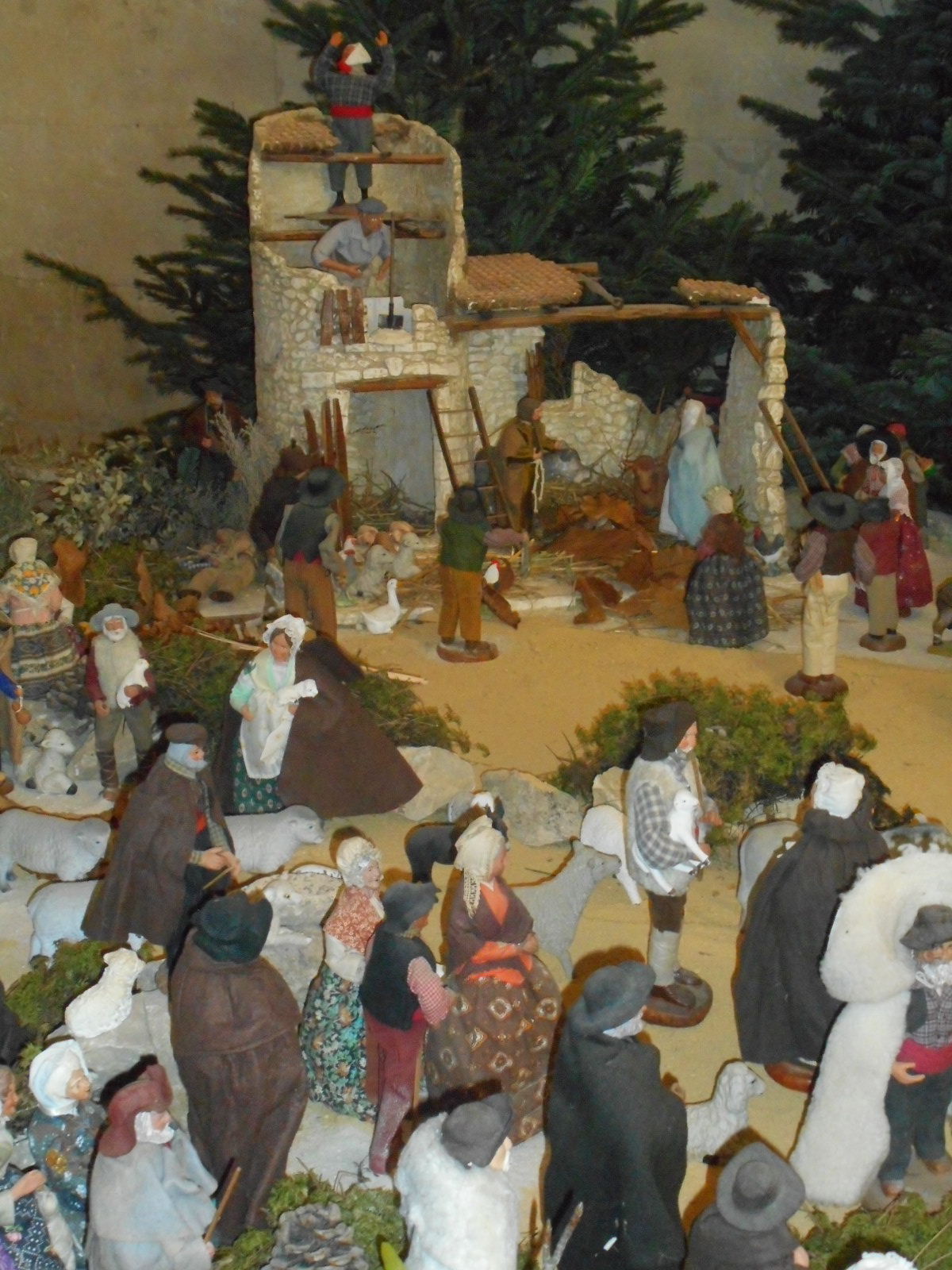
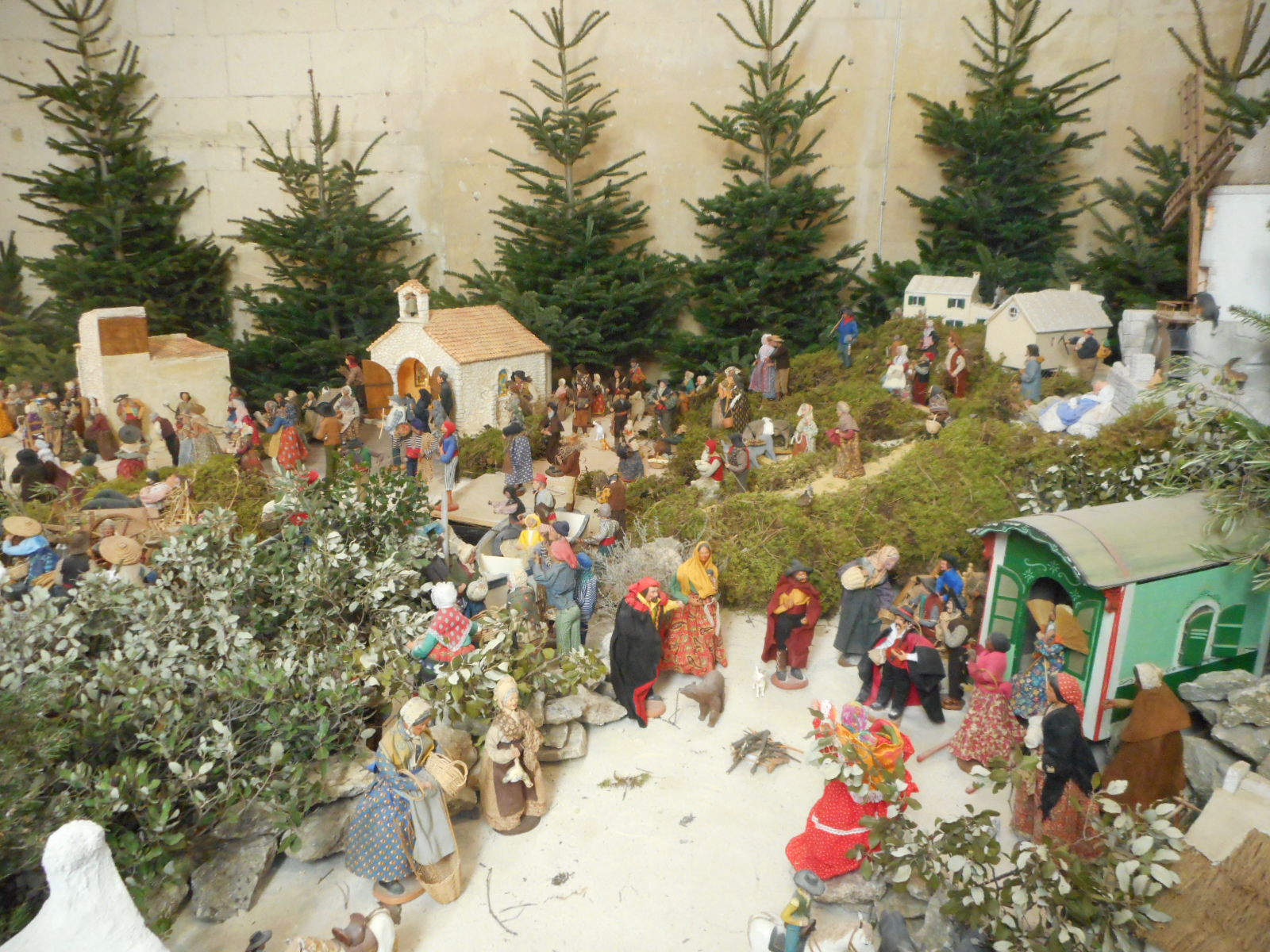
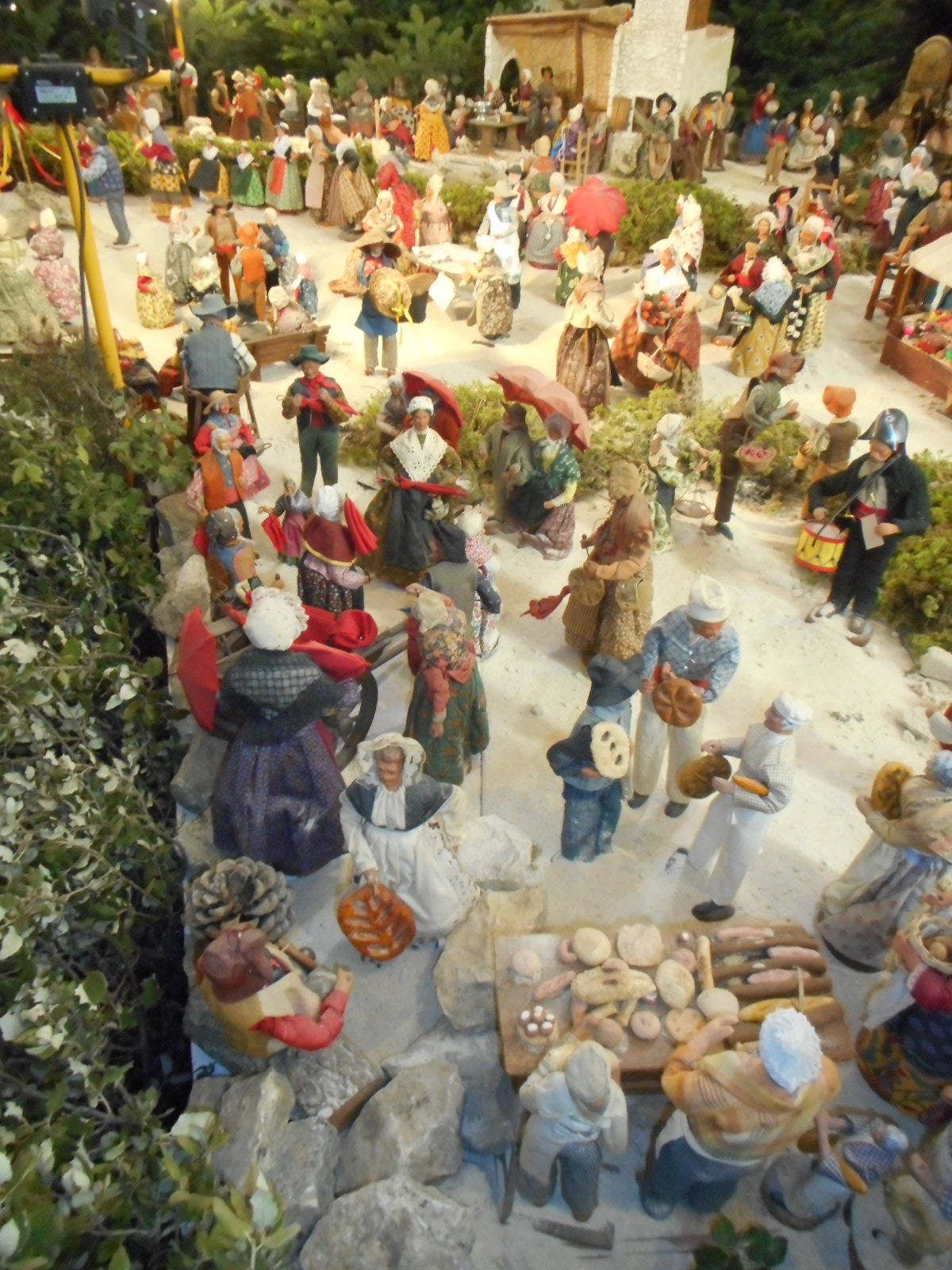
2016_1127tarasconmm0016I’ve said it before and I’ll say it again: no matter how much the rest of the world deem Tarascon to be a non-starter, I inevitably find it an interesting place full of surprises. Where else do you find a weather vane depicting a monster? What other town has open access to the relics of St Martha? And, where else, at a point in the year where there are no tourists, can you take your expresso on a tiny terrace listening to a Provencal folk troupe and watch Arlesienne ladies dancing a Farandole?

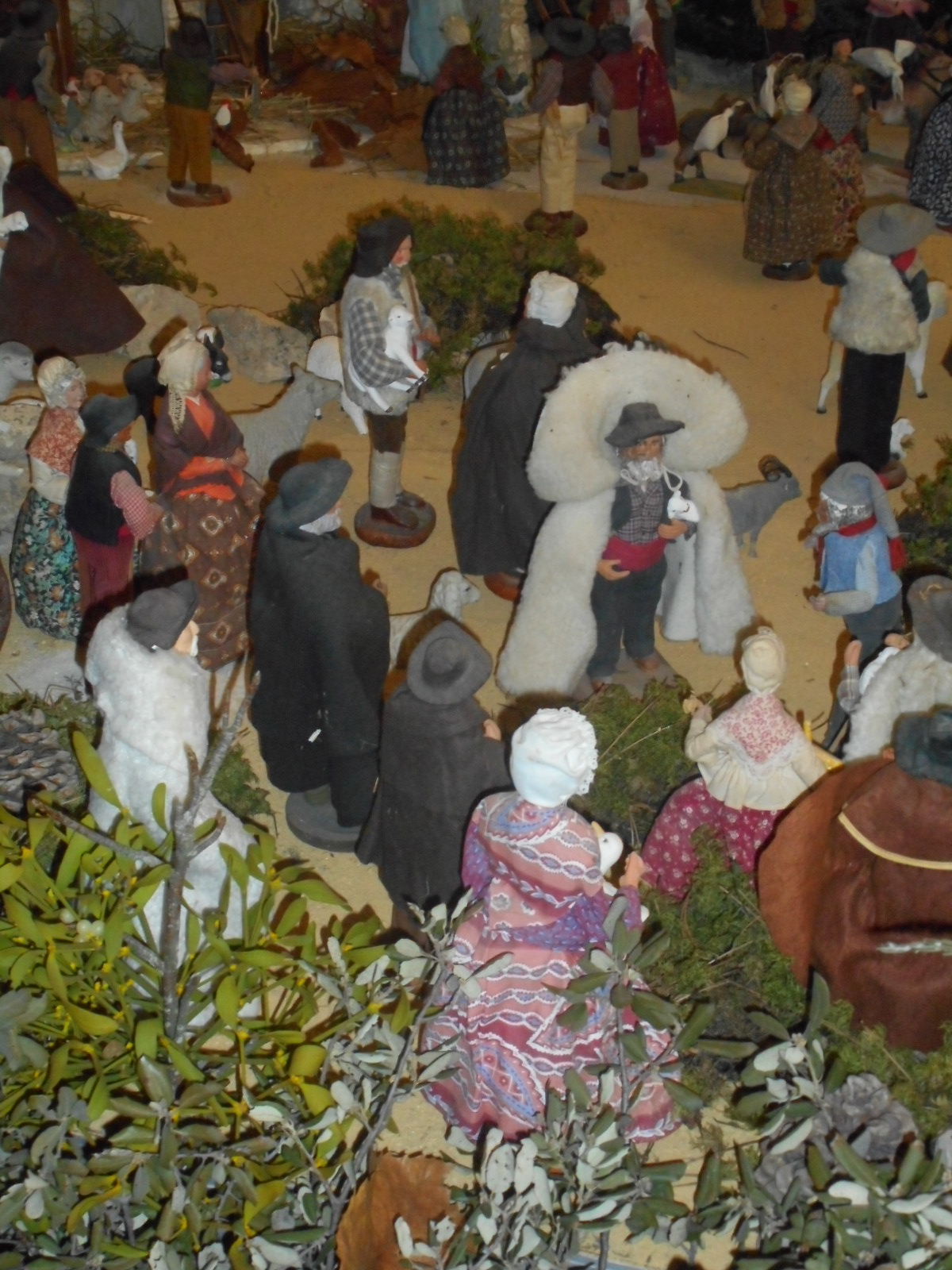
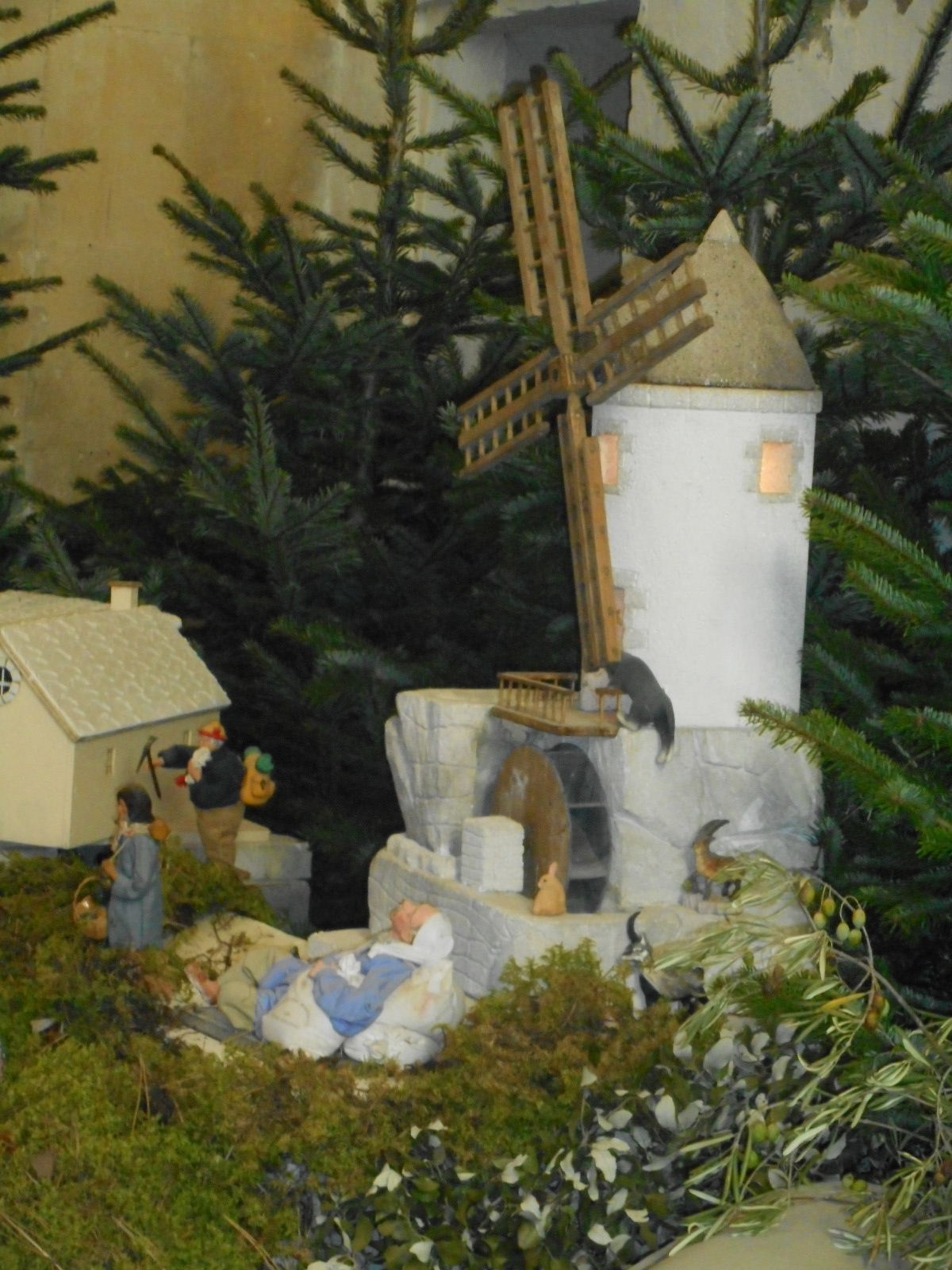
2016_1127tarasconmm0021We are minded to visit the Christmas crèche. In fact, for the duration of our ten day sojourn, this is the only thing that I’ve been adamant about seeing. Naturally, we can’t find it. There are plenty of signs but, as a long-time ex-pat resident said only the other day, the French don’t do directions. We wander along the back streets, find this choir by accident and ask every other person including two police officers. They all know the creche is in the aptly named Chapel of Perseverance but no-one is quite sure how the chapel might be located.

A Provencal Christmas crèche is unlike any other: the nativity is a minor inclusion; the point and purpose is that all of the other santons depicting Provencal life will be present because, of course, Jesus was born in Provence. If you think his visitors comprised only shepherds and kings, think on. 2016_1127tarasconmm0025 2016_1127tarasconmm0034 2016_1127tarasconmm0029 2016_1127tarasconmm00332016_1127tarasconmm00352016_1127tarasconmm0032 2016_1127tarasconmm0030


Wow Tarascon! Thank-you but we must dash as we’re due down the notorious road that runs between Noves and Cabannes. Only those that have read THE book will understand the significance of this. Phyllida and the partner who cannot be named are hosting lunch. After, we sit in the sunniest of gardens and I bemoan the fact that the small spotted ponies are nowhere to be seen. Phyllida suggests we visit Monsieur Martin. Oh yes please! And Monsieur Martin, who doesn’t know he is a literary character, is delighted to have so many visitors on this delicious Provencal Sunday in November.

2016_1127tarasconmm0053 2016_1127tarasconmm0054 2016_1127tarasconmm0048 2016_1127tarasconmm0043


I’m a writer – get me out of here!

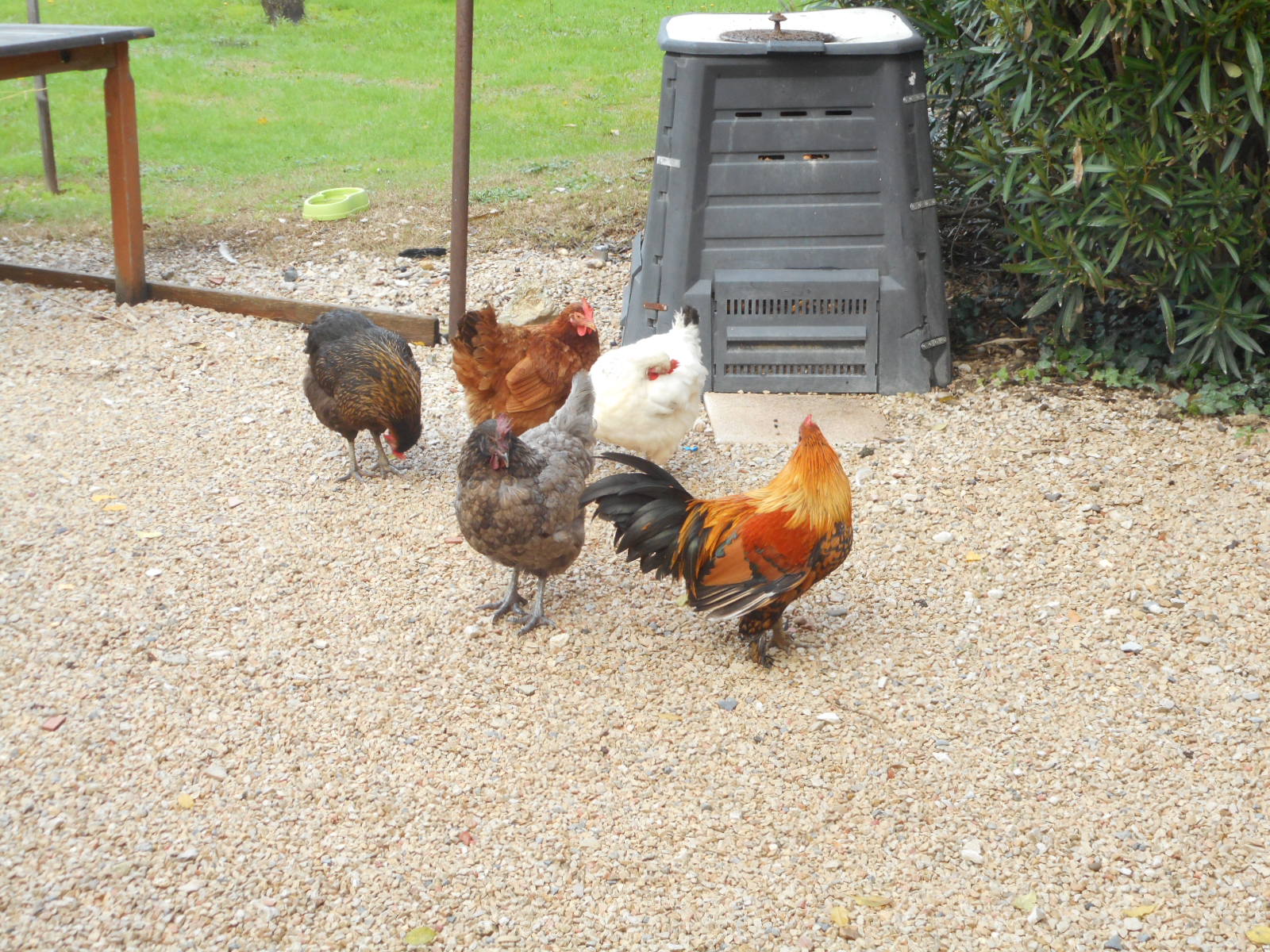
2016_1122nov20160001The two chicken-sitters were safely ensconced in their upstairs abode, at the end of a dark French lane in the middle of nowhere. The owners had left for another country and the writers were in sole charge of the estate, five chickens and a cat called Poodle: an almost-free holiday. You know what they say about no such thing as a free lunch …

It began well enough. We’d journeyed into St Remy, wandered the market and, sans coats, taken the aperitif in glorious sunshine on the terrace of the infamous Bar-Tabac des Alpilles. Our dear American writer friend turned up and we three, having met again, cackled our way through a delicious pork fillet drenched in a creamy sauce and accompanied by luscious potatoes Dauphinoise. A dousing of Rosé from the close-at-hand Ventoux served to lubricate the warning signs in Bev’s throat. All was well with the world.

Later, following a much-needed siesta chez nous, we awoke to discover the skies had become more than a whiter shade of pale: downright bloody grey-turning-black actually. What’s the end of that line about meeting again? Oh yes, ‘in thunder, lightning, or in rain’. The writers, armed with a tempting slice of dry bread, persuaded the chickens back into their coop for the night. Bev had several conversations with herself about foxes. To make her feel better, I recounted a funny story about sitting pool-side last summer when a ropey looking vixen turned up for a drink. Bev didn’t laugh so I let her watch a Strictly Come Dancing programme as a treat. She seemed to be sniffing a lot.

I noticed that all the outside lights, including that lovely big one on the Plane tree, had shut themselves off; we couldn’t see a thing but we could hear the wild wind shaking up the cypresses and generally wending its destructive way through Provence. No matter: we’d boarded up the shutters and moved on to Master Chef, delighting in hapless cooks being humiliated by nasty Greg.

Bev thought a cup of tea might make her feel better. It probably would’ve done but there didn’t seem to be any water coming out of the tap. Any of them. Bev said she was going to bed. Downright flaky I say. Personally, I don’t think she drinks enough wine.

The storm was fearful: no point counting the gaps between the thunder and lightning – there weren’t any. All the long night, the rain fell fiercely and fearlessly and the storm rattled one’s very bones. No point getting up until it passed because there was no electricity, so no lights. Just us in our respective rooms with the darkness punctuated only by frequent flashes.

We rose, bleary-eyed, at une bonne heure to try and attempt repairs. In Bev’s boudoir, I entered a large orange box above the malfunctioning toilet and tripped a switch. Hurrah! Electricity. With the aid of our trusty torch, I made my way through the wet gloom of early, silent-birded morning to the even more silent boiler room on another part of the estate where I succeeded in repairs to the water pump. Back in our joint, I took a welcome shower only to have the water dry up before I could even get the conditioner on. Trying to make the best of a very bad hair day, I noticed Bev, still sniffing, had spent valuable time and electricity on making toast on which she’d spread, in my non-judgemental opinion, an excessive amount of Reine Claude confiture. ‘Why can’t you function without breakfast’, I demanded? ‘Why can’t you function without washing your bloody hair’, she retorted? Good point.

We went our separate ways: she to tend chickens, me back to the water pump. Onwards to trip more switches throughout the estate, feed the cat called Poodle, write a diplomatic email to the owners, take a phone call from Portugal, discuss the plan for the day, return to bed for more sleep and, finally, run away to Arles.