

I’ve seen a few of these bushes around lately. I find them quite interesting in as much as the blooms and berries appear together. I’ve no idea what they are. Recently, I was supposed to go on a botanical walk with my old French teacher at which point I may have discovered some handy horticultural hints. Instead, we met for a two hour coffee during which I might have been in trouble for not completing my homework fourteen years ago.
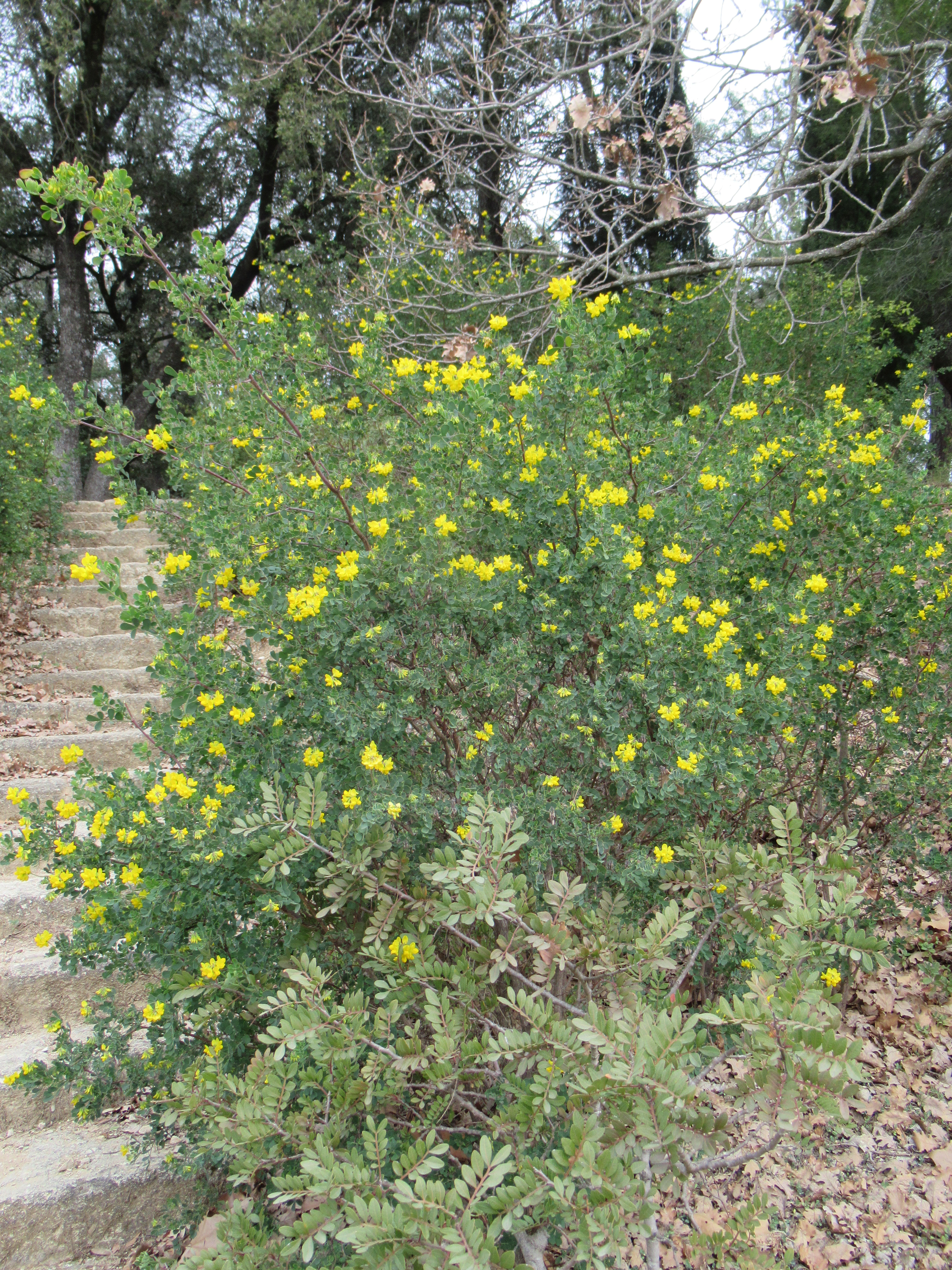
I don’t know what this is either; it’s like gorse but without the prickles. These photos aren’t as random as you might think. Yesterday, Eleanor and I decided to visit Pont du Gard. We’d both been before but only idiots turn down a second or third visit to a World Heritage Site; especially at this time of year when crowds are thin on the ground. The thing is, almost all my previous posts have depicted gloriously blue skies but the weather yesterday was grey. Sort of English grey. In fact, it even tried raining at one point. So, having decided to press on, I thought I’d try to capture some of the flora to brighten things up.
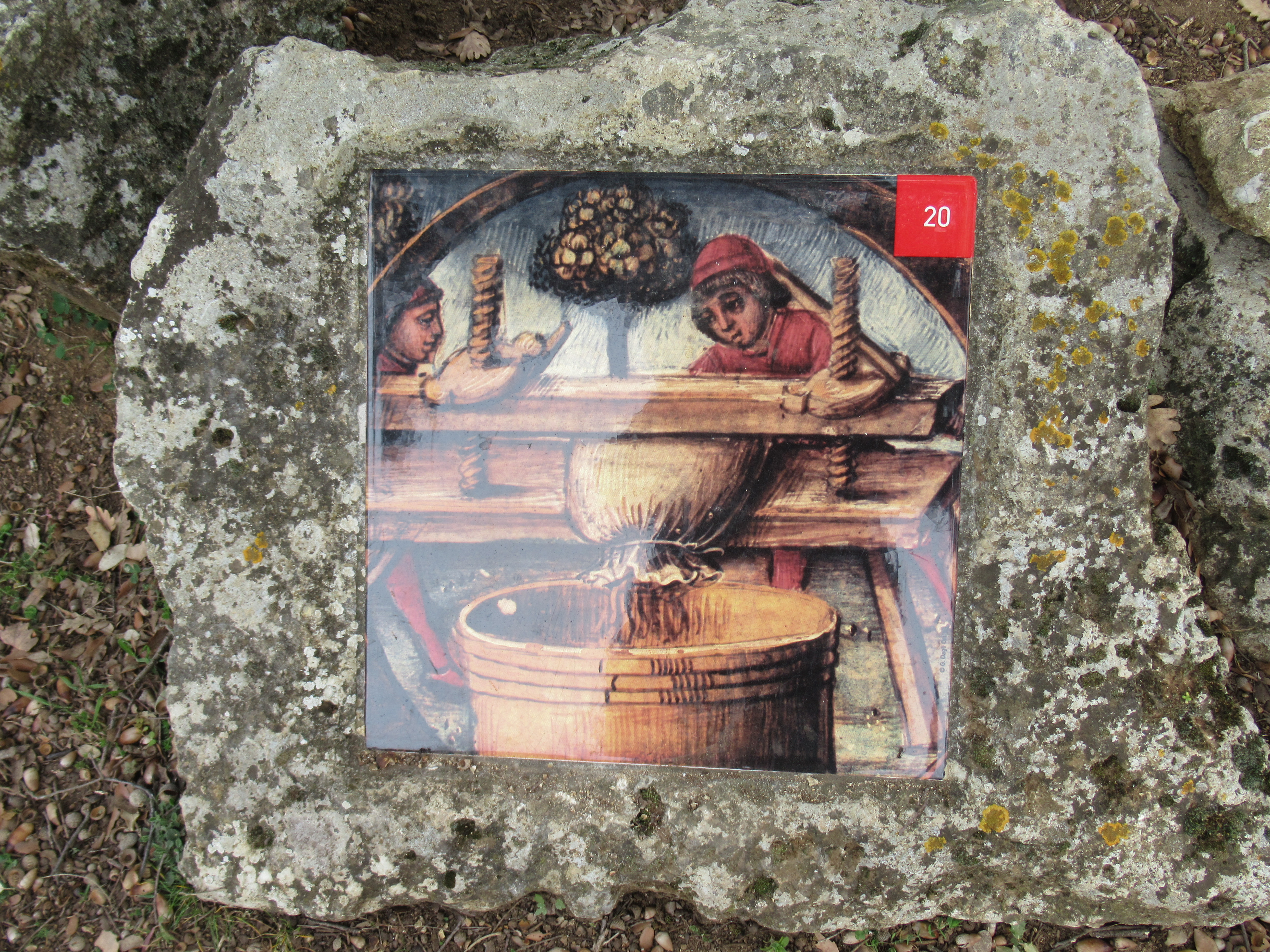
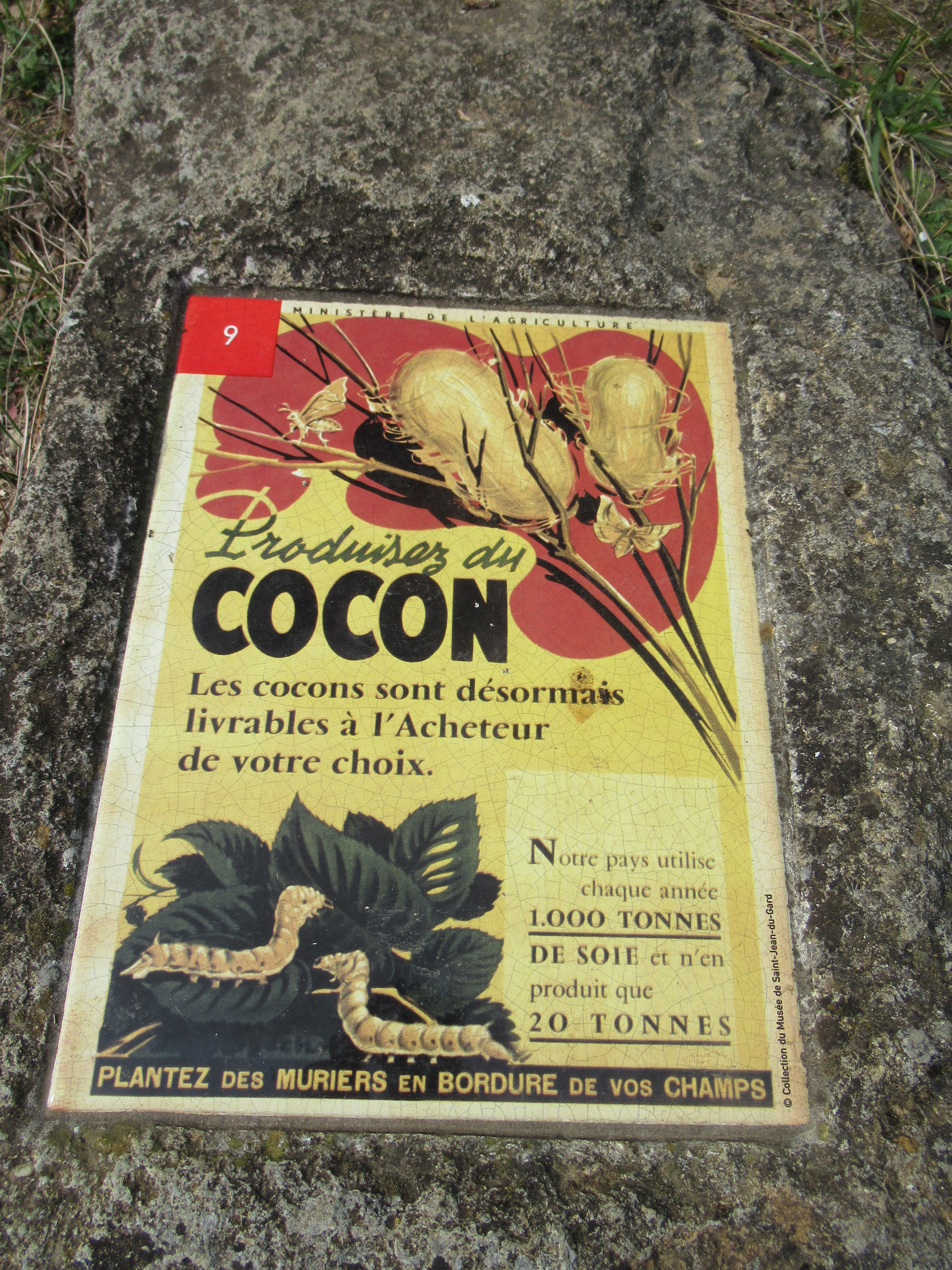
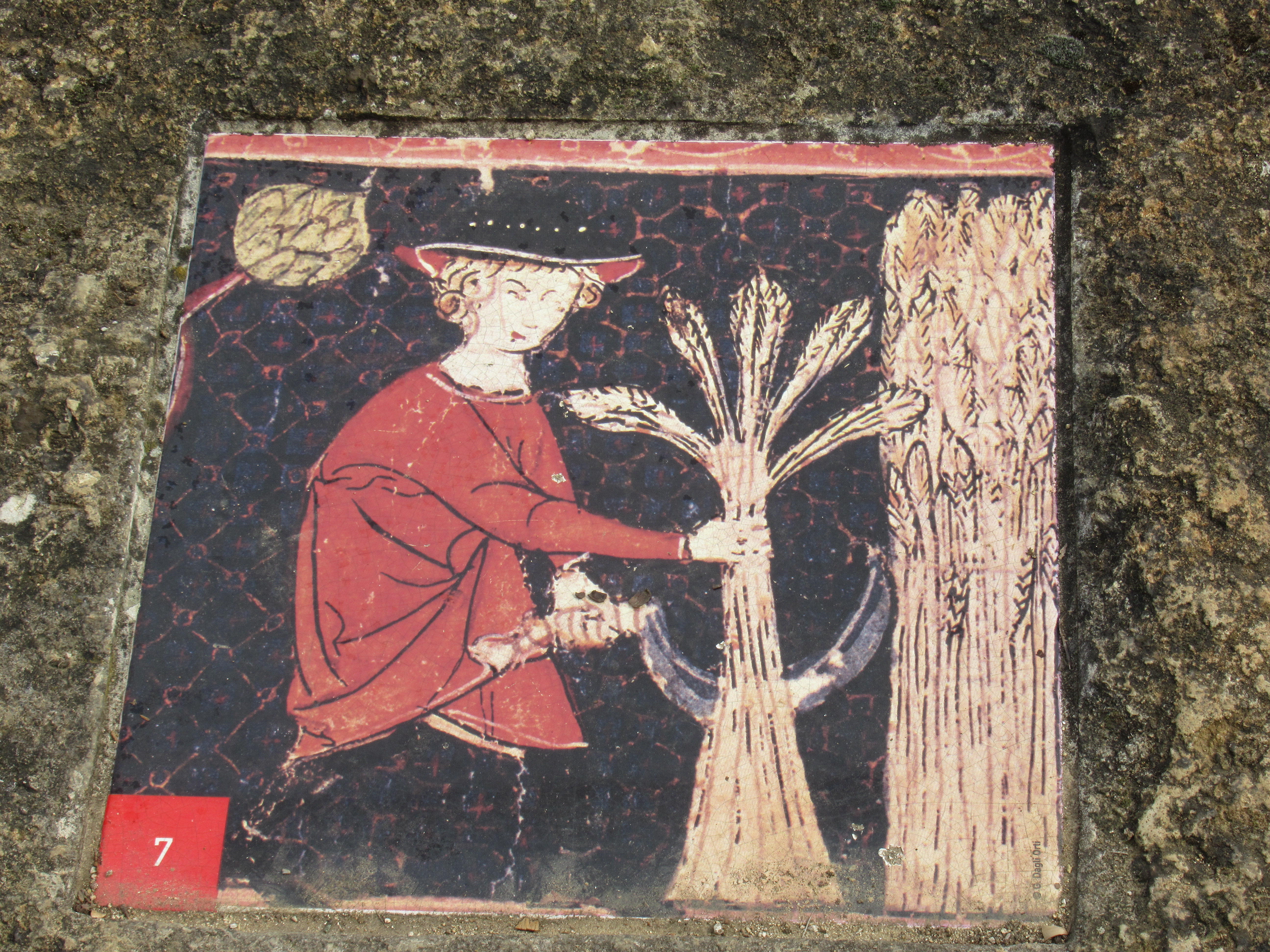
Firstly, we took a walk away from the bridge and up into the hills. I could tell she wasn’t over the moon: she’s the sort of friend who wants to visit the bridge, cross over, come back and find somewhere decent for lunch. Me, I’m on holiday and I’m seeing everything. There are 49 UNESCO World Heritage Sites in France but only a few are Grand Sites (Pont du Gard is one). I didn’t know that so I carefully read the information that explains what’s so different about Grand Sites. Could it be the essence of historicity? Or geography? Or uniqueness? No, it depends on how much time, money and effort is being paid to maintain and expand the area. And that depends on how much money is being given to the place. It’s a bit of a virtuous cycle.
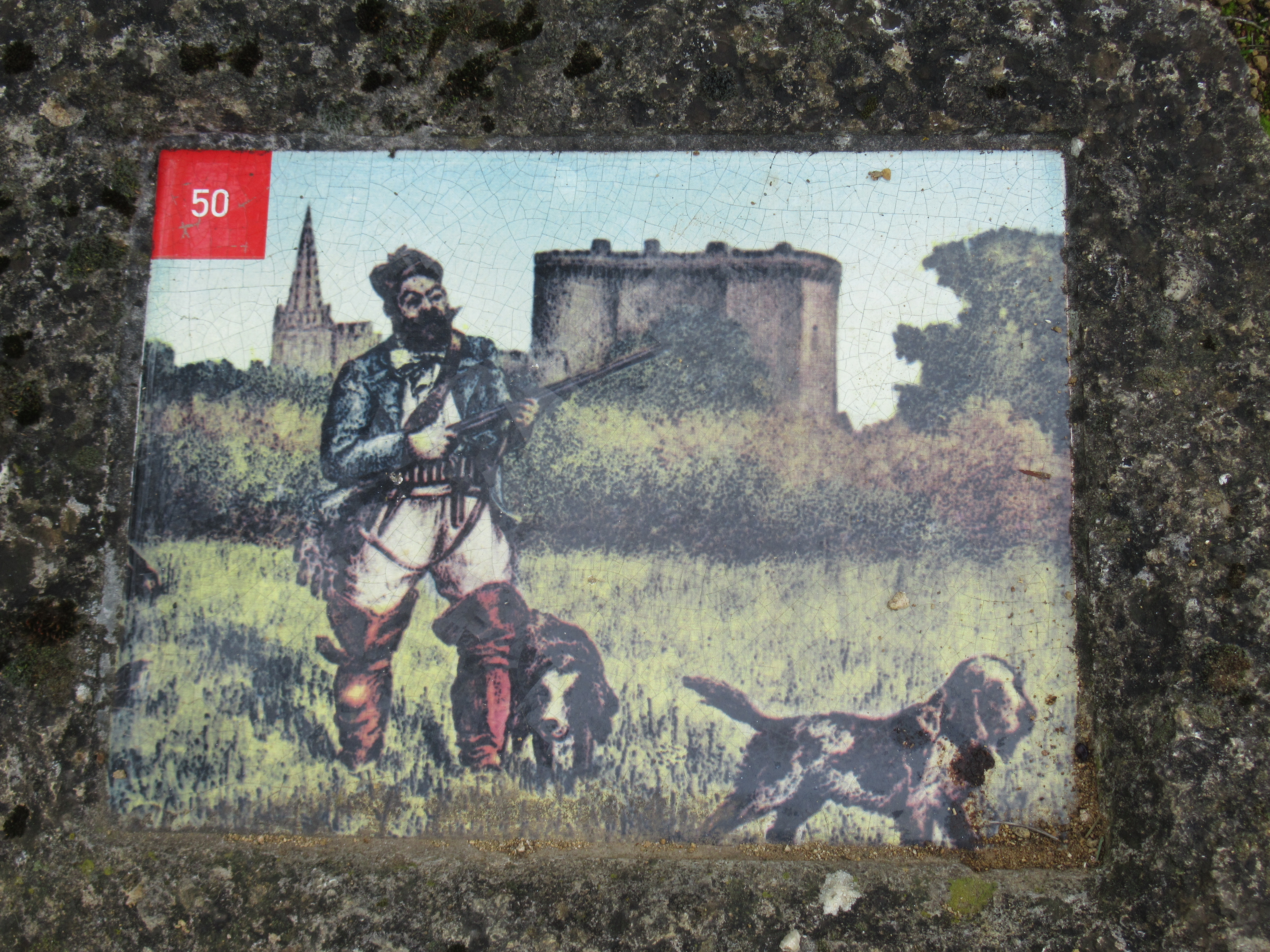
Those in charge at Pont du Gard have developed this trail which is a sort of living museum en plein air, to illustrate the history of the Garrigue. It looks quite new: the olive groves aren’t thick and bushy, the cereals haven’t yet sprouted, the mulberries are difficult to discern. I can see why Eleanor wasn’t overly impressed. On the other hand, they have made an effort to contextualise the bridge and don’t have a bunch of men dressed in Roman gear wandering around which might have been an alternative. The three previous photos show ancient images depicting various agriculture, viticulture and suchlike. I’m really looking forward to buying some cards of these in the gift shop later.
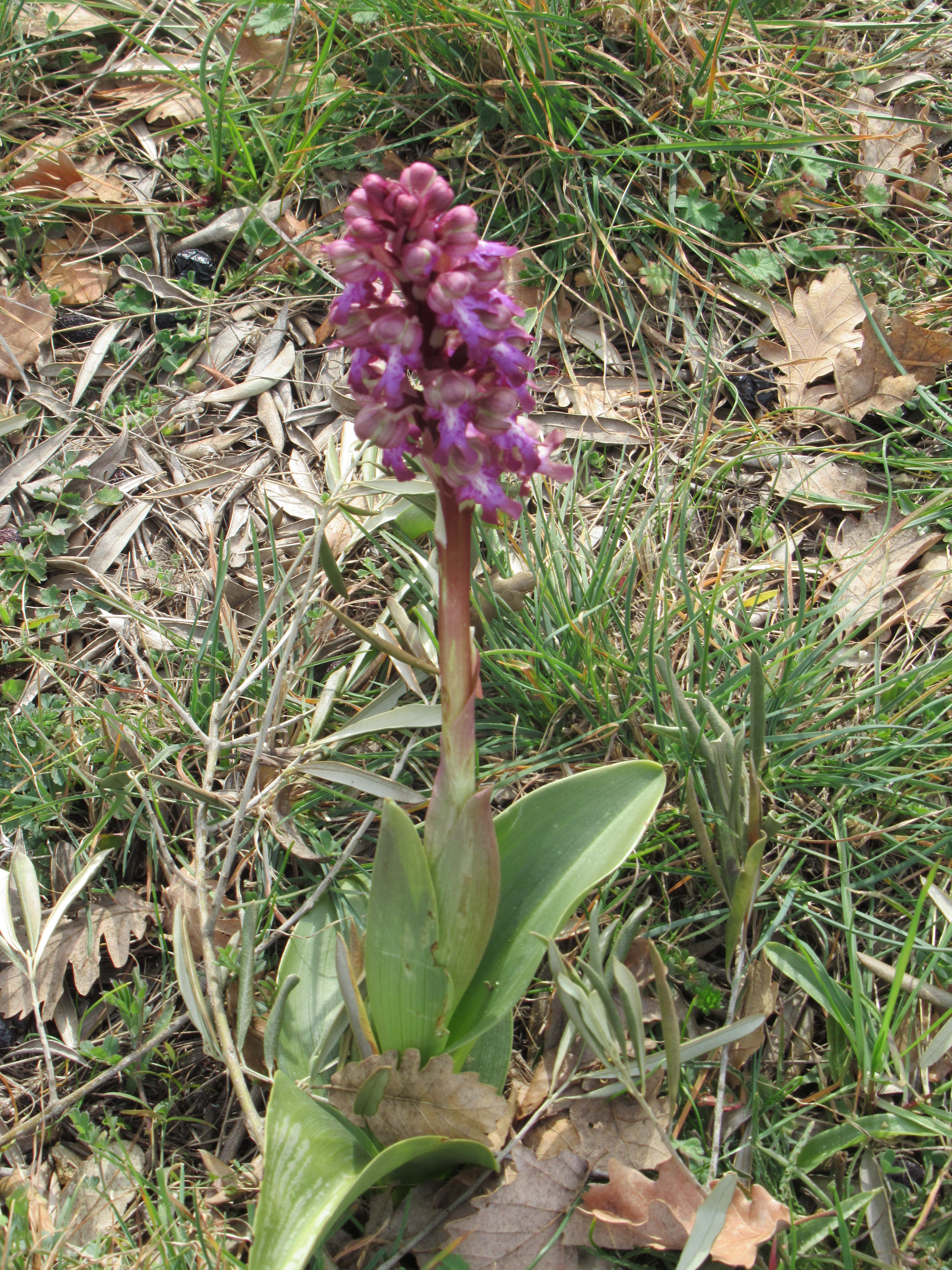
And here’s a wild orchid. They grow all over the place in this region; even down the verges of the lanes.
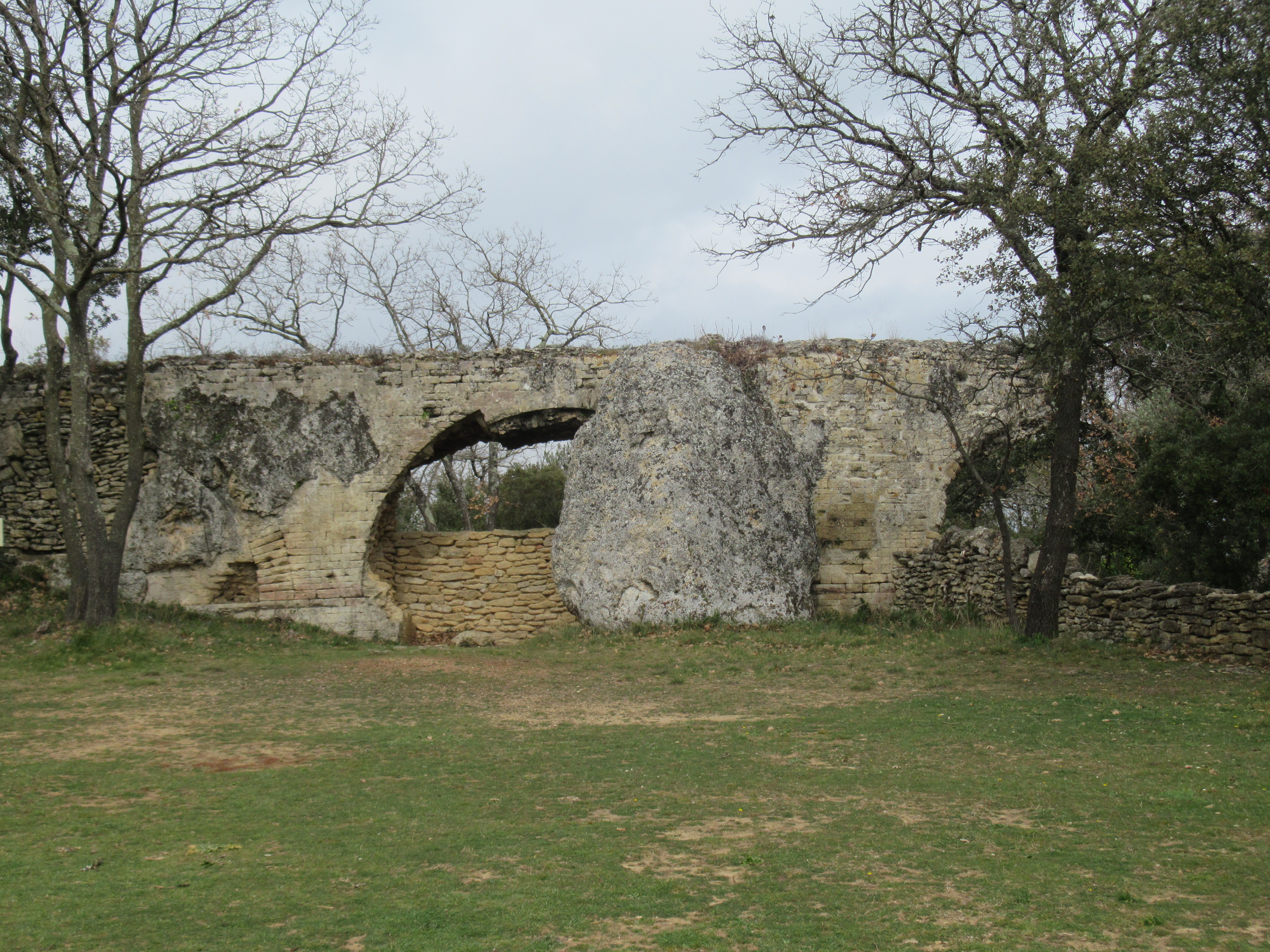
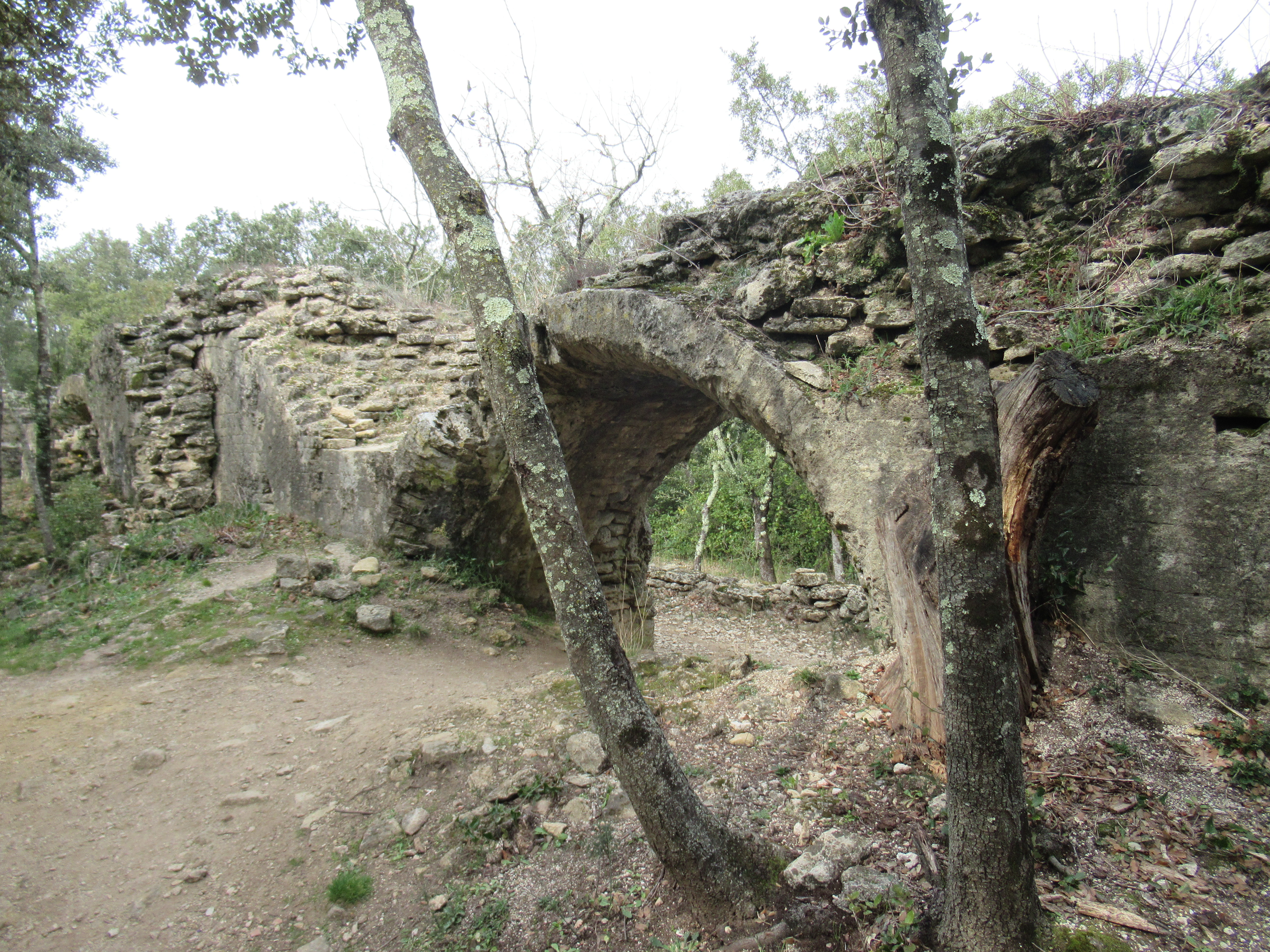
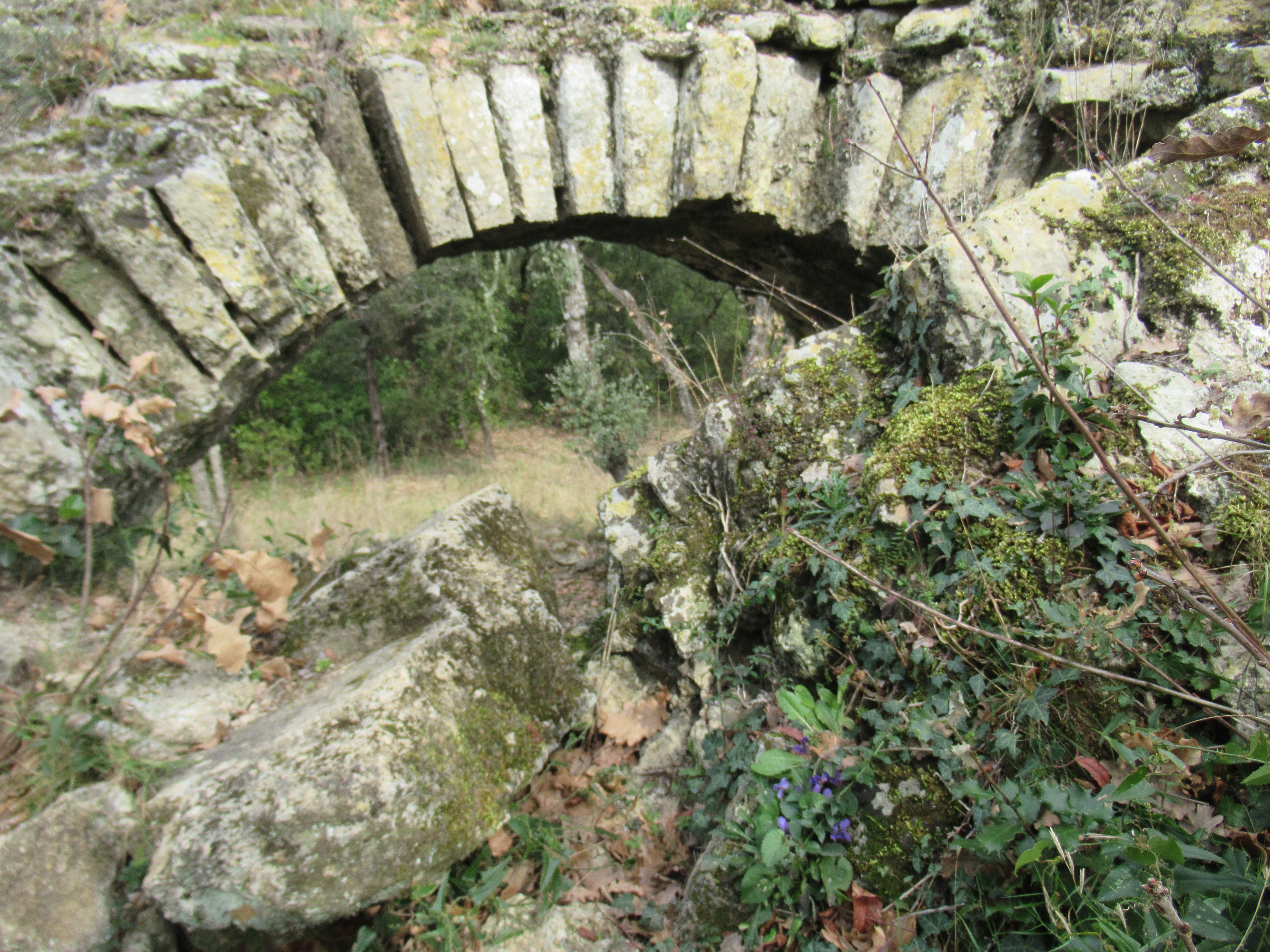
And here are a few brave violets fighting a way through a bunch of stones. Actually, these stones form part of the remains of the aqueduct that carried the water of the River Gard from Uzes to Nimes (via the Pont du Gard). Roman aqueducts were amazing feats of engineering, stretching for miles and miles. The Nimes aqueduct is a middle-sized affair, being a mere 50 kilometres. In the marvellous museum, one can watch a film made by someone using a drone to follow its path and even though it’s nowhere near the longest (426 kilometres in Turkey) it’s still stunning to see the topography traversed.
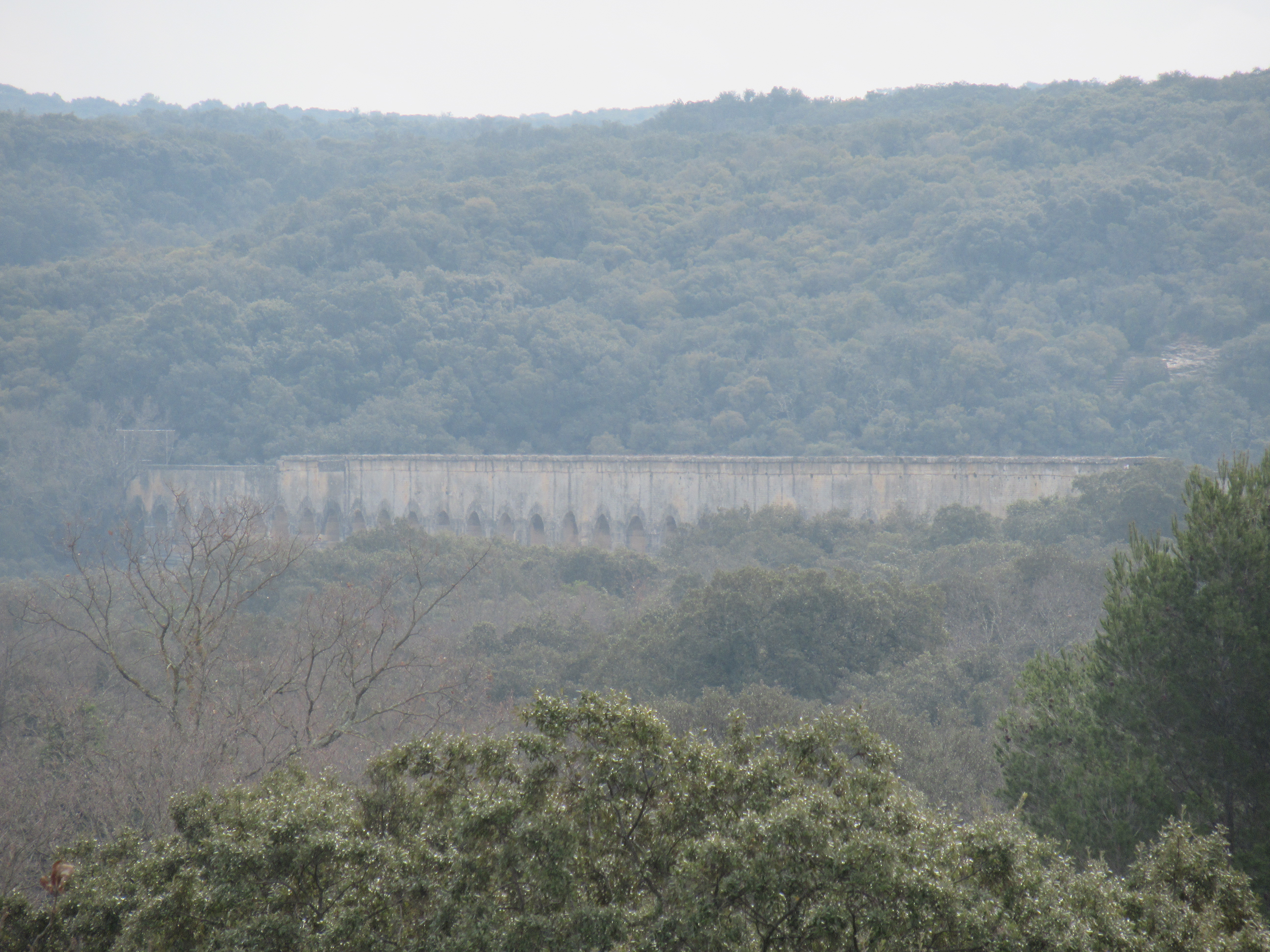
Speaking of which, we traversed a lot of topography on our ramble, finally reaching the viewpoint across the valley of the Gard. I used my zoom to capture the distant bridge which, even in the gloom, looks pretty impressive to me.

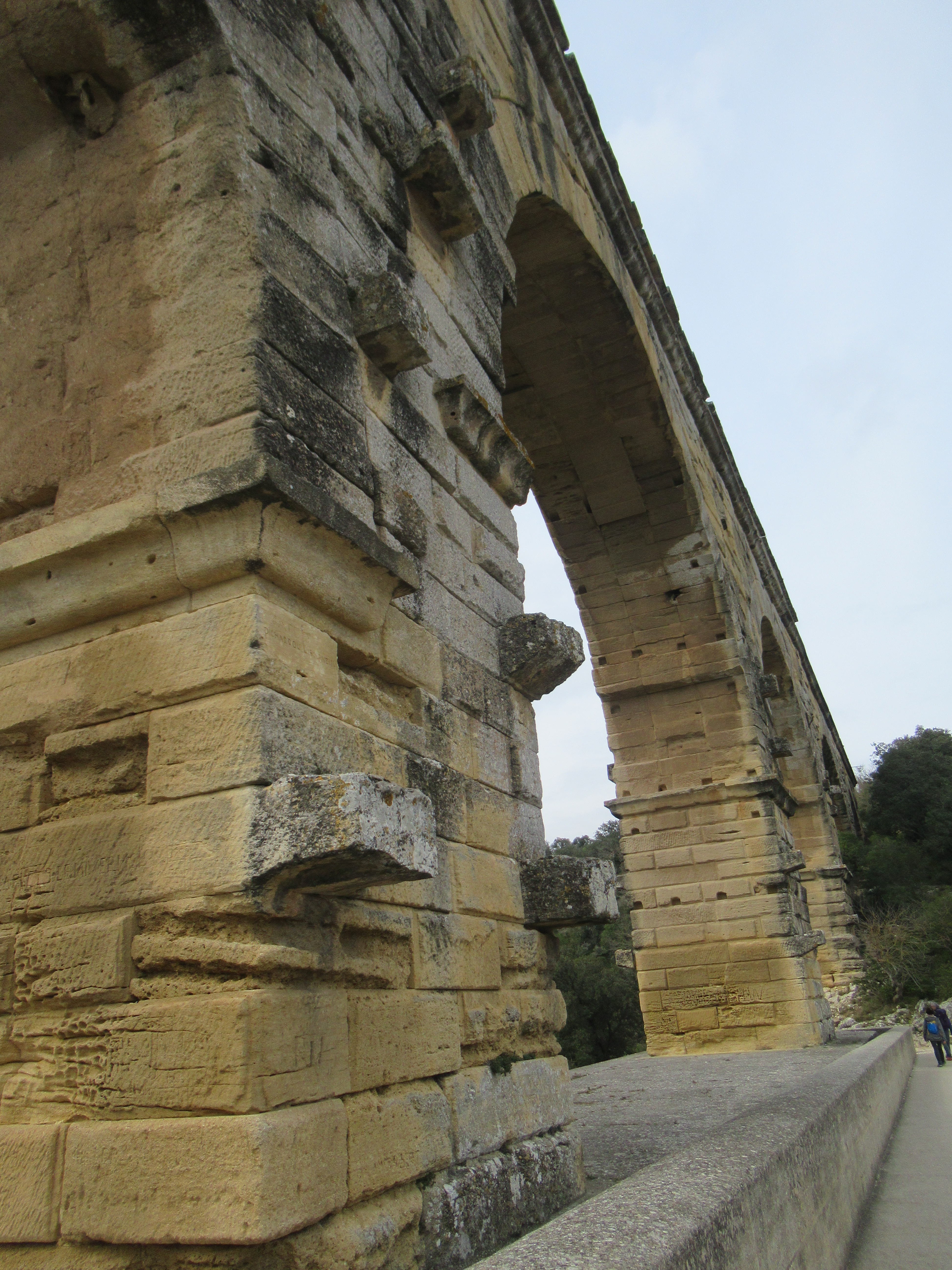
Back down the hill, we finally reached Pont du Gard, and even if you’ve seen it before, in sunlit skies, it never fails to impress. I’m a bit iffy with bridges, even though it seems bizarre to class this one into the generic mix. Nonetheless, we got half way across and one of the things we both noticed was an abundance of swifts darting gleefully around in a desire to mix with history. I wonder how many years they’ve been doing that. There they were again in the film of the bridge in the museum. Amazing that the French haven’t shot them and put them on kebabs. For years I’ve been driving through France singing ‘Aloutte, gentil aloutte’, about the skylark but it’s taken me until now to recognise that the translation is about plucking all the bird’s feathers out, and this nursery rhyme is designed to teach small French children about body parts.
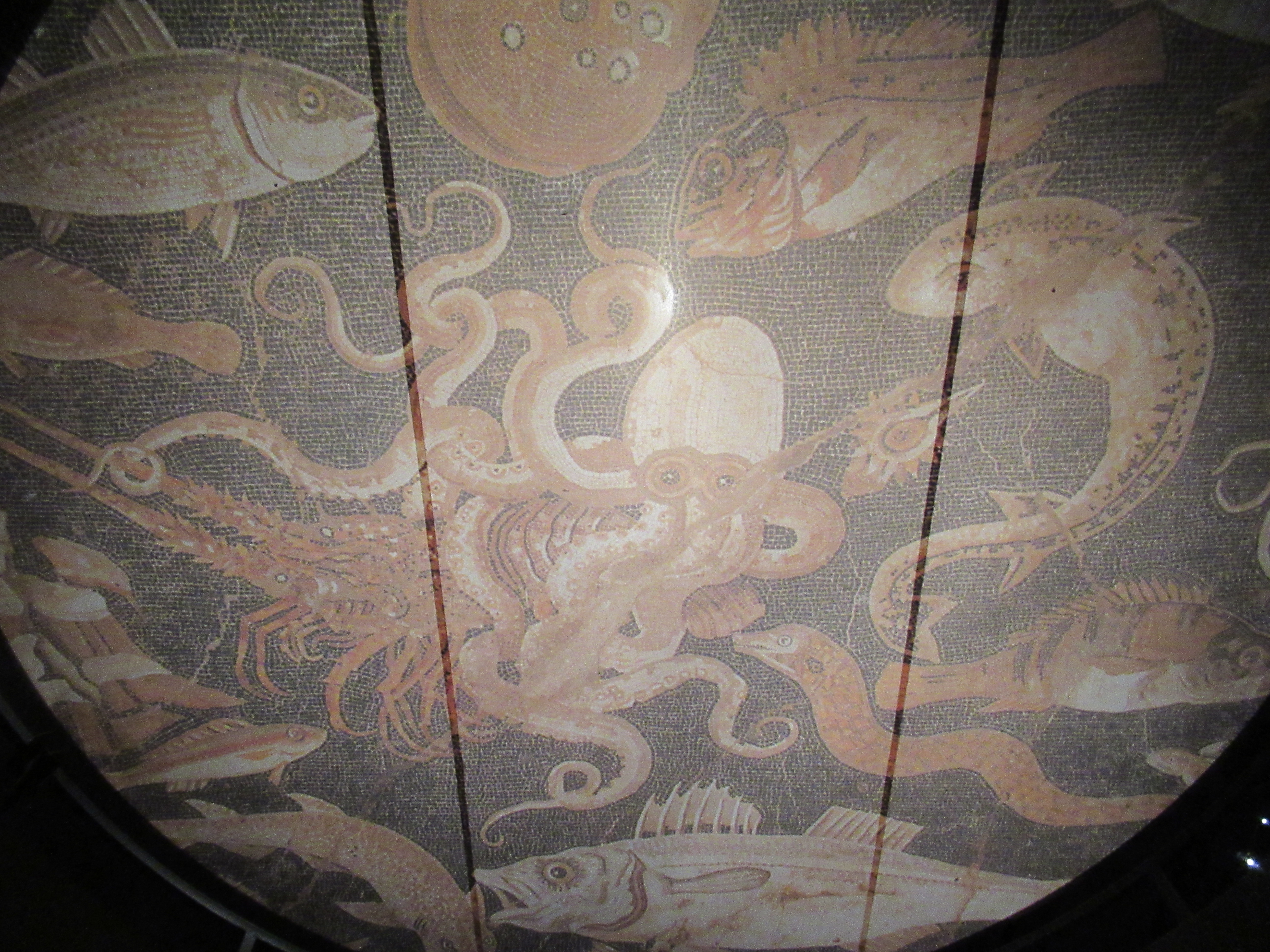
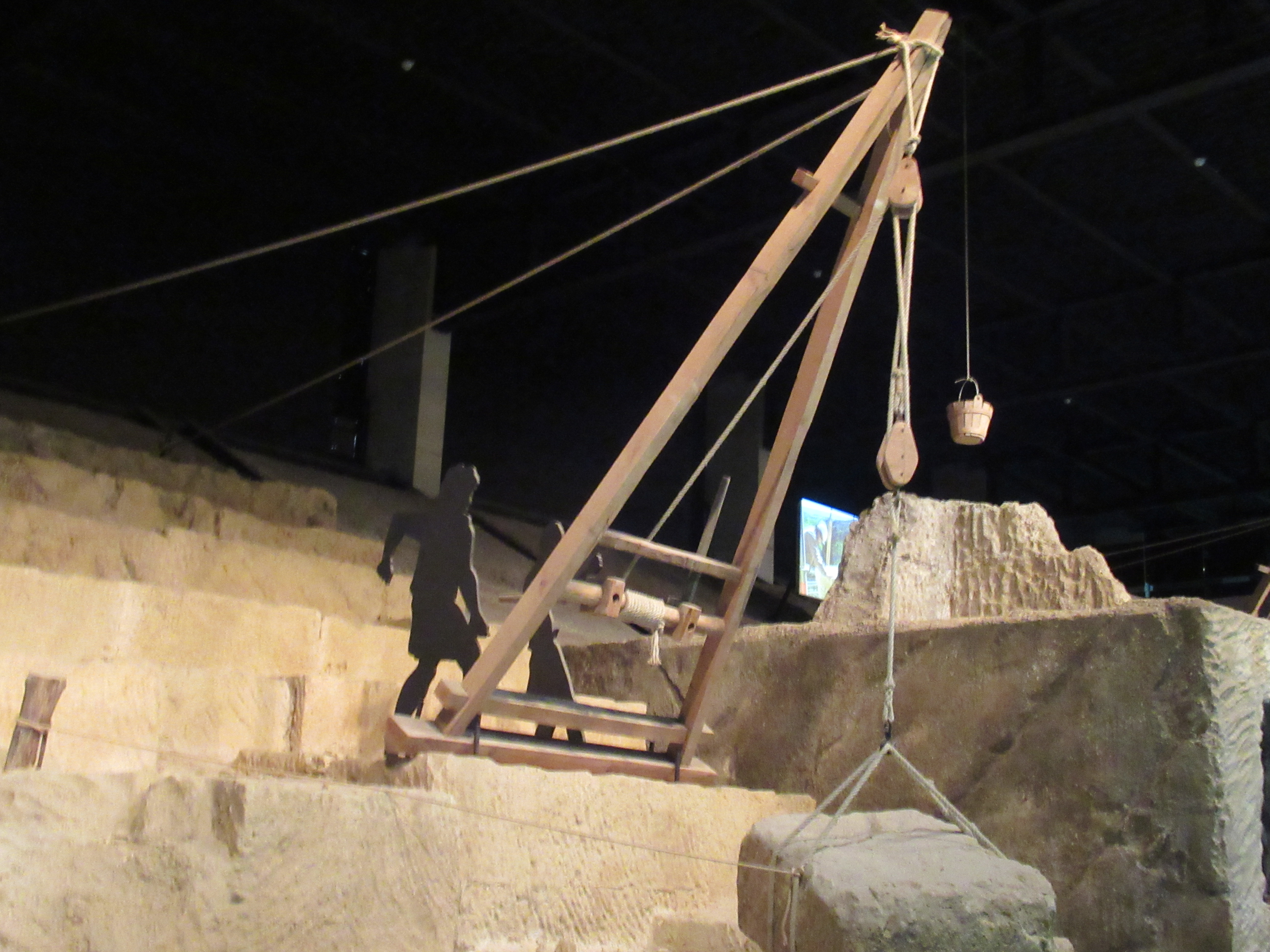
And finally, to the on site museum which is fabulous. Every visit brings something new to look at. Not for the man in front of me though, who was denied access because he didn’t have a vaccine pass. The rules are changing on Monday but no-one knows what to. Good job my host ‘mended’ my pass last night which had somehow disabled itself due to lack of interest. The world can’t cope with pestilence and war simultaneously – one too many horsemen of the apocalypse arriving on the doorstep.
And speaking of the unspeakable, the gift shop was closed. It’s the end of the world.
 Donald and the Weasels
The yellow bush might be coronilla but it’s difficult to be certain without a closer photo.
Once again great photos and blog….brightens by day and makes me giggle which makes K2 look at me wierdly